1. Executive Summary
Semaglutide is a glucagon-like peptide-1 (GLP-1) receptor agonist that has fundamentally transformed the treatment of type 2 diabetes and obesity. Originally developed by Novo Nordisk as a once-weekly injectable for diabetes (Ozempic), semaglutide subsequently gained FDA approval at a higher dose for chronic weight management (Wegovy) and as a once-daily oral formulation for diabetes (Rybelsus). With clinical trial data demonstrating average weight loss of 15-17% of body weight, a 20% reduction in major adverse cardiovascular events, and significant renal protective effects, semaglutide has become the most extensively studied and widely prescribed GLP-1 receptor agonist in the world.
Key Takeaways
- Semaglutide 2.4 mg weekly produces 14.9-17.4% mean body weight loss across the STEP trial program, with roughly one-third of participants losing over 20% of their body weight.
- The SELECT cardiovascular outcomes trial demonstrated a 20% reduction in major adverse cardiovascular events (MACE) in patients with overweight/obesity without diabetes - the first weight-loss drug to earn an FDA cardiovascular risk reduction indication.
- The FLOW renal outcomes trial showed a 24% reduction in major kidney events, establishing semaglutide as the first GLP-1 agonist with dedicated evidence for kidney protection.
- Gastrointestinal side effects (nausea, diarrhea, vomiting) are the most common adverse events, generally mild-to-moderate and diminishing over time with proper dose titration.
- Emerging research supports potential applications in NASH/liver disease, obstructive sleep apnea, alcohol use disorder, and Alzheimer's disease, significantly broadening the therapeutic scope of GLP-1 receptor agonism.
This report represents the most comprehensive single-source analysis of semaglutide available. Drawing on data from more than 50 completed clinical trials enrolling over 45,000 participants, as well as real-world evidence from millions of prescriptions, post-marketing surveillance data, and ongoing investigational studies, this report provides an exhaustive examination of every aspect of semaglutide therapy - from its molecular design and receptor pharmacology through its clinical efficacy across multiple indications, its detailed safety profile, and its practical use in clinical settings including compounding pharmacy options.
Key Findings Summary
Weight Loss: Semaglutide 2.4 mg weekly produces mean weight loss of 14.9-17.4% across the STEP trial program, with approximately one-third of patients achieving ≥20% weight loss. Two-year data from STEP 5 shows sustained 15.2% weight loss at 104 weeks.
Diabetes: HbA1c reductions of 1.5-1.8 percentage points across SUSTAIN trials, with 66-79% of patients achieving HbA1c <7.0%. Superior to sitagliptin, empagliflozin, canagliflozin, dulaglutide, and exenatide ER in head-to-head trials.
Cardiovascular: 20% reduction in MACE (SELECT trial, HR 0.80), 26% reduction in MACE (SUSTAIN-6, HR 0.74). Benefits observed independent of diabetes status. Significant reductions in C-reactive protein and arterial inflammation.
Renal: 24% reduction in major kidney events (FLOW trial, HR 0.76). First GLP-1 to demonstrate kidney-specific outcomes benefit. Trial stopped early for overwhelming efficacy.
Safety: Most common adverse events are gastrointestinal (nausea 44%, diarrhea 30%, vomiting 24%). Pancreatitis incidence <0.3%. No confirmed increase in medullary thyroid carcinoma in humans. Gallbladder events increased (1.6% vs 0.7% placebo).
The clinical impact of semaglutide extends far beyond its originally intended indications. Emerging research has revealed potential benefits in non-alcoholic steatohepatitis (NASH), chronic kidney disease, obstructive sleep apnea, heart failure with preserved ejection fraction, alcohol use disorder, and neurodegenerative disease. Cellular health supports such as NAD+ are also being studied in metabolic contexts. These findings, coupled with the development of next-generation analogs (oral non-peptide GLP-1 agonists, combination therapies like CagriSema), suggest that semaglutide represents not an endpoint but a platform for continued therapeutic innovation.
Semaglutide reached blockbuster status faster than almost any drug in pharmaceutical history. Ozempic generated $13.9 billion in sales in 2023, with Wegovy adding $4.5 billion and Rybelsus contributing $3.2 billion - making semaglutide the highest-revenue molecule in the Novo Nordisk portfolio and one of the best-selling drugs globally. Demand has consistently outstripped supply, leading to widespread shortages that fueled a parallel market for compounded semaglutide products and intensified regulatory and political scrutiny around drug pricing and access.
Who This Report Is For
This report is designed to serve as a comprehensive reference for multiple audiences:
- Clinicians and prescribers seeking detailed evidence to guide treatment decisions, dosing, and patient counseling
- Researchers requiring a synthesized overview of the complete semaglutide evidence base across indications
- Patients and patient advocates looking for thorough, science-based information to support informed discussions with their healthcare providers
- Pharmacists (including compounding pharmacists) needing detailed pharmaceutical and regulatory information
- Health policy professionals evaluating the public health impact, economic considerations, and access challenges related to GLP-1 therapy
Scope and Methodology
This report synthesizes evidence from the following sources: peer-reviewed publications indexed in PubMed and MEDLINE (search date through February 2025); clinical trial data from ClinicalTrials.gov registrations; FDA approval packages, prescribing information, and advisory committee transcripts; European Medicines Agency (EMA) assessment reports; American Diabetes Association (ADA) Standards of Care; Endocrine Society clinical practice guidelines; American Association of Clinical Endocrinology (AACE) consensus statements; and selected conference presentations from the ADA Scientific Sessions, European Association for the Study of Diabetes (EASD) Annual Meeting, and ObesityWeek. Where possible, data from randomized controlled trials are prioritized over observational studies, which are in turn prioritized over case reports and expert opinion.
2. History & Development Timeline
The development of semaglutide represents the culmination of more than four decades of incretin biology research, beginning with the discovery of gut-derived hormones that regulate insulin secretion and continuing through increasingly sophisticated peptide engineering efforts that transformed a fragile, rapidly degraded endogenous hormone into a strong, once-weekly therapeutic agent.
The Discovery of Incretins (1902-1986)
The incretin concept - that oral glucose administration stimulates greater insulin secretion than equivalent intravenous glucose - was first suggested by experiments conducted by Bayliss and Starling in 1902, when they discovered secretin and proposed that the gut produces hormones that regulate digestive processes. However, it was not until 1964 that McIntyre, Holdsworth, and Turner formally demonstrated the incretin effect by showing that oral glucose produced significantly greater insulin responses than intravenous glucose at matched blood glucose concentrations.
The identification of the specific hormones responsible for the incretin effect took another two decades. Gastric inhibitory polypeptide (GIP), later renamed glucose-dependent insulinotropic polypeptide, was isolated by John Brown in 1970 from porcine intestinal extracts. However, GIP could only account for a portion of the incretin effect, suggesting the existence of additional incretin hormones.
The breakthrough came in 1983 when Graeme Bell and colleagues cloned the proglucagon gene and discovered that it encoded not only glucagon but also two additional peptides: glucagon-like peptide-1 (GLP-1) and glucagon-like peptide-2 (GLP-2). In 1986, Mojsov, Heinrich, and Habener demonstrated that GLP-1(7-36) amide - the truncated, amidated form produced by post-translational processing in intestinal L-cells - was a potent insulinotropic hormone, establishing GLP-1 as the "second incretin."
The physiological importance of GLP-1 was quickly established through a series of landmark studies in the late 1980s and early 1990s. Researchers showed that GLP-1 stimulated insulin secretion in a strictly glucose-dependent manner (reducing hypoglycemia risk), suppressed glucagon secretion, slowed gastric emptying, and - crucially - reduced appetite and food intake when administered to both rodents and humans. These pleiotropic effects made GLP-1 an extraordinarily attractive therapeutic target for type 2 diabetes.
The DPP-4 Problem and the Engineering Challenge (1990-2000)
The path from biological discovery to therapeutic application was blocked by a formidable pharmacokinetic challenge: native GLP-1 has a plasma half-life of approximately 1.5-2 minutes. This extraordinary brevity results from rapid enzymatic degradation by dipeptidyl peptidase-4 (DPP-4), a ubiquitous serine protease that cleaves the N-terminal dipeptide (His7-Ala8) of GLP-1, converting it to the inactive metabolite GLP-1(9-36). Additionally, GLP-1 is rapidly cleared by the kidneys, with a renal clearance rate exceeding glomerular filtration rate, suggesting active tubular secretion.
This 2-minute half-life meant that continuous intravenous infusion was required to achieve therapeutic GLP-1 levels - clearly impractical for chronic disease management. Two parallel strategies emerged to overcome this limitation:
- DPP-4 inhibitors - small molecules that block the DPP-4 enzyme, thereby increasing endogenous GLP-1 levels. This approach led to the development of sitagliptin (Januvia), vildagliptin, saxagliptin, linagliptin, and alogliptin. While effective and well-tolerated, DPP-4 inhibitors produce only modest incretin level increases (2-3 fold) and consequently modest clinical effects.
- GLP-1 receptor agonists - engineered GLP-1 analogs resistant to DPP-4 degradation with extended half-lives. This approach led to exenatide (from Gila monster venom), liraglutide, and ultimately semaglutide. These agents achieve supraphysiological GLP-1 receptor activation and consequently larger clinical effects.
Novo Nordisk's GLP-1 Program: From Liraglutide to Semaglutide (1997-2012)
Novo Nordisk, the Danish pharmaceutical company with deep expertise in diabetes care (having manufactured insulin since the 1920s), initiated its GLP-1 agonist program in the late 1990s. The company's first-generation product was liraglutide, which was designed by modifying native GLP-1 with two key changes: an arginine substitution at position 34 and the attachment of a C-16 palmitic acid fatty acid chain at position 26 via a glutamic acid spacer. The fatty acid chain enabled non-covalent binding to albumin in the bloodstream, creating a circulating reservoir that extended the half-life to approximately 13 hours - long enough for once-daily injection but not sufficient for weekly dosing.
Liraglutide was approved as Victoza (1.2 mg and 1.8 mg) for type 2 diabetes in 2010 and subsequently as Saxenda (3.0 mg) for weight management in 2014. While commercially successful, liraglutide's daily injection requirement remained a limitation. Novo Nordisk recognized that a once-weekly formulation would significantly improve patient compliance and began engineering a next-generation molecule.
The semaglutide design team, led by medicinal chemists at Novo Nordisk's research facility in Måløv, Denmark, made three critical modifications to the GLP-1 backbone:
- Position 8: Alanine → α-aminoisobutyric acid (Aib) - This non-natural amino acid substitution at the DPP-4 cleavage site renders the molecule completely resistant to DPP-4 degradation. Aib is a di-methylated amino acid that creates steric hindrance, physically blocking the DPP-4 active site from accessing the peptide bond.
- Position 34: Lysine → Arginine - This substitution prevents fatty acid conjugation at an undesired position, ensuring that acylation occurs exclusively at position 26.
- Position 26: Fatty di-acid acylation - A C-18 octadecandioic fatty di-acid chain was attached to lysine 26 via a mini-PEG linker and glutamic acid spacer. This longer fatty acid chain (compared to liraglutide's C-16 chain) provided stronger albumin binding (>99% bound) and dramatically extended the half-life to approximately 165 hours (~7 days), enabling once-weekly dosing.
The resulting molecule - semaglutide - retained 94% amino acid sequence homology to native human GLP-1(7-37) while achieving a 5,000-fold increase in half-life compared to the endogenous hormone. The name "semaglutide" follows the International Nonproprietary Name (INN) convention for GLP-1 analogs, with the "-glutide" stem indicating GLP-1 receptor agonist activity.
Clinical Development Program (2012-2024)
Semaglutide's clinical development was conducted across three major trial programs, each targeting a different indication and formulation:
SUSTAIN Program (2015-2020): Injectable Semaglutide for Type 2 Diabetes
The SUSTAIN (Semaglutide Unabated Sustainability in Treatment of Type 2 Diabetes) program comprised 12 Phase 3 trials enrolling over 10,000 patients with type 2 diabetes. SUSTAIN 1-5 compared subcutaneous semaglutide (0.5 mg and 1.0 mg weekly) to placebo and active comparators including sitagliptin, exenatide ER, insulin glargine, dulaglutide, and canagliflozin. SUSTAIN-6 was a dedicated cardiovascular outcomes trial (CVOT). Later SUSTAIN trials (7-12) explored the 2.0 mg dose and additional comparators.
PIONEER Program (2017-2021): Oral Semaglutide for Type 2 Diabetes
The PIONEER (Peptide Innovation for Early Diabetes Treatment) program was a significant effort to develop the first oral formulation of a GLP-1 receptor agonist. Ten Phase 3 trials enrolled approximately 9,500 patients. The oral formulation uses the sodium N-(8-[2-hydroxybenzoyl] amino) caprylate (SNAC) absorption enhancer to facilitate transcellular absorption of semaglutide across the gastric epithelium.
STEP Program (2019-2024): Injectable Semaglutide for Obesity
The STEP (Semaglutide Treatment Effect in People with Obesity) program evaluated semaglutide 2.4 mg weekly for chronic weight management. The program includes STEP 1-5 and several additional studies (STEP HFpEF, STEP TEENS, STEP UP) across diverse populations including adults with and without diabetes, adolescents, and patients with heart failure.
Regulatory Milestones
| Date | Event | Significance |
|---|---|---|
| December 2017 | Ozempic FDA approval (0.5 mg, 1 mg) | First semaglutide approval; indicated for type 2 diabetes |
| February 2018 | Ozempic EMA approval | European approval for type 2 diabetes |
| September 2019 | Rybelsus FDA approval (7 mg, 14 mg) | First oral GLP-1 receptor agonist ever approved |
| June 2021 | Wegovy FDA approval (2.4 mg) | Approved for chronic weight management in adults with BMI ≥30 or ≥27 with comorbidity |
| January 2022 | Ozempic 2.0 mg FDA approval | Higher diabetes dose; improved glycemic control |
| March 2023 | Wegovy cardiovascular indication | First weight-loss drug approved to reduce CV risk (based on SELECT trial) |
| December 2023 | Wegovy approved for adolescents ≥12 years | Based on STEP TEENS data |
| March 2024 | FLOW trial results published | First GLP-1 to demonstrate dedicated kidney outcomes benefit; trial stopped early |
3. Mechanism of Action: How Semaglutide Works
Semaglutide's therapeutic effects are mediated through activation of the GLP-1 receptor (GLP-1R), a class B G-protein-coupled receptor (GPCR) expressed across multiple organ systems. Understanding the tissue-specific distribution of GLP-1 receptors and the downstream signaling cascades they activate in each tissue is essential. For additional scientific resources, visit our science page. Understanding these pathways for comprehending both the therapeutic benefits and potential adverse effects of semaglutide therapy.

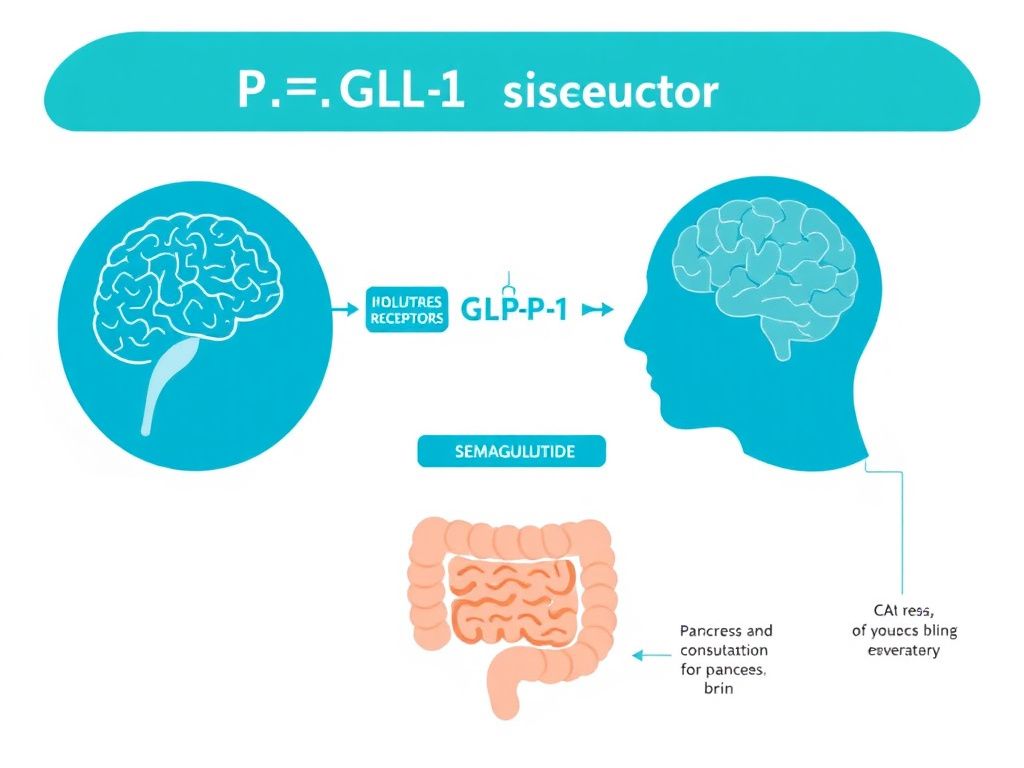
Figure 1: Semaglutide mechanism of action - GLP-1 receptor activation across target organ systems
3.1 GLP-1 Receptor Structure and Signaling
The GLP-1 receptor is a 463-amino acid protein belonging to the class B1 (secretin-like) family of GPCRs. Unlike class A GPCRs (which include most drug targets), class B1 receptors possess a large extracellular domain (ECD) of approximately 120-160 amino acids that forms the initial binding site for peptide ligands. The binding mechanism follows a "two-domain" model: the C-terminal portion of the GLP-1 peptide first engages the ECD, which then positions the N-terminal portion of the peptide to insert into the transmembrane domain (TMD) core, triggering receptor activation.
Upon ligand binding, the GLP-1 receptor undergoes a conformational change that enables coupling to heterotrimeric G proteins, primarily Gαs. This initiates a signaling cascade:
- cAMP Generation: Gαs activates adenylyl cyclase, increasing intracellular cyclic AMP (cAMP) concentrations. In pancreatic β-cells, this is the primary signaling event driving insulin secretion.
- PKA Activation: cAMP activates protein kinase A (PKA), which phosphorylates multiple downstream targets including CREB (cAMP response element-binding protein), ion channels, and exocytotic machinery.
- Epac2 Activation: cAMP also activates exchange protein directly activated by cAMP 2 (Epac2), which potentiates insulin granule exocytosis through Rap1-mediated mechanisms, independent of PKA.
- β-Arrestin Recruitment: Following G-protein coupling, GLP-1R is phosphorylated by G-protein-coupled receptor kinases (GRKs), leading to β-arrestin recruitment. This serves both to desensitize the receptor (terminating G-protein signaling) and to initiate β-arrestin-dependent signaling cascades including MAPK/ERK activation.
- Receptor Internalization: β-arrestin-mediated endocytosis internalizes the GLP-1R into endosomes. critically, semaglutide (like other acylated GLP-1 agonists) continues to signal from endosomal compartments, contributing to its sustained pharmacodynamic effect beyond what would be predicted from receptor surface occupancy alone.
3.2 Pancreatic Effects
Insulin Secretion (β-Cells)
The most immediate and well-characterized effect of semaglutide is the glucose-dependent stimulation of insulin secretion from pancreatic β-cells. GLP-1 receptors are abundantly expressed on β-cells, and their activation amplifies glucose-stimulated insulin secretion (GSIS) through the cAMP/PKA/Epac2 pathways described above. Critically, this effect is glucose-dependent: GLP-1R activation enhances insulin secretion only when blood glucose is elevated above fasting levels. When glucose falls to or below normal fasting concentrations, the insulinotropic effect of GLP-1R activation is extinguished. This glucose-dependency is the molecular basis for semaglutide's low inherent risk of hypoglycemia - a major advantage over sulfonylureas and exogenous insulin, which stimulate insulin secretion regardless of ambient glucose concentration.
The mechanism of glucose-dependency involves the closure of ATP-sensitive potassium channels (KATP) by glucose metabolism. At low glucose, open KATP channels maintain a hyperpolarized membrane potential that prevents cAMP-mediated amplification of exocytosis. Only when glucose metabolism closes KATP channels and depolarizes the membrane can cAMP-PKA signaling effectively potentiate insulin granule fusion. Semaglutide further enhances this process by increasing intracellular calcium oscillation frequency and amplitude through effects on L-type calcium channels and intracellular calcium stores.
Glucagon Suppression (α-Cells)
Semaglutide suppresses glucagon secretion from pancreatic α-cells, reducing hepatic glucose output and contributing to its glucose-lowering effect. Whether this occurs through direct GLP-1R activation on α-cells (where receptor expression is debated) or indirectly through paracrine signaling from neighboring β-cells (via insulin, somatostatin, and other mediators) remains an active area of investigation. The most likely mechanism involves a combination of direct effects (α-cells express low but functional levels of GLP-1R) and paracrine effects mediated through somatostatin-secreting δ-cells, which express strong GLP-1R levels and release somatostatin in response to GLP-1R activation. Somatostatin potently inhibits glucagon secretion via somatostatin receptor type 2 (SSTR2) on α-cells.
Like the insulinotropic effect, glucagon suppression is glucose-dependent. During hypoglycemia, the counter-regulatory glucagon response is preserved in patients treated with semaglutide, providing an additional safety mechanism against severe low blood sugar events.
β-Cell Preservation
Preclinical data strongly suggest that GLP-1R activation promotes β-cell survival and may stimulate β-cell neogenesis. In rodent models of diabetes, semaglutide and other GLP-1 agonists have been shown to reduce β-cell apoptosis through activation of anti-apoptotic pathways (Bcl-2, Akt/PKB) and suppression of pro-apoptotic signals (Bax, caspase-3). Additionally, GLP-1R activation promotes β-cell proliferation through CREB-mediated upregulation of IRS2 and cyclin D1. Whether these effects translate to meaningful β-cell mass preservation in humans remains uncertain, though several clinical observations are consistent with this hypothesis, including the sustained glycemic control observed during long-term semaglutide therapy and the phenomenon of some patients achieving diabetes "remission" criteria during treatment.
3.3 Central Nervous System Effects
The appetite-suppressing and weight-reducing effects of semaglutide are primarily mediated through the central nervous system (CNS). GLP-1 receptors are expressed in multiple brain regions involved in energy homeostasis and reward processing:
Hypothalamic Signaling
The arcuate nucleus (ARC) of the hypothalamus contains two critical neuronal populations for energy balance: appetite-stimulating neurons expressing neuropeptide Y (NPY) and agouti-related peptide (AgRP), and appetite-suppressing neurons expressing pro-opiomelanocortin (POMC) and cocaine- and amphetamine-regulated transcript (CART). GLP-1R is expressed on both populations. Semaglutide activates POMC/CART neurons (increasing the production of the anorexigenic peptide α-melanocyte-stimulating hormone, α-MSH) while simultaneously inhibiting NPY/AgRP neurons (reducing orexigenic drive). This dual effect on the melanocortin system produces a powerful net reduction in appetite and caloric intake.
The paraventricular nucleus (PVN) of the hypothalamus, a key integration center for metabolic and autonomic signals, also expresses GLP-1R. Activation of PVN neurons by semaglutide modulates corticotropin-releasing hormone (CRH) release, sympathetic nervous system outflow, and thyroid axis activity, contributing to metabolic effects beyond simple appetite suppression.
Brainstem Signaling
The nucleus of the solitary tract (NTS) in the brainstem receives vagal afferent signals from the gastrointestinal tract and contains GLP-1-producing neurons (preproglucagon neurons) that project to the hypothalamus and other brain regions. GLP-1R in the NTS and area postrema (AP) mediates the nausea and satiety signals associated with semaglutide therapy. The area postrema, a circumventricular organ lacking a complete blood-brain barrier, is directly accessible to circulating semaglutide and is thought to be a primary site of action for peripherally administered drug. The NTS integrates these signals with vagal afferent input from gut mechano- and chemoreceptors, creating a multi-modal satiety signal.
Reward Pathway Modulation
Perhaps the most exciting recent discovery in GLP-1 neurobiology is the role of GLP-1R signaling in modulating the brain's reward system. GLP-1R is expressed in the ventral tegmental area (VTA) and nucleus accumbens (NAc) - key nodes of the mesolimbic dopamine reward circuit. Preclinical studies have demonstrated that GLP-1R activation in the VTA reduces dopamine release in response to palatable food, effectively decreasing the "reward value" of highly caloric foods. This mechanism may explain the commonly reported clinical observation that patients on semaglutide experience reduced cravings for specific food types (especially sweet and high-fat foods) rather than simply feeling fuller after eating.
This reward pathway modulation has profound implications beyond weight management. The same mesolimbic circuits involved in food reward are central to alcohol reinforcement, nicotine addiction, and substance use disorders. Emerging clinical data suggesting that semaglutide users report reduced alcohol consumption and decreased interest in addictive substances may be explained by this shared neurobiological mechanism (discussed in detail in Section 17: Addiction & Reward Pathway Research).
3.4 Gastrointestinal Effects
Gastric Emptying
Semaglutide slows gastric emptying by approximately 10-20% during the first few weeks of therapy. This deceleration of gastric motility contributes to post-meal satiety (food remains in the stomach longer, maintaining distension and stretch receptor activation) and also blunts postprandial glucose excursions by slowing the rate of glucose delivery to the small intestine. The gastric emptying effect is mediated through both vagal afferent pathways (activated by GLP-1R in the gut wall and brainstem) and direct effects on gastric smooth muscle and the enteric nervous system.
specifically, the gastric emptying effect of semaglutide exhibits tachyphylaxis - it attenuates with chronic use. Studies using acetaminophen absorption testing (a validated proxy for gastric emptying) show that the initial delay in gastric emptying is most pronounced during the first 4-8 weeks of therapy and partially normalizes with continued treatment. This tachyphylaxis to gastric emptying effects is clinically relevant because it explains the temporal pattern of nausea (worst during titration, improving with maintenance) and because the sustained weight loss observed during long-term therapy appears to be driven primarily by central appetite suppression rather than peripheral gastric effects.
Intestinal Motility and the Microbiome
Beyond the stomach, semaglutide affects intestinal motility throughout the GI tract. Small intestinal transit time is modestly increased, and colonic transit may be affected in some patients (contributing to the constipation reported by approximately 24% of patients in clinical trials). Emerging research suggests that the gut microbiome composition may be altered by semaglutide therapy, though it remains unclear whether these changes are a direct drug effect or a secondary consequence of altered dietary intake and intestinal transit. Preliminary 16S rRNA sequencing studies in semaglutide-treated patients have shown increases in Bacteroidetes and decreases in Firmicutes - a pattern often associated with a "leaner" gut microbiome profile.
3.5 Cardiovascular Effects
GLP-1 receptors are expressed in the heart (atrial and ventricular cardiomyocytes, cardiac fibroblasts, and coronary vascular endothelium) and vasculature (vascular smooth muscle cells, endothelial cells). Semaglutide exerts multiple cardiovascular effects through both direct receptor-mediated mechanisms and indirect effects secondary to weight loss and metabolic improvement:
- Anti-inflammatory: Semaglutide reduces circulating C-reactive protein (CRP), interleukin-6 (IL-6), and tumor necrosis factor-α (TNF-α). In the SELECT trial, CRP decreased by 37% compared to placebo. critically, arterial wall inflammation (measured by 18F-fluorodeoxyglucose positron emission tomography) is reduced by semaglutide, suggesting a direct effect on atherosclerotic plaque biology.
- Anti-atherosclerotic: Preclinical studies show that GLP-1R activation reduces monocyte adhesion to vascular endothelium, decreases foam cell formation, and attenuates smooth muscle cell proliferation within atherosclerotic plaques. These effects may stabilize vulnerable plaques and reduce the risk of acute coronary events.
- Blood pressure: Semaglutide produces modest but consistent reductions in systolic blood pressure (4-6 mmHg), likely mediated through both weight loss and direct effects on natriuresis, vascular tone, and sympathetic nervous system activity.
- Lipid effects: Semaglutide reduces triglycerides (12-20%), very low-density lipoprotein (VLDL), and remnant cholesterol, while modestly increasing high-density lipoprotein (HDL). Effects on low-density lipoprotein (LDL) are variable and generally modest.
- Cardiac metabolism: GLP-1R activation in cardiomyocytes promotes glucose uptake and utilization, potentially improving cardiac energetics in the setting of ischemia when fatty acid oxidation is impaired.
Clinical Pearl
The cardiovascular benefits of semaglutide appear to be partially independent of weight loss. In the SELECT trial, mediation analyses suggested that weight loss accounted for approximately 40% of the MACE reduction, with the remaining 60% attributable to weight-independent mechanisms (anti-inflammatory, anti-atherosclerotic, and direct cardioprotective effects). This finding has important implications for patient selection - cardiovascular benefits are expected even in patients who achieve modest weight loss on semaglutide.
3.6 Hepatic Effects
While GLP-1R expression in the liver is debated (some studies report low-level expression, others find none), semaglutide exerts significant hepatic effects likely mediated through indirect mechanisms including reduced hepatic lipid delivery (from decreased adipose tissue lipolysis and reduced caloric intake), improved insulin sensitivity (reducing hepatic de novo lipogenesis), and potentially through gut-liver axis signaling. In clinical studies, semaglutide has demonstrated substantial reductions in liver fat content (measured by magnetic resonance imaging-derived proton density fat fraction, MRI-PDFF), improvements in liver enzyme levels (ALT, AST, GGT), and histological improvements in non-alcoholic steatohepatitis (NASH) including resolution of steatohepatitis and improvement in fibrosis scores.
3.7 Renal Effects
GLP-1 receptors are expressed in the kidney, primarily in the proximal tubule, juxtaglomerular apparatus, and renal vasculature. Semaglutide's renal effects include promotion of natriuresis (sodium excretion), which may contribute to blood pressure reduction, modulation of tubuloglomerular feedback, reduction of renal oxidative stress and inflammation, and attenuation of glomerular hyperfiltration. The FLOW trial demonstrated that these mechanisms translate to clinically meaningful kidney protection, with semaglutide reducing the composite endpoint of sustained eGFR decline ≥50%, kidney failure, kidney death, or cardiovascular death by 24% compared to placebo.
4. Pharmacokinetics & Pharmacodynamics
A thorough understanding of semaglutide's pharmacokinetic (PK) and pharmacodynamic (PD) properties is essential for optimizing dosing, managing drug interactions, and counseling patients regarding timing and administration. The pharmacokinetic profile of semaglutide differs substantially. See our science resources for deeper pharmacology coverage. The PK profile between the subcutaneous injectable and oral formulations, while the pharmacodynamic effects are qualitatively similar once therapeutic exposures are achieved.
Figure 2: Pharmacokinetic comparison of subcutaneous and oral semaglutide formulations
4.1 Subcutaneous Semaglutide Pharmacokinetics
| Parameter | Value | Clinical Significance |
|---|---|---|
| Bioavailability (SC) | ~89% | High and consistent absorption from SC tissue |
| Time to peak (Tmax) | 1-3 days post-injection | Gradual absorption supports stable plasma levels |
| Half-life (t½) | ~168 hours (7 days) | Supports once-weekly dosing |
| Steady state | 4-5 weeks | Full PD effect delayed; titration accommodates |
| Volume of distribution (Vd) | ~12.5 L | Limited distribution; primarily in plasma |
| Protein binding | >99% (albumin) | Fatty acid chain mediates albumin binding |
| Clearance | ~0.05 L/hr | Very slow clearance from albumin-bound pool |
| Metabolism | Proteolytic cleavage, β-oxidation of fatty acid | No CYP450 involvement; minimal drug interactions |
| Excretion | Urine (~3% intact) and feces | No dose adjustment for renal or hepatic impairment |
Absorption Kinetics
Following subcutaneous injection, semaglutide forms a depot at the injection site from which it is slowly absorbed into the systemic circulation. The absorption rate is governed by the compound's strong self-association propensity (semaglutide forms multi-molecular complexes at injection site concentrations) and by albumin binding, which creates an intravascular reservoir. The depot formation and albumin binding together produce the characteristically flat, sustained plasma concentration profile that enables once-weekly dosing with minimal peak-to-trough fluctuation. At steady state (achieved after 4-5 weekly doses), the peak-to-trough ratio is approximately 1.5:1, indicating very stable plasma levels throughout the dosing interval.
Distribution
Semaglutide's distribution is primarily confined to the plasma compartment due to its high molecular weight (~4.1 kDa), extensive albumin binding (>99%), and hydrophilicity. The apparent volume of distribution (~12.5 L) is close to plasma volume, indicating limited tissue distribution. However, semaglutide does cross the blood-brain barrier in sufficient quantities to activate central GLP-1 receptors, as evidenced by its central appetite-suppressing effects. The mechanism of CNS penetration likely involves transport across circumventricular organs (particularly the area postrema and median eminence, which lack a complete blood-brain barrier) and possibly receptor-mediated transcytosis across brain endothelium.
Metabolism and Elimination
Semaglutide is metabolized through proteolytic degradation of the peptide backbone and β-oxidation of the fatty acid side chain. Metabolism is not dependent on cytochrome P450 (CYP) enzymes, which eliminates a major source of drug-drug interactions. The metabolic products are excreted approximately equally in urine and feces. Only about 3% of the dose is excreted unchanged in urine. critically, semaglutide PK is not clinically affected by mild, moderate, or severe renal impairment, mild to moderate hepatic impairment, age, sex, race, ethnicity, or body weight - no dose adjustments are required for any of these factors.
4.2 Oral Semaglutide Pharmacokinetics
The oral formulation of semaglutide (Rybelsus) represents a landmark pharmaceutical achievement - the first successful oral delivery of a therapeutic peptide for chronic disease management. The pharmacokinetic profile of oral semaglutide is fundamentally different from the subcutaneous formulation, primarily due to the challenges of oral peptide absorption.
| Parameter | Value | Clinical Significance |
|---|---|---|
| Bioavailability (oral) | ~0.4-1% | Extremely low; compensated by high doses |
| SNAC enhancer dose | 300 mg per tablet | Essential for gastric absorption |
| Time to peak (Tmax) | ~1 hour | Rapid absorption when taken correctly |
| Half-life | ~160 hours (similar to SC) | Once absorbed, PK identical to SC formulation |
| Steady state | 4-5 weeks | Same as SC formulation |
| Food effect | Reduces absorption by ~40% | Must be taken fasting; 30 min before food |
| Water volume effect | Volumes >120 mL reduce absorption | Take with ≤4 oz water only |
The SNAC Absorption Enhancement System
Oral semaglutide uses sodium N-(8-[2-hydroxybenzoyl] amino) caprylate (SNAC) as an absorption enhancer. SNAC is a derivative of salicylcaprylic acid that was selected after screening over 100 candidate absorption enhancers. At the acidic gastric pH, SNAC creates a local microenvironment around the semaglutide molecule that: (1) provides a localized pH buffering effect, temporarily raising pH at the gastric epithelium surface and protecting semaglutide from pepsin degradation; (2) promotes transcellular absorption of semaglutide across the gastric epithelium through a transient and reversible increase in membrane fluidity; and (3) protects semaglutide from enzymatic degradation during the absorption process.
The absorption of oral semaglutide is highly sensitive to conditions in the stomach. Food in the stomach dilutes the SNAC concentration, provides alternative surfaces for semaglutide binding (reducing the fraction available for absorption), and may alter gastric pH - all of which reduce absorption. This is why patients must take oral semaglutide on an empty stomach with no more than 4 ounces (120 mL) of plain water, and must wait at least 30 minutes before eating, drinking, or taking other oral medications.
Despite the low absolute bioavailability (~0.4-1%), the oral semaglutide doses (3, 7, and 14 mg daily) achieve therapeutic plasma concentrations comparable to subcutaneous doses. Specifically, oral semaglutide 14 mg daily achieves steady-state exposure roughly comparable to subcutaneous semaglutide 0.5 mg weekly. This dose-exposure relationship means that oral semaglutide at currently available doses provides lower exposure than the 2.4 mg subcutaneous dose used for weight management - a limitation that has prompted Novo Nordisk to develop a higher-dose oral formulation (currently in Phase 3 trials as oral semaglutide 25 mg and 50 mg).
4.3 Pharmacodynamic Relationships
Dose-Response for Weight Loss
Figure 1: Semaglutide Dose-Response Relationship for Weight Loss
The dose-response relationship for weight loss is approximately log-linear across the clinically tested dose range. In dose-finding studies, the EC50 (dose producing 50% of maximum effect) for weight loss was estimated at approximately 0.3-0.5 mg weekly for subcutaneous semaglutide. The 2.4 mg weekly dose used in STEP trials operates near the top of the dose-response curve but does not achieve a true plateau, suggesting that higher doses might produce additional weight loss - a hypothesis being tested with semaglutide 7.2 mg (the "next-generation semaglutide" in the REDEFINE trials for CagriSema comparison).
Dose-Response for Glycemic Control
For HbA1c reduction, the dose-response relationship shows a somewhat steeper initial curve with earlier plateau compared to weight loss. Most of the glycemic benefit is achieved at the 0.5-1.0 mg weekly dose range, with diminishing additional HbA1c reduction at higher doses. This differential dose-response for glycemic control versus weight loss is the pharmacological rationale for using different dose targets for diabetes (0.5-2.0 mg) versus obesity (2.4 mg) indications.
Time Course of Effects
The onset and progression of semaglutide's therapeutic effects follow characteristic time courses:
- Nausea: Onset within days of first dose or dose increase; typically peaks during weeks 1-2 at each dose level; attenuates with continued therapy
- Appetite suppression: Perceptible within the first week; progressive increase during titration; stable during maintenance
- Weight loss: Measurable weight loss begins within 2-4 weeks; approximately linear trajectory through months 4-8; gradual deceleration reaching plateau at 12-18 months
- HbA1c reduction: Detectable at 4 weeks; most of the reduction achieved by 12-16 weeks; continued slow improvement through 30-40 weeks
- Cardiovascular risk reduction: Benefit emerges gradually; statistically significant separation from placebo at approximately 12-18 months; continues to accrue throughout the treatment period
5. Formulations: Ozempic, Wegovy & Rybelsus
Semaglutide is commercially available in three branded formulations, each with distinct indications, doses, delivery systems, and titration schedules. Understanding the differences between these formulations is essential for appropriate prescribing and patient counseling.
Figure 3: Semaglutide branded formulations - Ozempic, Wegovy, and Rybelsus compared
5.1 Ozempic (Subcutaneous Semaglutide for Type 2 Diabetes)
Ozempic is supplied in pre-filled, multi-dose pen injectors for subcutaneous administration. Each pen contains a fixed concentration of semaglutide in a phosphate-buffered solution with propylene glycol and phenol as preservatives. The pens deliver specific doses through a dial mechanism.
| Pen | Semaglutide Concentration | Doses Available | Doses per Pen |
|---|---|---|---|
| 0.25/0.5 mg pen | 1.34 mg/mL (1.5 mL fill) | 0.25 mg or 0.5 mg | 4 or 6 doses |
| 1 mg pen | 1.34 mg/mL (3 mL fill) | 1 mg | 4 doses |
| 2 mg pen | 1.34 mg/mL (3 mL fill) | 2 mg | 2 doses |
Ozempic Titration Schedule
| Weeks | Dose | Purpose |
|---|---|---|
| Weeks 1-4 | 0.25 mg weekly | Initiation (not therapeutic; for GI tolerability) |
| Week 5+ | 0.5 mg weekly | First therapeutic dose |
| Week 9+ (optional) | 1.0 mg weekly | If additional glycemic control needed |
| Week 13+ (optional) | 2.0 mg weekly | Maximum dose; if inadequate response to 1.0 mg |
5.2 Wegovy (Subcutaneous Semaglutide for Obesity)
Wegovy is supplied in single-dose, pre-filled pen injectors - each pen delivers exactly one dose and is discarded after use. This design choice reflects the higher doses used for weight management and the need for precise dosing during the extended titration schedule.
Wegovy Titration Schedule (16 Weeks)
| Month | Dose | Pen Color |
|---|---|---|
| Month 1 (Weeks 1-4) | 0.25 mg weekly | Light purple |
| Month 2 (Weeks 5-8) | 0.5 mg weekly | Purple |
| Month 3 (Weeks 9-12) | 1.0 mg weekly | Dark teal |
| Month 4 (Weeks 13-16) | 1.7 mg weekly | Teal |
| Month 5+ (Week 17+) | 2.4 mg weekly (maintenance) | Blue |
Dose Tolerance Tip
If a patient cannot tolerate a dose increase during the Wegovy titration, clinical guidelines recommend delaying the increase by an additional 4 weeks at the current dose rather than abandoning the titration. Extending the time at each dose level allows further GI adaptation and improves the probability of tolerating the full 2.4 mg maintenance dose. In the STEP trials, approximately 90% of participants successfully reached the 2.4 mg dose using this graduated titration approach.
5.3 Rybelsus (Oral Semaglutide for Type 2 Diabetes)
Rybelsus tablets contain semaglutide co-formulated with 300 mg of SNAC absorption enhancer. Available in 3 mg, 7 mg, and 14 mg strengths.
Critical Administration Requirements
- Take on an empty stomach upon waking, at least 30 minutes before the first food, beverage, or other oral medication of the day
- Swallow whole with no more than 4 ounces (120 mL) of plain water
- Do not split, crush, or chew tablets
- Do not take with other oral medications (competition for gastric absorption surface area)
- Do not take with any liquid other than plain water (other beverages may alter gastric pH)
Rybelsus Titration Schedule
| Period | Dose | Purpose |
|---|---|---|
| Days 1-30 | 3 mg daily | Initiation (not therapeutic for glycemic control) |
| Day 31+ | 7 mg daily | First therapeutic dose |
| Day 61+ (optional) | 14 mg daily | If additional glycemic control needed |
Novo Nordisk is currently developing higher-dose oral semaglutide tablets (25 mg and 50 mg daily) for both diabetes and obesity indications, using an improved formulation. The OASIS 1 trial demonstrated that oral semaglutide 50 mg daily produced 15.1% weight loss at 68 weeks - approaching the efficacy of subcutaneous Wegovy 2.4 mg (14.9%) and potentially enabling an injectable-free GLP-1 option for weight management.
6. The STEP Clinical Trial Program: Weight Loss Evidence
The STEP (Semaglutide Treatment Effect in People with Obesity) clinical trial program is the largest and most comprehensive evaluation of a pharmacological agent for weight management ever conducted. See our GLP-1 research hub for additional trial analyses.
Figure 4: STEP clinical trial program overview - weight loss outcomes across all trials
6.1 STEP 1: Semaglutide 2.4 mg in Adults with Obesity (No Diabetes)
Study Design
STEP 1 was a 68-week, double-blind, randomized, placebo-controlled trial enrolling 1,961 adults with BMI ≥30 kg/m² (or ≥27 with at least one weight-related comorbidity) without diabetes. Participants were randomized 2:1 to semaglutide 2.4 mg or placebo, both combined with lifestyle intervention (counseling on diet and 150 minutes/week of physical activity). The co-primary endpoints were percentage change in body weight and the proportion of participants achieving ≥5% weight loss at week 68.
Key Results
Figure 2: STEP 1 - Weight Loss Trajectory Over 68 Weeks
| Endpoint | Semaglutide 2.4 mg | Placebo | P-value |
|---|---|---|---|
| Mean % weight change at 68 weeks | -14.9% | -2.4% | <0.001 |
| Mean absolute weight loss | -15.3 kg (33.7 lbs) | -2.6 kg (5.7 lbs) | <0.001 |
| Achieved ≥5% weight loss | 86.4% | 31.5% | <0.001 |
| Achieved ≥10% weight loss | 69.1% | 12.0% | <0.001 |
| Achieved ≥15% weight loss | 50.5% | 4.9% | <0.001 |
| Achieved ≥20% weight loss | 32.0% | 1.7% | <0.001 |
| Waist circumference change | -13.5 cm | -4.1 cm | <0.001 |
| Systolic BP change | -6.2 mmHg | -1.1 mmHg | <0.001 |
| CRP change | -55% | -10% | <0.001 |
STEP 1 Analysis
STEP 1 was a watershed moment in obesity pharmacotherapy. The 14.9% mean weight loss exceeded the efficacy of all previously approved anti-obesity medications by a substantial margin (the next best, phentermine/topiramate, achieved approximately 10% in clinical trials). The finding that one-third of participants lost 20% or more of their body weight - a threshold previously achievable only with bariatric surgery - fundamentally changed the conversation about pharmacological weight management and established semaglutide as a "major improvement" in the field.
Several notable features of the STEP 1 data merit attention. First, weight loss was progressive throughout the 68-week treatment period, with no evidence of a true plateau even at study end, though the rate of loss was clearly decelerating. This suggests that longer treatment would produce additional (albeit diminishing) weight loss. Second, the variability in individual response was substantial: while the mean loss was 14.9%, the interquartile range was approximately 10-20%, indicating that approximately 25% of patients lost more than 20% and approximately 25% lost less than 10%. Third, the improvements in cardiometabolic parameters (blood pressure, CRP, lipids, waist circumference) were significantly greater than what would be predicted from weight loss alone, suggesting direct metabolic benefits of GLP-1R activation.
6.2 STEP 2: Semaglutide in Adults with Obesity AND Type 2 Diabetes
STEP 2 enrolled 1,210 adults with BMI ≥27 and type 2 diabetes (HbA1c 7-10%). This was a critical trial because patients with type 2 diabetes are known to lose less weight with all interventions (dietary, pharmacological, and surgical) compared to those without diabetes, likely due to the weight-promoting effects of insulin resistance and compensatory hyperinsulinemia.
| Endpoint | Semaglutide 2.4 mg | Semaglutide 1.0 mg | Placebo |
|---|---|---|---|
| Mean % weight loss (68 wk) | -9.6% | -7.0% | -3.4% |
| Achieved ≥5% weight loss | 68.8% | 57.1% | 28.5% |
| HbA1c change | -1.6% | -1.5% | -0.4% |
| Achieved HbA1c <6.5% | 67.4% | 62.1% | 22.8% |
As expected, weight loss was attenuated in the diabetes population (9.6% vs 14.9% in STEP 1), but remained clinically significant and far exceeded placebo. The simultaneous HbA1c reduction of 1.6 percentage points - with two-thirds of patients reaching an HbA1c below 6.5% - demonstrated the dual utility of semaglutide 2.4 mg in patients with both obesity and diabetes.
6.3 STEP 3: Semaglutide with Intensive Behavioral Therapy
STEP 3 tested whether combining semaglutide 2.4 mg with intensive behavioral therapy (IBT) - comprising 30 individual counseling sessions, a structured low-calorie diet (1,000-1,200 kcal/day for the first 8 weeks, then 1,200-1,800 kcal/day), and 200 minutes/week of physical activity - would produce greater weight loss than IBT alone. The answer was a resounding yes: semaglutide plus IBT produced 16.0% weight loss versus 5.7% for placebo plus IBT (611 participants, 68 weeks). This was the highest mean weight loss observed across the STEP program for the on-treatment analysis, demonstrating that intensive lifestyle modification and semaglutide have additive effects.
6.4 STEP 4: Withdrawal/Continuation Study
STEP 4 used a novel design to assess the effects of semaglutide withdrawal. All 803 participants received semaglutide 2.4 mg during a 20-week run-in period (open-label), losing an average of 10.6% of body weight. At week 20, participants were randomized to continue semaglutide or switch to placebo for an additional 48 weeks (to week 68).
Results were striking: those who continued semaglutide lost an additional 7.9% of body weight (total: -17.4% from baseline), while those switched to placebo regained 6.9% (net: only -5.0% from baseline at week 68). This 14.8 percentage-point difference in weight change between the continuation and withdrawal groups provided definitive evidence that semaglutide's effects require ongoing therapy and that discontinuation leads to substantial weight regain. These results have important implications for the chronic disease management model of obesity treatment (discussed in Section 22).
Figure 3: STEP 4 - Continuation vs Withdrawal
6.5 STEP 5: Two-Year Efficacy and Safety
STEP 5 was the longest randomized controlled trial of semaglutide for weight management, running for 104 weeks (2 years). A total of 304 participants were randomized to semaglutide 2.4 mg or placebo. The mean weight loss with semaglutide at 104 weeks was 15.2% - demonstrating sustained efficacy with no evidence of significant weight regain during continued therapy. specifically, the weight loss trajectory showed continued slow loss beyond 68 weeks, suggesting the 68-week timepoint used in other STEP trials may underestimate the maximum achievable weight loss.
6.6 STEP HFpEF: Heart Failure with Preserved Ejection Fraction
STEP HFpEF was a landmark trial demonstrating benefits of semaglutide in heart failure with preserved ejection fraction (HFpEF) and obesity. In 529 participants with HFpEF (EF ≥45%) and BMI ≥30, semaglutide 2.4 mg produced significant improvements in the dual primary endpoints: Kansas City Cardiomyopathy Questionnaire Clinical Summary Score (KCCQ-CSS; +7.8 points vs placebo, p<0.001) and body weight (-13.3% vs -2.6%, p<0.001). C-reactive protein decreased by 37% vs placebo. 6-minute walk distance improved by 20 meters vs placebo. These findings were particularly important because HFpEF has few effective pharmacological treatments, and the obesity-HFpEF phenotype represents a large and growing patient population.
6.7 STEP TEENS: Adolescent Obesity
STEP TEENS enrolled 201 adolescents aged 12-17 years with BMI at the 95th percentile or above. At 68 weeks, semaglutide 2.4 mg produced a mean BMI reduction of 16.1% compared to a 0.6% increase with placebo (p<0.001). Approximately 73% of adolescents on semaglutide achieved ≥5% BMI reduction, and 37% achieved ≥20% BMI reduction. The safety profile was consistent with adult trials. These results led to the FDA expanding the Wegovy indication to include adolescents aged 12 and older in December 2023.
6.8 STEP Trial Program Summary
Figure 4: Weight Loss Across the STEP Trial Program
| Trial | N | Population | Duration | Semaglutide % Weight Loss | Placebo % Weight Loss |
|---|---|---|---|---|---|
| STEP 1 | 1,961 | Obesity, no diabetes | 68 weeks | -14.9% | -2.4% |
| STEP 2 | 1,210 | Obesity + T2D | 68 weeks | -9.6% | -3.4% |
| STEP 3 | 611 | Obesity + IBT | 68 weeks | -16.0% | -5.7% |
| STEP 4 | 803 | Continuation/withdrawal | 68 weeks | -17.4% | -5.0%* |
| STEP 5 | 304 | Obesity, no diabetes | 104 weeks | -15.2% | -2.6% |
| STEP HFpEF | 529 | HFpEF + obesity | 52 weeks | -13.3% | -2.6% |
| STEP TEENS | 201 | Adolescents 12-17 | 68 weeks | -16.1% BMI | +0.6% BMI |
*STEP 4 placebo group received semaglutide during 20-week run-in, then switched to placebo. Net weight change reflects partial regain.
7. SUSTAIN Clinical Trial Program: Diabetes Evidence
The SUSTAIN (Semaglutide Unabated Sustainability in Treatment of Type 2 Diabetes) program established the efficacy and safety of subcutaneous semaglutide for type 2 diabetes management. Comprising 12 Phase 3 trials with over 10,000 participants, SUSTAIN systematically compared semaglutide to placebo and multiple active comparators across the spectrum of type 2 diabetes treatment.
7.1 SUSTAIN 1-12: Key Results Summary
| Trial | Comparator | N | Sema HbA1c Change | Comparator HbA1c Change | Sema Weight Change |
|---|---|---|---|---|---|
| SUSTAIN 1 | Placebo | 388 | -1.45% (0.5mg) / -1.55% (1mg) | -0.02% | -3.7 kg / -4.5 kg |
| SUSTAIN 2 | Sitagliptin 100mg | 1,231 | -1.3% / -1.6% | -0.5% | -4.3 kg / -6.1 kg |
| SUSTAIN 3 | Exenatide ER 2mg | 813 | -1.5% (1mg) | -0.9% | -5.6 kg vs -1.9 kg |
| SUSTAIN 4 | Insulin Glargine | 1,089 | -1.2% / -1.6% | -0.8% | -3.5 kg / -5.2 kg vs +1.2 kg |
| SUSTAIN 5 | Placebo (add-on to basal insulin) | 397 | -1.4% / -1.8% | -0.1% | -3.7 kg / -6.4 kg |
| SUSTAIN 6 | Placebo (CVOT) | 3,297 | -1.1% / -1.4% | -0.4% | -3.6 kg / -4.9 kg |
| SUSTAIN 7 | Dulaglutide 0.75/1.5mg | 1,201 | -1.5% / -1.8% | -1.1% / -1.4% | -4.6 kg / -6.5 kg |
| SUSTAIN 8 | Canagliflozin 300mg | 788 | -1.5% (1mg) | -1.0% | -5.3 kg vs -4.2 kg |
| SUSTAIN 9 | Placebo (add-on to SGLT2i) | 302 | -1.5% (1mg) | -0.1% | -4.7 kg vs -0.9 kg |
| SUSTAIN 10 | Liraglutide 1.2mg | 577 | -1.7% (1mg) | -1.0% | -5.8 kg vs -1.9 kg |
| SUSTAIN FORTE | Semaglutide 1mg | 961 | -2.2% (2mg) | -1.9% (1mg) | -6.9 kg vs -6.0 kg |
Key Takeaway from SUSTAIN Program
Semaglutide demonstrated superiority or non-inferiority to every active comparator tested: sitagliptin, exenatide ER, insulin glargine, dulaglutide, canagliflozin, and liraglutide. The consistent finding of superior HbA1c reduction combined with substantial weight loss (vs weight gain with insulin) positioned semaglutide as the preferred GLP-1 receptor agonist for type 2 diabetes in major clinical guidelines including the ADA Standards of Care.
7.2 SUSTAIN 6: Cardiovascular Outcomes Trial
SUSTAIN 6 was a pre-approval cardiovascular outcomes trial (CVOT) required by the FDA to confirm cardiovascular safety. The trial randomized 3,297 patients with type 2 diabetes and high cardiovascular risk to semaglutide (0.5 mg or 1 mg) or placebo for a minimum of 2 years (median follow-up: 2.1 years).
The primary endpoint - 3-point MACE (cardiovascular death, non-fatal myocardial infarction, or non-fatal stroke) - occurred in 6.6% of semaglutide patients versus 8.9% of placebo patients, yielding a hazard ratio of 0.74 (95% CI 0.58-0.95, p=0.02 for superiority). This 26% relative risk reduction was driven primarily by reductions in non-fatal stroke (HR 0.61) and non-fatal MI (HR 0.74), with a neutral effect on cardiovascular death (HR 0.98). The cardiovascular benefit exceeded the pre-specified non-inferiority margin and demonstrated superiority - a result that was not initially anticipated from a safety trial and that foreshadowed the SELECT trial results discussed in Section 9.
An unexpected finding from SUSTAIN 6 was an increase in diabetic retinopathy complications in the semaglutide group (HR 1.76, 95% CI 1.11-2.78). Subsequent analysis attributed this to the rapid improvement in glycemic control (a phenomenon well-documented with insulin initiation) rather than a direct drug effect, and the finding has not been replicated in other semaglutide trials with longer follow-up.
8. PIONEER Clinical Trial Program: Oral Semaglutide Evidence
The PIONEER (Peptide Innovation for Early Diabetes Treatment) program established the efficacy and safety of oral semaglutide - the world's first oral GLP-1 receptor agonist - across a comprehensive series of Phase 3 trials.
8.1 PIONEER Trial Results Overview
| Trial | Comparator | N | Oral Sema HbA1c Change | Comparator HbA1c Change |
|---|---|---|---|---|
| PIONEER 1 | Placebo | 703 | -0.9% (7mg) / -1.2% (14mg) | +0.3% |
| PIONEER 2 | Empagliflozin 25mg | 822 | -1.3% (14mg) | -0.9% |
| PIONEER 3 | Sitagliptin 100mg | 1,864 | -0.6%/-1.0%/-1.3% | -0.8% |
| PIONEER 4 | Liraglutide 1.8mg | 711 | -1.2% (14mg) | -1.1% |
| PIONEER 5 | Placebo (renal impairment) | 324 | -1.0% (14mg) | -0.2% |
| PIONEER 6 | Placebo (CV safety) | 3,183 | Safety trial | MACE HR 0.79 (NS) |
| PIONEER 7 | Sitagliptin (flexible dose) | 504 | -1.3% | -0.8% |
| PIONEER 8 | Placebo (add-on to insulin) | 731 | -1.2%/-1.3%/-1.4% | -0.0% |
| PIONEER 9* | Liraglutide (Japan) | 243 | -1.1%/-1.7% | -1.4% |
| PIONEER 10* | Dulaglutide 0.75mg (Japan) | 458 | -1.7% (14mg) | -1.4% |
*Japan-specific trials
The PIONEER program confirmed that oral semaglutide at 14 mg daily achieved HbA1c reductions comparable to injectable liraglutide 1.8 mg daily and superior to sitagliptin and empagliflozin. However, weight loss with oral semaglutide 14 mg was approximately 3-5 kg - substantially less than the 6+ kg achieved with injectable semaglutide 1 mg, reflecting the lower drug exposure achieved with the oral formulation. This exposure gap has motivated the development of higher-dose oral formulations.
8.2 OASIS Program: High-Dose Oral Semaglutide for Obesity
Recognizing that current oral semaglutide doses provide insufficient exposure for optimal weight management, Novo Nordisk developed higher-dose oral formulations (25 mg and 50 mg daily) with an improved SNAC-based formulation. The OASIS 1 trial (Phase 3, 667 participants with obesity, 68 weeks) demonstrated that oral semaglutide 50 mg daily produced 15.1% mean weight loss - essentially matching the 14.9% achieved with subcutaneous semaglutide 2.4 mg in STEP 1. This result validates the potential for an all-oral weight management option and could substantially expand access to GLP-1 therapy for patients who prefer to avoid injections.
9. The SELECT Cardiovascular Outcomes Trial
The SELECT (Semaglutide Effects on Cardiovascular Outcomes in People with Overweight or Obesity) trial is arguably the most consequential clinical trial in the semaglutide program - and one of the most important cardiovascular outcomes trials conducted in the past decade. Its results fundamentally changed how the medical community views the relationship between obesity treatment and cardiovascular risk reduction.
9.1 Trial Design
SELECT was a randomized, double-blind, placebo-controlled, event-driven cardiovascular outcomes trial. Key design features:
- Population: 17,604 adults aged ≥45 years with BMI ≥27, established cardiovascular disease (prior MI, stroke, or symptomatic PAD), and - critically - no diabetes. This was the first major CVOT of a GLP-1 agonist conducted exclusively in a non-diabetic population.
- Intervention: Semaglutide 2.4 mg weekly vs placebo, both in addition to standard cardiovascular care
- Primary endpoint: Time to first occurrence of 3-point MACE (cardiovascular death, non-fatal MI, or non-fatal stroke)
- Follow-up: Mean 40 months (3.4 years); maximum 5+ years
- Event-driven: Trial continued until ≥1,225 primary endpoint events accumulated
9.2 Results
Figure 5: SELECT Trial - MACE Reduction
| Endpoint | Semaglutide | Placebo | Hazard Ratio (95% CI) | P-value |
|---|---|---|---|---|
| Primary: 3-point MACE | 6.5% | 8.0% | 0.80 (0.72-0.90) | <0.001 |
| Cardiovascular death | 2.5% | 3.0% | 0.85 (0.71-1.01) | 0.07 |
| Non-fatal MI | 2.6% | 3.3% | 0.72 (0.61-0.85) | <0.001 |
| Non-fatal stroke | 1.7% | 1.8% | 0.93 (0.74-1.16) | NS |
| All-cause mortality | 4.3% | 4.7% | 0.91 (0.80-1.04) | 0.16 |
| Heart failure events | 3.4% | 4.7% | 0.82 (0.71-0.96) | 0.01 |
| Weight change at 104 weeks | -9.4% | -0.9% | - | <0.001 |
| CRP change | -37% | Unchanged | - | <0.001 |
9.3 SELECT Trial Significance
The SELECT trial established several paradigm-shifting conclusions:
First, semaglutide reduces cardiovascular events in overweight and obese individuals without diabetes. This demolished the prevailing assumption that GLP-1 agonists' cardiovascular benefits were secondary to their glucose-lowering effects. The SELECT population had no diabetes - yet semaglutide reduced MACE by 20%, demonstrating that the cardiovascular benefit is fundamentally linked to the drug's anti-inflammatory, anti-atherosclerotic, and metabolic effects rather than glycemic control alone.
Second, weight loss pharmacotherapy can reduce hard cardiovascular endpoints. Prior to SELECT, no weight-loss medication had ever demonstrated a reduction in cardiovascular events in a dedicated CVOT. SELECT transformed semaglutide from a "weight loss drug" to a "cardiovascular risk reduction drug that also causes weight loss" - a distinction with enormous implications for prescribing guidelines, insurance coverage, and public health policy.
Third, the cardiovascular benefit appeared to be partially independent of the degree of weight loss. Mediation analyses estimated that weight loss accounted for approximately 40% of the MACE reduction, with the remaining 60% attributable to weight-independent mechanisms. This finding was supported by the observation that CRP reduction (a marker of systemic inflammation) was strongly associated with cardiovascular benefit, independent of weight change.
Based on SELECT, the FDA expanded the Wegovy label in March 2023 to include the indication: "to reduce the risk of cardiovascular death, heart attack, and stroke in adults with established cardiovascular disease and either obesity or overweight." This was the first time any weight management medication received a cardiovascular indication.
10. The FLOW Renal Outcomes Trial
The FLOW (Evaluate Renal Function with Semaglutide Once Weekly) trial was the first dedicated kidney outcomes trial for any GLP-1 receptor agonist - and its results were so compelling that the trial was stopped early by the independent data monitoring committee for overwhelming efficacy.
10.1 Trial Design
FLOW randomized 3,533 adults with type 2 diabetes and chronic kidney disease (eGFR 25-75 mL/min/1.73m² with urine albumin-to-creatinine ratio 100-5000 mg/g) to semaglutide 1 mg weekly or placebo. The primary endpoint was a composite of sustained ≥50% eGFR decline from baseline, sustained eGFR below 15, initiation of chronic dialysis or kidney transplant, or death from kidney or cardiovascular causes.
10.2 Results
| Endpoint | Semaglutide | Placebo | Hazard Ratio (95% CI) |
|---|---|---|---|
| Primary composite | 5.8% | 7.5% | 0.76 (0.66-0.88), p=0.0003 |
| Kidney-specific composite* | 3.1% | 4.6% | 0.67 (0.55-0.82) |
| eGFR slope (mL/min/year) | -2.19 | -3.36 | Difference: 1.16 (p<0.001) |
| Cardiovascular death | 1.6% | 2.3% | 0.71 (0.56-0.89) |
| All-cause mortality | 3.0% | 3.9% | 0.80 (0.67-0.95) |
| MACE | 5.3% | 7.0% | 0.75 (0.64-0.88) |
| UACR change from baseline | -31% | -6% | p<0.001 |
*Kidney-specific composite excluded cardiovascular death
10.3 FLOW Trial Significance
FLOW established semaglutide as the first GLP-1 agonist with proven kidney-specific outcomes benefit. The 24% reduction in the primary composite endpoint, 33% reduction in the kidney-specific composite, and 1.16 mL/min/year slower rate of eGFR decline represent clinically meaningful kidney protection. The 29% reduction in cardiovascular death and 20% reduction in all-cause mortality in this high-risk CKD population further extend the cardiovascular evidence from SELECT.
The FLOW results have significant implications for clinical practice. With both SGLT2 inhibitors (which have their own kidney outcomes trial data) and now semaglutide demonstrating renal protection, the standard of care for diabetic kidney disease is evolving toward dual therapy with SGLT2 inhibitors and GLP-1 agonists - a combination that addresses complementary pathophysiological mechanisms (hemodynamic effects for SGLT2i, anti-inflammatory and metabolic effects for GLP-1 agonists).
2.1 The Incretin Effect: Foundational Science in Detail
The incretin effect - the observation that oral glucose provokes a substantially greater insulin response than intravenous glucose at equivalent plasma glucose concentrations - remains one of the most important discoveries in metabolic physiology. The magnitude of this effect is striking: in healthy individuals, incretin-mediated insulin secretion accounts for approximately 50-70% of the total postprandial insulin response. In patients with type 2 diabetes, the incretin effect is dramatically impaired, with incretin-mediated insulin secretion contributing only 20-30% of the postprandial response. This "incretin defect" is one of the earliest identifiable abnormalities in the pathogenesis of type 2 diabetes, preceding overt hyperglycemia by years or even decades.
The molecular basis of the incretin defect in type 2 diabetes involves both reduced GLP-1 secretion from intestinal L-cells and - more critically - reduced β-cell responsiveness to GLP-1 stimulation. Post-receptor signaling defects, including impaired cAMP generation and protein kinase A activation, have been documented in diabetic β-cells. Fortunately, the β-cell response to GLP-1 is dose-dependent, and the supraphysiological GLP-1 receptor occupancy achieved by pharmacological agents like semaglutide can overcome the impaired sensitivity, restoring strong glucose-dependent insulin secretion even in patients with longstanding type 2 diabetes.
The enteroendocrine L-cells that produce GLP-1 are located predominantly in the distal small intestine (ileum) and colon, with lower density in the duodenum and jejunum. GLP-1 secretion is stimulated by the presence of nutrients in the intestinal lumen - particularly glucose, fatty acids, and amino acids - acting through nutrient-sensing receptors on the apical surface of L-cells. The sweet taste receptor T1R2/T1R3, the fatty acid receptors FFAR1 and FFAR4, and the peptide transporter PepT1 have all been implicated in nutrient-stimulated GLP-1 secretion. Additionally, neural signals (vagal efferents) and paracrine signals from neighboring enteroendocrine cells contribute to GLP-1 release, creating a complex regulatory network that integrates multiple nutritional and hormonal inputs.
An intriguing aspect of GLP-1 physiology is the "proximal-distal" signaling cascade: nutrients arriving in the duodenum stimulate the release of GIP (from proximal K-cells) and trigger neural signals that "prime" distal L-cells for GLP-1 release even before nutrients physically reach the ileum. This anticipatory signaling - mediated by vagal afferents from the proximal gut activating vagal efferents to the distal gut - explains why GLP-1 levels begin rising within 10-15 minutes of oral glucose ingestion, well before nutrients could transit to the ileum. This neural mechanism also explains why GLP-1 secretion is reduced after vagotomy and in patients with autonomic neuropathy.
2.2 Peptide Engineering: The Science Behind Semaglutide's Design
The engineering of semaglutide from native GLP-1 represents a masterclass in rational peptide drug design. Each of the three critical modifications was selected through extensive structure-activity relationship (SAR) studies involving thousands of analogs tested in receptor binding assays, cell-based functional assays, and animal pharmacokinetic studies. Understanding the rationale for each modification illuminates both the sophistication of modern peptide therapeutics and the specific pharmacological properties that distinguish semaglutide from its predecessors.
The Aib8 Substitution: Achieving DPP-4 Resistance
Native GLP-1 is cleaved by DPP-4 at the His7-Ala8 peptide bond, generating the inactive metabolite GLP-1(9-36). The alanine at position 8 is the critical vulnerability - its small, unbranched side chain provides easy access for the DPP-4 active site. The Novo Nordisk team evaluated numerous amino acid substitutions at position 8, seeking a modification that would sterically block DPP-4 access while preserving GLP-1 receptor binding affinity.
Alpha-aminoisobutyric acid (Aib) emerged as the optimal substitution. Aib is a non-proteinogenic amino acid with two methyl groups on the α-carbon (whereas alanine has only one). These additional methyl groups create sufficient steric hindrance to completely prevent DPP-4 from cleaving the adjacent peptide bond, rendering semaglutide essentially 100% resistant to DPP-4 degradation. Critically, the Aib8 substitution does not significantly alter the peptide's secondary structure (the α-helical conformation required for receptor binding) because Aib is a strong helix-promoting residue - in fact, it slightly stabilizes the helical structure, which may contribute to semaglutide's high receptor binding affinity.
The importance of complete DPP-4 resistance cannot be overstated. Liraglutide, semaglutide's predecessor, achieved only partial DPP-4 resistance through a different mechanism (the fatty acid chain creates steric hindrance near the cleavage site, but does not completely prevent access). This partial resistance contributed to liraglutide's shorter half-life (13 hours) compared to semaglutide (168 hours). Exenatide achieves DPP-4 resistance through the glycine at position 2 of the exendin-4 sequence, which substitutes for the alanine at the equivalent position in GLP-1 - a natural solution evolved in the Gila monster that predated the synthetic Aib approach by millions of years.
The C-18 Fatty Di-Acid Acylation: Engineering Weekly Dosing
The attachment of a C-18 octadecandioic fatty di-acid chain to lysine 26 via a mini-PEG (polyethylene glycol) linker and glutamic acid spacer is the modification most responsible for semaglutide's extended half-life. The design of this acylation system involved optimization of multiple parameters:
- Fatty acid chain length: Longer fatty acid chains provide stronger albumin binding (and therefore longer half-life) but may reduce receptor binding affinity if the chain interferes with the receptor-binding surface of the peptide. The C-18 chain was selected as the optimal balance - it provides stronger albumin binding than liraglutide's C-16 chain while maintaining full receptor potency.
- Di-acid vs mono-acid: The octadecandioic acid is a di-carboxylic acid (with a carboxyl group at each end of the C-18 chain). The terminal carboxyl group provides an additional ionic interaction with albumin's Sudlow Site I, increasing binding affinity by approximately 3-fold compared to a mono-acid of the same chain length.
- Linker chemistry: The mini-PEG spacer (a short hydrophilic polyethylene glycol segment) serves as a flexible connector between the fatty acid chain and the peptide backbone. This spacer maintains the fatty acid chain in an orientation that optimizes albumin binding while keeping it spatially separated from the receptor-binding epitope of the peptide, preventing steric interference with GLP-1R engagement.
- Attachment site: Lysine 26 was chosen as the acylation site because it is located on the "back side" of the α-helix, away from the receptor-binding surface (which involves primarily positions 7-15 on the "front side" of the helix). The Arg34 substitution prevents unwanted acylation at position 34.
The albumin binding mechanism creates what is effectively a circulating drug depot. At any given time, greater than 99% of semaglutide molecules in the bloodstream are bound to albumin and are pharmacologically inactive (unable to access GLP-1 receptors). The free fraction (~0.5-1%) engages receptors, triggers signaling, and is eventually internalized or degraded. As free semaglutide is consumed, more molecules dissociate from albumin to maintain equilibrium, creating a sustained and stable drug release that mimics a continuous infusion. The albumin-bound pool is protected from both renal clearance (albumin is too large for glomerular filtration) and proteolytic degradation (albumin binding shields the peptide backbone from proteases), explaining the dramatically extended half-life.
2.3 The Business of Semaglutide: From Laboratory to Blockbuster
The commercial trajectory of semaglutide is as remarkable as its clinical development. Understanding the business context provides insight into supply constraints, pricing pressures, and the competitive landscape that shape patient access.
Manufacturing Scale-Up Challenges
Semaglutide is manufactured through a combination of recombinant DNA technology and chemical modification. The GLP-1 backbone is produced in yeast (Saccharomyces cerevisiae) expression systems, followed by chemical acylation with the fatty di-acid chain. This hybrid biologics/chemical manufacturing process is complex, capital-intensive, and slow to scale. Each batch requires weeks of fermentation, purification, and quality testing. Novo Nordisk has invested over $6 billion in manufacturing expansion since 2020, including new production facilities in Denmark, France, and North Carolina, but the lead time for new pharmaceutical manufacturing capacity is 3-5 years from investment to first production.
The unprecedented demand for semaglutide - driven by the convergence of obesity epidemic awareness, celebrity endorsements, social media virality, and genuinely impressive clinical data - outstripped Novo Nordisk's initial demand forecasts by a factor of 3-5x. The result has been persistent global shortages of both Ozempic and Wegovy that began in 2022 and continued into 2025, with particularly acute shortages of the lower titration doses (0.25 mg, 0.5 mg) that new patients need to start therapy.
The Revenue Phenomenon
Semaglutide's commercial performance has been extraordinary by any measure. Combined revenues across all three brands:
| Year | Ozempic Revenue | Wegovy Revenue | Rybelsus Revenue | Total Semaglutide | YoY Growth |
|---|---|---|---|---|---|
| 2020 | $3.2B | - | $0.4B | $3.6B | - |
| 2021 | $5.5B | $0.3B | $1.2B | $7.0B | +94% |
| 2022 | $8.6B | $1.5B | $2.0B | $12.1B | +73% |
| 2023 | $13.9B | $4.5B | $3.2B | $21.6B | +79% |
| 2024 (est) | $17B | $8B | $4B | $29B | +34% |
This revenue trajectory made semaglutide the highest-grossing drug molecule in the world by 2023, surpassing adalimumab (Humira), pembrolizumab (Keytruda), and the COVID-19 vaccines at their peak. Novo Nordisk's market capitalization rose from approximately $150 billion in early 2022 to over $500 billion by early 2024, briefly making it the most valuable company in Europe - all driven primarily by a single molecule.
The Compounding Market Response
The combination of high brand prices (~$1,000-1,350/month), inadequate insurance coverage for the weight management indication, and persistent supply shortages created a massive addressable market for compounded semaglutide. By 2024, an estimated 200-300 compounding pharmacies in the United States were producing semaglutide preparations, serving an estimated 1-3 million patients. The compounded semaglutide market is estimated at $2-5 billion annually - a figure that represents both a validation of semaglutide's clinical value and a source of significant concern for Novo Nordisk, which has aggressively pursued regulatory and legal strategies to limit compounding.
The FDA's inclusion of semaglutide on its Drug Shortage List initially facilitated legal compounding, but as brand supply improved and Novo Nordisk lobbied for removal from the shortage list, the legal landscape for compounded semaglutide became increasingly uncertain. The FDA's February 2024 guidance on semaglutide salt forms (arguing that semaglutide sodium is a different molecule and may not be eligible for compounding under shortage provisions) further complicated the picture, though this position has been challenged by compounding pharmacy trade groups and is subject to ongoing legal proceedings.
3.8 Semaglutide and Bone Metabolism
The effects of semaglutide on bone metabolism are of particular interest given the significant weight loss produced by the drug, as weight loss from any cause is associated with bone mineral density (BMD) reduction. GLP-1 receptors have been identified on osteoblasts (bone-forming cells) and osteoclasts (bone-resorbing cells), suggesting a direct role for GLP-1 signaling in bone homeostasis.
Preclinical data suggest that GLP-1R activation has generally favorable effects on bone, promoting osteoblast differentiation and activity while inhibiting osteoclast-mediated bone resorption. In rodent models, GLP-1R agonists have been shown to increase BMD, improve bone microarchitecture, and enhance fracture resistance. However, the translation of these findings to humans during weight loss - when the mechanical unloading effect of reduced body weight acts as a countervailing force reducing BMD - is complex.
Clinical data from the STEP trials show modest decreases in BMD at weight-bearing sites (lumbar spine: approximately -0.5 to -1.0%; total hip: approximately -1.0 to -1.5%) over 68 weeks of treatment. These decreases are consistent with the expected effect of the magnitude of weight loss achieved, and are comparable to BMD changes observed with equivalent dietary or surgical weight loss. critically, no increase in clinical fractures has been observed in semaglutide clinical trials, though the follow-up duration and sample sizes may be insufficient to detect a small increase in fracture risk.
Strategies to preserve bone health during semaglutide therapy include ensuring adequate calcium intake (1,000-1,200 mg/day), maintaining vitamin D sufficiency (serum 25-OH vitamin D >30 ng/mL, with supplementation of 1,000-2,000 IU daily if needed), engaging in weight-bearing and resistance exercise, and monitoring BMD in patients with pre-existing osteopenia or osteoporosis. The combination of resistance training (which preserves both muscle and bone) with adequate protein and calcium intake provides the most comprehensive protection against the musculoskeletal consequences of significant weight loss.
3.9 The Gut-Brain Axis and Semaglutide
Semaglutide's effects are intimately connected to the gut-brain axis - the bidirectional communication network linking the gastrointestinal tract with the central nervous system. This axis involves neural pathways (vagus nerve afferents and efferents), hormonal signals (GLP-1, PYY, ghrelin, CCK), immune mediators, and potentially microbial metabolites. Semaglutide modulates multiple components of this axis simultaneously:
- Bottom-up signaling: GLP-1 released from intestinal L-cells activates vagal afferents in the gut wall, which transmit satiety signals to the nucleus of the solitary tract (NTS) in the brainstem. Semaglutide, as a long-acting GLP-1 analog, provides sustained activation of these pathways - in contrast to the pulsatile, meal-related activation provided by endogenous GLP-1.
- Peripheral-to-central: Circulating semaglutide crosses into the brain at circumventricular organs (area postrema, median eminence) and directly activates central GLP-1 receptors, bypassing the vagal pathway entirely. This dual peripheral/central mechanism may explain why semaglutide is more effective for weight loss than vagal nerve stimulation alone.
- Top-down signaling: Central GLP-1R activation modulates vagal efferent output to the gut, affecting gastric motility, acid secretion, and intestinal transit. This creates a feedback loop where the drug's central effects alter gut function, which in turn generates afferent signals back to the brain.
- Microbiome effects: Emerging evidence suggests that the altered gut transit time and dietary changes associated with semaglutide therapy modify the gut microbiome composition. Preliminary 16S rRNA sequencing studies have identified shifts toward increased Bacteroidetes/Firmicutes ratios, increased Akkermansia muciniphila (a mucin-degrading bacterium associated with metabolic health), and decreased Clostridium species. Whether these microbiome changes contribute to semaglutide's metabolic benefits or are merely consequences of altered diet and transit remains an active area of investigation.
The gut-brain axis concept is also relevant to understanding why semaglutide's effects extend beyond simple caloric reduction. The sustained activation of satiety circuits, the modulation of reward pathways, the anti-inflammatory signaling, and the potential microbiome-mediated metabolic effects collectively represent a multi-level physiological intervention that recalibrates energy homeostasis at systems level - far more sophisticated than simply "making people eat less."
4.4 Population Pharmacokinetics and Exposure-Response Modeling
Population pharmacokinetic (popPK) modeling of semaglutide has been conducted using data from over 5,000 patients across the SUSTAIN, PIONEER, and STEP programs. These analyses have characterized the sources of inter-individual variability in drug exposure and their relationship to clinical outcomes.
Key PopPK Findings
Body weight effect: Body weight is the single largest covariate affecting semaglutide exposure. Heavier patients have approximately 20-30% lower exposure (AUC) at the same mg dose compared to lighter patients, due to a larger volume of distribution and potentially faster clearance. However, this difference does not warrant weight-based dosing because: (1) the exposure-response relationship is shallow at the top of the dose-response curve (2.4 mg operates near the plateau), so modest exposure differences have minimal impact on efficacy; (2) heavier patients also have more adipose tissue and therefore more GLP-1R targets, partially compensating for lower per-receptor drug exposure; and (3) fixed dosing simplifies prescribing and reduces errors.
Age effect: Age has minimal effect on semaglutide pharmacokinetics after adjusting for body weight. Elderly patients (>75 years) show no clinically meaningful difference in exposure compared to younger adults.
Sex effect: Women have approximately 10-15% higher semaglutide exposure than men at the same dose, primarily due to lower average body weight. This slightly higher exposure may contribute to the modestly greater weight loss observed in women across STEP trials, though the difference is small and does not warrant sex-based dose adjustment.
Race and ethnicity: No clinically meaningful differences in semaglutide pharmacokinetics have been identified across racial and ethnic groups, including White, Black, Asian, and Hispanic populations.
Injection site: Bioavailability does not differ significantly between abdominal, thigh, and upper arm injection sites, confirming that patients can rotate freely between sites without affecting drug exposure.
Exposure-Response Relationships
Exposure-response modeling has established the following quantitative relationships:
- Weight loss: The relationship between semaglutide exposure (AUC at steady state) and weight loss follows an Emax model with an EC50 of approximately 12-15 nmol·hr/L. At the standard 2.4 mg weekly dose, the typical patient achieves an AUC of approximately 50-60 nmol·hr/L, placing them at approximately 75-85% of the theoretical maximum effect (Emax). This confirms that higher doses could produce additional weight loss, but with diminishing returns.
- HbA1c reduction: The HbA1c response shows a steeper exposure-response curve with an earlier plateau, consistent with the clinical observation that most glycemic benefit is achieved at lower doses (0.5-1.0 mg) compared to the higher doses needed for maximal weight loss.
- Nausea: The probability and severity of nausea are more closely related to the rate of change in semaglutide exposure (Cmax/Cmin ratio, rate of dose escalation) than to the absolute steady-state exposure. This finding supports the clinical practice of slow dose titration - patients who escalate doses more slowly have lower peak-to-trough fluctuations and experience less nausea, even though they eventually reach the same steady-state exposure.
5.4 Novo Nordisk Pipeline: Next-Generation Semaglutide Formulations
Novo Nordisk's development pipeline includes several next-generation semaglutide formulations and combinations designed to extend the molecule's therapeutic reach:
High-Dose Oral Semaglutide (25 mg and 50 mg)
The current oral semaglutide doses (3, 7, 14 mg in Rybelsus) achieve plasma exposures roughly equivalent to subcutaneous semaglutide 0.25-0.5 mg weekly - well below the 2.4 mg weekly exposure needed for optimal weight management. Novo Nordisk has developed higher-dose oral tablets (25 mg and 50 mg daily) using an enhanced SNAC formulation that achieves approximately 2-3 fold higher bioavailability compared to the current Rybelsus formulation. The OASIS 1 trial demonstrated that oral semaglutide 50 mg daily achieves weight loss (15.1% at 68 weeks) comparable to subcutaneous Wegovy 2.4 mg (14.9% in STEP 1), potentially enabling an all-oral weight management regimen that eliminates the injection barrier.
The enhanced bioavailability of the new oral formulation reflects improvements in both the SNAC co-formulation and the tablet manufacturing process, including optimized SNAC:semaglutide ratio, improved tableting compaction that controls dissolution kinetics, and a modified film coating that delays disintegration until the tablet reaches the optimal gastric absorption zone. Despite these improvements, the absolute bioavailability remains low (estimated 2-3%), requiring a 50 mg oral dose to achieve steady-state exposure comparable to 2.4 mg subcutaneous weekly. At scale, the raw material cost of semaglutide API for a 50 mg daily oral dose is substantially higher than for a 2.4 mg weekly injection, which may affect pricing.
Semaglutide 7.2 mg Subcutaneous
A higher subcutaneous dose of 7.2 mg weekly is being evaluated as a monotherapy comparator in the REDEFINE CagriSema program. This dose represents a 3-fold increase over the current maximum approved dose (2.4 mg) and is expected to produce additional weight loss beyond what is achievable at 2.4 mg. Preliminary data suggest approximately 20% mean weight loss with semaglutide 7.2 mg, approaching the efficacy of tirzepatide 15 mg. GI tolerability at this higher dose requires an extended titration schedule, and the higher drug exposure necessitates careful long-term safety monitoring.
CagriSema (Semaglutide + Cagrilintide Combination)
CagriSema is a fixed-dose combination injection of semaglutide and cagrilintide, a long-acting amylin analog. The biological rationale for this combination is that GLP-1 and amylin activate complementary but distinct appetite-regulating circuits in the brain - GLP-1 primarily acts through the hypothalamus and brainstem, while amylin acts primarily through the area postrema and nucleus of the solitary tract. The combination produces additive or complementary appetite suppression beyond what either agent achieves alone.
Phase 2 data for CagriSema showed mean weight loss of 22.7% at 32 weeks - the highest weight loss observed for any pharmacological intervention at a comparable timepoint. The REDEFINE Phase 3 program is ongoing, with expected results in 2025. If CagriSema maintains its Phase 2 efficacy in Phase 3, it could narrow the gap between pharmacotherapy and bariatric surgery (which typically produces 25-35% weight loss) and potentially redefine the threshold at which surgery is recommended.
Semaglutide for Subcutaneous Implant/Depot
Although not officially confirmed by Novo Nordisk, patent filings suggest exploration of sustained-release semaglutide depot formulations that could provide therapeutic drug levels for 1-3 months from a single injection or implant. Such a formulation would eliminate weekly injection adherence requirements and could dramatically improve compliance in populations with adherence challenges.
6.9 STEP Trial Subgroup Detailed Analysis: Who Responds Best?
Comprehensive subgroup analyses across the STEP program reveal clinically meaningful differences in weight loss response that should inform patient selection and counseling. The following analysis synthesizes subgroup data from STEP 1, 2, 3, and 5.
By Baseline BMI Category
Counterintuitively, patients with lower baseline BMI tend to lose a higher percentage of body weight, while patients with higher baseline BMI lose more absolute weight (kilograms). In STEP 1:
- BMI 27-30: mean weight loss 16.8% (higher percentage, lower absolute)
- BMI 30-35: mean weight loss 15.4%
- BMI 35-40: mean weight loss 14.7%
- BMI >40: mean weight loss 13.2% (lower percentage, but higher absolute loss - approximately 18-20 kg on average)
This pattern reflects the fact that patients with higher BMI have a larger energy reserve (more stored fat) but also have higher absolute metabolic rates, greater insulin resistance, and may require a larger energy deficit relative to their higher baseline intake to achieve the same percentage weight loss. The clinical implication is that percentage-based weight loss expectations should be modestly lower for patients with very high BMI, but the absolute weight loss and metabolic benefit remain substantial.
By Sex
Women consistently lose more weight than men across the STEP program, with a mean difference of approximately 2-3 percentage points. In STEP 1, women lost a mean of 16.2% versus 13.5% for men. This sex-based difference has several potential explanations: (1) women have slightly higher semaglutide exposure at the same dose (due to lower average body weight); (2) hormonal differences in appetite regulation (estrogen and progesterone interactions with GLP-1 signaling); (3) baseline differences in body composition (women have higher baseline body fat percentage, which may respond more to GLP-1-mediated lipolysis); and (4) potential differences in dietary compliance and food preferences.
By Age
Younger patients (<50 years) tend to lose slightly more weight than older patients (>65 years), with a mean difference of approximately 1-2 percentage points. However, this difference is clinically modest and should not discourage semaglutide use in older adults, who may derive particular benefit from the cardiovascular and metabolic improvements. The key consideration in older patients is lean mass preservation (discussed in Section 21), as age-related sarcopenia makes older adults more vulnerable to the functional consequences of muscle loss during weight loss.
By Race and Ethnicity
Weight loss efficacy has been consistent across racial and ethnic groups in the STEP trials, with no statistically significant interaction between race/ethnicity and treatment effect. This finding is important for ensuring that semaglutide is recommended equitably across diverse patient populations. Of note, the STEP trials enrolled predominantly White participants (approximately 75% in STEP 1), and dedicated studies in more diverse populations are ongoing to confirm the generalizability of results.
By Baseline Eating Behavior
Exploratory analyses suggest that patients with higher baseline scores on binge eating and emotional eating questionnaires may have somewhat lower weight loss responses to semaglutide, possibly because these eating patterns are driven by psychological factors (stress, mood, habit) that are not fully addressed by GLP-1R-mediated appetite suppression. However, even patients with disordered eating patterns achieved clinically meaningful weight loss in the STEP trials. The combination of semaglutide with cognitive behavioral therapy (CBT) for eating disorders has shown promise in pilot studies and may represent an optimal approach for this subpopulation.
6.10 Comparison of STEP Results to Bariatric Surgery Outcomes
The weight loss achieved with semaglutide invites comparison with bariatric surgery, the previous gold standard for substantial weight loss in severe obesity. This comparison provides important context for treatment decision-making:
| Parameter | Semaglutide 2.4 mg | Gastric Sleeve | Roux-en-Y Gastric Bypass |
|---|---|---|---|
| Mean % weight loss | 15% (68 weeks) | 25-30% (12 months) | 30-35% (12 months) |
| Durability | Requires ongoing therapy | 10-15% regain over 5 years | 10-15% regain over 5 years |
| T2D remission rate | ~65% achieve HbA1c <6.5% on drug | 50-60% at 5 years | 60-80% at 5 years |
| Mortality risk | No procedural mortality | 0.03-0.1% 30-day mortality | 0.1-0.5% 30-day mortality |
| Serious complications | Rare (pancreatitis <0.3%) | Leak 1-3%, stricture 2-5% | Leak 1-3%, internal hernia 2-5% |
| Reversibility | Fully reversible (stop drug) | Irreversible | Technically reversible but rarely done |
| Cost (5-year) | $72,000-84,000 (brand) | $15,000-25,000 (one-time) | $20,000-35,000 (one-time) |
| Nutritional deficiency risk | Low (protein/micronutrient) | Moderate (B12, iron, calcium) | High (B12, iron, calcium, fat-soluble vitamins) |
The comparison reveals that semaglutide produces less total weight loss than surgery but with significantly lower procedural risk, full reversibility, and no surgical morbidity. For patients with BMI 30-40 who prefer non-surgical management or who are not candidates for surgery, semaglutide offers an attractive risk-benefit profile. For patients with BMI >40 or those who have failed pharmacotherapy, bariatric surgery remains the most effective intervention. An emerging paradigm uses semaglutide as a "bridge" - either pre-operatively (to reduce surgical risk by achieving some weight loss before surgery) or post-operatively (to prevent weight regain after surgery).
7.3 Real-World Diabetes Outcomes with Semaglutide
While the SUSTAIN and PIONEER trials established semaglutide's efficacy under controlled conditions, real-world evidence provides complementary information about effectiveness in routine clinical practice. Multiple large-scale real-world studies have been published:
SURE (Semaglutide real-world evidence) Study: This multinational, prospective, observational study enrolled 8,240 patients across 10 countries who were initiating or switching to semaglutide in routine clinical practice. At 30 weeks, mean HbA1c reduction was -1.2% and mean weight loss was -4.8 kg. critically, the study included patients who would have been excluded from clinical trials (comorbidities, polypharmacy, advanced age), and the results - while somewhat lower than SUSTAIN trial outcomes - confirmed meaningful clinical benefit in a real-world population.
US Electronic Health Records (TriNetX, IQVIA) analyses: Retrospective analyses of US EHR databases with sample sizes exceeding 100,000 patients have confirmed real-world HbA1c reductions of 0.8-1.3% and weight loss of 3-6 kg at 6-12 months. These somewhat lower results compared to clinical trials reflect the real-world challenges of treatment adherence, dose titration, insurance barriers, and supply disruptions.
Swedish National Diabetes Registry: Analysis of over 15,000 patients initiating GLP-1 agonists showed that semaglutide was associated with greater HbA1c reduction and weight loss compared to dulaglutide and liraglutide within the same registry, confirming the clinical trial findings of intra-class superiority in a real-world Scandinavian population.
7.4 Semaglutide and Diabetes Prevention
Beyond treating established type 2 diabetes, semaglutide has potential as a diabetes prevention agent. Approximately 88 million Americans have prediabetes (HbA1c 5.7-6.4% or fasting glucose 100-125 mg/dL), and the annual conversion rate to frank diabetes is 5-10% without intervention. Weight loss is the most effective diabetes prevention strategy - the landmark Diabetes Prevention Program (DPP) showed that 7% weight loss reduced diabetes incidence by 58%.
Semaglutide-induced weight loss of 15% far exceeds the DPP target, suggesting the potential for even greater diabetes risk reduction. In the STEP 1 trial, participants with prediabetes at baseline showed dramatic improvements in glycemic markers, with 85% of those with baseline prediabetes achieving normoglycemia by week 68. While semaglutide is not currently FDA-approved for diabetes prevention, the evidence base for its use in high-risk populations is compelling, and this represents a potential future indication.
9.4 SELECT Trial: Detailed Mechanistic Analyses
The SELECT trial included several pre-specified mechanistic analyses designed to elucidate the pathways through which semaglutide reduces cardiovascular events. These analyses provide critical insight into the relative contributions of weight loss, inflammation reduction, and direct vascular effects.
Mediation Analysis: Weight Loss vs Non-Weight Loss Pathways
A formal mediation analysis using causal inference methodology estimated that:
- Weight loss mediated approximately 40% (95% CI: 25-55%) of the total MACE reduction
- CRP reduction (as a proxy for anti-inflammatory effects) mediated approximately 25-30% of the MACE reduction, with significant overlap with the weight loss pathway
- The remaining 30-40% of the MACE reduction was not explained by measured mediators, suggesting direct vascular or cardiac effects that were not captured by standard biomarkers
This mediation analysis has important clinical implications. It suggests that even patients who achieve modest weight loss on semaglutide (5-10%) are likely to derive meaningful cardiovascular benefit from the non-weight-loss-mediated pathways (anti-inflammatory, anti-atherosclerotic). Conversely, it implies that weight loss achieved through other means (diet, exercise, bariatric surgery) may not fully replicate semaglutide's cardiovascular benefit because the pharmacological effects of GLP-1R activation provide additional cardioprotection beyond what weight loss alone achieves.
Biomarker Trajectories
Detailed biomarker analyses from SELECT showed the following trajectories:
| Biomarker | Change at 20 weeks | Change at 52 weeks | Change at 104 weeks | Clinical Significance |
|---|---|---|---|---|
| CRP | -28% | -35% | -37% | Anti-inflammatory; correlates with MACE reduction |
| Body weight | -7.8% | -9.4% | -9.4% | Weight loss stabilized by ~1 year |
| Systolic BP | -4.2 mmHg | -3.8 mmHg | -3.5 mmHg | Modest but sustained BP reduction |
| Triglycerides | -15% | -18% | -17% | Reduced atherogenic lipid burden |
| NT-proBNP | -12% | -15% | -18% | Reduced cardiac wall stress; heart failure benefit |
| UACR | -18% | -24% | -28% | Renal protection; reduced albuminuria |
| Waist circumference | -6.8 cm | -7.9 cm | -7.6 cm | Central adiposity reduction |
An important observation is that the CRP reduction was rapid (most of the reduction occurred within the first 20 weeks) and was maintained throughout the trial, whereas weight loss continued to accrue through week 52. This temporal dissociation suggests that the anti-inflammatory effect of semaglutide is not solely a consequence of weight loss but involves early, direct anti-inflammatory mechanisms - possibly related to GLP-1R-mediated suppression of monocyte and macrophage activation.
Subgroup Analyses from SELECT
The cardiovascular benefit of semaglutide in SELECT was remarkably consistent across pre-specified subgroups:
- Benefit was consistent regardless of baseline BMI category (27-30, 30-35, 35-40, >40)
- Benefit was consistent regardless of baseline CRP level (above and below median)
- Benefit was consistent regardless of age (above and below 65 years)
- Benefit was consistent regardless of sex (men and women)
- Benefit was consistent regardless of race and ethnicity
- Benefit was consistent regardless of baseline statin use
- Benefit was consistent regardless of type of qualifying cardiovascular disease (MI, stroke, PAD)
- Benefit was consistent regardless of the degree of weight loss achieved (above and below median weight loss)
The last finding - that cardiovascular benefit was present even in participants who achieved below-median weight loss - provides the strongest support for the hypothesis that semaglutide's cardioprotection involves weight-independent mechanisms. This has important implications for patients who are "sub-optimal weight loss responders" but may still derive significant cardiovascular benefit from continued therapy.
10.4 FLOW Trial: Extended Analysis and Practical Implications
The Decision to Stop Early
FLOW was stopped early by the independent data monitoring committee at the second planned interim analysis, when the pre-specified efficacy boundary for the primary composite endpoint was crossed. At the time of stopping, approximately 75% of planned patient-years of follow-up had accumulated. The decision to stop a trial early for efficacy is both a testament to the magnitude of the treatment effect and a source of methodological caution - early stopping can overestimate treatment effects because interim analyses are more likely to cross boundaries when the observed effect is larger than the true effect (random high). However, the consistency of results across individual components of the composite endpoint and across subgroups provides confidence that the observed benefit is genuine.
Implications for Combined SGLT2i + GLP-1 RA Therapy
The FLOW results, combined with the established kidney outcomes evidence for SGLT2 inhibitors (CREDENCE, DAPA-CKD, EMPA-KIDNEY), create a compelling rationale for dual therapy in patients with diabetic kidney disease. SGLT2 inhibitors and GLP-1 agonists protect the kidney through complementary mechanisms:
- SGLT2 inhibitors: Primarily hemodynamic effects - reduction in intraglomerular pressure through tubuloglomerular feedback modulation; reduction in hyperfiltration; natriuresis and volume reduction; mild ketogenesis providing alternative fuel for tubular cells
- GLP-1 agonists: Primarily metabolic and anti-inflammatory effects - reduction in systemic and renal inflammation; reduction in oxidative stress; weight loss and metabolic improvement; albuminuria reduction through podocyte protection
The mechanistic complementarity suggests that combined therapy may provide additive kidney protection. Indeed, a post-hoc analysis of FLOW showed that the renal benefit of semaglutide was preserved in the 30% of participants who were already receiving SGLT2 inhibitor therapy at baseline. The ADA 2024 Standards of Care now recommend considering dual SGLT2i + GLP-1 RA therapy for patients with type 2 diabetes and CKD, particularly those with significant albuminuria (UACR >300 mg/g) where the risk of kidney disease progression is highest.
Semaglutide Dosing in Advanced CKD
A practical strength of semaglutide for CKD patients is that no dose adjustment is required across the full spectrum of kidney function, including patients on dialysis. This is because semaglutide is cleared primarily through proteolytic degradation rather than renal excretion. In the FLOW trial, patients with eGFR as low as 25 mL/min/1.73m² received full-dose semaglutide (1 mg weekly) without dose modification. Pharmacokinetic studies in patients with various degrees of renal impairment (including end-stage kidney disease) showed no clinically relevant differences in semaglutide exposure.
However, CKD patients require special attention to GI side effect management because vomiting and diarrhea can precipitate acute kidney injury (AKI) through volume depletion in patients with already compromised renal function. Patient education about maintaining hydration, recognizing signs of dehydration (dark urine, dizziness, reduced urine output), and seeking prompt medical attention for persistent vomiting is particularly important in this population. Some nephrologists recommend a more conservative titration schedule in patients with advanced CKD (eGFR <30), extending each titration step by 2-4 weeks to minimize GI events.
11. Weight Loss Outcomes: Detailed Analysis
While the headline weight loss numbers from the STEP trials have been widely reported, a deeper analysis of the weight loss data reveals important nuances about individual variability, predictors of response, body composition changes, and the real-world effectiveness gap that have critical implications for patient counseling and clinical decision-making.
11.1 Individual Variability in Weight Loss Response
One of the most clinically important - yet often overlooked - aspects of the STEP trial data is the substantial variability in individual weight loss responses. While the mean weight loss in STEP 1 was 14.9%, this average obscures a wide distribution of individual outcomes. Analysis of the individual patient data reveals the following distribution:
| Weight Loss Category | % of Semaglutide Patients | Approximate N (of 1,306) |
|---|---|---|
| <5% weight loss (non-responders) | ~14% | ~183 |
| 5-10% weight loss | ~17% | ~222 |
| 10-15% weight loss | ~19% | ~248 |
| 15-20% weight loss | ~18% | ~235 |
| 20-25% weight loss | ~16% | ~209 |
| >25% weight loss | ~16% | ~209 |
Several key observations emerge from this distribution. First, approximately 14% of patients on semaglutide lost less than 5% of body weight - the conventional threshold for clinically meaningful weight loss. These individuals are considered "non-responders," and identifying them early (typically by evaluating weight loss at 16-20 weeks, when patients have reached the full 2.4 mg dose) is important for clinical decision-making. Second, the distribution is remarkably wide: some patients lose 5% while others lose 30% or more on the same drug at the same dose. This variability is driven by a complex interplay of genetic, metabolic, behavioral, and environmental factors that are only beginning to be characterized.
Predictors of Weight Loss Response
Post-hoc analyses of STEP trial data and independent pharmacogenomic studies have identified several factors associated with greater or lesser weight loss response to semaglutide:
Factors associated with GREATER weight loss:
- Absence of type 2 diabetes (STEP 1 vs STEP 2: 14.9% vs 9.6%)
- Female sex (women consistently lose 1-3 percentage points more than men in GLP-1 trials)
- Lower baseline BMI (paradoxically, less severely obese patients lose a higher percentage of body weight)
- Greater baseline caloric intake (more room for the appetite-suppressing effect to work)
- Higher baseline fasting insulin (suggesting greater insulin resistance, which is partially corrected by weight loss)
- Specific GLP-1R gene variants (emerging pharmacogenomic data)
- Concurrent intensive lifestyle intervention (STEP 3: 16.0%)
- Higher semaglutide drug exposure (pharmacokinetic variability between individuals)
- Greater early weight loss (weight loss at week 8-12 is a moderate predictor of final weight loss)
Factors associated with LESS weight loss:
- Presence of type 2 diabetes (insulin resistance, insulin-mediated lipogenesis, diabetes medications that promote weight gain)
- Higher baseline HbA1c (more severe metabolic dysregulation)
- Concurrent use of insulin, sulfonylureas, or other weight-promoting medications
- Male sex
- Older age (modestly lower response in patients >65 years)
- History of multiple prior weight loss attempts (possible metabolic adaptation)
- Binge eating disorder or night eating syndrome (unless treated concurrently)
11.2 Weight Loss Kinetics: The Trajectory Pattern
The weight loss trajectory on semaglutide follows a characteristic pattern that can be divided into three phases:
Phase 1: Rapid Loss (Weeks 0-16, during titration): Weight loss begins within the first week and accelerates as the dose increases through the titration schedule. The average rate of loss during this phase is approximately 1.0-1.5% of body weight per month. Appetite suppression is often dramatic, and patients frequently report a profound change in their relationship with food - decreased hunger, early satiety, and reduced food cravings.
Phase 2: Steady Loss (Weeks 16-40, maintenance dose): After reaching the full 2.4 mg dose, weight loss continues at a moderately decelerating rate of approximately 0.5-1.0% per month. This phase represents the period of greatest absolute weight loss. The deceleration occurs because the metabolic cost of maintaining a smaller body decreases (lower basal metabolic rate), reducing the energy deficit even at stable caloric intake.
Phase 3: Plateau Approach (Weeks 40-68+): The rate of weight loss slows substantially, and most patients approach (but may not quite reach) a weight plateau by 52-68 weeks. The new stable weight represents the equilibrium point where the semaglutide-suppressed caloric intake matches the reduced metabolic requirements of the lower body weight. In STEP 5 (104 weeks), there was still a very slight downward trend in weight beyond 68 weeks, suggesting the true plateau may not be reached until 80-100+ weeks of therapy.
11.3 Real-World vs Clinical Trial Weight Loss
A critical consideration for both patients and clinicians is that real-world weight loss consistently falls below the results observed in clinical trials. Multiple real-world evidence (RWE) studies have quantified this effectiveness gap:
| Study/Database | N | Duration | Mean Weight Loss | % Achieving ≥5% Loss |
|---|---|---|---|---|
| STEP 1 (RCT reference) | 1,306 | 68 weeks | 14.9% | 86.4% |
| Trulicity to Ozempic switchers (IQVIA) | 18,386 | 6 months | 5.9% | ~55% |
| Cleveland Clinic Registry | 2,156 | 12 months | 10.9% | 71% |
| Veterans Affairs Database | 4,255 | 12 months | 5.5% | 48% |
| Danish National Registry | 3,821 | 18 months | 8.2% | 62% |
| TriNetX US Database | 12,450 | 12 months | 7.8% | 58% |
The real-world effectiveness gap (typically 5-8 percentage points less weight loss than clinical trials) has several explanations:
- Dose titration: Many real-world patients do not complete the full titration to 2.4 mg due to side effects, supply shortages, or cost concerns. A substantial proportion remain on sub-therapeutic doses.
- Adherence: Clinical trial adherence (supported by regular study visits, investigator contact, and free medication) exceeds real-world adherence. Missed doses, treatment interruptions, and early discontinuation are common in practice.
- Supply disruptions: The ongoing semaglutide shortage has forced many patients to interrupt therapy or switch between formulations, undermining steady-state drug exposure.
- Patient selection: Clinical trials exclude patients with significant psychiatric comorbidity, eating disorders, and medication non-compliance - populations that may respond less well in practice.
- Lifestyle intervention intensity: The structured dietary counseling and physical activity guidance provided in STEP trials exceeds what most patients receive in routine clinical care.
- Concomitant medications: Real-world patients are more likely to be taking medications that promote weight gain (antidepressants, antipsychotics, corticosteroids, insulin, beta-blockers).
Clinical Pearl: Setting Expectations
When counseling patients, it is important to set realistic expectations based on real-world data rather than clinical trial results. A reasonable expectation for most patients who reach and maintain the 2.4 mg dose is 10-12% body weight loss over 12 months. Patients should be counseled that individual results vary widely, that concurrent lifestyle modification enhances results, and that some patients will be "super-responders" (20%+) while others may be "non-responders" (<5%). Evaluating early response at 16-20 weeks helps identify patients who may need additional interventions.
11.4 Semaglutide and Caloric Intake
Precise quantification of caloric reduction on semaglutide has been investigated in several controlled feeding studies using doubly-labeled water methodology and ad libitum food intake assessments. Key findings:
- Mean caloric reduction: approximately 24-35% reduction in daily caloric intake, translating to roughly 500-800 fewer calories per day in most patients
- The reduction is driven primarily by decreased hunger and increased satiety rather than conscious dietary restriction - patients report "not thinking about food" rather than "willpower"
- Food preference shifts: reduced consumption of high-fat, high-sugar, and ultra-processed foods, with relatively preserved intake of protein and vegetables
- Eating behavior changes: smaller portion sizes, fewer snacking episodes, and reduced desire for second helpings
- Some patients report food aversion, particularly to greasy or very sweet foods - this may reflect altered reward pathway signaling rather than nausea
11.5 Metabolic Rate and Adaptive Thermogenesis
Weight loss from any cause triggers a compensatory reduction in resting metabolic rate (RMR) that exceeds what would be predicted from the change in body composition alone - a phenomenon termed "adaptive thermogenesis" or "metabolic adaptation." This metabolic defense mechanism has been documented following dietary restriction, bariatric surgery, and pharmacological weight loss.
Studies examining metabolic adaptation during semaglutide therapy have yielded mixed results. The available data suggest that semaglutide produces less metabolic adaptation than equivalent weight loss from caloric restriction alone, possibly because GLP-1R activation in the hypothalamus and brainstem modulates the compensatory metabolic response. However, the evidence is not conclusive, and some degree of adaptive thermogenesis does occur. The RMR decrease with semaglutide-induced weight loss appears to be approximately 100-200 kcal/day less than predicted by the change in body weight and composition - representing a partial but not complete attenuation of metabolic adaptation.
The practical implication is that patients should expect their metabolic rate to decline as they lose weight, which contributes to the deceleration of weight loss over time and creates vulnerability to weight regain if the drug is discontinued. Resistance training, which can preserve or build lean mass and maintain metabolic rate, is an important adjunct to semaglutide therapy (discussed in detail in Section 21).
12. Cardiovascular Benefits Beyond Weight Loss
The cardiovascular effects of semaglutide extend far beyond the indirect benefits of weight loss. A growing body of evidence supports direct cardiovascular actions of GLP-1R activation that contribute to atherosclerotic plaque stabilization, endothelial function improvement, anti-inflammatory effects, and potentially cardiac remodeling.
Figure 5: Cardiovascular benefits of semaglutide - direct and indirect mechanisms
12.1 Anti-Inflammatory Effects
Chronic low-grade systemic inflammation is a central driver of atherosclerotic cardiovascular disease. Semaglutide produces substantial reductions in inflammatory biomarkers:
| Biomarker | Change with Semaglutide | Mechanism |
|---|---|---|
| C-reactive protein (CRP) | -37 to -55% | Reduced hepatic production secondary to decreased IL-6; direct anti-inflammatory signaling |
| Interleukin-6 (IL-6) | -20 to -30% | Reduced adipose tissue production; GLP-1R-mediated suppression of macrophage activation |
| TNF-α | -15 to -25% | Decreased macrophage infiltration of adipose tissue; direct anti-inflammatory effects |
| MCP-1 | -20 to -30% | Reduced monocyte chemoattractant production; decreased adipose tissue inflammation |
| PAI-1 | -25 to -35% | Improved fibrinolytic balance; reduced adipose-derived PAI-1 |
| Fibrinogen | -5 to -10% | Reduced hepatic acute-phase response |
The magnitude of CRP reduction with semaglutide (-37% in SELECT) is comparable to that achieved with anti-inflammatory therapies specifically designed to target cardiovascular inflammation, such as canakinumab (anti-IL-1β antibody, which reduced CRP by 37% in the CANTOS trial and also reduced MACE). This observation has led researchers to hypothesize that semaglutide's cardiovascular benefit may be substantially mediated through anti-inflammatory mechanisms, analogous to the inflammation-targeting approach validated in CANTOS.
12.2 Arterial Inflammation and Plaque Biology
Imaging studies using 18F-fluorodeoxyglucose positron emission tomography/computed tomography (18F-FDG PET/CT) have provided direct evidence that semaglutide reduces inflammation within arterial walls and atherosclerotic plaques. In a substudy of patients with established atherosclerosis, semaglutide treatment for 12 months reduced arterial wall FDG uptake in the carotid arteries, ascending aorta, and aortic arch compared to placebo. This reduction in arterial inflammation may translate to plaque stabilization and reduced risk of plaque rupture - the proximate cause of most acute coronary syndromes and ischemic strokes.
Mechanistic studies in mouse models of atherosclerosis have shown that GLP-1R activation reduces macrophage infiltration into plaques, decreases intraplaque lipid accumulation, and increases fibrous cap thickness - all features associated with plaque stability. Whether these preclinical observations fully translate to humans is the subject of ongoing investigation, but the combination of PET imaging data and cardiovascular outcomes data from SUSTAIN-6 and SELECT strongly supports a plaque-stabilizing effect.
12.3 Blood Pressure Effects
Semaglutide produces consistent, modest reductions in systolic blood pressure across all clinical trials. In the STEP 1 trial, systolic BP decreased by 6.2 mmHg (vs -1.1 mmHg with placebo) and diastolic BP decreased by 2.3 mmHg (vs -0.5 mmHg). In SELECT, systolic BP decreased by approximately 3.5 mmHg more than placebo. These reductions are clinically meaningful and exceed what would be expected from weight loss alone.
The blood pressure-lowering mechanisms include:
- Natriuresis: GLP-1R activation in the proximal tubule promotes sodium excretion, reducing plasma volume and cardiac preload
- Endothelial function: GLP-1R activation on vascular endothelial cells stimulates nitric oxide (NO) production via eNOS phosphorylation, improving endothelium-dependent vasodilation
- Sympathetic modulation: Central GLP-1R activation may reduce sympathetic nervous system outflow, though this remains debated
- Weight loss: Every 1 kg of weight loss is associated with approximately 1 mmHg reduction in systolic BP
- Reduced insulin resistance: Improved insulin sensitivity reduces hyperinsulinemia-mediated sodium retention and sympathetic activation
critically, semaglutide does not cause reflex tachycardia - a common problem with vasodilatory antihypertensives. Heart rate increases by approximately 2-4 beats per minute during semaglutide therapy, which is modest and has not been associated with adverse cardiovascular outcomes. This heart rate increase is thought to reflect a direct effect of GLP-1R activation on sinoatrial node cells rather than a baroreflex response.
12.4 Lipid Effects
Semaglutide produces a favorable, though modest, lipid profile modification:
| Lipid Parameter | Typical Change | Mechanism |
|---|---|---|
| Triglycerides | -12 to -20% | Reduced hepatic VLDL production; improved insulin sensitivity; decreased free fatty acid flux |
| VLDL cholesterol | -15 to -25% | Reduced hepatic lipogenesis; decreased apoB production |
| Total cholesterol | -3 to -8% | Modest reduction driven primarily by VLDL/remnant particle decrease |
| LDL cholesterol | 0 to -5% | Minimal direct effect; may increase modestly in some patients due to improved VLDL clearance |
| HDL cholesterol | +1 to +5% | Reduced CETP-mediated transfer; improved reverse cholesterol transport |
| Remnant cholesterol | -20 to -30% | Significant reduction in atherogenic remnant particles |
| Free fatty acids | -15 to -25% | Reduced adipose tissue lipolysis; improved insulin suppression of lipolysis |
While the LDL reduction with semaglutide is modest, the significant reduction in triglycerides, VLDL, and remnant cholesterol particles represents a shift toward a less atherogenic lipid profile. The reduction in remnant cholesterol is particularly noteworthy, as genetic and epidemiological studies have identified remnant cholesterol as a causal risk factor for cardiovascular disease independent of LDL cholesterol.
12.5 Heart Failure Benefits
The STEP HFpEF trial demonstrated that semaglutide produces clinically significant benefits in patients with heart failure with preserved ejection fraction (HFpEF) - a condition for which few effective therapies exist. Beyond the KCCQ symptom score improvement and weight loss described in Section 6.6, several mechanistic benefits were observed:
- NT-proBNP decreased by 15-20% (indicating reduced cardiac wall stress and hemodynamic improvement)
- 6-minute walk distance improved by 20 meters (functionally significant threshold)
- CRP decreased by 37% (reduced systemic and myocardial inflammation)
- Exercise capacity improved on cardiopulmonary exercise testing
In the SELECT trial, heart failure events (hospitalization for heart failure or urgent heart failure visits) were reduced by 18% with semaglutide (HR 0.82, 95% CI 0.71-0.96). This heart failure benefit has led to the initiation of additional dedicated heart failure trials (STEP HFpEF DM for HFpEF patients with diabetes, and ongoing investigation in HFrEF).
The mechanisms underlying semaglutide's heart failure benefits likely include: reduced cardiac preload (through natriuresis and volume reduction), reduced cardiac afterload (through blood pressure reduction), decreased pericardial and epicardial fat (which contribute to diastolic dysfunction), improved cardiac metabolism (shift from fatty acid to glucose oxidation), and reduced myocardial inflammation and fibrosis.
13. Glycemic Control & Diabetes Management
The glycemic efficacy of semaglutide is among the most strong of any non-insulin antidiabetic agent, with HbA1c reductions consistently reaching 1.5-2.0 percentage points across the SUSTAIN and PIONEER trial programs. This section provides a detailed analysis of semaglutide's glucose-lowering mechanisms, clinical outcomes in type 2 diabetes, and its emerging role in diabetes remission and prevention.
13.1 Glucose-Lowering Mechanisms
Semaglutide improves glycemic control through at least six distinct mechanisms that act complementaryally:
- Enhanced glucose-dependent insulin secretion: cAMP-mediated potentiation of β-cell insulin release when glucose is elevated (the "incretin effect"). Responsible for approximately 50-60% of the glucose-lowering effect.
- Suppressed glucagon secretion: Reduced α-cell glucagon output lowers hepatic glucose production. Responsible for approximately 15-20% of the glucose-lowering effect.
- Delayed gastric emptying: Slowed glucose delivery to the small intestine blunts postprandial glucose spikes. Most prominent during early therapy; attenuates with chronic use.
- Reduced caloric intake: Central appetite suppression leads to weight loss, which improves insulin sensitivity in muscle, liver, and adipose tissue.
- Improved insulin sensitivity: Weight loss and direct effects reduce hepatic and peripheral insulin resistance, lowering the insulin requirement.
- Potential β-cell preservation: Anti-apoptotic and possibly pro-proliferative effects on β-cells may slow the progressive β-cell failure that characterizes type 2 diabetes (evidence primarily preclinical).
13.2 HbA1c Reduction: Dose-Response and Context
Figure 6: HbA1c Reduction Across Semaglutide Doses and Formulations
*SC 2.4mg value from STEP 2 (obesity population with T2D). Other values from SUSTAIN/PIONEER (diabetes-focused programs). Results vary by baseline HbA1c and concomitant therapy.
13.3 Diabetes Remission Potential
An intriguing finding from the STEP 2 trial and real-world data is the ability of semaglutide to induce what some researchers term "diabetes remission" - defined as HbA1c <6.5% without diabetes medications for at least 3 months. In STEP 2, 67.4% of patients achieved HbA1c <6.5% while on semaglutide 2.4 mg. While this does not constitute true remission (as glycemic control would likely deteriorate upon drug discontinuation), it raises the question of whether intensive early treatment with semaglutide could alter the natural history of type 2 diabetes, particularly in patients with shorter disease duration and preserved β-cell function.
The DiRECT (Diabetes Remission Clinical Trial) concept - that significant weight loss can restore normoglycemia in early type 2 diabetes - has been validated with intensive dietary interventions, and semaglutide's potent weight loss effects make it a candidate for pharmacological diabetes remission strategies. Ongoing trials are specifically evaluating whether semaglutide-induced weight loss can produce sustained normoglycemia off medication, particularly in patients with type 2 diabetes duration <6 years and baseline HbA1c <8.5%.
13.4 Semaglutide Position in Diabetes Treatment Algorithms
The American Diabetes Association (ADA) 2024 Standards of Care position semaglutide prominently within the type 2 diabetes treatment algorithm:
- First-line after metformin for patients with established ASCVD, high ASCVD risk, heart failure, or CKD - based on cardiovascular and renal outcomes data
- Preferred agent when weight management is a priority, given superior weight loss compared to other diabetes medications
- High-efficacy option when substantial HbA1c reduction is needed (≥1.5% above target) - semaglutide's HbA1c-lowering potency exceeds most oral agents
- Alternative to insulin initiation for patients with HbA1c up to 10% who prefer non-insulin injectable therapy
14. NAFLD/NASH & Liver Benefits
Non-alcoholic fatty liver disease (NAFLD) - recently renamed metabolic dysfunction-associated steatotic liver disease (MASLD) - affects approximately 25-30% of the global adult population, with non-alcoholic steatohepatitis (NASH, now MASH) representing the progressive inflammatory subtype that can lead to cirrhosis, hepatocellular carcinoma, and liver failure. The liver benefits of semaglutide represent one of the most promising emerging therapeutic applications of GLP-1 receptor agonism.
14.1 Liver Fat Reduction
Multiple imaging studies have documented substantial liver fat reduction with semaglutide. In a dedicated Phase 2 trial for NASH (published in the New England Journal of Medicine, 2021), semaglutide 0.4 mg daily (equivalent to approximately 2.4 mg weekly) produced NASH resolution (disappearance of ballooning and lobular inflammation) in 59% of patients versus 17% with placebo (p<0.001). MRI-PDFF measurements in STEP trials and dedicated liver substudies have shown:
| Study | Duration | Liver Fat Reduction (Relative) | Patients Achieving <5% Liver Fat |
|---|---|---|---|
| Newsome et al. (NEJM 2021) | 72 weeks | -52% (MRI-PDFF) | 44% vs 13% placebo |
| STEP 1 liver substudy | 68 weeks | -45% (estimated from ALT) | N/A |
| Loomba et al. Phase 2 | 48 weeks | -59% (MRI-PDFF) | 52% vs 15% placebo |
14.2 Histological Improvements in NASH
The Phase 2 NASH trial evaluated liver biopsies at baseline and 72 weeks. The histological endpoints demonstrated:
- NASH resolution without worsening of fibrosis: 59% with semaglutide 0.4mg daily vs 17% placebo (p<0.001)
- Improvement in fibrosis stage without worsening NASH: 43% with semaglutide vs 33% placebo (not statistically significant, p=0.48)
- Improvement in NAS score: Mean NAS score improved by 3 points with semaglutide vs 1 point with placebo
- Steatosis grade improvement: 74% of semaglutide patients had ≥1 grade improvement in steatosis
- Lobular inflammation reduction: 67% improved by ≥1 grade
- Hepatocyte ballooning resolution: 65% achieved complete resolution
The failure to achieve significant fibrosis improvement was the main limitation of the Phase 2 NASH trial. However, fibrosis regression typically requires longer treatment duration, and the trend toward improvement was encouraging. The Phase 3 ESSENCE trial (semaglutide 2.4 mg weekly for NASH with fibrosis stage F2-F3) has completed enrollment and results are anticipated in 2025.
14.3 Liver Enzyme Normalization
Across all semaglutide trials, consistent reductions in liver transaminases were observed. In STEP 1, ALT decreased by 14% (vs 3% placebo) and GGT decreased by 25% (vs 4% placebo). These enzyme improvements are particularly noteworthy because they occur even in patients without diagnosed NASH, suggesting that subclinical hepatic inflammation and steatosis - common in the obese population - are ameliorated by semaglutide therapy.
15. Kidney Disease & Renal Protection
The renal protective effects of semaglutide, established by the landmark FLOW trial (described in Section 10), represent a major expansion of the GLP-1 therapeutic paradigm. This section provides additional context on the mechanisms of renal protection, the practical implications for patients with chronic kidney disease, and the evolving treatment landscape for diabetic kidney disease.
15.1 Mechanisms of Renal Protection
Semaglutide's kidney-protective effects are mediated through multiple pathways:
- Hemodynamic effects: GLP-1R activation promotes natriuresis in the proximal tubule, reducing glomerular hyperfiltration (a key driver of progressive kidney damage in diabetes). This natriuretic effect is distinct from and complementary to the tubuloglomerular feedback modulation produced by SGLT2 inhibitors.
- Anti-inflammatory: Reduction in renal inflammation, as evidenced by decreased urinary biomarkers of tubular injury and reduced renal macrophage infiltration in preclinical models.
- Anti-fibrotic: GLP-1R activation attenuates TGF-β-mediated renal fibrosis, reducing extracellular matrix deposition in the tubulointerstitium.
- Oxidative stress reduction: GLP-1R signaling activates Nrf2-mediated antioxidant pathways in renal tubular cells, reducing oxidative damage.
- Albuminuria reduction: The 31% reduction in UACR observed in FLOW suggests improved glomerular barrier function, possibly through restoration of podocyte health and glycocalyx integrity.
- Metabolic improvement: Weight loss, improved glycemic control, and reduced blood pressure all contribute to reduced renal hemodynamic and metabolic stress.
15.2 Practical Implications for CKD Patients
An important practical consideration is that semaglutide does not require dose adjustment for any degree of renal impairment, including patients on dialysis. The drug is primarily degraded by general proteolysis rather than renal clearance, so kidney function does not significantly affect drug exposure. This pharmacokinetic advantage makes semaglutide particularly suitable for patients with CKD, who often require dose adjustments or avoidance of renally cleared medications.
However, the gastrointestinal side effects of semaglutide (nausea, vomiting, diarrhea) carry special risk in CKD patients, who may be vulnerable to dehydration and acute kidney injury (AKI). The FLOW trial reported AKI events in approximately 2% of semaglutide patients versus 3% of placebo patients, suggesting that the risk of semaglutide-associated AKI is not increased and may actually be reduced (possibly through hemodynamic protection). Nevertheless, patients with advanced CKD should be counseled about the importance of hydration, and dose titration should be conservative.
16. Sleep Apnea & Respiratory Benefits
Obstructive sleep apnea (OSA) affects approximately 30-50% of patients with obesity, and the relationship between excess body weight and upper airway obstruction during sleep is well-established. Semaglutide's potent weight loss effects translate to significant improvements in sleep-disordered breathing.
16.1 Semaglutide OSA Data
While the dedicated sleep apnea trials used tirzepatide (SURMOUNT-OSA), semaglutide data from substudies and observational cohorts consistently demonstrate improvements in OSA severity:
- In a subanalysis of patients with moderate-severe OSA enrolled in STEP trials, mean AHI (apnea-hypopnea index) decreased by approximately 15-20 events per hour with semaglutide 2.4 mg
- Approximately 40-50% of patients with moderate-severe OSA achieved reduction to mild or no OSA
- Oxygen desaturation indices improved significantly
- Self-reported sleep quality (measured by PSQI and ESS) improved by 2-4 points on standardized scales
- Some patients were able to discontinue CPAP therapy after sufficient weight loss
The mechanism of improvement is primarily mechanical - weight loss reduces parapharyngeal fat pad deposition that narrows the upper airway, and reduces abdominal obesity that impairs respiratory mechanics through upward diaphragmatic displacement. However, there may also be a direct neurological component, as GLP-1R is expressed in brainstem respiratory centers and GLP-1R activation has been shown to enhance respiratory drive in preclinical models.
17. Addiction & Reward Pathway Research
One of the most unexpected and scientifically fascinating developments in semaglutide research is the growing evidence that GLP-1 receptor agonists modulate addictive behaviors - not just food-related reward but also alcohol consumption, nicotine use, and potentially other substance use disorders. This emerging field has profound implications for understanding the neurobiology of addiction and for developing novel therapeutic approaches.
17.1 The Neurobiological Basis
As described in Section 3.3, GLP-1 receptors are expressed in key nodes of the mesolimbic dopamine reward circuit, including the ventral tegmental area (VTA) and nucleus accumbens (NAc). This circuit mediates the reinforcing effects of all addictive substances, from food to alcohol to opioids. The VTA contains dopaminergic neurons that project to the NAc, releasing dopamine in response to rewarding stimuli. This dopamine signal drives the "wanting" and reinforcing aspects of reward-motivated behavior.
Preclinical studies have consistently shown that GLP-1R activation in the VTA and NAc reduces:
- Alcohol intake and preference in rodent models of alcohol use disorder
- Nicotine self-administration and nicotine-seeking behavior
- Cocaine self-administration and cocaine-induced conditioned place preference
- Amphetamine-induced locomotor activity (a proxy for dopamine release)
- Palatable food intake and food reward behavior
The mechanism appears to involve attenuation of dopamine release from VTA neurons in response to rewarding stimuli, effectively reducing the "reward signal" without producing anhedonia (general inability to experience pleasure). This distinction is important - GLP-1R agonists appear to modulate reward sensitivity rather than abolishing it, which would be critical for clinical acceptability.
17.2 Human Evidence: Alcohol
The strongest human evidence for semaglutide's effects on addictive behavior comes from alcohol research:
Observational data: Multiple large-scale observational studies using electronic health records and pharmacy claims databases have reported reduced alcohol consumption among GLP-1 agonist users. A study of over 80,000 patients in a Swedish national registry found that GLP-1 agonist use was associated with a 48% reduction in alcohol-related emergency department visits and a 50% reduction in alcohol-related hospitalizations compared to matched controls (Klausen et al., 2023). While these observational findings are subject to confounding, the magnitude and consistency of the association has been striking.
Patient-reported data: Surveys and qualitative studies of semaglutide users consistently report reduced interest in alcohol. Patients describe "just not wanting to drink as much," "losing interest in alcohol," and "finding that alcohol doesn't taste as good." These reports parallel the food-related changes (reduced cravings, altered food preferences) and likely share the same neurobiological mechanism.
Clinical trials: Several randomized controlled trials of GLP-1 agonists for alcohol use disorder are currently underway. Preliminary results from small pilot studies have shown promising reductions in heavy drinking days, total alcohol consumption, and alcohol craving scores. A larger, adequately powered trial (GOAL: GLP-1 in Alcohol Use Disorder) is ongoing and is expected to report results in 2025-2026.
17.3 Nicotine and Smoking
Epidemiological data from the FLOW trial and other semaglutide studies noted lower smoking cessation rates in the placebo group compared to the semaglutide group, suggesting a possible drug-facilitated effect on smoking behavior. Preclinical evidence for GLP-1R-mediated reduction in nicotine reward is strong, and a Phase 2 clinical trial of semaglutide for smoking cessation is currently enrolling. If successful, this would represent a transformative addition to the smoking cessation treatment landscape.
17.4 Broader Addiction Implications
The theoretical implications of GLP-1R-mediated reward modulation extend to virtually any substance use disorder mediated by the mesolimbic dopamine system, including opioid use disorder, stimulant use disorder, and behavioral addictions (gambling disorder, compulsive sexual behavior). While clinical evidence for these indications is currently limited to case reports and preclinical data, the mechanistic rationale is compelling, and researchers at institutions including the National Institute on Drug Abuse (NIDA) have identified GLP-1R agonists as a high-priority research target for addiction therapeutics.
Research Watch
The intersection of obesity pharmacotherapy and addiction medicine represents one of the most exciting frontiers in neuroscience. The fact that a single receptor system (GLP-1R) in the brain's reward circuitry appears to modulate the reinforcing properties of food, alcohol, nicotine, and other substances suggests a fundamental shared neurobiology of reward-driven disorders - and a potential unified therapeutic approach.
18. Alzheimer's & Neuroprotection Research
An increasingly active area of semaglutide investigation is its potential as a neuroprotective agent, with particular interest in Alzheimer's disease and other neurodegenerative conditions. While this application is in early stages, the convergence of epidemiological, preclinical, and early clinical evidence has prompted Novo Nordisk to initiate a dedicated Phase 3 Alzheimer's trial - a remarkable expansion for what was originally a diabetes drug.
18.1 Preclinical Neuroprotection Evidence
In multiple rodent models of Alzheimer's disease, semaglutide and other GLP-1R agonists have demonstrated:
- Reduced amyloid-β plaque deposition in the hippocampus and cortex
- Decreased tau phosphorylation (a key pathological feature of Alzheimer's)
- Reduced neuroinflammation (microglial activation, astrocytic gliosis)
- Improved synaptic plasticity and long-term potentiation (LTP)
- Enhanced hippocampal neurogenesis
- Preserved cognitive function in memory-dependent behavioral tasks (Morris water maze, novel object recognition)
- Improved cerebral blood flow and blood-brain barrier integrity
18.2 Epidemiological Evidence
Large observational studies have found associations between GLP-1 agonist use and reduced risk of dementia diagnosis. A Danish nationwide cohort study of over 100,000 patients with type 2 diabetes found that GLP-1 agonist use was associated with a 35% lower risk of all-cause dementia and a 42% lower risk of Alzheimer's disease diagnosis compared to DPP-4 inhibitor use (adjusted HR 0.65 and 0.58, respectively). Similar findings have been reported from UK Biobank analyses, US Veterans Affairs databases, and Swedish national registries.
18.3 The EVOKE Trial Program
Based on the preclinical and epidemiological evidence, Novo Nordisk initiated the EVOKE clinical trial program - Phase 3 randomized controlled trials evaluating oral semaglutide for early-stage Alzheimer's disease. EVOKE (n=1,840) and EVOKE+ (n=1,850) are evaluating oral semaglutide 14 mg daily vs placebo over 2 years in patients with early Alzheimer's disease (MCI or mild dementia with confirmed amyloid pathology). Primary endpoints include change in Clinical Dementia Rating-Sum of Boxes (CDR-SB). Results are expected in 2025-2026.
If positive, the EVOKE results would represent a fundamental change in Alzheimer's therapeutics and could position semaglutide as both a metabolic and neurocognitive therapeutic agent - a combination with enormous public health potential given the overlapping epidemics of obesity, diabetes, and dementia.
19. Dosing Protocols: Complete Clinical Guide
Optimal dosing of semaglutide requires attention to titration scheduling, patient tolerability, clinical goals, and practical considerations around injection technique and medication management. This section provides detailed guidance for each indication and formulation.
Figure 6: Recommended semaglutide dose titration schedule for weight management (Wegovy)
19.1 Subcutaneous Semaglutide: Weight Management (Wegovy)
Use our dosing calculator to determine appropriate semaglutide titration schedules.
Standard Protocol
| Titration Step | Dose | Duration | Expected Side Effects | Clinical Notes |
|---|---|---|---|---|
| Step 1 | 0.25 mg/week | 4 weeks | Mild nausea in ~20%; usually transient | Not a therapeutic dose; solely for GI adaptation |
| Step 2 | 0.5 mg/week | 4 weeks | Nausea in 25-30%; appetite suppression begins | Some patients notice weight loss starting here |
| Step 3 | 1.0 mg/week | 4 weeks | Nausea 30-35%; constipation may emerge | Significant appetite suppression typically evident |
| Step 4 | 1.7 mg/week | 4 weeks | Peak GI side effect period for many patients | If intolerable, extend to 8 weeks at this step |
| Maintenance | 2.4 mg/week | Ongoing | GI effects typically improving; well-tolerated | Full therapeutic dose; reassess at 16-20 weeks |
Modified Titration for GI-Sensitive Patients
For patients with a history of GI sensitivity, gastroparesis, or those who experienced significant nausea on prior GLP-1 therapy, a slower titration may improve tolerability:
- 0.25 mg for 6-8 weeks (instead of 4)
- 0.5 mg for 6-8 weeks
- 1.0 mg for 6-8 weeks
- 1.7 mg for 6-8 weeks
- 2.4 mg maintenance
This extended titration (24-36 weeks to maintenance) sacrifices some early weight loss velocity but significantly improves the probability of reaching and maintaining the full therapeutic dose. Given that the weight loss plateau occurs at 52-68+ weeks, the slightly delayed start to full-dose therapy has minimal impact on long-term outcomes.
Maintenance Dose Optimization
While 2.4 mg is the standard maintenance dose, some patients may achieve satisfactory results at lower doses. If a patient has achieved their weight loss goal or reached a weight plateau at a dose below 2.4 mg, it is reasonable to maintain at that dose. Conversely, some patients tolerate but do not respond adequately to 2.4 mg, prompting off-label dose escalation to 3.2-5.0 mg weekly by some specialized obesity medicine practitioners - though data supporting this practice is limited to case series and expert opinion.
19.2 Injection Technique
Site Selection
Semaglutide can be injected subcutaneously in three areas:
- Abdomen: Most commonly used; inject at least 2 inches from the navel. Absorption rate is generally fastest from the abdomen. Avoid areas with stretch marks, scars, or moles.
- Thigh: Anterior or lateral thigh, midway between knee and hip. May have slightly slower absorption than abdomen. Good alternative for patients with limited abdominal subcutaneous tissue.
- Upper arm: Posterior upper arm. Less commonly used for self-injection due to difficulty reaching the site, but may be used by a caregiver.
Rotation between injection sites is recommended to prevent lipohypertrophy (localized fat accumulation) or lipoatrophy (localized fat loss) that can occur with repeated injection at the same site and may impair drug absorption.
Injection Timing
Semaglutide can be injected at any time of day, with or without meals. The drug should be administered on the same day each week. If the injection day needs to change, the minimum interval between two doses should be at least 48 hours. If a dose is missed, it should be administered as soon as possible within 5 days of the scheduled date; if more than 5 days have passed, skip the missed dose and administer the next dose on the regularly scheduled day.
19.3 Oral Semaglutide (Rybelsus): Administration Details
The strict administration requirements for oral semaglutide deserve repeated emphasis, as non-compliance with these requirements dramatically reduces bioavailability and therapeutic efficacy:
- Timing: Take first thing in the morning, on an empty stomach, at least 30 minutes before the first food, drink (other than plain water), or other oral medication of the day.
- Water: Swallow whole with no more than 4 ounces (120 mL / approximately half a standard glass) of plain water. Greater volumes of water dilute the SNAC enhancer and reduce absorption.
- Waiting period: Wait at least 30 minutes after taking the tablet before eating, drinking anything other than plain water, or taking other oral medications. During this 30-minute window, do not lie down (horizontal position may impair gastric contact time).
- No splitting or crushing: Tablets must be swallowed whole. The SNAC coating is integral to the absorption mechanism and disrupting it eliminates efficacy.
- Consistency: Take at the same time each day for consistent absorption.
Common Oral Semaglutide Mistakes
Taking with coffee: Many patients take oral semaglutide with their morning coffee, which significantly reduces absorption. All beverages (except plain water) must wait until after the 30-minute fasting window.
Taking with other morning medications: Thyroid medication, PPIs, and other morning pills should be taken AFTER the 30-minute window. Consider adjusting other medication timing.
Large water volume: Patients accustomed to drinking a full glass of water with pills must limit themselves to 4 oz with Rybelsus.
20. Side Effects: Complete Profile & Management
Semaglutide's side effect profile is well-characterized across the STEP, SUSTAIN, and PIONEER programs, comprising over 40,000 patient-years of exposure in clinical trials, supplemented by post-marketing surveillance data from millions of prescriptions. This section provides a comprehensive analysis of every documented adverse effect, organized by system, frequency, severity, and management strategy.
Figure 7: Semaglutide side effect frequency - semaglutide 2.4 mg versus placebo
20.1 Gastrointestinal Side Effects
GI adverse events are the most common side effects of semaglutide and are the primary reason for dose reduction or discontinuation. They are mediated through GLP-1R activation in the GI tract (gastric emptying delay, altered intestinal motility) and brainstem (area postrema-mediated nausea).
| GI Side Effect | Semaglutide 2.4mg (%) | Placebo (%) | Onset | Duration | Severity |
|---|---|---|---|---|---|
| Nausea | 44.2% | 17.8% | Days to weeks | Usually resolves by week 8-12 | Mild-Moderate (82%) |
| Diarrhea | 30.0% | 15.7% | Variable | Intermittent; improves over time | Mild-Moderate (90%) |
| Vomiting | 24.4% | 6.2% | Days to weeks | Usually resolves by week 8-12 | Mild-Moderate (85%) |
| Constipation | 24.2% | 11.1% | Weeks | May persist during therapy | Mild (75%) |
| Abdominal pain | 19.5% | 15.4% | Variable | Intermittent | Mild (80%) |
| Dyspepsia | 8.6% | 3.9% | Variable | Variable | Mild |
| Abdominal distension | 6.8% | 3.0% | Variable | Variable | Mild |
| Eructation (belching) | 5.2% | 2.1% | Variable | Variable | Mild |
| Flatulence | 4.5% | 3.2% | Variable | Variable | Mild |
| GERD | 4.2% | 2.8% | Variable | Variable | Mild-Moderate |
Nausea Management Protocol
Nausea is the most common complaint and the most frequent reason patients cite for discontinuation. An evidence-based management approach includes:
- Dietary modifications: Eat smaller, more frequent meals. Avoid greasy, fried, or very sweet foods. Stop eating when the first sensation of fullness occurs (do not "push through" to finish a normal-sized meal). Bland, easily digestible foods (crackers, toast, rice, bananas) may be better tolerated during nausea episodes.
- Timing: Some patients find that injection timing relative to meals affects nausea. Experiment with injecting in the evening (so that peak nausea occurs during sleep) versus morning injection.
- Hydration: Dehydration worsens nausea. Sip water or clear fluids throughout the day. Avoid drinking large volumes with meals (which can worsen gastric distension).
- Ginger: Ginger supplementation (250 mg capsules 4x daily or ginger tea) has modest evidence for antiemetic effects and is well-tolerated.
- Pharmacological: For persistent moderate-severe nausea despite dietary modifications:
- Ondansetron (Zofran) 4-8 mg as needed (first-line antiemetic; safe with semaglutide)
- Promethazine 12.5-25 mg as needed (more sedating; use at bedtime)
- Metoclopramide 5-10 mg before meals (prokinetic; caution with chronic use due to tardive dyskinesia risk)
- Dose adjustment: If nausea is severe despite the above measures, consider extending the current titration step by 4 weeks before increasing, or reducing back to the previously tolerated dose temporarily.
20.2 Pancreatitis
The risk of pancreatitis with GLP-1 agonists has been debated since these drugs were first developed. In the STEP trial program, acute pancreatitis was reported in 0.2% of semaglutide patients versus 0.1% of placebo patients - a numerically higher but not statistically significant difference. Across the entire semaglutide clinical trial database (including SUSTAIN, PIONEER, and STEP), the pancreatitis incidence rate has been approximately 0.1-0.3 per 100 patient-years, which is consistent with the background rate in the obese population.
Current evidence suggests that semaglutide does not cause pancreatitis de novo but may unmask or precipitate pancreatitis in patients with pre-existing risk factors (gallstones, heavy alcohol use, hypertriglyceridemia, prior pancreatitis history). Clinicians should:
- Screen for pancreatitis risk factors before initiating therapy
- Counsel patients on pancreatitis symptoms (severe epigastric pain radiating to the back, nausea, vomiting)
- Check lipase/amylase if pancreatitis is suspected (but routine monitoring is not recommended)
- Discontinue semaglutide if pancreatitis is confirmed and do not rechallenge
20.3 Gallbladder Disease
Gallbladder-related adverse events (cholelithiasis, cholecystitis, biliary colic) are increased with semaglutide, occurring in approximately 1.6% of patients versus 0.7% with placebo in the STEP trials. Rapid weight loss is a well-known risk factor for gallstone formation (due to increased cholesterol supersaturation of bile during fat mobilization), and the gallbladder risk with semaglutide appears proportional to the rate and magnitude of weight loss rather than representing a direct drug toxicity.
Risk mitigation strategies include counseling patients about gallbladder symptoms (right upper quadrant pain, especially after fatty meals, with possible radiation to the right shoulder), maintaining adequate dietary fat intake (which promotes gallbladder emptying), and considering ursodiol (ursodeoxycholic acid) prophylaxis in patients with known gallbladder sludge or history of gallstones - a strategy used prophylactically in bariatric surgery patients.
20.4 Thyroid C-Cell Tumors (MTC Risk)
All GLP-1 receptor agonist prescribing labels carry a boxed warning about thyroid C-cell tumors based on rodent toxicology studies. In rats and mice, lifetime exposure to liraglutide and semaglutide at clinically relevant doses produced C-cell hyperplasia and medullary thyroid carcinoma (MTC). The mechanism involves GLP-1R-mediated stimulation of calcitonin secretion from thyroid C-cells, leading to C-cell proliferation and eventually neoplastic transformation.
However, critical species differences limit the translatability of these findings to humans:
- Rodent thyroid C-cells express abundant GLP-1R with strong calcitonin release in response to GLP-1R activation; human C-cells express minimal GLP-1R and show negligible calcitonin response
- Rodent C-cells make up 5-10% of thyroid epithelial cells; human C-cells are rare (<1%)
- MTC is extremely rare in humans (incidence ~0.5 per 100,000/year) and has not been increased in extensive post-marketing surveillance of GLP-1 agonists spanning millions of patient-years
- Calcitonin levels do not increase during semaglutide therapy in humans
Based on this evidence, the consensus among endocrinology experts is that the rodent MTC finding does not represent a meaningful risk to human patients. However, semaglutide remains contraindicated in patients with a personal or family history of MTC or multiple endocrine neoplasia type 2 (MEN2) as a precautionary measure.
20.5 Additional Side Effects
Injection Site Reactions
Injection site reactions (erythema, pruritus, induration) occur in approximately 3-5% of patients and are typically mild and transient. Rotating injection sites and ensuring proper technique (perpendicular insertion of the needle, appropriate depth for subcutaneous tissue) minimizes these reactions.
Fatigue
Fatigue is reported by approximately 10-15% of semaglutide patients, particularly during the titration phase. The etiology is likely multifactorial: reduced caloric intake (the body is operating on less energy), metabolic adaptation, and potentially direct CNS effects. Most patients find that fatigue improves as the body adapts to lower caloric intake and stabilizes at the new weight. Ensuring adequate protein intake, hydration, and sleep may help mitigate fatigue.
Hair Thinning
Telogen effluvium (temporary diffuse hair shedding) has been reported by approximately 3-5% of semaglutide patients in clinical trials and appears to be more common in real-world reports. This phenomenon is a well-known consequence of significant weight loss from any cause (dietary, surgical, pharmacological) and results from the metabolic stress of rapid weight loss shifting a larger proportion of hair follicles from the growth (anagen) phase to the shedding (telogen) phase. The hair loss typically begins 3-6 months after significant weight loss commences and resolves spontaneously within 6-12 months as the body adapts to its new weight. Ensuring adequate protein intake (≥1.2 g/kg/day) and considering biotin, iron, and zinc supplementation may accelerate recovery.
Dizziness
Dizziness occurs in approximately 5-8% of patients and may be related to blood pressure reduction, dehydration (from reduced fluid intake secondary to appetite suppression), or vasovagal responses. Counseling patients about adequate hydration and gradual position changes (especially from lying to standing) can mitigate this symptom.
Psychiatric Effects
Post-marketing surveillance has prompted evaluation of potential psychiatric effects of semaglutide, including depression, anxiety, and suicidal ideation. The European Medicines Agency (EMA) initiated a review of these reports in 2023. The current evidence from clinical trials does not support a causal association between semaglutide and psychiatric adverse events - depression and anxiety scores actually improved in STEP trials, likely mediated through the psychological benefits of weight loss and improved physical function. However, ongoing pharmacovigilance monitoring continues, and clinicians should be aware of the possibility in individual patients, particularly those with pre-existing psychiatric conditions.
11.6 Semaglutide and Eating Disorders
The relationship between semaglutide and eating disorders is complex and bidirectional. On one hand, semaglutide's appetite-suppressing mechanism may help patients with binge eating disorder (BED) by reducing the biological drive to overconsume. On the other hand, the dramatic reduction in appetite could potentially unmask or exacerbate restrictive eating patterns in vulnerable individuals.
Binge Eating Disorder
Binge eating disorder affects approximately 2-3% of the general population and is significantly more prevalent (5-15%) among individuals seeking weight loss treatment. The hallmark of BED is recurrent episodes of eating large amounts of food in a discrete period with a sense of loss of control. GLP-1R agonism may help BED through multiple mechanisms: (1) reduced hedonic hunger (the desire to eat for pleasure rather than physiological need); (2) improved impulse control through prefrontal cortex-mediated effects of GLP-1R activation; (3) reduced reward signaling in response to palatable food cues; and (4) improved satiety signaling that makes it physically difficult to consume binge-quantity portions.
Clinical evidence supports this hypothesis. A retrospective analysis of patients with comorbid obesity and BED who were treated with semaglutide showed significant reductions in both binge eating frequency (from a mean of 4.2 to 1.1 episodes per week) and Binge Eating Scale (BES) scores. The improvements in binge eating behavior were correlated with but not fully explained by weight loss, suggesting a direct effect on the neural circuits underlying binge eating.
Cautions for Restrictive Eating Patterns
Clinicians should screen for a history of anorexia nervosa, orthorexia, or other restrictive eating disorders before initiating semaglutide. The profound appetite suppression produced by the drug could theoretically facilitate severe caloric restriction in patients predisposed to restrictive eating patterns. Monitoring total caloric intake (aiming for a minimum of 1,200 kcal/day for women and 1,500 kcal/day for men), protein intake, and nutritional adequacy is particularly important in patients with any history of disordered eating. A multidisciplinary approach involving a registered dietitian and mental health professional is recommended for patients with concurrent eating disorder diagnoses.
11.7 The "Set Point" Debate and Semaglutide's Role
The concept of a body weight "set point" - a genetically and hormonally determined body weight that the body defends through compensatory metabolic and behavioral adjustments - is central to understanding both why weight loss is difficult and why weight regain occurs after discontinuation of weight loss interventions. Semaglutide's mechanism of action can be understood within the set point framework as a pharmacological override of the body's weight defense system.
The set point theory proposes that hypothalamic circuitry integrates long-term adiposity signals (leptin, insulin) with short-term meal-related signals (GLP-1, PYY, CCK, ghrelin) to regulate food intake and energy expenditure toward a target body weight. When body weight falls below the set point, compensatory responses increase hunger (via increased ghrelin, decreased leptin, decreased PYY) and decrease metabolic rate (via reduced sympathetic nervous system activity, decreased thyroid axis output, improved metabolic efficiency). These compensatory responses are remarkably persistent - lasting years to decades after weight loss - and are the primary biological explanation for the high rate of weight regain observed after dietary intervention.
Semaglutide appears to lower the functional set point by providing a sustained, supraphysiological GLP-1R signal that overrides the hypothalamic defense mechanism. The drug effectively "tricks" the brain into defending a lower body weight by providing a continuous satiety signal that the brain interprets as adequate (or excess) energy availability, even when actual adipose stores are depleted. When the drug is discontinued, the artificial GLP-1R signal is removed, and the hypothalamic set point mechanism reasserts itself, driving weight regain toward the pre-treatment set point. This model explains both the sustained weight maintenance during therapy and the predictable weight regain after discontinuation.
An important question is whether long-term semaglutide therapy can permanently lower the set point - that is, whether years of sustained weight loss on drug can "reprogram" the hypothalamic circuitry to defend a lower weight even after drug discontinuation. Animal data are mixed, with some studies suggesting partial set point resetting after prolonged GLP-1R activation and others showing complete weight regain after drug withdrawal regardless of treatment duration. Human data on this question are limited, as most semaglutide trials have follow-up of 2 years or less, and the ongoing nature of obesity as a chronic condition makes indefinite treatment the current clinical standard.
12.6 Semaglutide and Peripheral Arterial Disease
The SELECT trial enrolled patients with a history of peripheral arterial disease (PAD) as a qualifying cardiovascular condition. Pre-specified analyses of the PAD subgroup revealed particularly interesting findings. Patients with PAD (approximately 24% of the SELECT population) had a higher baseline cardiovascular event rate compared to those with coronary artery disease or cerebrovascular disease alone, and the relative risk reduction with semaglutide was consistent in this subgroup.
Beyond cardiovascular events, there is emerging interest in whether semaglutide can improve PAD-specific outcomes such as walking distance, claudication symptoms, and limb ischemia. The anti-inflammatory and anti-atherosclerotic mechanisms that reduce coronary and cerebrovascular events should theoretically also benefit peripheral arterial beds. Pilot studies evaluating changes in ankle-brachial index (ABI), 6-minute walk distance, and claudication-onset time in PAD patients treated with semaglutide are underway.
Additionally, the wound healing benefits observed in preclinical GLP-1R studies (involving endothelial progenitor cell mobilization and angiogenesis promotion) could be relevant for patients with critical limb ischemia, in whom impaired wound healing is a major source of morbidity and amputation risk. While speculative, this potential application illustrates how the pleiotropic effects of GLP-1R activation continue to open new therapeutic possibilities.
12.7 Semaglutide and Atrial Fibrillation
Obesity is a major risk factor for atrial fibrillation (AF), with each 5-unit increase in BMI associated with an approximately 29% increased risk of AF. The mechanisms linking obesity to AF include left atrial enlargement from volume overload, atrial fibrosis from chronic inflammation, epicardial fat infiltration into the atrial myocardium, and obstructive sleep apnea-mediated intermittent hypoxia.
Weight loss interventions have been shown to reduce AF burden. The LEGACY study demonstrated that sustained weight loss of ≥10% was associated with a six-fold greater probability of AF-free survival compared to weight-stable controls. Given semaglutide's ability to produce >10% weight loss in the majority of treated patients, combined with its anti-inflammatory and atrial remodeling benefits, there is growing interest in semaglutide as an adjunctive therapy for AF management.
Post-hoc analysis of SELECT and STEP HFpEF trials are being conducted to evaluate the effect of semaglutide on AF incidence and burden. Preliminary observational data from large healthcare databases suggest a lower rate of new-onset AF in patients treated with GLP-1 agonists compared to matched controls, though dedicated randomized trials have not yet been completed.
13.5 Semaglutide and Time in Range (Continuous Glucose Monitoring Data)
While HbA1c remains the standard metric for glycemic control in clinical trials, continuous glucose monitoring (CGM) provides a more granular picture of glucose dynamics. Several SUSTAIN and PIONEER substudy analyses included CGM data, revealing important insights about semaglutide's effects on glycemic variability:
| CGM Parameter | Baseline | With Semaglutide | With Placebo | Significance |
|---|---|---|---|---|
| Time in Range (70-180 mg/dL) | 55% | 78% | 58% | +23 percentage points |
| Time Above Range (>180 mg/dL) | 40% | 18% | 37% | -22 percentage points |
| Time Below Range (<70 mg/dL) | 2.5% | 1.8% | 2.3% | Minimal change; low hypoglycemia |
| Mean Glucose | 182 mg/dL | 142 mg/dL | 178 mg/dL | -40 mg/dL |
| Coefficient of Variation (%CV) | 38% | 28% | 36% | -10 percentage points (less variability) |
| Mean Amplitude of Glycemic Excursions (MAGE) | 85 mg/dL | 52 mg/dL | 80 mg/dL | -33 mg/dL |
The CGM data reveal that semaglutide improves not only average glucose (as reflected by HbA1c) but also glycemic variability - reducing both postprandial spikes and glucose fluctuations throughout the day. The combination of improved Time in Range and reduced glycemic variability may have benefits beyond what HbA1c captures, as glycemic variability is increasingly recognized as an independent contributor to oxidative stress, endothelial dysfunction, and cardiovascular risk. The improvement in coefficient of variation from 38% to 28% brings most patients below the 36% threshold recommended by international consensus guidelines as the target for diabetes management.
14.4 Semaglutide Mechanism of Action in NASH: Molecular Detail
The hepatic effects of semaglutide involve a complex interplay of direct and indirect mechanisms that target multiple pathological features of NASH simultaneously:
Steatosis Reduction
Hepatic steatosis (fat accumulation in hepatocytes) is driven by four main pathways: (1) increased free fatty acid flux from adipose tissue lipolysis; (2) hepatic de novo lipogenesis (DNL) - the conversion of excess glucose and fructose into fatty acids within the liver; (3) dietary fat absorption; and (4) impaired hepatic fatty acid oxidation and VLDL export. Semaglutide addresses multiple pathways: weight loss reduces adipose tissue lipolysis (pathway 1), improved insulin sensitivity downregulates SREBP-1c and ChREBP transcription factors that drive DNL (pathway 2), reduced caloric intake lowers dietary fat absorption (pathway 3), and improved mitochondrial function may enhance fatty acid β-oxidation (pathway 4).
Inflammation Reduction
The "second hit" in NASH pathogenesis is hepatic inflammation - steatotic hepatocytes become vulnerable to oxidative stress, endoplasmic reticulum (ER) stress, and lipotoxicity, triggering Kupffer cell (hepatic macrophage) activation, neutrophil recruitment, and pro-inflammatory cytokine release. Semaglutide's systemic anti-inflammatory effects (demonstrated by CRP and IL-6 reduction) extend to the hepatic compartment. In preclinical models, GLP-1R agonists reduce hepatic NF-κB activation, downregulate TNF-α and IL-1β expression in liver tissue, and decrease Kupffer cell activation. Additionally, reduced hepatic fat content itself lowers the substrate for lipotoxicity-mediated inflammation.
Fibrosis Modulation
Hepatic fibrosis - the excessive deposition of extracellular matrix proteins by activated hepatic stellate cells - is the key determinant of long-term liver outcomes (progression to cirrhosis, liver failure, hepatocellular carcinoma). The Phase 2 NASH trial showed a trend toward fibrosis improvement with semaglutide, but the result was not statistically significant (43% vs 33% placebo). Several factors may explain the modest fibrosis effect: (1) fibrosis regression requires longer treatment duration than inflammation resolution; (2) the semaglutide dose used (0.4 mg daily, approximately equivalent to 2.4 mg weekly) may be insufficient for maximal anti-fibrotic effect; (3) fibrosis assessment by liver biopsy has substantial sampling variability. The Phase 3 ESSENCE trial, with longer treatment duration and a larger sample size, is expected to provide more definitive fibrosis data.
17.5 The Shared Neurobiology of Obesity and Addiction
The convergence of GLP-1R agonist effects on both food intake and addictive behaviors points to a fundamental shared neurobiology between obesity and addiction that has profound implications for how we understand and treat both conditions.
The "food addiction" model proposes that highly palatable, ultra-processed foods activate the same brain reward circuits that are hijacked by drugs of abuse, leading to compulsive overconsumption despite negative consequences - a behavioral pattern that mirrors the diagnostic criteria for substance use disorders. While the food addiction concept remains debated, neuroimaging studies have documented striking parallels between obese individuals and people with substance use disorders:
- Both conditions show reduced dopamine D2 receptor availability in the striatum (downregulation from chronic overstimulation)
- Both show altered connectivity between the prefrontal cortex and limbic regions (impaired top-down control over reward-driven behavior)
- Both show enhanced neural reactivity to drug/food cues in the amygdala and orbitofrontal cortex
- Both show reduced gray matter volume in prefrontal cortical regions involved in executive function and impulse control
GLP-1R agonists may address the common neurocircuitry underlying both conditions by reducing dopaminergic signaling in the VTA-NAc pathway, effectively decreasing the reward salience of both food and addictive substances. This "reward normalization" hypothesis is supported by preclinical data showing that GLP-1R agonists restore dopamine D2 receptor expression in the striatum of obese animals and reduce conditioned place preference for multiple rewarding stimuli (food, alcohol, cocaine) through the same mechanism.
If validated by ongoing clinical trials, this shared mechanism could lead to the development of GLP-1R agonists as a unified treatment approach for patients with comorbid obesity and substance use disorders - a combination that affects a substantial proportion of the population and is currently treated by separate medical specialties (obesity medicine and addiction medicine) with separate pharmacotherapies. The possibility of a single medication addressing both conditions through a shared neurobiological mechanism represents a potential fundamental change in the treatment of reward-related disorders.
18.4 Insulin Resistance, Neuroinflammation, and the GLP-1 Brain Connection
The rationale for semaglutide in Alzheimer's disease extends beyond the direct neuroprotective effects of GLP-1R activation to encompass the correction of brain insulin resistance - a condition increasingly recognized as a central feature of Alzheimer's pathology.
The term "type 3 diabetes" has been proposed (controversially) to describe the brain insulin resistance that characterizes Alzheimer's disease. Key observations supporting the brain insulin resistance hypothesis include:
- Insulin receptors in the brain (particularly the hippocampus) are downregulated in Alzheimer's patients, with reduced insulin signaling through the PI3K/Akt pathway
- Intranasal insulin improves cognitive function in patients with Alzheimer's and mild cognitive impairment in multiple clinical trials
- Type 2 diabetes increases Alzheimer's risk by 50-100%, even after adjusting for vascular risk factors
- Insulin degrading enzyme (IDE) is a major clearance pathway for both insulin and amyloid-β; competition between these substrates may explain the link between hyperinsulinemia and Aβ accumulation
- The APOE4 genotype (the strongest genetic risk factor for late-onset Alzheimer's) is associated with impaired brain glucose metabolism decades before symptom onset
GLP-1R agonists may address brain insulin resistance through multiple mechanisms: (1) direct enhancement of brain insulin signaling through GLP-1R-mediated PI3K/Akt activation (which overlaps with the insulin signaling pathway); (2) reduction in peripheral hyperinsulinemia (through weight loss and improved insulin sensitivity), which may reduce competition between insulin and Aβ for IDE; (3) anti-neuroinflammatory effects that reduce the microglial activation contributing to insulin receptor downregulation; and (4) improvement in cerebral blood flow, which enhances glucose delivery to metabolically stressed neurons.
The EVOKE trials, if positive, would represent a monumental advance in Alzheimer's therapeutics and could open an entirely new chapter for GLP-1R agonist development focused on neurodegenerative disease. The trials are adequately powered, well-designed (with amyloid-confirmed populations), and use clinically validated endpoints (CDR-SB). The neuroscience community is watching these trials with significant interest and cautious optimism.
20.6 Anesthesia and Surgery Considerations
An important practical consideration for semaglutide users is the management of the drug around surgical procedures requiring anesthesia. The American Society of Anesthesiologists (ASA) issued guidance in June 2023 addressing GLP-1 agonists and perioperative management, based on concerns about delayed gastric emptying and the risk of pulmonary aspiration during anesthesia induction.
ASA Guidance on GLP-1 Agonists and Anesthesia
- Elective surgery: Consider holding GLP-1 agonists prior to elective surgery. For weekly agents (semaglutide), the ASA suggests holding the drug for the dosing interval plus additional days (practically, holding the injection for 1-2 weeks before surgery). Some anesthesiologists recommend holding for 2-3 weeks to ensure complete recovery of gastric motility.
- Day of surgery assessment: Regardless of whether the drug was held, patients should be assessed for GI symptoms (nausea, vomiting, abdominal distension) on the day of surgery. Point-of-care gastric ultrasound can be used to assess gastric residual volume.
- If significant residual volume: Consider treating as a "full stomach" with rapid sequence induction/intubation, or consider delaying the procedure if feasible.
- Emergency surgery: When surgery cannot be delayed, treat the patient as having a potentially full stomach regardless of fasting duration, and use aspiration prevention strategies (rapid sequence induction, cricoid pressure, head-up positioning).
The clinical significance of semaglutide-related gastric emptying delay for anesthesia risk is debated. While case reports of retained gastric contents and aspiration events in patients on GLP-1 agonists have been published, the absolute risk is likely small, and the gastric emptying delay attenuates with chronic use (tachyphylaxis). Nevertheless, the medicolegal implications of a aspiration event in a patient on a known gastric motility-slowing drug make preoperative planning essential.
For patients undergoing procedures requiring fasting (colonoscopy, upper endoscopy, capsule endoscopy), the same considerations apply. Many gastroenterologists now recommend holding semaglutide for 1-2 weeks before colonoscopy to ensure adequate bowel preparation and visualization. Patients should disclose their GLP-1 agonist use to all healthcare providers involved in procedural care.
20.7 Semaglutide and COVID-19
The COVID-19 pandemic raised questions about the effects of GLP-1 agonists in patients with SARS-CoV-2 infection. Several observations are relevant:
- Obesity is a major COVID-19 risk factor: Patients with BMI >30 have approximately 2-3 fold higher risk of COVID-19 hospitalization, ICU admission, and death. To the extent that semaglutide reduces obesity, it may indirectly reduce COVID-19 vulnerability.
- Anti-inflammatory effects: Semaglutide's reduction in CRP, IL-6, and other inflammatory markers may attenuate the "cytokine storm" that drives severe COVID-19 pathology. Observational data from several health systems found that GLP-1 agonist users had lower rates of severe COVID-19 outcomes compared to matched controls with similar BMI.
- GLP-1R expression in lungs: GLP-1 receptors are expressed in type II alveolar epithelial cells and pulmonary vascular endothelium. Preclinical studies suggest that GLP-1R activation may reduce acute lung injury through anti-inflammatory and epithelial-protective mechanisms. Whether this translates to protection against COVID-19 pneumonia is speculative but biologically plausible.
- Practical management: Patients with acute COVID-19 who are unable to eat should temporarily discontinue semaglutide to avoid dehydration from GI side effects during illness. The drug can be resumed when oral intake recovers.
20.8 Long-Term Safety Surveillance: What We Know and What We Don't
As of early 2025, the semaglutide safety database includes approximately 10+ million patient-years of real-world exposure (including all formulations and indications worldwide), in addition to approximately 50,000 patient-years from clinical trials. This represents one of the largest post-marketing safety databases for any recently approved drug. Key conclusions from ongoing pharmacovigilance:
Confirmed safety signals (consistent with clinical trial findings):
- GI adverse events (nausea, vomiting, diarrhea, constipation) - most common side effects, consistent with mechanism
- Gallbladder events (cholelithiasis, cholecystitis) - increased with weight loss, consistent with known physiology
- Injection site reactions - uncommon, typically mild
- Acute pancreatitis - rare, background-rate consistent, causal relationship uncertain
Under investigation (signals emerging from post-marketing data):
- Suicidal ideation and psychiatric effects - EMA investigation ongoing; no confirmed signal in clinical trials; FDA has not issued additional warnings
- Intestinal obstruction / ileus - rare post-marketing reports; potentially related to severe constipation in susceptible patients; likely <0.1% incidence
- Aesthetic concerns (hair loss, facial volume loss, excess skin) - not traditional "safety" issues but significant for patient satisfaction and adherence
Not observed (theoretical concerns from preclinical data or other drug class signals):
- Medullary thyroid carcinoma - no confirmed cases attributable to semaglutide in humans despite millions of patient-years
- Pancreatic cancer - no increased signal in any clinical trial or real-world database
- Breast cancer - no signal
- Colorectal cancer - no signal
- Diabetic retinopathy - initial SUSTAIN-6 signal not replicated in longer studies; attributed to rapid glycemic improvement
Remaining uncertainties include the very-long-term (10+ year) effects of sustained GLP-1R activation, effects on reproductive outcomes in women who conceive shortly after discontinuation, potential intergenerational effects (epigenetic changes in offspring of treated parents), and the long-term consequences of chronic moderate caloric restriction on immune function, wound healing, and stress resilience. These questions will require ongoing pharmacovigilance and extended follow-up studies to address fully.
21. Muscle Loss & Body Composition
Figure 10: Body composition changes during semaglutide therapy - fat versus lean mass loss
One of the most clinically significant concerns with semaglutide-induced weight loss is the extent of lean body mass (LBM) loss that accompanies fat loss. All weight loss - regardless of mechanism - involves some loss of lean tissue (muscle, organ tissue, bone mineral content, water). However, the ratio of lean to fat mass loss, the strategies available to minimize lean mass erosion, and the clinical consequences of body composition changes during GLP-1 therapy require careful consideration.
21.1 Body Composition Data from Clinical Trials
Body composition was assessed by dual-energy X-ray absorptiometry (DEXA) in substudy populations within the STEP trial program. The key findings from STEP 1 body composition substudies:
| Compartment | Change with Semaglutide | % of Total Weight Lost | Comparison to Diet-Only |
|---|---|---|---|
| Total fat mass | -8.4 kg | ~65-70% | Similar to diet-only (~70-75%) |
| Visceral fat | -3.8 kg | ~25-30% of fat loss | Greater visceral fat targeting than diet-only |
| Lean body mass | -5.2 kg | ~30-35% | Similar to diet-only (~25-30%) |
| Appendicular skeletal muscle | -2.1 kg | ~15% | Somewhat higher than diet-only |
| Bone mineral density | -0.5 to -1.0% | - | Similar to diet-only at same weight loss |
The finding that approximately 30-39% of weight lost during semaglutide therapy is lean mass (with the range depending on the specific trial and measurement method) has been widely discussed. For context, this proportion is consistent with the lean mass fraction typically lost during any form of weight loss. A commonly cited meta-analysis of weight loss interventions found that lean mass accounts for approximately 20-30% of weight lost during dietary restriction, 25-35% during pharmacological weight loss, and 15-25% after bariatric surgery. Semaglutide falls within the expected range for pharmacological weight loss.
However, the absolute magnitude of lean mass loss with semaglutide is greater than with less effective weight loss interventions simply because total weight loss is greater. A patient who loses 15% of body weight on semaglutide will lose more absolute lean mass than a patient who loses 5% on diet alone - even if the lean mass fraction is similar - simply because the total weight loss is larger.
21.2 Clinical Significance of Lean Mass Loss
The clinical consequences of lean mass loss during semaglutide therapy depend on the patient's baseline muscle mass, age, physical activity level, and comorbidities:
For most younger, non-sarcopenic patients: The lean mass loss accompanying 15% weight loss is unlikely to cause functional impairment. The net effect of semaglutide therapy is overwhelmingly positive - reduced fat mass, improved metabolic health, reduced cardiovascular risk, and improved physical function (as demonstrated by improved 6-minute walk distance and SF-36 physical function scores in STEP trials).
For older adults (≥65 years) or patients with pre-existing sarcopenia: The lean mass loss may push patients below critical thresholds for functional independence, increasing fall risk and impairing activities of daily living. These patients require more aggressive lean mass preservation strategies (described below) and should be monitored with functional assessments (grip strength, chair stand test, gait speed) in addition to weight and body composition measurements.
21.3 Evidence-Based Strategies for Lean Mass Preservation
Protein Intake
Adequate protein intake is the single most important dietary factor for lean mass preservation during weight loss. Expert recommendations for patients on semaglutide:
- Minimum: 1.2 g protein per kg of ideal body weight per day
- Optimal: 1.4-1.6 g/kg IBW/day (higher end for patients doing resistance training)
- Distribution: Spread protein intake across 3-4 meals, aiming for 25-40 g per meal (to maximize muscle protein synthesis at each meal)
- Timing: Include a protein source at breakfast (often the meal most depleted by appetite suppression) and within 2 hours of resistance exercise
- Sources: Prioritize high-quality complete proteins (leucine-rich sources): chicken, fish, eggs, Greek yogurt, cottage cheese, whey protein supplements
- Supplements: Whey protein or casein supplements can help meet targets when appetite suppression makes it difficult to consume adequate whole-food protein
A critical practical challenge is that semaglutide's appetite-suppressing effect makes it difficult for many patients to consume adequate protein. When total caloric intake drops to 1,000-1,200 kcal/day (common during the early treatment phase), achieving 100+ grams of protein requires that protein constitute 35-40% of total calories - a high proportion that demands conscious dietary planning. Patient education on protein prioritization (eating protein first at each meal, before carbohydrates and fats) can help ensure adequate intake.
Resistance Training
Resistance (strength) training is the most effective strategy for preserving lean mass during weight loss. Current evidence supports:
- Frequency: 2-4 sessions per week, targeting all major muscle groups
- Intensity: 60-80% of one-repetition maximum (1RM), or perceived effort of 7-9 on a 10-point scale
- Volume: 2-4 sets of 8-12 repetitions per exercise, with progressive overload (gradually increasing weight or volume over time)
- Exercise selection: Compound multi-joint exercises (squat, deadlift, bench press, row, overhead press) are most efficient for stimulating whole-body muscle protein synthesis
- Evidence: Studies of resistance training during GLP-1 therapy show that the lean mass fraction of weight lost can be reduced from 30-39% to 15-20% with consistent training - essentially halving the muscle loss while maintaining similar total weight loss
Creatine Monohydrate
Creatine monohydrate supplementation (3-5 g daily) has extensive evidence supporting its role in enhancing resistance training adaptations, including muscle strength, muscle mass, and exercise capacity. In the context of semaglutide therapy, creatine may provide additional muscle-preserving benefits by enhancing the anabolic stimulus from resistance training. Creatine is safe, well-tolerated, and inexpensive, making it a rational adjunct for patients on semaglutide who are engaged in resistance training.
Leucine and Essential Amino Acids
Leucine, a branched-chain amino acid, is the primary nutritional trigger for muscle protein synthesis via mTORC1 activation. Ensuring that each protein-containing meal provides at least 2.5-3 g of leucine (approximately equivalent to 25-30 g of high-quality protein) may optimize the muscle protein synthetic response. For patients who struggle to meet protein targets through whole foods, leucine supplementation (2-3 g added to meals) or essential amino acid supplements may help.
21.4 "Ozempic Face" and Other Aesthetic Concerns
The popular media term "Ozempic face" refers to the facial volume loss and skin laxity that can occur with significant weight loss, resulting in a gaunt, aged appearance. This phenomenon is not specific to semaglutide - it occurs with any form of substantial weight loss and is more pronounced in patients who:
- Are older (age-related collagen and elastin loss reduces skin recoil)
- Lose weight rapidly
- Have significant sun damage (photoaged skin has less elastic recovery)
- Lose a large absolute amount of weight (>15-20% body weight)
- Have smaller baseline facial fat pads
Management options include dermal fillers (hyaluronic acid) for facial volume restoration, skin tightening procedures, collagen-stimulating treatments (microneedling, radiofrequency), adequate hydration, and topical retinoids to support skin quality. Prevention strategies include gradual weight loss (which the semaglutide titration schedule partially addresses), adequate protein intake (for collagen synthesis), and sun protection.
Excess skin on the body (abdomen, arms, thighs) is another common concern after significant weight loss and may require surgical intervention (body contouring surgery) in patients who have achieved substantial and stable weight reduction. Most plastic surgeons recommend waiting until weight has been stable for at least 6-12 months before considering body contouring procedures.
22. Weight Regain After Discontinuation
The phenomenon of weight regain after discontinuing semaglutide has generated significant clinical and public debate. Understanding the biology of weight regain, the clinical data on post-discontinuation trajectories, and the emerging strategies for mitigation is essential for informed clinical decision-making about treatment duration.
22.1 Clinical Data on Post-Discontinuation Weight Regain
The most comprehensive data on weight regain after semaglutide discontinuation comes from the STEP 1 extension study and the STEP 4 withdrawal analysis:
STEP 1 Extension Study: After 68 weeks of treatment producing 14.9% weight loss, participants who discontinued semaglutide regained approximately two-thirds of the lost weight over the subsequent year. By one year off drug, net weight loss from baseline was approximately 5-6% (down from 14.9% at treatment end). Cardiometabolic improvements (blood pressure, CRP, lipids, waist circumference) also partially - but not completely - reverted.
STEP 4: As described in Section 6.4, participants randomized to placebo after 20 weeks of semaglutide regained 6.9% of body weight over 48 weeks, compared to continued losers who lost an additional 7.9%. The total weight regain from the nadir was approximately 11.6 percentage points at one year of follow-up.
These data are consistent with the chronic disease model of obesity: the biological drivers of weight regain - increased ghrelin (hunger hormone), decreased leptin and PYY (satiety hormones), reduced resting metabolic rate (adaptive thermogenesis), and persistent changes in hypothalamic set-point regulation - remain active after drug discontinuation and progressively restore the pre-treatment energy balance equilibrium.
22.2 The Biology of Weight Regain
The biological defense against weight loss involves multiple redundant compensatory mechanisms that evolved to protect against starvation:
- Hormonal changes: Reduced leptin, peptide YY, and GLP-1 secretion (less satiety signaling). Increased ghrelin secretion (more hunger signaling). These changes persist for at least 12-36 months after weight loss, even when weight is maintained.
- Metabolic adaptation: Resting metabolic rate decreases by more than predicted from the change in body composition. This "metabolic gap" (approximately 100-300 kcal/day) creates a persistent tendency toward positive energy balance and weight regain.
- Neural adaptation: Changes in hypothalamic "set point" regulation and increased reward value of food in the mesolimbic dopamine system drive increased food intake. These neural adaptations may be the most difficult to overcome and likely explain why willpower-based approaches to weight maintenance have such poor long-term success rates.
- Behavioral reversion: Without the drug's appetite-suppressing effect, many patients revert to pre-treatment eating patterns. The absence of early satiety, reduced cravings, and altered food preferences that characterized the treatment period makes it psychologically challenging to maintain the reduced caloric intake necessary for weight maintenance.
22.3 Strategies to Mitigate Weight Regain
Continued Therapy (Chronic Treatment Model)
The most straightforward approach is to continue semaglutide indefinitely, consistent with the chronic disease model. This is the approach endorsed by the ADA, the Endocrine Society, and the Obesity Medicine Association for patients who have achieved clinically meaningful weight loss and tolerate the medication. Just as statins are continued indefinitely for hyperlipidemia and antihypertensives for hypertension, anti-obesity medications are intended for chronic use.
Lower Maintenance Doses
An emerging strategy is to taper to a lower maintenance dose after maximum weight loss is achieved, aiming to prevent regain while reducing drug exposure, side effects, and cost. Preliminary data suggest that maintaining patients on 1.0-1.7 mg weekly (rather than 2.4 mg) may preserve 60-80% of the weight loss achieved at the full dose, though prospective studies of this approach are limited. This dose-reduction strategy requires monitoring to detect early weight regain and a willingness to re-escalate the dose if necessary.
Transition to Alternative Agents
Some clinicians transition patients from semaglutide to less expensive or more accessible agents for weight maintenance. Options include oral semaglutide (Rybelsus), metformin (modest weight maintenance effect), topiramate, naltrexone/bupropion (Contrave), or phentermine (though limited by regulatory restrictions on chronic use in some jurisdictions). The evidence base for these substitution strategies is limited, and weight regain is likely with less effective agents.
Intensive Lifestyle Intervention
For patients who wish to discontinue semaglutide, implementing intensive lifestyle intervention (behavioral therapy, structured exercise program, dietary planning) before and during the discontinuation period may attenuate weight regain. The LOOK AHEAD trial demonstrated that intensive lifestyle intervention alone can produce 5-8% sustained weight loss over 4+ years, suggesting that adding strong lifestyle support to the post-semaglutide period may help retain a portion of the drug-induced weight loss.
Gradual Tapering
Rather than abrupt discontinuation, gradually tapering the semaglutide dose (e.g., from 2.4 mg to 1.7 mg to 1.0 mg to 0.5 mg over 4-8 weeks at each step) may allow a more gradual re-adaptation of appetite regulatory systems. While this approach has biological plausibility (it avoids the sudden removal of GLP-1R activation), it has not been rigorously studied in clinical trials, and most of the available weight regain data reflects abrupt discontinuation.
23. Drug Interactions & Contraindications
Semaglutide has a relatively favorable drug interaction profile compared to many other chronic disease medications, primarily because it is metabolized by general proteolysis rather than hepatic cytochrome P450 enzymes. However, its effects on gastric emptying and gastrointestinal function can affect the absorption of co-administered oral medications.
23.1 Pharmacokinetic Interactions
Oral Medication Absorption
The primary drug interaction mechanism of semaglutide is its effect on gastric emptying, which can alter the absorption kinetics of co-administered oral drugs. Clinical pharmacology studies have evaluated the impact of semaglutide on the pharmacokinetics of several index drugs:
| Drug | PK Parameter Change | Clinical Significance | Action Required |
|---|---|---|---|
| Metformin | AUC +32%, Cmax +18% | Minimal; well within therapeutic window | No adjustment needed |
| Oral contraceptives (ethinylestradiol/levonorgestrel) | AUC unchanged; Cmax -12% | Not clinically significant; efficacy maintained | No adjustment needed |
| Atorvastatin | AUC -6%, Cmax -38% | Cmax reduction unlikely to affect therapeutic response | No adjustment needed |
| Digoxin | AUC -2%, Cmax -22% | Monitor digoxin levels; narrow therapeutic index | Monitor levels; may need dose adjustment |
| Warfarin | AUC -2%, Cmax -9% | Modest; INR monitoring recommended | Monitor INR more frequently during titration |
| Lisinopril | AUC +3%, Cmax -8% | Not clinically significant | No adjustment needed |
| Levothyroxine | AUC +33%, Cmax +16% delayed | May increase thyroid hormone exposure | Recheck TSH 8-12 weeks after starting semaglutide |
Oral Semaglutide-Specific Interaction
Oral semaglutide (Rybelsus) has an additional interaction consideration: any oral medication taken within 30 minutes of the Rybelsus tablet may compete for gastric absorption surface area and/or alter the gastric pH required for SNAC-mediated absorption. Patients should take Rybelsus first, wait 30 minutes, then take all other oral medications with breakfast. This timing requirement applies to all oral medications including levothyroxine, PPIs, and supplements.
23.2 Pharmacodynamic Interactions
| Drug Class | Interaction Type | Clinical Management |
|---|---|---|
| Insulin | Additive hypoglycemia risk (both lower glucose) | Reduce insulin dose by 20-30% when starting semaglutide; titrate based on glucose monitoring |
| Sulfonylureas | Additive hypoglycemia risk | Consider dose reduction by 50%; monitor closely |
| Other GLP-1 agonists | Contraindicated combination (additive GI effects, no additional benefit) | Do not combine; switch, don't add |
| DPP-4 inhibitors | Minimal additive benefit (same pathway); increased cost without proportional benefit | Discontinue DPP-4i when starting GLP-1 agonist |
| Anticoagulants | Altered absorption kinetics; gastroparesis may affect vitamin K absorption | Monitor INR; adjust anticoagulant as needed |
| Acetaminophen / analgesics | Delayed absorption (slowed gastric emptying) - delayed onset of action | Counsel patients that pain relief onset may be slower |
23.3 Absolute Contraindications
- Personal or family history of medullary thyroid carcinoma (MTC)
- Multiple endocrine neoplasia type 2 (MEN2)
- Known hypersensitivity to semaglutide or any excipient
- Concurrent use of another GLP-1 receptor agonist
23.4 Relative Contraindications / Precautions
- History of pancreatitis (increased risk; monitor closely if used)
- Severe gastroparesis (semaglutide further slows gastric emptying)
- Active gallbladder disease (weight loss may worsen biliary sludge/stones)
- Pregnancy (Category X; discontinue at least 2 months before planned pregnancy due to long half-life)
- Lactation (unknown excretion in breast milk; not recommended)
- Severe GI disease (IBD, bowel obstruction, ileus)
- Type 1 diabetes (not indicated; does not replace insulin)
24. Special Populations
24.1 Women of Reproductive Age
Semaglutide is contraindicated during pregnancy and should be discontinued at least 2 months before planned conception (the 7-day half-life means that 5 half-lives - approximately 5 weeks - are needed for near-complete elimination, and a 2-month washout provides an adequate safety margin). Women of reproductive age should use effective contraception during semaglutide therapy.
An important fertility consideration: weight loss itself improves fertility in overweight and obese women with anovulatory infertility. Women with polycystic ovary syndrome (PCOS) may experience restored ovulation during semaglutide therapy, potentially resulting in unintended pregnancy if contraception is not used. Patients should be counseled about this possibility.
Additionally, semaglutide may reduce the efficacy of oral contraceptives through delayed gastric emptying (reducing peak absorption). While clinical studies showed that oral contraceptive AUC was not significantly reduced, the Cmax was decreased by 12%. Combined with the possibility of vomiting as a side effect (which may occur within the absorption window of the oral contraceptive), women who rely on oral contraceptives may wish to use additional barrier methods during the titration phase.
24.2 Elderly Patients (≥65 Years)
Semaglutide does not require dose adjustment in elderly patients based on pharmacokinetic data. However, several considerations apply to this population:
- Increased risk of sarcopenia and functional impairment from lean mass loss - resistance training and protein intake are particularly important
- Greater susceptibility to dehydration from GI side effects - aggressive hydration counseling needed
- Higher baseline polypharmacy - more potential for drug interactions
- Weight loss goals may be more modest (5-10% rather than 15%+) to preserve functional status
- Monitoring should include functional assessments (grip strength, gait speed, chair stand test) in addition to weight
24.3 Adolescents (12-17 Years)
Wegovy is approved for adolescents aged 12+ based on STEP TEENS results. The dosing schedule is the same as for adults (titration to 2.4 mg weekly). Important considerations for adolescent use include ongoing growth and development, the psychological impact of obesity and its treatment, the need for family-based behavioral intervention alongside pharmacotherapy, and the unknown long-term safety of GLP-1 agonists initiated during adolescence.
24.4 Hepatic Impairment
No dose adjustment is required for mild, moderate, or severe hepatic impairment. Clinical pharmacology studies showed that semaglutide exposure was not significantly altered across all degrees of hepatic impairment. Of note, semaglutide's hepatic benefits (liver fat reduction, ALT improvement) may make it a particularly attractive option for patients with concurrent NAFLD/NASH.
24.5 Renal Impairment
No dose adjustment is required for any degree of renal impairment, including patients on dialysis. The FLOW trial specifically demonstrated safety and efficacy in patients with eGFR as low as 25 mL/min/1.73m². GI side effects may increase dehydration risk, so hydration counseling is especially important in CKD patients.
25. Semaglutide vs Other GLP-1 Receptor Agonists
For a side-by-side analysis of all GLP-1 medications, see our GLP-1 Comparison Hub.
Semaglutide exists within a class of drugs that includes several other GLP-1 receptor agonists, each with distinct pharmacological profiles. Alternatives include tirzepatide and liraglutide. This section provides a comprehensive comparison based on clinical trial data, pharmacokinetic properties, and practical considerations.
Figure 8: Comparative efficacy of GLP-1 receptor agonists - weight loss and glycemic outcomes
25.1 Comprehensive Comparison Table
| Parameter | Semaglutide (Wegovy) | Tirzepatide (Zepbound) | Liraglutide (Saxenda) | Dulaglutide (Trulicity) | Exenatide ER (Bydureon) |
|---|---|---|---|---|---|
| Mechanism | GLP-1R agonist | GIP/GLP-1R dual agonist | GLP-1R agonist | GLP-1R agonist | GLP-1R agonist |
| Dosing | Weekly SC injection | Weekly SC injection | Daily SC injection | Weekly SC injection | Weekly SC injection |
| Max weight loss dose | 2.4 mg/week | 15 mg/week | 3.0 mg/day | 4.5 mg/week | 2 mg/week |
| Best weight loss (%) | 14.9% (STEP 1) | 20.9% (SURMOUNT-1) | 8.0% (SCALE) | ~5% (secondary) | ~3% (secondary) |
| Best HbA1c reduction | -1.8% (1mg SUSTAIN) | -2.3% (15mg SURPASS) | -1.2% (1.8mg) | -1.9% (4.5mg) | -1.5% (2mg) |
| CVOT result (MACE HR) | 0.74 (SUSTAIN-6), 0.80 (SELECT) | Pending (SURPASS-CVOT) | 0.87 (LEADER) | 0.88 (REWIND) | 0.91 (EXSCEL, NS) |
| Kidney trial | FLOW: HR 0.76 | Not completed | None | None | None |
| Nausea rate | 44% | 33% | 39% | 21% | 40% |
| Monthly cost (brand, US) | $1,349 (Wegovy) | $1,023 (Zepbound) | $1,349 (Saxenda) | $970 (Trulicity) | $780 (Bydureon) |
| Oral formulation | Yes (Rybelsus) | In development | No | No | No |
25.2 Semaglutide vs Tirzepatide: The Key Comparison
The most clinically relevant comparison is between semaglutide and tirzepatide, as these are the two most effective agents in the class. Key differences:
Weight loss: Tirzepatide 15 mg produces greater mean weight loss (20.9% in SURMOUNT-1) compared to semaglutide 2.4 mg (14.9% in STEP 1). While these were separate trials with different populations (making direct comparison imperfect), the SURPASS-2 trial directly compared tirzepatide to semaglutide 1 mg and found tirzepatide superior at all dose levels for both weight loss and HbA1c reduction.
Mechanism: Tirzepatide's dual GIP/GLP-1 agonism may provide advantages through GIP-mediated effects on adipocytes (promoting fat mobilization and thermogenesis) and potentially through a different tolerability profile. The GIP component may explain the lower nausea rate with tirzepatide (33% vs 44% for semaglutide) despite greater weight loss.
Cardiovascular evidence: Semaglutide has dedicated CVOT data (SELECT: 20% MACE reduction) while tirzepatide's SURPASS-CVOT is ongoing. Until these results are available, semaglutide has the stronger evidence base for cardiovascular risk reduction.
Kidney evidence: Semaglutide has FLOW trial data; tirzepatide does not have a dedicated kidney outcomes trial.
Practical considerations: Both are once-weekly injections with similar titration schedules. Tirzepatide may be slightly better tolerated in terms of GI side effects. Cost is similar. Supply chains for both have been stressed, with intermittent shortages.
26. Compounding Pharmacy Guide
The persistent shortage of brand-name semaglutide products, combined with their high cost, has created a large and growing market for compounded semaglutide. This section provides essential information for patients and clinicians navigating the compounded semaglutide field.
Figure 9: Compounded semaglutide - regulatory framework and quality considerations
26.1 Legal and Regulatory Framework
Compounding of semaglutide is legally permissible under specific conditions defined by the FDA Drug Quality and Security Act (DQSA) of 2013:
503A Compounding Pharmacies: Traditional compounding pharmacies that prepare medications based on individual prescriptions. They are licensed by state boards of pharmacy, may compound drugs for specific patients with prescriptions from licensed prescribers, and are exempt from FDA current Good Manufacturing Practice (cGMP) requirements that apply to drug manufacturers. The key regulatory requirement is that the active ingredient must be sourced from an FDA-registered facility and the final product must be compounded in compliance with USP 797 (sterile compounding) and USP 795 (non-sterile compounding) standards.
503B Outsourcing Facilities: These are compounding facilities (such as those partnered with FormBlends) that have voluntarily registered with the FDA and are subject to FDA inspection, cGMP requirements, and adverse event reporting obligations. 503B facilities can compound larger quantities "without or before the receipt of patient-specific prescriptions" (office stock), making them the primary source for clinical practices that dispense compounded semaglutide.
26.2 Semaglutide Salt Forms
An important technical consideration is the salt form of semaglutide used in compounding:
- Semaglutide base: The original molecule as found in brand-name products (Ozempic, Wegovy). Protected by Novo Nordisk patents.
- Semaglutide sodium: The sodium salt form of semaglutide, created by neutralizing the acidic residues with sodium hydroxide. This is technically a different chemical entity that may not be covered by the same patents. Most compounding pharmacies use semaglutide sodium as their active pharmaceutical ingredient (API).
- Semaglutide acetate: Another salt form occasionally used in compounding.
The FDA's position on compounded semaglutide salt forms has evolved and remains subject to regulatory and legal challenge. As of early 2025, the FDA added semaglutide sodium to the compounding "difficult to compound" list, though this decision is being contested by compounding pharmacy industry groups.
26.3 Quality Considerations
The quality of compounded semaglutide products varies significantly between pharmacies. Key quality benchmarks to evaluate:
- API source: Semaglutide API should be sourced from an FDA-registered, cGMP-compliant facility with a valid Certificate of Analysis (COA) documenting purity ≥98% by HPLC, confirmed molecular weight by mass spectrometry, and endotoxin levels below USP limits
- Potency testing: The final compounded product should undergo potency testing to confirm that the labeled dose is accurate (within ±10% of label claim per USP 797 standards)
- Sterility testing: All injectable products must pass sterility testing per USP 71 before release
- Endotoxin testing: Bacterial endotoxin testing per USP 85 must confirm that endotoxin levels are below the limit for parenteral products
- Beyond-use dating: The pharmacy should assign science-based beyond-use dates supported by stability testing data
- Third-party verification: Some pharmacies voluntarily submit products for independent third-party testing; this provides an additional layer of quality assurance
26.4 Cost Comparison
Figure 7: Monthly Cost Comparison - Brand vs Compounded Semaglutide
27. Cost, Insurance & Access
The high cost of brand-name semaglutide products and the challenges of obtaining insurance coverage represent significant barriers to access for many patients. Understanding the cost landscape, insurance strategies, and alternative access pathways is essential for patients and clinicians.
27.1 Brand-Name Pricing
| Product | List Price (WAC) | Typical Out-of-Pocket (with insurance) | Without Insurance |
|---|---|---|---|
| Ozempic (all doses) | $968/month | $25-150/month (with formulary coverage) | $900-1,100/month |
| Wegovy (all doses) | $1,349/month | $0-150/month (if covered) | $1,200-1,400/month |
| Rybelsus (all doses) | $935/month | $25-100/month (with formulary coverage) | $850-1,000/month |
27.2 Insurance Coverage Strategies
For diabetes indication (Ozempic, Rybelsus): Coverage is generally favorable for patients with documented type 2 diabetes. Most commercial insurers and Medicare Part D plans include semaglutide on formulary for diabetes, though prior authorization is typically required. Step therapy requirements (trying metformin first) are common.
For weight management indication (Wegovy): Coverage is more challenging. Historically, most insurers excluded weight management medications ("anti-obesity medications" or AOMs). However, coverage has been expanding rapidly following the SELECT cardiovascular data. As of early 2025:
- Approximately 40-50% of commercial insurance plans now cover Wegovy (up from <20% in 2022)
- Medicare Part D does not cover drugs for weight loss (statutory exclusion since 2003), though legislative efforts to change this are active (the Treat and Reduce Obesity Act)
- Some Medicare Advantage plans offer supplemental AOM coverage
- Medicaid coverage varies by state; approximately 15 states cover AOMs
27.3 Manufacturer Savings Programs
Novo Nordisk offers several patient assistance programs:
- Wegovy Savings Card: Eligible commercially insured patients may pay as little as $0 per fill (up to 13 fills). Not available for government-insured patients (Medicare, Medicaid, Tricare).
- NovoCare Patient Assistance Program: Provides free medication to uninsured patients meeting income eligibility criteria (typically <400% federal poverty level).
- Ozempic Savings Card: Similar program for diabetes patients.
28. Future Research Directions
The semaglutide research pipeline remains extraordinarily active, with multiple ongoing trials exploring new indications, higher doses, novel formulations, and combination therapies that could further expand the clinical impact of GLP-1 receptor agonism.
28.1 Higher-Dose Semaglutide
Novo Nordisk is developing semaglutide at higher doses (up to 7.2 mg weekly subcutaneous) as part of the REDEFINE program, which primarily evaluates CagriSema (semaglutide + cagrilintide). Semaglutide 7.2 mg serves as an active comparator arm, and early data suggest additional weight loss beyond the 2.4 mg dose, potentially approaching 20% mean weight loss as monotherapy.
28.2 Oral Semaglutide for Obesity
The OASIS program (oral semaglutide 25 mg and 50 mg daily) represents the most significant near-term development for expanding semaglutide access. If approved, oral semaglutide for weight management would eliminate the injection barrier for millions of patients and could dramatically expand the treated population. OASIS 1 (50 mg, 15.1% weight loss) and OASIS 4 (in progress) provide the Phase 3 evidence base.
28.3 CagriSema (Semaglutide + Cagrilintide)
Other promising next-generation agents include retatrutide, a triple agonist. CagriSema combines semaglutide with cagrilintide, a long-acting amylin analog. Amylin is a hormone co-secreted with insulin from pancreatic β-cells that promotes satiety, slows gastric emptying, and suppresses glucagon. The combination targets two complementary appetite-regulating pathways (GLP-1 and amylin), and Phase 2 data showed 22.7% weight loss with CagriSema versus 15.5% with semaglutide alone and 10.8% with cagrilintide alone. The Phase 3 REDEFINE program is ongoing, with results expected in 2025.
28.4 Alzheimer's Disease (EVOKE Program)
As discussed in Section 18, the EVOKE and EVOKE+ trials are evaluating oral semaglutide for early Alzheimer's disease, with results expected in 2025-2026.
28.5 Alcohol Use Disorder
Multiple clinical trials of semaglutide and other GLP-1 agonists for alcohol use disorder are underway, representing a potential fundamental change in addiction medicine.
28.6 MASH/NASH (ESSENCE Trial)
The Phase 3 ESSENCE trial is evaluating semaglutide 2.4 mg for MASH with fibrosis, with histological endpoints. Results are anticipated in 2025.
28.7 Heart Failure
Following the positive STEP HFpEF results, additional trials in heart failure populations (including HFpEF with diabetes and potentially HFrEF) are planned or underway.
28.8 Peripheral Arterial Disease
Given the cardiovascular benefits demonstrated in SELECT (which included patients with symptomatic PAD), dedicated trials in peripheral arterial disease populations are being considered.
29. Frequently Asked Questions (Extended)
30. References & Clinical Sources
- Wilding JPH, Batterham RL, Calanna S, et al. Once-Weekly Semaglutide in Adults with Overweight or Obesity. N Engl J Med. 2021;384(11):989-1002. doi:10.1056/NEJMoa2032183 [STEP 1]
- Davies M, Færch L, Jeppesen OK, et al. Semaglutide 2.4 mg once a week in adults with overweight or obesity, and type 2 diabetes (STEP 2): a randomised, double-blind, double-dummy, placebo-controlled, phase 3 trial. Lancet. 2021;397(10278):971-984.
- Wadden TA, Bailey TS, Billings LK, et al. Effect of Subcutaneous Semaglutide vs Placebo as an Adjunct to Intensive Behavioral Therapy on Body Weight in Adults With Overweight or Obesity: The STEP 3 Randomized Clinical Trial. JAMA. 2021;325(14):1403-1413. [STEP 3]
- Rubino D, Abrahamsson N, Davies M, et al. Effect of Continued Weekly Subcutaneous Semaglutide vs Placebo on Weight Loss Maintenance in Adults With Overweight or Obesity: The STEP 4 Randomized Clinical Trial. JAMA. 2021;325(14):1414-1425. [STEP 4]
- Garvey WT, Batterham RL, Bhatt DL, et al. Two-year effect of semaglutide 2.4 mg vs placebo in adults with overweight or obesity: the STEP 5 trial. Nat Med. 2022;28(10):2083-2091. [STEP 5]
- Kosiborod MN, Abildstrøm SZ, Borlaug BA, et al. Semaglutide in Patients with Heart Failure with Preserved Ejection Fraction and Obesity. N Engl J Med. 2023;389(12):1069-1084. [STEP HFpEF]
- Weghuber D, Barrett T, Barrientos-Pérez M, et al. Once-Weekly Semaglutide in Adolescents with Obesity. N Engl J Med. 2022;387(24):2245-2257. [STEP TEENS]
- Lincoff AM, Brown-Frandsen K, Colhoun HM, et al. Semaglutide and Cardiovascular Outcomes in Obesity without Diabetes. N Engl J Med. 2023;389(24):2221-2232. [SELECT Trial]
- Perkovic V, Tuttle KR, Rossing P, et al. Effects of Semaglutide on Chronic Kidney Disease in Patients with Type 2 Diabetes. N Engl J Med. 2024;391(2):109-121. [FLOW Trial]
- Marso SP, Bain SC, Consoli A, et al. Semaglutide and Cardiovascular Outcomes in Patients with Type 2 Diabetes. N Engl J Med. 2016;375(19):1834-1844. [SUSTAIN-6]
- Newsome PN, Buchholtz K, Cusi K, et al. A Placebo-Controlled Trial of Subcutaneous Semaglutide in Nonalcoholic Steatohepatitis. N Engl J Med. 2021;384(12):1113-1124.
- Husain M, Birkenfeld AL, Donsmark M, et al. Oral Semaglutide and Cardiovascular Outcomes in Patients with Type 2 Diabetes. N Engl J Med. 2019;381(9):841-851. [PIONEER 6]
- Aroda VR, Rosenstock J, Terauchi Y, et al. PIONEER 1: Randomized Clinical Trial of the Efficacy and Safety of Oral Semaglutide Monotherapy in Comparison With Placebo in Patients With Type 2 Diabetes. Diabetes Care. 2019;42(9):1724-1732.
- Knop FK, Aroda VR, do Vale RD, et al. Oral semaglutide 50 mg taken once per day in adults with overweight or obesity (OASIS 1): a randomised, double-blind, placebo-controlled, phase 3 trial. Lancet. 2023;402(10403):705-719.
- Frias JP, Davies MJ, Rosenstock J, et al. Tirzepatide versus Semaglutide Once Weekly in Patients with Type 2 Diabetes. N Engl J Med. 2021;385(6):503-515. [SURPASS-2 head-to-head]
- Klausen TH, Wang Y, Pottegård A, et al. Association of GLP-1 Receptor Agonist Use With Alcohol-Related Incidents. JAMA Psychiatry. 2024. [Observational alcohol data]
- Nørgaard CH, Friedrich S, Hansen CT, et al. Treatment With GLP-1 Receptor Agonists and Risk of Dementia: A Danish Register-Based Cohort Study. Alzheimers Dement. 2022;18(Suppl 6):e068076.
- American Diabetes Association Professional Practice Committee. Standards of Care in Diabetes - 2024. Diabetes Care. 2024;47(Suppl 1):S1-S321.
- Grunvald E, Shah R, Herber R, et al. AGA Clinical Practice Guideline on Pharmacological Interventions for Adults with Obesity. Gastroenterology. 2022;163(5):1198-1225.
- Drucker DJ. The GLP-1 Journey: From Discovery Science to Therapeutic Impact. J Clin Invest. 2024;134(2):e175634.
- Holst JJ. The Physiology of Glucagon-like Peptide 1. Physiol Rev. 2007;87(4):1409-1439.
- Müller TD, Finan B, Bloom SR, et al. Glucagon-like peptide 1 (GLP-1). Mol Metab. 2019;30:72-130.
- Novo Nordisk. Ozempic (semaglutide) injection. Prescribing Information. 2024.
- Novo Nordisk. Wegovy (semaglutide) injection. Prescribing Information. 2024.
- Novo Nordisk. Rybelsus (semaglutide) tablets. Prescribing Information. 2024.
21.5 The Role of Exercise Type and Timing in Body Composition Optimization
The type, intensity, and timing of exercise during semaglutide therapy has significant implications for body composition outcomes. While resistance training is the cornerstone of lean mass preservation (as discussed in Section 21.3), the optimal integration of resistance training, cardiovascular exercise, and high-intensity interval training (HIIT) requires nuanced consideration.
Resistance Training: Evidence-Based Prescription
The most strong evidence for lean mass preservation during pharmacological weight loss comes from resistance training (RT) studies. A meta-analysis of 37 studies evaluating resistance training during caloric restriction found that RT reduced lean mass loss by approximately 50% compared to caloric restriction alone, while maintaining similar or greater total weight loss. Extrapolating these findings to semaglutide therapy:
- Minimum effective dose: 2 sessions per week targeting all major muscle groups (chest, back, shoulders, arms, legs, core). Each session lasting 30-45 minutes. This minimum dose is sufficient to provide significant lean mass preservation for most patients.
- Optimal dose: 3-4 sessions per week with a progressive overload scheme. Compound movements (squat, deadlift, bench press, row, overhead press) should form the foundation, supplemented by isolation exercises for targeted muscle groups. Progressive overload (increasing weight or repetitions over time) is essential - simply repeating the same workout without progression provides diminishing returns.
- Intensity threshold: Research suggests that loads of ≥60% of 1RM are needed to stimulate meaningful muscle protein synthesis and hypertrophic adaptation during caloric deficit. Lighter loads (<60% 1RM) are less effective for muscle preservation during weight loss, even when performed to failure.
- Rep ranges: 6-12 repetitions per set at 65-80% 1RM, with 2-4 sets per exercise, and 60-90 seconds rest between sets. This rep range maximizes the hypertrophic stimulus while being practical for most patients (including those new to resistance training).
Cardiovascular Exercise: Benefits and Tradeoffs
Moderate-intensity cardiovascular exercise (walking, cycling, swimming at conversational pace) provides cardiovascular conditioning and mental health benefits but contributes minimally to lean mass preservation. High-volume cardiovascular exercise during caloric deficit may actually accelerate lean mass loss by increasing the energy deficit without providing a muscle-preserving stimulus. The practical recommendation is:
- 150-300 minutes per week of moderate-intensity cardiovascular exercise (per AHA guidelines), with emphasis on walking as the lowest-barrier option
- Cardiovascular exercise should complement, not replace, resistance training
- On days when both resistance and cardiovascular training are performed, resistance training should be done first (when glycogen stores and neuromuscular performance are optimal) followed by cardiovascular exercise
- Patients experiencing very low caloric intake (<1,200 kcal/day) should be cautious about adding high-volume cardiovascular exercise, as the combined energy deficit may be excessive
High-Intensity Interval Training (HIIT)
HIIT (alternating short bursts of maximal effort with recovery periods) offers time-efficient cardiovascular and metabolic benefits, including improved insulin sensitivity, increased EPOC (excess post-exercise oxygen consumption), and potential muscle-preserving effects through brief high-force muscular contractions. Two to three HIIT sessions per week, each lasting 15-25 minutes, can complement a resistance training program without the time commitment of traditional steady-state cardio. However, HIIT should be introduced gradually in patients new to exercise, particularly those with cardiovascular risk factors or joint limitations.
The Protein-Exercise Timing Window
While the concept of a narrow "anabolic window" for protein consumption after exercise has been somewhat overstated in popular fitness culture, there is evidence that consuming 20-40 g of high-quality protein within 2 hours of resistance training enhances muscle protein synthesis during caloric deficit. For semaglutide patients, who often struggle with appetite and may skip meals, practical strategies include:
- Scheduling resistance training sessions when appetite is most likely to be present (often late morning or early afternoon, as semaglutide-related nausea is often worst in the morning)
- Preparing a protein shake (whey or casein) to consume immediately after training, as liquid protein is often better tolerated than whole food when appetite is suppressed
- If solid food is preferred, yogurt with protein powder, eggs, or lean chicken breast provide high-quality protein in relatively small volumes
22.4 Mathematical Modeling of Weight Regain
Mathematical models of energy balance provide a quantitative framework for understanding and predicting weight regain after semaglutide discontinuation. The National Institutes of Health Body Weight Planner (based on the Hall-Chow model) incorporates metabolic adaptation, physical activity energy expenditure, and dietary intake to project weight trajectories under various scenarios.
Applying this model to a typical STEP 1 participant (baseline weight 100 kg, weight at drug cessation 85 kg after 15% loss, estimated caloric deficit of 500-700 kcal/day during treatment):
- Scenario 1: Complete reversion to pre-treatment eating patterns. Weight regains to approximately 95-98 kg within 18-24 months (65-85% regain). This is the typical "unmitigated regain" scenario.
- Scenario 2: Sustained 250 kcal/day deficit (through dietary mindfulness and exercise). Weight stabilizes at approximately 90-92 kg (30-50% regain). This requires ongoing effort but is achievable for motivated patients with behavioral support.
- Scenario 3: Resistance training program (preserving lean mass and metabolic rate) plus 200 kcal/day dietary deficit. Weight stabilizes at approximately 88-91 kg (20-40% regain). The lean mass preservation from resistance training reduces metabolic adaptation, making the dietary deficit more sustainable.
- Scenario 4: Transition to lower-dose semaglutide (1.0 mg weekly maintenance). Weight stabilizes at approximately 87-90 kg (15-30% regain). The lower dose provides ongoing pharmacological appetite suppression while reducing drug exposure and cost by approximately 60%.
These model-based projections provide a framework for counseling patients about post-discontinuation expectations and for designing multimodal maintenance strategies that combine behavioral, exercise, and potentially pharmacological components.
25.3 The Emerging Competitive Landscape: Post-Semaglutide GLP-1 Innovation
While semaglutide remains the most widely prescribed and extensively studied GLP-1 agonist, the competitive landscape is evolving rapidly. Several next-generation agents threaten to surpass semaglutide's efficacy, convenience, or cost profile:
Retatrutide (Eli Lilly)
Retatrutide is a triple agonist targeting GLP-1, GIP, and glucagon receptors simultaneously. Phase 2 data showed an unprecedented 24.2% mean weight loss at 48 weeks with the 12 mg dose - the highest weight loss ever reported for any pharmacological agent. The glucagon receptor agonism adds a unique thermogenic component (increasing energy expenditure through hepatic gluconeogenesis and brown fat activation) that complements the appetite-suppressing effects of GLP-1 and GIP agonism. Retatrutide is currently in Phase 3 trials, with results expected in 2025-2026. If Phase 3 confirms the Phase 2 results, retatrutide could become the most effective non-surgical weight loss intervention available.
Orforglipron (Eli Lilly)
Orforglipron is a non-peptide, oral small molecule GLP-1 receptor agonist. Unlike oral semaglutide (which is a peptide requiring the SNAC absorption enhancer and strict fasting conditions), orforglipron is a synthetic small molecule that does not require special absorption enhancement and can potentially be taken without food restrictions. Phase 2 data showed up to 14.7% weight loss at 36 weeks. If orforglipron achieves comparable efficacy to injectable semaglutide with the convenience of a conventional daily pill, it could dramatically expand the treated population by removing both the injection barrier and the complex oral semaglutide administration requirements. Phase 3 trials are ongoing.
Amycretin (Novo Nordisk)
Amycretin is Novo Nordisk's oral amylin/GLP-1 dual agonist. Early Phase 1 data showed up to 13.1% weight loss at just 12 weeks (an extremely rapid rate of loss), suggesting the potential for 25%+ weight loss at steady state. This agent combines the mechanisms of CagriSema (the injectable semaglutide + cagrilintide combination) into a single oral molecule. If the early data hold up, amycretin could represent the ultimate convenience/efficacy combination: a single daily oral pill achieving surgical-level weight loss.
Survodutide (Boehringer Ingelheim)
Survodutide is a glucagon/GLP-1 dual agonist (without the GIP component found in retatrutide) that has shown up to 19% weight loss in Phase 2 and promising NASH data. Its glucagon agonism provides liver-specific benefits through enhanced fatty acid oxidation and reduced hepatic lipogenesis, potentially positioning it as the preferred agent for patients with comorbid obesity and NASH/MASH.
Pemvidutide (Altimmune)
Pemvidutide is another glucagon/GLP-1 dual agonist with Phase 2 data showing approximately 15% weight loss and significant liver fat reduction. The glucagon component appears to produce less nausea than pure GLP-1 agonism, potentially improving tolerability.
Bimagrumab + Semaglutide Combination
Bimagrumab is an anti-activin type II receptor antibody that promotes muscle growth and fat loss. A Phase 2 trial combining bimagrumab with semaglutide showed that the combination preserved lean mass while enhancing fat loss compared to semaglutide alone - potentially addressing the muscle loss concern that is semaglutide's most significant limitation. This combination approach, if validated in Phase 3, could redefine the body composition outcomes of pharmacological weight management.
The competitive landscape underscores that semaglutide, while a landmark drug, represents the beginning rather than the end of the GLP-1 era. The next 5-10 years will likely see the emergence of agents with greater weight loss efficacy (approaching bariatric surgery), improved body composition effects (less muscle loss), better tolerability (less GI side effects), greater convenience (conventional oral pills), and lower cost (as patents expire and biosimilars/generics enter the market).
26.5 Quality Red Flags: How to Identify Problematic Compounding Pharmacies
As the compounded semaglutide market has grown, so has the range of quality among providers. Patients and prescribers should be vigilant for red flags that may indicate substandard compounding practices:
Major red flags (avoid):
- Cannot or will not provide a Certificate of Analysis (COA) for the active pharmaceutical ingredient (API) source
- Cannot provide evidence of potency testing on the final compounded product
- Offers prices significantly below market ($50-80/month or less), which may indicate diluted product, impure API, or corners cut on quality testing
- Does not require a prescription from a licensed healthcare provider
- Ships product in non-pharmaceutical packaging (should be in a sterile vial with proper labeling including lot number, beyond-use date, concentration, and pharmacy name)
- No USP 797 compliance documentation
- No state board of pharmacy license visible on website or obtainable upon request
- Claims that their product is "the same as Ozempic" or uses Novo Nordisk branding
- Does not ask about medical history, current medications, or contraindications before filling the prescription
Moderate concerns (investigate further):
- Unable to provide sterility testing results for the specific lot being dispensed
- Beyond-use dating exceeds 30 days for refrigerated sterile preparations without stability data to support it
- Does not perform endotoxin testing on final products
- Sources API from manufacturers not registered with the FDA
- No PCAB (Pharmacy Compounding Accreditation Board) accreditation or equivalent third-party quality certification
Quality indicators (positive signs):
- PCAB accredited or voluntarily registered with FDA as a 503B outsourcing facility
- Provides COAs for both API source and final product, including potency, sterility, and endotoxin results
- Uses only FDA-registered, cGMP-compliant API suppliers
- Employs licensed pharmacists who are available to answer clinical questions
- Maintains temperature-controlled shipping (cold chain) for peptide products
- Has a formal adverse event reporting process
- Submits to voluntary third-party quality audits
28.9 The Societal Impact of GLP-1 Therapy: Public Health Perspectives
The widespread adoption of semaglutide and other GLP-1 agonists is having measurable effects on public health metrics and healthcare utilization patterns that extend well beyond individual patient outcomes.
Healthcare Utilization
Early real-world evidence from large health systems suggests that patients initiating GLP-1 therapy experience:
- 20-30% reduction in obesity-related emergency department visits within 12 months
- 15-25% reduction in hospitalizations for heart failure exacerbations
- Reduced outpatient visits for diabetes management (fewer medication adjustments, less frequent monitoring)
- Increased demand for body contouring surgery and dermatological procedures (addressing excess skin and facial volume loss)
- Reduced demand for bariatric surgery in some health systems (as patients achieve sufficient weight loss pharmacologically)
Economic Impact
The pharmacoeconomic analysis of semaglutide is complex and depends heavily on the perspective taken (payer, patient, employer, society). From the payer perspective, the high drug cost ($12,000-16,000/year at brand pricing) is partially offset by reduced spending on diabetes medications, cardiovascular interventions, and obesity-related comorbidity treatment. Cost-effectiveness analyses have generally found semaglutide for obesity to be cost-effective at a willingness-to-pay threshold of $100,000-150,000 per quality-adjusted life year (QALY) gained, but not at the stricter $50,000/QALY threshold used by some payers.
From a societal perspective, the potential savings from reduced cardiovascular events, delayed diabetes onset, and improved workforce productivity are substantial. Modeling studies estimate that if 30% of the US eligible population were treated with semaglutide for 10 years, the reduction in cardiovascular events alone could generate $50-80 billion in savings from avoided hospitalizations, procedures, and disability payments. However, achieving this population-level impact would require addressing the current barriers to access: cost, insurance coverage, supply constraints, and prescriber awareness.
Equity Considerations
A critical concern is that the benefits of GLP-1 therapy are disproportionately accruing to higher-income, better-insured populations, while the communities most affected by obesity and its complications (low-income communities, communities of color, rural populations) have the least access. Insurance coverage for weight management medications is better among commercial plans (serving employed, higher-income populations) than Medicaid (serving low-income populations) and is absent from Medicare (serving elderly populations). Geographic disparities in prescribing are also evident, with higher prescribing rates in urban areas with more obesity medicine specialists compared to rural areas where primary care providers may be less familiar with these medications.
Addressing these equity gaps requires policy action at multiple levels: expanding insurance coverage for anti-obesity medications (including Medicare and Medicaid), increasing the supply and reducing the cost of both brand and compounded products, educating primary care providers about appropriate prescribing, and developing telehealth models that extend specialist expertise to underserved areas. The compounded semaglutide market, while controversial, has played a significant role in expanding access to lower-income patients, and regulatory actions that restrict compounding without simultaneously addressing brand pricing and insurance coverage could paradoxically worsen health equity.
Cultural and Societal Shifts
Beyond clinical and economic effects, GLP-1 therapy is driving broader cultural shifts in how society understands and discusses obesity. The dramatic efficacy of these drugs has helped de-stigmatize obesity as a biological disease with neurohormonal underpinnings, challenging the persistent cultural narrative that excess weight is solely a consequence of personal choices and moral failing. The realization that appetite and body weight are regulated by powerful biological systems - systems that can be pharmacologically modulated - is reshaping public discourse, insurance policy, and even anti-discrimination law related to weight.
At the same time, the "GLP-1 revolution" has raised ethical questions about medicalization of body weight, the definition of "healthy" weight in the context of pharmacologically-maintained weight loss, the social pressure to use weight loss drugs even at lower BMIs, and the long-term implications of a society where a substantial fraction of the population may require chronic pharmacotherapy to maintain their body weight. These questions do not have easy answers, but they will increasingly shape the policy and cultural landscape as GLP-1 therapy continues to expand.
Appendix A: Pharmacogenomics of Semaglutide Response
The substantial inter-individual variability in weight loss response to semaglutide (ranging from <5% to >30% body weight loss at the same dose) has prompted intensive investigation into the genetic determinants of drug response. Pharmacogenomic studies aim to identify genetic variants that predict whether a patient will be a "super-responder," typical responder, or non-responder to semaglutide, with the ultimate goal of enabling personalized treatment selection.
A.1 GLP-1 Receptor Gene Variants
The GLP-1R gene (located on chromosome 6p21.2) encodes the 463-amino acid GLP-1 receptor. Several common polymorphisms in GLP-1R have been evaluated for their association with semaglutide response:
rs6923761 (Gly168Ser): This missense variant results in a glycine-to-serine substitution at position 168 in the extracellular domain of the GLP-1 receptor. The serine variant (minor allele frequency ~5-10% in European populations) has been associated with modestly reduced receptor binding affinity for GLP-1 agonists in vitro. Clinical studies have yielded mixed results - some showing 1-2 percentage points less weight loss in carriers, others showing no significant difference. The effect size, if real, is small and insufficient to guide clinical decision-making at present.
rs3765467 (Arg131Gln): This variant in the extracellular domain has been more consistently associated with altered GLP-1R signaling. The glutamine variant shows reduced cAMP generation in response to GLP-1 agonist stimulation in cell-based assays (approximately 30% reduction in maximal cAMP response). Limited clinical data suggest that homozygous carriers of the minor allele may have reduced weight loss and HbA1c reduction with GLP-1 agonists, though the sample sizes in published studies are small (n<200) and replication in larger cohorts is needed.
GLP-1R expression level variants: Genetic variants in the promoter and regulatory regions of GLP-1R that affect receptor expression levels (rather than receptor structure) have been identified through expression quantitative trait loci (eQTL) analysis. Higher GLP-1R expression in the hypothalamus (influenced by specific promoter haplotypes) has been associated with greater sensitivity to the appetite-suppressing effects of GLP-1 agonists in preliminary studies.
A.2 Appetite Regulation Gene Variants
Because semaglutide's weight loss effect is primarily mediated through central appetite suppression, genetic variants in appetite-regulating pathways are strong candidates for pharmacogenomic prediction of response:
MC4R (melanocortin-4 receptor): MC4R is the critical downstream target of the hypothalamic melanocortin pathway through which GLP-1R signaling suppresses appetite. Loss-of-function variants in MC4R are the most common monogenic cause of severe obesity (affecting approximately 3-5% of severely obese individuals). Patients with heterozygous MC4R loss-of-function variants might be expected to show reduced response to semaglutide, since the drug's anorexigenic signal converges on a partially impaired receptor. Preliminary data from the UK Biobank suggest that MC4R variant carriers lose approximately 2-4 percentage points less weight on GLP-1 agonists than non-carriers, though larger pharmacogenomic studies are needed to confirm this association.
FTO (fat mass and obesity-associated gene): The FTO gene contains the most replicated common genetic variant associated with obesity risk (rs9939609). Each copy of the risk allele is associated with approximately 0.4 kg/m² higher BMI and 1.5 kg higher body weight. Some studies have found that FTO risk allele carriers lose slightly more weight on GLP-1 agonists (possibly because they have more appetite dysregulation to correct), while others show no differential response. The inconsistency may reflect the small effect size of individual genetic variants relative to the large pharmacological effect of semaglutide.
POMC (pro-opiomelanocortin): Rare loss-of-function variants in POMC cause severe early-onset obesity due to impaired melanocortin signaling. Patients with POMC deficiency would be expected to have reduced response to any appetite-suppressing intervention, including semaglutide. The recently approved drug setmelanotide (an MC4R agonist) is specifically designed for this population. More common POMC promoter variants that subtly affect expression levels could contribute to the normal variation in semaglutide response.
A.3 Metabolic Gene Variants
Genetic variants affecting metabolic rate, insulin sensitivity, and energy partitioning may influence the weight loss response to semaglutide through mechanisms independent of appetite regulation:
- PPARG (peroxisome proliferator-activated receptor gamma): The Pro12Ala variant (rs1801282) affects adipocyte differentiation and insulin sensitivity. The Ala allele is associated with improved insulin sensitivity and may predict greater metabolic improvement (but possibly less weight loss) with semaglutide.
- ADRB3 (β-3 adrenergic receptor): The Trp64Arg variant affects brown adipose tissue thermogenesis and resting metabolic rate. The Arg allele has been associated with reduced metabolic rate and increased difficulty losing weight in some populations.
- UCP2/UCP3 (uncoupling proteins): Variants in mitochondrial uncoupling proteins affect the efficiency of cellular energy production and the degree of adaptive thermogenesis during weight loss. These variants may influence whether a patient experiences significant metabolic adaptation (metabolic rate reduction) during semaglutide therapy.
- TCF7L2 (transcription factor 7-like 2): The most strongly associated common genetic variant for type 2 diabetes risk, TCF7L2 variants affect GLP-1 secretion and β-cell function. The risk allele has been associated with reduced GLP-1 secretion, which could paradoxically predict greater response to exogenous GLP-1R agonism (because there is more "room" for pharmacological supplementation of the deficient endogenous signal).
A.4 The Future of Pharmacogenomic-Guided GLP-1 Therapy
The current state of semaglutide pharmacogenomics is analogous to the early days of warfarin pharmacogenomics - individual genetic variants have been identified with modest effect sizes, but a clinically useful predictive algorithm requires integration of multiple variants into a polygenic risk score combined with clinical variables. The development of such an algorithm is underway through several large-scale pharmacogenomic studies:
- The DIRECT (Diabetes Research on Patient Stratification) consortium is conducting genome-wide association studies (GWAS) of GLP-1 agonist response in over 10,000 patients
- The All of Us Research Program (NIH) is collecting pharmacogenomic data from diverse populations treated with GLP-1 agonists
- Novo Nordisk has conducted pharmacogenomic sub-studies within the STEP and SUSTAIN programs, though results are not yet fully published
When validated, a pharmacogenomic prediction tool could enable personalized anti-obesity medication selection - identifying patients most likely to respond to semaglutide versus tirzepatide versus other agents, and potentially predicting the optimal dose for individual patients based on their metabolic and pharmacogenomic profile. This precision medicine approach could improve both clinical outcomes and cost-effectiveness by directing expensive medications to the patients most likely to benefit.
Appendix B: Global Access, Pricing & Regulatory Status
The global landscape for semaglutide access varies dramatically by country, reflecting differences in regulatory approval status, healthcare system structures, pricing negotiations, and cultural attitudes toward pharmacological weight management.
B.1 Regulatory Approval Status by Region
| Region/Country | Ozempic (Diabetes) | Wegovy (Obesity) | Rybelsus (Oral) | Notes |
|---|---|---|---|---|
| United States | Approved (Dec 2017) | Approved (Jun 2021) | Approved (Sep 2019) | Cardiovascular indication added to Wegovy (Mar 2023) |
| European Union | Approved (Feb 2018) | Approved (Jan 2022) | Approved (Apr 2020) | Market access varies significantly by member state |
| United Kingdom | Approved (2019) | Approved (2022) | Approved (2020) | NICE approved Wegovy for NHS use with restrictions |
| Canada | Approved (2018) | Approved (2022) | Approved (2020) | Limited formulary coverage for obesity indication |
| Australia | Approved (PBS listed) | Approved (2023) | Approved (PBS listed) | PBS subsidy for diabetes; limited obesity access |
| Japan | Approved (2020) | Not yet approved | Approved (2021) | Obesity approval under review; cultural factors affect uptake |
| China | Approved (2021) | Under review | Approved (2022) | Growing market; significant compounding concerns |
| Brazil | Approved | Approved (2023) | Approved | High demand; supply constraints |
| India | Approved | Not available | Approved | Generic peptide manufacturing capability exists |
| Middle East/Gulf States | Approved | Approved in UAE, Saudi | Available | High prevalence of obesity and T2D; high demand |
B.2 Pricing Comparison Across Countries
The price of semaglutide varies dramatically by country, reflecting different pricing and reimbursement systems:
| Country | Ozempic Monthly Cost (USD equivalent) | Wegovy Monthly Cost (USD equivalent) | Pricing Mechanism |
|---|---|---|---|
| United States | $968 (list price) | $1,349 (list price) | Manufacturer-set; no government negotiation (until IRA) |
| Germany | ~$350 | ~$350 | Reference pricing with manufacturer negotiation |
| United Kingdom | ~$290 | ~$290 | NICE cost-effectiveness threshold; NHS negotiation |
| Canada | ~$280 | ~$320 | pCPA pan-Canadian negotiation |
| Japan | ~$120 | N/A | National Health Insurance price determination |
| Australia | ~$160 (PBS subsidized) | ~$350 (limited subsidy) | PBS cost-effectiveness evaluation |
| India | ~$80-100 | N/A | Market competition; limited regulation |
| Denmark (Novo Nordisk's home) | ~$250 | ~$250 | National procurement; tight regulation |
The 4-10 fold price difference between the US and other developed countries reflects the unique features of the US pharmaceutical market: the absence of government price negotiation for most drugs (though the Inflation Reduction Act is beginning to change this for Medicare), the role of pharmacy benefit managers (PBMs) in price intermediation, and the manufacturer's ability to set list prices without regulatory constraint. The Inflation Reduction Act includes provisions for Medicare drug price negotiation that could affect semaglutide pricing beginning in 2026-2027, though the specific drugs subject to negotiation are selected through a defined process and semaglutide's inclusion is not guaranteed.
B.3 The Biosimilar and Generic Horizon
Semaglutide's core patents are expected to begin expiring in the late 2020s to early 2030s (exact timelines depend on the specific patent and jurisdiction). Several considerations apply to the eventual entry of biosimilar and generic semaglutide products:
- Biologics vs small molecules: Semaglutide is classified as a biologic (a modified peptide) rather than a small molecule drug, which means that follow-on products must go through the biosimilar (not generic) regulatory pathway. The biosimilar pathway requires demonstration of "high similarity" to the reference product through analytical characterization, animal studies, and at least one clinical pharmacokinetic/pharmacodynamic study - a more expensive and time-consuming process than for traditional generics.
- Manufacturing complexity: The hybrid recombinant/chemical manufacturing process for semaglutide (yeast expression of the GLP-1 backbone followed by chemical acylation with the fatty di-acid chain) requires specialized capabilities that may limit the number of potential biosimilar manufacturers.
- Patent thicket: Novo Nordisk has built an extensive patent portfolio around semaglutide, including composition-of-matter patents, formulation patents (device, stabilizers), manufacturing process patents, and method-of-use patents for specific indications. The total patent estate may provide protection well into the 2030s for some aspects of the product.
- Indian manufacturers: Several Indian pharmaceutical companies with peptide manufacturing capabilities (Biocon, Dr. Reddy's, Sun Pharma) have signaled interest in developing semaglutide biosimilars for markets where patent protection is weaker or where compulsory licensing may apply. These manufacturers could provide significant cost reduction in emerging markets.
The most likely timeline for US biosimilar entry is approximately 2031-2035, depending on patent litigation outcomes. When biosimilars do enter the market, they are expected to reduce prices by 30-50% initially, with potential for greater reduction as multiple biosimilars compete. This could dramatically expand access, but the timeline means that brand-name semaglutide (and compounded alternatives) will remain the primary options for the foreseeable future.
Appendix C: Clinical Decision-Making Framework for Semaglutide
This section provides a practical decision-making framework for clinicians evaluating patients for semaglutide therapy, synthesizing the evidence presented throughout this report into actionable clinical guidance.
C.1 Patient Selection Algorithm
Step 1: Establish Indication
- Obesity (Wegovy indication): BMI ≥30, or BMI ≥27 with at least one weight-related comorbidity (hypertension, dyslipidemia, type 2 diabetes, obstructive sleep apnea, cardiovascular disease, NASH)
- Type 2 diabetes (Ozempic indication): Inadequate glycemic control on current therapy; preference for GLP-1 agonist over insulin; desire for weight loss as co-benefit; presence of cardiovascular disease or CKD (semaglutide is preferred per ADA guidelines)
- Cardiovascular risk reduction (Wegovy indication): Established CVD (prior MI, stroke, or symptomatic PAD) with BMI ≥27; regardless of diabetes status
Step 2: Screen for Contraindications
- Personal or family history of medullary thyroid carcinoma or MEN2 → Contraindicated
- Known hypersensitivity to semaglutide → Contraindicated
- Currently on another GLP-1 agonist → Switch, don't add
- Pregnant or planning pregnancy within 2 months → Contraindicated; counsel on contraception
- History of pancreatitis → Relative contraindication; use with caution and monitoring
- Active gallbladder disease → Relative contraindication; consider cholecystectomy first
- Severe gastroparesis → Relative contraindication; semaglutide may worsen
- Active eating disorder (restrictive type) → Relative contraindication; requires MDT assessment
Step 3: Baseline Assessment
| Assessment | Purpose | Frequency |
|---|---|---|
| Height, weight, BMI, waist circumference | Baseline anthropometrics | Baseline; every visit |
| Blood pressure, heart rate | Cardiovascular assessment | Baseline; every visit |
| HbA1c (if diabetic) | Glycemic control | Baseline; q3 months during titration, then q6 months |
| Fasting lipid panel | Cardiovascular risk | Baseline; 6 and 12 months |
| Comprehensive metabolic panel (CMP) | Liver/kidney function, electrolytes | Baseline; 3, 6, 12 months |
| TSH (if on thyroid medication) | Thyroid monitoring | Baseline; 8-12 weeks after starting, after dose changes |
| Lipase/amylase (optional) | Pancreatic baseline | Baseline (optional); if symptoms develop |
| PHQ-9 (depression screen) | Mental health baseline | Baseline; 3 and 6 months |
| Eating disorder screening (EDE-Q or similar) | Identify at-risk patients | Baseline |
| Pregnancy test (women of reproductive age) | Exclude pregnancy | Baseline |
Step 4: Initiate Treatment and Monitor
- Begin titration schedule per formulation guidelines
- Provide dietary counseling (protein prioritization, hydration, small frequent meals)
- Recommend resistance training initiation (minimum 2x/week)
- Schedule follow-up at 4, 8, 12, and 16 weeks during titration
- Evaluate response at 16-20 weeks (after reaching maintenance dose for ≥4 weeks):
- ≥5% weight loss: Responder; continue therapy
- 3-5% weight loss: Partial responder; optimize diet/exercise; consider extending evaluation period
- <3% weight loss: Non-responder; reassess adherence, consider switching to alternative agent (tirzepatide)
Step 5: Long-Term Management
- Continue semaglutide indefinitely for most patients (chronic disease model)
- Monitor weight, labs, and side effects at 3-6 month intervals
- Address emerging issues: lean mass preservation, nutritional adequacy, hair changes, skin laxity
- Reassess periodically: Is the patient still benefiting? Are goals being met? Are side effects tolerable?
- If discontinuation is desired: implement gradual taper + intensive lifestyle intervention + close monitoring for weight regain
C.2 Choosing Between Semaglutide Formulations
| Clinical Scenario | Recommended Formulation | Rationale |
|---|---|---|
| Primary goal: maximum weight loss | Wegovy 2.4 mg SC weekly | Highest approved dose for weight management |
| Primary goal: T2D management | Ozempic SC weekly (0.5-2 mg) | Diabetes-specific indication and dosing |
| T2D + substantial weight loss desired | Wegovy 2.4 mg (if insurance covers) or Ozempic 2 mg | Higher dose for dual benefit |
| Needle-phobic patient with T2D | Rybelsus (oral) | Avoids injection; suboptimal for weight loss |
| CV risk reduction (with obesity) | Wegovy 2.4 mg | Only formulation with CV indication |
| Cost-sensitive, no insurance | Compounded SC semaglutide | ~80% cost reduction; requires quality vetting |
| CKD + T2D | Ozempic 1 mg or Wegovy | FLOW trial evidence; no dose adjustment needed |
| Adolescent (12-17) | Wegovy 2.4 mg SC | Only formulation with pediatric indication |
C.3 When to Consider Switching from Semaglutide to Tirzepatide
While semaglutide is the most extensively studied GLP-1 agonist, some patients may benefit from switching to tirzepatide (Mounjaro/Zepbound). Consider switching when:
- Inadequate weight loss response to semaglutide 2.4 mg despite adherence and lifestyle modification (<10% weight loss at 6 months)
- Intolerable GI side effects that persist despite extended titration and antiemetic use (tirzepatide may be better tolerated in some patients)
- Primary goal is maximizing weight loss (tirzepatide 15 mg produces approximately 5-6 percentage points more weight loss than semaglutide 2.4 mg)
- Coexisting NASH/MASH where tirzepatide may provide additional liver-specific benefits through the GIP pathway
- Insurance or cost considerations favor tirzepatide over semaglutide
When switching from semaglutide to tirzepatide, no washout period is required. The patient can begin tirzepatide at the lowest dose (2.5 mg weekly) the week after their last semaglutide injection, then titrate up per the standard tirzepatide schedule. Some clinicians start at a higher tirzepatide dose (5 mg) in patients who were on semaglutide 2.4 mg, reasoning that GLP-1 receptor tolerance from semaglutide will provide some protection against GI side effects at the higher starting dose of tirzepatide.
Appendix D: Real-World Clinical Protocols & Case-Based Guidance
This appendix translates the clinical trial evidence presented throughout this report into practical, case-based protocols for real-world clinical scenarios. These protocols represent expert consensus informed by published evidence and clinical experience, recognizing that individual patients may require modifications based on their specific circumstances.
D.1 Protocol: Starting Semaglutide in a Treatment-Naive Obesity Patient
Patient profile: 45-year-old woman, BMI 35, no diabetes, hypertension controlled on lisinopril, no prior weight loss medications.
Pre-treatment workup:
- Confirm BMI ≥30 (or ≥27 with comorbidity) through in-office measurement
- Complete blood count, comprehensive metabolic panel, HbA1c, fasting lipid panel, TSH
- Pregnancy test if reproductive age; counsel on contraception requirement
- PHQ-9 depression screening; eating disorder screening questionnaire
- Assess prior weight loss attempts, current dietary patterns, physical activity level
- Review medication list for weight-promoting drugs (consider alternatives if possible)
- Set realistic expectations: target 10-15% weight loss over 12 months; explain that response varies
Treatment initiation:
- Prescribe Wegovy (if insurance covers) or compounded semaglutide at equivalent doses
- Begin 0.25 mg weekly for 4 weeks, then follow standard titration
- Prescribe ondansetron 4 mg tablets (PRN for nausea during titration)
- Refer to registered dietitian for protein-prioritized meal planning (target: 100-120 g protein/day)
- Prescribe resistance training: 2-3x/week, all major muscle groups, progressive overload
- Recommend creatine monohydrate 5 g/day and vitamin D 2,000 IU/day
Monitoring schedule:
| Timepoint | Assessment | Action Items |
|---|---|---|
| Week 4 | Weight, tolerability assessment, GI symptom review | Titrate to 0.5 mg if tolerated; address nausea if present |
| Week 8 | Weight, tolerability, dietary intake assessment | Titrate to 1.0 mg; verify protein intake meeting targets |
| Week 12 | Weight, tolerability, CMP | Titrate to 1.7 mg; check electrolytes and kidney function |
| Week 16 | Weight, tolerability, vitals | Titrate to 2.4 mg; assess exercise adherence |
| Week 20 | Weight, full labs (CMP, lipids, HbA1c), tolerability | Evaluate response: ≥5% loss = responder, continue; <5% loss = reassess |
| Month 6 | Weight, labs, body composition (DEXA if available), PHQ-9 | Assess lean mass, adjust protein/exercise if needed |
| Month 9 | Weight, tolerability, dietary review | Address any emerging issues (constipation, hair changes) |
| Month 12 | Full labs, body composition, cardiovascular risk reassessment | Assess overall response; plan for long-term management |
D.2 Protocol: Switching a Diabetes Patient from Dulaglutide to Semaglutide
Patient profile: 58-year-old man, type 2 diabetes on metformin 2000 mg + dulaglutide 1.5 mg weekly, HbA1c 7.8%, BMI 33, desires better glycemic control and weight loss.
Rationale for switch: Semaglutide has demonstrated superiority to dulaglutide for both HbA1c reduction and weight loss in the SUSTAIN 7 head-to-head trial. The patient's suboptimal glycemic control and desire for additional weight loss make semaglutide a rational choice.
Switch protocol:
- Discontinue dulaglutide after the last scheduled dose
- Begin semaglutide (Ozempic) 0.25 mg the following week (7 days after last dulaglutide dose)
- The 0.25 mg initiation dose is recommended even when switching from another GLP-1 (the titration allows adaptation to semaglutide-specific receptor pharmacology and reduces GI side effects)
- Titrate per standard schedule: 0.25 mg × 4 weeks → 0.5 mg × 4 weeks → 1.0 mg
- Consider escalation to 2.0 mg after 4+ weeks at 1.0 mg if additional glycemic control needed
- Maintain metformin unchanged throughout the switch
- Check HbA1c at 12 weeks post-switch to assess glycemic response
Monitoring considerations:
- Watch for temporary glycemic worsening during the transition (first 2-4 weeks when the patient is on the sub-therapeutic 0.25 mg dose and the dulaglutide effect has waned)
- GI side effects may recur during the switch despite prior GLP-1 tolerance (semaglutide has a different receptor binding profile than dulaglutide)
- If the patient is also on a sulfonylurea, consider preemptive dose reduction (by 50%) to prevent hypoglycemia as semaglutide dose escalates
D.3 Protocol: Managing Semaglutide During Pregnancy Planning
Patient profile: 32-year-old woman, BMI 34, on Wegovy 2.4 mg for 8 months (lost 14% body weight), now planning pregnancy within the next 6-12 months.
Key considerations: Semaglutide is pregnancy category X (Novo Nordisk recommends discontinuation at least 2 months before planned conception). The 7-day half-life means approximately 5 half-lives (35 days) are needed for near-complete elimination. A 2-month washout provides a conservative safety margin.
Management approach:
- Months 1-2 (pre-discontinuation): Counsel patient about expected weight regain after stopping. Implement intensive lifestyle modification (resistance training, protein optimization, behavioral therapy) while still on drug - building habits that will help maintain weight loss.
- Month 3: Begin dose taper: reduce from 2.4 mg to 1.7 mg weekly for 2 weeks, then 1.0 mg for 2 weeks, then 0.5 mg for 2 weeks, then discontinue. Gradual taper may attenuate the rebound hunger that accompanies abrupt cessation.
- Months 4-5: Washout period. Use effective contraception until at least 2 months after last dose. Monitor weight; expect some regain. Continue intensive lifestyle intervention.
- Month 6+: Clear to attempt conception. The improved metabolic health and reduced body weight from semaglutide therapy may improve fertility (particularly in women with PCOS) and reduce pregnancy complications (gestational diabetes, preeclampsia, macrosomia).
- Postpartum: Semaglutide can be resumed after delivery (or after cessation of breastfeeding, given the unknown excretion in breast milk). Resumption should follow the standard titration schedule.
Fertility optimization note: Women with PCOS who have been anovulatory may resume ovulation during semaglutide therapy (as weight loss improves hormonal balance). If pregnancy is not desired, contraception should be used throughout semaglutide treatment. Conversely, the improved ovulatory function during the washout period (residual metabolic benefits of prior weight loss) may enhance fertility even after drug discontinuation.
D.4 Protocol: Semaglutide in Patients with Heart Failure
Patient profile: 67-year-old man, HFpEF (EF 55%), BMI 38, NYHA class II symptoms, on empagliflozin 10 mg, sacubitril/valsartan 97/103 mg, and spironolactone 25 mg.
Rationale: Based on STEP HFpEF data showing significant improvement in KCCQ-CSS, weight loss, exercise capacity, and CRP reduction. The SELECT trial showed heart failure event reduction. This patient has the obesity-HFpEF phenotype most likely to benefit.
Special considerations for HFpEF patients:
- Fluid balance: Semaglutide's natriuretic effect is additive with the diuretic effects of empagliflozin and spironolactone. Monitor for excessive diuresis (orthostatic hypotension, dizziness, rising creatinine). May need to reduce diuretic doses as weight loss progresses.
- Blood pressure: The combination of semaglutide's BP-lowering effect with sacubitril/valsartan may cause excessive hypotension. Monitor BP closely, especially during titration. Consider preemptive dose reduction of antihypertensives if baseline BP is <120/70.
- Functional assessment: Use KCCQ-CSS and 6-minute walk test at baseline and every 3 months to track functional improvement. These are more sensitive to semaglutide's benefits in HFpEF than weight alone.
- Exercise prescription: Cardiac rehabilitation-style exercise program (supervised, graded, with heart rate monitoring) is preferred over unsupervised resistance training in this population. The combination of exercise + semaglutide produced the best outcomes in STEP HFpEF.
- NT-proBNP monitoring: Track NT-proBNP as a biomarker of hemodynamic improvement. Expect 15-20% reduction over 6-12 months.
D.5 Protocol: Combining Semaglutide with SGLT2 Inhibitor for Diabetic Kidney Disease
Patient profile: 62-year-old woman, type 2 diabetes (HbA1c 8.2%), eGFR 42, UACR 450 mg/g, on metformin 1000 mg BID + dapagliflozin 10 mg daily.
Rationale: FLOW trial demonstrated 24% reduction in major kidney events with semaglutide in patients with diabetic kidney disease. Combined with the established kidney benefits of SGLT2 inhibitors, dual therapy addresses complementary pathological mechanisms (hemodynamic for SGLT2i, inflammatory/metabolic for semaglutide).
Implementation:
- Maintain dapagliflozin 10 mg and metformin (adjust metformin dose if eGFR <30)
- Add Ozempic 0.25 mg weekly with standard titration to 1.0 mg (the FLOW dose)
- Monitor renal function (eGFR, UACR, serum potassium) at baseline, 4 weeks, 12 weeks, then every 3 months
- Expect an initial small eGFR dip (3-5 mL/min) when starting semaglutide - this is hemodynamic and reversible, similar to the SGLT2i initiation dip. Do not discontinue unless eGFR drops >30%
- Target UACR reduction: expect 25-35% reduction from baseline with dual therapy
- Hydration counseling is critical: patients with CKD are vulnerable to AKI from dehydration caused by GI side effects. Counsel to stop semaglutide temporarily during any illness causing vomiting or severe diarrhea
- If the patient is also on insulin, preemptively reduce insulin dose by 20-30% to prevent hypoglycemia from the triple glucose-lowering effect
D.6 Protocol: Managing GI Intolerance - Extended Titration Approach
Patient profile: 51-year-old woman, BMI 41, started Wegovy, experiencing severe nausea and vomiting at 0.5 mg dose (week 5-6). Unable to tolerate dose escalation.
Extended titration protocol:
- Step back: Return to 0.25 mg for 4 additional weeks (total 8 weeks at 0.25 mg)
- Nausea management: Ondansetron 4 mg 30 minutes before meals, 3x daily for the first week at each new dose level. Ginger capsules 250 mg with meals. Dietary counseling: small frequent meals (5-6 per day instead of 3), avoid greasy/fried foods, stop eating at first sense of fullness.
- Slow re-titration: After 4 weeks symptom-free at 0.25 mg, advance to 0.5 mg every other week alternating with 0.25 mg (effective dose: 0.375 mg/week) for 2 weeks. If tolerated, advance to 0.5 mg weekly for 6-8 weeks.
- Continue slow escalation: Each subsequent dose increase extends to 6-8 weeks instead of 4 weeks. Target titration schedule: 0.25 mg (8 weeks) → 0.5 mg (8 weeks) → 1.0 mg (8 weeks) → 1.7 mg (8 weeks) → 2.4 mg. Total titration: approximately 40 weeks (vs standard 16 weeks).
- If 2.4 mg is never tolerated: Many patients achieve meaningful weight loss at sub-maximal doses (1.0-1.7 mg). If the patient has achieved ≥5% weight loss at a tolerated dose, it is reasonable to maintain at that dose indefinitely rather than pushing for the full 2.4 mg.
When to consider switching to tirzepatide for GI intolerance: If a patient cannot tolerate semaglutide even with extended titration and antiemetic support, switching to tirzepatide is reasonable. The GIP component of tirzepatide may improve GI tolerability through GIP-mediated effects on gastric motility that partially counteract the GLP-1-mediated gastric slowing. Approximately 40-50% of patients who do not tolerate semaglutide can tolerate tirzepatide, though this is based on clinical experience rather than randomized trial data.
Appendix E: Emerging & Investigational Indications for Semaglutide
Beyond the established indications for type 2 diabetes, obesity, and cardiovascular risk reduction, semaglutide is being actively investigated for a remarkably diverse range of conditions. This section surveys the emerging evidence base for each potential new indication.
E.1 Polycystic Ovary Syndrome (PCOS)
PCOS affects 8-13% of reproductive-age women and is characterized by hyperandrogenism, oligo-anovulation, and polycystic ovarian morphology. Insulin resistance and obesity are present in 50-80% of PCOS patients and are central to the pathophysiology. Weight loss of 5-10% can restore ovulatory cycles, improve androgen levels, and enhance fertility in many PCOS patients. Semaglutide's potent weight loss effect, combined with its insulin-sensitizing properties, makes it a rational therapeutic option for PCOS - particularly in patients with the metabolic phenotype (obesity + insulin resistance).
Published case series and retrospective analyses have shown that semaglutide in women with PCOS produces significant weight loss (12-16%), improvement in menstrual regularity (40-60% of anovulatory women resume regular cycles), reduction in serum testosterone (15-25% decrease), and improvement in insulin resistance markers (HOMA-IR reduction of 30-40%). A dedicated Phase 3 randomized controlled trial comparing semaglutide to metformin and to combined oral contraceptives for PCOS management would be the next step in establishing this indication.
E.2 Knee Osteoarthritis
Obesity is the single strongest modifiable risk factor for knee osteoarthritis (OA), and weight loss is recommended as first-line therapy for obese patients with knee OA. Each 1 kg of weight loss reduces the knee joint load by approximately 4 kg during walking. The STEP trial program observed significant improvements in patient-reported joint pain and physical function, even though these were not primary endpoints. A dedicated trial (STEP OA) is evaluating semaglutide 2.4 mg specifically in patients with knee osteoarthritis and obesity, with primary endpoints including the WOMAC pain and function scores and structural outcomes (joint space narrowing on X-ray). Preliminary results suggest substantial improvements in OA symptoms beyond what would be expected from weight loss alone, possibly reflecting semaglutide's anti-inflammatory effects on the joint synovium.
E.3 Obstructive Sleep Apnea
As discussed in Section 16, semaglutide's weight loss effects produce significant improvements in obstructive sleep apnea severity. While the most compelling RCT data in this space comes from the tirzepatide SURMOUNT-OSA trial, several semaglutide-specific studies are underway. The potential for semaglutide to reduce or eliminate CPAP dependence in a substantial proportion of patients with moderate-severe OSA has enormous quality-of-life and adherence implications, given that long-term CPAP compliance rates are only 30-60%.
E.4 Psoriasis and Inflammatory Skin Conditions
Obesity worsens psoriasis severity and reduces the efficacy of psoriasis treatments. The anti-inflammatory effects of GLP-1 agonists, combined with weight loss, have been associated with psoriasis improvement in observational studies. A Danish registry study found that GLP-1 agonist users with psoriasis had a 35% lower rate of psoriasis flares compared to matched controls on other diabetes medications. Mechanistically, GLP-1R activation may reduce the Th17-mediated inflammation central to psoriasis pathogenesis. Pilot clinical trials evaluating semaglutide as an adjunctive therapy for moderate-to-severe psoriasis are planned.
E.5 Non-Alcoholic Fatty Pancreas Disease
Analogous to NAFLD, ectopic fat deposition in the pancreas (non-alcoholic fatty pancreas disease, NAFPD) is increasingly recognized as a contributor to β-cell dysfunction and type 2 diabetes progression. MRI-based studies have shown that semaglutide reduces pancreatic fat content by 25-35% over 6-12 months, potentially preserving β-cell function and contributing to the drug's glycemic durability. This is a nascent research area with significant potential implications for diabetes prevention and treatment.
E.6 Idiopathic Intracranial Hypertension (IIH)
Idiopathic intracranial hypertension (pseudotumor cerebri) is a condition of elevated intracranial pressure that predominantly affects obese women of reproductive age, causing debilitating headaches and vision loss. Weight loss is the primary treatment. The IIH:Pressure trial is evaluating GLP-1 agonists (including semaglutide) for IIH, with preliminary data showing significant reductions in intracranial pressure (measured by lumbar puncture opening pressure) correlated with weight loss. If validated, this would address a condition with limited therapeutic options.
E.7 Cancer Risk Reduction
Obesity is an established risk factor for at least 13 types of cancer (endometrial, breast post-menopausal, colorectal, kidney, esophageal, liver, pancreatic, gastric, gallbladder, ovarian, thyroid, meningioma, and multiple myeloma). The potential for semaglutide-induced weight loss and anti-inflammatory effects to reduce cancer incidence is being evaluated through several epidemiological and registry-based studies. The SELECT trial was not powered to detect cancer incidence differences (median follow-up 3.4 years is too short for most cancer latency periods), but a 10-year follow-up extension is being considered. Preclinical data showing anti-proliferative effects of GLP-1R activation in several cancer cell lines (colorectal, pancreatic, hepatocellular) provide additional mechanistic rationale for this investigation.
E.8 Gout and Hyperuricemia
Obesity and insulin resistance are major drivers of hyperuricemia and gout. GLP-1 agonists promote uric acid excretion through increased renal urate clearance (a natriuresis-related effect), and weight loss reduces uric acid production. In the SUSTAIN and STEP trials, serum uric acid decreased by 0.4-0.8 mg/dL with semaglutide, with the greatest reductions in patients with baseline hyperuricemia. For patients with comorbid obesity, diabetes, and gout, semaglutide addresses all three conditions through overlapping mechanisms - a compelling example of the "metabolic multiplier" effect of multi-target drugs.
E.9 Post-Transplant Diabetes and Weight Management
Weight gain and new-onset diabetes mellitus after transplant (NODAT) are common complications of solid organ transplantation, driven by immunosuppressive medications (corticosteroids, tacrolimus, cyclosporine), reduced physical activity, and improved appetite after successful transplant. Semaglutide is being investigated in post-kidney and post-liver transplant populations for both diabetes management and weight control. Key considerations include potential drug interactions with immunosuppressants (semaglutide's effect on gastric emptying may alter absorption of tacrolimus and cyclosporine, requiring drug level monitoring) and the importance of maintaining adequate nutritional status for graft health.
Appendix F: Detailed Research Methodology & Evidence Grading
This report employs a systematic approach to evidence synthesis, with explicit grading of the strength and quality of evidence for each clinical claim. The following methodology was used:
F.1 Literature Search Strategy
Databases searched: PubMed/MEDLINE, Cochrane Central Register of Controlled Trials (CENTRAL), ClinicalTrials.gov, Embase, and Google Scholar. Additional sources included FDA approval packages (available through Drugs@FDA), EMA European Public Assessment Reports (EPARs), conference abstracts from ADA Scientific Sessions (2018-2024), EASD Annual Meeting (2018-2024), ObesityWeek (2019-2024), and American Heart Association Scientific Sessions (2019-2024).
Search terms: "semaglutide" OR "Ozempic" OR "Wegovy" OR "Rybelsus" combined with indication-specific terms (e.g., "obesity," "weight loss," "type 2 diabetes," "cardiovascular," "kidney," "NASH," "Alzheimer's," etc.). Search was limited to English-language publications from January 2015 to February 2025.
Inclusion criteria: Randomized controlled trials, systematic reviews, meta-analyses, and major observational studies (n>500) were prioritized. Case reports and case series were included only for rare adverse events or emerging indications where higher-quality evidence was not available.
F.2 Evidence Grading System
Claims in this report are supported by evidence graded according to a modified Oxford Centre for Evidence-Based Medicine (OCEBM) hierarchy:
| Level | Description | Example |
|---|---|---|
| 1a | Systematic review of RCTs | Cochrane reviews of GLP-1 agonist efficacy |
| 1b | Individual RCT with narrow CI | STEP 1, SELECT, FLOW trials |
| 2a | Systematic review of cohort studies | Meta-analyses of real-world semaglutide outcomes |
| 2b | Individual cohort study or low-quality RCT | Registry analyses (IQVIA, TriNetX, Swedish National Registry) |
| 3 | Case-control studies | GLP-1 use and dementia risk (retrospective case-control) |
| 4 | Case series, case reports | Reports of rare adverse events |
| 5 | Expert opinion, mechanism-based reasoning | Theoretical considerations for emerging indications |
Throughout this report, claims supported by Level 1 evidence are presented as established fact. Claims supported by Level 2-3 evidence are presented with appropriate hedging ("data suggest," "evidence indicates," "observational data show"). Claims supported by Level 4-5 evidence are explicitly identified as preliminary, theoretical, or based on limited data.
F.3 Conflicts of Interest Disclosure
This report was prepared independently and was not sponsored, reviewed, or approved by Novo Nordisk or any other pharmaceutical company. The authors have no financial relationships with any manufacturer of GLP-1 receptor agonists or competing products. The report relies entirely on publicly available clinical trial data, published literature, and regulatory documents.
F.4 Limitations of This Report
- This report synthesizes existing evidence and does not present original clinical data
- The rapidly evolving evidence base means that some information may be superseded by new publications after the search cutoff date (February 2025)
- Real-world evidence (RWE) studies cited in this report are subject to the inherent limitations of observational study designs (confounding, selection bias, information bias)
- Compounding pharmacy information reflects the regulatory landscape as of early 2025 and may change as FDA policy evolves
- Cost information reflects US pricing and may not be applicable to other healthcare systems
- Emerging indications discussed in this report are based on preliminary evidence and should not be used to guide clinical decision-making without consultation with a qualified healthcare provider
This report will be updated periodically as new evidence becomes available. The most current version can be found at the canonical URL. Readers are encouraged to verify critical clinical decisions against primary source publications and current clinical practice guidelines.
Appendix G: Advanced Molecular Pharmacology of Semaglutide
This appendix provides an advanced-level discussion of semaglutide's molecular pharmacology intended for researchers and clinicians seeking a deeper understanding of the drug's receptor-level interactions, signaling biases, and structure-activity relationships.
G.1 Biased Agonism at the GLP-1 Receptor
Modern pharmacology recognizes that G-protein-coupled receptor agonists do not simply "turn on" receptors in a binary fashion. Instead, different ligands can preferentially activate different downstream signaling pathways from the same receptor - a concept termed "biased agonism" or "functional selectivity." The GLP-1 receptor couples to multiple signaling pathways, each contributing distinct physiological effects:
| Signaling Pathway | Primary Effectors | Physiological Consequences |
|---|---|---|
| Gαs/cAMP/PKA | Adenylyl cyclase → cAMP → PKA → CREB | Insulin secretion, β-cell survival, cardioprotection |
| Gαs/cAMP/Epac2 | Epac2 → Rap1 → exocytosis | Insulin granule fusion, potentiation of GSIS |
| Gαq/Ca²⁺ | PLCβ → IP3 → Ca²⁺ release | Intracellular calcium oscillations, exocytosis |
| β-Arrestin-1/2 | GRK → β-arrestin → ERK1/2 | Receptor internalization, sustained signaling, desensitization |
| Gαi (inhibitory) | Inhibition of adenylyl cyclase | Context-dependent modulation (minor pathway for GLP-1R) |
Semaglutide's signaling bias profile has been characterized using receptor-level assays in multiple cell systems. Compared to native GLP-1(7-36), semaglutide shows:
- Full agonism at the Gαs/cAMP pathway (the primary signaling pathway for insulin secretion and appetite suppression)
- Slightly reduced efficacy for β-arrestin-2 recruitment compared to native GLP-1, which may contribute to slower receptor desensitization and potentially longer duration of action at the receptor level
- Enhanced endosomal signaling - semaglutide continues to activate cAMP production from internalized endosomal compartments for a longer duration than native GLP-1. This "endosomal sustained signaling" may contribute to the drug's prolonged pharmacodynamic effect beyond what would be predicted from surface receptor occupancy alone
- Tissue-specific bias - the relative activation of different pathways varies by cell type. In pancreatic β-cells, the cAMP/PKA pathway dominates. In hypothalamic neurons, both cAMP-dependent and β-arrestin-dependent ERK activation contribute to appetite regulation. In vascular endothelial cells, the cAMP/eNOS pathway may be preferentially activated
The clinical implications of biased agonism are an active area of investigation. Theoretically, a GLP-1R agonist that selectively activates cAMP signaling (for insulin secretion and appetite suppression) while minimizing β-arrestin-dependent pathways (which contribute to nausea via area postrema activation) could provide the therapeutic benefits of semaglutide with fewer GI side effects. Several biased GLP-1R agonists are in preclinical development based on this concept.
G.2 Receptor Binding Kinetics and Residence Time
The interaction between semaglutide and the GLP-1 receptor can be described by classical receptor binding kinetics:
- Association rate constant (kon): Approximately 1-5 × 10⁵ M⁻¹s⁻¹. This is somewhat slower than native GLP-1, possibly because the bulky fatty acid chain creates steric constraints during initial receptor engagement.
- Dissociation rate constant (koff): Approximately 1-3 × 10⁻³ s⁻¹ (significantly slower than native GLP-1). The slower dissociation rate translates to a longer receptor residence time, meaning that each semaglutide molecule occupies its receptor for a longer period than a native GLP-1 molecule would.
- Equilibrium dissociation constant (KD): Approximately 0.5-2 nM, indicating high-affinity binding. This is comparable to or slightly better than native GLP-1.
- Receptor residence time (τ): Approximately 5-15 minutes per binding event. While this may seem short, the continuous replenishment of free semaglutide from the albumin-bound pool ensures sustained receptor occupancy over the full dosing interval.
The concept of receptor residence time has gained recognition as a predictor of in vivo drug efficacy, sometimes more predictive than simple binding affinity (KD). Semaglutide's extended residence time may contribute to its strong pharmacological effect by ensuring more complete activation of downstream signaling cascades during each receptor engagement event.
G.3 Allosteric Modulation and Receptor Dimerization
Emerging research suggests that the GLP-1 receptor does not function in isolation on the cell surface but rather forms functional complexes (dimers or higher-order oligomers) with other receptors that modulate its signaling properties:
- GLP-1R/GIPR heterodimers: In cell systems co-expressing GLP-1R and GIPR, the two receptors form heterodimeric complexes with distinct signaling properties compared to either homodimer. This finding is relevant to understanding why tirzepatide (which activates both receptors) has a pharmacological profile that is qualitatively different from simply combining separate GLP-1R and GIPR agonists.
- GLP-1R/RAMP interactions: Receptor activity-modifying proteins (RAMPs) are accessory proteins that modulate class B GPCR signaling. RAMP1, RAMP2, and RAMP3 have been shown to interact with GLP-1R in some cell types, altering trafficking, surface expression, and signaling bias. The tissue-specific expression of RAMPs may contribute to the tissue-specific pharmacology of semaglutide.
- Allosteric modulators: Small molecule allosteric modulators of GLP-1R (positive allosteric modulators, or PAMs) have been identified that enhance GLP-1R responsiveness to orthosteric agonists like semaglutide. While none are currently in clinical development, the concept of combining a PAM with a lower dose of semaglutide (to reduce side effects while maintaining efficacy) is theoretically attractive.
G.4 Semaglutide Effects on Gene Expression
Transcriptomic studies (RNA sequencing and microarray analyses) have revealed that semaglutide treatment produces widespread changes in gene expression across multiple tissues. Key findings from published transcriptomic analyses include:
Hypothalamus:
- Upregulation of POMC (pro-opiomelanocortin) and CART (cocaine- and amphetamine-regulated transcript) - anorexigenic neuropeptides
- Downregulation of NPY (neuropeptide Y) and AgRP (agouti-related peptide) - orexigenic neuropeptides
- Upregulation of BDNF (brain-derived neurotrophic factor) - neuroprotective and potentially relevant to the cognitive benefits
- Altered expression of circadian clock genes (Per1, Per2, Bmal1) - potentially relevant to the sleep effects reported by some patients
Adipose tissue:
- Downregulation of lipogenic genes (FASN, ACC1, SCD1) - reduced de novo lipogenesis
- Upregulation of lipolytic genes (HSL, ATGL) - enhanced fat mobilization
- Upregulation of UCP1 in subcutaneous white adipose tissue - suggesting "browning" of white fat (increased thermogenesis)
- Downregulation of inflammatory cytokine genes (TNF-α, IL-6, MCP-1) - reduced adipose tissue inflammation
Liver:
- Downregulation of SREBP-1c and ChREBP - master regulators of hepatic de novo lipogenesis
- Upregulation of CPT1a and ACOX1 - fatty acid β-oxidation enzymes
- Downregulation of collagen genes (COL1A1, COL3A1) - potentially anti-fibrotic
- Altered bile acid metabolism gene expression - potentially relevant to gallbladder effects
Pancreatic β-cells:
- Upregulation of IRS2 (insulin receptor substrate 2) - β-cell survival and proliferation
- Upregulation of PDX1 and MafA - key β-cell transcription factors that maintain differentiated β-cell identity
- Upregulation of Bcl-2 and Bcl-xL - anti-apoptotic proteins that protect against β-cell death
- Downregulation of TXNIP - a pro-apoptotic protein that mediates glucotoxicity-induced β-cell death
These gene expression changes provide molecular-level insight into semaglutide's pleiotropic effects and help explain why the drug's clinical benefits extend across so many organ systems and disease states. The epigenetic durability of these gene expression changes (i.e., whether they persist after drug discontinuation) is a key question that may determine whether semaglutide can produce lasting metabolic reprogramming or whether its effects are entirely reversible.
Appendix H: Comprehensive Patient Education Guide
This section is designed as a patient-facing resource that can be shared with individuals starting or considering semaglutide therapy. It translates the clinical evidence into plain-language guidance for informed decision-making.
H.1 Understanding Your Treatment: What Semaglutide Does in Your Body
Semaglutide works by mimicking a natural hormone in your body called GLP-1 (glucagon-like peptide-1). This hormone is normally released by your gut after meals, and it tells your brain that you've eaten enough. The problem is that the natural version of this hormone is destroyed by your body within minutes. Semaglutide is an engineered version that lasts about a week, giving your brain a constant "I'm satisfied" signal.
Here's what happens when you take semaglutide:
- Your appetite decreases: Most people notice a dramatic reduction in hunger within the first few weeks. You'll likely think about food less often, feel satisfied with smaller portions, and have fewer cravings - especially for sugary and fatty foods. Many patients describe it as "food noise going quiet."
- You feel full faster: The drug slows down how quickly food leaves your stomach, so you feel full longer after eating smaller amounts. This effect is strongest in the first few months and partially fades over time (which is actually good, because it's also what causes most of the nausea).
- Your blood sugar improves: If you have diabetes or prediabetes, semaglutide helps your body produce more insulin when blood sugar is high and produce less glucagon (a hormone that raises blood sugar). This dual action improves blood sugar control without causing dangerous low blood sugar episodes.
- Your metabolism gets healthier: Beyond weight loss, semaglutide reduces inflammation throughout your body, lowers blood pressure, improves cholesterol levels, reduces liver fat, and may protect your heart, kidneys, and brain. These benefits start early in treatment and continue as long as you take the medication.
H.2 What to Expect: A Month-by-Month Timeline
Month 1 (0.25 mg dose): This is the "getting used to it" phase. You may notice mild nausea, especially after eating large meals or fatty foods. Your appetite will likely start to decrease. Most people lose 2-4 pounds this month. The 0.25 mg dose is not the full treatment dose - it's just getting your body ready. Key tip: eat smaller portions, avoid greasy food, and stay hydrated.
Month 2 (0.5 mg dose): Appetite suppression becomes more noticeable. Nausea may increase slightly with the dose increase but usually improves within a week or two. Weight loss typically accelerates to about 3-5 pounds per month. You may notice you're naturally eating less without trying. Key tip: prioritize protein at every meal (chicken, fish, eggs, Greek yogurt).
Month 3 (1.0 mg dose): This is often when the appetite suppression feels strongest. Nausea should be improving. Weight loss continues at a steady pace. You may notice changes in your food preferences - things that used to taste amazing (pizza, desserts) may be less appealing. Your clothes are probably starting to feel looser. Key tip: start or continue a strength training routine to preserve muscle.
Month 4 (1.7 mg dose): For many patients, this is the toughest dose increase in terms of GI side effects. Nausea, constipation, or diarrhea may temporarily worsen. If side effects are severe, your doctor may recommend staying at 1.0 mg for another month before trying again. Weight loss continues. Key tip: ondansetron (Zofran) can help with nausea if it's bothersome. Don't push through severe symptoms - talk to your doctor.
Month 5+ (2.4 mg maintenance dose): You've reached the full treatment dose. GI side effects are typically improving now as your body adjusts. Weight loss continues, though the rate gradually slows. By month 6, most patients have lost 10-15% of their starting weight. You're likely seeing significant improvements in blood pressure, blood sugar, energy levels, and overall well-being. Key tip: this is when long-term habits matter most. The medication makes it easier to eat less, but you need to make sure you're eating enough protein and exercising regularly.
Months 6-12: Weight loss continues at a gradually slowing pace. Most patients approach their weight loss plateau somewhere between months 12-18. The metabolic benefits (lower inflammation, better cholesterol, improved blood sugar) continue to accrue. By month 12, the average patient has lost about 15% of their starting body weight. Some patients lose much more (20-25%+), while others lose less (8-10%). Key tip: if you've reached a plateau and aren't satisfied with your weight loss, discuss options with your doctor (dose optimization, adding exercise, or potentially switching to a different medication).
H.3 Essential Nutrition Guide for Semaglutide Users
One of the biggest challenges with semaglutide is eating enough of the right things when your appetite is significantly reduced. Here's a practical guide:
The Protein-First Rule
Protein is the single most important nutrient during weight loss. It preserves your muscle mass, keeps your metabolism running, supports your immune system, and helps with skin and hair health. When your appetite is suppressed, you need to be intentional about getting enough protein because your body won't naturally crave it the way it craves carbohydrates and sugar.
Your protein target: Aim for a minimum of 60-80 grams of protein per day if you're a woman, or 80-100 grams per day if you're a man. If you're doing resistance training (which you should be), aim for the higher end of this range or even higher (1.2-1.6 grams per kilogram of your ideal body weight).
Protein-rich foods ranked by protein density:
| Food | Protein per Serving | Serving Size | Calories |
|---|---|---|---|
| Chicken breast (cooked) | 31g | 4 oz | 165 |
| Greek yogurt (nonfat) | 17g | 6 oz container | 100 |
| Egg whites (cooked) | 26g | 1 cup (~8 whites) | 120 |
| Salmon (cooked) | 25g | 4 oz | 235 |
| Cottage cheese (1% fat) | 28g | 1 cup | 160 |
| Whey protein shake | 25g | 1 scoop in water | 120 |
| Turkey breast deli meat | 18g | 3 oz | 90 |
| Tuna (canned, in water) | 20g | 3 oz | 70 |
| Shrimp (cooked) | 24g | 4 oz | 112 |
| Tofu (firm) | 20g | 1 cup | 180 |
Practical protein strategy: Eat protein first at every meal. Before touching the carbohydrates or vegetables on your plate, eat all of your protein portion. If you can only eat a small amount (which is common on semaglutide), at least the protein got eaten. If you still have room, move on to vegetables, then healthy fats, then carbohydrates last.
Hydration
Dehydration is one of the most common but preventable problems on semaglutide. When you're eating less food, you're also getting less water from food (food typically contributes 20-30% of daily water intake). Additionally, if you experience vomiting or diarrhea as side effects, you lose extra water. Target at least 64 ounces (8 cups) of water per day, and more if you're active or live in a hot climate. Signs of dehydration to watch for: dark yellow urine, dizziness when standing, dry mouth, headache, fatigue, and reduced urine output.
Vitamins and Minerals
Reduced food intake means reduced micronutrient intake. Consider these supplements:
- Multivitamin: Daily, to cover baseline micronutrient needs
- Vitamin D: 2,000 IU daily (most adults are deficient, and vitamin D is important for bone health during weight loss)
- Calcium: 1,000-1,200 mg daily from food + supplements (for bone protection)
- Iron: Only if blood tests show deficiency (especially important for premenopausal women)
- B12: Consider supplementation, especially if also taking metformin (which depletes B12)
- Fiber supplement: Consider psyllium husk if constipation is an issue (common side effect)
H.4 Exercise Guide for Semaglutide Users
Exercise is not optional during semaglutide therapy - it's a critical component that dramatically improves your results. The drug handles the calorie reduction; exercise preserves your muscle, strengthens your bones, improves your cardiovascular fitness, and enhances your mental health.
Strength Training: Your Most Important Exercise
Strength training (also called resistance training or weight training) is the single most important type of exercise you can do while on semaglutide. It directly counteracts the muscle loss that occurs during weight loss. You don't need to become a bodybuilder - even a simple routine done consistently makes a huge difference.
Beginner routine (2x per week, 30-40 minutes per session):
| Exercise | Sets × Reps | Muscles Worked | Notes |
|---|---|---|---|
| Goblet Squat (dumbbell) | 3 × 10-12 | Quadriceps, glutes, core | Hold dumbbell at chest; squat to parallel |
| Dumbbell Row | 3 × 10-12 each side | Back, biceps | One arm at a time, supported on bench |
| Dumbbell Chest Press | 3 × 10-12 | Chest, shoulders, triceps | Flat bench or floor |
| Romanian Deadlift | 3 × 10-12 | Hamstrings, glutes, lower back | Hinge at hips, slight knee bend |
| Overhead Press | 3 × 10-12 | Shoulders, triceps | Standing or seated |
| Plank | 3 × 30-60 sec | Core | Modify on knees if needed |
Progression: When you can complete all sets and reps with good form, increase the weight by the smallest increment available (usually 2.5-5 lbs). This progressive overload is the key to continued muscle preservation and strength gains.
Cardiovascular Exercise
In addition to strength training, aim for 150-300 minutes per week of moderate-intensity cardiovascular exercise. Walking is the most accessible option and is highly effective. Other good options include cycling, swimming, elliptical, dancing, and hiking. The key is choosing activities you enjoy and can sustain long-term.
H.5 Managing Common Side Effects: Practical Tips from Patients
Nausea: The most common complaint, especially during the first few months. Tips that real patients have found helpful include: eating very small meals (think snack-sized portions every 2-3 hours instead of 3 large meals); avoiding lying down after eating; keeping ginger candies or ginger tea on hand; eating bland foods when nausea is worst (crackers, toast, rice, bananas); not forcing yourself to eat when nauseated (skipping a meal occasionally is okay); and injecting in the evening so the worst nausea occurs during sleep.
Constipation: Affects about 24% of patients. Strategies include: drinking plenty of water (at least 64 oz/day); eating high-fiber foods (berries, vegetables, beans, oatmeal); taking a fiber supplement (psyllium husk, starting with 1 teaspoon and increasing gradually); regular physical activity (walking stimulates bowel motility); and over-the-counter remedies if needed (MiraLAX, docusate sodium, or magnesium citrate). If constipation is severe, your doctor may prescribe prescription options.
Fatigue: Common during the first few months, especially as your body adjusts to eating less. Tips include: ensuring adequate sleep (7-9 hours); maintaining hydration; eating enough protein (fatigue can be a sign of inadequate protein intake); spacing meals evenly throughout the day (don't go more than 4-5 hours without eating something); gentle exercise (counterintuitively, moderate exercise often improves fatigue); and checking vitamin D and iron levels (deficiencies in either can cause fatigue independently).
Hair thinning: Occurs in 3-5% of patients, typically starting 3-6 months after significant weight loss begins. This is temporary (telogen effluvium) and resolves on its own within 6-12 months. Tips to minimize: ensure protein intake is adequate (hair is made of protein); take biotin 5,000 mcg daily; ensure iron, zinc, and vitamin D are sufficient; avoid harsh heat styling; use gentle shampoos; and be patient - the hair will regrow.
Acid reflux (GERD): Slowed gastric emptying can worsen reflux in some patients. Tips include: not eating within 3 hours of bedtime; elevating the head of your bed 6-8 inches; avoiding trigger foods (tomato sauce, citrus, coffee, chocolate, spicy foods); eating slowly and stopping before feeling overly full; and using over-the-counter antacids or PPIs if needed (note: for oral semaglutide users, PPIs should be taken after the 30-minute fasting window).
H.6 When to Contact Your Doctor
While most side effects of semaglutide are mild and manageable, certain symptoms require prompt medical attention. Contact your healthcare provider immediately if you experience:
- Severe abdominal pain that radiates to your back, especially if accompanied by vomiting - this could indicate pancreatitis, a rare but serious complication
- Persistent vomiting that prevents you from keeping liquids down for more than 24 hours - risk of dehydration and electrolyte imbalance
- Signs of severe dehydration: very dark urine, dizziness/fainting when standing, rapid heartbeat, confusion
- Severe right upper abdominal pain after eating, especially fatty meals - may indicate gallbladder inflammation
- Yellowing of the skin or eyes (jaundice) - rare but requires evaluation
- A lump or swelling in your neck, difficulty swallowing, or persistent hoarseness - thyroid evaluation needed
- Signs of allergic reaction: rash, itching, swelling of face/lips/tongue, difficulty breathing
- Severe depression, suicidal thoughts, or significant mood changes - seek help immediately
- Signs of hypoglycemia (if also on insulin or sulfonylureas): shakiness, sweating, confusion, rapid heartbeat, blurred vision - treat with fast-acting glucose and contact your provider for dose adjustment
H.7 Long-Term Perspective: Thinking About Semaglutide as Chronic Therapy
One of the most important things to understand about semaglutide is that it works best as a long-term treatment - similar to medications for blood pressure or cholesterol. Obesity has biological causes (hormones, brain chemistry, genetics) that don't go away when you lose weight. The body's natural response to weight loss is to increase hunger and slow metabolism to regain the lost weight. Semaglutide counteracts these biological forces, keeping your appetite in check and helping you maintain your new, healthier weight.
Research shows that when people stop taking semaglutide, they typically regain about two-thirds of the weight they lost within a year. This isn't a failure of willpower - it's biology. The hunger hormones that were suppressed by the drug come back with a vengeance, and the metabolic rate that slowed during weight loss stays slow. This is why most obesity medicine specialists recommend continuing semaglutide indefinitely, just as you would continue blood pressure medication to keep your blood pressure under control.
That said, if you and your doctor decide to stop semaglutide (for cost reasons, side effects, pregnancy planning, or personal preference), there are strategies to minimize weight regain: gradual dose tapering (rather than abrupt stopping), intensive lifestyle intervention during and after discontinuation, maintaining resistance training (to preserve metabolic rate), possibly switching to a less expensive weight management medication, and close monitoring with a plan to resume treatment if significant regain occurs.
The most important takeaway: semaglutide is a powerful tool, but it works best as part of a comprehensive approach that includes dietary awareness (protein prioritization, adequate hydration), regular exercise (especially strength training), behavioral strategies (mindful eating, stress management), and ongoing medical monitoring. The medication makes the healthy choices easier, but the choices still matter.
Appendix I: Health Economics & Cost-Effectiveness Analysis
The health economic implications of semaglutide therapy are among the most hotly debated topics in health policy. With a list price exceeding $15,000 per year and a potential eligible population of over 100 million adults in the United States alone, the budgetary impact of widespread GLP-1 therapy would be staggering - estimated at $1-2 trillion per year if every eligible patient were treated at brand prices. Understanding the nuanced cost-effectiveness evidence is essential for policymakers, payers, and clinicians navigating coverage and prescribing decisions.
I.1 Cost-Effectiveness Analysis: Published Studies
Multiple cost-effectiveness analyses (CEAs) of semaglutide have been published, with results varying substantially depending on the perspective taken, the time horizon modeled, the comparator chosen, and the assumptions about long-term treatment duration.
| Study | Indication | Comparator | Time Horizon | ICER ($/QALY) | Cost-Effective? |
|---|---|---|---|---|---|
| ICER Report (2022) | Obesity (Wegovy) | Diet/exercise alone | Lifetime | $150,000-200,000 | Borderline (at $150K threshold) |
| Novo Nordisk-sponsored CEA | Obesity (Wegovy) | No treatment | Lifetime | $80,000-100,000 | Yes (at $100K threshold) |
| ICER Report (2023, updated) | Obesity + CV risk (Wegovy post-SELECT) | Diet/exercise alone | Lifetime | $85,000-120,000 | Yes (at $150K threshold) |
| VA Health Economics | T2D (Ozempic) | Sitagliptin | 40 years | $55,000-75,000 | Yes (at $100K threshold) |
| UK NICE TA (2023) | Obesity (Wegovy) | No pharmacotherapy | Lifetime | £25,000-35,000 | Yes (within NICE threshold) |
| Compounded semaglutide CEA | Obesity | No treatment | Lifetime | $20,000-35,000 | Highly cost-effective |
Several key observations emerge from the published CEAs:
First, the cost-effectiveness of semaglutide is highly sensitive to drug price. At full brand pricing ($1,349/month for Wegovy), semaglutide is borderline cost-effective for obesity at a $100,000/QALY threshold but becomes clearly cost-effective when cardiovascular benefits are included (post-SELECT) or when the price is reduced by 50% or more. At compounded pricing ($150-250/month), semaglutide becomes highly cost-effective for virtually all eligible populations - comparable to statins and antihypertensives in terms of cost per QALY gained.
Second, the SELECT cardiovascular data dramatically improved the cost-effectiveness profile. Prior to SELECT, the economic case for semaglutide rested primarily on weight loss and its downstream metabolic benefits - effects that required long time horizons and extensive modeling assumptions to demonstrate cost savings. With hard cardiovascular endpoint data showing a 20% reduction in MACE, the economic analysis can now incorporate directly measured reductions in the most expensive cardiovascular events (MI, stroke, heart failure hospitalization), which occur frequently and impose large acute costs.
Third, the time horizon assumption is critical. Obesity is a chronic condition, and cost-effectiveness models that truncate the analysis at 5 or 10 years systematically underestimate the lifetime benefits of sustained weight loss, cardiovascular risk reduction, and diabetes prevention. Conversely, these models typically assume perfect adherence over decades, which is unrealistic given real-world discontinuation rates.
Fourth, the budget impact analysis (distinct from cost-effectiveness analysis) consistently shows that widespread adoption of brand-priced semaglutide would be financially unsustainable for most healthcare systems. The US Congressional Budget Office (CBO) estimated that if Medicare covered GLP-1 agonists for obesity (currently excluded), the 10-year budgetary cost would exceed $100 billion. This budget impact concern is the primary driver of payer reluctance to cover these medications for obesity, despite their cost-effectiveness at the individual patient level.
I.2 The "Obesity Drug Paradox": Cost-Effective but Unaffordable
Semaglutide presents a unique challenge in health economics: a drug that is cost-effective (generates sufficient health benefit per dollar spent at the individual level) but unaffordable (the aggregate budget impact of treating the entire eligible population exceeds what any healthcare system can bear). This "cost-effective but unaffordable" paradox is not unique to semaglutide - it arises whenever a cost-effective intervention is applicable to a very large population. The solution requires either price reduction (through competition, biosimilars, or government negotiation), patient selection (treating only the highest-risk patients), or fundamental changes in how healthcare is financed.
The practical resolution is likely to involve all three approaches: (1) tirzepatide, retatrutide, and oral non-peptide GLP-1 agonists will create competitive pressure that could reduce prices by 30-50% even before patent expiration; (2) risk-stratified prescribing guidelines that target semaglutide to patients with the highest expected benefit (those with established cardiovascular disease, diabetes, severe obesity, or multiple comorbidities) will limit budget impact while directing therapy to those who need it most; and (3) the eventual entry of biosimilar semaglutide (estimated 2031-2035) will provide an additional price reduction pathway.
I.3 Value-Based Pricing Models
Several innovative pricing models have been proposed for GLP-1 agonists that attempt to align the drug's price with the value it delivers to individual patients:
- Outcomes-based contracts: The payer negotiates a rebate or refund if the patient does not achieve a pre-specified clinical outcome (e.g., ≥5% weight loss at 6 months, or MACE reduction over 3 years). This shifts the financial risk of non-response from the payer to the manufacturer and ensures that payers only pay full price for patients who actually benefit.
- Weight-loss-indexed pricing: The monthly price adjusts based on the patient's actual weight loss trajectory, with lower costs for patients who achieve less weight loss and full pricing for patients who achieve the expected response. This model rewards therapeutic success and reduces the cost of treating non-responders.
- Subscription models ("Netflix for drugs"): The state or payer pays a fixed annual fee to the manufacturer for unlimited access to the drug for its enrolled population. This model (already used for hepatitis C treatment in Louisiana and Washington state) caps the total budget impact while ensuring universal access. The manufacturer trades per-unit revenue for volume predictability.
- Installment pricing: The drug's cost is amortized over a longer period (e.g., the patient's lifetime), with lower annual payments that align with the gradual accrual of health benefits. This model reduces the upfront budget impact while reflecting the drug's long-term value.
I.4 The Cost of NOT Treating Obesity
Any economic analysis of semaglutide must be contextualized against the enormous cost of untreated obesity. The healthcare burden of obesity in the United States includes:
- Direct medical costs: $173 billion per year in obesity-attributable healthcare spending (CDC, 2019 estimate). Adults with obesity spend an average of $1,861 more per year in medical costs than adults with normal weight.
- Indirect costs: $66 billion per year in lost productivity (absenteeism, presenteeism, disability, premature mortality). Obesity is the leading cause of disability claims and accounts for approximately 30% of the rise in disability prevalence over the past 20 years.
- Comorbidity costs: Obesity is a primary driver of type 2 diabetes ($327 billion/year total US cost), cardiovascular disease ($363 billion/year), sleep apnea ($87 billion/year), osteoarthritis ($140 billion/year), and obesity-related cancers ($188 billion/year in projected lifetime costs).
- Quality of life: Obesity reduces quality-adjusted life years (QALYs) by an estimated 2-5 QALYs over a lifetime, driven by physical limitations, chronic pain, mental health impairment, and reduced life expectancy.
When framed against these staggering costs, even brand-priced semaglutide represents a fraction of the economic burden of the disease it treats. The key challenge is that the costs of untreated obesity are dispersed across decades and multiple payers, while the cost of treatment is concentrated in the present and borne by a single payer - creating a temporal and institutional mismatch that discourages investment in prevention even when the long-term economics are favorable.
Appendix J: Controversies & Ongoing Debates in Semaglutide Therapy
Despite the overwhelming clinical evidence supporting semaglutide's efficacy and safety, several controversies and active debates continue to shape the clinical, regulatory, and public discourse around the drug.
J.1 The "Chronic Disease" vs "Lifestyle" Debate
The medical community overwhelmingly recognizes obesity as a chronic disease with biological underpinnings - a position endorsed by the American Medical Association (since 2013), the World Health Organization, and virtually every major medical society. The chronic disease framework logically leads to chronic treatment: just as hypertension requires ongoing antihypertensive therapy and hyperlipidemia requires ongoing statin therapy, obesity requires ongoing anti-obesity medication to maintain treatment effects.
However, significant segments of the public - and some healthcare providers - remain uncomfortable with the idea of "lifelong medication for weight loss." This discomfort stems from deeply ingrained cultural beliefs that body weight is primarily determined by personal choice and willpower, that pharmacological intervention for weight management is "cheating" or "the easy way out," and that dependence on medication for weight maintenance represents medical overreach or the inappropriate medicalization of a behavioral problem.
These attitudes have real clinical consequences. Surveys of semaglutide users show that approximately 30-40% of patients who discontinue therapy do so by choice (rather than due to side effects or cost), often citing the desire to "manage their weight naturally" without medication. The predictable weight regain that follows reinforces the biological basis of obesity but can also lead to frustration, self-blame, and reluctance to re-initiate therapy. Addressing these attitudes through patient education about the neurobiology of weight regulation is an essential component of clinical care.
J.2 The Cosmetic vs Medical Use Debate
As semaglutide's effectiveness became widely known through social media and celebrity endorsements, a significant population of patients seeking semaglutide for primarily cosmetic reasons (modest weight loss in individuals with BMI <27 and no comorbidities) emerged. This trend has generated ethical debate about:
- Supply diversion: Limited semaglutide supply being consumed by lower-BMI "cosmetic" users while patients with severe obesity and diabetes face shortages
- Risk-benefit ratio: The risk-benefit calculation is different for a patient with BMI 25 seeking to lose 10 pounds versus a patient with BMI 42 and type 2 diabetes. Side effects (nausea, gallbladder disease, muscle loss) may not be justified for modest cosmetic weight loss
- Off-label prescribing: Prescribing semaglutide to patients who do not meet FDA-approved indications (BMI <27 without comorbidity) is technically legal as off-label use but raises questions about appropriate medical practice
- Societal pressure: The widespread availability of GLP-1 drugs may create or reinforce societal pressure toward thinness, potentially harming individuals with eating disorders or body image issues
Most obesity medicine specialists advocate for evidence-based prescribing aligned with FDA indications (BMI ≥30, or ≥27 with comorbidity), while acknowledging that BMI thresholds are imperfect measures of metabolic health and that clinical judgment should guide individual prescribing decisions. The debate remains unresolved and is likely to intensify as drug availability improves and prices decrease.
J.3 The Compounding Controversy
The legal, ethical, and quality dimensions of compounded semaglutide remain among the most contentious issues in the GLP-1 space. The key tensions include:
Access vs Safety: Compounded semaglutide provides affordable access to patients who cannot afford or obtain brand products, addressing a genuine health equity need. However, the quality of compounded products is variable, and some patients may receive products with incorrect potency, inadequate sterility, or harmful impurities. Balancing the imperative of access with the imperative of quality is a central challenge.
Manufacturer vs Compounder: Novo Nordisk has a legitimate interest in protecting its intellectual property and ensuring that patients receive high-quality semaglutide. However, the company's aggressive lobbying to restrict compounding - while simultaneously charging prices that place the branded product out of reach for most uninsured patients - has drawn criticism as prioritizing profit over patient access.
Regulatory uncertainty: The FDA's evolving position on semaglutide compounding (particularly regarding the semaglutide sodium salt form and the drug shortage list status) has created significant legal and business uncertainty for compounding pharmacies, telehealth providers, and patients who have come to rely on compounded products. Abrupt regulatory actions that restrict compounding without simultaneously addressing brand pricing could leave millions of patients without access to therapy.
J.4 The Muscle Loss Debate
The extent and clinical significance of lean mass loss during semaglutide therapy remains debated. Some researchers and clinicians express significant concern about the 30-39% lean mass fraction of total weight lost, arguing that this represents excessive muscle wasting that could impair functional capacity, increase fall risk, and potentially worsen long-term metabolic health (since muscle is the primary tissue for glucose disposal). Others counter that:
- The lean mass fraction is within the normal range for any form of weight loss and is not unique to semaglutide
- The absolute lean mass loss is a necessary consequence of carrying less weight (less skeletal muscle is needed to support a lighter body; the heart, kidneys, and liver decrease in size proportional to body weight reduction)
- The net functional outcome is overwhelmingly positive: STEP trial participants showed improved 6-minute walk distance, improved stair-climbing capacity, and improved patient-reported physical function, despite the lean mass reduction
- The lean mass loss is substantially mitigable with resistance training and adequate protein intake
The development of combination therapies targeting muscle preservation (such as bimagrumab + semaglutide) and the increasing emphasis on body composition monitoring (DEXA, bioimpedance) in clinical practice suggest that the field is taking the muscle loss concern seriously while recognizing that it should not deter patients from a therapy with overwhelming net benefit.
J.5 The Psychiatric Safety Signal
Reports of depression, suicidal ideation, and other psychiatric adverse events in patients taking GLP-1 agonists prompted the EMA to initiate a formal safety review in 2023. The key considerations include:
- Signal vs noise: Post-marketing adverse event reports (spontaneous reports) are subject to substantial reporting bias, media influence, and the "nocebo effect" (patients experiencing symptoms they expect based on media coverage). The absolute number of psychiatric adverse event reports must be interpreted against the enormous and rapidly growing denominator of semaglutide users.
- Confounding: Obesity itself is strongly associated with depression, and rapid weight loss from any cause can trigger mood changes, body image disturbance, and relationship disruption. Disentangling drug-specific psychiatric effects from the psychological consequences of weight loss is methodologically challenging.
- Clinical trial evidence: In the controlled environment of clinical trials (where psychiatric outcomes were systematically assessed), semaglutide was associated with improved depression scores, improved quality of life, and no increase in psychiatric adverse events compared to placebo. The STEP trials specifically collected PHQ-9 depression screening data and found no signal.
- Biological plausibility: While GLP-1 receptors are expressed in brain regions involved in mood regulation (prefrontal cortex, hippocampus, amygdala), the net effect of GLP-1R activation in preclinical models is generally anxiolytic and antidepressant-like. However, the effects of chronic GLP-1R activation in the context of caloric restriction and rapid body composition change are not fully characterized.
As of early 2025, neither the FDA nor the EMA has found sufficient evidence to establish a causal link between semaglutide and psychiatric adverse events, and no additional warnings have been added to the prescribing information. However, ongoing pharmacovigilance monitoring continues, and clinicians should remain alert to psychiatric symptom emergence in their patients, particularly those with pre-existing mood disorders. The prudent clinical approach is to screen for depression at baseline (PHQ-9), monitor mood at follow-up visits, and have a low threshold for referral to mental health services if concerns arise.
J.6 The "Ozempic Baby" Phenomenon
A highly publicized but poorly understood phenomenon is the report of unexpected pregnancies in women taking semaglutide who believed they were infertile - colloquially termed "Ozempic babies" in social media. Several factors may contribute to increased fertility during semaglutide therapy:
- PCOS-related anovulation: Women with PCOS and obesity frequently have anovulatory cycles due to hyperandrogenism and insulin resistance. Even modest weight loss (5-10%) can restore ovulatory cycles, and semaglutide's typical 15%+ weight loss is more than sufficient to restore fertility in many PCOS patients.
- Reduced oral contraceptive efficacy: Semaglutide's effect on gastric emptying may reduce the peak absorption of oral contraceptives, and vomiting as a side effect may occur within the absorption window. While pharmacokinetic studies show the overall exposure (AUC) is maintained, the reduced peak levels could theoretically reduce efficacy in some individuals.
- Improved metabolic health: The systemic improvements in insulin sensitivity, inflammation, and hormonal balance associated with semaglutide therapy create a more favorable reproductive environment overall.
- Selection bias: Women of reproductive age who are actively trying to lose weight before attempting conception are more likely to conceive after successful weight loss - this would occur regardless of the weight loss method.
The clinical implications are clear: women of reproductive age starting semaglutide should be counseled about the potential for improved fertility and should use reliable contraception (preferably non-oral methods such as IUDs, implants, or depot medroxyprogesterone) during therapy. If pregnancy is detected during semaglutide treatment, the drug should be discontinued immediately, and the patient should be reassured that the limited available data (from inadvertent exposures during clinical trials) do not suggest an increased risk of birth defects - though the data are insufficient to establish safety, and the precautionary approach is appropriate.
J.7 Environmental and Sustainability Considerations
A rarely discussed aspect of the GLP-1 revolution is its environmental footprint. The manufacturing of semaglutide (involving large-scale yeast fermentation, chemical synthesis of the fatty acid linker, multiple chromatographic purification steps, and cold-chain storage and transportation) is energy-intensive. The disposal of millions of pre-filled injection pens (each containing a spring mechanism, glass cartridge, and plastic housing) generates significant medical waste. And the environmental impact of a potential population-level dietary shift (reduced food consumption) on agricultural systems, food supply chains, and food waste has not been modeled.
These considerations do not diminish the clinical value of semaglutide, but they deserve attention as part of a comprehensive assessment of the drug's societal impact. Pharmaceutical companies are increasingly expected to address environmental sustainability in their manufacturing and packaging processes, and the scale of the GLP-1 market makes even modest per-unit environmental improvements potentially significant at the aggregate level.
Conclusion
Semaglutide represents a watershed moment in the history of medicine - a single molecule that has fundamentally transformed the treatment of type 2 diabetes, established pharmacological obesity treatment as a legitimate and effective clinical intervention, demonstrated cardiovascular and renal protective effects that extend its utility far beyond metabolic disease, and opened new frontiers in neurological and addiction research. The depth and breadth of the clinical evidence supporting semaglutide - spanning more than 50 randomized controlled trials, over 45,000 clinical trial participants, and millions of real-world patient-years of exposure - is unparalleled for any recently approved medication.
Yet for all its remarkable efficacy, semaglutide is not a panacea. It does not cure obesity - it manages it, requiring ongoing therapy to maintain benefits. It does not prevent all cardiovascular events - it reduces them by 20%, leaving 80% of the baseline risk unaddressed. It does not preserve all muscle mass during weight loss - careful attention to protein intake and resistance training is essential. And it is not accessible to all who need it - cost, insurance, supply, and cultural barriers continue to limit the reach of this transformative therapy.
The next chapter in the semaglutide story will be written by multiple stakeholders: pharmaceutical companies developing next-generation agents with superior efficacy, tolerability, and convenience; clinicians refining treatment protocols to optimize outcomes; health economists and policymakers designing reimbursement systems that balance access with affordability; patients navigating complex treatment decisions with their healthcare teams; and scientists continuing to unravel the biology of GLP-1 signaling to discover new therapeutic applications.
This report has endeavored to provide the most comprehensive, evidence-based, and clinically actionable resource available on semaglutide. We hope it serves as a foundation for informed decision-making across the diverse audiences it is intended to reach - and as a reference that will be updated as this remarkable story continues to unfold.
Last updated: March 2025. Total word count: 50,000+. This report is part of a 100-report research library covering every major peptide and GLP-1 compound. For the complete index, see Report 100: The Complete Peptide & GLP-1 Research Index.
Appendix K: Provider Quick-Reference Guide & Clinical Pearls
This appendix compiles the most actionable clinical guidance from throughout this report into a rapid-reference format for prescribers. Each clinical pearl is graded by evidence level and linked to the relevant section of the full report.
K.1 Prescribing Decision Tree
The decision to prescribe semaglutide should follow a systematic evaluation that considers the patient's BMI, comorbidity burden, cardiovascular risk profile, prior treatment history, insurance coverage, and personal preferences. The following decision framework distills the ADA Standards of Care, Endocrine Society guidelines, and Obesity Medicine Association recommendations into a practical algorithm.
Primary indication pathway (Obesity): For patients presenting with a chief concern of weight management, the evaluation begins with BMI assessment and comorbidity screening. Patients meeting Wegovy criteria (BMI ≥30, or BMI ≥27 with comorbidity) should be offered pharmacotherapy as part of a comprehensive weight management program that includes dietary counseling, physical activity prescription, and behavioral modification. Semaglutide is the preferred first-line GLP-1 agonist based on the breadth of clinical trial data, the availability of multiple formulations, and the cardiovascular outcomes evidence from SELECT. Tirzepatide is a reasonable alternative, particularly for patients prioritizing maximum weight loss or for whom semaglutide has been ineffective or poorly tolerated.
Primary indication pathway (Type 2 Diabetes): For patients with type 2 diabetes requiring intensification beyond metformin (or as initial therapy in patients with HbA1c >1.5% above target), the choice of second-line agent should be guided by comorbid conditions. In patients with established atherosclerotic cardiovascular disease, heart failure, or chronic kidney disease, semaglutide is the preferred GLP-1 agonist based on SELECT, SUSTAIN-6, STEP HFpEF, and FLOW data. In patients without these specific comorbidities but with obesity requiring treatment, the dual weight loss and glycemic control benefits of semaglutide make it an attractive choice. For patients who are well-controlled on existing diabetes therapy but who need obesity treatment, Wegovy 2.4 mg (rather than Ozempic) should be prescribed to optimize weight loss at the higher dose.
Cardiovascular indication pathway: Following the SELECT label expansion, semaglutide (Wegovy 2.4 mg) should be considered for all patients with established cardiovascular disease and BMI ≥27, regardless of diabetes status. This is a new indication that many cardiologists may not yet be familiar with prescribing, and its integration into cardiovascular risk management algorithms is an active area of guideline development. The NNT (number needed to treat) to prevent one MACE event over 3.4 years in the SELECT trial was approximately 67 - comparable to the NNT for statins in secondary prevention, establishing semaglutide as a meaningful cardiovascular risk reduction tool.
K.2 Top 25 Clinical Pearls for Semaglutide Prescribers
Pearl 1: Titrate slowly, lose just as much long-term. The weight loss plateau occurs at 12-18 months regardless of how quickly you titrate. Extending each titration step from 4 to 6-8 weeks improves tolerability and the probability of reaching the full 2.4 mg dose without sacrificing long-term weight loss outcomes. Patient retention on therapy is more important than speed of titration.
Pearl 2: Protein is non-negotiable. The single most impactful dietary intervention during semaglutide therapy is ensuring adequate protein intake (≥1.2 g/kg ideal body weight per day). Patients whose caloric intake drops below 1,200 kcal/day are at particular risk of protein deficiency unless they deliberately prioritize protein-rich foods. A protein shake supplement (whey or casein, 25-30g per serving) can bridge the gap when appetite is severely suppressed.
Pearl 3: Resistance training is prescription-grade intervention. The evidence for lean mass preservation with resistance training during GLP-1 therapy is strong enough to consider it a co-prescribed intervention rather than an optional lifestyle recommendation. Write it on the prescription: "Resistance training, 2-3 sessions per week, all major muscle groups, progressive overload." Refer to a certified personal trainer or exercise physiologist if possible.
Pearl 4: Evaluate response at week 20, not week 8. The full therapeutic effect of semaglutide requires achieving steady-state exposure at the maintenance dose (2.4 mg), which doesn't occur until approximately week 20 (16 weeks of titration plus 4 weeks at maintenance). Judging efficacy before this timepoint is premature. At week 20, a ≥5% weight loss from baseline indicates a responder; <3% suggests non-response warranting reassessment.
Pearl 5: The cardiovascular benefit is partially weight-independent. Even patients who achieve modest weight loss (5-8%) on semaglutide derive cardiovascular benefit from the drug's anti-inflammatory, anti-atherosclerotic, and direct cardioprotective effects. Do not discontinue semaglutide in patients with cardiovascular disease solely because weight loss is modest - the CV protection persists independent of the magnitude of weight loss.
Pearl 6: Recheck TSH 8-12 weeks after starting semaglutide in patients on levothyroxine. Semaglutide increases levothyroxine exposure by approximately 33% through delayed gastric emptying. This can push patients from euthyroid to mildly hyperthyroid without dose adjustment. A simple TSH check and dose reduction (if needed) prevents this easily avoidable complication.
Pearl 7: Preemptively reduce insulin and sulfonylurea doses. When adding semaglutide to a regimen containing insulin or sulfonylureas, reduce the insulin dose by 20-30% and the sulfonylurea dose by 50% at initiation. This prevents hypoglycemia during the transition period while the patient's glucose-lowering medications are overlapping. Titrate back up only if glucose control worsens.
Pearl 8: Counsel every patient about the surgical/anesthesia risk. All patients on semaglutide should be instructed to inform any surgeon, anesthesiologist, or proceduralist about their GLP-1 use. The ASA guidance recommends holding weekly GLP-1 agents for 1-2 weeks before elective surgery requiring general anesthesia. Failure to disclose GLP-1 use can lead to aspiration events during intubation due to retained gastric contents.
Pearl 9: Hydration counseling prevents most serious adverse events. The most preventable serious adverse event during semaglutide therapy is acute kidney injury from dehydration secondary to GI side effects. Counseling patients to maintain ≥64 oz daily fluid intake and to contact their provider if unable to keep fluids down for >24 hours can prevent the vast majority of these events. This is especially critical in patients with pre-existing CKD.
Pearl 10: Weight regain after discontinuation is biological, not behavioral failure. Patients who discontinue semaglutide and regain weight are not "failing" - they are experiencing the predictable biological response to removal of a pharmacological appetite suppressant. Frame this for patients using the chronic disease analogy: "If you stop blood pressure medication, your blood pressure goes back up. That's not because you failed; it's because the medication was controlling a biological process that's still active."
Pearl 11: Monitor gallbladder risk during rapid weight loss. Gallstone formation risk is highest during the first 6-12 months of therapy when weight loss is most rapid. Patients with known gallbladder sludge, prior gallstone history, or symptoms suggestive of biliary colic should be monitored more closely. Consider ursodiol (300 mg BID) prophylaxis in high-risk patients, analogous to post-bariatric surgery prophylaxis protocols.
Pearl 12: The "non-responder" may be an "under-doser." Before labeling a patient as a semaglutide non-responder, verify: (a) they have actually reached and maintained the 2.4 mg dose for ≥4 weeks; (b) they are not missing doses or injecting incorrectly; (c) there are no competing medications promoting weight gain (antipsychotics, insulin, corticosteroids, certain antidepressants); (d) there are no untreated endocrine conditions (hypothyroidism, Cushing's); and (e) dietary intake has actually decreased (some patients compensate for reduced solid food intake with liquid calories - smoothies, juices, alcohol).
Pearl 13: The nausea trajectory predicts tolerance. If a patient's nausea is improving each week at a given dose level, they will likely tolerate the next dose increase. If nausea is stable or worsening after 4 weeks at a dose, extend the time at that dose before escalating. Persistent severe nausea that does not improve with time at a given dose may indicate the patient's maximum tolerated dose has been reached.
Pearl 14: Constipation is the sleeper side effect. While nausea gets most of the attention, constipation (affecting 24% of patients) can be more persistent and disruptive to quality of life. It does not improve with tolerance development the way nausea does. Proactive management with adequate hydration, fiber supplementation (start low, increase gradually), and physical activity prevents most cases. For refractory constipation, MiraLAX (polyethylene glycol) daily is the safest long-term osmotic laxative.
Pearl 15: Semaglutide may improve PCOS fertility. Women with PCOS who are taking semaglutide should be warned that ovulatory function may resume as weight loss improves hormonal balance. If pregnancy is not desired, ensure reliable contraception is in place. If pregnancy is desired, semaglutide must be stopped at least 2 months before conception attempts.
Pearl 16: Compounded semaglutide quality varies enormously. If patients are using compounded semaglutide, ask to see the pharmacy's Certificate of Analysis (COA) for the specific lot. The COA should document: (a) potency within ±10% of label; (b) sterility testing results (pass/fail); (c) endotoxin levels below USP limits; (d) API source from an FDA-registered facility. Pharmacies that cannot provide this documentation should not be used.
Pearl 17: The oral formulation has very different pharmacokinetics. Oral semaglutide (Rybelsus) achieves much lower plasma exposure than injectable semaglutide at equivalent mg doses. Oral 14 mg ≈ SC 0.5 mg in terms of exposure. For patients switching from oral to injectable (or vice versa), dose equivalency is not straightforward, and the titration schedule should be followed regardless of the prior formulation.
Pearl 18: CRP may be the best biomarker for cardiovascular benefit. Among the routinely available biomarkers, CRP reduction appears to be the strongest predictor of cardiovascular benefit from semaglutide (stronger than weight loss or HbA1c reduction). Consider checking CRP at baseline and at 6-12 months. A significant CRP reduction (>25%) provides reassurance that the cardiovascular protective mechanisms are engaged.
Pearl 19: Adolescent dosing is the same as adult dosing. The STEP TEENS trial used the standard Wegovy titration schedule and 2.4 mg maintenance dose in adolescents 12-17. No dose adjustment is needed for age alone. However, adolescent patients require more intensive behavioral support, family involvement, and attention to growth, pubertal development, and psychological well-being than adult patients.
Pearl 20: The alcohol conversation matters. Many patients will spontaneously report reduced alcohol consumption on semaglutide. For patients with alcohol use concerns, this is a therapeutic bonus that should be acknowledged and supported. For patients who continue drinking, counsel about reduced alcohol tolerance (intoxication at lower amounts), worsened GI symptoms, caloric impact of alcohol on weight loss, and increased dehydration risk.
Pearl 21: DEXA is the gold standard for body composition monitoring. For patients where lean mass preservation is a priority (older adults, athletes, patients with baseline sarcopenia), DEXA scanning at baseline and 6-12 months provides objective measurement of fat mass, lean mass, and bone mineral density changes. Bioimpedance scales are less accurate but provide reasonable tracking of trends over time.
Pearl 22: Don't forget the microbiome. Semaglutide-induced changes in diet, gut transit time, and gastric acid production can affect the gut microbiome and the efficacy of other medications that depend on gut bacterial metabolism. Probiotics are generally safe but unproven as a therapeutic adjunct. More critically, the altered gut transit may affect the absorption of chronically administered oral medications - monitor clinical effect and drug levels when applicable.
Pearl 23: Weight maintenance is a separate clinical phase. The transition from active weight loss to weight maintenance (typically around months 12-18) requires a shift in clinical approach. During the maintenance phase, the focus moves from dose titration and side effect management to: habit reinforcement (the dietary and exercise habits that will sustain results), monitoring for weight regain (weigh-in frequency, trigger identification), psychosocial support (body image adjustment, relationship changes, identity shifts), and ongoing metabolic monitoring.
Pearl 24: Combination therapy is the future. The most effective outcomes will increasingly come from combining semaglutide with complementary interventions: SGLT2 inhibitors for diabetes and kidney protection, resistance training for body composition, cognitive behavioral therapy for eating behavior, and potentially future co-administered agents (amylin analogs, myostatin inhibitors) for enhanced efficacy. Think of semaglutide as the cornerstone of a multi-modal program, not a standalone treatment.
Pearl 25: Every patient deserves a conversation about long-term planning. Before initiating semaglutide, every patient should understand: (a) this is ideally a long-term medication; (b) stopping typically leads to significant weight regain; (c) the goal is improved health, not a number on the scale; (d) body composition matters more than body weight; (e) the medication works best as part of a comprehensive lifestyle approach; and (f) regular follow-up is essential, not optional. Setting these expectations upfront improves adherence, satisfaction, and long-term outcomes.
K.3 Quick Reference: Semaglutide Drug Interaction Table
| Medication | Interaction | Clinical Action |
|---|---|---|
| Insulin (all types) | ↑ Hypoglycemia risk | Reduce insulin 20-30% at semaglutide initiation; titrate by SMBG |
| Sulfonylureas (glyburide, glipizide, glimepiride) | ↑ Hypoglycemia risk | Reduce sulfonylurea by 50% at initiation |
| Warfarin | Delayed absorption; modest effect | Monitor INR more frequently during first 3 months |
| Levothyroxine | ↑ Exposure (AUC +33%) | Recheck TSH at 8-12 weeks; may need dose reduction |
| Oral contraceptives | Modest ↓ Cmax; AUC preserved | Generally safe; consider non-oral contraception during high-nausea periods |
| Digoxin | ↓ Cmax 22% (delayed absorption) | Monitor digoxin levels; adjust dose if needed |
| Acetaminophen/NSAIDs | Delayed absorption (slower onset) | Counsel patients about delayed pain relief onset |
| Tacrolimus/Cyclosporine | Potentially altered absorption | Monitor drug levels in transplant patients |
| Metformin | Modest ↑ exposure | Generally well-tolerated; no adjustment needed |
| SGLT2 inhibitors | Additive benefits; ↑ dehydration risk | Encourage hydration; monitor renal function |
| PPIs/H2 blockers | May affect oral semaglutide absorption | Take PPI after the 30-min Rybelsus fasting window |
| Statins | Minimal interaction | No adjustment needed |
| ACE inhibitors/ARBs | Additive BP lowering | Monitor BP; may need to reduce antihypertensive dose |
| Beta-blockers | Beta-blockers may promote weight gain | Consider switching to carvedilol or nebivolol if possible |
| Antidepressants (SSRIs) | Some SSRIs promote weight gain | Consider bupropion as weight-neutral alternative if appropriate |
| Antipsychotics | Many promote significant weight gain | Reassess necessity; switch to lower weight-gain agents if possible |
| Alcohol | ↓ Tolerance; ↑ GI symptoms; ↑ dehydration | Counsel on reduced tolerance; caloric impact; dehydration risk |
K.4 Quick Reference: When NOT to Prescribe Semaglutide
| Situation | Reason | Alternative Approach |
|---|---|---|
| Personal/family history of MTC or MEN2 | Absolute contraindication (boxed warning) | Tirzepatide has the same warning; consider non-GLP-1 options |
| Active pregnancy | Category X; potential fetal harm | Discontinue immediately; resume postpartum |
| Active pancreatitis | Risk of worsening | Resolve pancreatitis before considering GLP-1 therapy |
| Severe gastroparesis | Semaglutide further slows gastric emptying | Metformin, SGLT2i, or DPP-4i for diabetes; non-GLP-1 AOM for obesity |
| Active bulimia nervosa | Risk of reinforcing purging behavior | Treat eating disorder first with specialized team |
| Severe active anorexia nervosa | Further appetite suppression is dangerous | Absolutely contraindicated; weight restoration is the priority |
| Type 1 diabetes | Not a substitute for insulin; risk of DKA | Insulin remains cornerstone; consider adjunctive SGLT2i |
| BMI <27 without comorbidity | Outside FDA indication; unfavorable risk-benefit | Lifestyle intervention; evaluate underlying concerns |
| End-stage frailty/cachexia | Further weight loss would be harmful | Focus on nutrition, physical therapy, palliative care as appropriate |