Key Takeaway
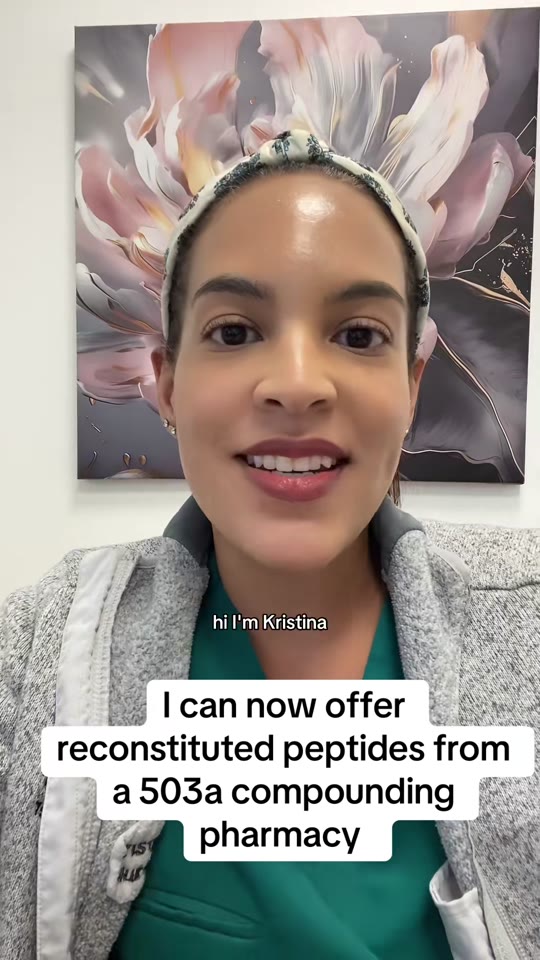
If you're exploring compounded GLP-1 medications or peptides, you've seen the term "503A pharmacy" come up.
If you're exploring compounded GLP-1 medications or peptides, you've seen the term "503A pharmacy" come up. But what does it actually mean? Knowing what a 503A compounding pharmacy is) and how it differs from a regular pharmacy or a 503B outsourcing facility (helps you evaluate the safety and quality of your medication.
Key Takeaways: - Understand what is a 503a compounding pharmacy - 503A vs. 503B: What's the Difference - Quality Standards and What to Expect - Learn how to verify your pharmacy is legitimate
This guide demystifies compounding pharmacy designations, explains the quality standards involved, and shows you how to verify that your medication comes from a legitimate source.
What Is a 503A Compounding Pharmacy?
A 503A compounding pharmacy is a state-licensed pharmacy that prepares customized medications for individual patients based on valid prescriptions from licensed providers. The "503A" refers to Section 503A of the Federal Food, Drug, and Cosmetic Act, which defines the legal framework for this type of compounding.
Here's what makes 503A pharmacies distinct:
Patient-specific prescriptions. Every medication they compound is prepared for a specific, named patient based on a valid prescription. They don't produce medications in bulk for general distribution.
Licensed and regulated. 503A pharmacies hold state pharmacy licenses and are subject to state pharmacy board inspections. They must comply with USP (United States Pharmacopeia) standards for compounding, including USP 795 for non-sterile compounding and USP 797 for sterile compounding.
Provider-pharmacy relationship. A licensed provider must prescribe the medication. The pharmacy then compounds it specifically for that patient. This relationship ensures medical oversight throughout the process.
Customization capability. 503A pharmacies can adjust concentrations, remove allergens, change delivery forms, and personalize medications in ways that mass-produced pharmaceuticals can't.
When you receive compounded semaglutide or peptides through , your medication comes from a verified 503A pharmacy that meets these standards. The provider prescribes, the pharmacy compounds, and the medication ships directly to you.
"The key to successful GLP-1 therapy is setting realistic expectations and supporting patients through the titration phase. The side effects are manageable for most people, but they need to know what to expect.") Dr. Caroline Apovian, MD, Harvard Medical School
503A vs. 503B: What's the Difference?
You might also encounter the term "503B outsourcing facility." Understanding the difference matters.
View data table
| Category | Overall Value Score | Detail |
|---|---|---|
| FormBlends | 92 | First month $99 (semaglutide) or $149 (tirzepatide), then $190 or $239 per month, physician-led |
| Hims/Hers | 78 | Consumer brand, varies |
| Ro | 75 | Telehealth platform |
| Calibrate | 70 | Metabolic health focus |
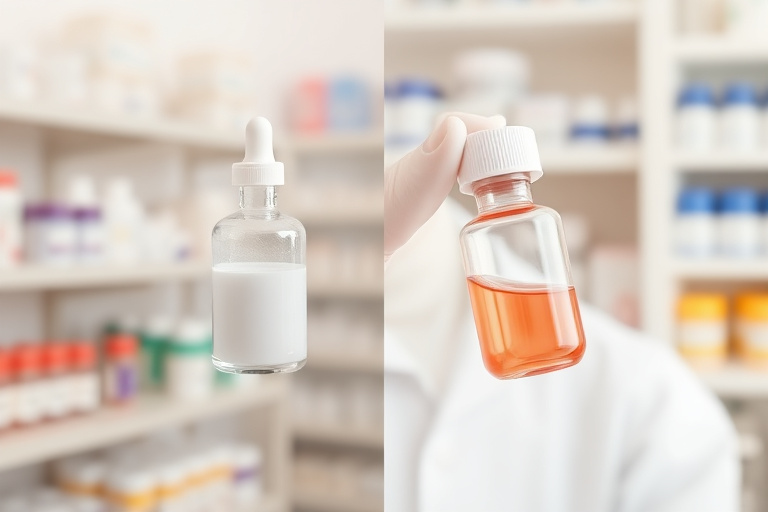
503A Compounding Pharmacies: - Compound for individual patients with prescriptions - Licensed by state pharmacy boards - Regulated primarily at the state level - Can compound without patient-specific prescriptions in limited quantities - Follow USP compounding standards
Free Download: GLP-1 Cost Comparison Spreadsheet Compare costs across different pharmacy and provider options. Includes pricing at different dose levels and annual projections. Get yours free (we'll email it to you instantly.
[Download CTA Button]
Patient Perspective: "My insurance denied Wegovy twice. My provider helped me file a peer-to-peer review appeal with supporting documentation from my labs and BMI history. Third time was approved. Don't give up after the first denial.") Brian C., 45, FormBlends patient (name changed for privacy)
503B Outsourcing Facilities: - Compound medications in larger quantities without patient-specific prescriptions - Registered with the FDA - Subject to FDA inspections and Current Good Manufacturing Practices (cGMP) - Can distribute to healthcare facilities and providers - Generally produce larger batches for wider distribution
Which is better? Neither is inherently superior. Both operate under legal frameworks designed to ensure quality and safety. 503B facilities face more FDA oversight but also produce at larger scale. 503A pharmacies offer more personalized compounding but face primarily state-level oversight.
For individual patient prescriptions (like the GLP-1 medications and peptides prescribed through FormBlends) 503A pharmacies are the standard pathway. They offer the flexibility to customize your medication's concentration and formulation to your provider's exact specifications.
Quality Standards and What to Expect
What goes into ensuring your compounded medication is safe and effective? Here's what reputable 503A pharmacies do.
Not sure which GLP-1 is right for you?
Take a 2-minute assessment and get a personalized recommendation after licensed provider review.
Take the Assessment →Sterile compounding (USP 797). Injectable medications like semaglutide and peptides must be prepared in a sterile environment. This means: - ISO-classified cleanrooms with HEPA-filtered air - Personnel trained and tested on aseptic technique - Garbing protocols (gowns, gloves, masks, goggles) - Environmental monitoring (air particle counts, surface testing) - Regular cleaning and disinfection schedules
Beyond-use dating (BUD). The pharmacy assigns a beyond-use date to each compounded medication. This is the date after which the medication shouldn't be used. BUDs are based on sterility and stability testing specific to the formulation.
Potency testing. Reputable pharmacies test each batch to verify the active ingredient content matches the label claim. If the label says 5 mg/mL of semaglutide, testing confirms that concentration.
Sterility testing. Batches are tested for bacterial and fungal contamination. This is especially critical for injectable medications.
Documentation. Quality records (including batch logs, test results, and cleaning records) are maintained and available for inspection.
Your works with pharmacies that meet these standards. If you ever have questions about where your medication comes from, ask (legitimate providers are transparent about their pharmacy partners.
How to Verify Your Pharmacy Is Legitimate
Protecting yourself is straightforward if you know what to check.
Step 1[1]: Get the pharmacy name. Your provider or the medication packaging should identify the compounding pharmacy. If no pharmacy is identified, that's a red flag.
Step 2: Check with the state board of pharmacy. Every state has a board of pharmacy that licenses and inspects pharmacies. Most have online lookup tools where you can verify a pharmacy's license status. Search for the pharmacy by name or license number.
Step 3: Look for accreditation. PCAB (Pharmacy Compounding Accreditation Board) accreditation is a voluntary quality certification that goes beyond basic licensing requirements. Not all quality pharmacies have it, but those that do have undergone rigorous third-party evaluation.
Step 4: Ask about testing. A reputable pharmacy will confirm that they perform potency and sterility testing. They should be able to describe their quality assurance processes.
Step 5: Verify the prescription. Your compounded medication should come with documentation showing the prescribing provider, the pharmacy, the medication name, concentration, beyond-use date, and lot number.
If any of these checks fail) if the pharmacy can't be verified, if there's no prescription documentation, or if the provider is evasive about the pharmacy source (consider it a red flag and explore other options.
For more about evaluating GLP-1 providers and pharmacies, see our .
Frequently Asked Questions
Are compounded medications from 503A pharmacies safe?
When prepared by a properly licensed, inspected, and quality-focused 503A pharmacy, compounded medications are considered safe. The key is verifying that the pharmacy meets its regulatory obligations. Not all pharmacies are equal) this is why working with a trusted provider like that vets its pharmacy partners matters.
Why don't compounded medications have FDA approval?
FDA approval is a process designed for commercially manufactured pharmaceutical products. It involves multi-phase clinical trials costing hundreds of millions of dollars. Compounding pharmacies operate under a different legal framework (Section 503A) that allows them to prepare individualized medications. The active ingredients they use are pharmaceutical-grade, but the final compounded product follows state-level rather than federal approval pathways.
Can any pharmacy compound semaglutide or tirzepatide?
Not every pharmacy has the equipment, training, and facilities to compound sterile injectable medications. Sterile compounding requires specialized cleanrooms and trained personnel. Only pharmacies licensed for sterile compounding under USP 797 should prepare injectable GLP-1 medications or peptides.
How do I know my compounded medication has the right amount of active ingredient?
Ask about potency testing. Reputable pharmacies test each batch of compounded medication to verify that the active ingredient concentration matches the label. Your provider should be willing to share information about the pharmacy's testing protocols. The pharmacy partners perform routine potency verification.
Ready to Take the Next Step?
Your health goals is personal (and you deserve a plan that fits. FormBlends connects you with licensed providers who can evaluate your needs and create a personalized protocol.
Medical References
- Wilding JPH, Batterham RL, Calanna S, et al. Once-Weekly Semaglutide in Adults with Overweight or Obesity. N Engl J Med. 2021;384(11):989-1002. [PubMed | ClinicalTrials.gov | DOI]
- Davies M, Færch L, Jeppesen OK, et al. Semaglutide 2.4 mg once a week in adults with overweight or obesity, and type 2 diabetes (STEP 2). Lancet. 2021;397(10278):971-984. [PubMed | ClinicalTrials.gov | DOI]
- Wadden TA, Bailey TS, Billings LK, et al. Effect of Subcutaneous Semaglutide vs Placebo as an Adjunct to Intensive Behavioral Therapy on Body Weight in Adults With Overweight or Obesity (STEP 3). JAMA. 2021;325(14):1403-1413. [PubMed | ClinicalTrials.gov | DOI]
- Rubino D, Abrahamsson N, Davies M, et al. Effect of Continued Weekly Subcutaneous Semaglutide vs Placebo on Weight Loss Maintenance in Adults With Overweight or Obesity (STEP 4). JAMA. 2021;325(14):1414-1425. [PubMed | ClinicalTrials.gov | DOI]
- Garvey WT, Batterham RL, Bhatt DL, et al. Two-year effects of semaglutide in adults with overweight or obesity (STEP 5). Nat Med. 2022;28(10):2083-2091. [PubMed | ClinicalTrials.gov | DOI]
- Garvey WT, Frias JP, Jastreboff AM, et al. Tirzepatide once weekly for the treatment of obesity in people with type 2 diabetes (SURMOUNT-2). Lancet. 2023;402(10402):613-626. [PubMed | ClinicalTrials.gov | DOI]
- Wadden TA, Chao AM, Engel S, et al. Tirzepatide with intensive lifestyle intervention in adults with overweight or obesity (SURMOUNT-3). Nat Med. 2024. [PubMed | ClinicalTrials.gov | DOI]
- Aronne LJ, Sattar N, Horn DB, et al. Continued Treatment With Tirzepatide for Maintenance of Weight Reduction in Adults With Obesity (SURMOUNT-4). JAMA. 2024;331(1):38-48. [PubMed | ClinicalTrials.gov | DOI]
Sources &. References
- Wilding JPH, Batterham RL, Calanna S, et al. Once-Weekly Semaglutide in Adults with Overweight or Obesity. N Engl J Med. 2021;384(11):989-1002. Doi:10.1056/NEJMoa2032183
- Davies M, Færch L, Jeppesen OK, et al. Semaglutide 2.4 mg once a week in adults with overweight or obesity, and type 2 diabetes (STEP 2 (Davies et al., Lancet, 2021)). Lancet. 2021;397(10278):971-984. Doi:10.1016/S0140-6736(21)00213-0
- Wadden TA, Bailey TS, Billings LK, et al. Effect of Subcutaneous Semaglutide vs Placebo as an Adjunct to Intensive Behavioral Therapy on Body Weight in Adults With Overweight or Obesity (STEP 3 (Wadden et al., JAMA, 2021)). JAMA. 2021;325(14):1403-1413. Doi:10.1001/jama.2021.1831
- Garvey WT, Batterham RL, Bhatt DL, et al. Two-Year Effects of Semaglutide in Adults with Overweight or Obesity (STEP 5 (Garvey et al., Nat Med, 2022)). Nat Med. 2022;28:2083-2091. Doi:10.1038/s41591-022-02026-4
- Lincoff AM, Brown-Frandsen K, Colhoun HM, et al. Semaglutide and Cardiovascular Outcomes in Obesity without Diabetes. N Engl J Med. 2023;389(24):2221-2232. Doi:10.1056/NEJMoa2307563
- Jastreboff AM, Aronne LJ, Ahmad NN, et al. Tirzepatide Once Weekly for the Treatment of Obesity. N Engl J Med. 2022;387(3):205-216. Doi:10.1056/NEJMoa2206038
- Garvey WT, Frias JP, Jastreboff AM, et al. Tirzepatide once weekly for the treatment of obesity in people with type 2 diabetes (SURMOUNT-2[6] (Garvey et al., Lancet, 2023)). Lancet. 2023;402(10402):613-626. Doi:10.1016/S0140-6736(23)01200-X
- Wadden TA, Chao AM, Engel S, et al. Tirzepatide after intensive lifestyle intervention in adults with overweight or obesity (SURMOUNT-3[7] (Wadden et al., Nat Med, 2023)). Nat Med. 2023. Doi:10.1038/s41591-023-02597-w
- Aronne LJ, Sattar N, Horn DB, et al. Continued Treatment With Tirzepatide for Maintenance of Weight Reduction in Adults With Obesity (SURMOUNT-4[8] (Aronne et al., JAMA, 2024)). JAMA. 2024;331(1):38-48. Doi:10.1001/jama.2023.24945
- Malhotra A, Grunstein RR, Fietze I, et al. Tirzepatide for the Treatment of Obstructive Sleep Apnea and Obesity. N Engl J Med. 2024;391:1193-1205. Doi:10.1056/NEJMoa2404881
- Centers for Disease Control and Prevention. Multistate Outbreak of Fungal Meningitis and Other Infections) United States, 2012. MMWR. 2012;61(41):839-842.
- U.S. Food and Drug Administration. Drug Quality and Security Act (DQSA). Public Law 113-54. November 27, 2013.
The information in this article is intended for educational use only and shouldn't be considered medical advice. Consult a qualified healthcare provider before making any changes to your medication or supplement regimen. FormBlends helps with connections with licensed providers for personalized medical guidance.
Last updated: 2026-03-24
See your options in about 2 minutes
Take the free quiz and see what fits you. Quick, private, and no commitment to continue.
See my options →