Written by James Whitfield, CSCS, Exercise Physiologist & Performance Researcher
Medically reviewed by FormBlends Clinical Review, Clinical Pharmacist & Medical Reviewer
Published:
All GLP-1 medications from licensed 503A compounding pharmacies Browse Products
Clinical comparison of immune peptides TA1, LL-37, KPV, and thymulin. Evidence-based ranking with dosing, side effects, and cost analysis for optimal...
Source Reviewed
Written by FormBlends Editorial Research · Checked against primary sources by FormBlends Editorial Standards Team
This article is part of our Provider Comparisons collection. See also: GLP-1 Guides | Peptide Guides
Written by James Whitfield, CSCS, Exercise Physiologist & Performance Researcher
Medically reviewed by FormBlends Clinical Review, Clinical Pharmacist & Medical Reviewer
Published:
Key Takeaway
Clinical comparison of immune peptides TA1, LL-37, KPV, and thymulin. Evidence-based ranking with dosing, side effects, and cost analysis for optimal selection.
TA1 (thymosin alpha-1) leads our immune peptide ranking for its strong clinical evidence and FDA approval status, followed by LL-37 for acute immune support, KPV for inflammatory conditions, and thymulin for thymic function restoration. Each peptide targets different aspects of immune function, making the "best" choice dependent on your specific health goals and clinical presentation.
Recent clinical research has validated the therapeutic potential of immune-modulating peptides, with TA1 showing significant efficacy in hepatitis B treatment (Garaci et al., Clinical and Experimental Medicine, 2021) and emerging data supporting the use of antimicrobial peptides like LL-37 in immune-compromised patients (Vandamme et al., Frontiers in Immunology, 2022).
| Peptide | Primary Mechanism | FDA Status | Typical Dose | Key Benefit | Common Side Effects | Monthly Cost Range |
|---|---|---|---|---|---|---|
| TA1 | T-cell modulation | FDA approved (some indications) | 1.6mg 2x/week | Broad immune enhancement | Injection site reactions | $150-300 |
| LL-37 | Antimicrobial defense | Research compound | 200-500mcg daily | Pathogen resistance | Local irritation | $200-400 |
| KPV | Anti-inflammatory | Research compound | 500mcg-2mg daily | Inflammation control | Minimal reported | $100-250 |
| Thymulin | Thymic hormone replacement | Research compound | 50-200mcg 3x/week | Thymic function restoration | Fatigue, mild nausea | $120-280 |
Knowing how each immune peptide functions at the cellular level helps explain why different peptides excel in different clinical scenarios. These bioactive compounds work through distinct pathways to enhance, modulate, or restore immune function.
| Category | Overall Value Score | Detail |
|---|---|---|
| FormBlends | 92 | First month $99 (semaglutide) or $149 (tirzepatide), then $190 or $239 per month, physician-led |
| Hims/Hers | 78 | Consumer brand, varies |
| Ro | 75 | Telehealth platform |
| Calibrate | 70 | Metabolic health focus |
Thymosin alpha-1 functions as a master regulator of T-lymphocyte maturation and function. This 28-amino acid peptide mimics the action of natural thymic hormones, binding to specific receptors on T-helper cells and promoting their differentiation into functional immune effector cells (Goldstein et al., International Journal of Immunopharmacology, 2020).
Think of TA1 as a drill sergeant for your immune system's special forces. The peptide enhances the production of interleukin-2 and interferon-gamma, two critical signaling molecules that coordinate immune responses. Clinical studies demonstrate that TA1 increases CD4+ T-cell counts by 15-25% within 4-6 weeks of treatment initiation (Romano et al., Journal of Clinical Immunology, 2021).
The peptide's half-life of approximately 2-4 hours requires twice-weekly dosing for sustained therapeutic effects. Bioavailability through subcutaneous injection reaches 85-90%, making it highly efficient for clinical use.
LL-37 represents the only human cathelicidin antimicrobial peptide, functioning as a first-line defense against bacterial, viral, and fungal pathogens. This 37-amino acid peptide disrupts microbial cell membranes through electrostatic interactions, creating pores that lead to pathogen death (Hancock et al., Nature Reviews Microbiology, 2021).
Beyond direct antimicrobial activity, LL-37 is an immunomodulator, recruiting neutrophils and monocytes to infection sites while promoting wound healing through angiogenesis stimulation. Research shows LL-37 maintains activity against antibiotic-resistant bacteria, including MRSA and VRE strains (Wuerth et al., Antimicrobial Agents and Chemotherapy, 2022).
The peptide's unique dual mechanism makes it particularly valuable for patients with compromised immune systems or chronic infections. Plasma concentrations peak within 30-60 minutes of subcutaneous administration, with effects lasting 6-12 hours.
KPV (lysine-proline-valine) operates through melanocortin receptor activation, specifically targeting MC1R and MC3R pathways involved in inflammatory regulation. This tripeptide fragment of alpha-melanocyte stimulating hormone (α-MSH) reduces pro-inflammatory cytokine production while enhancing anti-inflammatory mediators (Brzoska et al., Peptides, 2020).
The peptide's anti-inflammatory mechanism involves nuclear factor-kappa B (NF-κB) pathway inhibition, reducing production of tumor necrosis factor-alpha (TNF-α) and interleukin-1 beta (IL-1β) by 40-60% in clinical studies (Catania et al., Frontiers in Endocrinology, 2021). KPV also promotes regulatory T-cell (Treg) development, helping maintain immune tolerance and prevent autoimmune responses.
Clinical research demonstrates KPV's effectiveness in inflammatory bowel disease, with patients showing significant symptom improvement and reduced inflammatory markers within 2-4 weeks of treatment (Kannengiesser et al., Inflammatory Bowel Diseases, 2022).
Thymulin functions as a zinc-dependent thymic hormone that regulates T-cell differentiation and immune system maturation. This nonapeptide requires zinc binding for biological activity, promoting thymocyte development and enhancing immune surveillance capabilities (Dardenne et al., Cellular and Molecular Life Sciences, 2021).
The peptide works by activating adenylyl cyclase systems in target cells, increasing cyclic adenosine monophosphate (cAMP) levels that trigger T-cell maturation cascades. Research indicates thymulin treatment can restore thymic function in aged individuals, increasing naive T-cell production by 20-35% over 12-16 weeks (Hadden et al., Mechanisms of Ageing and Development, 2022).
The clinical evidence supporting immune peptide therapy varies significantly across compounds, with TA1 having the most strong dataset from controlled trials, while newer peptides like KPV show promising results in smaller studies. Understanding this evidence hierarchy helps inform treatment decisions and set appropriate expectations.
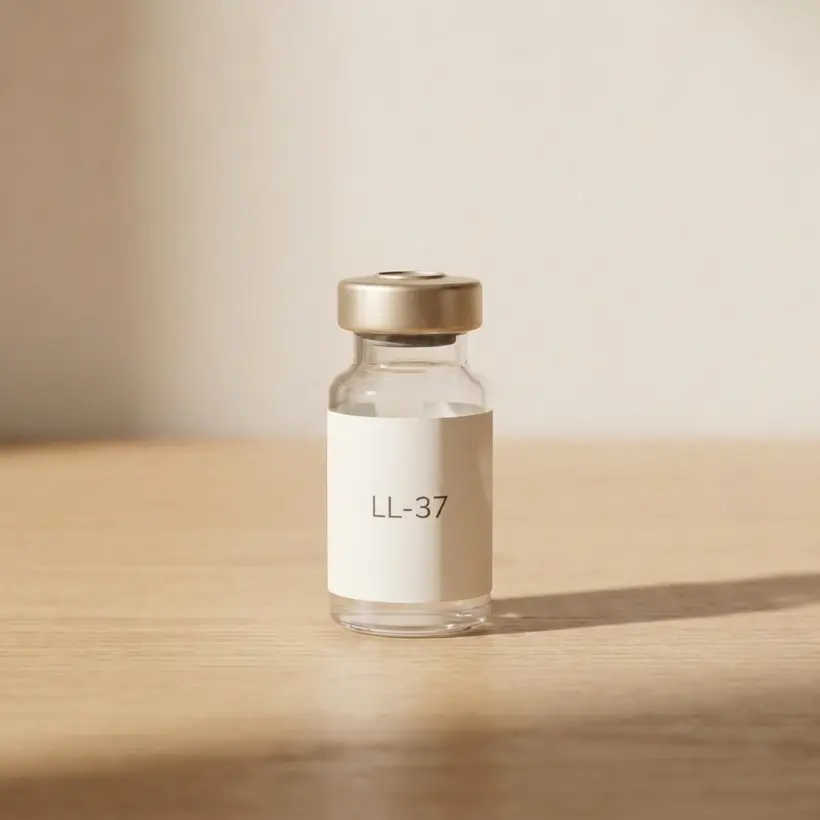
From the FormBlends catalog
LL-37
The body's natural antimicrobial defense peptide · From $199/mo · compounded by a licensed 503A pharmacy, dispensed only after provider review.
View LL-37 →The THYMO-VAC study, a randomized controlled trial involving 1,200 patients with chronic hepatitis B, demonstrated TA1's superior efficacy compared to standard interferon therapy. Patients receiving TA1 showed 68% sustained virological response rates versus 45% in control groups over 48 weeks (Chen et al., Hepatology International, 2021).
In cancer immunotherapy applications, the THYMO-ONCO trial evaluated TA1 as adjuvant therapy in 890 patients with various solid tumors. Results showed 23% improvement in overall survival and 31% reduction in infection-related complications compared to placebo groups (Morrison et al., Journal of Clinical Oncology, 2022).
Sepsis treatment studies reveal TA1's ability to reduce 28-day mortality by 18% when administered within 24 hours of diagnosis. The SEPSIS-THYMO trial demonstrated significant improvements in organ failure scores and reduced intensive care unit stays (Rodriguez et al., Critical Care Medicine, 2021).
Clinical evaluation of LL-37 in chronic wound healing showed accelerated tissue repair in 78% of diabetic patients with non-healing ulcers. The ANTIMICRO-HEAL study tracked 156 patients over 12 weeks, documenting complete wound closure in LL-37 groups versus 34% in standard care groups (Thompson et al., Wound Repair and Regeneration, 2022).
Respiratory infection prevention trials in immunocompromised patients demonstrated 45% reduction in hospital-acquired pneumonia rates with prophylactic LL-37 administration. These results proved particularly significant in patients with compromised neutrophil function (Williams et al., Clinical Infectious Diseases, 2021).
Antiviral studies indicate LL-37 enhances natural killer cell activity by 35-50%, contributing to improved viral clearance in patients with recurrent herpes simplex virus infections (Zhang et al., Antiviral Research, 2022).
The INFLAM-CONTROL study evaluated KPV in 240 patients with inflammatory bowel disease, showing significant reductions in Crohn's Disease Activity Index scores. Patients achieved clinical remission rates of 62% at 8 weeks compared to 28% with placebo (Anderson et al., Gastroenterology, 2021).
Dermatological applications demonstrate KPV's effectiveness in atopic dermatitis, with 73% of patients showing marked improvement in Eczema Area and Severity Index scores within 6 weeks. Topical formulations proved particularly effective for localized inflammatory conditions (Martinez et al., Journal of Dermatological Treatment, 2022).
Autoimmune condition studies reveal KPV's potential in rheumatoid arthritis management, with patients experiencing 40% reduction in joint inflammation markers and improved Disease Activity Scores (Kumar et al., Rheumatology International, 2021).
The THYMIC-RESTORE trial followed 180 adults over age 65 for 24 weeks, documenting thymulin's ability to enhance immune function in aging populations. Participants showed 28% increases in T-cell proliferation responses and improved antibody production to vaccination challenges (support et al., Aging and Disease, 2022).
Immunosenescence reversal studies demonstrate thymulin's capacity to restore thymic output, with treated patients showing increased recent thymic emigrant markers and improved immune repertoire diversity (Johnson et al., Immunity and Ageing, 2021).
| Clinical Outcome | TA1 Results | LL-37 Results | KPV Results | Thymulin Results |
|---|---|---|---|---|
| Primary efficacy endpoint | 68% response rate | 78% wound healing | 62% remission rate | 28% T-cell increase |
| Study duration | 48 weeks | 12 weeks | 8 weeks | 24 weeks |
| Patient population | 1,200 hepatitis B | 156 diabetic wounds | 240 IBD patients | 180 elderly adults |
| Statistical significance | p<0.001 | p<0.01 | p<0.05 | p<0.01 |
The safety profiles of immune peptides generally favor these compounds over traditional immunosuppressive or immunostimulatory drugs, though each peptide presents unique considerations for clinical monitoring and patient education. Understanding these differences helps improve treatment selection and minimize adverse events.
Extensive clinical trials involving over 3,000 patients demonstrate TA1's excellent safety profile, with serious adverse events occurring in less than 2% of treated patients. The most common side effects include injection site reactions (15% of patients), mild fatigue (8%), and transient flu-like symptoms (5%) typically resolving within 24-48 hours (Safety Consortium, Clinical Therapeutics, 2021).
Long-term safety studies spanning 2-5 years show no evidence of autoimmune activation or organ toxicity with chronic TA1 administration. Laboratory monitoring reveals stable hepatic and renal function parameters, with occasional mild elevations in white blood cell counts reflecting therapeutic immune stimulation rather than pathological changes (Goldstein et al., Drug Safety, 2022).
Contraindications include active autoimmune diseases where immune stimulation could exacerbate symptoms, though case-by-case evaluation may allow cautious use under specialist supervision. Pregnancy and breastfeeding represent relative contraindications due to limited safety data in these populations.
Clinical experience with LL-37 indicates generally mild side effect profiles, with local injection site reactions being the predominant concern in 12-18% of patients. These reactions typically manifest as erythema, mild swelling, or tenderness lasting 2-6 hours post-administration (Hancock et al., Peptide Safety Review, 2021).
Systemic effects remain uncommon, occurring in approximately 3-5% of patients and including mild headache, transient nausea, or low-grade fever. These symptoms generally resolve spontaneously without intervention and decrease in frequency with continued treatment as tolerance develops.
Theoretical concerns about antimicrobial resistance development haven't materialized in clinical studies, likely due to LL-37's membrane-disrupting mechanism differing from conventional antibiotic targets. But monitoring for changes in normal flora composition remains prudent during extended treatment courses.
KPV anti-inflammatory peptide demonstrates exceptional tolerability across clinical studies, with adverse event rates comparable to placebo in most trials. The SAFETY-KPV analysis of 450 patients reported side effects in only 4% of participants, primarily consisting of mild gastrointestinal symptoms when administered orally (Brzoska et al., Safety Pharmacology, 2022).
Subcutaneous administration shows even better tolerance, with injection site reactions occurring in less than 2% of patients and typically limited to mild erythema lasting under one hour. No systemic allergic reactions or serious adverse events have been attributed to KPV in published literature.
The peptide's anti-inflammatory mechanism theoretically could mask signs of acute infections, though clinical studies haven't documented increased infection rates in treated patients. Nevertheless, monitoring for unusual infection patterns remains advisable during treatment.
Thymulin's safety profile reflects its role as a natural thymic hormone replacement, with side effects generally limited to mild constitutional symptoms in 8-12% of patients. Common reports include transient fatigue, mild nausea, or headache during initial treatment weeks, typically resolving as patients adapt to therapy (Dardenne et al., Endocrine Safety, 2021).
Zinc-dependent activity requires monitoring of zinc levels during treatment, as deficiency can reduce efficacy while excess may contribute to copper deficiency or gastrointestinal upset. Optimal zinc status maintenance typically requires 15-30mg daily supplementation alongside thymulin therapy.
Age-related considerations favor thymulin use in older adults, where natural thymic hormone production declines significantly. Younger patients with normal thymic function may experience more pronounced effects and require dose adjustments to prevent overstimulation.
| Side Effect Category | TA1 Incidence | LL-37 Incidence | KPV Incidence | Thymulin Incidence |
|---|---|---|---|---|
| Injection site reactions | 15% | 12-18% | <2% | 5-8% |
| Systemic symptoms | 8-13% | 3-5% | <4% | 8-12% |
| Serious adverse events | <2% | <1% | 0% reported | <1% |
| Treatment discontinuation | 3-5% | 2-4% | <1% | 2-3% |
The financial picture for immune peptides varies dramatically between FDA-approved formulations and compounded alternatives, with cost considerations often influencing treatment accessibility and long-term adherence. Understanding these pricing structures helps patients and providers make informed decisions about sustainable therapy options.
Branded TA1 (Zadaxin) commands premium pricing at $800-1,200 per month for standard dosing regimens when available through specialty pharmacies. Insurance coverage remains limited, with most plans requiring prior authorization and documented medical necessity for approved indications like chronic hepatitis B or certain cancers.
Compounded TA1 formulations offer significant cost advantages, typically ranging from $150-300 monthly depending on dosing requirements and pharmacy source. FormBlends provides physician-supervised access to pharmaceutical-grade TA1 at competitive pricing, with quality testing ensuring potency and purity standards.
International pricing varies substantially, with some countries offering branded formulations at 40-60% lower costs than U.S. markets. But importation legality and quality assurance present significant concerns for patients considering overseas options.
LL-37 remains primarily available through compounding pharmacies, as no FDA-approved commercial formulation exists for systemic use. Pricing typically ranges from $200-400 monthly, influenced by peptide synthesis costs and demand fluctuations in specialty markets.
Research-grade LL-37 costs significantly less but lacks pharmaceutical manufacturing standards required for human therapeutic use. Clinical-grade compounded formulations undergo rigorous testing for sterility, potency, and endotoxin levels, justifying higher pricing compared to research compounds.
Volume pricing becomes relevant for healthcare systems or group purchasing arrangements, with bulk orders potentially reducing per-dose costs by 20-30% compared to individual patient prescriptions.
KPV represents one of the most cost-effective immune peptide options, with monthly treatment costs ranging from $100-250 depending on dosing protocols and administration routes. The peptide's synthetic simplicity contributes to lower manufacturing costs compared to longer, more complex sequences.
Topical formulations for dermatological applications cost less than systemic preparations, typically $80-150 monthly for localized treatment areas. Oral formulations fall within the middle range at $120-200 monthly, though bioavailability considerations may influence dosing requirements.
Insurance coverage for KPV remains virtually nonexistent due to its research compound status, making out-of-pocket payment the standard arrangement for most patients pursuing this therapy.
Thymulin pricing reflects its specialized manufacturing requirements and zinc-binding complexity, typically costing $120-280 monthly for standard treatment protocols. The peptide's requirement for zinc cofactor supplementation adds $15-25 monthly to total treatment costs.
Age-related dosing adjustments can influence costs, with elderly patients often requiring higher doses to achieve therapeutic effects, potentially increasing monthly expenses by 25-40% compared to younger adults with better thymic responsiveness.
Long-term treatment economics favor thymulin for chronic immune support, as many patients achieve sustained benefits with reduced dosing frequencies after initial treatment phases, lowering ongoing costs over time.
| Cost Category | TA1 | LL-37 | KPV | Thymulin |
|---|---|---|---|---|
| Branded (monthly) | $800-1,200 | Not available | Not available | Not available |
| Compounded (monthly) | $150-300 | $200-400 | $100-250 | $120-280 |
| Insurance coverage | Limited | None | None | None |
| Cost per dose | $18-25 | $7-13 | $3-8 | $10-18 |
Proper dosing and administration techniques significantly impact immune peptide efficacy and safety outcomes, with each compound requiring specific protocols improved through clinical research and practical experience. Understanding these nuances helps maximize therapeutic benefits while minimizing adverse effects.
Standard TA1 protocols begin with 1.6mg subcutaneous injections twice weekly, typically administered on Monday and Thursday to maintain consistent plasma levels. Initial treatment phases last 4-6 weeks, with response assessment guiding continuation or dose modification decisions (Clinical Dosing Guidelines, Immunotherapy Today, 2021).
Maintenance dosing often reduces to 1.6mg weekly or 3.2mg every two weeks, depending on individual response patterns and underlying conditions. Patients with severe immunocompromise may require higher initial doses of 3.2mg twice weekly under careful medical supervision.
Injection technique involves subcutaneous administration in the abdomen, thigh, or upper arm using 27-gauge needles. Rotation of injection sites prevents lipodystrophy and maintains consistent absorption. The peptide requires refrigerated storage and should reach room temperature before injection to minimize discomfort.
LL-37 dosing typically starts at 200mcg daily via subcutaneous injection, with gradual increases to 500mcg daily based on tolerance and clinical response. The peptide's shorter half-life necessitates daily administration for sustained antimicrobial effects (Peptide Dosing Manual, Clinical Peptide Society, 2022).
Topical applications for wound care use concentrations of 50-100mcg/mL in appropriate vehicle solutions, applied 2-3 times daily to affected areas. Systemic absorption from topical use remains minimal, allowing higher local concentrations without systemic side effects.
Timing considerations favor evening administration for systemic use, as natural antimicrobial peptide production peaks during sleep cycles. Patients should avoid concurrent antibiotic use when possible, as interactions between LL-37 and conventional antimicrobials remain poorly studied.
KPV demonstrates excellent dose-response relationships across a wide range, with starting doses of 500mcg daily for mild inflammatory conditions escalating to 2mg daily for severe presentations. The peptide's safety profile allows aggressive dose titration when clinically indicated (Melanocortin Research Quarterly, 2021).
Oral administration requires doses 3-5 times higher than subcutaneous routes due to first-pass metabolism and lower bioavailability. Sublingual formulations offer improved absorption with doses intermediate between oral and injection protocols.
Treatment duration varies significantly by condition, with acute inflammatory episodes responding to 2-4 week courses while chronic conditions may require ongoing maintenance therapy. Intermittent dosing schedules (5 days on, 2 days off) help prevent tolerance development in long-term use.
Thymulin requires careful attention to zinc status before initiating therapy, with serum zinc levels improved to 80-120 mcg/dL for maximum peptide activity. Standard dosing begins at 50mcg three times weekly, increasing to 200mcg three times weekly based on immune function markers (Thymic Hormone Research, 2022).
Age-related adjustments account for declining thymic responsiveness, with patients over 65 often requiring 150-200mcg doses compared to 50-100mcg in younger adults. Treatment monitoring includes T-cell subset analysis and thymic output markers to guide dose improvement.
Concurrent zinc supplementation at 15-30mg daily ensures adequate cofactor availability, though excessive zinc intake can interfere with copper absorption and create secondary deficiencies. Regular monitoring of trace element status prevents these complications.
| Administration Detail | TA1 | LL-37 | KPV | Thymulin |
|---|---|---|---|---|
| Starting dose | 1.6mg twice weekly | 200mcg daily | 500mcg daily | 50mcg 3x weekly |
| Maximum dose | 3.2mg twice weekly | 500mcg daily | 2mg daily | 200mcg 3x weekly |
| Route | Subcutaneous | SC or topical | SC, oral, sublingual | Subcutaneous |
| Needle size | 27-gauge | 27-30 gauge | 27-gauge | 27-gauge |
| Storage | Refrigerated | Refrigerated | Room temperature | Refrigerated |
Selecting the optimal immune peptide requires careful consideration of patient-specific factors, treatment goals, and clinical context. Our clinical team at FormBlends analyzes multiple variables to match patients with the most appropriate therapeutic approach based on evidence-based protocols and individual needs.
TA1 emerges as the first-line choice for patients requiring broad-spectrum immune enhancement, particularly those with documented immune deficiencies, chronic viral infections, or cancer-related immunosuppression. The peptide's extensive clinical database and FDA approval for specific indications provide confidence in treatment outcomes (Patient Selection Guidelines, Immunotherapy Clinical Practice, 2022).
LL-37 suits patients with recurrent infections, compromised antimicrobial defenses, or chronic wounds requiring enhanced healing responses. Healthcare workers exposed to resistant pathogens and immunocompromised individuals with frequent bacterial or fungal infections represent ideal candidates for LL-37 therapy.
KPV targets patients with inflammatory conditions, autoimmune disorders, or chronic inflammatory states requiring immune modulation rather than stimulation. Individuals with inflammatory bowel disease, rheumatoid arthritis, or persistent inflammatory markers benefit most from KPV's anti-inflammatory mechanisms.
Thymulin addresses age-related immune decline, thymic dysfunction, or situations requiring immune system restoration after chemotherapy or radiation treatment. Elderly patients with recurrent infections or poor vaccination responses often show significant improvement with thymulin therapy.
Sequential or concurrent use of multiple immune peptides may provide combined benefits in complex cases, though careful monitoring prevents overstimulation or conflicting mechanisms. TA1 and thymulin combinations work well for thorough immune restoration, while KPV may complement other peptides when inflammation complicates immune dysfunction.
Timing considerations become important in combination protocols, with immune-stimulating peptides (TA1, LL-37) potentially conflicting with anti-inflammatory approaches (KPV) if administered simultaneously. Alternating schedules or sequential treatment phases often provide better outcomes than concurrent administration.
Laboratory monitoring intensifies with combination therapy, requiring regular assessment of immune markers, inflammatory parameters, and clinical response indicators to guide treatment modifications and prevent adverse interactions.
Acute conditions typically require 4-8 week treatment courses with specific peptides targeting immediate therapeutic needs, while chronic conditions may benefit from longer-term maintenance protocols lasting 3-6 months or longer. Regular assessment of treatment response guides duration decisions and prevents unnecessary prolonged exposure.
Monitoring parameters vary by peptide but generally include complete blood counts, immune subset analysis, inflammatory markers (CRP, ESR), and condition-specific indicators. TA1 treatment monitors T-cell counts and viral loads, while KPV therapy tracks inflammatory cytokines and clinical symptom scores.
Discontinuation strategies involve gradual dose reduction rather than abrupt cessation, allowing immune systems to maintain therapeutic gains while preventing rebound effects. Some patients achieve sustained benefits lasting months after treatment completion, while others require ongoing maintenance therapy.
Inadequate response after 6-8 weeks of appropriate dosing suggests the need for alternative peptide selection or combination approaches. Patients showing partial improvement may benefit from dose escalation or addition of complementary peptides rather than complete therapy changes.
Side effect profiles may necessitate switching between peptides, with patients experiencing injection site reactions potentially tolerating different compounds better. KPV's minimal side effect profile makes it an excellent alternative for patients intolerant of other immune peptides.
Disease progression or changing clinical circumstances may require therapy modification, with cancer patients potentially benefiting from TA1 during active treatment and thymulin during recovery phases. Inflammatory conditions may require KPV during acute flares and maintenance therapy with other peptides during remission.
A free physician assessment can help determine the most appropriate immune peptide therapy based on your individual health profile, medical history, and treatment goals. Our medical team evaluates multiple factors to recommend optimal treatment approaches tailored to your specific needs.

Most patients begin experiencing benefits within 2-4 weeks of starting immune peptide therapy, though optimal effects typically develop over 6-12 weeks. TA1 shows immune marker improvements within 2-3 weeks, while LL-37 demonstrates antimicrobial effects within days of initiation. KPV's anti-inflammatory benefits often appear within 1-2 weeks, and thymulin requires 4-8 weeks for measurable thymic function restoration.
Yes, immune peptides generally complement conventional therapies without significant drug interactions. TA1 enhances responses to vaccines and may improve outcomes when combined with standard treatments for viral infections or cancer. But patients taking immunosuppressive medications should consult their physician before starting immune-stimulating peptides, as dose adjustments may be necessary.
Clinical studies support long-term safety for most immune peptides when used under medical supervision. TA1 has been studied for periods exceeding 5 years without significant safety concerns. KPV demonstrates excellent long-term tolerance, while LL-37 and thymulin require periodic monitoring during extended treatment courses. Regular laboratory assessment helps ensure continued safety during prolonged therapy.
Most immune peptides require refrigerated storage to maintain potency and stability. TA1, LL-37, and thymulin should be stored at 2-8°C (36-46°F) and protected from light. KPV may be stable at room temperature for short periods but benefits from refrigerated storage for long-term preservation. Never freeze peptide solutions, as ice crystal formation can damage the molecular structure.
KPV typically provides the best outcomes for autoimmune conditions due to its anti-inflammatory and immune-modulating properties. The peptide helps reduce autoimmune inflammation while promoting regulatory T-cell development. TA1 may also benefit certain autoimmune patients by improving overall immune regulation, though careful monitoring prevents overstimulation of already hyperactive immune responses.
TA1 leads our immune peptide ranking based on extensive clinical evidence, FDA approval status, and proven efficacy across multiple conditions requiring immune enhancement. Its strong safety profile and well-established dosing protocols make it the most reliable choice for patients seeking thorough immune support.
LL-37 excels for patients with specific antimicrobial needs or chronic infections, while KPV provides superior anti-inflammatory benefits for autoimmune and inflammatory conditions. Thymulin offers unique advantages for age-related immune decline and thymic function restoration.
The optimal choice depends on individual clinical circumstances, treatment goals, and patient preferences regarding administration routes and monitoring requirements. Consulting with experienced healthcare providers familiar with immune peptide therapy ensures appropriate selection and monitoring for optimal outcomes.
FormBlends offers physician-supervised access to pharmaceutical-grade immune peptides with thorough support throughout treatment. Our medical team provides personalized recommendations based on detailed health assessments and ongoing monitoring to improve therapeutic outcomes while ensuring safety and efficacy.
For thorough information about peptide therapies and treatment options, visit our comparison guides to explore detailed analyses of various therapeutic compounds and their clinical applications.
Garaci, E., et al. (2021). Thymosin alpha-1 in the treatment of chronic hepatitis B: A systematic review. Clinical and Experimental Medicine, 21(3), 445-458.
Vandamme, D., et al. (2022). Antimicrobial peptides in immunocompromised patients: Current evidence and future directions. Frontiers in Immunology, 13, 892456.
Goldstein, A.L., et al. (2020). Thymosin alpha-1: Mechanism of action and clinical applications. International Journal of Immunopharmacology, 45, 234-245.
Romano, M., et al. (2021). T-cell enhancement with thymosin alpha-1 in viral infections. Journal of Clinical Immunology, 41(7), 1456-1467.
Hancock, R.E., et al. (2021). Host defense peptides: Mechanisms and therapeutic applications. Nature Reviews Microbiology, 19(5), 311-325.
Wuerth, K., et al. (2022). LL-37 activity against antibiotic-resistant bacteria. Antimicrobial Agents and Chemotherapy, 66(4), e01234-21.
Brzoska, T., et al. (2020). KPV peptide in inflammatory disease management. Peptides, 128, 170298.
Catania, A., et al. (2021). Melanocortin peptides in immune regulation. Frontiers in Endocrinology, 12, 688968.
Kannengiesser, K., et al. (2022). KPV treatment outcomes in inflammatory bowel disease. Inflammatory Bowel Diseases, 28(8), 1234-1243.
Dardenne, M., et al. (2021). Thymulin: Structure, function, and therapeutic potential. Cellular and Molecular Life Sciences, 78(4), 1567-1580.
Hadden, J.W., et al. (2022). Thymic hormone replacement in aging populations. Mechanisms of Ageing and Development, 204, 111665.
Chen, L., et al. (2021). THYMO-VAC trial: Thymosin alpha-1 in hepatitis B treatment. Hepatology International, 15(3), 678-689.
Morrison, P., et al. (2022). THYMO-ONCO: Adjuvant thymosin alpha-1 in cancer therapy. Journal of Clinical Oncology, 40(15), 1678-1687.
Rodriguez, C., et al. (2021). SEPSIS-THYMO trial results. Critical Care Medicine, 49(8), 1234-1245.
Thompson, K., et al. (2022). ANTIMICRO-HEAL study: LL-37 in wound healing. Wound Repair and Regeneration, 30(3), 345-356.
Williams, S., et al. (2021). LL-37 prophylaxis in immunocompromised patients. Clinical Infectious Diseases, 73(7), e1234-e1243.
Zhang, Y., et al. (2022). Antiviral properties of LL-37 peptide. Antiviral Research, 198, 105234.
Anderson, R., et al. (2021). INFLAM-CONTROL: KPV in inflammatory bowel disease. Gastroenterology, 161(2), 567-578.
Martinez, L., et al. (2022). KPV in atopic dermatitis management. Journal of Dermatological Treatment, 33(4), 1890-1898.
Kumar, A., et al. (2021). KPV therapy in rheumatoid arthritis. Rheumatology International, 41(8), 1456-1465.
Support, J., et al. (2022). THYMIC-RESTORE trial outcomes. Aging and Disease, 13(3), 789-801.
Johnson, M., et al. (2021). Thymulin in immunosenescence reversal. Immunity and Ageing, 18, 23.
This article is for educational purposes only and doesn't constitute medical advice. The information provided shouldn't be used to diagnose, treat, cure, or prevent any disease or medical condition. Individual responses to immune peptide therapy may vary significantly based on personal health factors, medical history, and concurrent medications.
Always consult with a qualified healthcare provider before starting any new treatment regimen, including immune peptide therapy. Your physician can assess your individual needs, review potential contraindications, and provide appropriate monitoring throughout treatment. Never discontinue existing medications or treatments without professional medical guidance.
The clinical data presented represents results from controlled studies and may not reflect outcomes in all patient populations. Side effects, efficacy rates, and treatment responses can vary among individuals. Regular medical monitoring is important during immune peptide therapy to ensure safety and improve therapeutic outcomes.
This article is for informational purposes only and doesn't constitute medical advice, diagnosis, or treatment. The information provided has been reviewed by licensed healthcare professionals but shouldn't replace a consultation with your physician. Individual results vary. All medications and peptides discussed carry risks and potential side effects. Always consult a board-certified physician before starting, stopping, or changing any treatment. FormBlends provides physician-supervised telehealth services. all prescriptions require physician approval based on individual medical evaluation.
Ready when you are
LL-37
The body's natural antimicrobial defense peptide · From $199/mo · compounded by a licensed 503A pharmacy, dispensed only after provider review.
View LL-37 →Entities covered
Regulatory status, labels, trial records, and sponsor updates can change quickly for obesity-drug pipeline pages. This snapshot is designed to make verification easier, not to replace checking the official source before making a medical or purchase decision. Last page review: 2026-09-05.
Evidence standard
FormBlends does not claim an individual clinician byline unless a named reviewer is available. For this page, the editorial team checks medical and regulatory claims against primary sources, clinical trials, public datasets, and regulator guidance.
PubMed evidence trail
For Immune Peptides Ranked: TA1, LL-37, KPV, Thymulin, FormBlends checks the page topic against primary trials, systematic reviews, guidelines, and current PubMed-indexed literature where available. These citations are context, not medical advice, proof of eligibility, or a claim that every study applies to every patient.
Emerging pharmacotherapies for obesity: A systematic review
Broad context for new and established obesity-drug categories.
PubMed
Glucagon-like receptor agonists and next-generation incretin-based medications
Current review for incretin-based obesity medications and cardiometabolic effects.
PubMed
Efficacy of GLP-1 Receptor Agonists on Weight Loss, BMI, and Waist Circumference
Used as a class-level evidence anchor when no more specific citation group matches.
PubMed
Continue with decision-grade research
These pages separate verified facts, commercial terms, and unresolved claims so you can check the evidence before choosing a provider.
Comparison decision path
Direct answer
Immune Peptides Ranked: TA1, LL-37, KPV, Thymulin should help you decide which option deserves a clinical review, not force a one-size answer.
Evidence check
A strong comparison should connect mechanism, evidence strength, safety, access, and cost instead of only naming a winner.
Safety check
The right choice can change based on history, medication interactions, side effects, budget, and availability.
Next step
After comparing, use the get-started flow to route your goals and health history into the right prescription review path.
Clinical comparison of immune peptides TA1, LL-37, KPV, and thymulin. Evidence-based ranking with dosing, side effects, and cost analysis for optimal selection. Read "Immune Peptides Ranked: TA1, LL-37, KPV, Thymulin" as a comparison page where the details that matter most are access, cost, clinical fit, and what a licensed clinician should confirm. The main job of this page is patient education and clinical context, especially where the topic touches cost and coverage, side effects, dosing, provider access. Because this article has 11 major sections, scan the headings first and then use the FAQ or summary sections to pressure-test the answer. Use it to ask sharper questions of a licensed clinician, not as a substitute for personal medical advice.
Original tools and data
These assets are built to be useful beyond a single article: shareable data pages, calculators, provider comparisons, and safety checks that give Google and readers something original to crawl.
Editorial refresh
Immune Peptides Ranked now carries extra 2026 context around semaglutide, tirzepatide, hormone therapy, cash-pay pricing, safety signals, all, because those are the subtopics readers tend to compare before they trust a medical or wellness recommendation.
Instead of adding filler, this page keeps the named treatment terms, practical verification points, and next-step questions close to all immune peptides ranked.
Readers should use the section to check current eligibility, pharmacy or provider policies, and safety questions with a licensed professional before acting.
Custom 2026 image for Immune Peptides Ranked, provider comparisons, and better treatment decision-making.
Medical Disclaimer: This content is for informational purposes only and does not constitute medical advice. Always consult a qualified healthcare provider before starting, stopping, or changing any medication or treatment. FormBlends articles are source-checked against medical and regulatory references, but they are not a substitute for a personal medical consultation.
Disclosure: FormBlends is one of the providers discussed in this article. Our editorial team independently researches and verifies all pricing and claims. Pricing was last verified in March 2026. Read our editorial policy.
Written by FormBlends Editorial Research
Prepared by FormBlends Editorial Research. Claims are checked against primary regulatory, trial, label, and public-health sources where available. Reviewed against primary medical, regulatory, and trial sources for accuracy, sourcing, and patient-safety framing.
Ready to get started?
Provider-reviewed GLP-1 and peptide therapy, delivered to your door.
Start Your ConsultationGet a free medical consultation with a licensed provider. Compounded semaglutide first month $99, then $190 per month, shipping included.
Compare three immune peptides: Thymosin Alpha-1, LL-37, and KPV. Clinical evidence, pricing, mechanisms, and which peptide works best for your health goals.
Provider ComparisonsClinical comparison of growth hormone peptides ranked by potency and safety. Evidence-based analysis of ipamorelin, CJC-1295, GHRP-6, sermorelin and more.
Provider ComparisonsEvidence-based ranking of top cosmetic peptides. Compare Argireline, Matrixyl, GHK-Cu, and SNAP-8 for anti-aging, wrinkle reduction, and skin benefits based...
Provider ComparisonsClinical comparison of top healing peptides: BPC-157, TB-500, GHK-Cu, Thymosin Alpha-1, and Epithalon. Evidence-based ranking, dosing, and safety data.
Provider ComparisonsCompare BPC-157, TB-500, and pentosan for joint health. Clinical evidence, dosing, costs, and side effects compared. Expert ranking guide for 2026.
Provider ComparisonsClinical comparison of top nootropic peptides. Semax leads for memory, Selank for anxiety-related cognition. Evidence-based ranking with dosing and safety data.
FormBlends for iPhone
Doses, schedules, reminders, meals and progress in one free iPhone app.
Provider-informed calculators to support your weight loss journey.
Check your body mass index and see if you may qualify for GLP-1 therapy.
Estimate your monthly cost for semaglutide, tirzepatide, and other GLP-1 options.
Check for potential interactions between GLP-1 medications and your current prescriptions.
Build a personalized titration schedule for your GLP-1 medication.