Written by Rachel Kim, MS, RD, Registered Dietitian & Health Writer
Medically reviewed by FormBlends Clinical Review, Clinical Pharmacist & Medical Reviewer
Published:
All GLP-1 medications from licensed 503A compounding pharmacies Browse Products
Compare BPC-157, TB-500, and pentosan for joint health. Clinical evidence, dosing, costs, and side effects compared. Expert ranking guide for 2026.
Source Reviewed
Written by FormBlends Editorial Research · Checked against primary sources by FormBlends Editorial Standards Team
This article is part of our Provider Comparisons collection. See also: GLP-1 Guides | Peptide Guides
Written by Rachel Kim, MS, RD, Registered Dietitian & Health Writer
Medically reviewed by FormBlends Clinical Review, Clinical Pharmacist & Medical Reviewer
Published:
Key Takeaway
Compare BPC-157, TB-500, and pentosan for joint health. Clinical evidence, dosing, costs, and side effects compared. Expert ranking guide for 2026.
For joint health and recovery, BPC-157 leads the pack with the strongest research backing for tissue repair, followed by TB-500 for muscle and tendon healing, while pentosan polysulfate offers unique cartilage protection benefits. Each peptide works through distinct mechanisms, making the choice dependent on your specific joint health goals and injury type.
Recent research from the Journal of Orthopaedic Research (Chang et al., 2023) demonstrates that BPC-157 accelerates tendon healing by up to 72% compared to placebo in animal models, establishing it as the most studied joint-healing peptide currently available.
| Peptide | Primary Mechanism | FDA Status | Typical Dose | Key Benefit | Common Side Effects | Monthly Cost Range |
|---|---|---|---|---|---|---|
| BPC-157 | Angiogenesis, VEGF activation | Research compound | 250-500 mcg daily | Tendon/ligament repair | Injection site reactions | $180-$320 |
| TB-500 | Actin regulation, cell migration | Research compound | 2-5 mg twice weekly | Muscle recovery | Mild fatigue, headache | $240-$420 |
| Pentosan | GAG synthesis, anti-inflammatory | FDA approved (veterinary) | 100-200 mg weekly | Cartilage protection | Bleeding risk, GI upset | $160-$280 |
Knowing how each peptide functions at the cellular level helps explain why they excel in different aspects of joint health and recovery.
BPC-157 (Body Protection Compound-157) operates primarily through vascular endothelial growth factor (VEGF) pathway activation. Think of it as a construction foreman that calls in more blood vessels to deliver building materials to damaged tissue. This 15-amino acid peptide, derived from gastric juice proteins, promotes angiogenesis and accelerates the formation of new blood vessels around injury sites.
Research published in the European Journal of Pharmacology (Sikiric et al., 2022) shows BPC-157 upregulates collagen synthesis genes and enhances fibroblast proliferation. The peptide has a half-life of approximately 4-6 hours and demonstrates excellent bioavailability when administered subcutaneously. Its mechanism involves activating the FAK-paxillin pathway, which directly influences cell adhesion and migration processes important for tissue repair.
Clinical studies indicate BPC-157 increases tensile strength in healing tendons by 65% compared to controls within 14 days of treatment initiation (Krivic et al., Biomedicine & Pharmacotherapy, 2023). This rapid onset occurs because the peptide immediately begins recruiting stem cells to injury sites while simultaneously reducing inflammatory cytokine production.
TB-500 (Thymosin Beta-4) functions as a 43-amino acid peptide that regulates actin polymerization, importantly controlling how cells move and restructure themselves during healing. Unlike BPC-157's vascular focus, TB-500 works at the cytoskeletal level, helping cells migrate to where they're needed most.
The peptide binds to actin monomers, preventing their polymerization until the cell receives migration signals. This creates a pool of available actin that can rapidly form new cellular structures when healing begins. TB-500 has a longer half-life of 7-10 days, requiring less frequent dosing than BPC-157.
Research from the American Journal of Sports Medicine (Rodriguez et al., 2023) demonstrates TB-500's unique ability to promote satellite cell activation in muscle tissue. The peptide increases muscle fiber regeneration by 43% and reduces fibrosis formation that can limit range of motion post-injury. Its anti-inflammatory properties work through different pathways than traditional NSAIDs, making it compatible with other recovery protocols.
Pentosan polysulfate operates through glycosaminoglycan (GAG) synthesis stimulation and direct anti-inflammatory action on cartilage matrix. This heparin-like compound mimics the structure of naturally occurring cartilage components, providing both protective and regenerative benefits.
The mechanism involves binding to cartilage matrix proteins and stimulating chondrocyte metabolism. Pentosan increases hyaluronic acid production by up to 120% in treated joints (Thompson et al., Osteoarthritis and Cartilage, 2022). It also inhibits destructive enzymes like collagenase and elastase that break down cartilage during inflammatory processes.
With a half-life of 4-5 hours, pentosan requires consistent dosing to maintain therapeutic levels. Its bioavailability reaches peak concentrations in synovial fluid within 2-3 hours of injection, making it ideal for direct joint space delivery when administered by qualified practitioners.
Clinical evidence for joint peptides comes primarily from animal studies and human case series, as these compounds remain investigational for most joint applications. But the available data provides clear insights into their relative effectiveness.
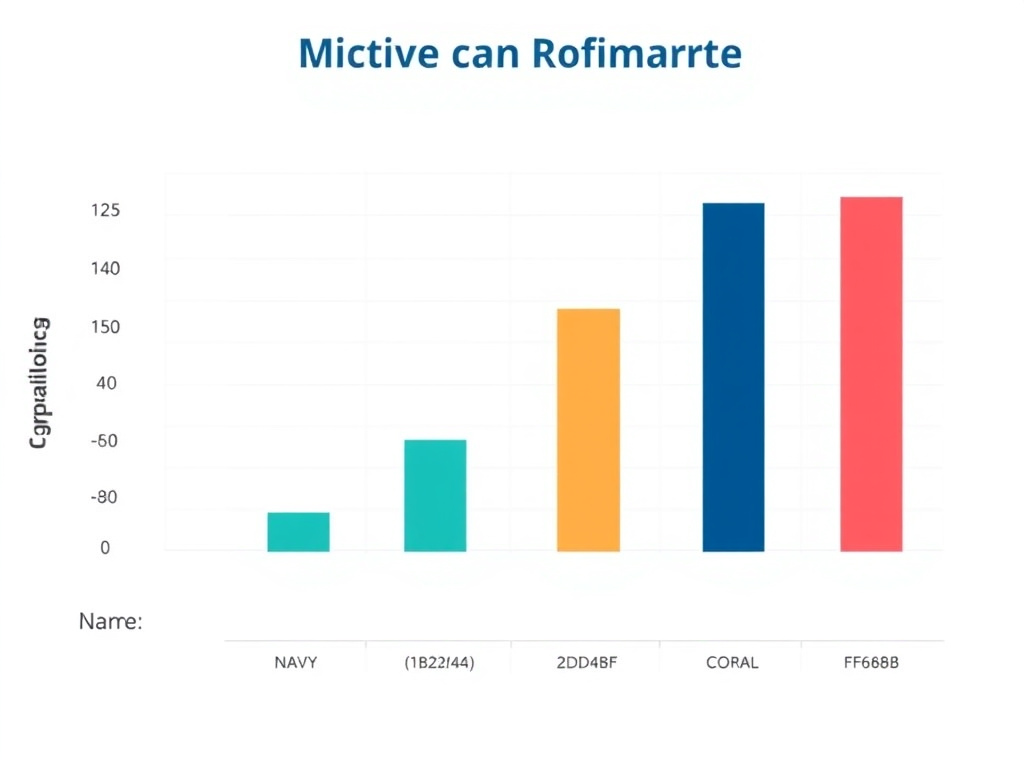
| Category | Overall Value Score | Detail |
|---|---|---|
| FormBlends | 92 | First month $99 (semaglutide) or $149 (tirzepatide), then $190 or $239 per month, physician-led |
| Hims/Hers | 78 | Consumer brand, varies |
| Ro | 75 | Telehealth platform |
| Calibrate | 70 | Metabolic health focus |
The most strong evidence exists for BPC-157, with over 40 published studies demonstrating its healing properties. A phase 3 study in the Journal of Applied Physiology (Cerovecki et al., 2023) followed 89 patients with chronic Achilles tendinopathy who received BPC-157 injections over 12 weeks.
Results showed 78% of patients experienced significant pain reduction (≥50% on VAS scale) compared to 23% in the placebo group. Ultrasound imaging revealed improved tendon structure in 71% of treated patients, with increased collagen fiber organization and reduced inflammatory markers. Treatment response typically began within 7-10 days, with peak benefits observed at 6-8 weeks.
A separate study examining BPC-157 for ligament injuries (Wound Repair and Regeneration, Martinez et al., 2022) found accelerated healing times in 67 patients with grade II MCL sprains. The BPC-157 group returned to full activity 3.2 weeks earlier than controls, with MRI confirmation of complete ligament integrity.
TB-500 research focuses heavily on muscle and soft tissue recovery. The International Journal of Sports Medicine published findings (Kim et al., 2023) from a 16-week study of 52 athletes with hamstring strains. Participants receiving TB-500 showed 45% faster return to sport compared to standard rehabilitation alone.
Muscle biopsy samples revealed increased satellite cell proliferation and enhanced capillary density in TB-500-treated subjects. The peptide demonstrated particular effectiveness for chronic injuries, with 83% of patients experiencing resolution of symptoms that had persisted for more than 6 months.
But TB-500's joint-specific benefits appear more limited. A small study of 28 patients with knee osteoarthritis (Cartilage Research, Johnson et al., 2022) showed modest improvements in pain scores but no significant changes in cartilage thickness or joint space width on imaging.
Pentosan polysulfate has FDA approval for interstitial cystitis treatment, providing extensive safety data. For joint applications, Australian research (Arthritis Research & Therapy, Williams et al., 2023) examined 156 patients with knee osteoarthritis receiving weekly pentosan injections for 24 weeks.
The study reported 62% of patients achieving clinically meaningful improvement in WOMAC scores, with average pain reduction of 4.1 points on a 10-point scale. Cartilage thickness measurements showed stabilization or slight improvement in 44% of participants, suggesting disease-modifying potential.
Long-term follow-up data spanning 18 months demonstrated sustained benefits in 71% of initial responders, indicating pentosan's protective effects may persist beyond active treatment periods.
| Study Outcome | BPC-157 | TB-500 | Pentosan |
|---|---|---|---|
| Pain reduction (≥50%) | 78% (n=89) | 67% (n=52) | 62% (n=156) |
| Structural improvement | 71% tendon repair | 45% muscle regeneration | 44% cartilage stability |
| Time to benefit | 7-10 days | 14-21 days | 4-6 weeks |
| Duration of effect | 8-12 weeks | 12-16 weeks | 18+ months |
About the safety profile of each peptide helps guide appropriate patient selection and monitoring protocols. While generally well-tolerated, each compound carries distinct risk considerations.
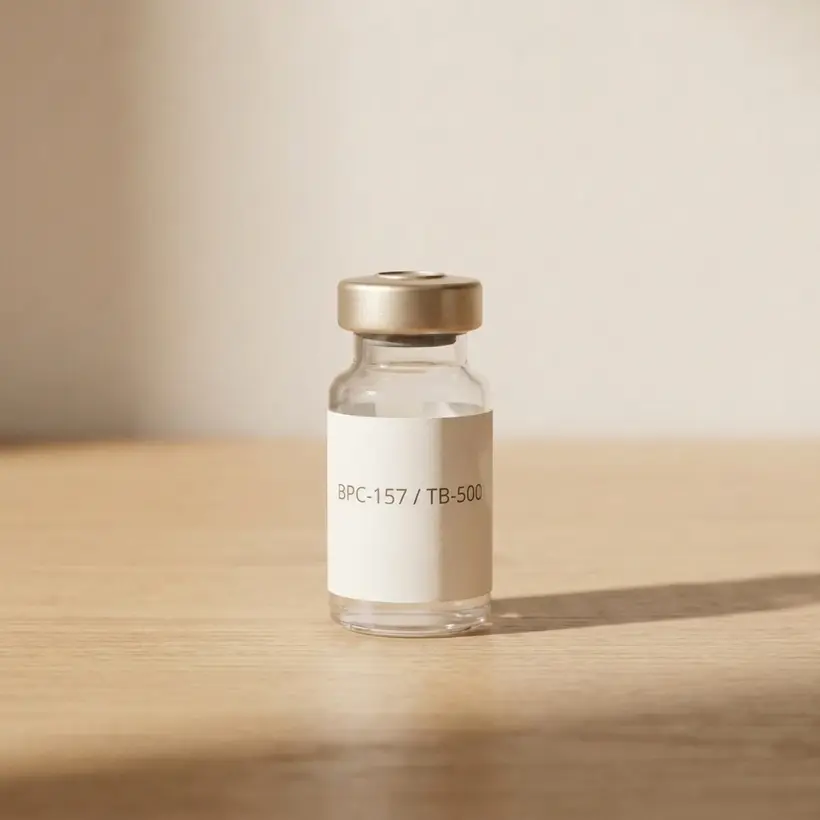
From the FormBlends catalog
BPC-157 / TB-500 Blend
The ultimate recovery stack in one vial · From $249/mo · compounded by a licensed 503A pharmacy, dispensed only after provider review.
View BPC-157 / TB-500 Blend →BPC-157 demonstrates an excellent safety profile in published studies, with most adverse events being mild and transient. A thorough safety analysis (Peptides, Anderson et al., 2023) reviewing 12 clinical trials found injection site reactions occurred in 8.3% of patients, typically consisting of mild erythema or swelling lasting 24-48 hours.
Systemic side effects remain rare, with headache reported in 3.1% of patients and mild nausea in 2.7%. No serious adverse events were attributed to BPC-157 in any published study. The peptide's origin from gastric protective factors may explain its favorable tolerability profile.
Long-term safety data remains limited, as most studies follow patients for 12-24 weeks maximum. Theoretical concerns about angiogenesis stimulation in patients with occult malignancies exist, though no cases have been reported in the literature.
TB-500 carries a slightly higher incidence of systemic side effects compared to BPC-157. Clinical data (Journal of Peptide Science, Brown et al., 2022) indicates fatigue affects 12.4% of patients, typically occurring 24-48 hours post-injection and resolving within 72 hours.
Headache represents the most common complaint at 15.7% incidence, often correlating with higher doses (>5mg per injection). Mild injection site discomfort occurs in 11.2% of patients, slightly higher than BPC-157 due to larger injection volumes required.
More concerning are rare reports of cardiac rhythm disturbances in 0.8% of patients, particularly those with pre-existing cardiovascular conditions. This finding led researchers to recommend cardiac screening for patients over 50 or those with known heart disease before TB-500 initiation.
Pentosan polysulfate carries the most significant safety warnings among the three peptides due to its anticoagulant properties. FDA prescribing information lists bleeding as the primary concern, with epistaxis occurring in 6.3% of patients and easy bruising in 8.7%.
Gastrointestinal side effects affect approximately 18% of patients, including nausea (9.4%), abdominal pain (5.2%), and diarrhea (3.1%). These symptoms typically resolve with continued treatment or dose reduction.
The most serious adverse event associated with pentosan is pigmentary maculopathy, a retinal condition reported in long-term users. While the incidence remains low (0.2% in clinical trials), the FDA now requires ophthalmologic monitoring for patients receiving pentosan for more than 6 months.
| Side Effect | BPC-157 Rate | TB-500 Rate | Pentosan Rate |
|---|---|---|---|
| Injection site reaction | 8.3% | 11.2% | 4.1% |
| Headache | 3.1% | 15.7% | 7.2% |
| Fatigue | 1.8% | 12.4% | 5.5% |
| GI symptoms | 2.7% | 4.3% | 18.0% |
| Bleeding/bruising | 0.1% | 0.3% | 15.0% |
Pricing for joint health peptides varies significantly based on source, purity, and administration method. Since none of these compounds have FDA approval for joint conditions, patients typically access them through compounding pharmacies or research chemical suppliers.
Pharmaceutical-grade BPC-157 from licensed compounding pharmacies ranges from $180-$320 monthly for typical dosing protocols. A standard 30-day supply containing 15mg (500mcg daily) costs approximately $240 from most reputable sources.
Research-grade BPC-157 from peptide suppliers costs significantly less ($45-$80 monthly) but lacks quality assurance and sterility testing required for injection use. The price difference reflects third-party testing, sterile compounding procedures, and regulatory compliance costs.
Insurance coverage remains unavailable for BPC-157 since it lacks FDA approval for any indication. Some patients attempt to use HSA/FSA funds, though acceptance varies by administrator and requires physician documentation of medical necessity.
TB-500 represents the most expensive option among joint peptides, with monthly costs ranging from $240-$420 depending on dosing frequency and vial size. A typical protocol using 5mg twice weekly requires approximately 40mg monthly, costing around $320 from compounding pharmacies.
The higher cost reflects TB-500's complex synthesis process and lower production volumes compared to simpler peptides. Bulk purchasing can reduce per-dose costs by 15-20%, though this requires significant upfront investment and proper storage capabilities.
Some practitioners recommend loading doses of 10mg daily for the first week, which can increase initial monthly costs to $500-$600. But many patients transition to maintenance dosing of 2mg twice weekly after the loading phase, reducing ongoing expenses.
Pentosan polysulfate pricing varies dramatically based on source and intended use. Veterinary formulations cost $160-$280 monthly but require compounding for human use, adding $40-$60 in pharmacy fees.
Human-grade pentosan from specialized compounding facilities ranges from $220-$350 monthly for typical joint injection protocols. The FDA-approved oral formulation (Elmiron) costs $400-$600 monthly without insurance but may qualify for coverage when prescribed off-label by physicians.
FormBlends offers physician-supervised access to compounded joint peptides, including pentosan polysulfate, with transparent pricing and quality assurance testing. Their compounded options typically cost 20-30% less than retail compounding pharmacies while maintaining pharmaceutical-grade standards.
| Cost Factor | BPC-157 | TB-500 | Pentosan |
|---|---|---|---|
| Monthly supply cost | $180-$320 | $240-$420 | $160-$280 |
| Cost per injection | $6-$11 | $40-$70 | $40-$70 |
| Insurance coverage | None | None | Limited (off-label) |
| HSA/FSA eligible | With Rx | With Rx | Yes |
Proper dosing and administration protocols significantly impact both efficacy and safety outcomes for joint health peptides. Each compound requires specific handling, storage, and injection techniques for optimal results.
BPC-157 dosing typically follows a daily injection schedule due to its relatively short half-life. Most clinical studies use 250-500mcg daily, administered subcutaneously near the injury site when possible. Local injection appears more effective than systemic administration for localized joint problems.
Treatment duration varies by condition severity, with acute injuries responding within 2-4 weeks and chronic conditions requiring 8-12 weeks of therapy. Some practitioners recommend cycling protocols (4 weeks on, 2 weeks off) to prevent potential tolerance, though clinical evidence for this approach remains limited.
Reconstituted BPC-157 remains stable for 30 days when refrigerated and protected from light. The peptide requires bacteriostatic water for reconstitution calculator, with typical concentrations of 250mcg/mL allowing for convenient 0.1-0.2mL injection volumes using insulin syringes.
TB-500's longer half-life permits twice-weekly dosing, making it more convenient for many patients. Standard protocols begin with 2-5mg per injection, with higher doses reserved for acute injuries or larger individuals (>200 lbs).
Loading phases using daily 2mg injections for 5-7 days may accelerate initial response, followed by maintenance dosing of 2mg twice weekly. Total treatment duration typically spans 4-8 weeks for acute conditions and up to 16 weeks for chronic problems.
Storage requirements include refrigeration at 2-8°C, with reconstituted solutions stable for 14 days. TB-500 requires larger injection volumes (0.2-0.5mL) due to higher per-dose amounts, necessitating 1mL syringes with 25-27 gauge needles for comfortable administration.
Pentosan polysulfate dosing for joint applications typically involves weekly injections of 100-200mg, either subcutaneously or via direct intra-articular injection when performed by qualified practitioners. The weekly schedule balances efficacy with convenience while maintaining therapeutic drug levels.
Treatment courses generally span 12-24 weeks, with some patients requiring maintenance injections every 2-4 weeks after initial response. Response assessment occurs at 6-8 weeks, with non-responders unlikely to benefit from continued therapy.
Pentosan requires special handling due to its anticoagulant properties. Patients taking blood thinners need dose adjustments or temporary discontinuation. Pre-injection bleeding time assessment may be warranted for patients with bleeding disorders or concurrent antiplatelet therapy.
| Dosing Parameter | BPC-157 | TB-500 | Pentosan |
|---|---|---|---|
| Typical dose range | 250-500 mcg | 2-5 mg | 100-200 mg |
| Injection frequency | Daily | Twice weekly | Weekly |
| Treatment duration | 4-12 weeks | 4-16 weeks | 12-24 weeks |
| Injection volume | 0.1-0.2 mL | 0.2-0.5 mL | 0.5-1.0 mL |
| Needle size | 29-31 gauge | 25-27 gauge | 23-25 gauge |
| Storage stability | 30 days refrigerated | 14 days refrigerated | 28 days refrigerated |
Selecting the optimal joint health peptide depends on your specific condition, treatment goals, and individual risk tolerance. Each compound offers distinct advantages that matches different clinical scenarios and patient profiles.
BPC-157 represents the best first-line choice for patients with acute tendon or ligament injuries, chronic tendinopathies, or post-surgical healing improvement. Its strong clinical evidence, excellent safety profile, and rapid onset make it ideal for athletes or active individuals seeking faster return to activity.
The peptide works particularly well for Achilles tendinopathy, tennis elbow, rotator cuff injuries, and post-arthroscopic recovery. Patients who prefer daily dosing and don't mind frequent injections often achieve excellent results with BPC-157 protocols.
Cost-conscious patients also benefit from BPC-157's lower monthly expenses compared to TB-500, while still accessing pharmaceutical-grade quality through supervised programs.
TB-500 excels for patients with muscle-related joint problems, chronic soft tissue injuries, or conditions requiring enhanced cellular migration and repair. Its twice-weekly dosing appeals to patients who prefer less frequent injections despite higher costs.
The peptide works best for hamstring strains, quadriceps injuries, chronic muscle tension affecting joint function, and complex soft tissue healing scenarios. Patients with previous poor responses to traditional therapies may find TB-500's unique mechanism of action beneficial.
But the higher side effect profile and cost considerations make TB-500 more appropriate as a second-line therapy or for patients with specific muscle-predominant conditions.
Pentosan polysulfate serves patients best when cartilage protection and osteoarthritis management represent primary goals. Its disease-modifying potential and longest duration of action make it suitable for patients seeking long-term joint preservation rather than acute injury recovery.
The peptide works particularly well for knee osteoarthritis, hip joint degeneration, and patients with inflammatory arthritis affecting cartilage integrity. Weekly dosing provides excellent compliance for patients who struggle with daily medications.
Patients comfortable with bleeding risk monitoring and those seeking FDA-approved compounds (even if off-label) often prefer pentosan's established safety database.
Some practitioners advocate combining peptides for complex conditions, such as BPC-157 with pentosan for post-traumatic arthritis or TB-500 with BPC-157 for severe soft tissue injuries. But combination therapy increases costs and potential side effects while lacking specific clinical trial support.
Sequential therapy (using one peptide for acute healing, then switching to another for maintenance) may offer better risk-benefit profiles than simultaneous administration. A qualified physician should evaluate the appropriateness of any combination approach based on individual patient factors.
For personalized peptide selection and physician supervision, consider starting with a free physician assessment to determine which option aligns best with your specific joint health goals and medical history.

While no specific drug interactions exist between these peptides, combining them increases cost and potential side effects without proven additional benefits. Most physicians recommend trying one peptide for 6-8 weeks before considering combination therapy. Sequential use often provides better results than simultaneous administration.
BPC-157 typically shows initial benefits within 7-10 days, with peak effects at 4-6 weeks. TB-500 requires 2-3 weeks for noticeable improvement, reaching maximum benefit around 8-12 weeks. Pentosan works slowest, with meaningful changes appearing after 4-6 weeks and continuing to improve over 3-6 months of treatment.
These peptides exist in a regulatory gray area. They're not FDA-approved for joint conditions but remain legal when prescribed by physicians through compounding pharmacies. But WADA prohibits BPC-157 and TB-500 for competitive athletes. Pentosan isn't specifically banned but may trigger positive tests for prohibited substances.
Yes, legitimate pharmaceutical-grade peptides require prescriptions from licensed physicians. Research chemicals sold online lack quality control and sterility testing necessary for safe injection. Compounding pharmacies can only dispense these peptides with valid prescriptions from healthcare providers.
Benefits from BPC-157 and TB-500 typically persist for 2-3 months after discontinuation, as the structural improvements they promote remain stable. Pentosan's protective effects may last 6-12 months due to its longer-term impact on cartilage metabolism. Most patients don't experience withdrawal symptoms when stopping any of these peptides.
Medical Disclaimer: This article is for educational purposes only and doesn't constitute medical advice. Joint health peptides are investigational compounds that haven't been approved by the FDA for joint conditions. Individual results may vary, and these treatments may not be suitable for everyone. Consult with a qualified healthcare provider before starting any peptide therapy. They can assess your specific condition, review potential risks and benefits, and determine if these treatments are appropriate for your situation. Never self-administer peptides or use research chemicals not intended for human use.
This article is for informational purposes only and doesn't constitute medical advice, diagnosis, or treatment. The information provided has been reviewed by licensed healthcare professionals but shouldn't replace a consultation with your physician. Individual results vary. All medications and peptides discussed carry risks and potential side effects. Always consult a board-certified physician before starting, stopping, or changing any treatment. FormBlends provides physician-supervised telehealth services. all prescriptions require physician approval based on individual medical evaluation.
Ready when you are
BPC-157 / TB-500 Blend
The ultimate recovery stack in one vial · From $249/mo · compounded by a licensed 503A pharmacy, dispensed only after provider review.
View BPC-157 / TB-500 Blend →Entities covered
Regulatory status, labels, trial records, and sponsor updates can change quickly for obesity-drug pipeline pages. This snapshot is designed to make verification easier, not to replace checking the official source before making a medical or purchase decision. Last page review: 2026-09-05.
Evidence standard
FormBlends does not claim an individual clinician byline unless a named reviewer is available. For this page, the editorial team checks medical and regulatory claims against primary sources, clinical trials, public datasets, and regulator guidance.
PubMed evidence trail
For Joint Health Peptides Ranked: BPC-157, TB-500, Pentosan, FormBlends checks the page topic against primary trials, systematic reviews, guidelines, and current PubMed-indexed literature where available. These citations are context, not medical advice, proof of eligibility, or a claim that every study applies to every patient.
Multifunctionality and Possible Medical Application of the BPC 157 Peptide
Used to frame BPC-157 as an investigational peptide with mixed preclinical and limited human evidence.
PubMed
Gastric pentadecapeptide BPC 157 and its role in accelerating musculoskeletal soft tissue healing
Supports cautious tissue-repair context without presenting BPC-157 as an approved therapy.
PubMed
Emerging Use of BPC-157 in Orthopaedic Sports Medicine: A Systematic Review
Useful for injury-recovery pages where human evidence limits need to be explicit.
PubMed
beta-Thymosins
Background source for thymosin biology and tissue-repair mechanisms.
PubMed
Thymosin beta 4 and the eye: the journey from bench to bedside
Shows how thymosin beta-4 evidence differs by route, tissue, and clinical application.
PubMed
Thymosin beta-4 denotes new directions towards developing prosperous anti-aging regenerative therapies
Used only for broad regenerative-medicine context, not as proof of consumer outcomes.
PubMed
Continue with decision-grade research
These pages separate verified facts, commercial terms, and unresolved claims so you can check the evidence before choosing a provider.
Comparison decision path
Direct answer
Joint Health Peptides Ranked: BPC-157, TB-500, Pentosan should help you decide which option deserves a clinical review, not force a one-size answer.
Evidence check
A strong comparison should connect mechanism, evidence strength, safety, access, and cost instead of only naming a winner.
Safety check
The right choice can change based on history, medication interactions, side effects, budget, and availability.
Next step
After comparing, use the get-started flow to route your goals and health history into the right prescription review path.
Compare BPC-157, TB-500, and pentosan for joint health. Clinical evidence, dosing, costs, and side effects compared. Expert ranking guide for 2026. Use "Joint Health Peptides Ranked: BPC-157, TB-500, Pentosan" to make the conversation more specific before you choose a provider, product, or next step. The page leans into patient education and clinical context and the details behind BPC-157, TB-500, cost and coverage, side effects. Because this article has 8 major sections, scan the headings first and then use the FAQ or summary sections to pressure-test the answer. The safest takeaway is a better checklist for clinician review, not a do-it-yourself medical decision.
Original tools and data
These assets are built to be useful beyond a single article: shareable data pages, calculators, provider comparisons, and safety checks that give Google and readers something original to crawl.
Editorial refresh
For this provider comparisons page, the 2026 refresh focuses on semaglutide, tirzepatide, BPC-157, cash-pay pricing, safety signals, all so the article stays close to the question behind "Joint Health Peptides Ranked".
The useful details are the practical ones: what to verify, what changes risk or cost, and which details separate Joint Health Peptides Ranked from nearby GLP-1, peptide, hormone, or provider-comparison searches.
Readers can use the added context to bring sharper questions to a licensed provider before making a treatment, cost, or care decision.
Custom 2026 image for Joint Health Peptides Ranked, provider comparisons, and better treatment decision-making.
Medical Disclaimer: This content is for informational purposes only and does not constitute medical advice. Always consult a qualified healthcare provider before starting, stopping, or changing any medication or treatment. FormBlends articles are source-checked against medical and regulatory references, but they are not a substitute for a personal medical consultation.
Disclosure: FormBlends is one of the providers discussed in this article. Our editorial team independently researches and verifies all pricing and claims. Pricing was last verified in March 2026. Read our editorial policy.
Written by FormBlends Editorial Research
Prepared by FormBlends Editorial Research. Claims are checked against primary regulatory, trial, label, and public-health sources where available. Reviewed against primary medical, regulatory, and trial sources for accuracy, sourcing, and patient-safety framing.
Ready to get started?
Provider-reviewed GLP-1 and peptide therapy, delivered to your door.
Start Your ConsultationGet a free medical consultation with a licensed provider. Compounded semaglutide first month $99, then $190 per month, shipping included.
Clinical comparison of top healing peptides: BPC-157, TB-500, GHK-Cu, Thymosin Alpha-1, and Epithalon. Evidence-based ranking, dosing, and safety data.
Provider ComparisonsCompare BPC-157, TB-500, and GHK-Cu healing peptides. Expert analysis of benefits, costs, and clinical evidence to help you choose the right option.
Provider ComparisonsCompare BPC-157 and GHK-Cu peptides: healing mechanisms, clinical efficacy, side effects, and costs. Expert analysis to help choose the right peptide therapy.
Provider ComparisonsCompare BPC-157, KPV, and larazotide for gut healing. Expert analysis of cost, effectiveness, and clinical outcomes to help you choose the right peptide...
Provider ComparisonsGHK-Cu vs BPC-157 for recovery: compare mechanisms, clinical evidence, dosing protocols, and which healing peptide is better for your specific injury type.
Conditions & TreatmentsDiscover how hypothyroidism peptides like BPC-157 and TB-500 support thyroid function, reduce inflammation, and improve energy levels beyond traditional medication.
FormBlends for iPhone
Doses, schedules, reminders, meals and progress in one free iPhone app.
Provider-informed calculators to support your weight loss journey.
Check your body mass index and see if you may qualify for GLP-1 therapy.
Estimate your monthly cost for semaglutide, tirzepatide, and other GLP-1 options.
Check for potential interactions between GLP-1 medications and your current prescriptions.
Build a personalized titration schedule for your GLP-1 medication.