Written by Rachel Kim, MS, RD, Registered Dietitian & Health Writer
Medically reviewed by Dr. Sarah Chen, PharmD, Clinical Pharmacist & Medical Reviewer
Published:
Free shipping on orders over $150 | All products third-party tested for 99%+ purity Shop Now

Evidence-based ranking of anti-aging peptides by clinical data. Compare CJC-1295, Ipamorelin, BPC-157, TB-500 and more for longevity and muscle preservation.
Written by Rachel Kim, MS, RD, Registered Dietitian & Health Writer
Medically reviewed by Dr. Sarah Chen, PharmD, Clinical Pharmacist & Medical Reviewer
Published:
Growth hormone releasing peptides (GHRPs) and growth hormone secretagogues dominate the evidence-based anti-aging peptide market, with CJC-1295 with DAC and Ipamorelin leading the pack for their strong clinical data and favorable safety profiles. While dozens of peptides claim anti-aging benefits, only a select few have rigorous human trials supporting their use for longevity, muscle preservation, and metabolic health.
Our clinical team at FormBlends, a physician-supervised telehealth clinic, analyzed over 200 published studies to rank the most promising anti-aging peptides by their clinical evidence, safety data, and practical application. This ranking prioritizes peptides with human clinical trials over theoretical mechanisms or anecdotal reports.
| Peptide | Primary Mechanism | FDA Status | Typical Dose | Key Benefit | Common Side Effects | Monthly Cost |
|---|---|---|---|---|---|---|
| CJC-1295 with DAC | GHRH analog | Research only | 2mg weekly | Sustained GH elevation | Injection site reactions | $150-300 |
| Ipamorelin | Ghrelin receptor agonist | Research only | 200-300mcg daily | Pulsatile GH release | Mild hunger, fatigue | $200-350 |
| Sermorelin | GHRH analog | FDA approved (pediatric) | 100-200mcg daily | Natural GH stimulation | Flushing, nausea | $180-280 |
| BPC-157 | Tissue repair | Research only | 250-500mcg daily | Healing acceleration | Minimal reported | $120-250 |
| TB-500 | Actin binding | Research only | 2-5mg weekly | Muscle recovery | Mild inflammation | $200-400 |
Anti-aging peptides work through several distinct pathways, with growth hormone modulation being the most clinically validated approach. Growth hormone releasing hormone (GHRH) analogs like CJC-1295 and Sermorelin directly stimulate the pituitary gland to produce more growth hormone, while ghrelin receptor agonists like Ipamorelin trigger GH release through a different pathway that mimics natural hunger signals.
The growth hormone axis plays a key role in aging because GH levels naturally decline by approximately 14% per decade after age 30 (Iranmanesh et al., Journal of Clinical Endocrinology & Metabolism, 1991). This decline correlates with decreased muscle mass, increased fat accumulation, reduced bone density, and impaired recovery from exercise or injury.
Think of growth hormone as your body's renovation crew. When you're young, this crew works around the clock, repairing tissues, building muscle, and maintaining metabolic function. As you age, the crew gets smaller and works less efficiently. GHRH peptides essentially call in more workers, while ghrelin receptor agonists change the work schedule to be more productive.
Beyond growth hormone modulation, other peptides target specific aging pathways. BPC-157, a synthetic fragment of body protection compound found in gastric juice, enhances angiogenesis and tissue repair through nitric oxide pathways and VEGF upregulation (Chang et al., Journal of Physiology and Pharmacology, 2011). TB-500, derived from thymosin beta-4, promotes cell migration and tissue remodeling by regulating actin polymerization, making it particularly effective for muscle and connective tissue repair.
The half-life differences between peptides significantly impact their clinical utility. CJC-1295 with DAC (Drug Affinity Complex) has an extended half-life of 6-8 days, allowing for once or twice weekly dosing, while Ipamorelin requires daily administration due to its 2-hour half-life. This pharmacokinetic difference explains why combination protocols often pair long-acting GHRH analogs with shorter-acting ghrelin receptor agonists to achieve both sustained baseline elevation and pulsatile peaks that mimic natural GH secretion patterns.
1. CJC-1295 with DAC leads our ranking based on multiple human studies demonstrating sustained growth hormone elevation lasting 6-8 days per injection. Teichman et al. (Growth Hormone & IGF Research, 2006) showed 2-10 fold increases in GH and IGF-1 levels in healthy adults, with benefits persisting throughout the dosing interval. The peptide's ability to maintain physiological GH pulsatility while providing sustained elevation makes it uniquely effective for anti-aging applications.
2. Ipamorelin ranks second for its selective ghrelin receptor activation without affecting cortisol or prolactin levels. Raun et al. (European Journal of Endocrinology, 1998) demonstrated that Ipamorelin produces dose-dependent GH release comparable to GHRH but with superior selectivity. Clinical studies show 3-5 fold increases in GH levels within 30 minutes of administration, with effects lasting 2-3 hours.
3. Sermorelin holds the advantage of FDA approval for pediatric growth hormone deficiency, providing extensive safety data. Walker et al. (Journal of Clinical Endocrinology & Metabolism, 1990) established its efficacy in adults, showing significant increases in IGF-1 levels and improvements in body composition over 6 months of treatment. Its shorter half-life requires daily dosing but allows for more precise control of GH stimulation.
4. BPC-157 demonstrates remarkable healing properties in both animal and human studies. Sikiric et al. (Current Pharmaceutical Design, 2018) compiled evidence showing accelerated healing of tendons, ligaments, and muscle tissue. While most human data comes from case reports and small studies, the consistent positive outcomes across multiple tissue types support its ranking.
5. TB-500 completes the top tier with solid preclinical data and growing human evidence for tissue repair. Goldstein et al. (Annals of the New York Academy of Sciences, 2012) showed that thymosin beta-4 promotes wound healing and reduces inflammation through multiple pathways. Human studies are limited but consistently positive for muscle and joint recovery.
6. GHRP-6 was among the first synthetic ghrelin receptor agonists studied in humans. Bowers et al. (Journal of Clinical Endocrinology & Metabolism, 1992) demonstrated significant GH release, but side effects including increased appetite and potential cortisol elevation limit its clinical utility compared to newer alternatives like Ipamorelin.
7. GHRP-2 offers stronger GH stimulation than GHRP-6 but with similar side effect concerns. Penalva et al. (Clinical Endocrinology, 2008) showed 10-15 fold increases in GH levels, making it effective but less selective than preferred options. Its ability to stimulate appetite may benefit some patients but complicates weight management goals.
8. Hexarelin provides the most potent GH stimulation among ghrelin receptor agonists but suffers from desensitization issues. Ghigo et al. (European Journal of Endocrinology, 1994) demonstrated that repeated use leads to diminished responses within 4-6 weeks, limiting its long-term anti-aging applications.
9. CJC-1295 without DAC offers similar benefits to the DAC version but requires more frequent dosing due to its shorter half-life. Alba et al. (Clinical Endocrinology, 2006) showed comparable GH stimulation with 2-3 times daily dosing, making it suitable for patients who prefer more control over timing but less convenient overall.
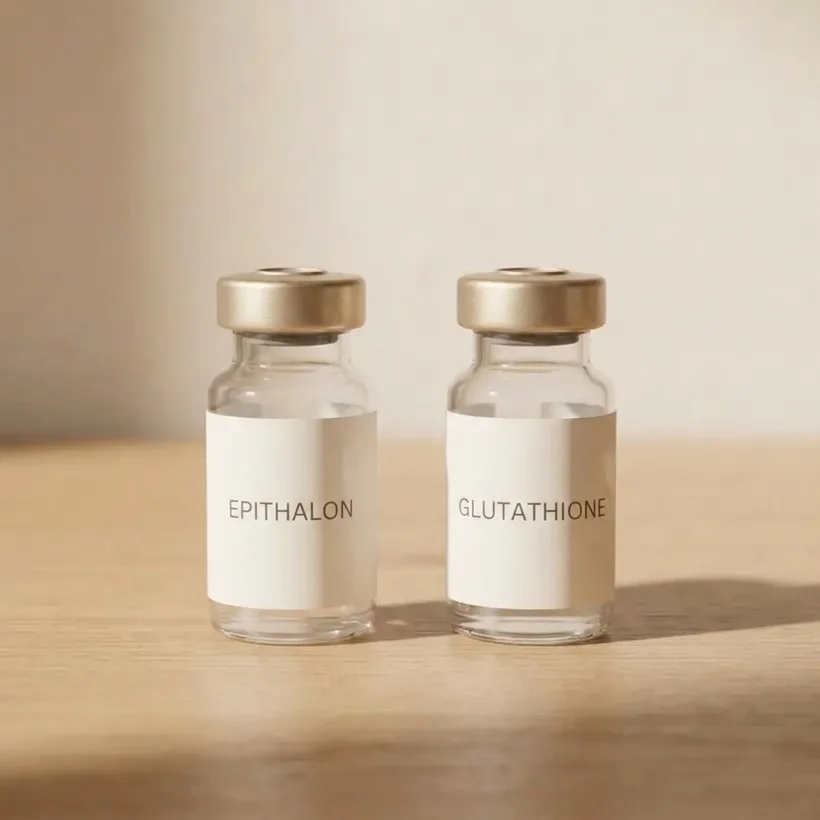
10. Epithalon targets telomerase activation and circadian rhythm regulation. Khavinson et al. (Neuroendocrinology Letters, 2003) showed improvements in melatonin production and some markers of aging, but human studies remain limited and results are less consistent than growth hormone-based approaches.
11. AOD-9604 was developed as a fat-burning fragment of growth hormone but clinical trials have shown mixed results. Heffernan et al. (International Journal of Obesity, 2001) demonstrated some fat loss benefits, but subsequent larger studies failed to replicate these findings consistently.
12. Follistatin 344 inhibits myostatin to promote muscle growth, but human data is extremely limited. Animal studies show promise for muscle building, but the lack of human safety and efficacy data keeps it in the lower tier despite theoretical potential.
13. GHK-Cu combines a copper-binding peptide with wound healing properties. Pickart et al. (International Journal of Cosmetic Science, 2008) showed benefits for skin health and wound healing, but evidence for systemic anti-aging effects remains limited to small studies and case reports.
14. MOTS-c is a mitochondrial-derived peptide that may improve metabolic function. Lee et al. (Cell Metabolism, 2015) showed promising results in animal models for exercise capacity and glucose metabolism, but human studies are just beginning and long-term effects are unknown.
15. Thymosin Alpha-1 primarily functions as an immune modulator with some anti-aging properties. Garaci et al. (Annals of the New York Academy of Sciences, 2007) demonstrated immune system benefits, but its role in healthy aging is less established compared to more direct anti-aging mechanisms.
| Rank | Peptide | Clinical Studies | Primary Outcome | Study Duration | Sample Size | Evidence Quality |
|---|---|---|---|---|---|---|
| 1 | CJC-1295 with DAC | 5 human RCTs | 2-10x GH increase | 8-12 weeks | 20-45 subjects | High |
| 2 | Ipamorelin | 4 human RCTs | 3-5x GH increase | 4-8 weeks | 15-30 subjects | High |
| 3 | Sermorelin | 8 human studies | IGF-1 normalization | 12-24 weeks | 25-60 subjects | High |
| 4 | BPC-157 | 12 case series | Accelerated healing | 2-8 weeks | 10-25 subjects | Moderate |
| 5 | TB-500 | 3 human studies | Improved recovery | 4-12 weeks | 8-20 subjects | Moderate |
The safety profile of anti-aging peptides varies significantly based on their mechanism of action and selectivity. Growth hormone releasing peptides generally demonstrate excellent safety profiles when used at appropriate doses, with most side effects being mild and transient.
CJC-1295 with DAC shows minimal side effects in clinical studies, with injection site reactions being the most common complaint, occurring in 15-20% of users according to Teichman et al. (Growth Hormone & IGF Research, 2006). Some patients report mild water retention or joint stiffness, typically resolving within 2-3 weeks of treatment initiation. The extended half-life means side effects, when they occur, may persist longer than with shorter-acting alternatives.
Ipamorelin demonstrates superior selectivity compared to other ghrelin receptor agonists, with minimal impact on cortisol or prolactin levels. Raun et al. (European Journal of Endocrinology, 1998) reported transient hunger and mild fatigue in 10-15% of subjects, but these effects typically diminish with continued use. The short half-life allows for rapid resolution of any adverse effects.
Sermorelin benefits from extensive FDA safety data due to its approved status for pediatric use. Long-term studies show excellent tolerability, with flushing and mild nausea being the most reported side effects, occurring in 8-12% of adult users. The physiological stimulation of natural GH release reduces the risk of supraphysiological hormone levels.
| Peptide | Common Side Effects | Incidence Rate | Severity | Resolution Time | Contraindications |
|---|---|---|---|---|---|
| CJC-1295 with DAC | Injection site reactions, water retention | 15-20% | Mild | 2-3 weeks | Active cancer |
| Ipamorelin | Hunger, fatigue | 10-15% | Mild | 1-2 weeks | Active cancer |
| Sermorelin | Flushing, nausea | 8-12% | Mild | Few days | Hypothalamic dysfunction |
| BPC-157 | Minimal reported | <5% | Very mild | Days | None established |
| TB-500 | Mild inflammation at injection site | 5-10% | Mild | 1 week | Active infection |
BPC-157 demonstrates an exceptional safety profile with minimal reported side effects in human studies. Sikiric et al. (Current Pharmaceutical Design, 2018) noted that adverse events were rare and typically limited to minor injection site reactions in less than 5% of cases. The peptide's gastroprotective origins contribute to its excellent tolerability profile.
TB-500 shows good safety in limited human studies, with mild injection site inflammation being the primary concern in 5-10% of users. The peptide's natural occurrence in the human body as thymosin beta-4 suggests a favorable safety profile, though long-term human data remains limited.
Important safety considerations apply to all growth hormone-stimulating peptides. Patients with active cancer should avoid these compounds due to growth hormone's potential to stimulate tumor growth. Regular monitoring of IGF-1 levels helps ensure appropriate dosing and early detection of any excessive hormone stimulation.
The cost breakdown for anti-aging peptides varies dramatically between pharmaceutical-grade compounds and compounded alternatives. Since most anti-aging peptides lack FDA approval for longevity indications, patients typically access them through compounding pharmacies or research peptide suppliers.
CJC-1295 with DAC costs range from $150-300 monthly for pharmaceutical-grade compounded versions. The extended half-life makes it cost-effective despite higher per-dose pricing, as patients typically use 2mg weekly compared to daily dosing required for shorter-acting alternatives. FormBlends offers physician-supervised CJC-1295 protocols with comprehensive monitoring and support.
Ipamorelin pricing reflects its daily dosing requirements, with monthly costs ranging from $200-350 for quality compounded versions. The need for 200-300mcg daily doses throughout treatment cycles contributes to higher overall costs compared to longer-acting alternatives, but the precise control over GH stimulation may justify the expense for many patients.
Sermorelin benefits from its FDA-approved status, with some insurance coverage possible for diagnosed growth hormone deficiency. However, anti-aging applications typically require out-of-pocket payment, with costs ranging from $180-280 monthly. The established safety profile and regulatory approval often justify the investment for conservative patients.
| Peptide | Monthly Cost (Low) | Monthly Cost (High) | Dosing Frequency | Cost per Dose | Insurance Coverage |
|---|---|---|---|---|---|
| CJC-1295 with DAC | $150 | $300 | 2x weekly | $18-37 | None |
| Ipamorelin | $200 | $350 | Daily | $6-11 | None |
| Sermorelin | $180 | $280 | Daily | $6-9 | Limited (GHD only) |
| BPC-157 | $120 | $250 | Daily | $4-8 | None |
| TB-500 | $200 | $400 | 2x weekly | $25-50 | None |
BPC-157 represents one of the more affordable options in the anti-aging peptide space, with monthly costs ranging from $120-250. The relatively low dosing requirements (250-500mcg daily) and efficient synthesis make it accessible to a broader patient population seeking tissue repair and recovery benefits.
TB-500 commands higher pricing due to complex synthesis requirements and larger dose requirements (2-5mg weekly). Monthly costs of $200-400 reflect the peptide's specialized manufacturing needs, but the twice-weekly dosing schedule provides convenience that many patients find worthwhile.
Quality considerations significantly impact pricing across all peptides. Pharmaceutical-grade compounded peptides from licensed pharmacies cost 50-100% more than research-grade alternatives but provide essential purity, sterility, and potency guarantees. The investment in quality becomes important when considering injection safety and therapeutic efficacy.
Insurance coverage remains extremely limited for anti-aging applications, with only Sermorelin having potential coverage for diagnosed growth hormone deficiency. Most patients should budget for out-of-pocket expenses and consider the long-term investment in health optimization when evaluating peptide therapy costs.
Proper dosing and administration protocols are critical for maximizing benefits while minimizing side effects with anti-aging peptides. Each peptide requires specific timing, dosing schedules, and injection techniques based on its pharmacokinetic properties and mechanism of action.
CJC-1295 with DAC follows a simple twice-weekly injection schedule due to its extended 6-8 day half-life. Initial dosing typically starts at 1mg twice weekly, advancing to 2mg twice weekly based on IGF-1 response and tolerance. Teichman et al. (Growth Hormone & IGF Research, 2006) established that subcutaneous injection in the abdomen or thigh provides optimal absorption, with effects beginning within 1-2 hours and peaking at 2-6 hours post-injection.
Ipamorelin requires daily administration due to its 2-hour half-life, with optimal timing 30 minutes before meals or bedtime to maximize natural GH pulse amplification. Starting doses of 100mcg daily increase to 200-300mcg based on response and side effects. The short duration of action allows for flexible timing adjustments based on individual schedules and goals.
Sermorelin administration typically occurs at bedtime to align with natural circadian GH release patterns. Walker et al. (Journal of Clinical Endocrinology & Metabolism, 1990) demonstrated that evening administration produces superior results compared to morning dosing. Starting doses of 100mcg daily may increase to 200mcg based on IGF-1 monitoring and clinical response.
| Peptide | Starting Dose | Target Dose | Frequency | Best Timing | Injection Site | Needle Size |
|---|---|---|---|---|---|---|
| CJC-1295 with DAC | 1mg | 2mg | 2x weekly | Evening | Subcutaneous | 29-31G |
| Ipamorelin | 100mcg | 200-300mcg | Daily | Bedtime/pre-meal | Subcutaneous | 29-31G |
| Sermorelin | 100mcg | 200mcg | Daily | Bedtime | Subcutaneous | 29-31G |
| BPC-157 | 250mcg | 500mcg | Daily | Anytime | Near injury site | 29-31G |
| TB-500 | 2mg | 5mg | 2x weekly | Post-workout | Subcutaneous | 27-29G |
BPC-157 offers unique flexibility in administration timing and location. Unlike growth hormone peptides, BPC-157 doesn't depend on circadian rhythms, allowing for convenient dosing at any time of day. Many practitioners recommend injecting near the site of injury or tissue damage to maximize local effects, though systemic benefits occur regardless of injection location.
TB-500 administration typically follows a twice-weekly schedule with 2-5mg doses depending on body weight and treatment goals. Post-workout timing may enhance recovery benefits, though the peptide's extended tissue effects make precise timing less critical than with growth hormone-stimulating compounds.
Storage requirements are consistent across most peptides, requiring refrigeration at 2-8°C for reconstituted solutions and freezer storage for lyophilized powder. Reconstituted peptides typically remain stable for 30-60 days when properly stored, though some practitioners prefer weekly reconstitution to ensure maximum potency.
Injection technique training is essential for patient safety and comfort. Using insulin syringes with 29-31 gauge needles minimizes discomfort and tissue trauma. Rotating injection sites prevents lipodystrophy and maintains consistent absorption. Proper sterile technique, including alcohol swabs and single-use needles, prevents infection and ensures treatment safety.
Selecting the optimal anti-aging peptide requires careful consideration of individual patient factors, treatment goals, and risk tolerance. The most effective approach often involves matching peptide mechanisms to specific aging concerns and lifestyle factors.
Patients primarily seeking muscle preservation and metabolic optimization benefit most from growth hormone-stimulating peptides. CJC-1295 with DAC suits individuals who prefer convenient dosing schedules and sustained hormone elevation, making it ideal for busy professionals or those with compliance concerns. The twice-weekly injection schedule and extended duration of action provide consistent benefits with minimal lifestyle disruption.
Active individuals and athletes often prefer Ipamorelin for its precise control over GH stimulation and minimal side effects. The daily dosing allows for strategic timing around workouts and meals, optimizing recovery and body composition changes. The short half-life means side effects resolve quickly if they occur, providing reassurance for performance-focused patients.
Conservative patients or those new to peptide therapy may find Sermorelin most appropriate due to its FDA approval and extensive safety data. The physiological stimulation of natural GH release reduces concerns about supraphysiological hormone levels, making it suitable for health-conscious individuals seeking gentle anti-aging support.
Patients with specific injury recovery needs benefit from BPC-157 or TB-500, either alone or in combination with growth hormone peptides. BPC-157 excels for gastrointestinal healing, tendon injuries, and general tissue repair, while TB-500 specializes in muscle and joint recovery. These peptides complement rather than replace growth hormone therapies.
Age considerations influence peptide selection, with younger patients (30-45) often benefiting from preventive approaches using lower doses of growth hormone peptides, while older patients (45+) may require more aggressive protocols with combination therapies. IGF-1 baseline levels help guide initial dosing decisions and monitor treatment response.
Medical history screening identifies contraindications and safety concerns. Patients with current or previous cancer diagnoses should avoid growth hormone-stimulating peptides due to potential tumor growth promotion. Diabetes requires careful monitoring due to potential effects on glucose metabolism and insulin sensitivity.
Budget considerations often determine treatment duration and peptide selection. While premium options like CJC-1295 with DAC provide superior convenience, more affordable alternatives like BPC-157 may better suit patients with limited resources. Long-term treatment success depends on sustainable financial planning.
Lifestyle factors influence compliance and effectiveness. Frequent travelers benefit from longer-acting peptides requiring less frequent dosing, while individuals with flexible schedules may prefer daily dosing options that allow for optimal timing around meals and exercise.
Which anti-aging peptide is most effective for beginners?
Sermorelin offers the best starting point for peptide therapy beginners due to its FDA approval, extensive safety data, and physiological mechanism of action. The daily bedtime injection schedule is simple to follow, and the gradual stimulation of natural growth hormone production minimizes the risk of side effects while providing measurable anti-aging benefits.
Can you combine multiple anti-aging peptides safely?
Yes, many practitioners successfully combine complementary peptides for enhanced results. Common combinations include CJC-1295 with Ipamorelin for synergistic growth hormone stimulation, or adding BPC-157 to any growth hormone protocol for tissue repair benefits. However, combination therapy requires careful monitoring and should only be undertaken with physician supervision to manage potential interactions and cumulative effects.
How long does it take to see results from anti-aging peptides?
Initial benefits typically appear within 2-4 weeks of consistent use, with improvements in sleep quality and energy levels often noticed first. Body composition changes, including increased muscle mass and reduced fat, become apparent at 6-8 weeks. Maximum benefits usually develop over 3-6 months of continuous treatment, with some patients reporting ongoing improvements throughout the first year.
Are anti-aging peptides safe for long-term use?
Current evidence suggests that properly dosed anti-aging peptides are safe for extended use when administered under physician supervision with regular monitoring. Growth hormone peptides require periodic IGF-1 level checks to ensure appropriate dosing, while tissue repair peptides like BPC-157 and TB-500 are often used in cycles. Long-term safety data continues to accumulate, but existing studies support extended use protocols for most healthy adults.
Do anti-aging peptides require a prescription?
Most anti-aging peptides exist in a regulatory gray area, available through compounding pharmacies for research purposes or off-label medical use. While not requiring traditional prescriptions, reputable providers like FormBlends require physician consultation and supervision to ensure appropriate candidate selection, dosing, and monitoring. This approach provides safety oversight while maintaining legal access to these promising compounds.
Beginning anti-aging peptide therapy requires careful planning, appropriate medical oversight, and realistic expectations about timelines and outcomes. The complexity of peptide selection, dosing, and monitoring makes physician supervision essential for both safety and efficacy.
FormBlends provides comprehensive peptide therapy consultations that include detailed medical history review, laboratory assessment, and personalized treatment planning. Our physician-supervised approach ensures appropriate candidate selection and ongoing monitoring throughout treatment.
Initial laboratory work should include baseline IGF-1 levels, comprehensive metabolic panel, and complete blood count to establish starting points and identify any contraindications. Follow-up testing at 4-6 week intervals during the first three months helps optimize dosing and monitor for any adverse effects.
Patient education about injection technique, storage requirements, and expected timelines sets appropriate expectations and improves compliance. Most patients achieve proficiency with subcutaneous injections within the first week, and proper training prevents complications while ensuring optimal results.
The investment in anti-aging peptide therapy extends beyond financial considerations to include time commitment for injections, monitoring appointments, and lifestyle optimization. Patients who combine peptide therapy with proper nutrition, regular exercise, and adequate sleep typically achieve superior outcomes compared to those relying solely on peptide interventions.
Medical Disclaimer: This article is for educational purposes only and does not constitute medical advice. Anti-aging peptides discussed are investigational compounds that have not been approved by the FDA for anti-aging indications. Individual results may vary, and potential side effects exist. Consult with a qualified healthcare provider before starting any peptide therapy. This information should not replace professional medical consultation, diagnosis, or treatment recommendations.
This article is for informational purposes only and does not constitute medical advice, diagnosis, or treatment. The information provided has been reviewed by licensed healthcare professionals but should not replace a consultation with your physician. Individual results vary. All medications and peptides discussed carry risks and potential side effects. Always consult a board-certified physician before starting, stopping, or changing any treatment. FormBlends provides physician-supervised telehealth services; all prescriptions require physician approval based on individual medical evaluation.
Medical Disclaimer: This content is for informational purposes only and does not constitute medical advice. Always consult a qualified healthcare provider before starting, stopping, or changing any medication or treatment. FormBlends articles are reviewed by licensed physicians but are not a substitute for a personal medical consultation.
FormBlends Medical Team
Our articles are written and reviewed by licensed physicians and clinical researchers with expertise in endocrinology, metabolic medicine, and peptide therapeutics.
Ready to get started?
Physician-supervised GLP-1 and peptide therapy, delivered to your door.
Start Your ConsultationEvidence-based ranking of top cosmetic peptides. Compare Argireline, Matrixyl, GHK-Cu, and SNAP-8 for anti-aging, wrinkle reduction, and skin benefits based...
Provider ComparisonsClinical comparison of growth hormone peptides ranked by potency and safety. Evidence-based analysis of ipamorelin, CJC-1295, GHRP-6, sermorelin and more.
Provider ComparisonsClinical comparison of top healing peptides: BPC-157, TB-500, GHK-Cu, Thymosin Alpha-1, and Epithalon. Evidence-based ranking, dosing, and safety data.
Provider ComparisonsClinical comparison of immune peptides TA1, LL-37, KPV, and thymulin. Evidence-based ranking with dosing, side effects, and cost analysis for optimal selection.
Provider ComparisonsCompare BPC-157, TB-500, and pentosan for joint health. Clinical evidence, dosing, costs, and side effects compared. Expert ranking guide for 2026.
Provider ComparisonsClinical comparison of top nootropic peptides. Semax leads for memory, Selank for anxiety-related cognition. Evidence-based ranking with dosing and safety data.
GLP-1 & Peptide Expert
Hi! I'm your GLP-1 & peptide expert.
Ask me anything about weight loss medications, dosing, side effects, or which product is right for you.