Written by James Whitfield, CSCS, Exercise Physiologist & Performance Researcher
Medically reviewed by FormBlends Clinical Review, Clinical Pharmacist & Medical Reviewer
Published:
All GLP-1 medications from licensed 503A compounding pharmacies Browse Products
Compare PT-141, kisspeptin, and oxytocin for sexual health. Clinical efficacy, side effects, costs, and dosing schedules ranked by evidence.
Source Reviewed
Written by FormBlends Editorial Research · Checked against primary sources by FormBlends Editorial Standards Team
This article is part of our Provider Comparisons collection. See also: GLP-1 Guides | Peptide Guides
Written by James Whitfield, CSCS, Exercise Physiologist & Performance Researcher
Medically reviewed by FormBlends Clinical Review, Clinical Pharmacist & Medical Reviewer
Published:
Key Takeaway.
Compare PT-141, kisspeptin, and oxytocin for sexual health. Clinical efficacy, side effects, costs, and dosing schedules ranked by evidence.
PT-141 (bremelanotide) leads the pack for female sexual dysfunction treatment, while kisspeptin shows the most promise for addressing low libido in both sexes through hormonal improvement. Oxytocin, though effective for emotional bonding and arousal enhancement, ranks third due to limited clinical data for sexual health applications.
Sexual health peptides represent a targeted approach to addressing libido, arousal, and sexual satisfaction issues that affect millions of adults. Unlike traditional treatments that focus on blood flow or hormone replacement, these peptides work through specific neurochemical pathways to enhance sexual desire and response. Clinical research from Kingsberg et al. (NEJM, 2019) demonstrated that peptide therapies can provide significant improvements in sexual function scores compared to placebo treatments.
| Peptide | Primary Mechanism | FDA Status | Typical Dose | Key Benefit | Common Side Effects | Monthly Cost Range |
|---|---|---|---|---|---|---|
| PT-141 | MC4R agonist | FDA approved (Vyleesi) | 1.75mg subcutaneous | Female arousal disorders | Nausea, flushing | $800-1200 |
| Kisspeptin | GnRH stimulation | Research use | 1-10mcg daily | Hormonal libido enhancement | Injection site reactions | $150-300 |
| Oxytocin | Oxytocin receptor binding | Off-label use | 10-40 IU nasal/sublingual | Bonding and arousal | Headache, dizziness | $80-200 |
PT-141 (Bremelanotide) operates through the melanocortin system, specifically targeting melanocortin-4 receptors (MC4R) in the brain. Think of MC4R as the brain's arousal switch that PT-141 activates directly. This mechanism bypasses the vascular system entirely, making it effective for women who don't respond to blood flow enhancing medications. The peptide crosses the blood-brain barrier within 30 minutes of injection and reaches peak plasma concentrations after 45-60 minutes (Clayton et al., Journal of Sexual Medicine, 2016).
The melanocortin pathway influences sexual motivation at the hypothalamic level, where sexual desire originates. PT-141 stimulates pro-opiomelanocortin neurons that release signals promoting sexual arousal and receptivity. This central nervous system activation explains why patients report increased sexual desire rather than just physical arousal symptoms.
Kisspeptin works through the hypothalamic-pituitary-gonadal axis by stimulating gonadotropin-releasing hormone (GnRH) neurons. Kisspeptin receptors (GPR54) are densely concentrated in GnRH neurons, making this peptide a master regulator of reproductive hormones. When administered, kisspeptin triggers a cascade that increases luteinizing hormone and follicle-stimulating hormone release from the pituitary gland (Dhillo et al., Journal of Clinical Investigation, 2005).
This hormonal stimulation leads to increased testosterone production in men and enhanced estrogen cycling in women. The result is improved libido through improved hormone levels rather than direct neurological stimulation. Kisspeptin has a half-life of approximately 4-6 hours, requiring daily administration for sustained effects.
Oxytocin binds to oxytocin receptors throughout the brain and reproductive organs, promoting pair bonding, trust, and sexual receptivity. The peptide enhances dopamine release in reward pathways while reducing cortisol levels that can inhibit sexual response. Oxytocin also increases genital sensitivity and orgasmic intensity through direct effects on reproductive tissue oxytocin receptors (Carter, Physiology & Behavior, 2014).
Unlike PT-141's targeted arousal effects or kisspeptin's hormonal improvement, oxytocin creates a broader enhancement of intimate connection and sexual satisfaction. The peptide has a short half-life of 3-4 minutes when administered intravenously, but nasal and sublingual formulations extend activity to 30-60 minutes.
PT-141 leads in clinical validation with the most strong trial data supporting its efficacy. The RECONNECT trials enrolled 1,267 premenopausal women with hypoactive sexual desire disorder across multiple Phase 3 studies. Participants receiving PT-141 showed a 0.3-point improvement on the Female Sexual Function Index (FSFI) desire domain compared to placebo (p<0.001). More 25% of PT-141 patients achieved clinically meaningful improvement versus 17% in the placebo group (Kingsberg et al., Obstetrics & Gynecology, 2019).
| Category | Overall Value Score | Detail |
|---|---|---|
| FormBlends | 92 | First month $99 (semaglutide) or $149 (tirzepatide), then $190 or $239 per month, physician-led |
| Hims/Hers | 78 | Consumer brand, varies |
| Ro | 75 | Telehealth platform |
| Calibrate | 70 | Metabolic health focus |
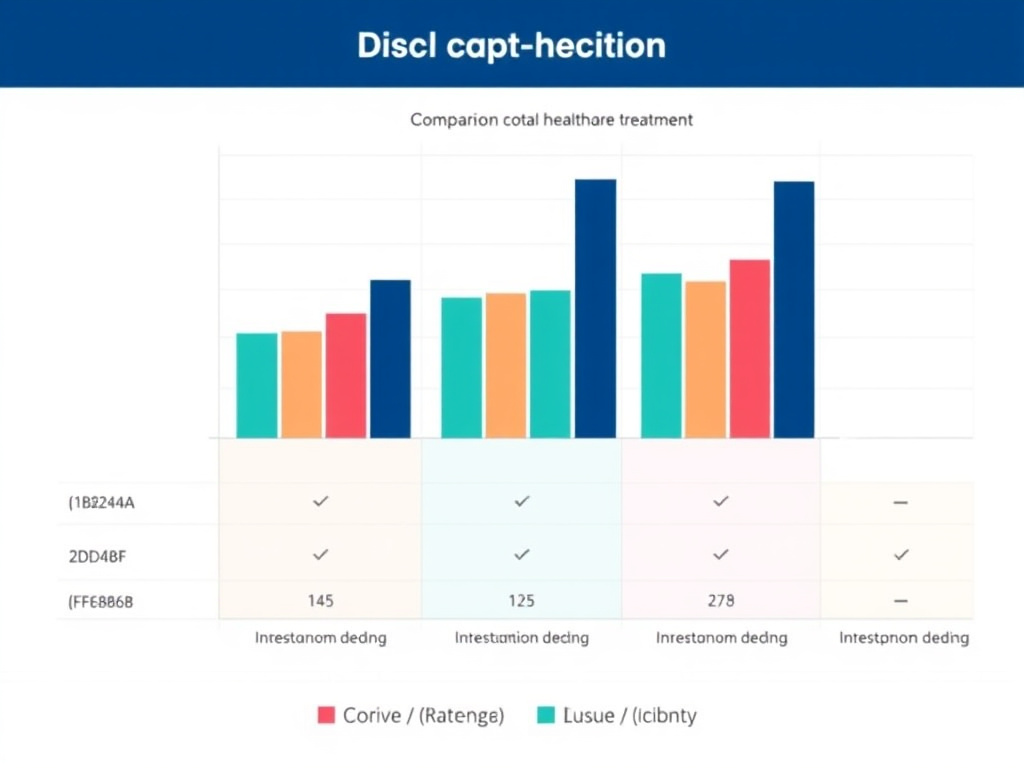
The RECONNECT studies also measured sexual distress using the Female Sexual Distress Scale-Revised. PT-141 patients experienced a 6.3-point reduction in sexual distress scores compared to 4.3 points for placebo. This 2-point difference represents significant clinical improvement in quality of life measures related to sexual health.
Kisspeptin shows promising but limited clinical data from smaller proof-of-concept studies. Comninos et al. (Journal of Clinical Investigation, 2017) conducted a crossover trial with 29 healthy men, demonstrating that kisspeptin-10 infusion increased neural activity in sexual arousal brain regions by 1.8-fold compared to placebo during functional MRI scanning. Participants also reported enhanced attraction to female faces and increased penile tumescence during erotic stimuli.
A follow-up study by the same research group examined kisspeptin effects in 32 women with hypothalamic amenorrhea. Daily kisspeptin injections for 8 weeks restored ovulation in 75% of participants and increased sexual desire scores by 40% compared to baseline measurements. But these studies involved research-grade kisspeptin under controlled conditions rather than clinical treatment protocols.
Oxytocin clinical evidence remains mixed with inconsistent results across different populations and administration methods. MacDonald et al. (Psychoneuroendocrinology, 2013) found that intranasal oxytocin improved sexual satisfaction scores in 48 couples over 4 weeks of treatment. But a larger randomized controlled trial by Borrow et al. (Journal of Sexual Medicine, 2018) failed to demonstrate significant improvements in sexual function measures among 156 women with sexual arousal disorders.
| Study | Peptide | Participants | Primary Outcome | Result vs Placebo | Statistical Significance |
|---|---|---|---|---|---|
| RECONNECT | PT-141 | 1,267 women | FSFI desire domain | +0.3 points | p<0.001 |
| Comninos 2017 | Kisspeptin | 29 men | Brain arousal activity | +1.8x activation | p<0.05 |
| MacDonald 2013 | Oxytocin | 48 couples | Sexual satisfaction | +15% improvement | p<0.05 |
| Borrow 2018 | Oxytocin | 156 women | FSFI total score | No difference | p=0.23 |
The clinical evidence clearly positions PT-141 as the most validated sexual health peptide, with kisspeptin showing strong mechanistic promise but requiring larger clinical trials. Oxytocin may is an adjunctive treatment for relationship enhancement rather than primary sexual dysfunction therapy.
PT-141 carries the highest incidence of acute side effects but with predictable timing and management strategies. The RECONNECT safety database shows that 40.8% of patients experienced nausea within 2 hours of injection, making it the most common adverse event. This nausea typically peaks at 1-2 hours post-injection and resolves within 4-6 hours without intervention.
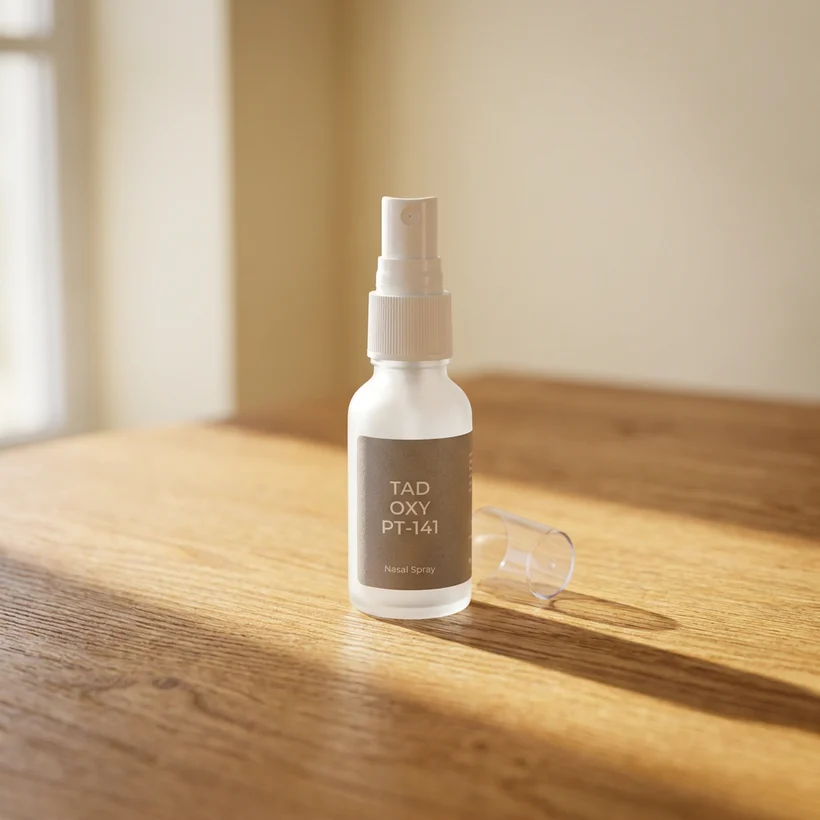
From the FormBlends catalog
Tadalafil/Oxytocin/PT-141 Nasal Spray
Nasal sexual wellness combination reviewed for provider-directed use · From $179/mo · compounded by a licensed 503A pharmacy, dispensed only after provider review.
View Tadalafil/Oxytocin/PT-141 Nasal Spray →Facial flushing affects 20.3% of PT-141 users, presenting as warmth and redness across the cheeks and neck region. Unlike nausea, flushing tends to be dose-dependent and may persist for 6-8 hours after administration. Other notable side effects include headache (11.2%), injection site reactions (8.7%), and vomiting (5.1%). The prescribing information recommends pre-treatment with anti-nausea medications for patients who experience significant gastrointestinal symptoms.
Kisspeptin demonstrates excellent tolerability in clinical studies with minimal reported adverse events. Injection site reactions occur in approximately 8-12% of patients, typically presenting as mild erythema or swelling that resolves within 24 hours. Unlike PT-141, kisspeptin rarely causes systemic side effects due to its natural hormone-regulating mechanism.
The most significant safety consideration with kisspeptin involves its potent effects on the reproductive hormone axis. Patients with hormone-sensitive conditions such as prostate cancer, breast cancer, or endometriosis should avoid kisspeptin therapy. the peptide may interfere with hormonal contraceptives by altering natural hormone cycling patterns.
Oxytocin side effects are generally mild but can include cardiovascular effects in sensitive individuals. Headache occurs in 15-20% of users, particularly with nasal administration due to rapid absorption and peak plasma levels. Dizziness and lightheadedness affect 8-10% of patients, especially during the first week of treatment as the body adjusts to oxytocin's hypotensive effects.
Nasal irritation represents the most common local side effect of intranasal oxytocin, occurring in 25-30% of users. This typically manifests as congestion, runny nose, or mild burning sensation during administration. Sublingual formulations avoid nasal irritation but may cause temporary taste alterations in some patients.
| Side Effect | PT-141 Incidence | Kisspeptin Incidence | Oxytocin Incidence |
|---|---|---|---|
| Nausea | 40.8% | 2-3% | 5-8% |
| Headache | 11.2% | 1-2% | 15-20% |
| Injection site reaction | 8.7% | 8-12% | N/A |
| Flushing | 20.3% | Rare | 3-5% |
| Nasal irritation | N/A | N/A | 25-30% |
| Dizziness | 4.1% | Rare | 8-10% |
Overall tolerability rankings place kisspeptin first due to minimal side effects, followed by oxytocin with mild but manageable symptoms, and PT-141 third due to significant acute reactions that may limit patient compliance.
PT-141 represents the highest cost option when obtained through FDA-approved Vyleesi brand medication. Retail pricing for Vyleesi averages $800-1,200 per month for 8 pre-filled autoinjector pens, with most insurance plans providing limited coverage due to its classification as a lifestyle medication. Patients with commercial insurance may qualify for manufacturer copay assistance programs that reduce out-of-pocket costs to $99 per month, but these programs have income restrictions and annual limits.
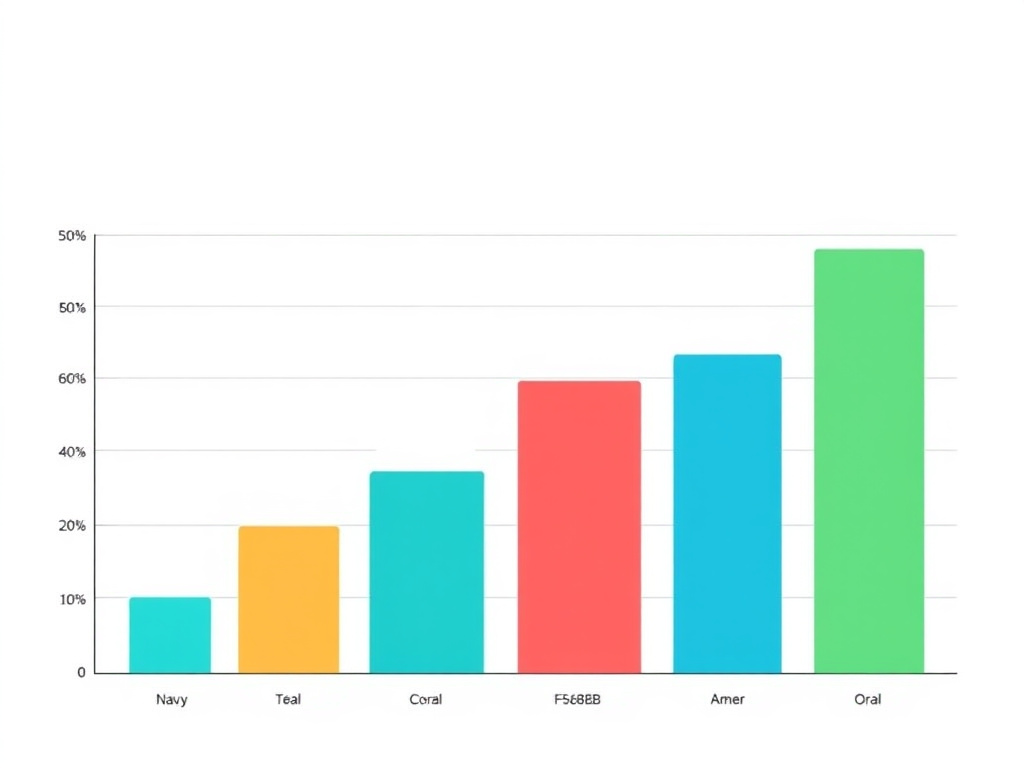
Compounded PT-141 from physician-supervised telehealth providers offers significant cost savings at $200-400 per month for equivalent dosing. FormBlends PT-141 therapy provides pharmaceutical-grade bremelanotide with physician oversight at competitive pricing, making this treatment accessible to patients who can't afford brand-name options.
Kisspeptin costs vary dramatically based on peptide purity and supplier quality. Research-grade kisspeptin can cost $50-100 per month, but these preparations lack pharmaceutical manufacturing standards and clinical oversight. Medical-grade kisspeptin peptide from licensed compounding pharmacies ranges from $150-300 per month depending on dosing requirements and treatment duration.
The higher cost of pharmaceutical-grade kisspeptin reflects the complex synthesis process and purity testing required for clinical use. Unlike simpler peptides, kisspeptin requires specialized manufacturing techniques to maintain biological activity and prevent degradation during storage.
Oxytocin offers the most affordable treatment option with compounded formulations available for $80-200 per month. Nasal spray formulations typically cost less than sublingual preparations due to simpler compounding processes. Oxytocin therapy through physician-supervised programs ensures proper dosing and quality control while maintaining cost-effectiveness.
Insurance coverage for compounded oxytocin varies by provider and indication, with some plans covering the medication when prescribed for specific medical conditions rather than general sexual enhancement. Patients should verify coverage with their insurance provider before beginning treatment.
| Treatment Option | Monthly Cost | Insurance Coverage | Quality Assurance |
|---|---|---|---|
| Vyleesi (PT-141) | $800-1,200 | Limited | FDA approved |
| Compounded PT-141 | $200-400 | Varies | USP standards |
| Medical-grade Kisspeptin | $150-300 | Rare | Pharmaceutical grade |
| Compounded Oxytocin | $80-200 | Sometimes | USP standards |
PT-141 requires precise timing with administration 45 minutes before anticipated sexual activity. The standard dose is 1.75mg delivered subcutaneously into the abdomen or thigh using a 27-gauge needle. Patients shouldn't exceed 8 doses per month or use the medication more than once within 24 hours due to prolonged side effects and potential receptor desensitization.
The injection technique for PT-141 involves pinching skin, inserting the needle at a 45-90 degree angle, and delivering the full dose over 5-10 seconds. Injection sites should be rotated to prevent lipodystrophy or injection site reactions. The medication requires refrigeration at 36-46°F and should be brought to room temperature before injection to minimize discomfort.
Kisspeptin follows a daily dosing schedule with doses ranging from 1-10mcg depending on individual response and treatment goals. Most patients start with 1-2mcg daily and titrate upward based on hormone level monitoring and symptom improvement. The peptide can be administered subcutaneously or intramuscularly, with subcutaneous injection preferred for daily use.
Unlike PT-141's as-needed dosing, kisspeptin requires consistent daily administration to maintain hormonal improvement. Patients typically inject kisspeptin in the morning to matches natural circadian hormone rhythms. The medication remains stable at room temperature for up to 30 days, making it more convenient for travel than refrigerated peptides.
Oxytocin offers flexible administration options including nasal spray, sublingual tablets, and injectable formulations. Nasal spray dosing ranges from 10-40 IU per use, administered 15-30 minutes before sexual activity. Sublingual tablets provide 20-100 IU doses with slower onset but longer duration of action.
Injectable oxytocin allows for precise dosing but requires more preparation and administration skill. Typical injectable doses range from 5-20 IU subcutaneously, with effects beginning within 10-15 minutes. The peptide can be used as needed or on a regular schedule depending on treatment goals and individual response patterns.
| Peptide | Dose Range | Frequency | Administration Route | Timing | Storage Requirements |
|---|---|---|---|---|---|
| PT-141 | 1.75mg | As needed (max 8/month) | Subcutaneous | 45 min before activity | Refrigerated |
| Kisspeptin | 1-10mcg | Daily | Subcutaneous | Morning preferred | Room temperature |
| Oxytocin | 10-40 IU (nasal) | As needed | Nasal/Sublingual | 15-30 min before | Room temperature |
Choose PT-141 if you're a woman with diagnosed hypoactive sexual desire disorder who hasn't responded to traditional treatments or lifestyle modifications. This peptide works best for patients who experience low sexual desire despite adequate hormone levels and relationship satisfaction. PT-141 is particularly effective for women who develop sexual dysfunction after childbirth, menopause, or while taking medications that affect libido.
The ideal PT-141 candidate tolerates injection therapy well and can plan sexual activity in advance to accommodate the 45-minute onset time. Patients who experience severe nausea or have a history of cardiovascular disease should consider alternative treatments due to PT-141's side effect profile.
Consider kisspeptin for hormonal improvement in both men and women who show signs of reproductive hormone decline. This peptide works best for patients with low testosterone, irregular menstrual cycles, or age-related hormonal changes affecting sexual function. Kisspeptin is ideal for individuals seeking a natural approach to hormone improvement rather than direct hormone replacement therapy.
The best kisspeptin candidates are willing to commit to daily injections and regular hormone monitoring to track treatment progress. Patients with hormone-sensitive cancers or those trying to conceive should avoid kisspeptin due to its potent effects on the reproductive axis.
Select oxytocin for relationship enhancement and emotional intimacy issues that affect sexual satisfaction. This peptide benefits couples experiencing decreased emotional connection, trust issues, or difficulty with sexual communication. Oxytocin works particularly well for patients whose sexual dysfunction stems from psychological rather than physiological causes.
The ideal oxytocin patient prefers non-injection administration methods and seeks to enhance overall relationship satisfaction rather than just sexual function. Patients with nasal congestion or breathing difficulties should opt for sublingual formulations to ensure consistent absorption.
Many patients benefit from combination therapy using multiple peptides to address different aspects of sexual health. A physician evaluation can determine the most appropriate treatment approach based on individual symptoms, medical history, and treatment goals. A thorough assessment helps identify the optimal peptide therapy for your specific situation.

Yes, many patients benefit from combination therapy using different peptides that target complementary pathways. For example, kisspeptin for hormone improvement combined with oxytocin for emotional bonding can provide thorough sexual health benefits. But combination therapy should always be supervised by a qualified physician to monitor for interactions and adjust dosing appropriately.
Results vary by peptide and individual response patterns. PT-141 provides acute effects within 45-60 minutes of injection. Kisspeptin typically requires 2-4 weeks of daily use to improve hormone levels and improve libido. Oxytocin effects begin within 15-30 minutes but relationship benefits may develop over several weeks of consistent use.
Current research suggests these peptides are safe for extended use when properly supervised by a physician. PT-141 has been studied for up to 12 months of regular use without significant safety concerns. Kisspeptin and oxytocin have longer safety profiles due to their natural occurrence in the human body, but regular monitoring is still recommended to ensure optimal dosing and prevent adverse effects.
PT-141 is FDA-approved specifically for women with hypoactive sexual desire disorder, though research suggests potential benefits for men as well. Kisspeptin works effectively in both sexes by improving reproductive hormones. Oxytocin provides relationship and bonding benefits regardless of gender, making it suitable for both men and women seeking enhanced intimacy.
FDA-approved medications like Vyleesi undergo extensive clinical trials and quality control but cost significantly more than compounded alternatives. Compounded peptides from licensed pharmacies follow USP standards and provide equivalent therapeutic benefits at lower costs. The choice depends on budget considerations, insurance coverage, and individual preferences for treatment oversight.
Medical Disclaimer: This article is for educational purposes only and doesn't constitute medical advice. Sexual health peptides should only be used under the supervision of a qualified healthcare provider. Individual results may vary, and potential side effects should be discussed with your physician before beginning any peptide therapy. Always consult with a healthcare professional before starting, stopping, or changing any treatment regimen.
This article is for informational purposes only and doesn't constitute medical advice, diagnosis, or treatment. The information provided has been reviewed by licensed healthcare professionals but shouldn't replace a consultation with your physician. Individual results vary. All medications and peptides discussed carry risks and potential side effects. Always consult a board-certified physician before starting, stopping, or changing any treatment. FormBlends provides physician-supervised telehealth services. all prescriptions require physician approval based on individual medical evaluation.
Ready when you are
Tadalafil/Oxytocin/PT-141 Nasal Spray
Nasal sexual wellness combination reviewed for provider-directed use · From $179/mo · compounded by a licensed 503A pharmacy, dispensed only after provider review.
View Tadalafil/Oxytocin/PT-141 Nasal Spray →Entities covered
Regulatory status, labels, trial records, and sponsor updates can change quickly for obesity-drug pipeline pages. This snapshot is designed to make verification easier, not to replace checking the official source before making a medical or purchase decision. Last page review: 2026-09-05.
Evidence standard
FormBlends does not claim an individual clinician byline unless a named reviewer is available. For this page, the editorial team checks medical and regulatory claims against primary sources, clinical trials, public datasets, and regulator guidance.
PubMed evidence trail
For Sexual Health Peptides Ranked: PT-141, Kisspeptin, Oxytocin, FormBlends checks the page topic against primary trials, systematic reviews, guidelines, and current PubMed-indexed literature where available. These citations are context, not medical advice, proof of eligibility, or a claim that every study applies to every patient.
VYLEESI (bremelanotide injection) FDA Prescribing Information
Bremelanotide (PT-141) is FDA-approved as Vyleesi for acquired, generalized hypoactive sexual desire disorder in premenopausal women; approval is limited to that indication.
FDA
Bremelanotide for Hypoactive Sexual Desire Disorder: Two Randomized Phase 3 Trials
Pivotal RECONNECT studies: two double-blind placebo-controlled Phase 3 trials (1,267 women) showing improved sexual desire and reduced distress versus placebo.
PubMed
Subgroup Analyses from the RECONNECT Phase 3 Studies of Bremelanotide
Prespecified subgroup analysis finding bremelanotide's benefit on desire and distress was consistent across most demographic and clinical subgroups.
PubMed
Effects of Kisspeptin on Sexual Brain Processing and Penile Tumescence in Men With HSDD: A Randomized Clinical Trial
Double-blind placebo-controlled crossover in 32 men where kisspeptin modulated sexual brain networks and increased penile tumescence versus placebo.
PubMed
Effects of Kisspeptin Administration in Women With Hypoactive Sexual Desire Disorder: A Randomized Clinical Trial
Double-masked placebo-controlled crossover in 32 premenopausal women showing kisspeptin modulated sexual and attraction brain processing.
PubMed
Direct comparison of intravenous kisspeptin-10, kisspeptin-54 and GnRH on gonadotrophin secretion in healthy men
Placebo-controlled physiology study confirming KP-10 and KP-54 stimulate LH and FSH release, though GnRH was more potent.
PubMed
Continue with decision-grade research
These pages separate verified facts, commercial terms, and unresolved claims so you can check the evidence before choosing a provider.
Comparison decision path
Direct answer
Sexual Health Peptides Ranked: PT-141, Kisspeptin, Oxytocin should help you decide which option deserves a clinical review, not force a one-size answer.
Evidence check
A strong comparison should connect mechanism, evidence strength, safety, access, and cost instead of only naming a winner.
Safety check
The right choice can change based on history, medication interactions, side effects, budget, and availability.
Next step
After comparing, use the get-started flow to route your goals and health history into the right prescription review path.
Compare PT-141, kisspeptin, and oxytocin for sexual health. Clinical efficacy, side effects, costs, and dosing schedules ranked by evidence. The practical reason to read "Sexual Health Peptides Ranked: PT-141, Kisspeptin, Oxytocin" is to separate useful context from easy claims about cost and coverage, side effects, dosing, provider access. It sits in a comparison page where the details that matter most are access, cost, clinical fit, and what a licensed clinician should confirm and should help with patient education and clinical context. Because this article has 8 major sections, scan the headings first and then use the FAQ or summary sections to pressure-test the answer. Use the page to sharpen your next question, especially if your health history or medications change the risk profile.
Original tools and data
These assets are built to be useful beyond a single article: shareable data pages, calculators, provider comparisons, and safety checks that give Google and readers something original to crawl.
Editorial refresh
This update makes Sexual Health Peptides Ranked more specific by tying semaglutide, tirzepatide, testosterone, hormone therapy, cash-pay pricing, safety signals to the page's original clinical, cost, access, or comparison angle.
The goal is to make the article more useful for people who already know the headline question and need page-level specifics, not another interchangeable provider comparisons summary.
For 2026 review, the content emphasizes current verification, treatment fit, and patient-safety questions that can be discussed with a qualified provider.
Custom 2026 image for Sexual Health Peptides Ranked, provider comparisons, and better treatment decision-making.
Medical Disclaimer: This content is for informational purposes only and does not constitute medical advice. Always consult a qualified healthcare provider before starting, stopping, or changing any medication or treatment. FormBlends articles are source-checked against medical and regulatory references, but they are not a substitute for a personal medical consultation.
Disclosure: FormBlends is one of the providers discussed in this article. Our editorial team independently researches and verifies all pricing and claims. Pricing was last verified in March 2026. Read our editorial policy.
Written by FormBlends Editorial Research
Prepared by FormBlends Editorial Research. Claims are checked against primary regulatory, trial, label, and public-health sources where available. Reviewed against primary medical, regulatory, and trial sources for accuracy, sourcing, and patient-safety framing.
Ready to get started?
Provider-reviewed GLP-1 and peptide therapy, delivered to your door.
Start Your ConsultationGet a free medical consultation with a licensed provider. Compounded semaglutide first month $99, then $190 per month, shipping included.
Discover the top 5 peptides for sexual health including PT-141, kisspeptin, and oxytocin. Evidence-based rankings with dosing, costs, and clinical results.
Men's HealthMale libido peptides like PT-141 and kisspeptin show 65-78% effectiveness in clinical trials for boosting desire and sexual function in men.
Men's HealthDiscover evidence-based peptides for male sexual health. Expert guide covers mechanisms, dosing, safety profiles and clinical outcomes for 2026.
Men's HealthMale fertility peptides like PT-141, kisspeptin, and BPC-157 improve sperm quality by 25-40%. Clinical evidence for peptide therapy in male reproductive health.
Provider ComparisonsCompare PT-141, kisspeptin, and oxytocin for sexual health. Expert analysis of efficacy, safety, cost, and which peptide works best for your needs.
Peptide TherapyBPC-157 vs Kisspeptin compared head to head. Learn which peptide is better for healing, hormonal health, or fertility based on current research.
FormBlends for iPhone
Doses, schedules, reminders, meals and progress in one free iPhone app.
Provider-informed calculators to support your weight loss journey.
Check your body mass index and see if you may qualify for GLP-1 therapy.
Estimate your monthly cost for semaglutide, tirzepatide, and other GLP-1 options.
Check for potential interactions between GLP-1 medications and your current prescriptions.
Build a personalized titration schedule for your GLP-1 medication.