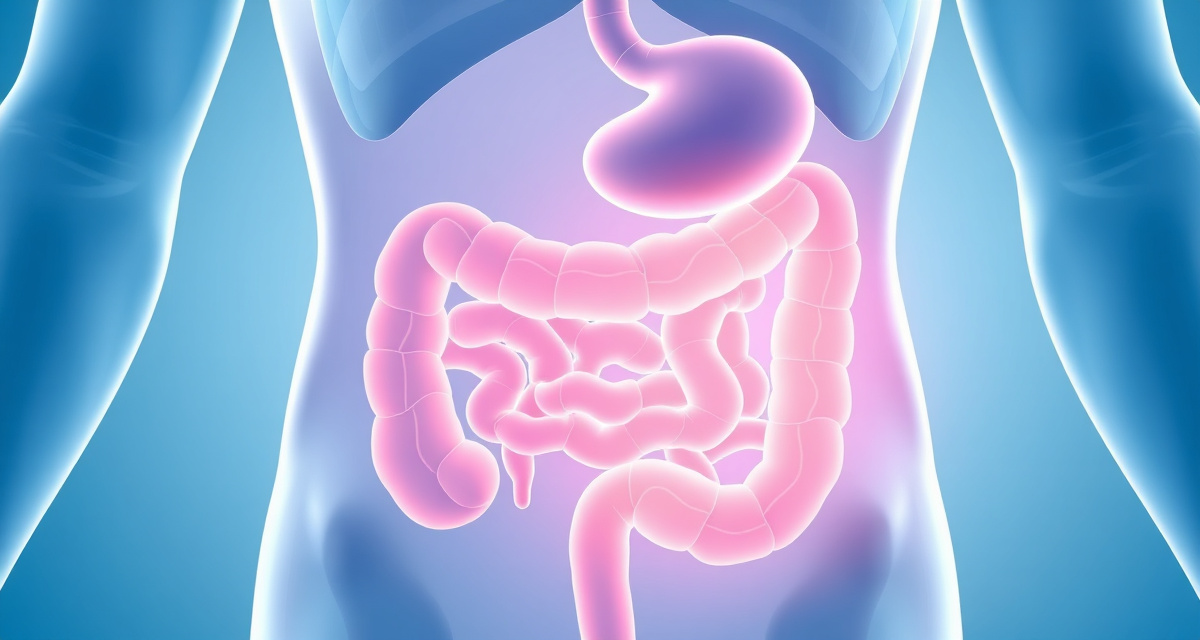
Quick Answer
GLP-1 (glucagon-like peptide-1) is a hormone your gut produces after eating. It tells your pancreas to release insulin, slows stomach emptying so you feel full longer, and signals your brain to reduce appetite. GLP-1 medications like semaglutide and tirzepatide mimic this hormone at higher levels, producing average weight loss of 15-22% of body weight in clinical trials.
Key Takeaway
GLP-1 is a natural gut hormone that controls blood sugar, appetite, and feelings of fullness. GLP-1 receptor agonist medications like semaglutide and tirzepatide mimic this hormone at sustained levels to produce clinically significant weight loss and metabolic improvements. This guide explains the complete science, every approved medication, and what the research says about GLP-1s growing role in modern medicine.
GLP-1 (glucagon-like peptide-1) is a hormone naturally produced in your small intestine that matters in regulating blood sugar levels, controlling appetite, and signaling fullness to your brain. GLP-1 receptor agonist medications - including semaglutide (Ozempic/Wegovy) and tirzepatide (Mounjaro/Zepbound) - work by mimicking this natural hormone at higher, sustained levels to produce significant weight loss and metabolic improvements.
If you have heard about GLP-1 in the news, on social media, or from your doctor, you aren't alone. These three letters have become one of the most talked-about topics in medicine. But beneath the headlines and celebrity stories lies something genuinely remarkable: a class of medications rooted in decades of careful science that's changing how we understand and treat obesity, diabetes, and a growing list of other conditions.
This guide will take you from the basics - what GLP-1 actually is and where it comes from - all the way through the advanced research that's expanding what these medications can do. Whether you're considering GLP-1 medication for weight loss, managing type 2 diabetes, or simply trying to understand the science, you'll find thorough, evidence-based answers here.
Understanding GLP-1 at a deep level matters because misinformation is rampant. Supplement companies claim to "naturally boost GLP-1" to medication levels. Social media influencers dismiss these medications as vanity drugs. Well-meaning friends and family members offer opinions based on incomplete understanding. And patients are left trying to separate signal from noise in one of the most important health decisions they may face.
Our goal with this guide is to provide the most thorough, evidence-based resource available on GLP-1 - one that respects your intelligence, cites real science, and gives you the information you need to have productive conversations with your healthcare provider. At FormBlends, we believe that informed patients make better decisions, and better decisions lead to better health outcomes.
Understanding GLP-1 - The Hormone Your Body Makes Naturally
Before we discuss medications, clinical trials, or weight loss results, it helps to understand what GLP-1 actually is at a biological level. GLP-1 isn't a drug that was invented in a laboratory. It's a hormone that every human body produces, and it has been doing its job quietly for as long as humans have existed. Understanding the natural hormone is the foundation for understanding why the medications based on it work so well.
GLP-1 belongs to a family of hormones called incretins. The word incretin comes from the observation, first made in the early 1900s, that eating food by mouth produces a stronger insulin response than injecting the same amount of glucose directly into the bloodstream. Scientists realized that something released from the gut during eating must be amplifying the insulin signal. That something turned out to be incretin hormones, and GLP-1 is the most important of them.
Where GLP-1 Is Produced: L-Cells in Your Small Intestine and Colon
GLP-1 is manufactured and released by specialized cells called L-cells. These cells are found primarily in the lining of your small intestine (especially the ileum, which is the last section) and your colon. L-cells are part of what scientists call the enteroendocrine system - a network of hormone-producing cells scattered throughout your digestive tract that act as chemical sensors for what you eat.
L-cells aren't randomly placed. Their distribution along the gut follows a gradient, with the highest concentrations in the lower small intestine and colon. This positioning is strategic. It means that GLP-1 release increases as food moves further through your digestive system, providing a progressive satiety signal that builds over the course of a meal and continues after eating.
What makes L-cells remarkable is their ability to sense the nutritional content of food directly. They have receptors and transporters on their surface that detect specific nutrients as digested food passes by. When these receptors are activated, the L-cell releases its stored GLP-1 into the surrounding tissue and bloodstream. Think of L-cells as tiny nutrient detectors that report back to the rest of your body about what and how much you have eaten.
GLP-1 isn't exclusively produced in the gut. A small amount is also made by neurons in the nucleus tractus solitarius (NTS) in the brainstem. This brain-produced GLP-1 acts locally within the central nervous system and may play a role in appetite regulation and stress responses that's separate from gut-derived GLP-1. Research into this brain-based GLP-1 system is still evolving, but it highlights how deeply wired this hormone is into our biology.
The fact that GLP-1 production is spread across so much of the gut and even into the brain tells us something important: this isn't a minor player in metabolism. It's a core signaling system that your body relies on to coordinate the response to eating.
What Triggers GLP-1 Release: Food Intake and Specific Nutrients
GLP-1 is released in response to eating, but not all foods trigger it equally. The type of nutrient, the amount consumed, and even how the food is prepared all influence how much GLP-1 your L-cells release.
Carbohydrates and glucose are among the strongest triggers. When glucose reaches your small intestine, it's transported into L-cells through a transporter called SGLT1 (sodium-glucose co-transporter 1). The influx of glucose raises energy levels inside the cell, which triggers GLP-1 release. This is part of why your body produces more insulin after eating carbohydrates by mouth than when glucose is given intravenously - the GLP-1 released by the gut amplifies the pancreatic response.
Fats are also potent GLP-1 stimulators. Fatty acids activate receptors on L-cells, including GPR40 and GPR120, which trigger hormone release. Monounsaturated fats (like those in olive oil and avocados) and omega-3 fatty acids appear to be particularly effective at stimulating GLP-1. This is one reason why meals containing healthy fats tend to produce greater and longer-lasting satiety.
Protein and amino acids stimulate GLP-1 through multiple pathways. Certain amino acids directly activate L-cell receptors, while protein digestion products trigger release through nutrient-sensing mechanisms. High-protein meals are well documented to increase GLP-1 levels, which is one biological explanation for why protein-rich diets tend to be more satiating.
Dietary fiber plays an indirect but important role. Fiber itself doesn't directly trigger L-cells. Instead, when gut bacteria ferment fiber in the colon, they produce short-chain fatty acids (SCFAs) like butyrate, propionate, and acetate. These SCFAs activate receptors on colonic L-cells (specifically GPR41 and GPR43), stimulating GLP-1 release. This is why high-fiber diets are associated with improved blood sugar control and increased feelings of fullness - they're promoting GLP-1 release through a microbial intermediary.
Bile acids also stimulate GLP-1 through the TGR5 receptor on L-cells. This connection between bile acid signaling and GLP-1 release is one reason why bariatric surgery (which dramatically alters bile acid flow) produces such significant improvements in blood sugar control, often within days of surgery, before substantial weight loss occurs.
GLP-1 release happens in two phases. The first phase occurs within 15 to 30 minutes of eating, likely triggered by neural signals and early nutrient contact in the upper gut. The second phase occurs 30 to 60 minutes later as digested food reaches the L-cell-rich lower intestine. Together, these phases create a sustained GLP-1 signal that tracks the progress of your meal through the digestive system.
The Half-Life Problem - Why Natural GLP-1 Is Not Enough
Here is the critical limitation of natural GLP-1 that makes medication necessary for many people: it disappears almost as soon as it's made.
Once released from L-cells, natural GLP-1 has a half-life of approximately 2 to 3 minutes. Within moments of entering your bloodstream, an enzyme called dipeptidyl peptidase-4 (DPP-4) cleaves the GLP-1 molecule, rendering it inactive. By the time GLP-1 has traveled from your gut to your pancreas, most of it has already been destroyed.
This ultra-short half-life isn't a design flaw. It's how your body maintains tight, moment-to-moment control over insulin release and appetite signaling. Your body doesn't want GLP-1 lingering for hours after a meal - it would cause blood sugar to drop too low or suppress appetite at inappropriate times. The rapid breakdown by DPP-4 acts as an off switch that keeps the system responsive and precise.
DPP-4 itself is an interesting enzyme worth understanding in more detail. It's a cell-surface protease (a protein-cutting enzyme) that's found on the surface of many cell types throughout the body, including kidney cells, intestinal cells, and immune cells. It also circulates in a soluble form in the blood. DPP-4 doesn't specifically target GLP-1. it cleaves many peptide hormones that have a specific amino acid pattern at their second position. GLP-1 happens to have this pattern, making it an efficient substrate for DPP-4.
The existence of DPP-4 led to two parallel pharmaceutical strategies. The first was the development of DPP-4 inhibitors (gliptins) - medications like sitagliptin (Januvia), saxagliptin (Onglyza), linagliptin (Tradjenta), and alogliptin (Nesina) that block the enzyme, allowing natural GLP-1 to persist longer. DPP-4 inhibitors are oral medications that are well tolerated and improve blood sugar modestly, but they typically produce only small increases in active GLP-1 levels (roughly doubling the natural level) and minimal weight loss. The second strategy, which proved far more effective, was the development of GLP-1 receptor agonists that simply bypass DPP-4 entirely by being structurally resistant to its action.
The comparison between DPP-4 inhibitors and GLP-1 receptor agonists nicely illustrates a general principle in pharmacology: directly activating a receptor with a resistant agonist at high levels produces far more strong effects than modestly preserving the natural ligand. DPP-4 inhibitors preserve what the body makes. GLP-1 receptor agonists flood the system with a medication that activates the same receptor at supraphysiological levels for days at a time. The difference in clinical outcomes reflects this pharmacological distinction.
For healthy individuals with normal metabolic function, this rapid turnover works well. You eat, GLP-1 spikes, insulin is released, appetite is suppressed during and shortly after the meal, GLP-1 is cleared, and the system resets for the next meal.
But for people with obesity, type 2 diabetes, or metabolic syndrome, this system is often compromised. Research shows that individuals with type 2 diabetes frequently have a reduced incretin effect - their GLP-1 response to meals is blunted, meaning less GLP-1 is released and the signals to the pancreas and brain are weaker. Some studies also suggest that DPP-4 activity may be improved in people with obesity, further shortening the already brief window of GLP-1 action.
The net result is a system that doesn't suppress appetite strongly enough, doesn't stimulate insulin release adequately, and doesn't produce the metabolic coordination that keeps weight and blood sugar in a healthy range. This isn't a failure of willpower. It's a measurable biological deficit in a hormone signaling system.
This understanding is what drove the development of GLP-1 receptor agonist medications. The goal was straightforward: create a molecule that activates the GLP-1 receptor just like the natural hormone does, but engineer it to resist DPP-4 breakdown so it lasts hours or days instead of minutes. We will explore exactly how scientists achieved this in a later section.
Understanding the half-life problem also explains why you can't simply eat your way to therapeutic GLP-1 levels. Even if you eat the most GLP-1-stimulating diet possible, the hormone is gone within minutes. The natural system was designed for meal-to-meal regulation, not for the sustained, improved signaling that medication provides. As we will discuss in our section on natural ways to support GLP-1 production, dietary strategies are helpful but fundamentally limited by biology.
The Incretin Effect: Why Oral Food Matters More Than IV Glucose
The incretin effect is one of the most important concepts in metabolic science, and understanding it provides important context for why GLP-1 medications work the way they do.
In 1964, researchers conducted a landmark experiment. They gave subjects the same amount of glucose two different ways: once by mouth (drinking a glucose solution) and once intravenously (directly into the bloodstream). Despite achieving identical blood glucose levels, the oral dose produced a dramatically larger insulin response - roughly two to three times greater than the IV dose.
This observation meant that something released from the gut during oral glucose ingestion was amplifying the insulin signal from the pancreas. Researchers named these gut-derived insulin-stimulating factors "incretins," and over the following decades, two primary incretins were identified: GLP-1 and glucose-dependent insulinotropic polypeptide (GIP).
Together, GLP-1 and GIP account for an estimated 50 to 70 percent of the total insulin response after an oral meal. more than half of the insulin your pancreas releases after eating is driven not by blood glucose levels alone, but by signals from the gut telling the pancreas to prepare for incoming nutrients. It's an anticipatory system that primes your body to handle glucose efficiently before blood sugar levels peak.
In people with type 2 diabetes, the incretin effect is substantially diminished. The GLP-1 response to meals is blunted, and while GIP is still produced at normal levels, the pancreas becomes less responsive to it. This impaired incretin effect contributes to the poor postprandial (after-meal) blood sugar control that's a hallmark of type 2 diabetes. GLP-1 receptor agonist medications effectively restore the incretin effect by providing sustained GLP-1 receptor activation that compensates for the blunted natural response.
The incretin effect also explains why GLP-1 receptor agonists are fundamentally different from insulin therapy for type 2 diabetes. Insulin therapy directly replaces the missing hormone but carries the risk of hypoglycemia because it works regardless of blood glucose levels. GLP-1 receptor agonists, by contrast, enhance the body's own insulin secretion system in a glucose-dependent manner. When blood glucose is normal or low, the GLP-1 signal doesn't stimulate excessive insulin release. This glucose dependency is the key safety feature that makes GLP-1 medications associated with much lower hypoglycemia risk than insulin or sulfonylurea therapy.
Understanding the incretin effect also explains why dual GIP/GLP-1 agonists like tirzepatide may offer additional benefits. By activating both incretin receptor systems simultaneously, tirzepatide restores a more complete version of the natural incretin response than GLP-1-only medications can achieve. The GIP receptor activation adds complementary effects on insulin secretion, glucagon regulation, and possibly direct effects on fat tissue that enhance the metabolic response beyond what GLP-1 alone provides.
GLP-1 in the Context of Obesity Biology
To fully appreciate why GLP-1 medications are so effective, it helps to understand the broader biology of obesity. For decades, the prevailing view was that obesity resulted from a simple energy imbalance: people ate too much and moved too little. While energy balance is technically involved, this framing dramatically oversimplifies the biological reality and has led to decades of ineffective treatments based on willpower and caloric restriction alone.
Modern obesity science recognizes that body weight is regulated by a complex neuroendocrine system involving dozens of hormones, neuropeptides, and neural circuits that work together to defend a biologically determined set point. This set point varies between individuals based on genetics, epigenetics, early-life nutrition, gut microbiome composition, and environmental factors. When body weight drops below the set point, the body activates powerful counter-regulatory mechanisms to drive weight regain.
These counter-regulatory mechanisms include increased production of the hunger hormone ghrelin, decreased production of satiety hormones like leptin, GLP-1, and peptide YY, reduced resting metabolic rate (the body burns fewer calories at rest), increased metabolic efficiency (the body extracts more energy from the same amount of food), heightened reward sensitivity to food in the brain, and reduced spontaneous physical activity. Together, these adaptations create a biological environment that strongly favors weight regain after any weight loss attempt.
GLP-1 medications are uniquely effective because they directly counteract several of these counter-regulatory mechanisms simultaneously. By providing sustained GLP-1 receptor activation, they suppress appetite signals in the hypothalamus, reduce food reward in the mesolimbic system, slow gastric emptying to enhance meal satiety, improve insulin sensitivity, and reduce systemic inflammation. Instead of fighting against the body's biology, these medications work with the body's hormone receptor systems to reset the signals that drive excessive caloric intake.
This biological framing is important for understanding why obesity is now classified as a chronic disease by every major medical organization, and why treating it with medication is no different in principle from treating hypertension, depression, or type 2 diabetes with medication. The body has a regulatory system that's malfunctioning, and medication corrects that malfunction. Viewing it through any other lens does patients a disservice and delays effective treatment.
The recognition that obesity is a biological condition rather than a behavioral choice has been one of the most important shifts in medicine over the past two decades. GLP-1 medications are both a product of that understanding and a validation of it - their dramatic effectiveness proves that targeting the biology of weight regulation produces results that decades of lifestyle counseling alone couldn't achieve at a population level.
This doesn't mean that lifestyle plays no role. Diet, exercise, sleep, and stress management are important components of thorough metabolic health and can enhance the benefits of medication. But lifestyle interventions work best when the underlying biological drivers are also being addressed. The combination of GLP-1 medication with evidence-based lifestyle strategies represents the current best practice in obesity management, producing outcomes that are greater than either approach alone.
How GLP-1 Works in Your Body - The Complete Signaling Pathway
GLP-1 isn't a one-trick hormone. It acts on receptors throughout your body, and the effects extend far beyond simple appetite suppression. GLP-1 receptors are found in the brain, pancreas, stomach, heart, kidneys, liver, and even immune cells. This widespread receptor distribution explains why GLP-1 medications have benefits that reach into cardiovascular health, kidney function, and inflammation - effects that surprised even the researchers who developed these drugs.
View data table
| Category | Reader Interest (%) | Detail |
|---|---|---|
| Dosing | 32 | Titration schedules |
| Side Effects | 28 | Management strategies |
| Injection | 22 | Technique guides |
| Diet/Exercise | 18 | Lifestyle optimization |
Let us walk through each organ system where GLP-1 exerts significant effects.
| Organ / System | GLP-1 Action | Clinical Benefit |
|---|---|---|
| Brain (hypothalamus) | Activates satiety centers, reduces reward-driven eating | Decreased appetite, reduced food cravings, lower caloric intake |
| Pancreas (beta cells) | Glucose-dependent insulin stimulation, beta-cell preservation | Improved blood sugar control with low hypoglycemia risk |
| Pancreas (alpha cells) | Suppresses glucagon secretion when blood sugar is high | Reduced hepatic glucose output, lower fasting blood sugar |
| Stomach | Slows gastric emptying rate | Reduced post-meal blood sugar spikes, prolonged fullness |
| Heart | Reduces inflammation, improves endothelial function, lowers blood pressure | 20% reduction in major cardiovascular[1] events (SELECT trial[1]) |
| Kidneys | Reduces inflammation, promotes natriuresis, lowers intraglomerular pressure | Slowed kidney disease progression, reduced albuminuria (FLOW trial) |
| Liver | Reduces hepatic fat accumulation, decreases lipogenesis | Improvement in NAFLD/NASH biomarkers and liver fibrosis |
| Immune system | Reduces systemic inflammation, modulates inflammatory cytokines | Lower CRP, improved inflammatory markers across multiple conditions |
GLP-1 and the Brain: Appetite Suppression and Reward Centers
The brain is arguably where GLP-1 does its most significant work, at least for weight management. GLP-1 receptors are found in several key brain regions, including the hypothalamus (the master regulator of hunger and energy balance), the brainstem (which processes signals from the gut), and the mesolimbic reward system (which governs food pleasure and cravings).
In the hypothalamus, GLP-1 activates neurons in the arcuate nucleus that produce pro-opiomelanocortin (POMC). POMC neurons are your brain's primary satiety signal. When they're activated, you feel full and your desire to eat decreases. At the same time, GLP-1 inhibits neurons that produce neuropeptide Y (NPY) and agouti-related peptide (AgRP), which are your brain's primary hunger signals. By simultaneously boosting the satiety system and suppressing the hunger system, GLP-1 produces a powerful reduction in appetite.
But appetite is about more than simple hunger. Many people who struggle with weight management describe eating driven by cravings, emotional triggers, or the sheer pleasure of certain foods rather than physical hunger. This is where GLP-1's effect on the reward system becomes critical.
GLP-1 receptors in the ventral tegmental area (VTA) and nucleus accumbens - the same brain regions involved in pleasure from drugs, alcohol, and other rewarding experiences - modulate the dopamine-driven reward response to food. When GLP-1 activates receptors in these areas, the hedonic reward from eating high-calorie, high-fat, or high-sugar foods is reduced. People on GLP-1 medications frequently describe this as "food noise going quiet" - the constant background preoccupation with food that once dominated their thoughts simply fades.
This effect on reward circuitry also explains the emerging research into GLP-1 medications and addiction. Because the reward pathways for food overlap significantly with those for alcohol, nicotine, and other addictive substances, GLP-1 receptor activation appears to reduce cravings broadly. Early studies and observational data suggest reduced alcohol consumption and nicotine use in patients taking GLP-1 medications, opening an entirely new avenue of research.
The brainstem receives signals from the gut through the vagus nerve and contains GLP-1 receptors in the area postrema and nucleus tractus solitarius. These regions process nausea signals, which is why GLP-1 medications can cause nausea as a side effect, particularly during dose escalation. The nausea typically decreases as the brain adapts to sustained GLP-1 receptor activation, but it reflects genuine engagement of brainstem circuits involved in gut-brain communication.
GLP-1 and the Pancreas: Insulin Secretion and Glucagon Suppression
The pancreatic effects of GLP-1 were the first to be understood and remain central to its use in type 2 diabetes management. GLP-1 acts on two cell types within the pancreatic islets of Langerhans: beta cells and alpha cells.
Beta cells produce insulin, the hormone that allows glucose to enter cells for energy. GLP-1 binds to receptors on beta cells and stimulates insulin release - but only when blood sugar is improved. This glucose-dependent mechanism is a critical safety feature. Unlike older diabetes medications like sulfonylureas, which stimulate insulin release regardless of blood sugar level and can cause dangerous hypoglycemia, GLP-1 only enhances insulin secretion when it's actually needed. As blood sugar returns to normal, the GLP-1-mediated insulin signal tapers off. This glucose dependency is why GLP-1 medications carry a much lower risk of hypoglycemia than many older diabetes drugs.
Beyond acute insulin secretion, GLP-1 also appears to support beta-cell health and survival. Preclinical studies show that GLP-1 receptor activation promotes beta-cell proliferation (growth of new beta cells), inhibits beta-cell apoptosis (programmed cell death), and may improve beta-cell function in cells that have become stressed by the metabolic demands of type 2 diabetes. While the long-term clinical significance of these beta-cell protective effects in humans is still being studied, they suggest that GLP-1 medications may do more than just manage blood sugar - they may help preserve the insulin-producing capacity of the pancreas over time.
The practical clinical significance of glucose-dependent insulin stimulation can't be overstated. Hypoglycemia (dangerously low blood sugar) is one of the most feared complications of diabetes treatment. It causes symptoms ranging from shakiness, confusion, and rapid heartbeat to seizures, loss of consciousness, and even death in severe cases. Older diabetes medications, particularly sulfonylureas and insulin, carry meaningful hypoglycemia risk because they stimulate insulin release regardless of what blood sugar is doing. Patients on these medications must carefully time their meals and monitor their blood sugar to avoid dangerous lows.
GLP-1 receptor agonists virtually eliminate this risk. Because GLP-1's insulin-stimulating effect is inherently linked to improved blood glucose, the system has a built-in safety brake. In clinical trials, rates of severe hypoglycemia with GLP-1 receptor agonists used as monotherapy are importantly zero. Even when combined with other diabetes medications, hypoglycemia rates remain much lower than with sulfonylurea or insulin-based regimens. This safety profile is a major reason why GLP-1 medications have become preferred first-line and second-line treatments for type 2 diabetes.
Alpha cells produce glucagon, a hormone that raises blood sugar by stimulating the liver to release stored glucose. In type 2 diabetes, glucagon levels are often inappropriately improved, contributing to high fasting blood sugar. GLP-1 suppresses glucagon secretion from alpha cells, but again in a glucose-dependent manner. When blood sugar is high, GLP-1 reduces glucagon output. When blood sugar is low, the glucagon suppression is relieved, allowing the normal counter-regulatory response that prevents hypoglycemia. This dual glucose-dependent action on both beta cells and alpha cells makes GLP-1 one of the most intelligently targeted hormones in metabolic regulation.
GLP-1 and the Stomach: Gastric Emptying and Satiety Signals
GLP-1 slows the rate at which food leaves your stomach and enters the small intestine, an effect known as delayed gastric emptying. This has multiple benefits for both blood sugar control and weight management.
When gastric emptying is slowed, glucose from a meal enters the bloodstream more gradually, avoiding the sharp post-meal blood sugar spikes that are a hallmark of type 2 diabetes and insulin resistance. Instead of a rapid surge that overwhelms the body's insulin response, glucose trickles in at a rate the pancreas can more easily handle. This smoother glucose absorption curve means lower peak blood sugar after meals and reduces the overall glycemic excursion.
For weight management, delayed gastric emptying means that food stays in your stomach longer, physically triggering stretch receptors that signal fullness to the brain through the vagus nerve. This contributes to the reduced appetite and smaller portion sizes that people on GLP-1 medications consistently report. You feel satisfied sooner during a meal and stay full longer afterward.
The gastric emptying effect is also responsible for some of the gastrointestinal side effects of GLP-1 medications, including nausea, bloating, and early fullness. For most patients, these effects are most noticeable during the initial weeks and dose-escalation period, then diminish as the body adapts. Gradual dose titration - starting at a low dose and increasing slowly - is the standard approach to minimize these effects.
The gastric effects also raise practical considerations for patients undergoing procedures that require an empty stomach, such as endoscopy or surgery. Current guidelines recommend that patients on GLP-1 medications discuss timing with their care team, as the standard fasting instructions may need to be extended.
Understanding the gastric emptying effect also sheds light on an important clinical nuance: the difference between short-acting and long-acting GLP-1 receptor agonists. Short-acting agents like exenatide (Byetta) and lixisenatide (Adlyxin) produce pronounced but intermittent slowing of gastric emptying, which makes them particularly effective at lowering post-meal blood sugar spikes. Long-acting agents like semaglutide and tirzepatide produce more moderate but continuous gastric emptying delay. Over time, the gastric emptying effect of long-acting agents undergoes partial tachyphylaxis (the body partially adapts), which is why the initial nausea improves while the appetite-suppressing and blood-sugar-lowering effects persist.
This distinction has practical implications. A patient whose primary problem is severe post-meal glucose spikes might benefit from the strong gastric-emptying effect of a short-acting agent taken before their largest meal. A patient whose primary goals are weight loss and overall blood sugar reduction would likely benefit more from the sustained, multi-mechanism action of a long-acting weekly agent. Understanding these pharmacological nuances allows clinicians to match the right medication to the right patient.
The gastric emptying effect also explains why some patients on GLP-1 medications report a change in their relationship with food that goes beyond simple appetite reduction. Because food stays in the stomach longer, the physical sensation of being comfortably full is prolonged and more pronounced. Many patients describe being able to eat a few bites of a meal and feel genuinely satisfied, whereas before medication they could eat a full plate and still want more. This change in the physical experience of eating, combined with the brain-level appetite and reward modulation, creates a thorough shift in eating behavior that feels natural rather than forced.
GLP-1 and the Heart: Cardioprotective Effects
One of the most important medical developments with GLP-1 medications has been the discovery of their cardiovascular benefits. GLP-1 receptors are present on cardiomyocytes (heart muscle cells), vascular endothelial cells (the lining of blood vessels), and smooth muscle cells. Activation of these receptors produces several protective effects.
GLP-1 reduces systemic inflammation, which is a key driver of atherosclerosis (the buildup of plaque in arteries that leads to heart attacks and strokes). Patients on GLP-1 medications consistently show reductions in C-reactive protein (CRP) and other inflammatory markers. GLP-1 also improves endothelial function, which means blood vessels dilate and relax more effectively, lowering blood pressure and reducing vascular stress.
The landmark SELECT trial (Semaglutide Effects on Cardiovascular Outcomes in People with Overweight or Obesity) demonstrated that semaglutide 2.4 mg weekly reduced major adverse cardiovascular events (MACE) - the composite of cardiovascular death, nonfatal heart attack, and nonfatal stroke - by 20 percent compared to placebo in adults with obesity and established cardiovascular disease who did not have diabetes. This was notable because it showed cardiovascular benefit from a weight-loss medication independent of any diabetes treatment effect.
Blood pressure improvements are another consistent finding with GLP-1 medications. Patients on semaglutide and tirzepatide typically show reductions in systolic blood pressure of 4 to 6 mmHg, with some of this effect occurring independent of weight loss. The mechanisms include enhanced natriuresis (sodium excretion in urine), which reduces blood volume, and direct relaxation of vascular smooth muscle through GLP-1 receptor-mediated nitric oxide production. For patients with obesity-related hypertension, the blood pressure reduction adds another dimension of cardiovascular benefit on top of the direct anti-atherogenic effects.
Lipid profiles also improve with GLP-1 treatment. Triglycerides typically decrease by 10 to 25 percent, with smaller improvements in LDL cholesterol and increases in HDL cholesterol. These lipid changes, combined with the anti-inflammatory effects and blood pressure reductions, create a thorough cardiovascular risk reduction profile that goes well beyond what any single mechanism would produce.
For clinicians, the cardiovascular evidence has shifted how GLP-1 medications are positioned in treatment algorithms. They're no longer just diabetes medications that happen to help with weight loss. They're cardiovascular risk-reduction agents that also improve blood sugar and promote weight loss. This reframing has important implications for insurance coverage, clinical decision-making, and patient counseling about the thorough health benefits of treatment.
Additional cardiovascular outcome trials for other GLP-1 medications, including the SUSTAIN-6[2] and LEADER trials, have confirmed cardioprotective effects across the class. Based on this evidence, GLP-1 receptor agonists are now recommended in cardiovascular treatment guidelines as preferred medications for patients with type 2 diabetes and established cardiovascular disease or high cardiovascular risk.
The cardiovascular benefits appear to go beyond what would be expected from weight loss and blood sugar improvement alone. Researchers believe that GLP-1 has direct anti-inflammatory and anti-atherogenic effects on the vasculature that contribute to cardiac protection independently of metabolic improvements. This direct cardioprotective mechanism is still being characterized, but the clinical evidence is strong enough to have changed treatment guidelines worldwide.
GLP-1 and the Kidneys: Renal Protection
The FLOW trial (Effect of Semaglutide Versus Placebo on the Progression of Renal Impairment in Subjects with Type 2 Diabetes and Chronic Kidney Disease) was a landmark study that demonstrated significant kidney-protective effects of semaglutide in patients with type 2 diabetes and chronic kidney disease (CKD). The trial was stopped early because the benefits were so clear - semaglutide reduced the risk of kidney disease progression by 24 percent compared to placebo.
GLP-1 receptors are found in the kidneys, particularly in the renal tubules and glomeruli. GLP-1 receptor activation reduces inflammation in the kidney, promotes natriuresis (sodium excretion in urine, which helps lower blood pressure), and appears to reduce the intraglomerular pressure that damages kidney filters over time. by improving blood sugar control and reducing body weight, GLP-1 medications address two of the major risk factors for kidney disease progression.
For patients with type 2 diabetes and kidney disease, GLP-1 receptor agonists are now considered among the most protective medications available. The kidney benefits add to the cardiovascular and metabolic advantages, making these medications some of the most thoroughly beneficial treatments in modern medicine.
The renal protective effects are particularly meaningful because chronic kidney disease affects roughly 37 million Americans and is closely linked to diabetes and obesity. A medication that simultaneously addresses weight, blood sugar, cardiovascular risk, and kidney disease progression represents a shift from treating individual conditions in isolation to addressing the interconnected biology of metabolic disease.
GLP-1 and the Liver: Reducing Fat and Inflammation
The liver is one of the most metabolically active organs in the body, and it's increasingly recognized as a key site of GLP-1 action. While the presence of GLP-1 receptors directly on hepatocytes (liver cells) has been debated, the indirect effects of GLP-1 on liver health are well documented and clinically significant.
Non-alcoholic fatty liver disease (NAFLD) is the most common liver condition in the Western world, affecting an estimated 25 to 30 percent of adults globally. Its more severe form, non-alcoholic steatohepatitis (NASH), involves active inflammation and can progress to fibrosis, cirrhosis, and liver failure. Both NAFLD and NASH are closely linked to obesity, insulin resistance, and metabolic syndrome - the same conditions that GLP-1 medications treat most effectively.
GLP-1 receptor agonists reduce liver fat through several mechanisms. Improved insulin sensitivity reduces the drive for the liver to store excess glucose as fat (de novo lipogenesis). Weight loss reduces the delivery of free fatty acids from adipose tissue to the liver. The anti-inflammatory effects of GLP-1 receptor activation reduce hepatic inflammation, which is the key driver of progression from simple fatty liver to NASH.
Clinical trial data supports these mechanisms. In Phase 2 trials, semaglutide achieved resolution of NASH in 59 percent of patients compared to 17 percent with placebo, and demonstrated improvements in liver fibrosis staging. These results were striking enough to drive multiple Phase 3 trial programs testing GLP-1 medications specifically for liver disease indications.
For clinicians, the liver benefits of GLP-1 medications add another layer of value for patients with metabolic syndrome. A single medication that addresses weight, blood sugar, cardiovascular risk, kidney function, and liver health represents a approach shift from the traditional approach of prescribing separate medications for each individual condition.
GLP-1 and the Immune System: Anti-Inflammatory Effects
Chronic low-grade inflammation is a hallmark of obesity and metabolic syndrome. Excess adipose tissue, particularly visceral fat, produces pro-inflammatory cytokines including tumor necrosis factor alpha (TNF-alpha), interleukin-6 (IL-6), and monocyte chemoattractant protein-1 (MCP-1). This chronic inflammatory state contributes to insulin resistance, atherosclerosis, liver damage, and kidney disease - it's the common thread linking many of the conditions that GLP-1 medications improve.
GLP-1 receptors are present on multiple immune cell types, including macrophages, monocytes, and natural killer cells. Activation of these receptors appears to shift the immune response away from pro-inflammatory and toward anti-inflammatory pathways. Specifically, GLP-1 receptor activation reduces NF-kB signaling (a master regulator of inflammation), decreases production of pro-inflammatory cytokines, and promotes the activity of regulatory T cells that help maintain immune balance.
Patients on GLP-1 medications consistently show reductions in C-reactive protein (CRP), a widely used clinical marker of systemic inflammation. In the SELECT trial, CRP levels decreased significantly in the semaglutide group compared to placebo, and this reduction occurred independently of weight loss. This suggests that GLP-1 has direct anti-inflammatory effects beyond what would be expected from reduced adiposity alone.
The anti-inflammatory properties of GLP-1 are believed to contribute to the cardiovascular, renal, and hepatic protective effects discussed elsewhere in this guide. They also raise the question of whether GLP-1 medications could benefit conditions driven primarily by inflammation, such as psoriasis, rheumatoid arthritis, and inflammatory bowel disease. While clinical data in these areas is limited, the biological rationale is sound and early observational reports are encouraging.
Understanding GLP-1 as an anti-inflammatory hormone, not just a metabolic one, helps explain why these medications produce benefits that seem disproportionate to the amount of weight loss achieved. A 15 percent reduction in body weight alone wouldn't be expected to produce a 20 percent reduction in major cardiovascular events, but when you add the direct anti-inflammatory, endothelial-protective, and anti-atherogenic effects of sustained GLP-1 receptor activation, the cardiovascular outcomes make biological sense.
The Discovery of GLP-1 Medications - From Gila Monsters to Nobel Prizes
The story of how GLP-1 went from a newly identified gut hormone to one of the most important drug classes in medicine is one of the most fascinating narratives in pharmaceutical science. It involves a venomous lizard, a persistent endocrinologist working at a Veterans Affairs hospital, decades of painstaking biochemistry, and ultimately a Nobel Prize. Understanding this history helps explain why these medications work the way they do and why they took so long to develop.
Check your GLP-1 eligibility
Use our free BMI Calculator to see if you may qualify for provider-reviewed GLP-1 therapy.
Try the BMI Calculator →The Exendin-4 Story: Dr. John Eng and the Gila Monster
In the late 1980s, Dr. John Eng, an endocrinologist at the Bronx VA Medical Center in New York, was interested in hormones that could stimulate insulin secretion. He was systematically screening venom from various animals for peptides with biological activity, based on the scientific principle that venoms evolve to manipulate the same biological systems that regulate normal body function.
When Dr. Eng analyzed the venom of the Gila monster (Heloderma suspectum), a venomous lizard native to the American Southwest, he discovered a peptide he named exendin-4. This peptide shared approximately 53 percent structural similarity with human GLP-1, which was enough to bind and activate human GLP-1 receptors. But exendin-4 had a important advantage over the natural human hormone: it was resistant to DPP-4 degradation.
The Gila monster, which eats large meals infrequently (sometimes only a few times per year), had evolved a venom component that mimicked a key metabolic hormone but lasted far longer in the body. The lizard uses this peptide as part of its feeding biology, and the same property that made it useful for the Gila monster - prolonged duration of action - made it potentially significant for human medicine.
Dr. Eng's discovery was not immediately recognized for its significance. He faced considerable skepticism from the scientific establishment and struggled to obtain funding for further research. The pharmaceutical industry was initially uninterested. But Dr. Eng persisted, publishing his findings and eventually licensing the peptide. His work laid the foundation for what would become a multibillion-dollar drug class and a revolution in how obesity and diabetes are treated.
The story of exendin-4 is a powerful reminder that breakthroughs in medicine often come from unexpected places. A venomous lizard's saliva, studied by a researcher working without major funding or institutional support, gave rise to medications that now benefit tens of millions of people worldwide.
From Exenatide to Semaglutide - The Evolution of GLP-1 Medications
The first GLP-1 receptor agonist to reach the market was exenatide (brand name Byetta), approved by the FDA in 2005 for type 2 diabetes. Exenatide is a synthetic version of the Gila monster's exendin-4 peptide. It needed to be injected twice daily because, while it was much more durable than natural GLP-1, it was still cleared from the body within hours.
Exenatide proved the concept: a GLP-1 receptor agonist could improve blood sugar control in people with type 2 diabetes. But the twice-daily injection schedule was inconvenient, and the weight loss effects, while present, were modest compared to what later medications would achieve.
The next major step was liraglutide (brand names Victoza for diabetes, Saxenda for obesity), developed by Novo Nordisk and approved for diabetes in 2010 and for obesity in 2014. Liraglutide is based on the human GLP-1 sequence rather than the lizard peptide. Scientists attached a fatty acid chain (C-16 palmitic acid) to the GLP-1 molecule, which allowed it to bind to albumin in the blood. Because albumin circulates for weeks, this attachment shielded the drug from DPP-4 and dramatically extended its half-life to approximately 13 hours. This allowed once-daily dosing instead of twice daily.
Liraglutide was a commercial success and an important proof of concept for GLP-1 in obesity treatment. The SCALE trials showed an average of about 8 percent body weight loss with liraglutide 3.0 mg daily. While meaningful, the weight loss was less than what many patients and clinicians hoped for.
The real breakthrough came with semaglutide. Developed by Novo Nordisk, semaglutide uses a more advanced albumin-binding strategy. It has a C-18 fatty diacid chain attached via a linker that provides even stronger albumin binding and better resistance to DPP-4. The result is a half-life of approximately 7 days, allowing once-weekly dosing. Semaglutide was approved for type 2 diabetes as Ozempic (2017) and for weight management as Wegovy (2021).
The STEP (Semaglutide Treatment Effect in People with Obesity) clinical trial program demonstrated average weight loss of approximately 15 percent of body weight with semaglutide 2.4 mg weekly - nearly double what liraglutide achieved. For many patients, this level of weight loss approaches what was previously only achievable through bariatric surgery.
Most recently, tirzepatide (brand names Mounjaro for diabetes, Zepbound for obesity) raised the bar further. Developed by Eli Lilly, tirzepatide is a dual GIP/GLP-1 receptor agonist that activates both the GLP-1 receptor and the glucose-dependent insulinotropic polypeptide (GIP) receptor. The SURMOUNT trial program showed average weight loss of approximately 20 to 22.5 percent of body weight at the highest dose, making tirzepatide the most effective anti-obesity medication ever studied in clinical trials.
The Regulatory process and the 2023 Nobel Prize
The path from laboratory discovery to approved medication was neither quick nor straightforward for GLP-1 receptor agonists, and the story carries important lessons about how medical breakthroughs happen.
GLP-1 itself was first characterized as a distinct hormone in the mid-1980s by several research groups working independently. Dr. Joel Habener at Massachusetts General Hospital and Dr. Svetlana Mojsov at the same institution made critical early contributions to understanding the proglucagon gene and identifying the biologically active forms of GLP-1. Dr. Jens Juul Holst at the University of Copenhagen conducted pioneering work on GLP-1's physiological effects in humans, establishing that the hormone potentiated insulin secretion in a glucose-dependent manner.
The path from understanding the natural hormone to creating viable medications took two parallel tracks. One track pursued DPP-4 inhibitors - medications that slow the breakdown of natural GLP-1 by blocking the enzyme that degrades it. This approach was simpler (a small molecule oral pill) but produced more modest GLP-1 level increases because it only preserved what the body naturally made. DPP-4 inhibitors like sitagliptin (Januvia), saxagliptin (Onglyza), and linagliptin (Tradjenta) became widely used diabetes medications, but they produce minimal weight loss and modest blood sugar improvements compared to GLP-1 receptor agonists.
The other track pursued GLP-1 receptor agonists - modified GLP-1 molecules or mimetics that activate the receptor directly at much higher levels than DPP-4 inhibitors could achieve. This approach required injectable (or specially formulated oral) medications but produced dramatically greater efficacy. The story of exenatide from the Gila monster and the subsequent engineering of human GLP-1 analogs belongs to this track.
Each generation of GLP-1 receptor agonist required extensive clinical trial programs to demonstrate safety and efficacy. The regulatory requirements were substantial: Phase 1 trials for safety and dosing, Phase 2 trials for initial efficacy, and massive Phase 3 trial programs that enrolled thousands of patients across multiple countries. For diabetes indications, the FDA also required cardiovascular outcome trials (CVOTs) - large, long-running studies designed to prove that the medications did not increase cardiovascular risk. These CVOTs, intended as safety studies, became some of the most important trials in the field when they revealed significant cardiovascular benefits.
The weight management approvals added another layer of regulatory complexity. Demonstrating that a medication produces weight loss is relatively straightforward, but regulatory agencies also required evidence of clinical meaningfulness - that the weight loss translated into improved health outcomes, not just scale numbers. The totality of evidence from the STEP, SURMOUNT, and cardiovascular outcome trials eventually provided the thorough case that regulators needed.
In 2023, the Nobel Prize in Physiology or Medicine was not awarded directly for GLP-1 work, but the field received unprecedented scientific recognition when the clinical impact of GLP-1 medications was cited as one of the most significant therapeutic advances of the early 21st century by multiple scientific bodies. The researchers whose fundamental work made these medications possible - including Dr. Eng, Dr. Habener, Dr. Mojsov, Dr. Holst, Dr. Daniel Drucker (who characterized the biological effects of GLP-1 receptor activation), and the pharmaceutical scientists who engineered the long-acting analogs - have received numerous scientific awards and are frequently mentioned in discussions of future Nobel candidates.
The GLP-1 story illustrates that significant medical advances often require decades of work across academic research, clinical investigation, and pharmaceutical development. From the identification of the hormone in the 1980s to the approval of exenatide in 2005 to the current generation of highly effective medications, the timeline spans approximately 40 years of cumulative scientific effort.
How Scientists Extended GLP-1's Half-Life
The technical challenge of turning a 2-minute hormone into a once-weekly medication is worth understanding because it illustrates the sophistication of modern pharmaceutical engineering.
There are three primary strategies scientists used to extend GLP-1's duration of action:
1. DPP-4 resistance through sequence modification. Natural GLP-1 has an alanine residue at position 2 that DPP-4 recognizes and cleaves. By substituting this amino acid (for example, replacing alanine with alpha-aminoisobutyric acid, as in semaglutide), the resulting peptide is no longer recognized by DPP-4 and can't be quickly degraded. This was the most fundamental modification that made long-acting GLP-1 analogs possible.
2. Albumin binding through fatty acid acylation. Attaching a fatty acid chain to the GLP-1 peptide allows it to reversibly bind to albumin, the most abundant protein in blood. Albumin has a half-life of approximately 19 days in humans. While the GLP-1 analog is bound to albumin, it's effectively shielded from renal clearance (being filtered and excreted by the kidneys) and from enzymatic degradation. The drug slowly dissociates from albumin to exert its effect, creating a sustained-release mechanism built into the molecule itself. Liraglutide uses a C-16 fatty acid for this purpose. semaglutide uses a more sophisticated C-18 fatty diacid with a mini-PEG linker that provides stronger, more prolonged albumin binding.
3. Molecular size increases. Some GLP-1 medications use structural modifications that increase the overall size of the molecule, reducing the rate at which it's filtered by the kidneys. Dulaglutide (Trulicity), for example, is a GLP-1 analog fused to an Fc fragment of a human antibody, creating a large molecule that persists in the circulation for days. The extended-release formulation of exenatide (Bydureon) achieves long action through a microsphere delivery system that slowly releases the drug from injected polymer beads over weeks.
These engineering strategies represent decades of iterative refinement. Each generation of GLP-1 medication improved on the pharmacokinetic limitations of its predecessor, leading to the once-weekly (and potentially once-monthly or even less frequent) dosing schedules that define the current generation of drugs. The ability to take a 2-minute hormone and engineer it into a 7-day medication is one of the great achievements of modern pharmaceutical science.
Natural GLP-1 vs Synthetic GLP-1 Receptor Agonists
One of the most common questions people ask is whether they can achieve the same effects as GLP-1 medications through natural means - through diet, exercise, supplements, or other lifestyle changes. To answer this honestly, we need to compare what natural GLP-1 does with what synthetic GLP-1 receptor agonists do, both quantitatively and qualitatively.
How Natural GLP-1 Works: Minutes of Action
As we discussed earlier, natural GLP-1 released by L-cells has a half-life of 2 to 3 minutes. After a meal, GLP-1 levels rise quickly, peak within 15 to 30 minutes, and return to baseline within about an hour. The total amount of active GLP-1 circulating at any one time is measured in picomoles per liter - extremely small concentrations.
This natural GLP-1 pulse is sufficient to augment insulin release during and shortly after a meal, provide a moderate satiety signal, and contribute to post-meal blood sugar regulation in metabolically healthy individuals. In people with normal weight and normal glucose metabolism, this system works well enough to maintain energy balance and blood sugar homeostasis.
But the natural system has clear limitations. The brief duration means that GLP-1's appetite-suppressing effects fade quickly between meals. The modest concentrations mean that the signal to the brain's appetite and reward centers is relatively subtle. And the meal-dependent nature of release means that GLP-1 levels are negligible during fasting periods, overnight, and between meals - times when food cravings and unhealthy eating decisions often occur.
For individuals with obesity or type 2 diabetes, the natural GLP-1 system is often further compromised. Reduced GLP-1 secretion in response to meals, improved DPP-4 activity, and central resistance to GLP-1 signals in the brain all diminish the effectiveness of the natural hormone.
How Medications Extend the Effect: Days and Weeks of Action
GLP-1 receptor agonist medications fundamentally change the equation by providing sustained, improved GLP-1 receptor activation around the clock.
Consider the numbers. After a typical meal, natural GLP-1 levels might reach 20 to 40 picomoles per liter for 30 to 60 minutes. A weekly injection of semaglutide 2.4 mg produces steady-state plasma concentrations that keep GLP-1 receptors activated 24 hours a day, 7 days a week. There's no off period. The brain's appetite centers, the pancreatic beta cells, the gastric emptying mechanisms, the cardiovascular protective pathways - all of these are receiving continuous GLP-1 receptor stimulation.
This continuous activation produces effects that are qualitatively different from what natural GLP-1 achieves. Natural GLP-1 provides a brief, meal-associated signal. Medication provides a persistent biological environment in which appetite is continuously suppressed, insulin sensitivity is continuously improved, and the anti-inflammatory and cardioprotective effects are constantly active. It's the difference between turning on a light for a few seconds at a time and leaving it on all day.
The sustained receptor activation also allows effects that require prolonged signaling to manifest, such as beta-cell protection, progressive reduction in liver fat, and the cardiovascular remodeling that takes months to develop fully. These chronic effects of GLP-1 receptor stimulation simply can't occur with the natural hormone's minutes-long pulses.
| Feature | Natural GLP-1 | GLP-1 Receptor Agonist Medications |
|---|---|---|
| Source | L-cells in small intestine and colon | Injected or oral pharmaceutical |
| Half-life | 2 to 3 minutes | 13 hours (liraglutide) to 7 days (semaglutide) |
| Duration of action | ~1 hour after a meal | 24/7 continuous receptor activation |
| Appetite suppression | Mild, meal-associated | Significant, continuous throughout the day |
| Expected weight loss | Limited (1-3% from diet improvement) | 15-22.5% of body weight[4] in clinical trials |
| Blood sugar control | Modest post-meal glucose improvement | HbA1c reduction of 1.0-2.0% (clinically significant) |
| Cardiovascular benefit | Not demonstrated at natural levels | 20% reduction in major cardiac events (SELECT trial) |
| DPP-4 susceptibility | Rapidly destroyed by DPP-4 | Engineered to resist DPP-4 degradation |
| Reward system effects | Minimal at physiological levels | Significant reduction in food noise and cravings |
Why You Can't Just "Boost" Natural GLP-1 Enough
This is a point that deserves clear, honest discussion because many supplement companies, influencers, and even some well-intentioned health writers suggest that you can achieve medication-level GLP-1 effects through diet and lifestyle alone. The biology doesn't support this claim.
Even the most improved diet - high in fiber, lean protein, and healthy fats - produces natural GLP-1 pulses that last minutes and reach modest concentrations. You can make those pulses slightly larger and more frequent through dietary strategies, and this has real health value. But you can't diet your way to 24/7 GLP-1 receptor activation at the levels that produce 15 to 20 percent body weight loss.
The math is unforgiving. Natural GLP-1 from a single meal acts for perhaps 30 to 60 minutes. Even if you eat 5 to 6 meals per day, each perfectly improved for GLP-1 release, you're looking at maybe 3 to 4 hours of intermittent, low-level GLP-1 receptor activation per day. A once-weekly semaglutide injection provides continuous receptor activation for 168 hours per week. The gap between these two scenarios isn't a gap that can be bridged by eating more fiber or taking yerba mate extract.
This doesn't mean that natural GLP-1 support through diet is worthless. As we will discuss in our section on natural ways to support GLP-1, dietary strategies that enhance GLP-1 release offer real metabolic benefits and are an excellent complement to medication. But they're a complement, not a replacement. Being honest about this distinction helps people make informed decisions about their health rather than pursuing strategies that sound appealing but can't deliver the results they hope for.
Every Condition GLP-1 Helps - Beyond Weight Loss
While weight loss has driven most of the public attention around GLP-1 medications, the clinical story is much broader. GLP-1 receptor agonists are proving beneficial across a remarkable range of conditions, many of which share underlying pathology related to metabolic dysfunction, inflammation, and insulin resistance. Here is a full overview of every condition where GLP-1 medications have demonstrated significant benefit or show strong research promise.
Type 2 Diabetes: The Original Indication
GLP-1 receptor agonists were developed first and foremost as diabetes medications. Type 2 diabetes is characterized by insulin resistance (cells responding poorly to insulin) and progressive beta-cell dysfunction (the pancreas producing less insulin over time). GLP-1 medications address both problems.
By enhancing glucose-dependent insulin secretion, suppressing inappropriate glucagon release, and slowing gastric emptying, GLP-1 receptor agonists produce HbA1c reductions of 1.0 to 2.0 percentage points on average - clinically significant improvements that reduce the risk of diabetes-related complications. The glucose-dependent mechanism means they achieve this with much lower risk of hypoglycemia than sulfonylureas or insulin.
Beyond acute blood sugar control, the potential beta-cell protective effects of GLP-1 receptor activation suggest that these medications may slow the progressive loss of insulin-producing capacity that characterizes type 2 diabetes. While definitive long-term human data on beta-cell preservation is still accumulating, the preclinical evidence is compelling and consistent.
GLP-1 receptor agonists are now recommended as first-line or second-line therapy for type 2 diabetes by the American Diabetes Association (ADA) and the European Association for the Study of Diabetes (EASD), particularly for patients with established cardiovascular disease, chronic kidney disease, or obesity as comorbidities.
Obesity and Weight Management
The approval of semaglutide (Wegovy) and tirzepatide (Zepbound) for weight management has been significant for the field of obesity medicine. For the first time, medications exist that produce weight loss outcomes approaching those of bariatric surgery.
The STEP trial program for semaglutide 2.4 mg showed average weight loss of approximately 15 percent of body weight over 68 weeks. The SURMOUNT trial program for tirzepatide showed average weight loss of 20 to 22.5 percent at the highest dose over 72 weeks. These are population averages. individual results range from minimal response to weight loss exceeding 25 percent of starting body weight.
Perhaps more important than the scale numbers are the metabolic improvements that accompany the weight loss: reductions in waist circumference, blood pressure, triglycerides, and inflammatory markers, along with improvements in insulin sensitivity, liver fat, and sleep quality. The weight loss produced by GLP-1 medications isn't cosmetic - it's accompanied by thorough metabolic improvement that reduces the risk of heart disease, diabetes, liver disease, and multiple other obesity-related conditions.
Cardiovascular Disease: The SELECT Trial Evidence
We discussed the cardiovascular effects of GLP-1 earlier, but the clinical significance deserves emphasis. The SELECT trial showed that semaglutide 2.4 mg weekly reduced major adverse cardiovascular events by 20 percent in adults with obesity and established cardiovascular disease who did not have diabetes. This was the first trial to demonstrate cardiovascular risk reduction with a weight management medication in a non-diabetic population.
Earlier cardiovascular outcome trials in patients with type 2 diabetes, including LEADER (liraglutide), SUSTAIN-6 (semaglutide), and REWIND (dulaglutide), had already established cardiovascular benefits in diabetic populations. Together, these trials make GLP-1 receptor agonists one of the best-proven classes of cardioprotective medications available.
The cardiovascular benefits include reductions in heart attack, stroke, and cardiovascular death, along with improvements in heart failure markers and atherosclerotic plaque stability. Current cardiovascular guidelines from the American Heart Association and European Society of Cardiology recommend GLP-1 receptor agonists as preferred treatments for patients with type 2 diabetes and cardiovascular disease.
Chronic Kidney Disease: The FLOW Trial
The FLOW trial demonstrated that semaglutide reduced the risk of clinically significant kidney disease progression by 24 percent in patients with type 2 diabetes and chronic kidney disease. The trial was stopped early by its data safety monitoring board because the renal benefit was clear and withholding the treatment from placebo participants was no longer ethical.
Kidney-protective effects appear to include reduced albuminuria (protein in urine, a marker of kidney damage), slowed decline in estimated glomerular filtration rate (eGFR, a measure of kidney function), and reduced progression to end-stage renal disease requiring dialysis. These benefits were observed on top of standard kidney-protective medications including SGLT2 inhibitors and ACE inhibitors or ARBs.
NAFLD/NASH: Liver Disease
Non-alcoholic fatty liver disease (NAFLD) and its more severe form, non-alcoholic steatohepatitis (NASH), affect an estimated 80 to 100 million Americans and are closely linked to obesity and insulin resistance. GLP-1 receptor agonists have shown significant promise in treating these conditions.
Semaglutide demonstrated resolution of NASH (the inflammatory form of fatty liver disease) in 59 percent of patients in Phase 2 trials, compared to 17 percent with placebo. Liver fat content was significantly reduced, inflammatory markers improved, and there was evidence of reduced fibrosis (scarring) in the liver. Phase 3 trials of semaglutide for NASH are ongoing, and many hepatologists already use GLP-1 medications off-label for patients with fatty liver disease and comorbid obesity or diabetes.
The mechanism involves both direct effects on the liver (GLP-1 receptors are present on hepatocytes) and indirect effects through weight loss, improved insulin sensitivity, and reduced systemic inflammation. For a condition with very few approved pharmaceutical treatments, the GLP-1 data represents a significant advance.
PCOS: Polycystic Ovary Syndrome
Polycystic ovary syndrome is a hormonal condition affecting 6 to 12 percent of women of reproductive age, characterized by insulin resistance, improved androgen levels, irregular periods, and often significant difficulty with weight management. Because insulin resistance is a core driver of PCOS, medications that improve insulin sensitivity and promote weight loss can meaningfully improve the condition.
GLP-1 receptor agonists have shown benefits in women with PCOS including significant weight loss, improved insulin sensitivity, reduced androgen levels, more regular menstrual cycles, and in some cases improved fertility. While not specifically FDA-approved for PCOS, GLP-1 medications are increasingly used in clinical practice for women with PCOS and comorbid obesity, and clinical trial data supporting this use continues to accumulate.
The PCOS research is particularly promising because the condition has long been underserved by pharmaceutical options. Current treatments address individual symptoms - oral contraceptives for menstrual irregularity, metformin for insulin resistance, spironolactone for excess hair growth - but none address the underlying metabolic dysfunction thoroughly. GLP-1 medications, by simultaneously improving insulin sensitivity, reducing androgen-stimulating visceral fat, and promoting significant weight loss, address the root pathophysiology of PCOS more directly than any existing treatment. For women with PCOS and a BMI over 27, GLP-1 therapy is becoming an increasingly common part of thorough management plans developed in consultation with endocrinologists and reproductive specialists.
Inflammation and Autoimmune Conditions
GLP-1 receptor activation has demonstrated anti-inflammatory effects that extend beyond what would be expected from weight loss alone. GLP-1 receptors are found on immune cells including macrophages and T-cells, and receptor activation appears to modulate inflammatory signaling pathways.
Reductions in C-reactive protein, interleukin-6, tumor necrosis factor alpha, and other inflammatory markers are consistently observed in patients on GLP-1 medications. These anti-inflammatory effects may contribute to the cardiovascular and renal benefits already discussed and have sparked interest in whether GLP-1 medications could benefit conditions driven primarily by inflammation, such as psoriasis, rheumatoid arthritis, and inflammatory bowel disease. Research in these areas is early but intriguing.
Emerging Research: Addiction, Alzheimer Disease, and Sleep Apnea
Some of the most exciting GLP-1 research is in areas no one anticipated when these medications were first developed.
Addiction: GLP-1 receptors in the brain's reward circuitry appear to modulate addictive behaviors broadly. Observational studies and early clinical data suggest that patients on GLP-1 medications report reduced alcohol consumption, decreased nicotine cravings, and reduced interest in other addictive substances. Clinical trials specifically testing GLP-1 medications for alcohol use disorder and substance use disorders are now underway. If confirmed, this could represent one of the most significant advances in addiction medicine in decades.
Alzheimer disease and neurodegeneration: GLP-1 receptors in the brain have neuroprotective properties. Preclinical studies show that GLP-1 receptor activation reduces neuroinflammation, promotes neuronal survival, and improves cognitive function in animal models of Alzheimer disease. Insulin resistance in the brain is increasingly recognized as a feature of Alzheimer disease (sometimes called "type 3 diabetes"), and GLP-1's ability to improve brain insulin signaling may be relevant. Clinical trials of semaglutide for early Alzheimer disease are in progress, with results expected to shape a new direction in neurodegenerative disease research.
Obstructive sleep apnea: The SURMOUNT-OSA trial demonstrated that tirzepatide significantly reduced the severity of obstructive sleep apnea in adults with obesity, as measured by the apnea-hypopnea index (AHI). Given that sleep apnea affects approximately 30 million Americans and is closely linked to obesity, cardiovascular disease, and metabolic dysfunction, this represents another meaningful clinical application of GLP-1-based therapy.
Additional areas of active research include GLP-1 for peripheral artery disease, heart failure with preserved ejection fraction, osteoarthritis (through weight reduction and anti-inflammatory effects), and even certain cancers where metabolic dysfunction plays a promoting role. The breadth of potential applications reflects the fundamental importance of GLP-1 signaling in human physiology.
Complete List of GLP-1 Receptor Agonist Medications
The GLP-1 receptor agonist class has grown significantly since exenatide was first approved in 2005. Today, multiple medications with different mechanisms, dosing schedules, and approved indications are available. Understanding the full space helps patients and clinicians choose the right option for individual needs and goals.
Below is a full overview of every GLP-1-based medication currently available or in late-stage development. For a deeper comparison of the two most popular options, see our semaglutide vs tirzepatide comparison guide.
| Generic Name | Brand Name(s) | Type | Dosing | Avg Weight Loss |
|---|---|---|---|---|
| Exenatide | Byetta | GLP-1 RA (exendin-4 based) | 5-10 mcg injection twice daily | ~3-4% |
| Exenatide ER | Bydureon BCise | GLP-1 RA (extended release) | 2 mg injection once weekly | ~3-4% |
| Liraglutide | Victoza (diabetes), Saxenda (obesity) | GLP-1 RA (human GLP-1 analog) | 0.6-1.8 mg daily (Victoza). up to 3.0 mg daily (Saxenda) | ~5-8% |
| Lixisenatide | Adlyxin | GLP-1 RA (exendin-4 based) | 10-20 mcg injection once daily | ~2-3% |
| Dulaglutide | Trulicity | GLP-1 RA (Fc-fusion protein) | 0.75-4.5 mg injection once weekly | ~3-5% |
| Semaglutide (injectable) | Ozempic (diabetes), Wegovy (obesity) | GLP-1 RA (human GLP-1 analog) | 0.25-2.0 mg weekly (Ozempic). 0.25-2.4 mg weekly (Wegovy) | ~12-15% |
| Semaglutide (oral) | Rybelsus | GLP-1 RA (oral formulation) | 3-14 mg tablet once daily | ~5-8% (at 14 mg) |
| Tirzepatide | Mounjaro (diabetes), Zepbound (obesity) | Dual GIP/GLP-1 RA | 2.5-15 mg injection once weekly | ~15-22.5% |
Note: Weight loss percentages are approximate averages from clinical trials. Individual results vary significantly. These figures shouldn't be interpreted as guaranteed outcomes. Always discuss expected results with your healthcare provider.
Detailed Medication Profiles
Exenatide (Byetta/Bydureon): The first GLP-1 receptor agonist, derived from the Gila monster's exendin-4 peptide. Byetta requires twice-daily injection before meals. Bydureon BCise is the once-weekly extended-release formulation that uses biodegradable microspheres to slowly release the drug. While exenatide was new when introduced, it has been largely superseded by newer agents with better efficacy and more convenient dosing. It remains available and is sometimes used when newer agents aren't accessible or tolerated. Key trial: EXSCEL (cardiovascular safety demonstrated but not superiority).
Liraglutide (Victoza/Saxenda): A once-daily GLP-1 receptor agonist based on the human GLP-1 sequence with a C-16 fatty acid modification for albumin binding. Victoza (up to 1.8 mg daily) is approved for type 2 diabetes. Saxenda (up to 3.0 mg daily) is approved for weight management. Liraglutide was the first GLP-1 medication to receive FDA approval specifically for obesity. Key trials: LEADER (cardiovascular benefit in diabetes), SCALE (weight management efficacy).
Lixisenatide (Adlyxin): A once-daily, short-acting GLP-1 receptor agonist approved for type 2 diabetes. It's based on the exendin-4 structure. Lixisenatide is primarily used in combination with basal insulin (available as a fixed combination with insulin glargine under the brand name Soliqua). It has a strong effect on post-meal blood sugar through gastric emptying delay but produces less weight loss than longer-acting GLP-1 agents. Key trial: ELIXA (cardiovascular safety).
Dulaglutide (Trulicity): A once-weekly GLP-1 receptor agonist that uses Fc-fusion protein technology to extend its half-life. Dulaglutide is approved for type 2 diabetes and has demonstrated cardiovascular and renal benefits. It comes in an easy-to-use, ready-to-inject pen that doesn't require a visible needle. Dosing ranges from 0.75 mg to 4.5 mg weekly. Key trials: AWARD program (diabetes efficacy), REWIND (cardiovascular benefit, including in primary prevention).
Semaglutide Injectable (Ozempic/Wegovy): The most widely prescribed GLP-1 receptor agonist, semaglutide has become a cultural phenomenon. It uses a C-18 fatty diacid chain with a mini-PEG linker for potent albumin binding, achieving a 7-day half-life and once-weekly dosing. Ozempic is approved for type 2 diabetes at doses up to 2 mg weekly. Wegovy is approved for weight management at 2.4 mg weekly. Key trials: SUSTAIN program (diabetes), STEP program (obesity, ~15% weight loss), SELECT (cardiovascular benefit in obesity without diabetes), FLOW (kidney protection). For complete information, see our semaglutide weight loss guide.
Semaglutide Oral (Rybelsus): The first oral GLP-1 receptor agonist, semaglutide oral uses an absorption enhancer called SNAC (sodium N-[8-(2-hydroxybenzoyl)amino]caprylate) to enable absorption through the stomach lining. It must be taken on an empty stomach with a small sip of water, and patients must wait 30 minutes before eating, drinking, or taking other medications. Currently approved at doses up to 14 mg daily for type 2 diabetes. Higher-dose oral semaglutide (25 mg and 50 mg daily) has completed Phase 3 trials showing weight loss comparable to injectable semaglutide. Key trials: PIONEER program (diabetes), OASIS program (higher-dose oral for obesity).
Tirzepatide (Mounjaro/Zepbound): A dual GIP/GLP-1 receptor agonist that represents the newest generation of incretin-based therapy. By activating both GLP-1 and GIP receptors, tirzepatide produces the most potent weight loss and blood sugar improvements of any approved medication in the class. Mounjaro is approved for type 2 diabetes. Zepbound is approved for weight management. Dosing ranges from 2.5 mg to 15 mg weekly. Key trials: SURPASS program (diabetes, HbA1c reductions up to 2.3%), SURMOUNT program (obesity, up to 22.5% weight[4] loss at highest dose). For a detailed comparison, see our semaglutide vs tirzepatide guide.
In addition to these standalone medications, several combination products exist: Soliqua (lixisenatide + insulin glargine), Xultophy (liraglutide + insulin degludec), and research is ongoing into combinations of GLP-1 receptor agonists with other drug classes for enhanced efficacy.
For current information on which weight loss medication may be right for you, we recommend discussing your medical history, goals, and insurance coverage with a healthcare provider who can guide you toward the best option for your specific situation.
How Clinicians Choose the Right GLP-1 Medication
With multiple GLP-1 receptor agonists now available, the choice of which medication to prescribe for a specific patient involves several clinical considerations. There's no single "best" GLP-1 medication for everyone. The optimal choice depends on the patient's primary treatment goal, comorbid conditions, preferences, insurance coverage, and tolerance of side effects.
For patients whose primary goal is maximum weight loss and who don't have type 2 diabetes, tirzepatide (Zepbound) and semaglutide (Wegovy) are the two first-line options. Tirzepatide produced greater average weight loss in head-to-head comparisons, but both medications produce clinically meaningful results. The choice between them often comes down to insurance coverage and availability, which have been significant barriers given the high demand for these medications.
For patients with type 2 diabetes, the choice may be influenced by cardiovascular and renal comorbidities. Semaglutide has the broadest evidence base, with positive cardiovascular (SELECT, SUSTAIN-6), renal (FLOW), and metabolic outcome data. Dulaglutide (Trulicity) has cardiovascular outcome data from REWIND that uniquely includes primary prevention patients (those at risk for cardiovascular events but without established disease). Tirzepatide (Mounjaro) produces the greatest HbA1c reductions and weight loss but, at the time of writing, doesn't yet have a dedicated cardiovascular outcome trial result (the SURPASS-CVOT trial is ongoing).
Patient preferences matter significantly. Some patients prefer weekly injections (semaglutide, tirzepatide, dulaglutide), while others prefer daily oral medication (oral semaglutide) despite the fasting requirements. Needle-phobic patients may particularly benefit from oral options or from dulaglutide's hidden-needle pen design. Patients who have difficulty remembering a weekly injection may do better with daily oral medication, while patients who prefer minimal dosing frequency favor weekly injectables.
Side effect profiles are generally similar across the class, with gastrointestinal effects being the most common. But individual tolerance varies, and a patient who doesn't tolerate one GLP-1 medication may do well with another. Switching between agents within the class is a common clinical practice when initial treatment isn't well tolerated.
Cost is often the most practical determining factor. Brand-name GLP-1 medications carry significant costs, and insurance coverage varies. Compounded formulations of semaglutide and tirzepatide may offer more accessible pricing for some patients, though it's important that compounded medications are obtained from licensed, regulated pharmacies that adhere to quality standards. Patients should discuss all available options with their healthcare provider to find the most appropriate and accessible treatment.
For a detailed side-by-side analysis of the two most commonly prescribed options, our semaglutide versus tirzepatide comparison guide provides a thorough clinical breakdown.
What to Know Before Starting GLP-1 Treatment
If you're considering GLP-1 medication, several practical factors are worth understanding before you begin. Being well prepared leads to better outcomes, fewer surprises, and a smoother treatment experience.
The dose escalation period is real. Every GLP-1 medication starts at a low dose and increases gradually over weeks to months. For semaglutide (Wegovy), the escalation from the starting dose of 0.25 mg to the maintenance dose of 2.4 mg takes approximately 16 to 20 weeks. For tirzepatide (Zepbound), escalation from 2.5 mg to the maximum 15 mg dose takes a similar period. This gradual increase is designed to minimize gastrointestinal side effects by allowing your body to adapt to increasing levels of GLP-1 receptor activation. Skipping dose escalation steps or increasing doses too quickly significantly increases the risk and severity of nausea, vomiting, and other GI effects.
Diet modifications help manage side effects. During dose escalation and throughout treatment, eating habits often need to change. Most patients find that smaller, more frequent meals are better tolerated than large meals. High-fat and very rich foods tend to worsen nausea. Staying well hydrated is important, especially if vomiting or diarrhea occurs. Many patients naturally shift toward lighter, protein-focused meals as their appetite decreases, which also supports optimal body composition during weight loss.
Protein intake matters more than usual. As discussed earlier, any significant weight loss involves some loss of lean body mass. Prioritizing protein intake (aiming for at least 1.0 to 1.2 grams per kilogram of body weight per day, and up to 1.6 grams per kilogram for those who are very active) helps preserve muscle during treatment. Some patients find it helpful to track protein intake initially to ensure they meet targets, since reduced appetite may make it harder to eat adequate amounts. Protein shakes or supplements can help bridge the gap if whole-food protein intake is insufficient.
Resistance training is strongly recommended. Combining GLP-1 medication with a regular resistance training program helps preserve lean mass, maintain strength, and improve body composition during weight loss. This doesn't need to be extreme - two to three sessions per week of moderate resistance training, targeting all major muscle groups, is sufficient for most people. Patients who are new to exercise should work with a qualified trainer or physical therapist to develop a safe, progressive program.
Regular medical monitoring is important. Patients on GLP-1 medications should have regular check-ins with their healthcare provider to monitor weight, blood sugar (if applicable), kidney function, and other relevant metabolic markers. These visits also provide an opportunity to discuss side effects, adjust doses, and ensure the treatment plan remains appropriate. For patients on compounded medications, periodic assessment by the prescribing provider ensures continued safety and appropriate dosing.
Set realistic expectations about the timeline. Weight loss with GLP-1 medications is gradual. Most patients lose 1 to 2 pounds per week during active treatment, with weight loss continuing over 12 to 18 months before plateauing. Early in treatment, especially at lower doses during escalation, weight loss may be modest. Full effects typically manifest over 60 to 72 weeks. Patients who expect rapid, dramatic results in the first few weeks may become discouraged unnecessarily. Viewing treatment as a long-term investment in health, rather than a quick fix, aligns expectations with reality.
Mental health considerations deserve attention. Significant weight loss, even when medically beneficial and desired, can trigger complex emotional responses. Changes in body image, shifts in social dynamics, changes in relationship with food, and the adjustment to a new physical self can all be psychologically challenging. Some patients benefit from counseling or support groups during their weight loss process. A small number of patients have reported mood changes on GLP-1 medications, and any significant changes in mood or mental health should be discussed promptly with a healthcare provider.
Natural Ways to Support GLP-1 Production
While we have been clear that natural approaches can't replicate the effects of GLP-1 medications, supporting your body's own GLP-1 production is still worthwhile. A higher baseline of natural GLP-1 activity contributes to better blood sugar regulation, improved satiety, and a healthier metabolic environment. For people on GLP-1 medications, these strategies may complement pharmaceutical treatment. For people not on medication, they offer meaningful (though more modest) benefits.
Foods That Boost GLP-1: Fiber, Protein, and Fermented Foods
What you eat directly influences how much GLP-1 your L-cells release. The following food categories have the strongest evidence for supporting GLP-1 production.
| Food / Category | Mechanism of GLP-1 Support | Evidence Level | Serving Recommendation |
|---|---|---|---|
| Oats and barley | Beta-glucan fiber fermented to SCFAs by gut bacteria, activating L-cell GPR41/43 receptors | Strong (multiple human trials) | 1/2 cup cooked oats or barley daily |
| Legumes (lentils, chickpeas, beans) | High resistant starch and fiber content. fermented to butyrate and propionate in colon | Strong (human and animal studies) | 1/2 cup cooked legumes daily |
| Leafy greens and vegetables | Prebiotic fiber supports GLP-1-producing gut microbiome. direct nutrient sensing | Moderate (observational + mechanistic) | 3-5 servings of non-starchy vegetables daily |
| Eggs and lean poultry | Amino acids (glutamine, glycine) directly activate L-cell nutrient sensors | Moderate (human studies) | 20-30g protein per meal from lean sources |
| Fatty fish (salmon, sardines, mackerel) | Omega-3 fatty acids activate GPR120 receptors on L-cells | Moderate (human and animal studies) | 2-3 servings per week |
| Avocado and olive oil | Monounsaturated fatty acids activate fatty acid receptors (GPR40) on L-cells | Moderate (human studies) | 1/2 avocado or 2 tbsp olive oil daily |
| Yogurt and kefir (fermented dairy) | Probiotic bacteria support healthy gut microbiome. SCFAs from fermentation | Moderate (human studies) | 1 serving (6-8 oz) plain yogurt daily |
| Kimchi and sauerkraut | Probiotic organisms + prebiotic fiber support SCFA production and L-cell health | Emerging (mostly animal + mechanistic) | 2-4 tbsp fermented vegetables daily |
| Nuts and seeds | Combination of fiber, healthy fats, and protein activates multiple L-cell pathways | Moderate (human studies) | 1 oz (small handful) daily |
| Yerba mate and green tea | Polyphenols and catechins may enhance GLP-1 secretion (mechanistic evidence) | Emerging (limited human data) | 1-3 cups daily |
Dietary fiber is the single most important dietary factor for GLP-1 support. When gut bacteria ferment dietary fiber, they produce short-chain fatty acids (SCFAs) that directly stimulate GLP-1 release from colonic L-cells. The average American consumes about 15 grams of fiber daily, well below the recommended 25 to 30 grams. Increasing fiber intake through whole grains, legumes, vegetables, and fruits is one of the most evidence-based strategies for supporting natural GLP-1 production.
The benefits compound over time: a higher-fiber diet reshapes the gut microbiome toward bacterial species that produce more SCFAs, which in turn supports greater GLP-1 secretion. This gut-microbiome-GLP-1 axis is an active area of research, and emerging evidence suggests that the composition of your gut bacteria significantly influences your baseline GLP-1 levels.
Protein is the second-strongest dietary trigger for GLP-1. Meals containing 20 to 30 grams of protein produce measurably higher GLP-1 responses than low-protein meals. Eating protein at the beginning of a meal (before carbohydrates) appears to enhance the GLP-1 and insulin response, which is why some dietitians recommend "protein-first" eating strategies for blood sugar management.
Fermented foods support GLP-1 through their probiotic content. Specific bacterial strains found in yogurt, kefir, kimchi, and sauerkraut produce metabolites that stimulate L-cells. The relationship between the gut microbiome and GLP-1 production is bidirectional: GLP-1 influences gut motility and microbial composition, while gut bacteria influence GLP-1 secretion. Supporting a diverse, healthy microbiome through fermented foods is a sensible strategy for improving this axis.
Exercise and GLP-1
Physical activity acutely increases GLP-1 levels, with the effect varying by exercise type, intensity, and duration. Both aerobic exercise and resistance training have been shown to stimulate GLP-1 release, though the mechanisms may differ.
Moderate-intensity aerobic exercise (such as brisk walking, cycling, or swimming at a conversational pace) for 30 to 60 minutes produces a measurable increase in circulating GLP-1 levels. High-intensity interval training (HIIT) appears to produce a greater GLP-1 response per minute of exercise, though the total effect depends on session duration.
Resistance training (weight lifting, bodyweight exercises) also stimulates GLP-1, and the muscle-building effects of resistance training have additional metabolic benefits including improved insulin sensitivity and increased resting metabolic rate. For individuals on GLP-1 medications, resistance training is particularly important for preserving lean muscle mass during weight loss.
Beyond the acute GLP-1-stimulating effect, regular exercise improves insulin sensitivity, reduces systemic inflammation, and supports a healthier gut microbiome - all of which create a metabolic environment that enhances GLP-1 signaling. The combination of exercise with dietary improvement produces a compounding effect on metabolic health that exceeds the sum of either strategy alone.
Current guidelines recommend at least 150 minutes per week of moderate-intensity aerobic exercise plus two sessions per week of resistance training. For individuals using GLP-1 medications for weight management, incorporating regular exercise helps maximize fat loss, preserve muscle, and improve long-term weight maintenance outcomes.
The Gut Microbiome and GLP-1: An Emerging Connection
One of the most active areas of GLP-1 research involves the relationship between your gut microbiome - the trillions of bacteria, fungi, and other microorganisms living in your digestive tract - and GLP-1 production. This relationship is bidirectional: the microbiome influences GLP-1 release, and GLP-1 influences the gut environment that shapes the microbiome.
The primary mechanism through which gut bacteria support GLP-1 production involves short-chain fatty acids (SCFAs). When bacteria in the colon ferment dietary fiber, they produce SCFAs including butyrate, propionate, and acetate. These SCFAs bind to receptors on colonic L-cells (specifically G-protein coupled receptors GPR41 and GPR43), triggering the release of GLP-1. The more fiber you consume and the more SCFA-producing bacteria you harbor, the greater this microbially-mediated GLP-1 signal.
Research has shown that the gut microbiome composition differs significantly between lean and obese individuals. People with obesity tend to have less microbial diversity and fewer populations of bacteria that produce butyrate, the SCFA most potently linked to GLP-1 stimulation. This microbial difference may contribute to the blunted GLP-1 response observed in obesity, creating a vicious cycle: reduced bacterial diversity leads to less SCFA production, less GLP-1 release, impaired appetite regulation, and further weight gain that worsens microbial imbalance.
GLP-1 medications themselves appear to alter the gut microbiome. Preliminary studies in patients on semaglutide have shown shifts in microbial composition toward a profile more similar to that of lean individuals. It isn't yet clear whether these microbial changes are a direct effect of GLP-1 receptor activation in the gut, an indirect consequence of altered eating patterns and weight loss, or both. But the finding suggests that GLP-1 medications may initiate a positive feedback loop: medication improves metabolic health, which improves the microbiome, which supports greater natural GLP-1 production.
This microbiome connection has practical implications for patients. Taking a GLP-1 medication while also consuming a high-fiber diet rich in diverse plant foods, fermented foods, and prebiotic ingredients may enhance the metabolic benefits by supporting both pharmaceutical and natural GLP-1 pathways simultaneously. While this combined approach hasn't been tested in large clinical trials, the mechanistic rationale is sound and aligns with general dietary guidance for metabolic health.
The gut-microbiome-GLP-1 axis also has implications for the future of personalized medicine. If we can identify specific microbial profiles that predict stronger or weaker GLP-1 responses, it may become possible to tailor dietary recommendations, probiotic supplements, or even medication choices based on a patient's gut microbiome composition. This level of personalization remains aspirational for now, but active research programs at major academic centers are working toward making it a clinical reality.
Sleep and GLP-1
Sleep deprivation has a documented negative effect on GLP-1 levels. Studies show that even partial sleep restriction (sleeping 4 to 5 hours instead of 7 to 8 hours) for as few as 2 to 4 nights reduces postprandial GLP-1 secretion and increases appetite, particularly for high-calorie foods.
The mechanism involves several pathways. Sleep deprivation increases cortisol levels, which promotes insulin resistance and may impair L-cell function. It also disrupts the circadian rhythm of hormone secretion, including the incretin hormones. Poor sleep is associated with changes in gut microbiome composition that may further reduce GLP-1 production.
Getting 7 to 9 hours of quality sleep per night is one of the most straightforward things you can do to support healthy GLP-1 levels. Good sleep hygiene practices include maintaining a consistent sleep schedule, limiting screen exposure before bed, keeping the bedroom cool and dark, and avoiding caffeine and large meals within several hours of bedtime.
Why Natural Methods Complement But Do Not Replace Medication
We want to be direct about this: the strategies described above are genuinely beneficial for metabolic health and GLP-1 production. A person who eats a high-fiber, protein-rich diet, exercises regularly, sleeps well, and maintains a healthy gut microbiome will have better GLP-1 signaling than someone who does none of these things.
But the magnitude of GLP-1 enhancement achievable through lifestyle alone is modest compared to pharmaceutical GLP-1 receptor agonists. The best dietary and exercise interventions might increase meal-associated GLP-1 release by 20 to 50 percent, producing transient GLP-1 pulses that last minutes. A weekly semaglutide injection provides continuous, sustained GLP-1 receptor activation at levels that produce 15 percent body weight loss and measurable cardiovascular protection.
For individuals with obesity, type 2 diabetes, or other conditions where clinically significant GLP-1 receptor activation is needed, lifestyle strategies alone are typically insufficient. But they're valuable as complementary approaches that enhance the foundation of metabolic health, support medication efficacy, and contribute to long-term outcomes. The most effective approach combines evidence-based medication with supportive lifestyle practices - not one or the other.
To explore your treatment options, visit our GLP-1 medication hub or speak with a healthcare provider about whether a GLP-1 receptor agonist may be appropriate for your situation.
Common Misconceptions About GLP-1
The rapid rise of GLP-1 medications in public awareness has been accompanied by a wave of misinformation. Some misconceptions are spread by people who genuinely misunderstand the science. Others are perpetuated by those with ideological positions about obesity or financial interests in alternative approaches. Regardless of the source, bad information leads to bad decisions. Let us address the most common myths with evidence.
| Common Myth | Evidence-Based Reality | Supporting Evidence |
|---|---|---|
| "GLP-1 medications are just appetite suppressants" | GLP-1 acts on multiple organ systems including brain, pancreas, heart, kidneys, and liver with effects far beyond appetite | SELECT, FLOW, STEP, SUSTAIN trials. multi-organ receptor mapping studies |
| "Taking GLP-1 medication is the easy way out" | Obesity is a chronic disease driven by biology. medication addresses biological dysfunction, not willpower | AMA, WHO, Endocrine Society disease classification. neuroimaging studies of appetite regulation |
| "You'll regain all the weight when you stop" | Weight regain occurs but can be managed. this applies to all chronic disease treatments, not just GLP-1 | STEP 1[3] extension data. analogy to blood pressure medication discontinuation |
| "GLP-1 medications are dangerous long-term" | 15+ years of clinical safety data. cardiovascular and kidney protective effects demonstrated in major trials | LEADER, SUSTAIN-6, SELECT, FLOW cardiovascular and renal outcome trials |
| "GLP-1 medications cause thyroid cancer" | Thyroid C-cell tumor risk seen in rodent studies hasn't been confirmed in humans after 15+ years of use | Post-marketing surveillance data. rodent thyroid anatomy differs significantly from human |
| "Natural supplements can replace GLP-1 medication" | No supplement produces sustained GLP-1 receptor activation comparable to medication. modest support is possible | Pharmacokinetic comparison studies. lack of supplement clinical trial evidence at medication-level outcomes |
"It Is Just an Appetite Suppressant" - It Is Much More
Reducing GLP-1 medications to mere appetite suppressants is like calling a smartphone a calculator. Technically, it does that, but it misses almost everything else that matters.
As we have detailed throughout this guide, GLP-1 receptor activation produces effects across virtually every organ system involved in metabolic health. In the brain, yes, it suppresses appetite - but it also modulates food reward circuitry, reduces cravings, and may affect mood and addictive behaviors. In the pancreas, it enhances insulin secretion and suppresses glucagon in a glucose-dependent manner. In the stomach, it slows gastric emptying. In the heart, it reduces inflammation and protects against cardiovascular events. In the kidneys, it slows disease progression. In the liver, it reduces fat accumulation.
The SELECT trial alone demonstrated a 20 percent reduction in major cardiovascular events - an outcome that has nothing to do with appetite suppression and everything to do with the direct cardiovascular and anti-inflammatory effects of sustained GLP-1 receptor activation. Calling these medications appetite suppressants ignores the majority of their clinical benefit.
This misconception also contributes to stigma. If GLP-1 medications are just appetite suppressants, then people assume they're a crutch for people who can't control their eating. In reality, they're sophisticated hormonal therapies that correct a biological deficiency across multiple organ systems. Understanding the full pharmacology helps de-stigmatize their use and enables more informed conversations between patients and their healthcare providers.
"It Is the Easy Way Out" - It Addresses Biology, Not Willpower
This may be the most harmful misconception about GLP-1 medications, and it deserves a thorough response because it causes real damage to real people.
The idea that obesity is fundamentally about willpower has been thoroughly debunked by decades of research in endocrinology, neuroscience, and genetics. Obesity is classified as a chronic disease by the American Medical Association, the World Health Organization, and virtually every major medical organization worldwide. Like type 2 diabetes, hypertension, and depression, it has biological, genetic, and environmental drivers that go far beyond personal choice.
Consider the biology. Your body has powerful homeostatic mechanisms that defend against weight loss. When you lose weight through caloric restriction alone, your body responds by increasing hunger hormones (particularly ghrelin), decreasing satiety hormones (including GLP-1 and leptin), reducing resting metabolic rate, and increasing the efficiency of caloric absorption. These adaptations evolved to protect against starvation and they're extraordinarily effective at promoting weight regain. Studies show that these metabolic adaptations can persist for years after weight loss, creating a biological environment that actively drives regained weight.
Telling someone with obesity to "just eat less" is biologically equivalent to telling someone with major depression to "just cheer up" or someone with hypertension to "just relax their blood vessels." It ignores the underlying biological machinery that drives the condition. GLP-1 medications don't bypass effort - they correct a hormonal environment that was making sustained weight management biologically impossible for many people.
People on GLP-1 medications still need to make dietary choices, exercise, attend medical appointments, manage side effects, and commit to long-term treatment. The medication makes it possible for their efforts to produce lasting results by fixing the biological signals that were previously undermining those efforts.
The neuroscience reinforces this point. Functional MRI studies have demonstrated that people with obesity show different patterns of brain activation in response to food cues compared to people with normal weight. The reward centers light up more intensely, the inhibitory control regions are less active, and the integration of satiety signals is impaired. These are measurable, physical differences in brain function that no amount of willpower can override because willpower itself is a product of these same neural systems.
Genetic studies have identified over 500 gene variants associated with body weight and obesity risk. Twin studies consistently show that BMI is 40 to 70 percent heritable - meaning that genetics account for roughly half or more of the variation in body weight between individuals. A person who inherits a genetic profile predisposing them to obesity faces biological challenges in weight management that are fundamentally different from someone without those variants, regardless of how much effort both individuals exert.
The "easy way out" narrative also ignores the practical reality of GLP-1 medication use. Patients on these medications still experience side effects that require management. They still need to adapt their eating habits to avoid nausea and gastrointestinal discomfort. They still need to exercise to preserve muscle mass and maximize metabolic benefits. They attend regular medical appointments for monitoring. They self-administer weekly injections. And they commit to a long-term (potentially lifelong) treatment plan. This isn't a shortcut. it's a medical treatment plan that requires sustained effort and compliance, just like managing any other chronic disease.
Perhaps most the "easy way out" framing causes real harm by discouraging people with obesity from seeking effective medical treatment. When people internalize the message that needing medication represents personal failure, they delay or avoid treatment that could significantly improve their health. The resulting untreated obesity increases their risk of heart disease, diabetes, stroke, certain cancers, joint disease, liver disease, kidney disease, depression, and premature death. The cost of the stigma isn't theoretical - it's measured in preventable disease and lost years of life.
"You Will Regain All the Weight" - Context on Maintenance
This claim requires nuance. It's true that the STEP 1 extension study showed significant weight regain in participants who discontinued semaglutide after 68 weeks of treatment. Approximately two-thirds of the lost weight was regained within one year of stopping the medication. This is a legitimate concern and should be discussed honestly.
But it's critical to place this finding in proper context. Weight regain after discontinuation of treatment isn't unique to GLP-1 medications. It's a feature of every obesity treatment, including diet-only approaches (which have even higher regain rates), and it reflects the chronic nature of obesity as a disease.
Consider the analogy to blood pressure medication. If someone with hypertension stops taking their antihypertensive medication, their blood pressure returns to improved levels. No one argues that this means blood pressure medication "doesn't work" or is "a failure." It means hypertension is a chronic condition that requires ongoing treatment. The same logic applies to obesity. The fact that weight returns when treatment stops is evidence that obesity is a chronic metabolic disease requiring chronic management, not evidence that the medication failed.
Many patients and clinicians are now planning for long-term or indefinite GLP-1 medication use, just as they plan for long-term use of statins, antihypertensives, or thyroid medications. Research into optimal maintenance dosing, treatment duration, and strategies for minimizing regain after discontinuation is ongoing. Some patients may be able to transition to lower maintenance doses, while others may benefit from continued full-dose therapy. The approach should be individualized, guided by medical needs and response to treatment.
The science of weight regain is well understood and has nothing to do with personal failure. When you lose weight, your body perceives a threat to its energy reserves and activates a suite of counter-regulatory hormones and neural signals designed to restore the lost weight. Ghrelin (the hunger hormone) increases by 20 to 30 percent. Leptin (the satiety hormone) drops proportionally to fat loss. Resting metabolic rate decreases by 10 to 15 percent beyond what would be predicted by the change in body mass alone - a phenomenon called metabolic adaptation or adaptive thermogenesis. These changes persist for years after weight loss, creating a powerful biological drive to regain.
GLP-1 medications counteract many of these regain-promoting signals while in use. When medication is stopped, the counter-regulatory signals reassert themselves because the underlying biology that drives obesity hasn't changed. The medication was managing the disease, not curing it. Just as stopping blood pressure medication allows hypertension to return because the underlying vascular dysfunction remains, stopping GLP-1 medication allows weight regain because the underlying neuroendocrine drivers of obesity remain.
Emerging research is exploring strategies to mitigate regain for patients who discontinue GLP-1 medication. These include gradual dose tapering rather than abrupt cessation, transition to lower-maintenance doses, combining medication discontinuation with intensive lifestyle programs, and identifying biomarkers that predict which patients can maintain weight loss off medication versus which require ongoing treatment. The field is moving toward individualized discontinuation protocols rather than a one-size-fits-all approach.
For now, the most evidence-based approach is to plan for long-term treatment in consultation with a healthcare provider. Some patients may be candidates for eventual dose reduction or discontinuation, while others may benefit most from continued treatment. This decision should be individualized based on medical need, treatment response, risk factors, and patient preference - not driven by stigma about medication use or arbitrary treatment duration limits.
"It Is Dangerous Long-Term" - 15+ Years of Safety Data
The GLP-1 receptor agonist class now has over 15 years of post-marketing safety data and has been studied in some of the largest and longest cardiovascular outcome trials ever conducted. The safety profile is well established.
The most common side effects are gastrointestinal: nausea, vomiting, diarrhea, and constipation. These are most pronounced during dose escalation and typically improve with continued use. Gradual dose titration, smaller meals, and adequate hydration help manage these effects. Detailed information about managing side effects is available in our GLP-1 side effects guide.
Serious but rare side effects include pancreatitis (inflammation of the pancreas), gallbladder disease (particularly gallstones during rapid weight loss), and injection site reactions. The cardiovascular outcome trials, which enrolled tens of thousands of patients followed for years, did not identify increased rates of pancreatitis, pancreatic cancer, or medullary thyroid carcinoma in humans (a concern raised by rodent studies that hasn't translated to human risk based on available data).
In fact, the long-term outcome trials demonstrated not only safety but active protection: reduced cardiovascular events, reduced kidney disease progression, and reduced liver disease markers. For patients with metabolic disease, the long-term health risks of untreated obesity, diabetes, and cardiovascular disease are substantially greater than the risks of GLP-1 medication treatment.
This isn't to minimize legitimate safety considerations. All medications carry risks, and GLP-1 medications aren't appropriate for everyone. Shared decision-making between patients and providers, with honest discussion of both benefits and risks, remains the standard of care. But the claim that GLP-1 medications are "dangerous" isn't supported by the extensive safety data that now exists.
The Future of GLP-1 Science
The GLP-1 field is evolving at an extraordinary pace. What began as a niche diabetes treatment is now the fastest-growing area of pharmaceutical development, with dozens of next-generation compounds in clinical trials. The next decade of GLP-1 science promises medications that are more effective, more convenient, and applicable to an even wider range of conditions than what is currently available.
Oral GLP-1 Medications
One of the biggest barriers to GLP-1 medication adoption is the need for injection. Many patients are uncomfortable with needles, and the injection requirement adds complexity and cost to treatment. Oral GLP-1 formulations aim to eliminate this barrier entirely.
Oral semaglutide (Rybelsus) already exists at lower doses for type 2 diabetes, but its bioavailability is low (approximately 1 percent of the ingested dose is absorbed), requiring relatively large tablets and strict fasting protocols. The OASIS clinical trial program tested higher-dose oral semaglutide (25 mg and 50 mg daily) for both diabetes and obesity. Results showed weight loss and blood sugar improvements comparable to injectable semaglutide, suggesting that oral formulations can match the efficacy of injections at adequate doses.
Novo Nordisk has received or is seeking approval for these higher-dose oral semaglutide formulations in multiple markets. If successful, oral options could dramatically expand the population willing to initiate GLP-1 therapy by removing the injection barrier. This is particularly relevant for earlier intervention, where patients who might decline an injectable medication would accept a daily pill.
Beyond oral semaglutide, other companies are developing oral GLP-1 receptor agonists using different absorption technologies. Orforglipron (developed by Eli Lilly) is an oral, non-peptide GLP-1 receptor agonist that doesn't require an absorption enhancer and can be taken without fasting restrictions. Phase 2 results showed weight loss of approximately 9 to 14.7 percent over 36 weeks, and Phase 3 trials are underway. If approved, orforglipron would represent a significant advance in convenience over current oral semaglutide.
Danuglipron (Pfizer) is another oral GLP-1 receptor agonist in development, though its path has been more complicated. The original twice-daily formulation showed GI tolerability challenges, and Pfizer pivoted to a once-daily extended-release formulation in Phase 2 trials.
Triple Agonists: Retatrutide
If tirzepatide's dual GIP/GLP-1 receptor agonism represented a step forward from single GLP-1 receptor agonists, triple agonists represent the next leap. Retatrutide, developed by Eli Lilly, is a triple agonist that activates GLP-1, GIP, and glucagon receptors simultaneously.
The addition of glucagon receptor agonism is counterintuitive at first glance because glucagon raises blood sugar. But glucagon also increases energy expenditure (the body burns more calories) and promotes hepatic fat oxidation (the liver burns fat for energy). By combining the appetite-suppressing and insulin-sensitizing effects of GLP-1 and GIP with the energy-expenditure-boosting and fat-burning effects of glucagon, triple agonists may produce even greater weight loss than dual agonists.
Phase 2 results for retatrutide were remarkable: average weight loss of approximately 24 percent of body weight at the highest dose over 48 weeks, with some participants losing over 30 percent. If these results hold in Phase 3 trials, retatrutide would become the most effective anti-obesity medication ever developed, approaching outcomes that have historically only been achievable through bariatric surgery.
Phase 3 trials for retatrutide are underway in both obesity and type 2 diabetes. Results are expected to read out in the coming years and will be closely watched by the metabolic medicine community.
Amylin-Based Combinations: The Next Frontier
Amylin is another pancreatic hormone that works alongside insulin to regulate blood sugar and appetite. Like GLP-1, amylin slows gastric emptying, suppresses glucagon, and reduces appetite through central nervous system pathways. Pramlintide (Symlin), a synthetic amylin analog, has been available for diabetes treatment since 2005 but never achieved widespread use due to the requirement for injection before every meal.
The development of long-acting amylin analogs has changed the equation. Cagrilintide is a long-acting amylin analog developed by Novo Nordisk that can be administered once weekly. When combined with semaglutide in a single injection (the combination product known as CagriSema), the two hormones produce complementary appetite-suppressing effects through different neural pathways.
The REDEFINE clinical trial program is testing CagriSema in both obesity and type 2 diabetes. Phase 2 results showed weight loss of approximately 15 to 17 percent at 32 weeks, with the trajectory suggesting greater losses with longer treatment. Phase 3 results are expected to determine whether the amylin addition produces meaningfully greater weight loss than semaglutide alone and whether the combination has a manageable side effect profile.
The rationale for combining amylin and GLP-1 agonism extends beyond simply adding two appetite-suppressing signals. The two hormones activate different receptor systems and neural circuits, potentially producing a more thorough suppression of the biological drives that promote weight regain. If the combination proves effective and safe, CagriSema could represent the next standard of care for severe obesity, offering even greater efficacy than current single-mechanism treatments.
Other combination approaches in development include GLP-1 paired with FGF21 analogs (which improve metabolic rate and insulin sensitivity), GLP-1 with leptin sensitizers (which may overcome the leptin resistance common in obesity), and GLP-1 with melanocortin-4 receptor agonists (which target another key appetite regulation pathway in the brain). These combinations represent a future where obesity treatment may involve multi-targeted pharmacotherapy tailored to an individual patient's specific biological drivers, much as cancer treatment has evolved from single-agent chemotherapy to personalized, multi-drug regimens.
GLP-1 Patches, Long-Acting Formulations, and Novel Delivery
Researchers and pharmaceutical companies are exploring multiple novel delivery methods to improve convenience and adherence.
Once-monthly and less frequent injections: Several companies are developing GLP-1 formulations that require injection only once per month or even less frequently. These use advanced sustained-release technologies including depot formulations, long-acting prodrugs, and novel fatty acid conjugation strategies. A once-monthly injection would significantly reduce treatment burden and may improve adherence in patients who find weekly injections inconvenient.
Transdermal patches and microneedle arrays: Microneedle patch technology uses tiny, painless needles that dissolve into the skin, delivering medication without the sensation of a traditional injection. Several GLP-1 microneedle patch programs are in preclinical or early clinical development. If successful, these could provide a needle-free, self-applied delivery option.
Implantable devices: Long-acting implantable devices that slowly release GLP-1 over months have been proposed, similar to the concept behind contraceptive implants. These would provide the ultimate in dosing convenience but face significant development challenges related to consistent drug release rates and device safety.
Combination therapies: Beyond new delivery methods, the future includes GLP-1-based combination therapies that pair GLP-1 receptor agonism with other mechanisms. Cagrilintide/semaglutide (CagriSema by Novo Nordisk) combines semaglutide with a long-acting amylin analog. The REDEFINE program is testing this combination in obesity and type 2 diabetes, with Phase 3 results expected to show whether the amylin addition further enhances weight loss and metabolic outcomes beyond semaglutide alone.
Global Access and Public Health Implications
The remarkable efficacy of GLP-1 medications has raised urgent questions about access and equity. With obesity affecting over 1 billion people worldwide and type 2 diabetes affecting approximately 537 million, the potential public health impact of widespread GLP-1 medication access is enormous. But current pricing, supply constraints, and insurance coverage limitations mean that these medications remain out of reach for many who could benefit most.
In the United States, brand-name GLP-1 medications carry list prices exceeding $1,000 per month without insurance, making them unaffordable for most patients without coverage. Insurance coverage is inconsistent, with many plans covering GLP-1 medications for diabetes but excluding coverage for obesity treatment, despite the overwhelming evidence that obesity is a chronic disease with serious health consequences.
From a health economics perspective, the cost-effectiveness calculations for GLP-1 medications are compelling when long-term outcomes are considered. Obesity and its complications - including diabetes, cardiovascular disease, kidney disease, and liver disease - generate enormous healthcare costs over a patient's lifetime. A medication that reduces the incidence and severity of all these conditions may be cost-effective or even cost-saving at a population level, even at current prices. But these savings accrue over years and decades, while the medication costs are immediate, creating a tension between short-term budgets and long-term value.
Several developments may improve access over time. The development of oral GLP-1 medications could reduce manufacturing costs. Competition among pharmaceutical companies is increasing as more compounds enter the market. Biosimilar and generic versions of older GLP-1 medications will eventually become available as patents expire. And compounded formulations, prepared by licensed pharmacies under regulatory oversight, currently provide a more affordable option for some patients.
Internationally, access varies dramatically. Some countries with universal healthcare systems have moved to cover GLP-1 medications for both diabetes and obesity. Others restrict coverage or haven't yet included these medications in their formularies. The World Health Organization has recognized obesity as a global health emergency, and advocacy for broader GLP-1 medication access is growing among public health organizations worldwide.
The public health stakes are high. If effective obesity treatment remains restricted to those with premium insurance coverage or significant personal wealth, we risk widening health disparities rather than closing them. Making GLP-1 medications accessible to the populations most affected by obesity and its complications - often the same populations with the least access to healthcare - is one of the defining public health challenges of this decade.
Non-Obesity Applications in Development
The breadth of clinical trials currently testing GLP-1 receptor agonists in non-traditional indications is remarkable and reflects the systemic nature of GLP-1 biology.
Alzheimer disease: The EVOKE and EVOKE Plus trials are evaluating semaglutide in patients with early Alzheimer disease. These trials are among the first to test whether improving brain insulin signaling and reducing neuroinflammation through GLP-1 receptor activation can slow cognitive decline. Results are expected in the next few years and could open an entirely new approach to neurodegenerative disease treatment.
Alcohol use disorder: Multiple clinical trials are testing GLP-1 medications for their ability to reduce alcohol consumption and support abstinence. The neurobiological rationale is strong, given GLP-1's effects on the reward circuitry shared by food and alcohol. Early results from observational studies are encouraging.
Heart failure: The STEP-HFpEF trial demonstrated that semaglutide improved symptoms, physical function, and quality of life in patients with heart failure with preserved ejection fraction (HFpEF) and obesity. HFpEF is a condition with very few effective treatments, making this finding particularly significant.
Peripheral artery disease, osteoarthritis, and cancer prevention: Exploratory trials and observational studies are examining whether the anti-inflammatory, metabolic, and weight-reducing effects of GLP-1 medications translate into benefits for these conditions. While definitive evidence is still forming, the direction of the research is consistently positive.
The trajectory of GLP-1 science suggests that we're still in the early stages of understanding what these medications can do. What started as a diabetes drug has become a cardioprotective, nephroprotective, hepatoprotective, and anti-obesity treatment - and may soon add neuroprotective, anti-addictive, and additional applications to that list.
Frequently Asked Questions About GLP-1
Below are answers to the most common questions about GLP-1, including questions we hear from patients considering treatment, people already on medication, and those simply trying to understand the science.
What does GLP-1 stand for?
GLP-1 stands for glucagon-like peptide-1. It's an incretin hormone produced by L-cells in the small intestine and colon that helps regulate blood sugar levels, appetite, and gastric emptying. The name comes from the fact that GLP-1 is derived from the same proglucagon gene that produces glucagon, but it has very different (often opposite) effects in the body. While glucagon raises blood sugar, GLP-1 helps lower it by stimulating insulin release.
Is GLP-1 a natural hormone?
Yes. GLP-1 is naturally produced by your body every time you eat. L-cells in your small intestine release GLP-1 within minutes of food reaching your gut. But natural GLP-1 is broken down very quickly by the enzyme DPP-4, lasting only 2 to 3 minutes in your bloodstream. This ultra-short duration is why natural GLP-1, while important for normal metabolism, can't produce the sustained effects that GLP-1 medications achieve.
What is the difference between GLP-1 and a GLP-1 receptor agonist?
GLP-1 is the natural hormone your body makes. A GLP-1 receptor agonist is a medication that mimics GLP-1 but has been molecularly modified to resist breakdown by DPP-4, allowing it to work for hours or even days instead of minutes. GLP-1 receptor agonists bind to and activate the same receptors as natural GLP-1, producing the same biological effects but at higher levels and for much longer durations. Examples include semaglutide (Ozempic, Wegovy) and tirzepatide (Mounjaro, Zepbound).
How much weight can you lose on GLP-1 medications?
Clinical trials have shown average weight loss of 15 to 22.5 percent of body weight with GLP-1 receptor agonist medications, depending on the specific drug and dose. Semaglutide 2.4 mg (Wegovy) produced average weight loss of approximately 15 percent in the STEP trials. Tirzepatide (Zepbound) at the highest dose produced average weight loss of approximately 22.5 percent in the SURMOUNT trials. Individual results vary significantly based on factors like starting weight, diet, exercise habits, genetic factors, and medication adherence. These averages shouldn't be interpreted as guaranteed outcomes for any individual.
Are GLP-1 medications safe long-term?
GLP-1 receptor agonists have over 15 years of safety data from clinical use and have been studied in large cardiovascular outcome trials enrolling tens of thousands of patients. The SELECT and FLOW trials demonstrated not only safety but significant protective benefits for the heart and kidneys. Common side effects are primarily gastrointestinal (nausea, vomiting, diarrhea, constipation) and tend to improve with continued use and proper dose titration. Serious side effects are rare. As with any medication, risks and benefits should be discussed with your healthcare provider.
Can I boost GLP-1 naturally without medication?
You can support natural GLP-1 production through dietary strategies (high-fiber foods, lean protein, fermented foods, healthy fats), regular exercise, and adequate sleep. These approaches increase meal-associated GLP-1 release and offer real metabolic benefits. But natural methods produce GLP-1 levels far below what medications achieve and the hormone is cleared within minutes. Natural strategies can't replicate the sustained, therapeutic levels of GLP-1 receptor activation that medications provide. They're best viewed as complementary to, not replacements for, medical treatment when clinically indicated.
What happens when you stop taking GLP-1 medication?
When GLP-1 medication is discontinued, the biological signals that drive appetite and weight regain return. The STEP 1 extension study showed that participants who stopped semaglutide regained approximately two-thirds of lost weight within 12 months. This is consistent with the understanding of obesity as a chronic disease with underlying biological drivers that medication helps manage. Just as blood pressure rises when antihypertensive medication is stopped, metabolic parameters shift when GLP-1 medication is discontinued. Many clinicians now plan for long-term treatment, similar to other chronic disease management.
Do GLP-1 medications only work for weight loss?
No. GLP-1 receptor agonists were originally developed for type 2 diabetes management and remain a cornerstone of diabetes treatment. They also demonstrate significant benefits for cardiovascular disease (20% reduction in major events in SELECT trial), chronic kidney disease (24% reduction in disease progression in FLOW trial), non-alcoholic fatty liver disease, and are being actively studied for conditions including addiction, Alzheimer disease, sleep apnea, heart failure, and PCOS. The range of potential applications reflects the fundamental importance of GLP-1 signaling across multiple organ systems.
What is tirzepatide and how is it different from semaglutide?
Tirzepatide (brand names Mounjaro and Zepbound) is a dual GIP/GLP-1 receptor agonist, meaning it activates two incretin hormone receptors instead of one. Semaglutide only targets the GLP-1 receptor. By also activating the GIP (glucose-dependent insulinotropic polypeptide) receptor, tirzepatide produces complementary metabolic effects. Clinical trials suggest tirzepatide may produce slightly greater weight loss (up to 22.5% vs approximately 15% for semaglutide) and comparable or superior blood sugar improvements. For a detailed comparison, see our semaglutide vs tirzepatide comparison.
How does GLP-1 affect blood sugar?
GLP-1 lowers blood sugar through three complementary mechanisms. First, it stimulates insulin release from pancreatic beta cells, but only when blood sugar is improved (glucose-dependent mechanism, which minimizes hypoglycemia risk). Second, it suppresses glucagon release from pancreatic alpha cells, which reduces the liver's glucose output. Third, it slows gastric emptying so that glucose from food enters the bloodstream more gradually after meals, preventing sharp post-meal blood sugar spikes. These three effects work together to produce clinically significant blood sugar improvements.
What are the most common side effects of GLP-1 medications?
The most common side effects are gastrointestinal: nausea (reported in 20 to 44 percent of patients during dose escalation), vomiting, diarrhea, and constipation. These typically occur during the initial weeks and dose escalation phase and improve as the body adapts to sustained GLP-1 receptor activation. Eating smaller, more frequent meals, staying well hydrated, avoiding high-fat or greasy foods, and following a gradual dose-titration schedule all help manage these effects. For a full guide, see our complete GLP-1 side effects resource.
Does GLP-1 medication cause muscle loss?
Any significant weight loss, whether from medication, caloric restriction, or bariatric surgery, involves some loss of lean body mass along with fat mass. Studies suggest that approximately 25 to 40 percent of weight lost on GLP-1 medications may be lean mass, similar to the proportion seen with other weight loss methods. The most effective strategies for preserving muscle during GLP-1 treatment include regular resistance training (at least 2 sessions per week), adequate protein intake (at least 1.0 to 1.2 grams per kilogram of body weight daily, with some experts recommending higher), and gradual weight loss rather than rapid loss.
Can you take GLP-1 medication if you don't have diabetes?
Yes. Semaglutide (Wegovy) and tirzepatide (Zepbound) are specifically FDA-approved for chronic weight management in adults with a BMI of 30 or greater (obesity), or a BMI of 27 or greater (overweight) with at least one weight-related health condition such as hypertension, high cholesterol, type 2 diabetes, or obstructive sleep apnea. You don't need to have diabetes to be prescribed these medications for weight management.
How long does it take for GLP-1 medication to start working?
Most people notice reduced appetite and some early weight loss within the first 2 to 4 weeks of starting treatment, even at the initial low dose. But GLP-1 medications follow a gradual dose-escalation schedule (typically over 16 to 20 weeks) to minimize side effects. Full therapeutic effects develop as the dose reaches the target maintenance level. Peak weight loss typically occurs around 60 to 72 weeks of continuous treatment, though improvements in blood sugar often occur earlier in the treatment course.
Is GLP-1 medication covered by insurance?
Coverage varies widely by insurance plan, employer, and indication. Many insurance plans cover GLP-1 medications when prescribed for type 2 diabetes (Ozempic, Mounjaro) but may not cover them when prescribed for weight management alone (Wegovy, Zepbound). Some employers and plans have added obesity treatment coverage in recent years. For patients without adequate insurance coverage, manufacturer patient assistance programs, savings cards, and compounded formulations may provide more accessible options. Your healthcare provider or pharmacist can help find coverage questions specific to your plan.
What foods boost GLP-1 naturally?
Foods that support natural GLP-1 release include high-fiber foods (oats, barley, legumes, vegetables) that produce short-chain fatty acids through bacterial fermentation, lean proteins (chicken, fish, eggs, tofu) whose amino acids directly activate L-cell receptors, fermented foods (yogurt, kefir, kimchi, sauerkraut) that support a GLP-1-friendly gut microbiome, and healthy fats (avocado, olive oil, nuts, fatty fish) that activate fatty acid receptors on L-cells. Eating protein and fiber before carbohydrates at meals may also enhance the GLP-1 response.
What is the incretin effect?
The incretin effect is a fundamental concept in metabolism. It refers to the observation that eating glucose by mouth triggers a much larger insulin response than receiving the same amount of glucose intravenously. This enhanced response is caused by incretin hormones, primarily GLP-1 and GIP, that are released from the gut during eating and amplify the insulin signal. The incretin effect accounts for an estimated 50 to 70 percent of the total insulin response after an oral meal. In type 2 diabetes, the incretin effect is diminished, which contributes to poor blood sugar control and is one reason GLP-1-based medications are so effective.
Can GLP-1 medications help with heart disease?
Yes. The SELECT trial demonstrated that semaglutide 2.4 mg weekly reduced major adverse cardiovascular events (cardiovascular death, nonfatal heart attack, and nonfatal stroke) by 20 percent in adults with obesity and established cardiovascular disease who did not have diabetes. Earlier trials (LEADER, SUSTAIN-6, REWIND) demonstrated cardiovascular benefits in patients with type 2 diabetes. Based on this evidence, GLP-1 receptor agonists are recommended in cardiovascular treatment guidelines as preferred medications for patients at high cardiovascular risk.
What is the difference between Ozempic and Wegovy?
Both Ozempic and Wegovy contain the prescribed active pharmaceutical ingredient: semaglutide. They're manufactured by the same company (Novo Nordisk) and work through identical mechanisms. The difference is in their approved uses and dosing. Ozempic is FDA-approved for type 2 diabetes at doses up to 2 mg weekly. Wegovy is FDA-approved for chronic weight management at a higher dose of 2.4 mg weekly. Your doctor will prescribe the appropriate product based on your diagnosis and treatment goals.
Are oral GLP-1 medications available?
Yes. Oral semaglutide (Rybelsus) is currently available for type 2 diabetes at doses up to 14 mg daily. It uses an absorption enhancer called SNAC to enable stomach absorption and must be taken on an empty stomach. Higher-dose oral semaglutide (25 mg and 50 mg) has completed Phase 3 trials (the OASIS program) showing weight loss comparable to injectable semaglutide and is seeking expanded approvals. orforglipron, a non-peptide oral GLP-1 receptor agonist from Eli Lilly that doesn't require fasting, is in Phase 3 development.
How does GLP-1 relate to the gut-brain axis?
GLP-1 is one of the most important messengers in the gut-brain axis - the bidirectional communication system between your digestive tract and your brain. When food reaches the small intestine, L-cells release GLP-1, which signals the brain through two pathways: through the vagus nerve (providing a rapid neural signal) and through the bloodstream (providing a hormonal signal to GLP-1 receptors in the hypothalamus and brainstem). These signals regulate appetite, satiety, food reward processing, gastric motility, and even mood. The gut-brain axis mediated by GLP-1 is a key reason why gut health, diet composition, and the microbiome influence weight, mental health, and metabolic function.
Do GLP-1 medications interact with other drugs?
GLP-1 receptor agonists slow gastric emptying, which can affect the absorption rate and timing of oral medications taken concurrently. This is particularly relevant for drugs with narrow therapeutic windows, such as warfarin, certain antibiotics, and some cardiac medications. For most medications, the clinical impact is minimal, but timing adjustments may be recommended. Oral contraceptives may have reduced absorption. women starting GLP-1 therapy should discuss contraceptive options with their provider. Always inform all of your healthcare providers about every medication you take, including GLP-1 receptor agonists, so that drug interactions can be monitored and managed.
Medical Disclaimer
This article is for informational and educational purposes only. It isn't a substitute for professional medical advice, diagnosis, or treatment. Always consult with a qualified healthcare provider before starting, stopping, or changing any medication or treatment plan. Individual results with GLP-1 medications vary and aren't guaranteed. The clinical trial data cited represents population averages and may not reflect individual outcomes.
FormBlends is a physician-supervised telehealth platform. Compounded medications are prepared by state-licensed 503A and 503B compounding pharmacies in accordance with applicable regulations. Compounded medications aren't FDA-approved and aren't therapeutically equivalent to commercially manufactured products. The prescribing of any medication, including compounded formulations, is at the discretion of the treating physician based on individual patient evaluation.
If you're experiencing a medical emergency, call 911 or your local emergency number immediately.
Written by: FormBlends Medical Team - Medical Director, FormBlends
Reviewed by: FormBlends Clinical Review - Clinical Pharmacist
Last updated: March 25, 2026
Medical review date: March 25, 2026
This article cites evidence from the following landmark clinical trials: STEP (semaglutide for obesity), SURMOUNT (tirzepatide for obesity), SELECT (semaglutide cardiovascular outcomes), FLOW (semaglutide kidney outcomes), LEADER (liraglutide cardiovascular outcomes), SUSTAIN (semaglutide for diabetes), SURPASS (tirzepatide for diabetes), REWIND (dulaglutide cardiovascular outcomes), PIONEER (oral semaglutide), and OASIS (high-dose oral semaglutide). Full trial citations and references are available upon request.
Medical References
- Lincoff AM, Brown-Frandsen K, Colhoun HM, et al. Semaglutide and Cardiovascular Outcomes in Obesity without Diabetes. N Engl J Med. 2023;389(24):2221-2232. [PubMed | ClinicalTrials.gov | DOI]
- Marso SP, Daniels GH, Tanaka K, et al. Liraglutide and Cardiovascular Outcomes in Type 2 Diabetes. N Engl J Med. 2016;375(4):311-322. [PubMed | ClinicalTrials.gov | DOI]
- Wilding JPH, Batterham RL, Calanna S, et al. Once-Weekly Semaglutide in Adults with Overweight or Obesity. N Engl J Med. 2021;384(11):989-1002. [PubMed | ClinicalTrials.gov | DOI]
- Jastreboff AM, Aronne LJ, Ahmad NN, et al. Tirzepatide Once Weekly for the Treatment of Obesity. N Engl J Med. 2022;387(3):205-216. [PubMed | ClinicalTrials.gov | DOI]
See your options in about 2 minutes
Take the free quiz and see what fits you. Quick, private, and no commitment to continue.
See my options →