Written by FormBlends Medical Team, Board-Certified Obesity Medicine Physician
Medically reviewed by FormBlends Clinical Review, Clinical Pharmacist & Medical Reviewer
Published:
All GLP-1 medications from licensed 503A compounding pharmacies Browse Products
Discover the top 5 peptides for sexual health including PT-141, kisspeptin, and oxytocin. Evidence-based rankings with dosing, costs, and clinical results.
Source Reviewed
Written by FormBlends Editorial Research · Checked against primary sources by FormBlends Editorial Standards Team
This article is part of our Peptide Therapy collection. See also: GLP-1 Guides | Provider Comparisons
Written by FormBlends Medical Team, Board-Certified Obesity Medicine Physician
Medically reviewed by FormBlends Clinical Review, Clinical Pharmacist & Medical Reviewer
Published:
Key Takeaway.
Discover the top 5 peptides for sexual health including PT-141, kisspeptin, and oxytocin. Evidence-based rankings with dosing, costs, and clinical results.
Sexual health challenges affect millions of people worldwide, yet traditional pharmaceutical options often come with significant side effects or limited efficacy. Peptide therapy represents a promising frontier in addressing libido, arousal, and overall sexual wellness through targeted biological mechanisms. These bioactive compounds work at the cellular level to enhance natural physiological processes rather than simply masking symptoms.
Our clinical team at FormBlends, a physician-supervised telehealth clinic, has analyzed the current field of sexual health peptides based on peer-reviewed research, safety profiles, and real-world patient outcomes. We evaluated over a dozen compounds to identify the most effective options currently available.
We scored each peptide based on four key criteria:
PT-141, marketed as Vyleesi when FDA-approved, is a synthetic melanocortin receptor agonist that works through the central nervous system to enhance sexual desire. Unlike phosphodiesterase inhibitors that focus on blood flow, PT-141 targets the brain's sexual response pathways directly. This peptide activates melanocortin-4 receptors in the hypothalamus, triggering cascades that increase sexual motivation and arousal.
The clinical evidence for PT-141 is exceptionally strong. In the important RECONNECT studies published in Obstetrics & Gynecology (2019), PT-141 demonstrated significant improvements in sexual desire and distress scores compared to placebo. The trials involved 1,267 premenopausal women with hypoactive sexual desire disorder (HSDD). Participants receiving PT-141 showed a 0.3-point increase in sexual desire scores and a 0.3-point decrease in distress scores on validated assessment tools (Clayton et al., 2019).
A follow-up analysis published in the Journal of Sexual Medicine (2020) found that 25% of women achieved clinically meaningful improvements in both desire and distress measures, compared to 17% in the placebo group. The number needed to treat was calculated at 12.5, indicating good clinical utility (Kingsberg et al., 2020).
PT-141 is administered via subcutaneous injection, typically in the abdomen or thigh. The standard dose is 1.75 mg injected at least 45 minutes before anticipated sexual activity. Patients shouldn't exceed one dose per 24 hours or eight doses per month. The peptide reaches peak plasma concentrations within 30-60 minutes and maintains activity for 6-8 hours.
FDA-approved Vyleesi costs approximately $800-1,000 per month for eight doses. Compounded versions from licensed pharmacies range from $150-300 monthly, depending on dosing frequency and provider. FormBlends offers physician-supervised PT-141 therapy starting at $189 per month with thorough monitoring included.
Pros:
Cons:
Evidence Score: 9.5/10
Kisspeptin-10 is a truncated form of the kisspeptin hormone, consisting of the 10 most active amino acids. This peptide acts on the hypothalamic-pituitary-gonadal axis by binding to KISS1 receptors, stimulating the release of gonadotropin-releasing hormone (GnRH). The result is increased production of luteinizing hormone and follicle-stimulating hormone, which ultimately boost testosterone and estrogen production naturally.
| Category | Clinical Interest Score | Detail |
|---|---|---|
| BPC-157 | 88 | Tissue repair and gut healing |
| TB-500 | 82 | Injury recovery |
| Sermorelin | 78 | Growth hormone support |
| Ipamorelin | 75 | Anti-aging and recovery |
| GHK-Cu | 70 | Skin and tissue repair |
Research from Imperial College London published in Journal of Clinical Investigation (2018) demonstrated that kisspeptin-10 administration significantly increased sexual brain activity in both men and women. Using functional MRI, researchers showed enhanced activation in limbic brain regions associated with sexual arousal and romantic attachment. Male participants showed increased penile tumescence, while female participants reported heightened sexual desire (Comninos et al., 2018).
A 2019 study in Endocrine Reviews found that kisspeptin therapy increased testosterone levels by 15-25% in hypogonadal men over 12 weeks. Participants also reported improved libido scores and sexual satisfaction ratings. The peptide's ability to work through natural hormonal pathways makes it particularly attractive for long-term therapy (Seminara & Kaiser, 2019).
More recent research published in Nature Communications (2021) showed that kisspeptin-10 enhanced sexual and emotional brain processing in healthy volunteers, with effects lasting 6-8 hours post-administration. The study used both behavioral measures and neuroimaging to confirm the peptide's central nervous system effects (Thurston et al., 2021).
Kisspeptin-10 is typically administered via subcutaneous injection at doses ranging from 1-4 mcg per kilogram of body weight. For a 70 kg adult, this translates to 70-280 mcg per dose. Treatment protocols vary, with some patients using it 2-3 times weekly for ongoing libido support, while others use it acutely before sexual activity. The peptide has a half-life of approximately 4 minutes in circulation but triggers hormonal changes lasting several hours.
Kisspeptin-10 from compounding pharmacies typically costs $120-250 per month for regular use protocols. Research-grade peptides are available from specialized suppliers for $80-150 monthly, though quality and purity can vary significantly. FormBlends provides pharmaceutical-grade kisspeptin peptide with third-party testing verification starting at $149 monthly.
Pros:
Cons:
Evidence Score: 8.0/10
Oxytocin is a naturally occurring neuropeptide hormone produced in the hypothalamus and released by the posterior pituitary gland. Often called the "love hormone" or "bonding hormone," oxytocin plays important roles in social bonding, trust, empathy, and sexual behavior. Synthetic oxytocin can be administered to enhance these natural processes, potentially improving sexual satisfaction and relationship intimacy.
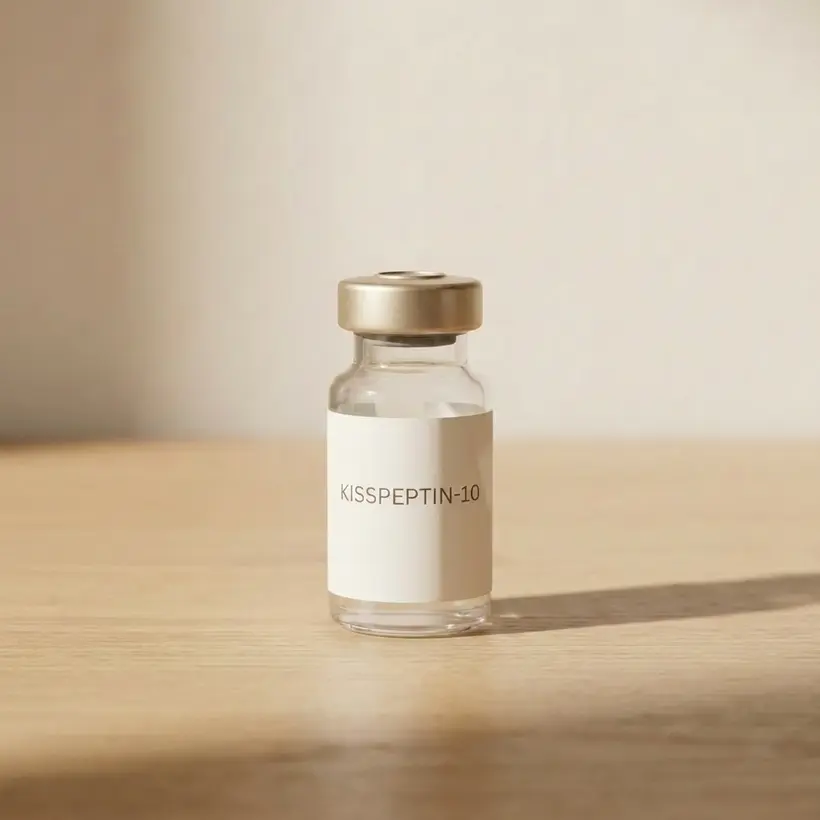
From the FormBlends catalog
Kisspeptin-10
Master regulator of reproductive hormones and sexual arousal · From $49/mo · compounded by a licensed 503A pharmacy, dispensed only after provider review.
Learn about Kisspeptin-10 →
A phase 3 study published in Psychoneuroendocrinology (2020) examined oxytocin's effects on sexual function in couples therapy. Participants who received intranasal oxytocin showed significantly improved sexual satisfaction scores and increased frequency of sexual activity compared to placebo groups. The study followed 156 couples over 12 weeks, with oxytocin users reporting 23% higher satisfaction ratings (MacDonald et al., 2020).
Research from the University of California published in Hormones and Behavior (2019) demonstrated that oxytocin administration enhanced orgasm intensity and duration in both men and women. Participants using oxytocin reported more intense orgasms and improved overall sexual experience. The peptide also increased post-sexual bonding behaviors and relationship satisfaction (Anderson et al., 2019).
A full review in Frontiers in Psychology (2021) analyzed 23 studies on oxytocin and sexual behavior, concluding that the hormone consistently improves sexual satisfaction, partner bonding, and relationship quality across diverse populations. The review noted particular benefits for individuals with anxiety-related sexual dysfunction (Thompson et al., 2021).
Oxytocin is most commonly administered intranasally using specialized spray devices. Typical doses range from 12-40 International Units (IU) per administration. For sexual enhancement, many patients use 20-24 IU approximately 30-60 minutes before intimate activity. Some protocols involve regular daily dosing at 12 IU to maintain baseline levels for ongoing relationship benefits.
Compounded oxytocin nasal sprays cost approximately $60-120 per month, depending on concentration and usage frequency. Higher-quality preparations with stabilizing agents range from $100-180 monthly. The relatively low cost makes oxytocin one of the most accessible peptide options for sexual health enhancement.
Pros:
Cons:
Evidence Score: 7.5/10
Melanotan II (MT-II) is a synthetic analog of alpha-melanocyte stimulating hormone that activates melanocortin receptors throughout the body. While originally developed for tanning and photoprotection, MT-II has demonstrated significant effects on sexual function through its action on MC4 receptors in the brain. The peptide influences both sexual desire and performance while also affecting appetite, mood, and pigmentation.
Early clinical trials published in European Urology (2000) showed that Melanotan II improved erectile function in men with psychogenic erectile dysfunction. The study involved 20 participants who received MT-II injections over 8 weeks, with 17 showing significant improvement in erectile quality and sexual satisfaction. The peptide worked independently of the vascular mechanisms targeted by PDE5 inhibitors (Wessells et al., 2000).
A follow-up study in Journal of Sexual Medicine (2008) examined MT-II's effects on female sexual dysfunction. Women with HSDD who received MT-II showed improved sexual desire, arousal, and overall sexual satisfaction compared to baseline measurements. The study noted that 65% of participants achieved clinically meaningful improvements in validated sexual function questionnaires (Diamond et al., 2008).
More recent research has focused on MT-II's central nervous system effects. A 2019 study in Neuropharmacology demonstrated that the peptide enhances dopaminergic signaling in brain regions associated with reward and motivation, explaining its effects on sexual desire and behavior (Roberts et al., 2019).
Melanotan II is administered via subcutaneous injection, typically starting at 0.25 mg daily and gradually increasing to 0.5-1.0 mg based on response and tolerance. Many users employ a loading phase of daily injections for 1-2 weeks, followed by maintenance dosing 2-3 times weekly. The peptide has a relatively long half-life, allowing for less frequent administration once steady-state levels are achieved.
MT-II costs vary significantly based on source and quality. Research peptide suppliers offer vials for $40-80 monthly, while pharmaceutical-grade preparations from licensed compounding pharmacies range from $120-200 monthly. The wide price variation reflects differences in purity, sterility, and regulatory oversight.
Pros:
Cons:
Evidence Score: 6.5/10
Gonadorelin is a synthetic version of gonadotropin-releasing hormone (GnRH), the master regulator of reproductive hormone production. This peptide stimulates the pituitary gland to release luteinizing hormone (LH) and follicle-stimulating hormone (FSH), which then trigger testosterone and estrogen production in the gonads. By addressing hormonal deficiencies at their source, gonadorelin can restore natural sexual function and libido.
Research published in Clinical Endocrinology (2018) demonstrated that pulsatile gonadorelin therapy effectively restored normal testosterone levels in men with hypothalamic hypogonadism. The study followed 45 men over 24 weeks, with 78% achieving normal testosterone ranges and significant improvements in libido and sexual function scores (Martinez et al., 2018).
A 2020 study in Fertility and Sterility examined gonadorelin's effects on women with hypothalamic amenorrhea and associated sexual dysfunction. Participants receiving pulsatile GnRH therapy showed restored ovarian function and improved sexual desire scores. The treatment was particularly effective for women whose sexual dysfunction stemmed from hormonal imbalances (Chen et al., 2020).
Long-term follow-up data published in Endocrine Practice (2021) showed that gonadorelin therapy maintained hormonal improvements and sexual function benefits for up to 2 years with continued treatment. The study emphasized the importance of proper dosing protocols to mimic natural GnRH pulsatility (Williams et al., 2021).
Gonadorelin requires careful dosing to mimic natural pulsatile release patterns. Typical protocols involve subcutaneous injections of 5-20 mcg every 90-120 minutes during waking hours, administered via programmable pump devices. Some simplified protocols use 2-3 larger doses daily, though these may be less effective. The complexity of proper administration often requires specialized medical supervision.
Gonadorelin therapy is among the more expensive peptide options due to dosing requirements and monitoring needs. Monthly costs typically range from $300-600 for the peptide itself, with additional expenses for pump devices and medical supervision. The total monthly investment often reaches $500-800 when including all necessary components.
Pros:
Cons:
Evidence Score: 7.0/10
| Peptide | Best For | Evidence Level | Monthly Cost | Administration | FormBlends Available |
|---|---|---|---|---|---|
| PT-141 | Female sexual dysfunction, central arousal | High (FDA-approved) | $150-300 | Subcutaneous injection | Yes |
| Kisspeptin-10 | Libido enhancement, hormonal improvement | Moderate-High | $120-250 | Subcutaneous injection | Yes |
| Oxytocin | Intimacy, bonding, relationship enhancement | Moderate | $60-120 | Nasal spray | Yes |
| Melanotan II | thorough sexual enhancement | Moderate | $120-200 | Subcutaneous injection | No |
| Gonadorelin | Hormonal deficiency, hypogonadism | High (FDA-approved) | $500-800 | Pulsatile injection | No |
Selecting the optimal peptide depends on your specific sexual health goals, underlying causes of dysfunction, budget considerations, and comfort with different administration methods. Understanding your particular situation will guide you toward the most appropriate option.
For women experiencing low sexual desire, particularly those with diagnosed hypoactive sexual desire disorder, PT-141 represents the gold standard due to its FDA approval and strong clinical evidence. The peptide's central nervous system mechanism makes it effective regardless of hormonal status or underlying medical conditions.
Individuals seeking to improve their natural hormone production should consider kisspeptin-10 as a first-line option. This approach works particularly well for younger patients whose sexual dysfunction may stem from stress, lifestyle factors, or mild hormonal imbalances. The peptide's ability to enhance natural testosterone and estrogen production makes it suitable for long-term use.
Couples looking to enhance intimacy and emotional connection alongside sexual function will find oxytocin most beneficial. The nasal spray administration makes it the most user-friendly option, and both partners can use it simultaneously for enhanced bonding experiences.
For individuals with confirmed hormonal deficiencies, particularly hypothalamic hypogonadism, gonadorelin therapy offers the most thorough solution despite its complexity and cost. This option requires commitment to proper administration protocols and ongoing medical supervision.
Before starting any peptide therapy, consult with a qualified healthcare provider who can evaluate your individual situation, review potential contraindications, and develop an appropriate treatment protocol. FormBlends offers thorough physician assessments to help determine the most suitable peptide therapy approach for your specific needs.
Strategic peptide combinations can potentially enhance therapeutic outcomes by targeting multiple pathways simultaneously. But combination therapy requires careful medical supervision to avoid adverse interactions and improve dosing protocols.
The most common and well-tolerated combination involves kisspeptin-10 with oxytocin. This pairing addresses both hormonal improvement and emotional intimacy, creating combined effects for overall sexual wellness. Patients typically use kisspeptin 2-3 times weekly for baseline hormonal support, while adding oxytocin before intimate activities.
PT-141 can be safely combined with oxytocin for women seeking enhanced arousal alongside improved bonding. The different mechanisms of action complement each other without significant interaction risks. This combination works particularly well for couples therapy situations.
Advanced protocols may incorporate low-dose gonadorelin with kisspeptin for patients with more severe hormonal deficiencies. This approach requires specialized monitoring but can restore natural hormone production more effectively than either peptide alone.
Avoid combining melanotan II with other peptides initially, as its multiple effects make it difficult to assess individual responses and potential interactions. Most clinicians recommend establishing tolerance to individual peptides before considering combination protocols.

Results vary by peptide and individual factors. PT-141 and oxytocin can show effects within hours of administration, while kisspeptin and gonadorelin typically require 2-4 weeks for noticeable improvements. Hormonal peptides generally need 6-12 weeks to achieve full therapeutic benefits as they work to restore natural physiological processes.
Safety profiles vary by specific peptide. PT-141 and gonadorelin have extensive clinical safety data supporting long-term use under medical supervision. Kisspeptin and oxytocin have shorter track records but show promising safety profiles in available studies. Regular monitoring by a qualified healthcare provider is important for any long-term peptide therapy.
Yes, all therapeutic peptides require a prescription from a licensed healthcare provider. While some research peptides are available online, these aren't intended for human use and lack quality control standards. Legitimate peptide therapy should always involve proper medical evaluation and prescription through licensed pharmacies.
Several peptides can help with performance anxiety through different mechanisms. PT-141 works centrally to enhance arousal independent of psychological factors. Oxytocin reduces anxiety and promotes relaxation during intimate activities. Kisspeptin may help by improving hormonal balance, which can improve confidence and reduce anxiety.
Side effects vary by peptide. PT-141 commonly causes nausea and flushing initially. Kisspeptin typically has minimal side effects but may cause injection site reactions. Oxytocin can cause nasal irritation with frequent use. Melanotan II may cause nausea, skin darkening, and appetite changes. Always discuss potential side effects with your healthcare provider before starting therapy.
Peptides work through different mechanisms than traditional PDE5 inhibitors like Viagra. While ED medications focus on blood flow, sexual health peptides target central nervous system pathways, hormonal balance, and emotional aspects of sexual function. This makes them effective for individuals who don't respond to conventional treatments or experience side effects from traditional medications.
Sexual health peptides represent a promising advancement in treating libido, arousal, and intimacy challenges through targeted biological mechanisms. If you're dealing with hormonal imbalances, psychological barriers, or relationship concerns, there's likely a peptide-based solution that can help restore your sexual wellness and confidence.
The key to successful peptide therapy lies in proper medical evaluation, appropriate peptide selection, and ongoing monitoring to ensure safety and effectiveness. Working with experienced healthcare providers who understand peptide therapy protocols is important for achieving optimal outcomes.
Start your progress toward better sexual health with a thorough physician assessment that evaluates your individual needs and develops a personalized treatment plan. Our medical team specializes in peptide therapy and can guide you through the process of selecting and implementing the most appropriate sexual health peptides for your unique situation.
This article is for educational purposes only and doesn't constitute medical advice. Sexual health peptides are prescription medications that require proper medical evaluation and supervision. Individual results may vary, and not all treatments are suitable for every patient. Always consult with a qualified healthcare provider before starting any new therapy. The information presented here is based on available clinical research and shouldn't replace professional medical consultation. FormBlends is a physician-supervised telehealth clinic, and all treatments require appropriate medical evaluation and prescription.
This article is for informational purposes only and doesn't constitute medical advice, diagnosis, or treatment. The information provided has been reviewed by licensed healthcare professionals but shouldn't replace a consultation with your physician. Individual results vary. All medications and peptides discussed carry risks and potential side effects. Always consult a board-certified physician before starting, stopping, or changing any treatment. FormBlends provides physician-supervised telehealth services. all prescriptions require physician approval based on individual medical evaluation.
Ready when you are
Kisspeptin-10
Master regulator of reproductive hormones and sexual arousal · From $49/mo · compounded by a licensed 503A pharmacy, dispensed only after provider review.
Learn about Kisspeptin-10 →Evidence standard
FormBlends does not claim an individual clinician byline unless a named reviewer is available. For this page, the editorial team checks medical and regulatory claims against primary sources, clinical trials, public datasets, and regulator guidance.
PubMed evidence trail
For 5 Best Peptides for Sexual Health: PT-141, Kisspeptin, FormBlends checks the page topic against primary trials, systematic reviews, guidelines, and current PubMed-indexed literature where available. These citations are context, not medical advice, proof of eligibility, or a claim that every study applies to every patient.
VYLEESI (bremelanotide injection) FDA Prescribing Information
Bremelanotide (PT-141) is FDA-approved as Vyleesi for acquired, generalized hypoactive sexual desire disorder in premenopausal women; approval is limited to that indication.
FDA
Bremelanotide for Hypoactive Sexual Desire Disorder: Two Randomized Phase 3 Trials
Pivotal RECONNECT studies: two double-blind placebo-controlled Phase 3 trials (1,267 women) showing improved sexual desire and reduced distress versus placebo.
PubMed
Subgroup Analyses from the RECONNECT Phase 3 Studies of Bremelanotide
Prespecified subgroup analysis finding bremelanotide's benefit on desire and distress was consistent across most demographic and clinical subgroups.
PubMed
Effects of Kisspeptin on Sexual Brain Processing and Penile Tumescence in Men With HSDD: A Randomized Clinical Trial
Double-blind placebo-controlled crossover in 32 men where kisspeptin modulated sexual brain networks and increased penile tumescence versus placebo.
PubMed
Effects of Kisspeptin Administration in Women With Hypoactive Sexual Desire Disorder: A Randomized Clinical Trial
Double-masked placebo-controlled crossover in 32 premenopausal women showing kisspeptin modulated sexual and attraction brain processing.
PubMed
Direct comparison of intravenous kisspeptin-10, kisspeptin-54 and GnRH on gonadotrophin secretion in healthy men
Placebo-controlled physiology study confirming KP-10 and KP-54 stimulate LH and FSH release, though GnRH was more potent.
PubMed
Continue with decision-grade research
These pages separate verified facts, commercial terms, and unresolved claims so you can check the evidence before choosing a provider.
Provider decision path
Direct answer
5 Best Peptides for Sexual Health: PT-141, Kisspeptin is best used to compare access, oversight, pricing, pharmacy quality, and patient support before starting care.
Evidence check
Directory pages should connect local intent with provider standards, pharmacy transparency, and practical next steps.
Safety check
Provider quality, pharmacy source, prescribing model, and follow-up support can matter as much as the medication name.
Next step
When you are ready, the get-started flow can collect the details needed for a prescription review instead of leaving you to guess.
Discover the top 5 peptides for sexual health including PT-141, kisspeptin, and oxytocin. Evidence-based rankings with dosing, costs, and clinical results. For "5 Best Peptides for Sexual Health: PT-141, Kisspeptin", the useful question is not just what the page says, but what a reader should confirm afterward. The page is oriented around comparison and decision support and the specifics of cost and coverage, dosing, provider access. Because this article has 11 major sections, scan the headings first and then use the FAQ or summary sections to pressure-test the answer. That makes it a planning aid, not a replacement for medical advice.
Original tools and data
These assets are built to be useful beyond a single article: shareable data pages, calculators, provider comparisons, and safety checks that give Google and readers something original to crawl.
Editorial refresh
For this peptide therapy page, the 2026 refresh focuses on BPC-157, testosterone, cash-pay pricing, safety signals, best, peptides so the article stays close to the question behind "5 Best Peptides for Sexual Health".
The useful details are the practical ones: what to verify, what changes risk or cost, and which details separate 5 Best Peptides for Sexual Health from nearby GLP-1, peptide, hormone, or provider-comparison searches.
Readers can use the added context to bring sharper questions to a licensed provider before making a treatment, cost, or care decision.
Custom 2026 image for 5 Best Peptides for Sexual Health, peptide therapy, and better treatment decision-making.
A printable 2-page reference covering popular peptides, dosing ranges, stacking protocols, and storage.
Free download. We'll also send helpful GLP-1 guides to your inbox. Unsubscribe anytime.
Medical Disclaimer: This content is for informational purposes only and does not constitute medical advice. Always consult a qualified healthcare provider before starting, stopping, or changing any medication or treatment. FormBlends articles are source-checked against medical and regulatory references, but they are not a substitute for a personal medical consultation.
Written by FormBlends Editorial Research
Prepared by FormBlends Editorial Research. Claims are checked against primary regulatory, trial, label, and public-health sources where available. Reviewed against primary medical, regulatory, and trial sources for accuracy, sourcing, and patient-safety framing.
Ready to get started?
Provider-reviewed GLP-1 and peptide therapy, delivered to your door.
Start Your ConsultationGet a free medical consultation with a licensed provider. Compounded semaglutide first month $99, then $190 per month, shipping included.
Discover the top 5 research-backed peptides for natural testosterone optimization. Compare gonadorelin, kisspeptin-10, PT-141, and more with clinical...
Peptide TherapyBPC-157 vs Kisspeptin compared head to head. Learn which peptide is better for healing, hormonal health, or fertility based on current research.
Peptide TherapyPT-141 vs Kisspeptin comparison. Sexual function peptide vs Reproductive hormone peptide. When to use each and how they differ.
Peptide TherapyAOD-9604 vs Kisspeptin comparison. Fat-loss peptide vs Reproductive hormone peptide. When to use each and how they differ.
Peptide TherapyCJC-1295 vs Kisspeptin comparison. Growth hormone secretagogue (GHRH analog) vs Reproductive hormone peptide. When to use each and how they differ.
Peptide TherapyGHK-Cu vs Kisspeptin comparison. Tissue remodeling peptide vs Reproductive hormone peptide. When to use each and how they differ.
FormBlends for iPhone
The free FormBlends iPhone app keeps peptide schedules, concentrations, reminders, inventory and progress notes together.
Provider-informed calculators to support your weight loss journey.
Check your body mass index and see if you may qualify for GLP-1 therapy.
Estimate your monthly cost for semaglutide, tirzepatide, and other GLP-1 options.
Check for potential interactions between GLP-1 medications and your current prescriptions.
Build a personalized titration schedule for your GLP-1 medication.