Quick Answer
Muscle cramps on semaglutide are almost always from electrolyte depletion caused by eating less, not a direct drug effect. The fix: magnesium glycinate 200-400mg at bedtime (the community's #1 recommendation), adequate potassium from food sources (bananas, potatoes, avocados), hydration with electrolytes, and ensuring you eat enough overall. Most patients see improvement within days of starting supplementation.
Medical Disclaimer: This article is for informational purposes only. Semaglutide is a prescription medication with specific eligibility criteria and potential side effects. Discuss your individual risk profile with your healthcare provider before starting treatment.
The Electrolyte Connection
Muscles require a precise balance of electrolytes to contract and relax properly. Magnesium enables muscle relaxation after contraction. Potassium maintains the electrical gradient that controls muscle firing. Sodium and calcium play supporting roles in the entire signaling cascade. When any of these are depleted, muscles can contract involuntarily and painfully, which is what a cramp is.
View data table
| Category | Treatment Progress (%) | Detail |
|---|---|---|
| Week 1-2 | 25 | Appetite reduction begins |
| Month 1 | 45 | Nausea subsides, energy improves |
| Month 3 | 70 | Visible weight loss (~5-8%) |
| Month 6 | 85 | Significant results (~10-15%) |
| Month 12 | 95 | Full therapeutic benefit |
Semaglutide does not directly affect electrolyte levels. Instead, it suppresses appetite so effectively that patients eat substantially less than before, which means consuming fewer electrolyte-rich foods. Magnesium in particular is found in nuts, seeds, leafy greens, and whole grains. When portions shrink and meals are skipped, magnesium intake drops quickly. An estimated 50% of Americans are already magnesium-insufficient before starting any weight loss program, and reduced food intake makes it worse.
Nocturnal cramps are particularly common because muscles are at rest and any electrolyte imbalance becomes more apparent when the body is not actively moving and circulating electrolytes. The calves, feet, and thighs are the most commonly affected areas. For patients also experiencing constipation, magnesium supplementation addresses both issues simultaneously.
Magnesium Types Comparison Table
| Magnesium Form | Absorption | Best For | GI Side Effects | Cost |
|---|---|---|---|---|
| Magnesium Glycinate | High | Cramps, sleep, daily use | Minimal | $10-20/mo |
| Magnesium Citrate | High | Constipation + cramps | Laxative effect | $8-15/mo |
| Magnesium Oxide | Low (4%) | Cheap option; laxative | Strong laxative | $5-8/mo |
| Magnesium Threonate | High (CNS) | Brain fog, cognitive function | Minimal | $20-35/mo |
| Magnesium Taurate | Good | Heart health, cramps | Minimal | $12-20/mo |
| Magnesium Malate | Good | Energy, muscle recovery | Minimal | $10-18/mo |
For semaglutide patients dealing with muscle cramps, magnesium glycinate is the top recommendation. It is well-absorbed, gentle on the stomach (important when GI sensitivity is already heightened), and promotes sleep quality when taken at bedtime. If you also struggle with constipation, magnesium citrate pulls double duty by softening stool while replenishing magnesium levels. See our complete supplements guide for how magnesium fits into your overall stack.
From the FormBlends catalog
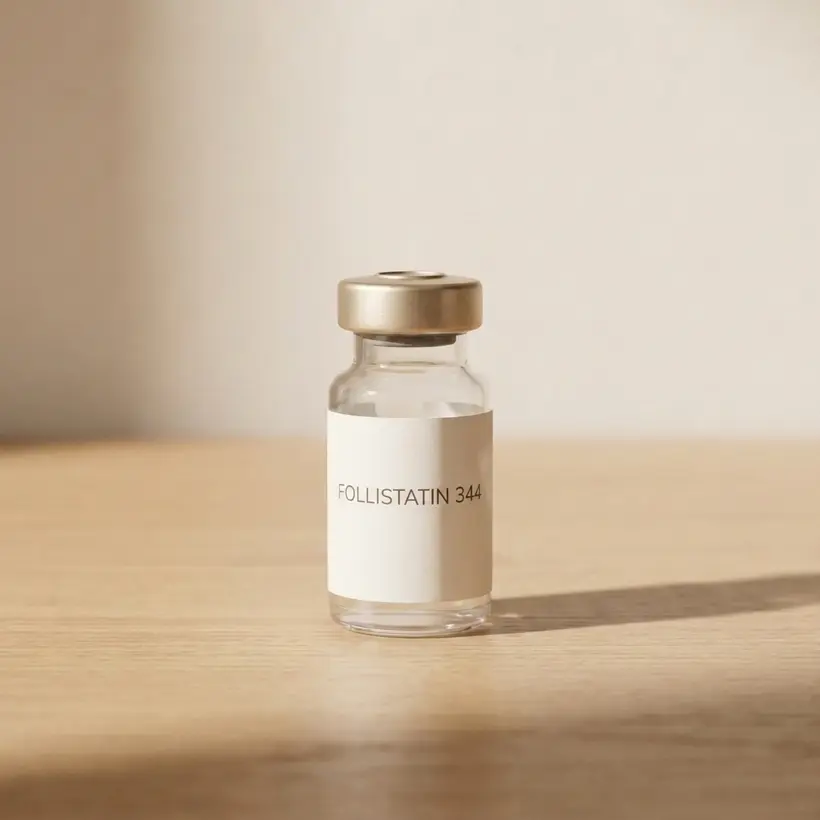
Follistatin 344
Myostatin inhibitor studied for enhanced muscle growth · From $149/mo · compounded by a licensed 503A pharmacy, dispensed only after provider review.
Learn about Follistatin 344 →Potassium Sources
Potassium is best obtained through food rather than supplements because high-dose potassium supplements can be dangerous for heart rhythm. Food sources provide potassium in a form the body processes safely. The recommended daily intake is 2,600-3,400mg.
Top potassium-rich foods that are semaglutide-friendly (easy to eat in small portions): bananas (422mg per medium banana), sweet potatoes (541mg per medium), avocados (485mg per half), spinach (419mg per half cup cooked), coconut water (600mg per cup), white beans (595mg per half cup), and salmon (534mg per 3oz serving). Incorporating 2-3 of these daily covers most patients' needs.
Electrolyte drinks (LMNT, Liquid IV) also contain potassium alongside sodium and magnesium, making them a convenient way to replenish multiple electrolytes simultaneously. If you suspect potassium deficiency (cramps that do not respond to magnesium alone), ask your FormBlends provider to check a basic metabolic panel.
Hydration and Sodium
Dehydration concentrates electrolytes in some tissues while depleting them in others, disrupting the balance needed for normal muscle function. On semaglutide, dehydration is common because reduced food intake means less water from meals and reduced appetite may decrease fluid intake as well.
Sodium is often overlooked in the electrolyte equation. While most Americans consume excess sodium through processed foods, semaglutide patients who dramatically reduce processed food intake may actually become sodium-depleted. A pinch of salt in water or an electrolyte drink ensures sodium levels support proper hydration. See our hydration guide for a complete protocol.
Prevention Protocol
Start this protocol proactively when beginning semaglutide, not after cramps develop. By the time cramps occur, you are already depleted and it takes longer to restore balance.
Daily protocol: Magnesium glycinate 200-400mg at bedtime. 64-80oz water with electrolytes throughout the day. 2-3 servings of potassium-rich foods. Adequate caloric intake (1,200+ minimum) to ensure overall nutrition. Light stretching or yoga before bed can help prevent nocturnal cramps by promoting blood flow to the extremities. Your FormBlends provider can review this protocol during your consultation and adjust based on your specific needs.
What the Community Reports
r/Semaglutide: Electrolyte and supplement threads mentioning cramps
Multiple threads, consistent recommendations
Muscle cramps appear as a secondary topic in many supplement and electrolyte discussion threads. The community recommendation is nearly unanimous: magnesium glycinate is the first thing to try. Patients who start supplementing with magnesium report cramp resolution within 2-5 days in most cases. Those who also add potassium-rich foods and electrolyte drinks report the best overall outcomes. The speed of resolution once supplementation begins reinforces that the cause is straightforward deficiency, not a complex drug interaction.
Community consensus: "Magnesium glycinate at bedtime. Cramps gone in three days."
Clinical gap: Electrolyte monitoring is not standard in GLP-1 clinical protocols despite the known reduction in food intake. A study measuring magnesium, potassium, and sodium levels at baseline and at regular intervals during semaglutide treatment could establish evidence-based supplementation guidelines and potentially prevent the muscle cramps, fatigue, and dizziness that stem from electrolyte depletion.
When Cramps Signal Something Serious
Occasional nocturnal leg cramps are annoying but not dangerous. However, certain patterns warrant medical evaluation. Seek care if cramps are severe and occur multiple times per night despite magnesium supplementation. If cramps are accompanied by persistent muscle weakness, numbness, or tingling (which may indicate nerve compression or severe electrolyte derangement). If the affected limb shows swelling, redness, or warmth (possible deep vein thrombosis). If cramps are accompanied by dark-colored urine (possible rhabdomyolysis, though extremely rare).
If cramps do not respond to 2 weeks of magnesium (400mg daily) plus adequate hydration, ask your provider for a comprehensive metabolic panel including magnesium, potassium, calcium, and thyroid function. Underlying conditions like thyroid dysfunction, peripheral vascular disease, or medication interactions may be contributing.
Frequently Asked Questions
Why does semaglutide cause muscle cramps?
It does not directly. Cramps result from electrolyte depletion (magnesium, potassium) caused by eating less food. An estimated 50% of Americans are already magnesium-insufficient before starting weight loss.
What type of magnesium is best?
Magnesium glycinate for cramps and sleep (well-absorbed, gentle on stomach). Magnesium citrate if you also need constipation relief. Avoid magnesium oxide (poor absorption).
How much magnesium should I take?
Start at 200mg at bedtime, increase to 400mg if cramps persist. This is within the safe daily range for most adults.
Can low potassium cause cramps?
Yes. Get potassium from food (bananas, potatoes, avocados, spinach) rather than high-dose supplements. If cramps persist despite magnesium, have potassium levels checked.
When should I worry?
If cramps are severe and frequent despite supplementation, accompanied by weakness or numbness, involve limb swelling, or do not respond to 2 weeks of magnesium and hydration.
Medical References
- Wilding JPH, Batterham RL, Calanna S, et al. Once-Weekly Semaglutide in Adults with Overweight or Obesity. N Engl J Med. 2021;384(11):989-1002. [PubMed | ClinicalTrials.gov | DOI]
Ready when you are
Follistatin 344
Myostatin inhibitor studied for enhanced muscle growth · From $149/mo · compounded by a licensed 503A pharmacy, dispensed only after provider review.
Learn about Follistatin 344 →