Key Takeaway
What if you could slow down your biological clock at the cellular level? This Epithalon peptide anti-aging resource covers the important information you need to make informed decisions. That's the question driving interest in Epithalon peptide for anti-aging.
What if you could slow down your biological clock at the cellular level? This Epithalon peptide anti-aging resource covers the important information you need to make informed decisions. That's the question driving interest in Epithalon peptide for anti-aging. Epithalon (also called Epitalon or Epithalone) is a synthetic tetrapeptide that may activate telomerase, the enzyme responsible for maintaining telomere length in your cells.
Key Takeaways: - Understanding Telomeres and Why They Matter - Understand what is epithalon and how was it developed - Potential Benefits Beyond Telomere Support - Epithalon Dosing and Protocol Considerations
Telomeres are the protective caps at the ends of your chromosomes. Every time a cell divides, telomeres get shorter. When they get too short, cells stop dividing and begin to age. Epithalon targets this fundamental mechanism of aging. Here is what the research says so far.
How Telomeres and Why They Matter
Think of telomeres like the plastic tips on shoelaces. They protect the important stuff underneath. Without them, your DNA would unravel and become damaged during cell division.
Telomere length is considered one of the most reliable biomarkers of biological aging. Shorter telomeres are associated with age-related diseases like cardiovascular disease, diabetes, and certain cancers. A landmark study published in The Lancet Oncology found that lifestyle interventions could increase telomerase activity and lengthen telomeres over time.
Telomerase is the enzyme that rebuilds telomeres. Most adult cells have very low telomerase activity, which is why telomeres shorten with age. Epithalon may help by reactivating telomerase production, potentially slowing or even partially reversing this aspect of cellular aging.
"GLP-1 receptor agonists represent the most significant advance in obesity pharmacotherapy in decades. For the first time, we have medications that produce weight loss approaching what was previously only achievable through bariatric surgery.") Dr. Robert Kushner, MD, Northwestern University, speaking at ObesityWeek 2023
This isn't science fiction. The link between telomere length and aging is well-established in peer-reviewed research. The question is whether we can safely intervene in this process, and that's where Epithalon enters the picture.
What Is Epithalon and How Was It Developed?
Epithalon is a synthetic version of a natural peptide called epithalamin, which is produced by the pineal gland. It was developed by Professor Vladimir Khavinson at the St. Petersburg Institute of Bioregulation and Gerontology in Russia.
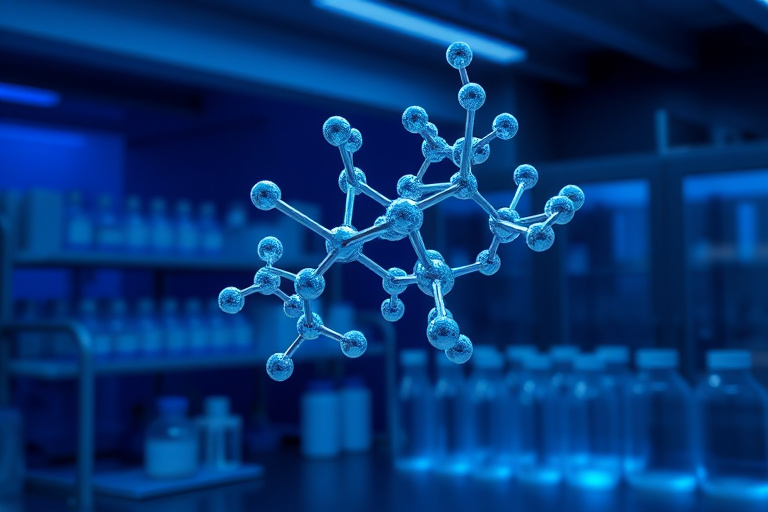
The peptide consists of four amino acids: alanine, glutamic acid, aspartic acid, and glycine. Its primary mechanism of action appears to be the activation of telomerase in somatic cells.
Khavinson's research spans over 35 years and includes studies in cell cultures, animal models, and limited human trials. A study published in the Bulletin of Experimental Biology and Medicine found that Epithalon increased telomerase activity in human somatic cells by approximately 2.4-fold. The same research group found that Epithalon treatment in aging rats was associated with increased lifespan compared to controls.
In human observations, Khavinson reported that elderly patients treated with epithalamin (the natural precursor) showed improvements in melatonin production, immune function, and cardiovascular markers over a 6-year follow-up period.
If you're interested in the broader category of peptides that support recovery and resilience, our covers another widely studied peptide.
Free Download: Protocol Planner Track your Epithalon cycles, dosing, and health markers in one organized document. Get yours free -- we'll email it to you instantly.
[Download Your Free Protocol Planner]
Potential Benefits Beyond Telomere Support
While telomere activation is the headline benefit, Epithalon research points to several other potential effects.
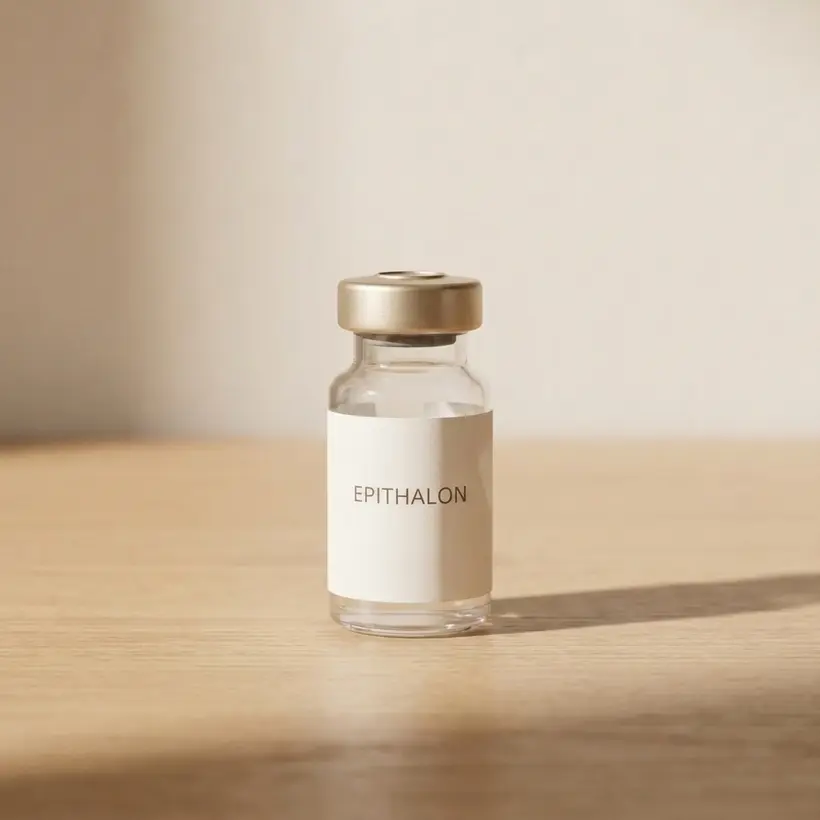
From the FormBlends catalog
Epithalon (Epitalon)
The telomerase activator for cellular youth · From $199/mo · compounded by a licensed 503A pharmacy, dispensed only after provider review.
View Epithalon (Epitalon) →Melatonin production may increase with Epithalon use. The pineal gland produces less melatonin as you age, which can disrupt sleep quality and circadian rhythm. Research suggests Epithalon may help restore more youthful melatonin patterns. Better sleep supports nearly every aspect of health, from immune function to metabolic regulation.
Some studies suggest Epithalon may have antioxidant properties. Oxidative stress is a major driver of aging and chronic disease. By reducing oxidative damage, Epithalon may help protect cells beyond what telomere support alone provides.
Immune function is another area of interest. Animal studies have shown improved immune markers in Epithalon-treated subjects. As the immune system weakens with age, this could have meaningful implications for overall health and disease resistance.
While these findings are promising, most come from animal studies or small human observations. Larger, randomized controlled trials are needed before definitive claims can be made.
Epithalon Dosing and Protocol Considerations
Epithalon is typically administered via subcutaneous injection. The most common protocol in clinical settings involves cyclic dosing rather than continuous use.
A typical cycle involves 5-10 mg per day for 10-20 consecutive days, repeated 2-3 times per year. Some providers adjust this based on individual response and health markers. Your provider will design a protocol specific to your needs.
The cycling approach is intentional. Continuous telomerase activation raises theoretical concerns about uncontrolled cell growth. By cycling the peptide, providers aim to achieve the benefits while minimizing potential risks.
Monitoring is important with Epithalon therapy. Your provider may recommend periodic blood work to track relevant biomarkers. Some clinics also offer telomere length testing, though the clinical utility of this testing is still debated.
As with all peptide therapies, Epithalon should only be obtained through a licensed provider and a . Track your cycles and dosing with the for accurate record-keeping.
Frequently Asked Questions
Can Epithalon really reverse aging?
Epithalon may help slow certain aspects of cellular aging by activating telomerase and supporting telomere maintenance. But aging is a complex process involving many factors. No single intervention can fully reverse aging. Studies suggest potential benefits, but more human research is needed.
Is Epithalon safe?
In the available research, Epithalon has shown a favorable safety profile with minimal reported side effects. The most common is mild irritation at the injection site. But long-term safety data from large human trials is limited. Always work with a licensed provider.
How long before you see results from Epithalon?
Epithalon works at the cellular level, so results aren't immediately visible like cosmetic treatments. Some people report improved sleep quality within the first cycle. Broader anti-aging benefits may take multiple cycles over months to years to assess.
How is Epithalon different from other anti-aging peptides?
Epithalon is unique in its primary mechanism of telomerase activation. Other anti-aging peptides like GHK-Cu focus on collagen production and tissue repair. Some providers use them together for a multi-pathway approach to aging support.
Does Epithalon affect cancer risk?
This is an important question. Telomerase activation is a hallmark of cancer cells, which has raised theoretical concerns. But available studies haven't shown increased cancer risk with cyclic Epithalon use. In fact, some animal studies suggested protective effects. Discuss your individual risk factors with your provider.
What's Your Next Move?
You have the information. Now let a licensed provider help you put it into action. FormBlends makes it simple, answer a few questions and get a personalized recommendation.
Sources &. References
- Pickart L, Vasquez-Soltero JM, Margolina A. GHK Peptide as a Natural Modulator of Multiple Cellular Pathways in Skin Regeneration. BioMed Res Int. 2015;2015:648108. Doi:10.1155/2015/648108
- Pickart L, Vasquez-Soltero JM, Margolina A. GHK and DNA: Resetting the Human Genome to Health. BioMed Res Int. 2014;2014:151479. Doi:10.1155/2014/151479
- Sikiric P, Hahm KB, Blagaic AB, et al. Stable Gastric Pentadecapeptide BPC 157, Robert's Cytoprotection, Adaptive Cytoprotection, and Therapeutic Effects. Curr Pharm Des. 2018;24(18):1990-2001. Doi:10.2174/1381612824666180515125918
- Chang CH, Tsai WC, Lin MS, et al. The promoting effect of pentadecapeptide BPC 157 on tendon healing involves tendon outgrowth, cell survival, and cell migration. J Appl Physiol. 2011;110(3):774-780. Doi:10.1152/japplphysiol.00945.2010
- Seiwerth S, Brcic L, Vuletic LB, et al. BPC 157 and blood vessels. Curr Pharm Des. 2014;20(7):1121-1125. Doi:10.2174/13816128113199990421
- Bock-Marquette I, Saxena A, White MD, et al. Thymosin beta4 activates integrin-linked kinase and promotes cardiac cell migration, survival and cardiac repair. Nature. 2004;432(7016):466-472. Doi:10.1038/nature03000
- Malinda KM, Sidhu GS, Mani H, et al. Thymosin beta4 accelerates wound healing. J Invest Dermatol. 1999;113(3):364-368. Doi:10.1046/j.1523-1747.1999.00708.x
This article is for educational purposes only and doesn't constitute medical advice. Always consult with a licensed healthcare provider before starting, changing, or stopping any medication or supplement. FormBlends connects you with licensed providers who can evaluate your individual health needs.
Last updated: 2026-03-24
Ready when you are
Epithalon (Epitalon)
The telomerase activator for cellular youth · From $199/mo · compounded by a licensed 503A pharmacy, dispensed only after provider review.
View Epithalon (Epitalon) →