Key Takeaway
GHRP-6 (Growth Hormone Releasing Peptide 6) is one of the original growth hormone secretagogues. It's been studied since the early 1990s and has a long track record in clinical research.
GHRP-6 (Growth Hormone Releasing Peptide 6) is one of the original growth hormone secretagogues. It's been studied since the early 1990s and has a long track record in clinical research. Understanding GHRP-6 (including its well-known side effects) can help you have a better conversation with your provider about which GH peptide is right for you.
Key Takeaways: - Learn how ghrp-6 stimulates growth hormone - Benefits of GHRP-6 Therapy - Side Effects: The Honest Breakdown - GHRP-6 vs Ipamorelin: Key Differences
This guide covers the science, the benefits, the downsides, and how GHRP-6 compares to newer options.
How GHRP-6 Stimulates Growth Hormone
GHRP-6 works by binding to the ghrelin receptor (GHS-R1a) in the pituitary gland and hypothalamus. When it activates this receptor, your pituitary releases a burst of growth hormone.
The GH release from GHRP-6 is potent. Studies show it can increase GH levels by 3 to 6 times above baseline within 15 to 30 minutes of administration. This is a strong, fast-acting response.
GHRP-6 also stimulates the release of ghrelin itself, which is why it's notorious for causing intense hunger. This isn't a minor side effect (it's a direct pharmacological action. The hunger can hit within 20 minutes of injection and last for 1 to 2 hours.
Beyond GH release, GHRP-6 has shown some interesting properties in research. Animal studies have demonstrated gastroprotective effects, meaning it may help protect the stomach lining. It's also been studied for potential cardioprotective benefits, though human data on these effects remains limited.
"What makes tirzepatide particularly interesting is the dual GIP/GLP-1 mechanism. We're seeing that GIP receptor activation appears to amplify the metabolic effects in ways we didn't fully anticipate from the preclinical data.") Dr. Ania Jastreboff, MD, PhD, Yale School of Medicine, lead author of SURMOUNT-1[1]
The peptide has a half-life of about 15 to 20 minutes, so its effects are acute. Most protocols involve multiple daily doses to maintain improved GH levels throughout the day.
Benefits of GHRP-6 Therapy
Despite its side effects, GHRP-6 offers several potential benefits that keep it relevant in clinical practice.

Strong GH release. GHRP-6 produces one of the most reliable GH responses among the secretagogue class. If maximizing GH output is the primary goal, GHRP-6 delivers. Clinical data shows consistent, dose-dependent increases in both GH and IGF-1.
Appetite stimulation. While most people view the hunger as a downside, it can be a benefit for certain patients. People recovering from illness, surgery, or conditions that reduce appetite may actually benefit from GHRP-6's appetite-stimulating effects.
Potential tissue-protective effects. Research has explored GHRP-6's effects on gastric and cardiac tissue. Some studies suggest protective properties that go beyond what GH alone provides. These appear to be direct effects of the peptide itself, not just a consequence of improved GH.
Recovery support. The solid GH pulse may support faster recovery from training and injury. Athletes and active adults who tolerate the side effects sometimes prefer GHRP-6 for its strong GH response. Pairing it with proper is important for maximizing recovery benefits.
Cost. GHRP-6 tends to be one of the more affordable GH peptide options. Check for current availability.
Free Download: Peptide Protocol Planner (12-Week) Structure your GHRP-6 protocol with our thorough 12-week planner. Tracks doses, timing, meals, and key metrics. Get yours free (we'll email it to you instantly.
[Download CTA Button]
Side Effects: The Honest Breakdown
GHRP-6 has a more significant side effect profile than newer peptides like . Here's what you should know.
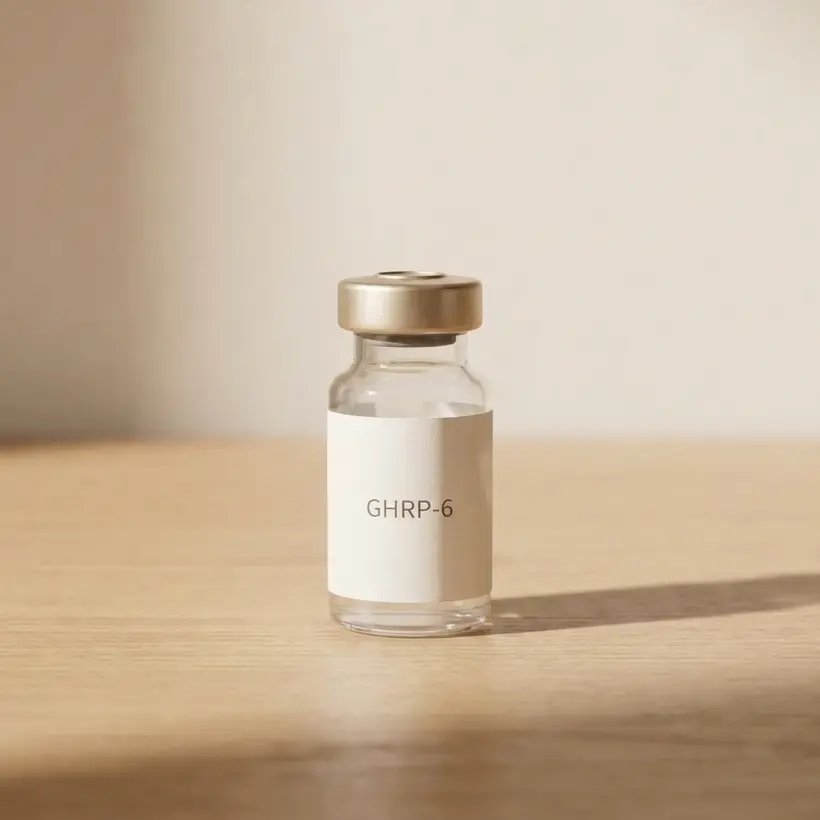
From the FormBlends catalog
GHRP-6
Growth hormone secretagogue with appetite-stimulating properties · From $29/mo · compounded by a licensed 503A pharmacy, dispensed only after provider review.
Learn about GHRP-6 →Intense hunger. This is the most commonly reported side effect. GHRP-6 activates the ghrelin receptor, triggering strong hunger signals within minutes of injection. For people trying to manage their weight or control caloric intake, this can be problematic. The hunger typically peaks within 20 to 30 minutes and subsides within 1 to 2 hours.
Cortisol elevation. Unlike Ipamorelin, GHRP-6 can increase cortisol levels. Cortisol is a stress hormone. Chronically improved cortisol can interfere with sleep, promote fat storage (particularly around the midsection), and impair immune function. Your provider should monitor cortisol levels during therapy.
Prolactin elevation. GHRP-6 may also raise prolactin levels. improved prolactin can affect mood, libido, and hormonal balance. This is another area where blood work monitoring is important.
Water retention. Some users experience bloating and water retention, especially at higher doses. This is usually manageable with dose adjustments.
Blood sugar effects. GHRP-6 can affect glucose metabolism, potentially raising blood sugar levels. People with diabetes or prediabetes should discuss this risk carefully with their provider.
These side effects are why many providers now favor or over GHRP-6. But for patients who tolerate it well and want a strong GH response, GHRP-6 remains a valid option.
GHRP-6 vs Ipamorelin: Key Differences
Since many people compare these two peptides, here's a straightforward breakdown.
| Factor | GHRP-6 | Ipamorelin |
|---|---|---|
| GH release strength | Very strong | Moderate to strong |
| Hunger increase | Significant | Minimal |
| Cortisol elevation | Yes | No |
| Prolactin elevation | Possible | No |
| Side effect profile | More side effects | Very clean |
| Cost | Generally lower | Moderate |
Ipamorelin is the more selective peptide. It stimulates GH release without the hormonal side effects that come with GHRP-6. For most patients, this makes Ipamorelin the preferred choice.
But GHRP-6 produces a stronger raw GH pulse. If maximum GH output is the goal and side effects are tolerable, some providers still prescribe it. The can help you track how you respond to either option.
Your provider can run blood work to check cortisol, prolactin, and IGF-1 levels to determine which peptide is working best for your body.
Frequently Asked Questions
What is the typical GHRP-6 dose?
Typical dosing ranges from 100 to 300 mcg per injection, administered subcutaneously 2 to 3 times daily. Dosing before meals or before bed is common. Only a licensed provider can determine the right dose for your situation.
Can I take GHRP-6 with CJC-1295?
Yes. GHRP-6 and CJC-1295 work through different mechanisms (GHRP-6 through the ghrelin receptor, CJC-1295 through the GHRH receptor) and may produce a combined effect. But given the side effects of GHRP-6, many providers prefer pairing CJC-1295 with Ipamorelin instead.
How do I manage the hunger from GHRP-6?
Timing your injections strategically can help. Taking GHRP-6 about 30 minutes before a planned meal lets you use the hunger response to your advantage. Some providers recommend starting with a lower dose and gradually increasing to let your body adapt.
Is GHRP-6 safe for long-term use?
Long-term safety data for GHRP-6 is limited. Most providers prescribe it in cycles of 8 to 12 weeks with breaks in between. Regular blood work monitoring is important to track cortisol, prolactin, glucose, and IGF-1 levels. Learn more about .
Who should avoid GHRP-6?
People with active cancer, uncontrolled diabetes, pituitary disorders, or those who are pregnant or nursing shouldn't use GHRP-6. People with a history of eating disorders should also discuss the appetite stimulation effect carefully with their provider before considering this peptide.
Start your treatment Today
Every transformation starts with a single step. Talk to a licensed FormBlends provider about whether this approach is right for you) consultations are free and confidential.
Medical References
- Jastreboff AM, Aronne LJ, Ahmad NN, et al. Tirzepatide Once Weekly for the Treatment of Obesity. N Engl J Med. 2022;387(3):205-216. [PubMed | ClinicalTrials.gov | DOI]
Sources &. References
- Ionescu M, Frohman LA. Pulsatile secretion of growth hormone (GH) persists during continuous stimulation by CJC-1295, a long-acting GH-releasing hormone analog. J Clin Endocrinol Metab. 2006;91(12):4792-4797. Doi:10.1210/jc.2006-1702
This content is provided for informational and educational purposes only. It isn't a substitute for professional medical advice, diagnosis, or treatment. Always seek the advice of a licensed healthcare provider with any questions about a medical condition or treatment plan.
Last updated: 2026-03-24
Ready when you are
GHRP-6
Growth hormone secretagogue with appetite-stimulating properties · From $29/mo · compounded by a licensed 503A pharmacy, dispensed only after provider review.
Learn about GHRP-6 →