Key Takeaway
Thymosin beta-4 (TB-500) is a 43-amino acid protein naturally produced by the thymus gland that matters in tissue repair, cell migration, and anti-inflammatory signaling. This TB-500 thymosin beta-4 guide resource covers the important information you need to make informed decisions.
Thymosin beta-4 (TB-500) is a 43-amino acid protein naturally produced by the thymus gland that matters in tissue repair, cell migration, and anti-inflammatory signaling. This TB-500 thymosin beta-4 guide resource covers the important information you need to make informed decisions.
Key Takeaways: - Understand what is tb-500 and how does it work - Understand what the research says about tb-500 - Learn how tb-500 is typically used - TB-500 and the Wolverine Stack
TB-500 is a synthetic fragment of Thymosin Beta-4 (TB4), a naturally occurring peptide found in nearly every cell of your body. It matters in tissue repair, wound healing, and reducing inflammation. Here is what you need to know.
What Is TB-500 and How Does It Work?
Thymosin Beta-4 is a 43-amino acid peptide that your body produces naturally. It's found in high concentrations in blood platelets, wound fluid, and tissues undergoing repair. TB-500 is the synthetic version used in clinical settings.
TB-500 works through several mechanisms:
Cell migration. TB-500 promotes the migration of cells to injury sites. It helps endothelial cells (which line your blood vessels) and keratinocytes (skin cells) move to where they're needed for repair.
Angiogenesis. TB-500 supports the formation of new blood vessels. Better blood flow to injured tissue means more oxygen and nutrients for healing.
"We now have cardiovascular outcomes data showing semaglutide reduces MACE events by 20% in people with obesity, independent of diabetes status. The SELECT trial[2] changed how we think about these medications.") Dr. A. Michael Lincoff, MD, Cleveland Clinic, lead author of SELECT
Anti-inflammatory effects. Preclinical research, including the landmark Bock-Marquette et al. Study (Nature, 2004), demonstrates that thymosin beta-4 may reduce inflammatory markers in damaged tissue. Less inflammation often means faster recovery and less pain.
Actin regulation. TB-500 binds to actin, a protein that forms the structural framework of your cells. By regulating actin, TB-500 may help cells rebuild their internal structure after injury.
Animal studies have shown promising results for TB-500 in wound healing, tendon repair, cardiac tissue repair, and neurological recovery. Human clinical research is still emerging, but the preclinical data has generated significant interest in the medical community.
TB-500 is prescribed by licensed providers for specific clinical indications. It isn't a supplement you purchase over the counter. FormBlends connects you with who can evaluate whether TB-500 is appropriate for your needs.
Thymosin Beta-4 Biology: Why Your Body Already Uses This Peptide
To appreciate what TB-500 does when administered therapeutically, it helps to understand the role Thymosin Beta-4 plays in your body naturally.
Where Thymosin Beta-4 Is Found
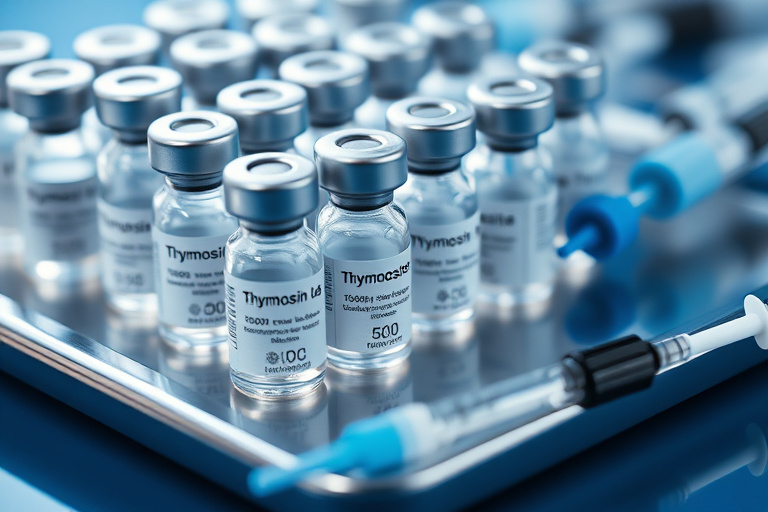
Your body produces Thymosin Beta-4 in virtually every nucleated cell. It's particularly concentrated in blood platelets, macrophages, and wound fluid. When you sustain a cut, sprain, or any tissue injury, your platelets release Thymosin Beta-4 at the damage site as part of the initial healing cascade. This is one of the earliest molecular signals your body sends to kick-start the repair process.
The thymus gland, located behind your breastbone, was the original source where researchers first identified thymosin peptides in the 1960s. The thymus is most active during childhood and gradually shrinks with age, which is one reason tissue repair slows as you get older. By supplementing with synthetic TB-500, the goal is to provide the body with repair-signaling molecules at therapeutic concentrations.
The Actin Connection
Thymosin Beta-4 is the primary actin-sequestering molecule in your cells. Actin is one of the most abundant proteins in your body and forms the internal scaffolding that gives cells their shape. When a cell needs to move (for example, to migrate toward a wound), it must rapidly reorganize its actin cytoskeleton. Thymosin Beta-4 regulates this process by binding to monomeric actin (G-actin) and controlling its polymerization into filaments (F-actin). This is why TB-500 is so closely associated with cell migration and tissue remodeling.
Immune System Interactions
Beyond structural repair, Thymosin Beta-4 plays a role in immune regulation. Research has documented its ability to modulate inflammatory cytokine production and influence the behavior of macrophages and other immune cells at injury sites. This dual role as both a structural repair molecule and an immune modulator is what makes it particularly interesting for conditions where inflammation and tissue damage overlap.
What the Research Says About TB-500
The body of research on Thymosin Beta-4 is substantial, though much of it comes from animal models and in vitro studies. Here is what the science shows so far.
From the FormBlends catalog
TB-500 (Thymosin Beta-4)
Universal repair peptide for tissue regeneration · From $49/mo · compounded by a licensed 503A pharmacy, dispensed only after provider review.
Learn about TB-500 (Thymosin Beta-4) →Wound healing. Multiple animal studies have demonstrated accelerated wound closure with TB-500 treatment. Research published in wound healing journals has shown improved healing rates in dermal wounds when TB-500 was applied.
Free Download: Peptide Protocol Planner (12-Week) Keep track of your TB-500 protocol with this structured 12-week planner. Includes dose logging, injection site rotation, and progress tracking. Get yours free (we'll email it to you instantly. [Email Input] [Download Button]
Tendon and ligament repair. Animal Laboratory and animal Preliminary data suggest that thymosin beta-4 may improve the healing of tendons and ligaments. Research on rat models showed improved collagen organization and mechanical strength in injured tendons treated with TB-500.
Cardiac tissue. Some of the most exciting research involves heart tissue repair. The landmark Bock-Marquette et al. Study published in Nature (2004) demonstrated that Thymosin Beta-4 activated integrin-linked kinase (ILK) in cardiac cells, promoting cell migration and survival after myocardial infarction in mouse models. Treated mice showed reduced scar tissue formation and improved cardiac function compared to controls. The study found that Thymosin Beta-4 activated Akt, a pro-survival kinase, through ILK signaling, which protected cardiac cells from apoptosis (programmed cell death). Subsequent research has explored whether these cardioprotective effects could translate to human cardiac recovery, though clinical trials are still in early stages.
Wound healing mechanisms. The Malinda et al. Study in Journal of Investigative Dermatology (1999) provided key mechanistic insight into how TB-500 accelerates wound repair. The researchers demonstrated that Thymosin Beta-4 stimulated keratinocyte migration, which is the process by which skin cells move across a wound bed to close the gap. They also found that TB-500 upregulated matrix metalloproteinases (MMPs), enzymes that break down and remodel extracellular matrix during the healing process. In full-thickness wound models, TB-500-treated wounds showed faster closure rates and better tissue organization than untreated controls. These findings form the scientific basis for TB-500 use in dermal wound healing and post-surgical recovery protocols.
Anti-inflammatory properties. Laboratory and animal data suggest that thymosin beta-4 may reduce inflammation in various tissue types by downregulating pro-inflammatory cytokines including TNF-alpha and IL-1beta. This anti-inflammatory effect is thought to contribute to its tissue repair benefits by creating a more favorable environment for cell migration and tissue remodeling.
Neurological research. Early animal studies suggest potential neuroprotective effects, including improved outcomes after traumatic brain injury in rodent models.
It's while these results are promising, human clinical trials are still limited. Your provider can discuss the current state of evidence and help you make an informed decision.
How TB-500 Is Typically Used
When prescribed by a licensed provider, TB-500 is administered via subcutaneous injection. Protocols vary based on the clinical indication and provider preference. Here is a general overview of how providers commonly approach TB-500 therapy.
Loading phase. Some protocols begin with a loading phase of higher doses for the first 4-6 weeks. This is designed to build up tissue levels of the peptide.
Maintenance phase. After the loading phase, doses are typically reduced to a maintenance level. Some protocols use twice-weekly injections. others use once-weekly.
Duration. Treatment courses typically run 8-12 weeks, though this varies based on the condition being treated and individual response.
Reconstitution calculator. TB-500 comes as a lyophilized (freeze-dried) powder that must be reconstituted with bacteriostatic water before injection. If your provider prescribes TB-500, you can use the to ensure accurate dosing. Our walks through the process step by step.
Injection sites. Subcutaneous injections are typically given in the abdominal area, rotating sites to avoid irritation. Your provider will instruct you on proper technique.
Your FormBlends provider will create a personalized protocol based on your specific situation. Every patient is different, and cookie-cutter protocols don't account for individual health factors.
Loading vs. Maintenance Dosing: A Detailed Breakdown
The loading and maintenance phases deserve closer attention because getting the transition right can affect your outcomes.
Loading Phase Details
During the loading phase, the goal is to saturate your tissues with TB-500 so it can begin exerting its repair effects. Common loading protocols involve doses in the range of 2 to 2.5 mg administered two to three times per week for 4 to 6 weeks. Some providers prescribe higher loading doses for acute injuries, while lower loading doses may be used for chronic, lower-grade conditions.
The loading phase is when most people begin to notice initial changes. Because TB-500 works through systemic pathways like cell migration and actin regulation, it doesn't need to be injected at the injury site to take effect. Many providers instruct patients to inject subcutaneously in the abdomen for convenience during the loading phase, regardless of where the injury is located.
Maintenance Phase Details
Once tissue levels are established, the maintenance phase reduces dosing frequency and sometimes dose size. Typical maintenance protocols use 2 to 2.5 mg once or twice per week. Some providers taper gradually rather than making an abrupt reduction.
The maintenance phase can run for an additional 4 to 8 weeks depending on your response and clinical goals. Some patients cycle off entirely after the maintenance phase, while others continue a low-frequency maintenance protocol under provider guidance.
When to Adjust
Your provider should reassess your protocol at the 4-week mark and again when transitioning from loading to maintenance. Key indicators for adjustment include rate of symptom improvement, any side effects, and how your specific condition is responding. Use the to log your doses and track subjective improvements so your provider has objective data to work with.
TB-500 Reconstitution: Step-by-Step
TB-500 arrives as a lyophilized (freeze-dried) powder in a sealed vial. You need to reconstitute it with bacteriostatic water before each injection cycle.
Standard reconstitution example (5 mg vial):
- Vial size: 5 mg TB-500 (5000 mcg)
- BAC water added: 1 mL
- Concentration: 5000 mcg per mL (or 5 mg per mL)
- For a 2.5 mg dose: Draw 0.5 mL (50 units on an insulin syringe)
- For a 2 mg dose: Draw 0.4 mL (40 units)
Reconstitution steps:
- Clean the rubber stopper of both the TB-500 vial and the bacteriostatic water vial with alcohol swabs.
- Draw the desired amount of BAC water into a sterile syringe.
- Insert the needle into the TB-500 vial at an angle, with the bevel facing the glass wall.
- Slowly release the water down the inside wall of the vial. Don't inject it directly onto the powder cake.
- Gently swirl the vial until the powder dissolves completely. This may take 30 to 60 seconds. Never shake the vial, as this can damage the peptide structure.
- Store the reconstituted vial in the refrigerator at 36 to 46 degrees Fahrenheit (2 to 8 degrees Celsius).
Reconstituted TB-500 is typically stable for 3 to 4 weeks when refrigerated. Don't freeze reconstituted peptide. Use our to verify your math for any vial size.
Safety Profile and Side Effects
TB-500 has a favorable safety profile based on the published preclinical literature and clinical observation. But understanding the full picture helps you make an informed decision.
Commonly Reported Side Effects
The most frequently reported side effects are mild and transient. These include injection site reactions such as redness, minor swelling, or soreness at the injection point. Some patients report temporary headache or mild lethargy in the first few days of a protocol, which typically resolves as the body adjusts.
Theoretical Concerns
Because Thymosin Beta-4 promotes cell migration, angiogenesis, and tissue growth, there has been theoretical discussion about whether it could promote the growth of existing tumors. No published study has demonstrated that TB-500 causes cancer. But as a precaution, most providers won't prescribe TB-500 to patients with active malignancies or a recent cancer history. This is a safety-first approach based on the theoretical mechanism rather than documented adverse events.
Monitoring Recommendations
Your provider may recommend baseline bloodwork before starting TB-500 and follow-up labs during or after your protocol. This is standard practice for any peptide therapy and helps ensure your body is responding appropriately. If you experience any unusual symptoms during your protocol, contact your provider promptly rather than adjusting dosing on your own.
TB-500 and the Wolverine Stack
You may have heard of the "Wolverine Stack") the combination of . This pairing has gained popularity because the two peptides may complement each other through different recovery mechanisms.
BPC-157 is a peptide derived from a protein found in gastric juice. It has been studied for gut healing, tendon repair, and systemic tissue recovery. When combined with TB-500, some providers believe the two peptides work together effectively (TB-500 supporting cell migration and angiogenesis while BPC-157 supports localized tissue repair and gut health.
The "Wolverine" nickname comes from the idea of enhanced recovery) like the comic book character's healing ability. While the comparison is tongue-in-cheek, both peptides have individual research supporting their tissue repair properties.
If you're interested in stacking TB-500 with BPC-157, this is something to discuss with your . Stacking protocols require medical supervision to ensure appropriate dosing and monitoring. Read our for more on that peptide.
Regulatory Status and Access
Understanding where TB-500 stands from a regulatory perspective helps you sort out your options safely and legally.
TB-500 isn't FDA-approved as a drug. Like other peptides in the regenerative medicine space, it hasn't completed the full FDA drug approval pipeline, which requires large-scale randomized controlled trials in humans. But it's legally available through licensed 503A compounding pharmacies when prescribed by a licensed healthcare provider for individual patient use.
The market for peptides has been evolving. The FDA has increased its scrutiny of bulk compounding ingredients, and some peptides have been added to categories that require additional safety review. As of 2026, TB-500 remains accessible through properly licensed compounding channels. Your provider stays current on regulatory changes and will inform you if anything affects your access.
What to avoid: any source selling TB-500 labeled "for research use only" or without requiring a prescription. These products aren't regulated for human use, have no quality guarantees, and may contain impurities or incorrect concentrations. The cost savings aren't worth the safety risk.
At FormBlends, TB-500 is prescribed by a licensed provider, compounded by a US-based 503A pharmacy, and shipped with proper labeling, storage instructions, and ongoing provider support.
Evidence Summary: Animal vs. Human Data
Being transparent about the evidence base is important for informed decision-making. Here is a clear breakdown of where the data stands.
Strong preclinical evidence: Over three decades of research have documented Thymosin Beta-4's role in wound healing, cardiac repair, tendon regeneration, and anti-inflammatory signaling across multiple animal models. The consistency of results across different research groups and animal species strengthens the preclinical case.
Emerging human data: Human studies with Thymosin Beta-4 have been conducted primarily in ophthalmology, where it has been evaluated for corneal wound healing. RegeneRx Biopharmaceuticals conducted clinical trials (RGN-259) for dry eye syndrome using a topical Thymosin Beta-4 formulation, with results showing improved corneal healing compared to placebo. For systemic use (injection), published human trial data are more limited.
Clinical observation: Thousands of patients have used TB-500 under provider supervision through compounding pharmacies in the United States. While this clinical experience hasn't been formalized in peer-reviewed controlled trials, it provides a growing body of observational data that providers draw upon when making prescribing decisions.
TB-500 has a strong scientific rationale, compelling animal data, and accumulating clinical experience. It doesn't yet have the level of proof that comes with FDA-approved medications backed by phase 3 trials. Your provider can help you evaluate this evidence in the context of your specific health needs.
Frequently Asked Questions
Is TB-500 the same as Thymosin Beta-4?
TB-500 is a synthetic version of the active region of Thymosin Beta-4. They share the same key amino acid sequence responsible for the biological effects, specifically the actin-binding domain that drives cell migration and tissue repair. TB-500 is the term commonly used in clinical peptide therapy, while Thymosin Beta-4 refers to the full 43-amino acid naturally occurring peptide. In practice, the terms are often used interchangeably in the peptide therapy community, though technically TB-500 refers specifically to the synthetic therapeutic formulation.
How long does it take for TB-500 to work?
Individual responses vary. Some people report noticing effects within 2-3 weeks of starting treatment. Full benefits typically develop over 6-12 weeks of consistent use. Your provider will monitor your progress and adjust your protocol as needed.
Can I take TB-500 with GLP-1 medication?
TB-500 and GLP-1 medications target different systems in the body. But any combination of peptides and medications should be discussed with your healthcare provider. Your FormBlends provider can evaluate potential interactions based on your specific health profile.
Does TB-500 require a prescription?
Yes. TB-500 for human use should be prescribed by a licensed healthcare provider and prepared by a licensed compounding pharmacy. FormBlends connects you with providers who can evaluate whether TB-500 is appropriate for your clinical needs.
What are the potential side effects of TB-500?
Reported side effects are generally mild and may include injection site reactions (redness, irritation), headache, and fatigue. Serious side effects are rare in the published literature. Your provider will discuss potential risks specific to your health history before prescribing.
What's Your Next Move?
You have the information. Now let a licensed provider help you put it into action. FormBlends makes it simple) answer a few questions and get a personalized recommendation.
Medical References
- Goldstein AL, Hannappel E, Sosne G, Kleinman HK. Thymosin beta4: a multi-functional regenerative peptide. Basic properties and clinical applications. Expert Opin Biol Ther. 2012;12(1):37-51. [PubMed | DOI]
- Lincoff AM, Brown-Frandsen K, Colhoun HM, et al. Semaglutide and Cardiovascular Outcomes in Obesity without Diabetes. N Engl J Med. 2023;389(24):2221-2232. [PubMed | ClinicalTrials.gov | DOI]
Sources &. References
- Bock-Marquette I, Saxena A, White MD, et al. Thymosin beta4 activates integrin-linked kinase and promotes cardiac cell migration, survival and cardiac repair. Nature. 2004;432(7016):466-472. Doi:10.1038/nature03000
- Malinda KM, Sidhu GS, Mani H, et al. Thymosin beta4 accelerates wound healing. J Invest Dermatol. 1999;113(3):364-368. Doi:10.1046/j.1523-1747.1999.00708.x
This content is provided for informational and educational purposes only. It isn't a substitute for professional medical advice, diagnosis, or treatment. Always seek the advice of a licensed healthcare provider with any questions about a medical condition or treatment plan.
Last updated: 2026-03-24
Ready when you are
TB-500 (Thymosin Beta-4)
Universal repair peptide for tissue regeneration · From $49/mo · compounded by a licensed 503A pharmacy, dispensed only after provider review.
Learn about TB-500 (Thymosin Beta-4) →