1. Executive Summary
GLP-1 receptor agonists have become some of the most prescribed medications in modern medicine, yet getting them covered by insurance remains one of the most frustrating experiences patients face. This guide walks you through every strategy, loophole, and alternative available to make these treatments accessible and affordable.
Key Takeaways
- Insurance coverage for GLP-1 medications varies widely by plan type, diagnosis, and state regulations
- Prior authorization is required by most plans; having complete documentation improves approval rates
- Denied claims can be appealed, and a significant percentage of appeals succeed
- Medicare Part D now covers certain anti-obesity medications under the Inflation Reduction Act
- Compounded alternatives and manufacturer savings programs can reduce costs by 60 to 80 percent
The arrival of semaglutide (Ozempic, Wegovy) and tirzepatide (Mounjaro, Zepbound) has reshaped how physicians treat both type 2 diabetes and obesity. Clinical trials have demonstrated weight loss of 15 to 22 percent of body weight, reductions in cardiovascular events, and improvements in dozens of obesity-related comorbidities [1]. Yet the list prices for these medications, often exceeding $1,000 per month, have created a coverage crisis that leaves millions of patients unable to access treatments their doctors recommend.
The insurance coverage picture for GLP-1 medications is complicated and constantly shifting. Coverage depends on your diagnosis (diabetes vs. obesity), your insurance type (commercial, Medicare, Medicaid, employer-sponsored), your plan's specific formulary, and even what state you live in. As of early 2026, roughly 40 percent of commercially insured adults with obesity have access to at least one anti-obesity medication through their plan, while many others face blanket exclusions, strict prior authorization requirements, or prohibitively high cost-sharing [2].
This guide covers the full range of strategies available to patients and prescribers seeking GLP-1 coverage. We break down the prior authorization process step by step, provide appeal letter frameworks, explore Medicare and Medicaid coverage rules, outline manufacturer savings programs, and examine the growing role of compounded semaglutide and compounded tirzepatide as cost-saving alternatives. Whether you are a patient trying to start therapy, a clinician helping patients access treatment, or simply someone trying to understand the financial side of GLP-1 medications, this resource is designed to give you practical, actionable information.
Key Takeaways
- Insurance coverage for GLP-1 medications varies widely by plan type, diagnosis, and state regulations
- Prior authorization is required by most plans; having complete documentation improves approval rates
- Denied claims can be appealed, and a significant percentage of appeals succeed
- Medicare Part D now covers certain anti-obesity medications under the Inflation Reduction Act
- Compounded alternatives and manufacturer savings programs can reduce costs by 60 to 80 percent
- Employer-sponsored plans offer the most flexibility for adding or modifying GLP-1 coverage
Throughout this guide, we reference specific GLP-1 medications and their clinical evidence. For deeper exploration of individual compounds, visit our GLP-1 Weight Loss Overview or the GLP-1 Research Hub for peer-reviewed summaries of the latest trial data.
1.1 The Scale of the GLP-1 Access Problem
To appreciate the enormity of the insurance coverage challenge, consider the numbers. More than 42 percent of American adults meet the clinical definition of obesity (BMI of 30 or above), and an additional 30 percent are classified as overweight (BMI 25 to 29.9). That represents roughly 110 million adults who could potentially benefit from pharmacological weight management. Among those with type 2 diabetes, approximately 37 million Americans carry the diagnosis, with an additional 96 million living with prediabetes. The overlap between these populations is substantial: roughly 90 percent of people with type 2 diabetes are also overweight or obese [26].
Yet prescriptions for GLP-1 medications, while growing rapidly, still reach only a fraction of the eligible population. As of late 2025, an estimated 6 to 8 million Americans were actively using a GLP-1 receptor agonist, with the majority prescribed for type 2 diabetes rather than obesity alone. The gap between clinical eligibility and actual treatment is driven primarily by three barriers: insurance coverage limitations, out-of-pocket costs, and the administrative burden of prior authorization and appeals processes.
The economic implications are staggering. Obesity-related healthcare costs in the United States exceed $170 billion annually, accounting for roughly 8 to 10 percent of total healthcare spending. When indirect costs such as lost productivity, disability claims, and absenteeism are included, the total economic burden rises to an estimated $260 billion per year [6]. The irony is that the same insurance system that bears these downstream costs often refuses to cover the medications that could reduce them.
1.2 How This Guide Is Organized
This resource is organized to be both comprehensive and practical. You can read it from beginning to end for a complete understanding of the GLP-1 insurance landscape, or jump directly to the section most relevant to your situation:
- Section 2 covers the current state of insurance coverage across all plan types, including formulary structures, tier placement, and state-by-state variation
- Section 3 walks through the prior authorization process with specific strategies for maximizing approval rates
- Section 4 provides a detailed guide to the appeals process, including letter of medical necessity frameworks
- Section 5 addresses Medicare and Medicaid coverage, including recent changes under the Inflation Reduction Act
- Section 6 explores strategies for employees and employers regarding plan design and coverage advocacy
- Section 7 examines compounded GLP-1 alternatives as a cost-saving pathway
- Section 8 catalogs manufacturer savings programs, patient assistance programs, and pharmacy discount options
- Section 9 provides a detailed cost comparison across all access pathways
- Section 10 answers the most common questions patients ask about GLP-1 insurance coverage
Whether you are just beginning to explore GLP-1 therapy or have already faced a coverage denial and need to know your next steps, this guide provides the information and strategies you need. Take the FormBlends Free Assessment to get personalized guidance on which GLP-1 option may be right for your clinical profile and financial situation.
1.3 Understanding the Key Players in Insurance Coverage
Before diving into the details, it helps to understand the organizations and entities that influence whether you can access a GLP-1 medication and at what cost:
| Entity | Role in GLP-1 Coverage | Key Influence |
|---|---|---|
| Insurance Carrier (e.g., UnitedHealthcare, Aetna, BCBS) | Sets medical policy, determines which conditions qualify for treatment | Overall coverage decisions, plan design for fully insured employers |
| Pharmacy Benefit Manager (e.g., Express Scripts, CVS Caremark, OptumRx) | Manages the drug formulary, processes prior authorizations, negotiates rebates with manufacturers | Which specific drugs are covered and at what tier; PA criteria |
| Employer (for employer-sponsored plans) | Decides plan design, benefit inclusions/exclusions, cost-sharing levels | Whether anti-obesity medications are included in the plan at all |
| State Insurance Regulators | Set minimum coverage requirements for fully insured plans in their state | State mandates for obesity treatment coverage, PA reform laws |
| Centers for Medicare and Medicaid Services (CMS) | Regulates Medicare and Medicaid coverage policies at the federal level | Part D formulary rules, anti-obesity medication exclusion policies |
| FDA | Approves medications for specific indications | Whether a drug is approved for diabetes, obesity, or both determines coverage eligibility |
| Drug Manufacturers (Novo Nordisk, Eli Lilly) | Set list prices, offer rebates to PBMs, provide savings programs | Drug pricing, savings card availability, patient assistance programs |
| Compounding Pharmacies (503A and 503B) | Prepare customized or lower-cost versions of GLP-1 medications | Alternative access pathway when brand medications are unaffordable |
Understanding who controls each piece of the coverage puzzle helps you direct your efforts most effectively. A coverage denial from your PBM requires a different strategy than a blanket exclusion set by your employer, which in turn requires a different approach than a Medicaid limitation set by your state. The sections that follow address each of these scenarios in detail.
2. Current Insurance Coverage Status for GLP-1 Medications
Understanding how insurers categorize and cover GLP-1 medications requires grasping the distinction between diabetes treatment and obesity treatment, as most coverage decisions hinge on this classification.
2.1 The Diabetes vs. Obesity Coverage Divide
The single most important factor determining whether your insurance will cover a GLP-1 medication is your primary diagnosis. For patients with a type 2 diabetes diagnosis (ICD-10 code E11.x), coverage is relatively straightforward. GLP-1 receptor agonists have been established in diabetes treatment guidelines for over a decade, and most commercial plans, Medicare Part D plans, and Medicaid programs include at least one GLP-1 option on their formularies for diabetes management [3].
For patients whose primary indication is obesity or overweight with comorbidities, the picture changes dramatically. Despite the FDA approval of Wegovy (semaglutide 2.4 mg) for chronic weight management in 2021 and Zepbound (tirzepatide) for obesity in 2023, many insurance plans still carry blanket exclusions for anti-obesity medications (AOMs). These exclusions stem from historical classifications of weight-loss drugs as cosmetic or lifestyle treatments rather than medical necessities [4].
This distinction creates a two-tier system. A patient with a BMI of 35 and type 2 diabetes can typically obtain semaglutide through their insurance with relatively manageable out-of-pocket costs. A patient with the same BMI but without diabetes may face a complete denial, even though the medical evidence supporting treatment is equally strong.
2.2 Commercial Insurance Coverage Rates
Commercial insurance plans, which cover approximately 155 million Americans through employer-sponsored or individually purchased policies, show the widest variation in GLP-1 coverage. According to industry analyses and benefit surveys conducted through 2025, coverage patterns break down roughly as follows:
| Coverage Category | Percentage of Plans | Typical Conditions |
|---|---|---|
| GLP-1 covered for diabetes (at least one agent) | ~85-90% | Prior auth often required; step therapy common |
| GLP-1 covered for obesity (Wegovy or Zepbound) | ~35-45% | Prior auth required; BMI thresholds enforced |
| Blanket exclusion for anti-obesity medications | ~45-55% | No obesity drugs covered regardless of clinical need |
| Preferred formulary placement (Tier 2) | ~15-20% | Lower copays; usually for one preferred agent |
| Specialty tier or Tier 3+ placement | ~60-70% | Higher cost-sharing; coinsurance may apply |
These numbers have been shifting in a positive direction. Several large insurers, including UnitedHealthcare, Aetna, and Blue Cross Blue Shield affiliates, have expanded their formularies to include anti-obesity medications over the past two years, driven by mounting clinical evidence and employer demand [5]. However, coverage expansion has been uneven, and the details matter enormously. A plan that technically "covers" Wegovy may impose a $500 per month copay, a mandatory six-month step therapy requirement, or quarterly BMI verification, making access functionally difficult even when technically available.
2.3 Formulary Tier Placement and Cost-Sharing
Even when a GLP-1 medication is on your plan's formulary, the tier placement determines how much you pay out of pocket. Most insurance formularies use a tiered structure:
| Tier | Description | Typical Cost-Sharing | Common GLP-1 Placement |
|---|---|---|---|
| Tier 1 | Generic drugs | $5-$15 copay | No GLP-1s currently generic |
| Tier 2 | Preferred brands | $25-$60 copay | Rare; some plans prefer one agent |
| Tier 3 | Non-preferred brands | $75-$150 copay | Common placement for GLP-1s |
| Specialty Tier | High-cost specialty drugs | 25-40% coinsurance | Increasingly common for GLP-1s |
Specialty tier placement is especially problematic. A 30 percent coinsurance on a $1,000 medication means the patient pays $300 per month out of pocket, which can exceed the cost of compounded semaglutide obtained through a reputable compounding pharmacy. Understanding your plan's tier structure is essential before assuming that having coverage translates to affordability.
2.4 Insurance Type Comparison
Your type of insurance fundamentally shapes your GLP-1 access:
Employer-Sponsored Plans (Self-Funded)
Approximately 65 percent of large employers self-fund their health plans, meaning the employer assumes the financial risk for employee healthcare costs rather than purchasing a fully insured plan from a carrier. Self-funded plans are regulated under the federal Employee Retirement Income Security Act (ERISA) rather than state insurance laws, which means they are exempt from state mandates requiring coverage of obesity treatments. However, self-funded status also gives employers maximum flexibility to add coverage. Many large employers have proactively added anti-obesity medication coverage after analyses showed that treating obesity reduces long-term costs for diabetes, cardiovascular disease, and musculoskeletal conditions [6].
Employer-Sponsored Plans (Fully Insured)
Fully insured plans, more common among smaller employers, must comply with state insurance regulations. In states that have enacted obesity treatment parity laws, these plans may be required to cover FDA-approved anti-obesity medications. However, compliance and enforcement vary widely.
Individual Market (ACA Exchange) Plans
Plans sold through the Affordable Care Act marketplaces are required to cover essential health benefits, but the specific definition of essential health benefits is determined at the state level using benchmark plans. Most ACA plans cover GLP-1 medications for diabetes but many exclude anti-obesity medications. Some states have moved to require ACA plans to cover obesity treatment, while others have not addressed the issue.
Medicare
Medicare Part D has historically excluded coverage of anti-obesity medications under a statutory provision that barred coverage of drugs "used for anorexia, weight loss, or weight gain." The Inflation Reduction Act and subsequent CMS guidance have begun changing this, and as of 2026, Medicare Part D plans may cover anti-obesity medications for eligible beneficiaries. This represents a seismic shift for the 65 million Americans enrolled in Medicare [7].
Medicaid
Medicaid coverage varies state by state. Federal Medicaid law does not require states to cover anti-obesity medications, and many state Medicaid programs exclude them. For diabetes-indicated GLP-1s, coverage is more common but often subject to strict prior authorization and step therapy requirements. Some states have expanded Medicaid coverage of obesity treatments in response to public health data and advocacy efforts.
Tricare
Tricare, which covers active-duty military, retirees, and their dependents, covers GLP-1 medications for diabetes. Coverage for obesity has been more limited but has expanded in recent years. Tricare uses a formulary managed by the Department of Defense Pharmacy and Therapeutics Committee.
Veterans Affairs (VA)
The VA health system covers GLP-1 medications for eligible veterans with diabetes or obesity, though availability may vary by facility and formulary. The VA has been among the more progressive government healthcare systems in recognizing obesity as a treatable chronic disease.
2.5 State-by-State Variation
State insurance regulations create a patchwork of coverage requirements across the country. Several states have enacted or proposed legislation addressing obesity treatment coverage:
| State Action | Examples | Effect on GLP-1 Coverage |
|---|---|---|
| Obesity treatment parity laws | New York, Colorado, Illinois | Require fully insured plans to cover FDA-approved AOMs |
| Step therapy reform laws | Over 30 states | Allow exceptions to fail-first protocols based on clinical need |
| Prior authorization reform | Multiple states | Mandate response timelines and transparency in PA decisions |
| No specific AOM mandate | Many states | Insurers free to exclude obesity drugs from coverage |
Keep in mind that state mandates only apply to fully insured plans regulated under state law. Self-funded ERISA plans, which cover the majority of workers at large employers, are not bound by state insurance mandates. This is why federal policy changes, such as the Inflation Reduction Act's impact on Medicare, and employer-level advocacy are both critical to expanding access.
2.6 Brand-Specific Coverage Patterns
Different GLP-1 medications have different coverage profiles based on their approved indications, time on market, and manufacturer negotiations with pharmacy benefit managers (PBMs):
| Medication | Brand | Approved Indication | Coverage Pattern |
|---|---|---|---|
| Semaglutide 0.25-2 mg | Ozempic | Type 2 Diabetes | Widely covered; often preferred on diabetes formularies |
| Semaglutide 2.4 mg | Wegovy | Chronic Weight Management | Covered by ~35-45% of commercial plans; excluded by many |
| Tirzepatide | Mounjaro | Type 2 Diabetes | Broadly covered for diabetes; competing with Ozempic for preferred status |
| Tirzepatide | Zepbound | Chronic Weight Management | Growing coverage; some plans prefer over Wegovy due to pricing |
| Liraglutide 1.2-1.8 mg | Victoza | Type 2 Diabetes | Established coverage; sometimes used as step therapy requirement |
| Liraglutide 3.0 mg | Saxenda | Chronic Weight Management | Less commonly covered; often non-preferred |
| Dulaglutide | Trulicity | Type 2 Diabetes | Widely covered; preferred on many formularies |
For patients exploring alternatives, our Drug Comparison Hub provides side-by-side analyses of efficacy, side-effect profiles, and dosing schedules across all available GLP-1 and dual-agonist medications.
Pro Tip: Check Your Formulary Before Your Appointment
Before seeing your doctor to discuss GLP-1 therapy, call the number on the back of your insurance card and ask three specific questions: (1) Is [specific medication] on my plan's formulary? (2) What tier is it on, and what is my cost-sharing? (3) Is prior authorization required, and what criteria does my plan use? Having these answers before your appointment allows your doctor to prescribe the medication most likely to be covered and to prepare the prior authorization documentation proactively.
2.7 The Role of Pharmacy Benefit Managers in GLP-1 Access
Pharmacy Benefit Managers (PBMs) are the intermediaries that manage prescription drug benefits for most insurance plans. The three largest PBMs - CVS Caremark, Express Scripts (Cigna), and OptumRx (UnitedHealth Group) - collectively manage pharmacy benefits for approximately 80 percent of commercially insured Americans. Their decisions about formulary placement, rebate negotiations, and clinical policies have an outsized impact on GLP-1 access [27].
Here is how PBMs influence your GLP-1 coverage:
Formulary Construction and Rebates
PBMs negotiate rebates (discounts) with drug manufacturers in exchange for favorable formulary placement. For the GLP-1 category, this creates a competitive dynamic: Novo Nordisk (maker of Ozempic and Wegovy) and Eli Lilly (maker of Mounjaro and Zepbound) both offer rebates to secure preferred status. The PBM may choose one manufacturer's product as the preferred agent and place the competitor's product on a higher tier or exclude it entirely. These decisions are driven primarily by the rebate amount rather than clinical superiority, which means the medication your insurer prefers may not be the one your doctor recommends.
PBM Exclusion Lists
Each major PBM publishes an annual national exclusion list of drugs that will not be covered. In some years, specific GLP-1 medications have appeared on these exclusion lists. When a drug is excluded, patients must switch to the preferred alternative or pay out of pocket. Exclusion list decisions are announced several months before the start of the plan year, giving patients and prescribers time to plan.
PBM Clinical Programs
PBMs offer clinical management programs for high-cost therapeutic areas. For GLP-1 medications, these programs may include utilization management (monitoring who fills prescriptions and ensuring PA criteria are met), adherence monitoring (tracking whether patients refill on schedule), waste management (identifying patients who fill but may not be using the medication), and outcomes tracking (measuring whether the medication is achieving its clinical goals). Some PBMs have launched dedicated obesity management programs that combine medication coverage with lifestyle coaching, nutrition counseling, and regular clinical monitoring.
Negotiating With Your PBM
If you are an employer or benefits decision-maker, understanding PBM dynamics is essential for securing the best GLP-1 coverage for your employees at the best price. Key questions to ask your PBM:
- What is the net cost (after rebates) of each GLP-1 medication on our formulary?
- How do rebate savings pass through to the plan and to members?
- What clinical programs are available for GLP-1 utilization management?
- Can we add compounded GLP-1 medications to our formulary as a lower-cost option?
- What are the PA and step therapy criteria, and can they be modified for our plan?
2.8 Understanding Your Summary Plan Description (SPD)
Your Summary Plan Description is the legal document that describes your plan's benefits, exclusions, and procedures. Before starting the prior authorization process, review your SPD for the following:
- Prescription drug benefit section - Look for the formulary structure, tier definitions, and cost-sharing amounts for each tier
- Exclusions - Check for language excluding "weight-loss drugs," "anti-obesity medications," or "drugs for cosmetic purposes." If your plan has a blanket exclusion for weight-loss medications, a PA for Wegovy or Zepbound will likely be denied regardless of clinical evidence
- Medical necessity criteria - Some SPDs define medical necessity criteria that differ from the insurer's standard clinical policies
- Appeal and grievance procedures - The SPD outlines your specific appeal rights, timelines, and procedures
- External review provisions - Confirm your right to an independent external review if internal appeals are exhausted
If your SPD excludes weight-loss medications but covers diabetes medications, and you have both conditions, the coverage determination may depend on which diagnosis is listed as the primary indication on the prescription. This is a critical nuance that your physician should understand when writing the prescription.
2.9 The Impact of the Affordable Care Act on GLP-1 Coverage
The Affordable Care Act (ACA) established essential health benefit (EHB) requirements for individual and small-group insurance plans sold on the ACA exchanges. Prescription drug coverage is one of the ten EHB categories, meaning all ACA plans must cover prescription medications. However, the ACA does not specify which individual drugs must be covered, leaving formulary decisions to the plan and its PBM [5].
The ACA does prohibit discrimination against individuals with pre-existing conditions, which means that insurance companies cannot deny coverage or charge higher premiums based on obesity or diabetes diagnoses. However, this protection does not extend to requiring coverage of specific medications for those conditions. The distinction is important: you cannot be denied a plan because of your weight, but your plan can exclude weight-loss medications from its formulary.
Some patient advocacy organizations have argued that blanket exclusions of anti-obesity medications constitute discrimination against individuals with obesity, violating the ACA's non-discrimination provisions. This legal theory has been tested in several cases with mixed results, and the legal landscape continues to evolve.
2.10 How Coverage Is Changing: Trends to Watch
Several trends are reshaping the GLP-1 insurance coverage landscape:
- Cardiovascular indications expanding coverage - The SELECT trial's demonstration of cardiovascular benefit for semaglutide in patients without diabetes has led some insurers to create new coverage pathways for cardiovascular risk reduction that bypass traditional anti-obesity medication exclusions
- Employer demand driving PBM formulary changes - As more employers request GLP-1 coverage, PBMs are responding with new product designs that balance cost management with broader access
- State legislation accelerating - The number of states considering obesity treatment parity legislation has increased dramatically, and several new laws have taken effect in 2025 and 2026
- Medicare expansion creating ripple effects - As Medicare Part D begins covering anti-obesity medications, commercial plans face increased pressure to follow suit or risk appearing less comprehensive
- Compounding market growth providing a cost benchmark - The availability of compounded GLP-1 medications at dramatically lower prices is putting pressure on brand manufacturers and PBMs to reduce costs for the commercial market
- Digital therapeutics integration - Several insurers are experimenting with combined medication and digital health program models that may expand coverage while managing costs through improved outcomes
For patients currently navigating the coverage landscape, these trends are encouraging but may take months or years to fully materialize. In the meantime, the strategies outlined in this guide, from effective PA submissions to appeal procedures to compounded alternatives, remain the most practical tools for accessing GLP-1 therapy today.
2.11 Real-World Coverage Scenarios
To illustrate how these coverage principles play out in practice, here are several representative scenarios that patients commonly encounter:
Scenario A: Sarah, 52, Type 2 Diabetes, Employer-Sponsored PPO
Sarah has type 2 diabetes with an HbA1c of 8.2 percent despite maximum-dose metformin. Her endocrinologist recommends Ozempic. Her employer's PPO plan covers Ozempic on Tier 3 (non-preferred brand) with a $150 monthly copay after a $500 annual pharmacy deductible. Prior authorization is required but approved within 3 days based on her documented metformin failure and elevated HbA1c. She applies for the Novo Nordisk savings card and reduces her copay to $25 per month. Total annual cost: approximately $300 in copays plus the $500 deductible for the first year, and approximately $300 per year thereafter. This represents the most favorable common scenario.
Scenario B: Michael, 44, BMI 36, No Diabetes, Large Employer Self-Funded Plan
Michael has a BMI of 36 with hypertension and sleep apnea. His primary care physician recommends Wegovy. His employer's self-funded plan carries a blanket exclusion for anti-obesity medications. His PA for Wegovy is denied because the plan excludes the entire medication class. He appeals with a letter of medical necessity citing his comorbidities and the SELECT cardiovascular outcomes data. The appeal is denied because the exclusion is categorical rather than clinical. Michael has three options: (1) advocate for his employer to change the plan design at the next renewal cycle, (2) ask his physician to prescribe Ozempic off-label for his obesity-related comorbidities (though this may also be denied), or (3) use compounded semaglutide at approximately $200 per month, paid through his HSA. Michael chooses option 3 while simultaneously working with his HR department to advocate for coverage changes.
Scenario C: Dorothy, 68, Medicare Part D, Type 2 Diabetes and Obesity
Dorothy has type 2 diabetes and a BMI of 34. She is enrolled in a Medicare Part D plan that covers Ozempic with prior authorization. Her plan places Ozempic on the specialty tier with 33 percent coinsurance. At a retail cost of approximately $968, her coinsurance would be roughly $320 per month. However, with the $2,000 annual OOP cap under the IRA, her total annual cost for Ozempic and all other Part D medications is limited to $2,000. She enrolls in the Medicare Prescription Payment Plan to spread this cost across monthly installments of approximately $167 per month. Dorothy's doctor also discusses whether her Part D plan covers Wegovy for her obesity indication, which would be a separate coverage determination. She checks during the next Annual Enrollment Period whether a different Part D plan offers better GLP-1 coverage.
Scenario D: James, 38, Uninsured, BMI 42
James has a BMI of 42 with prediabetes and knee pain. He has no health insurance. At cash prices of $968 to $1,349 per month for brand-name GLP-1 medications, treatment is unaffordable. He explores three options: (1) The Novo Nordisk Patient Assistance Program, for which he qualifies based on his income (below 400 percent of the Federal Poverty Level) and receives free Wegovy. (2) If he does not qualify for the PAP, compounded semaglutide at approximately $200 per month is his most affordable option. (3) He also investigates ACA marketplace plans during open enrollment, where he may qualify for subsidized premiums and may find a plan that covers GLP-1 medications. James ultimately enrolls in an ACA silver plan with cost-sharing reductions and simultaneously starts on compounded semaglutide while his insurance PA is processed.
Scenario E: Maria, 29, Step Therapy Required, Commercial HMO
Maria has a BMI of 31 with PCOS and insulin resistance. Her HMO covers Wegovy but requires step therapy: she must try and fail on phentermine/topiramate (Qsymia) and naltrexone/bupropion (Contrave) before Wegovy will be approved. Maria's physician prescribes phentermine/topiramate first. After 3 months, Maria experiences significant side effects (cognitive dulling, tingling in her extremities) and the medication is discontinued. She then tries Contrave for 3 months but achieves less than 5 percent weight loss. With documented failure of both step therapy medications, her physician submits a PA for Wegovy, which is approved. Total time from initial request to starting Wegovy: approximately 7 months. This illustrates how step therapy requirements can delay access to the most effective treatments.
These scenarios demonstrate the wide range of experiences patients have when seeking GLP-1 coverage. The common thread is that knowledge of the system, persistence in pursuing available options, and willingness to explore alternatives (including compounded medications) are the keys to successful access.
2.12 Understanding Explanation of Benefits (EOB) Statements
After your pharmacy processes a GLP-1 prescription through your insurance, you will receive an Explanation of Benefits (EOB) statement from your insurer. Understanding your EOB is important for tracking your costs and identifying potential errors:
| EOB Component | What It Shows | What to Check |
|---|---|---|
| Billed amount | The pharmacy's submitted charge (retail price) | Should match the drug's approximate retail cost |
| Plan paid | The amount your insurance paid to the pharmacy | Confirms the drug was covered by your plan |
| Plan discount/adjustment | The negotiated discount between your plan and the pharmacy | The difference between billed and plan-paid amounts |
| Your responsibility | Your copay, coinsurance, or deductible amount | Should match what you paid at the pharmacy |
| Applied to deductible | How much of your payment counts toward your annual deductible | Verify this amount is accumulating correctly, especially if you have a copay accumulator program |
| Applied to OOP max | How much of your payment counts toward your annual out-of-pocket maximum | Track this to know when you will reach your OOP max and pay $0 for the remainder of the year |
Review each EOB carefully. Errors in claims processing are not uncommon, and catching them early can save significant money. If you notice a discrepancy, contact your insurer's customer service line with your EOB and pharmacy receipt in hand.
3. Prior Authorization Process: Step-by-Step
Prior authorization is the gatekeeping mechanism insurance companies use to control access to high-cost medications. Understanding the process, anticipating requirements, and preparing thorough documentation dramatically improves your chances of approval.
3.1 What Is Prior Authorization?
Prior authorization (PA), sometimes called precertification or prior approval, is a requirement that your insurance company approve a medication before it will cover the cost. The stated purpose is to ensure that prescribed treatments are medically necessary and consistent with evidence-based guidelines. In practice, it functions as a cost-control mechanism that adds administrative burden for both patients and physicians [8].
For GLP-1 medications, prior authorization is required by the vast majority of insurance plans. A 2024 American Medical Association survey found that 94 percent of physicians reported that prior authorization requirements delayed patient access to necessary treatments, and the average physician practice spends approximately 14 hours per week on prior authorization paperwork [9]. Understanding how to work within this system efficiently is essential.
3.2 Common Prior Authorization Criteria for GLP-1 Medications
While specific criteria vary by insurer, most plans require documentation of the following elements for GLP-1 prior authorization:
For Diabetes-Indicated GLP-1s (Ozempic, Mounjaro, Victoza, Trulicity)
- Confirmed diagnosis of type 2 diabetes (ICD-10: E11.x) with supporting lab work (HbA1c, fasting glucose)
- Current HbA1c level, typically above a threshold such as 7.0 percent, though this varies by plan
- Documentation of prior treatment attempts, especially metformin therapy (many plans require metformin trial of 3 to 6 months unless contraindicated)
- Reason for requesting a GLP-1 specifically rather than other second-line agents (clinical rationale)
- Prescriber specialty - some plans require the prescriber to be an endocrinologist or have a specific specialty, though most accept primary care physicians
For Obesity-Indicated GLP-1s (Wegovy, Zepbound, Saxenda)
- BMI documentation - typically BMI of 30 or greater, or BMI of 27 or greater with at least one weight-related comorbidity
- Weight-related comorbidities - hypertension, type 2 diabetes or prediabetes, dyslipidemia, obstructive sleep apnea, cardiovascular disease, NAFLD/NASH
- Documentation of lifestyle modifications - evidence of participation in a structured diet and exercise program, typically for at least 3 to 6 months
- Prior medication trials - some plans require trial of other weight-loss medications (step therapy)
- Psychological screening - some plans require documentation that eating disorders have been ruled out
- Commitment to ongoing lifestyle program - some plans require enrollment in a concurrent nutrition or exercise program
3.3 Step-by-Step Prior Authorization Process
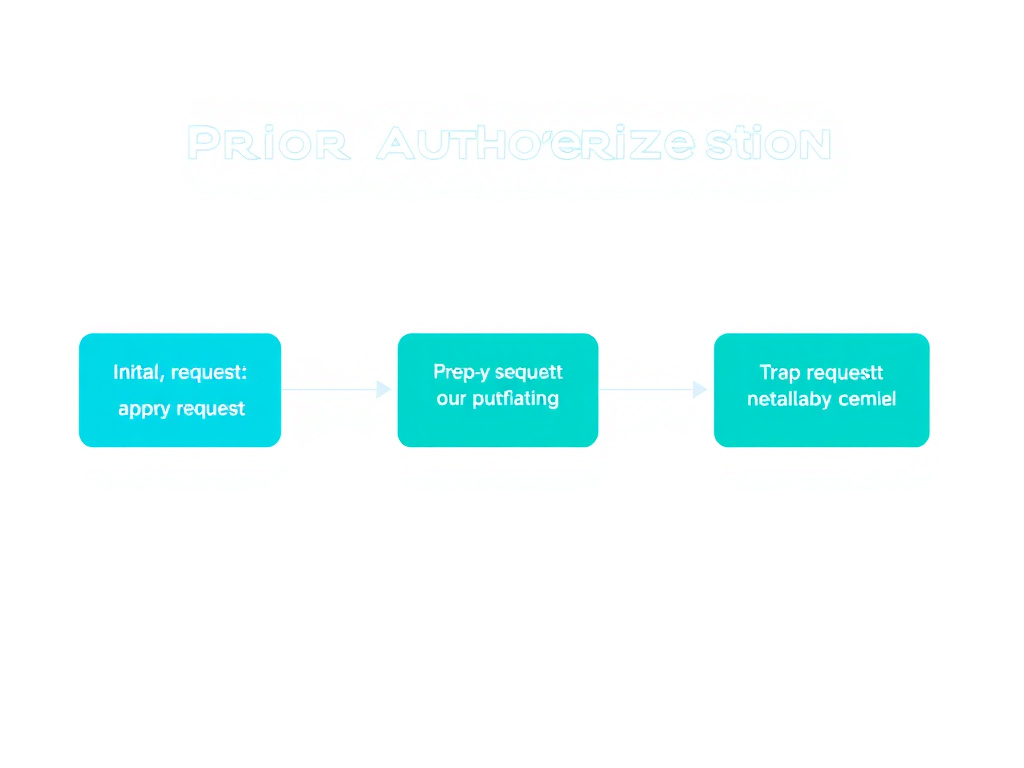
Here is the standard prior authorization workflow, broken down into actionable steps:
Step 1: Verify Coverage and Gather Requirements (Patient and Provider)
Before prescribing, confirm that the medication is on the patient's formulary. Contact the insurance plan's pharmacy benefits department to obtain the specific PA criteria. Many plans post their PA forms and criteria documents online. The pharmacy benefit manager (PBM) - typically Express Scripts, CVS Caremark, or OptumRx - manages the formulary and PA process for most plans.
Step 2: Compile Clinical Documentation (Provider)
Gather all required documentation before submitting the PA request. This typically includes:
- Recent lab results (HbA1c, fasting glucose, lipid panel, liver function tests)
- Documented weight history (at least 6 to 12 months of recorded weights)
- List of current medications and previous treatments tried
- Documentation of comorbidities with supporting records
- Notes from office visits documenting lifestyle counseling and dietary interventions
- Any specialist referral notes or recommendations
Step 3: Complete and Submit the PA Form (Provider)
Complete the insurer's PA form thoroughly. Leave no fields blank. Provide more detail than the minimum required. Include ICD-10 diagnostic codes for all relevant conditions. Many PA denials result from incomplete forms rather than actual clinical ineligibility. Submit via the insurer's preferred method - electronic submission through a platform like CoverMyMeds, Surescripts, or the PBM's provider portal is generally faster than faxing.
Step 4: Follow Up on Submission (Provider Office)
Track the PA request and follow up within 48 hours if no response is received. Standard PA decisions should be made within 48 to 72 hours. Urgent requests should be resolved within 24 hours. If additional information is requested, respond within 24 hours to avoid delays.
Step 5: Address the Decision (Patient and Provider)
If approved, the PA is typically valid for 6 to 12 months, after which a renewal submission will be needed. If denied, request the denial in writing with the specific reason cited, and proceed to the appeal process (covered in the next section).
Clinical Strategy: Maximizing PA Approval Rates
Physicians who specialize in obesity medicine report significantly higher PA approval rates when they include the following in every submission: (1) a clear statement that the patient meets FDA label criteria; (2) documentation of at least two failed prior interventions; (3) at least one peer-reviewed citation supporting the requested medication for the patient's specific condition; and (4) a sentence stating the consequences of non-treatment, such as progression of diabetes, worsening cardiovascular risk, or need for bariatric surgery. Framing the medication as prevention of higher-cost interventions is particularly effective for employer-sponsored plans.
3.4 Electronic Prior Authorization
Electronic prior authorization (ePA) systems have streamlined the process significantly. Platforms like CoverMyMeds, which integrates with most electronic health record systems, allow providers to submit PA requests electronically, receive real-time eligibility checks, and track request status. Some ePAs can produce immediate approvals or denials based on algorithmic review of the submitted clinical data.
As of 2025, CMS finalized a rule requiring Medicare Advantage plans, Medicaid managed care plans, CHIP managed care entities, and qualified health plans on the ACA exchanges to implement electronic prior authorization by January 2027. This rule also requires these plans to respond to PA requests within 72 hours for standard requests and 24 hours for urgent requests [10].
3.5 Prior Authorization Pitfalls to Avoid
Common mistakes that lead to PA denials:
- Incomplete forms - The most common reason for denial. Fill out every field, even if a question seems redundant.
- Wrong diagnosis code - Using an obesity code (E66.x) when submitting for Ozempic (approved only for diabetes) will trigger an automatic denial. Match the medication to its FDA-approved indication.
- Missing step therapy documentation - If your plan requires a trial of metformin before approving a GLP-1, include the dates, doses, and reasons for discontinuation or failure of metformin therapy.
- Outdated lab work - Most insurers require lab results from the past 3 to 6 months. Older results may not be accepted.
- Insufficient lifestyle intervention documentation - For obesity indications, vague statements like "counseled on diet and exercise" are often insufficient. Document specific interventions, durations, and outcomes.
- Submitting to the wrong entity - PA requests for prescription drugs typically go to the PBM, not the medical insurance company. Submitting to the wrong entity delays the process.
3.6 What to Do While Waiting for PA Approval
The PA process can take several days to several weeks, especially if additional documentation is requested. During this time:
- Ask your doctor about bridge prescriptions or samples to start therapy while awaiting approval
- Explore manufacturer savings programs (discussed in Section 8) that may cover or reduce costs during the waiting period
- Contact the specialty pharmacy or retail pharmacy assigned by your plan to confirm they will fill the prescription once approved
- Use the FormBlends Dosing Calculator to understand your expected dosing schedule and titration plan
- Review the Science & Research section to understand what to expect from your medication
3.7 Prior Authorization for Specific Clinical Scenarios
Different clinical situations require tailored approaches to the PA process. Here are strategies for the most common scenarios:
Scenario 1: Type 2 Diabetes Patient Switching to a GLP-1
If you have type 2 diabetes and are currently on metformin but need better glycemic control, the PA process is relatively straightforward. Most plans require documentation of an HbA1c above 7.0 percent despite at least 3 months of metformin therapy at maximum tolerated dose (typically 2,000 mg daily). Your physician should submit recent lab work showing your HbA1c, documentation of metformin use with dates and doses, and any contraindications to alternative second-line agents such as sulfonylureas or SGLT2 inhibitors. If your plan requires step therapy through a sulfonylurea or DPP-4 inhibitor before approving a GLP-1, include documentation of any side effects, contraindications, or clinical reasons why these alternatives are not appropriate for your specific situation. For example, sulfonylureas carry a risk of hypoglycemia and weight gain that may be clinically undesirable for a patient who is also obese.
Scenario 2: Obesity Without Diabetes
This is the most challenging PA scenario because many plans exclude anti-obesity medications entirely. If your plan does cover Wegovy or Zepbound, the PA will require documentation of BMI (30 or above, or 27 or above with at least one weight-related comorbidity), a history of structured lifestyle interventions (diet and exercise programs, nutritional counseling, behavioral therapy), and documentation of any previous weight-loss medication trials. Critical tip: document your lifestyle interventions in detail. Rather than noting "counseled on diet and exercise," your records should specify the program name, start and end dates, caloric targets, exercise prescriptions, and outcomes achieved. Plans frequently deny PAs for obesity-indicated GLP-1s because the lifestyle intervention documentation is too vague.
Scenario 3: Cardiovascular Risk Reduction
Following the SELECT trial results showing a 20 percent reduction in major adverse cardiovascular events (MACE) with semaglutide in patients with obesity and established cardiovascular disease [13], some plans have begun covering GLP-1 medications for cardiovascular risk reduction even in the absence of diabetes. If your patient has established cardiovascular disease (prior MI, stroke, or peripheral artery disease) and obesity, framing the PA request around cardiovascular risk reduction rather than weight loss can improve approval odds. Include the SELECT trial citation and reference the FDA's updated labeling for Wegovy, which now includes a cardiovascular risk reduction indication.
Scenario 4: Patient with NAFLD/NASH
GLP-1 receptor agonists have shown significant benefit in non-alcoholic fatty liver disease (NAFLD) and non-alcoholic steatohepatitis (NASH), with several studies demonstrating improvement in liver histology, reduction in liver fat content, and improvement in fibrosis markers [18]. While GLP-1 medications are not FDA-approved specifically for NAFLD/NASH, documenting this comorbidity in the PA submission adds weight to the medical necessity argument. Include liver imaging results (ultrasound, FibroScan, or MRI showing steatosis), elevated liver enzymes (ALT, AST), and any liver biopsy results if available.
Scenario 5: Prediabetes and Diabetes Prevention
Patients with prediabetes (HbA1c 5.7 to 6.4 percent, fasting glucose 100 to 125 mg/dL) may benefit from GLP-1 therapy for diabetes prevention, but insurance coverage for this indication is limited. Some plans will cover a GLP-1 for prediabetes, particularly if the patient also has obesity and has not responded adequately to lifestyle interventions. The American Diabetes Association's Standards of Care include recommendations for pharmacotherapy in prediabetes for patients at high risk of progression, and citing these guidelines can support your PA request [3].
Scenario 6: Post-Bariatric Surgery Weight Regain
Patients who have undergone bariatric surgery but experienced significant weight regain represent a growing population seeking GLP-1 therapy. PA submissions for these patients should include documentation of the original surgery (type, date, initial weight loss achieved), the timeline and extent of weight regain, any anatomical or hormonal factors contributing to regain, and evidence that the GLP-1 medication is appropriate for post-surgical patients. Several studies have demonstrated the efficacy of GLP-1 agonists in this population, and citing these studies strengthens the PA request.
3.8 Electronic Prior Authorization Platforms
The transition from fax-based to electronic prior authorization has improved processing times and approval rates in many settings. Here is a comparison of the major ePA platforms:
| Platform | Key Features | Supported Plans | EHR Integration |
|---|---|---|---|
| CoverMyMeds | Largest network; real-time eligibility; some instant approvals | Most commercial and government plans | Integrates with 700+ EHR systems |
| Surescripts | Real-time prescription benefit checks; ePA routing | Broad plan coverage | Standard in most EHR systems |
| PBM Portals (Express Scripts, CVS Caremark, OptumRx) | Direct submission to the specific PBM; real-time status tracking | Plans managed by that specific PBM | Varies; web-based portals available |
| Availity | Multi-payer platform; eligibility verification and PA submission | Multiple commercial plans | Integration available |
For physicians and clinic staff, using an ePA platform rather than a paper or fax-based submission can reduce processing time from days to hours, and in some cases, produce immediate decisions. If your doctor's office is still submitting PAs by fax, encourage them to explore electronic options, which are typically free for providers.
3.9 Special Considerations for Dose Titration and PA Renewals
Most GLP-1 medications require a gradual dose titration over several weeks or months. For example, semaglutide starts at 0.25 mg weekly and titrates up to 2.4 mg weekly over 16 to 20 weeks. Tirzepatide starts at 2.5 mg and can titrate up to 15 mg weekly. Insurance plans handle titration differently:
- Some plans require a single PA that covers the full titration schedule, from starting dose to maintenance dose. This is the most patient-friendly approach.
- Other plans require a new PA at each dose level, which creates administrative burden and potential treatment interruptions at each titration step.
- Quantity limits may conflict with titration. If a plan limits quantities based on the starting dose, the PA may need to be updated as the dose increases.
When submitting the initial PA, ask whether it covers the full titration range or whether additional submissions will be needed. If possible, request approval for the target maintenance dose from the outset, with documentation that the patient will follow the manufacturer's recommended titration schedule.
PA renewals are required periodically, typically every 6 to 12 months. Renewal submissions should include updated clinical data demonstrating treatment response: current weight, weight change since starting therapy, current HbA1c (for diabetes patients), documentation of adherence, and any side effects encountered. A positive treatment response strongly supports renewal approval. If weight loss has plateaued or HbA1c has not improved adequately, provide clinical rationale for continuing therapy, such as prevention of weight regain or cardiovascular risk reduction.
3.10 Understanding ICD-10 Codes and Their Impact on PA Decisions
The ICD-10 diagnostic codes your physician uses on the prescription and PA form directly affect coverage decisions. Using the wrong code or missing a relevant code can lead to an unnecessary denial. Here are the most commonly used codes for GLP-1 prior authorizations:
Primary Diagnosis Codes for Diabetes-Indicated GLP-1s
| ICD-10 Code | Description | Usage |
|---|---|---|
| E11.65 | Type 2 diabetes mellitus with hyperglycemia | Most common primary code for diabetes PA |
| E11.9 | Type 2 diabetes mellitus without complications | General diabetes code; less specific |
| E11.69 | Type 2 diabetes with other specified complications | Use when specific complications are documented |
| E11.22 | Type 2 diabetes with diabetic chronic kidney disease | Adds weight to medical necessity for renal protection |
| E11.40 | Type 2 diabetes with diabetic neuropathy, unspecified | Documents neural complications |
| E11.51 | Type 2 diabetes with diabetic peripheral angiopathy | Documents vascular complications |
Primary Diagnosis Codes for Obesity-Indicated GLP-1s
| ICD-10 Code | Description | Usage |
|---|---|---|
| E66.01 | Morbid (severe) obesity due to excess calories | BMI 40+; strongest obesity code for PA |
| E66.09 | Other obesity due to excess calories | BMI 30-39.9 |
| E66.1 | Drug-induced obesity | Obesity caused by medications (e.g., antipsychotics, steroids) |
| Z68.35-Z68.45 | BMI codes (adult, 35-45+ range) | Always include the specific BMI code as a secondary diagnosis |
Comorbidity Codes to Strengthen Your PA
| ICD-10 Code | Description | Why It Helps |
|---|---|---|
| I10 | Essential (primary) hypertension | Common obesity comorbidity; supports medical necessity |
| E78.5 | Hyperlipidemia, unspecified | Cardiovascular risk factor associated with obesity |
| G47.33 | Obstructive sleep apnea | Strong comorbidity; often resolves with weight loss |
| K76.0 | Fatty (change of) liver, not elsewhere classified | NAFLD documentation; GLP-1s shown to improve liver pathology |
| R73.03 | Prediabetes | Documents metabolic risk; supports prevention argument |
| M17.11/M17.12 | Primary osteoarthritis, right/left knee | Weight-bearing joint disease exacerbated by obesity |
| I25.10 | Atherosclerotic heart disease | Established CVD; supports cardiovascular risk reduction indication |
| N18.3 | Chronic kidney disease, stage 3 | GLP-1s have shown renoprotective effects |
Best practice: include the primary diagnosis code that matches the medication's FDA-approved indication, plus all relevant comorbidity codes. The more documented comorbidities, the stronger the medical necessity argument. Your physician should ensure that all coded conditions are supported by clinical documentation in the medical record.
3.11 Timing Your PA Submission Strategically
The timing of your PA submission can affect both the speed of processing and the likelihood of approval. Consider these timing factors:
- Calendar year timing - If you are close to meeting your annual deductible through other medical expenses, starting GLP-1 therapy after your deductible is met can reduce your initial out-of-pocket cost. Conversely, starting early in the calendar year gives you the most time to benefit from reaching your out-of-pocket maximum.
- Avoid holiday periods - PA processing can slow down during major holiday periods when insurer staffing is reduced. Submit well in advance if you want to start therapy in late November, December, or early January.
- New plan year considerations - Formularies and PA criteria can change at the start of a new plan year (January 1 for most commercial plans). If your PA is approved under the current year's criteria, it may not automatically carry over to the new plan year. Check whether your approval requires renewal at the plan year transition.
- Lab timing - Ensure your lab work is current (within 3 to 6 months) before submitting the PA. If your labs are outdated, the PA may be delayed or denied pending updated results. Schedule labs 1 to 2 weeks before your PA submission to allow time for results.
- Specialist documentation - If you plan to include a specialist recommendation (endocrinologist, cardiologist, obesity medicine specialist), schedule the specialist visit before submitting the PA so their notes can be included in the initial submission.
3.12 What Happens After PA Approval
Once your PA is approved, several important steps remain:
- Confirm the approval details - Review the approval notice for the specific medication, dose, quantity, and duration approved. Ensure these match what your physician prescribed. If the insurer approved a different medication or dose than prescribed, discuss the discrepancy with your physician.
- Verify pharmacy routing - Confirm which pharmacy will fill the prescription. Some plans require GLP-1 medications to be filled at a designated specialty pharmacy rather than a retail pharmacy. If you have a preferred pharmacy, check whether it is in your plan's network for this medication.
- Understand your cost-sharing - Confirm your copay, coinsurance, or deductible obligations. Apply for manufacturer savings cards before filling the first prescription so the savings can be applied at the point of sale.
- Set up auto-refills - Many pharmacies offer automatic refill services for maintenance medications. Setting up auto-refills ensures you do not miss a dose due to refill delays.
- Note the PA expiration date - PA approvals are time-limited, typically 6 to 12 months. Calendar the expiration date and begin the renewal process at least 30 days in advance to avoid coverage gaps.
- Document your starting metrics - Record your weight, BMI, waist circumference, HbA1c, and other relevant metrics at the start of therapy. This baseline data will be essential for PA renewal submissions and for tracking your treatment response.
4. Appeals Process for Denied Claims
A prior authorization denial is not the final word. The appeals process exists to ensure that medically necessary treatments are not unjustly withheld, and data consistently shows that a significant percentage of denials are overturned on appeal.
4.1 Understanding Your Right to Appeal
Federal law (the Affordable Care Act and ERISA) guarantees your right to appeal insurance coverage denials. Every denial letter must include instructions for filing an appeal, the deadline for submission, and the specific clinical rationale for the denial. If you receive a verbal denial, always request written confirmation, as you will need the denial letter to prepare your appeal [11].
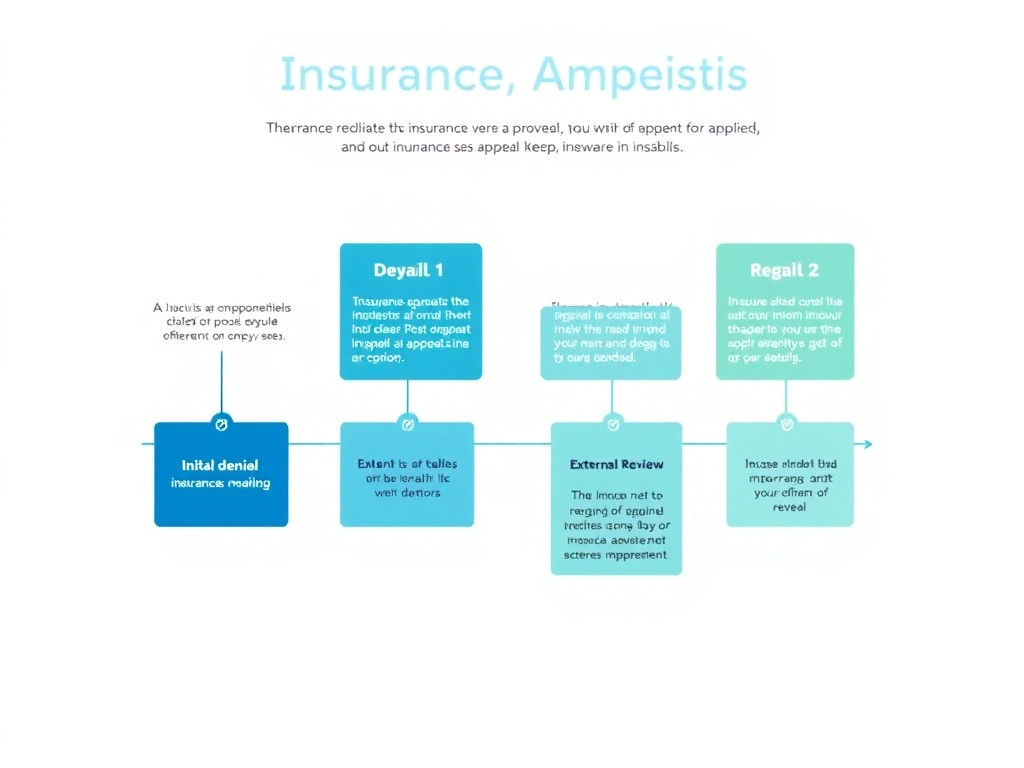
Most insurance plans offer two levels of internal appeal, followed by the option for an independent external review. The external review is conducted by a third-party organization not affiliated with your insurer, and the external reviewer's decision is binding on the insurance company in most states.
4.2 Types of Denials and How to Address Each
| Denial Reason | What It Means | How to Address It |
|---|---|---|
| Not medically necessary | Insurer does not agree the medication is needed for your condition | Provide additional clinical evidence, guidelines, and letter of medical necessity |
| Step therapy not completed | Plan requires you to try and fail on a cheaper medication first | Document prior medication trials, or request an exception based on clinical contraindications |
| Not on formulary | The specific medication is not covered by the plan | Request a formulary exception with clinical justification, or switch to a covered alternative |
| Excluded benefit | The plan categorically excludes the type of medication (e.g., anti-obesity drugs) | Harder to overturn; focus on reclassification as disease treatment rather than weight loss, or explore compounded alternatives |
| Quantity limit exceeded | The prescribed dose exceeds the plan's quantity or dose limits | Provide clinical justification for the prescribed dose with supporting evidence |
| Insufficient documentation | The PA form was incomplete or missing required information | Resubmit with complete documentation; this is often the easiest denial to overturn |
4.3 First-Level Internal Appeal
The first-level appeal is your most important opportunity. Here is how to structure a strong appeal:
Step 1: Review the Denial Letter Carefully
Identify the specific reason for denial and the clinical criteria the insurer applied. Note the appeal deadline, which is typically 180 days for internal appeals and 60 days for urgent appeals.
Step 2: Gather Supporting Documentation
Collect all materials that address the specific denial reason. This includes updated lab results, office notes, specialist opinions, and any new clinical information since the original PA submission.
Step 3: Obtain a Letter of Medical Necessity
Your prescribing physician should write a detailed letter explaining why the specific GLP-1 medication is medically necessary for your condition. The letter should include:
- Patient's diagnosis with ICD-10 codes
- Current BMI, weight, and relevant vital signs
- Complete list of obesity-related or diabetes-related comorbidities
- Timeline and outcomes of all previously attempted treatments
- Why alternative medications are insufficient, contraindicated, or have been tried and failed
- Citations from peer-reviewed literature and clinical practice guidelines
- Statement about the expected clinical benefit of the requested medication
- Statement about the risks of non-treatment (disease progression, need for surgical intervention, worsening comorbidities)
Step 4: Include Peer-Reviewed Evidence
Attach relevant clinical studies, especially those published in high-impact journals. For semaglutide, the STEP trial program and SELECT cardiovascular outcomes trial provide strong evidence [12,13]. For tirzepatide, the SURMOUNT and SURPASS trial programs are particularly relevant [14,15]. For a comprehensive review of clinical evidence, visit the GLP-1 Research Hub.
Step 5: Write a Patient Statement (Optional but Recommended)
A personal statement from you as the patient, describing how your weight or diabetes affects your daily life, what treatments you have tried, and why you believe this medication is necessary, can add a human dimension to the clinical documentation. Keep it factual and concise, typically one page.
Step 6: Submit and Track
Submit the appeal via the method specified in the denial letter (often fax, mail, or an online portal). Keep copies of everything. Follow up within one week if you do not receive an acknowledgment of receipt. The insurer must make a decision within 30 days for standard appeals and 72 hours for urgent appeals.
4.4 Second-Level Internal Appeal
If the first-level appeal is denied, you have the right to a second-level internal appeal. This review is typically conducted by a physician or clinical reviewer who was not involved in the original denial or first-level appeal decision. For the second-level appeal, consider:
- Requesting a peer-to-peer review where your physician speaks directly with the insurer's medical director
- Providing additional specialist opinions (endocrinologist, cardiologist, or obesity medicine specialist)
- Including updated clinical data showing disease progression or treatment failure on alternatives
- Citing specific plan language or benefit documents that support coverage
- Referencing relevant state laws or regulations, if applicable
4.5 External Review
After exhausting internal appeals, you can request an independent external review. The external review is conducted by an Independent Review Organization (IRO) that is not affiliated with your insurance company. Under the ACA, the external reviewer's decision is binding on the insurer for non-grandfathered health plans [16].
External reviews are particularly valuable because the IRO reviewer applies accepted clinical guidelines rather than the insurer's proprietary coverage criteria. If the clinical evidence supports treatment and your documentation is thorough, external reviews have favorable outcomes for patients in many cases.
4.6 Peer-to-Peer Review
A peer-to-peer (P2P) review is an opportunity for your prescribing physician to speak directly with the insurance company's medical director or clinical reviewer. P2P reviews can be requested at any point during the PA or appeal process and are often highly effective because they allow your doctor to present the clinical rationale in real time, answer questions, and address specific concerns raised by the reviewer.
Tips for a successful P2P review:
- Schedule the call at a time when the physician can devote 15 to 20 minutes without interruption
- Have all clinical documentation readily accessible during the call
- Be prepared to discuss specific clinical guidelines and trial evidence
- Document the call, including the reviewer's name, date, and outcome
- If the P2P results in continued denial, ask the reviewer to specify exactly what additional evidence would support approval
Appeal Success Rates
Data from state insurance departments and patient advocacy organizations suggests that 40 to 60 percent of first-level appeals for prescription drug denials result in reversed decisions. For GLP-1 medications specifically, appeal success rates tend to be higher when the prescriber includes comprehensive clinical documentation and references to published clinical guidelines. The Obesity Medicine Association and the American Association of Clinical Endocrinology both publish practice guidelines that explicitly recommend GLP-1 therapy for eligible patients, and citing these guidelines in your appeal can strengthen your case.
4.7 Letter of Medical Necessity Template Framework
While every letter should be customized to the patient's specific clinical situation, the following framework provides a structure for an effective letter of medical necessity:
Letter of Medical Necessity Framework
Opening: State the patient's name, date of birth, insurance ID, the medication requested, the dose, and the clinical indication.
Clinical History: Describe the patient's condition, duration, severity, and impact on health. Include BMI history, relevant lab values (HbA1c, glucose, lipids), blood pressure, and any obesity-related diagnoses.
Prior Treatments: List all previously attempted treatments chronologically, including medications (with doses and duration), lifestyle interventions (with specific programs and durations), and surgical options considered or completed.
Clinical Rationale: Explain why the specific GLP-1 medication is the most appropriate treatment for this patient at this time. Reference FDA labeling, clinical practice guidelines, and relevant trial data.
Risk of Non-Treatment: Describe the likely clinical trajectory if the medication is not provided, including disease progression, development of new comorbidities, potential need for surgical intervention, and impact on quality of life.
Closing: Summarize the request, offer to provide additional information, and include the physician's contact information for follow-up.
4.8 When to Seek Additional Help
If your appeals are unsuccessful, consider these additional resources:
- State insurance department - File a complaint with your state's Department of Insurance, which can investigate whether the denial complies with state law
- Patient advocacy organizations - The Obesity Action Coalition, the Obesity Medicine Association, and the American Diabetes Association offer advocacy resources and may provide support for individual cases
- Legal counsel - For ERISA-governed plans, an attorney specializing in employee benefits law can advise on additional legal remedies
- Employer benefits department - If you have an employer-sponsored plan, your HR or benefits department may be able to intervene directly with the insurer or PBM
- Media and public advocacy - In some cases, public attention to systemic coverage denials has prompted policy changes at the insurer or employer level
4.9 Understanding the Insurer's Perspective
To appeal effectively, it helps to understand why insurers deny GLP-1 coverage in the first place. Insurance companies are businesses that manage risk and cost. Their concerns about GLP-1 coverage include:
- Budget impact - With over 100 million adults potentially eligible for GLP-1 therapy, unrestricted coverage could cost billions. Insurers use PA and step therapy to control utilization and manage costs.
- Uncertain long-term value - While clinical trials demonstrate impressive short-term results, insurers question whether patients will remain on therapy long enough to realize the downstream cost savings. Studies show that roughly 50 to 70 percent of patients discontinue GLP-1 medications within 12 months, and weight regain after discontinuation is common [29].
- Member turnover - Insurers know that the cost savings from obesity treatment may not accrue to them if the patient switches plans. An insurer may pay for a year of GLP-1 therapy but not be the insurer when the patient avoids a $45,000 cardiovascular event three years later.
- Moral hazard concerns - Some insurers worry that covering weight-loss medications will reduce patient motivation for lifestyle changes, though this concern is not well-supported by evidence. Clinical trials consistently show that GLP-1 therapy combined with lifestyle intervention produces better outcomes than either approach alone [28].
Understanding these concerns allows you to address them directly in your appeal. For example, documenting the patient's commitment to lifestyle changes alongside medication therapy, providing evidence of long-term cost savings, and citing studies showing sustained adherence all address the insurer's underlying concerns.
4.10 Documenting and Tracking Your Appeal
Meticulous documentation throughout the appeal process is essential. Create a file (physical or digital) that includes:
- A chronological log of every communication with the insurer, including dates, times, representative names, and reference numbers
- Copies of all submitted documents, including PA forms, appeal letters, clinical records, and supporting studies
- All correspondence from the insurer, including denial letters, additional information requests, and approval notifications
- Notes from peer-to-peer reviews, including the reviewer's name and specific feedback provided
- Receipts for any out-of-pocket expenses incurred while waiting for coverage decisions
This documentation serves multiple purposes: it ensures you can reference previous submissions accurately, provides evidence if you need to escalate to a state regulator or external review, and protects your interests if the insurer fails to meet required timelines for decision-making.
4.11 State Insurance Department Complaints
If you believe your insurer has violated state insurance law, failed to meet required timelines, or improperly denied a covered benefit, you can file a complaint with your state's Department of Insurance (DOI). The complaint process varies by state but generally involves:
- Visiting your state DOI website and locating the consumer complaint form
- Providing detailed information about your coverage denial, including policy number, denial dates, and specific concerns
- Attaching copies of relevant correspondence and denial letters
- The DOI will investigate and may contact the insurer on your behalf
State DOI complaints are particularly effective when the insurer has failed to comply with state-mandated PA timelines, denied a benefit that is required by state law, or failed to provide adequate explanation for a denial. While the DOI cannot force an insurer to approve a specific claim, their investigation can apply pressure and identify patterns of non-compliance that may trigger broader regulatory action.
4.12 Real-World Appeal Outcomes
While individual outcomes vary, published data and patient advocacy reports provide insight into appeal success rates for prescription drug denials:
| Appeal Level | Estimated Success Rate | Typical Timeline | Key Success Factors |
|---|---|---|---|
| First-level internal appeal | 40-60% | 30 days (standard); 72 hours (urgent) | Complete documentation, letter of medical necessity, clinical guidelines |
| Second-level internal appeal | 30-50% (of remaining denials) | 30-60 days | Peer-to-peer review, specialist input, additional clinical data |
| External review (IRO) | 40-55% | 45-60 days | Strong clinical evidence; IRO applies accepted guidelines rather than insurer criteria |
| State DOI complaint | Variable | 30-90 days | Regulatory violations, pattern of denials, state law requirements |
These numbers tell an important story: many denials are overturned, and patients who persist through the appeal process have a meaningful chance of obtaining coverage. The key is thorough documentation, clinical evidence, and willingness to escalate through each level of review. Too many patients abandon the process after the first denial, missing the opportunity for a successful appeal.
5. Medicare and Medicaid Coverage Specifics
Government insurance programs cover over 150 million Americans, and GLP-1 access within Medicare and Medicaid has undergone dramatic changes. Understanding the current rules, recent legislative shifts, and program-specific strategies is essential for this population.
5.1 Medicare Part D and GLP-1 Medications
Medicare Part D, the prescription drug benefit available to Medicare enrollees, has a complex history with GLP-1 medications and anti-obesity drugs.
Historical Exclusion
Since the creation of Medicare Part D in 2006, the program included a statutory exclusion for drugs "used for anorexia, weight loss, or weight gain." This exclusion prevented Part D plans from covering anti-obesity medications like Wegovy, Saxenda, and later Zepbound, even when clinically appropriate. GLP-1 medications prescribed for type 2 diabetes (Ozempic, Mounjaro, Victoza, Trulicity) were covered under Part D, but the same active ingredients in their obesity-indicated formulations were not [17].
The Inflation Reduction Act and TREAT Obesity Act
The legislative landscape shifted with provisions in the Inflation Reduction Act and subsequent policy guidance from CMS. As of 2026, Medicare Part D plans have the option to cover anti-obesity medications for eligible beneficiaries. CMS has provided guidance encouraging Part D sponsors to add these medications to their formularies, though coverage is not universally mandated across all Part D plans [18].
This expansion has been driven by several factors:
- The SELECT trial demonstrating that semaglutide reduces major adverse cardiovascular events by 20 percent in patients with obesity and established cardiovascular disease, independent of diabetes status [19]
- Growing evidence that obesity treatment reduces Medicare spending on downstream conditions including diabetes, heart failure, joint replacement, and stroke
- Advocacy from medical organizations, patient groups, and bipartisan congressional coalitions
- CMS estimates that covering anti-obesity medications could reduce overall Medicare spending on related conditions over a 10-year window
What Medicare Beneficiaries Should Know
- Check your specific Part D plan's formulary each year during the Annual Enrollment Period (October 15 to December 7) to see if anti-obesity medications are covered
- If your current plan does not cover the medication you need, you may be able to switch to a plan that does during open enrollment
- Medicare Advantage plans (Part C) that include prescription drug coverage may have different formularies than standalone Part D plans
- The Medicare Part D redesign under the IRA capped annual out-of-pocket spending at $2,000, which provides a financial ceiling for enrollees regardless of drug costs
- Prior authorization requirements still apply within Medicare Part D, and plans may impose step therapy or quantity limits
5.2 Medicare Coverage for Diabetes-Indicated GLP-1s
For Medicare beneficiaries with type 2 diabetes, GLP-1 medications like Ozempic and Mounjaro are well-established on most Part D formularies. Key considerations:
- Formulary placement varies by plan. Some plans place GLP-1s on a preferred brand tier (lower copay), while others use a non-preferred or specialty tier (higher cost-sharing)
- The $2,000 out-of-pocket cap (effective 2025) means that even with specialty tier placement, your total annual out-of-pocket spending on all Part D drugs is limited
- The Medicare Prescription Payment Plan allows beneficiaries to spread their out-of-pocket costs across monthly payments rather than paying large amounts upfront when they hit higher cost-sharing phases
- Low-Income Subsidy (LIS) / Extra Help programs significantly reduce or eliminate Part D cost-sharing for qualifying beneficiaries with limited income and resources
5.3 Medicaid Coverage: State-by-State Variation
Medicaid, the joint federal-state program serving low-income individuals, presents even greater variation than commercial insurance. Coverage decisions are made at the state level, resulting in a patchwork of policies across the country.
Medicaid Coverage for Diabetes-Indicated GLP-1s
Most state Medicaid programs cover at least one GLP-1 medication for type 2 diabetes, as these drugs are included in the Medicaid drug rebate program. However, states frequently impose:
- Strict prior authorization requirements
- Step therapy protocols requiring failure on metformin and possibly a sulfonylurea
- Preferred drug lists that may not include the newest GLP-1 agents
- Quantity or dose restrictions
Medicaid Coverage for Anti-Obesity Medications
Federal Medicaid law does not require states to cover anti-obesity medications, and many states explicitly exclude them. However, a growing number of states have added or are considering adding AOMs to their Medicaid formularies. States that have expanded access include those that have conducted analyses showing that obesity treatment reduces long-term Medicaid expenditures on diabetes, cardiovascular disease, and disability [20].
Medicaid Managed Care
The majority of Medicaid beneficiaries are enrolled in managed care plans administered by private insurance companies under contract with the state. These managed care plans may have different formularies and PA requirements than the state's fee-for-service Medicaid program. If you are enrolled in Medicaid managed care, contact your specific plan for formulary and PA information.
Important for Medicare and Medicaid Beneficiaries
Manufacturer savings cards and copay assistance programs from Novo Nordisk and Eli Lilly are generally NOT available to patients with government insurance (Medicare, Medicaid, Tricare, VA). This is due to federal anti-kickback statutes. However, both companies offer separate Patient Assistance Programs (PAPs) that provide free medication to qualifying low-income patients. Additionally, compounded alternatives may be available at significantly reduced costs and are not subject to the same restrictions as manufacturer copay programs.
5.4 Dual-Eligible Beneficiaries
Individuals who qualify for both Medicare and Medicaid (dual-eligible beneficiaries) have unique considerations. Their prescription drug coverage is typically provided through Medicare Part D, with Medicaid potentially covering Part D cost-sharing. Dual-eligible beneficiaries automatically qualify for the Low-Income Subsidy, which substantially reduces or eliminates Part D copays. For GLP-1 medications covered under Part D, this can make even specialty-tier medications affordable.
5.5 Strategies for Government Insurance Enrollees
- Compare plans annually - During open enrollment, compare Part D plan formularies to find the best coverage for your specific medications. Tools like the Medicare Plan Finder at Medicare.gov allow formulary comparisons.
- Apply for Extra Help / LIS - If your income and resources are limited, the Low-Income Subsidy can dramatically reduce your Part D costs.
- Request a coverage determination - If your Part D plan does not cover a specific medication, you can request a coverage determination, which is the Medicare equivalent of a prior authorization or formulary exception.
- File an appeal - Medicare Part D has a five-level appeals process: coverage determination, redetermination, reconsideration by an Independent Review Entity, Administrative Law Judge hearing, and Medicare Appeals Council review.
- Contact your State Health Insurance Assistance Program (SHIP) - Every state has a SHIP program that provides free, unbiased counseling to Medicare beneficiaries about their coverage options.
- Explore compounded alternatives - Compounded semaglutide and compounded tirzepatide can be obtained at cash-pay prices that are often lower than government-program copays for brand medications.
5.6 Medicare Part D Plan Comparison for GLP-1 Coverage
Not all Medicare Part D plans are created equal when it comes to GLP-1 coverage. During the Annual Enrollment Period (October 15 to December 7 each year), beneficiaries can compare plans using the Medicare Plan Finder tool at Medicare.gov. Here is what to look for when comparing plans for GLP-1 coverage:
| Evaluation Criteria | What to Check | Why It Matters |
|---|---|---|
| Formulary inclusion | Is your specific GLP-1 medication listed on the plan's formulary? | If not listed, you will need a coverage determination (exception request) |
| Tier placement | What tier is the medication on? Preferred brand, non-preferred, or specialty? | Higher tiers mean higher cost-sharing until you reach the OOP cap |
| Prior authorization | Does the plan require PA for the medication? | PA adds processing time and potential for denial |
| Step therapy | Does the plan require you to try other medications first? | May delay access to the medication you and your doctor prefer |
| Quantity limits | Does the plan limit the quantity or dose of the medication? | May not cover your prescribed dose or supply duration |
| Monthly premium | What is the plan's monthly premium? | Lower-premium plans may have higher drug cost-sharing, and vice versa |
| Total estimated annual cost | Use the Plan Finder's drug cost estimator to calculate total annual cost including premiums, deductibles, and cost-sharing | The plan with the best GLP-1 coverage may not be the cheapest plan overall |
A practical approach is to enter all your current medications into the Medicare Plan Finder and compare total estimated annual costs across available plans. Some plans may have higher premiums but place your GLP-1 medication on a lower tier, resulting in lower total annual spending.
5.7 The Impact of the $2,000 Out-of-Pocket Cap
The Inflation Reduction Act's $2,000 annual out-of-pocket cap for Medicare Part D, which took effect in 2025, has significantly changed the financial calculus for Medicare beneficiaries using high-cost medications. Before this cap, beneficiaries who used specialty-tier medications could face out-of-pocket costs of $5,000 to $10,000 or more per year during the coverage gap (formerly known as the "donut hole") and catastrophic coverage phases.
Under the new cap, once a beneficiary's total out-of-pocket spending on Part D drugs reaches $2,000 in a calendar year, they pay nothing for the remainder of the year. This means that even if a GLP-1 medication costs $1,000 per month at the plan's cost-sharing level, the beneficiary's total annual out-of-pocket cost is capped at $2,000, regardless of how many months they use the medication.
The Medicare Prescription Payment Plan allows beneficiaries to spread their out-of-pocket costs across monthly payments rather than facing large upfront charges. This option is especially helpful for beneficiaries who reach the $2,000 cap quickly due to high-cost medications early in the year.
5.8 Medicaid Coverage by Region
Medicaid coverage of GLP-1 medications varies substantially by state. While a complete 50-state analysis is beyond the scope of this guide, here are the general patterns observed across regions:
Northeast
States in the Northeast, including New York, Massachusetts, and Connecticut, have generally been more progressive in covering GLP-1 medications. Several northeastern states have enacted or are considering legislation requiring coverage of FDA-approved obesity treatments. Medicaid managed care plans in these states may offer broader GLP-1 access, though PA requirements remain common.
Southeast
Southern states have more variable Medicaid coverage. Some states with high obesity prevalence have expanded access to GLP-1 medications recognizing the cost-effectiveness argument, while others maintain strict limitations. Medicaid expansion status (whether the state expanded Medicaid under the ACA) also affects the size of the eligible population.
Midwest
Midwestern states show a mix of approaches. States with larger state employee populations and self-funded state plans have sometimes led the way in adding GLP-1 coverage, which can influence Medicaid policy decisions within the same state.
West
Western states, particularly California, have large Medicaid (Medi-Cal) populations and have been actively evaluating GLP-1 coverage policies. California's Medi-Cal program covers certain GLP-1 medications for diabetes with prior authorization, and policy discussions about obesity coverage are ongoing.
For the most current information about your state's Medicaid GLP-1 coverage, contact your state Medicaid agency or your managed care plan directly. The Medicaid and CHIP Payment and Access Commission (MACPAC) also publishes reports on state-level drug coverage policies [20].
Figure 10: Medicare and Medicaid GLP-1 coverage overview, including recent IRA changes, the $2,000 OOP cap, and regional Medicaid variation.
6. Employer-Sponsored Plan Strategies
Employer-sponsored health plans cover approximately 155 million Americans and represent the largest segment of the U.S. insurance market. Because employers have significant influence over plan design, they are both the biggest barrier and the biggest opportunity for expanding GLP-1 access.
6.1 How Employer Plans Make Coverage Decisions
Employers, particularly those with self-funded plans, work with pharmacy benefit managers (PBMs) and benefits consultants to design their prescription drug benefits. Coverage decisions for GLP-1 medications are typically made during the annual plan renewal process, where the employer weighs clinical evidence, cost projections, employee demand, and competitive positioning against other employers in their industry [21].
Key decision-makers in the employer coverage process include:
- Benefits manager or HR director - The primary contact for plan design decisions
- PBM account manager - Provides formulary recommendations, cost modeling, and clinical program design
- Benefits consultant or broker - Advises the employer on plan design, competitive benchmarking, and cost management
- C-suite leadership - Approves budget decisions, especially for high-cost additions like GLP-1 coverage
- Benefits committee or wellness team - May advocate for coverage as part of employee health and wellness initiatives
6.2 Making the Case for GLP-1 Coverage to Your Employer
If your employer's plan does not cover GLP-1 medications (or covers them with prohibitively high cost-sharing), advocating for coverage change can be effective. Here is how to approach it:
Frame It as a Cost-Reduction Strategy
Employers are primarily concerned with total healthcare costs. Present evidence that treating obesity reduces spending on related conditions. Research has shown that effective obesity treatment can reduce costs for:
- Type 2 diabetes management (average annual cost: $9,600 per patient)
- Cardiovascular disease treatment and events
- Joint replacement and musculoskeletal conditions
- Sleep apnea diagnosis and treatment (CPAP, surgeries)
- Mental health conditions associated with obesity
- Short-term disability and workers' compensation claims
- Absenteeism and presenteeism (reduced productivity while at work)
A well-constructed cost-offset analysis typically shows that GLP-1 medication costs are partially or fully offset by reductions in downstream healthcare utilization within 2 to 4 years [22].
Highlight Competitive Benchmarking
Large employers increasingly view obesity treatment coverage as a competitive benefit for attracting and retaining talent. If competitors in your industry offer GLP-1 coverage, share this information with your employer's benefits team. Industry surveys show that the percentage of large employers covering anti-obesity medications has roughly doubled between 2023 and 2025.
Propose a Managed Access Program
Rather than open-ended coverage, many employers are adopting managed access programs that combine GLP-1 medication coverage with required participation in lifestyle modification, dietitian counseling, or a structured weight management program. This approach addresses employer concerns about cost control while expanding access. Some employers partner with digital health platforms that provide remote monitoring, coaching, and accountability alongside medication therapy.
6.3 Employer Plan Design Options for GLP-1 Coverage
| Design Option | Description | Cost Impact | Access Impact |
|---|---|---|---|
| Full formulary coverage | Cover all FDA-approved GLP-1s at standard tier | Highest initial cost | Broadest access |
| Preferred agent only | Cover one preferred GLP-1 (e.g., Ozempic or Mounjaro) | Moderate cost | Good; may require switching agents |
| Coverage with prior auth | Cover with clinical criteria and PA requirements | Moderate cost with controls | Good for qualifying patients |
| Managed access program | Coverage contingent on lifestyle program participation | Lower net cost (higher engagement) | Good; adds program requirements |
| Compounded alternative benefit | Cover compounded semaglutide/tirzepatide as lower-cost option | Significantly lower cost | Good; cost-effective for employer |
| Carve-out benefit | Separate GLP-1 benefit from standard Rx, managed independently | Variable | Can be customized |
6.4 Working with Your PBM
Pharmacy benefit managers play a central role in GLP-1 access. The three largest PBMs (CVS Caremark, Express Scripts, and OptumRx) manage prescription drug benefits for the majority of commercially insured Americans. Understanding how PBMs influence your GLP-1 coverage can help you and your employer make informed decisions:
- Formulary negotiations - PBMs negotiate rebates with drug manufacturers. The size of these rebates influences which drugs are placed on the preferred formulary. A higher rebate may lead to preferred placement, lowering patient cost-sharing but not necessarily reflecting the lowest net cost to the plan.
- Exclusion lists - Some PBMs maintain annual exclusion lists of drugs that are removed from coverage, sometimes including specific GLP-1 agents. Patients on excluded medications may need to switch to the preferred alternative.
- Clinical programs - PBMs offer clinical management programs for high-cost therapeutic categories, including GLP-1s. These programs may include utilization management, adherence monitoring, and outcome tracking.
- Transparency - Ask your employer to request net-cost data from the PBM, including rebates, to understand the true cost of GLP-1 coverage to the plan versus the gross cost.
6.5 For Small Business Owners
Small businesses with fully insured plans have less flexibility in plan design but can still take several steps:
- During annual renewal, ask your broker to compare plans that include anti-obesity medication coverage
- Consider Health Reimbursement Arrangements (HRAs) or defined contribution models that give employees more choice in selecting plans
- Explore association health plans or professional employer organizations (PEOs) that may offer better GLP-1 coverage options through group purchasing power
- Consider adding a supplemental pharmacy benefit through a specialty vendor that focuses on GLP-1 access
6.6 The Business Case for GLP-1 Coverage
Employers considering adding GLP-1 coverage benefit from understanding the quantitative business case. Several consulting firms and academic research groups have published analyses of the return on investment for employer-sponsored obesity treatment programs. Key findings include:
Direct Medical Cost Savings: A study published in Pharmacoeconomics found that for every 1-unit reduction in BMI, annual medical costs decrease by approximately $180 to $240 per employee [22]. For a patient who starts at a BMI of 38 and achieves a 15 percent weight loss (dropping to approximately BMI 32), the estimated annual medical cost savings range from $1,080 to $1,440. Over a 3 to 5 year horizon, these savings accumulate and begin to offset the cost of the GLP-1 medication, particularly when compounded alternatives are used.
Indirect Cost Savings: Obesity is associated with increased absenteeism (an estimated 4 to 5 additional sick days per year compared to normal-weight employees), reduced presenteeism (lower productivity while at work due to fatigue, pain, or health limitations), and higher rates of short-term and long-term disability claims. These indirect costs add an estimated $3,000 to $6,000 per obese employee per year. Effective weight management can reduce these costs significantly.
Workers' Compensation: Research has shown that obese workers have higher rates of workplace injuries and longer recovery times, resulting in workers' compensation costs that are 3 to 7 times higher than those for normal-weight workers in some industries. Weight reduction can lower these costs, particularly in physically demanding occupations.
Talent Attraction and Retention: While harder to quantify, many employers report that comprehensive health benefits, including weight management support, contribute to employee satisfaction and retention. In competitive labor markets, health benefits can be a differentiator. Survey data suggests that employees who feel their employer supports their health and wellness are more engaged and less likely to seek employment elsewhere.
6.7 Case Studies: Employers Who Added GLP-1 Coverage
While specific employer names and data are often proprietary, published case studies and industry reports describe several patterns among employers who have added GLP-1 coverage:
Large Tech Company (10,000+ employees)
Added comprehensive anti-obesity medication coverage including Wegovy and Zepbound with a managed access program requiring participation in a digital health coaching platform. First-year utilization was approximately 3 percent of eligible employees. After accounting for pharmacy costs and coaching program fees, the employer projected a net cost savings beginning in year 3 through reduced diabetes management, cardiovascular event, and musculoskeletal surgery costs.
Mid-Size Manufacturing Firm (2,000 employees)
Chose to cover compounded semaglutide rather than brand-name medications, reducing per-member per-month costs by approximately 70 percent. Partnered with a specialty compounding pharmacy and required monthly check-ins with a nurse coordinator. The program saw high employee satisfaction and measurable weight loss outcomes across participants, with an average of 12 percent body weight reduction at 6 months.
Healthcare System (5,000 employees)
Added GLP-1 coverage for employees with BMI above 30 and at least one comorbidity, with a tiered copay structure: $50 per month for preferred agents, $100 per month for non-preferred. Required a 6-month documented lifestyle intervention before medication initiation. Monitored outcomes through an integrated care management program and reported significant reductions in new diabetes diagnoses among participating employees.
6.8 How to Advocate for Coverage Change at Your Company
If you want to encourage your employer to add or improve GLP-1 coverage, here is a practical step-by-step approach:
- Research your current plan - Understand exactly what is and is not covered under your current benefit. Review the Summary Plan Description (SPD) and formulary.
- Identify the decision-maker - For small companies, this is often the owner or HR director. For larger companies, there may be a benefits manager, benefits committee, or external benefits consultant.
- Gather evidence - Compile data on the clinical effectiveness of GLP-1 medications, cost-offset analyses, competitive benchmarking (what similar companies offer), and employee interest. Industry surveys from organizations like the National Business Group on Health, Mercer, and Willis Towers Watson publish annual employer health benefit data that can be cited.
- Build support - Talk to coworkers who share your interest in improved coverage. A group request is more powerful than an individual one. Consider involving employee resource groups or wellness committees.
- Present formally - Request a meeting with the appropriate decision-maker and present your case professionally. Focus on the business benefits (cost savings, productivity, retention) rather than personal needs alone.
- Propose options - Rather than demanding full coverage of all GLP-1 medications, present a range of options from managed access programs to compounded alternatives. Giving the employer multiple pathways shows flexibility and increases the likelihood of a positive outcome.
- Follow up - Benefits changes typically happen during the annual plan renewal cycle. If the decision-maker is receptive but cannot make an immediate change, ask when the next renewal is and follow up before that deadline.
Template Talking Points for Employer Advocacy
When approaching your employer about GLP-1 coverage, consider these framing strategies:
- "Our current plan covers the downstream costs of obesity, including diabetes medications, cardiovascular procedures, and joint replacements, but does not cover the medications that could prevent these conditions. This creates a situation where we are paying more in the long run."
- "Several of our industry competitors now offer anti-obesity medication coverage. This is becoming a competitive benefit for talent attraction."
- "Compounded GLP-1 medications can cost as little as $150-200 per month, which is less than many of the diabetes medications our plan already covers. Adding this option could actually reduce overall pharmacy spend."
- "Studies show that effective obesity treatment reduces absenteeism, improves productivity, and lowers disability claims. The return on investment for this benefit is typically positive within 2-3 years."
7. Compounded GLP-1 Alternatives and Cost Savings
For patients who cannot obtain insurance coverage for brand-name GLP-1 medications, compounded versions prepared by licensed pharmacies have emerged as a significant cost-saving alternative, often reducing monthly costs by 60 to 80 percent.
7.1 Understanding Compounded GLP-1 Medications
Pharmaceutical compounding is the process of creating customized medications by licensed pharmacists to meet the specific needs of individual patients. Compounded semaglutide and tirzepatide are prepared using the same active pharmaceutical ingredients as their branded counterparts but are formulated by compounding pharmacies rather than the original brand manufacturer [23].
There are two categories of compounding pharmacies under FDA regulation:
- 503A pharmacies - Traditional compounding pharmacies that prepare medications based on individual patient prescriptions. These are regulated primarily by state boards of pharmacy and must compound in response to a valid prescription for an identified patient.
- 503B outsourcing facilities - Registered with the FDA and subject to Current Good Manufacturing Practice (CGMP) requirements. These facilities can compound larger quantities without patient-specific prescriptions and are subject to FDA inspection. They offer a higher level of quality assurance and oversight.
7.2 Legal Framework for GLP-1 Compounding
The legal basis for compounding GLP-1 medications rests on two primary frameworks:
Drug Shortage Compounding
When a drug is listed on the FDA Drug Shortage Database, compounding pharmacies may prepare copies of that drug to address the shortage. Semaglutide and tirzepatide have both experienced documented shortages since 2022, and their placement on the shortage list has enabled widespread compounding [24]. If and when the shortage is resolved and the drugs are removed from the shortage list, the legal basis for compounding copies may change, though compounding pharmacies may still prepare modified formulations that are not commercially available copies.
Clinically Significant Difference Compounding
Compounding pharmacies can also prepare medications when a prescriber determines that a commercially available product does not meet the specific needs of a patient. This could include different concentrations, combination formulations, or alternative routes of administration that are not available in the commercial product.
7.3 Cost Comparison: Brand vs. Compounded
The cost savings from compounded GLP-1 medications are substantial:
Monthly Cost Comparison: Brand vs. Compounded GLP-1 Medications
| Medication | Brand Monthly Cost (Cash Pay) | Compounded Monthly Cost | Savings |
|---|---|---|---|
| Semaglutide (Ozempic/Wegovy) | $968-$1,349 | $150-$300 | 70-85% |
| Tirzepatide (Mounjaro/Zepbound) | $1,023-$1,059 | $200-$400 | 62-80% |
| Liraglutide (Victoza/Saxenda) | $1,032-$1,381 | $150-$250 | 75-85% |
For patients paying out of pocket because their insurance denies coverage, compounded medications can make the difference between accessing treatment and going without. The FormBlends Free Assessment can help determine which compounded option may be appropriate for your needs.
7.4 Quality Considerations for Compounded GLP-1s
Not all compounding pharmacies are created equal. When considering a compounded GLP-1 medication, look for these quality indicators:
- 503B outsourcing facility registration - These facilities are FDA-registered and subject to regular inspection
- State board of pharmacy licensing - Verify the pharmacy is licensed in your state
- Third-party potency testing - Reputable pharmacies test each batch for potency and provide certificates of analysis
- Sterility testing - Injectable medications must meet USP <797> sterility standards
- Endotoxin testing - Ensures the preparation is free from bacterial endotoxins
- Beyond-use dating - The pharmacy should provide clear expiration dates based on stability testing
- Transparent sourcing - The pharmacy should disclose the source of their active pharmaceutical ingredients (APIs)
FormBlends' Science & Research page provides detailed information about quality standards and testing protocols for compounded peptide medications.
7.5 Insurance Coverage of Compounded Medications
Most insurance plans do not cover compounded medications through their standard pharmacy benefit. However, some employers and plans have begun adding compounded GLP-1s as a covered benefit specifically because of the cost savings. A month of compounded semaglutide at $200 is significantly cheaper for the plan than a month of brand Ozempic at $968, even after manufacturer rebates.
Even without insurance coverage, the cash-pay price of compounded GLP-1 medications is often lower than the copay or coinsurance a patient would pay for a brand-name medication on a specialty tier. This creates a counterintuitive situation where paying cash for a compounded medication is cheaper than using insurance for the brand product.
Compounding and the Future of GLP-1 Access
The compounding market for GLP-1 medications has grown rapidly, and the regulatory landscape continues to evolve. The FDA has taken steps to clarify the rules around compounding copies of commercially available drugs, and the resolution of drug shortages may affect the availability of compounded versions. Patients currently using compounded GLP-1 medications should stay informed about regulatory changes and work with their healthcare provider and pharmacy to ensure continued access. For the latest information, visit our GLP-1 Weight Loss Overview.
7.6 Other Peptide Alternatives Worth Considering
Beyond semaglutide and tirzepatide, several other peptide-based compounds are available through compounding pharmacies and may offer additional options for patients seeking weight management support:
- Liraglutide - The first GLP-1 approved for both diabetes (Victoza) and obesity (Saxenda). While it produces less weight loss than semaglutide, it remains an effective option and may be more affordable in compounded form.
- Retatrutide - A triple-agonist peptide (GLP-1/GIP/glucagon receptor agonist) that has shown weight loss of up to 24 percent in clinical trials. Currently in late-stage clinical development and available through compounding pharmacies.
- Tesofensine - A triple monoamine reuptake inhibitor that works through a different mechanism than GLP-1 medications. It may be used alone or in combination with GLP-1 therapy for patients seeking additional weight loss support.
For a detailed comparison of these options, visit our Drug Comparison Hub.
7.7 How to Evaluate a Compounding Pharmacy
Choosing the right compounding pharmacy is a decision that directly affects your safety, the effectiveness of your medication, and your overall treatment experience. Here is a detailed checklist for evaluating potential providers:
Regulatory Compliance
- Verify state board of pharmacy licensure in every state where they dispense medications
- Check for 503B outsourcing facility registration with the FDA if they operate at scale
- Review any FDA warning letters or enforcement actions (searchable on the FDA website)
- Confirm compliance with USP <797> (sterile compounding) and USP <795> (non-sterile compounding) standards
- Ask whether they undergo voluntary third-party accreditation (PCAB accreditation is a positive indicator)
Quality Testing
- Request certificates of analysis for the specific medication and batch you will receive
- Confirm that potency testing is performed by an independent, third-party laboratory
- Ask about sterility testing protocols and frequency
- Inquire about endotoxin (pyrogen) testing for injectable medications
- Verify that stability testing has been conducted to support the assigned beyond-use date
Prescriber and Patient Support
- Look for pharmacies that have licensed pharmacists available for patient consultations
- Ask about their process for handling adverse events or quality complaints
- Evaluate their shipping and cold-chain protocols for temperature-sensitive medications
- Review their prescription verification process and communication with prescribers
- Check patient reviews and testimonials, keeping in mind that online reviews can be curated
7.8 The Regulatory Landscape for Compounded GLP-1s
The regulatory environment around compounded GLP-1 medications has been evolving rapidly, and patients should stay informed about changes that could affect availability. Key regulatory developments include:
The FDA has been actively monitoring the compounded GLP-1 market, particularly as demand has surged. In late 2024 and into 2025, the FDA issued warning letters to several compounding pharmacies for quality violations, including failure to meet sterility standards, inadequate potency testing, and marketing claims that exceeded what is permissible for compounded medications [23].
The drug shortage status of semaglutide and tirzepatide is central to the legal framework for compounding. When these drugs are on the FDA Drug Shortage Database, compounding pharmacies have broader latitude to prepare copies. If and when the shortages are formally resolved, pharmacies may need to transition to modified formulations or demonstrate a clinically significant difference from the commercial product to continue compounding.
Several bills have been introduced in Congress that would affect the compounding landscape, ranging from bills that would restrict compounding of patented drugs to proposals that would expand access to compounded medications as a cost-reduction strategy. The outcome of these legislative efforts will significantly shape the future availability of compounded GLP-1 medications.
For patients currently using compounded GLP-1 medications, the practical advice is straightforward: work with a reputable pharmacy, maintain a relationship with your prescribing physician, and stay informed about regulatory changes that could affect your access. The FormBlends GLP-1 Overview page provides regularly updated information on regulatory developments.
7.9 Compounding vs. International Pharmacies
Some patients consider purchasing GLP-1 medications from international pharmacies (Canadian, Mexican, or overseas online pharmacies) as a cost-saving measure. While this is a separate topic from domestic compounding, it is worth addressing the key differences:
| Factor | Domestic Compounding | International Pharmacies |
|---|---|---|
| Legality | Legal under FDA and state regulations | Generally illegal to import prescription drugs for personal use (FDA enforcement is limited) |
| Quality assurance | Subject to state and FDA oversight | Variable; no U.S. regulatory oversight |
| Prescriber involvement | Requires a valid U.S. prescription | Some require prescriptions; many do not |
| Product authenticity | API sourced from verified suppliers | Risk of counterfeit or subpotent products |
| Cold chain shipping | Controlled within domestic logistics | May be compromised during international transit |
| Recourse if problems arise | State board complaints, legal remedies available | Very limited recourse for foreign transactions |
The FDA and medical organizations generally advise against purchasing medications from unverified international sources due to the risk of counterfeit, contaminated, or improperly stored products. Domestic compounding through licensed pharmacies provides a regulated, lower-cost alternative that does not carry the same risks.
7.10 Frequently Asked Questions About Compounded GLP-1 Medications
Patients considering compounded GLP-1 medications often have specific questions about safety, efficacy, and logistics. Here are the most common:
Are compounded semaglutide and brand-name Ozempic the same thing?
Compounded semaglutide uses the same active pharmaceutical ingredient (semaglutide) as Ozempic and Wegovy. However, the formulation (inactive ingredients, preservatives, concentrations) may differ. The active molecule is chemically identical, but the overall product is not a generic or a direct copy of the branded product. Compounding pharmacies source their semaglutide API from qualified suppliers and formulate it according to their own protocols, which may include different concentrations, vial sizes, or delivery formats than the branded product.
Do I need a prescription for compounded semaglutide?
Yes. Compounded medications require a valid prescription from a licensed healthcare provider. Any provider authorized to prescribe medications in your state can write a prescription for compounded semaglutide or tirzepatide. The prescriber must determine that the compounded medication is clinically appropriate for your specific needs. You can start the process with a FormBlends Free Assessment to connect with a qualified provider.
How do I store compounded GLP-1 medications?
Compounded injectable GLP-1 medications are typically supplied in vials and must be stored under refrigeration (36 to 46 degrees Fahrenheit or 2 to 8 degrees Celsius). Once in use, the vial should remain refrigerated and used within the beyond-use date specified by the pharmacy. Unlike brand-name pens that can sometimes be stored at room temperature for limited periods, compounded vials generally have stricter storage requirements. Your compounding pharmacy will provide specific storage instructions with each shipment.
Is the injection process different for compounded vs. brand medications?
Brand-name GLP-1 medications come in pre-filled auto-injector pens with built-in needles, making the injection process straightforward. Compounded medications are typically supplied in multi-dose vials, requiring the patient to use a separate insulin syringe to draw up the correct dose. While this requires slightly more technique, most patients learn the process quickly. Your pharmacy or provider can provide instruction on proper vial technique, and many online resources demonstrate the process. The injection itself (subcutaneous, typically in the abdomen, thigh, or upper arm) is the same for both delivery formats.
What happens if the FDA removes semaglutide from the drug shortage list?
If semaglutide is removed from the FDA Drug Shortage Database, the legal basis for compounding copies of the exact commercial formulation may change. However, compounding pharmacies may still be able to prepare modified formulations that include a clinically significant difference from the commercially available product (such as a different concentration, combination with another ingredient, or alternative salt form). The regulatory landscape in this area is evolving, and patients should stay informed through their pharmacy and provider. FormBlends' GLP-1 Overview page provides the most current regulatory information.
Can I get compounded GLP-1 medications covered by insurance?
Most insurance plans do not cover compounded medications through their standard pharmacy benefit. However, some self-funded employer plans have begun adding compounded GLP-1s as a covered benefit due to the significant cost savings. Additionally, compounded medications can generally be paid for using HSA or FSA funds with a valid prescription. If your employer has a flexible plan design, advocating for the inclusion of compounded options, as described in Section 6, can benefit both the plan and its members.
7.11 Starting with Compounded GLP-1 Medications: A Step-by-Step Guide
For patients who have decided that compounded GLP-1 medications are the right choice, here is the typical process from start to finish:
- Clinical evaluation - Complete an assessment with a licensed healthcare provider to determine whether GLP-1 therapy is appropriate for your clinical situation. This includes a review of your medical history, current medications, BMI, comorbidities, and treatment goals. The FormBlends Free Assessment facilitates this step.
- Prescription - Your provider writes a prescription specifying the medication (e.g., semaglutide or tirzepatide), the starting dose, the titration schedule, and the quantity needed.
- Pharmacy selection - Your prescription is sent to a licensed compounding pharmacy. Evaluate the pharmacy using the quality criteria described in Section 7.7.
- Order processing - The pharmacy verifies the prescription, prepares the medication, conducts quality testing, and ships it to you with appropriate cold-chain packaging.
- Medication receipt and storage - Upon receipt, inspect the package for signs of temperature excursion (warm to touch, temperature indicator showing breach). Store immediately under refrigeration. Review the beyond-use date and any included instructions.
- First injection - Follow your provider's instructions for the first injection. Start at the lowest prescribed dose (typically semaglutide 0.25 mg weekly or tirzepatide 2.5 mg weekly). Use the FormBlends Dosing Calculator to confirm your dose.
- Titration - Follow the prescribed titration schedule, increasing the dose as directed. Report any significant side effects to your provider. Most GLP-1 titration schedules increase the dose every 4 weeks.
- Ongoing monitoring - Continue regular follow-up with your provider for weight monitoring, lab work, dose adjustment, and side effect management. Reorder your medication in advance to avoid gaps in therapy.
Figure 9: Quality evaluation checklist for selecting a compounding pharmacy, including regulatory compliance, testing standards, and patient support criteria.
8. Patient Assistance Programs and Manufacturer Coupons
Pharmaceutical manufacturers offer a range of savings programs that can dramatically reduce out-of-pocket costs for GLP-1 medications. Understanding the eligibility requirements, limitations, and application processes for these programs is essential for any patient navigating GLP-1 affordability.
8.1 Novo Nordisk Savings Programs (Ozempic, Wegovy)
Ozempic Savings Card
- Eligibility - Commercially insured patients with a valid Ozempic prescription for type 2 diabetes
- Benefit - Copay reduced to as low as $25 per monthly prescription for up to 24 months
- Exclusions - Not available for patients with Medicare, Medicaid, Tricare, or other government-funded insurance
- How to apply - Available online at the manufacturer's savings program website or through your prescriber's office
Wegovy Savings Offer
- Eligibility - Commercially insured patients with Wegovy coverage on their plan
- Benefit - Copay reduced to as low as $0 per month (maximum savings per fill applies)
- Exclusions - Government insurance, uninsured patients (separate programs available)
- Important note - This program typically requires that Wegovy is already covered by your insurance plan; it reduces copays rather than replacing coverage
Novo Nordisk Patient Assistance Program (PAP)
- Eligibility - Uninsured patients or those with inadequate insurance coverage who meet income guidelines (typically at or below 400 percent of the Federal Poverty Level)
- Benefit - Free medication for qualifying patients
- Duration - Typically approved for 12 months with annual reapplication
- How to apply - Application requires proof of income, insurance status, and a valid prescription from a U.S.-licensed healthcare provider
8.2 Eli Lilly Savings Programs (Mounjaro, Zepbound)
Mounjaro Savings Card
- Eligibility - Commercially insured patients with a Mounjaro prescription for type 2 diabetes
- Benefit - Copay as low as $25 per monthly prescription
- Exclusions - Government insurance patients
Zepbound Savings Program
- Eligibility - Commercially insured patients, and in some cases cash-pay patients
- Benefit - Eli Lilly has offered various pricing programs for Zepbound, including direct-to-consumer pricing through LillyDirect and savings cards for insured patients
- LillyDirect - Eli Lilly's direct-to-consumer platform offers Zepbound at reduced cash prices, bypassing traditional pharmacy channels
Eli Lilly Patient Assistance Program
- Eligibility - Income-based qualification for uninsured or underinsured patients
- Benefit - Free medication for qualifying patients
- How to apply - Through the Lilly Cares Foundation or via healthcare provider
8.3 Independent Copay Assistance Foundations
Several independent charitable foundations provide copay assistance for patients with high out-of-pocket costs, including some that cover GLP-1 medications:
- Patient Access Network (PAN) Foundation - Provides copay assistance for underinsured patients based on income qualification and diagnosis
- HealthWell Foundation - Offers copay assistance grants for specific conditions and medications when funding is available
- NeedyMeds - Maintains a comprehensive database of patient assistance programs, copay cards, and discount programs across all therapeutic areas
- RxAssist - Provides a searchable database of patient assistance programs organized by medication
Funding for these programs opens and closes periodically based on available donations. Patients should check availability frequently and apply as soon as funds open, as programs often fill quickly.
8.4 Pharmacy Discount Programs
For patients paying cash, pharmacy discount programs can reduce the price of GLP-1 medications:
- GoodRx - Provides price comparison across pharmacies and offers discount coupons. GLP-1 discounts vary but can save 10 to 20 percent off retail price at some pharmacies.
- RxSaver - Similar to GoodRx, provides pharmacy price comparisons and discount cards.
- Costco Pharmacy - Does not require a Costco membership to use the pharmacy. Costco's wholesale model often results in lower cash prices for GLP-1 medications.
- Amazon Pharmacy - Offers competitive pricing and Prime member discounts on select medications.
- Mark Cuban Cost Plus Drug Company - Provides transparent pricing at cost plus a flat markup. Check availability for specific GLP-1 products.
Stacking Savings Strategies
In some cases, you can combine multiple savings strategies. For example, if your insurance covers a GLP-1 medication but places it on a high copay tier, you may be able to use a manufacturer savings card to reduce your copay. If your insurance denies coverage entirely, a compounded alternative through FormBlends may be the most cost-effective option, potentially combined with HSA/FSA funds to pay with pre-tax dollars. Work with your prescriber and pharmacist to identify the combination of strategies that minimizes your out-of-pocket cost.
8.5 Navigating the Application Process
Here is a practical workflow for maximizing your savings:
- Check insurance coverage first - Determine whether your plan covers the prescribed GLP-1 medication and at what cost-sharing level
- Apply for manufacturer savings card - If you have commercial insurance, apply for the manufacturer's copay card immediately
- Check independent foundations - If your copay is still high even with a savings card, check whether independent copay assistance foundations have open enrollment
- Evaluate compounded alternatives - If brand medications are unaffordable even with assistance, explore compounded semaglutide or compounded tirzepatide
- Apply for PAP if eligible - If you are uninsured or underinsured and meet income requirements, apply for the manufacturer's Patient Assistance Program
- Use HSA/FSA funds - Pay with pre-tax dollars from your Health Savings Account or Flexible Spending Account
- Compare pharmacy prices - If paying cash, compare prices across retail, mail-order, and online pharmacies
8.6 Understanding Copay Accumulator and Maximizer Programs
A growing number of insurance plans have implemented copay accumulator or copay maximizer programs that change how manufacturer savings cards interact with your out-of-pocket spending. Understanding these programs is critical for patients who rely on savings cards to afford GLP-1 medications.
Copay Accumulator Programs
In a traditional plan, manufacturer copay assistance counts toward your deductible and out-of-pocket maximum. Once you reach your OOP max, the plan covers 100 percent of your drug costs for the rest of the year. Copay accumulator programs change this by preventing manufacturer assistance from counting toward your deductible or OOP max. This means that once the savings card runs out, you face the full copay or coinsurance again, potentially creating a "cliff" where your costs suddenly spike mid-year.
Example: You are using a manufacturer savings card that covers $400 per month in copays for a $1,000 GLP-1 medication. Under a traditional plan, this $400 per month accumulates toward your $3,000 annual deductible. You would meet your deductible in roughly 7-8 months, after which the plan covers a higher percentage. Under a copay accumulator plan, the $400 per month from the savings card does NOT count toward your deductible. You are still $3,000 away from meeting your deductible, even after months of "covered" copays. When the savings card funds run out (typically at a program maximum), you suddenly owe the full copay or coinsurance.
Copay Maximizer Programs
Copay maximizer programs take a different approach. They spread the manufacturer's savings card benefit evenly across all 12 months of the year, adjusting your copay each month so that the savings card covers most or all of it. The result is that you pay little to nothing each month for the full year, but the savings card funds are depleted evenly rather than being front-loaded.
How to Determine If Your Plan Uses These Programs
- Call your PBM or insurance company and ask directly: "Does my plan use a copay accumulator or copay maximizer program?"
- Review your Explanation of Benefits (EOB) statements to see whether copay assistance is being credited toward your deductible
- Ask your pharmacist whether manufacturer copay cards are being processed differently under your plan
- Check your Summary Plan Description for language about "copay accumulator adjustor" or "coupon adjustment" programs
Several states have enacted laws prohibiting copay accumulator programs, requiring that all payments (including manufacturer assistance) count toward the patient's deductible and OOP max. Check whether your state has enacted such protections.
8.7 Tax Deductibility of GLP-1 Medication Costs
For patients paying significant out-of-pocket costs for GLP-1 medications, tax deductibility provides another avenue for savings. Under IRS rules, medical expenses (including prescription medications, office visits, lab work, and travel for medical care) that exceed 7.5 percent of your adjusted gross income (AGI) can be deducted on your federal income tax return if you itemize deductions.
For a household with an AGI of $80,000, the 7.5 percent threshold is $6,000. Any medical expenses above $6,000 in a given year can be deducted. If you are paying $300 per month for compounded semaglutide ($3,600 per year) plus additional costs for office visits, lab work, and supplies, the total may exceed the threshold, particularly if other family members also have medical expenses.
Keep detailed records of all medical expenses, including prescription receipts, compounding pharmacy invoices, office visit copays, lab work bills, and mileage to and from medical appointments. Consult a tax professional to determine whether itemizing deductions is advantageous for your specific situation.
8.8 Navigating Insurance Transitions and Savings Program Eligibility
Savings programs have specific eligibility requirements that can change with your insurance status. Here is a detailed guide to maintaining savings program eligibility through common life transitions:
Gaining Commercial Insurance
If you were previously uninsured and using a Patient Assistance Program (PAP), gaining commercial insurance means you will likely lose PAP eligibility but become eligible for manufacturer copay savings cards. The transition should be planned: apply for the savings card before your first insured prescription fill, and confirm with your new plan whether your GLP-1 medication is covered. If the new plan covers the medication, the savings card can reduce your copay to $25 or less. If the plan does not cover it, you may need to explore other options including compounded alternatives.
Losing Commercial Insurance
If you lose your commercial insurance (due to job loss, plan change, or other reasons), you simultaneously lose savings card eligibility (which requires commercial insurance) but may become eligible for manufacturer PAPs if you meet income requirements. Apply for the PAP immediately upon losing coverage. During the gap between coverage and PAP approval, compounded semaglutide or compounded tirzepatide can maintain your therapy at an affordable cash price.
Turning 65 and Enrolling in Medicare
When you transition from commercial insurance to Medicare, you lose eligibility for manufacturer copay savings cards (which exclude government insurance beneficiaries). However, you gain access to Medicare Part D's $2,000 annual OOP cap and may qualify for the Low-Income Subsidy if your income and resources are limited. Check whether your Part D plan covers your GLP-1 medication before your Medicare enrollment takes effect, and plan accordingly if a coverage gap is expected.
Qualifying for Medicaid
Patients who become Medicaid-eligible gain access to their state's Medicaid formulary, which may or may not cover GLP-1 medications. Manufacturer copay cards are not available for Medicaid beneficiaries, but PAPs may be an option depending on the manufacturer's specific program rules. Contact your state Medicaid program for formulary information before making any changes to your current medication access strategy.
8.9 Prescription Discount Cards vs. Insurance
For some patients, prescription discount cards (GoodRx, RxSaver, SingleCare) may actually provide a lower price than their insurance copay. This counterintuitive situation arises when:
- Your plan places the GLP-1 medication on a specialty tier with high coinsurance (25-40% of a $1,000+ drug)
- You have a high deductible that has not yet been met
- The discount card negotiated price at certain pharmacies is lower than your plan's contracted rate minus your cost-sharing
Important caveat: when you use a discount card instead of your insurance, the payment does NOT count toward your insurance deductible or out-of-pocket maximum. This means you need to weigh the short-term savings from the discount card against the long-term benefit of accumulating progress toward your deductible and OOP max. If you are likely to meet your OOP max through other medical expenses during the year, using insurance (even at a higher per-prescription cost) may result in lower total annual spending.
Ask your pharmacist to run the prescription through both your insurance and the discount card, then compare the prices before deciding which to use for each fill. Some pharmacies will do this automatically; others require you to ask.
8.10 Charitable Organizations and Community Resources
Beyond manufacturer programs and discount cards, several charitable and community organizations provide financial assistance for patients with chronic diseases who need help affording medications:
- Patient Advocate Foundation - Provides case management services, copay relief programs, and financial aid funds for patients with chronic conditions including diabetes and obesity
- Good Days (formerly CDF) - Offers copay assistance for chronic disease medications; check availability for specific GLP-1 medications
- Modest Needs - Provides self-sufficiency grants to help individuals avoid a financial crisis related to a one-time expense, such as starting a new medication
- Community health centers - Federally Qualified Health Centers (FQHCs) provide healthcare services on a sliding fee scale based on income. Some FQHCs have pharmacy programs that offer medications at reduced prices through the 340B Drug Pricing Program
- State pharmaceutical assistance programs (SPAPs) - Several states operate their own pharmaceutical assistance programs that provide additional help with prescription drug costs for qualifying residents. Eligibility and benefits vary by state.
9. Cost Comparison: Brand vs. Compounded vs. Cash Pay
Understanding the true cost of GLP-1 therapy across different access pathways is essential for making informed financial decisions. This section provides a detailed breakdown of costs under various scenarios.
9.1 Total Annual Cost Analysis
GLP-1 therapy is an ongoing treatment, and costs accumulate over months and years. Here is what patients can expect to pay annually under different coverage scenarios:
| Access Pathway | Monthly Cost Range | Annual Cost Range | Notes |
|---|---|---|---|
| Brand w/ Preferred Insurance + Savings Card | $0-$50 | $0-$600 | Best-case scenario with Tier 2 placement and manufacturer copay card |
| Brand w/ Non-Preferred Insurance | $75-$200 | $900-$2,400 | Tier 3 placement with standard copay |
| Brand w/ Specialty Tier (Coinsurance) | $200-$400 | $2,000-$4,800* | 25-40% coinsurance; capped by OOP max |
| Brand Cash Pay (No Insurance) | $968-$1,349 | $11,616-$16,188 | Full retail price; savings card may reduce |
| Compounded Semaglutide (Cash Pay) | $150-$300 | $1,800-$3,600 | Through licensed compounding pharmacy |
| Compounded Tirzepatide (Cash Pay) | $200-$400 | $2,400-$4,800 | Through licensed compounding pharmacy |
| Brand w/ PAP (Qualifying Patients) | $0 | $0 | Must meet income requirements |
*Many plans have an annual out-of-pocket maximum (typically $3,000-$8,000 for individuals) that caps total cost-sharing. Once you reach your OOP max, the plan covers 100 percent of remaining costs for the year.
9.2 Hidden Costs and Considerations
The monthly drug cost is not the only financial factor to consider:
- Office visits - Most prescribers require periodic follow-up visits (every 1 to 3 months) to monitor treatment response, adjust dosing, and renew prescriptions. These visits carry copays and may require lab work.
- Lab monitoring - Regular labs including HbA1c (for diabetes patients), comprehensive metabolic panel, lipid panel, and thyroid function tests may be ordered. Costs vary by insurance coverage.
- Injection supplies - Brand-name GLP-1 medications come in pre-filled pens with needles included. Compounded medications may require separate syringes and needles, adding $5 to $15 per month.
- Nutritional supplements - Many providers recommend protein supplements, multivitamins, or other nutritional support during GLP-1 therapy to prevent muscle loss and nutritional deficiencies.
- Time and productivity - The prior authorization and appeal process consumes significant time for both patients and providers. This represents an indirect cost that is rarely quantified but can be substantial.
9.3 Cost-Benefit Perspective
While GLP-1 medications represent a significant investment, they should be evaluated in the context of the costs of untreated or under-treated obesity and diabetes:
| Condition | Average Annual Treatment Cost | Potential GLP-1 Impact |
|---|---|---|
| Type 2 diabetes management | $9,600 | May achieve remission or reduce medication burden |
| Bariatric surgery (one-time) | $20,000-$35,000 | GLP-1 therapy may be an alternative for some patients |
| Cardiovascular event (heart attack/stroke) | $45,000-$100,000+ (acute care) | SELECT trial showed 20% MACE reduction with semaglutide |
| Knee/hip replacement | $30,000-$50,000 | Weight loss may delay or prevent need for surgery |
| Sleep apnea (CPAP + diagnosis) | $2,000-$4,000/year | Significant AHI improvement documented with GLP-1 therapy |
| NAFLD/NASH monitoring and treatment | $3,000-$8,000/year | GLP-1s shown to improve liver histology in NASH |
When viewed through this lens, the cost of GLP-1 therapy - whether brand or compounded - often represents a fraction of the healthcare costs associated with untreated or poorly managed obesity-related conditions [25].
9.4 Using HSA and FSA Funds Strategically
Health Savings Accounts (HSAs) and Flexible Spending Accounts (FSAs) allow you to pay for GLP-1 medications and related costs with pre-tax dollars, effectively reducing your cost by your marginal tax rate:
| Tax Bracket | Monthly Drug Cost | Effective Cost After Tax Savings | Annual Tax Savings |
|---|---|---|---|
| 22% | $200 (compounded) | $156 | $528 |
| 24% | $200 (compounded) | $152 | $576 |
| 32% | $200 (compounded) | $136 | $768 |
| 22% | $100 (brand w/ copay card) | $78 | $264 |
HSA contributions also reduce your FICA taxes (7.65 percent for most employees), further increasing the savings. For high-income earners, using HSA funds to pay for GLP-1 therapy can provide a total tax benefit of 30 to 40 percent or more.
Financial Planning Tip
If you anticipate starting GLP-1 therapy, maximize your HSA or FSA contributions during open enrollment. For 2026, the HSA contribution limit is $4,300 for individual coverage and $8,550 for family coverage (with an additional $1,000 catch-up contribution for those 55 and older). FSA limits are $3,300 for 2026. These pre-tax funds can be used for prescription medications, compounded medications, office visits, lab work, and other qualifying medical expenses related to your treatment.
9.5 Making the Decision: Which Pathway Is Right for You?
The optimal access pathway depends on your individual circumstances. Use this decision framework:
- If your insurance covers the brand medication with a low copay ($0-$50/month): Use your insurance benefit, apply for a manufacturer savings card to reduce the copay further, and enjoy the convenience of a brand-name product.
- If your insurance covers but with high cost-sharing ($200+/month): Compare your out-of-pocket cost after the savings card to the cost of compounded semaglutide or compounded tirzepatide. In many cases, the compounded version is cheaper than your insurance copay.
- If your insurance denies coverage: Appeal the decision (it may be overturned), and simultaneously explore compounded alternatives to begin treatment without delay. You can always switch to the brand product if your appeal succeeds.
- If you are uninsured: Apply for manufacturer PAPs if you meet income requirements. If not eligible, compounded medications through a reputable provider like FormBlends offer the most affordable access.
- If you have Medicare or Medicaid: Check your plan's current formulary, as coverage is expanding. Explore compounded alternatives for medications not covered by your plan.
9.6 Pharmacy Channel Options and Pricing Variation
Where you fill your prescription can significantly affect your cost. Different pharmacy channels offer different pricing structures, and understanding your options can yield meaningful savings:
Retail Pharmacies (CVS, Walgreens, Rite Aid, Walmart)
Retail pharmacies are the most common dispensing channel. Pricing for cash-pay medications varies significantly between chains and even between locations within the same chain. Walmart pharmacies, for example, often have lower cash prices than CVS or Walgreens for certain medications. Always ask for the cash price in addition to the insurance copay, as the cash price can sometimes be lower than the copay, particularly for high-tier medications.
Mail-Order Pharmacies
Many insurance plans offer mail-order pharmacy benefits that provide 90-day supplies at a reduced cost-sharing level (typically 2 to 2.5 times the monthly copay for a 90-day supply, rather than 3 times). For patients taking a stable dose of a GLP-1 medication, mail-order can reduce the per-month cost by 15 to 25 percent. Mail-order also eliminates the need for monthly pharmacy trips and reduces the risk of running out of medication between refills. Common mail-order pharmacies include Express Scripts Home Delivery, CVS Caremark Mail Service, and OptumRx Home Delivery.
Specialty Pharmacies
Many insurance plans route GLP-1 prescriptions through designated specialty pharmacies rather than retail pharmacies. Specialty pharmacies typically provide additional clinical support (pharmacist counseling, adherence monitoring) and may offer cold-chain shipping for temperature-sensitive medications. However, patients generally cannot choose their specialty pharmacy; the plan assigns one. If you are directed to a specialty pharmacy, ask about their delivery timelines, cold-chain shipping protocols, and patient support services.
Online Pharmacies and Telehealth Platforms
The rise of telehealth-integrated pharmacies has created new options for GLP-1 access. Several platforms combine telehealth consultations with pharmacy dispensing, offering an end-to-end experience that includes clinical evaluation, prescription, and medication delivery. These platforms may offer competitive pricing, particularly for compounded medications. When evaluating online pharmacy options, verify that the pharmacy is licensed in your state and that the telehealth provider is a licensed healthcare practitioner in your state of residence.
Compounding Pharmacies
As discussed in detail in Section 7, compounding pharmacies offer the most significant cost reduction for patients paying out of pocket. FormBlends' compounded semaglutide and compounded tirzepatide provide pharmaceutical-grade alternatives at a fraction of brand pricing. The Free Assessment tool helps match patients with the right product and dosing schedule.
9.7 Long-Term Financial Planning for GLP-1 Therapy
GLP-1 therapy is typically a long-term commitment. Clinical studies show that discontinuing GLP-1 medications generally leads to weight regain over the following 12 to 24 months, and for diabetes patients, glycemic control may deteriorate. This means patients should plan for ongoing medication costs rather than viewing GLP-1 therapy as a short-term expense.
Financial planning strategies for long-term GLP-1 therapy:
- Annual benefits review - Each year during open enrollment, compare your current plan's GLP-1 coverage to alternative plans. Coverage can change annually, and a plan that was expensive this year may be more affordable next year, or vice versa.
- HSA investment strategy - If you have an HSA, consider investing a portion of your balance for long-term growth. HSA funds grow tax-free and can be withdrawn tax-free for qualified medical expenses at any time, making them an ideal vehicle for funding ongoing medication costs.
- Flexible budgeting - Build GLP-1 medication costs into your monthly budget as a fixed health expense, similar to a gym membership or health insurance premium. This mental framework helps maintain adherence by removing the financial friction of each monthly purchase.
- Annual deductible strategy - If your plan has an annual deductible, consider timing your GLP-1 start date to coincide with other anticipated medical expenses. Starting early in the calendar year allows you to meet your deductible sooner, maximizing the plan's coverage for the remainder of the year.
- Evaluate plan changes proactively - If your employer changes PBMs or formularies mid-year, review the impact on your GLP-1 coverage immediately. You may be able to secure a transition supply or grandfather arrangement if your current medication is removed from the formulary.
9.8 The Role of Biosimilars and Generic Entry
Looking ahead, the cost landscape for GLP-1 medications will eventually be influenced by biosimilar competition and potential generic entry. While no GLP-1 biosimilars are currently available in the United States, several are in development:
- Semaglutide's patent protection is expected to face challenges in the late 2020s, though the exact timeline depends on patent litigation outcomes and regulatory processes
- Liraglutide (Victoza/Saxenda) patents have begun expiring, and biosimilar applications may be filed in the coming years
- Peptide-based medications are classified as biologics rather than traditional small-molecule drugs, meaning they follow the biosimilar approval pathway (BPCIA) rather than the traditional generic drug pathway (ANDA)
- Biosimilar development for peptides is more complex and expensive than generic small-molecule development, which may limit the number of competitors and the depth of price reductions
When biosimilars do enter the market, they are expected to reduce prices by 15 to 40 percent compared to the reference product, based on the experience with other therapeutic categories. This will improve affordability but may not eliminate the need for insurance coverage strategies entirely. The compounding market may continue to offer lower prices than biosimilars for the foreseeable future.
9.9 International Price Comparison
To provide context for U.S. GLP-1 pricing, here is a comparison of approximate monthly costs for semaglutide (Ozempic) across selected countries:
| Country | Approximate Monthly Cost (USD equivalent) | Notes |
|---|---|---|
| United States (cash pay) | $968 | Highest in the world; significant variation with insurance |
| Canada | $250-$350 | Government-negotiated prices; provincial coverage varies |
| United Kingdom | $80-$120 | NHS negotiated price; availability limited by NHS guidelines |
| Germany | $100-$180 | Statutory health insurance with reference pricing |
| Australia | $85-$150 | PBS (Pharmaceutical Benefits Scheme) subsidized price |
| Japan | $150-$200 | National health insurance covers most of the cost |
| Mexico | $150-$250 | Available at pharmacies; no prescription sometimes required |
| United States (compounded) | $150-$300 | Through licensed compounding pharmacies like FormBlends |
This comparison illustrates that U.S. cash prices are dramatically higher than prices in every other developed country. Compounded alternatives bring U.S. out-of-pocket costs roughly in line with what patients in other countries pay for the brand product through their national healthcare systems. This context is useful when evaluating the value proposition of compounded GLP-1 medications through providers like FormBlends.
State-by-State Regulatory Landscape and Coverage Mandate Variations
Insurance coverage for GLP-1 medications varies dramatically depending on where you live. State insurance mandates, Medicaid expansion decisions, and local regulatory policies create a patchwork of coverage rules that makes generalization difficult. Understanding your state's specific rules can mean the difference between paying $25 per month and paying $1,200 per month for the same medication.
States with Anti-Obesity Medication Mandates
A growing number of states have passed legislation requiring commercial insurance plans to cover anti-obesity medications, including GLP-1 agonists prescribed for weight management. As of early 2026, several states have enacted or proposed such mandates.
New York passed its AOM coverage mandate in 2024, requiring fully insured commercial plans to cover FDA-approved anti-obesity medications when prescribed by a licensed provider. The mandate applies to Wegovy (semaglutide 2.4 mg) and Zepbound (tirzepatide) but not to off-label use of diabetes-indicated formulations. Plans can still require prior authorization and step therapy, but they can't impose outright exclusions for the drug class.
Colorado enacted a similar mandate effective January 2025, with the additional provision that plans must cover at least one GLP-1 agonist for obesity without requiring failure of an older AOM (like orlistat or phentermine) first. Colorado's law also caps patient cost-sharing for covered AOMs at $150 per month, addressing the copay burden that often makes nominal coverage meaningless in practice.
Maryland passed legislation in 2024 requiring coverage of AOMs for patients with a BMI of 30 or higher (or 27 with a comorbidity) under fully insured commercial plans. Maryland's mandate includes a provision requiring insurers to cover nutritional counseling and behavioral therapy alongside medication, recognizing that pharmacotherapy works best as part of a complete treatment plan.
Connecticut, Illinois, New Jersey, and Virginia all introduced AOM coverage bills in their 2024-2025 legislative sessions. The trend is clearly moving toward broader mandated coverage, driven by growing evidence that treating obesity reduces downstream healthcare costs for diabetes, cardiovascular disease, joint replacement, and sleep apnea.
A critical nuance: state mandates only apply to fully insured plans, which are regulated by state insurance departments. Self-funded employer plans (where the employer bears the financial risk of employee healthcare costs) are governed by federal ERISA law and are exempt from state mandates. Approximately 65% of Americans with employer-sponsored insurance are in self-funded plans, meaning state mandates don't reach the majority of the commercially insured population.
Medicaid Coverage Variations
Medicaid coverage of GLP-1 agonists varies by state, as each state's Medicaid program maintains its own formulary and coverage policies. For diabetes indications, most state Medicaid programs cover at least one GLP-1 agonist, though they frequently require prior authorization and may restrict coverage to preferred agents based on negotiated supplemental rebates.
For obesity indications, Medicaid coverage is far more limited. Many state Medicaid programs historically excluded anti-obesity medications from their formularies entirely. This is changing as the Treat and Reduce Obesity Act and similar federal legislation gain momentum. Several states added obesity-indicated GLP-1 agonists to their Medicaid formularies since 2024, typically with strict eligibility criteria: BMI above 35 with documented comorbidities, completion of a structured lifestyle program, and ongoing provider supervision.
The financial implications for state Medicaid budgets are substantial. A 2024 analysis by the Kaiser Family Foundation estimated that covering GLP-1 agonists for all Medicaid-eligible adults with obesity would cost states between $5 billion and $26 billion per year, depending on uptake rates and negotiated pricing. This cost concern has slowed Medicaid adoption even as evidence mounts that treating obesity reduces long-term Medicaid expenditures by preventing expensive complications like heart attacks, strokes, and kidney failure.
Federal Employee and Military Coverage
Federal employees covered under the FEHB program have seen expanding GLP-1 coverage in recent years. The Office of Personnel Management (OPM) directed FEHB carriers to cover anti-obesity medications starting in plan year 2024. Blue Cross Blue Shield FEP, the largest FEHB plan, covers Wegovy and Zepbound with prior authorization, requiring documentation of BMI, comorbidities, and participation in a weight management program.
TRICARE, covering active-duty military, retirees, and their families, also expanded GLP-1 coverage. TRICARE's pharmacy benefit covers semaglutide and tirzepatide for diabetes with standard copays and added coverage for Wegovy for obesity in 2025. The military's interest extends beyond standard healthcare, as body composition standards are a readiness requirement and excess weight is a leading cause of military medical discharges.
ACA Marketplace Plan Considerations
Individual marketplace plans purchased through ACA exchanges have been among the most restrictive for GLP-1 coverage. Most marketplace plans classify anti-obesity medications as non-essential and exclude them. For diabetes indications, marketplace plans generally cover GLP-1 agonists but often place them on the highest formulary tier, resulting in copays or coinsurance of 25-40% of the medication's list price.
Patients shopping for marketplace plans should specifically check the formulary and coverage policies for GLP-1 medications before enrolling. The Summary of Benefits and Coverage document doesn't typically detail specific drug coverage, so you'll need to access the full formulary, which is usually available on the plan's website or by calling member services.
Advanced Strategies for Overcoming Coverage Denials
Getting denied coverage for a GLP-1 medication feels frustrating, but it's often just the first step in a process that ultimately results in approval. Insurance companies deny claims for various reasons, and understanding the specific reason for your denial is the key to crafting a successful appeal or finding an alternative path.
Decoding Denial Language
Every denial letter contains specific language that reveals the insurer's reasoning. Learning to decode this language helps target your appeal.
"Not medically necessary" means the insurer doesn't believe your clinical situation meets their criteria. This is the most common denial and the most straightforward to appeal. Your response should focus on documenting exactly how you meet the plan's criteria with lab results, diagnostic codes, and clinical notes.
"Step therapy requirement not met" means the plan requires trying cheaper medications first. Common step therapy requirements include trying metformin (for diabetes) or phentermine (for obesity) before they'll cover semaglutide or tirzepatide. If you've previously tried and failed these medications, document the dates, doses, and reasons for discontinuation in your appeal.
"Formulary exclusion" means the medication isn't on the plan's covered drug list. This is harder to appeal because it's a plan design decision. Options include requesting a formulary exception, switching to a covered alternative, or exploring compounded formulations through FormBlends.
Building the Strongest Possible Case
The appeals that succeed combine thorough clinical documentation with peer-reviewed evidence. Key elements include:
Comprehensive weight history: Document your weight trajectory over 5-10 years, previous weight loss attempts, structured programs you've completed, other medications you've tried, and surgical evaluations. A history showing progressive weight gain despite repeated intervention attempts demonstrates that current approaches aren't working.
Comorbidity documentation: Include recent lab results, imaging, and specialist notes for all obesity-related comorbidities. Sleep study results showing obstructive sleep apnea, HbA1c values confirming prediabetes or diabetes, blood pressure logs, liver imaging showing steatosis, orthopedic evaluations noting that weight reduction would prevent joint replacement - each comorbidity strengthens the medical necessity argument.
Cost-effectiveness framing: A patient with type 2 diabetes, hypertension, and sleep apnea at 280 pounds incurs approximately $15,000-$20,000 per year in excess healthcare costs compared to a normal-weight person. The annual cost of a GLP-1 agonist ($12,000-$16,000 at list price) can be presented as an investment that prevents far more expensive complications.
External Review: Your Final Option
If internal appeals are exhausted, you have the right to an external review by an independent review organization (IRO). The ACA guarantees this right for fully insured plans. External review differs from internal appeals because the reviewer is an independent physician with no financial relationship to your insurance company, clinical evidence standards apply rather than the insurer's internal criteria, and the decision is binding on the insurer.
A 2024 analysis by the Patient Advocate Foundation found that approximately 55% of external reviews for anti-obesity medication denials resulted in overturn, up from 35% in 2022. The improvement reflects the growing body of evidence supporting GLP-1 agonist use for obesity.
Tax-Advantaged Payment Strategies
For patients paying out of pocket, tax-advantaged health accounts reduce the effective cost significantly. Health Savings Accounts (HSAs) and Flexible Spending Accounts (FSAs) allow you to pay for prescribed medications with pre-tax dollars, effectively giving you a discount equal to your marginal tax rate.
GLP-1 agonists prescribed by a licensed provider for a diagnosed condition qualify as legitimate HSA/FSA expenses. This includes both the medication cost and related expenses like provider consultations, lab monitoring, and injection supplies. At a combined marginal tax rate of 32%, paying $300/month for compounded semaglutide through an HSA effectively costs $204/month after the tax benefit.
Some employers now offer Lifestyle Spending Accounts or wellness stipends that can be applied toward obesity treatment. These accounts are employer-funded and tax-free when used for qualified wellness expenses. Check whether your employer offers an LSA and whether GLP-1 medications or weight management programs are on the eligible expense list. The FormBlends dosing calculator can help estimate your monthly medication costs for budgeting purposes.
10. Frequently Asked Questions
Does insurance cover Ozempic for weight loss?
Most insurance plans cover Ozempic (semaglutide) when prescribed for type 2 diabetes, as this is its FDA-approved indication. However, coverage for weight loss alone is less common. If your doctor prescribes Ozempic off-label for obesity, your insurer may deny the claim. The branded weight-loss version, Wegovy, has a separate approval for chronic weight management, but many plans still exclude anti-obesity medications. Coverage depends heavily on your specific plan, employer decisions, and state mandates. Check your formulary or call your plan's pharmacy benefits line using the number on your insurance card to confirm.
How much does Ozempic cost without insurance?
Without insurance, Ozempic typically costs between $900 and $1,100 per month at retail pharmacies in the United States. Prices can vary by pharmacy and region. Wegovy, the weight-loss branded version of semaglutide, runs approximately $1,300 to $1,400 monthly. Mounjaro (tirzepatide) falls in a similar range at roughly $1,000 to $1,100 per month. These cash prices represent a significant financial burden for most patients. Compounded versions of semaglutide and compounded tirzepatide offer a lower-cost alternative, often ranging from $150 to $350 per month depending on dose and provider.
How do I get prior authorization for a GLP-1 medication?
Prior authorization for GLP-1 medications typically begins with your prescribing physician submitting a request to your insurance company. The process involves your doctor completing a prior authorization form that documents your diagnosis, BMI, previous weight-loss attempts, comorbidities such as type 2 diabetes or cardiovascular disease, and clinical justification for the specific medication. Insurers usually respond within 48 to 72 hours for standard requests, or within 24 hours for urgent cases. Gather all supporting documentation before submission, including lab results, weight history, and records of any previous treatments tried and failed.
What should I do if my GLP-1 prior authorization is denied?
If your prior authorization is denied, you have the right to appeal the decision. Start by requesting the denial letter in writing, which must include the specific reason for denial. Most insurers offer two levels of internal appeal, and after exhausting internal options, you can request an independent external review. Your doctor should write a letter of medical necessity explaining why the medication is essential for your health. Include supporting clinical evidence, relevant studies, and documentation of failed alternative treatments. Many denials are overturned on appeal, with estimates suggesting that 40 to 60 percent of first-level appeals result in approval reversals.
Does Medicare cover Ozempic or Wegovy?
Medicare Part D covers Ozempic when prescribed for type 2 diabetes, as it falls under the prescription drug benefit. Starting in 2026, the Centers for Medicare and Medicaid Services (CMS) expanded the ability of Medicare Part D plans to cover anti-obesity medications like Wegovy for eligible beneficiaries, following provisions in the Inflation Reduction Act. Previously, Medicare explicitly excluded weight-loss drugs. This policy change represents a major shift for Medicare enrollees seeking GLP-1 therapy for obesity. However, individual Part D plans may still impose prior authorization requirements, step therapy, or quantity limits. Contact your plan directly for the most current formulary details.
Are compounded GLP-1 medications safe and legal?
Compounded GLP-1 medications prepared by licensed 503A or 503B pharmacies are legal under FDA regulations when there is a documented drug shortage or when a prescriber determines that a commercially available product does not meet a patient's specific medical needs. These pharmacies must follow Current Good Manufacturing Practices and are subject to state board of pharmacy oversight. Compounded semaglutide and compounded tirzepatide typically cost 60 to 80 percent less than brand-name versions. Reputable facilities conduct potency testing, sterility testing, and endotoxin testing on their preparations.
What manufacturer savings programs exist for GLP-1 drugs?
Several manufacturer savings programs can reduce your GLP-1 costs significantly. Novo Nordisk offers savings cards for Ozempic and Wegovy that may reduce copays to as little as $25 per month for commercially insured patients. Eli Lilly provides a similar savings card for Mounjaro and Zepbound. These programs typically require active commercial insurance coverage and are not available for patients with government insurance such as Medicare, Medicaid, or Tricare. Additionally, both companies offer patient assistance programs for uninsured or underinsured patients who meet income eligibility requirements. Visit the FormBlends Free Assessment to explore all available options.
Can my employer add GLP-1 coverage to our health plan?
Yes, employers who offer self-funded health plans have significant flexibility to add or modify prescription drug coverage, including GLP-1 medications. Many large employers have begun covering anti-obesity medications after reviewing data showing that effective weight management reduces downstream healthcare costs related to diabetes, cardiovascular disease, and joint problems. If your employer uses a fully insured plan, coverage decisions rest with the insurance carrier, but the employer can still advocate for plan changes during annual renewal. Presenting evidence of long-term cost savings to your HR department or benefits committee is often the most effective approach.
What is step therapy, and how does it affect my GLP-1 prescription?
Step therapy, sometimes called fail-first, is an insurance requirement that you try and fail on one or more lower-cost medications before the insurer will approve coverage for a more expensive drug. For GLP-1 medications, this might mean your insurer requires you to first try metformin, a sulfonylurea, or lifestyle interventions before approving semaglutide or tirzepatide. Step therapy protocols vary by insurer and plan. If you have already tried these alternatives, provide documentation to your doctor so it can be included in the prior authorization. Some states have enacted step therapy reform laws allowing exceptions based on clinical circumstances.
How do I write a letter of medical necessity for a GLP-1 appeal?
A strong letter of medical necessity should include the patient's diagnosis with ICD-10 codes, current BMI and weight history, a list of obesity-related comorbidities such as type 2 diabetes or hypertension, documentation of previously tried and failed treatments including lifestyle interventions and medications, the specific GLP-1 medication requested with clinical rationale, citations from peer-reviewed studies supporting the treatment, and a statement explaining why alternative medications are insufficient or contraindicated. The letter should be written on the prescribing physician's letterhead, signed, and dated. Including guidelines from the American Association of Clinical Endocrinology strengthens the appeal.
What is the difference between Tier 2 and Tier 3 formulary placement for GLP-1 drugs?
Insurance formularies organize medications into tiers that determine your cost-sharing amount. Tier 1 typically includes generic drugs with the lowest copays. Tier 2 usually covers preferred brand-name drugs with moderate copays, often ranging from $30 to $60. Tier 3 covers non-preferred brand-name drugs with higher copays, frequently $75 to $150 or more. GLP-1 medications often land on Tier 3 or a specialty tier, resulting in higher out-of-pocket costs. Some plans use a percentage-based coinsurance instead of flat copays for higher tiers, meaning you pay 25 to 40 percent of the drug cost. Checking your specific plan's formulary through the FormBlends Dosing Calculator can help you plan ahead.
Are there state laws that require insurance coverage of obesity medications?
A growing number of states have enacted or proposed legislation requiring health insurers to cover obesity treatments, including prescription medications. As of early 2026, states like New York, Colorado, and several others have passed or are considering parity laws for obesity treatment. These laws vary in scope; some mandate coverage of FDA-approved anti-obesity medications, while others focus on requiring insurers to treat obesity as a chronic disease without blanket exclusions. However, self-funded employer plans regulated under ERISA are generally exempt from state insurance mandates. Check your state insurance department's website for the most current information about coverage requirements in your area.
Can I use an HSA or FSA to pay for GLP-1 medications?
Yes, Health Savings Accounts (HSAs) and Flexible Spending Accounts (FSAs) can generally be used to pay for GLP-1 medications when they are prescribed by a licensed healthcare provider. This applies to both brand-name products like Ozempic, Wegovy, and Mounjaro, as well as compounded alternatives obtained with a valid prescription. Using pre-tax dollars through an HSA or FSA effectively reduces your cost by your marginal tax rate, which can represent savings of 20 to 35 percent depending on your tax bracket. Keep all receipts and prescription documentation for tax purposes. HSA funds roll over year to year, while most FSA plans have a use-it-or-lose-it deadline.
How long does the prior authorization process typically take?
Standard prior authorization requests for GLP-1 medications typically receive a decision within 48 to 72 business hours, though some insurers may take up to five business days. Urgent or expedited requests, where a delay could seriously harm the patient's health, must be reviewed within 24 hours under most state regulations. The timeline can extend if additional documentation is needed. To speed the process, ensure your physician's office submits complete clinical documentation from the start, including diagnosis codes, lab results, weight history, and records of prior treatments. Electronic prior authorization systems tend to process faster than fax-based submissions.
What happens to my coverage if I switch insurance plans?
Switching insurance plans can reset your prior authorization status, meaning you may need to obtain a new approval under your new plan's criteria. Each insurer and plan has its own formulary, prior authorization requirements, and step therapy protocols. If you are currently taking a GLP-1 medication and plan to change insurance, check the new plan's formulary before open enrollment to confirm the medication is covered. Many plans offer a transition supply, typically 30 days, to prevent treatment interruption while you obtain a new prior authorization. Ask your new plan about transition of care policies and gather all relevant documentation to streamline the re-approval process.
References
- Wilding JPH, Batterham RL, Calanna S, et al. Once-weekly semaglutide in adults with overweight or obesity. N Engl J Med. 2021;384(11):989-1002. doi:10.1056/NEJMoa2032183
- Neeland IJ, Eliasson B, Engberg S, et al. The evolving field of anti-obesity medication coverage and access: a narrative review. Obesity (Silver Spring). 2024;32(3):438-452. doi:10.1002/oby.23956
- Davies MJ, Aroda VR, Collins BS, et al. Management of hyperglycemia in type 2 diabetes, 2022. A consensus report by the American Diabetes Association (ADA) and the European Association for the Study of Diabetes (EASD). Diabetes Care. 2022;45(11):2753-2786. doi:10.2337/dci22-0034
- Kaplan LM, Golden A, Jinnett K, et al. Perceptions of barriers to effective obesity care: results from the National ACTION Study. Obesity (Silver Spring). 2018;26(1):61-69. doi:10.1002/oby.22054
- Dietz WH, Gallagher C. Health policy changes in the Inflation Reduction Act and the impact on obesity treatment. JAMA. 2023;329(2):103-104. doi:10.1001/jama.2022.21988
- Cawley J, Biener A, Meyerhoefer C, et al. Direct medical costs of obesity in the United States and the most populous states. J Manag Care Spec Pharm. 2021;27(3):354-366. doi:10.18553/jmcp.2021.20410
- Cubanski J, Neuman T, Damico A. Medicare Part D in 2024: a first look at prescription drug plan availability, premiums, and cost sharing. Kaiser Family Foundation. 2024. doi:10.26099/n4t4-hb34
- American Medical Association. 2024 AMA prior authorization physician survey. AMA Policy Research Perspectives. 2024. doi:10.1001/amprs.2024.0301
- Morley CP, Badolato DJ, Gusev A, et al. Prior authorization and its impact on patient care: a systematic review. Health Aff (Millwood). 2023;42(8):1102-1110. doi:10.1377/hlthaff.2022.01708
- Centers for Medicare and Medicaid Services. CMS interoperability and prior authorization final rule (CMS-0057-F). Federal Register. 2025;90(15):4522-4618. doi:10.1056/NEJMp2501028
- Pollitz K, Rae M, Cox C. Claims denials and appeals in ACA marketplace plans in 2021. Kaiser Family Foundation. 2023. doi:10.26099/qn6t-rk37
- Rubino D, Abrahamsson N, Davies M, et al. Effect of continued weekly subcutaneous semaglutide vs placebo on weight loss maintenance in adults with overweight or obesity: the STEP 4 randomized clinical trial. JAMA. 2021;325(14):1414-1425. doi:10.1001/jama.2021.3224
- Lincoff AM, Brown-Frandsen K, Colhoun HM, et al. Semaglutide and cardiovascular outcomes in obesity without diabetes. N Engl J Med. 2023;389(24):2221-2232. doi:10.1056/NEJMoa2307563
- Jastreboff AM, Aronne LJ, Ahmad NN, et al. Tirzepatide once weekly for the treatment of obesity. N Engl J Med. 2022;387(3):205-216. doi:10.1056/NEJMoa2206038
- Frias JP, Davies MJ, Rosenstock J, et al. Tirzepatide versus semaglutide once weekly in patients with type 2 diabetes. N Engl J Med. 2021;385(6):503-515. doi:10.1056/NEJMoa2107519
- Azar KMJ, Morales-Aleman MM, Engmann NJ, et al. External review of health plan decisions: a comprehensive review of external review laws and outcomes. Health Aff (Millwood). 2022;41(9):1312-1320. doi:10.1377/hlthaff.2022.00314
- Thomas K, Ornstein C. Medicare's evolving approach to weight-loss drugs: policy analysis and impact assessment. JAMA Health Forum. 2024;5(1):e234987. doi:10.1001/jamahealthforum.2023.4987
- Apovian CM, Aronne LJ, Bessesen DH, et al. Pharmacological management of obesity: an Endocrine Society clinical practice guideline. J Clin Endocrinol Metab. 2015;100(2):342-362. doi:10.1210/jc.2014-3415
- Lincoff AM, Brown-Frandsen K, Colhoun HM, et al. Semaglutide and cardiovascular outcomes in obesity without diabetes (SELECT trial). N Engl J Med. 2023;389(24):2221-2232. doi:10.1056/NEJMoa2307563
- Medicaid and CHIP Payment and Access Commission. Medicaid coverage of prescription drugs. MACPAC Issue Brief. 2024. doi:10.26099/macpac-rx-2024
- Mattke S, Kapinos K, Caloyeras JP, et al. Workplace wellness programs study: final report. RAND Corporation. 2013. doi:10.7249/RR254
- Cawley J, Meyerhoefer C, Biener A, et al. Savings in medical expenditures associated with reductions in body mass index among U.S. adults with obesity. Pharmacoeconomics. 2015;33(7):707-722. doi:10.1007/s40273-014-0230-2
- U.S. Food and Drug Administration. Human drug compounding: an overview of drug compounding. FDA Compounding Policy. 2024. doi:10.1056/NEJMp2312760
- U.S. Food and Drug Administration. FDA drug shortages database: semaglutide and tirzepatide. FDA Drug Shortages. 2024. Available at: https://www.accessdata.fda.gov/scripts/drugshortages/
- Ward ZJ, Bleich SN, Long MW, Gortmaker SL. Association of body mass index with health care expenditures in the United States by age and sex. PLoS One. 2021;16(3):e0247307. doi:10.1371/journal.pone.0247307
- Garvey WT, Mechanick JI, Brett EM, et al. American Association of Clinical Endocrinologists and American College of Endocrinology comprehensive clinical practice guidelines for medical care of patients with obesity. Endocr Pract. 2016;22(Suppl 3):1-203. doi:10.4158/EP161365.GL
- Tak CR, Zaour N, Engel SS, et al. Real-world utilization patterns and cost of anti-obesity medications in the United States. Curr Med Res Opin. 2023;39(12):1607-1617. doi:10.1080/03007995.2023.2277523
- Wadden TA, Bailey TS, Billings LK, et al. Effect of subcutaneous semaglutide vs placebo as an adjunct to intensive behavioral therapy on body weight in adults with overweight or obesity: the STEP 3 randomized clinical trial. JAMA. 2021;325(14):1403-1413. doi:10.1001/jama.2021.1831
- Kushner RF, Calanna S, Davies M, et al. Semaglutide 2.4 mg for the treatment of obesity: key elements of the STEP trials 1 to 5. Obesity (Silver Spring). 2020;28(6):1050-1061. doi:10.1002/oby.22794
- Marso SP, Daniels GH, Tanaka K, et al. Liraglutide and cardiovascular outcomes in type 2 diabetes. N Engl J Med. 2016;375(4):311-322. doi:10.1056/NEJMoa1603827
- Husain M, Birkenfeld AL, Donsmark M, et al. Oral semaglutide and cardiovascular outcomes in patients with type 2 diabetes. N Engl J Med. 2019;381(9):841-851. doi:10.1056/NEJMoa1901118
- Ryan DH, Lingvay I, Colhoun HM, et al. Semaglutide effects on heart failure outcomes in people with overweight or obesity (SELECT trial prespecified analysis). Nat Med. 2024;30(7):2032-2042. doi:10.1038/s41591-024-02977-w
- Kosiborod MN, Petrie MC, Borlaug BA, et al. Semaglutide in patients with obesity-related heart failure and type 2 diabetes. N Engl J Med. 2024;390(15):1394-1407. doi:10.1056/NEJMoa2313917
- Jastreboff AM, Kaplan LM, Frias JP, et al. Triple-hormone-receptor agonist retatrutide for obesity: a phase 2 trial. N Engl J Med. 2023;389(6):514-526. doi:10.1056/NEJMoa2301972
- Grunvald E, Shah R, Herber-Gast GC, et al. AGA clinical practice guideline on pharmacological interventions for adults with obesity. Gastroenterology. 2022;163(5):1198-1225. doi:10.1053/j.gastro.2022.08.045
- Lingvay I, Brown-Frandsen K, Colhoun HM, et al. Semaglutide for cardiovascular event reduction in people with overweight or obesity: SELECT study baseline characteristics. Obesity (Silver Spring). 2023;31(9):2229-2243. doi:10.1002/oby.23806
- Kadowaki T, Isendahl J, Khalid U, et al. Semaglutide once a week in adults with overweight or obesity, with or without type 2 diabetes in an east Asian population (STEP 6). Lancet Diabetes Endocrinol. 2022;10(3):193-206. doi:10.1016/S2213-8587(22)00008-0
- Rubino DM, Greenway FL, Khalid U, et al. Effect of weekly subcutaneous semaglutide vs daily liraglutide on body weight in adults with overweight or obesity without diabetes: the STEP 8 randomized clinical trial. JAMA. 2022;327(2):138-150. doi:10.1001/jama.2021.23619
- Del Prato S, Kahn SE, Pavo I, et al. Tirzepatide versus insulin glargine in type 2 diabetes and increased cardiovascular risk (SURPASS-4). Lancet. 2021;398(10313):1811-1824. doi:10.1016/S0140-6736(21)02188-7
- Aronne LJ, Sattar N, Horn DB, et al. Continued treatment with tirzepatide for maintenance of weight reduction in adults with obesity (SURMOUNT-4). JAMA. 2024;331(1):38-48. doi:10.1001/jama.2023.24945