Executive Summary
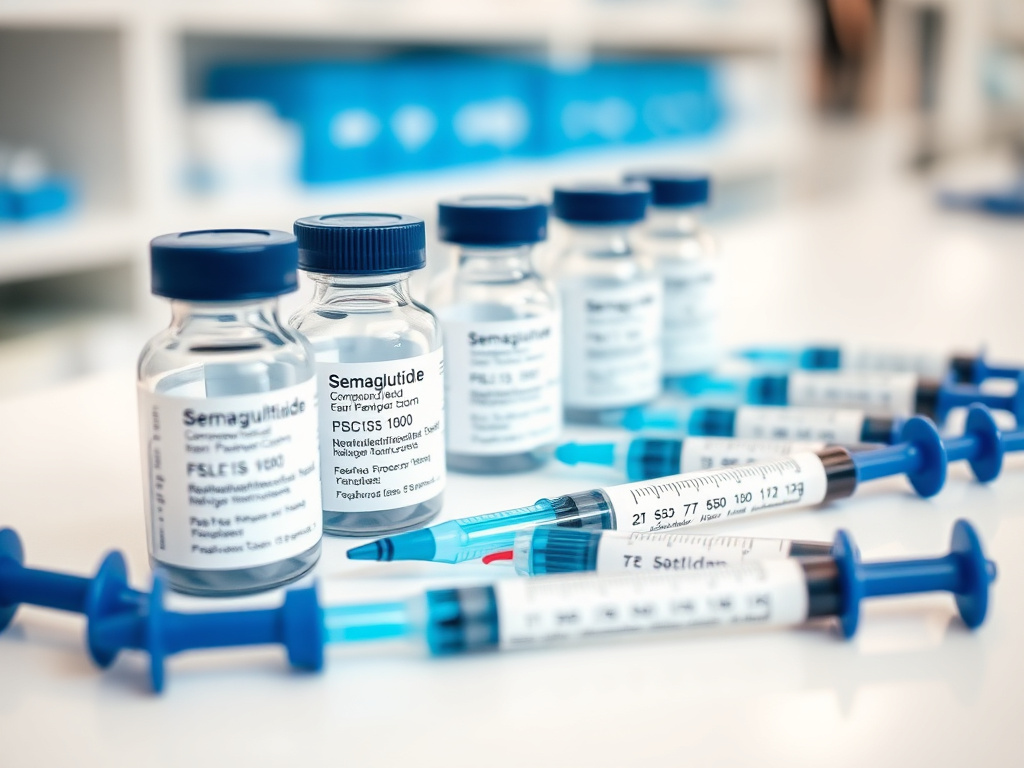
Key Takeaways
- Compounded semaglutide costs $150-$350/month vs. $968-$1,349 for brand-name versions
- 503A pharmacies fill individual prescriptions; 503B outsourcing facilities produce larger batches under FDA oversight
- The semaglutide sodium salt form requires a dosing conversion factor of roughly 1.12x vs. semaglutide base
- PCAB accreditation, batch-level testing, and USP 797/795 compliance are key quality indicators
- FDA regulatory actions have targeted pharmacies with quality failures, not compounding itself
Compounded semaglutide and tirzepatide have become the most widely discussed topics in modern weight management. With brand-name GLP-1 medications priced at $968 to $1,349 per month, compounding pharmacies now fill a critical gap for millions of patients who can't afford or access brand-name versions like Ozempic, Wegovy, or Mounjaro.
The numbers tell a striking story. Brand-name GLP-1 receptor agonists generated over $36 billion in global revenue in 2024. Meanwhile, more than 70% of U.S. adults who could benefit from these medications lack insurance coverage for them. That gap created an enormous market for compounded semaglutide and compounded tirzepatide, with compounding pharmacies offering monthly costs between $150 and $350 - a fraction of the brand-name price.
But the compounding landscape isn't simple. Federal regulations under Sections 503A and 503B of the Federal Food, Drug, and Cosmetic Act create two distinct pathways for compounding pharmacies. The FDA's drug shortage list directly influences which medications can be legally compounded. Different salt forms of semaglutide - sodium, acetate, and base - have different properties and dosing considerations. And quality varies enormously between pharmacies, from PCAB-accredited facilities with rigorous batch testing to operations that have received FDA warning letters.
This guide covers every aspect of GLP-1 compounding you need to understand. We'll walk through the legal framework, explain salt form differences, compare costs across brands and compounded options, and provide a concrete checklist for evaluating compounding pharmacies. Whether you're a patient exploring options, a provider writing prescriptions, or simply trying to understand the regulatory environment, this report gives you the evidence-based foundation to make informed decisions.
Key Takeaways
- Compounded semaglutide costs $150-$350/month vs. $968-$1,349 for brand-name versions
- 503A pharmacies fill individual prescriptions; 503B outsourcing facilities produce larger batches under FDA oversight
- The semaglutide sodium salt form requires a dosing conversion factor of roughly 1.12x vs. semaglutide base
- PCAB accreditation, batch-level testing, and USP 797/795 compliance are key quality indicators
- FDA regulatory actions have targeted pharmacies with quality failures, not compounding itself
- Telehealth platforms have dramatically expanded access to compounded GLP-1 prescriptions
The compounding industry exists at an intersection of patient access, pharmaceutical economics, and regulatory oversight. Understanding each of these dimensions is essential. A poorly chosen pharmacy can mean receiving a product with inaccurate dosing, contamination, or inadequate stability. A well-chosen one delivers the same active molecule at a price that puts effective therapy within reach for patients who would otherwise go without.
Our GLP-1 research hub covers the full range of incretin-based therapies. For those ready to explore personalized options, the free assessment tool can help match you with the right approach. And the dosing calculator provides guidance on titration schedules for compounded formulations.
Let's start with the event that triggered this entire market: the GLP-1 drug shortage.
The Drug Shortage & Compounding Landscape
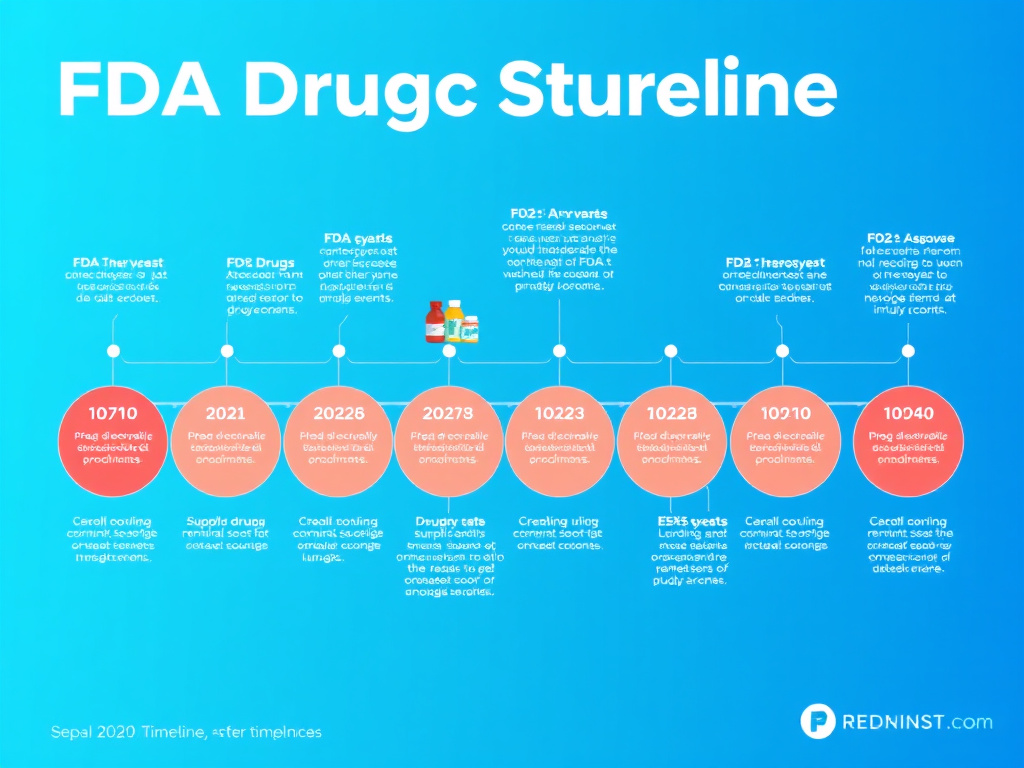
Figure 2: The GLP-1 drug shortage timeline from initial supply constraints to the current regulatory landscape.
The GLP-1 drug shortage began in 2022 and rapidly escalated into one of the most significant pharmaceutical supply disruptions in recent U.S. history. Demand for semaglutide and tirzepatide surged far beyond manufacturing capacity, driven by their unprecedented effectiveness for weight loss and the viral social media attention they received. The FDA placed multiple dose strengths of both Ozempic and Wegovy on its official drug shortage list, and tirzepatide (Mounjaro) followed shortly after.
How the Shortage Started
Novo Nordisk, the manufacturer of semaglutide products, was producing at record levels. But prescriptions for Ozempic and Wegovy grew by over 300% between 2021 and 2023. The company invested more than $6 billion in manufacturing expansion, building new fill-finish facilities in Denmark and the United States. Even so, supply couldn't keep pace. Patients reported weeks-long waits at pharmacies. Clinics turned people away. And the black market for diverted medications grew rapidly.
Eli Lilly faced similar pressures with tirzepatide. After the SURMOUNT-1 trial showed weight loss of up to 22.5% with the highest dose, demand for Mounjaro exploded. The FDA approved Zepbound (tirzepatide for obesity) in November 2023, adding further strain to an already-stretched supply chain. Multiple dose strengths appeared on the FDA shortage list throughout 2023 and 2024.
Why the Shortage Matters for Compounding
Under federal law, compounding pharmacies can prepare copies of commercially available drugs when those drugs appear on the FDA's official drug shortage list. This provision exists specifically to ensure patient access during supply disruptions. When semaglutide went on the shortage list, it opened a legal pathway for compounding pharmacies to produce their own versions.
The response was massive. Hundreds of compounding pharmacies began offering compounded semaglutide within months. Telehealth platforms built entire business models around prescribing and dispensing compounded GLP-1 medications. By mid-2024, industry estimates suggested that compounded semaglutide accounted for a significant portion of all semaglutide prescriptions in the United States.
The Demand-Supply Mismatch
Several factors converged to create the shortage. First, peptide manufacturing is technically challenging. Semaglutide is a 31-amino-acid peptide with a C-18 fatty acid side chain - it requires sophisticated synthesis and purification. Scaling production isn't as straightforward as scaling a small-molecule drug. Second, fill-finish capacity (the process of filling pre-filled injection pens) was a bottleneck even when bulk drug substance was available. Third, the sheer speed of demand growth outpaced any reasonable forecasting model.
For patients with type 2 diabetes who depended on these medications for glycemic control, the shortage created genuine medical risk. Abruptly stopping a GLP-1 agonist can lead to rebound hyperglycemia and weight regain. The American Diabetes Association and several endocrinology societies issued guidance on managing patients during the shortage, including switching to alternative GLP-1 agonists like liraglutide when available.
Timeline of Key Events
| Date | Event | Impact on Compounding |
|---|---|---|
| March 2022 | Ozempic 0.25 mg and 0.5 mg listed on FDA shortage | Initial legal opening for compounding |
| June 2022 | Wegovy shortage intensifies; multiple doses unavailable | Compounding pharmacies scale production |
| December 2022 | Mounjaro supply constraints reported | Tirzepatide compounding begins |
| Throughout 2023 | Telehealth GLP-1 platforms proliferate | Massive expansion of compounded prescriptions |
| November 2023 | Zepbound (tirzepatide for obesity) approved | Further supply pressure on tirzepatide |
| 2024 | Novo Nordisk and Lilly expand manufacturing | Gradual improvement in brand supply |
| 2024-2025 | FDA enforcement actions against low-quality compounders | Market consolidation toward quality pharmacies |
| 2025-2026 | Shortage status updates and regulatory clarifications | Ongoing debate over compounding's future role |
Current Status and Future Outlook
As of early 2026, the supply situation has improved but remains complex. Novo Nordisk has brought additional manufacturing capacity online, and some dose strengths have come off the shortage list. But the fundamental economics haven't changed - brand-name GLP-1 medications remain among the most expensive prescriptions in the United States, and insurance coverage is inconsistent. Even when brand supply is technically adequate, cost barriers keep millions of patients looking for alternatives.
The compounding industry has matured considerably during this period. Early entrants included some operators with questionable quality practices, and FDA warning letters targeted several of them. But reputable compounding pharmacies - particularly those with PCAB accreditation and rigorous quality systems - have established themselves as reliable providers. For a broader look at the GLP-1 class, our complete semaglutide guide covers the pharmacology in detail, while the tirzepatide report examines the dual-agonist mechanism.
The shortage did more than create a temporary compounding opportunity. It exposed structural problems in how the U.S. handles pharmaceutical access and pricing. And it established compounding as a durable part of the GLP-1 landscape, not just a stopgap measure.
Legal Framework: 503A vs 503B Pharmacies
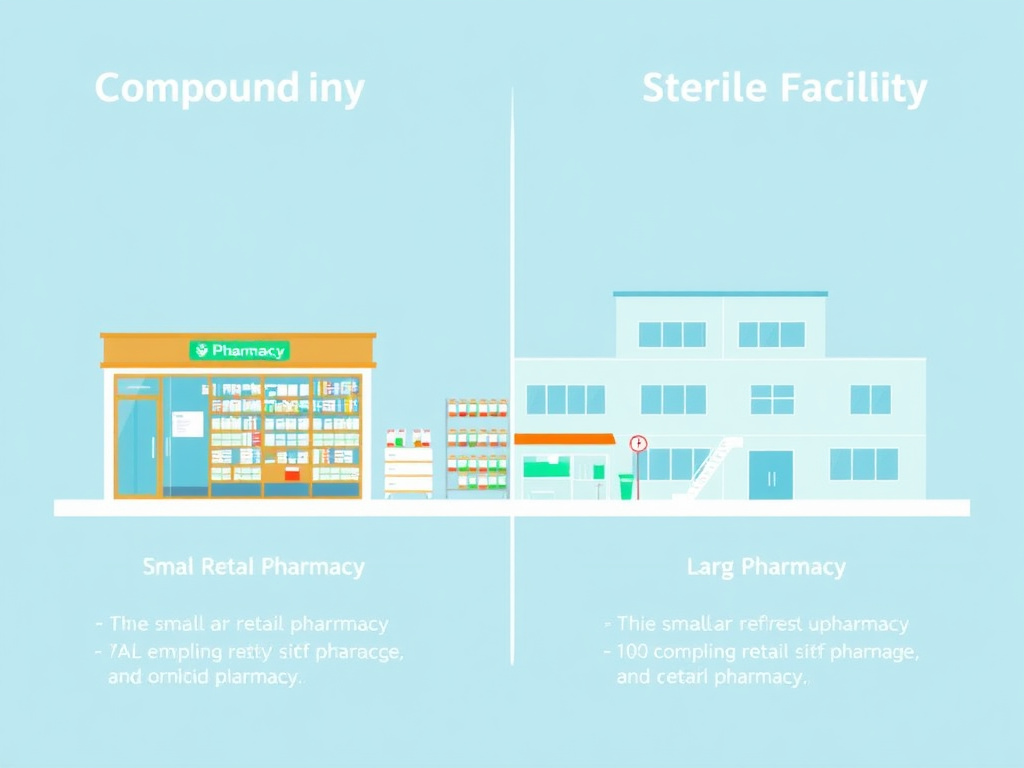
The legal framework for compounding in the United States rests on two sections of the Federal Food, Drug, and Cosmetic Act - Section 503A and Section 503B. These sections define two fundamentally different types of compounding operations with different regulatory requirements, different oversight structures, and different implications for patients receiving compounded GLP-1 medications.
Section 503A: Traditional Compounding Pharmacies
Section 503A pharmacies represent the traditional model of pharmaceutical compounding that has existed for centuries. A doctor writes a prescription for a specific patient. The pharmacy compounds that medication to fill that specific prescription. This is patient-specific compounding in its purest form.
Key characteristics of 503A pharmacies include:
- Patient-specific prescriptions required: Every compounded medication must be tied to a valid prescription for an identified patient
- State board regulation: Primary oversight comes from state pharmacy boards, not the FDA
- No FDA cGMP requirement: 503A pharmacies follow state standards and USP guidelines rather than federal current good manufacturing practices
- Limited distribution: Generally cannot ship across state lines to states where they aren't licensed (though many hold multi-state licenses)
- No FDA registration: Do not register with the FDA as outsourcing facilities
- Bulk drug substance sourcing: Must use components from FDA-registered suppliers
The 503A model works well for many compounding needs. Your local compounding pharmacy that prepares custom hormone creams or pediatric suspensions operates under 503A. When it comes to sterile injectables like compounded semaglutide, the 503A framework still applies, but the stakes are higher because sterile compounding requires more rigorous environmental controls and technique.
Section 503B: Outsourcing Facilities
Section 503B was created by the Drug Quality and Security Act of 2013, passed after a deadly meningitis outbreak traced to the New England Compounding Center. Congress recognized that some compounding operations functioned more like manufacturers than traditional pharmacies, and they needed a regulatory framework to match.
Key characteristics of 503B outsourcing facilities:
- No patient-specific prescription required: Can compound in bulk and distribute to healthcare facilities
- FDA registration and inspection: Must register with the FDA and submit to regular inspections
- cGMP compliance: Must follow current good manufacturing practices, similar to conventional drug manufacturers
- Adverse event reporting: Required to report adverse events to the FDA
- Batch testing: Expected to perform potency, sterility, and endotoxin testing on production batches
- Product labeling: Must include adequate labeling with beyond-use dating
- Interstate distribution: Can distribute across state lines without individual patient prescriptions
Why This Distinction Matters for GLP-1 Compounding
For patients receiving compounded semaglutide or compounded tirzepatide, the 503A vs. 503B distinction has practical implications. A 503B facility has undergone FDA inspection. Its products have been batch-tested for potency and sterility. There's a documented chain of custody and manufacturing process. This doesn't guarantee perfection, but it does provide a level of oversight that 503A pharmacies aren't required to meet.
That said, many excellent 503A pharmacies voluntarily adopt standards that meet or exceed 503B requirements. They pursue PCAB accreditation, conduct third-party testing, and maintain clean rooms that comply with USP 797. The regulatory classification tells you the minimum standard a pharmacy must meet, not necessarily the actual standard it operates at.
Compounding During Drug Shortages
Both 503A and 503B pharmacies can compound copies of commercially available drugs during an FDA-recognized shortage. This is the legal provision that opened the door for widespread GLP-1 compounding. The relevant legal text specifies that compounded drugs that are essentially copies of commercially available products are exempt from certain restrictions when the commercial product is on the FDA shortage list.
When a drug comes off the shortage list, the legal landscape shifts. The FDA has provided guidance indicating that pharmacies may continue compounding for existing patients to facilitate transition, but the open-ended ability to compound copies narrows. This is an evolving area of law, and pharmacies like FormBlends stay current with regulatory changes to ensure compliance.
State-Level Variations
Compounding regulation isn't purely federal. State pharmacy boards set their own standards for compounding pharmacies, and these vary widely. Some states have adopted stricter sterile compounding requirements than the federal baseline. Others have specific rules about telehealth prescribing for compounded medications. Patients should verify that their pharmacy is licensed in their state of residence, regardless of where the pharmacy is physically located.
Legal Summary
Compounded GLP-1 medications are legal when: (1) prescribed by a licensed provider, (2) prepared by a pharmacy licensed in the relevant state(s), (3) the pharmacy operates under 503A or 503B requirements, and (4) applicable shortage provisions or other legal bases for compounding are met. Both the prescriber and the pharmacy share responsibility for regulatory compliance.
Understanding this framework helps you ask the right questions when evaluating a compounding pharmacy. Later in this report, we'll provide a specific checklist for that evaluation. First, let's look at a technical issue that affects every compounded semaglutide prescription: the salt form.
Semaglutide Salt Forms: Sodium, Acetate & Base
The salt form of semaglutide is one of the most misunderstood aspects of compounded GLP-1 medications. Brand-name Ozempic and Wegovy contain semaglutide base - the pure peptide without any counterion. Most compounded versions use semaglutide sodium or semaglutide acetate. These aren't just different names for the same thing. They have different molecular weights, different solubility characteristics, and they require different dosing calculations to deliver equivalent amounts of active peptide.
What Are Salt Forms?
In pharmaceutical chemistry, a salt form is created when an active drug molecule is combined with a counterion - typically to improve stability, solubility, or manufacturability. The active molecule itself doesn't change. Its pharmacological activity remains the same. But the total molecular weight increases because you're adding the mass of the counterion.
Think of it like shipping a product in different packaging. The product inside is identical, but the total package weight differs. When you're dosing by weight (milligrams), you need to account for the packaging to deliver the right amount of product.
Semaglutide Base
Semaglutide base is what Novo Nordisk uses in Ozempic and Wegovy. It has a molecular weight of approximately 4,113.58 daltons. When a clinical trial reports outcomes at a "2.4 mg dose of semaglutide," they're referring to 2.4 mg of semaglutide base. All FDA-approved labeling uses base-equivalent dosing.
Semaglutide base is less water-soluble than the salt forms, which is why the brand-name formulations include specific excipients and buffer systems to keep it in solution. The formulation science behind Ozempic's injection pen is sophisticated, involving a phosphate buffer at a specific pH with propylene glycol and phenol as preservatives.
Semaglutide Sodium
Semaglutide sodium is the most common form available as a bulk pharmaceutical ingredient for compounding. The sodium counterion adds approximately 22 daltons to the molecular weight, bringing the total to roughly 4,135.58 daltons. This means that 1 mg of semaglutide sodium contains slightly less active semaglutide than 1 mg of semaglutide base.
The conversion factor is approximately 1.12. To deliver the equivalent of 1 mg of semaglutide base, you need about 1.12 mg of semaglutide sodium. A competent compounding pharmacy will account for this in their formulation, so when they label a vial as "2.5 mg/mL semaglutide," they should specify whether that's base-equivalent or total salt weight.
Semaglutide sodium has better water solubility than the base form, which simplifies compounding. It dissolves more readily in bacteriostatic water or saline, making reconstitution and formulation more straightforward. This is a practical advantage for compounding pharmacies.
Semaglutide Acetate
Semaglutide acetate uses an acetate counterion instead of sodium. The acetate group adds approximately 60 daltons, giving a molecular weight of roughly 4,173 daltons. The conversion factor is higher - approximately 1.15 to deliver base-equivalent dosing. Acetate salt forms are common in peptide chemistry and offer good solubility and stability characteristics.
Why Salt Form Matters for Patients
If you're receiving compounded semaglutide, the salt form matters for one primary reason: accurate dosing. A pharmacy that doesn't account for the salt form conversion will under-dose patients. If they compound using semaglutide sodium but dose as if it were semaglutide base, patients receive about 10-12% less active drug per injection than intended.
Reputable pharmacies handle this transparently. They'll either:
- Formulate to base-equivalent strength (adjusting the amount of salt to deliver the intended base dose)
- Clearly label the concentration with the salt form specified and provide dosing instructions that account for the difference
When evaluating a pharmacy, ask directly: "Is the labeled concentration base-equivalent or total salt weight?" If they can't answer clearly, that's a red flag. The dosing calculator can help you verify that your prescribed dose aligns with your clinical target.
Stability Considerations
Salt forms also affect stability. Semaglutide is a peptide, and peptides can degrade through several pathways - oxidation, deamidation, aggregation, and hydrolysis. The choice of salt form, buffer system, pH, and storage conditions all influence how long a compounded product remains potent and safe.
Beyond-use dating (BUD) for compounded sterile preparations is determined by USP 797 standards and the pharmacy's own stability testing. Brand-name Ozempic has an extensive stability dataset supporting its shelf life. Compounded versions typically have shorter BUDs, often 30-90 days under refrigeration, because compounders don't have the same depth of stability data. This is normal and appropriate, but it means patients should pay attention to storage instructions and use their medication within the labeled timeframe.
Clinical Note on Salt Forms
Ask your prescriber and pharmacy to confirm that dosing is base-equivalent. A prescription for "semaglutide 0.5 mg weekly" should deliver 0.5 mg of active semaglutide regardless of which salt form the pharmacy uses. The pharmacy should adjust the formulation to account for any molecular weight differences.
For patients switching between brand-name and compounded semaglutide, or between compounders that use different salt forms, a dose verification with the dosing calculator ensures continuity. For a detailed look at semaglutide's pharmacology, see our complete semaglutide guide.
Quality & Purity Considerations

Quality control is the single most important factor separating a safe, effective compounded GLP-1 medication from a potentially dangerous one. Unlike brand-name drugs that undergo years of FDA review and continuous manufacturing oversight, compounded medications depend on the pharmacy's own quality systems. The variance between the best and worst compounding operations is enormous, and patients need to understand what good quality looks like.
Potency Testing
Potency testing confirms that the compounded product contains the labeled amount of active ingredient. For semaglutide, this is typically done using High-Performance Liquid Chromatography (HPLC) or similar analytical methods. A well-run pharmacy tests every batch and can provide a Certificate of Analysis (CoA) showing:
- Active ingredient identity confirmation
- Assay result (target is typically 90-110% of labeled potency)
- Related substances and impurity levels
- pH of the final solution
- Particulate matter assessment
Potency failures are the most common quality issue identified in FDA testing of compounded products. In a 2023 FDA survey of compounded semaglutide samples, a meaningful percentage fell outside acceptable potency ranges. Some contained significantly less active ingredient than labeled, meaning patients were under-dosed. Others contained more, creating potential safety concerns with higher-than-intended drug exposure.
Sterility Assurance
Compounded semaglutide is a sterile injectable product. Contamination with bacteria, fungi, or endotoxins can cause serious infections, sepsis, or death. The New England Compounding Center disaster in 2012, which killed 76 people from contaminated steroid injections, demonstrated the catastrophic consequences of sterility failures in compounding.
USP Chapter 797 sets standards for sterile compounding, covering:
- Clean room classification: ISO 5 (Class 100) air quality at the point of compounding
- Personnel training: Aseptic technique validation through media fill testing
- Environmental monitoring: Regular air and surface sampling
- Sterility testing: Direct testing of finished products for microbial contamination
- Endotoxin testing: LAL or recombinant factor C assays to detect bacterial endotoxins
- Beyond-use dating: Based on sterility risk assessment and stability data
A 503B outsourcing facility is required to follow these standards. A 503A pharmacy should follow them for any sterile compounding, though enforcement varies by state. When choosing a source for compounded semaglutide or compounded tirzepatide, sterility assurance should be non-negotiable.
Active Pharmaceutical Ingredient (API) Sourcing
The quality of the finished product starts with the quality of the raw materials. Semaglutide API should come from an FDA-registered facility that follows Good Manufacturing Practices for active pharmaceutical ingredients (ICH Q7). The API supplier should provide:
- Certificate of Analysis for each lot
- Identity testing results
- Purity data (typically >95% by HPLC)
- Residual solvent analysis
- Endotoxin levels
- Heavy metals testing
- Amino acid sequencing confirmation
The peptide synthesis process for semaglutide is complex. It involves solid-phase peptide synthesis followed by purification, the attachment of the C-18 fatty diacid linker, and final formulation. Impurities can include truncated peptides, deletion sequences, racemized amino acids, and oxidation products. High-quality API suppliers minimize these through optimized synthesis and rigorous purification.
USP Standards: Chapters 795, 797, and 800
The United States Pharmacopeia sets compounding standards through several chapters:
| USP Chapter | Scope | Key Requirements |
|---|---|---|
| USP 795 | Nonsterile compounding | Component selection, compounding process, quality control, BUD assignment |
| USP 797 | Sterile compounding | Clean room standards, personnel qualification, environmental monitoring, sterility testing |
| USP 800 | Hazardous drugs | Handling, containment, disposal of hazardous compounded preparations |
The revised USP 797, which took effect in November 2023, introduced more stringent requirements for sterile compounding, including expanded environmental monitoring, more detailed personnel training documentation, and updated beyond-use dating criteria. Pharmacies that comply with the revised standard demonstrate a commitment to current best practices.
Third-Party Testing and Transparency
The gold standard for quality assurance in compounding is independent third-party testing. This means sending finished product samples to an outside laboratory that has no financial relationship with the pharmacy. Results should be available to prescribers and patients on request. Some pharmacies publish CoAs on their websites or include QR codes on product labels that link to batch-specific test results.
FormBlends and other quality-focused compounders provide transparency into their testing protocols. You can review their approach at the science page, which details quality control measures and sourcing standards. This level of openness is what patients should expect from any pharmacy providing injectable peptide medications.
Quality Red Flags
- Pharmacy cannot or will not provide Certificates of Analysis
- Prices dramatically below market rates (may indicate corner-cutting on testing)
- No information about API sourcing or supplier qualifications
- Beyond-use dates exceeding what stability data supports
- Products shipped without cold chain packaging when refrigeration is required
- Vague answers about sterility testing protocols
- History of FDA warning letters or state board actions
Cost Comparison: Brand vs Compounded
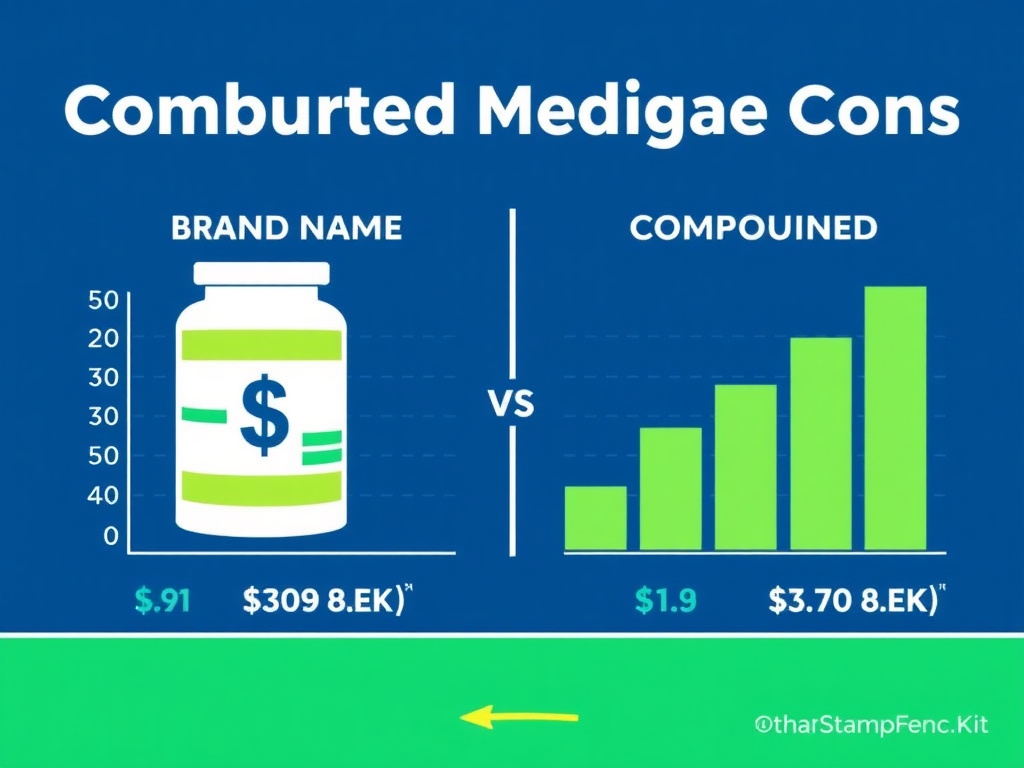
The cost difference between brand-name and compounded GLP-1 medications is the primary driver of the compounding market. Brand-name Ozempic costs approximately $968 per month, Wegovy runs about $1,349, and Mounjaro is priced around $1,023. Compounded semaglutide typically ranges from $150 to $350 per month, while compounded tirzepatide falls between $200 and $400. That's a savings of roughly 70-85% for most patients.
Monthly Cost: Brand-Name vs Compounded GLP-1 Medications
Source: Average U.S. cash prices as of early 2026. Compounded prices represent typical ranges from licensed 503A/503B pharmacies. Brand prices reflect wholesale acquisition cost (WAC).
Breaking Down Brand-Name Pricing
Brand-name GLP-1 pricing reflects several factors beyond manufacturing cost. Research and development investment is substantial - Novo Nordisk spent years and billions of dollars on the semaglutide clinical program, including the STEP, SUSTAIN, PIONEER, and SELECT trial series. Patent protection gives the manufacturer exclusive rights to sell the branded product, supporting premium pricing to recoup that investment.
But manufacturing cost for semaglutide itself is a small fraction of the retail price. Industry analysts estimate the cost of goods for semaglutide at $40-$100 per month of therapy. The gap between manufacturing cost and retail price reflects R&D amortization, marketing expenditure, supply chain margins, and profit. For patients paying cash, the full retail price represents a significant financial burden.
Insurance Coverage Realities
Insurance coverage for GLP-1 medications is inconsistent and often restrictive. Many commercial insurance plans cover Ozempic for type 2 diabetes but exclude Wegovy for obesity. Medicare Part D historically excluded anti-obesity medications entirely, though this has been changing with recent legislation. Even when coverage exists, prior authorization requirements, step therapy mandates, and high copays can limit access.
A 2024 KFF analysis found that the median annual out-of-pocket cost for Wegovy under commercial insurance plans that covered it was still over $1,500, with some plans requiring copays of $200-$400 per month. For patients without coverage, the full cash price puts brand-name therapy out of reach.
What Compounded Pricing Includes
Compounded GLP-1 pricing structures vary. Some pharmacies sell the medication alone, requiring patients to bring their own prescription from a separate provider. Others bundle the medication with telehealth consultations, provider oversight, and shipping. When comparing prices, make sure you're comparing total cost of care, not just medication price.
Typical compounded semaglutide pricing breakdown:
| Component | Typical Cost Range | Notes |
|---|---|---|
| Medication (monthly supply) | $100-$250 | Varies by dose and pharmacy |
| Telehealth consultation | $0-$99 | Often bundled; some charge separately |
| Shipping (cold chain) | $0-$25 | Usually included in bundled programs |
| Supplies (syringes, alcohol wipes) | $5-$15 | Sometimes included |
| Total monthly cost | $150-$350 | All-inclusive range |
Compounded tirzepatide is generally $50-$100 more per month than compounded semaglutide, reflecting higher API costs. Tirzepatide is a larger, more complex molecule (39 amino acids vs. 31 for semaglutide) with a dual-receptor mechanism. The synthesis and purification process is correspondingly more involved, which drives up raw material costs.
Long-Term Cost Considerations
GLP-1 therapy is generally long-term. Weight regain after discontinuation is well-documented - the STEP 1 extension trial showed that participants regained roughly two-thirds of lost weight within one year of stopping semaglutide. This means the cost comparison isn't just a monthly calculation; it's an ongoing financial commitment measured in years.
Over 12 months, the savings from compounded semaglutide versus brand Wegovy amount to roughly $12,000-$14,000. Over five years of continuous therapy, that's $60,000-$70,000 in savings. These numbers explain why compounding has become such a significant market force, and why patients are willing to work through the complexity of compounding regulations to access it.
For patients exploring compounded options, starting with a free assessment helps determine the right medication and dose. The GLP-1 weight loss overview provides additional context on treatment planning.
Manufacturer Response to Compounding Competition
Novo Nordisk and Eli Lilly have responded to compounding competition in several ways. Both companies have launched savings programs and patient assistance initiatives. Novo Nordisk filed lawsuits against certain compounding pharmacies and telehealth platforms. Eli Lilly introduced LillyDirect, a direct-to-consumer program offering Zepbound at reduced prices for cash-pay patients. These moves acknowledge that price is a barrier and that compounding has created meaningful competitive pressure.
The pricing dynamics continue to evolve. As brand manufacturers find ways to reduce patient costs and as the regulatory environment for compounding shifts, the relative value proposition will change. But for now, the cost advantage of compounding remains substantial, and for many patients, it represents the difference between receiving treatment and going without.
How to Evaluate a Compounding Pharmacy

Choosing a compounding pharmacy for GLP-1 medications isn't like choosing a regular retail pharmacy. The quality variance between compounders is far greater than between chain pharmacies dispensing manufactured drugs. Your evaluation should cover accreditation, testing practices, regulatory history, transparency, and operational capabilities. Here's a systematic approach.
Accreditation: The First Filter
The Pharmacy Compounding Accreditation Board (PCAB) is the primary accrediting body for compounding pharmacies in the United States. PCAB accreditation means the pharmacy has undergone a voluntary, rigorous evaluation covering:
- Facility design and environmental controls
- Standard operating procedures for compounding
- Quality assurance and quality control programs
- Personnel training and competency assessment
- Equipment calibration and maintenance
- Record-keeping and documentation
- Complaint handling and adverse event reporting
PCAB accreditation isn't required by law, which makes it a meaningful signal. A pharmacy that voluntarily subjects itself to external evaluation and pays for the privilege is demonstrating a commitment to quality that goes beyond minimum regulatory requirements. It's not a guarantee of perfection, but it's a strong positive indicator.
For 503B facilities, FDA registration is mandatory. You can verify a facility's registration status on the FDA website and check for any warning letters or inspection findings. This public information is an underused resource for patient decision-making.
Testing Protocols: What to Ask
Ask specific questions about testing. Vague answers like "we test for quality" aren't sufficient. Here's what you should hear from a quality-focused pharmacy:
| Test Type | What It Measures | Expected Standard |
|---|---|---|
| Potency/Assay | Active ingredient concentration | 90-110% of labeled potency |
| Sterility | Absence of microbial contamination | No growth in 14-day testing |
| Endotoxin (BET) | Bacterial endotoxin levels | Below USP limits for injectable products |
| Particulate matter | Sub-visible particles | Meets USP 788 standards |
| pH | Solution acidity/alkalinity | Within validated range for stability |
| Appearance | Visual clarity, color, volume | Clear, colorless, correct fill volume |
The best pharmacies test every production batch and make Certificates of Analysis available. Some use third-party laboratories for independent verification. Ask whether testing is in-house, third-party, or both, and whether you can receive a CoA for your specific batch.
The Evaluation Checklist
Use this checklist when evaluating any pharmacy for compounded semaglutide or tirzepatide:
Pharmacy Evaluation Checklist
- Licensing: Valid state pharmacy license(s) in your state? Check with state board.
- 503A or 503B: Which section do they operate under? If 503B, verify FDA registration.
- Accreditation: PCAB-accredited? If not, why not?
- API sourcing: Can they identify their semaglutide/tirzepatide supplier? Is the supplier FDA-registered?
- Salt form: What salt form do they use? How do they handle base-equivalent dosing?
- Testing: Do they test every batch? In-house, third-party, or both? Can you get a CoA?
- USP compliance: Do they follow USP 797 for sterile compounding? Have they adopted the 2023 revisions?
- Beyond-use dating: What BUD do they assign? Is it supported by stability data?
- Cold chain: How do they ship temperature-sensitive products? Is the cold chain documented?
- Regulatory history: Any FDA warning letters? State board disciplinary actions? Check publicly available records.
- Pharmacist availability: Can you speak with a pharmacist about your prescription?
- Adverse event reporting: Do they have a system for tracking and reporting adverse events?
Red Flags and Deal-Breakers
Some findings should disqualify a pharmacy from consideration:
- Active FDA warning letter for sterile compounding violations
- State license revocation or suspension
- Refusal to provide testing documentation
- Pricing that seems too good to be true - if a pharmacy charges $50/month for compounded semaglutide, they're cutting corners somewhere
- No pharmacist available for consultation
- Products shipped at room temperature when refrigeration is required
- Claims of being "FDA-approved" - compounded products are not FDA-approved; any pharmacy claiming otherwise is being deceptive
Verifying Pharmacy Credentials
All of the following resources are publicly available and free to search:
- State pharmacy board: Verify license status and check for disciplinary history
- FDA 503B registration list: Confirm outsourcing facility registration
- FDA warning letters database: Search for any enforcement actions
- PCAB website: Verify accreditation status
- NABP (National Association of Boards of Pharmacy): Additional verification resources
FormBlends maintains current accreditation and licensing information on their website, providing the transparency that patients should demand from any compounding pharmacy. Their science page details quality protocols and testing standards.
Regulatory Risks & FDA Actions
The FDA has taken enforcement actions against compounding pharmacies producing GLP-1 medications, and understanding these actions helps separate legitimate regulatory concerns from broader misconceptions about compounding safety. The FDA's enforcement has targeted specific quality failures and regulatory violations, not the practice of compounding itself. This distinction matters.
FDA Warning Letters
Between 2023 and 2025, the FDA issued warning letters to dozens of compounding pharmacies producing semaglutide and tirzepatide. Common violations cited in these letters include:
- Potency failures: Products that didn't contain the labeled amount of active ingredient
- Sterility concerns: Inadequate environmental monitoring or clean room standards
- Lack of testing: No batch-level potency or sterility testing
- Improper labeling: Missing or incorrect beyond-use dating, unclear concentration labeling
- API sourcing issues: Using bulk drug substance from unqualified suppliers
- 503B violations: Outsourcing facilities not meeting cGMP requirements
These warning letters are public records. Anyone can search the FDA's database to see which pharmacies have received them and for what reasons. This transparency is valuable for patients making informed choices about their compounding pharmacy.
Product Seizures and Injunctions
In more serious cases, the FDA has obtained court orders to seize compounded products or enjoin pharmacies from operating. These actions typically involve egregious violations - products that pose an immediate risk to patient safety. Examples include pharmacies operating without proper clean room facilities, using contaminated ingredients, or grossly misrepresenting product potency.
These enforcement actions serve an important function. They remove the worst actors from the market and create deterrent effects for others. The compounding industry as a whole benefits when substandard operators are held accountable, because it maintains public trust in the compounding model.
The Shortage List and Legal Status
One of the most significant regulatory risks for the compounding industry is the potential removal of semaglutide and tirzepatide from the FDA drug shortage list. When a drug is on the shortage list, Section 503A and 503B pharmacies can compound copies. When it comes off, the legal basis for compounding narrows (though it doesn't disappear entirely - pharmacies can still compound if they meet other exemption criteria).
The FDA has been gradually updating shortage status as brand manufacturers increase supply. This creates uncertainty for compounding pharmacies that have invested in GLP-1 production capacity and for patients who depend on compounded medications. Transition planning - how patients would move from compounded to brand-name products if compounding access narrowed - is an important consideration that responsible providers address proactively.
Novo Nordisk and Eli Lilly Legal Actions
Both brand manufacturers have pursued legal actions against the compounding industry. Novo Nordisk has argued that some compounders are producing products that are "essentially copies" of commercially available drugs outside the shortage exemption. They've also raised concerns about trademark use and patient confusion between compounded and brand products.
These legal disputes are complex and evolving. The outcomes will shape the long-term future of GLP-1 compounding. For patients, the practical implication is that the regulatory environment could change, and having a pharmacy that stays current with legal developments - like FormBlends - provides some protection against disruption.
State-Level Regulatory Variation
State pharmacy boards apply their own compounding regulations in addition to federal requirements. Some states have been more aggressive in enforcing compounding standards, while others take a lighter-touch approach. California, Texas, Florida, and New York each have distinct regulatory frameworks that affect how compounding pharmacies operate within their borders.
Patients should verify that their pharmacy holds a valid license in the state where the patient resides, not just the state where the pharmacy is located. Multi-state licensing is common for pharmacies that serve patients nationally through telehealth channels.
Regulatory Landscape Summary
The compounding regulatory environment is dynamic. FDA enforcement targets quality failures, not compounding itself. Shortage list status affects legal pathways for compounding. Brand manufacturers are pursuing legal strategies to limit compounding competition. Patients should choose pharmacies that demonstrate regulatory awareness and compliance. Stay informed through your provider and pharmacy about any changes that could affect your access.
For the latest on regulatory developments affecting GLP-1 medications, the GLP-1 research hub provides ongoing updates and analysis.
Telehealth Providers & Access

Telehealth has been the primary distribution channel for compounded GLP-1 medications. The combination of virtual consultations with licensed prescribers and home delivery of compounded medications created an entirely new access model that didn't exist five years ago. For many patients, especially those in areas without endocrinologists or obesity medicine specialists, telehealth provides the only practical path to GLP-1 therapy.
How the Telehealth-Compounding Model Works
The typical workflow follows a straightforward pattern:
- Online assessment: Patient completes a health questionnaire covering medical history, current medications, BMI, weight loss goals, and relevant lab work
- Provider review: A licensed prescriber (physician, nurse practitioner, or physician assistant) reviews the assessment and determines clinical appropriateness
- Virtual consultation: Synchronous or asynchronous evaluation, depending on the platform and state requirements
- Prescription: If appropriate, the provider writes a prescription to a partner compounding pharmacy
- Compounding and shipping: The pharmacy compounds the medication and ships it directly to the patient with cold chain packaging
- Ongoing management: Regular check-ins for dose titration, side effect management, and progress monitoring
FormBlends offers a streamlined assessment process that connects patients with providers who specialize in metabolic health and GLP-1 prescribing. The platform handles the coordination between patient, provider, and pharmacy - reducing the friction that often prevents patients from starting treatment.
Evaluating Telehealth Quality
Not all telehealth platforms are equal. The quality of medical oversight varies dramatically, from comprehensive programs with board-certified obesity medicine physicians to minimal-touch operations that prioritize volume over care. Here's what to evaluate:
| Quality Indicator | What to Look For | Red Flag |
|---|---|---|
| Provider credentials | Board-certified in relevant specialty; licensed in your state | Unable to identify your specific provider |
| Medical assessment | Thorough health history; lab work review; contraindication screening | No medical questions; instant approval |
| Ongoing monitoring | Regular check-ins; dose adjustment protocols; side effect management | One-time consultation with no follow-up |
| Emergency protocols | Clear guidance on when to seek urgent care; provider availability | No emergency contact or after-hours guidance |
| Pharmacy partnership | Licensed, accredited compounding pharmacy; transparent testing | Unknown or unverifiable pharmacy |
State Prescribing Requirements
Telehealth prescribing for compounded medications is governed by both federal and state law. Requirements vary significantly by state. Some states require an initial in-person visit before prescribing controlled substances (though GLP-1 agonists are not controlled substances). Others allow fully virtual evaluation from the first visit. Interstate telehealth practice - where the provider is in one state and the patient in another - requires the provider to hold a license in the patient's state.
The DEA's temporary telehealth flexibilities established during the COVID-19 pandemic have been extended and modified but remain in flux. While this primarily affects controlled substance prescribing, the broader telehealth regulatory environment influences how platforms structure their operations.
What a Good Telehealth Experience Looks Like
A quality telehealth program for compounded GLP-1 therapy should include:
- Pre-treatment lab work: At minimum, a comprehensive metabolic panel and HbA1c. Ideally also thyroid function, lipid panel, and kidney function tests
- Contraindication screening: Assessment for personal or family history of medullary thyroid carcinoma, MEN 2 syndrome, pancreatitis, or severe GI conditions
- Individualized dosing: Starting dose based on your specific clinical picture, not a one-size-fits-all protocol
- Titration plan: Gradual dose escalation with specific criteria for advancement (the dosing calculator can support this planning)
- Side effect management: Proactive guidance on managing GI side effects, injection site reactions, and when to contact your provider
- Progress tracking: Regular weight, symptom, and lab monitoring to assess treatment response
- Lifestyle integration: Guidance on nutrition, exercise, and behavioral strategies that complement GLP-1 therapy
Insurance and Telehealth
Most telehealth consultations for compounded GLP-1 medications are cash-pay. Insurance generally doesn't cover the telehealth visit in this context because the prescribed medication (compounded) isn't a covered pharmacy benefit. Some patients use HSA or FSA funds for both the consultation and the medication, though eligibility varies by plan.
The total cost transparency of the telehealth-compounding model is, in many ways, an advantage. Patients know their exact monthly cost upfront, without the uncertainty of insurance adjudication, prior authorization delays, or surprise copay changes. Whether through FormBlends or another platform, the all-inclusive pricing model simplifies financial planning for patients committed to long-term therapy.
Telehealth access also reaches populations underserved by traditional healthcare. Rural patients, shift workers who can't easily attend office visits, and those with mobility limitations all benefit from the virtual model. When paired with a quality compounding pharmacy, telehealth removes many of the barriers that historically limited who could access effective weight management treatment.
Our lifestyle hub covers complementary strategies that enhance GLP-1 outcomes, including nutrition protocols, resistance training guidance, and behavioral health approaches.
Reconstitution, Storage, and Administration Protocols
One of the most common sources of confusion with compounded GLP-1 medications is the practical handling of these products. Unlike brand-name Ozempic or Mounjaro, which come in prefilled, auto-injecting pens ready for immediate use, compounded formulations typically arrive as either lyophilized (freeze-dried) powder requiring reconstitution or as pre-mixed liquid in multi-dose vials. Each format has its own handling requirements, and getting them wrong can compromise both safety and efficacy.
Understanding Lyophilized vs. Pre-Mixed Formulations
Lyophilized compounded semaglutide arrives as a white to off-white powder in a sterile glass vial. This format offers superior stability during shipping and storage, with shelf life typically ranging from 12-18 months when kept at room temperature (below 25C/77F) or up to 24 months under refrigeration. The trade-off is that patients must reconstitute the powder before use, which adds a step that some find intimidating.
Pre-mixed liquid formulations skip the reconstitution step but require continuous cold-chain management. These products typically have a shelf life of 28-42 days under refrigeration (2-8C/36-46F), and many pharmacies specify a 28-day beyond-use date once the vial has been punctured. Shipping pre-mixed products requires cold packs and insulated packaging, adding to logistics costs. If the cold chain is broken during transit (which is more common than many realize, particularly during summer months), the product may lose potency without any visible change in appearance.
Most quality compounding pharmacies prefer to ship lyophilized product because of the stability advantages. The pharmacy should provide detailed reconstitution instructions, and many include instructional videos accessible via QR code on the packaging. If your pharmacy ships pre-mixed product without cold packs or insulation, that's a red flag worth investigating.
Step-by-Step Reconstitution Protocol
For lyophilized compounded semaglutide, the standard reconstitution process follows these steps:
1. Gather supplies: You'll need the lyophilized vial, bacteriostatic water for injection (typically supplied by the pharmacy), an alcohol swab, and a sterile syringe with needle. Some pharmacies supply all components in a kit; others require separate purchase of bacteriostatic water.
2. Clean the vial tops: Wipe the rubber stopper of both the semaglutide vial and the bacteriostatic water vial with an alcohol swab. Allow to air dry for 10-15 seconds. Don't blow on the stopper or touch it after cleaning.
3. Draw the correct volume of bacteriostatic water: The volume depends on the vial concentration specified by your pharmacy. Common configurations include 2 mL of bacteriostatic water for a 5 mg vial (creating a 2.5 mg/mL solution), or 2.5 mL for the same vial (creating a 2 mg/mL solution). Always follow your pharmacy's specific instructions, as the concentration determines your injection volume for each dose.
4. Add water slowly: Insert the needle through the rubber stopper and inject the bacteriostatic water slowly along the glass wall of the vial, aiming the stream at the side rather than directly at the powder. Direct impact can cause excessive foaming and potential peptide denaturation. The injection should take 15-20 seconds for a 2 mL volume.
5. Mix gently: Roll the vial between your palms for 30-60 seconds or gently swirl in a circular motion. Never shake vigorously. Semaglutide is a large peptide (molecular weight approximately 4,114 Da) and aggressive agitation can cause aggregation at the air-liquid interface, potentially reducing potency and increasing immunogenicity risk. The solution should become clear and colorless within 1-2 minutes. If particulate matter or persistent cloudiness remains after 5 minutes of gentle mixing, do not use the product.
6. Label and store: Write the reconstitution date on the vial. Store at 2-8C (refrigerator, not freezer). The typical beyond-use date for reconstituted compounded semaglutide is 28-30 days, though some pharmacies specify shorter periods depending on their stability testing data.
Injection Technique and Site Selection
Compounded GLP-1 medications are administered via subcutaneous injection, identical to brand-name products. The most common injection sites are the abdomen (at least 2 inches from the navel), the front of the thigh (middle third), and the back of the upper arm. Site rotation is important to prevent lipodystrophy, a localized change in subcutaneous fat that can develop with repeated injections in the same area.
For subcutaneous injection, use insulin syringes (typically 29-31 gauge, 1/2 inch needle length). These thin-gauge needles cause minimal discomfort. Insert the needle at a 45-90 degree angle depending on the amount of subcutaneous tissue at the injection site. Thinner individuals should use a 45-degree angle to avoid intramuscular injection; those with more subcutaneous tissue can inject at 90 degrees. After insertion, inject slowly (3-5 seconds for typical volumes of 0.1-0.5 mL), wait 5 seconds before withdrawing the needle, and apply light pressure with an alcohol swab if bleeding occurs.
Timing of injections matters less than consistency. Most prescribers recommend choosing a specific day of the week for weekly semaglutide injections and sticking to it. The injection can be given at any time of day, with or without food. If a dose is missed by 1-2 days, it can be taken as soon as remembered. If more than 2 days late, skip the missed dose and take the next one on the regular schedule.
Common Administration Errors and How to Avoid Them
Patient errors with compounded GLP-1 medications are more common than with prefilled pens because of the additional handling steps. The most frequent errors include:
Wrong reconstitution volume: Using more or less bacteriostatic water than specified changes the concentration, leading to either underdosing or overdosing. A vial reconstituted with twice the recommended water volume would deliver half the intended dose per injection unit. Always double-check the water volume against your pharmacy's instructions before reconstituting.
Shaking the vial: Vigorous shaking is the single most common handling error. Patients instinctively shake medications to mix them, but this damages peptide structure. If you're uncertain whether your previous mixing was too aggressive, the solution should be clear. Visible foam that persists for more than 2-3 minutes after mixing suggests overly vigorous agitation.
Temperature excursions: Leaving a reconstituted vial on the counter for hours, storing it in the freezer, or keeping it in a car during temperature extremes all compromise the product. A refrigerator thermometer (available for under $10) helps ensure your storage temperature stays within the 2-8C range. Some patients keep their vial in the butter compartment or on the middle shelf, both of which tend to maintain more consistent temperatures than the door.
Air bubbles in the syringe: Small air bubbles in a subcutaneous injection are medically insignificant (unlike intravenous injections), but they can affect dosing accuracy. To minimize bubbles, draw the medication slowly, tap the syringe barrel with your fingernail to float any bubbles to the top, and push them out before injection.
Reusing needles: Each injection should use a new sterile needle. Reusing needles increases infection risk, dulls the needle tip (causing more pain), and can introduce bacteria into the vial through the rubber stopper.
For patients who find the injection process intimidating, FormBlends' getting started guide provides additional resources and support for first-time injectable peptide users. The dosing calculator can also help verify that your drawn volume matches your prescribed dose.
Titration Protocols and Dosing Strategies for Compounded GLP-1 Medications
Proper titration - the gradual increase in dose over time - is one of the most important factors in GLP-1 therapy success. Too aggressive a titration leads to intolerable side effects (primarily nausea, vomiting, and constipation) that cause patients to abandon treatment. Too slow a titration delays therapeutic benefit and may discourage patients who don't see results. Compounded medications offer a significant advantage here: flexible dosing that isn't constrained by the fixed-dose pen increments of brand-name products.
Standard Semaglutide Titration Schedule
The FDA-approved titration for brand-name Wegovy starts at 0.25 mg weekly for 4 weeks, increases to 0.5 mg for 4 weeks, then 1.0 mg for 4 weeks, then 1.7 mg for 4 weeks, reaching the maintenance dose of 2.4 mg at week 17. This 17-week ramp-up was designed based on clinical trial data showing that this pace minimizes gastrointestinal side effects while achieving target therapeutic levels.
Many prescribers using compounded semaglutide follow a similar schedule, though the flexibility of compounded dosing allows modifications. A common compounded titration protocol looks like this:
Weeks 1-4: 0.25 mg once weekly
Weeks 5-8: 0.5 mg once weekly
Weeks 9-12: 1.0 mg once weekly
Weeks 13-16: 1.5 mg once weekly
Weeks 17-20: 2.0 mg once weekly
Week 21+: 2.4 mg once weekly (maintenance)
The advantage of compounded formulations is the ability to use intermediate doses not available in brand-name pens. If a patient tolerates 0.5 mg well but experiences significant nausea at 1.0 mg, a prescriber can try 0.75 mg - an increment impossible with the fixed-dose Ozempic pen, which jumps from 0.5 to 1.0 mg. This fine-grained dose adjustment is one of the strongest practical arguments for compounded formulations, particularly for patients who are sensitive to medication side effects.
Tirzepatide Compounding and Titration
Compounded tirzepatide (the active ingredient in Mounjaro and Zepbound) follows a similar titration logic but at different doses. The standard brand-name titration starts at 2.5 mg weekly for 4 weeks, increases to 5 mg for 4 weeks, then can be further increased in 2.5 mg increments every 4 weeks up to a maximum of 15 mg weekly.
Compounded tirzepatide offers the same flexibility advantage, allowing intermediate doses like 3.75 mg or 7.5 mg that help bridge the relatively large 2.5 mg steps in the brand-name titration. This is particularly valuable at the higher dose ranges, where the jump from 10 mg to 12.5 mg or from 12.5 mg to 15 mg can produce a significant increase in side effects for some patients.
One important consideration for compounded tirzepatide is that this dual GIP/GLP-1 receptor agonist is a larger and more complex molecule than semaglutide, making it potentially more sensitive to manufacturing and handling variations. The comparison hub provides detailed analyses of how semaglutide and tirzepatide compare across multiple dimensions including efficacy, side effects, and practical considerations.
Micro-Dosing and Split-Dose Approaches
Some prescribers have experimented with micro-dosing approaches for patients who are extremely sensitive to GLP-1 side effects. This involves starting at even lower doses than the standard 0.25 mg - sometimes as low as 0.125 mg weekly - and titrating more gradually. Micro-dosing is particularly relevant for:
Elderly patients, who tend to be more sensitive to medications due to slower renal clearance and altered body composition. Patients over 75 may benefit from starting at half the standard initial dose and extending each titration step to 6-8 weeks rather than 4.
Patients with gastroparesis or pre-existing GI conditions, who already have delayed gastric emptying (which GLP-1 agonists further slow). Starting lower and titrating more slowly helps avoid the severe nausea and vomiting that these patients are prone to.
Patients taking other medications that affect GI motility, such as opioids, anticholinergics, or certain antidepressants. The additive effects on gastric emptying can be managed by using lower GLP-1 doses initially.
Split-dosing - dividing a weekly dose into two smaller injections given 3-4 days apart - is another strategy some prescribers use for side-effect-sensitive patients. Instead of 1.0 mg once weekly, a patient might take 0.5 mg on Monday and 0.5 mg on Thursday. This approach produces lower peak drug levels while maintaining similar average exposure, potentially reducing the nausea that is driven by post-injection peak levels. However, split-dosing has not been studied in clinical trials, so its efficacy relative to once-weekly dosing is unproven.
Finding the Optimal Maintenance Dose
Not every patient needs the maximum approved dose. Clinical trial data show that weight loss benefits follow a dose-response curve, but the curve begins to flatten at higher doses - meaning the incremental benefit of increasing from 1.7 mg to 2.4 mg of semaglutide may be smaller than the increase from 1.0 mg to 1.7 mg. Meanwhile, side effects continue to increase linearly with dose.
The optimal maintenance dose for an individual patient balances three factors: weight loss efficacy, side effect burden, and cost (since higher doses consume more product per vial). A practical approach is to titrate until the patient reaches a dose that produces 0.5-1.0% body weight loss per week with tolerable side effects, and then hold at that dose as maintenance. For some patients, this optimal dose is 1.0 or 1.5 mg of semaglutide rather than the full 2.4 mg.
One advantage of working with a knowledgeable provider is the ability to adjust doses dynamically over time. During the active weight loss phase, higher doses may be appropriate. Once a patient reaches their target weight, the dose can often be reduced for maintenance, decreasing both side effects and cost. Some patients are maintained long-term on doses as low as 0.5 mg weekly after reaching their weight goal, though data on optimal maintenance dosing strategy remain limited.
Individuals exploring GLP-1 therapy options should also understand how these medications compare to other weight management peptides. Retatrutide, a triple-agonist (GLP-1/GIP/glucagon receptor), represents the next wave of incretin-based therapeutics with even greater weight loss efficacy in clinical trials. And cagrilintide, an amylin analog, is being studied in combination with semaglutide under the brand CagriSema, which has shown up to 25% weight loss in Phase 3 trials.
Special Populations in Compounded GLP-1 Therapy
Not all patients respond to GLP-1 therapy in the same way, and compounded formulations - with their dosing flexibility - are particularly well-suited to populations whose needs don't fit the one-size-fits-all approach of brand-name products. Understanding the specific considerations for different patient groups helps prescribers optimize outcomes and helps patients know what to expect.
Elderly Patients (Age 65+)
Older adults represent a growing segment of GLP-1 users, driven by the intersection of obesity and age-related metabolic decline. But elderly patients require modified approaches. Renal function declines with age (average GFR loss of approximately 1 mL/min/year after age 40), and while semaglutide is primarily metabolized by proteolytic cleavage rather than renal elimination, the slower renal clearance of its peptide fragments could theoretically alter exposure in elderly patients with significantly reduced kidney function.
More practically, elderly patients are at higher risk for sarcopenia (age-related muscle loss), and GLP-1-induced weight loss can exacerbate this. In the STEP trials, roughly one-third of weight lost on semaglutide was lean mass. For a 30-year-old with ample muscle reserves, this proportion is clinically insignificant. For a 75-year-old already losing muscle to aging, the loss could cross a threshold into clinically meaningful weakness, falls risk, and functional decline.
Compounded GLP-1 therapy for elderly patients should incorporate several modifications. First, slower titration with smaller dose increments - extending each step to 6-8 weeks and using intermediate doses like 0.375 mg. Second, a lower target maintenance dose, often 1.0-1.5 mg rather than the full 2.4 mg. Third, mandatory concurrent resistance exercise and adequate protein intake (1.2-1.6 g/kg/day) to preserve lean mass. And fourth, more frequent monitoring of nutritional status, vitamin D, B12, and bone density. Our guide on GLP-1 therapy covers the muscle preservation strategies that are especially important for older adults.
Fall risk assessment deserves particular attention in elderly GLP-1 users. The combination of caloric restriction, potential orthostatic hypotension from weight loss and possible blood pressure medication interactions, and the general frailty of some older adults creates a meaningful fall risk. Dehydration from reduced fluid intake and GI side effects can worsen orthostasis. Prescribers should perform or order orthostatic blood pressure measurements at each follow-up visit for elderly patients, and patients should be counseled to rise slowly from sitting or lying positions, especially during the first few months of therapy.
Cognitive effects of GLP-1 therapy in the elderly are an area of active research interest. GLP-1 receptors are expressed throughout the brain, and several studies suggest that GLP-1 agonists may have neuroprotective properties independent of weight loss. The EVOKE trial, studying semaglutide for early Alzheimer's disease, reflects this therapeutic hypothesis. For elderly patients with both obesity and early cognitive concerns, GLP-1 therapy could theoretically address both conditions simultaneously, though this application remains investigational.
Polypharmacy is another critical consideration for elderly patients. Adults over 65 take an average of 5-7 prescription medications, and GLP-1 agonists' effects on gastric emptying and glucose metabolism can interact with many of these. A thorough medication review should be conducted before starting GLP-1 therapy, and pharmacist involvement in checking for drug interactions is strongly recommended. Compounding pharmacies that offer pharmacist consultations provide an additional safety layer that benefits elderly patients with complex medication regimens.
For elderly patients interested in comprehensive anti-aging peptide protocols, several compounds are studied for age-related conditions. Epithalon targets telomere maintenance, humanin provides mitochondrial-based neuroprotection, and GHK-Cu supports tissue repair and wound healing. These peptides work through completely different mechanisms than GLP-1 agonists and, while all are research compounds, they represent the breadth of peptide-based approaches to age-related health optimization.
Patients with Type 2 Diabetes
For diabetic patients, GLP-1 therapy serves a dual purpose: weight loss and glycemic control. Compounded semaglutide at the same doses used for obesity produces meaningful HbA1c reductions, typically 1.0-1.5 percentage points at maintenance doses. However, diabetic patients using compounded GLP-1 medications need additional monitoring that may not be emphasized in weight-loss-focused prescribing.
The most significant concern is hypoglycemia in patients also taking sulfonylureas or insulin. GLP-1 agonists' glucose-dependent mechanism of action means they don't cause hypoglycemia when used alone, but they amplify the hypoglycemic potential of other diabetes medications. When starting GLP-1 therapy, sulfonylurea doses may need to be reduced by 50%, and insulin doses (particularly mealtime insulin) often need reduction of 20-30% to prevent dangerously low blood sugar levels.
Diabetic patients also need regular kidney function monitoring, eye exams (rapid improvements in glycemic control can temporarily worsen diabetic retinopathy), and foot care assessments. These monitoring requirements may not be adequately addressed in telehealth-only prescribing models, making it important for diabetic patients to maintain a relationship with an in-person provider who can perform physical examinations and order appropriate labs even if their GLP-1 prescription comes through a telehealth platform.
Women of Reproductive Age
GLP-1 receptor agonists are not approved for use during pregnancy, and animal studies with semaglutide show embryo-fetal toxicity at clinically relevant doses. Women of reproductive age using compounded semaglutide should use reliable contraception throughout treatment and for at least 2 months after discontinuation (to allow complete drug clearance given semaglutide's 7-day half-life).
An underappreciated consideration is that GLP-1-induced weight loss can restore ovulatory function in women with obesity-related anovulation. Women who have relied on their obesity as a form of de facto contraception (because their excess weight suppressed ovulation) can become fertile during GLP-1 treatment, sometimes within the first 2-3 months. This has led to widely discussed reports of unexpected pregnancies in women starting GLP-1 therapy, sometimes called "Ozempic babies" in popular media. Prescribers should counsel all reproductive-age patients about this possibility and ensure contraception is in place before initiating therapy.
For women who are actively trying to conceive, GLP-1 therapy should be discontinued at least 2 months before attempting conception. If weight management support is needed during the preconception period, non-pharmacological approaches (diet, exercise, behavioral counseling) should be substituted. Some providers also consider alternative peptide-based approaches like tesofensine (a triple monoamine reuptake inhibitor with shorter half-life), though this compound has its own reproductive safety unknowns.
Post-Bariatric Surgery Patients
An emerging use case for compounded GLP-1 medications is in patients who have undergone bariatric surgery (gastric bypass, sleeve gastrectomy) and experienced weight regain. Weight regain affects 20-35% of bariatric surgery patients within 5 years, and GLP-1 agonists can help re-establish weight loss through complementary mechanisms.
However, post-surgical patients present unique pharmacokinetic considerations. Gastric bypass alters the anatomy of the GI tract, changing absorption patterns for oral medications (though this is less relevant for injectable GLP-1 products). Sleeve gastrectomy reduces stomach volume, which can amplify GLP-1-induced nausea because there's less gastric capacity to accommodate even normal meals during periods of delayed gastric emptying.
Post-bariatric patients may also be at higher risk for nutritional deficiencies, as their altered GI anatomy already impairs absorption of certain vitamins and minerals (B12, iron, calcium, fat-soluble vitamins). GLP-1-induced appetite suppression can compound this by reducing food intake further, creating a double hit on nutritional status. Regular lab monitoring every 3-4 months is essential in this population, with particular attention to complete metabolic panels, vitamin levels, and protein status.
Compounded formulations' flexible dosing is particularly valuable for post-bariatric patients. Starting doses should generally be lower (0.125-0.25 mg for semaglutide), titration should be slower (6-8 week steps), and maintenance doses are often lower than in non-surgical patients. The goal is to produce additional weight loss without exacerbating the nutritional and GI challenges that post-surgical patients already face.
Athletes and Physically Active Individuals
GLP-1 agonists are increasingly used by active individuals seeking body recomposition rather than just weight loss. For this population, the primary concern is lean mass preservation during the caloric deficit that GLP-1 therapy creates. Athletes have several advantages: they typically have greater protein intake, higher baseline muscle mass, and consistent resistance training, all of which mitigate the lean mass loss seen in clinical trials of sedentary populations.
Practically, athletes using compounded GLP-1 medications often use lower maintenance doses (0.5-1.0 mg semaglutide rather than the full 2.4 mg) because they don't need the extreme appetite suppression required for severely obese patients. The goal is moderate caloric reduction while maintaining training intensity. Timing of injections should avoid the 24-48 hours before intense training sessions, when peak GLP-1 levels can cause nausea during exertion.
Athletes interested in complementary body composition peptides often explore growth hormone secretagogues like CJC-1295/Ipamorelin or MK-677 for lean mass support, or BPC-157 for recovery from training-related injuries. These peptides operate through mechanisms entirely independent of GLP-1 signaling, though the metabolic interactions of multi-peptide protocols have not been formally studied.
Side Effect Management and Troubleshooting
Side effects are the primary reason patients discontinue GLP-1 therapy, with approximately 15-20% of users stopping within the first 3 months due to intolerable symptoms. The good news is that most side effects are manageable with proper strategies, and the flexibility of compounded dosing makes management easier than with fixed-dose brand products.
Gastrointestinal Side Effects: The Big Three
Nausea affects 40-45% of patients in the first 4-8 weeks of treatment and is the most common reason for discontinuation. It typically peaks in the 24-48 hours following each injection and diminishes with continued use as the body adapts. Management strategies include eating smaller, more frequent meals (5-6 times daily rather than 3 large meals), avoiding high-fat and fried foods which slow gastric emptying further, staying well-hydrated, avoiding lying down immediately after eating, and using ginger supplements or ginger tea (1,000-1,500 mg daily has shown anti-nausea efficacy in multiple clinical settings).
If nausea persists beyond 4-6 weeks despite these measures, the most effective pharmacological intervention is dose reduction. This is where compounded formulations shine - rather than dropping from 1.0 mg to 0.5 mg (a 50% reduction with brand pens), a patient can step back to 0.75 mg (a 25% reduction) with compounded product. Often this modest reduction is sufficient to resolve nausea while maintaining meaningful therapeutic effect.
Constipation affects 20-25% of patients and can become chronic at higher doses. GLP-1 agonists slow intestinal transit time, reducing water absorption in the colon and producing harder, less frequent stools. Management includes increasing fiber intake gradually (targeting 25-30 g daily from food or supplements), drinking at least 64 oz of water daily, maintaining physical activity (walking stimulates colonic motility), and using osmotic laxatives (polyethylene glycol/Miralax) as needed. Stimulant laxatives (senna, bisacodyl) should be reserved for acute situations and not used chronically.
Diarrhea affects 10-15% of patients, sometimes alternating with constipation. It tends to be more common in the first 2-4 weeks of treatment or following dose increases. Management focuses on BRAT diet foods during acute episodes (bananas, rice, applesauce, toast), avoiding dairy products and artificial sweeteners during symptomatic periods, and ensuring adequate electrolyte replacement (broth, electrolyte drinks). If diarrhea is persistent and watery, medical evaluation is warranted to rule out other causes. Gut-health-focused peptides like larazotide and KPV address intestinal barrier function through different mechanisms and are sometimes discussed alongside GLP-1 therapy for patients with underlying GI sensitivities.
Non-GI Side Effects
Headache occurs in 10-15% of patients, usually during the initial titration phase. It often reflects dehydration from reduced fluid intake (patients eating less also tend to drink less) or blood sugar fluctuations as the body adapts to lower caloric intake. Management includes increasing water consumption to at least 80 oz daily and ensuring adequate caloric intake, even if appetite is reduced (minimum 1,200 calories daily for women, 1,500 for men).
Fatigue affects 5-10% of patients and may reflect the caloric deficit, altered sleep patterns (some patients report changes in sleep quality on GLP-1 therapy), or nutritional deficiencies developing from reduced food intake. B12 levels should be checked in patients reporting fatigue beyond 4 weeks, as semaglutide can reduce B12 absorption. Iron studies and thyroid function should also be evaluated if fatigue persists.
Hair thinning is reported by approximately 3-5% of patients, typically beginning 2-4 months after starting therapy. This is telogen effluvium, a stress-related hair shedding triggered by rapid weight loss rather than a direct drug effect. It is temporary in most cases, resolving 3-6 months after weight stabilizes. Biotin supplementation (5,000 mcg daily), adequate protein intake (at minimum 60 g daily, ideally 1.0-1.2 g/kg body weight), and iron/ferritin optimization can help minimize the severity and duration of shedding.
Injection site reactions are typically mild, consisting of redness, swelling, or mild pain at the injection site. These occur in 5-8% of patients and are more common with higher-volume injections. Using smaller needles (31 gauge rather than 29 gauge), rotating injection sites diligently, allowing the medication to reach room temperature before injection (cold solutions cause more discomfort), and injecting slowly all help reduce local reactions.
Serious Side Effects Requiring Medical Attention
While rare, several serious side effects require prompt medical evaluation:
Pancreatitis: Severe, persistent abdominal pain (especially in the upper abdomen radiating to the back), accompanied by nausea and vomiting, may indicate pancreatitis. The incidence is approximately 0.2-0.3% in clinical trials. Patients with a history of pancreatitis or gallbladder disease are at higher risk. If pancreatitis is suspected, GLP-1 therapy should be immediately discontinued and the patient should seek emergency medical care.
Gallbladder disease: Rapid weight loss increases the risk of gallstone formation, and GLP-1 agonists may independently increase this risk by slowing gallbladder emptying. Symptoms include right upper quadrant pain, especially after eating fatty foods, sometimes with nausea and fever. The incidence of gallbladder events in clinical trials was approximately 1.5-2% per year.
Thyroid concerns: GLP-1 agonists carry a boxed warning about medullary thyroid carcinoma (MTC) based on rodent data. The clinical relevance to humans is debated, as the GLP-1 receptor density on human thyroid C-cells is much lower than in rodents. Nevertheless, GLP-1 agonists are contraindicated in patients with personal or family history of MTC or Multiple Endocrine Neoplasia syndrome type 2 (MEN 2). Patients should report persistent hoarseness, difficulty swallowing, or a neck mass promptly.
Hypoglycemia: When used alone, GLP-1 agonists rarely cause hypoglycemia because their insulin-stimulating effect is glucose-dependent. However, combined with sulfonylureas or insulin, the risk increases substantially. Symptoms include shakiness, sweating, rapid heartbeat, confusion, and dizziness. Patients on combination therapy should have glucose tablets or gel available and know how to recognize and treat low blood sugar episodes.
Troubleshooting Common Compounding-Specific Issues
"My compounded semaglutide doesn't seem to work as well as brand-name." This is one of the most common complaints, and there are several possible explanations. First, potency variability: if the compounding pharmacy doesn't perform batch-level potency testing, the actual peptide content may be lower than labeled. Ask your pharmacy for a Certificate of Analysis (COA) showing potency results. Second, reconstitution errors: incorrect water volume changes the concentration. Verify your reconstitution math against the pharmacy's instructions. Third, placebo effect: brand-name packaging and higher cost can create stronger placebo expectations that influence perceived efficacy. Fourth, genuine pharmacokinetic differences: different salt forms (sodium, acetate, base) may have slightly different absorption profiles. If switching from brand to compounded, give it 6-8 weeks at equivalent doses before concluding the compounded product is inferior.
"My medication looks different/cloudy/has particles." Properly reconstituted semaglutide should be clear and colorless. Slight yellow tinting is acceptable for some compounded formulations. Cloudiness, visible particles, or color changes indicate degradation, contamination, or improper reconstitution. Do not use a visually abnormal product. Contact your pharmacy for a replacement and report the issue.
"I'm not losing weight despite titrating to maintenance dose." Several factors can explain plateau or inadequate response. Caloric intake, even though reduced from baseline, may still exceed expenditure. Metabolic adaptation (the body's compensatory reduction in resting metabolic rate during weight loss) can slow progress. Medications that promote weight gain (certain antidepressants, antipsychotics, corticosteroids, insulin) can counteract GLP-1 effects. And some individuals are genuinely poor responders to GLP-1 agonists, possibly due to genetic variation in GLP-1 receptor expression or signaling efficiency. For non-responders, switching to a dual-agonist like tirzepatide or adding tesofensine may be discussed with the prescriber.
API Sourcing, Supply Chain, and Quality Assurance Deep-Dive
The active pharmaceutical ingredient (API) supply chain for compounded GLP-1 medications is one of the least understood aspects of this market, yet it directly determines the safety and efficacy of the final product patients receive. Understanding where semaglutide API comes from, how it's manufactured, and how quality is verified through the chain of custody is essential for anyone evaluating compounded GLP-1 options.
How Semaglutide API Is Manufactured
Semaglutide is a 31-amino-acid modified GLP-1 analog with a molecular weight of approximately 4,114 Da. Its structure includes a naturally occurring GLP-1 (7-37) backbone with three key modifications: an amino acid substitution at position 8 (alanine to alpha-aminoisobutyric acid) that confers resistance to DPP-4 enzymatic degradation, an amino acid substitution at position 34 (lysine to arginine) that prevents fatty acid attachment at the wrong position, and a C-18 fatty diacid chain attached to lysine at position 26 via a glutamic acid-based linker that enables albumin binding and extends half-life to approximately 7 days.
This complex structure means semaglutide cannot be produced by simple chemical synthesis alone. The peptide backbone is typically assembled using solid-phase peptide synthesis (SPPS), which builds the amino acid chain one residue at a time on a solid resin support. Each coupling step has an efficiency of approximately 99%, but over 31 coupling steps, the cumulative yield drops to roughly 73% even at this high per-step efficiency. The fatty acid side chain and its linker must then be attached through selective chemical conjugation, adding further complexity and potential for side products.
After synthesis, the crude peptide undergoes purification by reversed-phase high-performance liquid chromatography (RP-HPLC), typically achieving final purity of 95-99% depending on manufacturer specifications. The purified product is then lyophilized, characterized by mass spectrometry and amino acid analysis, tested for sterility and endotoxins, and shipped to compounding pharmacies.
The manufacturing quality varies enormously among API suppliers. Established peptide manufacturers with FDA-inspected facilities, Drug Master Files (DMFs), and GMP certification produce consistently high-quality material. Smaller suppliers, particularly those operating in regulatory environments with less stringent oversight, may have lower and more variable quality. The difference matters because even small impurities - truncated peptides, oxidized forms, deamidated variants, or racemized amino acids - can affect potency, stability, and immunogenicity of the final compounded product.
The API Supply Chain Geography
The global peptide API supply chain is concentrated in several key regions. China and India dominate raw peptide manufacturing, producing an estimated 60-70% of the world's peptide APIs by volume. Chinese manufacturers tend to offer the lowest prices but with variable quality control, while Indian manufacturers often occupy a middle ground between price and quality. US and European manufacturers (concentrated in Switzerland, Germany, and Denmark) produce the highest-quality material with the most rigorous regulatory oversight, but at premium prices - often 3-5x the cost of Asian-sourced material.
For compounded semaglutide specifically, most US compounding pharmacies source their API from one of approximately 8-12 major suppliers, with the majority of material originating from Chinese manufacturers who produce the crude peptide, which may then be purified by US-based distributors. The identity and quality certification of the API manufacturer is information that patients and prescribers should actively seek from their compounding pharmacy. A quality pharmacy will readily provide this information; one that refuses or evades the question may have supply chain transparency concerns.
Key quality documents to request include the Certificate of Analysis (COA) for the specific batch of API used in your product, the API manufacturer's Drug Master File (DMF) number (if applicable), proof of GMP certification for the manufacturing facility, and third-party analytical testing results (HPLC purity, mass spectrometry identity confirmation, and endotoxin testing). These documents collectively provide assurance that the semaglutide in your compounded product is actually semaglutide, at the stated purity, free from harmful contaminants.
Beyond-Use Dating and Stability Testing
Beyond-use dates (BUDs) for compounded medications differ from the expiration dates on commercially manufactured drugs. Expiration dates are based on extensive stability testing under ICH (International Conference on Harmonisation) guidelines, typically involving 12-36 months of real-time stability data and accelerated stability studies. BUDs for compounded products are often based on more limited data - sometimes extrapolated from published literature rather than actual stability testing of the specific compounded formulation.
USP Chapter 797 (which governs sterile compounding) provides default BUDs based on the type of sterility testing performed. Without sterility testing, the default BUD is 48 hours at room temperature or 14 days refrigerated. With appropriate sterility testing, BUDs can extend to 45 days or longer. These default periods may not reflect the actual chemical stability of semaglutide in a particular compounded formulation, which depends on factors including the diluent used, pH, preservative system, container closure integrity, and storage conditions.
Quality compounding pharmacies conduct their own stability testing or rely on published stability data specific to their formulation. Ask your pharmacy what stability data support their BUD assignment. A pharmacy that assigns a 30-day BUD should be able to explain the basis - whether it's their own stability study, published literature, or the USP default. Pharmacies assigning BUDs longer than 30 days for reconstituted peptide products should have supporting analytical data showing that potency is maintained above 90% of label claim throughout the stated period.
Counterfeit and Substandard Product Risks
The enormous price differential between brand-name and compounded GLP-1 products, combined with overwhelming demand, has created conditions ripe for counterfeit and substandard products to enter the market. The FDA has issued multiple warnings about fraudulent GLP-1 products sold online, some containing no active ingredient, others containing contaminated or misidentified substances.
Red flags that suggest a potentially fraudulent product include prices dramatically below market rates (compounded semaglutide below $100/month should raise questions about what's actually in the vial), products shipped without a prescription requirement, products labeled as "semaglutide" that are sold as supplements (semaglutide is a prescription drug and cannot legally be sold as a supplement), and products from overseas pharmacies that don't comply with US compounding regulations.
The safest approach is to obtain compounded GLP-1 medications only from pharmacies that hold valid state pharmacy licenses, operate as registered 503A pharmacies or FDA-registered 503B outsourcing facilities, provide certificates of analysis for each batch, require a valid prescription from a licensed prescriber, and have verifiable accreditation (PCAB, ACHC, or state pharmacy board accreditation). Taking these precautions significantly reduces the risk of receiving a substandard or counterfeit product.
Compounded GLP-1 Combinations and Adjunctive Therapies
One of the advantages of compounding is the ability to combine multiple active ingredients in a single formulation. Several compounding pharmacies now offer GLP-1 agonists combined with other compounds intended to enhance weight loss, improve tolerance, or address common side effects. These combination products represent both an opportunity and a risk - an opportunity because rational combinations can improve outcomes, and a risk because some combinations lack evidence and may introduce unnecessary safety concerns.
Semaglutide + B12 Combinations
The most common combination product is semaglutide compounded with cyanocobalamin (vitamin B12). The rationale is straightforward: GLP-1 agonists can reduce B12 absorption by decreasing gastric acid secretion and slowing gastric emptying, and B12 deficiency can cause fatigue - a common complaint during GLP-1 therapy. By including B12 in the same injection, patients receive supplementation automatically without needing to remember an additional supplement.
Typical formulations include 1,000-2,000 mcg of B12 per injection alongside the semaglutide dose. The B12 component adds minimal cost (B12 is inexpensive as a raw ingredient) and the two compounds appear to be stable together in solution, though long-term stability data for the combination are less extensive than for semaglutide alone.
The clinical benefit of this combination has not been formally studied. While B12 supplementation is reasonable for patients on long-term GLP-1 therapy, it's worth noting that subcutaneous B12 is absorbed differently than intramuscular B12 (the standard medical route for B12 deficiency treatment), and the dosing may not be equivalent. Patients with documented B12 deficiency should rely on standard medical treatment rather than the supplemental B12 in a compounded combination product.
Semaglutide + L-Carnitine Combinations
L-carnitine is involved in fatty acid transport into mitochondria for beta-oxidation, and supplementation has been promoted for fat burning and energy. Some compounding pharmacies offer semaglutide combined with L-carnitine at doses of 100-500 mg per injection. The theoretical rationale is that enhancing mitochondrial fat oxidation capacity while simultaneously reducing caloric intake (through GLP-1 appetite suppression) could produce greater fat loss.
However, the evidence for injectable L-carnitine as a weight loss aid is weak. Multiple meta-analyses of L-carnitine supplementation for weight loss show modest effects at best - approximately 1-2 kg additional weight loss over 12 weeks, and most of this data involves oral supplementation at higher doses than what's practical in a compounded injection. The combination adds cost without clear clinical benefit for most patients.
Semaglutide + NAD+ Precursor Combinations
Some pharmacies compound semaglutide with NAD+ precursors (typically nicotinamide mononucleotide or NMN) under the theory that supporting cellular energy metabolism enhances GLP-1 therapy outcomes. NAD+ plays a central role in mitochondrial energy production and cellular repair pathways, and its levels decline with age.
The stability of NMN in combination with semaglutide in aqueous solution is a legitimate concern that not all pharmacies have adequately addressed. NMN is chemically distinct from peptides and may require different pH and storage conditions for optimal stability. Without specific stability data for the combination, there's a risk that one or both components may degrade faster than when formulated individually. Patients interested in both compounds may be better served by taking them separately to ensure optimal potency of each.
Multi-Peptide Compounded Formulations
The most complex combination products involve multiple peptides in a single vial. Examples include semaglutide combined with BPC-157 (for GI protection), semaglutide with AOD-9604 (for additional fat loss), or semaglutide with various growth hormone secretagogues. These combinations raise several concerns.
First, peptide-peptide interactions in solution are poorly characterized. Different peptides may compete for binding to vial surfaces (adsorption), form aggregates when mixed, or undergo chemical reactions that modify one or both peptides. These interactions can reduce potency, generate novel impurities, or affect stability in ways that aren't apparent from studying each peptide individually.
Second, the pharmacokinetics of co-administered peptides may differ from individual administration. Two peptides injected subcutaneously from the same solution may compete for absorption pathways, altering the rate and extent of systemic absorption for each.
Third, quality control for multi-peptide formulations is more complex. Standard HPLC methods may not adequately separate and quantify each peptide in a mixture, leading to inaccurate potency assessments. Without validated analytical methods specific to the combination, a pharmacy cannot reliably assure the potency of each component.
For these reasons, most quality-focused compounding experts recommend against multi-peptide combination products, favoring individual formulations that are each independently characterized and tested. The analytical complexity alone makes multi-peptide vials problematic: validating that each component retains its specified potency throughout the beyond-use dating period requires method development specific to each combination, which most compounding pharmacies lack the resources to perform. When a vial contains three different peptides, a single-component HPLC method may not adequately resolve all peaks, leading to false assurance about potency that doesn't match what the patient actually receives. The convenience of a single injection doesn't outweigh the quality assurance challenges of multi-peptide mixtures. If patients want to use multiple peptides, separate vials with individual injection protocols are generally safer and more reliable.
Adjunctive Oral Supplements
Beyond compounded combination products, several oral supplements are commonly recommended as adjuncts to GLP-1 therapy:
Fiber supplements: Psyllium husk (Metamucil) or methylcellulose (Citrucel) at 5-10 g daily helps manage the constipation that affects 20-25% of GLP-1 users. Fiber should be taken with ample water and not at the same time as other medications (to avoid absorption interference). Starting fiber supplementation gradually (increasing by 2-3 g per week) helps avoid the bloating and gas that can occur with sudden fiber increases.
Protein supplements: Adequate protein intake (1.0-1.6 g/kg/day) is critical for lean mass preservation during GLP-1-induced weight loss. Many patients find it difficult to meet protein targets when appetite is suppressed, making protein shakes or powders a practical solution. Whey protein, casein, and plant-based protein isolates are all effective. Timing protein intake throughout the day (20-40 g per meal) is more effective for muscle protein synthesis than concentrating it in one meal.
Electrolyte supplements: Reduced food intake during the initial weeks of GLP-1 therapy can lead to electrolyte deficiencies, particularly sodium, potassium, and magnesium. This can manifest as fatigue, muscle cramps, dizziness, and headaches. A basic electrolyte supplement or regular consumption of bone broth can address this common issue.
Digestive enzymes: Some patients find that digestive enzyme supplements (lipase, protease, amylase) taken with meals reduce the bloating and indigestion that accompany GLP-1-induced gastric emptying delays. While not universally recommended, they can be helpful for patients who find meals uncomfortable despite appropriate food choices.
The Evolving Regulatory Landscape for Compounded GLP-1 Products
The regulatory environment for compounded GLP-1 medications is in flux, and understanding where things stand - and where they're headed - is essential for patients and prescribers who depend on compounded products for affordable access. As of early 2026, several regulatory developments are reshaping the compounding market in ways that could significantly affect availability, pricing, and patient access.
The Drug Shortage List and Its Implications
The legal authority for compounding pharmacies to produce copies of commercially available drugs like semaglutide and tirzepatide depends substantially on those drugs' inclusion on the FDA's Drug Shortage List. When a drug is listed as being in shortage, Section 503A and 503B compounding pharmacies have broader latitude to produce compounded versions. When the shortage is resolved and the drug is removed from the list, this latitude narrows significantly.
As of March 2026, the regulatory status of GLP-1 drug shortages has become increasingly complex. Novo Nordisk has taken steps to increase Wegovy and Ozempic manufacturing capacity, and some dose strengths have periodically been removed from the shortage list while others remain listed. Eli Lilly has similarly expanded tirzepatide production. The pattern suggests a gradual resolution of shortages over the coming 12-24 months, which would restrict compounding authority.
However, "resolution" of the shortage doesn't necessarily mean adequate access. If brand-name products are technically available but remain unaffordable ($1,000+ per month without insurance), many patients effectively have no access to treatment. This distinction between pharmaceutical availability and practical accessibility is at the heart of ongoing debates between manufacturers, compounding pharmacies, patient advocates, and regulators.
Congressional and Legislative Developments
Several pieces of federal legislation are relevant to the compounding GLP-1 landscape. Bills have been introduced that would require Medicare Part D to cover anti-obesity medications (currently a coverage gap that affects millions of Medicare beneficiaries), extend compounding pharmacies' authority to produce copies of shortage drugs for a defined transition period after shortage resolution, and create a regulatory framework specifically for peptide compounding that balances patient access with quality standards.
State-level legislation is also active. Several states have passed or are considering laws that require insurance plans to cover anti-obesity medications, regulate GLP-1 prescribing through telehealth platforms, establish state-level compounding oversight beyond federal requirements, and limit or expand the ability of compounding pharmacies to ship across state lines.
The legislative landscape is moving quickly, and specific provisions may change between the time of writing and when patients read this. The most reliable sources for current regulatory information are the FDA's Compounding Policy page, the Pharmacy Compounding Accreditation Board (PCAB), and the National Association of Boards of Pharmacy (NABP).
Brand Manufacturer Strategies
Novo Nordisk and Eli Lilly, the manufacturers of the major brand-name GLP-1 products, have pursued multiple strategies to address the competitive threat from compounding. These include legal actions against specific compounding pharmacies alleging quality violations or trademark infringement, lobbying for faster shortage resolution declarations, launching authorized generic versions or patient assistance programs that narrow the price gap with compounded products, and developing oral formulations (oral semaglutide is marketed as Rybelsus) that offer a different competitive advantage.
The manufacturers' positions are nuanced. They acknowledge the reality of the drug shortage and the legitimate role of compounding during shortages. But they argue that long-term patient safety requires treatment with fully tested, FDA-approved products manufactured under rigorous cGMP conditions. From their perspective, compounded GLP-1 products carry unacceptable quality risks that aren't justified once adequate commercial supply exists.
The counterargument from the compounding industry and patient advocates is that "adequate supply" means nothing if patients can't afford the product, and that high-quality compounding pharmacies with proper accreditation and testing produce products of comparable quality to brand-name drugs. The truth likely lies somewhere in between: the best compounding pharmacies do produce high-quality products, but quality across the industry is variable, and the absence of the rigorous pre-market testing required for FDA-approved drugs means that compounded products carry inherently more uncertainty.
What Patients Should Do to Prepare
Given the regulatory uncertainty, patients currently using compounded GLP-1 medications should take several practical steps:
Investigate insurance coverage: Even if previous requests for coverage were denied, it's worth re-applying periodically. Insurance formularies change, prior authorization criteria evolve, and some plans that previously excluded obesity medications have added them. A prescriber's letter of medical necessity documenting BMI, comorbidities, and previous weight loss attempts strengthens coverage requests.
Explore manufacturer assistance programs: Both Novo Nordisk and Eli Lilly offer patient assistance programs with varying eligibility criteria. These can dramatically reduce out-of-pocket costs for brand-name products, potentially making them comparable to compounded prices.
Identify backup pharmacies: If your current compounding pharmacy loses the ability to produce GLP-1 products, having alternative pharmacies identified in advance prevents treatment interruption. Both 503A and 503B pharmacies should be on your list, as they operate under different regulatory frameworks and may be affected differently by regulatory changes.
Discuss discontinuation planning: Work with your prescriber to develop a plan for what happens if compounded GLP-1 medication becomes unavailable. Options include transitioning to brand-name product (if insurance or financial circumstances allow), structured dose tapering and discontinuation, switching to alternative weight management medications, or increasing reliance on lifestyle interventions (diet, exercise, behavioral strategies) that have been established during GLP-1 therapy.
The regulatory landscape will continue evolving, and the optimal strategy for any individual patient depends on their specific clinical situation, insurance status, financial resources, and risk tolerance. Staying informed through reliable sources and maintaining open communication with prescribers and pharmacies are the best defenses against regulatory uncertainty. FormBlends' GLP-1 hub provides ongoing coverage of regulatory developments affecting compounded GLP-1 access.
Drug Interactions with Compounded GLP-1 Medications
GLP-1 receptor agonists interact with other medications primarily through two mechanisms: their effect on gastric emptying (which alters the absorption of oral medications) and their impact on glucose metabolism (which can change the effectiveness of diabetes drugs). Understanding these interactions is critical because many GLP-1 patients take multiple medications, and compounding pharmacies may not provide the same level of drug interaction screening that occurs in traditional pharmacy settings.
Oral Medication Absorption Changes
By slowing gastric emptying, GLP-1 agonists can alter the rate and extent of absorption of oral medications. The medications most affected are those with narrow therapeutic windows or those where peak blood levels drive efficacy. Specific interactions of clinical significance include:
Oral contraceptives: Semaglutide may reduce the absorption of oral birth control pills, potentially decreasing their efficacy. The clinical significance is debated, but prescribers generally recommend using a backup contraceptive method during the first 4 weeks after each dose escalation, when gastric emptying effects are most pronounced. Alternatively, switching to a non-oral contraceptive (IUD, implant, patch, or ring) eliminates this interaction entirely.
Levothyroxine: Thyroid hormone replacement has well-known absorption sensitivity - it should be taken on an empty stomach, and many foods and medications interfere with its absorption. GLP-1-induced gastric emptying delays may alter levothyroxine absorption kinetics. Patients on thyroid replacement should have TSH levels checked 6-8 weeks after starting GLP-1 therapy and after each significant dose change. Thyroid dose adjustments of 10-25% may be needed.
Warfarin: Altered absorption kinetics could change warfarin bioavailability, affecting anticoagulation levels. Patients on warfarin should have more frequent INR monitoring during GLP-1 titration, with checks at each dose change until values stabilize. The interaction is generally manageable but requires vigilance.
Oral diabetes medications: Metformin absorption may be modestly delayed but total absorption (AUC) is generally preserved. However, the clinical effect of metformin may be enhanced when combined with GLP-1 agonists through complementary glucose-lowering mechanisms. Sulfonylureas (glipizide, glyburide, glimepiride) do not have absorption interactions but have pharmacodynamic interactions - their insulin-stimulating effect combined with GLP-1 glucose-dependent insulin stimulation can cause additive hypoglycemia. Most prescribers reduce sulfonylurea doses by 50% when starting GLP-1 therapy.
Pharmacodynamic Interactions
Beyond absorption effects, GLP-1 agonists have meaningful pharmacodynamic interactions (where two drugs affect the same physiological process):
Insulin: The combination of GLP-1 agonists with insulin is common in diabetic patients but requires careful dose management. Starting a GLP-1 agonist typically allows insulin dose reduction of 20-30% for basal insulin and potentially larger reductions for mealtime insulin. Failure to reduce insulin doses can result in severe hypoglycemia, which is the most dangerous drug interaction in GLP-1 therapy.
Antihypertensives: GLP-1 agonists produce modest blood pressure reductions (2-5 mmHg systolic in clinical trials), which can add to the effects of antihypertensive medications. Patients on aggressive blood pressure regimens may experience symptomatic hypotension, particularly in the first few weeks of treatment when weight loss and possible dehydration from reduced food and fluid intake compound the effect. Blood pressure monitoring twice weekly during initial titration is recommended for patients on antihypertensive therapy.
NSAIDs: Both GLP-1 agonists and NSAIDs can cause GI side effects. The combination may increase the risk of nausea, dyspepsia, and in rare cases, GI bleeding. Patients who regularly use NSAIDs should discuss alternatives with their prescriber, and those who must use NSAIDs should take them with food and use the lowest effective dose.
Alcohol: Alcohol consumption while on GLP-1 therapy can amplify both nausea and hypoglycemia risk (particularly in diabetic patients). Several patients have reported dramatically reduced alcohol tolerance on GLP-1 agonists, with faster intoxication and more severe hangovers. The mechanism likely involves GLP-1-induced gastric emptying delays that slow alcohol absorption initially, followed by a larger bolus reaching the small intestine once gastric emptying occurs. Patients should be counseled to reduce alcohol consumption and be aware of altered tolerance.
Interactions with Other Peptide Therapies
An increasing number of patients combine GLP-1 agonists with other peptide-based therapies, and understanding potential interactions is important even when formal interaction studies haven't been conducted.
Growth hormone secretagogues (sermorelin, CJC-1295/Ipamorelin, MK-677) increase growth hormone and IGF-1 levels. Growth hormone has anti-insulin effects, potentially counteracting some of GLP-1's glucose-lowering benefits. The net metabolic effect of combining these peptide classes hasn't been studied, but diabetic patients should monitor glucose more closely if using both.
Tissue-healing peptides like BPC-157 and TB-500 work through growth factor and cytoskeletal pathways that don't directly interact with GLP-1 signaling. These combinations are unlikely to have pharmacological interactions, though both BPC-157 and GLP-1 agonists affect GI motility, and the combined effects on gastric emptying are unpredictable.
MOTS-c, a mitochondrial-derived peptide that activates AMPK, has metabolic effects that could complement GLP-1 agonists. Both improve insulin sensitivity through different mechanisms, and combination use could theoretically enhance metabolic outcomes. However, no combination studies exist, and the additive glucose-lowering effect would require monitoring for hypoglycemia in diabetic patients.
Long-Term Outcomes and Discontinuation Planning
One of the most important - and most frequently overlooked - aspects of compounded GLP-1 therapy is planning for the long term. How long should treatment continue? What happens when treatment stops? And how should patients and prescribers plan for eventual discontinuation or transition? These questions don't have definitive answers yet, but the available data and clinical experience provide useful guidance.
Expected Weight Loss Trajectories
Clinical trial data from semaglutide 2.4 mg (the STEP trials) show that weight loss follows a characteristic pattern: rapid initial loss during the titration and early maintenance phase (months 1-6), gradually slowing loss during months 6-12, and plateau approaching a new steady state by months 12-15. The average total weight loss at 68 weeks is 15-17% of starting body weight, though individual responses vary enormously - from less than 5% in non-responders to over 25% in strong responders.
Compounded semaglutide, assuming equivalent potency and bioavailability to brand-name product, should produce similar trajectories. However, real-world compounded results are harder to verify because compounding pharmacies don't conduct clinical trials, and published data on compounded GLP-1 outcomes are limited to case series and observational reports. Patient experience varies based on product quality, adherence, concurrent lifestyle changes, and individual metabolic factors.
For tirzepatide, the SURMOUNT trials showed even greater weight loss - approximately 20-22% at 72 weeks, with some dose groups exceeding 25%. This makes compounded tirzepatide an attractive option for patients who haven't achieved their goals with semaglutide, though the higher cost per milligram of compounded tirzepatide partially offsets the greater efficacy.
Weight Regain After Discontinuation
The elephant in the room with all GLP-1 therapy is weight regain after stopping. The STEP 1 Extension trial showed that participants who discontinued semaglutide after 68 weeks regained approximately two-thirds of their lost weight within 12 months. This pattern is consistent across GLP-1 agonists and reflects the fundamental biology: these drugs suppress appetite and alter metabolic setpoints while active, but once removed, the body's weight-regulatory systems gradually return to their pre-treatment state.
This doesn't mean GLP-1 therapy is futile - far from it. The cardiovascular, metabolic, and psychological benefits accrued during the weight-loss phase don't disappear instantly upon discontinuation. Patients who used the treatment period to establish better dietary habits, build muscle through resistance training, and address behavioral patterns driving overeating may retain some benefits even after drug discontinuation. But the biological drive to regain weight is powerful, and most patients should plan for either long-term therapy or a structured transition off treatment.
Our detailed report on GLP-1 weight regain and discontinuation strategies provides evidence-based approaches to minimizing regain, including tapering protocols, metabolic set-point theory, and lifestyle interventions that can partially substitute for pharmacological appetite suppression.
Structured Discontinuation Protocols
Abrupt discontinuation is the worst approach, yet it's what most patients do - they run out of medication, can't afford refills, or decide they've reached their goal and stop cold turkey. This approach maximizes the risk of rapid weight regain because the body experiences an abrupt removal of appetite suppression and metabolic support.
A better approach is gradual dose tapering. A typical 12-week taper protocol for semaglutide might look like this: if the maintenance dose is 2.4 mg, reduce to 1.7 mg for 3 weeks, then 1.0 mg for 3 weeks, then 0.5 mg for 3 weeks, then 0.25 mg for 3 weeks, then discontinue. This gradual reduction allows the body's appetite-regulatory systems to readjust progressively rather than experiencing a sudden shift. Compounded formulations make this tapering approach practical, since brand-name pens don't easily accommodate intermediate doses.
Some prescribers advocate for intermittent therapy rather than complete discontinuation - a "drug holiday" approach where patients cycle 6 months on treatment and 3 months off, or use GLP-1 agonists only during periods of highest risk for weight gain (holidays, stressful life events, winter months when physical activity decreases). This approach has not been studied in clinical trials, and its efficacy compared to continuous treatment is unknown, but it reduces drug costs and exposure while potentially maintaining partial benefit.
Transitioning to Alternative Weight Management Strategies
For patients who must discontinue GLP-1 therapy (due to cost, side effects, or personal preference), having alternative strategies in place before stopping is essential. The transition should begin at least 4-8 weeks before the planned taper starts:
Nutritional counseling: A registered dietitian can help establish eating patterns that will sustain the dietary changes initiated during GLP-1 therapy. High-protein, moderate-fiber diets tend to produce the greatest satiety per calorie and are the most helpful for weight maintenance. The target should be a sustainable dietary pattern, not a restrictive diet that will eventually be abandoned.
Exercise establishment: If resistance training hasn't already been incorporated, it should be started before GLP-1 discontinuation. Muscle mass is the single greatest determinant of resting metabolic rate, and building muscle before stopping GLP-1 therapy creates a metabolic buffer against weight regain. At minimum, 2-3 resistance training sessions per week targeting major muscle groups should be established as a non-negotiable habit.
Behavioral health support: For patients whose eating patterns have a significant emotional or behavioral component, ongoing psychological support (cognitive behavioral therapy, acceptance and commitment therapy, or structured behavioral programs) can substitute for the "guardrails" that GLP-1 appetite suppression provides.
Alternative pharmacotherapy: Some patients transition from GLP-1 agonists to less expensive weight management medications. Metformin (off-label for weight), naltrexone/bupropion (Contrave), phentermine, or tesofensine may provide partial weight maintenance support at lower cost than GLP-1 therapy, though their efficacy is generally modest compared to GLP-1 agonists. The 5-Amino-1MQ peptide, which targets NNMT (nicotinamide N-methyltransferase) in fat tissue, represents another investigational approach to metabolic support that operates through an entirely different mechanism than GLP-1.
Combination approaches are worth considering during the transition period. Some prescribers layer in metformin (which has its own modest weight loss effect of 2-3% and excellent long-term safety data) 4-8 weeks before beginning the GLP-1 taper, allowing the metformin's appetite-modifying and insulin-sensitizing effects to partially compensate as the GLP-1 agonist dose decreases. Others add topiramate (which causes 3-5% weight loss as a side effect) or bupropion (which suppresses appetite through noradrenergic/dopaminergic mechanisms) during the taper. These transition medications don't replace the efficacy of GLP-1 therapy, but they can serve as a "bridge" that softens the metabolic impact of discontinuation.
It's also worth noting that the concept of permanent discontinuation may not apply to all patients. Some obesity medicine specialists now view GLP-1 therapy similarly to statin therapy for cardiovascular disease or antihypertensive therapy for high blood pressure - as a chronic condition management tool that may need to be continued indefinitely for patients who have significant physiological drivers of obesity. The framing of obesity as a chronic disease rather than a temporary condition to be "cured" supports this perspective. Whether a patient can eventually stop GLP-1 therapy without significant regain depends on the underlying biology of their obesity, their success in implementing lasting lifestyle changes, and their ongoing metabolic and hormonal environment. The decision about long-term versus time-limited therapy should be individualized and revisited periodically. For further insights into the weight regain challenge and evidence-based strategies for management, the FormBlends GLP-1 research hub provides additional clinical context and patient resources.
Insurance, Cost, and Access Considerations for Long-Term Use
The financial sustainability of long-term GLP-1 therapy is a major barrier for many patients. Brand-name semaglutide (Wegovy) carries a list price of approximately $1,349 per month, and tirzepatide (Zepbound) is approximately $1,060 per month. Insurance coverage is inconsistent - many commercial plans cover these medications, but Medicare Part D largely does not (though this may change with pending legislation), and Medicaid coverage varies dramatically by state.
Compounded GLP-1 medications offer a significant cost advantage at $150-350 per month, making long-term therapy more financially feasible. However, the regulatory landscape for compounded GLP-1 products is uncertain. If the FDA removes semaglutide or tirzepatide from the shortage list (indicating adequate commercial supply), 503A pharmacies would lose the ability to compound copies of these drugs, though 503B facilities might still be able to produce them under more limited conditions. Patients relying on compounded products should have a contingency plan in case access changes.
Patient assistance programs from Novo Nordisk (for Wegovy/Ozempic) and Eli Lilly (for Mounjaro/Zepbound) can reduce brand-name costs for uninsured or underinsured patients, though these programs have income requirements and typically provide temporary rather than indefinite assistance. Manufacturer savings cards can reduce copays for commercially insured patients, but they don't work for government insurance programs (Medicare, Medicaid, Tricare).
For the latest information on pricing, access options, and current regulatory status of compounded GLP-1 medications, FormBlends' GLP-1 information page provides regularly updated resources. The science page offers additional clinical context to help patients and providers make informed treatment decisions.
Provider Selection and Clinical Decision-Making for Compounded GLP-1 Therapy
The quality of the prescribing provider is just as important as the quality of the compounding pharmacy. The explosion of GLP-1 demand has attracted providers ranging from highly experienced obesity medicine specialists to newly trained telehealth clinicians with limited background in weight management. Understanding how to evaluate a provider, and what clinical decision-making should look like, helps patients identify competent care and avoid substandard treatment.
Types of Providers Prescribing Compounded GLP-1
Several categories of providers prescribe compounded GLP-1 medications, each with different strengths and limitations:
Board-certified obesity medicine specialists: These physicians (typically internists, endocrinologists, or family medicine doctors) have completed additional training in obesity medicine and passed the American Board of Obesity Medicine (ABOM) examination. They represent the highest level of expertise in weight management, with deep knowledge of metabolic physiology, behavioral interventions, and pharmacotherapy. Their limitations include geographic concentration in urban areas and often longer wait times for appointments. There are approximately 6,800 ABOM diplomates in the US, making them a relatively scarce resource.
Endocrinologists: While not all endocrinologists specialize in obesity, most have extensive experience with GLP-1 medications through their use in diabetes management. They bring expertise in metabolic complications, thyroid monitoring, and the hormonal aspects of weight regulation. They're typically the best choice for patients with type 2 diabetes, thyroid disorders, or other endocrine conditions alongside their weight management needs.
Primary care physicians: Family medicine and internal medicine physicians prescribe the majority of GLP-1 medications by volume. Their knowledge of GLP-1 therapy varies widely - some are highly knowledgeable about obesity pharmacotherapy while others have limited training in this area. The advantage of primary care is the longitudinal relationship and knowledge of the patient's complete medical history, comorbidities, and medication list. The disadvantage is that many primary care practices are too busy to provide the intensive follow-up that optimal GLP-1 therapy requires.
Telehealth prescribers: The fastest-growing category, telehealth prescribers range from experienced clinicians who transitioned to virtual practice to newly graduated nurse practitioners or physician assistants with limited clinical experience. Some telehealth platforms employ board-certified obesity medicine specialists who provide excellent care remotely. Others use a high-volume, low-touch model where prescribers spend 5-10 minutes per initial consultation and rely on algorithms rather than clinical judgment for dosing decisions.
Naturopathic doctors and functional medicine practitioners: In states where naturopathic doctors have prescriptive authority (approximately 25 states as of 2026), some prescribe compounded GLP-1 medications as part of broader metabolic health programs. Their approach typically integrates GLP-1 therapy with dietary interventions, supplements, and lifestyle modifications. The depth of pharmacological training varies among these practitioners, and patients should verify that their provider has adequate training in injectable medication management and side effect monitoring.
Evaluating Provider Competence
Several indicators help distinguish competent GLP-1 prescribers from those who may provide substandard care:
Initial evaluation thoroughness: A competent provider takes a detailed medical history that includes previous weight loss attempts, eating patterns, exercise habits, mental health history, medication list, family history of obesity and related conditions, and screening for contraindications. Providers who prescribe based on BMI alone without gathering this history are providing incomplete care. The initial evaluation should take at least 20-30 minutes, even in a telehealth setting.
Lab ordering: As discussed in the monitoring section, baseline labs should be ordered before starting therapy. Providers who prescribe without labs are cutting corners that could put patients at risk. At minimum, a basic metabolic panel, HbA1c, and lipid panel should be obtained. Providers who order more comprehensive panels (including thyroid function, B12, vitamin D, and calcitonin) demonstrate a more thorough approach.
Individualized dosing: Providers who use a rigid, one-size-fits-all titration protocol without adjusting based on patient response and tolerance are not providing personalized care. The best prescribers modify titration speed, target dose, and timing based on each patient's unique physiology, side effect profile, and clinical goals.
Ongoing monitoring: Regular follow-up (at least monthly during titration, quarterly during maintenance) is essential. Providers who prescribe and then don't check in for 3-6 months are failing in their duty of care. Follow-up should include weight tracking, side effect assessment, dietary and exercise review, and periodic lab work.
Honest counseling about expectations: Competent providers set realistic expectations. Average weight loss on semaglutide 2.4 mg is 15-17% of body weight over 68 weeks. Providers who promise 30-40% weight loss, or who guarantee specific results, are making misleading claims. They should also discuss the likelihood of weight regain after discontinuation and the potential need for long-term therapy.
The Provider-Pharmacy Relationship
In the compounded GLP-1 model, the relationship between prescriber and pharmacy is important but variable. Some telehealth platforms have exclusive arrangements with specific compounding pharmacies, which can streamline the process but limit patient choice. Other prescribers send prescriptions to whichever pharmacy the patient prefers, giving patients more control but requiring them to evaluate pharmacies independently.
The best arrangements involve prescribers who have personally vetted their partner pharmacies, verified their accreditation and testing protocols, reviewed certificates of analysis, and confirmed that the pharmacy's beyond-use dating is supported by stability data. When a prescriber can vouch for the quality of their pharmacy partner based on direct evaluation rather than just a business arrangement, patients can have greater confidence in the compounded product they receive.
Patients should be cautious of arrangements where the provider and pharmacy appear to be the same entity or where the financial incentives are closely intertwined. While integrated models can work well, they also create potential conflicts of interest. If a provider profits directly from the compounded product they prescribe (beyond a standard dispensing fee), they may have incentives to prescribe more medication or higher doses than clinically necessary. Transparency about financial relationships between prescribers and pharmacies is a reasonable expectation.
When to Seek a Second Opinion
Patients should consider seeking a second opinion from a board-certified obesity medicine specialist if they're not losing weight despite appropriate adherence to compounded GLP-1 therapy at adequate doses for 12+ weeks, if they're experiencing side effects that their current provider can't adequately manage, if they have complex comorbidities (diabetes, kidney disease, liver disease, eating disorders) that require specialized expertise, if their current provider seems unfamiliar with GLP-1 pharmacology or unable to answer clinical questions, or if they're interested in combination therapy approaches that their current provider doesn't offer.
The ABOM website (abom.org) maintains a provider directory searchable by location, and many obesity medicine specialists now offer telehealth consultations for patients in areas without local specialists. While a consultation fee may apply, the investment in expert guidance can prevent months of ineffective therapy or inadequately managed side effects. FormBlends' getting started process includes connection with experienced prescribers who specialize in peptide-based weight management approaches.
International Compounding Regulations and Cross-Border Access
The compounding pharmacy model for GLP-1 access isn't unique to the United States. Patients around the world face similar challenges with brand-name medication costs, and compounding regulations vary dramatically by country. Understanding the international landscape provides useful context for US patients and directly affects those who travel or live abroad.
United Kingdom and European Union
In the UK, compounding (called "specials manufacturing") is regulated under the Medicines and Healthcare Products Regulatory Agency (MHRA). Licensed specials manufacturers can produce unlicensed medicines on a named-patient basis when a licensed alternative is unavailable or unsuitable. However, the UK doesn't have a direct equivalent to the US drug shortage provision that broadly enables compounding of commercially available drugs. This means that compounded semaglutide is technically available in the UK only when a clinical justification exists for why the licensed product (Wegovy or Ozempic) is unsuitable for a specific patient, not simply because it's expensive.
In practice, this regulatory nuance creates a gray area that some UK prescribers navigate by citing clinical reasons for compounded formulations - such as the need for doses not available in brand-name pens, or the need for a formulation without a specific excipient. The cost of compounded semaglutide in the UK ranges from 150-300 pounds per month, compared to the NHS list price of approximately 75 pounds per month for Wegovy (though NHS access is restricted by NICE guidelines that limit prescribing to patients with BMI over 35 or BMI over 30 with comorbidities, and only through specialist weight management services).
EU member states each have their own compounding regulations, with Germany, France, and the Netherlands being the most established markets. German "Rezepturarzneimittel" (prescription-compounded medicines) are produced by licensed pharmacies under strict Apothekenbetriebsordnung (pharmacy operations ordinance) requirements. French "preparations magistrales" follow similar principles. The EU Falsified Medicines Directive adds serialization and verification requirements that make tracking compounded products through the supply chain more reliable than in some US settings.
Canada
Canadian compounding regulations fall under provincial jurisdiction, with Health Canada providing federal oversight. Compounding pharmacies in Canada operate under provincial pharmacy college regulations that generally allow compounding of medications not commercially available or when commercial products are unsuitable. The Health Products and Food Branch (HPFB) has taken a relatively permissive approach to GLP-1 compounding during the global shortage period.
Compounded semaglutide costs in Canada range from CAD $200-400 per month, positioned between US compounded prices and US brand-name prices. Some US patients near the northern border have explored Canadian compounding options, though cross-border prescription fulfillment involves complex legal considerations. Importing prescription medications from Canada into the US for personal use exists in a legal gray area - the FDA generally exercises enforcement discretion for small quantities for personal use, but it's technically prohibited under most circumstances.
Australia and New Zealand
Australia's Therapeutic Goods Administration (TGA) permits compounding by licensed pharmacists under the "extemporaneous dispensing" provisions of the Therapeutic Goods Act 1989. Compounded GLP-1 products are available through Australian compounding pharmacies at costs of AUD $300-500 per month. The TGA has been more proactive than some regulators in establishing quality standards for compounding, including specific requirements for sterile compounding that parallel US USP 797 standards.
New Zealand's approach through Medsafe similarly allows compounding, and the relatively small market size has created a more personalized prescriber-pharmacist relationship that can benefit patients seeking customized compounded GLP-1 formulations.
Medical Tourism and GLP-1 Access
The high cost of brand-name GLP-1 medications in the US has fueled a growing medical tourism market, with patients traveling to Mexico, Turkey, and several Southeast Asian countries to obtain these medications at lower cost. In Mexico, brand-name Ozempic is available at Mexican pharmacy prices (typically $150-300 USD for a month's supply), and some patients travel to border towns specifically to purchase medication.
While this approach can save money, it carries risks. Counterfeit pharmaceuticals are a significant concern in many international markets, and patients may not be able to verify the authenticity of products purchased abroad. Temperature control during transport (particularly relevant for peptide medications that require refrigeration) is difficult to maintain during travel. And importing prescription medications purchased abroad may violate customs and pharmaceutical import regulations.
Patients considering international access to GLP-1 medications should verify that the pharmacy is licensed and inspected by the local regulatory authority, check that the product has proper lot numbers, expiration dates, and manufacturer packaging (not repackaged into unlabeled vials), maintain cold chain during transport (use insulated bags with gel packs), start treatment under the supervision of a licensed prescriber who can monitor for side effects and complications, and understand that quality assurance may be different from what they're accustomed to in the US or European settings.
Online International Pharmacies
The internet has created another access channel: online pharmacies based outside the US that ship GLP-1 medications internationally. This is a high-risk access point. The WHO estimates that up to 50% of medications purchased from online sources without proper verification are counterfeit, substandard, or falsified. Several FDA enforcement actions have targeted websites selling what was advertised as semaglutide but was actually contaminated or incorrectly dosed product.
If patients choose to purchase from international online pharmacies despite these risks, they should verify the pharmacy through NABP's .pharmacy verified domains program, check for VIPPS (Verified Internet Pharmacy Practice Sites) certification, avoid pharmacies that don't require a prescription, be suspicious of prices that seem too good to be true, and request certificates of analysis for the specific product they're purchasing.
The safest and most reliable path to compounded GLP-1 therapy remains working with a licensed US compounding pharmacy or an accredited 503B outsourcing facility, accessed through a legitimate prescriber relationship. While this may cost more than some international alternatives, the quality assurance, regulatory protections, and prescriber oversight justify the premium. FormBlends' platform connects patients with verified, accredited compounding pharmacy partners to streamline this process.
Global Price Comparison for GLP-1 Medications
Price disparities for brand-name GLP-1 medications across countries are staggering, reflecting different healthcare systems, pricing regulations, and pharmaceutical market dynamics. Brand-name semaglutide (Ozempic pen, 1 mg/month equivalent) costs approximately $935 in the US, $320 in Canada, $195 in the UK, $250 in Germany, $135 in Japan, and $90 in India. These differences arise because most countries outside the US have some form of government-negotiated or regulated drug pricing, while the US market allows manufacturers to set prices with minimal regulatory constraint.
For brand-name tirzepatide (Mounjaro), similar patterns hold: approximately $1,060/month in the US, roughly $400 in Canada, and lower still in countries with stronger price regulation. These international price points help explain why compounded GLP-1 products at $150-350/month in the US represent such a compelling value proposition - they bring US pricing closer to what the rest of the world pays for the equivalent brand-name product.
The price differential also drives the medical tourism phenomenon. A patient who flies from the US to Mexico, purchases 3 months of brand-name Ozempic, and flies home may spend less total than buying one month's supply at US retail prices. While this arithmetic is hard to argue with from a pure cost perspective, the safety considerations discussed earlier (cold chain maintenance, product verification, regulatory oversight) add important nuance to the calculation.
Compounding Industry Growth and Market Dynamics
The compounded GLP-1 market has experienced explosive growth since the onset of the semaglutide shortage in early 2023. Industry estimates suggest that compounded GLP-1 medications grew from a negligible market share in 2022 to approximately 15-20% of total GLP-1 prescriptions dispensed by volume in 2025. In dollar terms, the compounded GLP-1 market is estimated at $2-4 billion annually in the US, compared to approximately $25 billion for brand-name GLP-1 products.
This growth has attracted significant investment into the compounding pharmacy sector. Several large 503B outsourcing facilities have expanded manufacturing capacity specifically for GLP-1 products, investing in clean room construction, HPLC analytical equipment, and quality assurance personnel. New telehealth platforms have launched specifically to connect patients with compounded GLP-1 prescriptions, with some raising venture capital funding in the tens of millions of dollars.
The market dynamics create both opportunities and risks. The opportunity is increased patient access to effective obesity treatment at prices that more accurately reflect manufacturing costs rather than monopoly pricing. The risk is that rapid market growth attracts lower-quality operators who cut corners on quality assurance, API sourcing, or clinical oversight in pursuit of profits. As in any rapidly growing market, caveat emptor applies - but the consequences of receiving a substandard injectable medication are more serious than in most consumer markets. Patients who experience unexplained side effects, lack of efficacy, or unusual product characteristics should report concerns both to their prescriber and to the FDA's MedWatch adverse event reporting system, which helps regulators identify problematic products and pharmacies before they cause widespread harm. The compounding industry's long-term viability depends on maintaining public trust through consistently high-quality products, and patient reports are a critical component of the quality feedback loop that keeps standards high across the industry. Looking ahead, the compounded GLP-1 market is likely to evolve toward greater consolidation, with a smaller number of well-capitalized, highly accredited 503B facilities dominating the landscape as marginal operators are pushed out by tighter regulatory oversight and market forces favoring quality and reliability.
Patients navigating this complex landscape benefit from working with established platforms that have already vetted both prescribers and pharmacies. The FormBlends science page provides educational resources that help patients make informed decisions, and the GLP-1 information portal offers regularly updated content on market developments, regulatory changes, and clinical evidence relevant to compounded GLP-1 therapy.
Monitoring Protocols and Lab Work During Compounded GLP-1 Therapy
Proper monitoring is one area where compounded GLP-1 therapy sometimes falls short compared to treatment through traditional medical settings. Telehealth prescribers may not always order adequate baseline or follow-up labs, and patients may not realize what monitoring they need. This section outlines the recommended monitoring schedule and explains why each test matters.
Baseline Labs Before Starting Therapy
Before beginning any GLP-1 agonist therapy, compounded or brand-name, several baseline laboratory tests should be obtained:
Complete metabolic panel (CMP): This includes kidney function (creatinine, BUN, eGFR), liver function (AST, ALT, alkaline phosphatase, bilirubin), blood glucose, and electrolytes. Kidney function is important because while semaglutide doesn't require dose adjustment for mild-to-moderate kidney impairment, severe impairment (eGFR less than 15 mL/min) is a relative contraindication due to limited safety data. Liver function establishes a baseline to monitor for hepatic effects during treatment. Fasting glucose provides a metabolic benchmark.
HbA1c: Even in non-diabetic patients, baseline HbA1c helps characterize metabolic health and provides a reference point for tracking improvement. An HbA1c of 5.7-6.4% indicates prediabetes, and these patients may experience the dual benefit of weight loss and glycemic improvement on GLP-1 therapy.
Lipid panel: Fasting lipid profile (total cholesterol, LDL, HDL, triglycerides) documents cardiovascular risk at baseline. GLP-1 agonists typically improve lipid profiles, with triglyceride reductions of 15-25% and modest LDL reductions commonly observed alongside weight loss.
Thyroid function (TSH, free T4): Establishes baseline thyroid function before starting a drug class that carries a theoretical MTC risk warning. Also important because hypothyroidism is common in the obese population and can contribute to weight gain and resistance to weight loss therapy.
Complete blood count (CBC): Identifies any pre-existing anemia (which could be worsened by reduced food intake) and provides a baseline for monitoring.
Vitamin B12 and folate: Baseline levels are important because GLP-1 agonists can impair B12 absorption. Patients starting therapy with borderline B12 levels (200-300 pg/mL) are at higher risk for developing deficiency during treatment.
Vitamin D (25-hydroxyvitamin D): Vitamin D deficiency is highly prevalent in obese populations (50-80% of obese individuals are deficient), and it's associated with insulin resistance, depression, and poor musculoskeletal health. Correcting vitamin D deficiency before or during GLP-1 therapy supports bone health during weight loss (when bone mineral density can decline) and may improve mood and energy.
Calcitonin (optional): Some prescribers check baseline calcitonin levels given the theoretical MTC risk. Normal calcitonin is less than 8.4 pg/mL in men and less than 5.0 pg/mL in women. Elevated levels should prompt further evaluation before starting GLP-1 therapy. However, routine calcitonin screening is not universally recommended because of low specificity and high false-positive rates.
Follow-Up Monitoring Schedule
During active treatment, a reasonable monitoring schedule includes:
Month 1-3 (Titration Phase): Monthly check-ins (virtual or in-person) to assess side effect burden, titration tolerance, and early response. No routine labs needed unless specifically indicated (e.g., blood glucose monitoring for diabetic patients, INR for patients on warfarin). Weight should be tracked weekly by the patient, with measurements taken at the same time of day under consistent conditions.
Month 3 (First Major Lab Check): CMP, HbA1c, and lipid panel. This timepoint captures the metabolic response to 2-3 months of therapy and allows dose optimization based on objective data. B12 should also be checked if baseline was borderline. Patients should be assessed for nutritional adequacy - are they eating enough protein? Are they hydrated? Are they experiencing any signs of nutritional deficiency (fatigue, hair thinning, brittle nails)?
Month 6: Full repeat of baseline labs including CMP, HbA1c, lipid panel, B12, vitamin D, and CBC. Body composition assessment (if available - DEXA scan or bioelectrical impedance analysis) helps distinguish fat loss from lean mass loss. Patients losing weight but losing a disproportionate amount of lean mass may need dietary adjustments (more protein), exercise prescription (resistance training), or dose reduction to slow the rate of weight loss.
Month 12 and annually thereafter: Comprehensive lab panel (all baseline tests plus calcitonin if initially checked, bone density if risk factors exist, and iron studies in menstruating women). Clinical assessment should include evaluation of any new or persistent side effects, review of medication list for potential interactions, dietary and exercise habits, and mental health screening (weight loss medication use can sometimes unmask or exacerbate eating disorders or body image concerns).
Body Composition Monitoring
Scale weight alone is an inadequate measure of GLP-1 therapy success. A patient who loses 30 pounds of which 20 pounds is fat and 10 pounds is muscle has a very different outcome than one who loses 30 pounds of which 28 pounds is fat and 2 pounds is muscle. The distinction matters for long-term metabolic health, functional capacity, and weight maintenance.
DEXA (dual-energy X-ray absorptiometry) scanning is the gold standard for body composition measurement, providing precise quantification of fat mass, lean mass, and bone mineral density. DEXA scans are widely available (most radiology centers offer them), relatively inexpensive ($75-150 out of pocket), and produce minimal radiation exposure (approximately 1/10th of a chest X-ray). A baseline DEXA before starting GLP-1 therapy, followed by repeat scans at 6 and 12 months, provides the most accurate picture of body composition changes.
Bioelectrical impedance analysis (BIA) is a less expensive alternative that estimates body composition based on the resistance of body tissues to a low-level electrical current. Consumer-grade BIA scales (such as InBody or Tanita) can provide useful trends over time, though individual measurements are less accurate than DEXA. The key is consistency in measurement conditions - use the same device, at the same time of day, under the same hydration conditions and wearing similar clothing for each measurement to reduce variability.
Waist circumference is the simplest and cheapest body composition metric, and it correlates strongly with visceral fat (the metabolically dangerous fat surrounding internal organs). A reduction in waist circumference of 2+ inches during GLP-1 therapy, even if scale weight hasn't changed dramatically, indicates meaningful visceral fat loss. Measurement should be taken at the level of the iliac crest (top of the hip bone), with the tape measure snug but not compressing the skin.
For those tracking body composition during peptide therapy, understanding the interplay between GLP-1 medications and growth-related peptides is valuable. Tesamorelin, a growth hormone releasing hormone (GHRH) analog, has been specifically studied for its effects on visceral fat reduction and is sometimes discussed alongside GLP-1 therapy for body recomposition goals. CJC-1295/Ipamorelin is another combination that practitioners use for its growth hormone stimulating properties, though its interaction with concurrent GLP-1 therapy has not been formally characterized.
Mental Health Monitoring
An underemphasized aspect of GLP-1 therapy monitoring is mental health screening. The relationship between GLP-1 agonists and mental health is complex and bidirectional. On the positive side, successful weight loss often improves self-esteem, reduces depression symptoms, and enhances quality of life. The GLP-1 receptor is expressed in brain regions involved in mood regulation, and some research suggests direct antidepressant effects independent of weight loss.
On the concerning side, rapid changes in eating patterns and body image can trigger or exacerbate eating disorders, particularly in patients with a history of restrictive eating, binge eating, or body dysmorphia. The extreme appetite suppression produced by higher GLP-1 doses can normalize dangerously low caloric intake, and patients may not recognize when their eating patterns have crossed from therapeutic restriction to disordered eating.
In July 2025, the European Medicines Agency recommended that suicidal thoughts and self-injurious behavior be added as potential side effects to GLP-1 agonist labeling, based on post-marketing surveillance data. The absolute risk appears very low, but prescribers should screen for mood changes and suicidal ideation at each follow-up visit, particularly during the first 6 months of treatment and after dose changes.
The PHQ-2 (Patient Health Questionnaire-2) is a validated, two-question screening tool that can be administered at each telehealth or in-person visit. If positive, follow-up with the full PHQ-9 and appropriate referral is warranted. Patients with pre-existing mood disorders should have more frequent mental health monitoring and should continue any psychiatric medications without modification unless directed by their mental health provider.
When to Consider Stopping or Pausing GLP-1 Therapy
Several clinical scenarios warrant temporary or permanent discontinuation of GLP-1 therapy:
Planned surgery: GLP-1 agonists delay gastric emptying, which increases aspiration risk during general anesthesia. Current guidelines from the American Society of Anesthesiologists recommend holding weekly semaglutide or tirzepatide for at least 7 days before any procedure requiring anesthesia. Some anesthesiologists prefer a 2-week hold. Patients should inform their anesthesiologist about GLP-1 use even if they've paused the medication, as residual effects may persist.
Planned pregnancy: As discussed in the special populations section, GLP-1 agonists should be discontinued at least 2 months (approximately 8 half-lives for semaglutide) before attempting conception. This applies to both prescription and compounded products.
Acute pancreatitis: Any episode of acute pancreatitis while on GLP-1 therapy is a contraindication to resumption. The medication should be permanently discontinued and an alternative weight management approach pursued.
Severe persistent GI symptoms: If nausea, vomiting, or abdominal pain persist despite dose reduction, split-dosing, and supportive measures for more than 4-6 weeks, continued GLP-1 therapy may not be appropriate. Some patients are simply intolerant of the GI effects regardless of dose adjustments.
Medullary thyroid carcinoma concerns: Any new thyroid nodule, rising calcitonin levels, or family history of MEN 2 discovered during therapy warrants immediate discontinuation and endocrine evaluation.
Excessive weight loss: Patients who lose weight too rapidly (more than 1.5% of body weight per week sustained over several weeks) or who reach a BMI below the healthy range (less than 18.5 kg/m2) should have their dose reduced or therapy discontinued. Excessively rapid weight loss increases the risk of gallstone formation, lean mass loss, nutritional deficiency, and loose skin that may require surgical correction.
Our lifestyle hub provides comprehensive resources for maintaining weight loss through lifestyle modifications during and after pharmacological therapy, including evidence-based dietary approaches, exercise programming, and behavioral strategies.
International Compounding Regulations and Cross-Border Access
The compounding pharmacy landscape for GLP-1 medications extends well beyond the United States, and patients seeking compounded semaglutide or tirzepatide increasingly encounter a global marketplace with varying regulatory frameworks, quality standards, and access pathways. Understanding these international differences helps patients make informed decisions, particularly as online pharmacies and telehealth platforms blur geographic boundaries.
In the United Kingdom, compounding falls under the purview of the Medicines and Healthcare products Regulatory Agency (MHRA), and the regulatory approach differs meaningfully from the US system. UK pharmacies can compound "specials" under Section 10 of the Medicines Act 1968, but only in response to a bona fide unsolicited order from a prescriber for an individual patient. The UK does not have an equivalent to the FDA's 503B outsourcing facility designation, which means large-scale compounding operations that serve as de facto manufacturers face tighter scrutiny. UK patients seeking compounded GLP-1 medications typically work through private clinics that partner with licensed compounding pharmacies, and the cost structure reflects the more limited supply chain.
Australia's Therapeutic Goods Administration (TGA) allows compounding through both individual pharmacies and licensed compounding facilities. The Australian system includes a "Special Access Scheme" that permits practitioners to prescribe unapproved or compounded medications for specific patients when no suitable registered alternative exists. However, with the approval of branded semaglutide (Ozempic, Wegovy) in Australia, the regulatory justification for compounded versions has become more nuanced. Australian compounding pharmacies must comply with the Pharmacy Board's compounding guidelines, which set standards for ingredient quality, sterility testing, and beyond-use dating that are broadly comparable to US 503A requirements.
Canada presents another distinct regulatory environment. Health Canada's framework for compounding distinguishes between "pharmacy compounding" (small-scale, patient-specific preparation) and "drug manufacturing" (larger-scale production for general distribution). Canadian pharmacies can compound medications under provincial pharmacy regulations, but the recent shortages of branded GLP-1 medications have created pressure on the compounding sector that provincial regulators are still working to address. Some Canadian compounding pharmacies have begun offering semaglutide preparations, though the regulatory status varies by province, and the availability of pharmaceutical-grade API in Canada is more limited than in the United States.
The European Union's approach to compounding is governed by individual member state regulations, creating a patchwork of rules across the continent. Germany, France, and the Netherlands each have distinct frameworks for pharmacy compounding, and the European Medicines Agency (EMA) has historically taken a less active role in regulating compounded preparations than the FDA. However, the surge in demand for GLP-1 medications has prompted several EU member states to examine their compounding regulations more closely, with particular attention to online pharmacies offering compounded peptides across borders within the EU's single market.
For patients exploring international compounding options, several practical considerations apply. First, importing compounded medications across international borders is generally prohibited or heavily restricted in most countries, including the United States. The FDA's personal importation policy, which sometimes allows individuals to import small quantities of medications for personal use, does not clearly extend to compounded products, and attempting to import compounded semaglutide from overseas pharmacies carries legal and safety risks. Second, quality standards for compounding vary significantly between countries, and a pharmacy that meets regulatory requirements in one jurisdiction may not meet the standards expected in another. Third, the cold chain requirements for peptide medications like semaglutide make international shipping particularly challenging; temperature excursions during transit can degrade the active ingredient without any visible change to the product.
Patients who travel internationally while using compounded GLP-1 medications face additional practical challenges. Carrying injectable medications through airport security requires documentation (a prescription or letter from the prescribing physician), and some countries have specific import restrictions on injectable preparations. Planning ahead by carrying sufficient supply, keeping medications in their original labeled containers, and having prescriber documentation readily available minimizes travel disruptions. For extended stays abroad, identifying a local prescriber who can provide continuity of care, whether through branded or compounded products, is preferable to attempting to ship compounded medications internationally.
Emerging markets in Southeast Asia, the Middle East, and Latin America present yet another layer of complexity. In countries like India, Thailand, and Mexico, peptide compounding operates under regulatory frameworks that may be less restrictive than those in the US or EU, and medical tourism for weight management has created demand for compounded GLP-1 products in these regions. The quality standards in these markets vary widely, from sophisticated pharmaceutical operations that rival US 503B facilities to minimally regulated operations where product quality cannot be assured. Patients who seek compounded GLP-1 medications through international channels should insist on certificates of analysis from independent testing laboratories, verify that the facility holds appropriate local licenses, and understand that recourse may be limited if product quality issues arise. The telehealth revolution has complicated the international picture further. Some telehealth platforms market compounded GLP-1 medications to patients in countries where the regulatory status of such products is unclear, creating situations where patients may receive products that don't comply with their local pharmaceutical regulations. Patients should verify that any telehealth provider they use operates within the regulatory framework of their country of residence, and that the compounding pharmacy fulfilling their prescription holds appropriate licenses for the jurisdiction in which it operates. The GLP-1 Research Hub provides regularly updated information on access pathways for GLP-1 therapies across different regions, and the FormBlends assessment helps patients within the US identify appropriate compounding pharmacy options based on their specific clinical needs and geographic location.
Frequently Asked Questions
References
- Wilding JPH, Batterham RL, Calanna S, et al. Once-weekly semaglutide in adults with overweight or obesity. New England Journal of Medicine. 2021;384(11):989-1002. DOI: 10.1056/NEJMoa2032183.
- Jastreboff AM, Aronne LJ, Ahmad NN, et al. Tirzepatide once weekly for the treatment of obesity. New England Journal of Medicine. 2022;387(3):205-216. DOI: 10.1056/NEJMoa2206038.
- U.S. Food and Drug Administration. Drug Shortage Database: Semaglutide Injection. FDA.gov. Accessed January 2026. https://www.accessdata.fda.gov/scripts/drugshortages/
- U.S. Food and Drug Administration. Compounding and the FDA: Questions and Answers. FDA.gov. Updated 2024. https://www.fda.gov/drugs/human-drug-compounding/compounding-and-fda-questions-and-answers
- Allen LV Jr. The Art, Science, and Technology of Pharmaceutical Compounding. 6th ed. Washington, DC: American Pharmacists Association; 2020.
- U.S. Pharmacopeia. USP General Chapter 797: Pharmaceutical Compounding - Sterile Preparations. Revised 2023. USP-NF. DOI: 10.31003/USPNF_M99380_04_01.
- U.S. Pharmacopeia. USP General Chapter 795: Pharmaceutical Compounding - Nonsterile Preparations. USP-NF. 2022.
- Drug Quality and Security Act. Public Law 113-54. 113th Congress. November 27, 2013. https://www.congress.gov/113/plaws/publ54/PLAW-113publ54.htm
- Marso SP, Bain SC, Consoli A, et al. Semaglutide and cardiovascular outcomes in patients with type 2 diabetes. New England Journal of Medicine. 2016;375(19):1834-1844. DOI: 10.1056/NEJMoa1607141.
- Rubino DM, Greenway FL, Khalid U, et al. Effect of continued weekly subcutaneous semaglutide vs placebo on weight loss maintenance in adults with overweight or obesity: the STEP 4 randomized clinical trial. JAMA. 2021;325(14):1414-1425. DOI: 10.1001/jama.2021.3224.
- Pharmacy Compounding Accreditation Board (PCAB). Accreditation Standards for Compounding Pharmacies. 2024. https://www.pcab.info/
- U.S. Food and Drug Administration. Registered Outsourcing Facilities. FDA.gov. Updated 2025. https://www.fda.gov/drugs/human-drug-compounding/registered-outsourcing-facilities
- U.S. Food and Drug Administration. Warning Letters - Compounding. FDA.gov. 2023-2025. https://www.fda.gov/inspections-compliance-enforcement-and-criminal-investigations/compliance-actions-and-activities/warning-letters
- Lincoff AM, Brown-Frandsen K, Colhoun HM, et al. Semaglutide and cardiovascular outcomes in obesity without diabetes. New England Journal of Medicine. 2023;389(24):2221-2232. DOI: 10.1056/NEJMoa2307563.
- Garvey WT, Frias JP, Jastreboff AM, et al. Tirzepatide once weekly for the treatment of obesity in people with type 2 diabetes (SURMOUNT-2): a double-blind, randomised, multicentre, placebo-controlled, phase 3 trial. The Lancet. 2023;402(10402):613-626. DOI: 10.1016/S0140-6736(23)01200-X.
- National Association of Boards of Pharmacy (NABP). Report on Compounding Pharmacy Standards. 2024. https://www.nabp.pharmacy/
- Aroda VR, Rosenstock J, Terauchi Y, et al. PIONEER 1: randomized clinical trial of the efficacy and safety of oral semaglutide monotherapy in comparison with placebo in patients with type 2 diabetes. Diabetes Care. 2019;42(9):1724-1732. DOI: 10.2337/dc19-0749.
- American Pharmacists Association. Compounding Today: Ensuring Quality in Pharmacy Practice. 2024. https://www.pharmacist.com/
- U.S. Food and Drug Administration. Human Drug Compounding - Guidance Documents. FDA.gov. https://www.fda.gov/drugs/human-drug-compounding/human-drug-compounding-guidance-documents
- Frias JP, Davies MJ, Rosenstock J, et al. Tirzepatide versus semaglutide once weekly in patients with type 2 diabetes. New England Journal of Medicine. 2021;385(6):503-515. DOI: 10.1056/NEJMoa2107519.
- Kaiser Family Foundation. Medicare Part D Coverage of Anti-Obesity Medications. KFF Issue Brief. 2024. https://www.kff.org/
- Wilding JPH, Batterham RL, Davies M, et al. Weight regain and cardiometabolic effects after withdrawal of semaglutide: the STEP 1 trial extension. Diabetes, Obesity and Metabolism. 2022;24(8):1553-1564. DOI: 10.1111/dom.14725.
- Davies MJ, Aroda VR, Collins BS, et al. Management of hyperglycemia in type 2 diabetes, 2022. A consensus report by the American Diabetes Association (ADA) and the European Association for the Study of Diabetes (EASD). Diabetes Care. 2022;45(11):2753-2786. DOI: 10.2337/dci22-0034.
- Knudsen LB, Lau J. The discovery and development of liraglutide and semaglutide. Frontiers in Endocrinology. 2019;10:155. DOI: 10.3389/fendo.2019.00155.
- U.S. Food and Drug Administration. Compounding Risk Alert: Semaglutide Products. Safety Communication. 2023-2025. https://www.fda.gov/drugs/human-drug-compounding/