Key Takeaway
Surgery is stressful on the body. Whether it's a knee scope, rotator cuff repair, or abdominal procedure, your body faces a massive rebuilding job afterward. More people are asking about BPC-157 surgery recovery because the research on this peptide's healing properties is hard to ignore.
Surgery is stressful on the body. Whether it's a knee scope, rotator cuff repair, or abdominal procedure, your body faces a massive rebuilding job afterward. More people are asking about BPC-157 surgery recovery because the research on this peptide's healing properties is hard to ignore.
Key Takeaways: - Learn how bpc-157 may support surgical healing - Pre-Operative BPC-157 Protocols - Post-Operative Recovery Protocols - Understand what the research shows (and what it doesn't)
BPC-157, or Body Protection Compound-157, is a synthetic peptide based on a protein found naturally in human gastric juice. Animal studies have shown it can accelerate wound healing, promote new blood vessel formation, and reduce inflammation. For surgical recovery, these properties make it a compelling option worth discussing with your provider.
How BPC-157 May Support Surgical Healing
The research behind BPC-157's healing effects centers on three key mechanisms. Understanding them helps you see why this peptide has gained attention in the recovery space.
Accelerated wound healing. Multiple animal studies by Sikiric et al. Have demonstrated that BPC-157 speeds up the closure of surgical wounds and incisions. The peptide appears to increase collagen production, which is the primary structural protein your body uses to rebuild tissue. Faster collagen deposition means faster wound closure.
Angiogenesis (new blood vessel formation). Healing tissue needs blood supply. BPC-157 has been shown to promote angiogenesis, the growth of new blood vessels into damaged areas. Better blood flow means more oxygen and nutrients reaching the surgical site. This may translate to faster recovery and reduced risk of complications related to poor circulation.
"The key to successful GLP-1 therapy is setting realistic expectations and supporting patients through the titration phase. The side effects are manageable for most people, but they need to know what to expect.") Dr. Caroline Apovian, MD, Harvard Medical School
Anti-inflammatory effects. Surgery triggers a significant inflammatory response. While some inflammation is necessary for healing, excessive inflammation slows recovery and increases pain. Preclinical research, primarily in animal models, indicates that BPC-157 may help modulate the inflammatory response, keeping it productive without letting it become counterproductive.
These mechanisms don't work in isolation. They build on each other. More blood vessels bring more healing resources to the site, while reduced inflammation lets the rebuilding process move forward without interference.
If you want a deeper look at how BPC-157 works at the molecular level, our covers the full picture.
Free Download: BPC-157 Reconstitution calculator Cheat Sheet Preparing for surgery? This cheat sheet covers reconstitution, dosing, storage, and injection site selection so you're ready when your provider gives the green light. Get yours free (we'll email it to you instantly. [Download Now]
Patient Perspective: "I tried BPC-157 for a chronic rotator cuff issue after 8 months of physical therapy with minimal improvement. Within 3 weeks of a BPC-157 protocol alongside continued PT, I noticed significantly less pain during overhead movements. I can't say for certain what caused the improvement, but the timeline was notable.") Chris D., 38, FormBlends patient (name changed for privacy)
Pre-Operative BPC-157 Protocols
Some providers recommend starting BPC-157 before surgery. The idea is to prime the body's healing systems so they're already ramped up when the surgical trauma occurs.
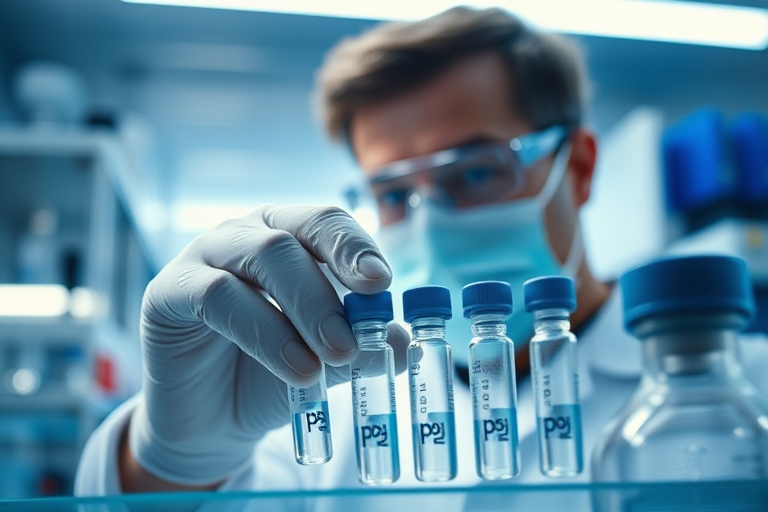
Typical pre-op timing. Protocols vary, but some providers suggest starting BPC-157 5 to 7 days before a scheduled procedure. This gives the peptide time to upregulate healing pathways before they're needed most.
Dosing considerations. Pre-operative dosing usually follows standard ranges of 250 to 500 mcg per day via subcutaneous injection. Your provider will determine the exact dose based on your body weight, the type of surgery, and your overall health status.
Important caveat. You must tell your surgeon about any peptides or supplements you're taking before surgery. Some surgeons may have specific requirements about what to stop before a procedure. BPC-157's effect on blood vessel growth, for example, is something your surgical team should know about. Never start a pre-operative peptide protocol without both your prescribing provider and your surgeon on board.
This isn't a DIY situation. Your provider and surgeon need to coordinate. A licensed FormBlends provider can help you manage that conversation and provide documentation for your surgical team.
Post-Operative Recovery Protocols
After surgery is where BPC-157 may provide the most benefit. The body is actively rebuilding, and the peptide's mechanisms align directly with what your tissues need.

From the FormBlends catalog
BPC-157
The body protection compound for accelerated healing · From $169/mo · compounded by a licensed 503A pharmacy, dispensed only after provider review.
View BPC-157 →When to start post-op. Most protocols resume BPC-157 once the immediate post-operative period has passed and your surgeon clears you. This is typically 24 to 72 hours after surgery, but timing depends on the procedure and your surgeon's guidelines.
Injection site selection. For surgical recovery, subcutaneous injections near (but not directly into) the surgical site are common. The goal is to deliver the peptide close to where healing is happening. For example, after a knee surgery, injections might go into the subcutaneous tissue around the knee rather than the abdomen.
Cycle length for surgical recovery. Post-surgical BPC-157 cycles often run 6 to 8 weeks, longer than the standard 4-to-6-week cycle used for non-surgical injuries. The extended timeline matches the longer healing process that surgery demands. Learn more about .
Stacking for enhanced recovery. Some providers combine BPC-157 with TB-500 for post-surgical recovery. TB-500 supports cell migration and tissue repair through different pathways. Together, they may provide a more in-depth healing response. Read about the for details.
Tracking recovery. Logging your daily progress, pain levels, range of motion, and functional milestones helps your provider adjust your protocol. The makes this easy with built-in tracking tools and provider report features.
What the Research Shows (and What It Doesn't)
Being honest about the evidence is important. Here's where the science stands.
Strong animal evidence. Dozens of published studies, primarily from the research group led by Predrag Sikiric at the University of Zagreb, have shown BPC-157's healing effects in rats and mice. These include accelerated healing of skin wounds, muscle tears, tendon damage, bone fractures, and nerve injuries.
Limited human data. As of now, large-scale human clinical trials on BPC-157 for surgical recovery haven't been completed. The animal data is compelling, and clinical observations from providers who prescribe BPC-157 are encouraging. But we don't yet have the gold-standard randomized controlled trials in humans that would make this a proven therapy.
Safety profile. In the animal studies conducted to date, BPC-157 has shown a favorable safety profile with no reported toxic effects even at high doses. But the lack of extensive human trial data means long-term safety in humans isn't fully established.
This is why working with a licensed provider matters. They can evaluate your individual health situation, weigh the existing evidence, and make an informed recommendation about whether BPC-157 is appropriate for your surgical recovery.
Frequently Asked Questions
Can I use BPC-157 after any type of surgery?
BPC-157 has been studied in the context of various tissue types, including skin, muscle, tendon, bone, and gastrointestinal tissue. But whether it's appropriate for your specific surgery depends on factors your provider and surgeon need to evaluate. Always get clearance from your surgical team.
Will BPC-157 replace my post-op physical therapy?
No. BPC-157 isn't a replacement for physical therapy, rest, or any other component of your surgeon's recovery plan. Think of it as a potential addition that may support and accelerate the healing your body is already doing. Physical therapy remains important for restoring strength, mobility, and function.
How soon after surgery can I start BPC-157 injections?
Most protocols suggest starting 24 to 72 hours after surgery, but this varies by procedure and surgeon. Some surgeons want patients to wait longer. Always follow your surgeon's specific post-operative instructions and get explicit clearance before starting any peptide.
Is BPC-157 safe to use with post-surgical medications?
BPC-157 has no well-documented drug interactions in the current research literature. But you should disclose all medications, including pain medications, antibiotics, and blood thinners, to your prescribing provider. They can evaluate potential interactions based on your complete medication list.
How much does BPC-157 cost for a surgical recovery cycle?
Pricing depends on the dose, cycle length, and if you're stacking with other peptides. A typical 6-to-8-week post-surgical cycle may cost between $150 and $400. for current rates and transparent cost breakdowns.
Start your results Today
Every transformation starts with a single step. Talk to a licensed FormBlends provider about whether this approach is right for you, consultations are free and confidential.
Looking for a complete ranking? See our guide to the best peptides for healing injuries, tendons, joints, and gut tissue.
Sources &. References
- Sikiric P, Hahm KB, Blagaic AB, et al. Stable Gastric Pentadecapeptide BPC 157, Robert's Cytoprotection, Adaptive Cytoprotection, and Therapeutic Effects. Curr Pharm Des. 2018;24(18):1990-2001. Doi:10.2174/1381612824666180515125918
- Chang CH, Tsai WC, Lin MS, et al. The promoting effect of pentadecapeptide BPC 157 on tendon healing involves tendon outgrowth, cell survival, and cell migration. J Appl Physiol. 2011;110(3):774-780. Doi:10.1152/japplphysiol.00945.2010
- Seiwerth S, Brcic L, Vuletic LB, et al. BPC 157 and blood vessels. Curr Pharm Des. 2014;20(7):1121-1125. Doi:10.2174/13816128113199990421
This article is for educational purposes only and doesn't constitute medical advice. Always consult with a licensed healthcare provider before starting, changing, or stopping any medication or supplement. FormBlends connects you with licensed providers who can evaluate your individual health needs.
Last updated: 2026-03-24
Ready when you are
BPC-157
The body protection compound for accelerated healing · From $169/mo · compounded by a licensed 503A pharmacy, dispensed only after provider review.
View BPC-157 →