Key Takeaway
A beginner-friendly guide to the BPC-157 and TB-500 recovery stack. Learn what these peptides are, how they heal injuries, how to start safely, and what to expect during your first cycle.
The BPC-157 and TB-500 recovery stack is a beginner-friendly peptide protocol that accelerates healing of muscles, tendons, ligaments, and joints by combining two peptides with complementary repair mechanisms. BPC-157 targets localized tissue repair while TB-500 supports systemic recovery, making their combination the most popular peptide-based approach to injury healing.
What Is BPC-157?
BPC-157 stands for Body Protection Compound-157. It's a synthetic peptide consisting of 15 amino acids, derived from a protective protein naturally found in human gastric (stomach) juice. In research, BPC-157 has demonstrated remarkable healing effects across multiple tissue types.
What BPC-157 Does
- Promotes angiogenesis (new blood vessel growth) at injury sites, improving nutrient and oxygen delivery
- Upregulates growth factors involved in tissue repair
- Modulates the nitric oxide system, which regulates inflammation and blood flow
- Accelerates healing of tendons, ligaments, muscles, skin, and the gastrointestinal tract
- Provides gastroprotective effects (protects and heals the gut lining)
BPC-157 works best when injected near the site of injury, as its effects are concentrated locally.
What Is TB-500?
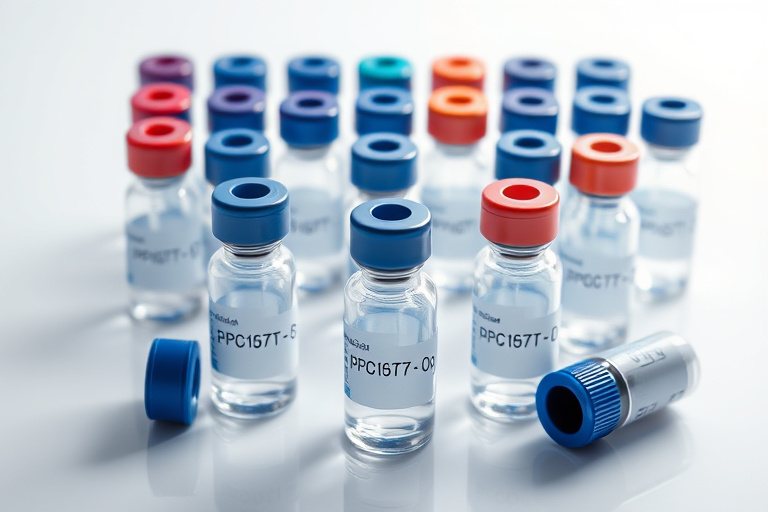
TB-500 is a synthetic version of Thymosin Beta-4, a naturally occurring peptide in the human body involved in cell migration, tissue repair, and inflammation regulation. It's produced by the thymus gland and is found in high concentrations in wound fluid, blood platelets, and other tissues involved in healing.
What TB-500 Does
- Upregulates actin, a protein that allows repair cells to move to injury sites more efficiently
- Reduces inflammation systemically throughout the body
- Promotes new blood vessel formation
- Supports tissue remodeling with less scar tissue formation
- Works systemically, meaning it benefits the whole body regardless of injection site
Why They Are Better Together
BPC-157 and TB-500 attack the healing process from different angles. BPC-157 TB-500 combined effect
From the FormBlends catalog
TB-500 (Thymosin Beta-4)
Universal repair peptide for tissue regeneration · From $49/mo · compounded by a licensed 503A pharmacy, dispensed only after provider review.
Learn about TB-500 (Thymosin Beta-4) →- BPC-157 creates better blood supply at the injury and directly stimulates local tissue repair
- TB-500 mobilizes repair cells from throughout the body to reach the injury and calms down excessive inflammation
Together, they produce faster, higher-quality healing than either peptide alone. Think of BPC-157 as building the roads to the construction site, and TB-500 as dispatching the construction workers.
Who Is This Stack For?
The BPC-157 + TB-500 stack is appropriate for:
- Athletes recovering from sports injuries (strains, sprains, tendonitis)
- People with chronic joint or tendon pain
- Post-surgical recovery support
- Individuals with slow-healing injuries
- Active people dealing with overuse injuries
- Those with gut health issues (BPC-157 has strong gut-healing properties)
Who Should Avoid This Stack
- Individuals with active cancer (both peptides promote cell growth and new blood vessels)
- Pregnant or breastfeeding women
- Anyone with an undiagnosed condition causing their symptoms (get a proper diagnosis first)
Getting Started: A Step-by-Step Guide
Step 1[2]: Consult a Provider
Work with a healthcare provider experienced in peptide therapy. They can evaluate your injury, order any necessary imaging or lab work, write prescriptions, and monitor your progress. Many telemedicine clinics now specialize in peptide therapy.
Step 2: Obtain Your Peptides
BPC-157 and TB-500 should be sourced from a licensed compounding pharmacy through a prescription. This ensures pharmaceutical-grade purity, proper sterility, and accurate dosing. Avoid unregulated online sources.
You'll also need:
- Bacteriostatic water for reconstitution
- Insulin syringes (29-31 gauge, 0.5 mL or 1 mL)
- Alcohol swabs
- A sharps container for used needles
Contact provider for current pricing Contact provider for current pricing
Step 3: Reconstitute Your Peptides
Both peptides arrive as a freeze-dried powder that must be mixed with bacteriostatic water before injection. peptide reconstitution calculator guide
- Remove the plastic cap from the vial to expose the rubber stopper
- Wipe the stopper with an alcohol swab
- Draw the appropriate amount of bacteriostatic water into a syringe
- Insert the needle through the stopper and add the water slowly, letting it run down the side of the vial
- Don't shake. Gently swirl until the powder is fully dissolved
- Store the reconstituted vial in the refrigerator
Step 4: Start Your Injections
A beginner-friendly starting protocol:
- BPC-157: 250 mcg, once daily, subcutaneously near the injury site
- TB-500: 2 mg, once per week, subcutaneously (abdomen or near injury)
After 1-2 weeks, if well-tolerated, you can increase BPC-157 to twice daily (morning and evening) for faster healing.
Step 5: Maintain Consistency
Consistency is critical. Set reminders and make injections part of your daily routine. A typical beginner cycle runs 6-8 weeks, with adjustments made based on healing progress.
What Beginners Should Expect
Week 1
You may notice mild reduction in pain or inflammation at the injury site. Some users report improved sleep (BPC-157 may have mild anxiolytic effects). The main experience is getting comfortable with the injection process.
Weeks 2-4
Noticeable reduction in pain and inflammation. Improved range of motion. Faster recovery between exercise sessions. This is where the stack really begins to demonstrate its value. recovery stack results timeline
Weeks 4-8
Significant healing progress for most injuries. Chronic pain may be substantially reduced. Return to activities that were previously limited by the injury. Tissue remodeling continues even after symptoms improve.
Common Beginner Concerns
"I Am Afraid of Needles"
This is the most common concern for beginners. Insulin syringes use very thin needles (29-31 gauge) that are barely felt. The injection itself takes seconds. Most people find the first injection is the hardest psychologically, and subsequent injections become routine within days. For gut-specific issues, oral BPC-157 is an alternative.
"How Do I Know Where to Inject?"
For BPC-157, inject subcutaneously as close to the injury as possible. You don't need to inject directly into the injured tissue. The subcutaneous fat layer near the area is sufficient. For example, for a shoulder injury, pinch the skin near the front or side of the shoulder and inject there. For TB-500, the abdomen is the most convenient site.
"What If I Miss a Dose?"
Missing an occasional dose isn't a major concern. Simply resume your regular schedule. Don't double your next dose to compensate. Consistency over weeks is what matters, not perfection on any single day.
"Are There Side Effects?"
Both peptides have strong safety profiles. Side effects are uncommon and typically mild:
- Mild redness or irritation at the injection site (resolves quickly)
- Occasional lightheadedness (rare)
- TB-500 may cause mild drowsiness in some users
- Temporary increase in inflammation at the injury site in the first few days (the body mounting a healing response)
Tips for Beginner Success
- Start with one injury focus. If you have multiple issues, pick the most impactful one and concentrate your BPC-157 injections there.
- Complement with physical therapy. Peptides accelerate healing, but proper rehabilitation ensures the healed tissue is functional and strong.
- Keep a progress journal. Rate your pain daily (1-10), note range of motion improvements, and track what activities you can do. Gradual improvements are easy to miss without documentation.
- Be patient. Some injuries take the full 8-12 weeks to show major improvement. Don't get discouraged if progress is slow in the first week or two.
- Store peptides properly. Keep reconstituted vials refrigerated. Never freeze reconstituted peptides. Use within 3-4 weeks of reconstitution.
- Avoid NSAIDs when possible. Heavy NSAID use can interfere with the natural inflammatory healing process that these peptides modulate.
Cost Expectations
A beginner cycle (6-8 weeks) at standard doses typically costs $150-300 total, depending on the source and whether you use BPC-157 once or twice daily. Monthly ongoing costs during active treatment range from $100-250. Pre-mixed blends from compounding pharmacies may offer better value. peptide therapy costs
Medical References
- Goldstein AL, Hannappel E, Sosne G, Kleinman HK. Thymosin beta4: a multi-functional regenerative peptide. Basic properties and clinical applications. Expert Opin Biol Ther. 2012;12(1):37-51. [PubMed | DOI]
- Wilding JPH, Batterham RL, Calanna S, et al. Once-Weekly Semaglutide in Adults with Overweight or Obesity. N Engl J Med. 2021;384(11):989-1002. [PubMed | ClinicalTrials.gov | DOI]
- Davies M, Færch L, Jeppesen OK, et al. Semaglutide 2.4 mg once a week in adults with overweight or obesity, and type 2 diabetes (STEP 2). Lancet. 2021;397(10278):971-984. [PubMed | ClinicalTrials.gov | DOI]
- Wadden TA, Bailey TS, Billings LK, et al. Effect of Subcutaneous Semaglutide vs Placebo as an Adjunct to Intensive Behavioral Therapy on Body Weight in Adults With Overweight or Obesity (STEP 3). JAMA. 2021;325(14):1403-1413. [PubMed | ClinicalTrials.gov | DOI]
- Rubino D, Abrahamsson N, Davies M, et al. Effect of Continued Weekly Subcutaneous Semaglutide vs Placebo on Weight Loss Maintenance in Adults With Overweight or Obesity (STEP 4). JAMA. 2021;325(14):1414-1425. [PubMed | ClinicalTrials.gov | DOI]
- Garvey WT, Batterham RL, Bhatt DL, et al. Two-year effects of semaglutide in adults with overweight or obesity (STEP 5). Nat Med. 2022;28(10):2083-2091. [PubMed | ClinicalTrials.gov | DOI]
Frequently Asked Questions
- Is the BPC-157 + TB-500 stack safe for beginners?
-
Yes. Both peptides have strong safety profiles with minimal side effects reported in available research and clinical use. The most common issues are mild injection-site irritation and occasional drowsiness from TB-500. Starting with conservative doses and working with a knowledgeable provider makes this stack accessible for beginners.
- Do I need both peptides, or can I start with just one?
-
You can start with just one if preferred. BPC-157 alone is effective for many injuries, especially with localized administration. But adding TB-500 enhances the healing response through complementary mechanisms. If budget or comfort is a concern, starting with BPC-157 alone and adding TB-500 later is a reasonable approach. BPC-157 alone vs stacked
- How quickly will I notice my injury improving?
-
Many users notice reduced pain and inflammation within the first 1-2 weeks. More significant healing improvements typically become apparent between weeks 2-4. The full timeline depends on injury severity, with minor injuries resolving faster (4-6 weeks) and more serious conditions requiring the full 8-12 week cycle or longer. recovery stack results timeline
- Can I exercise while using this stack?
-
Yes, and appropriate exercise is encouraged. The stack supports recovery from exercise-induced tissue stress. But avoid activities that aggravate the specific injury you're treating. Work with a physical therapist to determine safe exercise parameters during your recovery. The peptides help, but reinjuring healing tissue by doing too much too soon will slow progress.
- Where do I get BPC-157 and TB-500?
-
The safest route is through a licensed compounding pharmacy with a prescription from a qualified healthcare provider. Many telemedicine clinics specialize in peptide therapy and can help with the entire process, from consultation to prescription to delivery. Avoid purchasing from unregulated online vendors, as product quality and sterility can't be verified.
Ready when you are
TB-500 (Thymosin Beta-4)
Universal repair peptide for tissue regeneration · From $49/mo · compounded by a licensed 503A pharmacy, dispensed only after provider review.
Learn about TB-500 (Thymosin Beta-4) →