Key Takeaway
Recovery after surgery can be a slow and frustrating process. This peptide protocols post-surgery resource covers the important information you need to make informed decisions.
Recovery after surgery can be a slow and frustrating process. This peptide protocols post-surgery resource covers the important information you need to make informed decisions. If you're looking for ways to support your body's healing, peptide protocols for post-surgery recovery are gaining interest among patients and providers. Certain peptides have been studied for their potential to accelerate tissue repair, reduce inflammation, and support wound healing. In this guide, we cover which peptides are commonly prescribed after surgery, how protocols are structured, and what you should discuss with your surgical team.
Key Takeaways: - Learn how peptides may support post-surgical recovery - Common Post-Surgery Peptide Protocols - Timing Your Protocol Around Surgery - Coordinating With Your Surgical Team
How Peptides May Support Post-Surgical Recovery
Surgery creates controlled trauma. Your surgeon repairs or removes damaged tissue, but your body must then heal the incisions, rebuild connective tissue, and resolve the inflammation caused by the procedure. This healing process involves complex biological cascades that can take weeks or months.
Peptides may support several aspects of this process. BPC-157 has been studied for its potential to promote angiogenesis, the formation of new blood vessels that deliver oxygen and nutrients to healing tissue. TB-500 may help cells migrate to damaged areas and support tissue remodeling. GHK-Cu may promote collagen synthesis, which is important for wound closure and scar formation.
The timing of peptide therapy relative to surgery matters. Most providers recommend starting peptide therapy after the immediate post-operative period, typically once your surgeon clears you from the acute recovery phase. Some providers begin peptides 1-2 weeks before scheduled surgery to prepare the body for healing, though this approach requires coordination with your surgical team.
It's critical that your surgeon knows about any peptide therapy you're considering. Some peptides affect blood vessel formation and inflammation pathways that could interact with surgical healing. Transparency with all your healthcare providers ensures the safest outcome.
"The conversation about obesity needs to shift from willpower to biology. These medications work because obesity is a neuroendocrine disease, not a character flaw.") Dr. Fatima Cody Stanford, MD, MPH, Massachusetts General Hospital
For detailed information on one of the most studied healing peptides, read .
Common Post-Surgery Peptide Protocols
Providers tailor post-surgical peptide protocols to the type of surgery, the tissues involved, and the patient's overall health. Here are the most commonly prescribed approaches.
View data table
| Category | Clinical Interest Score | Detail |
|---|---|---|
| BPC-157 | 88 | Tissue repair and gut healing |
| TB-500 | 82 | Injury recovery |
| Sermorelin | 78 | Growth hormone support |
| Ipamorelin | 75 | Anti-aging and recovery |
| GHK-Cu | 70 | Skin and tissue repair |
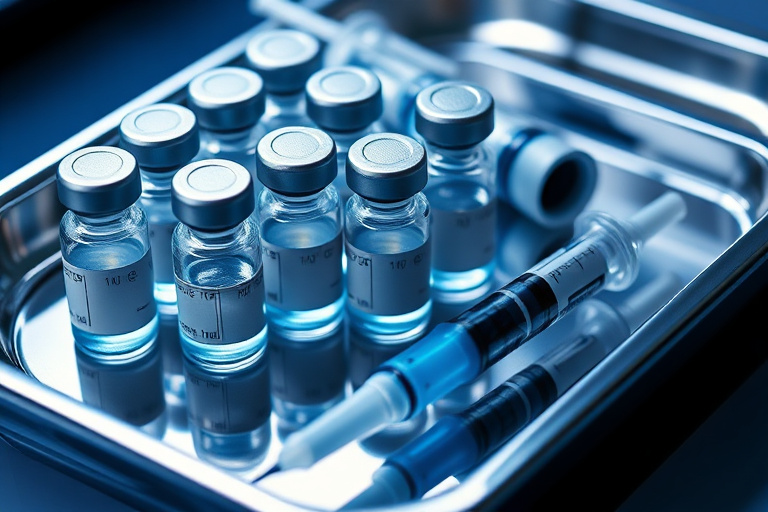
Orthopedic surgery (joint replacement, ACL repair, rotator cuff): The BPC-157 and TB-500 combination is the most frequently prescribed stack for orthopedic recovery. BPC-157 is typically dosed at 250-500 mcg daily, with injections near the surgical site once the incision has closed. TB-500 is often prescribed at 750 mcg twice weekly. Protocols usually run 6-8 weeks.
Abdominal surgery (hernia repair, gastric procedures): BPC-157 is particularly relevant here due to its origins in gastric biology. Providers may prescribe it at 250-500 mcg daily via subcutaneous injection in the abdominal area. Some protocols include oral BPC-157 for gut-related procedures, though oral bioavailability data is still developing.
Cosmetic surgery (tummy tuck, facelift, body contouring): GHK-Cu is often included in these protocols for its collagen-promoting and skin-remodeling properties. It's commonly combined with BPC-157 for deeper tissue repair. Doses typically range from 200-600 mcg daily for GHK-Cu and 250-500 mcg daily for BPC-157.
General surgery: For procedures that don't fall into the categories above, a simple BPC-157 protocol at 250-500 mcg daily for 4-6 weeks is the most straightforward approach. Your provider will adjust based on the complexity of your surgery and your healing progress.
All peptides must be prescribed by a licensed provider and prepared by a licensed US-based 503A compounding pharmacy.
Free Download: Wolverine Stack Protocol Card Get a printable reference card with post-surgery peptide protocols, including dosing timelines, injection site guidance, and recovery tracking checklists. Get yours free (we'll email it to you instantly. [Download Now]
Timing Your Protocol Around Surgery
When you start and stop your peptide protocol relative to your surgery date is an important consideration.
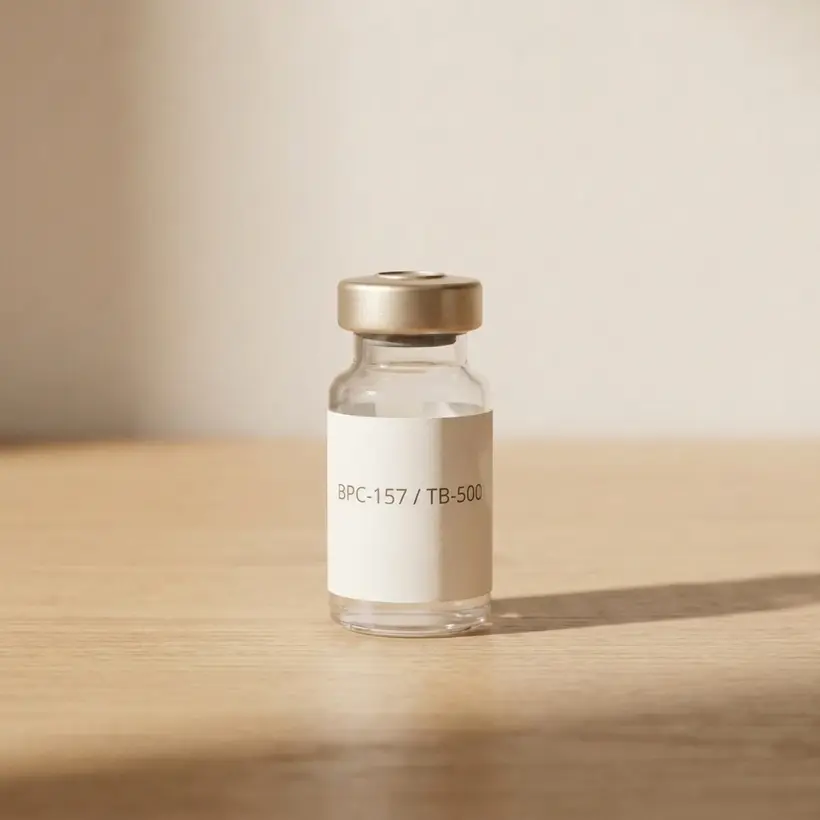
From the FormBlends catalog
BPC-157 / TB-500 Blend
The ultimate recovery stack in one vial · From $249/mo · compounded by a licensed 503A pharmacy, dispensed only after provider review.
View BPC-157 / TB-500 Blend →Pre-surgical phase (optional, 1-2 weeks before): Some providers prescribe a short pre-surgical peptide course to prepare the body for healing. BPC-157 at a moderate dose may help establish a pro-healing environment before the surgical trauma occurs. But you must disclose this to your surgeon. Some surgeons prefer no supplements or peptides in the pre-operative period.
Immediate post-operative period (days 1-7): Most providers wait until the acute post-operative phase has passed before starting peptides. During this period, your body's natural inflammatory response is doing important work. Inflammation is part of healing, and interfering with it too early could be counterproductive.
Active peptide phase (weeks 1-8 post-surgery): This is when most peptide protocols begin. Your surgeon should confirm that your incisions are healing appropriately before you start injections, especially if you plan to inject near the surgical site. Your peptide provider and surgeon should be in communication.
Transition and maintenance: After your primary cycle, your provider may recommend a reduced maintenance dose or a second cycle depending on your recovery progress. Some patients do well with one cycle. Others, especially after major orthopedic procedures, benefit from two or three cycles with breaks in between.
For accurate dose preparation throughout your protocol, .
Coordinating With Your Surgical Team
This is possibly the most important aspect of post-surgical peptide therapy. Open communication between your peptide provider and your surgeon prevents complications and ensures everyone is working toward the same goal.
Before surgery: Tell your surgeon that you're considering or using peptide therapy. Bring a list of the specific peptides, doses, and schedule. Ask whether your surgeon has any concerns about interactions with anesthesia, blood thinners, or post-operative medications.
After surgery: Follow your surgeon's post-operative instructions completely. Don't start peptides until your surgeon confirms that your healing is on track. If your surgeon is unfamiliar with peptide therapy, offer to have your peptide provider contact them directly.
During your peptide cycle: Keep both providers updated on your progress. If you notice anything unusual at the surgical site, contact your surgeon first. If you experience side effects from the peptides, contact your peptide provider.
Medications to be aware of: Blood thinners, corticosteroids, and immunosuppressive drugs can all interact with the healing processes that peptides target. Make sure both your surgeon and peptide provider know about every medication you take.
The can help you track your recovery metrics, dose logs, and appointment notes in one place, making it easier to share updates with both providers.
For more on stacking strategies for healing, check out .
Frequently Asked Questions
When can I start peptides after surgery?
Most providers recommend waiting until your surgeon confirms that your incisions are healing properly, typically 1-2 weeks post-surgery. The exact timing depends on the type of surgery and your individual healing. Never start peptides after surgery without your surgeon's knowledge.
Will peptides reduce my surgical scars?
GHK-Cu has been studied for its potential to improve wound healing and reduce scar formation by promoting organized collagen synthesis. While results vary, some patients report improved scar appearance when GHK-Cu is included in their post-surgical protocol.
Can peptides interact with pain medications after surgery?
There are no well-documented interactions between common post-surgical pain medications and peptides like BPC-157 or TB-500. But always disclose all substances to both your surgeon and peptide provider to ensure safety.
How many peptide cycles do I need after surgery?
Many patients see meaningful improvement with one 6-8 week cycle. More complex surgeries or slower healers may benefit from 2-3 cycles with breaks in between. Your provider will assess your progress and recommend additional cycles if needed.
Is post-surgical peptide therapy covered by insurance?
Peptide therapy is generally not covered by insurance. But the cost may be offset by potentially faster recovery, fewer follow-up appointments, and earlier return to normal activities. Discuss pricing with your provider. .
Ready to Take the Next Step?
Your health goals is personal) and you deserve a plan that fits. FormBlends connects you with licensed providers who can evaluate your needs and create a personalized protocol.
Sources &. References
- Sikiric P, Hahm KB, Blagaic AB, et al. Stable Gastric Pentadecapeptide BPC 157, Robert's Cytoprotection, Adaptive Cytoprotection, and Therapeutic Effects. Curr Pharm Des. 2018;24(18):1990-2001. Doi:10.2174/1381612824666180515125918
- Chang CH, Tsai WC, Lin MS, et al. The promoting effect of pentadecapeptide BPC 157 on tendon healing involves tendon outgrowth, cell survival, and cell migration. J Appl Physiol. 2011;110(3):774-780. Doi:10.1152/japplphysiol.00945.2010
- Seiwerth S, Brcic L, Vuletic LB, et al. BPC 157 and blood vessels. Curr Pharm Des. 2014;20(7):1121-1125. Doi:10.2174/13816128113199990421
- Bock-Marquette I, Saxena A, White MD, et al. Thymosin beta4 activates integrin-linked kinase and promotes cardiac cell migration, survival and cardiac repair. Nature. 2004;432(7016):466-472. Doi:10.1038/nature03000
- Malinda KM, Sidhu GS, Mani H, et al. Thymosin beta4 accelerates wound healing. J Invest Dermatol. 1999;113(3):364-368. Doi:10.1046/j.1523-1747.1999.00708.x
- Ionescu M, Frohman LA. Pulsatile secretion of growth hormone (GH) persists during continuous stimulation by CJC-1295, a long-acting GH-releasing hormone analog. J Clin Endocrinol Metab. 2006;91(12):4792-4797. Doi:10.1210/jc.2006-1702
The information in this article is intended for educational use only and shouldn't be considered medical advice. Consult a qualified healthcare provider before making any changes to your medication or supplement regimen. FormBlends helps with connections with licensed providers for personalized medical guidance.
Last updated: 2026-03-24
Ready when you are
BPC-157 / TB-500 Blend
The ultimate recovery stack in one vial · From $249/mo · compounded by a licensed 503A pharmacy, dispensed only after provider review.
View BPC-157 / TB-500 Blend →