Key Takeaway
Choosing between BPC-157 oral vs injection is one of the first decisions you'll face when starting a protocol. Both routes are effective, but they work differently and are better suited for different conditions.
Choosing between BPC-157 oral vs injection is one of the first decisions you'll face when starting a protocol. Both routes are effective, but they work differently and are better suited for different conditions. Understanding the pros and cons of each helps you and your provider choose the right approach.
Key Takeaways: - Learn how each route works - Best Uses for Each Route - Dosing Differences - The Research Behind Each Route
This guide compares bioavailability, best uses, dosing, and the research behind each administration route.
How Each Route Works
The way BPC-157 enters your body affects where it concentrates and how it acts.
Oral BPC-157 is swallowed as a capsule or liquid. What makes BPC-157 unique among peptides is that it survives the harsh acidic environment of the stomach. Most peptides break down immediately in gastric acid, making oral delivery useless. BPC-157 doesn't. It was originally isolated from gastric juice, so stability in stomach acid is built into its nature.
When taken orally, BPC-157 provides high local concentration in the GI tract first. It then gets absorbed into systemic circulation, though the exact bioavailability percentage through the GI route hasn't been precisely quantified in published studies. The key advantage is direct contact with the GI lining.
Injectable BPC-157 is administered subcutaneously (under the skin). It bypasses the digestive system entirely and enters circulation directly through the subcutaneous tissue. This provides more predictable systemic bioavailability. When injected near an injury, it also achieves high local concentration at the target site.
The main trade-off is convenience and needle comfort versus targeted delivery and predictable absorption.
"We now have cardiovascular outcomes data showing semaglutide reduces MACE events by 20% in people with obesity, independent of diabetes status. The SELECT trial[1] changed how we think about these medications.") Dr. A. Michael Lincoff, MD, Cleveland Clinic, lead author of SELECT
Best Uses for Each Route
Free Download: BPC-157 Reconstitution calculator Cheat Sheet Covers reconstitution for both injectable and oral preparation methods. Get yours free (we'll email it to you instantly. [Download My Free Cheat Sheet]
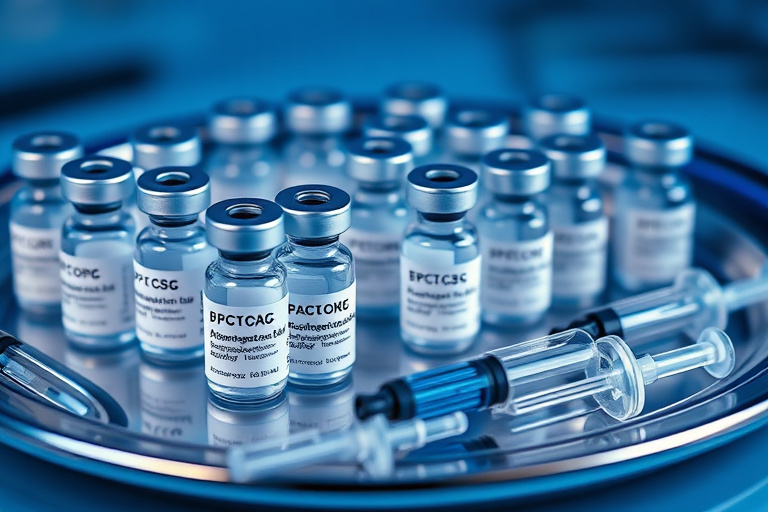
Choose oral BPC-157 when: - Your primary concern is GI healing (IBS, leaky gut, gastric ulcers, NSAID damage) - You want to protect your stomach lining from medication side effects - You prefer not to inject - You're using BPC-157 alongside GLP-1 medications to manage GI side effects - Your condition involves the esophagus, stomach, or intestines
Patient Perspective: "I tried BPC-157 for a chronic rotator cuff issue after 8 months of physical therapy with minimal improvement. Within 3 weeks of a BPC-157 protocol alongside continued PT, I noticed significantly less pain during overhead movements. I can't say for certain what caused the improvement, but the timeline was notable.") Chris D., 38, FormBlends patient (name changed for privacy)
Choose injectable BPC-157 when: - You have a specific musculoskeletal injury (tendon, ligament, joint) - You want targeted delivery near the injury site - You need reliable systemic absorption - You're doing the Wolverine stack with TB-500 - Your condition involves a specific body area outside the GI tract
Consider using both when: - You have GI issues AND a musculoskeletal injury simultaneously - You want maximum systemic coverage with local GI protection - Your provider recommends a full protocol
For detailed injection technique, see our . For reconstitution help, try our .
Dosing Differences
Dosing varies between the two routes because of different absorption characteristics.

From the FormBlends catalog
BPC-157
The body protection compound for accelerated healing · From $169/mo · compounded by a licensed 503A pharmacy, dispensed only after provider review.
View BPC-157 →Oral dosing: - Typical range: 250-500 mcg taken twice daily - Take on an empty stomach for best absorption - Morning and evening, at least 30 minutes before food - Some protocols use higher oral doses (up to 1000 mcg per dose) because GI absorption may be less efficient than injection
Injectable dosing: - Typical range: 250-500 mcg injected subcutaneously once or twice daily - Can be taken at any time relative to meals - Morning and evening spacing (8-12 hours apart) is standard for twice-daily protocols - Inject near the injury site when targeting a specific area
Cycle length is the same for both routes: 4-8 weeks with a 2-4 week break between cycles. Your provider will set the specific duration based on your condition and response.
Reconstitution for injectable: You'll need bacteriostatic water and insulin syringes. A standard protocol uses a 5 mg vial reconstituted with 2 ml of bacteriostatic water, yielding a concentration of 2500 mcg per ml. Drawing 0.1 ml gives you 250 mcg per dose. For exact calculations, use the .
The Research Behind Each Route
Both administration routes have research support, which is unusual for a peptide.
Oral research highlights: Studies have demonstrated oral BPC-157 effectiveness in healing gastric ulcers, protecting against NSAID-induced GI damage, reducing intestinal inflammation, and improving intestinal barrier function. The fact that it works orally is one of BPC-157's most distinctive properties in the peptide world.
Injectable research highlights: The majority of musculoskeletal healing studies used injectable (subcutaneous or intraperitoneal) administration. Tendon healing, muscle repair, ligament recovery, and wound healing studies consistently show positive results with injectable delivery.
Comparative studies: A few studies have directly compared routes. Generally, oral administration is more effective for GI conditions, while injectable is more effective for musculoskeletal conditions. Both routes appear to provide some systemic effects. The practical guideline is to choose the route that best matches your primary condition.
For a thorough look at all BPC-157 research, see our .
Frequently Asked Questions
Can I switch from oral to injectable BPC-157 mid-cycle?
Yes, you can switch routes during a cycle if your priorities change or if one route isn't working well for you. Consult your provider about dosing adjustments when switching. There's no safety concern with changing routes.
Is oral BPC-157 less effective than injectable?
Not necessarily. It depends on your condition. For GI issues, oral may actually be more effective because it delivers the peptide directly to the affected tissue. For musculoskeletal injuries, injectable near the injury site is generally preferred. Neither route is universally superior.
Can I take oral and injectable BPC-157 at the same time?
Yes, some protocols combine both routes, especially when treating both GI and musculoskeletal conditions simultaneously. Your provider will adjust the total daily dose to account for both routes. This is sometimes called a "split-route" protocol.
Does oral BPC-157 taste bad?
BPC-157 has minimal taste when taken as a solution. Some compounding pharmacies offer it in capsule form, which eliminates any taste consideration. If you're using a liquid form, the small volume (less than 1 ml) makes taste a non-issue for most people.
Start your results Today
Every transformation starts with a single step. Talk to a licensed FormBlends provider about whether this approach is right for you, consultations are free and confidential.
Medical References
- Lincoff AM, Brown-Frandsen K, Colhoun HM, et al. Semaglutide and Cardiovascular Outcomes in Obesity without Diabetes. N Engl J Med. 2023;389(24):2221-2232. [PubMed | ClinicalTrials.gov | DOI]
- Sikiric P, Hahm KB, Blagaic AB, et al. Stable Gastric Pentadecapeptide BPC 157, Robert's cytoprotection, and Selye's stress-coping response. Curr Pharm Des. 2018;24(18):2030-2049. [PubMed | DOI]
Sources &. References
- Sikiric P, Hahm KB, Blagaic AB, et al. Stable Gastric Pentadecapeptide BPC 157, Robert's Cytoprotection, Adaptive Cytoprotection, and Therapeutic Effects. Curr Pharm Des. 2018;24(18):1990-2001. Doi:10.2174/1381612824666180515125918
- Chang CH, Tsai WC, Lin MS, et al. The promoting effect of pentadecapeptide BPC 157 on tendon healing involves tendon outgrowth, cell survival, and cell migration. J Appl Physiol. 2011;110(3):774-780. Doi:10.1152/japplphysiol.00945.2010
- Seiwerth S, Brcic L, Vuletic LB, et al. BPC 157 and blood vessels. Curr Pharm Des. 2014;20(7):1121-1125. Doi:10.2174/13816128113199990421
This article is for educational purposes only and doesn't constitute medical advice. Always consult with a licensed healthcare provider before starting, changing, or stopping any medication or supplement. FormBlends connects you with licensed providers who can evaluate your individual health needs.
Last updated: 2026-03-24
Ready when you are
BPC-157
The body protection compound for accelerated healing · From $169/mo · compounded by a licensed 503A pharmacy, dispensed only after provider review.
View BPC-157 →