Key Takeaway
Compare BPC-157 oral vs injection routes. Learn which administration method is best for your condition, including bioavailability, effectiveness, and convenience.
Choosing between BPC-157 oral vs injection depends primarily on the condition you're treating: oral administration excels for gastrointestinal issues, while subcutaneous injection delivers targeted support for musculoskeletal injuries. Both routes have shown therapeutic potential in research, and understanding their differences will help you and your physician select the right approach.
What Is BPC-157?
BPC-157, or Body Protection Compound-157, is a 15-amino-acid peptide originally isolated from human gastric juice. It has been studied for its ability to accelerate healing of tissues throughout the body, reduce inflammation, and protect organs from damage . One of BPC-157's unique advantages among peptides is its stability in gastric acid, which makes oral administration a viable option, something uncommon in the peptide world.
Why the Route of Administration Matters
With most peptides, the route of administration is straightforward: injection is the only practical option because stomach acid destroys the peptide before it can reach the bloodstream. BPC-157 is different. Because it originates from gastric proteins, it possesses unusual stability in the acidic environment of the stomach . This gives patients and physicians a genuine choice between oral and injectable formats, each with distinct advantages.
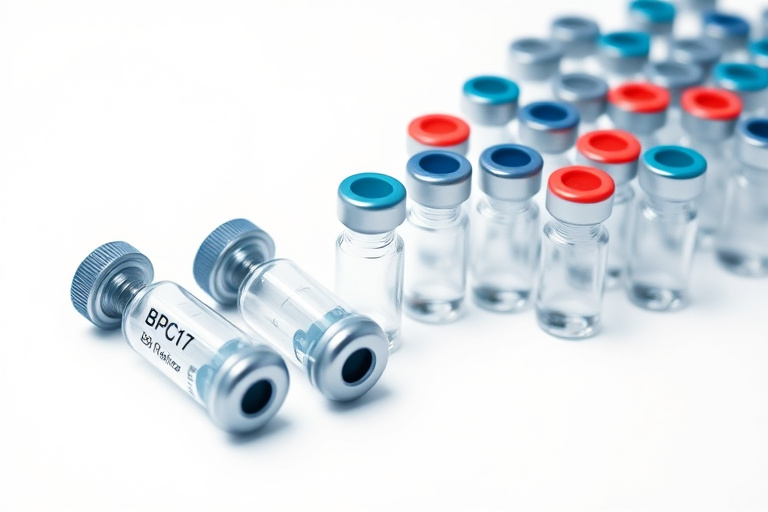
BPC-157 Oral Administration
How It Works
Oral BPC-157 is typically taken as a capsule or liquid solution on an empty stomach. The peptide survives the acidic environment of the stomach and is absorbed through the gastrointestinal lining, where it enters systemic circulation. Along the way, it also exerts local effects on the gut lining itself.

From the FormBlends catalog
BPC-157
The body protection compound for accelerated healing · From $169/mo · compounded by a licensed 503A pharmacy, dispensed only after provider review.
View BPC-157 →Best Uses for Oral BPC-157
- Gastric ulcer healing and prevention
- Inflammatory bowel conditions
- Leaky gut syndrome
- NSAID-induced gut damage
- General gut lining repair and maintenance
- Systemic inflammation when injection isn't preferred
Advantages of Oral Administration
- Non-invasive: No needles, no injection technique to learn
- Convenient: Easy to take anywhere, no refrigeration concerns during travel
- Direct gut contact: The peptide passes directly through the GI tract, providing local therapeutic effects that injection can't replicate
- Lower barrier to entry: Many people are uncomfortable with self-injection, and oral dosing removes that obstacle
- Compliance: Simpler protocols tend to have better adherence rates
Limitations of Oral Administration
- Lower systemic bioavailability: Some of the peptide is broken down during digestion, meaning less reaches the bloodstream compared to injection
- Less targeted: For a knee injury or shoulder tear, oral BPC-157 must travel through the entire circulatory system rather than being delivered near the injury site
- Higher doses may be needed: To compensate for reduced bioavailability, oral doses are often higher than injectable doses
BPC-157 Injectable Administration
How It Works
Injectable BPC-157 is administered subcutaneously (under the skin), typically near the site of injury. The peptide enters the bloodstream quickly and can reach target tissues at higher concentrations than oral dosing . The reconstituted peptide is drawn into an insulin syringe and injected into a pinched fold of skin.
Best Uses for Injectable BPC-157
- Tendon injuries and tendinopathy
- Muscle strains and tears
- Ligament damage
- Joint pain and inflammation
- Post-surgical healing
- Localized tissue repair
Advantages of Injectable Administration
- Higher bioavailability: Bypasses the digestive system entirely, delivering a more concentrated dose to the bloodstream
- Targeted delivery: Injecting near the injury site places the peptide closer to where it's needed most
- Lower doses required: Because absorption is more efficient, smaller amounts of peptide can achieve therapeutic effects
- Faster onset: Many users report quicker initial response with injectable BPC-157
Limitations of Injectable Administration
- Requires reconstitution: Lyophilized (freeze-dried) BPC-157 must be mixed with bacteriostatic water before use. See our BPC-157 how to reconstitute guide for instructions
- Injection discomfort: While generally mild, some people experience redness, soreness, or bruising at the injection site
- Storage requirements: Reconstituted BPC-157 must be refrigerated and used within a specific timeframe. Our BPC-157 storage instructions guide covers this in detail
- Sterility concerns: Proper injection technique and sterile supplies are important to avoid infection
Head-to-Head Comparison
| Factor | Oral BPC-157 | Injectable BPC-157 |
|---|---|---|
| Bioavailability | Moderate (partial degradation in GI tract) | High (bypasses digestion) |
| Best for | Gut healing, systemic inflammation | Musculoskeletal injuries, targeted repair |
| Typical dose | 500-1000 mcg/day | 250-500 mcg/day |
| Ease of use | Very easy (swallow capsule) | Moderate (requires reconstitution and injection) |
| Speed of onset | Gradual | Relatively quick |
| Local GI benefits | Yes (direct contact with gut lining) | Limited (systemic only) |
| Storage | Room temperature (capsules) | Refrigerated after reconstitution |
| Injection site reactions | None | Possible mild redness or irritation |
| Travel friendly | Very | Requires supplies and cold storage |
Can You Use Both Routes Together?
Yes. Some physicians recommend a dual-route approach for patients dealing with both gut issues and musculoskeletal injuries simultaneously. In this scenario, oral BPC-157 addresses the gastrointestinal component while subcutaneous injections target the injury site . If you and your physician decide on a combined approach, total daily dosing should be calibrated to account for both routes — see our BPC-157 dosage guide for the per-route protocols.
Dosing Guidelines by Route
Oral Dosing
- Typical range: 500 mcg to 1000 mcg per day
- Frequency: Once or twice daily on an empty stomach
- Timing: 20-30 minutes before meals for optimal absorption
- Cycle length: 4-6 weeks on, 2-4 weeks off (see our BPC-157 cycling protocol guide)
Injectable Dosing
- Typical range: 250 mcg to 500 mcg per day
- Frequency: Once or twice daily
- Injection site: Subcutaneously, as close to the injury site as practical
- Cycle length: 4-6 weeks on, 2-4 weeks off
How to Choose the Right Route
The decision between oral and injectable BPC-157 should be made in consultation with your physician, but here are some guiding principles:
Choose oral if:
- Your primary concern is gut health or digestive issues
- You're uncomfortable with needles
- You travel frequently and need a simple protocol
- You're looking for systemic anti-inflammatory support
Choose injectable if:
- You have a specific musculoskeletal injury
- You want maximum bioavailability at the lowest possible dose
- You're comfortable with subcutaneous injection technique
- You need faster onset of therapeutic effects
Research Evidence
The majority of BPC-157 research has been conducted in animal models, with both oral and injectable routes studied extensively. Key findings include:
- Oral BPC-157 demonstrated significant gastric ulcer healing in rat models, outperforming standard ulcer medications in several studies
- Injectable BPC-157 accelerated Achilles tendon healing in rat models, with treated animals showing faster return to function
- Both routes showed neuroprotective effects, though injectable administration achieved higher brain tissue concentrations
- Oral BPC-157 maintained stability and efficacy even when exposed to gastric acid for extended periods, confirming its unique resistance to digestive breakdown
While human clinical trials remain limited, the preclinical evidence supports the effectiveness of both administration routes for their respective target conditions.
Frequently Asked Questions
Is oral BPC-157 as effective as injectable?
For gut-related conditions, oral BPC-157 may actually be more effective because of its direct contact with the GI lining. For musculoskeletal injuries, injectable BPC-157 generally delivers better results due to higher bioavailability and targeted placement near the injury.
Can I switch from oral to injectable mid-cycle?
Yes, with physician guidance. Some patients start with oral BPC-157 for convenience and switch to injectable if they feel they need more targeted support. Dosing adjustments may be necessary when switching routes.
Does oral BPC-157 need to be taken on an empty stomach?
Yes. Taking oral BPC-157 on an empty stomach, typically 20-30 minutes before eating, maximizes absorption and minimizes competition with food proteins for uptake.
Are there any conditions where one route is clearly better?
For inflammatory bowel conditions and gastric ulcers, oral BPC-157 is the preferred choice. For acute tendon, ligament, or muscle injuries, injectable BPC-157 is generally recommended. Your FormBlends physician can help you determine the best approach for your specific situation.
Medical References
- Sikiric P, Hahm KB, Blagaic AB, et al. Stable Gastric Pentadecapeptide BPC 157, Robert's cytoprotection, and Selye's stress-coping response. Curr Pharm Des. 2018;24(18):2030-2049. [PubMed | DOI]
Get Personalized BPC-157 Guidance from FormBlends
Choosing the right BPC-157 administration route is an important decision that should be based on your specific health goals, condition, and preferences. At FormBlends, our physician-supervised telehealth platform connects you with experienced medical professionals who can evaluate your needs and prescribe the most appropriate BPC-157 protocol. Whether oral, injectable, or a combination approach is right for you, we're here to guide you through every step. Schedule your consultation with a FormBlends physician today.
Ready when you are
BPC-157
The body protection compound for accelerated healing · From $169/mo · compounded by a licensed 503A pharmacy, dispensed only after provider review.
View BPC-157 →