Key Takeaway
You have probably heard the buzz about peptides. Maybe a friend mentioned them, or you saw something online. But what exactly is peptide therapy, and is it right for you? This peptide therapy beginners guide breaks down the basics in plain language. No science degree required.
You have probably heard the buzz about peptides. Maybe a friend mentioned them, or you saw something online. But what exactly is peptide therapy, and is it right for you? This peptide therapy beginners guide breaks down the basics in plain language. No science degree required.
Key Takeaways: - Understand what are peptides and how do they work - Common Peptides and Their Uses - Learn how to get started safely - Understand what to expect: timeline and results
Peptides are short chains of amino acids. Your body already makes thousands of them. They act as signaling molecules, telling your cells what to do. When you supplement with specific peptides, you're giving your body targeted instructions to heal, recover, grow, or regulate specific processes.
What Are Peptides and How Do They Work?
Think of peptides as text messages between your cells. Each peptide carries a specific instruction. Some tell your body to build collagen. Others signal your immune system to ramp up. Some help burn fat. Others reduce inflammation.
Peptides differ from hormones and drugs in important ways. They're smaller than proteins and more targeted in their effects. Most peptides work by binding to specific receptors on cell surfaces, triggering a cascade of natural biological responses.
Your body produces peptides naturally. Insulin is a peptide. Oxytocin is a peptide. Growth hormone-releasing hormone is a peptide. Therapeutic peptides are synthetic versions of these natural molecules or analogs designed to enhance specific functions.
"The key to successful GLP-1 therapy is setting realistic expectations and supporting patients through the titration phase. The side effects are manageable for most people, but they need to know what to expect.") Dr. Caroline Apovian, MD, Harvard Medical School
The therapeutic use of peptides has grown rapidly because they tend to have fewer side effects than traditional drugs. Their specificity means they target particular pathways without broadly affecting your entire system.
Peptide therapy requires a prescription from a licensed provider. The peptides are prepared by licensed US-based 503A compounding pharmacies. This ensures quality, purity, and proper dosing. Never purchase research-grade peptides for human use.
Common Peptides and Their Uses
The market can feel overwhelming. Here are the most common categories to help you orient yourself.
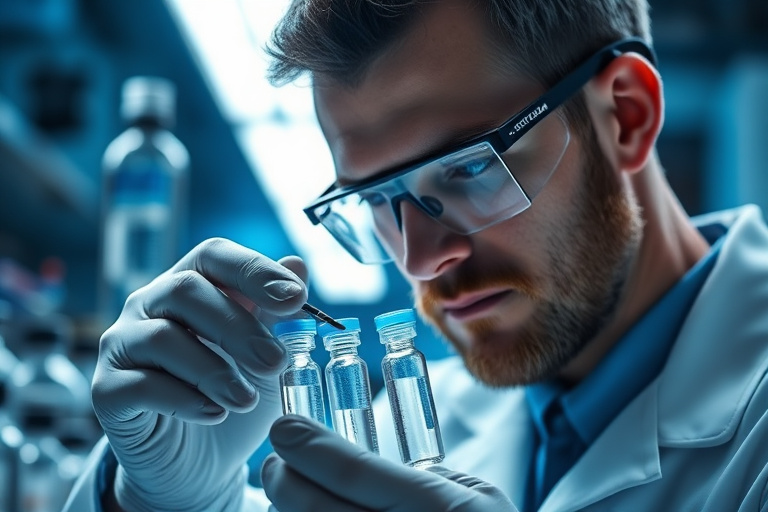
Healing and recovery peptides include and TB-500. These peptides support tissue repair, reduce inflammation, and accelerate recovery from injuries. They're popular among athletes and anyone dealing with chronic pain or injuries.
Free Download: Protocol Planner Start your peptide process organized. Our free protocol planner includes dosing schedules, tracking sheets, and notes for provider visits. Get yours free (we'll email it to you instantly. [Email Input] [Download Button]
GLP-1 medications like and tirzepatide are peptides used for weight management. They work by reducing appetite and improving metabolic function. These are among the most widely prescribed peptides today.
Growth hormone peptides include CJC-1295, Ipamorelin, and Tesamorelin. They stimulate your body to produce more growth hormone naturally. Benefits may include improved body composition, better sleep, and enhanced recovery.
Cognitive and mood peptides like target brain function. They may help with anxiety, focus, and mental clarity without the side effects of traditional psychiatric medications.
Immune peptides like support immune function. They may help people with weakened immune systems or chronic infections.
How to Get Started Safely
The most important step is working with a licensed provider. Peptide therapy isn't a DIY project. A provider evaluates your health history, runs appropriate lab work, and prescribes the right peptide at the right dose for your specific needs.
Check your GLP-1 eligibility
Use our free BMI Calculator to see if you may qualify for provider-reviewed GLP-1 therapy.
Try the BMI Calculator →Start with a clear goal. Are you trying to heal an injury? Lose weight? Improve cognitive function? Boost immune health? Your goal determines which peptide is most appropriate.
Expect a detailed intake process. Your provider will review your medical history, current medications, allergies, and lab results before prescribing. This is standard medical practice and protects your safety.
Learn proper injection technique if your peptide requires injections. Most peptides are administered subcutaneously using small insulin syringes. Your provider or pharmacy will teach you. It's simpler than you think. Our can also help.
Be patient. Peptides work with your body's natural processes. Results take time. Most peptides require weeks of consistent use before you notice meaningful changes. Stick with your protocol and communicate with your provider about your progress.
What to Expect: Timeline and Results
Different peptides produce results on different timelines. Healing peptides like BPC-157 may show improvements within 1 to 2 weeks. Weight management peptides like semaglutide typically show noticeable results within 4 to 8 weeks. Cognitive peptides may produce effects within days to weeks.
Track your progress. Use a journal or the to log symptoms, measurements, energy levels, and any side effects. This data helps your provider fine-tune your protocol.
Expect an adjustment period. Some peptides cause mild side effects when starting, such as nausea, injection site reactions, or fatigue. These usually resolve within the first week or two. Report any concerning symptoms to your provider promptly.
Results vary between individuals. Your genetics, health status, diet, exercise habits, and sleep quality all influence how well peptides work for you. A full approach to health, not just peptides alone, produces the best outcomes.
Frequently Asked Questions
Are peptides safe?
When prescribed by a licensed provider and prepared by a licensed compounding pharmacy, peptides have strong safety profiles. They're based on naturally occurring molecules in your body. Side effects are typically mild. Always use pharmaceutical-grade peptides, never research chemicals.
Do I need to inject peptides?
Many peptides are administered via subcutaneous injection, but some are available as nasal sprays, oral capsules, or topical creams. The delivery method depends on the specific peptide and your treatment goals. Your will recommend the best route.
How much does peptide therapy cost?
Costs vary widely depending on the peptide, dose, and duration of treatment. Check for transparent cost information. Many people find peptide therapy more affordable than they expected.
Can I use multiple peptides at the same time?
Yes, many providers prescribe combination protocols. For example, are commonly used together. But all combinations should be designed and monitored by your provider.
How long do I need to use peptides?
Protocol duration varies. Some peptides are used for defined courses of weeks to months. Others may be used on an ongoing basis. Your provider will recommend an appropriate duration based on your goals and response.
Ready to Take the Next Step?
Your wellness plan is personal) and you deserve a plan that fits. FormBlends connects you with licensed providers who can evaluate your needs and create a personalized protocol.
Sources &. References
- Pickart L, Vasquez-Soltero JM, Margolina A. GHK Peptide as a Natural Modulator of Multiple Cellular Pathways in Skin Regeneration. BioMed Res Int. 2015;2015:648108. Doi:10.1155/2015/648108
- Pickart L, Vasquez-Soltero JM, Margolina A. GHK and DNA: Resetting the Human Genome to Health. BioMed Res Int. 2014;2014:151479. Doi:10.1155/2014/151479
- Sikiric P, Hahm KB, Blagaic AB, et al. Stable Gastric Pentadecapeptide BPC 157, Robert's Cytoprotection, Adaptive Cytoprotection, and Therapeutic Effects. Curr Pharm Des. 2018;24(18):1990-2001. Doi:10.2174/1381612824666180515125918
- Chang CH, Tsai WC, Lin MS, et al. The promoting effect of pentadecapeptide BPC 157 on tendon healing involves tendon outgrowth, cell survival, and cell migration. J Appl Physiol. 2011;110(3):774-780. Doi:10.1152/japplphysiol.00945.2010
- Seiwerth S, Brcic L, Vuletic LB, et al. BPC 157 and blood vessels. Curr Pharm Des. 2014;20(7):1121-1125. Doi:10.2174/13816128113199990421
- Bock-Marquette I, Saxena A, White MD, et al. Thymosin beta4 activates integrin-linked kinase and promotes cardiac cell migration, survival and cardiac repair. Nature. 2004;432(7016):466-472. Doi:10.1038/nature03000
- Malinda KM, Sidhu GS, Mani H, et al. Thymosin beta4 accelerates wound healing. J Invest Dermatol. 1999;113(3):364-368. Doi:10.1046/j.1523-1747.1999.00708.x
This content is provided for informational and educational purposes only. It isn't a substitute for professional medical advice, diagnosis, or treatment. Always seek the advice of a licensed healthcare provider with any questions about a medical condition or treatment plan.
Last updated: 2026-03-24
See your options in about 2 minutes
Take the free quiz and see what fits you. Quick, private, and no commitment to continue.
See my options →