Executive Summary
Key Takeaways
- FLOW Trial: Semaglutide reduced the primary renal composite endpoint by 24% (HR 0.76) in patients with T2D and CKD, with the trial stopped early for efficacy.
- eGFR Preservation: Annual eGFR slope was 1.16 mL/min/1.73 m2 less steep with semaglutide versus placebo in FLOW.
- Class Effect: Liraglutide (LEADER), dulaglutide (REWIND), and efpeglenatide (AMPLITUDE-O) all showed significant renal benefits, with hazard ratios ranging from 0.68 to 0.85.
- Beyond Diabetes: SELECT showed semaglutide reduced kidney outcomes by 22% even in patients without diabetes.
- Additive Therapy: GLP-1 agonists provide kidney benefits on top of SGLT2 inhibitors, with combination therapy showing independent and additive effects.
GLP-1 receptor agonists have moved beyond their original role as glucose-lowering medications. A growing body of clinical evidence now shows these drugs can slow kidney disease progression, reduce albuminuria, and lower the risk of kidney failure in patients with type 2 diabetes and chronic kidney disease (CKD). The 2024 FLOW trial, the first dedicated renal outcomes trial for a GLP-1 receptor agonist, confirmed a 24% reduction in the primary composite kidney endpoint with semaglutide, and the trial was stopped early because the benefits were so clear.
Chronic kidney disease affects an estimated 788 million adults worldwide as of 2023, up from 378 million in 1990. Diabetes remains the leading cause of CKD globally, with 40 to 50 percent of people with type 2 diabetes eventually developing some degree of kidney impairment. For decades, the treatment arsenal for diabetic kidney disease was limited to renin-angiotensin system (RAS) blockade. The arrival of SGLT2 inhibitors expanded options considerably. And now, GLP-1 receptor agonists represent a third pillar of renal protection, with evidence that their benefits are additive to those of existing therapies.
The story of GLP-1 agonists and the kidney started with secondary analyses. In the LEADER trial, liraglutide reduced the composite renal outcome by 22% compared to placebo. SUSTAIN-6 showed semaglutide cut new or worsening nephropathy by 36%. The REWIND trial found dulaglutide reduced the renal composite by 15%, with a 23% reduction in new macroalbuminuria. But these were all secondary endpoints in cardiovascular outcomes trials. The field needed a dedicated kidney trial.
That trial was FLOW. Published in the New England Journal of Medicine in 2024, FLOW enrolled 3,533 adults with type 2 diabetes and CKD who were already receiving RAS inhibitor therapy. Semaglutide 1.0 mg once weekly reduced the primary composite endpoint, which included kidney failure, a sustained 50% or greater decline in estimated glomerular filtration rate (eGFR), and death from renal or cardiovascular causes, by 24% (hazard ratio 0.76; 95% CI, 0.66 to 0.88; P = 0.0003). The trial's independent data monitoring committee recommended early termination because the efficacy boundary had been crossed. All-cause mortality was reduced by 20%, and cardiovascular mortality dropped by 29%.
These findings don't exist in isolation. The SELECT trial, which studied semaglutide 2.4 mg in patients with obesity and cardiovascular disease but without diabetes, also demonstrated a 22% reduction in the composite kidney endpoint. This suggests the renal benefits of GLP-1 agonists extend beyond glucose control alone. And the AMPLITUDE-O trial showed efpeglenatide reduced the composite renal endpoint by 32%, reinforcing that the kidney-protective effect is a class-wide phenomenon.
The mechanisms behind these benefits are both direct and indirect. Indirectly, GLP-1 agonists improve multiple cardiorenal risk factors: they lower blood glucose, reduce body weight, decrease blood pressure, and improve lipid profiles. But exploratory mediation analyses from the FLOW trial suggest these factors explain only a fraction of the kidney benefit. Direct mechanisms appear to include inhibition of the sodium-hydrogen exchanger NHE3 in proximal tubules, activation of tubuloglomerular feedback to reduce glomerular hyperfiltration, suppression of oxidative stress through the Nrf2 pathway, and dampening of inflammation via NF-kB inhibition.
For clinicians, the implications are substantial. GLP-1 receptor agonists can now be prescribed alongside SGLT2 inhibitors and RAS inhibitors as part of a comprehensive renal protection strategy. The GLP-1 research hub covers the full spectrum of evidence for these therapies. Meta-analyses indicate that when SGLT2 inhibitors are added to GLP-1 agonist therapy, there is an additional 33% reduction in CKD progression and nearly a 60% slowing of annual eGFR decline. Combined with the nonsteroidal mineralocorticoid receptor antagonist finerenone, these three drug classes represent a new standard of care for diabetic kidney disease.
This report examines every dimension of the GLP-1 kidney connection. We'll cover the receptor biology, the protective mechanisms, the full results of the FLOW trial, the renal findings from every major cardiovascular outcomes trial, the specific application to diabetic kidney disease, and what all of this means for clinical practice. If you're treating patients with type 2 diabetes and kidney disease, or if you're a patient looking to understand your options, the evidence compiled here will give you the complete picture.
Key Findings at a Glance
- FLOW Trial: Semaglutide reduced the primary renal composite endpoint by 24% (HR 0.76) in patients with T2D and CKD, with the trial stopped early for efficacy.
- eGFR Preservation: Annual eGFR slope was 1.16 mL/min/1.73 m2 less steep with semaglutide versus placebo in FLOW.
- Class Effect: Liraglutide (LEADER), dulaglutide (REWIND), and efpeglenatide (AMPLITUDE-O) all showed significant renal benefits, with hazard ratios ranging from 0.68 to 0.85.
- Beyond Diabetes: SELECT showed semaglutide reduced kidney outcomes by 22% even in patients without diabetes.
- Additive Therapy: GLP-1 agonists provide kidney benefits on top of SGLT2 inhibitors, with combination therapy showing independent and additive effects.
GLP-1 Receptors in the Kidney
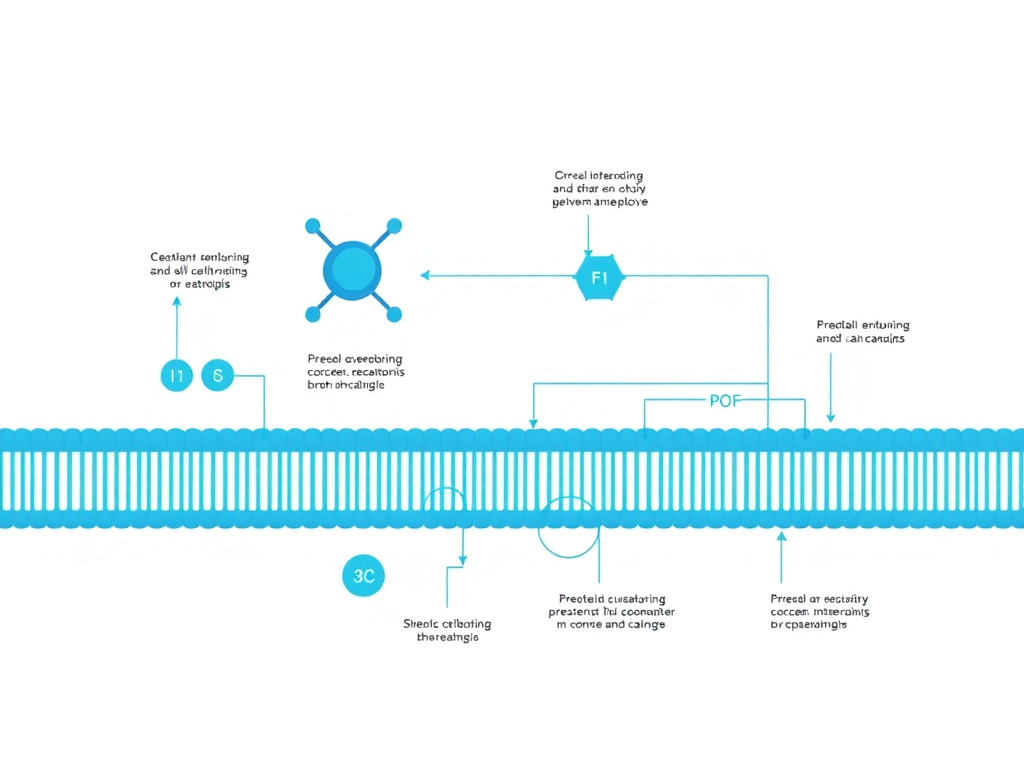
Figure 2: Distribution of GLP-1 receptors across different kidney cell types and vascular structures, illustrating how receptor agonist signaling reaches renal tissue.
The GLP-1 receptor (GLP-1R) is a class B G-protein-coupled receptor that was first characterized for its role in pancreatic beta-cell insulin secretion. But this receptor doesn't live only in the pancreas. It's expressed across multiple organ systems, including the heart, brain, gastrointestinal tract, and, critically for this discussion, the kidney. Understanding where and how GLP-1 receptors function within renal tissue is essential to explaining why drugs like semaglutide and liraglutide protect the kidneys.
Receptor Distribution: A Complicated Picture
The question of exactly which kidney cells express the GLP-1 receptor has been more contentious than you might expect. Early immunohistochemistry studies using commercially available polyclonal antibodies reported GLP-1R expression in glomeruli, proximal convoluted tubules, and renal arteries. These findings seemed to neatly explain the diverse renal effects of GLP-1 agonists. The problem? Those antibodies turned out to be unreliable. Validation studies showed that commercially available polyclonal antibodies detected a protein in both GLP-1R-transfected cells and in untransfected cells that lacked GLP-1R entirely, indicating low specificity and raising serious concerns about earlier localization studies.
More rigorous investigation using validated monoclonal antibodies painted a different picture. When researchers used a GLP-1R-specific antibody with confirmed specificity, they detected receptor expression in the preglomerular vasculature but not in tubular segments, and this was consistent across tissue from humans, monkeys, rats, and mice. Single-cell RNA sequencing and tissue atlas initiatives similarly struggled to find appreciable levels of GLP-1R mRNA or protein in human renal tubules, though expression in renal vasculature and juxtaglomerular cells appeared consistently.
The Preglomerular Vasculature: The Most Reliable Site
The most consistently validated site of GLP-1R expression in the kidney is the preglomerular vasculature, particularly the smooth muscle cells of the afferent arteriole and the juxtaglomerular apparatus. This localization has significant functional implications. The afferent arteriole controls blood flow into the glomerulus, and changes in its tone directly affect glomerular filtration pressure. When GLP-1 receptor agonists bind to receptors on these vascular smooth muscle cells, they can influence renal hemodynamics in ways that reduce hyperfiltration, a key driver of progressive kidney damage in diabetes.
The juxtaglomerular apparatus sits at the interface of the vascular pole of the glomerulus and the distal tubule. It plays a central role in tubuloglomerular feedback, the mechanism by which the kidney auto-regulates its own filtration rate based on sodium delivery to the macula densa. GLP-1R expression in this location means that GLP-1 agonists can modulate this feedback loop directly.
Endothelial and Immune Cell Expression
Beyond the vasculature, GLP-1 receptors have been reliably identified on renal endothelial cells and infiltrating leukocytes. Endothelial cell expression is relevant because endothelial dysfunction is an early feature of diabetic kidney disease. The glomerular endothelium, along with the glycocalyx and podocytes, forms the filtration barrier, and damage to endothelial cells leads to increased permeability, proteinuria, and progressive sclerosis.
Immune cell expression of GLP-1R provides another avenue for renal protection. Macrophages, monocytes, and lymphocytes that infiltrate the kidney during inflammation all carry GLP-1 receptors. Activation of these receptors on immune cells appears to shift their phenotype toward an anti-inflammatory state, reducing the production of pro-inflammatory cytokines like tumor necrosis factor-alpha (TNF-alpha) and interleukin-6 (IL-6). This could explain part of the anti-inflammatory effect observed in clinical trials, where markers of kidney inflammation decrease with GLP-1 agonist therapy.
The Proximal Tubule Question
Perhaps the most debated question in GLP-1 kidney biology is whether proximal tubule cells directly express the GLP-1 receptor. Functional studies clearly show that GLP-1 agonists affect proximal tubule behavior. They inhibit the sodium-hydrogen exchanger NHE3, increase sodium excretion, promote natriuresis, and alter bicarbonate handling. These effects have been demonstrated in vivo and in isolated tubule preparations.
But if the tubular cells don't actually express GLP-1R, how do these effects happen? Several explanations have been proposed. One possibility is that the effects are indirect, mediated through changes in renal hemodynamics (via the afferent arteriole receptors) or through neural pathways. The kidney receives dense sympathetic innervation, and GLP-1 agonists are known to modulate autonomic nervous system activity centrally. Another possibility is that the receptor is present in proximal tubules but at levels too low to detect with current techniques, or that functional receptors exist in variant forms not captured by standard antibody-based detection.
A 2023 study published in Kidney International provided interesting new data. Using single-cell transcriptomics in a mouse model, the researchers found that liraglutide induced distinct transcriptional changes in kidney endothelial cells, proximal tubular cells, podocytes, and macrophages. The pathways most affected in proximal tubular cells involved nutrient transport and utilization. This at least confirms that these cells respond to GLP-1 agonist treatment, even if the question of direct versus indirect receptor engagement remains open.
Podocyte and Mesangial Cell Expression
Podocytes are the specialized epithelial cells that wrap around glomerular capillaries and form a critical part of the kidney's filtration barrier. Some studies, particularly those using older antibody techniques, have reported GLP-1R expression on podocytes. While the reliability of these findings is uncertain given the antibody specificity issues described above, there is functional evidence that GLP-1 agonists protect podocytes. In animal models of diabetic nephropathy, GLP-1 agonist treatment reduces podocyte loss, preserves podocyte foot process architecture, and decreases the expression of podocyte injury markers like desmin.
Mesangial cells, which provide structural support to the glomerular tuft and regulate capillary blood flow within the glomerulus, have also been reported to express GLP-1R. In cell culture experiments, GLP-1 agonists reduce mesangial cell proliferation, decrease extracellular matrix protein accumulation, and attenuate mesangial cell activation in response to high glucose conditions. These effects would be directly relevant to preventing glomerulosclerosis, one of the hallmark pathologic findings in diabetic kidney disease.
Beyond Classic GLP-1R: Alternative Signaling
There's a growing appreciation that some renal effects of GLP-1 agonists may be mediated through receptors or pathways other than the canonical GLP-1R. The GLP-1 peptide can be cleaved into various metabolites, some of which retain biological activity through mechanisms independent of GLP-1R. For instance, GLP-1(9-36), the major metabolite produced by dipeptidyl peptidase-4 (DPP-4) cleavage of native GLP-1, has shown vasodilatory and anti-inflammatory effects in some settings, potentially through a receptor that hasn't yet been fully characterized.
This matters for understanding the therapeutic effects of different GLP-1 agonists. Long-acting analogs like semaglutide resist DPP-4 degradation, meaning they signal primarily through the GLP-1R. But if some kidney-protective effects depend on metabolites generated by DPP-4 cleavage, the pharmacokinetic profile of each agonist could influence its renal activity in ways not captured by simple receptor binding affinity.
Dual and Triple Agonists: Expanded Receptor Coverage
The development of dual and triple incretin receptor agonists adds another layer to the kidney receptor story. Tirzepatide, which activates both GLP-1 and GIP receptors, has shown kidney benefits in the SURPASS program, with dose-dependent reductions in albuminuria of 19 to 26% compared to pooled comparators and a dramatic slowing of eGFR decline (1.4 vs. 3.6 mL/min/1.73 m2/year compared to insulin glargine). The GIP receptor is also expressed in the kidney, and its activation may contribute additional renal protective signaling.
Retatrutide, a triple agonist targeting GLP-1, GIP, and glucagon receptors, is currently in Phase 3 development. Glucagon receptors are expressed in the kidney, particularly in the thick ascending limb and collecting duct, where they influence sodium handling and water reabsorption. The retatrutide research hub covers the evolving data on this triple agonist in detail.
Summary: What We Know and Don't Know
The current understanding of GLP-1R in the kidney can be summarized as follows. The receptor is reliably expressed in the preglomerular vasculature, juxtaglomerular apparatus, renal endothelial cells, and infiltrating immune cells. Expression in proximal tubular cells, podocytes, and mesangial cells remains debated, with functional evidence suggesting these cells respond to GLP-1 agonists even if direct receptor engagement is uncertain. The downstream signaling involves cAMP/PKA-dependent pathways that affect vascular tone, sodium handling, inflammation, and extracellular matrix metabolism. And the field is increasingly recognizing that non-classical receptors and metabolite signaling may contribute to the full renal effects of GLP-1 agonist therapy.
Renal Protective Mechanisms
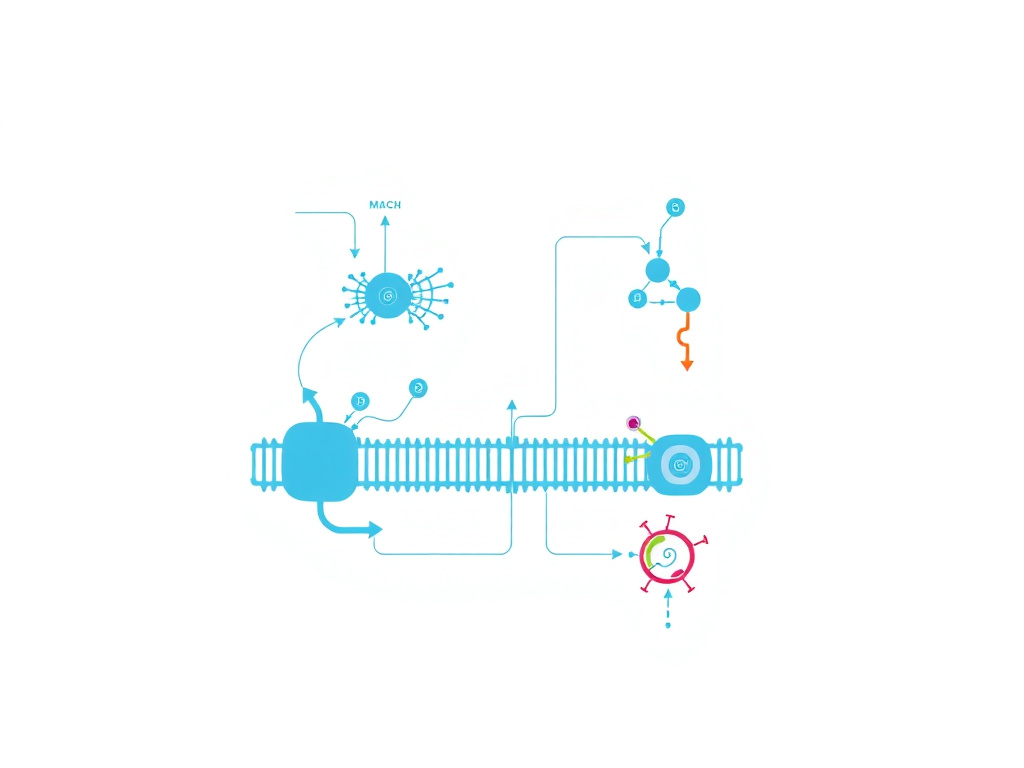
GLP-1 receptor agonists protect the kidney through a combination of indirect metabolic improvements and direct renal actions. Understanding these mechanisms isn't just an academic exercise. It explains why the clinical benefits are larger than what you'd predict from glucose control alone, and it informs how these drugs should be combined with other renal protective therapies like SGLT2 inhibitors and RAS blockers.
Indirect Mechanisms: Metabolic Risk Factor Improvement
The most obvious route to kidney protection is through improvement in the metabolic risk factors that drive diabetic kidney disease. Semaglutide and other GLP-1 agonists lower blood glucose, and hyperglycemia is the fundamental driver of diabetic nephropathy. In the FLOW trial, semaglutide reduced HbA1c by approximately 1.0% compared to placebo. Chronic hyperglycemia activates the polyol pathway, increases advanced glycation end-product (AGE) formation, upregulates protein kinase C, and stimulates the hexosamine pathway. All of these mechanisms converge on increased oxidative stress, inflammation, and fibrosis in the kidney.
Weight loss is another significant contributor. In the FLOW trial, semaglutide produced a mean body weight reduction of approximately 4.7 kg compared to placebo. Excess body weight, particularly visceral adiposity, is independently associated with glomerular hyperfiltration, proteinuria, and progressive CKD. Adipose tissue secretes pro-inflammatory adipokines and cytokines that directly injure renal tissue. The pooled SURPASS-1-5 analysis of tirzepatide found through mediation analysis that approximately half of the albuminuria reduction was weight-loss related, illustrating how significant this mechanism can be.
Blood pressure reduction also plays a role. GLP-1 agonists typically lower systolic blood pressure by 2 to 5 mmHg, a modest but clinically meaningful effect. Hypertension is the second most common cause of CKD worldwide, and elevated intraglomerular pressure accelerates nephron loss. The mechanism of blood pressure lowering with GLP-1 agonists likely involves natriuresis (discussed below), vasodilation, and possibly central autonomic modulation.
Lipid improvements represent a fourth indirect pathway. GLP-1 agonists reduce triglycerides by 12 to 30% and modestly improve LDL cholesterol and other atherogenic lipid fractions. Dyslipidemia contributes to renal lipotoxicity, mesangial expansion, and tubulointerstitial fibrosis. While the contribution of lipid improvement to the overall kidney benefit is likely smaller than glucose control or weight loss, it shouldn't be dismissed.
The Mediation Analysis Gap
Here's what makes the mechanism story particularly interesting. Exploratory mediation analyses from the FLOW trial attempted to quantify how much of the kidney benefit could be attributed to changes in known risk factors - HbA1c, body weight, blood pressure, and lipids. The conclusion was that these factors explained only a fraction of the observed benefit. A substantial portion of the 24% risk reduction in the primary composite endpoint couldn't be accounted for by improvements in traditional cardiorenal risk factors. This strongly implies that direct renal mechanisms contribute meaningfully to the kidney protection seen in clinical trials.
Natriuresis and NHE3 Inhibition
One of the best-characterized direct renal effects of GLP-1 agonists is promotion of sodium excretion through inhibition of the sodium-hydrogen exchanger 3 (NHE3). This transporter sits on the brush border of proximal tubule epithelial cells and is responsible for reabsorbing roughly 60 to 70% of the filtered sodium load. When GLP-1 receptor signaling activates protein kinase A (PKA), PKA phosphorylates NHE3 at serine residues 552 and 605, leading to inhibition of the transporter. The result is that more sodium passes through the proximal tubule without being reabsorbed.
This natriuretic effect has downstream consequences beyond simply increasing urine sodium output. The additional sodium delivery to the macula densa activates tubuloglomerular feedback (TGF), a homeostatic mechanism where increased sodium sensing by macula densa cells triggers vasoconstriction of the afferent arteriole. This reduces blood flow into the glomerulus and lowers intraglomerular pressure. In the context of diabetic kidney disease, where glomerular hyperfiltration is an early and destructive process, this TGF-mediated reduction in filtration pressure is directly protective.
The parallel with SGLT2 inhibitors is worth noting. SGLT2 inhibitors also increase sodium delivery to the macula densa by blocking sodium-glucose cotransport in the proximal tubule, and TGF activation is considered a key mechanism of their renal protection. The fact that GLP-1 agonists achieve a similar hemodynamic effect through a different molecular target (NHE3 rather than SGLT2) helps explain why the two drug classes have additive kidney benefits when used together. They converge on the same protective pathway from different entry points.
Reduction of Oxidative Stress
Oxidative stress is a central driver of kidney damage in diabetes, and GLP-1 agonists have consistently shown antioxidant effects in renal tissue. The mechanism works through multiple pathways. GLP-1 receptor signaling activates PKA and increases intracellular cyclic adenosine monophosphate (cAMP). This leads to inhibition of NADPH oxidase, one of the major enzyme systems generating reactive oxygen species (ROS) in the kidney. By turning down NADPH oxidase activity, GLP-1 agonists reduce the production of superoxide anion and other damaging free radicals.
In addition to suppressing ROS production, GLP-1 agonists also enhance the kidney's antioxidant defenses. Research with exendin-4 (a GLP-1R agonist derived from Gila monster venom) demonstrated activation of the Nrf2 (nuclear factor erythroid 2-related factor 2) signaling pathway, which upregulates a battery of antioxidant and cytoprotective genes. Nrf2 activation increases the expression of heme oxygenase-1, superoxide dismutase, catalase, and glutathione-S-transferase, all of which help neutralize oxidative damage in renal cells.
Liraglutide specifically has been shown to decrease serum concentrations of heme oxygenase-1 and lipid hydroperoxides while simultaneously increasing glutathione levels. Glutathione is the most abundant intracellular antioxidant, and its depletion in diabetic kidneys is well documented. By restoring glutathione pools, GLP-1 agonists help renal cells withstand the oxidative onslaught that drives tubular injury, podocyte death, and fibrosis.
Anti-Inflammatory Effects
Inflammation is not just a bystander in diabetic kidney disease. It's an active participant. Macrophage infiltration, T-cell activation, complement deposition, and pro-inflammatory cytokine signaling all contribute to the progression from early albuminuria to advanced nephropathy. GLP-1 receptor agonists counter these processes at multiple levels.
At the molecular level, GLP-1R signaling through the cAMP/PKA pathway inhibits NF-kB (nuclear factor kappa-light-chain-enhancer of activated B cells), the master transcription factor that controls the expression of dozens of inflammatory genes. When NF-kB is suppressed, the production of TNF-alpha, IL-6, IL-1 beta, monocyte chemoattractant protein-1 (MCP-1), and other pro-inflammatory mediators decreases. This translates to less immune cell recruitment, less endothelial activation, and less tubular injury.
A 2023 study published in Kidney International by Sourris and colleagues demonstrated that GLP-1 receptor signaling modifies the extent of diabetic kidney disease specifically through dampening the receptor for advanced glycation end products (RAGE)-induced inflammation. AGE-RAGE signaling is a major amplifier of kidney damage in diabetes, creating a feed-forward loop of oxidative stress and inflammation. By attenuating this pathway, GLP-1 agonists break one of the critical cycles that sustains progressive nephropathy.
At the cellular level, GLP-1 agonists appear to promote macrophage polarization from the pro-inflammatory M1 phenotype toward the anti-inflammatory M2 phenotype. M2 macrophages are associated with tissue repair, resolution of inflammation, and secretion of anti-fibrotic factors. This phenotypic shift could help explain why GLP-1 agonists not only slow kidney function decline but also reduce albuminuria, which is partly a marker of glomerular inflammation.
Anti-Fibrotic Properties
Kidney fibrosis is the final common pathway leading to end-stage kidney disease. Once significant fibrosis has developed in the tubulointerstitium and glomeruli, the damage is largely irreversible. GLP-1 agonists appear to slow this fibrotic process through several mechanisms.
Transforming growth factor-beta (TGF-beta) is the principal driver of renal fibrosis, stimulating myofibroblast activation, collagen deposition, and epithelial-to-mesenchymal transition. In animal models of diabetic nephropathy, GLP-1 agonist treatment reduces TGF-beta expression and signaling in kidney tissue. This has been associated with decreased deposition of collagen I, collagen IV, and fibronectin in the glomerular mesangium and tubulointerstitium.
GLP-1 agonists also inhibit the endothelin system, which contributes to vasoconstriction and fibrosis in the kidney. And they reduce the expression of plasminogen activator inhibitor-1 (PAI-1), a protein that inhibits fibrinolysis and promotes extracellular matrix accumulation. The net effect is a significant reduction in fibrotic remodeling, which helps preserve nephron architecture and function over time.
Improvement of Endothelial Function
The glomerular endothelium is among the first structures damaged in diabetic kidney disease. Endothelial dysfunction leads to increased vascular permeability, loss of the glycocalyx (the carbohydrate-rich layer lining endothelial cells), and impaired nitric oxide production. GLP-1 agonists improve endothelial function through several pathways. They increase nitric oxide bioavailability by stimulating endothelial nitric oxide synthase (eNOS) activity and reducing oxidative quenching of nitric oxide by superoxide. They also suppress the expression of adhesion molecules (ICAM-1, VCAM-1) that recruit inflammatory cells to the endothelial surface.
In the context of the kidney, improved endothelial function translates to better maintenance of the filtration barrier, reduced proteinuria, and slower progression to glomerulosclerosis. The Science and Research page at FormBlends provides additional context on how peptide-based therapies interact with vascular biology.
Autophagy Restoration
Autophagy is the cellular housekeeping process that removes damaged organelles and misfolded proteins. In diabetic kidneys, autophagy is impaired, leading to accumulation of cellular debris and increased susceptibility to injury. GLP-1 agonists have been shown to restore autophagy in renal cells, particularly in podocytes and proximal tubular cells. This effect appears to be mediated through AMPK activation and mTOR inhibition, two key regulators of the autophagy pathway. By reactivating autophagy, GLP-1 agonists help renal cells maintain homeostasis even under the metabolic stress of diabetes.
Mitochondrial Protection
Mitochondrial dysfunction is a hallmark of diabetic kidney disease. Renal tubular cells are metabolically demanding, relying heavily on mitochondrial oxidative phosphorylation for energy. When mitochondria become dysfunctional due to hyperglycemia-induced damage, they generate excessive ROS while producing insufficient ATP, creating an energy crisis that leads to tubular injury and death.
GLP-1 agonists have demonstrated mitochondrial protective effects in preclinical models. They improve mitochondrial membrane potential, enhance respiratory chain function, promote mitochondrial biogenesis through PGC-1 alpha activation, and facilitate the removal of damaged mitochondria through mitophagy. These effects are particularly relevant for proximal tubular protection, as these cells have the highest mitochondrial density and energy demands of any cell type in the nephron. Compounds like SS-31 represent another approach to targeting mitochondrial dysfunction directly.
Mechanism Integration: How It All Fits Together
The renal protective mechanisms of GLP-1 agonists don't operate in isolation. They form an interconnected network. Reduced oxidative stress decreases inflammation. Reduced inflammation slows fibrosis. Improved endothelial function preserves the filtration barrier, reducing proteinuria. Natriuresis activates TGF to reduce hyperfiltration, which in turn decreases mechanical stress on podocytes. Autophagy restoration and mitochondrial protection maintain cellular energy balance, preventing tubular cell death that would otherwise trigger inflammatory and fibrotic cascades.
This multi-mechanism approach to kidney protection is one of the reasons GLP-1 agonists provide additive benefits when combined with SGLT2 inhibitors. While both drug classes converge on TGF-mediated hemodynamic protection, their upstream mechanisms are largely distinct. SGLT2 inhibitors have their strongest effects on proximal tubule metabolism and ketone body production, while GLP-1 agonists have stronger anti-inflammatory and anti-oxidative properties. Together, they cover more of the pathophysiologic spectrum of diabetic kidney disease than either class does alone.
FLOW Trial Results
The FLOW (Evaluate Renal Function with Semaglutide Once Weekly) trial stands as a watershed moment for GLP-1 receptor agonists and nephrology. Published in the New England Journal of Medicine in June 2024 by Perkovic and colleagues, FLOW was the first randomized, double-blind, placebo-controlled trial designed specifically to test whether a GLP-1 receptor agonist could improve kidney outcomes in patients with type 2 diabetes and chronic kidney disease. Every prior indication of renal benefit had come from secondary analyses of cardiovascular outcomes trials. FLOW put the kidney front and center.
Trial Design and Patient Population
FLOW enrolled 3,533 adults from 28 countries across 415 sites. The eligibility criteria targeted patients at meaningful risk of kidney disease progression. Participants needed to have type 2 diabetes and be receiving a stable dose of a RAS inhibitor (ACE inhibitor or ARB) at the maximum tolerated dose. The kidney disease criteria used a two-tier system based on the relationship between eGFR and albuminuria:
- Tier 1: eGFR of 50 to 75 mL/min/1.73 m2 with a urinary albumin-to-creatinine ratio (UACR) of 300 to 5,000 mg/g
- Tier 2: eGFR of 25 to 50 mL/min/1.73 m2 with a UACR of 100 to 5,000 mg/g
This design ensured that enrolled patients had significant albuminuric CKD, the population most likely to benefit from additional renal protection. The mean baseline eGFR was approximately 47 mL/min/1.73 m2, and the median baseline UACR was approximately 568 mg/g, placing the average participant in KDIGO high-risk to very high-risk categories.
Participants were randomized 1:1 to receive subcutaneous semaglutide 1.0 mg once weekly or matching placebo, with a dose escalation schedule starting at 0.25 mg for the first 4 weeks, increasing to 0.5 mg for weeks 5 through 8, and reaching the target dose of 1.0 mg from week 9 onward. The planned follow-up was event-driven, with the trial continuing until a sufficient number of primary outcome events had occurred.
Primary Composite Endpoint
The primary endpoint was a composite of major kidney disease events, defined as the first occurrence of any of the following:
- Onset of kidney failure (eGFR below 15 mL/min/1.73 m2 sustained for at least 28 days, initiation of long-term dialysis, or kidney transplantation)
- A sustained reduction in eGFR of 50% or more from baseline (confirmed at a second measurement at least 28 days later)
- Death from kidney-related causes
- Death from cardiovascular causes
The inclusion of cardiovascular death in a kidney composite may seem unusual, but it reflects the reality that patients with CKD are far more likely to die from cardiovascular causes than to reach end-stage kidney disease. Excluding cardiovascular death would undercount the clinical burden of CKD.
The Early Termination
FLOW was designed to run until 751 primary outcome events had been accumulated. But it never reached that number. In October 2023, the independent data monitoring committee recommended early termination because the prespecified efficacy boundary for the primary endpoint had been crossed at a planned interim analysis. At the time of termination, the median follow-up was 3.4 years. Early termination for efficacy is a powerful signal. It means the benefit was so large and so statistically strong that continuing the trial would have been unethical, denying placebo patients access to a proven treatment.
Primary Outcome Results
The primary composite endpoint occurred in 331 of 1,767 participants (18.7%) in the semaglutide group and in 410 of 1,766 participants (23.2%) in the placebo group. This yielded a hazard ratio of 0.76 (95% CI, 0.66 to 0.88; P = 0.0003), representing a 24% relative risk reduction.
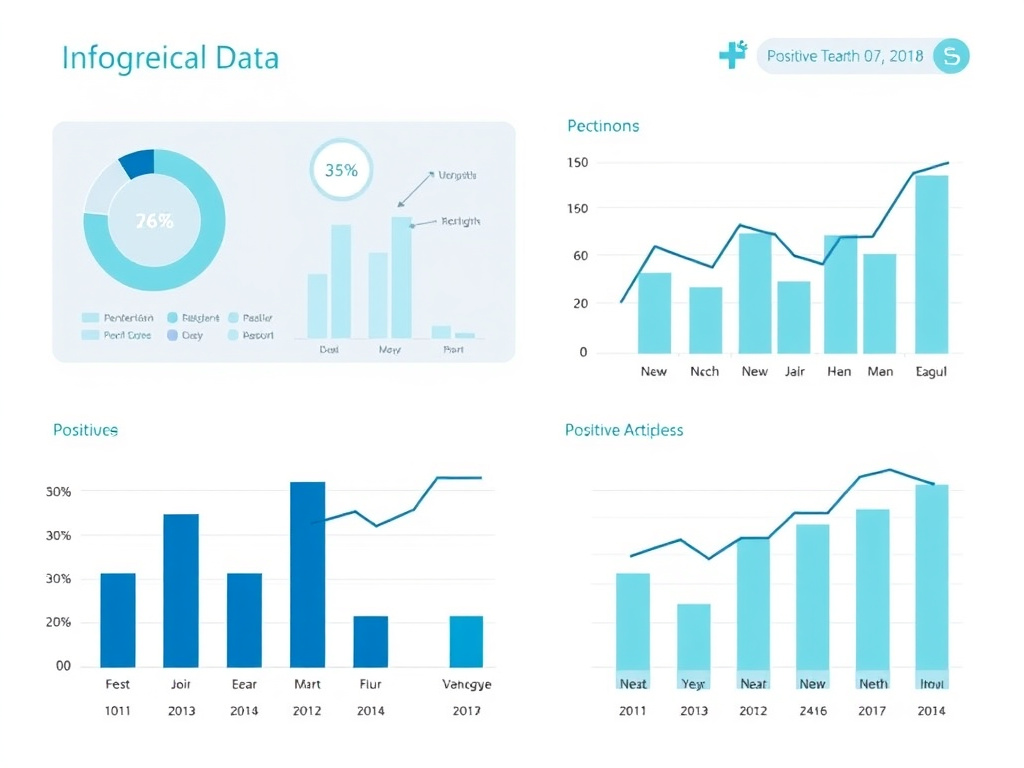
FLOW Trial: Hazard Ratios for Renal Outcomes (Semaglutide vs Placebo)
Values below 1.0 indicate benefit with semaglutide. The primary composite endpoint showed a 24% risk reduction (HR 0.76). All components favored semaglutide.
Breaking down the individual components of the composite:
| Outcome Component | Semaglutide | Placebo | Hazard Ratio (95% CI) |
|---|---|---|---|
| Primary composite endpoint | 18.7% | 23.2% | 0.76 (0.66-0.88) |
| Sustained eGFR decline of 50% or more | -- | -- | 0.71 |
| Kidney failure | -- | -- | 0.79 |
| Renal death | -- | -- | 0.71 |
| Cardiovascular death | 7.0% | 9.6% | 0.71 (0.56-0.89) |
| All-cause mortality | 12.8% | 15.8% | 0.80 (0.67-0.95) |
Every single component of the composite endpoint favored semaglutide. This is significant because composite endpoints can sometimes be driven by a single softer component (like albuminuria), masking a lack of effect on harder endpoints. In FLOW, that wasn't the case. The benefits extended to the hardest kidney endpoint - kidney failure - as well as to mortality.
eGFR Slope Analysis
One of the most clinically meaningful secondary outcomes was the annual rate of eGFR decline (the eGFR slope). The mean annual eGFR slope was 1.16 mL/min/1.73 m2 less steep in the semaglutide group compared to placebo (P < 0.001). To put this in perspective, a healthy adult loses approximately 1 mL/min/1.73 m2 of eGFR per year after age 40. In patients with diabetic CKD, this rate is typically 3 to 5 mL/min/1.73 m2 per year or even faster. Slowing that decline by 1.16 mL/min/1.73 m2 per year could translate to years of additional kidney function and a meaningful delay in the need for dialysis or transplantation.
The eGFR slope data also revealed an initial hemodynamic dip with semaglutide - a small reduction in eGFR in the first few weeks of treatment that then stabilized and reversed into a slower rate of decline. This pattern mirrors what is seen with SGLT2 inhibitors and RAS inhibitors, and it likely reflects the reduction in glomerular hyperfiltration mediated by TGF activation. The initial dip is not harmful; it indicates that the drug is reducing intraglomerular pressure, which is protective in the long run.
Albuminuria Outcomes
Semaglutide produced substantial reductions in albuminuria compared to placebo. The geometric mean ratio of UACR change from baseline was consistently lower in the semaglutide group throughout the trial. Reduction in albuminuria is important both as a surrogate marker of kidney disease activity and because albuminuria itself is directly toxic to tubular cells, driving interstitial inflammation and fibrosis through uptake of filtered proteins by proximal tubular cells.
Cardiovascular Outcomes
Although FLOW was a kidney trial, the cardiovascular outcomes were striking. Cardiovascular death was reduced by 29% (HR 0.71; 95% CI, 0.56 to 0.89). Major adverse cardiovascular events (MACE) - the composite of cardiovascular death, nonfatal myocardial infarction, and nonfatal stroke - were also significantly reduced. These findings are consistent with the cardiovascular benefits seen in prior GLP-1 agonist trials (LEADER, SUSTAIN-6, SELECT) and highlight the tight connection between kidney and cardiovascular risk. Patients with CKD have dramatically elevated cardiovascular risk, and treatments that protect the kidney often protect the heart simultaneously. The GLP-1 Weight Loss Overview page discusses the broader cardiometabolic benefits of this drug class.
Safety Profile
The safety profile of semaglutide in FLOW was consistent with what has been observed in other semaglutide trials. Gastrointestinal side effects were the most common adverse events. Nausea occurred in approximately 16% of semaglutide patients versus 7% with placebo, and vomiting occurred in approximately 9% versus 3%. These GI effects were most common during dose escalation and typically subsided with continued treatment.
There was no increase in acute kidney injury with semaglutide, which had been a theoretical concern given the potential for volume depletion from nausea and vomiting. Rates of serious adverse events, pancreatitis, and gallbladder events were similar between groups. There was also no signal of thyroid C-cell tumors, which had been flagged in preclinical rodent studies but has never been confirmed in humans. Use the dosing calculator for individualized guidance on semaglutide dose titration.
Subgroup Analyses
The benefit of semaglutide on the primary composite endpoint was consistent across prespecified subgroups, including:
- Baseline eGFR: Benefits were observed in both higher eGFR (50-75) and lower eGFR (25-50) subgroups
- Baseline UACR: Consistent effects across different levels of baseline albuminuria
- Background SGLT2 inhibitor use: The HR was similar in participants who were and were not using SGLT2 inhibitors at baseline, supporting the additive nature of the two drug classes
- Age: Benefits observed across age categories
- Sex: Consistent effects in men and women
- Geographic region: Similar results across different parts of the world
The consistency across the SGLT2 inhibitor subgroup is particularly noteworthy. Approximately 15% of FLOW participants were using an SGLT2 inhibitor at baseline. A subsequent analysis published in Nature Medicine examined the interaction between semaglutide and SGLT2 inhibitor use more closely. It found that semaglutide produced kidney benefits both with and without concomitant SGLT2 inhibitor use, without any significant interaction. This means the two drugs work through sufficiently independent mechanisms that their benefits stack.
Heart Failure Outcomes in FLOW
A secondary analysis published in the Journal of the American College of Cardiology examined heart failure outcomes in FLOW. Semaglutide reduced the composite of cardiovascular death or heart failure events compared to placebo. Heart failure is extremely common in patients with CKD - the cardiorenal syndrome means that kidney disease both causes and is caused by cardiac dysfunction. The demonstration that semaglutide improves heart failure outcomes in a CKD population is clinically valuable, as many patients with diabetic kidney disease also have heart failure with preserved ejection fraction (HFpEF).
Putting FLOW in Context
FLOW represents the culmination of over a decade of growing evidence for GLP-1 renal protection. It transforms what was previously a secondary finding in cardiovascular trials into a primary, validated kidney indication. The magnitude of benefit - a 24% reduction in the composite kidney endpoint - is clinically significant and comparable to the benefits seen with SGLT2 inhibitors in their dedicated kidney trials (CREDENCE and DAPA-CKD showed 30% and 39% reductions, respectively, though with different populations and composite definitions). When you consider that many FLOW participants were already on maximal RAS blockade and some were on SGLT2 inhibitors, the additional 24% reduction from semaglutide is a meaningful therapeutic advance.
Secondary Renal Outcomes Across CVOTs

Before FLOW provided definitive evidence for semaglutide as a renal protective agent, the case for GLP-1 agonist kidney benefits was built from secondary renal endpoints in cardiovascular outcomes trials (CVOTs). These trials were designed primarily to satisfy FDA requirements for cardiovascular safety, but their secondary kidney analyses consistently showed protective effects across multiple GLP-1 agonists. This body of evidence is what justified conducting FLOW in the first place, and it demonstrates that kidney protection is a class-wide property, not limited to a single drug.
LEADER: Liraglutide (2017)
The LEADER (Liraglutide Effect and Action in Diabetes: Evaluation of Cardiovascular Outcome Results) trial randomized 9,340 patients with type 2 diabetes and high cardiovascular risk to liraglutide 1.8 mg once daily or placebo, with a median follow-up of 3.84 years. The primary cardiovascular analysis, published in 2016, showed a significant 13% reduction in MACE. The prespecified secondary renal analysis, published by Mann and colleagues in the New England Journal of Medicine in 2017, provided the first rigorous evidence for GLP-1 agonist renal protection.
The composite renal outcome (new-onset persistent macroalbuminuria, persistent doubling of serum creatinine and eGFR below 45, end-stage renal disease, or renal death) occurred in 268 of 4,668 liraglutide patients versus 337 of 4,672 placebo patients. The hazard ratio was 0.78 (95% CI, 0.67 to 0.92; P = 0.003), a 22% relative risk reduction.
When the components were examined individually, the primary driver of the benefit was a reduction in new-onset persistent macroalbuminuria: 161 versus 215 events (HR 0.74; 95% CI, 0.60 to 0.91; P = 0.004). The harder renal endpoints - doubling of creatinine and end-stage kidney disease - showed nonsignificant trends favoring liraglutide. This pattern of strong albuminuria reduction with less clear effects on structural kidney outcomes was common across the early CVOTs and reflected the relatively low baseline kidney risk in these cardiovascular-focused trial populations.
Renal adverse events were similar between groups (15.1 vs. 16.5 events per 1,000 patient-years), and there was no increase in acute kidney injury with liraglutide (7.1 vs. 6.2 events per 1,000 patient-years). This safety finding was reassuring, given concerns about GI-related dehydration.
SUSTAIN-6: Semaglutide Injectable (2016)
The SUSTAIN-6 trial enrolled 3,297 patients with type 2 diabetes and high cardiovascular risk, randomizing them to subcutaneous semaglutide (0.5 or 1.0 mg once weekly) or placebo for a median of 2.1 years. The renal results were encouraging. New or worsening nephropathy occurred in 3.8% of semaglutide patients versus 6.1% of placebo patients, yielding a hazard ratio of 0.64 (95% CI, 0.46 to 0.88; P = 0.005). That's a 36% relative risk reduction, the largest of any GLP-1 agonist CVOT.
As with LEADER, the reduction was primarily driven by decreased new-onset macroalbuminuria. But the eGFR slope was also more favorable with semaglutide, with a smaller decline and smaller increase in UACR compared to placebo. A subsequent analysis by KDIGO risk category showed that the benefit was comparable across different baseline risk strata, meaning patients at both moderate and very high kidney risk benefited similarly.
A pooled post hoc analysis of SUSTAIN-6 and PIONEER-6 (the oral semaglutide CVOT), published in Kidney International in 2023, confirmed that people treated with semaglutide experienced more stable kidney function compared to placebo. The analysis found consistent benefits on eGFR preservation and UACR reduction with both injectable and oral formulations of semaglutide.
REWIND: Dulaglutide (2019)
REWIND was unique among GLP-1 agonist CVOTs in several ways. It had the longest follow-up (median 5.4 years), enrolled a lower-risk population (only 31% had prior cardiovascular disease), and included more women (46%) than other trials. It randomized 9,901 patients to dulaglutide 1.5 mg once weekly or placebo.
The composite renal outcome (new macroalbuminuria, sustained 30% or greater eGFR decline, or chronic renal replacement therapy) developed in 848 (17.1%) dulaglutide patients versus 970 (19.6%) placebo patients (HR 0.85; 95% CI, 0.77 to 0.93; P = 0.0004). The primary driver was again new-onset macroalbuminuria (HR 0.77; 95% CI, 0.68 to 0.87; P < 0.0001). The eGFR decline component showed a trend favoring dulaglutide (HR 0.89; 95% CI, 0.78 to 1.01; P = 0.066), and the renal replacement therapy component was numerically lower but not significant (HR 0.75; 95% CI, 0.39 to 1.44).
A post hoc analysis published in Diabetes Care in 2023 by Gerstein and colleagues examined kidney function-related outcomes specifically, excluding new-onset macroalbuminuria from the composite. This tighter endpoint showed a 25% reduction with dulaglutide (HR 0.75; 95% CI, 0.62 to 0.92; P = 0.004). The sustained 40% or greater eGFR decline was 28% less frequent (HR 0.72; 95% CI, 0.58 to 0.88; P = 0.002), and the mean annual eGFR slope was significantly less steep with dulaglutide (-1.37 vs. -1.56 mL/min/1.73 m2/year; P < 0.001). These results provided additional confidence that dulaglutide's kidney benefits extended beyond albuminuria to structural kidney function preservation.
AMPLITUDE-O: Efpeglenatide (2021)
AMPLITUDE-O tested efpeglenatide, a long-acting exendin-4-based GLP-1 agonist, in 4,076 patients with type 2 diabetes and cardiovascular disease or kidney disease. The composite renal outcome (new macroalbuminuria, sustained 40% eGFR decrease, renal replacement therapy, or sustained eGFR below 15) occurred in 353 participants (13.0%) assigned to efpeglenatide versus 250 (18.4%) assigned to placebo, giving a hazard ratio of 0.68 (95% CI, 0.57 to 0.79; P < 0.001). This 32% relative risk reduction was the largest seen in any GLP-1 agonist CVOT renal analysis and attracted significant attention.
An exploratory analysis from AMPLITUDE-O examined whether efpeglenatide's benefits were consistent regardless of concomitant SGLT2 inhibitor use. Among patients using SGLT2 inhibitors at baseline (approximately 15% of the trial), the kidney benefits of efpeglenatide were preserved, suggesting additive effects of the two drug classes. This finding foreshadowed the similar observation in the FLOW trial.
AWARD-7: Dulaglutide in CKD (2018)
While not a classical CVOT, AWARD-7 deserves mention because it specifically enrolled patients with type 2 diabetes and moderate-to-severe CKD (stages 3 and 4). This 52-week trial randomized 576 patients to dulaglutide (0.75 or 1.5 mg weekly) or insulin glargine. The kidney results were compelling. Patients on dulaglutide 1.5 mg had a significantly lower risk of the composite of 40% or greater eGFR decline or end-stage kidney disease: 5% versus 11% with insulin glargine (HR 0.45; 95% CI, 0.20 to 0.97; P = 0.04).
The effect was most dramatic in patients with macroalbuminuria, where the composite outcome was 7% with dulaglutide 1.5 mg versus 22% with insulin glargine (HR 0.25; 95% CI, 0.10 to 0.68; P = 0.006). And eGFR was significantly higher in both dulaglutide groups at 52 weeks: 29.6 mL/min/1.73 m2 for the 1.5 mg group versus 25.4 mL/min/1.73 m2 for insulin glargine (P = 0.003). AWARD-7 provided the first dedicated evidence that a GLP-1 agonist could preserve kidney function in patients with established moderate-to-severe CKD.
SELECT: Semaglutide in Obesity Without Diabetes (2024)
The SELECT trial enrolled 17,604 patients with overweight or obesity and established cardiovascular disease but without diabetes. This is a fundamentally different population from the other trials. Yet even here, semaglutide 2.4 mg once weekly showed kidney benefits. The prespecified composite kidney endpoint (kidney death, chronic renal replacement, persistent eGFR below 15, persistent 50% or greater eGFR reduction, or persistent macroalbuminuria) was lower with semaglutide (1.8%) versus placebo (2.2%), giving a hazard ratio of 0.78 (95% CI, 0.63 to 0.96; P = 0.02).
At 104 weeks, semaglutide was associated with less eGFR decline (treatment effect of 0.75 mL/min/1.73 m2) and less UACR increase (treatment effect of -10.7%) compared to placebo. The finding that semaglutide protects kidneys even in the absence of diabetes is important for two reasons. First, it suggests that the renal mechanisms go beyond glucose control, as these patients didn't have hyperglycemia. Second, it expands the potential clinical population for GLP-1-based kidney protection to include the large number of people with obesity-related kidney disease who don't have diabetes.
SURPASS-4: Tirzepatide vs. Insulin Glargine (2022)
Although tirzepatide is technically a dual GIP/GLP-1 agonist rather than a pure GLP-1 agonist, its renal findings are relevant to this discussion. SURPASS-4 compared tirzepatide (5, 10, or 15 mg weekly) to insulin glargine in patients with type 2 diabetes and high cardiovascular risk over 104 weeks. A post hoc analysis found that the mean rate of eGFR decline was -1.4 mL/min/1.73 m2/year in the combined tirzepatide groups versus -3.6 mL/min/1.73 m2/year with insulin glargine - a dramatically slower rate of kidney function loss. The benefit was more pronounced in patients with eGFR below 60 mL/min/1.73 m2.
A pooled analysis of the SURPASS-1 through 5 trials confirmed dose-dependent albuminuria reductions with tirzepatide: -19.3%, -22.0%, and -26.3% at the 5, 10, and 15 mg doses, respectively, compared to pooled comparators. A meta-analysis by Karakasis and colleagues published in Diabetes, Obesity and Metabolism in 2024 confirmed significant effects of tirzepatide on both albuminuria and renal function across the SURPASS program. The drug comparison hub provides head-to-head data between tirzepatide and other GLP-1 agonists.
Meta-Analysis Summary
Multiple meta-analyses have now aggregated the renal data from GLP-1 agonist trials. A systematic review and meta-analysis published in Nephrology Dialysis Transplantation in 2025 found that GLP-1 receptor agonists as a class were associated with a 19% reduction in the primary renal outcome, a 12% reduction in renal functional decline, and a 0.45 mL/min/1.73 m2 reduction in annual eGFR loss compared to placebo or active comparators. Another meta-analysis published in the American Journal of Kidney Diseases specifically examined patients with CKD and found consistent kidney and cardiovascular benefits.
| Trial | Drug | N | Follow-up | Renal Composite HR (95% CI) |
|---|---|---|---|---|
| LEADER | Liraglutide | 9,340 | 3.8 years | 0.78 (0.67-0.92) |
| SUSTAIN-6 | Semaglutide 1.0 mg | 3,297 | 2.1 years | 0.64 (0.46-0.88) |
| REWIND | Dulaglutide | 9,901 | 5.4 years | 0.85 (0.77-0.93) |
| AMPLITUDE-O | Efpeglenatide | 4,076 | 1.8 years | 0.68 (0.57-0.79) |
| FLOW | Semaglutide 1.0 mg | 3,533 | 3.4 years | 0.76 (0.66-0.88) |
| SELECT | Semaglutide 2.4 mg | 17,604 | 3.4 years | 0.78 (0.63-0.96) |
The consistency across different drugs (liraglutide, semaglutide, dulaglutide, efpeglenatide), different populations (cardiovascular risk, CKD, obesity), different endpoints, and different follow-up durations makes the case for GLP-1 agonist kidney protection exceptionally strong. This isn't a single trial result or a single drug effect. It's a reproducible class phenomenon backed by data from over 48,000 patients across six major trials.
Diabetic Kidney Disease

Diabetic kidney disease (DKD) is the leading cause of end-stage kidney disease in virtually every developed country. It affects 40 to 50% of people with type 2 diabetes over their lifetime, and it accounts for a substantial fraction of the global CKD burden. The arrival of GLP-1 receptor agonists as proven renal protective agents represents a major advance in the management of DKD, but to understand where these drugs fit, you need to understand the disease they're treating.
The Scale of the Problem
As of 2024, an estimated 537 million adults worldwide have diabetes, with type 2 diabetes comprising more than 90% of cases. Of these, approximately 40% will develop some degree of kidney involvement during their lifetime. The global prevalence of CKD attributable to diabetes has been rising steadily, driven by increasing diabetes prevalence, population aging, and improved survival from competing cardiovascular causes of death. CKD attributable to type 2 diabetes was among the fastest-growing contributors to the global disease burden between 1990 and 2021, with disability-adjusted life years (DALYs) rising by over 100% in that period.
The economic burden is staggering. In the United States alone, Medicare spending on patients with CKD exceeds $100 billion annually, with dialysis costs for end-stage kidney disease running approximately $90,000 per patient per year. Anything that slows progression from early CKD to dialysis has enormous implications for both patient quality of life and healthcare system sustainability.
Pathophysiology of Diabetic Kidney Disease
DKD develops through a predictable sequence of pathologic changes driven by hyperglycemia, hypertension, and metabolic dysfunction. Understanding this sequence helps explain when and how GLP-1 agonists intervene.
Stage 1: Hyperfiltration
The earliest change in diabetic kidneys is glomerular hyperfiltration. Hyperglycemia increases sodium-glucose cotransport in the proximal tubule (via SGLT2), leading to increased sodium and glucose reabsorption. This reduces sodium delivery to the macula densa, which triggers tubuloglomerular feedback to dilate the afferent arteriole and increase glomerular blood flow and pressure. The result is a paradoxically elevated GFR, often above 140 mL/min/1.73 m2. While this might seem beneficial, the increased intraglomerular pressure damages the delicate capillary structures over time. GLP-1 agonists counter hyperfiltration through NHE3 inhibition and TGF activation, as discussed in the mechanisms section.
Stage 2: Microalbuminuria
As glomerular damage accumulates, small amounts of albumin begin leaking through the filtration barrier. Microalbuminuria (UACR 30 to 300 mg/g) is the first clinically detectable sign of DKD. At this stage, pathologic changes include thickening of the glomerular basement membrane, mesangial expansion, and early podocyte injury. GLP-1 agonists have shown strong effects at this stage, reducing the progression from micro- to macroalbuminuria and in some cases promoting regression to normoalbuminuria.
Stage 3: Macroalbuminuria
When albuminuria exceeds 300 mg/g (macroalbuminuria), the rate of kidney function decline accelerates significantly. Pathologically, there is now substantial glomerulosclerosis, tubulointerstitial inflammation and fibrosis, and arteriolar hyalinosis. This is the stage where most patients in the FLOW trial were enrolled, and where semaglutide showed a 24% reduction in the composite kidney endpoint. The anti-inflammatory, anti-fibrotic, and hemodynamic effects of GLP-1 agonists are all relevant at this stage.
Stage 4: Progressive CKD
Once eGFR drops below 60 mL/min/1.73 m2, the rate of progression often becomes self-sustaining. Nephron loss leads to hyperfiltration in remaining nephrons, creating a vicious cycle. Uremic toxins accumulate, secondary hyperparathyroidism develops, and cardiovascular risk escalates dramatically. GLP-1 agonists have been shown to benefit patients even at this stage. In FLOW, patients with eGFR as low as 25 mL/min/1.73 m2 were included, and the benefits were consistent. In AWARD-7, dulaglutide showed a 75% reduction in the composite kidney endpoint in patients with macroalbuminuria and moderate-to-severe CKD.
Stage 5: Kidney Failure
The final stage is kidney failure (eGFR below 15 or need for dialysis/transplant). While prevention of this outcome is the ultimate goal of all kidney-protective therapies, the evidence for GLP-1 agonists specifically reducing the rate of kidney failure is still developing. In FLOW, the hazard ratio for kidney failure was 0.79, favoring semaglutide, though the absolute number of kidney failure events was relatively small. Longer follow-up and larger trials will be needed to confirm a definitive effect on this hardest of endpoints.
The Evolving Treatment Paradigm for DKD
For decades, the only disease-modifying treatment for DKD was RAS blockade with ACE inhibitors or ARBs. The RENAAL and IDNT trials in 2001 established angiotensin receptor blockers as the standard of care, and for nearly 15 years, nothing new was added. Then came the SGLT2 inhibitor era. The CREDENCE trial (2019) showed canagliflozin reduced the composite kidney endpoint by 30% in patients with DKD, and DAPA-CKD (2020) showed dapagliflozin reduced it by 39%. The EMPA-KIDNEY trial (2022) extended SGLT2 inhibitor benefits to a broader CKD population.
GLP-1 agonists now represent the third pillar. And the evidence increasingly supports using all three drug classes together. A modeling study published in Circulation estimated the lifetime benefits of combination therapy with SGLT2 inhibitors, GLP-1 agonists, and finerenone (a nonsteroidal mineralocorticoid receptor antagonist) in patients with type 2 diabetes and albuminuria. The projected benefits were substantial: additional years free from cardiovascular events, kidney failure, and death compared to RAS blockade alone.
GLP-1 Agonists Across the DKD Spectrum
One of the advantages of GLP-1 agonists is that they appear to benefit patients across the entire spectrum of DKD severity. In patients with early DKD (microalbuminuria, preserved eGFR), they reduce the risk of progressing to macroalbuminuria, as shown consistently across LEADER, SUSTAIN-6, and REWIND. In patients with established DKD (macroalbuminuria, reduced eGFR), they slow eGFR decline and reduce the composite kidney endpoint, as shown in FLOW and AWARD-7. And in patients with obesity-related kidney disease without diabetes, they reduce albumin excretion and preserve kidney function, as shown in SELECT.
For early DKD specifically, several clinical features make GLP-1 agonists particularly attractive. Many patients at this stage also have obesity and require treatment intensification for glycemic control. A single agent that addresses glucose, weight, cardiovascular risk, and kidney protection simultaneously simplifies the treatment regimen and improves adherence. The Free Assessment page can help patients determine if they might benefit from GLP-1 agonist therapy.
The Role of Albuminuria Reduction
Albuminuria reduction is one of the most consistent effects of GLP-1 agonists across all trials. But does reducing albuminuria actually translate to better long-term kidney outcomes? This is a question that has been debated in nephrology for years.
The weight of evidence now supports albuminuria as not just a marker but a mediator of kidney disease progression. Filtered albumin is directly toxic to proximal tubular cells. When tubular cells take up excess albumin through megalin-mediated endocytosis, it triggers intracellular signaling cascades that lead to production of inflammatory cytokines (MCP-1, TNF-alpha), extracellular matrix proteins, and pro-fibrotic growth factors. Over time, this protein-driven tubulointerstitial damage becomes the primary driver of progressive eGFR decline.
The clinical data support this biological rationale. In the FLOW trial, the degree of albuminuria reduction with semaglutide correlated with the magnitude of kidney protection. In the SURPASS-4 post hoc analysis, tirzepatide's albuminuria reduction was dose-dependent and tracked with its effects on eGFR preservation. Meta-regression analyses across trials show that the magnitude of UACR reduction is a strong predictor of the effect on harder kidney endpoints.
Special Populations in DKD
Elderly Patients
CKD prevalence increases sharply with age, and elderly patients with DKD face unique challenges. They often have multiple comorbidities, take numerous medications, and are at increased risk of hypoglycemia. GLP-1 agonists are attractive in this population because they don't cause hypoglycemia when used without insulin or sulfonylureas, they promote weight loss in a controlled manner, and they have cardiovascular and kidney benefits that address the leading causes of morbidity in elderly patients. The FLOW trial included patients up to advanced age, and the benefits were consistent across age subgroups.
Patients with Reduced eGFR
One common question is whether GLP-1 agonists are safe and effective at lower eGFR levels. Semaglutide does not require dose adjustment for kidney function down to eGFR of 15 mL/min/1.73 m2. In the FLOW trial, patients with eGFR as low as 25 were included, and the treatment was well-tolerated. Pharmacokinetic studies show that semaglutide exposure is not meaningfully affected by kidney function, because it is primarily eliminated through proteolysis rather than renal excretion. This is a significant practical advantage over some other diabetes medications that require dose reduction or discontinuation as eGFR falls.
Post-Transplant Patients
The use of GLP-1 agonists in kidney transplant recipients is an area of active research. These patients often develop post-transplant diabetes mellitus and face ongoing risks of graft loss from rejection, recurrent disease, and calcineurin inhibitor nephrotoxicity. Preliminary data suggest that GLP-1 agonists are safe in transplant recipients and may provide benefits for glycemic control and weight management, but dedicated trials are needed. Potential drug interactions with immunosuppressants, particularly through effects on gastric emptying, require careful monitoring.
Biomarkers and Monitoring in DKD
Traditional monitoring of DKD relies on eGFR and UACR, but novel biomarkers are being studied that could improve our understanding of GLP-1 agonist renal effects. Kidney injury molecule-1 (KIM-1) and neutrophil gelatinase-associated lipocalin (NGAL) are markers of tubular injury that may detect kidney damage earlier than traditional measures. Soluble urokinase-type plasminogen activator receptor (suPAR) is a marker of podocyte dysfunction. Studies examining the effects of GLP-1 agonists on these novel biomarkers are underway, and early results suggest reductions in markers of tubular injury and inflammation beyond what traditional measures capture.
For clinicians monitoring patients on GLP-1 agonists for DKD, the standard approach remains serial measurement of eGFR and UACR. An initial hemodynamic dip in eGFR (5 to 10% in the first few weeks) should not trigger concern or discontinuation; it reflects the beneficial reduction in hyperfiltration. If eGFR continues to decline steeply after the initial period, alternative causes should be investigated. UACR should be monitored at least twice yearly, with reductions expected within the first 3 to 6 months of therapy.
Clinical Implications
The evidence for GLP-1 receptor agonist kidney protection is now strong enough to change clinical practice. But translating trial results into everyday patient care requires addressing practical questions about who should receive these drugs, when to start, how to combine them with other therapies, and what to monitor. This section addresses those questions directly.
Who Should Receive a GLP-1 Agonist for Kidney Protection?
Based on the FLOW trial and supporting evidence, the strongest indication for a GLP-1 agonist as a renal protective agent is in patients with:
- Type 2 diabetes
- Chronic kidney disease (eGFR 25 to 75 mL/min/1.73 m2)
- Albuminuria (UACR above 100 mg/g, with the strongest evidence for UACR above 300 mg/g)
- Already receiving maximum tolerated RAS inhibition
But the data support broader use as well. The REWIND trial showed benefits in a lower-risk diabetic population. SELECT showed benefits in patients with obesity and cardiovascular disease without diabetes. And the class-wide meta-analysis data suggest that any patient with type 2 diabetes at risk of kidney disease may benefit from GLP-1 agonist therapy, even before significant albuminuria develops.
Practically, the decision to use a GLP-1 agonist should consider the full clinical picture. If a patient with type 2 diabetes needs glucose-lowering therapy and has either established CKD or risk factors for CKD (obesity, hypertension, family history, long diabetes duration), a GLP-1 agonist should be prioritized over alternatives that lack kidney-protective properties. The GLP-1 Weight Loss Overview explains how to evaluate whether a GLP-1 agonist is appropriate for a given patient.
Combination Therapy: GLP-1 + SGLT2 + RAS
The most important clinical implication of the recent evidence is that GLP-1 agonists and SGLT2 inhibitors provide additive kidney protection. A 2024 collaborative meta-analysis published in Circulation examined outcomes in patients receiving GLP-1 agonists, SGLT2 inhibitors, or both. The key finding was that the effects of each drug class were consistent regardless of whether the other was being used. SGLT2 inhibitors reduced CKD progression by 33% when added to GLP-1 agonist therapy, and they slowed annual eGFR loss by nearly 60% on top of GLP-1 agonists.
The practical recommendation emerging from this evidence is to use all three classes when appropriate:
- Foundation: RAS inhibitor (ACE inhibitor or ARB) at maximum tolerated dose
- Add: SGLT2 inhibitor (demonstrated kidney benefits in CREDENCE, DAPA-CKD, EMPA-KIDNEY)
- Add: GLP-1 agonist (demonstrated kidney benefits in FLOW, plus glucose/weight management)
- Consider: Finerenone for patients with persistent albuminuria (FIDELIO-DKD, FIGARO-DKD)
This four-drug combination addresses different aspects of DKD pathophysiology. RAS blockers reduce intraglomerular pressure and aldosterone-mediated injury. SGLT2 inhibitors activate tubuloglomerular feedback and improve tubular energetics. GLP-1 agonists reduce inflammation, oxidative stress, and metabolic risk factors while also activating TGF. And finerenone blocks the inflammatory and fibrotic effects of mineralocorticoid receptor activation. Together, they cover more pathophysiologic territory than any one class alone.
Choosing Among GLP-1 Agonists
Not all GLP-1 agonists have equivalent evidence for kidney protection. Semaglutide has the strongest evidence, with dedicated renal outcomes data from FLOW and supporting data from SUSTAIN-6 and SELECT. Liraglutide has strong CVOT renal data from LEADER. Dulaglutide has REWIND and AWARD-7 data. Efpeglenatide has AMPLITUDE-O data but is not widely available.
Tirzepatide, while technically a dual agonist, has shown impressive renal data in the SURPASS program and may offer additional benefits through GIP receptor activation. However, it lacks a dedicated kidney outcomes trial as of 2024. A head-to-head comparison of kidney outcomes between semaglutide and tirzepatide would be extremely valuable but hasn't been conducted yet.
In the absence of direct head-to-head renal data, the choice among GLP-1 agonists may reasonably be influenced by:
- Strength of kidney evidence: Semaglutide leads with FLOW data
- Weight loss goals: Tirzepatide and semaglutide 2.4 mg produce the greatest weight loss
- Route preference: Oral semaglutide is available for patients who prefer pills over injections
- Insurance coverage: Formulary status varies by plan and indication
- Comorbidities: Additional cardiovascular data (SUSTAIN-6, SELECT) may influence selection in patients with high CV risk
Dosing Considerations in Kidney Disease
An important practical point is that semaglutide does not require dose adjustment in patients with renal impairment. It is eliminated primarily through proteolysis rather than renal excretion, so pharmacokinetics are not significantly affected by reduced eGFR. This is true down to eGFR of 15 mL/min/1.73 m2. In the FLOW trial, patients with eGFR as low as 25 were included, and the standard dose escalation (0.25 mg for 4 weeks, 0.5 mg for 4 weeks, then 1.0 mg) was used successfully.
That said, patients with advanced CKD may be more susceptible to the gastrointestinal side effects of GLP-1 agonists. Uremia itself causes nausea and decreased appetite, and adding a drug that further suppresses appetite and slows gastric emptying could worsen these symptoms. In practice, slower dose titration may be warranted in patients with eGFR below 30. If nausea is problematic, maintaining the 0.5 mg dose rather than escalating to 1.0 mg is a reasonable strategy, as SUSTAIN-6 showed renal benefits at both the 0.5 and 1.0 mg doses. Use the dosing calculator for personalized guidance.
Managing the Initial eGFR Dip
As mentioned in the FLOW trial results section, GLP-1 agonists can cause a small initial decrease in eGFR during the first few weeks of therapy. This hemodynamic dip, typically 2 to 5%, reflects the reduction in glomerular hyperfiltration that is actually protective in the long term. It mirrors the well-established initial eGFR dip seen with RAS inhibitors and SGLT2 inhibitors.
Clinicians should not discontinue GLP-1 agonist therapy based on this initial dip. Instead, they should:
- Anticipate the dip and counsel patients about it before starting therapy
- Recheck eGFR at 4 to 8 weeks after initiation
- Distinguish between the expected hemodynamic dip (modest, stabilizes) and true kidney injury (progressive, associated with symptoms)
- Continue therapy if the dip is less than 20% and stabilizes
- Investigate further if eGFR drops more than 20% or continues to decline steeply beyond 8 weeks
Monitoring Recommendations
For patients receiving GLP-1 agonists for kidney protection, the following monitoring schedule is recommended:
| Time Point | Tests | Action |
|---|---|---|
| Baseline | eGFR, UACR, HbA1c, weight, BP | Document baseline values |
| 4-8 weeks | eGFR, basic metabolic panel | Assess for hemodynamic dip, electrolytes |
| 3 months | eGFR, UACR, HbA1c | Evaluate early response |
| 6 months | eGFR, UACR, HbA1c, weight, lipids | Comprehensive metabolic assessment |
| Every 6 months | eGFR, UACR, HbA1c | Ongoing monitoring |
| Annually | Full metabolic panel, weight, BP, lipids | Comprehensive review |
Integration with Current Guidelines
Major diabetes and nephrology guidelines have been updating to incorporate GLP-1 agonists into the DKD treatment algorithm. The 2024 KDIGO Diabetes Management in CKD guideline recommends GLP-1 agonists as a second-line agent (after metformin and SGLT2 inhibitors) for patients with type 2 diabetes and CKD who need additional glycemic control, with acknowledgment of the cardiovascular and kidney benefits. The American Diabetes Association Standards of Care recommend GLP-1 agonists for patients with type 2 diabetes and established cardiovascular disease or CKD, independent of HbA1c level.
Following the publication of FLOW results, it's anticipated that guidelines will further strengthen the recommendation for GLP-1 agonists in DKD, potentially recommending them alongside SGLT2 inhibitors as a first-line kidney-protective therapy rather than as a secondary option.
Access and Cost Considerations
Despite strong evidence, access to GLP-1 agonists remains a barrier for many patients. In the United States, monthly costs for branded GLP-1 agonists can exceed $1,000 without insurance coverage. Insurance coverage has been expanding, particularly for cardiovascular and diabetes indications, but coverage specifically for CKD prevention or treatment may lag behind the evidence. Some insurers still require prior authorization or step therapy (failure of other agents first) before approving GLP-1 agonists.
Compounded formulations represent an alternative pathway for patients who face cost or access barriers with branded products. The semaglutide and tirzepatide product pages at FormBlends provide information about compounded options. compounded peptides should be obtained from licensed, inspected pharmacies that follow current good manufacturing practices to ensure quality and purity.
Side Effect Management in CKD Patients
Gastrointestinal side effects are the most common reason for GLP-1 agonist discontinuation, and they may be amplified in patients with CKD. Practical strategies include:
- Slow titration: Extend the dose escalation period. Instead of increasing every 4 weeks, consider 6 to 8 week intervals between dose increases.
- Dietary counseling: Advise smaller, more frequent meals. Avoid lying down immediately after eating. Reduce high-fat and high-fiber foods during the dose escalation phase.
- Hydration awareness: Patients with CKD who experience vomiting or diarrhea are at increased risk of acute kidney injury from dehydration. Provide clear guidance on when to seek medical attention and when to temporarily hold the medication (sick day rules).
- Anti-emetic support: Short-term use of ondansetron or metoclopramide during dose escalation may be appropriate in selected patients.
- Dose flexibility: If the maintenance dose is not tolerated, a lower dose still provides meaningful kidney protection. The SUSTAIN-6 data showed benefits at both the 0.5 and 1.0 mg doses of semaglutide.
Ongoing and Future Trials
The kidney story for GLP-1 agonists is still being written. Several important trials will provide additional data in the coming years:
- SOUL: Testing oral semaglutide for cardiovascular and kidney outcomes in type 2 diabetes
- SURPASS-CVOT: Testing tirzepatide for cardiovascular outcomes, with prespecified kidney analyses
- Retatrutide Phase 3: Retatrutide kidney data will emerge from the Phase 3 program
- Non-diabetic CKD trials: Studies of GLP-1 agonists in CKD populations without diabetes are being designed, expanding the potential indication beyond DKD
- Combination studies: Trials specifically designed to test GLP-1 agonist plus SGLT2 inhibitor combination therapy for kidney outcomes
The potential for GLP-1 agonists to benefit non-diabetic CKD is particularly intriguing. If the renal protection is primarily driven by anti-inflammatory, anti-fibrotic, and hemodynamic mechanisms rather than glucose lowering, then patients with IgA nephropathy, hypertensive nephrosclerosis, or other forms of CKD could also benefit. SELECT's kidney findings in non-diabetic patients provide preliminary support for this hypothesis. The Peptide Research Hub tracks emerging evidence across the peptide therapy space.
Implications for Other Peptide Therapies
The success of GLP-1 agonists in kidney disease raises questions about whether other peptide-based therapies might offer renal benefits. Several compounds currently available or in development have mechanisms of action that could be relevant to CKD:
- BPC-157 has shown anti-inflammatory and tissue-protective properties in preclinical studies that could be relevant to kidney injury models.
- MOTS-c, a mitochondrial-derived peptide, has demonstrated metabolic regulatory effects that could influence kidney energy metabolism.
- Humanin, another mitochondrial peptide, has shown cytoprotective effects that might be relevant to tubular injury.
- SS-31 (elamipretide) directly targets mitochondrial function and has been studied in kidney disease models.
- Thymosin Alpha-1 has immunomodulatory properties that could influence inflammatory kidney disease.
- NAD+ supplementation may support cellular energy metabolism in stressed tubular cells.
While none of these compounds have the level of clinical evidence that GLP-1 agonists possess for kidney protection, their mechanisms of action overlap with the pathways that GLP-1 agonists modulate, making them potential subjects for future kidney-focused research.
Molecular Mechanisms of Renal Protection: A Deeper Look
The kidney-protective effects of GLP-1 receptor agonists go well beyond simple weight loss and glucose lowering. There's a sophisticated set of molecular pathways at work, and understanding them helps explain why these drugs are effective even in patients whose blood sugar and body weight don't change dramatically. It also points toward which patients might benefit most and how to combine GLP-1 therapy with other renal protective strategies.
Direct GLP-1 Receptor Signaling in Renal Cells
GLP-1 receptors are expressed on several cell types within the kidney, and each contributes differently to the overall protective effect. In the proximal tubule, GLP-1R activation promotes sodium-hydrogen exchanger 3 (NHE3) internalization, reducing sodium reabsorption and producing natriuresis. This is the mechanism behind the modest blood pressure reduction (2-5 mmHg systolic) seen with GLP-1 agonists. The natriuretic effect also reduces glomerular hyperfiltration by activating tubuloglomerular feedback, where increased sodium delivery to the macula densa triggers afferent arteriolar constriction and reduces glomerular pressure.
In mesangial cells, GLP-1R signaling suppresses the production of extracellular matrix proteins (fibronectin, collagen IV, TGF-beta1) that drive glomerulosclerosis. A 2023 study using human kidney organoids demonstrated that semaglutide treatment reduced TGF-beta1 expression by 35% and fibronectin deposition by 42% compared to untreated organoids exposed to high glucose. This anti-fibrotic effect directly addresses one of the primary pathological processes in diabetic kidney disease, the progressive scarring and stiffening of the glomerular filter.
Podocytes, the specialized epithelial cells that form the final barrier of the glomerular filtration system, also express GLP-1 receptors. Podocyte damage and loss are hallmarks of progressive kidney disease, and once lost, podocytes do not regenerate. GLP-1R activation in podocytes enhances autophagy (the cell's internal recycling system), reduces endoplasmic reticulum stress, and maintains the expression of slit diaphragm proteins (nephrin, podocin) that are essential for preventing protein from leaking into the urine. Loss of nephrin expression correlates directly with increasing albuminuria, and GLP-1 agonists' ability to maintain nephrin expression may explain their consistent anti-albuminuric effects across clinical trials.
Anti-Inflammatory Pathways
Chronic inflammation is a driving force in kidney disease progression. In the diabetic kidney, high glucose, advanced glycation end products (AGEs), and oxidized lipids activate nuclear factor-kappa B (NF-kB), a master transcription factor that upregulates dozens of pro-inflammatory genes. The resulting inflammatory cascade recruits macrophages, promotes fibroblast activation, and accelerates tissue damage.
GLP-1 receptor agonists interrupt this cascade at multiple points. They reduce NF-kB nuclear translocation by 30-45% in renal cell culture models, decrease monocyte/macrophage infiltration into the kidney interstitium (demonstrated in kidney biopsy samples from GLP-1 agonist-treated patients), suppress production of pro-inflammatory cytokines (TNF-alpha, IL-6, MCP-1) in both renal and circulating immune cells, and activate the anti-inflammatory SIRT1/AMPK signaling axis, which opposes NF-kB activity.
The anti-inflammatory effects extend beyond the kidney itself. GLP-1 agonists reduce circulating C-reactive protein (CRP) by approximately 20-30% and reduce high-sensitivity CRP by similar magnitudes in clinical trials. This systemic anti-inflammatory effect reduces the inflammatory burden on the kidneys from circulating immune mediators.
Oxidative Stress Reduction
Oxidative stress, the overproduction of reactive oxygen species (ROS) relative to antioxidant defenses, is another key driver of kidney damage. In diabetic nephropathy, mitochondrial dysfunction in renal cells produces excessive superoxide, which damages DNA, proteins, and lipid membranes. The enzyme NADPH oxidase 4 (NOX4) is particularly overexpressed in the diabetic kidney and is a major source of pathological ROS.
GLP-1 receptor activation reduces oxidative stress through several mechanisms. It downregulates NOX4 expression in podocytes and mesangial cells by 25-40%. It activates the Nrf2/ARE antioxidant response pathway, increasing production of protective enzymes including superoxide dismutase (SOD), catalase, and glutathione peroxidase. It improves mitochondrial function by enhancing mitochondrial biogenesis through PGC-1alpha activation and by promoting the removal of damaged mitochondria through mitophagy. And it reduces AGE formation by improving glycemic control and directly inhibiting the non-enzymatic glycation reaction.
Hemodynamic Effects: The Tubuloglomerular Feedback Story
Glomerular hyperfiltration is a paradoxical early finding in diabetic kidney disease. The kidneys initially filter too much, not too little. This hyperfiltration increases the mechanical stress on the glomerular capillaries, damages the filtration barrier, and accelerates the transition to overt kidney disease. Reducing hyperfiltration is one of the most important strategies for slowing kidney disease progression, and it's the primary mechanism behind the renal benefits of ACE inhibitors, ARBs, and SGLT2 inhibitors.
GLP-1 agonists reduce hyperfiltration through a mechanism that complements SGLT2 inhibitors. While SGLT2 inhibitors increase sodium delivery to the macula densa by blocking proximal tubular sodium-glucose reabsorption, GLP-1 agonists increase sodium delivery through a different pathway: NHE3 internalization. Both approaches activate tubuloglomerular feedback, causing afferent arteriolar constriction and reducing intraglomerular pressure. But because they act through different transporters, their effects may be additive when used together.
Clinical data support this additive effect. A post-hoc analysis of the FLOW trial found that semaglutide provided consistent renal benefits regardless of whether patients were also taking an SGLT2 inhibitor. The combination of GLP-1 agonist plus SGLT2 inhibitor may represent the optimal pharmacological approach for kidney protection in diabetic patients, combining hemodynamic benefits from two complementary pathways alongside anti-inflammatory and metabolic effects.
Practical Clinical Management: GLP-1 Agonists in CKD Patients
Translating the clinical trial evidence into everyday patient management requires addressing practical questions about dosing, monitoring, drug interactions, and managing the unique challenges that CKD patients face. This section provides guidance based on the available evidence and expert consensus.
Dosing Considerations by CKD Stage
GLP-1 agonists are primarily cleared by proteolytic degradation throughout the body rather than by renal excretion, which means they don't accumulate in patients with reduced kidney function the way renally excreted drugs do. No dose adjustment is required for any FDA-approved GLP-1 agonist at any stage of CKD, including patients on dialysis (though data in dialysis patients are extremely limited).
However, the practical management of GLP-1 agonists in CKD patients requires extra care even though the doses are unchanged. Here's a stage-by-stage approach:
CKD Stages 1-2 (eGFR above 60): Standard dosing and titration protocols apply. These patients have sufficient renal reserve to tolerate the mild dehydration that can occur during GLP-1 agonist initiation. Standard monitoring with eGFR and urine albumin-to-creatinine ratio (UACR) every 6-12 months is appropriate.
CKD Stage 3 (eGFR 30-59): Standard dosing applies, but slower titration is recommended. Stay at each dose level for 6-8 weeks rather than the standard 4 weeks before escalating. Increase eGFR monitoring to every 3-4 months during the first year of therapy. Ensure patients have clear "sick day rules": hold the GLP-1 agonist (and other medications that can worsen AKI, including ACE inhibitors, ARBs, diuretics, and NSAIDs) during any illness with vomiting, diarrhea, or inability to maintain oral fluid intake.
CKD Stage 4 (eGFR 15-29): These patients are at highest risk for AKI from dehydration. Titrate very slowly, monitor eGFR every 2-4 weeks during titration, and establish a hydration target of at least 1.5-2 liters daily (adjusted for heart failure status and volume overload). Consider starting at the lowest available dose of semaglutide (0.25 mg) or tirzepatide (2.5 mg) and remaining at low doses longer before escalating.
CKD Stage 5/Dialysis (eGFR below 15): Limited clinical data exist for GLP-1 agonists in patients on hemodialysis or peritoneal dialysis. The FLOW trial excluded patients with eGFR below 25. Pharmacokinetic studies suggest that semaglutide exposure is not significantly altered by hemodialysis, and the molecule is too large (approximately 4,114 Da) to be removed by dialysis. However, the increased nausea and vomiting risk with GLP-1 agonists is particularly concerning in dialysis patients, who are already prone to GI symptoms and are at risk for dangerous electrolyte shifts with volume depletion. Any use in this population should be under close nephrology supervision.
Managing the Risk of Acute Kidney Injury
AKI is the most clinically significant renal risk associated with GLP-1 agonist use, and it's almost always mediated by dehydration rather than direct renal toxicity. Post-marketing reports of AKI with GLP-1 agonists prompted FDA labeling updates, but it's important to put this risk in context.
In the SUSTAIN and PIONEER clinical trial programs (semaglutide), AKI occurred in approximately 0.7% of semaglutide-treated patients versus 0.5% of placebo patients. In FLOW, which specifically enrolled CKD patients, AKI rates were actually lower in the semaglutide arm than the placebo arm. These data suggest that the chronic renal protective effects outweigh the acute dehydration risk when patients are properly managed.
Practical AKI prevention strategies include: providing written "sick day rules" at the first visit and reviewing them at each follow-up, ensuring patients know to prioritize fluid intake even when nauseous (small, frequent sips of electrolyte-containing fluids rather than large volumes of plain water), monitoring serum creatinine and electrolytes more frequently during the first 3 months and during any dose changes, coordinating with the patient's primary care provider and nephrologist to ensure all providers are aware of the GLP-1 agonist and its dehydration risk, and considering prophylactic anti-emetics (ondansetron 4 mg as needed) during the titration phase for patients with a history of severe GI intolerance.
Combining GLP-1 Agonists with Other Kidney-Protective Therapies
Modern kidney disease management increasingly involves multi-drug regimens that address different pathological pathways simultaneously. GLP-1 agonists fit into this framework alongside several other drug classes:
SGLT2 inhibitors (dapagliflozin, empagliflozin, canagliflozin): As discussed above, the combination with GLP-1 agonists provides complementary hemodynamic benefits through different sodium transport pathways. The CREDENCE trial (canagliflozin), DAPA-CKD trial (dapagliflozin), and EMPA-KIDNEY trial (empagliflozin) established SGLT2 inhibitors as standard of care in CKD. Adding a GLP-1 agonist to an SGLT2 inhibitor provides additional anti-inflammatory, metabolic, and weight loss benefits. The main practical concern is additive dehydration risk; patients on both drug classes need even more vigilant attention to fluid balance.
ACE inhibitors/ARBs: These remain first-line therapy for diabetic kidney disease and should be continued when starting a GLP-1 agonist. The mechanisms are complementary: ACE inhibitors/ARBs reduce efferent arteriolar tone to lower intraglomerular pressure, while GLP-1 agonists reduce afferent arteriolar tone through tubuloglomerular feedback. Together, they normalize glomerular hemodynamics from both directions.
Finerenone (non-steroidal mineralocorticoid receptor antagonist): Approved for kidney protection in diabetic CKD based on the FIDELIO-DKD and FIGARO-DKD trials. Finerenone adds anti-fibrotic and anti-inflammatory effects through mineralocorticoid receptor blockade. The combination of finerenone plus GLP-1 agonist plus SGLT2 inhibitor plus ACE inhibitor/ARB represents the emerging "quadruple therapy" approach to maximizing kidney protection. Clinical trial data specifically evaluating this four-drug combination are limited, but mechanistic rationale is strong.
Monitoring Protocol for CKD Patients on GLP-1 Agonists
Every visit (every 1-3 months during titration, every 3-6 months at stable dose): Weight, blood pressure (seated and standing), GI symptom assessment, hydration assessment, review of sick day rules.
Every 3 months: Serum creatinine, eGFR, serum potassium, serum bicarbonate, UACR, HbA1c (for diabetes patients), fasting glucose.
Every 6 months: Comprehensive metabolic panel, complete blood count, phosphorus, calcium, intact PTH (for CKD stages 3-5), lipid panel.
Annually: 24-hour urine protein and creatinine (for precise proteinuria quantification), renal ultrasound if clinically indicated, referral to nephrology if not already established.
The free assessment helps patients determine whether GLP-1 therapy might be appropriate for their specific kidney health profile, and the GLP-1 research hub provides ongoing updates as new renal outcome data emerge.
Peptides with Complementary Renal Protective Properties
Beyond GLP-1 agonists, several other peptide compounds have shown renal protective properties in preclinical or early clinical studies. While none have the level of evidence that GLP-1 agonists possess, they represent areas of active research interest.
BPC-157, a pentadecapeptide fragment of body protection compound, has demonstrated renal protective effects in animal models of ischemia-reperfusion injury, reducing oxidative stress and promoting tissue repair. SS-31 (Elamipretide) targets mitochondrial dysfunction, a key pathological mechanism in CKD progression, by stabilizing cardiolipin in the inner mitochondrial membrane. Humanin, a mitochondria-derived peptide, has shown cytoprotective effects in renal tubular cells exposed to oxidative stress. And Thymosin Alpha-1 has immunomodulatory properties that could theoretically benefit inflammatory kidney diseases.
These compounds are at much earlier stages of clinical development compared to GLP-1 agonists and should not be considered proven renal therapies. However, they illustrate the breadth of peptide-based approaches to kidney disease that are being explored. The peptide research hub covers these and other peptide compounds in detail.
GLP-1 Agonists in Non-Diabetic Kidney Disease: Emerging Evidence
Most of the clinical evidence for GLP-1 agonists in kidney disease comes from trials in patients with type 2 diabetes. But the kidneys don't care whether the inflammation, fibrosis, and hemodynamic stress damaging them are caused by diabetes or by other conditions. The molecular mechanisms of GLP-1-mediated renal protection, including anti-inflammatory effects, reduced oxidative stress, and hemodynamic normalization, are potentially relevant to kidney diseases of any etiology. This section examines the emerging evidence beyond diabetic nephropathy.
Obesity-Related Kidney Disease Without Diabetes
Obesity itself is an independent risk factor for CKD, even in the absence of diabetes or hypertension. Obesity-related glomerulopathy (ORG) is characterized by glomerulomegaly (enlarged glomeruli) and focal segmental glomerulosclerosis (FSGS), driven by hemodynamic stress from increased renal plasma flow and glomerular hyperfiltration. Adipose tissue also produces inflammatory cytokines (adipokines) that directly damage renal structures.
The weight loss achieved with semaglutide (15-17% body weight) and tirzepatide (20-25% body weight) addresses the root cause of obesity-related kidney disease. But the benefits extend beyond weight reduction. GLP-1 agonists reduce circulating leptin, resistin, and other pro-inflammatory adipokines while increasing the anti-inflammatory adipokine adiponectin. They improve insulin sensitivity, reducing the hyperinsulinemia that drives sodium retention and volume expansion. And they directly reduce glomerular hyperfiltration through the tubuloglomerular feedback mechanism.
A retrospective analysis of the SELECT trial (semaglutide for cardiovascular risk reduction in obese, non-diabetic patients) showed that semaglutide reduced the rate of eGFR decline by approximately 1.0 mL/min/1.73m2 per year compared to placebo in patients without diabetes. While this analysis was exploratory, it provides the first large-scale evidence that GLP-1 agonists protect kidneys in non-diabetic obese patients.
IgA Nephropathy
IgA nephropathy is the most common primary glomerulonephritis worldwide, affecting an estimated 2.5 per 100,000 people annually. It's caused by deposition of IgA immune complexes in the glomerular mesangium, triggering inflammation and progressive scarring. Current treatments focus on immunosuppression (corticosteroids, targeted-release budesonide) and RAAS blockade.
GLP-1 agonists haven't been formally studied in IgA nephropathy, but their anti-inflammatory and anti-fibrotic properties are mechanistically relevant. IgA nephropathy progression is driven by complement activation, mesangial cell proliferation, and TGF-beta1-mediated fibrosis, all processes that GLP-1R activation suppresses in renal cell models. A case series from Japan reported improved proteinuria in three IgA nephropathy patients who started semaglutide for comorbid obesity, though this anecdotal evidence requires confirmation in controlled studies.
Lupus Nephritis
Systemic lupus erythematosus (SLE) causes kidney inflammation in approximately 50% of patients, and lupus nephritis is a major cause of kidney failure in young adults. The disease is driven by autoimmune complex deposition, complement activation, and T-cell/B-cell-mediated inflammation.
Preclinical studies in murine lupus models have shown that GLP-1 agonists reduce renal immune complex deposition, decrease T-cell infiltration into the kidney, lower urinary protein excretion, and improve histological indices of renal damage. A 2024 study in NZB/W F1 mice (a standard lupus model) showed that liraglutide treatment reduced proteinuria by 45% and improved kidney survival by 30% compared to untreated controls. These effects were accompanied by reduced renal expression of NLRP3 inflammasome components, suggesting that GLP-1 agonists may specifically target the inflammasome pathway that drives lupus nephritis progression.
No clinical trials of GLP-1 agonists in lupus nephritis are currently registered, but given the preclinical promise and the high prevalence of metabolic syndrome in lupus patients (partly due to chronic corticosteroid use), this represents an area ripe for investigation.
Polycystic Kidney Disease
Autosomal dominant polycystic kidney disease (ADPKD) is a genetic disorder affecting approximately 1 in 400-1,000 people, characterized by progressive growth of fluid-filled cysts that destroy normal kidney tissue. Tolvaptan, a vasopressin receptor antagonist, is the only approved treatment that slows cyst growth, and it has significant side effects (excessive thirst, polyuria, liver toxicity).
GLP-1R activation in renal epithelial cells reduces cAMP production, which is the primary driver of cyst growth in ADPKD. By opposing the cAMP-mediated cyst fluid secretion and epithelial proliferation, GLP-1 agonists could theoretically complement tolvaptan's mechanism. A 2023 preclinical study showed that semaglutide reduced kidney volume by 18% and cyst area by 25% in a mouse model of polycystic kidney disease. These are early findings, but they suggest a potential new therapeutic approach for a disease with very limited treatment options.
Kidney Transplant Recipients
Kidney transplant recipients face a unique set of metabolic challenges. Immunosuppressive medications (particularly corticosteroids and tacrolimus) cause weight gain, insulin resistance, and new-onset diabetes after transplantation (NODAT) in 10-30% of recipients. Obesity and NODAT both threaten graft survival by accelerating chronic allograft nephropathy.
GLP-1 agonists could address multiple post-transplant metabolic problems simultaneously. They improve glycemic control, promote weight loss, and may have direct renal protective effects on the transplanted kidney. However, drug interactions require careful consideration. Tacrolimus absorption could be altered by GLP-1-induced gastroparesis, potentially leading to fluctuating tacrolimus levels and risk of either toxicity or rejection. Tacrolimus trough levels should be monitored more frequently (weekly) for the first 8 weeks after starting a GLP-1 agonist in a transplant recipient.
Several small retrospective studies have reported safe use of semaglutide and liraglutide in kidney transplant recipients, with improvements in weight, HbA1c, and blood pressure without increased rates of acute rejection or graft loss. Larger, prospective trials are needed, but the preliminary safety signal is encouraging.
Future Kidney-Focused Clinical Trials
The success of the FLOW trial has triggered a wave of kidney-focused clinical trials for GLP-1 agonists. Several trials are examining GLP-1 agonists as primary kidney therapies rather than as diabetes treatments with kidney endpoints.
Novo Nordisk has announced plans for a trial of semaglutide specifically in non-diabetic CKD patients, which would be the first to test the hypothesis that GLP-1 renal protection extends beyond the diabetic population. Eli Lilly is exploring tirzepatide's kidney effects in obesity-related kidney disease. And academic centers are planning investigator-initiated trials in IgA nephropathy, lupus nephritis, and FSGS.
The combination of GLP-1 agonists with SGLT2 inhibitors and finerenone (the "triple kidney protection" strategy) is also being studied in dedicated trials, aiming to determine whether the benefits of each drug class are truly additive and to quantify the magnitude of combined protection. The GLP-1 research hub tracks all registered kidney-related trials as they report results.
Biomarkers, Precision Nephrology, and Predicting Response to GLP-1 Therapy
As GLP-1 agonists become standard therapy for kidney protection, the field is moving toward precision approaches that predict which patients will benefit most, monitor response more accurately than traditional measures, and optimize combination strategies based on individual biomarker profiles.
Limitations of Traditional Kidney Biomarkers
The two traditional measures of kidney health, serum creatinine (and its derivative eGFR) and urine albumin-to-creatinine ratio (UACR), have significant limitations. Serum creatinine is affected by muscle mass, diet, hydration status, and medications, making it an imprecise marker of true kidney function. It also responds slowly to kidney injury, often not rising until 50% or more of kidney function has been lost. UACR measures glomerular barrier integrity but doesn't capture tubular injury, interstitial inflammation, or fibrotic changes that may be occurring in the deeper kidney structures.
GLP-1 agonists can cause an acute, reversible decrease in eGFR during the first weeks of therapy (similar to the "eGFR dip" seen with SGLT2 inhibitors and ACE inhibitors). This reflects hemodynamic changes, specifically reduced glomerular hyperfiltration, rather than kidney damage. In the FLOW trial, semaglutide caused an initial eGFR decline of approximately 2-3 mL/min/1.73m2, followed by a slower rate of eGFR decline over subsequent years compared to placebo. Clinicians need to understand that this early dip is actually a favorable sign, not a reason to discontinue therapy.
Novel Biomarkers of Kidney Injury and Response
Several novel biomarkers are being evaluated for their ability to detect early kidney injury and predict response to GLP-1 therapy:
KIM-1 (Kidney Injury Molecule-1): A transmembrane glycoprotein that is undetectable in healthy kidneys but is highly expressed in injured proximal tubular cells. Urinary KIM-1 levels rise within hours of tubular injury, well before serum creatinine changes. In the FLOW trial, semaglutide reduced urinary KIM-1 levels by approximately 20% compared to placebo, suggesting a direct tubular protective effect beyond hemodynamic changes.
NGAL (Neutrophil Gelatinase-Associated Lipocalin): A protein released by injured tubular epithelial cells and infiltrating neutrophils. Elevated urinary NGAL predicts CKD progression and has been proposed as an early marker of GLP-1 agonist response. Patients whose NGAL levels decrease during GLP-1 therapy may be experiencing greater tubular protection.
Uromodulin (Tamm-Horsfall protein): The most abundant protein in normal urine, produced exclusively by cells of the thick ascending limb of the loop of Henle. Low serum uromodulin levels are associated with CKD progression and cardiovascular events. Preliminary data suggest that GLP-1 agonists increase uromodulin production, potentially reflecting improved tubular cell health.
Sutilin (soluble urokinase-type plasminogen activator receptor): Elevated suPAR levels are associated with focal segmental glomerulosclerosis and CKD progression across all etiologies. SuPAR may serve as a biomarker for identifying CKD patients who will benefit most from anti-inflammatory therapies like GLP-1 agonists, as elevated suPAR reflects underlying inflammatory injury that GLP-1R activation can modulate.
Genetic Predictors of Response
Pharmacogenomic research is identifying genetic variants that predict differential response to GLP-1 agonists for kidney protection. Polymorphisms in the GLP-1 receptor gene (GLP1R) have been associated with variable receptor expression and signaling efficiency. Patients carrying certain GLP1R variants may require higher doses to achieve equivalent receptor activation in renal tissues.
Variants in genes encoding inflammatory mediators (TNF-alpha, IL-6, MCP-1), fibrotic pathways (TGF-beta1, CTGF), and oxidative stress regulators (SOD2, NRF2) may also predict which patients will derive the greatest kidney benefit from GLP-1 therapy. A 2025 genome-wide association study identified three loci associated with differential albuminuria response to semaglutide, though these findings require replication in independent cohorts.
The long-term vision is a precision nephrology approach where CKD patients undergo genetic testing and biomarker profiling that guides selection of the optimal renoprotective regimen. Some patients might benefit most from a GLP-1 agonist alone, others from an SGLT2 inhibitor, and others from specific combinations. This personalized approach could maximize kidney protection while minimizing polypharmacy and side effects. The science page covers the latest developments in precision peptide therapeutics.
Comparative Analysis: Which GLP-1 Agonist Offers the Best Kidney Protection?
With multiple GLP-1 agonists now available, clinicians and patients increasingly ask: does it matter which one you choose for kidney protection? The short answer is that all GLP-1 agonists appear to provide some degree of renal benefit, but the evidence is strongest for certain agents, and the magnitude of benefit may differ based on the specific compound and its pharmacological properties.
Semaglutide: The Gold Standard for Kidney Data
Semaglutide has the most strong kidney-specific evidence thanks to the FLOW trial, the first dedicated renal outcomes trial for any GLP-1 agonist. FLOW enrolled 3,533 patients with type 2 diabetes and CKD (eGFR 25-75 with UACR 100-5,000 mg/g) and demonstrated a 24% reduction in the primary composite kidney endpoint, a 21% reduction in kidney-specific events, and early termination for overwhelming efficacy at the interim analysis. No other GLP-1 agonist has this level of kidney-specific evidence.
Semaglutide's long half-life (approximately 7 days) provides continuous GLP-1R activation in renal tissues throughout the dosing interval. Its albumin binding facilitates distribution to kidney tissues, where albumin is actively filtered and reabsorbed. The anti-inflammatory and anti-fibrotic effects of continuous GLP-1R activation may be more effective than the intermittent activation from shorter-acting agents.
Liraglutide: The LEADER Renal Data
Liraglutide's kidney data come primarily from the LEADER trial, which showed a 22% reduction in new-onset persistent macroalbuminuria (hazard ratio 0.74) as a secondary endpoint. This is a meaningful finding, as progression to macroalbuminuria is a strong predictor of kidney failure. However, LEADER was not designed as a renal outcomes trial, and the composite renal endpoint did not reach statistical significance for hard kidney endpoints (doubling of creatinine, kidney failure).
Liraglutide's shorter half-life (approximately 13 hours) means that kidney tissues experience a peak-and-trough pattern of GLP-1R activation rather than the continuous exposure provided by weekly agents. Whether this pulsatile pattern is less effective for renal protection is unknown, but the less strong renal outcomes data compared to semaglutide raise the possibility.
Dulaglutide: REWIND Renal Findings
The REWIND trial demonstrated a 15% reduction in a composite renal endpoint with dulaglutide 1.5 mg weekly compared to placebo. REWIND's renal findings are notable because the trial enrolled a lower-risk population than FLOW (median baseline eGFR was 77 mL/min/1.73m2 vs. approximately 47 in FLOW), suggesting that dulaglutide provides renal protection even in patients with relatively preserved kidney function. This has implications for early intervention, starting GLP-1 therapy before significant kidney damage has occurred.
Tirzepatide: Emerging Renal Evidence
Tirzepatide's dual GIP/GLP-1 receptor agonism raises the question of whether GIP receptor activation adds renal protection beyond GLP-1R alone. GIP receptors are expressed in the kidney, though their role in renal physiology is less well characterized than GLP-1 receptors. Tirzepatide's superior weight loss and metabolic correction compared to pure GLP-1 agonists could provide additional indirect kidney benefits through reduced obesity-mediated hemodynamic stress and better glycemic control.
The SURPASS-4 trial showed favorable renal outcomes with tirzepatide compared to insulin glargine, including significant reductions in UACR. A dedicated renal outcomes trial for tirzepatide has not yet been conducted, but given tirzepatide's strong metabolic effects and the platform of evidence from FLOW, one is likely to be initiated.
Practical Recommendations
For clinicians choosing a GLP-1 agonist primarily for kidney protection, the evidence hierarchy is clear: semaglutide has the strongest kidney-specific data (FLOW), followed by liraglutide (LEADER) and dulaglutide (REWIND). Tirzepatide has promising early data but lacks a dedicated renal outcomes trial.
In practice, the choice also depends on availability, insurance coverage, patient preference, and comorbidity profile. A patient who needs maximum kidney protection and maximum weight loss might prefer semaglutide or tirzepatide. A patient who values injection simplicity might prefer dulaglutide's Trulicity pen. And a patient whose insurance only covers one specific GLP-1 agonist should use that agent, as all provide some degree of renal benefit. Compounded semaglutide through FormBlends offers an affordable access point for patients whose insurance doesn't cover branded GLP-1 agonists.
GLP-1 Agonists in Kidney Transplant Recipients and Dialysis Patients
Two of the most complex patient populations in nephrology, kidney transplant recipients and patients on dialysis, present unique challenges and opportunities for GLP-1 agonist therapy. These populations have been largely excluded from the major clinical trials, yet they face metabolic burdens that GLP-1 agonists are well-suited to address. Understanding the evidence, risks, and practical considerations for these groups fills an important gap in the clinical knowledge base.
Post-Transplant Diabetes and Weight Management
New-onset diabetes after transplantation (NODAT) affects 10-40% of kidney transplant recipients, depending on the immunosuppressive regimen and patient risk factors. Calcineurin inhibitors (tacrolimus in particular) are directly toxic to pancreatic beta cells, and corticosteroids promote insulin resistance. The combination creates a diabetogenic environment that can persist for the life of the transplant.
GLP-1 agonists are theoretically well-suited for NODAT management because they enhance glucose-dependent insulin secretion (potentially compensating for tacrolimus-induced beta cell impairment), promote weight loss (countering steroid-induced weight gain), and may protect beta cells from further damage through antiapoptotic and proliferative effects. Several small studies have evaluated GLP-1 agonists in transplant recipients with encouraging results.
A single-center study of liraglutide in kidney transplant recipients with NODAT or impaired glucose tolerance showed significant improvements in HbA1c (mean reduction of 0.8%), body weight (mean loss of 4.2 kg), and fasting glucose over 24 weeks. Critically, there was no adverse effect on kidney allograft function as measured by estimated GFR and serum creatinine, and tacrolimus levels remained stable throughout the study period.
A larger retrospective analysis of semaglutide use in transplant recipients found similar metabolic benefits, with mean weight loss of 6.8 kg and HbA1c reduction of 1.1% over 12 months. Again, allograft function was stable, and immunosuppressant levels did not show clinically significant changes. However, GI side effects (nausea, vomiting, diarrhea) were common and led to medication discontinuation in approximately 15% of patients, a rate somewhat higher than in the general population, possibly because transplant recipients are already taking multiple medications that cause GI side effects.
Drug Interactions with Immunosuppressants
The primary pharmacological concern with GLP-1 agonist use in transplant recipients is the effect of delayed gastric emptying on oral immunosuppressant absorption. Tacrolimus, mycophenolate, and sirolimus are all oral medications with narrow therapeutic indices, meaning that small changes in absorption could produce clinically significant over- or under-immunosuppression. GLP-1 agonists delay gastric emptying, which could alter the absorption kinetics of these critical medications.
The clinical evidence on this interaction is reassuring but limited. Most published studies and case series have not found clinically significant changes in tacrolimus trough levels during GLP-1 agonist therapy, but the studies are small, and individual patients may be more susceptible to absorption changes. Current expert consensus recommends more frequent immunosuppressant level monitoring (weekly for the first month, then biweekly for three months) when initiating GLP-1 agonist therapy in transplant recipients, with dose adjustments as needed based on trough levels.
The GI side effects of GLP-1 agonists present a particular risk in transplant recipients because severe nausea, vomiting, or diarrhea can cause dehydration and acute kidney injury in the allograft. Transplanted kidneys are more vulnerable to hemodynamic insults than native kidneys, and even brief episodes of hypovolemia can cause significant creatinine elevation. Slower dose titration than standard protocols, liberal hydration advice, and close monitoring of renal function during the titration phase are essential precautions in this population.
Dialysis Patients: The Uncharted Territory
Patients on hemodialysis or peritoneal dialysis represent perhaps the most challenging population for GLP-1 agonist use. These patients have no significant residual kidney function (eGFR typically below 10-15 mL/min), and the pharmacokinetic behavior of GLP-1 agonists in this context differs from patients with even severely reduced but present kidney function.
Semaglutide is not significantly cleared by the kidneys, making it theoretically usable in dialysis patients without dose adjustment. The SUSTAIN 5 trial included a small number of patients with severe CKD (eGFR 15-30), and semaglutide's efficacy and safety were generally consistent with the overall trial population. However, patients on dialysis were excluded, and the extrapolation from severe CKD to dialysis is uncertain.
Liraglutide has slightly more data in dialysis patients, with case reports and small case series suggesting that it can be used safely, though with higher rates of GI side effects and a need for more cautious dose titration. The challenge in dialysis patients is not primarily pharmacokinetic but clinical: these patients often have gastroparesis from diabetic autonomic neuropathy, poor nutritional status, and multiple competing medications, all of which complicate GLP-1 agonist therapy.
Weight management in dialysis patients is paradoxically important. While the general population faces risks from obesity, dialysis patients exhibit the "obesity paradox" where higher BMI is associated with better survival on dialysis. This relationship is likely confounded by the association between low BMI, malnutrition, and inflammation in dialysis patients (the malnutrition-inflammation-cachexia syndrome), but it means that aggressive weight loss in dialysis patients requires careful consideration. GLP-1 agonists that cause significant weight loss might improve metabolic parameters while worsening the overall nutritional status of a population already at risk for protein-energy wasting.
Peritoneal Dialysis: Unique Considerations
Peritoneal dialysis (PD) patients face a specific metabolic challenge: the dialysis fluid used in PD contains glucose as an osmotic agent, and daily glucose absorption from the peritoneal cavity typically adds 300-800 calories per day to the patient's caloric intake. This obligatory glucose load contributes to weight gain, insulin resistance, and poor glycemic control, a set of problems that GLP-1 agonists are well-positioned to address.
The glucose-dependent insulin secretion promoted by GLP-1 agonists could help PD patients manage the glycemic impact of peritoneal glucose absorption, while the appetite-suppressing effects could help offset the caloric load. Small studies have suggested that GLP-1 agonists can improve glycemic control and reduce insulin requirements in PD patients, though the evidence base remains limited and larger trials are needed.
An important practical consideration is that GLP-1 agonist-induced nausea and vomiting can complicate PD exchanges, particularly in automated PD patients whose overnight exchanges may trigger nausea-related waking and treatment interruption. Starting at the lowest available dose and titrating very slowly (every 4-6 weeks rather than every 2-4 weeks) can help minimize this issue.
Nutritional Management, Lifestyle Optimization, and Complementary Approaches in CKD Patients on GLP-1 Therapy
Chronic kidney disease imposes unique nutritional constraints that intersect in complex ways with GLP-1 agonist therapy. Patients with CKD must balance multiple, sometimes competing, dietary goals: protein restriction to slow kidney disease progression, phosphorus restriction to prevent bone disease, potassium restriction to prevent hyperkalemia, sodium restriction to control blood pressure and fluid balance, and adequate caloric intake to prevent malnutrition. Adding GLP-1 agonist therapy, with its appetite-suppressing and GI-altering effects, to this already complex nutritional landscape requires careful attention and proactive dietary management.
Protein Intake: The Balancing Act
The traditional recommendation for CKD patients is to restrict protein intake to 0.6-0.8 g/kg/day to reduce the production of uremic toxins and slow the hemodynamic stress on remaining nephrons. However, GLP-1 agonist-induced weight loss increases the risk of muscle mass loss (sarcopenia), and inadequate protein intake during weight loss accelerates this muscle wasting. CKD patients on GLP-1 agonists face a genuine dilemma: restrict protein to protect the kidneys, or increase protein to protect the muscles?
The answer depends on the stage of CKD and the degree of weight loss. For patients with CKD stages 1-3 (eGFR above 30) who are losing weight on GLP-1 agonists, a moderate protein intake of 0.8-1.0 g/kg/day is generally appropriate, providing enough protein to support muscle maintenance during weight loss without excessive renal protein load. For patients with CKD stages 4-5 (eGFR below 30), the protein restriction needs to be maintained more strictly, and the focus should shift to high biological value protein sources (eggs, fish, poultry) that provide the maximum essential amino acid content per gram of protein consumed.
Resistance exercise is the most effective non-nutritional intervention for muscle preservation during weight loss in CKD patients. Even modest resistance training programs (2-3 sessions per week using body weight, resistance bands, or light weights) can significantly reduce the muscle loss associated with both CKD and GLP-1-mediated weight loss. The combination of optimized protein intake and regular resistance exercise provides the best protection against the sarcopenia risk that accompanies weight loss in this population.
Phosphorus and Bone Health
CKD patients are at risk for bone disease (renal osteodystrophy) driven by phosphorus retention, secondary hyperparathyroidism, and vitamin D deficiency. GLP-1 agonists may affect bone metabolism through several pathways: GLP-1 receptors are present on osteoblasts and appear to promote bone formation in preclinical studies, and the weight loss associated with GLP-1 therapy reduces mechanical loading on bones, which could theoretically accelerate bone loss in a population already at risk.
Clinical data on bone outcomes during GLP-1 agonist therapy in CKD patients are limited. The SUSTAIN and STEP trial programs generally showed neutral effects on bone mineral density in the overall study populations, but these trials enrolled few patients with advanced CKD. Monitoring bone mineral density and bone turnover markers (parathyroid hormone, alkaline phosphatase, osteocalcin) is prudent in CKD patients on long-term GLP-1 agonist therapy, particularly those experiencing significant weight loss.
Complementary Peptide Approaches for Kidney Health
Beyond GLP-1 agonists, several other peptide-based approaches may support kidney health through complementary mechanisms. BPC-157, a pentadecapeptide derived from human gastric juice, has shown renal protective effects in animal models of kidney injury, including reduced ischemia-reperfusion damage and accelerated recovery from nephrotoxic injury. While human clinical data for BPC-157 in kidney disease are not yet available, the preclinical evidence suggests potential as an adjunctive therapy for patients at risk of acute kidney injury.
SS-31 (Elamipretide), a mitochondria-targeted peptide, addresses the mitochondrial dysfunction that contributes to kidney disease progression. The kidneys are among the most metabolically active organs in the body, and kidney tubular cells depend heavily on mitochondrial oxidative phosphorylation for energy. Mitochondrial dysfunction in CKD contributes to tubular atrophy, fibrosis, and progressive nephron loss. SS-31 concentrates in mitochondrial membranes and stabilizes the cardiolipin-cytochrome c interaction that is critical for efficient electron transport chain function. Clinical trials of SS-31 in kidney disease are underway, with early results suggesting improvements in mitochondrial function markers and renal blood flow.
Humanin, a mitochondria-derived peptide, has shown cytoprotective effects in renal tubular cells exposed to oxidative stress and apoptotic stimuli. In animal models of diabetic nephropathy, humanin administration reduced proteinuria, attenuated glomerular damage, and improved renal function. The mechanism appears to involve activation of the STAT3 signaling pathway and inhibition of BAX-mediated mitochondrial apoptosis. As a naturally occurring peptide with a demonstrated role in cellular stress response, humanin represents an intriguing potential complement to GLP-1 agonist therapy for kidney protection.
For patients interested in a comprehensive approach to kidney health that combines GLP-1 agonist therapy with complementary peptide and lifestyle interventions, the peptide research hub provides detailed information on each of these approaches, and the FormBlends consultation process can help identify appropriate protocols based on individual health status and goals.
GLP-1 Agonists in Pediatric Nephrology and Genetic Kidney Diseases
While the major clinical trials of GLP-1 agonists in kidney disease have focused on adult patients with diabetic kidney disease, several emerging research directions are exploring whether these agents could benefit patients with non-diabetic kidney conditions, including pediatric populations and individuals with genetic kidney diseases where current treatment options remain limited.
Childhood Obesity and Early Kidney Disease
The global epidemic of childhood obesity has created a growing population of children and adolescents who are developing obesity-related kidney disease at ages that would have been unthinkable a generation ago. Obesity-related glomerulopathy (ORG), characterized by glomerulomegaly (enlarged glomeruli) and focal segmental glomerulosclerosis (FSGS), is being diagnosed with increasing frequency in obese adolescents. These children face the prospect of progressive kidney disease spanning decades, with potential progression to kidney failure during their most productive adult years.
Semaglutide has been FDA-approved for weight management in adolescents aged 12 and older (Wegovy), establishing a safety and efficacy baseline for GLP-1 agonist use in this age group. However, semaglutide has not been specifically studied for renal outcomes in pediatric populations. The extrapolation from adult renal data is plausible but unproven: if weight loss and metabolic improvement reduce the hemodynamic stress on glomeruli in adults, the same mechanism should apply in adolescents with obesity-related kidney disease.
Pediatric nephrologists are increasingly considering GLP-1 agonists as part of a comprehensive approach to managing obesity-related kidney disease in adolescents, combining weight management with RAAS blockade (ACE inhibitors or ARBs), dietary modification, and exercise promotion. The rationale is that early intervention to reduce obesity and its metabolic consequences, before significant irreversible kidney damage has occurred, could prevent or delay the progression to advanced CKD that would otherwise develop over the following decades.
Polycystic Kidney Disease
Autosomal dominant polycystic kidney disease (ADPKD) is the most common genetic kidney disease, affecting approximately 1 in 1,000 individuals worldwide. ADPKD is characterized by progressive development of fluid-filled cysts in the kidneys that gradually enlarge and destroy normal kidney tissue, leading to kidney failure in approximately 50% of affected individuals by age 60. Current treatment is limited to tolvaptan (a vasopressin V2 receptor antagonist), which slows but does not halt cyst growth, and carries significant side effects including liver toxicity and polyuria.
Preclinical research has identified GLP-1 receptor expression on kidney epithelial cells, including the cyst-lining epithelial cells in polycystic kidneys. In vitro studies have shown that GLP-1 receptor activation inhibits cAMP-driven cell proliferation and fluid secretion in cyst-derived cells, the two processes that drive cyst enlargement. If these in vitro findings translate to in vivo effects, GLP-1 agonists could potentially slow cyst growth through a mechanism complementary to tolvaptan's vasopressin antagonism.
Animal studies have provided preliminary support. In a rodent model of polycystic kidney disease, treatment with a GLP-1 receptor agonist reduced kidney weight (a proxy for total cyst volume), decreased cyst number and size, and preserved renal function compared to untreated controls. The magnitude of the effect was modest compared to tolvaptan, but the combination of GLP-1 agonist plus tolvaptan showed additive benefit, suggesting potential for combination therapy.
The clinical relevance is amplified by the observation that many ADPKD patients are overweight or obese, and obesity independently accelerates kidney disease progression in ADPKD. Weight management through GLP-1 agonist therapy could provide a dual benefit: reducing the metabolic burden on already-stressed kidneys while potentially directly inhibiting cyst growth through GLP-1 receptor-mediated effects on cystic epithelium.
IgA Nephropathy
IgA nephropathy, the most common primary glomerulonephritis worldwide, is caused by deposition of IgA-containing immune complexes in the glomerular mesangium, triggering inflammation and progressive kidney damage. Treatment has traditionally relied on RAAS blockade and, in selected cases, immunosuppression, but outcomes remain suboptimal and many patients progress to kidney failure over 10-20 years.
GLP-1 agonists have not been specifically studied in IgA nephropathy, but several of their mechanisms are relevant to the disease's pathophysiology. The anti-inflammatory effects of GLP-1 receptor activation could reduce the mesangial inflammation driven by IgA immune complex deposition. The anti-fibrotic effects could slow the glomerular and tubulointerstitial fibrosis that drives progression. And the reduction in proteinuria (demonstrated in diabetic kidney disease trials) could reduce the tubular toxicity of filtered protein that contributes to tubulointerstitial damage.
The recent approval of sparsentan (a dual endothelin and angiotensin receptor antagonist) for IgA nephropathy has demonstrated that the nephrology community is increasingly receptive to multi-mechanism approaches for glomerular diseases. Adding GLP-1 agonist therapy to the treatment algorithm for IgA nephropathy patients who are overweight or have metabolic comorbidities could provide additional renal protection through mechanisms that complement RAAS blockade and complement inhibition (iptacopan and narsoplimab, both in development for IgA nephropathy).
The Kidney-Gut-Metabolic Axis
Emerging research on the kidney-gut-metabolic axis is revealing connections between intestinal health, systemic metabolism, and kidney function that may help explain some of GLP-1 agonists' renal protective effects. Chronic kidney disease alters the gut microbiome in characteristic ways, producing a state sometimes called "uremic dysbiosis" characterized by increased production of uremic toxins (indoxyl sulfate, p-cresol sulfate, trimethylamine N-oxide) by gut bacteria. These toxins, which accumulate as kidney function declines, contribute to cardiovascular disease, inflammation, and further kidney damage, creating a vicious cycle.
GLP-1 agonists may modulate this kidney-gut axis through their effects on gut motility, intestinal barrier function, and microbial composition. Preclinical studies have shown that GLP-1 receptor activation improves intestinal barrier integrity and reduces bacterial translocation, potentially lowering the production and absorption of uremic toxins. Changes in gut transit time (from GLP-1-induced delayed gastric emptying and altered intestinal motility) could shift the microbiome composition in ways that reduce uremic toxin production.
For patients interested in complementary approaches to kidney health, NAD+ supplementation supports the mitochondrial function that kidney cells depend on for their high metabolic demands, while SS-31 provides targeted mitochondrial protection in kidney tubular cells. The peptide research hub provides comprehensive information on peptide-based approaches to kidney health and metabolic optimization.
Patient Education: Understanding Your Kidneys, Monitoring Your Progress, and Self-Management During GLP-1 Therapy
Patients with chronic kidney disease who are starting or considering GLP-1 agonist therapy benefit enormously from understanding the basic concepts of kidney health monitoring, the meaning of their laboratory results, and the self-management strategies that complement pharmacological treatment. This knowledge empowers patients to participate actively in their care and recognize early signs that require clinical attention.
Understanding Your Laboratory Results
Two numbers dominate kidney health monitoring: estimated glomerular filtration rate (eGFR) and urine albumin-to-creatinine ratio (UACR). Understanding what these numbers mean and how GLP-1 therapy affects them helps patients track their own progress and communicate more effectively with their healthcare team.
eGFR estimates how efficiently your kidneys filter waste from the blood. Normal eGFR is above 90 mL/min/1.73m2. Values between 60-89 indicate mildly reduced function (CKD stage 2), 45-59 indicates moderately reduced function (stage 3a), 30-44 indicates moderately to severely reduced function (stage 3b), 15-29 indicates severely reduced function (stage 4), and below 15 indicates kidney failure (stage 5). The FLOW trial demonstrated that semaglutide slowed the rate of eGFR decline, meaning kidneys lost function more slowly with treatment than without it. An important nuance: GLP-1 agonists may cause a small initial dip in eGFR (1-3 mL/min) in the first few weeks of treatment. This is generally a hemodynamic effect (changes in how blood flows through the kidneys) rather than actual kidney damage, and it typically stabilizes or reverses with continued treatment. Patients should not be alarmed by this initial dip, which is similar to the pattern seen when starting SGLT2 inhibitors or ACE inhibitors.
UACR measures how much albumin (a protein) is leaking through the kidney's filtration barrier into the urine. Normal UACR is below 30 mg/g. Values of 30-300 mg/g indicate moderately increased albuminuria (formerly called "microalbuminuria"), and values above 300 mg/g indicate severely increased albuminuria. Higher UACR indicates more kidney damage and predicts faster progression of kidney disease. GLP-1 agonists consistently reduce UACR, often by 20-40%, reflecting reduced proteinuria and improved kidney filtration barrier integrity.
Hydration and Fluid Management
Adequate hydration is important for kidney health in general and takes on additional significance during GLP-1 agonist therapy. The gastrointestinal side effects of GLP-1 agonists, particularly nausea, vomiting, and diarrhea, can cause dehydration that stresses already-compromised kidneys. Even mild dehydration reduces renal blood flow and can cause acute kidney injury in patients with limited renal reserve.
Patients with CKD stages 1-3 should generally aim for 2-2.5 liters of fluid daily, with adjustments based on body size, activity level, and climate. Patients with more advanced CKD (stages 4-5) may need fluid restriction depending on their urine output and volume status, and fluid recommendations should be individualized by their nephrologist. During GLP-1 therapy initiation, when GI side effects are most common, extra attention to hydration is essential. Sipping small amounts of fluid frequently throughout the day is better tolerated than drinking large volumes at once, which can worsen nausea.
Signs of dehydration that warrant clinical attention include dark-colored urine, decreased urine output, dry mouth and increased thirst, dizziness or lightheadedness when standing, and rapid heart rate. Any of these symptoms should prompt increased fluid intake and, if persistent, contact with the healthcare team. In patients with CKD, dehydration can cause a rapid increase in serum creatinine that may be misinterpreted as disease progression if the dehydration context is not recognized.
When to Contact Your Doctor
Patients with CKD on GLP-1 therapy should contact their healthcare provider if they experience persistent vomiting or diarrhea lasting more than 24 hours (dehydration risk), significant reduction in urine output (possible acute kidney injury), new or worsening swelling in the legs or feet (possible fluid retention or worsening kidney function), blood in the urine (may indicate a new kidney problem unrelated to GLP-1 therapy), unexplained weight loss exceeding 5% in a single month (may indicate excessive caloric restriction or dehydration rather than appropriate fat loss), or severe abdominal pain (while rare, pancreatitis has been reported with GLP-1 agonists and requires immediate evaluation).
Regular clinical follow-up, typically every 3 months during the first year of GLP-1 therapy and every 3-6 months thereafter, provides ongoing monitoring of kidney function, metabolic parameters, and treatment response. Patients should bring a list of all medications (including any complementary peptides or supplements) to each visit, as drug interactions and dosing adjustments may be needed as kidney function changes over time. For comprehensive information on kidney health monitoring and GLP-1 therapy management, the GLP-1 research hub offers accessible, evidence-based resources.
The Future of GLP-1 Therapy in Kidney Disease: Upcoming Trials and Unresolved Questions
The FLOW trial established that semaglutide provides meaningful kidney protection in patients with diabetic kidney disease, but it also raised as many questions as it answered. Several ongoing and planned clinical trials aim to address the gaps in our knowledge, expanding the evidence base to new patient populations, new agents, and new clinical contexts.
Key Upcoming Clinical Trials
The FLOW-2 trial is evaluating semaglutide in patients with non-diabetic CKD, a population excluded from the original FLOW trial. This trial addresses one of the most important unresolved questions: do GLP-1 agonists protect kidneys through diabetes-specific mechanisms (improved glycemic control, reduced glycemic variability) or through mechanisms that apply regardless of diabetes status (anti-inflammatory effects, hemodynamic changes, direct tubular protection)? If FLOW-2 shows positive results, it would dramatically expand the potential patient population for GLP-1-based kidney protection from the approximately 25 million Americans with diabetic kidney disease to the approximately 37 million Americans with CKD of any cause.
The SURMOUNT-KIDNEY trial is testing tirzepatide for renal outcomes, which will determine whether dual GIP/GLP-1 agonism provides additional kidney protection beyond pure GLP-1 agonism. The SURPASS-4 trial showed promising renal signals for tirzepatide, including significant UACR reductions, but a dedicated renal outcomes trial is needed to confirm these findings with the statistical rigor that regulatory and guideline bodies require.
Several investigator-initiated trials are exploring GLP-1 agonists in specific kidney disease contexts that have been excluded from large industry-sponsored trials. These include trials in kidney transplant recipients (evaluating both metabolic and allograft-protective effects), trials in IgA nephropathy (evaluating anti-inflammatory effects on immune-mediated glomerular disease), and trials in obesity-related glomerulopathy (evaluating whether weight loss-mediated hemodynamic relief translates to improved kidney outcomes).
The Multi-Agonist Question
As the GLP-1 agonist landscape evolves toward multi-agonist therapies (GLP-1/GIP, GLP-1/glucagon, GLP-1/GIP/glucagon combinations), the renal implications of these additional receptor activities need investigation. Glucagon receptors are expressed in the kidney, and glucagon affects renal hemodynamics, electrolyte handling, and tubular function. The net renal effect of combined GLP-1 and glucagon receptor agonism (as in survodutide) is not yet characterized in clinical kidney disease studies.
Theoretically, the glucagon component could provide additional renal benefits through enhanced tubular autophagy and metabolic optimization, or it could present risks through increased renal gluconeogenesis and osmotic effects. The absence of dedicated renal data for multi-agonist therapies represents a significant knowledge gap that will likely be addressed by substudy analyses from ongoing Phase 3 programs and eventually by dedicated renal outcomes trials for the most promising multi-agonist candidates.
Combination Therapy: GLP-1 Agonists Plus SGLT2 Inhibitors for Kidney Protection
The combination of GLP-1 agonists with SGLT2 inhibitors represents the most promising dual pharmacological strategy for kidney protection currently available. Both drug classes have independently demonstrated renal protection in large outcomes trials (FLOW for semaglutide; DAPA-CKD and EMPA-KIDNEY for SGLT2 inhibitors), and their mechanisms are largely complementary.
GLP-1 agonists protect the kidney primarily through anti-inflammatory effects, hemodynamic changes (reduced intraglomerular pressure), weight loss, and metabolic improvement. SGLT2 inhibitors protect the kidney primarily through tubuloglomerular feedback restoration (reducing glomerular hyperfiltration via afferent arteriole constriction), reduced tubular workload (decreased glucose and sodium reabsorption), anti-inflammatory and anti-fibrotic effects that partly overlap with GLP-1 agonists, and hemodynamic effects that complement GLP-1-mediated changes.
The combination is well-tolerated with non-overlapping side effect profiles. GLP-1 agonists cause GI symptoms (nausea, diarrhea, constipation); SGLT2 inhibitors cause genital mycotic infections and polyuria. There is no pharmacokinetic interaction between the two classes, and the metabolic effects are additive (greater weight loss, better glycemic control, more lipid improvement than either class alone).
Current guidelines increasingly recommend this combination for patients with type 2 diabetes and CKD, positioning GLP-1 agonist plus SGLT2 inhibitor as the standard dual therapy for cardiorenal protection. For patients who cannot access or tolerate branded medications, compounded semaglutide through FormBlends provides an affordable GLP-1 agonist option that can be combined with generic SGLT2 inhibitors (now available for empagliflozin and dapagliflozin) for a cost-effective dual protection strategy.
Access, Cost, and Insurance Coverage for GLP-1 Therapy in Kidney Disease
Even the most effective medication is useless if patients cannot access or afford it. For patients with chronic kidney disease, the access landscape for GLP-1 agonist therapy involves specific insurance coverage patterns, cost considerations, and alternative access pathways that differ from the general GLP-1 market.
Insurance Coverage for Kidney Indications
Insurance coverage for GLP-1 agonists depends heavily on the indication. For type 2 diabetes, most commercial insurance plans and Medicare Part D cover at least one GLP-1 agonist, though prior authorization requirements, step therapy mandates (requiring failure on less expensive medications first), and formulary restrictions can create barriers. For obesity, coverage is much more variable, with many plans excluding weight loss medications entirely.
For kidney disease specifically, the FLOW trial results have created a new coverage landscape. Semaglutide now has evidence supporting its use for CKD risk reduction in patients with type 2 diabetes, which strengthens the prior authorization argument for patients with diabetic kidney disease. Clinicians can cite the FLOW trial results when requesting coverage, arguing that semaglutide is being prescribed not just for diabetes or weight management but for kidney disease risk reduction, a distinct clinical indication with its own evidence base.
However, coverage for GLP-1 agonists in non-diabetic kidney disease remains virtually nonexistent, since the FLOW trial enrolled only patients with type 2 diabetes and no agent has a specific FDA indication for CKD. If the FLOW-2 trial (semaglutide in non-diabetic CKD) produces positive results, it could support a new indication that would open insurance coverage for this broader patient population.
Cost-Effectiveness in the CKD Context
The cost-effectiveness argument for GLP-1 agonist therapy in CKD is particularly compelling because the downstream costs of kidney disease progression are enormous. Dialysis costs approximately $90,000-$100,000 per patient per year in the United States, and kidney transplantation costs approximately $400,000 in the first year (surgery, hospitalization, and initial immunosuppression) followed by $25,000-$35,000 annually for immunosuppressive medications and follow-up care.
If GLP-1 agonist therapy delays the progression to dialysis by even a few years, the cost savings in averted dialysis expenses far exceed the cost of the medication. The FLOW trial showed that semaglutide reduced the risk of the composite kidney endpoint (sustained 50% GFR decline, kidney failure, kidney death, or cardiovascular death) by 24%. Health economic models based on FLOW data suggest that semaglutide is cost-effective and potentially cost-saving in the CKD population when the averted costs of dialysis and cardiovascular events are factored in.
For patients whose insurance doesn't cover branded GLP-1 agonists or who face prohibitive out-of-pocket costs, compounded semaglutide through FormBlends provides an affordable alternative. The reduced cost of compounded formulations makes long-term GLP-1 therapy financially sustainable for patients who might otherwise discontinue treatment due to cost, a particularly important consideration in CKD where treatment duration is potentially lifelong and treatment interruption could allow disease progression that cannot be reversed.
Many pharmaceutical manufacturers offer patient assistance programs (PAPs) that provide branded GLP-1 agonists at reduced or no cost to eligible patients. Eligibility typically depends on income level, insurance status, and medical indication. Patients with CKD who are unable to afford their GLP-1 agonist should be connected with their medication manufacturer's PAP as part of standard clinical care. The GLP-1 information page provides guidance on access pathways and cost reduction strategies for patients navigating the financial aspects of long-term GLP-1 therapy.
The Role of Nephrology Pharmacists
Nephrology-trained pharmacists play a critical role in optimizing GLP-1 agonist therapy in the CKD population. These specialists understand the complex drug interactions, dose adjustments, and monitoring requirements specific to kidney disease patients. They can identify potential interactions between GLP-1 agonists and the numerous other medications that CKD patients typically take (phosphate binders, erythropoiesis-stimulating agents, iron supplements, potassium binders, and antihypertensives), ensure that medication timing is optimized to minimize absorption interactions, and adjust doses as kidney function changes over time.
For patients managing CKD alongside GLP-1 therapy, establishing a relationship with a pharmacist who understands both nephrology and the GLP-1 drug class can prevent medication errors, improve treatment outcomes, and catch potential problems before they become clinically significant. Many large nephrology practices and dialysis centers have embedded clinical pharmacists who provide this service as part of comprehensive kidney care.
The complexity of managing multiple medications in CKD patients underscores the importance of a team-based approach to care. The nephrologist provides overall disease management, the pharmacist optimizes medication therapy, the dietitian manages the complex nutritional requirements, and the patient (empowered with the knowledge provided in sections like this one) serves as an informed participant in their own care. This collaborative model produces better outcomes than any single provider working in isolation, and the addition of GLP-1 agonist therapy to the CKD treatment toolkit adds another layer that benefits from team coordination.
GLP-1 Agonists and Dialysis Patients: Emerging Research on End-Stage Kidney Disease Applications
While most GLP-1 kidney research has focused on slowing the progression of chronic kidney disease before it reaches end-stage, a growing body of evidence is examining whether GLP-1 receptor agonists could benefit patients who are already on dialysis or approaching the need for renal replacement therapy. This population has historically been excluded from major GLP-1 clinical trials due to concerns about altered drug pharmacokinetics, gastrointestinal tolerance in patients already prone to nausea and gastroparesis, and the complexity of managing diabetes in the setting of renal replacement therapy. However, several recent studies have begun to challenge the assumption that GLP-1 therapy has no role in end-stage kidney disease.
Pharmacokinetic considerations are the first hurdle. Most GLP-1 receptor agonists are metabolized through general protein degradation pathways rather than renal clearance, which means that kidney failure does not dramatically increase drug exposure in the way it does for renally cleared medications. Semaglutide pharmacokinetic studies in patients with varying degrees of renal impairment, including those with eGFR below 15 mL/min, showed no clinically significant differences in drug exposure compared to patients with normal kidney function. Similarly, dulaglutide and liraglutide do not require dose adjustment for renal impairment. This pharmacokinetic profile means that the traditional concern about drug accumulation in kidney failure does not apply to the GLP-1 class in the same way it applies to metformin or sulfonylureas.
The potential benefits for dialysis patients extend beyond glycemic control. Cardiovascular disease is the leading cause of death in dialysis patients, accounting for approximately 40-50% of all mortality in this population. The anti-inflammatory, anti-atherosclerotic, and cardioprotective effects of GLP-1 receptor agonists that have been demonstrated in patients with preserved kidney function are, if anything, even more relevant in dialysis patients, who face dramatically elevated cardiovascular risk due to chronic volume overload, uremic toxin exposure, and accelerated vascular calcification. If the cardiovascular benefits demonstrated in the SELECT and FLOW trials translate to the dialysis population, the impact on survival could be substantial.
Weight management in dialysis patients presents unique challenges that GLP-1 therapy could help address. Obesity is increasingly common among patients starting dialysis, and excess body weight complicates vascular access creation, increases the risk of peritonitis in peritoneal dialysis patients, and may reduce eligibility for kidney transplantation at some centers. GLP-1-mediated weight loss could improve transplant candidacy, simplify dialysis management, and reduce the cardiovascular burden in a population where traditional weight loss interventions (dietary restriction and exercise) are constrained by the dietary requirements and physical limitations of renal replacement therapy.
Preliminary clinical data, while limited, is encouraging. A retrospective analysis of Medicare claims data found that diabetic dialysis patients who were prescribed GLP-1 receptor agonists (primarily liraglutide or dulaglutide) had lower rates of major cardiovascular events and all-cause mortality compared to propensity-matched controls over a 2-year follow-up period. Several small prospective studies are now underway to formally evaluate semaglutide in hemodialysis patients, with primary endpoints including glycemic variability (measured by continuous glucose monitoring), interdialytic weight gain, and cardiovascular biomarkers including NT-proBNP and high-sensitivity troponin. The results of these studies could open an entirely new therapeutic application for GLP-1 receptor agonists in a patient population with enormous unmet medical need and limited current treatment options.
Gastrointestinal tolerability remains a practical concern. Dialysis patients frequently experience nausea, reduced appetite, and gastroparesis as consequences of uremia, and adding a medication that further slows gastric emptying and suppresses appetite requires careful clinical judgment. Slow dose titration, starting at the lowest available dose and extending the escalation timeline beyond what is standard for patients with normal kidney function, appears to improve tolerability based on early clinical experience. The risk of excessive weight loss and malnutrition also requires monitoring, since some dialysis patients are already at risk for protein-energy wasting. Individualized assessment of nutritional status and body composition should guide treatment decisions in this complex population.
Beyond dialysis patients, the transplant population represents another frontier. Kidney transplant recipients face high rates of post-transplant diabetes (affecting 20-30% of recipients within the first year) and excessive weight gain driven by immunosuppressive medications, particularly corticosteroids and calcineurin inhibitors. GLP-1 receptor agonists could theoretically address both complications simultaneously, but interactions with immunosuppressive drug regimens require careful evaluation. Early pharmacokinetic studies suggest no clinically significant interactions between semaglutide and tacrolimus or mycophenolate, though the slowed gastric emptying caused by GLP-1 agonists could theoretically alter the absorption kinetics of oral immunosuppressants. Several transplant centers are now conducting formal studies to characterize these interactions and establish safety parameters for GLP-1 use in the post-transplant setting.
Frequently Asked Questions
Do GLP-1 drugs protect the kidneys?
Yes. Multiple large randomized controlled trials have demonstrated that GLP-1 receptor agonists protect the kidneys. The FLOW trial, published in 2024 in the New England Journal of Medicine, showed that semaglutide reduced the primary composite kidney endpoint by 24% (hazard ratio 0.76) in patients with type 2 diabetes and chronic kidney disease. Earlier trials including LEADER (liraglutide), SUSTAIN-6 (semaglutide), REWIND (dulaglutide), and AMPLITUDE-O (efpeglenatide) all showed significant renal protection as secondary endpoints. The mechanisms include reduced glomerular hyperfiltration, decreased inflammation, lower oxidative stress, improved metabolic risk factors, and reduced albuminuria. Meta-analyses confirm a class-wide kidney-protective effect with approximately a 19% reduction in composite renal outcomes.
What did the FLOW trial show?
The FLOW trial was the first randomized, placebo-controlled trial specifically designed to test a GLP-1 receptor agonist (semaglutide 1.0 mg weekly) for kidney outcomes. It enrolled 3,533 patients with type 2 diabetes and CKD who were already on RAS inhibitor therapy. The trial was stopped early for efficacy. The primary composite endpoint, which included kidney failure, sustained 50% eGFR decline, and renal or cardiovascular death, occurred in 18.7% of semaglutide patients versus 23.2% of placebo patients (HR 0.76, P = 0.0003). All-cause mortality was reduced by 20%, and cardiovascular mortality by 29%. The annual rate of eGFR decline was slowed by 1.16 mL/min/1.73 m2 per year. These results established semaglutide as a proven kidney-protective therapy.
Can semaglutide slow kidney disease progression?
Yes. Semaglutide has been shown to slow kidney disease progression in multiple trials. In the FLOW trial, semaglutide slowed the annual rate of eGFR decline by 1.16 mL/min/1.73 m2 per year compared to placebo, and reduced the risk of kidney failure (HR 0.79), sustained 50% eGFR decline (HR 0.71), and new macroalbuminuria. In SUSTAIN-6, new or worsening nephropathy was reduced by 36%. In the SELECT trial, which studied patients without diabetes, semaglutide still showed a 22% reduction in the composite kidney endpoint and preserved eGFR by 0.75 mL/min/1.73 m2 at 104 weeks. These benefits occurred on top of standard therapies including RAS inhibitors and, in some patients, SGLT2 inhibitors.
How do GLP-1 drugs affect kidney function?
GLP-1 receptor agonists affect kidney function through both indirect and direct mechanisms. Indirectly, they improve metabolic risk factors that drive kidney disease: lowering blood glucose, promoting weight loss, reducing blood pressure, and improving lipid profiles. Directly, they inhibit the sodium-hydrogen exchanger NHE3 in the proximal tubule, which increases sodium delivery to the macula densa and activates tubuloglomerular feedback to reduce glomerular hyperfiltration. They also reduce oxidative stress by inhibiting NADPH oxidase and activating the Nrf2 antioxidant pathway, dampen inflammation through NF-kB inhibition, and reduce fibrosis by attenuating TGF-beta signaling. An initial small dip in eGFR (2 to 5%) may occur when starting therapy, reflecting the beneficial reduction in hyperfiltration, followed by a slower rate of long-term decline.
Can you use GLP-1 agonists with SGLT2 inhibitors for kidney protection?
Yes, and the evidence increasingly supports using both drug classes together. A 2024 collaborative meta-analysis published in Circulation found that SGLT2 inhibitors reduced CKD progression by an additional 33% when added to GLP-1 agonist therapy, and slowed annual eGFR loss by nearly 60% on top of GLP-1 agonists. In the FLOW trial, semaglutide's kidney benefits were consistent regardless of baseline SGLT2 inhibitor use. The two drug classes work through complementary mechanisms: SGLT2 inhibitors primarily affect proximal tubule sodium-glucose handling and ketone body metabolism, while GLP-1 agonists have stronger anti-inflammatory and anti-oxidative effects. Current guidelines recommend considering both classes for patients with type 2 diabetes and CKD.
Does tirzepatide protect the kidneys?
Tirzepatide, a dual GIP/GLP-1 receptor agonist, has shown promising kidney-protective effects, though it lacks a dedicated kidney outcomes trial. In the SURPASS-4 post hoc analysis, tirzepatide slowed the rate of eGFR decline to -1.4 mL/min/1.73 m2/year versus -3.6 with insulin glargine. A pooled analysis of SURPASS-1 through 5 showed dose-dependent albuminuria reductions of 19 to 26% compared to control groups. In the SURMOUNT trials of patients with obesity, tirzepatide reduced albuminuria without adverse eGFR effects. Mediation analysis suggests approximately half the albuminuria reduction is weight-loss related. A large cardiovascular outcomes trial (SURPASS-CVOT) with kidney endpoints is ongoing and will provide more definitive evidence.
Do GLP-1 agonists need dose adjustment in kidney disease?
Semaglutide does not require dose adjustment for kidney impairment down to eGFR of 15 mL/min/1.73 m2, because it is primarily eliminated through proteolysis rather than renal excretion. This was confirmed in the FLOW trial, which included patients with eGFR as low as 25. Similarly, liraglutide and dulaglutide do not require renal dose adjustments. However, patients with advanced CKD may be more susceptible to gastrointestinal side effects, as uremia itself causes nausea. Slower dose titration (extending escalation intervals to 6-8 weeks) and careful hydration monitoring are recommended in patients with eGFR below 30. If vomiting or diarrhea occurs, sick day rules should be followed to prevent acute kidney injury from dehydration.
What is the initial eGFR dip with GLP-1 agonists?
When starting a GLP-1 receptor agonist, a small initial decrease in eGFR of approximately 2 to 5% may occur during the first few weeks of therapy. This hemodynamic dip is similar to what's seen with RAS inhibitors and SGLT2 inhibitors, and it reflects the beneficial reduction in glomerular hyperfiltration. The dip is caused by NHE3 inhibition and tubuloglomerular feedback activation, which reduce intraglomerular pressure. It is not a sign of kidney injury. The dip typically stabilizes within 4 to 8 weeks, after which the rate of eGFR decline becomes slower than it would have been without treatment. Clinicians should not discontinue therapy based on this expected initial dip. Concern should arise only if eGFR drops more than 20% or continues declining steeply beyond 8 weeks.
Is kidney protection with GLP-1 agonists only due to glucose lowering?
No. While glucose lowering contributes to kidney protection, it does not fully explain the benefits. Exploratory mediation analyses from the FLOW trial found that improvements in HbA1c, body weight, blood pressure, and lipids accounted for only a fraction of the observed kidney benefit. The SELECT trial showed kidney protection with semaglutide in patients without diabetes, who didn't have hyperglycemia to correct. Direct renal mechanisms including NHE3 inhibition, reduction of oxidative stress, dampening of inflammation via NF-kB pathway suppression, anti-fibrotic effects through TGF-beta reduction, and improvement of endothelial function all contribute to kidney protection independent of metabolic improvements. This multi-mechanism profile explains why GLP-1 agonists provide additive benefits on top of other kidney-protective therapies.
How do GLP-1 agonist kidney benefits compare to SGLT2 inhibitors?
Direct comparison is difficult because the trials used different populations and endpoint definitions. The dedicated SGLT2 inhibitor kidney trials (CREDENCE, DAPA-CKD) showed 30% and 39% reductions in composite kidney endpoints, while FLOW showed a 24% reduction with semaglutide. However, FLOW enrolled patients with more advanced kidney disease on average, and many were already on SGLT2 inhibitors. Rather than viewing these as competing therapies, the evidence strongly supports using both together. The two classes work through complementary mechanisms and provide additive kidney protection. A meta-analysis showed that combining the classes reduced CKD progression by an additional 33% beyond either alone. Current clinical guidance increasingly recommends both classes for patients with type 2 diabetes and CKD.
References
- Perkovic V, Tuttle KR, Rossing P, et al. Effects of Semaglutide on Chronic Kidney Disease in Patients with Type 2 Diabetes. New England Journal of Medicine. 2024;391(2):109-121. DOI: 10.1056/NEJMoa2403347. PMID: 38785209.
- Mann JFE, Orsted DD, Brown-Frandsen K, et al. Liraglutide and Renal Outcomes in Type 2 Diabetes. New England Journal of Medicine. 2017;377(9):839-848. DOI: 10.1056/NEJMoa1616011. PMID: 28854085.
- Marso SP, Bain SC, Consoli A, et al. Semaglutide and Cardiovascular Outcomes in Patients with Type 2 Diabetes. New England Journal of Medicine. 2016;375(19):1834-1844. DOI: 10.1056/NEJMoa1607141. PMID: 27633186.
- Gerstein HC, Colhoun HM, Dagenais GR, et al. Dulaglutide and renal outcomes in type 2 diabetes: an exploratory analysis of the REWIND randomised, placebo-controlled trial. The Lancet. 2019;394(10193):131-138. DOI: 10.1016/S0140-6736(19)31150-X. PMID: 31189509.
- Gerstein HC, Sattar N, Engelbrecht M, et al. Dulaglutide and Kidney Function-Related Outcomes in Type 2 Diabetes: A REWIND Post Hoc Analysis. Diabetes Care. 2023;46(8):1524-1530. DOI: 10.2337/dc23-0231. PMID: 37343574.
- Gerstein HC, Sattar N, Ahrens S, et al. Cardiovascular and Renal Outcomes with Efpeglenatide in Type 2 Diabetes. New England Journal of Medicine. 2021;385(10):896-907. DOI: 10.1056/NEJMoa2108269. PMID: 34215025.
- Tuttle KR, Lakshmanan MC, Rayner B, et al. Dulaglutide versus insulin glargine in patients with type 2 diabetes and moderate-to-severe chronic kidney disease (AWARD-7): a multicentre, open-label, randomised trial. The Lancet Diabetes and Endocrinology. 2018;6(8):605-617. DOI: 10.1016/S2213-8587(18)30104-9. PMID: 29910024.
- Rossing P, Baeres FMM, Bakris G, et al. Semaglutide in Kidney Outcomes in Obesity: SELECT Trial. Nature Medicine. 2024;30(7):2058-2066. DOI: 10.1038/s41591-024-03015-5. PMID: 38796653.
- Sattar N, Lee MMY, Kristensen SL, et al. Cardiovascular, Kidney, and Safety Outcomes With GLP-1 Receptor Agonists Alone and in Combination With SGLT2 Inhibitors in Type 2 Diabetes: A Systematic Review and Meta-Analysis. Circulation. 2024;150(4):289-303. DOI: 10.1161/CIRCULATIONAHA.124.071689.
- Heerspink HJL, Sattar N, Perkovic V, et al. Effects of semaglutide with and without concomitant SGLT2 inhibitor use in participants with type 2 diabetes and chronic kidney disease in the FLOW trial. Nature Medicine. 2024;30(10):2849-2857. DOI: 10.1038/s41591-024-03133-0.
- Sourris KC, Ding Y, Maxwell S, et al. Glucagon-like peptide-1 receptor signaling modifies the extent of diabetic kidney disease through dampening the receptor for advanced glycation end products-induced inflammation. Kidney International. 2024;105(1):132-149. DOI: 10.1016/j.kint.2023.09.029.
- Muskiet MHA, Tonneijck L, Smits MM, et al. GLP-1 and the kidney: from physiology to pharmacology and outcomes in diabetes. Nature Reviews Nephrology. 2017;13(10):605-628. DOI: 10.1038/nrneph.2017.123. PMID: 28845858.
- Greco EV, Russo G, Giandalia A, et al. GLP-1 Receptor Agonists and Kidney Protection. Medicina. 2019;55(6):233. DOI: 10.3390/medicina55060233. PMID: 31159354.
- Kristensen SL, Rorth R, Jhund PS, et al. Cardiovascular, mortality, and kidney outcomes with GLP-1 receptor agonists in patients with type 2 diabetes: a systematic review and meta-analysis of cardiovascular outcome trials. The Lancet Diabetes and Endocrinology. 2019;7(10):776-785. DOI: 10.1016/S2213-8587(19)30249-9.
- Tuttle KR, Rayner BL, Engelbrecht M, et al. Clinical Outcomes by Albuminuria Status with Dulaglutide versus Insulin Glargine in Participants with Diabetes and CKD: AWARD-7 Exploratory Analysis. Kidney360. 2021;2(2):254-262. DOI: 10.34067/KID.0005852020. PMID: 35373017.
- Heerspink HJL, Stefansson BV, Correa-Rotter R, et al. Dapagliflozin in Patients with Chronic Kidney Disease. New England Journal of Medicine. 2020;383(15):1436-1446. DOI: 10.1056/NEJMoa2024816.
- Perkovic V, Jardine MJ, Neal B, et al. Canagliflozin and Renal Outcomes in Type 2 Diabetes and Nephropathy. New England Journal of Medicine. 2019;380(24):2295-2306. DOI: 10.1056/NEJMoa1811744.
- van Baar MJB, van Ruiten CC, Muskiet MHA, et al. SGLT2 Inhibitors in Combination Therapy: From Mechanisms to Clinical Considerations in Type 2 Diabetes Management. Diabetes Care. 2018;41(8):1543-1556. DOI: 10.2337/dc18-0588.
- Bakris GL, Agarwal R, Anker SD, et al. Effect of Finerenone on Chronic Kidney Disease Outcomes in Type 2 Diabetes. New England Journal of Medicine. 2020;383(23):2219-2229. DOI: 10.1056/NEJMoa2025845.
- Rossing P, Filippatos G, Agarwal R, et al. Finerenone in Predominantly Advanced CKD and Type 2 Diabetes with or Without Sodium-Glucose Cotransporter-2 Inhibitor Therapy. Kidney International Reports. 2022;7(1):36-45. DOI: 10.1016/j.ekir.2021.10.008.
- Kosiborod MN, Petrie MC, Borlaug BA, et al. Semaglutide in Heart Failure with Preserved Ejection Fraction and Obesity. New England Journal of Medicine. 2023;389(12):1069-1084. DOI: 10.1056/NEJMoa2306963.
- Karakasis P, Patoulias D, Fragakis N, et al. Effect of tirzepatide on albuminuria levels and renal function in patients with type 2 diabetes mellitus: A systematic review and multilevel meta-analysis. Diabetes, Obesity and Metabolism. 2024;26(4):1090-1104. DOI: 10.1111/dom.15410.
- Nauck MA, Quast DR, Wefers J, et al. GLP-1 receptor agonists in the treatment of type 2 diabetes - state-of-the-art. Molecular Metabolism. 2021;46:101102. DOI: 10.1016/j.molmet.2020.101102. PMID: 33068776.
- Tonneijck L, Muskiet MHA, Smits MM, et al. Glucagon-like peptide 1 receptor agonist modulation of glomerular hemodynamics in healthy adults. American Journal of Physiology - Renal Physiology. 2020;318(4):F1023-F1031. DOI: 10.1152/ajprenal.00280.2019.
- GBD Chronic Kidney Disease Collaboration. Global, regional, and national burden of chronic kidney disease, 1990-2021: a systematic analysis for the Global Burden of Disease Study 2021. The Lancet. 2024;403(10437):1616-1630. DOI: 10.1016/S0140-6736(24)00276-7.
- Koye DN, Magliano DJ, Nelson RG, et al. The Global Epidemiology of Diabetes and Kidney Disease. Advances in Chronic Kidney Disease. 2018;25(2):121-132. DOI: 10.1053/j.ackd.2017.10.011. PMID: 29580576.
- Alicic RZ, Rooney MT, Tuttle KR. Diabetic Kidney Disease: Challenges, Progress, and Possibilities. Clinical Journal of the American Society of Nephrology. 2017;12(12):2032-2045. DOI: 10.2215/CJN.11491116. PMID: 28522654.
- Kohan DE, Barton M. Endothelin and endothelin antagonists in chronic kidney disease. Kidney International. 2014;86(5):896-904. DOI: 10.1038/ki.2014.143.
- Fujita H, Morii T, Fujishima H, et al. The protective roles of GLP-1R signaling in diabetic nephropathy: possible mechanism and therapeutic potential. Kidney International. 2014;85(3):579-589. DOI: 10.1038/ki.2013.427. PMID: 24152968.
- Kodera R, Shikata K, Kataoka HU, et al. Glucagon-like peptide-1 receptor agonist ameliorates renal injury through its anti-inflammatory action without lowering blood glucose level in a rat model of type 1 diabetes. Diabetologia. 2011;54(4):965-978. DOI: 10.1007/s00125-010-2028-x.
- Marso SP, Daniels GH, Tanaka K, et al. Liraglutide and Cardiovascular Outcomes in Type 2 Diabetes. New England Journal of Medicine. 2016;375(4):311-322. DOI: 10.1056/NEJMoa1603827.
- Lincoff AM, Brown-Frandsen K, Colhoun HM, et al. Semaglutide and Cardiovascular Outcomes in Obesity without Diabetes. New England Journal of Medicine. 2023;389(24):2221-2232. DOI: 10.1056/NEJMoa2307563.
- EMPA-KIDNEY Collaborative Group. Empagliflozin in Patients with Chronic Kidney Disease. New England Journal of Medicine. 2023;388(2):117-127. DOI: 10.1056/NEJMoa2204233.
- Kidney Disease: Improving Global Outcomes (KDIGO) Diabetes Work Group. KDIGO 2024 Clinical Practice Guideline for Diabetes Management in Chronic Kidney Disease. Kidney International. 2024;106(5S):S1-S127.
- American Diabetes Association Professional Practice Committee. Standards of Care in Diabetes - 2024. Diabetes Care. 2024;47(Supplement_1):S1-S321.
- Kosiborod MN, Agarwal R, Engelbrecht M, et al. Effects of Semaglutide on Heart Failure Outcomes in Diabetes and Chronic Kidney Disease in the FLOW Trial. Journal of the American College of Cardiology. 2024;84(14):1379-1392. DOI: 10.1016/j.jacc.2024.08.004.
- Apperloo JJ, Bakker SJL, Perkovic V, et al. Effects of Once-Weekly Semaglutide on Kidney Disease Outcomes by KDIGO Risk Category in the SUSTAIN 6 Trial. Kidney International Reports. 2024;9(12):3486-3498. DOI: 10.1016/j.ekir.2024.09.014.
- Shaman AM, Bain SC, Bakris GL, et al. Effect of the Glucagon-Like Peptide-1 Receptor Agonists Semaglutide and Liraglutide on Kidney Outcomes in Patients With Type 2 Diabetes: Pooled Analysis of SUSTAIN 6 and LEADER. Circulation. 2022;145(8):575-585. DOI: 10.1161/CIRCULATIONAHA.121.055459.
- Rossing P, Inzucchi SE, Vart P, et al. Dapagliflozin and new-onset type 2 diabetes in patients with chronic kidney disease or heart failure: pooled analysis of the DAPA-CKD and DAPA-HF trials. The Lancet Diabetes and Endocrinology. 2022;10(1):24-34.
- Cherney DZI, Dagogo-Jack S, McGuire DK, et al. Kidney outcomes using a sustained 40% decline in eGFR: a meta-analysis of SGLT2 inhibitor trials. Clinical Journal of the American Society of Nephrology. 2023;18(9):1196-1205.