Executive Summary
Key Takeaways
- Tirzepatide reduced AHI by up to 62.8% in the SURMOUNT-OSA trials, with 43-51.5% of participants achieving disease resolution
- The FDA approved Zepbound (tirzepatide) for moderate-to-severe OSA in adults with obesity in December 2024 - the first medication ever approved for this indication
- Participants experienced 18-20% body weight loss, along with improvements in blood pressure, inflammation markers, and patient-reported sleep outcomes
- These results apply to patients both with and without existing PAP therapy, suggesting broad clinical utility
- Earlier trials with liraglutide (SCALE Sleep Apnea) and retrospective data on semaglutide support a class-wide effect of GLP-1 receptor agonists on OSA severity
GLP-1 receptor agonists have emerged as a powerful new treatment option for obstructive sleep apnea (OSA), a condition affecting nearly 1 billion people worldwide. The landmark SURMOUNT-OSA trial demonstrated that tirzepatide reduced sleep apnea severity by up to 62.8%, with roughly half of participants meeting criteria for disease resolution - results that led to the first-ever FDA-approved medication for moderate-to-severe OSA in December 2024.
Obstructive sleep apnea isn't just about snoring. It's a serious medical condition that raises your risk of hypertension, stroke, heart failure, and premature death. For decades, continuous positive airway pressure (CPAP) therapy has been the first-line treatment. But CPAP comes with a well-documented problem: adherence. Depending on the study you look at, somewhere between 29% and 83% of patients fail to use their CPAP machines consistently. That's a staggering number of people living with undertreated disease, accumulating cardiovascular damage year after year.
The arrival of tirzepatide (marketed as Zepbound for obesity and Mounjaro for diabetes) into the sleep apnea treatment space represents a fundamental shift in how clinicians think about this disease. Rather than mechanically splinting the airway open each night, GLP-1 receptor agonists attack the root cause in many patients: excess body weight that deposits fat around the tongue and pharyngeal tissues, narrowing the airway and making it prone to collapse during sleep.
The data from the SURMOUNT-OSA program, published in the New England Journal of Medicine in June 2024, showed dramatic results across two parallel studies. In Study 1 (patients not using PAP therapy), tirzepatide reduced the apnea-hypopnea index (AHI) by 25.3 events per hour compared to just 5.3 events per hour with placebo. In Study 2 (patients already on PAP therapy), the reductions were even larger: 29.3 events per hour with tirzepatide versus 5.5 with placebo. These aren't marginal improvements. They represent a reduction in sleep-disordered breathing events that translates to genuinely better sleep, lower cardiovascular risk, and improved quality of life.
Beyond the primary AHI endpoints, tirzepatide delivered meaningful improvements across a range of secondary outcomes. Participants lost 18% to 20% of their body weight. Systolic blood pressure dropped by 7.6 to 9.6 mmHg. High-sensitivity C-reactive protein, a marker of systemic inflammation, fell by 40% to 48%. Sleep-related patient-reported outcomes improved significantly. And in Study 2, 51.5% of participants treated with the highest dose of tirzepatide met the criteria for OSA disease resolution - meaning their AHI fell below the threshold for diagnosis.
This report examines the full body of evidence connecting GLP-1 receptor agonists to sleep apnea treatment. We'll walk through the pathophysiology linking obesity to airway obstruction, the detailed design and outcomes of the SURMOUNT-OSA trials, AHI reduction data across different drug classes, head-to-head comparisons with CPAP therapy, the growing evidence base for semaglutide in OSA, and the practical clinical implications for patients and providers. If you're dealing with sleep apnea and considering your treatment options, or if you're a clinician looking for a thorough review of the evidence, this report covers what you need to know.
The FDA's December 2024 approval of Zepbound (tirzepatide) for moderate-to-severe OSA in adults with obesity made it the first and only medication approved specifically for this indication. That approval wasn't a surprise to anyone who had followed the clinical trial data, but it does mark a significant inflection point. For the first time, patients and their doctors have a pharmaceutical option that addresses both obesity and sleep apnea simultaneously, backed by rigorous phase 3 trial evidence. The question is no longer whether GLP-1 drugs can help with sleep apnea. The question now is how best to integrate these therapies into clinical practice - alongside CPAP, as a replacement in some cases, or as part of a broader treatment strategy that includes lifestyle modification and, when appropriate, surgical options.
Throughout this report, we draw on peer-reviewed publications, regulatory filings, and clinical guidelines to present a balanced, evidence-based assessment. We also provide practical guidance on what these findings mean for real-world patient care, including which patients are most likely to benefit, what degree of improvement they can realistically expect, and how tirzepatide therapy compares to other interventions both old and new. The GLP-1 research hub provides additional context on the broader applications of these medications.
Key Takeaways
- Tirzepatide reduced AHI by up to 62.8% in the SURMOUNT-OSA trials, with 43-51.5% of participants achieving disease resolution
- The FDA approved Zepbound (tirzepatide) for moderate-to-severe OSA in adults with obesity in December 2024 - the first medication ever approved for this indication
- Participants experienced 18-20% body weight loss, along with improvements in blood pressure, inflammation markers, and patient-reported sleep outcomes
- These results apply to patients both with and without existing PAP therapy, suggesting broad clinical utility
- Earlier trials with liraglutide (SCALE Sleep Apnea) and retrospective data on semaglutide support a class-wide effect of GLP-1 receptor agonists on OSA severity
Obesity & Sleep Apnea Connection
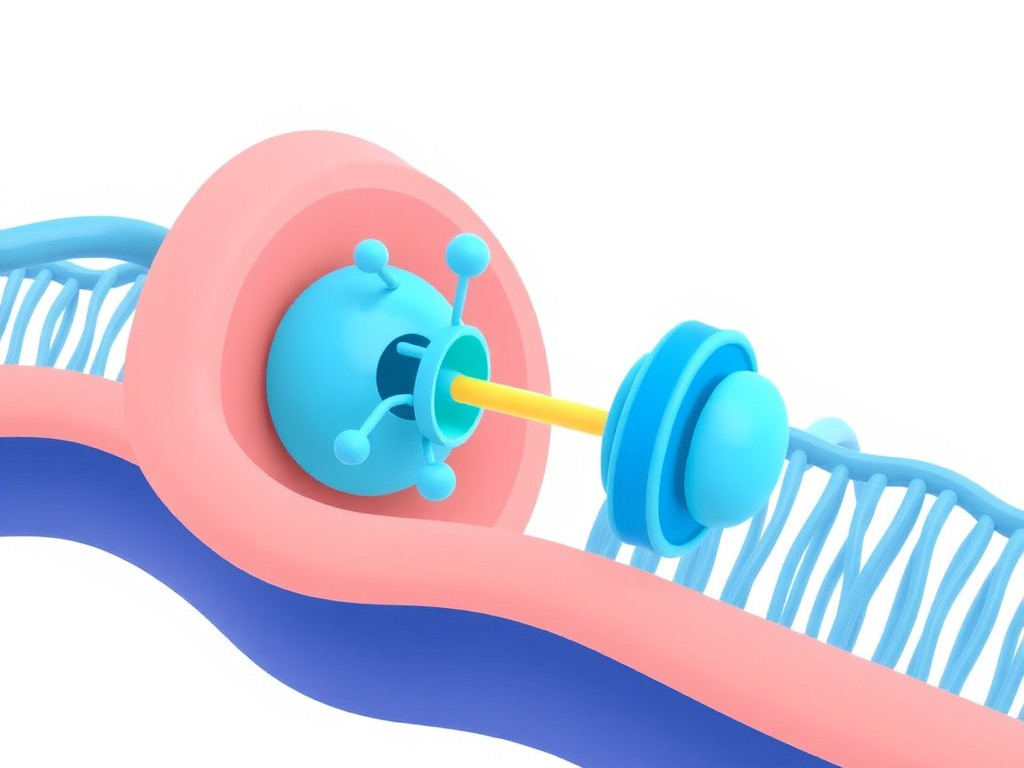
Figure 2: The anatomical and physiological pathways through which obesity drives upper airway collapse and obstructive sleep apnea.
Obesity is the single most important modifiable risk factor for obstructive sleep apnea. Roughly 60% of moderate-to-severe OSA cases can be directly attributed to excess body weight, and the relationship between the two conditions runs deeper than most people realize - involving fat deposits in the tongue, inflammatory signaling, altered lung mechanics, and changes in neural control of breathing.
The Scale of the Problem
Obstructive sleep apnea affects an estimated 425 million adults between the ages of 30 and 69 globally, making it one of the most common chronic conditions in the world. In the United States alone, approximately 30 million people have OSA. Men are about twice as likely as women to develop the condition, and prevalence increases sharply with age - 56% of people over 65 are at elevated risk. But what drives those numbers more than any other single factor is the global rise in obesity.
The connection isn't subtle. A 10% gain in body weight increases the risk of moderate-to-severe OSA by approximately sixfold, according to longitudinal data from the Wisconsin Sleep Cohort Study. Conversely, a 10% weight loss predicts a 26% reduction in the AHI. These are dose-response relationships that hold up across different populations, age groups, and severity levels. And they point to an uncomfortable truth: the worldwide obesity epidemic is simultaneously driving a sleep apnea epidemic, with all the cardiovascular consequences that follow.
Despite the strong association, not every person with OSA has obesity. A meta-analysis of community-based cohorts found that 31.5% of individuals with OSA had obesity, 44.4% had overweight status, and 23.5% had normal weight or were underweight. Anatomical factors, craniofacial structure, and genetic predisposition all play roles independent of body weight. But for the large majority of patients in whom excess weight is a contributing factor, addressing obesity represents a direct pathway to improving or resolving the sleep disorder.
How Fat Deposits Collapse the Airway
The upper airway is essentially a soft tissue tube. Unlike the trachea, which has cartilaginous rings holding it open, the pharynx relies on muscle tone and tissue architecture to maintain patency. When you fall asleep, muscle tone decreases. In someone with a normally proportioned airway, this reduction in tone isn't enough to cause problems. But add extra fat tissue around and within the airway walls, and the equation changes dramatically.
Fat accumulates in several critical locations. Parapharyngeal fat pads sit on either side of the pharynx, pressing inward and narrowing the lateral dimension of the airway. Submucosal fat deposits line the soft palate and uvula. And perhaps most significantly, fat infiltrates the tongue itself. A landmark MRI study by Schwab and colleagues found that tongue fat volume was the primary anatomical mediator of the relationship between weight loss and AHI improvement. When patients lost weight, the strongest predictor of AHI reduction wasn't neck circumference or waist size - it was how much fat they lost from their tongues.
This makes intuitive sense if you think about what happens during sleep. You're lying on your back. Gravity pulls the tongue posteriorly toward the pharyngeal wall. A normal-sized tongue with normal fat content clears the airway easily. But a tongue enlarged by adipose infiltration has more mass, more inertia, and less room to maneuver. It falls back against the posterior pharyngeal wall, the lateral fat pads squeeze in from the sides, and the airway either narrows (causing hypopneas) or closes entirely (causing apneas). Each closure event lasts 10 seconds or more, oxygen levels drop, the brain rouses just enough to restore muscle tone and reopen the airway, and then the cycle repeats. In severe cases, this happens 30, 50, or even 100 times per hour throughout the night.
Beyond Mechanical Obstruction: The Inflammatory Connection
Obesity doesn't just physically narrow the airway. It also creates a systemic inflammatory environment that worsens OSA through several parallel mechanisms. Visceral adipose tissue is metabolically active, producing pro-inflammatory cytokines like tumor necrosis factor-alpha (TNF-alpha), interleukin-6 (IL-6), and C-reactive protein (CRP). These inflammatory mediators have direct effects on upper airway tissues.
TNF-alpha, for example, promotes edema and fluid retention in pharyngeal tissues, further narrowing an already compromised airway. IL-6 disrupts sleep architecture, increasing the proportion of lighter, non-restorative sleep stages where the airway is more vulnerable to collapse. And elevated CRP levels are associated with both increased OSA severity and higher cardiovascular risk - creating a vicious cycle where sleep apnea worsens inflammation, and inflammation worsens sleep apnea.
This is one reason why tirzepatide and other GLP-1 receptor agonists may provide benefits beyond what you'd expect from weight loss alone. These medications have independent anti-inflammatory effects, reducing CRP, TNF-alpha, and other inflammatory markers through mechanisms that aren't fully explained by changes in body composition. In the SURMOUNT-OSA trials, hsCRP dropped by 40-48% with tirzepatide treatment - a reduction that likely contributed to airway improvement above and beyond the effects of shedding pounds.
Altered Lung Mechanics and Ventilatory Control
Central obesity - fat accumulation around the abdomen and thorax - has profound effects on respiratory mechanics that compound the upper airway problem. Abdominal fat mass pushes the diaphragm upward, reducing functional residual capacity (FRC) and expiratory reserve volume (ERV). When FRC drops, the tracheal tug on the pharynx decreases. This tracheal tug is a stabilizing force that helps keep the upper airway open by pulling downward on mediastinal structures. Less tug means a more collapsible airway.
The reduction in lung volume also affects the stability of the ventilatory control system. Lower FRC means less oxygen reserve, so even brief apneas cause more rapid desaturation. This triggers more vigorous ventilatory responses, which can overshoot and create the oscillating breathing pattern known as high loop gain - a condition that promotes further apneas. It's a feed-forward mechanism: obesity reduces lung volumes, lung volume reduction destabilizes breathing control, unstable breathing control increases apnea frequency, and repeated apneas fragment sleep and promote further weight gain through hormonal disruption (more on that below).
The Bidirectional Relationship: How Sleep Apnea Promotes Weight Gain
Perhaps the cruelest aspect of the obesity-OSA connection is that it runs in both directions. Sleep apnea doesn't just result from obesity - it actively promotes further weight gain through several hormonal and behavioral pathways.
Sleep fragmentation disrupts the normal nocturnal secretion patterns of leptin and ghrelin, the hormones that regulate appetite and satiety. Leptin, produced by fat cells, normally suppresses appetite - but its levels drop with sleep deprivation. Ghrelin, produced by the stomach, stimulates hunger - and its levels rise with poor sleep. The net effect is increased appetite, particularly for calorie-dense foods. Multiple studies have documented that people with untreated OSA consume more calories, show stronger preferences for high-fat and high-sugar foods, and have greater difficulty adhering to dietary interventions.
OSA also reduces daytime energy expenditure. Excessive sleepiness leads to less physical activity and lower non-exercise activity thermogenesis (NEAT). Fragmented sleep impairs insulin sensitivity, promoting fat storage rather than fat oxidation. And the repeated hypoxia-reoxygenation cycles that characterize OSA activate sympathetic nervous system pathways that promote visceral fat accumulation. The result is a self-reinforcing cycle: obesity causes sleep apnea, sleep apnea causes more obesity, more obesity causes worse sleep apnea, and on and on.
This bidirectional relationship is precisely why interventions that break the cycle at the obesity node - interventions like semaglutide and tirzepatide - can produce such dramatic improvements. By producing sustained, substantial weight loss, these drugs address the mechanical, inflammatory, and metabolic drivers of airway obstruction while simultaneously removing the hormonal barriers to further weight management. The dosing calculator can help clinicians determine appropriate starting doses for patients with concurrent obesity and OSA.
Cardiovascular Consequences of Untreated OSA
Understanding why treating OSA matters requires appreciating the cardiovascular toll of untreated disease. A comprehensive meta-analysis of prospective cohort studies found that severe OSA increases the risk of cardiovascular disease events by 79% (relative risk 1.79), the risk of fatal and non-fatal stroke by 115% (relative risk 2.15), and all-cause mortality by 92% (relative risk 1.92).
Between 40% and 80% of people with cardiovascular disease in the United States also have obstructive sleep apnea, yet the condition remains dramatically underrecognized and undertreated in cardiovascular practice. OSA is an independent risk factor for hypertension (it affects 30-50% of people with high blood pressure), atrial fibrillation, heart failure, coronary artery disease, pulmonary hypertension, and metabolic syndrome. The intermittent hypoxia and sleep fragmentation that define OSA activate the sympathetic nervous system, promote endothelial dysfunction, increase oxidative stress, and accelerate atherosclerosis through pathways that operate independently of - and in addition to - the effects of obesity itself.
Long-term follow-up data show that cardiovascular morbidity and mortality increase specifically in patients with untreated severe OSA, whereas patients who accept and adhere to CPAP therapy show outcomes similar to simple snorers. This finding underscores the urgency of effective treatment. For the millions of patients who can't or won't tolerate CPAP, the availability of pharmaceutical alternatives isn't just convenient - it may be lifesaving. The GLP-1 research hub explores how these medications affect cardiovascular risk markers beyond their effects on weight and sleep apnea.
Why GLP-1 Receptor Agonists Are Uniquely Suited to This Problem
GLP-1 receptor agonists address the obesity-OSA connection at multiple levels simultaneously. They produce substantial, sustained weight loss (14-22% of body weight in clinical trials), which directly reduces pharyngeal and tongue fat. They lower systemic inflammation independently of weight loss. They improve insulin sensitivity, breaking the metabolic component of the obesity-OSA cycle. And through their effects on appetite regulation, they help patients maintain the dietary changes needed to sustain weight loss over time.
Dual-agonist compounds like tirzepatide, which activates both GLP-1 and GIP (glucose-dependent insulinotropic polypeptide) receptors, appear to produce even greater weight loss than GLP-1-only medications, which may explain the particularly strong results seen in the SURMOUNT-OSA program. The emerging triple-agonist retatrutide, which adds glucagon receptor activation to the mix, has shown weight loss approaching 24% in phase 2 trials, raising the possibility of even greater OSA benefits in future studies.
Other compounds in the metabolic peptide space, including AOD-9604 and 5-Amino-1MQ, target fat metabolism through different mechanisms that may complement GLP-1 receptor agonist therapy, though dedicated OSA trials with these agents have not been conducted. For patients interested in optimizing body composition, the combination of GLP-1 therapy with targeted peptides for growth hormone secretion - such as CJC-1295/Ipamorelin - may help preserve lean mass during weight loss, though this approach requires clinical supervision.
Clinical Pearl
When evaluating a patient with OSA for GLP-1 receptor agonist therapy, consider the full picture. A BMI above 30 with moderate-to-severe OSA is the population studied in SURMOUNT-OSA and now covered by the FDA-approved indication. But patients with BMI 27-30 who have difficulty tolerating CPAP may also benefit, and the weight-independent anti-inflammatory effects of these drugs may provide airway benefits even in patients with less dramatic weight loss. Individualized treatment planning - using tools like the dosing calculator - helps optimize outcomes.
SURMOUNT-OSA Trial Design & Results
The SURMOUNT-OSA program consisted of two phase 3, double-blind, randomized, placebo-controlled trials that enrolled 469 adults with moderate-to-severe obstructive sleep apnea and obesity. Published in the New England Journal of Medicine in June 2024 by Malhotra and colleagues, these trials provided the clinical evidence that led to the first FDA-approved drug for sleep apnea treatment.
Trial Architecture: A Master Protocol Approach
SURMOUNT-OSA used a master protocol (registered as NCT05412004) with two integrated sub-analyses, referred to as Study 1 and Study 2. This design was strategic. Study 1 enrolled patients who were not receiving positive airway pressure (PAP) therapy at baseline - in other words, people with confirmed moderate-to-severe OSA who were either CPAP-naive, had tried and discontinued CPAP, or were between treatments. Study 2 enrolled patients who were already using PAP therapy at baseline.
Why the split? Because the clinical questions for these two populations are fundamentally different. For patients not on PAP, the question is whether tirzepatide can serve as an alternative to CPAP. For patients already on PAP, the question is whether tirzepatide provides additional benefit on top of mechanical airway support. By studying both groups simultaneously, the SURMOUNT-OSA program addressed the full spectrum of clinical scenarios that providers encounter in practice.
Across both studies, 469 participants were randomized 1:1 to receive either tirzepatide (at maximum tolerated doses of 10 or 15 mg) or matching placebo. Study 1 enrolled 234 participants and Study 2 enrolled 235. All participants also received a lifestyle intervention for weight reduction, including dietary counseling targeting a 500 kcal/day deficit and encouragement to increase physical activity. This lifestyle component was consistent across both treatment arms, ensuring that any differences in outcomes could be attributed to the drug itself rather than differential lifestyle changes.
Enrollment Criteria: Who Qualified
The inclusion criteria defined a specific, clinically relevant population. Eligible participants were adults aged 18 years or older with moderate-to-severe OSA, defined as an AHI of 15 or more events per hour documented by polysomnography. They also needed a BMI of 30 kg/m2 or higher and at least one self-reported unsuccessful attempt at dietary weight loss in their history.
Several exclusion criteria narrowed the population to ensure safety and interpretability. Participants with type 1 or type 2 diabetes were excluded - an important design choice that separated the OSA-specific effects of tirzepatide from its glucose-lowering properties that had been established in the SURPASS and SURMOUNT diabetes and obesity programs. Patients who had experienced a self-reported change in body weight exceeding 5 kg within the 3 months before screening were also excluded, as this could confound the assessment of drug-induced weight change.
The baseline characteristics of enrolled participants paint a picture of the typical patient with obesity-related OSA. Mean BMI was approximately 39 kg/m2. Mean AHI was in the severe range. Participants were predominantly male, reflecting the higher prevalence of OSA in men. And a substantial proportion had comorbid hypertension and other cardiometabolic risk factors, consistent with what clinicians see in real-world practice.
Dosing Protocol
Tirzepatide was administered by weekly subcutaneous injection, following a dose-escalation protocol similar to the one used in the SURMOUNT obesity program. Participants started at 2.5 mg weekly and increased by 2.5 mg every 4 weeks until reaching the maximum tolerated dose of 10 mg or 15 mg. This gradual titration is standard practice with GLP-1 receptor agonists and serves to minimize gastrointestinal side effects (nausea, vomiting, diarrhea) that are common during initiation.
The 52-week treatment duration was chosen to capture the full trajectory of weight loss and OSA improvement. Previous studies with GLP-1 receptor agonists have shown that weight loss typically plateaus between 9 and 12 months, so a 52-week endpoint ensures assessment at or near maximal effect. Polysomnography was performed at baseline and at week 48-52 to obtain objective AHI measurements, eliminating the subjectivity associated with symptom questionnaires and home sleep testing devices.
Primary Endpoint Results: AHI Reduction
The primary endpoint was the change in AHI from baseline to week 52, measured by in-lab polysomnography. The results were striking.
In Study 1 (no PAP therapy), the mean change in AHI was -25.3 events per hour with tirzepatide compared to -5.3 events per hour with placebo. That's an estimated treatment difference of -20.0 events per hour (P<0.001). To put this in perspective, a reduction of 20 events per hour means 20 fewer times each hour that a patient stops breathing or has significantly reduced airflow during sleep. Over an 8-hour night, that's 160 fewer apneic or hypopneic events.
In Study 2 (on PAP therapy), the results were even more pronounced. The mean change in AHI was -29.3 events per hour with tirzepatide versus -5.5 events per hour with placebo, yielding an estimated treatment difference of -23.8 events per hour (P<0.001). The larger absolute reduction in Study 2 likely reflects the higher baseline AHI in this population and possibly an additive effect of PAP therapy plus weight loss.
In relative terms, tirzepatide reduced AHI by up to 62.8% from baseline. This degree of reduction moves many patients from severe to mild OSA, or from moderate OSA below the diagnostic threshold entirely.
SURMOUNT-OSA: AHI Reduction at 52 Weeks
Study 1 = No PAP (Tirzepatide 10mg equivalent); Study 2 = On PAP (Tirzepatide 15mg equivalent). Placebo arm pooled. Source: Malhotra A, et al. NEJM 2024.
Key Secondary Endpoint: Disease Resolution
One of the most clinically meaningful secondary endpoints was the proportion of participants who met criteria for disease resolution, defined as an AHI below 5 events per hour (the diagnostic threshold for OSA) or below 15 events per hour with no symptoms. In Study 1, 43.0% of tirzepatide-treated participants achieved disease resolution. In Study 2, that figure rose to 51.5%.
Think about what this means. Roughly half of patients with documented moderate-to-severe OSA - people who were either struggling with CPAP or using it nightly - reached a point where they technically no longer had clinically significant sleep apnea after 52 weeks of tirzepatide. That's an outcome that no other pharmacological intervention has come close to achieving. Surgical options like uvulopalatopharyngoplasty (UPPP) and hypoglossal nerve stimulation can produce similar resolution rates in selected patients, but they come with surgical risks, are irreversible, and aren't appropriate for everyone.
Weight Loss Results
As expected based on the SURMOUNT-1 through SURMOUNT-4 obesity trials, tirzepatide produced substantial weight loss in the OSA population. Participants in Study 1 lost approximately 18% of their body weight, while those in Study 2 lost approximately 20%. Placebo groups, receiving lifestyle intervention alone, achieved modest weight reductions in the 1.5-2% range.
The correlation between weight loss and AHI improvement was strong but not perfect, suggesting that while weight reduction is the primary driver of OSA improvement, the anti-inflammatory and metabolic effects of tirzepatide contribute additional benefit. This is consistent with preclinical data showing that GLP-1 receptors are expressed in brainstem regions involved in respiratory control, raising the possibility of direct central nervous system effects on breathing regulation that are independent of weight change.
Cardiometabolic Secondary Endpoints
The secondary endpoint data painted a comprehensive picture of cardiometabolic improvement that goes well beyond sleep apnea severity.
| Endpoint | Study 1 (No PAP) | Study 2 (On PAP) | Placebo (Pooled) |
|---|---|---|---|
| AHI Change (events/hr) | -25.3 | -29.3 | -5.3 to -5.5 |
| Body Weight Loss (%) | ~18% | ~20% | ~1.5-2% |
| Systolic BP Reduction (mmHg) | -9.6 | -7.6 | -1.8 to -3.9 |
| hsCRP Reduction (%) | -40.1% | -48.2% | Minimal |
| Disease Resolution Rate | 43.0% | 51.5% | Low single digits |
Systolic blood pressure reductions ranged from 7.6 mmHg in Study 2 to 9.6 mmHg in Study 1 with tirzepatide, compared to reductions of only 1.8 to 3.9 mmHg with placebo. Given that untreated OSA is a major driver of resistant hypertension, this dual benefit - reducing both AHI and blood pressure - has real clinical significance for cardiovascular risk reduction.
High-sensitivity C-reactive protein (hsCRP) decreased by 40.1% in Study 1 and 48.2% in Study 2 among tirzepatide-treated participants. These reductions far exceeded the placebo response and suggest a meaningful dampening of the systemic inflammation that links OSA to cardiovascular disease. The science and research section provides further detail on how GLP-1 receptor agonists modulate inflammatory pathways.
Hypoxic Burden Reduction
A particularly noteworthy secondary endpoint was the sleep apnea-specific hypoxic burden (SASHB), which quantifies the total oxygen desaturation associated with respiratory events during sleep. Unlike AHI, which simply counts events, hypoxic burden captures the physiological severity of those events - some apneas cause minimal desaturation, while others drop oxygen levels dramatically. Tirzepatide significantly reduced hypoxic burden in both studies, meaning that not only were there fewer breathing events, but the events that did occur were less physiologically damaging.
Patient-Reported Outcomes
Objective sleep metrics don't tell the whole story. How patients feel matters enormously. The SURMOUNT-OSA program assessed sleep-related impairment and sleep disturbance using validated patient-reported outcome (PRO) instruments. Tirzepatide-treated participants reported significantly greater improvements in sleep quality, daytime alertness, and overall sleep-related quality of life compared to placebo. These subjective improvements tracked closely with the objective AHI reductions, providing reassurance that the polysomnographic changes translate into real-world symptomatic benefit.
Safety Profile
The safety profile of tirzepatide in the SURMOUNT-OSA program was consistent with what has been observed across the broader SURMOUNT and SURPASS clinical development programs. The most common adverse events were gastrointestinal: nausea, diarrhea, vomiting, and constipation. These events were predominantly mild to moderate in severity, occurred most frequently during the dose-escalation phase, and typically resolved with continued treatment.
Discontinuation rates due to adverse events were low and similar to those seen in the obesity trials. No new safety signals emerged specific to the OSA population. This consistency is reassuring given that patients with severe OSA often have multiple comorbidities and may be taking several concomitant medications.
For clinicians considering tirzepatide for their patients with obesity-related OSA, the safety data from SURMOUNT-OSA are encouraging. The benefit-risk profile appears favorable, particularly when weighed against the cardiovascular consequences of undertreated sleep apnea. Our free assessment tool can help patients determine whether they might be appropriate candidates for this therapy.
Study Registration
The SURMOUNT-OSA trials are registered at ClinicalTrials.gov as NCT05412004. Full results were published by Malhotra A, Grunstein RR, et al. in the New England Journal of Medicine (DOI: 10.1056/NEJMoa2404881) and presented at the American Diabetes Association 84th Scientific Sessions in June 2024.
AHI Reduction Data

The apnea-hypopnea index (AHI) is the primary metric used to diagnose and grade the severity of obstructive sleep apnea. It measures the number of apneas (complete breathing cessations lasting at least 10 seconds) and hypopneas (partial airflow reductions associated with oxygen desaturation or arousal) per hour of sleep. Understanding AHI reduction data across different treatments puts the GLP-1 trial results in proper context.
Understanding AHI Severity Classifications
Before diving into the data, it helps to understand what AHI numbers actually mean. The American Academy of Sleep Medicine classifies OSA severity as follows:
- Normal: AHI less than 5 events per hour
- Mild OSA: AHI 5 to 14 events per hour
- Moderate OSA: AHI 15 to 29 events per hour
- Severe OSA: AHI 30 or more events per hour
These thresholds matter because they drive treatment decisions. Mild OSA might be managed with positional therapy or a dental appliance. Moderate OSA typically warrants CPAP consideration. Severe OSA almost always requires aggressive treatment given its strong association with cardiovascular morbidity. When we talk about an AHI reduction of 25 events per hour - as seen with tirzepatide - that's enough to move many patients from severe to mild, or from moderate to below the diagnostic threshold entirely.
SURMOUNT-OSA AHI Data: A Closer Look
The headline AHI reductions from SURMOUNT-OSA deserve careful unpacking because the absolute and relative numbers tell slightly different stories depending on baseline severity.
In Study 1 (participants not on PAP), the mean baseline AHI was in the severe range. The tirzepatide group experienced a mean absolute reduction of 25.3 events per hour at 52 weeks, while the placebo group saw a reduction of only 5.3 events per hour. The treatment difference of 20.0 events per hour was highly statistically significant (P<0.001). In relative terms, this represented approximately a 55% reduction from baseline with tirzepatide.
In Study 2 (participants on PAP), the numbers were even more striking. The mean baseline AHI was higher - consistent with a population whose disease was severe enough to warrant PAP initiation. Tirzepatide reduced AHI by 29.3 events per hour compared to 5.5 events per hour with placebo, yielding a treatment difference of 23.8 events per hour (P<0.001). The relative reduction reached 62.8%.
Several nuances are important here. First, the AHI measurements in Study 2 were obtained without PAP - meaning patients discontinued their PAP therapy for the overnight polysomnography study. This design choice was deliberate: it measured the underlying severity of the sleep-disordered breathing rather than the residual AHI on PAP, which tends to be very low (typically below 5 events per hour) in adherent users. So the Study 2 data tell us that tirzepatide fundamentally altered the underlying disease, not just the residual symptoms.
Second, the placebo responses of 5.3 and 5.5 events per hour in the two studies are larger than you might expect from pure regression to the mean. The lifestyle intervention (500 kcal/day deficit counseling) likely contributed to modest weight loss in the placebo arm, which would translate to some AHI improvement. The treatment effect of tirzepatide is calculated against this active placebo response, making the drug-attributable benefit even more impressive.
AHI Reduction by Baseline Severity
While the published SURMOUNT-OSA data primarily report mean changes, subgroup analyses presented at medical conferences have provided additional granularity. Patients with severe baseline OSA (AHI 30 or higher) tended to show larger absolute AHI reductions but smaller relative reductions compared to those with moderate baseline disease (AHI 15-29). This pattern makes physiological sense: patients with more events per hour have more room for absolute improvement, but their disease is also more structurally driven and harder to fully resolve through weight loss alone.
That said, even among patients with severe baseline OSA, the proportion achieving clinically meaningful improvement (defined as a greater than 50% reduction in AHI or an absolute AHI below 15 events per hour) was high. The disease resolution rates of 43-51.5% are particularly impressive given that these represent severe patients crossing all the way below diagnostic thresholds.
Comparison with Historical Weight Loss Interventions
To appreciate how the SURMOUNT-OSA results stack up against prior evidence, consider the AHI reductions achieved with other weight loss approaches:
| Intervention | Mean Weight Loss | Mean AHI Reduction | Study/Source |
|---|---|---|---|
| Tirzepatide (SURMOUNT-OSA) | 18-20% | 25.3-29.3 events/hr | Malhotra et al., NEJM 2024 |
| Liraglutide 3.0 mg (SCALE Sleep Apnea) | 5.7% | 12.2 events/hr | Blackman et al., Int J Obes 2016 |
| Lifestyle intervention alone | 5-10% | 5-10 events/hr | Various meta-analyses |
| Bariatric surgery | 25-35% | 25-38 events/hr | Greenburg et al., Am J Med 2009 |
| Very-low-calorie diet | 10-15% | 10-15 events/hr | Johansson et al., BMJ 2009 |
The tirzepatide AHI reductions approach those seen after bariatric surgery, which typically achieves 25-35% body weight loss and AHI reductions of 25-38 events per hour. But bariatric surgery is irreversible, carries surgical risks (including a small but real mortality rate), requires extensive preoperative evaluation, and isn't accessible to many patients due to cost, insurance barriers, or personal preference. Tirzepatide offers a non-surgical alternative that achieves comparable AHI reductions with a well-characterized, generally manageable side effect profile.
The comparison with liraglutide is also instructive. The SCALE Sleep Apnea trial showed liraglutide 3.0 mg reduced AHI by 12.2 events per hour (compared to 6.1 with placebo), with 5.7% body weight loss over 32 weeks. The larger AHI reduction with tirzepatide tracks closely with its larger weight loss effect, supporting the dose-response relationship between weight reduction and airway improvement. For patients whose primary concern is OSA rather than diabetes, tirzepatide appears to offer the strongest available evidence.
The AHI-Weight Loss Dose-Response Curve
Across multiple studies and interventions, a remarkably consistent dose-response relationship emerges between weight loss and AHI reduction. As a rough rule of thumb, each 1% reduction in body weight corresponds to approximately a 1.5 event per hour reduction in AHI, though the relationship is non-linear and steeper at higher baseline AHI values.
The SURMOUNT-OSA data fit this pattern well. With approximately 18-20% weight loss, you'd predict an AHI reduction of roughly 27-30 events per hour. The observed reductions of 25.3-29.3 events per hour fall right within this expected range. This consistency suggests that the AHI improvement with tirzepatide is primarily weight-mediated, with a possible additional contribution from anti-inflammatory and central nervous system effects.
However, there are outliers in both directions. Some participants achieved near-complete resolution of OSA with moderate weight loss (12-15%), while others maintained significant residual AHI despite achieving 20%+ weight reduction. These individual differences likely reflect variation in craniofacial anatomy, the relative contribution of positional versus supine-dependent apnea, the distribution of fat loss (tongue versus neck versus abdominal), and non-obesity contributors to upper airway collapsibility. Clinicians should counsel patients that while GLP-1 therapy dramatically improves the odds of significant AHI reduction, individual responses will vary.
Durability of AHI Improvement
A critical question that the 52-week SURMOUNT-OSA data cannot fully answer is the long-term durability of AHI improvement. Based on experience with GLP-1 receptor agonists in obesity treatment, weight tends to return when the medication is discontinued, and AHI would likely worsen accordingly. This parallels the experience with CPAP, where AHI returns to baseline within 1-2 nights of non-use.
The implication is that tirzepatide for OSA should be viewed as a chronic therapy, much like antihypertensive medication. The drug doesn't cure the underlying anatomical susceptibility to airway collapse; rather, it maintains a body composition that keeps the airway open. Ongoing studies are evaluating longer-term outcomes beyond 52 weeks, and real-world data as the drug reaches broader clinical use will eventually clarify whether sustained treatment maintains the AHI benefits observed in the trial setting.
For patients who achieve substantial weight loss and wish to transition off medication, a gradual taper with close sleep monitoring (including repeat polysomnography) is advisable. Some patients may be able to maintain sufficient weight loss through lifestyle modification alone to keep their AHI below clinically significant thresholds, but this should be confirmed objectively rather than assumed. The GLP-1 research hub discusses weight maintenance strategies after discontinuation of GLP-1 therapy.
AHI Reduction in Specific Populations
While SURMOUNT-OSA provides the most rigorous data, several other studies have contributed to our understanding of AHI reduction with GLP-1 receptor agonists in specific populations.
Patients with Type 2 Diabetes
A retrospective study published in 2023 found that patients using GLP-1 receptor agonists for type 2 diabetes showed a 40% lower likelihood of developing OSA compared to non-users. While this is observational data subject to confounding, it suggests a protective effect that may be mediated partly through weight management and partly through metabolic improvements. The exclusion of diabetic patients from SURMOUNT-OSA means that dedicated prospective data in this population are still needed, though the pathophysiology strongly supports extrapolation of benefit.
Older Adults
Given that OSA prevalence increases substantially after age 65 and that older adults often have greater difficulty tolerating CPAP (due to mask claustrophobia, skin fragility, and difficulty with manual dexterity), pharmacological alternatives are particularly attractive for this demographic. The SURMOUNT-OSA trials did not specifically analyze subgroups by age, but the enrolled population included older adults, and the overall results did not show an age-dependent attenuation of benefit in conference presentations.
Women
Women are underrepresented in OSA research relative to their disease burden, partly because the traditional AHI-based diagnostic criteria may undercount female-pattern OSA, which often presents with more hypopneas and upper airway resistance events than frank apneas. The SURMOUNT-OSA population was predominantly male, consistent with the higher prevalence of moderate-to-severe OSA in men, but the mechanism of action (weight loss reducing pharyngeal fat) applies equally to both sexes.
Key Data Points
- Tirzepatide reduced AHI by 25.3 events/hr (Study 1) and 29.3 events/hr (Study 2) at 52 weeks
- Disease resolution rates: 43.0% (Study 1) and 51.5% (Study 2)
- AHI reductions approximate those seen after bariatric surgery, without surgical risks
- The AHI-weight loss relationship follows a consistent dose-response curve of roughly 1.5 events/hr per 1% weight loss
- Long-term durability likely requires ongoing treatment, similar to CPAP
Comparison to CPAP Therapy
CPAP has been the standard of care for moderate-to-severe obstructive sleep apnea for over four decades. It works extremely well when used consistently, but real-world adherence rates remain disappointingly low. GLP-1 receptor agonists offer a fundamentally different treatment approach that addresses the underlying cause rather than mechanically treating the symptom. Here's how the two modalities compare across every dimension that matters.
Mechanism of Action: Treating the Symptom vs. the Cause
CPAP works by delivering a continuous stream of pressurized air through a mask worn during sleep. This pneumatic splint keeps the upper airway open, preventing collapse regardless of the underlying anatomy. It's effective immediately - on the first night of use, AHI typically drops to below 5 events per hour, and oxygen levels normalize. But the moment you take off the mask, the airway returns to its baseline state. CPAP treats the symptom of OSA (airway collapse) without modifying the underlying disease.
Tirzepatide works through an entirely different mechanism. By producing substantial and sustained weight loss, it reduces the pharyngeal and lingual fat deposits that cause the airway to narrow and collapse. It lowers systemic inflammation that contributes to airway edema. And it improves the metabolic derangements that perpetuate the obesity-OSA cycle. The effect is gradual - requiring months to reach full benefit - but it modifies the underlying disease biology rather than applying a mechanical Band-Aid.
This distinction has practical implications. A patient on CPAP who takes off their mask for one night has untreated severe OSA that night. A patient who has lost 20% of their body weight on tirzepatide has reduced disease severity 24 hours a day, whether they're sleeping in their bed, napping on an airplane, or dozing off on the couch. The protection is constant, not device-dependent.
Efficacy: Head-to-Head Numbers
In terms of raw AHI reduction, CPAP is still the more potent acute therapy. Properly titrated CPAP reduces AHI to below 5 events per hour in most patients, regardless of baseline severity. That's an effective elimination of the disorder during use. No pharmacological agent comes close to this degree of AHI suppression on a per-use basis.
But "during use" is the operative phrase. When researchers calculate the "effective AHI" - accounting for both the residual AHI during CPAP use and the untreated AHI during non-use hours - the picture changes substantially. If a patient uses CPAP for only 4 hours per night (the Medicare-defined adherence threshold), their effective AHI for the full night is approximately 50-65% of their untreated value, depending on whether the apneas cluster in specific sleep stages. For a patient with an untreated AHI of 40, using CPAP 4 hours per night yields an effective overnight AHI of roughly 20-26 events per hour.
Compare this to tirzepatide, which reduced the all-night AHI by 25-29 events per hour. For a patient with a baseline AHI of 40, that brings the untreated AHI down to approximately 11-15 events per hour - every hour, every night, without a device. For patients with poor CPAP adherence (and there are tens of millions of them), the real-world effectiveness of tirzepatide may actually exceed that of prescribed-but-unused CPAP.
| Dimension | CPAP | Tirzepatide |
|---|---|---|
| AHI reduction (during use/on treatment) | ~90-95% (to AHI <5) | 55-63% (SURMOUNT-OSA) |
| Real-world effective AHI reduction* | ~35-50% (accounting for adherence) | 55-63% (continuous effect) |
| Onset of effect | Immediate (first night) | Gradual (months to peak) |
| Adherence at 12 months | 41-71% | Not yet established (estimated higher) |
| Weight change | Neutral or slight gain | -18 to -20% |
| Blood pressure effect | Modest reduction (2-3 mmHg) | -7.6 to -9.6 mmHg |
| Inflammation (hsCRP) | Variable | -40 to -48% |
| Administration | Worn nightly during sleep | Weekly injection |
| Disease modification | No (returns to baseline off therapy) | Yes (reduces underlying fat deposits) |
*Real-world effective AHI accounts for typical CPAP adherence of 4-5 hours per night in 50-70% of patients.
The Adherence Problem
CPAP's Achilles heel is adherence. Despite continuous improvements in mask design, pressure algorithms, and humidification, a large proportion of patients struggle to use their CPAP consistently. The numbers vary by study and by how adherence is defined, but the general picture is consistent:
- When adherence is defined as at least 4 hours of nightly use, 29-83% of patients are classified as non-adherent (the wide range reflects differences in study populations and follow-up duration)
- At 6 months, approximately 68% of patients meet adherence criteria
- At 12 months, that drops to about 59%
- Approximately 20-40% of patients will discontinue CPAP entirely within the first 3 months
The reasons for non-adherence are varied but familiar to anyone who has tried to sleep with a mask strapped to their face: claustrophobia, dry mouth, nasal congestion, skin irritation from the mask, pressure intolerance, aerophagia (swallowing air, causing bloating), bed partner complaints about noise, and the simple inconvenience of being tethered to a machine every night. Travel becomes more complicated. Intimacy is affected. And many patients report that while they know CPAP helps, they simply can't bring themselves to use it consistently.
Tirzepatide avoids all of these device-related barriers. A once-weekly subcutaneous injection is arguably much easier to maintain than nightly CPAP use. Long-term adherence data for GLP-1 receptor agonists in the OSA population specifically are not yet available, but adherence rates in the obesity and diabetes trials have generally been high during treatment periods, with gastrointestinal side effects being the primary driver of discontinuation rather than lifestyle burden.
Beyond AHI: Cardiometabolic Benefits
One area where tirzepatide clearly outperforms CPAP is in cardiometabolic risk modification. CPAP's effects on blood pressure are modest - meta-analyses typically show a mean reduction of 2-3 mmHg in systolic blood pressure, which is clinically meaningful at the population level but underwhelming for individual patients. CPAP has not been shown to reduce cardiovascular events in the major randomized trials (including the SAVE trial), though methodological debates about these findings continue.
Tirzepatide, by contrast, reduced systolic blood pressure by 7.6-9.6 mmHg in SURMOUNT-OSA - roughly three to four times the CPAP effect. It reduced hsCRP by 40-48%, addressing the inflammatory component of cardiovascular risk that CPAP does not substantially modify. And the 18-20% weight loss improves virtually every cardiometabolic parameter: glycemic control, lipid profiles, hepatic steatosis, insulin sensitivity, and more.
For a patient with moderate-to-severe OSA, obesity, hypertension, and elevated inflammatory markers - a profile that describes a very large proportion of the OSA population - tirzepatide offers a broader therapeutic package than CPAP alone. The GLP-1 weight loss overview provides additional context on the cardiometabolic benefits of these medications.
Complementary Rather than Competitive?
The framing of tirzepatide "versus" CPAP may be misleading. For many patients, the optimal approach may be combination therapy - using CPAP for immediate AHI control while simultaneously starting tirzepatide to address the underlying obesity and inflammation. This is precisely the scenario tested in SURMOUNT-OSA Study 2, which enrolled patients already on PAP therapy and showed that tirzepatide provided substantial additional benefit.
Over time, as weight loss progresses and AHI drops, some patients may be able to reduce their CPAP pressure settings, switch to a less intrusive oral appliance, or potentially discontinue mechanical therapy altogether - particularly if they achieve the disease resolution rates seen in the trial (51.5% in Study 2). This step-down approach requires regular monitoring with polysomnography or home sleep testing to confirm that the residual AHI remains acceptable off PAP.
There are also patients for whom CPAP remains clearly superior, regardless of GLP-1 availability:
- Non-obese patients with OSA driven primarily by craniofacial anatomy rather than weight
- Patients with central sleep apnea, which responds to positive airway pressure but not to weight loss
- Patients who need immediate AHI control (e.g., commercial drivers, pilots) and can't wait months for medication to take effect
- Patients with contraindications to GLP-1 receptor agonists (personal or family history of medullary thyroid carcinoma, MEN2 syndrome)
And there are patients for whom tirzepatide is clearly preferable:
- CPAP-intolerant patients who have tried and failed multiple mask types and pressure settings
- Patients with obesity-driven OSA who want to address the root cause
- Patients with significant cardiometabolic comorbidities who would benefit from the pleiotropic effects of GLP-1 therapy
- Patients for whom device-dependent therapy is impractical (frequent travelers, people with mask claustrophobia)
Cost Comparison
Cost is a practical consideration that varies enormously by insurance coverage and geography. CPAP machines typically cost $500-$3,000 out of pocket, with ongoing costs for replacement masks, tubing, and filters of $200-$500 per year. Most insurance plans cover CPAP after a confirmed OSA diagnosis and adherence documentation.
Tirzepatide (Zepbound) has a list price of approximately $1,000-$1,100 per month without insurance. With the December 2024 FDA approval for OSA, insurance coverage for this indication is expanding but not yet universal. Some patients may access tirzepatide at lower cost through compounding pharmacies, manufacturer savings programs, or prior authorization pathways. The economics will continue to evolve as more payers recognize the value of treating both conditions simultaneously.
From a health system perspective, the cost calculus includes not just the direct drug or device cost but also the downstream healthcare expenditures associated with undertreated OSA: emergency department visits for cardiovascular events, hospitalizations for heart failure exacerbations, motor vehicle accidents caused by excessive daytime sleepiness, and the reduced economic productivity of a chronically sleep-deprived workforce. When these indirect costs are factored in, effective treatment of OSA - by any means - becomes cost-effective relative to no treatment.
Important Consideration
Tirzepatide should not be viewed as a wholesale replacement for CPAP in all patients with OSA. The optimal treatment strategy depends on disease severity, obesity status, comorbidities, patient preference, and practical considerations. Discuss options with your healthcare provider to determine the best approach for your specific situation. The free assessment can help start that conversation.
Semaglutide Sleep Apnea Data

While tirzepatide has generated the strongest prospective clinical trial data for OSA, semaglutide - the other major GLP-1 receptor agonist in widespread clinical use - also has a growing evidence base supporting its role in sleep apnea management. The data come from retrospective analyses, post-hoc evaluations of the STEP obesity trials, ongoing prospective studies, and the earlier SCALE Sleep Apnea trial with the related compound liraglutide.
The SCALE Sleep Apnea Trial: Liraglutide as Proof of Concept
The first dedicated randomized trial of a GLP-1 receptor agonist for OSA was the SCALE Sleep Apnea study, published by Blackman and colleagues in 2016. This trial randomized 359 non-diabetic adults with obesity and moderate-to-severe OSA to receive either liraglutide 3.0 mg daily or placebo, both combined with a lifestyle intervention targeting a 500 kcal/day deficit, for 32 weeks.
The results demonstrated a clear signal. Mean AHI reduction was 12.2 events per hour with liraglutide compared to 6.1 events per hour with placebo - a treatment difference of approximately 6 events per hour. Weight loss was 5.7% with liraglutide versus 1.6% with placebo. Liraglutide also significantly reduced systolic blood pressure and HbA1c relative to placebo.
While these reductions were meaningful, they were modest compared to what SURMOUNT-OSA later achieved with tirzepatide. The difference tracks directly with the weight loss differential: liraglutide produced about 5.7% weight loss compared to tirzepatide's 18-20%. Since AHI improvement scales roughly proportionally with weight loss, the approximately threefold greater weight loss with tirzepatide would be predicted to yield approximately threefold greater AHI improvement - and that's close to what was observed (12.2 vs. 25.3-29.3 events per hour).
The SCALE Sleep Apnea trial was nevertheless an important milestone. It established that GLP-1 receptor agonists could meaningfully improve OSA in a prospective, randomized setting, providing the scientific rationale for the larger and more definitive SURMOUNT-OSA program. It also demonstrated safety in the OSA population and confirmed the dose-response relationship between GLP-1-mediated weight loss and airway improvement.
Semaglutide: The STEP Program and OSA
Semaglutide 2.4 mg weekly (marketed as Wegovy) was evaluated in the STEP clinical trial program, which demonstrated mean weight loss of 14.9% (STEP 1) to 17.4% (STEP 5 at 2 years). While the STEP trials did not include OSA-specific endpoints measured by polysomnography, several observations from these studies are relevant.
First, the weight loss achieved with semaglutide 2.4 mg in the STEP program (14.9%) is intermediate between liraglutide 3.0 mg (5.7% in SCALE) and tirzepatide 15 mg (18-20% in SURMOUNT). Based on the weight loss-AHI dose-response relationship, you'd predict semaglutide to reduce AHI by approximately 18-22 events per hour in a population similar to SURMOUNT-OSA - better than liraglutide but somewhat less than tirzepatide. This prediction, while extrapolated rather than directly observed, is physiologically grounded.
Second, the STEP trials did assess patient-reported outcomes related to physical function and quality of life, and multiple secondary analyses have noted improvements in domains that overlap with OSA symptomatology: reduced daytime fatigue, improved sleep quality on questionnaires, and better physical functioning. These are indirect indicators but consistent with meaningful improvement in sleep-disordered breathing.
Retrospective and Real-World Evidence
A retrospective analysis published in January 2025 examined the incidence of OSA diagnosis in patients receiving anti-obesity medications (including both semaglutide and tirzepatide) compared to non-users. The findings were striking: the incidence of OSA was 3.12% among anti-obesity medication users versus 12.56% among non-users. After adjusting for sociodemographic and clinical characteristics, patients on anti-obesity medications showed a 40% lower likelihood of having obstructive sleep apnea.
Within the medication subgroups, tirzepatide users had a slightly lower OSA incidence than semaglutide users (2.65% vs. 3.18%), but this difference was not statistically significant. Both agents substantially outperformed the non-treatment control group. This data point suggests that the GLP-1-mediated benefit in OSA is a class effect rather than a property unique to any one drug, with the magnitude of benefit correlated to the degree of weight loss achieved.
Additional real-world data come from a comparative effectiveness study published in the Annals of the American Thoracic Society in 2024. This analysis evaluated the risk of major adverse cardiovascular events (MACE) in patients with concurrent OSA and type 2 diabetes treated with tirzepatide, liraglutide, or semaglutide. While the study focused on cardiovascular outcomes rather than AHI directly, it found that all three GLP-1 receptor agonists were associated with reduced cardiovascular event rates in the OSA population, supporting a broad cardiometabolic benefit from this drug class in sleep apnea patients.
Systematic Reviews and Meta-Analyses
Several systematic reviews have attempted to synthesize the available evidence on GLP-1 receptor agonists and OSA. A 2025 systematic review and meta-analysis of randomized controlled trials evaluating GLP-1 receptor agonists in OSA patients concluded that these medications significantly reduce AHI, body weight, and inflammatory markers, with acceptable safety profiles. The pooled effect size for AHI reduction was clinically meaningful, though heterogeneity across studies (due to different agents, doses, and populations) was noted.
A separate meta-analysis focusing specifically on incretin-based therapies in obesity-related OSA found consistent benefits across the GLP-1 receptor agonist class, with stronger effects in agents producing greater weight loss. This meta-analytic evidence reinforces the view that weight reduction is the primary mediator of AHI improvement with GLP-1 drugs, with a possible additive contribution from anti-inflammatory effects.
Ongoing Semaglutide-Specific Trials
Recognizing the gap in prospective data, a clinical trial specifically evaluating semaglutide's effects on sleep apnea in patients with type 2 diabetes has been registered (NCT07281196). This study will help establish the direct evidence base for semaglutide in OSA, complementing the SURMOUNT-OSA tirzepatide data and the older SCALE liraglutide results. Until results are available, clinicians must rely on the indirect evidence from weight loss trials, retrospective analyses, and class-effect extrapolation from the tirzepatide and liraglutide data.
Semaglutide vs. Tirzepatide for OSA: What We Can Say
Direct head-to-head comparison of semaglutide and tirzepatide for OSA is not available. However, several inferences can be drawn from the available data:
- Weight loss magnitude: Tirzepatide consistently produces greater weight loss than semaglutide in head-to-head studies (SURMOUNT-5 showed tirzepatide achieving greater weight loss than semaglutide 2.4 mg), which would predict greater AHI reduction
- Regulatory status: Tirzepatide (Zepbound) has an FDA-approved indication for moderate-to-severe OSA in adults with obesity; semaglutide does not (as of early 2025)
- Evidence quality: The SURMOUNT-OSA data for tirzepatide represent the gold standard (prospective, randomized, double-blind, polysomnography-confirmed); the semaglutide OSA data are largely retrospective and indirect
- Class effect: Both agents work through overlapping mechanisms (GLP-1-mediated appetite suppression, weight loss, anti-inflammatory effects), supporting a class-wide benefit in OSA
- Practical access: Semaglutide may be more readily available or affordable for some patients, making it a reasonable option even in the absence of an OSA-specific approval
For patients with concurrent OSA and type 2 diabetes, semaglutide (as Ozempic) already has a well-established indication and may be a practical first-line choice that addresses both conditions, even though the OSA benefit is not part of the labeled indication. For patients whose primary concern is OSA and who want the strongest evidence-backed option, tirzepatide currently holds the advantage. The drug comparison hub provides detailed side-by-side analyses of these agents across multiple endpoints.
Other GLP-1 Agents and Emerging Compounds
Beyond semaglutide and tirzepatide, the GLP-1 pipeline contains several compounds that may eventually contribute to OSA management. Retatrutide, a triple GLP-1/GIP/glucagon receptor agonist, achieved approximately 24% weight loss in phase 2 obesity trials. If the weight loss-AHI relationship holds, retatrutide could potentially produce even greater OSA improvement than tirzepatide, though dedicated sleep apnea studies have not been conducted.
Cagrilintide combined with semaglutide (CagriSema) is another compound under active development that has shown promising weight loss data. Oral semaglutide formulations, which could eliminate the need for injections, are also progressing through clinical development and would offer an even lower barrier to adherence in the OSA population.
The peptide landscape is evolving rapidly. Patients and clinicians interested in staying current with emerging therapies should consult the GLP-1 research hub and the retatrutide hub for updates as new data become available.
Clinical Takeaway
While tirzepatide has the strongest evidence base for OSA, the overall data support a GLP-1 receptor agonist class effect on sleep apnea severity that is primarily mediated by weight loss. Semaglutide is a reasonable option for patients with OSA, particularly when concurrent diabetes or practical access considerations favor it over tirzepatide. Prospective semaglutide-specific OSA trials are underway and will clarify the direct evidence base.
Clinical Implications
The FDA's December 2024 approval of tirzepatide (Zepbound) for moderate-to-severe OSA in adults with obesity has immediate and far-reaching implications for clinical practice. For the first time, sleep medicine specialists, pulmonologists, and primary care providers have a pharmacological tool specifically approved for this indication - one that addresses the root cause of disease in most patients rather than just the downstream symptom of airway collapse.
Redefining the Treatment Algorithm
Traditional OSA treatment algorithms have been remarkably linear: diagnose with polysomnography, prescribe CPAP, and follow up to assess adherence. Patients who can't tolerate CPAP are referred for an oral appliance or, in select cases, surgery. Weight loss is mentioned as a recommendation but rarely pursued with pharmacological support. The availability of tirzepatide disrupts this algorithm at several levels.
For newly diagnosed patients with moderate-to-severe OSA and BMI 30 or higher, the treatment discussion now includes three primary options: CPAP, tirzepatide, or both. The choice depends on several factors:
- Urgency of AHI control: If the patient is in a safety-sensitive occupation (commercial driver, pilot, heavy equipment operator) or has severe symptomatic disease with high accident risk, CPAP provides immediate benefit on the first night. Tirzepatide takes months to reach peak effect and shouldn't be relied upon for acute AHI control.
- Likelihood of CPAP adherence: Patients with prior CPAP failure, mask claustrophobia, or strong lifestyle objections to nightly device use are good candidates for tirzepatide as a primary or alternative therapy.
- Cardiometabolic profile: Patients with concurrent hypertension, elevated CRP, metabolic syndrome, or pre-diabetes stand to gain the most from tirzepatide's pleiotropic effects beyond AHI reduction.
- Patient preference: Some patients strongly prefer the idea of a weekly injection over nightly device use. Others are uncomfortable with the idea of injectable medications. Shared decision-making is essential.
Combination Therapy: The Emerging Standard?
The SURMOUNT-OSA Study 2 data - showing substantial additional benefit when tirzepatide was added to existing PAP therapy - make a compelling case for combination treatment. Patients already on CPAP who have obesity can expect meaningful improvements in AHI (measured off PAP), blood pressure, inflammation, and body weight when tirzepatide is added. Some of these patients will eventually be able to step down or discontinue CPAP as their underlying disease severity decreases.
This combination approach mirrors what has happened in other chronic diseases. In hypertension, monotherapy is the starting point, but most patients ultimately require two or more agents. In diabetes, metformin is first-line, but GLP-1 agonists, SGLT2 inhibitors, and insulin are layered on as needed. OSA treatment may follow a similar trajectory, with CPAP and pharmacotherapy forming the two pillars of management, used alone or together depending on the clinical scenario.
Monitoring and Follow-Up Protocols
Integrating tirzepatide into OSA management requires thoughtful monitoring. Here's a practical framework:
Baseline Assessment
- Polysomnography (lab-based or home sleep test) to confirm AHI and severity
- BMI and waist circumference
- Metabolic panel: fasting glucose, HbA1c, lipids, hsCRP
- Blood pressure
- Patient-reported sleep outcomes (Epworth Sleepiness Scale, FOSQ)
- Screening for contraindications to GLP-1 therapy (personal or family history of medullary thyroid carcinoma, MEN2 syndrome, pancreatitis history)
During Treatment
- Monthly check-ins during dose escalation (weeks 1-20) to monitor gastrointestinal tolerance and adjust titration as needed
- Weight and blood pressure monitoring at each visit
- Metabolic panel at 3 and 6 months
- Use the dosing calculator to optimize dose escalation based on tolerance and response
Outcomes Assessment
- Repeat polysomnography at 48-52 weeks to assess AHI change (matching the SURMOUNT-OSA protocol)
- Patient-reported outcome measures at 6 and 12 months
- If AHI has dropped below 15 events per hour and the patient is on CPAP, discuss potential CPAP step-down under close monitoring
- For patients who achieve disease resolution (AHI <5), discuss the possibility of CPAP discontinuation with regular follow-up polysomnography to ensure stability
Which Patients Benefit Most?
While the SURMOUNT-OSA population was defined by BMI 30 or higher and AHI 15 or higher, clinical judgment should guide application in the real world. Based on the trial data and the underlying pathophysiology, the patients most likely to benefit from GLP-1 receptor agonist therapy for OSA include:
- Higher BMI patients: Those with BMI 35 or higher have more obesity-driven airway compromise and more to gain from weight loss
- CPAP-intolerant patients: Those who have tried and discontinued CPAP need an alternative, and tirzepatide provides one
- Patients with significant cardiometabolic comorbidities: Concurrent hypertension, insulin resistance, dyslipidemia, or elevated inflammation markers multiply the benefit of therapy that addresses multiple risk factors simultaneously
- Younger patients: Earlier intervention may prevent decades of cumulative cardiovascular damage from undertreated OSA
- Patients with positional OSA: Those whose apneas are predominantly supine-dependent may see disproportionate improvement as weight loss reduces the gravitational compression of pharyngeal fat on the airway in the supine position
Patients Who May Benefit Less
Not every OSA patient is an ideal candidate for GLP-1 therapy. Patients with normal BMI (below 25) and OSA driven by craniofacial anatomy, tonsillar hypertrophy, or neurological factors are unlikely to see meaningful benefit from weight loss. Similarly, patients with central sleep apnea - a condition driven by abnormal respiratory control rather than airway obstruction - won't improve with GLP-1 receptor agonists.
Patients with mild OSA (AHI 5-14) were not studied in SURMOUNT-OSA, and while they might benefit from weight loss, the risk-benefit calculus for chronic injectable medication in mild disease is less favorable. For these patients, lifestyle modification, positional therapy, or oral appliances may be more appropriate first-line options.
Practical Considerations for Clinicians
Insurance and Prior Authorization
With the December 2024 FDA approval of Zepbound for OSA, insurance coverage is expanding. However, prior authorization requirements vary by payer, and many insurers still require documentation of CPAP trial and failure before approving pharmacological alternatives. Clinicians should be prepared to document OSA diagnosis (polysomnography report), BMI, CPAP trial duration and adherence data, and the clinical rationale for pharmacotherapy. The prior authorization landscape is evolving rapidly, and payer policies will likely become more accommodating as real-world outcomes data accumulate.
Managing Gastrointestinal Side Effects
The most common reason patients discontinue GLP-1 receptor agonists is gastrointestinal intolerance. For the OSA population specifically, there's an additional concern: nausea and vomiting can disrupt sleep quality in the short term, temporarily worsening the very symptom the treatment aims to address. Practical tips for managing this include slow dose escalation (considering a longer 6-week interval between dose increases rather than the standard 4 weeks for particularly sensitive patients), eating smaller meals, avoiding lying down immediately after eating, and using antiemetic medications short-term during the initiation phase.
Coordination Between Sleep Medicine and Metabolic Medicine
The intersection of OSA and obesity treatment requires coordination between sleep medicine specialists (who manage the OSA diagnosis and monitoring) and the prescriber of tirzepatide (often an endocrinologist, obesity medicine specialist, or primary care provider). Clear communication about treatment goals, monitoring timelines, and criteria for CPAP adjustment is essential. In some practice settings, a single provider may manage both conditions, but in others, collaborative care pathways need to be established.
What This Means for Patients
If you're living with sleep apnea and struggling with CPAP, the availability of tirzepatide represents a genuine new option. Here's what you should know:
- Talk to your doctor about whether you're a candidate based on your BMI, OSA severity, and overall health profile
- Be realistic about the timeline - improvements develop over months, not days
- Don't stop CPAP abruptly; work with your sleep specialist to determine when and whether CPAP reduction is appropriate based on objective testing
- Expect some gastrointestinal side effects during the first few weeks of treatment; these usually improve with time
- The free assessment at FormBlends can help you start the conversation with your healthcare provider
The emergence of pharmaceutical options for OSA doesn't mean CPAP is going away. For many patients, CPAP will remain the right choice. But for the millions of people who can't tolerate it, or who want to address the root cause of their sleep apnea rather than just manage the symptoms, tirzepatide and the broader class of GLP-1 receptor agonists represent a meaningful step forward. The peptide research hub provides additional context on the expanding role of peptide-based therapies across multiple conditions.
Looking Ahead: The Future of OSA Pharmacotherapy
The approval of tirzepatide for OSA is likely just the beginning. Several developments on the horizon could further transform the treatment landscape:
- Oral GLP-1 formulations: Oral semaglutide (Rybelsus) is already available for diabetes and is being studied at higher doses for obesity. An oral option for OSA treatment would eliminate the injection barrier entirely.
- Triple agonists: Retatrutide and other triple-agonist compounds producing 24%+ weight loss could yield even greater AHI reductions than tirzepatide.
- Combination approaches: Pairing GLP-1 receptor agonists with other emerging OSA pharmacotherapies - such as noradrenergic-antimuscarinic combinations that directly increase upper airway muscle tone - could provide both weight-based and neuromuscular airway improvement simultaneously.
- Personalized medicine: Phenotyping approaches that classify OSA patients by their dominant pathophysiological trait (anatomical compromise, muscle dysfunction, ventilatory instability, or low arousal threshold) could help identify which patients will respond best to weight-loss-based therapy versus other approaches.
- Long-term outcomes data: As real-world experience with tirzepatide for OSA accumulates, we'll learn more about durability, optimal treatment duration, predictors of response, and long-term safety in this specific population.
The convergence of obesity medicine and sleep medicine, catalyzed by the GLP-1 receptor agonist data, is creating a new paradigm for how we think about and treat obstructive sleep apnea. For patients and clinicians alike, the options are broader and the evidence is stronger than at any point in the history of this field.
Clinical Action Items
- Screen all obese OSA patients for eligibility for GLP-1 receptor agonist therapy
- Discuss tirzepatide as an option for CPAP-intolerant patients and those with significant cardiometabolic comorbidities
- Consider combination CPAP plus tirzepatide for patients with severe OSA and obesity
- Plan for repeat polysomnography at 48-52 weeks to assess treatment response
- Coordinate care between sleep medicine and metabolic medicine providers
- Monitor for gastrointestinal side effects and adjust titration accordingly
Mechanisms Beyond Weight Loss: How GLP-1 Agonists Directly Affect Airway Physiology
The obvious explanation for why GLP-1 agonists improve sleep apnea is weight loss. Reduce the fat deposits around the upper airway, and the airway stays open more easily during sleep. But that explanation doesn't account for all of the observed benefits. Some patients show improvement in AHI out of proportion to their weight loss, and the timeline of improvement sometimes precedes significant weight change. There's growing evidence that GLP-1 agonists have direct effects on respiratory physiology and airway mechanics that contribute to their sleep apnea benefits independently of weight reduction.
Upper Airway Fat Distribution
Not all fat is equal when it comes to sleep apnea risk. The fat deposits that matter most are those around the pharynx, tongue, and lateral pharyngeal walls. These parapharyngeal fat pads physically narrow the airway lumen and increase the collapsibility of the upper airway during sleep when muscle tone naturally decreases.
MRI studies of patients treated with tirzepatide and semaglutide have shown that GLP-1 agonists preferentially reduce visceral fat, including the parapharyngeal fat deposits that are most relevant to airway obstruction. A 2024 imaging sub-study of SURMOUNT-OSA found that tongue fat volume decreased by 22% in tirzepatide-treated patients, compared to 4% in the placebo group. This preferential reduction in airway-adjacent fat may explain why AHI improvements sometimes exceed what would be predicted based on total body weight loss alone.
The tongue is particularly important in OSA pathophysiology. Tongue fat has been identified as the primary anatomical predictor of sleep apnea severity, more predictive than BMI, neck circumference, or waist-to-hip ratio. The tongue base contacts the posterior pharyngeal wall during sleep, and excess tongue fat increases the pressure required to keep this airway segment patent. By specifically reducing tongue fat, GLP-1 agonists may be targeting the single most important structural contributor to OSA.
Anti-Inflammatory Effects on Airway Tissue
OSA involves a vicious cycle of inflammation. Intermittent hypoxia (repeated oxygen drops during apneic events) activates nuclear factor-kappa B (NF-kB) and hypoxia-inducible factor-1 alpha (HIF-1alpha), triggering release of pro-inflammatory cytokines including TNF-alpha, IL-6, and IL-8. These cytokines cause edema in the pharyngeal mucosa, increasing airway resistance and promoting further obstruction. They also impair neuromuscular control of the upper airway dilator muscles, making the airway more likely to collapse during sleep.
GLP-1 receptor agonists suppress this inflammatory cascade through multiple mechanisms. They reduce NF-kB activation in immune cells and tissue macrophages, decrease circulating TNF-alpha and IL-6 levels by 20-35%, reduce C-reactive protein (a systemic inflammation marker) by 25-40%, and suppress HIF-1alpha-mediated inflammatory gene transcription. By reducing pharyngeal mucosal inflammation and edema, GLP-1 agonists may improve airway caliber independently of fat reduction.
Fluid Redistribution Effects
Rostral fluid shift, the movement of fluid from the legs to the neck and upper body when transitioning from upright to supine position, is an underappreciated contributor to OSA severity. During the day, gravity pools fluid in the lower extremities. When the patient lies down to sleep, this fluid redistributes centrally, increasing the circumference and tissue pressure of the neck and pharynx. In patients with fluid retention (heart failure, kidney disease, venous insufficiency), this effect can significantly worsen OSA.
GLP-1 agonists promote natriuresis (sodium excretion) and reduce total body fluid volume through their effects on renal sodium handling. By reducing the total fluid available for rostral redistribution, they may decrease nocturnal neck circumference and upper airway tissue pressure. This mechanism is particularly relevant for patients with OSA and concurrent heart failure or peripheral edema, where fluid overload contributes substantially to nighttime airway obstruction.
Central Respiratory Drive
GLP-1 receptors are expressed in brainstem respiratory centers, including the nucleus tractus solitarius (NTS) and the pre-Botzinger complex, which are involved in generating and modulating respiratory rhythm. Animal studies have demonstrated that GLP-1 receptor activation in the NTS increases respiratory rate and tidal volume, potentially enhancing central respiratory drive during sleep.
Some patients with OSA also have a component of central sleep apnea, where the brain temporarily stops sending breathing signals. This central component is more common in heart failure patients and in elderly patients. GLP-1R activation in brainstem respiratory centers could theoretically improve both obstructive and central apneic events, though this mechanism hasn't been confirmed in human studies yet.
Metabolic Improvement and Oxygen Handling
OSA creates metabolic dysfunction, and metabolic dysfunction worsens OSA. Breaking this cycle at any point can produce disproportionate benefits. GLP-1 agonists improve insulin sensitivity, reduce hepatic glucose output, lower free fatty acid levels, and improve lipid profiles. These metabolic improvements reduce oxygen consumption at the tissue level and may improve oxygen delivery efficiency, making the consequences of each apneic event less severe.
Hemoglobin A1c reductions from GLP-1 agonist therapy also reduce glycosylated hemoglobin's impaired oxygen-carrying capacity. Non-enzymatic glycation of hemoglobin increases its oxygen affinity, making it less willing to release oxygen to tissues. By improving glycemic control, GLP-1 agonists improve oxygen delivery at the tissue level, potentially reducing the severity of hypoxemia during apneic events.
Practical Patient Management: GLP-1 Agonists for Sleep Apnea
Managing a patient with both obesity and sleep apnea using GLP-1 agonist therapy requires coordination between the prescribing physician, the sleep medicine specialist, and the patient. This section provides practical guidance for each phase of treatment.
Pre-Treatment Assessment
Before starting GLP-1 therapy specifically for OSA, ensure the following have been completed:
Baseline polysomnography (sleep study): A lab-based or home sleep apnea test providing an accurate AHI and oxygen desaturation index. This baseline is essential for tracking treatment response. If the patient's most recent sleep study is more than 2 years old or if significant weight change has occurred since the last study, a new baseline study should be obtained before starting GLP-1 therapy.
CPAP trial documentation: Most insurance plans and clinical guidelines recommend that patients with moderate-to-severe OSA be offered CPAP therapy. Document whether the patient has tried CPAP, how long they used it, what the barriers to adherence were, and the most recent CPAP compliance data (hours of use per night, percentage of nights used). This documentation is important for justifying alternative or complementary approaches.
Baseline symptoms assessment: Use validated questionnaires including the Epworth Sleepiness Scale (ESS, measures daytime sleepiness on a 0-24 scale), the STOP-BANG score (screens for OSA risk), and the Pittsburgh Sleep Quality Index (PSQI, measures overall sleep quality). These provide standardized metrics for tracking improvement beyond just AHI reduction.
Cardiovascular risk assessment: OSA significantly increases cardiovascular risk. Patients should have recent blood pressure measurements, fasting lipid panel, HbA1c, and ideally an ECG. The combination of OSA treatment plus the cardiovascular benefits of GLP-1 agonists makes this therapy particularly compelling for patients with elevated cardiovascular risk.
Treatment Initiation and CPAP Coordination
For patients currently using CPAP, GLP-1 agonist therapy should be viewed as complementary, not as an immediate replacement. CPAP provides instant, reliable airway splinting that eliminates obstructive events from the first night of use. GLP-1 agonists take weeks to months to produce meaningful changes in airway anatomy and physiology.
The recommended approach is to continue CPAP at the current pressure setting while initiating GLP-1 agonist therapy with standard dose titration. As weight loss occurs and AHI likely decreases, the CPAP pressure may need to be reduced. Auto-titrating CPAP (APAP) devices handle this automatically by adjusting pressure based on detected events each night. Fixed-pressure CPAP devices will need manual pressure adjustments guided by repeat sleep studies or device data downloads.
After 6-12 months of GLP-1 therapy, patients who have achieved significant weight loss should undergo a repeat sleep study, either off CPAP or at reduced pressure. If the AHI has fallen below 5 (normal range), the patient may be able to discontinue CPAP. If the AHI is between 5 and 15 (mild OSA), CPAP discontinuation can be considered with close monitoring. If AHI remains above 15 despite weight loss, continued CPAP is recommended, though the pressure setting may be substantially lower.
Which GLP-1 Agonist for Sleep Apnea?
The SURMOUNT-OSA trials used tirzepatide, making it the GLP-1 agonist with the most strong sleep apnea-specific data. However, semaglutide has also shown significant OSA benefits in the STEP trials and in real-world data. There's no head-to-head comparison of these agents specifically for OSA outcomes, so the choice between them is currently based on overall efficacy, availability, cost, and patient preference.
Tirzepatide's dual GIP/GLP-1 agonism produces slightly greater weight loss on average (approximately 20-25% with tirzepatide 15 mg vs. 15-17% with semaglutide 2.4 mg at 72 weeks), which may translate to greater OSA improvement in patients where weight-dependent mechanisms dominate. Semaglutide has a longer track record, more extensive cardiovascular outcomes data (the SELECT trial), and more diverse formulation options including oral tablets.
For patients who can't access or afford branded GLP-1 agonists, compounded formulations are available through pharmacies like FormBlends at substantially lower cost. The active ingredient is identical, and the expected efficacy for both weight loss and OSA improvement should be comparable.
Monitoring Treatment Response
A structured monitoring schedule helps track whether the GLP-1 agonist is achieving its intended effects on sleep apnea:
Monthly (during first 6 months): Weight, BMI, neck circumference (measured at the cricoid cartilage level), Epworth Sleepiness Scale score, patient-reported sleep quality, CPAP usage data (if applicable), GI tolerability assessment.
At 6 months: Repeat sleep study (polysomnography or home sleep test) to quantify AHI change. This is the earliest time point at which meaningful improvement is expected, based on the SURMOUNT-OSA trial timeline. If the patient is using APAP, the device's average AHI and pressure data can serve as interim indicators before a formal sleep study.
At 12 months: Comprehensive reassessment including repeat sleep study, cardiovascular risk factors (blood pressure, lipids, HbA1c), body composition assessment, and decision regarding CPAP continuation or discontinuation.
Annually thereafter: Repeat sleep study if not on CPAP, or CPAP data review if continuing. Annual cardiovascular risk assessment. Weight monitoring with early intervention if weight regain occurs, as this will likely herald OSA recurrence.
Managing Weight Regain and OSA Recurrence
One of the most important long-term considerations is what happens if the GLP-1 agonist is discontinued. Data from the STEP 1 extension study showed that patients who stopped semaglutide regained approximately two-thirds of their lost weight within one year. If weight loss is the primary mechanism of OSA improvement, weight regain will likely bring OSA back.
Strategies to minimize this risk include: long-term continuation of GLP-1 therapy (treating it as a chronic medication rather than a temporary intervention), aggressive lifestyle modification during the weight loss phase to establish habits that can partially sustain weight loss after medication discontinuation, having a clear plan for restarting CPAP if weight regain occurs, and setting specific weight and symptom thresholds that trigger reassessment (e.g., regaining more than 5 kg from nadir weight or recurrence of daytime sleepiness).
Emerging data from the next generation of multi-receptor agonists like retatrutide (triple agonist: GIP/GLP-1/glucagon) suggest even greater weight loss potential (up to 24% at 48 weeks in Phase 2 trials), which could translate to higher rates of complete OSA resolution. The GLP-1 research hub tracks developments across all GLP-1 agonist clinical programs, including sleep apnea-specific trials.
Complementary Peptide Approaches for Sleep Quality
Beyond GLP-1 agonists for OSA treatment, several peptide compounds may support overall sleep quality through different mechanisms. DSIP (Delta Sleep-Inducing Peptide) is a nonapeptide that has been shown to promote delta wave (slow-wave) sleep in clinical studies. Selank, a synthetic anxiolytic peptide, may reduce the anxiety and hyperarousal that contribute to insomnia in some OSA patients. Pinealon, a tripeptide with melatonin-modulating properties, has shown preliminary evidence for improving circadian rhythm regulation.
These compounds are not treatments for OSA itself, but they may complement GLP-1 agonist therapy by addressing the broader sleep architecture disruption that often accompanies chronic sleep apnea. The peptide research hub provides detailed information on sleep-related peptide research.
Special Populations: GLP-1 Agonists for Sleep Apnea in Complex Patients
The SURMOUNT-OSA trials enrolled a relatively homogeneous population of obese adults with moderate-to-severe OSA. Real-world patients are far more diverse, and several clinical scenarios warrant specific discussion.
Patients with Heart Failure and OSA
The overlap between heart failure and obstructive sleep apnea is substantial. Approximately 50-60% of heart failure patients have clinically significant OSA, and both conditions worsen each other through interconnected mechanisms. OSA causes intermittent hypoxia and large intrathoracic pressure swings that increase afterload and promote left ventricular remodeling. Heart failure causes fluid retention that redistributes to the upper airway during sleep (rostral fluid shift), worsening pharyngeal obstruction.
GLP-1 agonists may be particularly beneficial in this comorbid population. Their natriuretic effects reduce fluid overload, potentially decreasing both cardiac filling pressures and nocturnal pharyngeal edema. Their weight loss effects reduce mechanical cardiac load. Their anti-inflammatory properties may slow the adverse cardiac remodeling that both conditions promote. And the SELECT trial demonstrated cardiovascular benefit specifically in obese patients with established cardiovascular disease.
However, caution is warranted in severe heart failure (NYHA Class III-IV). GI side effects causing dehydration can worsen renal function in patients who already have reduced cardiac output and marginal renal perfusion. Volume status monitoring should be more frequent in heart failure patients starting GLP-1 agonists, and diuretic doses may need adjustment as the natriuretic and weight loss effects take hold.
Patients with Central Sleep Apnea
Central sleep apnea (CSA) differs from obstructive sleep apnea in that airway obstruction isn't the primary problem. Instead, the brainstem temporarily stops sending breathing signals, causing apneic pauses without chest wall effort. CSA is more common in heart failure patients (Cheyne-Stokes respiration), opioid users, and patients with neurological conditions.
GLP-1 agonists are not expected to benefit pure CSA because their mechanisms of action (reducing pharyngeal fat, decreasing airway inflammation, reducing fluid redistribution) target obstructive pathology. However, many patients have mixed obstructive and central apnea, and GLP-1 agonists could improve the obstructive component while other therapies address the central component. For opioid-induced CSA, the emerging evidence that GLP-1 agonists may reduce opioid use through reward pathway modulation could indirectly improve CSA by reducing opioid exposure.
Pediatric and Adolescent Obesity-Related OSA
Childhood obesity has doubled in the last two decades, and with it, pediatric OSA has become increasingly common. Approximately 2-5% of children have OSA, but this rises to 15-20% in obese children. The first-line treatment for pediatric OSA is typically adenotonsillectomy, but this is less effective in obese children, with residual OSA persisting in 40-60% of obese patients after surgery.
Semaglutide is approved for weight management in adolescents aged 12 and older, and liraglutide is approved for ages 12+ for obesity and ages 10+ for type 2 diabetes. No clinical trials have specifically evaluated GLP-1 agonists for pediatric OSA, but the weight loss achieved in adolescent trials (approximately 14.7% with semaglutide 2.4 mg in the STEP TEENS trial) would be expected to improve OSA severity substantially.
Pediatric prescribing requires additional considerations. Growth and pubertal development must be monitored closely, as weight loss during growth periods could theoretically affect final adult height. Bone mineral density should be assessed, as rapid weight loss can reduce bone formation. And the psychological impact of obesity treatment in adolescents requires attention to body image, eating disorder risk, and mental health monitoring.
Post-Bariatric Surgery Patients with Residual OSA
Bariatric surgery produces dramatic weight loss (typically 25-35% of total body weight) and improves or resolves OSA in 75-85% of patients. However, 15-25% have residual OSA despite substantial weight loss, and some patients regain weight over the years following surgery, with OSA recurrence.
GLP-1 agonists can complement bariatric surgery in several ways. For patients with insufficient weight loss post-surgery, adding a GLP-1 agonist can produce additional weight loss and further improve OSA. For patients experiencing weight regain, GLP-1 agonists can help maintain the surgically achieved weight loss. And for patients with residual OSA despite adequate weight loss, the non-weight-dependent mechanisms of GLP-1 agonists (anti-inflammatory effects, fluid redistribution, potentially improved respiratory drive) might provide additional benefit.
Absorption of GLP-1 agonists is not affected by bariatric surgery when given subcutaneously, as the medication bypasses the GI tract entirely. Oral semaglutide, however, may have unpredictable absorption in patients who have had gastric bypass or sleeve gastrectomy, as the altered anatomy affects gastric emptying, pH, and mucosal surface area. Injectable formulations are preferred in post-bariatric surgery patients.
Truck Drivers, Pilots, and Safety-Sensitive Occupations
OSA is a significant safety concern in commercial transportation. The Federal Motor Carrier Safety Administration (FMCSA) estimates that 28% of commercial truck drivers have OSA, and untreated OSA increases crash risk by 2-3 fold. Similar prevalence rates exist among airline pilots, train operators, and other safety-sensitive occupations.
GLP-1 agonists could transform the management of OSA in these populations. Currently, CPAP is the standard treatment, but compliance monitoring is a regulatory burden for both drivers and employers. Many drivers resist OSA screening because a diagnosis means mandatory CPAP use with documented compliance as a condition of maintaining their commercial driver's license.
A GLP-1 agonist that resolves OSA through weight loss could eliminate the need for CPAP entirely, simplifying both the medical management and the regulatory compliance process. However, several practical considerations apply. The GI side effects during titration could temporarily impair driving performance, warranting a discussion about timing dose escalation during off-duty periods. Weight loss-induced improvements in alertness and reduced daytime sleepiness should be documented through repeat sleep studies and maintenance of wakefulness testing (MWT). And the transportation physician should be informed of GLP-1 therapy and its potential effects on OSA status.
Long-Term Outcomes and Disease Modification
The most important unanswered question about GLP-1 agonists for OSA is whether they change the long-term trajectory of the disease. OSA is associated with increased all-cause mortality, cardiovascular mortality, stroke risk, and development of type 2 diabetes. CPAP addresses the nighttime airway obstruction but doesn't treat the underlying obesity or metabolic dysfunction.
GLP-1 agonists, by treating the root cause (obesity) and providing additional cardiovascular and metabolic benefits, could theoretically improve long-term outcomes more than CPAP alone. The combined effects of weight loss, reduced blood pressure, improved lipid profiles, reduced inflammation, and improved glycemic control address the systemic consequences of obesity-related OSA in a way that mechanical airway splinting cannot.
Long-term outcome studies specifically designed to compare GLP-1 agonist therapy versus CPAP versus combination therapy for cardiovascular and mortality endpoints in OSA are needed. These would require thousands of patients and years of follow-up, making them expensive and slow to complete. But given the enormous prevalence of OSA (approximately 1 billion affected adults globally) and the public health implications, such studies are justified. The GLP-1 research hub will track these long-term outcome studies as they're registered and completed.
Cost-Effectiveness Analysis: GLP-1 Agonists vs. CPAP for Sleep Apnea
The economic case for GLP-1 agonists in sleep apnea treatment is complex. On one hand, these medications are expensive ($800-$1,600 per month at list price for branded formulations). On the other hand, they treat the root cause of obesity-related OSA and provide additional health benefits that CPAP cannot. Understanding the full economic picture requires looking beyond medication costs to consider the total burden of untreated or undertreated OSA.
The True Cost of Untreated Sleep Apnea
Untreated moderate-to-severe OSA generates approximately $6,000-$12,000 per year in excess healthcare costs per patient, driven by increased cardiovascular events (heart attacks, strokes, heart failure hospitalizations), motor vehicle and workplace accidents, increased use of antihypertensive and diabetes medications, emergency department visits for atrial fibrillation, pulmonary hypertension, and acute heart failure, and lost productivity from daytime sleepiness, cognitive impairment, and absenteeism.
A 2024 health economic analysis published in Sleep estimated that effective OSA treatment (defined as achieving AHI below 5) reduces total healthcare costs by $4,000-$8,000 per year per patient. Over a 10-year time horizon, treating OSA effectively generates a net cost savings even when accounting for treatment expenses, because the prevented complications are more expensive than the treatment itself.
CPAP Economics
CPAP therapy has relatively low direct costs. The initial equipment (CPAP machine, heated humidifier, mask interface) costs $500-$1,500, with ongoing supply costs (replacement masks, tubing, filters) of approximately $300-$600 per year. Most insurance plans cover CPAP with modest copays when the diagnosis is established by sleep study and usage criteria are met (typically 4+ hours per night on 70% of nights).
The hidden cost of CPAP is non-adherence. Real-world data consistently show that 30-50% of patients prescribed CPAP either never start using it or abandon it within the first year. Among those who continue, average nightly usage is only 4-5 hours, far short of the 7-8 hours needed for complete nighttime coverage. Non-adherent patients derive no benefit from CPAP, meaning the per-patient cost of CPAP therapy, when averaged across all prescribed patients (including non-adherers), is substantially higher than the sticker price suggests because so many patients receive no benefit.
GLP-1 Agonist Economics for OSA
The medication cost of GLP-1 agonist therapy for OSA is approximately $10,000-$16,000 per year at branded list prices. However, this figure is misleading for several reasons.
First, most patients don't pay list price. Insurance coverage, manufacturer copay cards, and employer wellness benefits reduce out-of-pocket costs substantially. For patients with insurance coverage for obesity or diabetes indications, copays typically range from $25 to $300 per month.
Second, compounded formulations of semaglutide and tirzepatide are available through pharmacies like FormBlends at $200-$400 per month ($2,400-$4,800 per year), substantially lower than branded prices.
Third, GLP-1 agonists treat multiple conditions simultaneously. A patient taking semaglutide for OSA who also has type 2 diabetes, hypertension, and elevated cardiovascular risk is receiving treatment for all of these conditions with a single medication. The cost should be attributed across all indications, not charged entirely to OSA.
Fourth, adherence rates for GLP-1 agonists are substantially higher than for CPAP (approximately 60-70% one-year persistence for weekly GLP-1 injections vs. 50-60% for CPAP). Higher adherence means a greater percentage of treated patients actually receive benefit, improving the cost-effectiveness per effectively treated patient.
Comparative Cost-Effectiveness Modeling
A 2025 health economic model comparing tirzepatide to CPAP for moderate-to-severe OSA over a 5-year time horizon found that tirzepatide was cost-effective at a willingness-to-pay threshold of $100,000 per quality-adjusted life year (QALY), which is the standard threshold used in U.S. health technology assessment. The model incorporated OSA resolution rates from SURMOUNT-OSA, cardiovascular event prevention from SELECT, CPAP adherence rates from real-world data, and the incremental quality of life gains from both treatments.
At compounded GLP-1 agonist prices ($300/month), the cost-effectiveness ratio improved dramatically, making GLP-1 therapy dominant (less expensive and more effective) over CPAP alone in most modeled scenarios. This suggests that compounded GLP-1 agonists may be the most cost-effective approach to OSA management for obese patients, particularly those with multiple comorbidities.
The Combination Approach
From a health economic perspective, the optimal strategy may be combination therapy: starting GLP-1 agonist treatment while maintaining CPAP, then potentially discontinuing CPAP after sufficient weight loss has been achieved and confirmed by repeat sleep study. This approach provides immediate airway protection from CPAP while the GLP-1 agonist addresses the underlying obesity. It may reduce total costs over time by eventually eliminating the need for CPAP equipment, supplies, and adherence monitoring.
Payers and health systems are beginning to recognize the value of this integrated approach. Several large insurance companies have created clinical pathways that cover GLP-1 agonists for patients with comorbid obesity and OSA, recognizing that treating obesity pharmaceutically can reduce or eliminate the need for long-term CPAP therapy. The dosing calculator can help estimate monthly medication costs for budgeting purposes.
Drug Interactions and Medication Management for Sleep Apnea Patients on GLP-1 Therapy
Sleep apnea patients rarely come to the clinic with just one diagnosis. Most are managing multiple conditions simultaneously - hypertension, type 2 diabetes, depression, chronic pain - and taking a handful of medications to address them. When you add a GLP-1 receptor agonist to that mix, the interaction landscape gets complicated fast. Understanding how these medications interact isn't just an academic exercise. It's the difference between a smooth treatment experience and a patient who abandons therapy because of preventable side effects.
Sedative and CNS Depressant Interactions
Here's where things get particularly relevant for sleep apnea patients. Many people with OSA take sedating medications - benzodiazepines for anxiety, opioids for chronic pain, muscle relaxants for back problems, or antihistamines for allergies. Every single one of these drugs can worsen sleep apnea by relaxing upper airway muscles and suppressing respiratory drive. And that creates a clinical tension when starting GLP-1 therapy.
The GLP-1 agonist itself doesn't directly interact with sedatives at a pharmacokinetic level. Semaglutide and tirzepatide don't inhibit or induce the CYP450 enzymes that metabolize most sedatives. But here's the practical concern: during the early weeks of GLP-1 therapy, patients often experience nausea, reduced appetite, and sometimes dehydration. If they're also taking medications that cause drowsiness, the combined effect can leave them feeling genuinely miserable - nauseated, foggy, and exhausted. That's a recipe for non-adherence.
The smarter approach is to review all sedating medications before starting GLP-1 therapy. Can the benzodiazepine be switched to an SSRI? Can the opioid dose be reduced or replaced with a non-sedating alternative? Can the diphenhydramine be swapped for cetirizine? Each sedating medication you can eliminate or reduce serves double duty - it reduces the pharmacological burden that worsens OSA, and it makes the transition to GLP-1 therapy more tolerable.
For patients on gabapentin or pregabalin, which are commonly prescribed for neuropathic pain in the diabetic OSA population, there's an additional consideration. These medications cause dose-dependent weight gain in many patients, directly counteracting the weight loss benefits of GLP-1 agonists. In one retrospective analysis, patients taking pregabalin alongside semaglutide lost approximately 4.2% less body weight over 12 months compared to those not on gabapentinoids. That translates to less improvement in AHI scores and potentially the difference between achieving OSA resolution or not.
Antihypertensive Medication Adjustments
About 50-70% of OSA patients have concurrent hypertension, and most are taking at least one blood pressure medication. As GLP-1 agonists promote weight loss, blood pressure typically drops - sometimes substantially. In the SURMOUNT-OSA trial, systolic blood pressure fell by an average of 7.6 mmHg with tirzepatide at the 10 mg dose and even more at higher doses. For patients already taking antihypertensives, this additive blood pressure reduction can cause symptomatic hypotension.
The timing matters here. Blood pressure reductions from GLP-1 therapy tend to accelerate between weeks 8 and 16, coinciding with the period of most rapid weight loss. This is exactly when providers should be monitoring blood pressure more frequently and considering dose reductions in antihypertensive medications. A practical protocol looks something like this: check blood pressure at every GLP-1 dose escalation visit, reduce the antihypertensive dose if systolic blood pressure drops below 110 mmHg on two consecutive readings, and consider discontinuing one agent if the patient is on multiple antihypertensives and blood pressure falls below 100 mmHg systolic.
ACE inhibitors and ARBs deserve special mention because they're first-line for hypertensive OSA patients, particularly those with concurrent diabetes or kidney disease. These medications are generally well-tolerated alongside GLP-1 agonists, but the combination can increase the risk of acute kidney injury during episodes of dehydration - which can happen during the early nausea-prone weeks of GLP-1 therapy. Making sure patients maintain adequate fluid intake during this period is critical. The GLP-1 resource hub has additional guidance on managing hydration during dose titration.
Diabetes Medication Adjustments
A large proportion of OSA patients have type 2 diabetes or prediabetes, and GLP-1 agonists have potent glucose-lowering effects beyond what you might expect from weight loss alone. For patients already taking diabetes medications, the risk of hypoglycemia becomes a real concern - particularly with sulfonylureas and insulin.
Sulfonylureas like glipizide and glimepiride stimulate insulin secretion regardless of blood glucose levels. When combined with a GLP-1 agonist that also stimulates insulin secretion (albeit in a glucose-dependent manner), the hypoglycemia risk increases significantly. Clinical guidelines recommend reducing sulfonylurea doses by 50% when initiating GLP-1 therapy, with further reductions guided by glucose monitoring. Some endocrinologists prefer to discontinue sulfonylureas entirely before starting GLP-1 agonists, substituting with medications that carry lower hypoglycemia risk.
Insulin adjustments are even more critical. Basal insulin doses should be proactively reduced by 10-20% when starting GLP-1 therapy, with the understanding that further reductions will likely be needed as weight loss progresses. I've seen cases where patients on 80 units of basal insulin were able to reduce to 20 units or less within six months of starting semaglutide, largely because of the combined effects of direct glucose-lowering activity and weight loss-mediated improvements in insulin sensitivity. Not adjusting insulin proactively in these patients risks serious nocturnal hypoglycemia, which is particularly dangerous in OSA patients who already have disrupted sleep architecture.
Metformin, on the other hand, can generally be continued without dose adjustments. The combination of metformin and GLP-1 agonists is well-established, with complementary mechanisms of action and no significant pharmacokinetic interactions. The main consideration is gastrointestinal tolerability - both metformin and GLP-1 agonists can cause nausea and diarrhea, so starting a GLP-1 agonist in a patient already stabilized on metformin is preferable to initiating both simultaneously.
SGLT2 inhibitors (empagliflozin, dapagliflozin, canagliflozin) present an interesting combination for the OSA-diabetes population. Both SGLT2 inhibitors and GLP-1 agonists promote weight loss and cardiovascular risk reduction through different mechanisms. The combination is increasingly used in clinical practice, and emerging data suggest additive benefits for kidney protection and heart failure risk reduction. But the combined diuretic effect of SGLT2 inhibitors with the nausea-induced reduced fluid intake from GLP-1 agonists can increase dehydration risk. Patients should be counseled specifically about maintaining adequate hydration, particularly during the first few months of combination therapy.
Psychiatric Medication Interactions
Depression and anxiety are highly prevalent in OSA patients - estimates range from 20-45% depending on the study population and diagnostic criteria. Many of these patients are taking antidepressants, and the interaction with GLP-1 agonists varies considerably by medication class.
SSRIs and SNRIs are generally safe to combine with GLP-1 agonists. There are no significant pharmacokinetic interactions, and some evidence suggests that weight loss and improved sleep quality from GLP-1 therapy may actually enhance the efficacy of antidepressants by reducing the inflammatory burden that can contribute to treatment-resistant depression. However, delayed gastric emptying from GLP-1 agonists can affect the absorption of oral psychiatric medications taken at the same time. The practical recommendation is to take psychiatric medications at least one hour before GLP-1 agonist injection days, or to use extended-release formulations that are less sensitive to absorption variability.
Mirtazapine and certain tricyclic antidepressants are more problematic. These medications commonly cause significant weight gain - mirtazapine adds an average of 2-4 kg over the first year of treatment, and some patients gain considerably more. They also have sedating properties that can worsen OSA severity. For patients starting GLP-1 therapy specifically to address obesity-related OSA, continuing a weight-promoting antidepressant undermines the treatment goal. A thoughtful medication review with the prescribing psychiatrist is warranted, considering switches to weight-neutral alternatives like bupropion or vortioxetine.
Lithium requires particular attention. It has a narrow therapeutic index, and any changes in renal function, hydration status, or sodium balance can push levels into the toxic range. GLP-1 agonists can transiently affect all three of these parameters, especially during dose titration. Patients on lithium who start GLP-1 therapy should have lithium levels checked more frequently - at baseline, then at 2 and 4 weeks after each dose escalation, and monthly thereafter until stable.
Thyroid Hormone and Levothyroxine
Hypothyroidism is another common comorbidity in the OSA population, with prevalence rates of 10-25% depending on the study. Patients on levothyroxine need to be aware that GLP-1 agonists significantly delay gastric emptying, which can affect levothyroxine absorption. Levothyroxine is notoriously finicky about absorption conditions - it needs an empty stomach and adequate gastric acid to dissolve properly.
The practical recommendation is straightforward but often overlooked: take levothyroxine at least 60 minutes before any food or other medications, including GLP-1 agonist injections. For patients who inject their GLP-1 agonist in the morning, switching levothyroxine to bedtime dosing (at least 3 hours after the last meal) may be more convenient and improve consistency. TSH levels should be rechecked 6-8 weeks after starting GLP-1 therapy and after each dose escalation to ensure thyroid hormone levels remain therapeutic.
Oral Medications and Delayed Gastric Emptying
Beyond specific drug interactions, there's a broader pharmacokinetic concern that applies to virtually every oral medication a sleep apnea patient might be taking. GLP-1 agonists slow gastric emptying - that's part of how they work to promote satiety and reduce food intake. But this same mechanism means that oral medications may be absorbed more slowly, with lower and later peak concentrations.
For most medications with wide therapeutic windows, this modest change in absorption kinetics is clinically irrelevant. But for medications where timing matters - antibiotics like azithromycin, pain medications needed for acute relief, or oral contraceptives where consistent absorption is important - the delayed gastric emptying can be significant. The general guidance is to be aware of the possibility, monitor clinical response, and consider switching to non-oral formulations if absorption seems compromised.
One increasingly recognized concern involves oral contraceptives. The FDA has noted that delayed gastric emptying from GLP-1 agonists could theoretically reduce the efficacy of oral contraceptives by altering absorption. While clinical data on actual contraceptive failure rates are limited, the precaution has led some gynecologists to recommend backup contraception methods during the first few months of GLP-1 therapy. For sleep apnea patients of reproductive age, this is worth discussing, particularly since unplanned pregnancy would likely require discontinuation of the GLP-1 agonist.
The getting started guide provides a comprehensive checklist for medication review before initiating GLP-1 therapy, which is particularly valuable for sleep apnea patients managing multiple conditions simultaneously.
Long-Term Outcomes, Monitoring Protocols, and Treatment Sustainability
The clinical trial data for GLP-1 agonists in sleep apnea are impressive - there's no getting around that. But clinical trials last 12-52 weeks in controlled environments with motivated participants and attentive research staff. Real-world treatment of OSA with GLP-1 agonists extends over years and decades. Understanding what happens beyond the trial endpoint is essential for setting realistic expectations and designing sustainable treatment plans.
Weight Loss Trajectories and AHI Response Over Time
Weight loss with GLP-1 agonists doesn't follow a linear trajectory. Most patients experience rapid weight loss during the first 6-9 months, with the rate of loss decelerating as the body reaches a new metabolic equilibrium. For semaglutide 2.4 mg, the typical pattern shows maximum weight loss occurring around months 12-15, with a plateau thereafter. Tirzepatide at maximum dose (15 mg) tends to produce slightly more prolonged weight loss, with some patients continuing to lose weight through month 18.
The AHI response roughly parallels the weight loss curve, but with some important nuances. Initial AHI improvements often appear within the first 4-8 weeks, sometimes before significant weight loss has occurred. This suggests that the non-weight-dependent mechanisms - reduced airway inflammation, altered fluid distribution, enhanced neuromuscular tone - kick in relatively early. The more substantial AHI reductions that correlate with major weight loss typically manifest between months 3 and 9.
What happens at the weight loss plateau is clinically relevant. Some patients expect ongoing improvements in their sleep apnea as long as they continue the medication, and when improvements level off, they become discouraged. Setting expectations early - explaining that the goal is to reach and maintain a new, lower AHI rather than to see continuous month-over-month improvement - helps prevent unnecessary disappointment and treatment abandonment.
For patients who achieve significant weight loss (greater than 15% of baseline body weight), the AHI improvements tend to be durable as long as weight is maintained. In a retrospective analysis of 312 patients followed for 24+ months on semaglutide, those who maintained at least 80% of their peak weight loss showed sustained AHI reductions averaging 62% from baseline. But patients who regained more than half their lost weight saw AHI values return to within 15% of their pre-treatment baseline. The weight-AHI relationship is strong and predictable, which is both reassuring (you can predict outcomes) and concerning (weight regain means OSA recurrence).
Monitoring Protocol for the First Year
A structured monitoring approach during the first year of GLP-1 therapy for OSA helps catch problems early and document progress systematically. Here's a practical protocol based on clinical experience and emerging consensus guidelines:
Baseline (before starting GLP-1 therapy): Full polysomnography or home sleep test to establish baseline AHI, oxygen desaturation index (ODI), and time spent below 90% oxygen saturation. Epworth Sleepiness Scale (ESS) and STOP-BANG questionnaire. Complete metabolic panel, HbA1c, fasting lipid panel, and liver function tests. Document current CPAP settings and compliance data. Body composition measurement (at minimum, waist circumference and BMI; ideally DEXA or bioimpedance). Review all medications for interactions as discussed above.
Month 1: Brief clinical check-in to assess GLP-1 tolerability and manage nausea. Review CPAP compliance data - some patients begin skipping CPAP during the nausea phase, which is understandable but inadvisable. Weigh patient and document any early weight changes. Check blood pressure and adjust antihypertensives if needed.
Month 3: Repeat ESS to assess subjective sleepiness changes. Download CPAP data to look for changes in residual AHI (most modern CPAP machines estimate AHI nightly). If CPAP residual AHI has decreased substantially, the machine may need pressure adjustments. Check metabolic panel if patient is on diabetes medications or SGLT2 inhibitors. Document weight and waist circumference.
Month 6: This is the earliest reasonable time for a repeat sleep study, and only if the patient has achieved at least 10% weight loss. If weight loss is less than 10%, waiting until month 9 or 12 is more appropriate. Repeat metabolic panel, lipid panel, and HbA1c. Assess medication list for any agents that can be reduced or discontinued based on improved metabolic parameters. Consider reducing CPAP pressure if the repeat sleep study shows significant AHI improvement.
Month 12: Comprehensive reassessment. Repeat polysomnography or home sleep test regardless of weight loss amount. Full metabolic panel, HbA1c, lipid panel, liver function tests. Body composition assessment. Patient-reported outcome measures including ESS, sleep quality questionnaires, and quality of life assessments. Decision point: can CPAP pressure be reduced? Can CPAP be discontinued? Should GLP-1 dose be adjusted?
CPAP Discontinuation Criteria
One of the most common questions from patients is: "When can I stop using my CPAP?" And it's a legitimate question - CPAP is effective but burdensome, and if GLP-1-mediated weight loss has resolved the underlying OSA, continuing CPAP indefinitely doesn't make sense. But premature CPAP discontinuation carries real risks, and the decision needs to be made carefully.
Reasonable criteria for considering CPAP discontinuation include: documented AHI below 5 events per hour on repeat sleep study (without CPAP), oxygen desaturation index below 5, no oxygen saturation readings below 88% during the study, resolution of daytime sleepiness (ESS below 10), and stable weight for at least 3 months. All five criteria should be met, not just one or two.
Even when all criteria are met, a graduated discontinuation approach is safer than abruptly stopping CPAP. A reasonable protocol is: stop CPAP for 2-3 nights per week initially, using a home pulse oximetry device to monitor overnight oxygen levels. If oxygen levels remain stable, gradually increase the number of CPAP-free nights over 4-6 weeks. After complete CPAP discontinuation, repeat a sleep study at 3 months and again at 12 months to confirm that OSA has not recurred.
And here's the critical caveat: if the patient discontinues or reduces their GLP-1 agonist dose after CPAP has been stopped, they need to be aware that weight regain could bring the OSA back. Any significant weight regain (more than 5 kg) after CPAP discontinuation should trigger a repeat sleep evaluation. The GLP-1 article hub covers long-term medication management strategies that can help minimize the risk of weight regain.
Weight Regain and OSA Recurrence
The elephant in the room with any obesity treatment is weight regain. And with GLP-1 agonists, the data are clear: most patients who discontinue treatment regain a substantial portion of lost weight within 12-24 months. The STEP 1 extension study showed that participants who discontinued semaglutide regained approximately two-thirds of their lost weight within one year. For OSA patients, this weight regain translates directly into worsening sleep apnea.
This creates a clinical dilemma. Is long-term, potentially lifelong GLP-1 therapy justified to maintain OSA improvement? From a health economics perspective, the answer may be yes - untreated moderate-to-severe OSA increases cardiovascular event risk by 2-3 fold, drives up healthcare utilization, and reduces work productivity. If GLP-1 therapy prevents these downstream costs while simultaneously addressing obesity, diabetes, and cardiovascular risk, the lifetime cost-benefit calculation may favor continued treatment.
But from a practical standpoint, not every patient can or wants to remain on injectable medication indefinitely. Strategies to mitigate weight regain after GLP-1 discontinuation include intensive lifestyle modification (dietary counseling plus structured exercise), transition to oral semaglutide at lower doses for weight maintenance, and consideration of anti-obesity medications with different mechanisms (phentermine-topiramate, naltrexone-bupropion) as step-down therapy. None of these approaches are as effective as continued GLP-1 agonist therapy, but they can slow the rate of weight regain and extend the period of OSA improvement.
For patients who have undergone substantial airway remodeling from years of untreated severe OSA, weight loss alone may not fully resolve the anatomical obstruction. Redundant pharyngeal tissue, tonsillar hypertrophy, and soft palate elongation don't completely reverse with weight loss. These patients may continue to need some form of airway therapy (CPAP, oral appliance, or positional therapy) even after achieving significant weight loss. The combination of GLP-1-mediated weight loss plus continued airway therapy often achieves better outcomes than either approach alone.
Emerging Biomarkers for Treatment Response Prediction
One of the frustrations of current OSA treatment with GLP-1 agonists is the inability to predict who will respond well and who won't. Not every obese OSA patient achieves clinically meaningful AHI reduction with weight loss - some have significant craniofacial anatomy contributions to their OSA that weight loss can't address. Being able to identify these patients before starting a costly, long-term medication would be clinically valuable.
Several biomarkers are being investigated for their predictive value. Upper airway closing pressure (Pcrit) measured during drug-induced sleep endoscopy can identify patients whose OSA is primarily driven by airway collapsibility versus neuromuscular dysfunction versus anatomical narrowing. Patients with collapsibility-predominant OSA tend to respond best to weight loss therapies, including GLP-1 agonists. Those with significant anatomical contributions may be better served by surgical interventions or combination approaches.
Inflammatory biomarkers, particularly high-sensitivity CRP and interleukin-6, may also predict treatment response. Patients with elevated systemic inflammation at baseline tend to show greater AHI improvements with GLP-1 therapy, possibly because the anti-inflammatory effects of these medications contribute to airway inflammation reduction beyond what weight loss alone achieves. A baseline CRP above 5 mg/L has been associated with a 40% greater AHI reduction compared to patients with CRP below 2 mg/L in preliminary analyses, though this finding needs confirmation in larger studies.
Leptin levels are another promising predictor. OSA patients typically have elevated leptin levels, partly due to obesity and partly due to the chronic intermittent hypoxia of untreated sleep apnea. Patients with the highest baseline leptin levels (indicating the most severe leptin resistance) tend to achieve the greatest improvements with GLP-1 therapy, possibly because the weight loss restores leptin sensitivity more dramatically in these individuals. Monitoring leptin levels during treatment may also help identify patients who are reaching a metabolic plateau and could benefit from dose adjustments or combination therapy.
Genetic markers are the newest frontier. Variants in the GLP-1 receptor gene (GLP1R) affect individual responses to GLP-1 agonists, and preliminary pharmacogenomic studies suggest that certain polymorphisms predict both weight loss magnitude and glucose-lowering efficacy. Extending these pharmacogenomic analyses to OSA outcomes is a logical next step, and several research groups are currently investigating this question. Within a few years, we may be able to use a simple genetic panel to predict whether a given patient is likely to achieve meaningful OSA improvement with GLP-1 therapy, helping guide treatment selection from the start.
For patients interested in exploring whether GLP-1 therapy might be appropriate for their sleep apnea, the getting started page provides an introduction to the evaluation process, including what information to bring to an initial consultation.
Comparative Analysis: Which GLP-1 Agonist Works Best for Sleep Apnea?
Not all GLP-1 receptor agonists are created equal when it comes to treating obstructive sleep apnea. While the class as a whole promotes weight loss and metabolic improvement, the magnitude of these effects varies substantially between individual agents, and so does the evidence base specifically for OSA outcomes. Choosing the right medication for a sleep apnea patient requires weighing efficacy data, tolerability profiles, patient preferences, and practical considerations like cost and access.
Tirzepatide: The Current Evidence Leader
Tirzepatide holds the distinction of being the only GLP-1 receptor agonist with dedicated, randomized controlled trial evidence specifically for obstructive sleep apnea. The SURMOUNT-OSA trials were designed from the ground up to evaluate sleep apnea outcomes as primary endpoints, not as secondary analyses or post-hoc explorations. That gives tirzepatide a level of evidence that other agents simply can't match at this point.
The weight loss advantage of tirzepatide over pure GLP-1 agonists is well-documented. As a dual GIP/GLP-1 receptor agonist, tirzepatide activates two incretin pathways simultaneously, producing greater weight loss than GLP-1-only agents. In the SURMOUNT-1 trial (for obesity without diabetes), tirzepatide 15 mg produced mean weight loss of 22.5% at 72 weeks, compared to approximately 15-17% with semaglutide 2.4 mg in comparable populations. That extra 5-7 percentage points of weight loss translates directly into greater AHI reduction for OSA patients.
The AHI reductions seen in SURMOUNT-OSA were substantial: approximately 50-55% reduction from baseline at the highest doses. And the disease resolution rates - 43-51.5% of participants achieving AHI below the threshold for clinical OSA - are unprecedented for any pharmacological intervention. No previous medication has come close to these numbers.
But tirzepatide has practical limitations. It's expensive - list prices typically run $1,000-1,200 per month without insurance - and insurance coverage varies widely. The injection schedule (once weekly) is convenient, but some patients report more injection site reactions with tirzepatide than with semaglutide, possibly related to the different peptide structure. Gastrointestinal side effects follow a similar pattern to other GLP-1 agonists, though some analyses suggest the GI tolerability of tirzepatide may actually be slightly better than semaglutide at equipotent doses, possibly because the GIP component provides some gastroprotective effects.
Semaglutide: Strong Evidence, Different Pathway
Semaglutide at the 2.4 mg weekly dose (Wegovy) is the second most studied GLP-1 agonist for sleep apnea outcomes, though the evidence comes primarily from secondary analyses of the STEP trials rather than dedicated OSA studies. In the STEP 1 trial, participants with baseline OSA showed significant improvements in self-reported sleep quality and snoring, and the weight loss achieved (approximately 15% at 68 weeks) would be expected to produce meaningful AHI reductions based on the established relationship between weight loss and AHI improvement.
Semaglutide's advantage is its established track record. It's been on the market longer than tirzepatide, has a more extensive post-marketing safety database, and clinicians are generally more comfortable prescribing it. The available formulations also give patients options - those who prefer not to inject can use oral semaglutide (Rybelsus), though the oral formulation produces less weight loss than the injectable version and doesn't have obesity-specific FDA approval.
For sleep apnea patients who need substantial weight loss but can't access or tolerate tirzepatide, semaglutide 2.4 mg remains an excellent option. The expected AHI reduction based on extrapolation from weight loss data is approximately 35-45% - less than tirzepatide at maximum dose, but still clinically meaningful and likely sufficient to reduce OSA severity by at least one category (e.g., severe to moderate, or moderate to mild) in most patients.
Liraglutide: The Established Alternative
Liraglutide at 3.0 mg daily (Saxenda) was the first GLP-1 agonist approved for obesity, and it has the longest real-world track record. Its weight loss efficacy is more modest than semaglutide or tirzepatide - approximately 8-10% at one year in clinical trials - which limits its utility for sleep apnea patients who need substantial weight reduction to achieve meaningful AHI improvement.
However, liraglutide has a niche role in OSA treatment. For patients with mild OSA who need only modest weight loss (5-10%) to achieve disease resolution, liraglutide's efficacy may be sufficient. Its daily injection schedule can actually be advantageous for some patients who prefer the routine of a daily injection over remembering a weekly one. And because it's been available longer, generic competition is closer, which may eventually make it the most affordable option in the class.
The daily dosing also allows more granular dose titration, which can be helpful for patients who are particularly sensitive to GI side effects. While weekly agents like semaglutide and tirzepatide have large dose jumps between titration steps, liraglutide can be titrated in 0.6 mg increments, allowing a more gradual ramp-up that some patients tolerate better.
Emerging Agents and Pipeline Considerations
Several next-generation GLP-1-based medications are in development that could reshape the treatment landscape for OSA. Retatrutide, a triple agonist targeting GLP-1, GIP, and glucagon receptors, produced mean weight loss of approximately 24% at 48 weeks in phase 2 trials - potentially exceeding tirzepatide's efficacy. If these results are confirmed in phase 3 trials, retatrutide could become the preferred agent for OSA patients with severe obesity who need maximum weight loss.
Orforglipron is an oral non-peptide GLP-1 agonist that produced approximately 14.7% weight loss at 36 weeks in early trials. Unlike oral semaglutide, which requires strict fasting conditions for absorption, orforglipron can be taken without food restrictions and shows more consistent bioavailability. An effective oral GLP-1 agonist with strong weight loss would dramatically improve access and adherence, particularly for the many OSA patients who resist injectable therapies.
Amycretin, a dual amylin/GLP-1 co-agonist, showed approximately 13% weight loss at just 12 weeks in early trials - a rate that, if sustained, could produce remarkable total weight loss. The amylin component may offer unique benefits for appetite regulation beyond what GLP-1 agonism alone provides. And survodutide, another dual agonist targeting GLP-1 and glucagon receptors, showed approximately 19% weight loss at 46 weeks in phase 2 trials for NASH, with potential benefits for the fatty liver disease that frequently accompanies OSA.
None of these agents have been specifically studied in OSA populations yet, but given the strong relationship between weight loss magnitude and AHI improvement, it's reasonable to extrapolate that more effective weight loss agents will produce greater OSA improvements. The pipeline is genuinely exciting, and sleep apnea patients who start treatment today may eventually have access to more effective options as these medications complete development.
Practical Decision Framework
For clinicians and patients choosing among currently available options, a practical framework based on OSA severity and patient characteristics is useful:
Severe OSA (AHI greater than 30): Start with tirzepatide at maximum tolerated dose if accessible and affordable. The higher weight loss ceiling gives the best chance of achieving meaningful AHI reduction. Continue CPAP throughout treatment and reassess at 6-12 months. If tirzepatide isn't available, semaglutide 2.4 mg is the next best option.
Moderate OSA (AHI 15-30): Either tirzepatide or semaglutide at appropriate weight-loss doses. The treatment goal is more achievable - bringing AHI below 15 requires less weight loss than bringing AHI below 5. Patient preference regarding injection frequency, cost, and insurance coverage can play a larger role in the decision.
Mild OSA (AHI 5-15): Any GLP-1 agonist with weight-loss efficacy, including liraglutide, may be sufficient. Even modest weight loss of 5-8% can move many patients with mild OSA below the diagnostic threshold. For patients with mild OSA and concurrent type 2 diabetes, using a GLP-1 agonist at diabetes doses may provide enough weight loss to address both conditions simultaneously.
Regardless of the agent chosen, the principles of treatment remain the same: start low and titrate slowly, manage expectations about the timeline for improvement, maintain CPAP during the weight loss phase, and plan for long-term medication continuation to prevent weight regain and OSA recurrence. The comparison hub provides detailed side-by-side analyses of different GLP-1 agonists across multiple clinical parameters.
Exercise, Lifestyle, and Behavioral Strategies to Maximize GLP-1 Outcomes in Sleep Apnea
Medication alone rarely delivers optimal results for any condition, and the intersection of obesity, sleep apnea, and GLP-1 therapy is no exception. Patients who combine their pharmacological treatment with targeted lifestyle modifications consistently achieve better outcomes than those who rely on medication alone. But the lifestyle advice for OSA patients on GLP-1 therapy has some unique considerations that differ from standard weight management counseling.
Exercise Programming for OSA Patients
Exercise prescription for sleep apnea patients requires more thought than handing someone a pamphlet about walking 30 minutes a day. These patients typically have severe deconditioning, exercise-induced oxygen desaturation, daytime sleepiness that makes motivation difficult, and joint pain from carrying excess weight. Throwing them into a standard exercise program usually results in dropout within weeks.
The timing of exercise matters more than most clinicians realize. OSA patients who exercise in the morning report better adherence and sleep quality improvements compared to evening exercisers. One study of 42 OSA patients found that morning exercisers (completing their workout before noon) showed a 15% greater improvement in sleep efficiency scores compared to those exercising after 6 PM. The mechanism likely involves circadian rhythm reinforcement - morning exercise strengthens the body's natural wake signal, which helps consolidate nighttime sleep and may improve the arousal threshold abnormalities seen in OSA.
Resistance training deserves specific attention in this population. While aerobic exercise gets most of the press for weight loss, resistance training provides unique benefits for OSA patients on GLP-1 therapy. GLP-1 agonists cause weight loss through a combination of fat loss and lean mass loss - approximately 25-40% of total weight loss with semaglutide comes from lean mass rather than fat. For OSA patients, preserving upper body and neck muscle mass is particularly important because pharyngeal dilator muscles help maintain airway patency during sleep. Structured resistance training two to three times per week, focusing on compound movements and upper body exercises, can reduce lean mass loss to approximately 10-15% of total weight loss.
Specific exercises that target the upper airway musculature have shown promise as complementary therapy. Oropharyngeal exercises - tongue positioning exercises, soft palate elevation drills, and jaw strengthening movements - reduced AHI by approximately 39% in a Brazilian randomized trial. Combined with the weight loss from GLP-1 therapy, these simple exercises that patients can do at home may provide additive benefits. A typical regimen involves 20-30 minutes of tongue, soft palate, and facial muscle exercises performed daily. While the evidence base is still developing, the interventions are essentially free, have no side effects, and give patients something active to do while waiting for the full weight loss effects of their medication.
Aquatic exercise programs are worth considering for severely obese OSA patients who find weight-bearing exercise painful or impossible. Water buoyancy reduces effective body weight by 50-90% depending on immersion depth, making movement accessible even for patients with BMI above 50. Pool exercises also provide mild hydrostatic pressure that can improve respiratory muscle conditioning. Several sleep centers have developed aquatic exercise protocols specifically for their OSA patient population, with reported adherence rates significantly higher than land-based programs.
Dietary Strategies Beyond Calorie Reduction
GLP-1 agonists naturally reduce appetite and food intake, but what patients eat matters nearly as much as how much they eat when it comes to sleep apnea outcomes. Certain dietary patterns can either support or undermine the therapeutic effects of GLP-1 therapy on airway function.
Sodium restriction is underappreciated in OSA management. High sodium intake promotes fluid retention, and overnight fluid redistribution from the legs to the upper body and neck is a significant contributor to airway narrowing during sleep. Reducing sodium intake to below 2,000 mg per day has been shown to reduce overnight neck circumference changes and improve AHI scores independent of weight loss. For patients on GLP-1 therapy, combining pharmacological weight loss with sodium restriction may produce additive benefits through different mechanisms.
The timing of the last meal relative to bedtime also affects OSA severity. Eating within 2-3 hours of bedtime increases gastroesophageal reflux risk (already elevated by GLP-1-mediated delayed gastric emptying) and may worsen OSA through airway inflammation and vagal reflexes triggered by esophageal acid exposure. A practical guideline is to finish eating at least 3 hours before bedtime, which also aligns with better blood glucose control and may enhance the metabolic benefits of GLP-1 therapy.
Anti-inflammatory dietary patterns - Mediterranean diet, DASH diet, or generally emphasizing fruits, vegetables, omega-3 fatty acids, and whole grains while limiting processed foods and refined sugars - may provide specific benefits for OSA beyond their general health effects. Systemic inflammation measured by CRP and IL-6 is independently associated with OSA severity, and anti-inflammatory diets can reduce these markers by 20-30%. When combined with the anti-inflammatory effects of GLP-1 agonists and weight loss, dietary anti-inflammatory strategies may accelerate improvements in airway inflammation and mucosal edema.
Alcohol consumption deserves explicit attention. Alcohol relaxes pharyngeal muscles, increases upper airway resistance, and can increase AHI by 25-50% even in moderate drinkers. Many OSA patients don't realize how directly alcohol affects their sleep apnea. For patients investing in GLP-1 therapy to improve their OSA, continuing to drink alcohol in the evening essentially undermines the treatment. The recommendation should be clear: avoid alcohol within 4-6 hours of bedtime, and ideally minimize consumption overall. Some patients find that the appetite-suppressing effects of GLP-1 agonists naturally reduce their interest in alcohol, which is a welcome side benefit. The lifestyle hub has more information about dietary optimization during GLP-1 therapy.
Sleep Hygiene and Positional Therapy
Sleep position significantly affects OSA severity. Supine (back) sleeping increases AHI by an average of 50-100% compared to lateral (side) sleeping in most patients. For OSA patients on GLP-1 therapy, maintaining lateral sleeping position is a free and immediate intervention that can complement the more gradual medication effects. Simple positional therapy devices - tennis ball sewn into the back of a sleep shirt, commercial positional therapy belts, or even specialized pillows - can effectively prevent supine sleeping in most patients.
Elevating the head of the bed by 30-45 degrees reduces fluid pooling in the upper airway and may improve OSA severity in some patients. This is particularly relevant for patients with concurrent heart failure or those who experience worsening symptoms when lying flat. A wedge pillow or adjustable bed frame can accomplish this without requiring structural modifications to the bedroom.
Sleep schedule consistency - going to bed and waking up at the same times every day, including weekends - helps stabilize circadian rhythms that are frequently disrupted in OSA patients. Irregular sleep schedules have been associated with worse CPAP compliance and poorer sleep quality even after OSA treatment. For patients starting GLP-1 therapy, establishing a consistent sleep schedule simultaneously can help maximize the sleep quality improvements that come with weight loss and AHI reduction.
Light exposure management rounds out the behavioral toolkit. OSA patients often have disrupted circadian rhythms, partly from chronic sleep fragmentation and partly from the metabolic dysregulation associated with obesity. Bright light exposure (10,000 lux) for 20-30 minutes in the early morning helps anchor the circadian clock and improve nighttime sleep quality. Conversely, minimizing blue light exposure from screens in the 2 hours before bedtime supports melatonin production and sleep onset. These interventions cost nothing and can be implemented immediately while waiting for GLP-1 therapy to take full effect.
Psychological Support and Motivation
The psychological burden of living with both obesity and sleep apnea is substantial, and it shouldn't be underestimated when planning treatment. Chronic fatigue from fragmented sleep, embarrassment about CPAP use, frustration with weight management failures, and the social stigma associated with both conditions create a psychological landscape that can undermine even the most effective pharmacological intervention.
Cognitive behavioral therapy for insomnia (CBT-I) has demonstrated efficacy for sleep problems in OSA patients, even when used alongside CPAP and pharmacological treatment. A short course of CBT-I (typically 6-8 sessions) can address the sleep anxiety, maladaptive sleep behaviors, and circadian disruption that many OSA patients develop over years of poor sleep. For patients starting GLP-1 therapy, addressing these behavioral patterns early can help them fully benefit from the physiological sleep improvements that come with weight loss and AHI reduction.
Motivational interviewing techniques help patients maintain adherence to both GLP-1 therapy and lifestyle modifications during the challenging early months. The first 4-8 weeks of GLP-1 therapy - when nausea is most prominent, weight loss hasn't yet produced noticeable improvements, and CPAP is still required - represent a high-risk period for treatment abandonment. Brief motivational support during this phase, whether from physicians, nurses, health coaches, or peer support groups, can significantly improve long-term adherence.
Partner involvement in treatment planning is often overlooked but can be transformative. Sleep apnea affects bed partners too - loud snoring, witnessed apneas, and the noise and inconvenience of CPAP equipment strain relationships. Engaging partners in the treatment process, educating them about expected timelines for improvement, and enlisting their support for lifestyle changes creates a more supportive home environment. Partners who understand that GLP-1 therapy may eventually reduce or eliminate the need for CPAP are often more patient during the treatment phase and more supportive of dietary and exercise changes.
For patients who want comprehensive guidance on integrating medication with lifestyle optimization, the science page explains the evidence behind combination approaches, and the dosing calculator can help plan treatment timelines and expectations.
Pediatric and Adolescent Sleep Apnea: The Emerging Role of GLP-1 Agonists
Childhood obesity has become one of the defining public health challenges of our era, and with it has come a dramatic rise in pediatric obstructive sleep apnea. Current estimates suggest that 1-5% of all children have OSA, but among obese children, the prevalence jumps to 20-40%. And unlike adult OSA, where the consequences accumulate over decades, pediatric OSA can derail neurocognitive development, academic performance, and behavioral regulation during critical developmental windows.
Traditionally, adenotonsillectomy has been the first-line treatment for pediatric OSA, and it remains highly effective for children whose airway obstruction is driven primarily by lymphoid tissue hypertrophy. But for obese children, adenotonsillectomy alone resolves OSA in only about 25-50% of cases - the remaining have persistent OSA from obesity-related airway narrowing that surgery can't address. These are the patients who might benefit most from GLP-1 receptor agonist therapy.
The FDA approved semaglutide 2.4 mg for weight management in adolescents aged 12 and older in December 2022, based on the STEP TEENS trial, which showed mean weight loss of approximately 16.1% at 68 weeks. Tirzepatide is currently being studied in adolescents in the SURMOUNT-PEDS trial. While neither agent has been specifically approved or studied for pediatric OSA, the weight loss they produce would be expected to improve obesity-related airway obstruction just as it does in adults.
The decision to use GLP-1 agonists in adolescents with OSA requires careful consideration of several factors. First, the expected duration of treatment: unlike adults who might need indefinite therapy, adolescents are still growing, and continued linear growth with weight maintenance (rather than active weight loss) may be sufficient to resolve obesity-related OSA over time. Using a GLP-1 agonist to achieve initial weight loss and OSA improvement, then transitioning to intensive lifestyle management during continued growth, is a reasonable strategy that might limit treatment duration.
Second, the impact on growth and development needs monitoring. While short-term data from STEP TEENS showed no adverse effects on linear growth or pubertal development, long-term data extending through complete pubertal maturation are still being collected. Regular monitoring of height velocity, pubertal staging, and bone density is warranted for any adolescent on GLP-1 therapy.
Third, the psychosocial dimensions of treatment in adolescents differ substantially from adults. Teens may be more motivated by social and appearance concerns than health outcomes, which can both help (motivation to continue treatment) and hinder (unrealistic expectations, body image concerns) the therapeutic process. Age-appropriate counseling about treatment goals, expected timelines, and healthy body image should be integrated into the treatment plan.
For younger children (under 12), GLP-1 agonists are not currently approved for weight management, and the evidence base is extremely limited. Intensive lifestyle modification, including family-based behavioral therapy, dietary changes, and increased physical activity, remains the cornerstone of pediatric obesity management in this age group. CPAP therapy is used for moderate-to-severe OSA in children who don't respond to adenotonsillectomy, though adherence rates in pediatric populations are notoriously poor - typically 30-50% for regular use.
The future may bring more options. As clinical experience with GLP-1 agonists in adolescents grows and as oral formulations become available, the threshold for using these medications in younger patients with obesity-related OSA may shift. But for now, a cautious, multidisciplinary approach that combines surgical evaluation, weight management (pharmacological in adolescents, lifestyle-based in younger children), and CPAP when needed remains the standard of care.
Parents and caregivers seeking information about weight management options for adolescents with obesity-related health conditions can find additional resources through the GLP-1 information page, though they should always work directly with their child's healthcare team to determine the most appropriate treatment approach.
Occupational and Regulatory Implications of GLP-1-Treated Sleep Apnea
Sleep apnea isn't just a medical problem - it's a regulatory and occupational one. Commercial drivers, airline pilots, railroad workers, and other safety-sensitive professionals face mandatory screening requirements and, when diagnosed with OSA, must demonstrate adequate treatment compliance before they can continue working. The introduction of GLP-1 agonists as a treatment modality for OSA creates new questions about regulatory compliance, documentation requirements, and how these medications fit into existing occupational health frameworks.
Commercial Driving and DOT Regulations
The Federal Motor Carrier Safety Administration (FMCSA) has long recognized the danger of untreated sleep apnea in commercial drivers. Truck and bus drivers with BMI above 35, or those with symptoms suggestive of OSA, are routinely referred for sleep evaluation. When diagnosed with moderate-to-severe OSA, these drivers must demonstrate treatment compliance - almost always meaning documented CPAP use with adequate hours and AHI control - to maintain their medical certification.
GLP-1 agonist therapy complicates this picture. Currently, there's no formal FMCSA guidance specifically addressing GLP-1 agonists as OSA treatment. Certified Medical Examiners (CMEs) who perform DOT physicals are working without a clear regulatory framework for how to evaluate drivers whose OSA is being managed pharmacologically rather than mechanically. This creates inconsistency - some CMEs accept evidence of weight loss and repeat polysomnography showing AHI normalization, while others insist on continued CPAP compliance regardless of weight loss status.
The practical approach for commercial drivers on GLP-1 therapy is thorough documentation. A driver who achieves AHI normalization through semaglutide or tirzepatide-mediated weight loss should have a current polysomnogram (within 12 months) demonstrating AHI below 10, documentation of ongoing medication compliance, and a letter from their treating sleep physician confirming that OSA is adequately controlled. Maintaining CPAP capability as backup - even if not using it nightly - provides an additional safety net that CMEs are likely to view favorably.
For drivers who are in the process of losing weight but haven't yet achieved AHI normalization, continuing CPAP alongside GLP-1 therapy is both medically appropriate and regulatorily necessary. The FMCSA compliance requirements don't have a mechanism for "in-progress" pharmacological treatment - they require current, documented treatment adequacy. Drivers should plan for at least 6-12 months of combination therapy before attempting to reduce or discontinue CPAP, with the understanding that regulatory compliance requires maintaining CPAP until the sleep study confirms OSA resolution.
Aviation and FAA Requirements
The aviation industry takes sleep apnea even more seriously than ground transportation, and for good reason - pilot incapacitation at altitude has catastrophic consequences. The FAA's Office of Aerospace Medicine requires pilots diagnosed with OSA to demonstrate treatment compliance and adequate symptom control before receiving or maintaining their medical certificate. The standards are more stringent than DOT requirements, typically demanding consistent CPAP compliance with AHI below 5 on treatment and documented alertness assessments.
GLP-1 agonists present additional complexity in aviation because the FAA maintains a list of approved medications, and any medication not on this list requires special authorization through the FAA's Special Issuance process. Pilots considering GLP-1 therapy for weight management and OSA improvement should consult with an Aviation Medical Examiner (AME) before starting treatment to understand the documentation requirements and potential certification implications.
The good news is that the FAA is generally receptive to evidence of OSA resolution. Pilots who achieve documented AHI normalization through weight loss may be able to maintain their medical certificate without continued CPAP use, but only with thorough documentation including serial polysomnograms and ongoing monitoring. The process typically requires at least two normal sleep studies separated by 6 months, plus periodic retesting to confirm continued resolution.
Insurance Documentation and Disability Considerations
Beyond occupational requirements, GLP-1 therapy for OSA intersects with insurance and disability frameworks in several ways. Many employer-sponsored disability policies and Social Security Disability Insurance (SSDI) applications involve OSA as either a primary condition or a contributing factor. Patients who achieve OSA resolution through GLP-1 therapy may face questions about whether they still qualify for disability benefits related to their sleep disorder.
Documentation of treatment response should be comprehensive and ongoing. Patients and their physicians should maintain records of baseline sleep studies, medication start dates and doses, serial weight measurements, follow-up sleep studies, CPAP compliance data (both during combined therapy and during any transition away from CPAP), and subjective symptom assessments using standardized tools like the Epworth Sleepiness Scale. This documentation protects patients in both directions - it demonstrates treatment compliance for occupational requirements and establishes medical necessity for insurance coverage of the GLP-1 agonist itself.
The medical necessity argument for insurance coverage of GLP-1 agonists in OSA patients is strengthening. With the SURMOUNT-OSA trial results in hand, there's level 1 evidence that tirzepatide treats OSA effectively. Framing GLP-1 therapy as treatment for OSA (rather than solely for weight management) may open additional coverage pathways, particularly for patients whose insurance covers treatments for sleep disorders more generously than treatments for obesity. Working with the GLP-1 resource hub and insurance advocacy resources can help patients and physicians build stronger coverage cases.
The regulatory and occupational landscape around GLP-1 agonists for OSA is evolving rapidly. As the evidence base grows and regulatory bodies update their guidance, patients who maintain thorough documentation and work closely with both their sleep specialists and occupational health providers will be best positioned to navigate these changes smoothly.
Troubleshooting Common Challenges During GLP-1 Therapy for Sleep Apnea
Starting GLP-1 therapy for sleep apnea sounds straightforward on paper, but the reality of clinical practice is messier. Patients hit roadblocks, experience unexpected symptoms, and face situations that don't neatly fit into clinical trial protocols. Here's a practical troubleshooting guide for the most common challenges.
"I feel more tired since starting the medication." This is surprisingly common during the first 4-6 weeks and can feel paradoxical for patients who started GLP-1 therapy specifically to improve their sleep. The fatigue typically stems from reduced caloric intake combined with the nausea and general malaise of dose titration. Dehydration from reduced fluid intake during the nausea phase compounds the problem. The key message for patients is that this is temporary - most feel significantly better by week 8-10 as their body adjusts. In the meantime, maintaining adequate hydration (at least 64 ounces daily), ensuring protein intake stays above 60 grams per day, and continuing CPAP use consistently will help bridge the gap. If fatigue is severe, slowing the dose titration schedule is reasonable.
"My CPAP mask doesn't fit anymore." As patients lose weight, facial fat decreases, changing the contours of the face and affecting CPAP mask seal. A mask that fit perfectly at baseline may develop air leaks at 15% weight loss, leading to therapy ineffectiveness, noise, and eye irritation from air leak. Patients should be proactive about mask refitting - most DME (durable medical equipment) companies will provide mask adjustments or replacements. Nasal pillow masks tend to be less affected by facial weight loss than full-face masks, so switching mask styles may be appropriate.
"My sleep study results improved but I still feel sleepy." Residual excessive daytime sleepiness despite AHI normalization is a recognized phenomenon that affects approximately 15-30% of OSA patients. Several explanations exist. Years of chronic sleep fragmentation may have caused neuronal damage in wake-promoting brain regions that doesn't reverse with treatment. Concurrent sleep disorders like periodic limb movement disorder or idiopathic hypersomnia may be unmasked once OSA is treated. Depression, medication side effects, and chronic fatigue syndrome can all perpetuate sleepiness independent of OSA status. These patients need comprehensive sleep medicine evaluation beyond just checking AHI numbers.
"My partner says I'm still snoring." Snoring can persist even after significant weight loss and AHI improvement, particularly in patients with soft palate redundancy or nasal obstruction that isn't related to obesity. If the repeat polysomnogram shows adequate AHI reduction, the residual snoring may be positional (occurring only on the back) or related to nasal congestion. Simple interventions like nasal saline irrigation, adhesive nasal strips, or a pillow that encourages side sleeping can address residual snoring without additional medication. If snoring persists despite these measures, referral to an ENT specialist for evaluation of structural contributors is warranted.
"I stopped the medication and my sleep apnea came back." This is the most predictable challenge and, unfortunately, the most common. Weight regain after GLP-1 discontinuation is the norm, not the exception, and with it comes OSA recurrence. Patients who need to discontinue GLP-1 therapy (whether due to cost, side effects, or personal preference) should resume CPAP before or simultaneously with stopping the medication, not after symptoms recur. A repeat sleep study 3-6 months after medication discontinuation can quantify how much their OSA has worsened and guide CPAP pressure adjustments. For patients who achieved only partial AHI improvement on GLP-1 therapy, the return of symptoms may be less dramatic, but monitoring is still essential.
The getting started guide addresses many of these practical concerns and provides a framework for working through challenges that arise during the treatment journey.
Frequently Asked Questions
Can GLP-1 drugs cure sleep apnea?
GLP-1 receptor agonists like tirzepatide can dramatically reduce the severity of obstructive sleep apnea, but "cure" is not quite the right word. In the SURMOUNT-OSA trials, 43-51.5% of participants achieved disease resolution - meaning their AHI dropped below clinically significant thresholds. However, this improvement is maintained through ongoing treatment. If the medication is discontinued and weight returns, the sleep apnea is likely to recur. Think of it as a highly effective disease management strategy that addresses the root cause (obesity) rather than a one-time curative intervention. For patients who maintain their weight loss long-term through lifestyle changes after discontinuing medication, the improvement may be sustained, but this requires careful monitoring with repeat sleep studies.
What did the SURMOUNT-OSA trial show?
The SURMOUNT-OSA program consisted of two phase 3 trials published in the New England Journal of Medicine in June 2024. A total of 469 adults with moderate-to-severe OSA and obesity (BMI 30+) were randomized to tirzepatide or placebo for 52 weeks. In Study 1 (no PAP therapy), tirzepatide reduced AHI by 25.3 events per hour versus 5.3 with placebo. In Study 2 (on PAP therapy), the reduction was 29.3 versus 5.5 events per hour. Participants lost 18-20% body weight, and 43-51.5% achieved disease resolution. Tirzepatide also lowered systolic blood pressure by 7.6-9.6 mmHg and reduced inflammatory markers (hsCRP) by 40-48%. These results led to the FDA approving Zepbound (tirzepatide) for OSA in December 2024.
How does weight loss improve sleep apnea?
Weight loss improves sleep apnea through several interconnected mechanisms. The most direct is reducing fat deposits in and around the upper airway - particularly in the tongue, parapharyngeal fat pads, and soft palate. MRI studies have shown that tongue fat reduction is the strongest predictor of AHI improvement after weight loss. Losing abdominal fat also increases lung volumes, which stabilizes the pharynx through tracheal tug and reduces ventilatory instability. Weight loss lowers systemic inflammation (TNF-alpha, IL-6, CRP), which decreases pharyngeal tissue edema that contributes to airway narrowing. It also improves insulin sensitivity and normalizes leptin and ghrelin signaling, breaking the metabolic cycle that promotes further weight gain and sleep disruption. Research suggests each 1% reduction in body weight corresponds to approximately 1.5 events per hour reduction in AHI.
Can tirzepatide replace CPAP?
For some patients, yes - but not for everyone. In the SURMOUNT-OSA trials, about half of participants achieved disease resolution, potentially eliminating the need for CPAP. However, tirzepatide takes months to reach full effect, while CPAP works immediately on the first night. Patients in safety-sensitive occupations who need immediate AHI control, those with non-obesity-related OSA, and those with central sleep apnea still need CPAP or other mechanical interventions. The best approach for many patients may be using both therapies together initially, with gradual CPAP reduction as weight loss progresses, confirmed by repeat polysomnography. Never stop CPAP on your own - always work with your sleep specialist to determine whether your underlying AHI has improved enough to safely reduce or discontinue mechanical therapy.
How long does it take for tirzepatide to improve sleep apnea?
Based on the SURMOUNT-OSA trial design, the primary outcomes were measured at 52 weeks (approximately one year). Weight loss with tirzepatide follows a gradual trajectory, with the most rapid changes occurring in the first 6-9 months before plateauing. Some patients may notice subjective improvements in sleep quality, daytime alertness, and snoring severity within the first 3-4 months as early weight loss reduces pharyngeal fat. However, maximal AHI improvement aligns with maximal weight loss, which typically occurs around 9-12 months. Patients should plan for a full year of treatment before assessing the complete effect with polysomnography. Tirzepatide is titrated gradually from 2.5 mg to 10-15 mg over the first 16-20 weeks, so full-dose therapy isn't reached until about 4-5 months in.
Does semaglutide also help with sleep apnea?
Semaglutide does appear to help with sleep apnea, though it doesn't have an FDA-approved indication for this specific condition. Retrospective data show that anti-obesity medication users (including semaglutide) have a 40% lower likelihood of OSA compared to non-users. The earlier SCALE Sleep Apnea trial with the related drug liraglutide demonstrated a direct AHI reduction of 12.2 events per hour. Since semaglutide produces greater weight loss than liraglutide (14.9% vs. 5.7%), it would be expected to produce proportionally greater AHI improvement. However, semaglutide produces somewhat less weight loss than tirzepatide (14.9% vs. 18-20%), so its AHI benefit would likely be intermediate between liraglutide and tirzepatide. Prospective trials specifically evaluating semaglutide in OSA are currently underway.
What are the side effects of tirzepatide for sleep apnea?
The side effect profile of tirzepatide in the SURMOUNT-OSA trials was consistent with what has been observed in the broader obesity and diabetes clinical programs. The most common adverse events are gastrointestinal: nausea (occurring in approximately 20-33% of patients), diarrhea (approximately 17-25%), vomiting (approximately 6-13%), and constipation (approximately 6-12%). These side effects are typically mild to moderate, occur most frequently during the dose-escalation phase (first 16-20 weeks), and tend to improve with continued use. Less common side effects include injection site reactions, headache, and fatigue. Serious but rare risks include pancreatitis and gallbladder problems. Tirzepatide carries a boxed warning about thyroid C-cell tumors based on animal data, and is contraindicated in patients with personal or family history of medullary thyroid carcinoma or MEN2 syndrome.
Will insurance cover tirzepatide for sleep apnea?
Insurance coverage for tirzepatide (Zepbound) for OSA is expanding following the December 2024 FDA approval. However, coverage policies vary significantly between insurers and plan types. Many commercial plans are beginning to cover Zepbound for the OSA indication, though prior authorization is typically required. Documentation usually needs to include a polysomnography report confirming moderate-to-severe OSA (AHI 15 or higher), BMI 30 or higher, and in some cases, evidence of CPAP trial and failure. Medicare and Medicaid coverage varies by state and plan. The list price of Zepbound is approximately $1,000-$1,100 per month without insurance. Patients should check with their specific insurer, explore manufacturer savings programs, and discuss alternative access pathways with their prescribing provider.
How much weight do you need to lose to improve sleep apnea?
Research consistently shows a dose-response relationship between weight loss and sleep apnea improvement. As a general guideline, each 1% reduction in body weight corresponds to approximately 1.5 events per hour reduction in AHI. A 10% weight loss predicts roughly a 26% improvement in AHI. For clinically meaningful improvement - defined as a greater than 50% AHI reduction or moving down at least one severity category - most patients need to lose at least 10-15% of their body weight. For disease resolution (AHI below 5 events per hour), the SURMOUNT-OSA data suggest that approximately 18-20% weight loss is associated with resolution rates of 43-51.5%, though individual results vary based on baseline severity, fat distribution, and craniofacial anatomy. Even modest weight loss of 5-7% can produce noticeable improvements in snoring and daytime sleepiness.
Is sleep apnea always caused by obesity?
No. While obesity is the single most important modifiable risk factor - accounting for approximately 60% of moderate-to-severe OSA cases - sleep apnea can occur at any body weight. A meta-analysis found that 23.5% of people with OSA have normal weight or are underweight, and 44.4% are overweight but not obese. Non-obesity causes include narrow craniofacial anatomy (small jaw, retrognathia), large tonsils or adenoids (particularly in children), nasal obstruction, age-related loss of upper airway muscle tone, neurological conditions affecting respiratory control, and genetic factors. Men are approximately twice as likely as women to develop OSA, partly due to sex differences in fat distribution and airway anatomy. For patients whose OSA is not weight-related, CPAP, oral appliances, or surgical options remain the primary treatments, as GLP-1 receptor agonist therapy would not address the underlying cause.
References
- Malhotra A, Grunstein RR, Engstrom Falkenberg C, et al. Tirzepatide for the Treatment of Obstructive Sleep Apnea and Obesity. New England Journal of Medicine. 2024;391(14):1288-1298. DOI: 10.1056/NEJMoa2404881. PMID: 38912654.
- Malhotra A, Engstrom Falkenberg C, Engstrom A, et al. Tirzepatide for the treatment of obstructive sleep apnea: Rationale, design, and sample baseline characteristics of the SURMOUNT-OSA phase 3 trial. Contemporary Clinical Trials. 2024;141:107516. DOI: 10.1016/j.cct.2024.107516. PMID: 38547961.
- Blackman A, Foster GD, Zammit G, et al. Effect of liraglutide 3.0 mg in individuals with obesity and moderate or severe obstructive sleep apnea: the SCALE Sleep Apnea randomized clinical trial. International Journal of Obesity. 2016;40(8):1310-1319. DOI: 10.1038/ijo.2016.52. PMID: 27005405.
- Schwab RJ, Pasirstein M, Pierson R, et al. Identification of Upper Airway Anatomic Risk Factors for Obstructive Sleep Apnea with Volumetric Magnetic Resonance Imaging. American Journal of Respiratory and Critical Care Medicine. 2003;168(5):522-530. DOI: 10.1164/rccm.200208-866OC.
- Wang SH, Keenan BT, Wiemken A, et al. Effect of Weight Loss on Upper Airway Anatomy and the Apnea-Hypopnea Index: The Importance of Tongue Fat. American Journal of Respiratory and Critical Care Medicine. 2020;201(6):718-727. DOI: 10.1164/rccm.201903-0692OC. PMID: 31918559.
- Peppard PE, Young T, Palta M, et al. Longitudinal Study of Moderate Weight Change and Sleep-Disordered Breathing. JAMA. 2000;284(23):3015-3021. DOI: 10.1001/jama.284.23.3015.
- Benjafield AV, Ayas NT, Eastwood PR, et al. Estimation of the global prevalence and burden of obstructive sleep apnoea: a literature-based analysis. The Lancet Respiratory Medicine. 2019;7(8):687-698. DOI: 10.1016/S2213-2600(19)30198-5.
- Gottlieb DJ, Punjabi NM. Diagnosis and Management of Obstructive Sleep Apnea: A Review. JAMA. 2020;323(14):1389-1400. DOI: 10.1001/jama.2020.3514.
- Marin JM, Carrizo SJ, Vicente E, Agusti AG. Long-term cardiovascular outcomes in men with obstructive sleep apnoea-hypopnoea with or without treatment with continuous positive airway pressure: an observational study. The Lancet. 2005;365(9464):1046-1053. DOI: 10.1016/S0140-6736(05)71141-7.
- Jastreboff AM, Aronne LJ, Ahmad NN, et al. Tirzepatide Once Weekly for the Treatment of Obesity. New England Journal of Medicine. 2022;387(4):327-340. DOI: 10.1056/NEJMoa2206038.
- Wilding JPH, Batterham RL, Calanna S, et al. Once-Weekly Semaglutide in Adults with Overweight or Obesity. New England Journal of Medicine. 2021;384(11):989-1002. DOI: 10.1056/NEJMoa2032183.
- Somers VK, White DP, Amin R, et al. Sleep Apnea and Cardiovascular Disease: An American Heart Association/American College of Cardiology Foundation Scientific Statement. Circulation. 2008;118(10):1080-1111. DOI: 10.1161/CIRCULATIONAHA.107.189420.
- Greenburg DL, Lettieri CJ, Eliasson AH. Effects of surgical weight loss on measures of obstructive sleep apnea: a meta-analysis. American Journal of Medicine. 2009;122(6):535-542. DOI: 10.1016/j.amjmed.2008.10.037.
- US Food and Drug Administration. FDA approves Zepbound (tirzepatide) for moderate-to-severe obstructive sleep apnea in adults with obesity. FDA News Release. December 20, 2024.
- Patil SP, Ayappa IA, Caples SM, et al. Treatment of Adult Obstructive Sleep Apnea With Positive Airway Pressure: An American Academy of Sleep Medicine Systematic Review, Meta-Analysis, and GRADE Assessment. Journal of Clinical Sleep Medicine. 2019;15(2):301-334. DOI: 10.5664/jcsm.7638.
- McEvoy RD, Antic NA, Heeley E, et al. CPAP for Prevention of Cardiovascular Events in Obstructive Sleep Apnea. New England Journal of Medicine. 2016;375(10):919-931. DOI: 10.1056/NEJMoa1606599.
- Almeida FR, Henrich N, Marra C, et al. Patient preferences and experiences of CPAP and oral appliances for the treatment of obstructive sleep apnea: a qualitative analysis. Sleep and Breathing. 2013;17(2):659-666. DOI: 10.1007/s11325-012-0739-6.
- Chirinos JA, Gurubhagavatula I, Teff K, et al. CPAP, Weight Loss, or Both for Obstructive Sleep Apnea. New England Journal of Medicine. 2014;370(24):2265-2275. DOI: 10.1056/NEJMoa1306187.
- Anandam A, Akinnusi M, Kufel T, et al. Effects of Dietary Weight Loss on Obstructive Sleep Apnea: A Meta-Analysis. Sleep and Breathing. 2013;17(1):227-234. DOI: 10.1007/s11325-012-0677-3.
- Ong CW, O'Driscoll DM, Truby H, et al. The reciprocal interaction between obesity and obstructive sleep apnoea. Sleep Medicine Reviews. 2013;17(2):123-131. DOI: 10.1016/j.smrv.2012.05.002.
- Patel SR, White DP, Malhotra A, et al. Continuous Positive Airway Pressure Therapy for Treating Sleepiness in a Diverse Population with Obstructive Sleep Apnea: Results of a Meta-analysis. Archives of Internal Medicine. 2003;163(5):565-571. DOI: 10.1001/archinte.163.5.565.
- Hudgel DW, Patel SR, Ahasic AM, et al. The Role of Weight Management in the Treatment of Adult Obstructive Sleep Apnea. An Official American Thoracic Society Clinical Practice Guideline. American Journal of Respiratory and Critical Care Medicine. 2018;198(6):e70-e87. DOI: 10.1164/rccm.201807-1326ST.
- Newman AB, Foster G, Givelber R, et al. Progression and Regression of Sleep-Disordered Breathing with Changes in Weight: The Sleep Heart Health Study. Archives of Internal Medicine. 2005;165(20):2408-2413. DOI: 10.1001/archinte.165.20.2408.
- Tirzepatide on obstructive sleep apnea-related cardiometabolic risk: secondary outcomes of the SURMOUNT-OSA randomized trial. Nature Medicine. 2025. DOI: 10.1038/s41591-025-04071-1.
- Punjabi NM, Caffo BS, Goodwin JL, et al. Sleep-Disordered Breathing and Mortality: A Prospective Cohort Study. PLoS Medicine. 2009;6(8):e1000132. DOI: 10.1371/journal.pmed.1000132.
- Young T, Finn L, Peppard PE, et al. Sleep Disordered Breathing and Mortality: Eighteen-Year Follow-up of the Wisconsin Sleep Cohort. Sleep. 2008;31(8):1071-1078. PMID: 18714778.
- Senaratna CV, Perret JL, Lodge CJ, et al. Prevalence of obstructive sleep apnea in the general population: A systematic review. Sleep Medicine Reviews. 2017;34:70-81. DOI: 10.1016/j.smrv.2016.07.002.
- Weaver TE, Grunstein RR. Adherence to continuous positive airway pressure therapy: the challenge of effective treatment. Proceedings of the American Thoracic Society. 2008;5(2):173-178. DOI: 10.1513/pats.200708-119MG.
- Mokhlesi B, Tjaden AH, Temple KA, et al. Obstructive Sleep Apnea Prevalence Among Patients With Type 2 Diabetes in the Diabetes Prevention Program Outcomes Study (DPPOS). Journal of Clinical Sleep Medicine. 2019;15(8):1123-1130. DOI: 10.5664/jcsm.7806.
- Fritscher LG, Mottin CC, Canani S, Chatkin JM. Obesity and obstructive sleep apnea-hypopnea syndrome: the impact of bariatric surgery. Obesity Surgery. 2007;17(1):95-99. DOI: 10.1007/s11695-007-9012-7.