Executive Summary
Rapamycin, a compound first isolated from soil bacteria on Easter Island, has become the single most validated pharmacological intervention for extending lifespan in laboratory animals. Its target, the mechanistic target of rapamycin (mTOR) kinase, sits at the crossroads of nutrient sensing, growth signaling, and cellular maintenance - making it a master regulator of the aging process itself.
Key Takeaways
- Rapamycin is the most reproduced pharmacological lifespan intervention in animal models, extending median lifespan by 9-14% in mice across multiple independent laboratories.
- The mTOR pathway functions as a master switch between cellular growth and cellular maintenance; inhibiting mTORC1 shifts cells toward repair, autophagy, and stress resistance.
- The 2025 PEARL trial demonstrated that weekly low-dose rapamycin is relatively safe in healthy older adults over 48 weeks, with improvements in lean mass and well-being measures.
- Low-dose mTOR inhibition can enhance immune function in elderly adults rather than suppress it, reversing aspects of immunosenescence.
- Rapamycin research intersects with peptide longevity science through shared pathways involving AMPK, autophagy, mitochondrial function, and senescent cell clearance.
For researchers and clinicians exploring the biology of aging, few molecules command as much attention as rapamycin (sirolimus). Originally approved by the FDA in 1999 as an immunosuppressant for organ transplant recipients, rapamycin has since emerged as the gold standard pharmacological tool for studying longevity. The National Institute on Aging's Interventions Testing Program (ITP) demonstrated that rapamycin extends median lifespan in genetically heterogeneous mice by up to 14%, with effects observed in both males and females, and even when treatment begins late in life.
The science behind rapamycin's anti-aging effects centers on the mTOR pathway, a conserved signaling network that coordinates cell growth, protein synthesis, and autophagy in response to nutrients, growth factors, and energy status. When nutrients are plentiful, mTOR complex 1 (mTORC1) drives anabolic processes: building proteins, synthesizing lipids, and promoting cell division. When mTORC1 activity is reduced - whether through caloric restriction, fasting, or rapamycin - the cell shifts toward maintenance mode. Autophagy ramps up, damaged proteins and organelles are cleared, and inflammatory signaling decreases.
What makes rapamycin so compelling for longevity science is the breadth of evidence supporting it. Lifespan extension has been documented in yeast, worms, fruit flies, and multiple mouse strains. In companion dogs, the ongoing TRIAD study (Test of Rapamycin In Aging Dogs) represents the first rigorous clinical trial of a longevity drug outside laboratory settings. In humans, the PEARL trial published in 2025 showed that weekly low-dose rapamycin (5 mg or 10 mg) was well tolerated over 48 weeks in healthy adults aged 50-85, with women on the 10 mg dose showing improvements in lean tissue mass and pain scores.
Beyond lifespan, rapamycin and related mTOR inhibitors have demonstrated immune-reconditioning properties. Joan Mannick's landmark studies showed that low doses of the rapamycin analog everolimus enhanced influenza vaccine responses in elderly volunteers by approximately 20%, suggesting that brief, targeted mTOR inhibition can reverse aspects of immune aging (immunosenescence) rather than simply suppressing immunity.
This report provides a thorough examination of rapamycin and mTOR biology as it relates to aging research. We cover the molecular details of the mTOR pathway, the history of rapamycin's discovery, the full body of animal and human longevity data, immune reconditioning research, connections to longevity peptides like MOTS-c and Humanin, dosing protocols used in anti-aging contexts, safety considerations, and practical comparisons with other longevity interventions including NAD+ precursors, Epithalon, and senolytic peptides like FOXO4-DRI.
KEY TAKEAWAYS
- Rapamycin is the most reproduced pharmacological lifespan intervention in animal models, extending median lifespan by 9-14% in mice across multiple independent laboratories.
- The mTOR pathway functions as a master switch between cellular growth and cellular maintenance; inhibiting mTORC1 shifts cells toward repair, autophagy, and stress resistance.
- The 2025 PEARL trial demonstrated that weekly low-dose rapamycin is relatively safe in healthy older adults over 48 weeks, with improvements in lean mass and well-being measures.
- Low-dose mTOR inhibition can enhance immune function in elderly adults rather than suppress it, reversing aspects of immunosenescence.
- Rapamycin research intersects with peptide longevity science through shared pathways involving AMPK, autophagy, mitochondrial function, and senescent cell clearance.
mTOR Pathway Biology
The mechanistic target of rapamycin (mTOR) is a serine/threonine protein kinase that serves as the cell's primary nutrient sensor and growth coordinator. Understanding mTOR biology is essential to grasping why rapamycin has such profound effects on aging.
What Is mTOR?
mTOR is a large protein kinase (289 kDa) that belongs to the phosphatidylinositol 3-kinase (PI3K)-related kinase family. It was discovered in the early 1990s through studies investigating how rapamycin inhibits cell growth. Researchers identified the protein that rapamycin targets and named it accordingly: the "target of rapamycin." The human version was designated mTOR, with the "m" originally standing for "mammalian" and later reinterpreted as "mechanistic" to reflect the protein's broad conservation across species.
What makes mTOR so central to aging biology is its role as an integrator of multiple environmental signals. The kinase receives inputs from at least four major categories: amino acid availability, glucose and energy levels (via the AMP-activated protein kinase, or AMPK), growth factor signaling (via insulin and IGF-1 pathways), and oxygen levels. Based on these inputs, mTOR makes a fundamental decision: should the cell grow and proliferate, or should it conserve resources and perform maintenance?
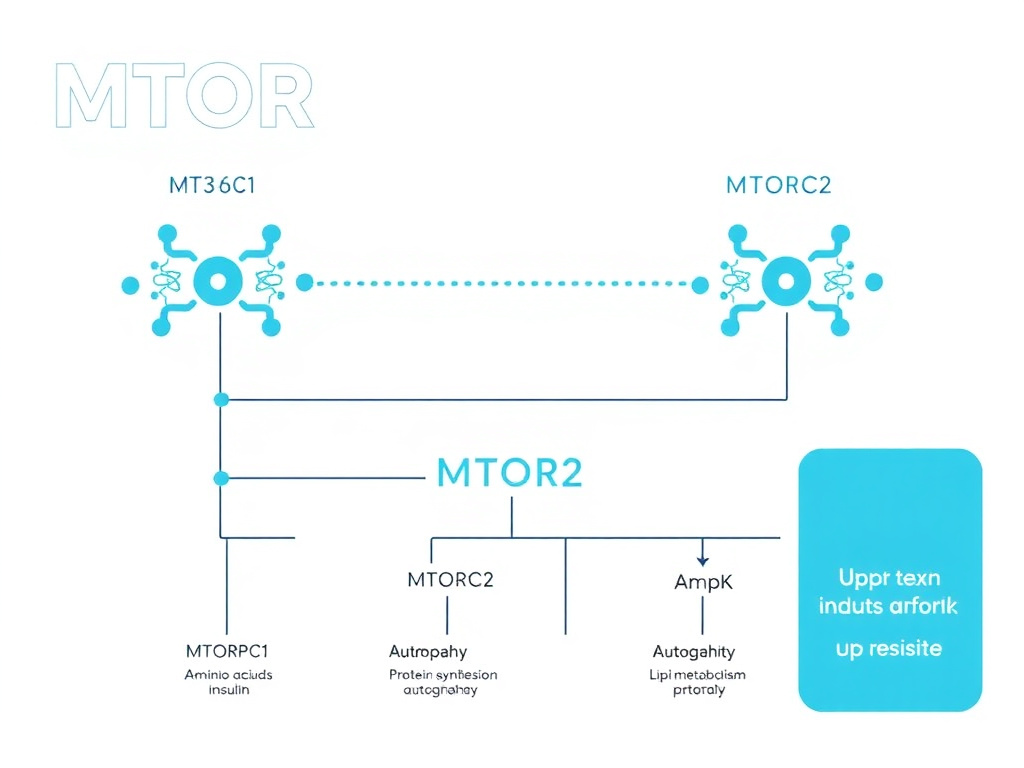
Two Complexes: mTORC1 and mTORC2
mTOR does not function alone. It assembles into two structurally and functionally distinct protein complexes, each with different roles, different regulatory inputs, and different sensitivity to rapamycin.
mTORC1 (mTOR Complex 1)
mTORC1 is the primary nutrient-responsive complex and the direct target of rapamycin. It consists of mTOR itself along with several partner proteins: Raptor (regulatory-associated protein of mTOR), mLST8, PRAS40, and DEPTOR. Raptor is the key scaffolding protein that recruits mTORC1 substrates and determines the complex's specificity.
When activated by sufficient nutrients and growth signals, mTORC1 drives anabolic metabolism through several downstream effectors:
- Protein synthesis: mTORC1 phosphorylates S6 kinase 1 (S6K1) and eukaryotic translation initiation factor 4E-binding protein 1 (4E-BP1), which together promote ribosomal biogenesis and cap-dependent mRNA translation. This is how cells ramp up protein production when resources are abundant.
- Lipid synthesis: mTORC1 activates sterol regulatory element-binding proteins (SREBPs) to promote fatty acid and cholesterol production needed for membrane synthesis during cell growth.
- Nucleotide synthesis: Through S6K1 and other effectors, mTORC1 stimulates the production of purines and pyrimidines required for DNA replication.
- Autophagy suppression: mTORC1 directly phosphorylates ULK1 (Unc-51-like kinase 1) and ATG13, preventing the formation of the autophagy initiation complex. It also phosphorylates TFEB (transcription factor EB), keeping this master regulator of lysosomal biogenesis sequestered in the cytoplasm.
In simple terms, active mTORC1 tells the cell: "Resources are plentiful. Build, grow, and divide." This is exactly the right signal for a developing organism. But in an adult, particularly an aging adult, chronic mTORC1 activation becomes problematic. Cells continue building proteins at a high rate without adequate quality control, damaged organelles accumulate because autophagy is suppressed, and inflammatory pathways are activated.
mTORC2 (mTOR Complex 2)
mTORC2 shares the mTOR kinase with mTORC1 but assembles with a different set of partner proteins: Rictor (rapamycin-insensitive companion of mTOR), mSIN1, Protor-1/2, mLST8, and DEPTOR. The name of Rictor itself reveals a critical distinction: mTORC2 was initially considered insensitive to rapamycin. Acute rapamycin treatment does not directly inhibit mTORC2, although chronic, prolonged exposure can disrupt mTORC2 assembly in some cell types.
mTORC2 has different downstream functions compared to mTORC1:
- Akt/PKB activation: mTORC2 phosphorylates Akt at serine 473, which is required for full Akt activation. Akt is a key survival kinase that regulates glucose uptake, cell survival, and metabolism.
- Cytoskeletal organization: Through PKC-alpha and other substrates, mTORC2 regulates actin cytoskeleton dynamics.
- Metabolic regulation: mTORC2 influences glucose metabolism and lipid homeostasis through Akt-dependent pathways.
The distinction between mTORC1 and mTORC2 matters enormously for understanding rapamycin's effects on aging. Most of the beneficial anti-aging effects of rapamycin appear to come from mTORC1 inhibition: increased autophagy, reduced inflammatory signaling, decreased cellular senescence, and improved proteostasis. However, some of the adverse metabolic effects - particularly glucose intolerance and insulin resistance - may result from chronic mTORC2 disruption that occurs with prolonged, high-dose rapamycin use. This is one reason why intermittent, low-dose rapamycin protocols are favored in longevity contexts: they may preferentially inhibit mTORC1 while largely sparing mTORC2.
mTORC1 vs mTORC2 AT A GLANCE
| Feature | mTORC1 | mTORC2 |
|---|---|---|
| Key partner protein | Raptor | Rictor |
| Rapamycin sensitivity | Directly inhibited | Only with chronic exposure |
| Primary inputs | Amino acids, glucose, growth factors | Growth factors, PI3K |
| Key outputs | Protein synthesis, lipid synthesis, autophagy suppression | Akt activation, cytoskeletal regulation |
| Role in aging | Hyperactivation drives aging phenotypes | Maintains insulin signaling, cell survival |
| Longevity effect of inhibition | Generally beneficial | Generally detrimental (glucose intolerance) |
Nutrient Sensing: How mTOR Detects Food
One of mTOR's most remarkable features is its ability to sense intracellular nutrient levels with precision. This sensing occurs primarily at the lysosomal surface, where mTORC1 is recruited and activated through an elaborate molecular machinery.
Amino acids - particularly leucine, arginine, and methionine - are the primary nutrient signals for mTORC1. When amino acid concentrations rise inside the lysosome (following protein digestion), a protein complex called the vacuolar H+-ATPase (v-ATPase) on the lysosomal membrane detects this change. The v-ATPase signals to a GTPase complex called the Ragulator, which in turn activates Rag GTPases. These Rag GTPases physically recruit mTORC1 to the lysosomal surface, bringing it into proximity with another GTPase called Rheb (Ras homolog enriched in brain). When Rheb is in its active, GTP-bound state, it directly activates mTORC1.
This lysosomal recruitment mechanism explains why amino acids are such potent activators of mTOR, and why protein-rich meals stimulate mTORC1 more strongly than other macronutrients. It also explains why fasting and caloric restriction inhibit mTORC1: when amino acid levels drop, mTORC1 cannot be recruited to the lysosome and remains inactive in the cytoplasm.
Glucose and cellular energy status provide a second layer of regulation through AMPK. When cellular ATP levels drop (high AMP:ATP ratio), AMPK is activated. AMPK inhibits mTORC1 through two mechanisms: it phosphorylates TSC2 (tuberous sclerosis complex 2), which activates the TSC1/TSC2 complex to keep Rheb inactive, and it directly phosphorylates Raptor to disrupt mTORC1 function. This AMPK-mTOR axis represents one of the most important regulatory nodes in cellular metabolism, and it connects directly to several longevity peptides. MOTS-c, the mitochondrial-derived peptide, activates AMPK and thereby indirectly suppresses mTORC1 - providing a peptide-based pathway to some of the same downstream effects as rapamycin.
Growth Factor Signaling: The Insulin/IGF-1 Connection
The third major input to mTOR comes from growth factor signaling, primarily through the insulin and insulin-like growth factor 1 (IGF-1) pathway. When insulin or IGF-1 binds its receptor, a signaling cascade is initiated through PI3K and Akt. Akt phosphorylates and inactivates TSC2, releasing the brake on Rheb and allowing it to activate mTORC1.
This connection between insulin/IGF-1 signaling and mTOR is profoundly relevant to aging. The insulin/IGF-1 signaling (IIS) pathway was the first genetically defined longevity pathway, discovered through studies in C. elegans showing that mutations reducing IIS dramatically extend lifespan. Reduced IIS signaling leads to lower mTOR activity, increased autophagy, enhanced stress resistance, and extended lifespan across species from worms to mice.
This insulin-mTOR connection also explains one of the potential side effects of chronic rapamycin use. By inhibiting mTORC1 (and with prolonged use, mTORC2), rapamycin can create a feedback loop that reduces insulin sensitivity. The loss of mTORC2-mediated Akt phosphorylation impairs insulin signaling in some tissues, leading to glucose intolerance. This metabolic side effect has been documented in both animal studies and human trials, although it appears to be dose-dependent and reversible upon discontinuation.
mTOR and the Hallmarks of Aging
The mTOR pathway intersects with virtually every recognized hallmark of aging, which is why it has become such a focal point for geroscience research:
- Loss of proteostasis: Chronic mTORC1 activity drives excessive protein synthesis without proportional quality control, leading to accumulation of misfolded and damaged proteins. mTOR inhibition restores the balance by reducing protein synthesis rates and increasing autophagic clearance.
- Disabled macroautophagy: As the primary negative regulator of autophagy, chronically elevated mTORC1 contributes directly to the age-related decline in autophagic capacity. Rapamycin restores autophagy to more youthful levels.
- Cellular senescence: mTOR signaling promotes the senescence-associated secretory phenotype (SASP), the pro-inflammatory program that makes senescent cells toxic to surrounding tissue. Rapamycin suppresses SASP without necessarily killing senescent cells, making it complementary to senolytic approaches like FOXO4-DRI.
- Mitochondrial dysfunction: mTORC1 regulates mitochondrial biogenesis and dynamics. Its inhibition can improve mitochondrial function through enhanced mitophagy (selective autophagy of damaged mitochondria) and is linked to pathways modulated by mitochondrial-derived peptides like MOTS-c and Humanin.
- Deregulated nutrient sensing: mTOR is itself a nutrient sensor, and its chronic hyperactivation represents a prime example of deregulated nutrient sensing in aging.
- Stem cell exhaustion: mTOR hyperactivation in stem cells drives them toward differentiation and senescence, depleting stem cell pools. Rapamycin can preserve stem cell function and improve regenerative capacity in aging tissues.
- Altered intercellular communication: Through suppression of SASP and modulation of inflammatory cytokines, mTOR inhibition improves the tissue microenvironment and reduces chronic low-grade inflammation ("inflammaging").
- Genomic instability: By promoting autophagy and protein quality control, mTOR inhibition may help maintain genome integrity through more efficient DNA damage repair.
The Hyperfunction Theory of Aging
Russian-American biologist Mikhail Blagosklonny has proposed an influential theory of aging centered on mTOR that helps explain why rapamycin works so well as an anti-aging intervention. According to the hyperfunction theory, aging is not caused by the accumulation of random molecular damage (as classic theories suggest), but rather by the continued operation of developmental growth programs in adulthood. mTOR, which drives growth during development, does not shut off after maturity. Instead, it continues to push cells toward growth and proliferation when it should shift them toward maintenance.
In this framework, age-related diseases are not the result of wear and tear but of "quasi-programmed" hyperfunction. mTOR-driven protein synthesis that was beneficial during development becomes harmful in adulthood when it contributes to hypertrophy, fibrosis, and metabolic dysfunction. Rapamycin, by dialing down this hyperfunctional program, doesn't repair damage but prevents the excess activity that causes damage in the first place.
This theory also explains why rapamycin works even when started late in life. If aging were purely about accumulated damage, reducing mTOR activity in old age would have little effect since the damage would already be done. But if aging is driven by ongoing hyperfunctional signaling, then inhibiting that signaling at any age should slow the process, which is exactly what the ITP data show.
Evolutionary Perspective: Why Does mTOR Become Harmful?
From an evolutionary standpoint, the mTOR pathway is optimized for reproductive fitness, not longevity. In natural environments, where food is scarce and predation is common, organisms rarely live long enough for chronic mTOR activation to become problematic. The pathway's aggressive growth-promoting activity is advantageous during youth: it builds muscle, strengthens bones, and supports immune development. Natural selection has no reason to favor pathways that become harmful only after the reproductive period.
This evolutionary logic - sometimes called antagonistic pleiotropy - means that mTOR activity is beneficial early in life but harmful later. Caloric restriction, which has been known to extend lifespan since the 1930s, works in large part by reducing mTOR activity. Rapamycin achieves a similar effect pharmacologically. Both essentially trick the cell into behaving as though nutrients are scarce, activating the conservation and maintenance programs that evolution designed for lean times.
For researchers interested in the intersection of mTOR biology with peptide science, the Peptide Research Hub provides additional context on how various peptide compounds interact with these fundamental aging pathways.
Rapamycin Discovery Story
The story of rapamycin reads like a scientific adventure novel, spanning decades, continents, and near-misses that could have erased this molecule from history entirely. From volcanic soil on a remote Pacific island to one of the most studied drugs in longevity science, rapamycin's journey is extraordinary.
Easter Island: The Soil Sample That Changed Everything
In January 1965, a team of Canadian scientists arrived on Rapa Nui (Easter Island), the most isolated inhabited island on Earth, located roughly 3,700 kilometers off the coast of Chile in the South Pacific. The expedition, known as METEI (Medical Expedition to Easter Island), was funded by the World Health Organization and supported logistically by the Royal Canadian Navy. Over three months, the team studied the island's roughly 1,000 inhabitants, examining their health, genetics, and environment.
Among the scientists was Georges Nogrady, a microbiologist from the University of Montreal, who collected over 200 soil samples from various locations around the island. These samples were shipped back to Canada and deposited with pharmaceutical company Ayerst Laboratories in Montreal for analysis. The samples sat largely untouched for several years until a young biochemist named Suren Sehgal began screening them for bioactive compounds in the early 1970s.
Suren Sehgal and the Discovery
Born in 1932 in Lahore (then British India, now Pakistan), Suren Nath Sehgal earned his PhD in biochemistry and joined Ayerst Laboratories in Montreal. When he began analyzing the Easter Island soil samples, his team isolated a bacterium, later identified as Streptomyces hygroscopicus, that produced a compound with potent antifungal properties. In 1972, Sehgal and colleagues isolated and purified this compound, naming it rapamycin after the island where the soil was collected.
Initial studies revealed that rapamycin had antifungal activity against Candida albicans, and Sehgal explored its potential as an antifungal drug. But early testing also revealed something unexpected: rapamycin had powerful immunosuppressive properties. It could inhibit the proliferation of T cells and B cells in ways that were mechanistically distinct from existing immunosuppressants like cyclosporine.
The Freezer That Saved Rapamycin
In 1983, Ayerst Laboratories was acquired by American Home Products, and the Montreal research facility was slated for closure. The corporate decision-makers saw no commercial future for rapamycin - it wasn't a strong enough antifungal to compete with existing drugs, and its immunosuppressive properties weren't yet appreciated as commercially valuable. Orders came down to destroy the remaining rapamycin stocks and bacterial cultures.
Sehgal refused. In what has become one of the most celebrated acts of scientific disobedience, he performed a large-scale fermentation of the rapamycin-producing Streptomyces hygroscopicus, carefully packaged vials of the bacterial strain and purified compound, and took them home. He placed the vials in his family's kitchen freezer, where they sat alongside frozen dinners and ice cream for the next five years.
When Ayerst's successor company, Wyeth-Ayerst, opened new research facilities in Princeton, New Jersey, Sehgal transferred there with his precious samples. He campaigned relentlessly to restart rapamycin research, and eventually succeeded. By the late 1980s, rapamycin was being evaluated as a potential immunosuppressant for organ transplantation. In 1999, the FDA approved rapamycin (under the brand name Rapamune/sirolimus) for preventing kidney transplant rejection.
Tragically, Suren Sehgal was diagnosed with colon cancer in 1998. He used rapamycin on himself as part of his own experimental treatment and initially saw his cancer respond. However, he eventually discontinued rapamycin to undergo surgery - a decision that some colleagues later questioned. The cancer returned aggressively, and Sehgal passed away in 2003. He never saw the explosion of rapamycin longevity research that would begin just a few years later.
The Path to Longevity Research
Rapamycin's transition from immunosuppressant to longevity drug began with basic science discoveries in the 1990s and 2000s. Several key milestones marked this journey:
1991-1994: Discovery of TOR. Researchers Michael Hall and Joseph Heitman identified the target of rapamycin (TOR) in yeast through genetic screens. This led to the identification of the mammalian homolog, mTOR, and the realization that rapamycin inhibits a fundamental cellular growth pathway conserved across virtually all eukaryotic life.
2003-2004: TOR and lifespan in model organisms. Studies in yeast and C. elegans demonstrated that reducing TOR signaling extended lifespan, establishing the first genetic evidence that the mTOR pathway regulates aging.
2004: Drosophila studies. Research in fruit flies showed that rapamycin treatment or genetic reduction of TOR signaling extended lifespan, providing additional cross-species validation.
2009: The ITP bombshell. The NIA Interventions Testing Program published what became one of the most influential papers in aging biology. Testing rapamycin across three independent laboratories in genetically heterogeneous mice, the ITP showed that rapamycin extended median lifespan even when treatment began at 20 months of age (equivalent to roughly 60 years in humans). This was electrifying because it meant rapamycin worked not just as a preventive measure but could slow aging even in already-old organisms. Male mice showed a 9% increase in median lifespan, and females showed a 14% increase.
2012-2014: Dose-response and earlier treatment. Follow-up ITP studies tested different doses and showed that higher doses produced larger lifespan extensions, with a maximum of approximately 23% in females and 26% in males at the highest doses. Studies initiating treatment at 9 months of age showed even larger benefits, confirming that earlier treatment was more effective.
2014: Mannick immune reconditioning study. Joan Mannick and colleagues at Novartis published the first evidence that low-dose mTOR inhibition could enhance, rather than suppress, immune function in elderly humans - a finding that fundamentally changed how researchers thought about rapamycin's effects on the immune system.
2025: PEARL trial results. The first long-term, placebo-controlled trial of rapamycin in healthy aging adults was published, demonstrating safety and potential benefits for body composition and well-being metrics.
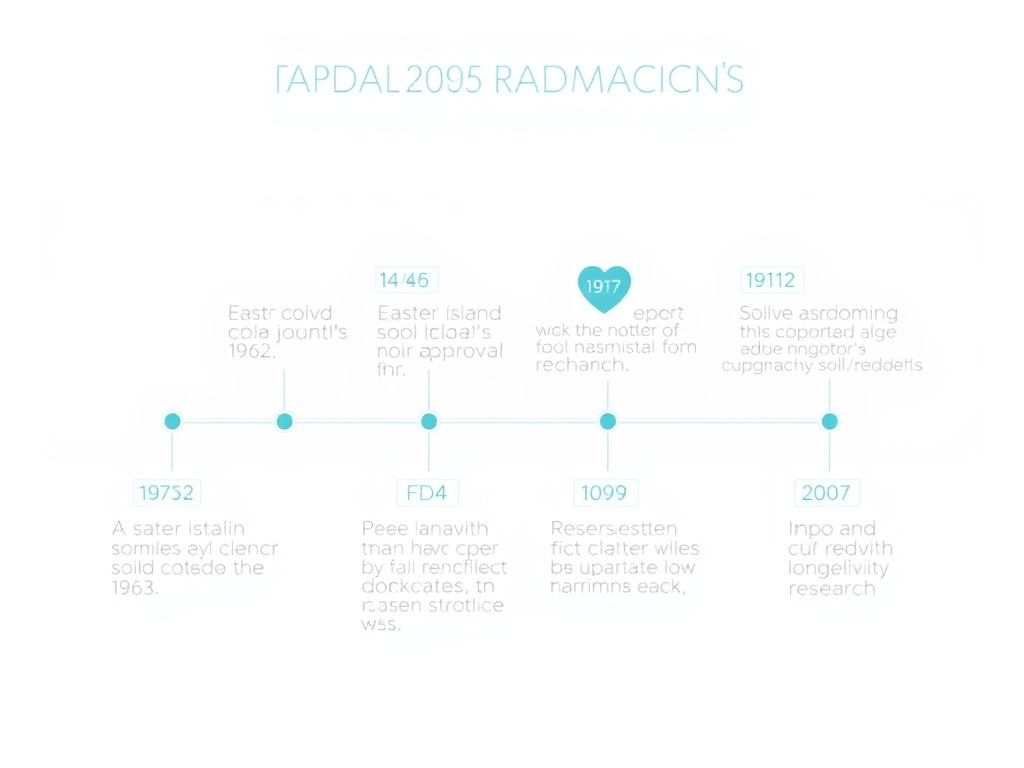
TIMELINE: KEY RAPAMYCIN MILESTONES
| Year | Event |
|---|---|
| 1965 | METEI expedition collects soil samples from Easter Island |
| 1972 | Suren Sehgal isolates rapamycin from Streptomyces hygroscopicus |
| 1975 | Antifungal and immunosuppressive properties characterized |
| 1983-1988 | Rapamycin bacterial stocks preserved in Sehgal's home freezer |
| 1991-1994 | TOR/mTOR identified as rapamycin's molecular target |
| 1999 | FDA approves rapamycin (Rapamune) for transplant immunosuppression |
| 2003-2004 | TOR inhibition shown to extend lifespan in yeast and worms |
| 2009 | ITP demonstrates rapamycin extends mouse lifespan (even started late in life) |
| 2012 | ITP dose-response studies show larger effects at higher doses |
| 2014 | Mannick et al. show low-dose mTOR inhibition enhances elderly immune response |
| 2016 | Dog Aging Project initiated; rapamycin pilot study in companion dogs |
| 2023 | TRIAD study design published for large-scale dog rapamycin trial |
| 2025 | PEARL trial results published showing safety in healthy older adults |
From Rapa Nui to Rapalog: The Drug Family
Following rapamycin's success as an immunosuppressant, pharmaceutical companies developed several analogs, collectively known as "rapalogs," with improved pharmacokinetic properties:
- Everolimus (RAD001): Developed by Novartis, approved for transplant rejection and several cancers. Better oral bioavailability than rapamycin. Used in Joan Mannick's landmark immune-reconditioning studies.
- Temsirolimus (CCI-779): Developed by Wyeth, approved for advanced renal cell carcinoma. Administered intravenously as a prodrug that converts to rapamycin.
- Ridaforolimus (AP23573): Developed for cancer treatment; not approved by the FDA as of this writing.
All rapalogs work through the same fundamental mechanism: they bind to the intracellular protein FKBP12, and this rapamycin-FKBP12 complex then binds to and inhibits mTORC1. The differences among rapalogs relate primarily to pharmacokinetics (absorption, distribution, metabolism, and excretion) rather than mechanism of action.
For the purposes of longevity research, rapamycin itself remains the most commonly used compound, though everolimus has been employed in several human studies due to its more predictable oral bioavailability. When researchers discuss "mTOR inhibitors" in the context of aging, they're almost always referring to rapamycin or its rapalogs, rather than ATP-competitive mTOR kinase inhibitors (like Torin1 or PP242) that inhibit both mTORC1 and mTORC2 simultaneously.
Animal Longevity Data
Rapamycin holds a unique distinction in aging research: it is the only pharmacological compound that has consistently extended lifespan across multiple species, multiple laboratories, and multiple experimental designs. No other drug comes close in terms of reproducibility and consistency of longevity effects.
The NIA Interventions Testing Program (ITP)
The Interventions Testing Program, funded by the National Institute on Aging, represents the gold standard for evaluating potential longevity interventions in mice. What makes the ITP exceptional is its rigor: every compound is tested simultaneously at three independent sites (the University of Michigan, the Jackson Laboratory, and the University of Texas Health Science Center), using genetically heterogeneous UM-HET3 mice. This four-way cross design ensures genetic diversity that better mimics human populations and avoids the pitfalls of inbred strain-specific effects.
Rapamycin was first tested by the ITP in a study published in 2009 in Nature. The original protocol called for treatment beginning at 4 months of age, but delays in developing a stable rapamycin formulation (encapsulated in a microencapsulated diet called Eudragit) meant that mice didn't receive the drug until 20 months of age. At the time, this was considered a significant setback - surely starting treatment so late would eliminate any benefit.
The results shocked the field. Even beginning at 20 months (roughly equivalent to 60 human years), rapamycin at 14 parts per million (ppm) in the diet extended median lifespan by 9% in males and 14% in females. Maximum lifespan also increased. The effect was consistent across all three testing sites, an extraordinary level of reproducibility that immediately set rapamycin apart from every other compound tested.
ITP Dose-Response Studies
Subsequent ITP studies explored different doses and initiation times, painting a progressively more detailed picture of rapamycin's longevity effects:
| Study | Dose (ppm in diet) | Start Age | Male Lifespan Change | Female Lifespan Change |
|---|---|---|---|---|
| Harrison et al. 2009 | 14 ppm | 20 months | +9% median | +14% median |
| Miller et al. 2011 | 14 ppm | 9 months | +10% median | +18% median |
| Miller et al. 2014 | 42 ppm | 9 months | +23% median | +26% median |
| Strong et al. 2020 | 14 ppm (intermittent) | 20 months | Significant extension | Significant extension |
Several patterns emerged from the ITP data. First, there was a clear dose-response relationship: higher doses produced larger lifespan extensions, with 42 ppm in the diet producing approximately 23-26% increases in median lifespan. Second, earlier treatment was somewhat more effective than late-life treatment, though even late initiation was beneficial. Third, females consistently showed larger benefits than males at every dose tested. Fourth, intermittent dosing protocols (one month on, one month off) were effective in both sexes, though somewhat less so than continuous treatment in females.
ITP Mouse Lifespan Data
Median lifespan in days from the 2009 ITP study. Control males: 803 days; Rapamycin males: 900 days (+12%); Control females: 871 days; Rapamycin females: 1,005 days (+15%). Data from Harrison et al. Nature 2009.
Why the Sex Difference?
The consistent finding that female mice benefit more from rapamycin than males has generated considerable scientific interest. Several hypotheses have been proposed. Female mice may have higher baseline mTORC1 activity, meaning there's more room for beneficial inhibition. Hormonal differences may modulate mTOR sensitivity - estrogen signaling interacts with the PI3K-Akt-mTOR axis. Additionally, sex differences in drug metabolism could affect the effective dose reaching target tissues. Female mice generally achieve higher blood levels of rapamycin from the same dietary dose, which may contribute to their larger response. Whatever the mechanism, this sex difference has important implications for clinical translation, as it suggests that optimal dosing for longevity may differ between men and women.
Other Mouse Studies Outside the ITP
The ITP results have been corroborated and extended by numerous independent laboratories. Some highlights include studies in cancer-prone mouse strains, where rapamycin not only extended lifespan but also delayed tumor onset. Studies in genetically modified mouse models of accelerated aging (such as Lmna-deficient mice) have shown rapamycin can partially rescue premature aging phenotypes. Research in obese mouse models demonstrated that rapamycin extends lifespan even in the context of metabolic dysfunction, though the effects on body weight and glucose homeostasis are complex.
A particularly interesting finding came from studies combining rapamycin with other interventions. Rapamycin combined with acarbose (a carbohydrate absorption inhibitor also validated by the ITP) produced additive lifespan extension in some studies. More recently, a 2025 study combining rapamycin with trametinib (a MEK inhibitor) showed that the two drugs together extended average lifespan by 27-29% in middle-aged mice, with reductions in tumor burden, systemic inflammation, and cognitive decline beyond what either drug achieved alone.
Beyond Mice: Other Model Organisms
Yeast (Saccharomyces cerevisiae)
Some of the earliest evidence linking TOR signaling to aging came from yeast studies. Deletion of TOR1 or treatment with rapamycin extends both chronological lifespan (how long non-dividing yeast cells survive) and replicative lifespan (how many daughter cells a mother cell can produce) in budding yeast. These studies established TOR as a conserved aging pathway and provided the initial rationale for testing rapamycin in mammals.
Nematodes (Caenorhabditis elegans)
Genetic reduction of TOR signaling in C. elegans, through RNA interference targeting let-363 (the worm TOR homolog) or CeTOR, extends lifespan. The effect requires the autophagy pathway, establishing the mechanistic link between TOR inhibition, autophagy induction, and longevity. Rapamycin treatment itself has been tested in worms with positive results, though the effects are somewhat variable depending on the specific protocol.
Fruit Flies (Drosophila melanogaster)
Rapamycin extends lifespan in Drosophila when administered in food. Genetic reduction of TOR pathway components (including dTOR, dRaptor, and dS6K) similarly extends fly lifespan. Interestingly, the lifespan extension in flies is associated with reduced intestinal pathology, suggesting that mTOR inhibition protects the gut - a finding with potential relevance to the gut-aging connection in mammals.
Companion Dogs
The Dog Aging Project, co-founded by Matt Kaeberlein and Daniel Promislow, has brought rapamycin research into a species that shares the human environment: companion dogs. An initial pilot study in 2017 tested low-dose rapamycin (0.05 mg/kg or 0.1 mg/kg three times weekly for 10 weeks) in 24 healthy middle-aged large-breed dogs. Echocardiographic analysis revealed improvements in both systolic and diastolic cardiac function, suggesting that even short-term, low-dose rapamycin can improve heart function in aging dogs.
Building on these results, the TRIAD study (Test of Rapamycin In Aging Dogs) was launched as a much larger, more rigorous trial. Published in its design phase in 2024, TRIAD enrolls 580 healthy middle-aged companion dogs (at least 7 years old and weighing at least 40 pounds), randomized to receive either rapamycin or placebo once weekly for one year, followed by two additional years of follow-up. The primary endpoint is all-cause mortality, making TRIAD the first true lifespan trial of a longevity drug conducted outside laboratory settings.
TRIAD is significant for several reasons beyond its scientific questions. Dogs age roughly seven times faster than humans, meaning results will come much sooner than a human trial. Dogs share the human environment, including diet, stress, environmental exposures, and veterinary care, making findings more translatable than laboratory mouse studies. And the emotional connection people have with their pets creates powerful motivation for both recruitment and compliance.
What About Primates?
As of early 2026, no completed rapamycin lifespan studies exist in non-human primates, which represents a gap in the translational evidence. Caloric restriction studies in rhesus macaques have shown mixed but generally positive results on health and survival, and since rapamycin acts through overlapping pathways, there's reason to expect benefits. However, the logistical challenges of conducting lifespan studies in long-lived primates - where experiments would need to run for decades - make this unlikely to happen through traditional academic funding mechanisms.
Some indirect evidence comes from studies of the mTOR pathway in primates. Rhesus macaque tissues show age-related increases in mTOR activity similar to those seen in mice and humans, and rapamycin treatment normalizes these changes ex vivo. Additionally, the immune reconditioning studies by Mannick and colleagues (discussed in the next sections) provide human data supporting mTOR inhibition as beneficial for at least some aspects of aging.
KEY EVIDENCE SUMMARY
Rapamycin extends lifespan in every model organism tested: yeast, worms, flies, and mice (across multiple genetic backgrounds and independent laboratories). Pilot data in companion dogs shows cardiac benefits. The TRIAD trial in 580 dogs will provide the first non-laboratory lifespan data. No primate lifespan studies have been completed, but human immune function data is positive. This breadth of evidence across species is unmatched by any other pharmacological longevity intervention.
Human Anti-Aging Research
Translating rapamycin's remarkable animal longevity data into human applications requires careful clinical research. While we don't yet have proof that rapamycin extends human lifespan, a growing body of clinical evidence supports its safety at low doses and suggests benefits for several aging-related endpoints.
The PEARL Trial (2025)
The Participatory Evaluation of Aging with Rapamycin for Longevity (PEARL) trial, published in April 2025 in the journal Aging, represents the most comprehensive assessment of rapamycin for longevity in healthy adults to date. This was a 48-week, decentralized, double-blinded, randomized, placebo-controlled trial designed to evaluate the long-term safety and potential benefits of intermittent low-dose rapamycin.
Study Design
PEARL enrolled 114 participants aged 50 to 85 who were generally healthy and not taking immunosuppressive medications. Participants were randomized to one of three arms: placebo, 5 mg rapamycin once weekly, or 10 mg rapamycin once weekly. The trial was decentralized, meaning participants received their medications by mail and performed assessments at home or at local laboratories, with virtual physician consultations. This design was crowdfunded through the AgelessRx platform, reflecting the intense public interest in rapamycin for longevity.
Safety Results
The primary finding was that low-dose, intermittent rapamycin was relatively safe over 48 weeks. There were no significant differences in serious adverse events between the rapamycin and placebo groups. Common side effects included mild mouth sores (aphthous ulcers), which are a known class effect of mTOR inhibitors and are typically dose-dependent and self-resolving. Metabolic parameters, including fasting glucose, HbA1c, and lipid panels, did not show clinically significant deterioration in the rapamycin groups compared to placebo.
This safety profile was particularly reassuring because many clinicians had extrapolated safety concerns from transplant patients receiving much higher daily doses (typically 2-5 mg daily, aiming for trough levels of 5-15 ng/mL) to the much lower intermittent doses used for longevity. PEARL helped establish that these concerns, while valid for continuous high-dose use, may not apply to weekly low-dose protocols.
Efficacy Signals
While PEARL was primarily a safety study and was not powered to detect definitive efficacy endpoints, several encouraging signals emerged:
- Lean tissue mass: Women receiving 10 mg rapamycin weekly showed statistically significant improvements in lean tissue mass compared to placebo. This is particularly relevant given the importance of sarcopenia (age-related muscle loss) as a driver of frailty and disability in aging.
- Pain reduction: Women on the 10 mg dose also reported significant improvements in self-reported pain scores.
- Emotional well-being: Participants on 5 mg rapamycin reported improvements in emotional well-being and general health measures.
- Bone health: Men showed trends toward improved bone mineral density, though this did not reach statistical significance in the overall analysis.
The sex-specific pattern of benefits in PEARL echoed the animal data, where females consistently showed larger responses to rapamycin. This reinforces the possibility that rapamycin's effects on aging are modulated by sex hormones or sex-specific metabolic differences.
The Adelaide Trial
A separate randomized controlled trial conducted in Adelaide, Australia, tested low-dose rapamycin (1 mg daily for 8 weeks) in older adults. This trial focused on safety and biomarker endpoints. Results showed that daily low-dose rapamycin was safe in the short term, with no significant changes in insulin sensitivity or glucose regulation. The study also assessed walking speed, grip strength, and inflammatory markers, though detailed results varied across endpoints.
Bryan Johnson's N=1 Experience
Bryan Johnson, the tech entrepreneur known for his "Blueprint" anti-aging protocol, publicly documented his experience with rapamycin before discontinuing it. Johnson reported elevated blood glucose levels, increased susceptibility to infections, and impaired wound healing during rapamycin use. His decision to stop and publicly express regret generated significant media coverage and highlighted the tension between animal data showing clear benefits and the uncertain risk-benefit ratio in individual humans.
Johnson's experience, while informative, must be interpreted cautiously. His protocol involved numerous simultaneous interventions, making it difficult to attribute specific effects to rapamycin. His dosing schedule and other concurrent medications could have amplified rapamycin's metabolic effects. Individual genetic variation in rapamycin metabolism (through CYP3A4 and P-glycoprotein polymorphisms) means that the same dose can produce vastly different blood levels in different people. His experience underscores the importance of monitoring blood levels and metabolic parameters when using rapamycin off-label.
Off-Label Rapamycin Use in the Longevity Community
Despite the limited formal clinical evidence, off-label rapamycin use for longevity has grown substantially, particularly in the biohacking and longevity medicine communities. A 2025 review published in Aging analyzed the available evidence base for this practice and concluded that while the animal data is compelling, there is "no clear clinical evidence" that rapamycin extends healthspan or delays aging in healthy humans.
Surveys of longevity practitioners suggest that the most common off-label protocol involves 3-6 mg of rapamycin taken once weekly, sometimes with a "drug holiday" of one week off every 4-8 weeks. Practitioners typically monitor blood levels, complete blood counts, metabolic panels, and lipid profiles. Some combine rapamycin with other interventions like metformin, NAD+ precursors, or peptides such as Epithalon.
The gap between animal evidence and human evidence for rapamycin longevity is the central challenge facing the field. The animal data is exceptionally strong - arguably the strongest for any longevity intervention ever tested. But translating this to humans requires overcoming several hurdles: human trials are expensive, lifespan endpoints take decades, surrogate biomarkers of aging are still being validated, and the regulatory framework wasn't designed for drugs that target aging itself. The Biohacking Hub provides additional context on how individuals approach these translational challenges.
Ongoing and Planned Human Trials
Several additional human studies of rapamycin for aging-related endpoints are in various stages:
- VALID (Validating Benefits of Rapamycin for Longevity): A follow-up to PEARL with a larger sample size and additional biomarker endpoints.
- Rapamycin for Alzheimer's prevention: Early-stage investigations are exploring whether mTOR inhibition can reduce amyloid and tau pathology through enhanced autophagy.
- Rapamycin for periodontal aging: A small trial showed rapamycin mouthwash improved gum tissue health in older adults, suggesting potential for topical applications.
- Rapamycin for skin aging: Topical rapamycin has been tested for age-related skin changes, with some evidence of improvements in collagen production and skin appearance.
The field is moving toward a strategy of testing rapamycin against specific age-related conditions rather than "aging" as a whole. This approach aligns better with existing regulatory frameworks and allows for more manageable trial designs with condition-specific endpoints. If rapamycin can demonstrate clear benefits for immune function, cardiovascular health, or neurodegeneration in controlled trials, the case for broader longevity use becomes much stronger.
RESEARCH STATUS CHECK
As of early 2026, rapamycin for human longevity remains in a pre-proof-of-concept stage. The PEARL trial established safety for weekly low-dose use, and several efficacy signals are encouraging, but no randomized controlled trial has demonstrated that rapamycin extends human lifespan or decisively slows biological aging. Individuals using rapamycin off-label for longevity are making a calculated bet based on strong animal data and limited human safety data. Medical supervision, regular lab monitoring, and awareness of potential side effects are essential for anyone considering this approach.
Immune Reconditioning
One of the most counterintuitive findings in rapamycin research is that an immunosuppressant drug can actually enhance immune function. At low, intermittent doses, mTOR inhibitors appear to rejuvenate the aging immune system rather than suppress it - a phenomenon known as immune reconditioning.
The Immunosenescence Problem
Aging takes a heavy toll on the immune system. The thymus, which produces naive T cells, begins involuting after puberty and is largely atrophied by middle age. The proportion of naive T cells (capable of responding to new threats) declines, while memory and senescent T cells accumulate. B cell diversity decreases. Natural killer cell function becomes impaired. The innate immune system becomes chronically activated, producing low-grade inflammation (inflammaging) that damages tissues throughout the body.
This immunosenescence has real-world consequences. Elderly individuals respond poorly to vaccines, are more susceptible to infections, and have higher rates of cancer (partly due to impaired immune surveillance). Seasonal influenza kills tens of thousands of older Americans annually, in large part because their immune systems cannot mount an adequate response to vaccination or natural infection.
For decades, there was no pharmacological approach to reversing immunosenescence. Exercise, caloric restriction, and adequate nutrition could help, but no drug could reliably rejuvenate an aging immune system. That changed with Joan Mannick's research on mTOR inhibitors.
The Mannick Studies
2014: The First Evidence (Everolimus)
In 2014, Joan Mannick and colleagues at Novartis published a study in Science Translational Medicine that fundamentally changed how researchers thought about mTOR inhibition and immunity. The study enrolled 218 volunteers aged 65 and older and randomized them to receive one of three doses of the rapalog everolimus (RAD001) or placebo for six weeks, followed by influenza vaccination two weeks after stopping the drug.
The results were striking. Participants who received low-dose everolimus (0.5 mg daily or 5 mg weekly) showed approximately 20% improvement in their antibody response to influenza vaccination compared to placebo. The response to the H1N1 and H3N2 influenza strains was enhanced, and the percentage of participants achieving seroconversion (a clinically meaningful antibody response) increased.
What made this finding remarkable was its apparent paradox: mTOR inhibitors are immunosuppressants in the transplant setting, yet at lower doses they enhanced immune function. The explanation lies in dose and duration. At low doses, mTOR inhibition appears to selectively suppress exhausted and senescent immune cells while allowing more functional immune cells to expand. It may also enhance autophagy in immune cells, improving their metabolic fitness and ability to respond to antigenic challenge.
2018: Respiratory Tract Infections
Building on the 2014 results, Mannick's group conducted a larger trial testing whether mTOR inhibition could reduce respiratory tract infections (RTIs) in elderly adults. This phase 2b study tested RTB101 (a catalytic mTOR inhibitor) alone and in combination with everolimus. The combination of RTB101 and everolimus significantly reduced the incidence of RTIs compared to placebo. Gene expression analysis showed upregulation of interferon-stimulated antiviral genes, suggesting that mTOR inhibition was enhancing innate antiviral immunity.
Phase 3 Trial: Mixed Results
A subsequent phase 3 trial of RTB101 alone (without everolimus) for prevention of respiratory tract infections in elderly adults did not meet its primary endpoint. This failure highlighted that the specific combination and dosing of mTOR inhibitors matters enormously for immune enhancement. RTB101 alone, despite being an mTOR inhibitor, did not produce the same immune benefits as RTB101 combined with everolimus or low-dose everolimus alone. The reasons for this discrepancy are still being investigated, but they may relate to the relative inhibition of mTORC1 versus mTORC2 achieved by different drugs and doses.
Mechanism of Immune Reconditioning
How does mTOR inhibition enhance rather than suppress immune function in aging? Several mechanisms have been proposed based on preclinical and clinical data:
- Selective suppression of senescent immune cells: The aging immune system is clogged with dysfunctional, senescent T cells that occupy immunological "space" but cannot effectively respond to new pathogens. These cells have high mTOR activity. Brief mTOR inhibition may preferentially suppress these cells, creating room for more functional immune cell populations to expand.
- Enhanced autophagy in immune cells: T cells and other immune cells require functional autophagy to maintain metabolic fitness and respond to activation signals. Age-related decline in autophagy impairs immune cell function. mTOR inhibition restores autophagy, improving immune cell quality.
- Improved T cell memory formation: mTOR inhibition has been shown to enhance the differentiation of memory T cells. Following vaccination, this could lead to stronger and more durable immune memory.
- Reduced inflammaging: By suppressing the SASP and reducing chronic inflammatory cytokine production, mTOR inhibition may create a less inflammatory environment that allows immune cells to function more effectively.
- Partial thymic regeneration: Some animal data suggests that mTOR inhibition can partially reverse thymic involution, potentially restoring some naive T cell production. This remains to be confirmed in humans.
Connections to Immune-Modulating Peptides
The immune reconditioning effects of mTOR inhibitors share mechanistic ground with several peptides studied for immune function:
Thymosin Alpha-1 (Ta1) is a thymic peptide that enhances T cell maturation and function. Like low-dose mTOR inhibition, Ta1 can shift the immune system toward a more balanced, responsive state. In elderly individuals, both Ta1 and rapamycin appear to address immunosenescence, though through different primary mechanisms: Ta1 promotes thymic function directly, while rapamycin clears senescent immune cells and enhances autophagy. The two approaches could potentially be complementary.
BPC-157, while primarily studied for tissue repair, has demonstrated immunomodulatory properties in animal models, including effects on T cell populations and inflammatory cytokine profiles. Its anti-inflammatory effects might complement mTOR inhibitor-mediated immune reconditioning.
Epithalon, the synthetic tetrapeptide analog of epithalamin, works through telomerase activation and has been associated with thymic tissue preservation in animal models. Given that thymic involution is a major driver of immunosenescence, Epithalon's potential thymus-protective effects could theoretically complement rapamycin's immune reconditioning properties. The Epithalon research report covers this in greater detail.
CLINICAL RELEVANCE
The immune reconditioning data suggests that low-dose, intermittent mTOR inhibition could be valuable for improving vaccine responses and reducing infection susceptibility in elderly adults. This application is closer to clinical translation than longevity per se, as it has specific, measurable endpoints and existing clinical data. However, the failure of the RTB101 phase 3 trial underscores that the specific drug, dose, and combination matter enormously. The optimal protocol for immune reconditioning has not yet been definitively established.
Figure 4: Immune reconditioning through low-dose mTOR inhibition. Unlike high-dose immunosuppression used in transplant medicine, brief low-dose mTOR inhibition selectively suppresses senescent immune cells, enhances autophagy, and improves vaccine responses in elderly adults.
Autophagy and Cellular Cleaning
Autophagy, from the Greek words for "self-eating," is the cell's primary recycling and quality control system. It is arguably the most important downstream effect of mTOR inhibition for longevity, and rapamycin is the most potent pharmacological inducer of autophagy known.
How Autophagy Works
Autophagy is a tightly regulated process through which cells degrade and recycle damaged proteins, dysfunctional organelles, and intracellular debris. The process involves several steps: a double-membrane structure called the phagophore forms around the target material, encloses it to form an autophagosome, and then fuses with lysosomes where acid hydrolases break down the contents into amino acids, fatty acids, and other building blocks that can be reused.
There are three main types of autophagy, each serving different functions:
- Macroautophagy (commonly just called "autophagy") is the most studied form and the one most directly regulated by mTOR. It handles the bulk recycling of cytoplasmic material, including entire organelles like mitochondria.
- Microautophagy involves direct engulfment of small portions of cytoplasm by the lysosomal membrane. It's less well understood but contributes to baseline cellular housekeeping.
- Chaperone-mediated autophagy (CMA) uses specific chaperone proteins (primarily Hsc70) to identify individual proteins bearing a specific targeting motif (KFERQ-like sequences) and transport them across the lysosomal membrane for degradation. CMA is particularly important for removing specific damaged or unnecessary proteins.
mTOR as the Master Autophagy Switch
mTORC1 serves as the primary negative regulator of macroautophagy. When mTORC1 is active (nutrient-replete conditions), it directly phosphorylates ULK1 at serine 757, preventing ULK1 from interacting with AMPK and blocking autophagy initiation. mTORC1 also phosphorylates ATG13, another component of the autophagy initiation complex, further ensuring that autophagy remains suppressed when nutrients are abundant.
Additionally, mTORC1 regulates autophagy at the transcriptional level through TFEB (transcription factor EB). When mTORC1 phosphorylates TFEB, it is retained in the cytoplasm by 14-3-3 proteins. When mTORC1 is inhibited (by rapamycin, fasting, or caloric restriction), TFEB becomes dephosphorylated, translocates to the nucleus, and activates the expression of dozens of genes involved in autophagy, lysosomal biogenesis, and lipid catabolism. This TFEB-mediated program represents a coordinated cellular response to nutrient stress that enhances the cell's entire degradation and recycling capacity.
Rapamycin, by inhibiting mTORC1, releases both of these brakes simultaneously: it allows ULK1 to initiate autophagosome formation, and it activates TFEB to upregulate the entire autophagic-lysosomal system. This dual action makes rapamycin an extraordinarily effective autophagy inducer.
Why Autophagy Declines with Age
One of the most consistent findings in aging biology is that autophagic capacity declines with age across tissues and species. Several factors contribute to this decline:
- Chronic mTORC1 hyperactivation: Age-related increases in mTORC1 activity, driven by nutrient sensing dysregulation and chronic growth factor signaling, keep autophagy chronically suppressed in aged tissues.
- Lysosomal dysfunction: Aged lysosomes accumulate lipofuscin (an indigestible pigment aggregate) and show reduced enzyme activity, impairing their ability to complete the degradation phase of autophagy.
- Decreased autophagy gene expression: Expression of key autophagy genes (Atg5, Atg7, Beclin 1) declines with age in many tissues.
- Impaired autophagosome-lysosome fusion: The efficiency of autophagosome-lysosome fusion decreases with age, leading to accumulation of autophagosomes that cannot complete their cargo degradation.
This age-related autophagy decline creates a vicious cycle. Damaged proteins and organelles accumulate because they aren't being cleared efficiently. These damaged components generate more reactive oxygen species, cause more cellular damage, and contribute to inflammation. The accumulating damage further impairs cellular function, including the autophagy machinery itself. Breaking this cycle - by restoring autophagy through mTOR inhibition, caloric restriction, or exercise - is a core strategy in geroscience.
Selective Autophagy: Mitophagy and Beyond
Beyond bulk macroautophagy, cells employ selective forms of autophagy that target specific damaged organelles. The most relevant for aging is mitophagy, the selective removal of damaged mitochondria.
Damaged mitochondria produce excessive reactive oxygen species, have impaired ATP production, and can trigger apoptosis or inflammation through release of mitochondrial DNA into the cytoplasm. Mitophagy, primarily mediated by the PINK1-Parkin pathway, identifies and tags dysfunctional mitochondria for autophagic degradation. This quality control mechanism ensures that the mitochondrial pool remains functional.
mTOR inhibition enhances mitophagy along with general autophagy, improving mitochondrial quality in aged tissues. This connects rapamycin's effects directly to the biology of mitochondrial-derived peptides. MOTS-c, encoded in the mitochondrial genome, activates AMPK and promotes metabolic homeostasis. Humanin, another mitochondrial-derived peptide, protects against apoptosis and cellular stress. Both peptides are produced by healthy mitochondria, and their circulating levels decline with age. By improving mitochondrial quality through enhanced mitophagy, rapamycin may help maintain the production of these beneficial mitochondrial-derived peptides. The MOTS-c research report provides detailed coverage of this connection.
Autophagy and Senescent Cell Management
The relationship between autophagy and cellular senescence is complex. Senescent cells - cells that have permanently exited the cell cycle but remain metabolically active - accumulate with age and secrete a cocktail of inflammatory cytokines, growth factors, and proteases collectively known as the senescence-associated secretory phenotype (SASP). This SASP drives chronic inflammation and contributes to tissue dysfunction throughout the body.
Rapamycin interacts with senescent cells through multiple mechanisms:
- SASP suppression: Rapamycin inhibits SASP production by senescent cells through both mTORC1-dependent translational control (suppressing IL-6, IL-8, and other SASP cytokines) and through effects on NF-kB signaling. This reduces the inflammatory damage caused by existing senescent cells without necessarily killing them.
- Prevention of senescence: By enhancing autophagy and reducing oxidative damage, rapamycin can prevent cells from entering senescence in the first place, reducing the rate at which new senescent cells accumulate.
- Senescent cell clearance: Some evidence suggests that rapamycin-enhanced autophagy can promote the immune-mediated clearance of senescent cells, though this mechanism is less well established than SASP suppression.
Rapamycin's approach to senescent cells is complementary to true senolytic compounds, which directly kill senescent cells. FOXO4-DRI is a peptide-based senolytic that disrupts the interaction between FOXO4 and p53 in senescent cells, triggering apoptosis. While FOXO4-DRI targets senescent cells for elimination, rapamycin suppresses their harmful secretions and prevents new senescent cells from forming. The two approaches address different aspects of the senescent cell problem and could theoretically be used together. The FOXO4-DRI research report explores this senolytic peptide in depth.
AUTOPHAGY INDUCERS COMPARED
| Intervention | Mechanism | Autophagy Potency | Selectivity |
|---|---|---|---|
| Rapamycin | mTORC1 inhibition | Very high | Broad autophagy + mitophagy |
| Fasting/CR | mTORC1 inhibition + AMPK activation | High | Broad |
| Exercise | AMPK activation | Moderate | Tissue-specific (muscle, liver) |
| Spermidine | Acetyltransferase inhibition | Moderate | Broad |
| Metformin | AMPK activation (indirect mTOR) | Moderate | Liver-predominant |
| Resveratrol | SIRT1 activation | Mild-moderate | Broad |
The Autophagy-Longevity Connection: Genetic Evidence
The strongest evidence linking autophagy to longevity comes from genetic studies across species. In C. elegans, mutations that impair autophagy block the lifespan extension caused by TOR inhibition, caloric restriction, and reduced insulin signaling. This means autophagy is not merely correlated with longevity but is required for it. In mice, tissue-specific deletion of autophagy genes (Atg5 or Atg7) accelerates aging in the affected tissue, producing premature accumulation of damaged proteins, mitochondrial dysfunction, and tissue degeneration. Conversely, mice engineered to have enhanced autophagy (through Beclin 1 overexpression) show extended lifespan and improved healthspan.
Rapamycin treatment in aged mice increases levels of autophagy markers (LC3-II, Beclin 1) and also increases expression of the anti-aging protein Klotho. In a 2023 study, rapamycin treatment increased survival, autophagy biomarkers, and Klotho expression in elderly mice, providing mechanistic evidence linking mTOR inhibition, autophagy, and the broader anti-aging response.
Cancer Prevention and mTOR
Cancer is the second leading cause of death in the United States and the most common cause of death in laboratory mice. Rapamycin's effects on cancer biology represent a significant component of its lifespan-extending properties and deserve careful examination.
mTOR and Cancer Biology
The mTOR pathway is one of the most frequently dysregulated signaling cascades in human cancer. Mutations that activate mTOR signaling - including activating mutations in PI3K, loss-of-function mutations in PTEN, and amplification of growth factor receptors - are found in a wide variety of tumor types. Chronic mTOR activation promotes cancer through several mechanisms:
- Uncontrolled cell growth: mTORC1 drives the protein synthesis and cell growth programs that cancer cells hijack for proliferation.
- Metabolic reprogramming: mTOR promotes the Warburg effect (aerobic glycolysis) and other metabolic adaptations that fuel tumor growth.
- Angiogenesis: mTOR signaling promotes vascular endothelial growth factor (VEGF) production, supporting new blood vessel formation that tumors need for oxygen and nutrients.
- Immune evasion: mTOR activity in the tumor microenvironment can suppress anti-tumor immune responses.
- Autophagy suppression: By suppressing autophagy, chronic mTOR activation impairs the cell's ability to clear damaged DNA and proteins that could initiate carcinogenesis.
Given this biology, it's not surprising that mTOR inhibitors have been developed as cancer therapeutics. Everolimus is FDA-approved for several cancer types, including advanced renal cell carcinoma, certain breast cancers, and pancreatic neuroendocrine tumors. Temsirolimus is approved for advanced renal cell carcinoma. These approvals validate the concept that mTOR inhibition has anti-cancer activity in humans, though the doses used in cancer treatment are higher than those employed for longevity.
Rapamycin and Cancer Prevention in Mice
In the ITP studies, rapamycin's lifespan extension was partly attributable to delayed cancer onset and reduced cancer-related mortality. UM-HET3 mice commonly develop lymphomas and other cancers as they age. Rapamycin-treated mice showed lower tumor burden at death and delayed appearance of tumors compared to controls.
Studies in cancer-prone mouse models have been even more dramatic. In mouse strains genetically predisposed to develop specific cancer types, rapamycin treatment significantly delayed tumor onset and extended survival. For example, in p53 heterozygous mice (which are predisposed to cancer), rapamycin treatment extended lifespan by reducing the rate of tumor formation. In HER2/neu transgenic mice (a model of breast cancer), rapamycin delayed mammary tumor development.
The cancer-preventive effects of rapamycin in mice appear to operate through multiple mechanisms: direct suppression of mTOR-driven proliferation in pre-malignant cells, enhanced autophagy-mediated clearance of damaged cells, improved immune surveillance (via the immune reconditioning effects discussed earlier), and reduced inflammation that otherwise promotes tumor development.
Cancer Considerations for Human Rapamycin Use
The relationship between rapamycin use and cancer risk in humans is nuanced. In the transplant population, where high-dose mTOR inhibitors are used, the overall cancer incidence is lower than with other immunosuppressive regimens (particularly calcineurin inhibitors like cyclosporine and tacrolimus). This finding is consistent with the animal data showing cancer-preventive effects.
For individuals using low-dose rapamycin for longevity, the cancer implications are theoretical but generally favorable. The mechanisms that rapamycin engages - mTOR inhibition, enhanced autophagy, improved immune surveillance, and reduced inflammation - are all expected to reduce cancer risk. However, no randomized clinical trial has demonstrated that low-dose rapamycin reduces cancer incidence in healthy humans. Such a trial would require thousands of participants followed for decades, making it extremely difficult to conduct.
One important caveat: while mTOR inhibition appears cancer-preventive in the context of normal cells and pre-malignant lesions, the picture becomes more complex in established cancers. Some cancers can adapt to mTOR inhibition through feedback activation of alternative growth pathways. Additionally, autophagy can sometimes protect established tumor cells from stress, potentially reducing the effectiveness of certain cancer therapies. This is why individuals with active cancer should not use rapamycin for longevity without oncological guidance.
CANCER CONTEXT
While rapamycin has cancer-preventive properties in animal models and transplant populations show lower cancer rates on mTOR inhibitors versus other immunosuppressants, no clinical trial has proven that low-dose rapamycin prevents cancer in healthy humans. Individuals with active cancer or a history of cancer should discuss mTOR inhibitor use with their oncologist, as the effects on established tumors can be complex.
Metabolic Effects of Rapamycin
Rapamycin's metabolic effects represent both a potential concern and an area of active research. Understanding how mTOR inhibition affects glucose metabolism, lipid profiles, and body composition is essential for anyone evaluating rapamycin for longevity purposes.
Glucose Metabolism and Insulin Sensitivity
The most discussed metabolic side effect of rapamycin is its impact on glucose homeostasis. In multiple animal studies and some human observations, rapamycin treatment has been associated with hyperglycemia (elevated blood glucose), insulin resistance, and - in some rodent studies - "new-onset diabetes." These findings initially caused concern about rapamycin's suitability as a longevity intervention: how could a drug that causes diabetes be anti-aging?
The resolution of this paradox lies in understanding the specific mechanisms involved and the distinction between mTORC1 and mTORC2 inhibition. The glucose-related side effects of rapamycin appear to be mediated primarily through mTORC2 disruption rather than mTORC1 inhibition. Chronic rapamycin exposure disrupts mTORC2 assembly in some tissues, impairing Akt phosphorylation at serine 473. Since Akt is a key mediator of insulin signaling, this leads to impaired glucose uptake in insulin-responsive tissues (primarily muscle and adipose tissue) and increased hepatic glucose output.
Several important qualifications apply to the glucose concern:
- Dose and duration dependent: The metabolic effects are most pronounced with continuous, high-dose rapamycin administration (as used in transplant patients). Weekly low-dose protocols, as used in longevity contexts, appear to cause much less metabolic disruption.
- Reversible: Research has shown that after discontinuing rapamycin treatment, glucose homeostasis markers return to normal within one to two weeks, even after four months of continuous treatment. This suggests that the metabolic effects reflect ongoing drug action rather than permanent metabolic damage.
- Context dependent: The PEARL trial found no clinically significant differences in fasting glucose or HbA1c between rapamycin and placebo groups over 48 weeks of weekly dosing. Similarly, an 8-week trial of daily low-dose rapamycin (1 mg) found no changes in insulin sensitivity.
- Species differences: Some metabolic effects observed in mice may not translate directly to humans. Mouse metabolism differs from human metabolism in ways that could amplify or diminish rapamycin's metabolic impact.
Lipid Effects
Rapamycin can affect lipid metabolism, with some studies showing increases in total cholesterol, LDL cholesterol, and triglycerides. These effects are well documented in transplant patients on continuous high-dose regimens and are thought to result from mTORC1 inhibition of lipid clearance pathways and mTORC2 disruption of Akt-mediated lipid metabolism.
In longevity dosing protocols (weekly, low-dose), the lipid effects are generally mild. The PEARL trial did not find clinically significant lipid changes. Some longevity practitioners who monitor lipids closely report modest increases in LDL cholesterol with weekly rapamycin use, which they may address with concurrent statin therapy or dietary modifications. Whether these mild lipid changes carry cardiovascular risk in the context of rapamycin's other cardioprotective effects (reduced inflammation, improved autophagy) remains an open question.
Body Composition Effects
Rapamycin has complex effects on body composition that vary with dose, duration, and species:
- Fat mass: In mice, rapamycin tends to reduce fat mass, particularly visceral fat. This is thought to be mediated through mTORC1 inhibition of adipogenesis and lipogenesis. In some mouse studies, rapamycin-treated mice are leaner than controls even when eating the same amount.
- Lean mass/muscle: High-dose rapamycin can reduce muscle protein synthesis through S6K1 inhibition, potentially contributing to sarcopenia. However, the PEARL trial showed that women on 10 mg weekly rapamycin actually gained lean tissue mass, suggesting that at longevity doses, rapamycin's anti-inflammatory and autophagy-enhancing effects may benefit muscle health more than its protein synthesis-inhibiting effects harm it.
- Bone: mTOR signaling is involved in osteoblast function and bone formation. Animal data shows complex effects on bone, with some studies showing decreased bone formation at high doses. The PEARL trial found trends toward improved bone mineral density in men, suggesting that low-dose protocols may not impair and might even benefit bone health.
The "Metabolic Paradox" Explained
How can rapamycin cause transient insulin resistance yet extend lifespan and improve metabolic health? This apparent paradox has been a subject of considerable debate. The most widely accepted explanation involves the distinction between acute metabolic effects and long-term health outcomes:
In the short term, rapamycin can cause transient, reversible metabolic perturbations (mild glucose elevation, lipid changes). These are primarily pharmacological effects of mTORC2 disruption. However, in the long term, rapamycin's effects on autophagy, inflammation, cellular senescence, and tissue homeostasis produce net metabolic benefits that outweigh the transient metabolic costs. This is analogous to exercise, which acutely increases oxidative stress and inflammatory markers but produces long-term improvements in metabolic health.
Another way to think about it: the metabolic "cost" of intermittent mTOR inhibition (a few hours of slightly elevated glucose once per week) is a small price for the metabolic "benefit" of enhanced autophagy, reduced inflammation, and improved cellular maintenance that occurs throughout the week. The key word is "intermittent" - continuous high-dose rapamycin, which chronically disrupts both mTORC1 and mTORC2, has a very different risk-benefit profile from weekly low-dose use.
For individuals considering rapamycin use, monitoring metabolic parameters is straightforward and should be part of any responsible protocol. Fasting glucose, HbA1c, lipid panels, and complete blood counts can be checked at baseline and every 3-6 months during use. Any significant metabolic deterioration should prompt dose reduction or discontinuation. The Dosing Calculator can help researchers model appropriate protocols.
Peptide mTOR Modulators and Longevity Combinations
The intersection of rapamycin research and peptide science reveals promising connections. Several longevity peptides interact with the same pathways that mTOR inhibition modulates, creating potential for complementary or additive effects when combined with rapamycin or used independently.
MOTS-c: The Mitochondrial Exercise Mimetic
MOTS-c (Mitochondrial Open Reading Frame of the 12S rRNA Type-c) is a 16-amino acid peptide encoded in the mitochondrial genome. Discovered by Changhan David Lee's group at the University of Southern California, MOTS-c has emerged as a key mediator of mitochondrial-nuclear communication and a potential exercise mimetic.
The connection between MOTS-c and mTOR signaling runs through AMPK. MOTS-c activates AMPK through effects on the folate-methionine cycle, which increases AICAR (an endogenous AMPK activator) levels. Since AMPK is a direct negative regulator of mTORC1, MOTS-c effectively achieves partial mTOR suppression through a peptide-based mechanism rather than direct kinase inhibition.
Key parallels between MOTS-c and rapamycin include:
- AMPK activation: Both MOTS-c (through metabolic pathway modulation) and rapamycin (indirectly through feedback mechanisms) increase AMPK signaling. Active AMPK inhibits mTORC1, promotes autophagy, and enhances mitochondrial function.
- Metabolic regulation: MOTS-c improves insulin sensitivity and glucose metabolism, potentially counteracting the mild metabolic perturbations caused by rapamycin. In mice, MOTS-c treatment improves glucose uptake through AMPK-dependent pathways.
- Exercise connection: MOTS-c is upregulated by exercise in skeletal muscle and circulation. Exercise also activates AMPK and inhibits mTORC1. MOTS-c may represent a molecular mediator of exercise's longevity benefits, acting through some of the same pathways as rapamycin.
- Age-related decline: Circulating MOTS-c levels decrease with age, paralleling the age-related increase in mTORC1 activity. Restoring MOTS-c levels could help rebalance the mTOR/AMPK axis in aging.
Late-life intermittent MOTS-c treatment (three times weekly) has been shown to increase physical capacity and healthspan in mice, with effects on exercise performance and metabolic function. These benefits overlap with but are distinct from rapamycin's effects, suggesting the two interventions could be complementary. Where rapamycin primarily suppresses mTORC1 to enhance autophagy and reduce inflammatory signaling, MOTS-c primarily activates AMPK to enhance metabolic flexibility and mitochondrial function. Together, they address the aging process from both ends of the mTOR/AMPK axis. The MOTS-c research report covers this peptide comprehensively.
Humanin: Mitochondrial Cytoprotection
Humanin is a 24-amino acid peptide, also encoded in the mitochondrial genome (in the 16S rRNA gene). Discovered in 2001 in a screen for neuroprotective factors in Alzheimer's disease brain tissue, Humanin has since been recognized as a broad cytoprotective peptide with anti-apoptotic, anti-inflammatory, and metabolic regulatory functions.
Humanin's connections to mTOR biology are less direct than MOTS-c's but still relevant:
- IGFBP-3 interaction: Humanin binds to insulin-like growth factor binding protein 3 (IGFBP-3), modulating IGF-1 signaling. Since IGF-1 is a major upstream activator of mTOR, Humanin's effects on IGFBP-3 could influence mTOR activity, though the net direction depends on the specific tissue context.
- Anti-apoptotic effects: Humanin protects cells from apoptosis through interaction with BAX and other apoptotic regulators. This cytoprotective effect complements rapamycin's autophagy-enhancing activity: where rapamycin helps cells clean up damage, Humanin helps protect cells from stress-induced death.
- Metabolic regulation: Like MOTS-c, Humanin improves insulin sensitivity and glucose metabolism. Humanin levels decline with age and are associated with longevity in centenarian populations.
- Neuroprotection: Humanin has demonstrated neuroprotective effects in models of Alzheimer's disease, stroke, and other neurological conditions. Since mTOR dysregulation is implicated in neurodegeneration, Humanin's neuroprotective effects could complement rapamycin's central nervous system benefits.
Epithalon: Telomerase and mTOR
Epithalon (AGAG tetrapeptide) activates telomerase to maintain telomere length. While telomere biology and mTOR signaling are often discussed as separate aging pathways, there are meaningful connections:
- Senescence prevention: Both Epithalon (by maintaining telomere length) and rapamycin (by reducing oxidative damage and enhancing autophagy) can prevent cells from entering senescence, though through different mechanisms. Epithalon addresses the replicative senescence pathway (telomere shortening), while rapamycin addresses stress-induced senescence.
- mTOR and telomerase regulation: Some research suggests that mTOR signaling can regulate telomerase activity, though the relationship is complex and context-dependent. mTOR activation has been associated with both increased and decreased telomerase expression depending on the cell type.
- Immune function: Both Epithalon (through thymus preservation) and rapamycin (through immune reconditioning) can improve immune function in aging. Their distinct mechanisms suggest potential for complementary effects.
GHK-Cu: Tissue Repair and mTOR
GHK-Cu (copper peptide) is a naturally occurring tripeptide with copper-binding properties that promotes wound healing, collagen synthesis, and tissue remodeling. While GHK-Cu's primary mechanisms involve gene expression modulation and growth factor signaling rather than direct mTOR interaction, there are relevant connections:
- Complementary tissue effects: Rapamycin may slow wound healing at higher doses due to mTOR inhibition of fibroblast proliferation. GHK-Cu promotes tissue repair through independent mechanisms, potentially offsetting rapamycin's wound-healing effects when used concurrently.
- Anti-inflammatory convergence: Both rapamycin and GHK-Cu have anti-inflammatory properties, though through different pathways. Their combined use could provide multi-pathway anti-inflammatory coverage.
- Gene expression effects: GHK-Cu has been shown to influence the expression of over 4,000 genes, with many involved in stress response, anti-oxidant defense, and tissue maintenance pathways that overlap with mTOR-regulated programs.
Growth Hormone Secretagogues and mTOR
Growth hormone (GH) and IGF-1 are major upstream activators of mTOR signaling. CJC-1295/Ipamorelin and other growth hormone secretagogues increase GH secretion, which stimulates IGF-1 production and activates mTOR. This creates an apparent tension with rapamycin's mechanism: rapamycin inhibits mTOR, while GH secretagogues activate it through the upstream GH/IGF-1 pathway.
This tension reflects a genuine biological dilemma in longevity medicine. On one hand, reduced GH/IGF-1 signaling extends lifespan in multiple species. On the other hand, GH deficiency in aging contributes to sarcopenia, bone loss, and metabolic dysfunction. The optimal approach may involve tissue-specific and temporally targeted interventions rather than globally suppressing or activating the GH/mTOR axis. Some longevity practitioners cycle between GH secretagogues (for muscle and bone maintenance) and rapamycin (for autophagy and cellular maintenance), though the evidence base for such cycling protocols remains largely anecdotal.
NAD+ Precursors and mTOR
NAD+ precursors (NMN and NR) restore cellular NAD+ levels, supporting sirtuin function, DNA repair, and mitochondrial metabolism. The NAD+/sirtuin pathway and the mTOR pathway interact at several nodes:
- SIRT1-AMPK-mTOR axis: SIRT1 activation by NAD+ promotes AMPK activity, which inhibits mTORC1. Thus, NAD+ supplementation may provide mild, indirect mTOR suppression through sirtuin-mediated AMPK activation.
- Complementary mechanisms: NAD+ precursors and rapamycin address different but related aspects of aging. NAD+ supports DNA repair and epigenetic maintenance; rapamycin promotes autophagy and reduces inflammation. Together, they cover a broader range of aging mechanisms than either alone.
- Mitochondrial support: Both NAD+ and rapamycin (through enhanced mitophagy) support mitochondrial function, though through different mechanisms. The NAD+ longevity report provides a detailed analysis of this pathway.
PEPTIDE-RAPAMYCIN INTERACTION SUMMARY
| Peptide/Compound | Primary Pathway | Relationship to mTOR | Potential Interaction |
|---|---|---|---|
| MOTS-c | AMPK activation | Indirect mTORC1 suppression | Additive (complementary) |
| Humanin | Cytoprotection, IGFBP-3 | Modulates IGF-mTOR axis | Complementary |
| Epithalon | Telomerase activation | Parallel anti-senescence | Complementary |
| FOXO4-DRI | Senolysis | Removes senescent cells | Complementary to SASP suppression |
| GHK-Cu | Gene expression, repair | Independent mechanisms | May offset wound healing effects |
| Thymosin Alpha-1 | Immune modulation | Independent pathway | Complementary immune support |
| BPC-157 | Tissue repair | Independent mechanisms | Tissue protection overlap |
| NAD+ precursors | Sirtuin/DNA repair | SIRT1-AMPK-mTOR axis | Additive (parallel pathways) |
| CJC/Ipamorelin | GH secretion | Activates mTOR via IGF-1 | Opposing; requires cycling |
Dosing Protocols for Longevity
The dose, schedule, and monitoring strategy for rapamycin in longevity contexts differs dramatically from transplant immunosuppression. Understanding these differences is critical for researchers and clinicians evaluating mTOR inhibition for anti-aging purposes.
Transplant vs. Longevity Dosing: A World Apart
In organ transplantation, rapamycin (sirolimus) is typically administered at 1-5 mg daily, with target trough blood levels of 5-15 ng/mL, maintained continuously for the life of the transplant. This level of mTOR suppression is necessary to prevent graft rejection but comes with significant side effects: immunosuppression, metabolic disruption, mouth sores, anemia, and impaired wound healing.
For longevity, the goal is not continuous immunosuppression but intermittent mTOR inhibition - brief pulses of mTORC1 suppression that activate autophagy and cellular maintenance programs without the sustained mTORC2 disruption that causes metabolic side effects. The typical longevity approach uses 3-10 mg once weekly, resulting in peak mTOR inhibition lasting approximately 24-48 hours followed by 5-6 days of recovery.
| Parameter | Transplant Dosing | Longevity Dosing |
|---|---|---|
| Typical dose | 1-5 mg daily | 3-10 mg weekly |
| Target trough level | 5-15 ng/mL | Not targeted (sub-therapeutic) |
| Schedule | Daily, continuous | Weekly, intermittent |
| Duration | Lifelong | Cyclical (with periodic breaks) |
| mTORC1 inhibition | Sustained | Pulsatile (24-48 hours) |
| mTORC2 disruption | Significant (chronic) | Minimal (intermittent) |
| Primary goal | Prevent graft rejection | Activate autophagy, reduce inflammation |
Commonly Used Longevity Protocols
No officially approved longevity dosing protocol exists for rapamycin. The following protocols are derived from clinical trials, published research, and reports from longevity medicine practitioners. They are presented for informational purposes only and should not be interpreted as medical recommendations.
Protocol 1: Conservative Weekly Dose (Most Common)
- Dose: 3-5 mg rapamycin once weekly
- Schedule: Same day each week, typically with food
- Monitoring: Blood work every 3 months (CBC, CMP, lipids, HbA1c)
- Drug holidays: Some practitioners recommend 1 week off every 8 weeks
- Rationale: Based on PEARL trial doses and general principles of intermittent mTORC1 inhibition
Protocol 2: Moderate Weekly Dose
- Dose: 5-6 mg rapamycin once weekly
- Schedule: Same day each week
- Monitoring: Blood work every 3 months, plus rapamycin trough levels to ensure sub-therapeutic range
- Rationale: Represents a middle ground used by many longevity physicians
Protocol 3: Higher Weekly Dose
- Dose: 8-10 mg rapamycin once weekly
- Schedule: Same day each week
- Monitoring: Blood work every 2-3 months, rapamycin levels, close metabolic monitoring
- Drug holidays: More frequent breaks recommended (1-2 weeks off every 6 weeks)
- Rationale: Based on PEARL trial 10 mg arm, which showed lean mass benefits in women
Protocol 4: Biweekly Dosing
- Dose: 6-10 mg every two weeks
- Schedule: Same day, biweekly
- Monitoring: Standard blood work quarterly
- Rationale: Ultra-conservative approach for those concerned about metabolic effects; may still provide some autophagy benefits
Practical Considerations
Grapefruit Interaction
Rapamycin is metabolized by CYP3A4 and transported by P-glycoprotein. Grapefruit and grapefruit juice inhibit both CYP3A4 and P-glycoprotein, significantly increasing rapamycin blood levels. Some longevity practitioners deliberately co-administer grapefruit juice with rapamycin to boost bioavailability, allowing use of a lower (and less expensive) rapamycin dose while achieving the same peak drug levels. While this approach has pharmacokinetic logic, it introduces additional variability in drug exposure and should only be done with awareness of the increased effective dose.
Timing with Food
Rapamycin absorption is affected by food. A high-fat meal increases rapamycin peak blood levels by approximately 35% compared to fasting administration. Most longevity protocols recommend taking rapamycin with a meal for consistent absorption, though some practitioners prefer fasting administration for more predictable pharmacokinetics.
Drug Interactions
Beyond grapefruit, numerous drugs interact with rapamycin metabolism through CYP3A4. Strong CYP3A4 inhibitors (ketoconazole, clarithromycin, ritonavir) can dramatically increase rapamycin levels. Strong CYP3A4 inducers (rifampin, phenytoin, carbamazepine) can decrease rapamycin levels. Individuals on any CYP3A4-affecting medications should exercise particular caution with rapamycin dosing.
Monitoring Recommendations
Responsible rapamycin use for longevity should include regular monitoring:
- Baseline: Complete blood count (CBC), comprehensive metabolic panel (CMP), HbA1c, fasting lipid panel, fasting insulin
- Every 3 months: CBC, CMP, HbA1c, fasting lipids
- Optional: Rapamycin trough level (24-hour post-dose) to confirm levels remain sub-therapeutic (<3 ng/mL)
- Red flags requiring discontinuation: HbA1c above 6.5%, fasting glucose consistently above 126 mg/dL, significant leukopenia (WBC <3,000), persistent mouth sores, recurrent infections, impaired wound healing
Individuals interested in exploring longevity research protocols can use the Free Assessment to evaluate their current health status and identify appropriate starting points.
DISCLAIMER
The dosing information presented here is derived from published research and clinical reports. It does not constitute medical advice. Rapamycin is a prescription medication with potential side effects and drug interactions. Any use of rapamycin for longevity purposes should be supervised by a qualified physician with experience in longevity medicine and mTOR pharmacology.
Safety Considerations
Rapamycin's safety profile is well characterized from decades of clinical use in transplant medicine and oncology. Translating this safety data to the longevity context requires careful attention to dose-dependent effects, population differences, and the distinction between high-dose continuous and low-dose intermittent use.
Known Side Effects by System
Immune Effects
At transplant doses, rapamycin is immunosuppressive, increasing susceptibility to infections (particularly opportunistic infections, viral reactivation, and fungal infections). At longevity doses, the immune effects appear different: the Mannick studies showed enhanced rather than suppressed immune function with low-dose mTOR inhibition in elderly adults. The PEARL trial found no significant increase in infections over 48 weeks of weekly dosing.
However, individual responses vary. Some off-label users report increased susceptibility to upper respiratory infections, cold sores (HSV reactivation), or prolonged recovery from illness. These effects may be more common at higher longevity doses (8-10 mg weekly) or during initial weeks of treatment before the immune system adjusts.
Oral Effects
Aphthous ulcers (mouth sores or canker sores) are the most common side effect of mTOR inhibitors across all dosing contexts. In the PEARL trial, mouth sores were more common in rapamycin-treated groups, though they were generally mild and self-resolving. In the transplant literature, mouth sores occur in 20-60% of patients on continuous mTOR inhibitors, with severity correlating to dose and blood levels.
For longevity users, mouth sores are typically intermittent, mild, and most common during the first few weeks of treatment. They often resolve with continued use as the oral mucosa adapts. Some practitioners recommend prophylactic use of dexamethasone mouthwash or curcumin rinses for individuals prone to mouth sores.
Metabolic Effects
As discussed in the Metabolic Effects section, rapamycin can affect glucose homeostasis and lipid profiles. At longevity doses, these effects are generally mild and reversible. Monitoring HbA1c, fasting glucose, and lipid panels every 3 months is standard practice among longevity physicians prescribing rapamycin.
Hematological Effects
At higher doses, rapamycin can cause cytopenias (reduced blood cell counts), including anemia, leukopenia (low white blood cells), and thrombocytopenia (low platelets). These effects are uncommon at longevity doses but should be monitored through regular complete blood counts. Any significant decline in blood cell counts should prompt dose reduction or discontinuation.
Wound Healing
mTOR signaling is important for fibroblast proliferation and tissue repair. At higher doses, rapamycin impairs wound healing, which is a well-documented concern in surgical patients on mTOR inhibitors. At longevity doses, the effect is generally mild but should be considered. Most longevity practitioners recommend discontinuing rapamycin 1-2 weeks before any planned surgery or dental procedure and resuming 2-4 weeks after adequate healing.
Reproductive Effects
Rapamycin can affect reproductive function. In men, high-dose rapamycin may reduce testosterone levels and sperm counts. In women, mTOR inhibition can affect ovarian function. These effects are primarily reported at transplant doses and may not apply at longevity doses, but individuals of reproductive age should discuss these potential effects with their physician. Rapamycin is teratogenic in animal studies and is contraindicated during pregnancy.
Who Should Not Use Rapamycin
Based on the available evidence, rapamycin for longevity purposes is generally contraindicated in the following populations:
- Pregnant or breastfeeding women
- Individuals with active infections or immunodeficiency disorders
- Patients on immunosuppressive therapy for any indication
- Individuals with poorly controlled diabetes (HbA1c >7%)
- Patients with significant hepatic impairment (rapamycin is hepatically metabolized)
- Individuals scheduled for surgery within 2 weeks
- Those with active malignancy (without oncological guidance)
- Individuals on strong CYP3A4 inhibitors without dose adjustment
- Persons under 40 years of age (insufficient risk-benefit data)
Long-Term Safety: What We Know and Don't Know
The longest safety data for rapamycin comes from transplant patients, many of whom have been on continuous mTOR inhibitors for 15-20+ years. While this provides some reassurance about long-term tolerability, the transplant population is fundamentally different from the longevity population: transplant patients are on higher doses, continuous schedules, and often have other immunosuppressive agents and comorbidities.
For low-dose, intermittent rapamycin in healthy adults, the longest controlled data comes from the 48-week PEARL trial. Longer-term safety data will emerge from follow-up studies and from the growing population of off-label users, though the latter provides observational rather than controlled evidence.
The most important unknown is whether intermittent low-dose rapamycin truly extends human lifespan or healthspan. If it does, the risk-benefit calculation is favorable even considering the known side effects. If it doesn't, then any risk - however small - is not justified. This uncertainty underscores why rapamycin for longevity is best approached as an informed, monitored decision made in consultation with a knowledgeable physician, rather than a casual supplement addition.
Comparison with Other Longevity Interventions
Rapamycin does not exist in isolation within the longevity landscape. Understanding how it compares with and relates to other evidence-based interventions helps researchers and clinicians make informed decisions about comprehensive aging strategies.
Rapamycin vs. Caloric Restriction
Caloric restriction (CR), typically defined as a 20-40% reduction in caloric intake without malnutrition, is the oldest and most extensively studied longevity intervention. CR extends lifespan in yeast, worms, flies, mice, and possibly primates. Because both CR and rapamycin inhibit mTORC1, they were initially assumed to work through the same mechanism.
However, a 2025 meta-analysis published in Aging Cell found that while rapamycin and dietary restriction produce comparable lifespan extension in vertebrates, they act through substantially different molecular pathways. In one study, rapamycin and CR had distinct and frequently additive effects on skeletal muscle aging, with the combination producing greater benefits than either intervention alone. This additive effect demonstrates that they are not equivalent interventions acting on the same pathway but rather complementary approaches to aging.
Key differences between rapamycin and caloric restriction:
| Feature | Rapamycin | Caloric Restriction |
|---|---|---|
| Primary mechanism | Direct mTORC1 inhibition | Multiple pathways (mTOR, AMPK, sirtuins, insulin/IGF-1) |
| Lifespan extension (mice) | 9-26% depending on dose | 15-45% depending on severity |
| Late-life efficacy | Yes (works even started at 20 months) | Diminished when started late |
| Compliance challenge | Low (weekly pill) | Very high (constant hunger) |
| Metabolic effects | Possible mild glucose elevation | Improved glucose/insulin sensitivity |
| Muscle effects | Variable (dose-dependent) | Can cause muscle loss |
| Human evidence | PEARL trial (safety), limited efficacy data | CALERIE trial (2-year, safety + some benefits) |
Rapamycin vs. Metformin
Metformin, the widely prescribed type 2 diabetes drug, is the subject of the TAME (Targeting Aging with Metformin) trial, the first FDA-approved clinical trial with "aging" as an indication. Like rapamycin, metformin inhibits mTORC1, but it does so indirectly through AMPK activation rather than direct mTORC1 binding.
A 2025 meta-analysis concluded that rapamycin, not metformin, mirrors dietary restriction-driven lifespan extension in vertebrates. The ITP tested metformin and found that it extended lifespan modestly in one study but failed to replicate in others. In contrast, rapamycin's effects have been consistent across multiple ITP studies, doses, and initiation ages. In a head-to-head ITP study, the combination of rapamycin and metformin extended lifespan more than rapamycin alone, suggesting additive effects, but metformin alone was not as effective as rapamycin alone.
Metformin's advantages include its extensive human safety record (billions of patient-years of experience), low cost, and the ongoing TAME trial. Its disadvantages for longevity include weaker and less consistent animal data compared to rapamycin, and some evidence that it may blunt the benefits of exercise (particularly muscle protein synthesis and mitochondrial adaptations).
Rapamycin vs. NAD+ Precursors
NAD+ precursors (NMN and NR) restore cellular NAD+ levels to support sirtuin function, DNA repair, and mitochondrial metabolism. While the NAD+ field has generated enormous public interest, the lifespan data in mice has been mixed. Some studies show healthspan improvements with NMN or NR supplementation, but consistent lifespan extension in genetically heterogeneous mice (comparable to ITP standards) has not been demonstrated.
NAD+ and rapamycin address different aspects of aging biology. NAD+ supports the epigenetic maintenance and DNA repair functions of sirtuins, while rapamycin drives autophagy and reduces mTOR-dependent inflammatory signaling. Since these pathways are complementary, many longevity practitioners combine NAD+ precursors with rapamycin, though clinical evidence for this combination is limited. The NAD+ longevity report provides comprehensive analysis of NAD+ as a longevity strategy.
Rapamycin vs. Senolytics
Senolytic compounds, which selectively kill senescent cells, represent a complementary approach to rapamycin's senescent cell management strategy. The most studied senolytics include dasatinib plus quercetin (D+Q), fisetin, and peptide-based approaches like FOXO4-DRI.
Rapamycin and senolytics address the senescent cell problem differently: rapamycin suppresses the SASP (reducing the damage senescent cells cause) and prevents new senescent cells from forming, while senolytics kill existing senescent cells. Both approaches have shown healthspan benefits in animal studies. The combination of rapamycin with senolytics has been proposed as a comprehensive senescent cell management strategy, though clinical data on this combination is lacking.
Key advantages of rapamycin over senolytics include its broader mechanism of action (autophagy, immune reconditioning, cancer prevention) and more extensive safety data. Key advantages of senolytics include their intermittent dosing (typically a few doses per month) and the permanent removal of senescent cells rather than just suppression of their harmful outputs.
Rapamycin vs. Exercise
Exercise is arguably the best-validated healthspan intervention in humans, with decades of epidemiological and randomized trial data supporting benefits for cardiovascular health, cognitive function, metabolic health, and all-cause mortality. Exercise activates AMPK, inhibits mTOR, promotes autophagy, and enhances mitochondrial function - overlapping significantly with rapamycin's mechanisms.
Can rapamycin replace exercise? Almost certainly not. Exercise engages mechanical stress signaling, neuromuscular activation, cardiovascular conditioning, and endocrine responses that rapamycin does not replicate. However, rapamycin might complement exercise by providing more sustained mTOR inhibition than the transient suppression that occurs during and after exercise sessions. For individuals who cannot exercise adequately (due to disability, illness, or age-related frailty), rapamycin might provide some of the mTOR-modulating benefits of exercise pharmacologically.
Comprehensive Comparison Table
| Intervention | Lifespan Evidence (Mice) | Human Evidence | Primary Mechanism | Side Effect Burden |
|---|---|---|---|---|
| Rapamycin | Very strong (ITP validated) | Safety data (PEARL); limited efficacy | mTORC1 inhibition | Low-moderate (dose-dependent) |
| Caloric restriction | Very strong | CALERIE trial (modest benefits) | Multiple pathways | High (compliance, hunger) |
| Metformin | Moderate (inconsistent ITP) | TAME trial ongoing | AMPK activation | Low (GI effects) |
| NAD+ precursors | Mixed | Limited (short-term safety) | Sirtuin/DNA repair support | Very low |
| Senolytics (D+Q) | Healthspan; limited lifespan | Small trials ongoing | Senescent cell clearance | Low (intermittent dosing) |
| Exercise | Moderate lifespan; strong healthspan | Very strong (epidemiological) | Multiple pathways | Very low (injury risk) |
| MOTS-c | Healthspan benefits | Minimal | AMPK activation | Minimal (preclinical) |
| Epithalon | Some positive data | Limited (Russian studies) | Telomerase activation | Very low |
THE MULTI-INTERVENTION APPROACH
Most longevity researchers believe that the greatest gains will come from combining interventions that address different aging mechanisms simultaneously. Rapamycin (autophagy and mTOR), exercise (cardiovascular and metabolic fitness), NAD+ precursors (sirtuin and DNA repair support), and peptides targeting specific pathways (MOTS-c for metabolic function, Epithalon for telomere maintenance, Thymosin Alpha-1 for immune support) could theoretically provide broader anti-aging coverage than any single intervention. However, clinical evidence for specific combinations remains limited, and the potential for drug interactions must be carefully considered.
Frequently Asked Questions
As of early 2026, no clinical trial has proven that rapamycin extends human lifespan. The evidence supporting its use comes from strong animal studies showing 9-26% lifespan extension in mice (validated by the NIA's Interventions Testing Program across three independent laboratories), plus the 2025 PEARL trial demonstrating that weekly low-dose rapamycin is relatively safe in healthy adults aged 50-85 over 48 weeks. The PEARL trial also showed promising signals for lean mass improvement and well-being in certain subgroups. However, proving human lifespan extension would require decades-long trials that haven't been completed. The gap between strong animal evidence and limited human evidence is the central challenge in rapamycin longevity research.
mTOR (mechanistic target of rapamycin) is a kinase that coordinates cell growth and nutrient sensing. When active, mTORC1 drives protein synthesis and suppresses autophagy (cellular recycling). With age, mTORC1 becomes chronically overactive, leading to excess growth signaling, accumulated cellular damage, reduced autophagy, increased inflammation, and senescent cell accumulation. Rapamycin inhibits mTORC1, shifting cells from "growth mode" to "maintenance mode." This activates autophagy to clear damaged proteins and organelles, reduces the inflammatory secretions of senescent cells, improves immune cell function, and enhances overall cellular quality control. Essentially, mTOR inhibition restores the cellular maintenance programs that naturally operate during fasting or caloric restriction.
The most commonly reported longevity protocol involves 3-6 mg of rapamycin taken once weekly. The PEARL trial tested 5 mg and 10 mg weekly in healthy adults aged 50-85. This is dramatically different from transplant dosing, which typically uses 1-5 mg daily. The weekly approach aims to create brief pulses of mTORC1 inhibition (lasting roughly 24-48 hours) followed by recovery periods, maximizing autophagy activation while minimizing mTORC2 disruption and metabolic side effects. Some practitioners use higher doses (8-10 mg weekly) or lower doses (3 mg weekly or biweekly). All rapamycin use for longevity should be supervised by a physician with regular blood work monitoring.
Several longevity peptides have complementary mechanisms to rapamycin. MOTS-c activates AMPK (which also suppresses mTOR) and may counteract rapamycin's mild metabolic effects through improved insulin sensitivity. Epithalon addresses telomere-based aging through a pathway independent of mTOR. FOXO4-DRI kills senescent cells while rapamycin suppresses their inflammatory secretions. Thymosin Alpha-1 supports immune function through thymic pathways. However, clinical evidence for specific rapamycin-peptide combinations is limited. Growth hormone secretagogues (which activate mTOR via IGF-1) create a direct mechanistic conflict with rapamycin and may require cycling rather than concurrent use.
Rapamycin has been used clinically since 1999 for transplant immunosuppression and cancer treatment, providing extensive long-term safety data at higher doses. For low-dose weekly longevity use, the PEARL trial showed safety over 48 weeks, with no significant differences in serious adverse events versus placebo. Common mild side effects include mouth sores, which usually resolve with continued use. The most important monitoring parameters are blood glucose, HbA1c, lipid panels, and complete blood counts. Side effects appear to be dose-dependent and largely reversible upon discontinuation. However, long-term safety data specifically for low-dose intermittent rapamycin in healthy adults beyond one year remains limited. Physician supervision and regular lab monitoring are essential.
At transplant doses (1-5 mg daily), rapamycin is immunosuppressive. At longevity doses (3-10 mg weekly), the effects on immunity appear different and potentially beneficial. Joan Mannick's studies showed that low-dose mTOR inhibition with everolimus enhanced influenza vaccine responses by approximately 20% in elderly volunteers. This "immune reconditioning" effect occurs because brief mTOR inhibition selectively suppresses dysfunctional senescent immune cells while allowing functional immune cells to expand. It also enhances autophagy in immune cells, improving their metabolic fitness. However, some individual users report mild immune effects like cold sores or increased susceptibility to upper respiratory infections, particularly during initial weeks of treatment.
PEARL (Participatory Evaluation of Aging with Rapamycin for Longevity) is a 48-week randomized, double-blind, placebo-controlled trial that tested weekly low-dose rapamycin in 114 healthy adults aged 50-85. Published in April 2025 in the journal Aging, participants received either placebo, 5 mg, or 10 mg of rapamycin once weekly. The trial was crowdfunded and decentralized. Key findings included that rapamycin was relatively safe over 48 weeks, with women on 10 mg showing improved lean tissue mass and pain scores, and participants on 5 mg reporting better emotional well-being. It was primarily a safety study rather than an efficacy trial.
Rapamycin has stronger and more consistent animal longevity data than metformin. In the ITP, rapamycin consistently extended mouse lifespan by 9-26% across doses and sites, while metformin showed modest, inconsistent results. A 2025 meta-analysis concluded that rapamycin, not metformin, mirrors dietary restriction-driven lifespan extension in vertebrates. Their combination may produce additive effects. Metformin's advantages include a much larger human safety database, low cost, and the ongoing TAME trial. Both act through related pathways - rapamycin directly inhibits mTORC1, while metformin activates AMPK which indirectly suppresses mTOR. Some longevity practitioners use both, though clinical evidence for the combination specifically for human longevity is limited.
mTOR functions in two distinct protein complexes. mTORC1 (containing the Raptor protein) is the nutrient sensor that drives protein synthesis, lipid synthesis, and suppresses autophagy. It is directly inhibited by rapamycin and its hyperactivation with age drives many aging phenotypes. mTORC2 (containing the Rictor protein) regulates metabolism through Akt phosphorylation and controls cytoskeletal organization. It is not directly inhibited by acute rapamycin treatment, though chronic high-dose exposure can disrupt mTORC2 assembly. Most beneficial anti-aging effects of rapamycin come from mTORC1 inhibition, while metabolic side effects (glucose intolerance) largely result from mTORC2 disruption. This is why intermittent dosing is preferred - it inhibits mTORC1 while largely sparing mTORC2.
At transplant doses, rapamycin can cause hyperglycemia and insulin resistance, and is associated with an increased risk of new-onset diabetes. However, these metabolic effects are dose-dependent and reversible. Research shows that glucose homeostasis markers return to normal within 1-2 weeks after stopping rapamycin, even after months of continuous treatment. At weekly longevity doses, the PEARL trial found no clinically significant changes in fasting glucose or HbA1c over 48 weeks. An 8-week trial of daily low-dose rapamycin also found no changes in insulin sensitivity. The metabolic effects appear to be mediated by mTORC2 disruption rather than mTORC1 inhibition, and intermittent weekly dosing minimizes mTORC2 disruption. Regular glucose monitoring is still recommended for anyone using rapamycin.
TRIAD (Test of Rapamycin In Aging Dogs) is a large-scale clinical trial within the Dog Aging Project. It enrolls 580 healthy middle-aged companion dogs (at least 7 years old, weighing at least 40 pounds), randomized to receive rapamycin or placebo once weekly for one year, with two additional years of follow-up. The primary endpoint is all-cause mortality, making it the first rigorous lifespan trial of a longevity drug outside laboratory settings. Dogs are ideal for this research because they age faster than humans (providing faster results), share the human environment, and a pilot study in 24 dogs showed improved cardiac function with low-dose rapamycin. The study is ongoing and results are expected in the coming years.
Rapamycin promotes autophagy through two primary mechanisms. First, it inhibits mTORC1, which normally phosphorylates and suppresses ULK1 (a kinase essential for autophagosome formation). When mTORC1 is blocked by rapamycin, ULK1 becomes active and initiates the formation of double-membrane autophagosomes that engulf damaged cellular material. Second, rapamycin causes TFEB (transcription factor EB) to move from the cytoplasm to the nucleus. Normally, mTORC1 phosphorylates TFEB, keeping it inactive in the cytoplasm. When released, TFEB activates dozens of genes involved in autophagy and lysosomal function, amplifying the cell's entire degradation and recycling capacity. This dual action makes rapamycin one of the most potent autophagy inducers known.
References
- Harrison DE, Strong R, Sharp ZD, et al. Rapamycin fed late in life extends lifespan in genetically heterogeneous mice. Nature. 2009;460(7253):392-395. doi:10.1038/nature08221
- Miller RA, Harrison DE, Astle CM, et al. Rapamycin-mediated lifespan increase in mice is dose and sex dependent and metabolically distinct from dietary restriction. Aging Cell. 2014;13(3):468-477. doi:10.1111/acel.12194
- Strong R, Miller RA, Bogue M, et al. Rapamycin-mediated mouse lifespan extension: Late-life dosage regimes with sex-specific effects. Aging Cell. 2020;19(11):e13269. doi:10.1111/acel.13269
- Mannick JB, Del Giudice G, Lattanzi M, et al. mTOR inhibition improves immune function in the elderly. Sci Transl Med. 2014;6(268):268ra179. doi:10.1126/scitranslmed.3009892
- Mannick JB, Teo G, Bernardo P, et al. Targeting the biology of ageing with mTOR inhibitors to improve immune function in older adults: phase 2b and phase 3 randomised trials. Lancet Healthy Longev. 2021;2(5):e250-e262. doi:10.1016/S2666-7568(21)00062-3
- Kraig E, Linehan LA, Liang H, et al. Influence of rapamycin on safety and healthspan metrics after one year: PEARL trial results. Aging. 2025;17(4). doi:10.18632/aging.206432
- Sehgal SN, Baker H, Vezina C. Rapamycin (AY-22,989), a new antifungal antibiotic. II. Fermentation, isolation and characterization. J Antibiot. 1975;28(10):727-732. doi:10.7164/antibiotics.28.727
- Ballou LM, Lin RZ. Rapamycin and mTOR kinase inhibitors. J Chem Biol. 2008;1(1-4):27-36. doi:10.1007/s12154-008-0003-5
- Saxton RA, Sabatini DM. mTOR Signaling in Growth, Metabolism, and Disease. Cell. 2017;168(6):960-976. doi:10.1016/j.cell.2017.02.004
- Liu GY, Sabatini DM. mTOR at the nexus of nutrition, growth, ageing and disease. Nat Rev Mol Cell Biol. 2020;21(4):183-203. doi:10.1038/s41580-019-0199-y
- Blagosklonny MV. Rapamycin for longevity: opinion article. Aging. 2019;11(19):8048-8067. doi:10.18632/aging.102355
- Urfer SR, Kaeberlein TL, Mailheau S, et al. A randomized controlled trial to establish effects of short-term rapamycin treatment in 24 middle-aged companion dogs. GeroScience. 2017;39(2):117-127. doi:10.1007/s11357-017-9972-z
- Kaeberlein TL, Green A, Gomperts SN, et al. Test of Rapamycin in Aging Dogs (TRIAD): study design and rationale. GeroScience. 2024. doi:10.1007/s11357-024-01079-2
- Lee C, Zeng J, Drew BG, et al. The mitochondrial-derived peptide MOTS-c promotes metabolic homeostasis and reduces obesity and insulin resistance. Cell Metab. 2015;21(3):443-454. doi:10.1016/j.cmet.2015.02.009
- Reynolds JC, Lai RW, Woodhead JST, et al. MOTS-c is an exercise-induced mitochondrial-encoded regulator of age-dependent physical decline and muscle homeostasis. Nat Commun. 2021;12(1):470. doi:10.1038/s41467-020-20790-0
- Hashimoto Y, Niikura T, Tajima H, et al. A rescue factor abolishing neuronal cell death by a wide spectrum of familial Alzheimer's disease genes and Abeta. Proc Natl Acad Sci USA. 2001;98(11):6336-6341. doi:10.1073/pnas.101133498
- Lamming DW, Ye L, Katajisto P, et al. Rapamycin-induced insulin resistance is mediated by mTORC2 loss and uncoupled from longevity. Science. 2012;335(6076):1638-1643. doi:10.1126/science.1215135
- Kim J, Kundu M, Bhatt V, et al. AMPK and mTOR regulate autophagy through direct phosphorylation of Ulk1. Nat Cell Biol. 2011;13(2):132-141. doi:10.1038/ncb2152
- Settembre C, Di Malta C, Polito VA, et al. TFEB links autophagy to lysosomal biogenesis. Science. 2011;332(6036):1429-1433. doi:10.1126/science.1204592
- Laberge RM, Sun Y, Orjalo AV, et al. MTOR regulates the pro-tumorigenic senescence-associated secretory phenotype by promoting IL1A translation. Nat Cell Biol. 2015;17(8):1049-1061. doi:10.1038/ncb3195
- Herranz N, Gallage S, Mellone M, et al. Rapamycin inhibits the secretory phenotype of senescent cells by a Nrf2-independent mechanism. Aging Cell. 2015;14(4):488-497. doi:10.1111/acel.12464
- Arriola Apelo SI, Pumper CP, Baar EL, et al. Intermittent administration of rapamycin extends the life span of female C57BL/6J mice. J Gerontol A Biol Sci Med Sci. 2016;71(7):876-881. doi:10.1093/gerona/glw064
- Fernandez-Albarral JA, Lopez-Cuenca I, Munoz-Hernandez R, et al. Rapamycin treatment increases survival, autophagy biomarkers and expression of the anti-aging klotho protein in elderly mice. Aging. 2023;15(9):3414-3430. doi:10.18632/aging.204682
- Wilkinson JE, Burmeister L, Brooks SV, et al. Rapamycin slows aging in mice. Aging Cell. 2012;11(4):675-682. doi:10.1111/j.1474-9726.2012.00832.x
- Lopez-Otin C, Blasco MA, Partridge L, et al. Hallmarks of aging: An expanding universe. Cell. 2023;186(2):243-278. doi:10.1016/j.cell.2022.11.001
- Ham DJ, Borsch A, Lin S, et al. Distinct and additive effects of calorie restriction and rapamycin in aging skeletal muscle. Nat Commun. 2022;13(1):2025. doi:10.1038/s41467-022-29714-6
- Juricic P, Groenke S, Lehmann M, et al. Long-lasting geroprotection from brief rapamycin treatment in early adulthood by persistently increased intestinal autophagy. Nat Aging. 2022;2(9):824-836. doi:10.1038/s43587-022-00278-w
- Mannick JB, Morris M, Hockey HP, et al. TORC1 inhibition enhances immune function and reduces infections in the elderly. Sci Transl Med. 2018;10(449):eaaq1564. doi:10.1126/scitranslmed.aaq1564
- Duran-Ortiz S, Noboa V, Kopchick JJ. Growth hormone and aging. GeroScience. 2024;46(3):3121-3141. doi:10.1007/s11357-023-01055-y
- Martinez-Cisuelo V, Gomez J, Garcia-Junceda I, et al. Rapamycin reverses age-related increases in mitochondrial ROS production at complex I, oxidative stress, accumulation of mtDNA fragments inside nuclear DNA, and lipofuscin level, and increases autophagy, in the liver of middle-aged mice. Exp Gerontol. 2016;83:130-138. doi:10.1016/j.exger.2016.08.002
- Quarles E, Bhatt C, Guzman J, et al. Rapamycin, not metformin, mirrors dietary restriction-driven lifespan extension in vertebrates: a meta-analysis. Aging Cell. 2025;24(7):e70131. doi:10.1111/acel.70131
- Fok WC, Chen Y, Bokov A, et al. Mice fed rapamycin have an increase in lifespan associated with major changes in the liver transcriptome. PLoS One. 2014;9(1):e83988. doi:10.1371/journal.pone.0083988
- Weichhart T. mTOR as regulator of lifespan, aging, and cellular senescence: a mini-review. Gerontology. 2018;64(2):127-134. doi:10.1159/000484629
- Svensson K, Albert V, Engber TM, et al. Rapamycin and trametinib additively extend lifespan in mice. Cell Rep Med. 2025. doi:10.1016/j.xcrm.2025.101862
- Livi CB, Hardman RL, Christy BA, et al. Rapamycin extends life span of Rb1+/- mice by inhibiting neuroendocrine tumors. Aging. 2013;5(2):100-110. doi:10.18632/aging.100533
- Ehninger D, Neff F, Xie K. Longevity, aging and rapamycin. Cell Mol Life Sci. 2014;71(22):4325-4346. doi:10.1007/s00018-014-1677-1
- Swindell WR. Rapamycin in mice. Aging. 2017;9(9):1941-1957. doi:10.18632/aging.101289
- Arriola Apelo SI, Neuman JC, Baar EL, et al. Alternative rapamycin treatment regimens mitigate the impact of rapamycin on glucose homeostasis and the immune system. Aging Cell. 2016;15(1):28-38. doi:10.1111/acel.12405
- Baar EL, Carbajal KA, Ong IM, Lamming DW. Sex- and tissue-specific changes in mTOR signaling with age in C57BL/6J mice. Aging Cell. 2016;15(1):155-166. doi:10.1111/acel.12425
- Arriola Apelo SI, Lamming DW. Rapamycin: an InhibiTOR of aging emerges from the soil of Easter Island. J Gerontol A Biol Sci Med Sci. 2016;71(7):841-849. doi:10.1093/gerona/glw090
mTOR and Organ-Specific Aging: A Tissue-by-Tissue Analysis
While the systemic effects of mTOR inhibition on aging are well established, rapamycin's impact varies significantly across different organ systems. Understanding these tissue-specific effects helps researchers and clinicians anticipate both benefits and limitations of mTOR-targeted longevity strategies.
Brain and Neurological Aging
The brain is particularly vulnerable to age-related mTOR dysregulation. Chronic mTORC1 hyperactivation in neurons contributes to the accumulation of protein aggregates characteristic of neurodegenerative diseases, including amyloid-beta plaques in Alzheimer's disease, alpha-synuclein inclusions in Parkinson's disease, and tau tangles across multiple tauopathies. These protein aggregates form, in part, because the autophagic machinery responsible for their clearance becomes less efficient with age.
Rapamycin has shown neuroprotective effects in multiple animal models of neurodegeneration. In Alzheimer's disease mouse models, rapamycin treatment reduces amyloid-beta and tau pathology, improves cognitive performance, and reduces neuroinflammation. In Parkinson's disease models, rapamycin protects dopaminergic neurons from degeneration. The mechanisms appear to involve enhanced autophagic clearance of toxic protein aggregates, reduced neuroinflammation through microglial mTOR inhibition, and improved mitochondrial quality through enhanced mitophagy.
In normal aging (without overt neurodegeneration), rapamycin improves cognitive function in aged mice. Tests of spatial memory, recognition memory, and learning capacity all show improvements in rapamycin-treated elderly mice compared to controls. These cognitive benefits may result from improved synaptic plasticity (through modulation of mTOR-dependent local protein synthesis at synapses), reduced neuroinflammation, and enhanced cerebrovascular function.
Human data on rapamycin and brain aging is extremely limited. The PEARL trial did not include cognitive endpoints. Ongoing investigations are exploring whether low-dose rapamycin can serve as a preventive strategy for Alzheimer's disease, but results are years away. Given the blood-brain barrier penetration of rapamycin (which is moderate and variable), achieving sufficient brain mTOR inhibition with systemic dosing remains a pharmacological question. Some researchers have proposed intranasal rapamycin delivery as a way to achieve higher brain concentrations with lower systemic exposure.
The connection to mitochondrial-derived peptides is particularly relevant for brain aging. Humanin was originally discovered as a neuroprotective factor in Alzheimer's disease brain tissue. Its anti-apoptotic and anti-inflammatory effects in the brain complement rapamycin's autophagy-enhancing neuroprotection. Circulating Humanin levels decline with age and are lower in Alzheimer's patients, suggesting that maintaining Humanin signaling could support the neurological benefits of mTOR-targeted strategies.
Cardiovascular Aging
The heart undergoes progressive remodeling with age, including cardiomyocyte hypertrophy, interstitial fibrosis, diastolic dysfunction, and reduced cardiac reserve. mTOR signaling plays a significant role in these age-related cardiac changes. Chronic mTORC1 activation drives cardiomyocyte hypertrophy and fibrosis, while impairing autophagy-mediated clearance of damaged mitochondria and proteins in the heart.
Rapamycin treatment reverses several aspects of cardiac aging in mice. Studies show that rapamycin reduces age-related cardiac hypertrophy, decreases interstitial fibrosis, improves diastolic function, and restores cardiac mitochondrial function in elderly mice. These benefits are associated with enhanced cardiac autophagy and reduced oxidative stress. Even short-term rapamycin treatment (8-12 weeks) produces measurable cardiac improvements in aged animals.
The dog aging pilot study provides the most translationally relevant cardiovascular data. In 24 middle-aged companion dogs treated with low-dose rapamycin for 10 weeks, echocardiographic analysis revealed improvements in both systolic and diastolic cardiac function. These improvements in diastolic function are particularly significant because diastolic dysfunction is the primary cardiac manifestation of aging in both dogs and humans, and no existing treatment reliably addresses it.
mTOR inhibition may also protect against atherosclerosis. Rapamycin-coated coronary stents (drug-eluting stents) have been used in clinical cardiology for years to prevent restenosis after angioplasty. The anti-proliferative effect of rapamycin on vascular smooth muscle cells prevents the excessive smooth muscle growth that causes restenosis. Whether systemic low-dose rapamycin has similar anti-atherosclerotic effects is under investigation.
Skeletal Muscle and Sarcopenia
The relationship between mTOR and skeletal muscle aging is complex and sometimes counterintuitive. mTORC1 is essential for muscle protein synthesis (MPS), and its activation by amino acids (particularly leucine) and resistance exercise is the primary driver of muscle hypertrophy. This has led to concerns that rapamycin, by inhibiting mTORC1, could accelerate sarcopenia (age-related muscle loss).
However, the reality is more nuanced. While acute rapamycin treatment does suppress exercise-induced muscle protein synthesis (which is why resistance training athletes should time rapamycin doses away from training sessions), the chronic effects of low-dose rapamycin on muscle may be beneficial. Several factors explain this apparent paradox:
- Improved muscle quality: Rapamycin-enhanced autophagy removes damaged proteins and mitochondria from muscle fibers, improving the quality of remaining muscle tissue even if total protein synthesis is modestly reduced.
- Reduced muscle inflammation: Aging muscle develops chronic low-grade inflammation that impairs regeneration and promotes fibrosis. Rapamycin's anti-inflammatory effects may improve the muscle microenvironment.
- Preserved satellite cell function: Muscle stem cells (satellite cells) are essential for muscle repair and maintenance. mTOR hyperactivation drives satellite cells toward premature senescence and exhaustion. Rapamycin may preserve satellite cell function by preventing this hyperactivation.
- Clinical evidence: The PEARL trial found that women on 10 mg weekly rapamycin gained lean tissue mass compared to placebo, suggesting that at longevity doses, the net effect on muscle is positive.
The study by Ham et al. (2022) in Nature Communications demonstrated that caloric restriction and rapamycin have distinct and additive effects on aging skeletal muscle, with both improving muscle function through different mechanisms. This suggests that rapamycin's muscle benefits are real but mechanistically different from those achieved through dietary approaches.
For individuals concerned about muscle maintenance while using rapamycin, practical strategies include timing rapamycin doses away from resistance training sessions (by at least 24 hours), ensuring adequate protein intake (particularly leucine-rich protein), and maintaining a regular resistance training program. MOTS-c, with its exercise-mimetic and metabolic enhancing properties, could theoretically complement rapamycin's effects on muscle by supporting metabolic fitness and glucose utilization in muscle tissue.
Kidney and Renal Aging
The kidneys undergo significant age-related changes, including glomerulosclerosis, tubular atrophy, interstitial fibrosis, and declining glomerular filtration rate (GFR). Chronic mTOR activation contributes to these changes through promotion of glomerular hypertrophy and fibrosis. Rapamycin treatment has been shown to slow age-related kidney deterioration in mice, reducing glomerulosclerosis and preserving renal function.
Interestingly, while rapamycin was originally approved for use in kidney transplant recipients (to prevent rejection), its effects on native (non-transplanted) kidney aging may be similarly beneficial. Studies in aged rats show that rapamycin reduces proteinuria, preserves podocyte function, and slows the progression of age-related nephrosclerosis.
However, rapamycin use requires careful renal monitoring. At higher doses, rapamycin can cause proteinuria through direct effects on podocyte function. This is generally a dose-dependent effect that reverses with dose reduction. For longevity protocols using weekly low-dose rapamycin, significant renal toxicity has not been reported, but periodic urinalysis and serum creatinine monitoring are prudent.
Liver and Hepatic Function
The liver is a major site of both rapamycin metabolism and rapamycin action. Age-related changes in the liver include reduced hepatocyte proliferative capacity, accumulation of lipofuscin and damaged mitochondria, altered drug metabolism (due to reduced CYP450 enzyme activity), and increased susceptibility to non-alcoholic fatty liver disease (NAFLD).
Rapamycin has demonstrated hepatoprotective effects in aging mice. A study by Martinez-Cisuelo et al. (2016) showed that rapamycin reverses age-related increases in mitochondrial reactive oxygen species production, reduces oxidative stress, decreases accumulation of mitochondrial DNA fragments within nuclear DNA, reduces lipofuscin levels, and increases autophagy in the liver of middle-aged mice. These findings suggest that the liver is a primary beneficiary of mTOR inhibition.
For individuals with existing liver conditions, rapamycin use requires careful consideration. Since rapamycin is metabolized by hepatic CYP3A4 enzymes, liver disease can alter rapamycin pharmacokinetics, potentially leading to higher blood levels and increased side effect risk. Conversely, age-related declines in hepatic CYP3A4 activity mean that elderly individuals may achieve higher rapamycin levels from the same dose compared to younger adults.
Immune System: Beyond Reconditioning
Beyond the immune reconditioning effects discussed in the earlier section, mTOR inhibition has tissue-specific effects on immune organs that deserve further examination. The thymus, bone marrow, and lymph nodes all undergo age-related changes driven partly by mTOR signaling.
The thymus is perhaps the most dramatic example of age-related immune tissue decline. This organ, essential for T cell maturation and selection, begins involuting after puberty and is largely replaced by adipose tissue by middle age. Some research suggests that mTOR inhibition can partially reverse thymic involution in mice, increasing thymic cellularity and naive T cell output. If confirmed in humans, this would represent a significant advance in immunogerontology.
Bone marrow, the source of all blood cells and immune progenitors, also shows age-related changes including reduced hematopoietic stem cell (HSC) function, skewing toward myeloid lineages, and increased adiposity. mTOR plays a role in HSC maintenance, with evidence that rapamycin can restore youthful HSC function in aged mice by promoting quiescence and preventing HSC exhaustion. This connects to GHK-Cu research, as this copper peptide has demonstrated effects on hematopoietic cell signaling and tissue regeneration.
Skin Aging
The skin provides one of the most accessible targets for rapamycin intervention. Topical rapamycin has been tested in several studies for age-related skin changes. A study in elderly volunteers found that topical rapamycin applied to sun-damaged skin improved collagen levels, reduced markers of cellular senescence (p16INK4a and p21), and improved overall skin appearance compared to placebo-treated skin on the same individual.
These topical findings are particularly interesting because they demonstrate that rapamycin can rejuvenate aging tissue through local application, potentially avoiding systemic side effects entirely. If validated in larger studies, topical rapamycin could become one of the first evidence-based anti-aging skin treatments that works through a biologically validated mechanism (mTOR inhibition and autophagy enhancement) rather than simple moisturization or sun protection.
Bone and Osteoporosis
The relationship between mTOR and bone aging is complex. mTOR signaling is important for osteoblast function and bone formation, raising concerns that rapamycin could accelerate osteoporosis. However, mTOR also promotes osteoclast activity and bone resorption, meaning that the net effect of mTOR inhibition on bone balance depends on the specific dose, duration, and context.
Animal data shows mixed results. Some studies find that high-dose continuous rapamycin reduces bone mineral density, while others show no effect or even modest improvements, particularly with intermittent dosing. The PEARL trial found trends toward improved bone mineral density in men on weekly rapamycin, which is encouraging for the longevity dosing paradigm.
One intriguing mechanism involves rapamycin's effects on bone marrow adiposity. With age, bone marrow fills with adipocytes at the expense of osteogenic progenitors. mTOR inhibition can shift mesenchymal stem cell differentiation away from adipogenesis and toward osteogenesis in some studies, potentially improving the bone-fat balance in aging marrow.
Monitoring and Biomarkers for mTOR-Targeted Longevity
For researchers and clinicians evaluating mTOR-based longevity strategies, selecting appropriate biomarkers and monitoring parameters is essential for assessing both safety and efficacy. This section covers the practical aspects of tracking mTOR modulation and its downstream effects.
Safety Monitoring Panel
Any responsible protocol involving rapamycin or mTOR-modulating interventions should include regular laboratory monitoring. The following panel represents the consensus of longevity medicine practitioners and published trial protocols:
Core Safety Labs (Every 3 Months)
| Test | What It Monitors | Red Flag Threshold | Action if Exceeded |
|---|---|---|---|
| Complete Blood Count (CBC) | Immune cell counts, platelets, hemoglobin | WBC <3,000; Platelets <100,000; Hgb <10 | Hold rapamycin; investigate cause |
| Fasting Glucose | Glucose homeostasis | >126 mg/dL on two occasions | Reduce dose or discontinue |
| HbA1c | 3-month average glucose | >6.5% | Reduce dose; consider metformin addition |
| Fasting Lipid Panel | Cholesterol, triglycerides | LDL >190 or triglycerides >500 | Add statin or fibrate; consider dose reduction |
| Comprehensive Metabolic Panel | Kidney function, liver enzymes, electrolytes | Creatinine >1.5x baseline; AST/ALT >3x ULN | Hold rapamycin; investigate |
| Urinalysis | Proteinuria (kidney function) | Protein >1+ on dipstick | Quantify with spot protein/creatinine ratio |
Extended Panel (Every 6-12 Months)
| Test | Purpose | Notes |
|---|---|---|
| Fasting Insulin | Insulin resistance assessment | Calculate HOMA-IR |
| hsCRP | Systemic inflammation | Should decrease with mTOR inhibition |
| IGF-1 | Growth factor signaling | May decrease slightly with rapamycin |
| Testosterone (men) | Endocrine effects | Monitor for significant decline |
| DEXA Scan | Body composition, bone density | Track lean mass and bone changes |
| Rapamycin Trough Level | Drug exposure | Target <3 ng/mL for longevity dosing |
Efficacy Biomarkers: Is the Rapamycin Working?
Unlike a blood pressure medication where you can simply measure blood pressure to assess efficacy, evaluating whether rapamycin is successfully slowing aging is much more challenging. No single biomarker definitively measures "biological aging rate." However, several classes of biomarkers can provide indirect evidence of mTOR modulation and its downstream effects:
Epigenetic Clocks
Epigenetic aging clocks (Horvath clock, GrimAge, PhenoAge, DunedinPACE) measure DNA methylation patterns that correlate with biological age. These clocks represent the most promising biological aging biomarkers currently available. Several research groups are investigating whether rapamycin slows epigenetic aging clocks, but published data is limited. The DunedinPACE clock, which measures the pace of aging rather than cumulative biological age, may be particularly sensitive to intervention effects over shorter time periods.
Some off-label rapamycin users track their epigenetic age through commercial testing services, reporting mixed results. Interpreting these results requires caution: test-retest variability is significant, lifestyle factors contribute substantially, and the clocks were not specifically validated as rapamycin response biomarkers.
Inflammatory Markers
Since rapamycin suppresses the SASP and reduces chronic inflammation, inflammatory biomarkers may reflect its anti-aging effects. High-sensitivity C-reactive protein (hsCRP) is the most accessible marker. Some practitioners also track IL-6, TNF-alpha, and other inflammatory cytokines, though these are more variable and expensive. A reduction in hsCRP over time is consistent with (but not proof of) anti-aging effects of mTOR inhibition.
Immune Function Assessments
Given the immune reconditioning effects of low-dose mTOR inhibition, immune function testing can serve as both a safety and efficacy biomarker. T cell subset analysis (naive/memory/senescent ratios), NK cell function, and vaccine response titers can provide insight into immune system health. An improvement in the naive-to-senescent T cell ratio, or an enhanced vaccine response, would support the immune reconditioning hypothesis.
Physical Function Metrics
Physical function testing provides practical, non-invasive endpoints that correlate with biological aging. Grip strength, walking speed, chair stand time, and VO2 max are all validated aging biomarkers that can be tracked over time. While these tests don't specifically measure mTOR activity, improvements in physical function would support the hypothesis that rapamycin is improving physiological age.
Research-Grade Biomarkers
For research settings, more specific biomarkers of mTOR pathway activity and autophagy function are available, though they require specialized laboratory capabilities:
- p70 S6 Kinase phosphorylation: Direct readout of mTORC1 activity in peripheral blood mononuclear cells (PBMCs). Can confirm that rapamycin is achieving target inhibition.
- LC3-II/LC3-I ratio: Marker of autophagy flux. An increased ratio suggests enhanced autophagosome formation. Can be measured in PBMCs.
- p16INK4a expression: Marker of cellular senescence. Can be measured in blood T cells. A reduction would suggest decreased senescent cell burden.
- SASP markers: IL-6, IL-8, MCP-1, PAI-1, and other SASP components can be measured in plasma. Reductions suggest successful SASP suppression.
- Telomere length: While not directly modulated by rapamycin, telomere length measurements can provide context when evaluating multi-intervention longevity protocols that include Epithalon or other telomere-targeted compounds.
Practical Tracking for Self-Experimenters
Individuals using rapamycin off-label for longevity can benefit from systematic self-tracking. At minimum, this should include:
- Regular lab work as described in the safety monitoring panel above
- Body composition tracking (even simple measurements like weight, waist circumference, and body fat percentage)
- Physical function testing (grip strength, walking speed, exercise capacity)
- Subjective well-being assessment (sleep quality, energy, cognitive sharpness, mood)
- Infection frequency and wound healing speed
- Side effect diary (mouth sores, skin changes, GI symptoms)
The Free Assessment at FormBlends can help individuals establish baseline health metrics before starting any longevity protocol.
Future Directions in Rapamycin and mTOR Research
Rapamycin research is entering a new phase. With the foundational animal data firmly established and the first human safety trials completed, the field is now focused on several critical questions that will determine whether mTOR-targeted longevity strategies become mainstream medicine.
Next-Generation mTOR Inhibitors
While rapamycin and its rapalogs remain the most studied mTOR inhibitors for longevity, drug development efforts are targeting more selective compounds. The ideal next-generation mTOR inhibitor for longevity would selectively inhibit mTORC1 without affecting mTORC2, eliminating the glucose homeostasis concerns associated with mTORC2 disruption. Currently, no commercially available drug achieves this selectivity, as rapamycin and all rapalogs affect both complexes (though mTORC2 disruption requires chronic exposure).
Another approach involves tissue-specific mTOR modulation. Nanoparticle delivery systems, organ-targeted formulations, or cell-type-specific drug designs could potentially deliver mTOR inhibition to the tissues that benefit most (brain, heart, immune system) while sparing tissues where mTOR inhibition is less desirable. Topical rapamycin for skin aging represents an early example of this tissue-specific approach.
Combination Therapy Optimization
The 2025 rapamycin-trametinib study, which showed 27-29% lifespan extension in mice (exceeding either drug alone), has opened the door to combination longevity pharmacology. Systematic testing of rapamycin in combination with other validated or promising longevity compounds will be a major research focus. Potential combinations include:
- Rapamycin + acarbose (already shown to be additive in the ITP)
- Rapamycin + metformin (preliminary positive data from ITP)
- Rapamycin + senolytic agents (dasatinib + quercetin, FOXO4-DRI)
- Rapamycin + NAD+ precursors (complementary mechanisms)
- Rapamycin + mitochondrial peptides (MOTS-c, Humanin)
The challenge lies in systematically testing these combinations in rigorous animal studies before advancing to human trials. The ITP provides a framework for this, but its capacity is limited to a few compounds per year.
Human Aging Trials
The success of the PEARL trial and the ongoing TRIAD study have created momentum for larger, more definitive human rapamycin trials. Several developments are expected in the coming years:
- Larger, longer safety trials: Follow-up studies to PEARL with more participants, longer duration, and more comprehensive endpoints are in planning or early execution stages.
- Condition-specific trials: Rather than testing "aging" as a single endpoint, targeted trials for rapamycin in immune aging, cardiac aging, cognitive decline, and cancer prevention are more feasible and fundable within existing regulatory frameworks.
- Biomarker-driven trials: As epigenetic clocks and other aging biomarkers mature, they may enable shorter, smaller trials with validated surrogate endpoints for biological aging rate.
- Personalized dosing: Pharmacogenomic approaches that account for individual variation in CYP3A4 and P-glycoprotein activity could optimize rapamycin dosing for each patient, reducing side effects while maximizing benefits.
Regulatory Evolution
A significant barrier to rapamycin longevity research is the regulatory landscape. The FDA does not currently recognize "aging" as a disease indication, meaning drugs cannot be approved specifically for aging prevention. The TAME trial (Targeting Aging with Metformin) represents an attempt to change this by testing metformin against a composite aging endpoint. If TAME succeeds in establishing "aging" as a valid clinical endpoint, it would open the regulatory door for rapamycin and other longevity compounds.
Some researchers advocate for a different regulatory approach entirely: approval of rapamycin for specific age-related indications (like immune enhancement in elderly individuals before flu season) rather than for "aging" broadly. This approach is more compatible with existing regulatory structures and could provide a pathway to approved clinical use while longevity-specific evidence accumulates.
Integrative Approaches: Peptides and mTOR
The intersection of peptide science and mTOR-targeted longevity represents a particularly promising frontier. As our understanding of mitochondrial-derived peptides, thymic peptides, and senolytic peptides deepens, the opportunity to design comprehensive longevity protocols that address multiple aging mechanisms simultaneously becomes more feasible.
Key research questions in this area include whether MOTS-c supplementation can counteract rapamycin's metabolic side effects while maintaining mTOR inhibition benefits, whether Epithalon's telomere-protective effects complement rapamycin's autophagy enhancement in ways that produce additive longevity benefits, whether cycling between anabolic peptides (GH secretagogues) and catabolic interventions (rapamycin, fasting) can optimize the growth-maintenance balance in aging adults, and whether peptide-based approaches to senescent cell management (FOXO4-DRI) combined with rapamycin's SASP suppression can produce more effective senescent cell control than either approach alone.
These questions are best addressed through systematic preclinical research followed by carefully designed clinical trials. The FormBlends Peptide Research Hub tracks ongoing research in these areas and provides resources for researchers and clinicians navigating the peptide-longevity interface.
Rapamycin in the Context of the Longevity Field
Rapamycin's emergence as a longevity drug reflects broader changes in how science approaches aging. Understanding this context helps researchers appreciate both the significance and the limitations of mTOR-targeted longevity strategies.
The Geroscience Hypothesis
The geroscience hypothesis holds that aging is the primary risk factor for most chronic diseases, and that interventions targeting the biology of aging can simultaneously prevent or delay multiple age-related conditions. This hypothesis contrasts with the traditional disease-by-disease approach to medicine, where heart disease, cancer, dementia, and diabetes are treated as separate conditions with separate drugs.
Rapamycin is perhaps the strongest pharmacological evidence for the geroscience hypothesis. In mice, rapamycin simultaneously delays cancer, cardiovascular disease, neurodegeneration, immune decline, and metabolic dysfunction. If a single drug can delay multiple age-related diseases by targeting a fundamental aging mechanism, it supports the idea that aging itself is a modifiable target.
The National Institute on Aging has embraced the geroscience framework, and the ITP is one of its most visible manifestations. The ITP systematically tests potential longevity interventions using a standardized protocol that measures overall lifespan (which reflects all causes of death) rather than individual disease endpoints. This approach directly tests whether an intervention delays aging broadly rather than just preventing one disease.
The Self-Experimentation Movement
Rapamycin has become a focal point of the biohacking and longevity self-experimentation community. Figures like Bryan Johnson, Peter Attia, and numerous anonymous forum participants have publicly documented their experiences with off-label rapamycin use. This creates both opportunities and challenges for the field.
On the positive side, self-experimenters generate real-world observational data that supplements controlled trials. They also drive public interest and funding for longevity research. The PEARL trial itself was crowdfunded, reflecting the community's willingness to invest in rapamycin research.
On the negative side, uncontrolled self-experimentation carries risks. Without proper medical supervision, individuals may miss important safety signals. Doses and protocols vary widely, making it difficult to draw conclusions from aggregated experiences. And the enthusiasm of early adopters can create unrealistic expectations about rapamycin's benefits, potentially undermining trust if those expectations aren't met.
For individuals interested in evidence-based longevity strategies, the Biohacking Hub provides curated, research-grounded information that bridges the gap between academic research and practical application.
Economic and Access Considerations
Rapamycin is available as a generic medication, with prices typically ranging from $1-5 per milligram depending on the pharmacy and formulation. For a typical longevity protocol of 5 mg weekly, the annual drug cost is approximately $260-1,300. However, the total cost of responsible rapamycin use is higher when accounting for physician consultations, regular laboratory monitoring, and potential management of side effects.
Access to rapamycin for longevity purposes varies by geography. In the United States, rapamycin requires a prescription, and most physicians are reluctant to prescribe it off-label for longevity given the limited human evidence. A growing number of longevity-focused clinics and telemedicine services do prescribe rapamycin for this purpose, though insurance coverage is generally not available for off-label anti-aging use. Some individuals obtain rapamycin from compounding pharmacies, which can offer different formulations and dosages than commercially available products.
In other countries, rapamycin availability varies. Some countries allow over-the-counter purchase of medications that are prescription-only in the United States. Others have stricter regulations. International availability of quality-controlled rapamycin for longevity purposes remains inconsistent.
Ethical Considerations
The use of rapamycin for longevity raises several ethical questions that the field continues to grapple with. Should physicians prescribe drugs for "aging" when aging is not classified as a disease? Is it ethical to withhold a potentially beneficial intervention while waiting for decades-long clinical trials to complete? How should the risks and benefits be communicated to patients when the evidence base is strong in animals but limited in humans?
These questions don't have simple answers, and reasonable people disagree. What seems clear is that the decision to use rapamycin for longevity should be informed, consensual, and medically supervised. Patients deserve honest communication about both the compelling animal data and the limited human evidence, allowing them to make their own risk-benefit calculations with full information.
The Road Ahead
Looking forward, rapamycin's role in longevity medicine will likely be shaped by several factors: the results of the TRIAD dog study (which could provide the first non-laboratory lifespan data in a species that shares the human environment), the outcomes of ongoing and planned human trials, the development of better biomarkers for biological aging that could serve as surrogate endpoints in shorter trials, and the regulatory evolution that may eventually recognize aging as a treatable condition.
Regardless of these outcomes, rapamycin has already made an enduring contribution to aging science. It provided the first pharmacological proof that a single drug can extend lifespan across multiple species by targeting a conserved aging pathway. It demonstrated that an immunosuppressant can paradoxically enhance immune function at lower doses. And it has inspired a generation of researchers and clinicians to think about aging not as an inevitable decline but as a biological process amenable to intervention.
For those tracking the latest developments in longevity peptide research and how they connect to mTOR biology, the Peptide Research Hub provides regularly updated resources and analysis.
Rapamycin and Cellular Senescence: Detailed Mechanisms
Cellular senescence represents one of the most important connections between mTOR biology and aging. The relationship between rapamycin and senescent cells is nuanced, involving prevention of senescence, suppression of the inflammatory secretory phenotype, and modulation of senescent cell clearance pathways.
What Makes a Cell Senescent?
Cellular senescence is a permanent state of cell cycle arrest that can be triggered by several stimuli. Replicative senescence occurs when telomeres shorten below a critical threshold after repeated cell divisions, triggering the DNA damage response (DDR) through ATM/ATR kinase signaling. Stress-induced premature senescence (SIPS) occurs in response to oncogene activation, DNA damage from radiation or chemicals, oxidative stress, or mitochondrial dysfunction, even before telomeres reach critical length. Therapy-induced senescence occurs when cancer treatments (radiation, chemotherapy) damage cancer cells sufficiently to trigger permanent cell cycle arrest without killing them.
Regardless of the trigger, senescent cells share several hallmarks. They express elevated levels of cell cycle inhibitors, particularly p16INK4a and p21/CDKN1A. They develop a characteristic enlarged, flattened morphology. They become resistant to apoptosis through upregulation of pro-survival pathways (BCL-2, BCL-XL). And critically for aging, they develop the senescence-associated secretory phenotype.
The SASP: Why Senescent Cells Are Harmful
The senescence-associated secretory phenotype is a complex cocktail of hundreds of secreted factors that includes pro-inflammatory cytokines (IL-1alpha, IL-1beta, IL-6, IL-8), chemokines (MCP-1, MIP-1alpha), growth factors (VEGF, PDGF, HGF), matrix metalloproteinases (MMP-1, MMP-3, MMP-9, MMP-13), and other bioactive molecules. This secretome has both local and systemic effects.
Locally, the SASP drives tissue dysfunction through several mechanisms. It promotes chronic inflammation in the tissue microenvironment. It degrades extracellular matrix through MMP secretion, compromising tissue structure. It drives neighboring cells toward senescence through paracrine signaling (the "bystander effect"), creating a self-amplifying cycle. It promotes angiogenesis and tissue remodeling in ways that can favor tumor development. And it impairs stem cell function in the surrounding niche, reducing regenerative capacity.
Systemically, the SASP contributes to the chronic low-grade inflammation (inflammaging) that characterizes aging and is associated with virtually every age-related disease. Senescent cells in one tissue can affect distant organs through their secreted factors, creating systemic inflammation that drives aging throughout the body.
mTOR's Role in the SASP
mTOR signaling is a critical regulator of the SASP, acting at multiple levels. At the translational level, mTORC1 promotes the translation of SASP components through S6K1 and 4E-BP1. IL-1alpha, a key upstream regulator of the SASP that activates NF-kB signaling, is regulated by mTOR-dependent translation. When mTORC1 is active, IL-1alpha is efficiently translated from its mRNA, initiating the inflammatory cascade that drives SASP production.
The landmark study by Laberge et al. (2015) in Nature Cell Biology demonstrated that mTOR regulates the SASP primarily through promoting IL-1alpha translation. Rapamycin treatment of senescent cells markedly reduces IL-1alpha protein levels (while not affecting IL-1alpha mRNA levels), leading to downstream reduction in NF-kB activity and suppression of the broader SASP program. This translational control mechanism means that rapamycin can suppress the SASP without reversing the senescent state itself - the cells remain arrested but become less inflammatory.
Herranz et al. (2015) in Aging Cell provided additional mechanistic insight, showing that rapamycin inhibits the SASP through a mechanism that is independent of Nrf2 (a key antioxidant transcription factor). This finding was significant because it demonstrated that rapamycin's SASP-suppressing effects are not simply due to reduced oxidative stress but involve specific mTOR-dependent translational regulation.
mTOR also regulates the SASP through effects on the MAPK pathway. The MAPK cascade (RAS-RAF-MEK-ERK) is activated in senescent cells and contributes to SASP production. mTOR signaling can enhance MAPK pathway activity, and rapamycin's inhibition of this cross-talk may contribute to SASP suppression. This mTOR-MAPK interaction is particularly relevant given the recent success of combining rapamycin with trametinib (a MEK inhibitor) for lifespan extension in mice.
Rapamycin vs. Senolytics: Complementary Approaches
The field of senescence-targeted interventions has developed two major strategies: SASP suppression (senomorphics, of which rapamycin is a prime example) and senescent cell killing (senolytics). Understanding how these approaches complement each other is valuable for designing comprehensive longevity protocols.
Rapamycin as a senomorphic offers several advantages. It has a well-characterized safety profile from decades of clinical use. Its effects are reversible upon discontinuation. It addresses the SASP without disturbing tissue architecture (since senescent cells remain in place). And it provides additional benefits beyond SASP suppression, including autophagy enhancement and immune reconditioning.
However, senomorphic approaches have limitations. The senescent cells remain present in the tissue and can potentially reactivate their secretory program if the suppressive drug is withdrawn. Over time, the accumulating burden of senescent cells may overwhelm the suppressive effects. And some harmful effects of senescent cells (like physical occupation of tissue space and disruption of tissue structure) are not addressed by SASP suppression alone.
Senolytics like FOXO4-DRI take a more direct approach by selectively triggering apoptosis in senescent cells. FOXO4-DRI works by disrupting the interaction between FOXO4 and p53 that keeps senescent cells alive. When this interaction is broken, p53 is released to trigger apoptosis, selectively killing the senescent cell while sparing normal cells. The FOXO4-DRI research report covers the detailed mechanism of this peptide.
A theoretical optimal strategy might combine both approaches. Rapamycin (continuous, low-dose) would suppress the SASP from existing senescent cells, reduce the rate at which new senescent cells form, and provide additional autophagy and immune benefits. Periodic senolytic treatment (intermittent, e.g., monthly or quarterly) would clear accumulated senescent cells that rapamycin cannot eliminate. This combination would address both the secretory burden and the physical accumulation of senescent cells.
While this combination has not been formally tested in clinical trials, the mechanistic rationale is sound and some preclinical data supports the concept. Researchers interested in this approach should monitor the growing body of evidence on combination senescence-targeting strategies.
Preventing Senescence: The Upstream Approach
Beyond managing existing senescent cells, rapamycin may prevent cells from becoming senescent in the first place. Several mechanisms contribute to this preventive effect. By enhancing autophagy, rapamycin reduces the accumulation of damaged proteins, lipids, and organelles that can trigger stress-induced senescence. By reducing oxidative stress through improved mitochondrial quality (via enhanced mitophagy), rapamycin decreases the DNA damage that triggers the DDR and senescence. By suppressing chronic inflammation, rapamycin reduces the inflammatory signaling that can drive senescence in neighboring cells (the bystander effect).
This preventive effect is distinct from the SASP-suppressive effect and may be equally important for long-term aging outcomes. Even if every existing senescent cell could be eliminated (through senolytics), the benefits would be temporary unless the rate of new senescent cell formation is also reduced. Rapamycin's ability to address both existing senescent cells (through SASP suppression) and future senescent cell formation (through prevention) makes it a uniquely comprehensive senescence-targeting intervention.
Senescence and the Immune System
The relationship between senescent cells and the immune system creates a feedback loop that rapamycin may help break. In young organisms, the immune system efficiently identifies and clears senescent cells through a process called immune surveillance or immunosurveillance. Natural killer cells, macrophages, and T cells all participate in senescent cell clearance.
With age, two things happen simultaneously. The rate of senescent cell formation increases (due to accumulated cellular damage), and the immune system's ability to clear senescent cells decreases (due to immunosenescence). This creates a growing senescent cell burden that overwhelms immune clearance capacity.
Rapamycin may help restore this balance through its immune reconditioning effects. By enhancing immune cell function (as demonstrated in the Mannick studies), rapamycin could improve the immune system's ability to identify and eliminate senescent cells. Simultaneously, by reducing SASP-driven inflammation, rapamycin creates a less immunosuppressive microenvironment that allows immune cells to function more effectively.
This immune-senescence connection is particularly relevant for understanding how rapamycin might work with peptides like Thymosin Alpha-1. By supporting T cell function through thymic peptide signaling, Thymosin Alpha-1 could enhance the immune surveillance of senescent cells, complementing rapamycin's SASP suppression and senescence prevention effects.
Rapamycin as a Caloric Restriction Mimetic: The Evidence and the Debate
The question of whether rapamycin is a true caloric restriction mimetic or acts through distinct mechanisms has been debated for over a decade. The answer has practical implications for how rapamycin should be combined with dietary interventions and other longevity strategies.
The Case for Rapamycin as a CR Mimetic
Several lines of evidence initially suggested that rapamycin mimics caloric restriction at the molecular level. Both caloric restriction and rapamycin inhibit mTORC1. Both activate autophagy. Both reduce inflammatory markers. Both extend lifespan across multiple species. Both protect against age-related diseases, including cancer, cardiovascular disease, and neurodegeneration. And both shift cellular metabolism from anabolic (growth-oriented) to catabolic (maintenance-oriented) programs.
The overlapping downstream effects are striking. Gene expression studies show substantial overlap between CR-regulated and rapamycin-regulated genes, particularly those involved in autophagy, inflammation, and stress response. Proteomic analyses reveal similar shifts in protein turnover and quality control pathways. And both interventions reduce the activity of growth-promoting pathways (mTOR, insulin/IGF-1) that have been consistently linked to aging across species.
The Case Against: Distinct Mechanisms
However, more detailed molecular analyses have revealed important differences between rapamycin and caloric restriction that argue against simple mimicry.
First, the 2025 meta-analysis by Quarles et al. in Aging Cell concluded that while rapamycin mirrors dietary restriction-driven lifespan extension in magnitude, the molecular mechanisms driving these extensions are largely distinct. Gene expression profiling shows that only about 30-40% of CR-regulated genes are also regulated by rapamycin, and vice versa. Many CR effects are mediated through sirtuins, FOXO transcription factors, and AMPK pathways that rapamycin does not directly engage.
Second, the additive lifespan effects of combining rapamycin with caloric restriction argue against mechanistic overlap. If rapamycin were truly mimicking CR, adding rapamycin to CR-treated mice should produce little additional benefit (since the pathway would already be maximally engaged). Instead, Ham et al. (2022) showed that CR and rapamycin have distinct and frequently additive effects on aging skeletal muscle, demonstrating they are working through different mechanisms.
Third, metabolic profiling reveals fundamental differences. Caloric restriction improves insulin sensitivity, reduces blood glucose, and enhances metabolic flexibility. Rapamycin can transiently worsen insulin sensitivity through mTORC2 disruption, even while providing other anti-aging benefits. This metabolic divergence is difficult to reconcile with the mimicry hypothesis.
Fourth, caloric restriction affects numerous pathways beyond mTOR, including sirtuin activation (through NAD+ elevation), FOXO nuclear translocation, reduced growth hormone and IGF-1 secretion, altered gut microbiome composition, and changes in circadian rhythm regulation. Many of these effects are not replicated by rapamycin.
Practical Implications
The conclusion that rapamycin and caloric restriction act through partially overlapping but largely distinct mechanisms has important practical implications.
For researchers designing longevity protocols, it means that combining rapamycin with caloric restriction or intermittent fasting should produce additive benefits rather than redundant effects. This supports the common practice among longevity enthusiasts of combining pharmaceutical mTOR inhibition (rapamycin) with dietary mTOR modulation (fasting, protein cycling, caloric restriction).
It also means that individuals who cannot practice caloric restriction (due to underweight, sarcopenia, or psychological contraindications to dietary restriction) might still obtain longevity benefits from rapamycin through its non-CR-overlapping mechanisms, particularly autophagy enhancement and immune reconditioning.
For the broader field, the distinct mechanisms of rapamycin and CR suggest that multiple independent longevity pathways can be engaged simultaneously. Combined with NAD+ precursors (engaging sirtuin pathways), exercise (engaging AMPK, cardiovascular, and neuromuscular pathways), senolytics (engaging senescent cell clearance), and targeted peptides like MOTS-c (engaging mitochondrial metabolic pathways), rapamycin forms one component of what could become a comprehensive, multi-target longevity strategy.
The Dosing Calculator at FormBlends can help researchers model how different interventions might be combined based on their distinct mechanisms and potential interactions.
Rapamycin Pharmacology and Pharmacokinetics for Longevity Applications
Understanding how rapamycin behaves in the body - its absorption, distribution, metabolism, and elimination - is essential for optimizing longevity dosing protocols and minimizing side effects. The pharmacokinetics of rapamycin are complex and influenced by numerous factors that vary between individuals.
Absorption and Bioavailability
Rapamycin is absorbed from the gastrointestinal tract, primarily in the small intestine. However, its oral bioavailability is relatively low, approximately 14-20% in healthy adults. This means that only about one-fifth of the ingested dose reaches the systemic circulation in active form. The low bioavailability results from two factors: poor aqueous solubility (rapamycin is a large, lipophilic molecule) and extensive first-pass metabolism by CYP3A4 enzymes in the intestinal wall and liver.
Several factors affect rapamycin absorption and can produce significant variability between individuals and between doses. Food intake substantially affects absorption: a high-fat meal increases the rate and extent of rapamycin absorption, raising peak blood levels (Cmax) by approximately 35% compared to fasting administration. The exact timing and composition of the meal matters, with high-fat meals producing the largest effect. Most longevity practitioners recommend taking rapamycin with a consistent meal (either always with food or always fasting) to reduce dose-to-dose variability.
The rapamycin formulation also matters. The commercially available tablet (Rapamune) was designed for once-daily dosing in transplant patients and has relatively predictable absorption. Compounded formulations, which are commonly used in the longevity community (often because they're less expensive or available in different strengths), may have different dissolution and absorption characteristics. Liquid formulations are sometimes used for dose flexibility but may have different bioavailability than tablets.
Distribution
Once absorbed, rapamycin distributes extensively into tissues. It has a large volume of distribution (approximately 12 L/kg), meaning that the drug concentrates in tissues rather than remaining in the blood. This extensive tissue distribution is one reason why rapamycin has effects across multiple organ systems.
In blood, rapamycin partitions heavily into red blood cells (approximately 95% of blood rapamycin is in red cells, with only about 3% in plasma and 1% in lymphocytes and granulocytes). This is clinically relevant because whole blood rapamycin levels (which include the red cell fraction) are much higher than plasma levels. All clinical monitoring of rapamycin uses whole blood levels measured by immunoassay or LC-MS/MS. When longevity practitioners discuss rapamycin "blood levels" or "trough levels," they are referring to whole blood concentrations.
Rapamycin binds to the intracellular protein FKBP12 in all cell types. The rapamycin-FKBP12 complex then binds to and inhibits mTORC1. FKBP12 is abundantly expressed in most tissues, meaning that rapamycin can inhibit mTORC1 wherever it penetrates. The degree of mTOR inhibition in a given tissue depends on the local rapamycin concentration and the expression level of FKBP12.
Brain penetration is moderate and variable. Rapamycin is a substrate for P-glycoprotein (P-gp), an efflux transporter expressed at the blood-brain barrier that actively pumps rapamycin out of the brain. This limits brain concentrations relative to peripheral tissues. However, some rapamycin does penetrate the brain (enough to produce measurable effects in animal neuroprotection studies), and P-gp expression and function vary between individuals, contributing to inter-individual variability in brain exposure.
Metabolism
Rapamycin is primarily metabolized by the cytochrome P450 3A4 (CYP3A4) enzyme system in the liver and intestinal wall. CYP3A4 converts rapamycin into multiple metabolites, of which the major ones are 39-O-demethyl rapamycin, 16-O-demethyl rapamycin, and several hydroxylated and ring-opened products. These metabolites have reduced mTOR inhibitory activity compared to the parent compound and are considered largely inactive at therapeutic concentrations.
CYP3A4 activity varies enormously between individuals due to genetic polymorphisms, age, sex, diet, and concurrent medications. This variability is perhaps the most important source of inter-individual differences in rapamycin response. Some individuals are "fast metabolizers" (high CYP3A4 activity) who achieve lower blood levels from a given dose, while "slow metabolizers" (low CYP3A4 activity) achieve higher levels. Genetic testing for CYP3A4 polymorphisms can identify extreme metabolizers, though this is not routinely done in longevity practice.
The grapefruit interaction deserves special attention in the longevity context. Grapefruit juice contains furanocoumarins that irreversibly inhibit CYP3A4 in the intestinal wall. This inhibition increases rapamycin bioavailability by reducing first-pass metabolism, effectively increasing the absorbed dose by 2-3 fold in some studies. Some longevity practitioners deliberately use grapefruit juice to boost rapamycin bioavailability, allowing them to take a lower (and less expensive) dose while achieving the same peak levels. While this approach has pharmacokinetic logic, it introduces additional variability (the furanocoumarin content of grapefruit juice varies with preparation and freshness) and requires careful awareness that the effective dose is much higher than the ingested dose.
Other medications that inhibit CYP3A4 can similarly increase rapamycin levels, sometimes dramatically. Ketoconazole, itraconazole, clarithromycin, erythromycin, diltiazem, verapamil, and ritonavir are among the most potent CYP3A4 inhibitors. Conversely, CYP3A4 inducers (rifampin, phenytoin, carbamazepine, St. John's Wort) can markedly reduce rapamycin levels. Any changes in concurrent medications should prompt reassessment of rapamycin dosing.
Elimination
Rapamycin has a long elimination half-life, averaging approximately 62 hours (range 46-78 hours) in healthy adults. This long half-life has important implications for longevity dosing. After a single weekly dose, rapamycin levels peak at approximately 1-2 hours post-dose and then decline gradually over the following days. By 7 days post-dose (the time of the next weekly dose), levels have typically declined to very low or undetectable concentrations in individuals using longevity doses.
This pharmacokinetic profile creates a natural "pulsatile" pattern with weekly dosing. mTORC1 is significantly inhibited for approximately 24-48 hours after each dose, then gradually recovers as drug levels decline. By the end of the week, mTORC1 activity has largely returned to baseline, providing a recovery period before the next dose. This pulsatile pattern is thought to be more favorable for longevity than continuous inhibition because it allows periodic mTOR activation for tissue maintenance and repair functions that require mTOR (such as muscle protein synthesis after exercise and wound healing).
Rapamycin is eliminated primarily through fecal excretion (approximately 91% of the dose) and to a lesser extent through urine (approximately 2%). Hepatic metabolism accounts for most of the clearance, with renal clearance playing a minor role. This means that hepatic impairment significantly affects rapamycin clearance, while mild-to-moderate renal impairment has less impact. However, the kidneys are still a site of rapamycin action and can be affected by the drug, so renal monitoring remains important.
Age-Related Pharmacokinetic Changes
Aging affects rapamycin pharmacokinetics in several ways that are directly relevant to longevity dosing. Hepatic CYP3A4 activity tends to decline with age, meaning that elderly individuals may achieve higher rapamycin blood levels from the same dose compared to younger adults. Body composition changes with age (increased fat mass, decreased lean mass, reduced total body water) can affect rapamycin distribution. And age-related changes in P-glycoprotein expression may alter rapamycin penetration into specific tissues, including the brain.
These age-related changes suggest that older adults starting rapamycin for longevity should begin at the lower end of the dosing range and titrate up based on clinical response and blood level monitoring. A starting dose of 3 mg weekly in adults over 70, with blood level monitoring after 2-4 weeks, is a conservative approach that accounts for potentially reduced drug clearance.
Therapeutic Drug Monitoring for Longevity
In transplant medicine, rapamycin dosing is guided by trough blood level monitoring, with targets typically in the 5-15 ng/mL range. For longevity purposes, the dosing philosophy is fundamentally different. The goal is not to maintain a specific steady-state trough level but rather to achieve brief, intermittent mTORC1 inhibition while allowing drug-free recovery periods.
Some longevity practitioners do measure rapamycin trough levels (typically 24 hours post-dose) to assess drug exposure and compare with published pharmacokinetic data. A common approach is to ensure that the 24-hour post-dose level is below 3 ng/mL (substantially below transplant targets), confirming that the intermittent dosing pattern is maintained. However, there are no established therapeutic ranges for rapamycin in the longevity context, and the relationship between specific blood levels and anti-aging efficacy is unknown.
For individuals who want to optimize their rapamycin dosing without routine blood level monitoring, attention to the factors that affect absorption and metabolism (food intake, grapefruit, concurrent medications, age) and monitoring of downstream safety biomarkers (glucose, lipids, CBC) may be more practical than direct drug level measurement.