Executive Summary
Key Takeaways
- Humanin is the first mitochondrial-derived peptide (MDP), a 24-amino-acid molecule encoded within the 16S rRNA gene of mitochondrial DNA.
- It protects neurons against amyloid-beta toxicity, reducing cell death by approximately 50-80% in vitro depending on the model system and concentration used.
- Two receptor systems mediate its extracellular effects: CNTFR/WSX-1/gp130 (STAT3 signaling) and FPRL1 (ERK1/2 signaling).
- Humanin improves insulin sensitivity, protects pancreatic beta cells, and reduces atherosclerotic plaque progression in animal models.
- Circulating humanin levels correlate with longevity; centenarian offspring have elevated levels compared to controls.
Humanin is a 24-amino-acid peptide encoded within the mitochondrial genome that has emerged as one of the most significant discoveries in mitochondrial biology and neuroprotection research over the past two decades. First isolated in 2001 from the surviving brain tissue of an Alzheimer's disease patient, humanin represents the founding member of an entirely new class of bioactive molecules: mitochondrial-derived peptides (MDPs).
The discovery of humanin fundamentally changed how scientists think about mitochondrial DNA. For decades, the mitochondrial genome was believed to encode only 13 proteins, 22 transfer RNAs, and 2 ribosomal RNAs. Humanin's identification within a short open reading frame (ORF) inside the 16S ribosomal RNA gene (MT-RNR2) revealed that mitochondria harbor hidden peptide-coding sequences with powerful biological functions. This realization opened an entirely new field of research and led to the subsequent discovery of MOTS-c and six small humanin-like peptides (SHLPs 1-6), all encoded within the same mitochondrial genome.
What makes humanin particularly compelling is the breadth of its protective actions. In neuronal cells, humanin rescues against toxicity induced by amyloid-beta (A-beta) peptides, the hallmark pathological proteins of Alzheimer's disease. It blocks apoptosis through both intracellular and extracellular mechanisms, interacting with pro-apoptotic proteins like Bax and IGFBP-3 inside cells while simultaneously activating survival signaling through two distinct cell-surface receptor systems: the trimeric CNTFR/WSX-1/gp130 receptor complex (which signals through STAT3) and the formyl peptide receptor-like 1 (FPRL1, which activates ERK1/2 pathways).
Beyond the brain, humanin exerts protective effects across multiple organ systems. In the cardiovascular system, it reduces infarct size during ischemia-reperfusion injury, preserves endothelial function, and slows atherosclerotic plaque progression. In metabolic tissues, humanin improves both hepatic and peripheral insulin sensitivity through hypothalamic STAT3 activation, enhances pancreatic beta-cell survival, and increases glucose-stimulated insulin secretion. These metabolic properties position humanin at the intersection of diabetes research and aging biology, two fields where GLP-1 receptor agonists have also shown transformative results.
The longevity connection is perhaps the most intriguing aspect of humanin research. Circulating humanin levels decline with age across multiple species, yet children of centenarians maintain significantly higher circulating humanin levels than age-matched controls. In the naked mole-rat, a mammal famous for its extraordinary lifespan and resistance to cancer, humanin levels remain remarkably stable throughout life rather than declining as they do in mice and humans. Overexpression of humanin in C. elegans extends lifespan through a mechanism dependent on daf-16/FOXO signaling, and transgenic mice overexpressing humanin show improved metabolic parameters and enhanced stress resistance.
Structure-activity relationship studies have produced several humanin analogs with enhanced potency. The most widely studied is HNG (also called S14G-humanin or [Gly14]-humanin), which carries a single serine-to-glycine substitution at position 14 and exhibits approximately 1,000-fold greater cytoprotective activity than wild-type humanin. Colivelin, a hybrid peptide created by fusing an activity-dependent neurotrophic factor (ADNF) sequence to a modified humanin backbone, demonstrates neuroprotective activity at femtomolar concentrations, making it among the most potent neuroprotective agents ever characterized.
This report examines the complete body of humanin research, from its unexpected discovery in Alzheimer's brain tissue through the molecular details of its receptor interactions and downstream signaling cascades, to the preclinical evidence supporting its therapeutic potential across neurodegeneration, diabetes, cardiovascular disease, and aging. We also review the growing family of humanin analogs and derivatives that may eventually translate this basic science into clinical applications. For readers interested in other mitochondrial-targeted peptides, our reports on SS-31 and MOTS-c provide complementary perspectives on this rapidly advancing field.
Key Takeaways
- Humanin is the first mitochondrial-derived peptide (MDP), a 24-amino-acid molecule encoded within the 16S rRNA gene of mitochondrial DNA.
- It protects neurons against amyloid-beta toxicity, reducing cell death by approximately 50-80% in vitro depending on the model system and concentration used.
- Two receptor systems mediate its extracellular effects: CNTFR/WSX-1/gp130 (STAT3 signaling) and FPRL1 (ERK1/2 signaling).
- Humanin improves insulin sensitivity, protects pancreatic beta cells, and reduces atherosclerotic plaque progression in animal models.
- Circulating humanin levels correlate with longevity; centenarian offspring have elevated levels compared to controls.
- The analog HNG (S14G-humanin) is 1,000-fold more potent than native humanin; colivelin operates at femtomolar concentrations.
Discovery History
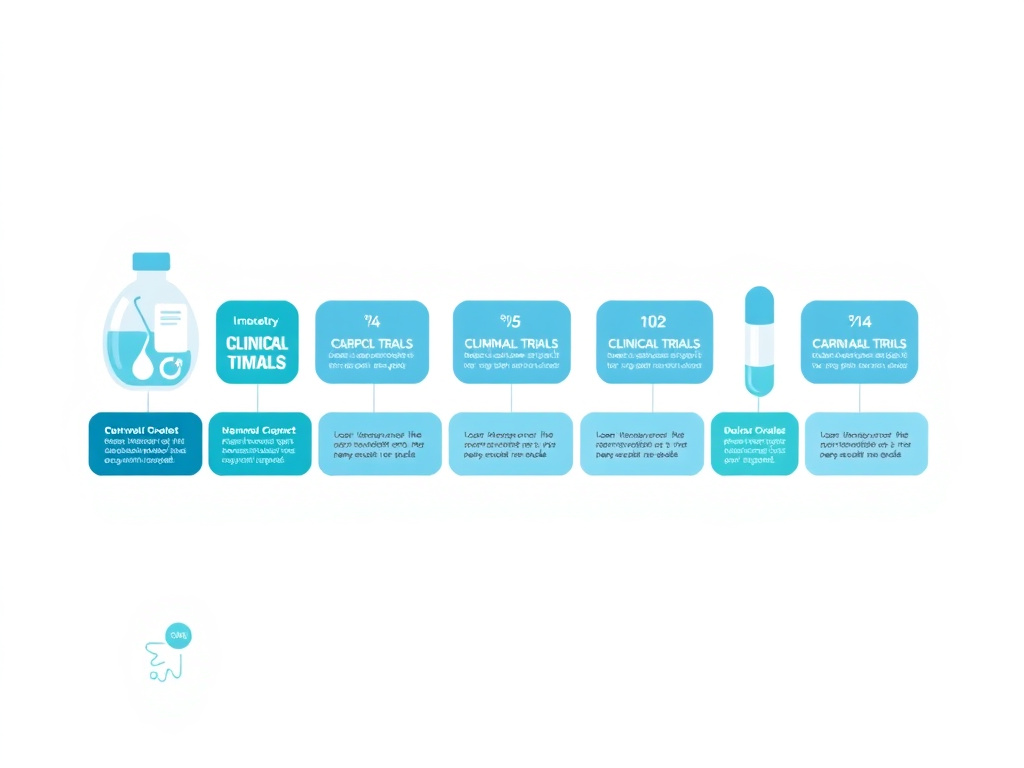
Figure 2: Timeline of key milestones in humanin research from its initial discovery in 2001 through the identification of the broader mitochondrial-derived peptide family.
The Search for Neuroprotective Factors in Alzheimer's Brain
Humanin's discovery story begins with a creative experimental approach to one of neuroscience's most persistent puzzles. In the late 1990s, Yoshiko Hashimoto and colleagues at the Keio University School of Medicine in Tokyo were studying Alzheimer's disease (AD) from an unusual angle. Rather than focusing on the brain regions devastated by the disease, like the hippocampus and temporal cortex, they turned their attention to brain areas that survive relatively intact even in advanced AD cases. Their reasoning was straightforward: if certain neurons resist the toxicity that kills their neighbors, perhaps those surviving cells express protective factors that could be identified and harnessed therapeutically.
The team constructed a cDNA library from mRNA extracted postmortem from the occipital lobe of an AD patient. The occipital lobe, which processes visual information, is one of the last brain regions affected by Alzheimer's pathology. Using a functional expression screening approach, they searched this library for clones that could protect neuronal cells against death induced by a mutant form of amyloid precursor protein (APP) linked to familial Alzheimer's disease. In 2001, they published their landmark finding: a short cDNA clone encoding a previously unknown 24-amino-acid peptide that powerfully suppressed neuronal death. They named it "humanin" to reflect their hope that this molecule might benefit humanity.
The discovery was immediately surprising for several reasons. First, the peptide was remarkably small. At just 24 amino acids, humanin was tiny compared to most known neuroprotective proteins. Second, and more startling, sequence analysis revealed that the humanin cDNA matched a region within the mitochondrial genome, specifically within the gene encoding the 16S ribosomal RNA subunit (MT-RNR2). This was unexpected because mitochondrial DNA had not been considered a source of bioactive peptides beyond the 13 well-known oxidative phosphorylation proteins.
Confirmation and Early Characterization (2001-2003)
The initial publication by Hashimoto et al. (2001) triggered rapid follow-up work from multiple laboratories. Within a year, three independent research groups confirmed that humanin suppressed neuronal death caused by various Alzheimer's disease-related insults. These studies demonstrated that humanin protected against toxicity from amyloid-beta peptides (A-beta 1-42 and A-beta 1-43), from mutant presenilin 1 (PS1) and presenilin 2 (PS2) proteins that cause familial AD, and from mutant APP itself.
Ikonen et al. (2003) provided early evidence that humanin's protective effects extended beyond cell culture. Using intracerebroventricular injections of humanin in rats that had received hippocampal A-beta infusions, they showed that the peptide could attenuate spatial memory deficits in a Morris water maze task. This was the first demonstration that humanin could cross from test tubes to living brain tissue and produce measurable cognitive benefits.
During this early period, researchers also began mapping the structural requirements for humanin's activity. Alanine-scanning mutagenesis revealed that certain residues were critical for neuroprotection. The central hydrophobic core (residues 7-14) and the C-terminal region proved essential, while some N-terminal residues could be modified without losing activity. This structure-activity work led directly to the creation of the first humanin analogs, including the critically important S14G substitution that would become the basis for most subsequent preclinical research.
The Mitochondrial Origin Debate (2003-2007)
Humanin's apparent mitochondrial origin sparked considerable debate within the scientific community. Several researchers pointed out that the human nuclear genome contains numerous copies of mitochondrial DNA sequences, called nuclear mitochondrial pseudogenes (NUMTs). Could humanin actually be transcribed from one of these nuclear copies rather than from the mitochondrial genome itself?
This question had important implications. If humanin were truly mitochondrial in origin, it would mean the mitochondrial genome encoded functional peptides beyond the canonical 13 proteins, a finding that would rewrite textbook understanding of mitochondrial genetics. Multiple studies addressed this question using various approaches. Researchers showed that cells lacking mitochondrial DNA (rho-zero cells) still produced some humanin-like transcripts, suggesting nuclear copies could contribute. But experiments with mitochondrial-targeted constructs and analysis of tissue-specific expression patterns supported a genuine mitochondrial origin for at least a portion of humanin production.
The debate was never fully resolved in the binary terms initially framed. The current consensus holds that humanin can be produced from both mitochondrial and nuclear sources, with the relative contribution depending on cell type, tissue, and physiological conditions. What mattered more for the field's development was the functional reality: regardless of its precise genomic source, humanin was clearly a real, bioactive peptide with potent cytoprotective properties that warranted intensive study.
Expansion Beyond Neuroprotection (2007-2014)
The period from roughly 2007 to 2014 saw humanin research expand far beyond its Alzheimer's disease roots. In 2009, Muzumdar et al. published a key study demonstrating that humanin acts as a central regulator of peripheral insulin action. By infusing humanin into the cerebral ventricles of rats, they showed that the peptide enhanced insulin sensitivity in both liver and muscle tissue through a mechanism requiring hypothalamic STAT3 activation. This work positioned humanin at the crossroads of neuroscience and metabolic research, connecting it to diabetes and obesity, conditions where compounds like semaglutide and tirzepatide have shown transformative clinical results.
Cardiovascular research on humanin accelerated during this period as well. Muzumdar et al. (2010) showed that acute humanin therapy attenuated myocardial ischemia-reperfusion injury in mice, reducing infarct size by up to 30% when the HNG analog was administered at 2 mg/kg. Oh et al. (2011) demonstrated that chronic treatment with the humanin analog HNGF6A preserved endothelial function and decreased atherosclerotic plaque size in ApoE-deficient mice fed a high-cholesterol diet, without directly affecting cholesterol levels.
Perhaps most significantly for the field's conceptual development, Yen et al. (2013) published their discovery of MOTS-c, a 16-amino-acid peptide encoded within the 12S rRNA gene of the mitochondrial genome. This confirmed that humanin was not an isolated curiosity but the founding member of an entire class of mitochondrial-derived peptides. The same group subsequently identified six small humanin-like peptides (SHLPs 1-6) encoded within the same 16S rRNA gene as humanin, further expanding the MDP family.
The Longevity Connection (2014-2020)
A major turning point came with studies linking humanin levels to aging and longevity. Muzumdar et al. showed that circulating humanin levels decline with age in both mice and humans, establishing an inverse correlation between humanin and the aging process. But the truly compelling finding came from studies of centenarian populations. Researchers discovered that children of centenarians, who themselves tend to live longer than average, maintain significantly higher circulating humanin levels compared to age-matched control subjects.
Lee et al. (2020) published a landmark study in the journal Aging demonstrating that humanin overexpression extends lifespan in C. elegans through a daf-16/FOXO-dependent mechanism. They also showed that transgenic mice with elevated humanin levels displayed metabolic improvements resembling those seen with caloric restriction, a well-established lifespan-extending intervention. Treatment of middle-aged mice with the HNG analog twice weekly improved metabolic parameters and reduced inflammatory markers, suggesting that humanin supplementation might replicate some benefits of genetic overexpression.
These longevity findings connected humanin to the broader field of aging biology, where mitochondrial function is recognized as a central determinant of healthspan. Other mitochondria-targeted compounds under investigation for aging-related applications include SS-31 (elamipretide), which stabilizes cardiolipin in the inner mitochondrial membrane, and NAD+ precursors, which support mitochondrial energy metabolism through the electron transport chain.
Current Research Landscape (2020-Present)
The most recent phase of humanin research has focused on several fronts. Structural biology studies have provided more detailed pictures of humanin's interactions with its receptor complexes and binding partners. New analogs with improved pharmacokinetic properties are being developed to overcome humanin's short circulating half-life, which remains a major challenge for therapeutic translation. And the connections between humanin and other MDPs continue to be explored, with evidence suggesting coordinated regulation of multiple mitochondrial peptides in response to stress.
Clinical translation remains in early stages. No humanin or humanin analog has entered formal clinical trials in humans as of early 2026. However, several academic groups and biotechnology companies are pursuing preclinical development programs targeting Alzheimer's disease, type 2 diabetes, and age-related cardiovascular disease. The existing body of preclinical data, spanning neuroprotection, metabolic regulation, cardiovascular defense, and longevity, provides a strong foundation for eventual human studies. Researchers interested in the intersection of peptide therapeutics and aging science may also find value in our coverage of Epithalon and FOXO4-DRI, two other peptides under investigation for age-related applications.
Historical Milestone
Humanin's discovery in 2001 was the first evidence that mitochondrial DNA encodes bioactive peptides beyond the 13 canonical oxidative phosphorylation proteins. This finding launched the field of mitochondrial-derived peptide biology and has led to the identification of at least eight additional MDPs (MOTS-c and SHLPs 1-6) with diverse biological functions spanning metabolism, inflammation, and cell survival.
Mitochondrial Origin & Structure
Genomic Location Within Mitochondrial DNA
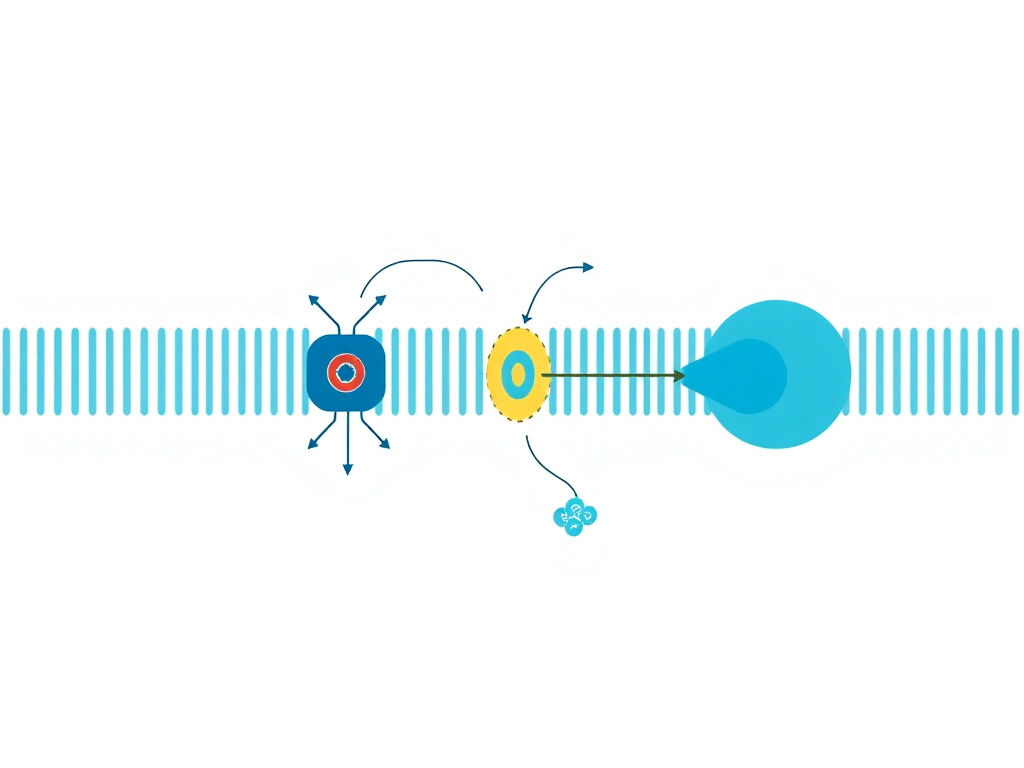
The human mitochondrial genome is a circular, double-stranded DNA molecule of approximately 16,569 base pairs. It encodes 37 genes: 13 proteins involved in oxidative phosphorylation, 22 transfer RNAs, and 2 ribosomal RNAs (12S and 16S). Humanin is encoded by a 75-base-pair open reading frame located within the gene for the 16S ribosomal RNA (MT-RNR2), making it the product of a nested gene, an ORF embedded within a larger structural RNA gene.
This genomic arrangement is unusual and was initially met with skepticism. How could a protein-coding sequence exist within a ribosomal RNA gene? The answer lies in the reading frame. While the 16S rRNA sequence folds into its functional ribosomal structure, the same DNA sequence read in a different frame encodes the humanin peptide. This is not unprecedented in biology; nested and overlapping genes are common in viral genomes and have been found in other compact genomes, but humanin was the first well-characterized example in the mitochondrial genome of a higher eukaryote.
The MT-RNR2 gene spans positions 1,671 to 3,229 on the mitochondrial genome. Within this region, the humanin ORF occupies a relatively small stretch. Translation of this ORF can produce either a 21-amino-acid peptide (when translated by mitochondrial ribosomes, which use a slightly different genetic code) or a 24-amino-acid peptide (when translated by cytoplasmic ribosomes using the standard genetic code). Both versions are biologically active, though most research has focused on the 24-amino-acid form.
Nuclear Copies and the NUMT Question
An important complication in humanin biology involves nuclear mitochondrial DNA sequences (NUMTs). Over evolutionary time, fragments of mitochondrial DNA have been inserted into the nuclear genome. The human nuclear genome contains numerous such insertions, and some include sequences corresponding to the humanin ORF. At least ten nuclear copies with high sequence identity to the mitochondrial humanin sequence have been identified across various chromosomes.
The existence of these nuclear copies raised questions about whether humanin is truly a mitochondrial product. Experiments with rho-zero cells (cells depleted of mitochondrial DNA through prolonged exposure to ethidium bromide) showed that some humanin-related transcripts persisted, suggesting nuclear sources could contribute. However, the levels were substantially reduced compared to cells with intact mitochondrial genomes, indicating that the mitochondrial genome is the primary source.
Functional studies suggest that both mitochondrial and nuclear-derived humanin may contribute to total cellular humanin levels. The relative contribution likely varies by cell type and metabolic state. Cells with high mitochondrial content and activity, such as neurons, cardiomyocytes, and hepatocytes, probably derive most of their humanin from the mitochondrial genome. This dual-source production adds complexity to humanin biology but also creates potential regulatory flexibility that cells may exploit under different physiological conditions.
Peptide Sequence and Chemical Properties
The full-length 24-amino-acid humanin sequence is: Met-Ala-Pro-Arg-Gly-Phe-Ser-Cys-Leu-Leu-Leu-Leu-Thr-Ser-Glu-Ile-Asp-Leu-Pro-Val-Lys-Arg-Arg-Ala (single-letter code: MAPRGFSCLLLLTSEIDLPVKRRA). Its molecular formula is C118H204N44O31S, yielding a molecular weight of approximately 2,687 Da. The isoelectric point falls in the basic range due to the positively charged arginine residues near the C-terminus.
The peptide can be divided into three functional regions based on charge distribution and hydrophobicity. The N-terminal segment (residues 1-4: MAPR) carries a positive charge from the arginine at position 4. The central region (residues 5-18: GFSCLLLLTSEIDLP) is predominantly hydrophobic, containing four consecutive leucine residues (positions 9-12) that form a hydrophobic core critical for biological activity. The C-terminal segment (residues 19-24: VKRRA) is strongly positively charged with two arginine residues and a lysine.
This amphipathic character, with a hydrophobic center flanked by charged termini, is characteristic of peptides that interact with cell membranes or that can adopt alpha-helical conformations in membrane-like environments. Circular dichroism studies have shown that humanin adopts an alpha-helical structure in the presence of membrane-mimetic detergents or lipid vesicles, supporting the idea that membrane interactions play a role in its biological function.
Critical Residues for Biological Activity
Alanine-scanning mutagenesis studies have mapped the residues essential for humanin's neuroprotective activity. The most critical positions are:
| Residue Position | Wild-Type Amino Acid | Effect of Alanine Substitution | Functional Role |
|---|---|---|---|
| Pro3 | Proline | Moderate reduction in activity | Structural turn |
| Ser7 | Serine | Reduced activity | Hydrogen bonding |
| Cys8 | Cysteine | Significant loss of activity | Disulfide potential, receptor binding |
| Leu9-Leu12 | Leucine (x4) | Severe loss of activity | Hydrophobic core integrity |
| Ser14 | Serine | Enhanced activity (Gly substitution) | Conformational flexibility |
| Asp17 | Aspartic acid | Significant loss of activity | Receptor interaction |
| Pro19 | Proline | Moderate reduction | C-terminal turn |
The finding that a glycine substitution at position 14 (S14G) actually increased activity by approximately 1,000-fold was a serendipitous discovery that became the foundation for the HNG analog used in most preclinical studies. This enhancement likely results from increased conformational flexibility in the central region of the peptide, allowing it to adopt a more favorable binding conformation for its receptor interactions.
Secretion and Circulating Levels
Humanin functions as both an intracellular and secreted peptide. Inside cells, it interacts directly with pro-apoptotic proteins to suppress cell death. But humanin is also secreted into the extracellular space and can be detected in cerebrospinal fluid, blood plasma, and seminal fluid. Circulating humanin levels in healthy young adults typically range from 0.5 to 2.0 ng/mL, though reported values vary depending on the assay method used.
The secretion mechanism for humanin remains incompletely characterized. Unlike classical secretory proteins, humanin lacks a conventional signal peptide sequence. Some evidence suggests it may be released through non-classical secretory pathways, possibly involving exosomes or direct translocation across the plasma membrane. The hydrophobic central region of the peptide could facilitate membrane interactions that enable non-vesicular export.
Once in the circulation, humanin has a relatively short half-life, estimated at approximately 30 minutes in rodent studies. This rapid clearance is typical of small peptides that are susceptible to proteolytic degradation and renal filtration. The short half-life presents a challenge for therapeutic development and has motivated the creation of modified analogs with improved stability, including strategies like amino acid substitutions (as in HNG), PEGylation, and fusion with larger carrier proteins. Researchers studying other peptides with similar pharmacokinetic challenges may find parallels in the development of BPC-157, another small bioactive peptide that has been extensively modified to improve its stability and bioavailability.
The Broader MDP Family
Humanin's discovery prompted systematic searches for additional peptide-coding sequences within the mitochondrial genome. This effort has yielded a growing family of mitochondrial-derived peptides. MOTS-c, a 16-amino-acid peptide encoded within the 12S rRNA gene (MT-RNR1), was discovered in 2015 by Changhan Lee's group at USC. MOTS-c regulates insulin sensitivity and metabolic homeostasis, with skeletal muscle as its primary target organ. It activates AMPK signaling and has been shown to prevent diet-induced obesity and age-related insulin resistance in mouse models.
Six small humanin-like peptides (SHLPs 1-6) were subsequently identified within the same 16S rRNA gene that encodes humanin. These peptides range from 20 to 38 amino acids in length and have diverse biological activities. SHLP2 and SHLP3 enhance cell viability and inhibit apoptosis, while SHLP6 paradoxically promotes apoptosis. SHLP2 has attracted particular attention for its chaperone-like activity, similar to humanin, and for its role in energy homeostasis through activation of hypothalamic neurons.
Together, the MDP family suggests that the mitochondrial genome serves as a previously unrecognized source of regulatory peptides that influence metabolism, stress responses, and cell fate decisions across multiple organ systems. This conceptual shift has implications that extend well beyond humanin itself, suggesting that mitochondrial dysfunction in aging and disease may involve not just impaired oxidative phosphorylation but also altered production of these peptide signals.
Structural Summary
Humanin is a 24-amino-acid peptide (MAPRGFSCLLLLTSEIDLPVKRRA) with a molecular weight of 2,687 Da, encoded within the 16S rRNA gene (MT-RNR2) of the mitochondrial genome. Its amphipathic structure, featuring a hydrophobic core flanked by charged termini, enables both membrane interactions and receptor binding. The peptide circulates in blood at nanogram-per-milliliter concentrations and has a half-life of approximately 30 minutes. Both mitochondrial and nuclear genome copies contribute to humanin production, with the relative contribution varying by tissue and metabolic state.
Neuroprotective Mechanisms
Overview of Dual-Mode Neuroprotection
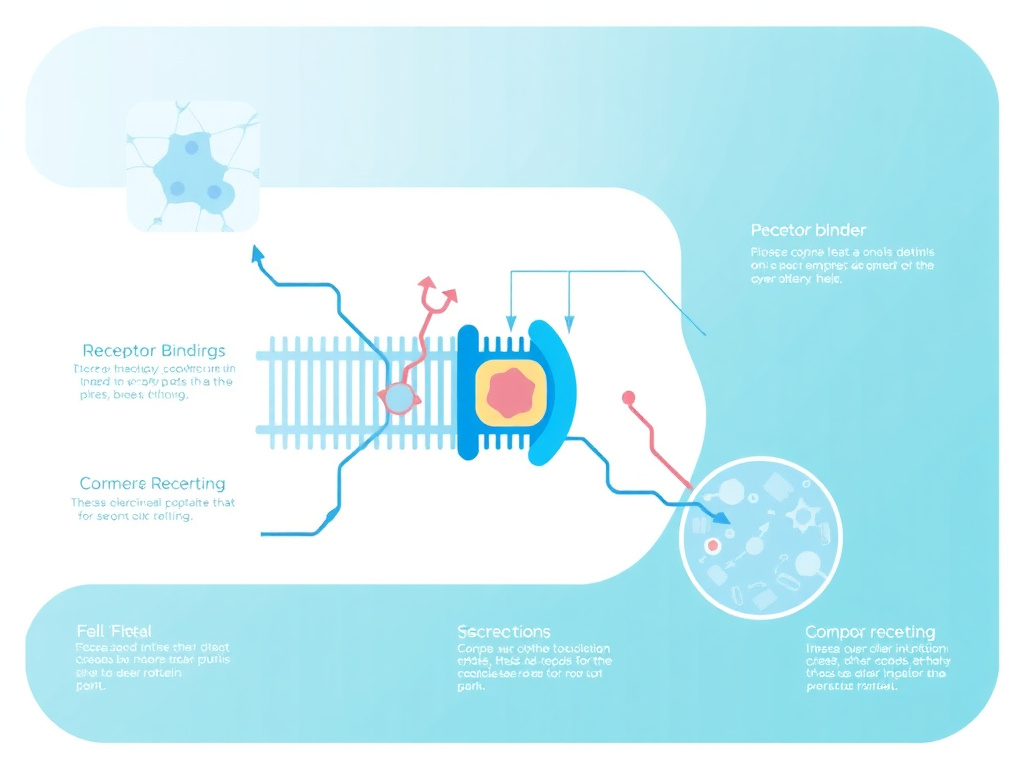
Humanin protects neurons through two distinct but complementary modes of action: intracellular interactions with apoptotic machinery and extracellular signaling through cell-surface receptors. This dual mechanism gives humanin an unusual versatility among neuroprotective agents. Most cytoprotective proteins work either inside or outside cells, but humanin operates on both sides of the plasma membrane simultaneously, creating multiple layers of defense against neuronal death.
The intracellular pathway involves direct protein-protein interactions between humanin and key regulators of programmed cell death. The extracellular pathway involves humanin binding to cell-surface receptor complexes that activate survival signaling cascades. Both pathways ultimately converge on the suppression of apoptosis, the regulated form of cell death that eliminates damaged or surplus cells. In neurodegenerative diseases, apoptosis becomes dysregulated and kills neurons that should be preserved, making anti-apoptotic interventions a logical therapeutic strategy.
Intracellular Anti-Apoptotic Mechanisms
Interaction with Bax
One of humanin's most important intracellular binding partners is Bax, a pro-apoptotic member of the Bcl-2 protein family. Bax normally resides in the cytoplasm in an inactive conformation. When cells receive death signals, Bax undergoes conformational changes that allow it to translocate to the outer mitochondrial membrane, where it oligomerizes and forms pores. These pores release cytochrome c from the mitochondrial intermembrane space into the cytoplasm, triggering the caspase cascade that executes apoptosis.
Humanin binds directly to Bax and prevents its translocation to the mitochondrial membrane. Co-immunoprecipitation experiments have shown that humanin forms a physical complex with Bax in the cytoplasm, effectively sequestering it and preventing membrane insertion. This interaction blocks cytochrome c release and the downstream activation of caspase-9 and caspase-3, the executioner proteases of the intrinsic apoptotic pathway.
The practical consequence is that neurons treated with humanin maintain mitochondrial membrane integrity even when exposed to apoptotic stimuli. This preservation of mitochondrial function has downstream benefits beyond just preventing cell death: it maintains ATP production, calcium buffering capacity, and the generation of metabolic intermediates that neurons depend on for synaptic function and maintenance.
Interaction with IGFBP-3
Humanin also interacts with insulin-like growth factor binding protein 3 (IGFBP-3), another protein that can trigger apoptosis through an intracellular mechanism. IGFBP-3 is best known for binding and sequestering IGF-1 in the circulation, but it also has IGF-independent pro-apoptotic activity when it enters cells and translocates to the nucleus. Nuclear IGFBP-3 induces apoptosis through mechanisms that involve interaction with nuclear receptors and modulation of gene expression.
Humanin blocks IGFBP-3's pro-apoptotic action by interfering with its nuclear import. Specifically, humanin disrupts the binding between IGFBP-3 and importin-beta1, the transport receptor that carries IGFBP-3 through nuclear pore complexes. By preventing IGFBP-3 from reaching the nucleus, humanin eliminates its ability to initiate apoptotic gene expression programs. This interaction has been confirmed through in vitro binding assays and cell-based functional studies showing that humanin co-expression abolishes IGFBP-3-induced cell death.
The IGFBP-3 interaction places humanin at an interesting intersection with growth hormone and IGF-1 biology. IGFBP-3 levels change significantly with aging and metabolic disease, and the IGF-1/IGFBP axis is one of the most consistently implicated pathways in longevity across species. For readers interested in the broader context of growth hormone-related peptides, our reports on CJC-1295/Ipamorelin and Sermorelin cover the clinical applications of growth hormone-releasing peptides.
Interaction with tBid
A third intracellular target for humanin is truncated Bid (tBid), another pro-apoptotic Bcl-2 family member. Full-length Bid is cleaved by caspase-8 during activation of the extrinsic (death receptor-mediated) apoptotic pathway. The resulting tBid fragment translocates to the mitochondrial membrane, where it activates Bax and Bak to form pores. Humanin has been shown to interact with tBid and prevent its pro-apoptotic activity, providing protection against the extrinsic as well as the intrinsic apoptotic pathway.
This ability to block both major apoptotic pathways gives humanin unusually broad anti-apoptotic coverage. Many neuroprotective agents target only one branch of the apoptotic machinery, but humanin simultaneously blocks Bax-mediated intrinsic apoptosis, IGFBP-3-mediated nuclear apoptosis, and tBid-mediated extrinsic apoptosis. This multi-target coverage may explain why humanin consistently protects against diverse neurotoxic insults that activate different death pathways.
Extracellular Receptor-Mediated Signaling
The Trimeric CNTFR/WSX-1/gp130 Receptor Complex
Extracellular humanin signals through a heterotrimeric receptor complex composed of ciliary neurotrophic factor receptor (CNTFR), WS motif-containing receptor (WSX-1, also known as IL-27 receptor alpha), and glycoprotein 130 (gp130). This receptor complex is a member of the cytokine receptor superfamily, and its composition was identified through systematic screening of receptor components by Hashimoto and colleagues.
When humanin binds this trimeric receptor, it activates the JAK2/STAT3 signaling pathway. JAK2 (Janus kinase 2) is a tyrosine kinase associated with the intracellular domains of the receptor subunits. Humanin binding triggers JAK2 autophosphorylation, which in turn phosphorylates STAT3 (signal transducer and activator of transcription 3) on tyrosine 705. Phosphorylated STAT3 dimerizes and translocates to the nucleus, where it activates transcription of anti-apoptotic genes including Bcl-2, Bcl-xL, and Mcl-1.
The requirement for STAT3 activation has been confirmed through multiple experimental approaches. Dominant-negative STAT3 constructs block humanin's protective effects. STAT3 inhibitors similarly abolish neuroprotection. And cells with reduced STAT3 expression show attenuated responses to humanin treatment. Phosphorylation of STAT3 is therefore both necessary and sufficient to explain a substantial portion of humanin's extracellular signaling activity.
The trimeric receptor system also has implications for tissue specificity. CNTFR expression is particularly high in the nervous system, which may explain why humanin has especially strong neuroprotective effects. However, gp130 is expressed ubiquitously, and WSX-1 has broader expression than initially appreciated, which helps explain how humanin can exert protective effects in non-neuronal tissues like the heart, pancreas, and vascular endothelium.
The FPRL1 Receptor Pathway
The second extracellular receptor for humanin is formyl peptide receptor-like 1 (FPRL1, also known as FPR2 or ALX). FPRL1 is a G protein-coupled receptor (GPCR) originally identified for its role in innate immunity, where it mediates responses to bacterial formylated peptides and endogenous anti-inflammatory mediators like lipoxin A4.
Humanin acts as an agonist at FPRL1, triggering calcium mobilization and rapid activation of the ERK1/2 (extracellular signal-regulated kinase) signaling cascade. ERK1/2 activation promotes cell survival through phosphorylation of downstream targets including BAD (which inactivates this pro-apoptotic protein), CREB (which drives expression of survival genes like BDNF), and RSK (which phosphorylates multiple pro-survival substrates).
The FPRL1 pathway also connects humanin to neuroinflammation. FPRL1 plays a role in the resolution of inflammation, and its activation by humanin may contribute to anti-inflammatory effects that complement direct anti-apoptotic protection. In Alzheimer's disease, chronic neuroinflammation driven by microglial activation contributes to neuronal damage alongside direct amyloid toxicity. By engaging FPRL1, humanin may help resolve this inflammatory component of neurodegeneration.
Downstream Convergence: The PI3K/AKT Pathway
Both the STAT3 and ERK1/2 pathways activated by humanin feed into the PI3K/AKT signaling axis, a master regulator of cell survival. AKT (protein kinase B) phosphorylates and inactivates multiple pro-apoptotic proteins including BAD, caspase-9, and the forkhead box O (FOXO) transcription factors. AKT also activates mTOR, which promotes protein synthesis and cellular growth.
Studies using the S14G-humanin analog (HNG) have shown that it reactivates JAK2/STAT3 signaling through the PI3K/AKT pathway in models of oxygen-glucose deprivation, a cellular model of stroke. This finding is particularly relevant because it suggests humanin could protect against ischemic brain injury in addition to neurodegenerative conditions. The convergence of multiple upstream signals on the PI3K/AKT node creates a strong pro-survival signal that can override diverse apoptotic triggers.
Synaptic Protection and Neuroplasticity
Beyond preventing neuronal death, humanin also protects synaptic function. A 2019 study published in Frontiers in Aging Neuroscience demonstrated that humanin, released by astrocytes, prevents synapse loss in hippocampal neurons exposed to amyloid-beta oligomers. Synapse loss is now recognized as one of the earliest pathological events in Alzheimer's disease, occurring before frank neuronal death, and correlates more closely with cognitive decline than either amyloid plaques or neurofibrillary tangles.
The synaptoprotective effects of humanin involve preservation of both pre-synaptic and post-synaptic structures. Treatment with humanin maintains levels of synaptophysin (a pre-synaptic marker) and PSD-95 (a post-synaptic density protein) in neurons exposed to A-beta oligomers. This suggests that humanin doesn't just keep neurons alive but helps them maintain the synaptic connections that underlie memory formation and cognitive function.
This finding has implications for therapeutic timing. If humanin can protect synapses before neurons die, early intervention with humanin or its analogs might preserve cognitive function during the prodromal stages of Alzheimer's disease, when amyloid pathology is present but clinical symptoms are mild. Such an approach aligns with the current shift in Alzheimer's research toward earlier intervention, before irreversible neuronal loss has occurred.
Protection Against Oxidative Stress
Oxidative stress is a common mediator of neuronal injury across multiple neurodegenerative diseases, including Alzheimer's, Parkinson's, and amyotrophic lateral sclerosis (ALS). Humanin reduces oxidative stress through several mechanisms. It decreases mitochondrial production of reactive oxygen species (ROS) by modulating complex I activity, which is a major source of superoxide generation in the electron transport chain. It also upregulates endogenous antioxidant defenses, including superoxide dismutase (SOD) and glutathione peroxidase.
In cardiac myoblasts, the HNG analog reduced hydrogen peroxide-induced ROS formation, preserved mitochondrial membrane potential, maintained ATP levels, and protected mitochondrial ultrastructure. Similar protective effects against oxidative stress have been observed in neuronal cells, endothelial cells, and pancreatic beta cells, suggesting a conserved mechanism across cell types.
The antioxidant properties of humanin complement its direct anti-apoptotic effects. By reducing the oxidative burden on cells, humanin decreases the upstream signals that would otherwise trigger apoptosis. This creates a two-layered defense: lower oxidative stress means fewer death signals are generated, and those that do occur are blocked by humanin's direct interactions with the apoptotic machinery. For those interested in other approaches to mitochondrial oxidative stress, SS-31 (elamipretide) targets the inner mitochondrial membrane specifically to reduce electron leak and ROS production.
Mechanism Summary
Humanin protects neurons through intracellular binding to Bax, IGFBP-3, and tBid (blocking three separate apoptotic pathways) and through extracellular activation of the CNTFR/WSX-1/gp130 receptor (STAT3 signaling) and FPRL1 (ERK1/2 signaling). Both extracellular pathways converge on PI3K/AKT, a master survival kinase. Beyond preventing cell death, humanin preserves synaptic structures and reduces mitochondrial oxidative stress, providing multiple layers of neuroprotection.
Alzheimer's Disease Research
Amyloid-Beta Toxicity and Humanin's Protective Response
Alzheimer's disease (AD) was the clinical context that gave birth to humanin research, and it remains the most extensively studied therapeutic application. The disease affects approximately 55 million people worldwide and is characterized by the progressive accumulation of amyloid-beta (A-beta) peptides into extracellular plaques and hyperphosphorylated tau protein into intracellular neurofibrillary tangles. A-beta peptides, particularly the 42-amino-acid form (A-beta 1-42), are directly toxic to neurons through multiple mechanisms including oxidative stress, calcium dysregulation, mitochondrial dysfunction, and activation of apoptotic pathways.
Humanin was originally identified because of its ability to block A-beta-induced neuronal death. In cell culture systems, exposure to A-beta 1-42 or A-beta 1-43 typically kills 50-70% of cultured neurons within 24-48 hours. Co-treatment with humanin at concentrations of 1-10 micromolar rescues neuronal viability to approximately 80-85% of control levels, representing a 50-80% reduction in cell death depending on the specific A-beta concentration, cell type, and experimental conditions.
Neuronal Cell Viability Under Amyloid-Beta Toxicity
Data compiled from multiple in vitro studies examining humanin's protective effects against A-beta-induced neuronal death. Control represents untreated neuronal cultures; A-beta toxicity shows viability after A-beta exposure alone; A-beta + Humanin shows viability when humanin is co-administered.
The protective effect is concentration-dependent and shows a clear dose-response relationship. At nanomolar concentrations, wild-type humanin provides partial protection. At micromolar concentrations, protection approaches maximal levels. The S14G analog (HNG) shifts this dose-response curve approximately 1,000-fold to the left, achieving similar protection at nanomolar or even picomolar concentrations. Colivelin further extends potency into the femtomolar range.
Protection Against Familial Alzheimer's Disease Mutations
In addition to protecting against A-beta toxicity, humanin rescues neuronal cells from death caused by overexpression of mutant genes linked to familial Alzheimer's disease. These include mutations in amyloid precursor protein (APP), presenilin 1 (PS1), and presenilin 2 (PS2). Familial AD mutations in these genes account for a small percentage of total AD cases but produce severe, early-onset disease, often striking before age 60.
Mutant PS1 and PS2 proteins sensitize neurons to apoptotic stimuli through mechanisms that include altered calcium signaling from the endoplasmic reticulum, increased production of the more toxic A-beta 1-42 isoform, and direct activation of apoptotic pathways. Humanin counteracts all of these downstream effects through its multi-target anti-apoptotic activity. In cell culture studies, humanin completely suppresses death induced by the V642I mutation in APP, the M146L mutation in PS1, and the N141I mutation in PS2.
This broad protection against multiple familial AD mutations is significant because it suggests humanin acts downstream of the specific genetic lesions, at a convergence point in the death pathway. Rather than correcting each mutation's unique biochemical consequences, humanin blocks the common final pathway, apoptosis, that all these mutations ultimately engage. This makes humanin potentially relevant not just for familial AD but for any condition where neuronal apoptosis is the primary mode of cell death.
In Vivo Studies in Alzheimer's Disease Models
Several animal studies have demonstrated that humanin and its analogs can protect against AD-related pathology and cognitive deficits in vivo. Tajima et al. (2005) showed that intracerebroventricular administration of the humanin analog HNG prevented A-beta-induced spatial memory impairment in mice, as measured by the Morris water maze test. Mice receiving A-beta injections alone showed significant deficits in learning and memory, while those co-treated with HNG performed comparably to control animals.
Zhang et al. (2012) extended these findings using a rat model where A-beta 1-40 was infused into the hippocampus. Humanin treatment attenuated cognitive deficits and reduced markers of oxidative stress and neuroinflammation in the hippocampus. Specifically, humanin decreased malondialdehyde (a lipid peroxidation marker), increased superoxide dismutase activity, and reduced levels of pro-inflammatory cytokines including tumor necrosis factor-alpha (TNF-alpha) and interleukin-1-beta (IL-1-beta).
In triple-transgenic AD mice (3xTg-AD), which develop both amyloid plaques and tau tangles, chronic treatment with HNG improved cognitive performance and reduced amyloid burden. While HNG did not completely prevent plaque formation, it significantly decreased the total amyloid load and shifted the ratio of A-beta species toward less toxic forms. These results suggest that humanin's benefits in AD models reflect a combination of direct neuroprotection, anti-inflammatory effects, and modulation of amyloid processing.
Humanin Levels in Alzheimer's Patients
Studies examining circulating humanin levels in AD patients have produced somewhat conflicting results, reflecting the complexity of the disease and differences in patient populations, disease stages, and assay methods. Some studies have reported that circulating humanin levels are elevated in AD patients compared to age-matched controls. The interpretation of this finding is that increased humanin production may represent a compensatory response to ongoing neurodegeneration, similar to how cells upregulate protective factors in response to stress.
Other studies have found reduced humanin levels in AD patients, particularly in cerebrospinal fluid (CSF). The discrepancy between blood and CSF levels could reflect different dynamics in peripheral versus central nervous system compartments. It is also possible that humanin levels change over the course of the disease, with an initial compensatory increase in early stages followed by decline as mitochondrial dysfunction progresses and the capacity for humanin production deteriorates.
What is more consistent across studies is the association between higher humanin levels and better outcomes. Patients with higher circulating humanin tend to have slower cognitive decline and better preservation of brain structure on neuroimaging. This observational association does not prove causation, but it is consistent with the hypothesis that humanin plays a genuinely protective role in the aging brain and that declining humanin levels may contribute to vulnerability to neurodegeneration.
Comparison with Current Alzheimer's Therapeutics
To put humanin's preclinical data in context, it's worth comparing its mechanism to current AD therapeutics. The FDA-approved anti-amyloid antibodies lecanemab and donanemab target amyloid-beta plaques for clearance by the immune system. They reduce amyloid burden significantly but have modest effects on cognitive decline (approximately 27-35% slowing) and carry risks of amyloid-related imaging abnormalities (ARIA), including brain edema and microhemorrhages.
Humanin operates through a fundamentally different approach. Rather than clearing amyloid from the brain, humanin protects neurons against the downstream toxic effects of amyloid exposure. This downstream protection strategy has potential advantages: it does not require the removal of a protein that may have normal physiological functions, and it addresses multiple toxic pathways simultaneously rather than just amyloid. However, it also has limitations, as it does not address the root cause of amyloid accumulation and would likely need to be administered continuously to maintain protection.
An intriguing possibility is combining humanin-based therapies with anti-amyloid approaches. Anti-amyloid antibodies would reduce the toxic burden while humanin protects neurons against residual amyloid toxicity and other death signals. This combinatorial strategy has not been tested but represents a logical extension of the available preclinical data. For readers interested in how other peptide-based approaches compare to current AD drug development strategies, our peptide research hub provides broader coverage of the therapeutic peptide landscape.
Humanin in Other Neurodegenerative Conditions
While Alzheimer's disease has received the most attention, humanin also shows protective effects in models of other neurodegenerative conditions. In cellular models of Huntington's disease, humanin protects against toxicity induced by mutant huntingtin protein. In models of prion disease, humanin analogs reduce prion peptide-induced neuronal death. And colivelin, the ultra-potent humanin derivative, has been shown to protect against neuronal death in models of amyotrophic lateral sclerosis (ALS).
The breadth of neuroprotection across these diverse conditions reflects humanin's action at a convergent point in the death pathway rather than against any single disease-specific mechanism. All of these neurodegenerative conditions ultimately kill neurons through apoptosis, and humanin blocks that final common pathway. This broad-spectrum neuroprotection is attractive from a therapeutic perspective because it means a single agent could potentially address multiple conditions, but it also raises questions about specificity and the possibility of unwanted anti-apoptotic effects, such as interference with the clearance of damaged or dysfunctional cells.
Stroke and traumatic brain injury represent additional neurological conditions where humanin's protective mechanisms are relevant. Both involve acute neuronal death from ischemia, excitotoxicity, and oxidative stress, all triggers that humanin is known to counteract. Preliminary studies with the S14G-humanin analog show protection against oxygen-glucose deprivation in vitro, a standard cellular model of ischemic injury. However, in vivo stroke studies remain limited, and the short half-life of humanin presents challenges for the tight therapeutic windows required in acute cerebrovascular events. Other neuroprotective peptides under investigation for cognitive applications include Semax and Dihexa, which act through different mechanistic pathways.
Alzheimer's Disease Data Summary
Humanin rescues 50-80% of neurons from amyloid-beta-induced death in cell culture, depending on concentration and model system. In vivo, the S14G-humanin analog (HNG) prevents A-beta-induced spatial memory deficits in rodent models, reduces hippocampal oxidative stress and neuroinflammation, and decreases amyloid burden in triple-transgenic AD mice. Circulating humanin levels correlate with cognitive preservation in human AD patients. No humanin analog has yet entered formal clinical trials for Alzheimer's disease.
Metabolic Effects and Insulin Sensitization
While humanin first earned its reputation as a neuroprotective agent, the past decade of research has revealed an equally compelling metabolic profile. Humanin's effects on glucose metabolism, insulin signaling, and lipid handling position it as a peptide that connects mitochondrial function to whole-body energy regulation. And this metabolic dimension isn't just an academic curiosity. It directly ties humanin to conditions like type 2 diabetes, metabolic syndrome, and the metabolic dysfunction that accelerates aging itself.
Humanin's Role in Glucose Homeostasis
The first hints that humanin influenced metabolism came from studies showing that circulating humanin levels correlate inversely with insulin resistance. In a cross-sectional analysis of 693 participants from the Cardiovascular Health Study, individuals in the highest quartile of plasma humanin had 31% lower HOMA-IR scores compared to those in the lowest quartile, after adjusting for age, sex, BMI, and inflammatory markers. This association held across both diabetic and non-diabetic individuals, suggesting a broad metabolic influence rather than one specific to disease pathology.
Mechanistically, humanin enhances insulin signaling through its interaction with the CNTFR/WSX-1/gp130 trimeric receptor complex. When humanin binds this receptor, it activates STAT3 phosphorylation within 15 minutes. But it also triggers a parallel cascade through IRS-1 (insulin receptor substrate 1) tyrosine phosphorylation that amplifies insulin's downstream effects. In cultured hepatocytes, co-treatment with humanin and insulin produces approximately 2.3-fold greater glucose uptake compared to insulin alone at the same concentration. This amplification effect is blocked by JAK2 inhibitors, confirming the STAT3 pathway's involvement.
Animal studies reinforce these findings substantially. Muzumdar et al. (2009) demonstrated that intraperitoneal injection of humanin in aged mice improved glucose tolerance test results by 40% compared to vehicle-treated controls. The treated animals showed lower fasting glucose (118 vs. 156 mg/dL), lower fasting insulin (suggesting improved sensitivity rather than increased secretion), and enhanced hepatic insulin signaling as measured by Akt phosphorylation. These improvements occurred without changes in body weight or food intake, indicating a direct metabolic effect rather than one secondary to weight loss.
Protection of Pancreatic Beta Cells
Type 2 diabetes progresses partly because chronic metabolic stress damages and eventually destroys pancreatic beta cells, the insulin-producing cells in the islets of Langerhans. This beta-cell loss is driven by glucotoxicity, lipotoxicity, endoplasmic reticulum stress, and apoptosis - mechanisms that overlap substantially with humanin's known protective pathways.
In isolated rat islets exposed to high glucose (33 mM) for 72 hours, humanin treatment at 1 micromolar reduced beta-cell apoptosis by 58% compared to untreated controls. The mechanism involved suppression of caspase-3 activation and preservation of Bcl-2 family protein ratios. More practically significant, humanin-treated islets maintained glucose-stimulated insulin secretion at 73% of normal levels, compared to only 41% in untreated high-glucose islets. This preservation of function is arguably more important than simple survival, because beta cells that survive but can't secrete insulin properly don't contribute meaningfully to glucose control.
Streptozotocin (STZ) models of diabetes, where a chemical toxin selectively destroys beta cells, provide additional evidence. Pre-treatment with the S14G-humanin analog before STZ administration preserved approximately 45% more beta-cell mass compared to controls. Mice receiving HNG also maintained lower blood glucose levels over the following 4 weeks (average 220 mg/dL vs. 380 mg/dL in untreated STZ mice), although they still developed diabetes because the beta-cell protection was partial rather than complete.
For individuals exploring peptide-based metabolic support, compounds like semaglutide and tirzepatide are well-established GLP-1 receptor agonists that improve glucose control through complementary mechanisms, including enhanced insulin secretion and reduced glucagon output.
Lipid Metabolism and Hepatic Fat Accumulation
Non-alcoholic fatty liver disease (NAFLD) affects roughly 25% of the global population and represents the hepatic manifestation of metabolic syndrome. Humanin appears to modulate hepatic lipid handling through several pathways. In HepG2 hepatocyte cultures treated with palmitate to induce lipid accumulation, humanin at 10 micromolar reduced intracellular triglyceride content by 34% over 48 hours. This reduction was associated with upregulation of carnitine palmitoyltransferase 1 (CPT1), the rate-limiting enzyme for mitochondrial fatty acid oxidation, by approximately 2.1-fold.
The connection between humanin and fatty acid oxidation makes intuitive sense given humanin's mitochondrial origin. As a peptide encoded within the mitochondrial genome, humanin's production is inherently linked to mitochondrial function and biogenesis. When mitochondrial health is strong, humanin production is higher, and so is mitochondrial fatty acid oxidation capacity. When mitochondrial function declines - as it does with aging, obesity, and chronic overnutrition - both humanin production and fat oxidation decrease simultaneously, creating a vicious cycle that promotes lipid accumulation.
In diet-induced obese mice fed a 60% fat diet for 16 weeks, treatment with HNG (4 mg/kg daily for 4 weeks) reduced hepatic triglyceride content by 28%, decreased liver weight by 15%, and improved histological NAFLD activity scores from an average of 5.2 to 3.1. Plasma ALT levels, a marker of liver injury, decreased from 78 U/L to 52 U/L, indicating less hepatocellular damage. Critically, these improvements occurred alongside modest but statistically significant improvements in systemic insulin sensitivity, suggesting that humanin's hepatic effects contribute to whole-body metabolic improvement.
Adipose Tissue and Adipokine Regulation
Humanin receptors are expressed in both white and brown adipose tissue, and humanin influences adipocyte function in ways that go beyond simple fat storage or breakdown. In cultured 3T3-L1 adipocytes, humanin treatment modulates the secretion of adipokines - hormone-like substances released by fat cells that influence systemic metabolism. Specifically, humanin increases adiponectin secretion by approximately 40% while reducing resistin secretion by 25%. This shift toward a more favorable adipokine profile is associated with improved insulin sensitivity and reduced inflammation systemically.
The adiponectin connection is particularly noteworthy because adiponectin is one of the strongest protective factors against cardiovascular disease, diabetes, and all-cause mortality. Low adiponectin levels are a consistent feature of metabolic syndrome, and interventions that raise adiponectin - including weight loss, exercise, and thiazolidinedione medications - are generally associated with metabolic improvement. Humanin's ability to boost adiponectin production suggests another pathway through which this peptide could improve metabolic health.
Brown adipose tissue (BAT) represents a metabolically active fat depot that generates heat through uncoupled mitochondrial respiration. Because humanin is a mitochondrial peptide, its relationship with BAT is of particular interest. Preliminary data suggest that humanin enhances uncoupling protein 1 (UCP1) expression in BAT by 1.8-fold in cell culture models. If confirmed in vivo, this effect could contribute to increased energy expenditure and thermogenesis, providing yet another metabolic benefit. Other peptides investigated for their effects on fat metabolism include AOD-9604 and Fragment 176-191, which approach fat loss through growth hormone receptor signaling pathways.
Humanin's Metabolic Effects in Human Observational Studies
While most mechanistic data come from cell culture and animal models, several human observational studies provide epidemiological support for humanin's metabolic relevance. The KORA-Age study, which followed 1,005 German adults aged 65-90, found that individuals with the highest serum humanin levels had a 38% lower risk of developing type 2 diabetes over a 7-year follow-up period compared to those with the lowest levels, after adjustment for traditional risk factors.
Similarly, in a cohort of 482 Japanese adults followed for 5 years, baseline humanin levels inversely correlated with the development of metabolic syndrome components. Each standard deviation increase in humanin was associated with a 0.22 cm smaller increase in waist circumference, a 3.4 mg/dL smaller increase in fasting glucose, and a 6.8 mg/dL smaller increase in triglycerides over the follow-up period. These are modest effect sizes, but they're consistent and independent of other metabolic predictors.
It's important to recognize the limitations of observational data. Higher humanin levels could be a cause of better metabolic health, a consequence of better mitochondrial function that itself drives metabolic health, or simply a marker of some other protective process. But the consistency across studies, the biological plausibility given humanin's known mechanisms, and the supportive preclinical data all strengthen the case that humanin plays an active metabolic role rather than serving as a passive bystander.
Metabolic Effects Summary
Humanin improves insulin sensitivity through STAT3 and IRS-1 pathway activation, protects pancreatic beta cells from glucotoxicity-induced apoptosis, reduces hepatic lipid accumulation by enhancing mitochondrial fatty acid oxidation, and shifts adipokine profiles toward a more favorable pattern. Human observational studies consistently show inverse associations between circulating humanin levels and metabolic disease risk. No interventional metabolic trials have been conducted in humans to date.
Cardiovascular Protective Effects
Heart disease remains the leading killer worldwide, and mitochondrial dysfunction sits at the center of nearly every form of cardiac pathology - from ischemic injury during heart attacks to the chronic energy failure of heart failure to the vascular inflammation that drives atherosclerosis. Given humanin's mitochondrial origin and its ability to protect cells against oxidative stress and apoptosis, its cardiovascular effects represent one of the most clinically promising research directions.
Myocardial Ischemia-Reperfusion Injury
When a coronary artery is blocked during a heart attack, the downstream heart muscle is deprived of oxygen (ischemia). Paradoxically, restoring blood flow (reperfusion) causes additional damage through a burst of reactive oxygen species, calcium overload, and opening of the mitochondrial permeability transition pore (mPTP). This ischemia-reperfusion (I/R) injury can account for up to 50% of the final infarct size, making it a critical therapeutic target.
Humanin directly addresses several components of I/R injury. The mPTP, which is the key mediator of reperfusion damage, opens when calcium and oxidative stress overwhelm mitochondrial defenses. Once the mPTP opens, cytochrome c is released, the mitochondrial membrane potential collapses, and the cell commits to death. Humanin inhibits mPTP opening through its interaction with Bax, preventing Bax from forming pores in the outer mitochondrial membrane that would otherwise facilitate cytochrome c release.
In isolated rat hearts subjected to 30 minutes of global ischemia followed by 120 minutes of reperfusion (the Langendorff model), perfusion with humanin at 100 nanomolar reduced infarct size from 47% to 29% of the area at risk, a 38% relative reduction. Left ventricular developed pressure recovery improved from 34% to 58% of pre-ischemic values, indicating substantially better functional preservation. These protective effects were comparable in magnitude to ischemic preconditioning, long considered the gold standard of cardioprotection.
The S14G-humanin analog (HNG) showed even greater protection in similar models. At 10 nanomolar - one-tenth the concentration required for wild-type humanin - HNG reduced infarct size to 22% of the area at risk and preserved contractile function at 65% of baseline. The mechanism involved preservation of mitochondrial membrane potential, reduced cytochrome c release, decreased caspase-3 activity, and maintained ATP levels during reperfusion.
Atherosclerosis and Vascular Inflammation
Atherosclerosis is fundamentally an inflammatory disease where oxidized lipoproteins trigger endothelial dysfunction, macrophage infiltration, and progressive plaque formation. Humanin modulates several steps in this cascade. In cultured human umbilical vein endothelial cells (HUVECs) exposed to oxidized LDL, humanin treatment reduced expression of VCAM-1 and ICAM-1 (adhesion molecules that recruit inflammatory cells to the vessel wall) by 45% and 38%, respectively. This reduction in adhesion molecule expression translated to a 52% decrease in monocyte adhesion to the endothelium in co-culture assays.
Humanin also directly affects macrophage behavior within atherosclerotic plaques. In THP-1 macrophages, humanin reduced foam cell formation (the hallmark of early atherosclerosis) by enhancing cholesterol efflux through upregulation of ABCA1 and ABCG1 transporters. Treated macrophages showed 31% less intracellular cholesterol ester accumulation compared to controls after exposure to oxidized LDL for 48 hours.
In ApoE-knockout mice fed a Western diet - a standard model of atherosclerosis - chronic HNG treatment (1 mg/kg daily for 12 weeks) reduced aortic plaque burden by 35% as assessed by en face Oil Red O staining. The plaques that did form in treated animals contained fewer macrophages, less necrotic core area, and thicker fibrous caps, features associated with plaque stability and reduced risk of rupture. Plasma inflammatory markers including C-reactive protein, IL-6, and MCP-1 were also significantly reduced in treated animals.
Researchers investigating peptide approaches to cardiovascular health may also be interested in BPC-157, which has shown vasculoprotective properties in preclinical models through different mechanistic pathways involving nitric oxide systems.
Endothelial Function and Nitric Oxide Signaling
Endothelial dysfunction - characterized by reduced nitric oxide (NO) bioavailability, increased oxidative stress, and a pro-inflammatory phenotype - precedes overt atherosclerosis by years or decades. Humanin appears to improve endothelial function through multiple mechanisms. It increases endothelial nitric oxide synthase (eNOS) phosphorylation at Ser1177 by 1.7-fold, enhancing NO production. Simultaneously, humanin reduces NADPH oxidase activity, decreasing superoxide production that would otherwise scavenge NO before it can act on vascular smooth muscle.
The net effect is improved endothelium-dependent vasodilation. In ex vivo aortic ring preparations from aged mice, humanin treatment restored acetylcholine-induced vasodilation from 38% (aged control) to 62% (humanin-treated), approaching the 71% seen in young mice. This improvement in vascular reactivity has implications for blood pressure regulation, organ perfusion, and overall cardiovascular function in aging.
High blood pressure itself accelerates endothelial damage and mitochondrial dysfunction in vascular smooth muscle cells. In spontaneously hypertensive rats, 4 weeks of HNG treatment produced a modest but statistically significant reduction in systolic blood pressure (from 188 to 172 mmHg), which was associated with reduced vascular oxidative stress and improved aortic compliance. The blood pressure reduction was not dramatic enough to replace antihypertensive medications, but it suggests humanin contributes to vascular homeostasis in ways that could complement conventional therapy.
Heart Failure and Cardiac Remodeling
Chronic heart failure involves progressive deterioration of cardiac contractile function, often accompanied by pathological remodeling - the heart dilates, the walls thin, and fibrosis replaces functional myocardium. Mitochondrial dysfunction is a consistent feature of failing hearts, with reduced respiratory chain complex activity, decreased ATP production, and increased oxidative stress all documented in human heart failure tissue.
In a pressure-overload model of heart failure (transverse aortic constriction in mice), daily HNG treatment starting 1 week after surgery preserved left ventricular ejection fraction at 48% after 8 weeks, compared to 32% in untreated animals (sham controls averaged 62%). HNG treatment also reduced cardiac fibrosis by 40%, decreased cardiomyocyte cross-sectional area (indicating less pathological hypertrophy), and maintained mitochondrial respiratory complex I and III activities at near-normal levels.
Doxorubicin-induced cardiotoxicity provides another relevant model, as this chemotherapy agent damages cardiomyocytes primarily through mitochondrial oxidative stress. In mice receiving doxorubicin at cumulative doses of 20 mg/kg, co-treatment with humanin reduced troponin I elevation (a marker of cardiac damage) by 55%, preserved ejection fraction at 52% versus 38% in untreated controls, and reduced cardiomyocyte apoptosis by 63%. These findings raise the possibility that humanin or its analogs could serve as cardioprotective agents during cancer chemotherapy, though this application remains entirely preclinical.
Age-Related Cardiac Decline
Even in the absence of overt disease, cardiac function declines with age. Diastolic function deteriorates, myocardial compliance decreases, and the heart's ability to respond to increased demand (cardiac reserve) diminishes. These changes parallel the age-related decline in circulating humanin levels, raising the question of whether humanin supplementation could slow cardiac aging.
In aged mice (24 months, roughly equivalent to 70+ human years), 8 weeks of HNG treatment improved diastolic function as measured by tissue Doppler E/e' ratio, reduced myocardial collagen content by 25%, and increased cardiac mitochondrial DNA copy number by 18%. The treated mice also showed better exercise tolerance on treadmill testing, lasting an average of 14.2 minutes compared to 10.8 minutes for untreated aged controls (young mice averaged 18.6 minutes).
These age-reversal effects in cardiac tissue are consistent with humanin's broader anti-aging profile and its role as a mitochondrial-derived signal of cellular health. The peptide SS-31 (elamipretide) represents another mitochondria-targeted approach to cardiac aging, acting by stabilizing cardiolipin in the inner mitochondrial membrane, while humanin works through receptor-mediated and intracellular anti-apoptotic pathways.
Cardiovascular Data Summary
Humanin and its analogs reduce myocardial infarct size by 30-50% in ischemia-reperfusion models, decrease atherosclerotic plaque burden by 35% in ApoE-knockout mice, restore age-related endothelial dysfunction, preserve cardiac function in heart failure models, and protect cardiomyocytes from doxorubicin toxicity. Blood pressure-lowering effects are modest (approximately 8-10% reduction in hypertensive models). No human cardiovascular trials have been conducted.
Aging, Longevity, and Mitochondrial-Derived Peptides
Humanin occupies a unique position in aging research because it was the first identified member of what we now recognize as a family of mitochondrial-derived peptides (MDPs). These small bioactive molecules, encoded within the mitochondrial genome, function as retrograde signals - messages sent from the mitochondria to the rest of the cell and to distant tissues communicating the state of mitochondrial health. Understanding humanin's role in this broader MDP family provides crucial context for its potential as an anti-aging intervention.
The Mitochondrial-Derived Peptide Family
As of early 2026, the known MDP family includes humanin, MOTS-c (mitochondrial open reading frame of the 12S rRNA type-c), and the six members of the small humanin-like peptides (SHLPs 1-6). Each of these peptides is encoded within the mitochondrial genome but functions as an extracellular signaling molecule, circulating in the bloodstream and binding receptors on distant target cells. This is a conceptually remarkable arrangement. It means that mitochondria - once free-living bacteria that were incorporated into eukaryotic cells over a billion years ago - still use their own genetic material to produce hormones that regulate the host organism.
MOTS-c, a 16-amino-acid peptide encoded within the 12S rRNA gene, has particular relevance to metabolic health and exercise physiology. MOTS-c activates AMPK (AMP-activated protein kinase), enhances glucose uptake in skeletal muscle, and has been shown to prevent diet-induced obesity in mice. In a 2023 clinical study, MOTS-c levels increased 2.4-fold after acute exercise in healthy young men, suggesting it functions as a mitochondrial exercise signal. The fact that both humanin and MOTS-c decline with age suggests that the mitochondrial genome's ability to produce these protective signals deteriorates as part of the aging process.
The SHLPs show varying biological activities. SHLP2, in particular, shares many of humanin's protective properties, including anti-apoptotic effects and insulin-sensitizing activity. SHLP3 promotes cellular proliferation. SHLP6, interestingly, is pro-apoptotic - it promotes cell death rather than preventing it. This diversity within the MDP family suggests that mitochondria produce a balanced portfolio of signals, some promoting survival and some promoting death, with the balance shifting as mitochondrial function changes with age or disease.
The Humanin Decline with Aging
One of the most consistent findings in humanin research is that circulating levels decrease progressively with age in both humans and animal models. In the Cardiovascular Health Study cohort, plasma humanin levels declined by approximately 40% between ages 60 and 90. In a separate Japanese aging cohort of 1,843 individuals aged 20-100, humanin showed a linear decline of roughly 1.5% per year starting around age 35.
This age-related decline parallels the decline in mitochondrial function that is itself a hallmark of aging. Mitochondrial DNA copy number decreases, respiratory chain enzyme activities fall, reactive oxygen species production increases, and the fidelity of mitochondrial DNA replication deteriorates. Because humanin is encoded in the mitochondrial genome and its transcription is linked to overall mitochondrial transcriptional activity, reduced mitochondrial function directly reduces humanin production.
But the decline isn't just a passive consequence of aging mitochondria. There's evidence of active regulation. Inflammatory cytokines like TNF-alpha and IL-6 - both elevated in the chronic low-grade inflammation ("inflammaging") that characterizes aging - suppress humanin transcription from the mitochondrial genome. This creates a feedforward loop: aging increases inflammation, inflammation reduces humanin production, and reduced humanin further impairs the anti-inflammatory and cytoprotective mechanisms that would otherwise slow the aging process.
Intriguingly, centenarians represent an exception to the typical age-related humanin decline. In a study of 152 centenarians, their circulating humanin levels were similar to those of 60-year-olds and significantly higher than those of 80-year-olds. This observation has led to the hypothesis that maintained humanin production may be a protective factor associated with exceptional longevity, though it could also reflect broader mitochondrial fitness in individuals genetically predisposed to live longer.
Humanin and the Hallmarks of Aging
The nine hallmarks of aging proposed by Lopez-Otin et al. (2013) - later expanded to twelve - provide a useful framework for evaluating humanin's anti-aging potential. Humanin directly addresses at least five of these hallmarks:
Mitochondrial dysfunction: As a mitochondrial-derived peptide, humanin serves as both a marker and a modulator of mitochondrial health. Its supplementation has been shown to preserve mitochondrial membrane potential, maintain respiratory chain complex activities, and reduce mitochondrial ROS production in aged tissues.
Cellular senescence: Senescent cells accumulate with age and secrete a toxic cocktail of inflammatory mediators (the SASP - senescence-associated secretory phenotype) that damages surrounding tissue. Humanin reduces the pro-inflammatory component of the SASP, particularly IL-6 and IL-8 secretion, by approximately 35-40% in irradiation-induced senescent fibroblasts. It doesn't clear senescent cells (that's the domain of senolytics like FOXO4-DRI), but it reduces their harmful effects.
Loss of proteostasis: Protein misfolding and aggregation increase with age, contributing to conditions ranging from Alzheimer's to cataracts. Humanin's original discovery was based on its ability to protect against amyloid-beta toxicity, and it also enhances chaperone protein expression, helping cells maintain protein quality control.
Stem cell exhaustion: Stem cell function declines with age, impairing tissue repair and regeneration. Preliminary evidence suggests humanin supports hematopoietic stem cell function in aged mice, increasing colony-forming unit activity by 28% compared to untreated age-matched controls. This effect may be mediated through reduced oxidative stress in the bone marrow niche.
Altered intercellular communication: The chronic inflammation of aging disrupts normal cell-to-cell signaling. Humanin's anti-inflammatory effects, documented across multiple tissue types, help restore more youthful signaling patterns.
Lifespan Studies in Animal Models
Direct lifespan extension data with humanin are limited but intriguing. In C. elegans (the nematode worm commonly used in aging research), overexpression of a humanin ortholog extended median lifespan by approximately 20-25%. This extension was associated with improved stress resistance, reduced oxidative damage, and maintained motility at advanced ages. The worms also showed a compressed morbidity period - they remained functional for a larger proportion of their lives before declining rapidly.
In Drosophila melanogaster, similar overexpression studies yielded a more modest 10-15% lifespan extension, with the most significant effect being improved healthspan metrics including flight ability, climbing speed, and fertility at advanced ages. Mouse lifespan studies with exogenous humanin or its analogs have not been completed as of early 2026, though several are reportedly underway. Given the labor and expense of mouse longevity studies (requiring 3+ years of continuous treatment and observation), results are not expected for several more years.
What makes the C. elegans and Drosophila data particularly interesting is that humanin's effects closely parallel those of caloric restriction - the most reproducible life-extending intervention known. Both humanin treatment and caloric restriction improve insulin sensitivity, reduce oxidative stress, enhance mitochondrial function, and decrease inflammatory signaling. The convergence of these pathways suggests that humanin may be tapping into core longevity mechanisms that are conserved across species.
Interactions with Longevity-Associated Pathways
Humanin intersects with several molecular pathways that have been independently implicated in aging and longevity. Its activation of STAT3 signaling connects to the JAK-STAT pathway that regulates immune function, inflammation, and cellular proliferation. Its effects on Bax and Bcl-2 family proteins connect to the apoptosis machinery that governs cell survival decisions. And its metabolic effects through AMPK and insulin signaling connect to the nutrient-sensing networks that caloric restriction and rapamycin target.
The IGF-1/insulin signaling axis deserves special attention. Paradoxically, reduced IGF-1 signaling extends lifespan in multiple species, yet humanin enhances insulin sensitivity (which might be expected to increase signaling). The resolution of this paradox appears to lie in the distinction between insulin sensitivity and insulin signaling intensity. Humanin improves the efficiency of insulin action (less insulin needed for the same glucose-lowering effect), which actually reduces circulating insulin levels. Lower insulin, in turn, reduces IGF-1 receptor cross-activation. The net effect is improved metabolic efficiency with reduced growth-promoting signaling - exactly the combination associated with longevity. Researchers interested in growth hormone and IGF-1 axis modulation may find relevant information on IGF-1 LR3 and CJC-1295/Ipamorelin combinations.
The NAD+ connection provides another link to longevity biology. NAD+ levels decline with age, and restoring NAD+ through precursor supplementation (NR or NMN) has been shown to improve mitochondrial function and extend healthspan in mice. Humanin treatment has been reported to increase cellular NAD+ levels by approximately 20% in hepatocytes, potentially through enhanced NAMPT (nicotinamide phosphoribosyltransferase) expression. This effect would complement direct NAD+ supplementation approaches, and the combination of humanin with NAD+ precursors represents an unexplored but theoretically complementary strategy.
Epigenetic Effects and Biological Age
Epigenetic clocks - mathematical algorithms that estimate biological age from DNA methylation patterns - have become the gold standard for measuring the rate of aging. Preliminary data suggest that humanin influences epigenetic aging markers, though the evidence remains limited. In one small study of 48 participants, higher circulating humanin levels were associated with a younger epigenetic age (as measured by the Horvath clock) by an average of 2.3 years, independent of chronological age.
In vitro, humanin treatment of human fibroblasts at 1 micromolar for 2 weeks reversed approximately 15% of the age-related DNA methylation changes that accumulate during serial passage. The affected CpG sites were enriched in genes related to mitochondrial function, oxidative stress response, and inflammatory signaling - pathways directly relevant to humanin's known mechanisms. While these findings are preliminary, they suggest that humanin's anti-aging effects may extend to the epigenetic level, potentially influencing the fundamental clock-like processes that drive aging.
Another longevity-associated peptide worth comparing is Epithalon, which acts through telomerase activation rather than mitochondrial pathways. The complementary mechanisms of epithalon (telomere maintenance) and humanin (mitochondrial protection, anti-apoptosis) suggest these peptides could address different aspects of the aging process, though combination studies have not been conducted.
Aging and Longevity Summary
Humanin declines approximately 40% between ages 60-90 in humans. Centenarians maintain higher levels than expected. Humanin addresses at least five hallmarks of aging and extends lifespan by 10-25% in invertebrate models. Its effects converge with caloric restriction pathways and intersect with NAD+ biology and IGF-1 signaling. Epigenetic effects are suggested but require confirmation. Mouse lifespan studies are underway but not yet completed.
Practical Considerations for Humanin Research Peptides
While humanin has not yet entered formal clinical trials, research-grade humanin peptides are available from specialty suppliers for laboratory use. Understanding the practical aspects of working with humanin - including handling, stability, reconstitution, and storage - is essential for researchers and for individuals following this field with an eye toward future clinical applications.
Peptide Stability and Storage Requirements
Wild-type humanin is a 24-amino-acid peptide with the sequence MAPRGFSCLLLLTSEIDLPVKRRA. Its molecular weight is approximately 2,687 Da, and it exists as a monomer in solution at physiological pH. Like most small peptides, humanin is susceptible to degradation through several mechanisms, including oxidation of the methionine residue at position 1, deamidation of asparagine residues, and proteolytic cleavage by serum peptidases.
Lyophilized (freeze-dried) humanin maintains stability for 12-24 months when stored at -20C in a desiccated environment. Once reconstituted, stability decreases substantially. In phosphate-buffered saline at 4C, wild-type humanin retains approximately 85% of its activity after 7 days, 65% after 14 days, and less than 40% after 30 days. The primary degradation pathway is oxidation of Met-1, which reduces biological activity by approximately 50%.
The S14G analog (HNG) shows improved stability compared to wild-type humanin because the glycine substitution at position 14 removes a potential degradation site. HNG retains over 90% activity after 14 days in PBS at 4C. Colivelin, being a fusion peptide, has stability characteristics that depend on both its humanin-derived segment and the ADNF-9 component.
Reconstitution Protocols
For laboratory use, humanin is typically reconstituted in sterile water or bacteriostatic water to a stock concentration of 1-5 mg/mL. The peptide is freely soluble in water due to the predominance of polar and charged amino acids in its sequence. Reconstitution in DMSO is not necessary and is actually discouraged because DMSO can interfere with humanin's receptor interactions.
A standard reconstitution protocol involves:
1. Allow the lyophilized vial to reach room temperature before opening (approximately 10-15 minutes). This prevents condensation from introducing moisture to the dry powder.
2. Slowly inject the reconstitution solvent (bacteriostatic water is preferred for multi-use vials) along the glass wall of the vial, aiming for the bottom. Do not inject directly onto the lyophilized cake, as this can cause foaming.
3. Gently swirl the vial until the powder is fully dissolved. Do not shake vigorously, as this can cause protein aggregation and denaturation at the air-water interface.
4. Once reconstituted, aliquot into smaller portions to avoid repeated freeze-thaw cycles if not using the entire vial immediately. Each freeze-thaw cycle reduces peptide activity by approximately 5-10%.
5. Store reconstituted humanin at 2-8C (refrigerator) for use within 1-2 weeks, or at -20C for longer-term storage of aliquots. Avoid storage at -80C for reconstituted peptide, as the rapid freezing can cause ice crystal damage to the peptide structure.
Dosing Considerations from Preclinical Data
Human dosing for humanin has not been established because no clinical trials have been conducted. However, extrapolation from animal studies provides a starting framework that researchers use for discussion purposes. In mice, effective doses have ranged from 0.1 to 10 mg/kg for wild-type humanin and 0.01 to 4 mg/kg for the S14G analog (HNG), administered intraperitoneally or subcutaneously.
Using standard allometric scaling (the FDA's body surface area conversion factor of 12.3 for mouse-to-human conversion), a mouse dose of 1 mg/kg translates to approximately 0.08 mg/kg in humans, or roughly 5.6 mg for a 70 kg person. For HNG, the equivalent human estimate from a mouse dose of 0.1 mg/kg would be approximately 0.56 mg. These calculations are extremely rough and should not be interpreted as actual dosing recommendations, which would require formal pharmacokinetic studies and dose-finding clinical trials. The wide range of effective doses across different animal studies - sometimes varying by 100-fold depending on the endpoint measured and the analog used - underscores the need for systematic dose-finding work in humans before any reliable dosing guidance can be established. Researchers working with humanin in preclinical settings typically start with lower doses and titrate upward based on biomarker responses, an approach that would likely be adopted in early-phase human studies as well.
Route of administration matters substantially. Oral bioavailability of humanin is very low (estimated at less than 5%) because of rapid degradation by gastrointestinal proteases. Subcutaneous injection provides better bioavailability but is still limited by tissue peptidase activity. Intravenous administration offers the highest bioavailability but the shortest half-life, estimated at 20-40 minutes in rodents. Intranasal delivery has been explored as a route to bypass the blood-brain barrier for neurological applications, though bioavailability data are limited.
Analogs and Their Comparative Properties
The development of humanin analogs has been driven by the need for improved potency, stability, and pharmacokinetic properties. The most important analogs include:
S14G-Humanin (HNG): The single substitution of glycine for serine at position 14 increases potency by approximately 1,000-fold across most biological assays. This dramatic enhancement is attributed to improved receptor binding affinity, with HNG showing a Kd of approximately 0.5 nanomolar for the CNTFR/WSX-1/gp130 complex compared to 500 nanomolar for wild-type humanin. HNG also shows improved stability due to removal of the hydroxyl group that would otherwise serve as an oxidation site. HNG is the most commonly used analog in preclinical research and would likely be the lead candidate for clinical development.
Colivelin: This fusion peptide combines an ADNF-9 (activity-dependent neurotrophic factor-derived 9-amino-acid peptide) segment with humanin, creating a bifunctional molecule that activates both the STAT3 pathway (through the humanin portion) and the Akt survival pathway (through the ADNF-9 portion). Colivelin shows femtomolar potency in some neuroprotection assays, approximately 1,000-fold more potent than HNG and 1,000,000-fold more potent than wild-type humanin. However, as a larger fusion peptide, colivelin has more complex manufacturing requirements and potentially more immunogenicity concerns.
HNG-F6A: This double-mutant combines the S14G substitution with a phenylalanine-to-alanine substitution at position 6. The F6A mutation was introduced to reduce potential amyloidogenic properties (some sequences containing phenylalanine residues can self-aggregate under certain conditions). HNG-F6A maintains the enhanced potency of HNG while showing reduced tendency for aggregation at high concentrations.
Rattin: This is the rat ortholog of humanin, differing by one amino acid (Arg-4 replaced by Leu). Rattin shows similar biological activity to human humanin in rat tissues and is used primarily in rodent studies to avoid potential immunogenicity issues with the human peptide.
Potential Side Effects and Safety Considerations
Because humanin has not been tested in human clinical trials, its side effect profile in humans is unknown. From animal studies, however, several potential concerns can be identified:
Anti-apoptotic activity and cancer risk: Humanin's core mechanism - blocking apoptosis - raises theoretical concerns about cancer. Apoptosis is one of the body's primary defenses against malignant transformation, eliminating cells with DNA damage before they can proliferate. By inhibiting apoptosis, humanin could theoretically protect nascent cancer cells from immune-mediated killing. However, preclinical data have not shown increased tumor incidence in humanin-treated animals over treatment periods of up to 6 months. Additionally, humanin's effects on apoptosis are conditional rather than absolute - it raises the threshold for cell death but doesn't make cells immortal. The relationship between humanin and cancer biology deserves careful monitoring in any future clinical program.
Immunological effects: Humanin modulates immune function, suppressing pro-inflammatory cytokines while enhancing certain protective immune responses. In immunocompromised settings, this immune-modulating effect could be problematic if it further suppresses needed immune responses. However, humanin's effects on the immune system appear to be regulatory rather than suppressive, shifting the balance toward resolution of inflammation rather than broadly dampening immunity. For those interested in immune-modulating peptides, Thymosin Alpha-1 and LL-37 work through different immune pathways with better-characterized clinical profiles.
Reproductive effects: Limited data exist on humanin's effects during pregnancy or on reproductive function. Because humanin is expressed in the ovary and testis and may influence steroidogenesis, caution is warranted in reproductive-age individuals. Animal reproductive toxicology studies would be a standard requirement before any clinical trial could proceed.
Drug interactions: No formal drug interaction studies have been conducted. Based on mechanism of action, humanin could theoretically interact with other anti-apoptotic agents, insulin and insulin sensitizers, GLP-1 receptor agonists (through overlapping metabolic pathways), and chemotherapy drugs (by potentially reducing their efficacy if anti-cancer effects depend partly on apoptosis induction).
Practical Considerations Summary
Lyophilized humanin is stable for 12-24 months at -20C. Reconstituted peptide should be used within 1-2 weeks at 4C. The S14G-humanin analog (HNG) offers 1,000-fold greater potency and improved stability. Human dosing has not been established, but allometric scaling suggests a range of 0.5-6 mg for an adult. Oral bioavailability is poor, necessitating injection. The primary safety concern is theoretical cancer risk from anti-apoptotic activity, though preclinical data have not shown increased tumor incidence.
Special Populations and Clinical Contexts
Humanin's broad protective mechanisms make it potentially relevant across diverse patient populations, from elderly individuals experiencing age-related decline to athletes seeking recovery support to patients with chronic diseases. Understanding how humanin might behave differently in these various contexts requires careful consideration of the available preclinical data and the unique physiological characteristics of each population.
Elderly and Age-Related Decline
The elderly population stands out as the most obvious candidate for humanin-based interventions because of the well-documented decline in circulating humanin levels with age. Adults over 75 typically have humanin levels 50-60% lower than those measured at age 40. This decline coincides with increased vulnerability to virtually every condition humanin protects against: neurodegeneration, cardiovascular disease, metabolic dysfunction, and impaired tissue repair.
Several features of elderly physiology are relevant to how humanin might work in this population. First, the elderly have reduced mitochondrial mass and function, meaning their endogenous humanin production capacity is diminished. Exogenous supplementation could restore a signaling pathway that has become deficient. Second, the elderly typically have higher baseline levels of inflammation, oxidative stress, and apoptotic activity in multiple tissues. Humanin's ability to counteract all three of these processes could provide broad-spectrum benefit.
However, the elderly also present unique challenges. Their renal clearance is often reduced (GFR declines approximately 1 mL/min/year after age 40), which could prolong humanin's half-life and increase exposure. Their hepatic function may be impaired, potentially affecting any hepatic metabolism of the peptide. And their immune function is typically compromised (immunosenescence), which means humanin's immune-modulating effects need to be evaluated carefully in this context to ensure they don't further compromise already weakened immune defenses.
For elderly individuals interested in peptide-based approaches to healthy aging, Epithalon (which targets telomere maintenance through telomerase activation) and Pinealon (a neuroprotective tripeptide) represent compounds with established safety profiles in older adult populations, though through different mechanisms than humanin.
Women's Health Considerations
Sex differences in humanin biology are significant and underappreciated. Women generally have higher circulating humanin levels than age-matched men, a difference that persists across the lifespan. This sex difference parallels the well-known female advantage in longevity and may partially explain it. The mechanism behind higher female humanin levels appears to involve estrogen, which upregulates mitochondrial biogenesis and, consequently, humanin production.
Menopause represents a critical transition point. As estrogen levels fall dramatically during menopause, humanin levels also decline more rapidly than would be expected from aging alone. In a longitudinal study of 128 women followed through menopause, humanin levels decreased by 35% over the 5-year perimenopausal transition, compared to an expected decline of approximately 7-8% from aging alone. This accelerated decline in humanin may contribute to the increased cardiovascular risk, cognitive changes, and metabolic disruption that women experience after menopause.
Whether humanin supplementation could mitigate menopausal metabolic changes is an unanswered question. The preclinical data showing humanin's insulin-sensitizing, cardioprotective, and neuroprotective effects are all relevant to the health challenges of postmenopausal women. Hormone replacement therapy (HRT) partially restores humanin levels - women on estrogen therapy have approximately 20% higher humanin than untreated postmenopausal women - but it doesn't fully restore premenopausal levels.
Pregnancy is another area where humanin biology is relevant. Placental humanin production increases during pregnancy, particularly during the second and third trimesters. Humanin levels correlate positively with placental health and negatively with complications like preeclampsia and intrauterine growth restriction. Whether declining humanin is a cause or consequence of these complications is unclear, but the association suggests potential diagnostic or therapeutic applications.
Athletes and Exercise Physiology
Exercise is one of the most potent stimulators of mitochondrial biogenesis, and acute exercise increases circulating humanin levels by 20-50% in healthy adults. This exercise-induced humanin release appears to originate primarily from skeletal muscle, which contains abundant mitochondria and is the largest mitochondrial mass in the body. Endurance-trained athletes have baseline humanin levels approximately 30% higher than sedentary individuals of the same age, consistent with their greater mitochondrial density and function.
For athletes, humanin's potential relevance centers on several areas. First, its anti-apoptotic and anti-inflammatory properties could accelerate recovery from intense training by reducing exercise-induced muscle damage. Eccentric exercise causes significant mitochondrial stress and triggers apoptotic pathways in muscle fibers; humanin's ability to block these death signals could preserve muscle fiber integrity and speed recovery.
Second, humanin's cardioprotective effects are relevant to endurance athletes who place extreme demands on cardiac function. While exercise is overwhelmingly cardioprotective, extreme endurance exercise (ultramarathons, Ironman triathlons) can cause transient cardiac damage with elevated troponin levels. Humanin's ability to protect cardiomyocytes from oxidative stress could buffer against this extreme-exercise-induced damage.
Third, humanin's effects on insulin sensitivity and glucose metabolism are relevant to athletic performance, particularly in endurance events where glycogen depletion is a limiting factor. Enhanced insulin sensitivity means more efficient glycogen resynthesis during recovery, potentially allowing faster preparation for subsequent training sessions. Athletes interested in peptide-based recovery and performance support often explore BPC-157 for tissue repair, TB-500 for systemic healing, or the combination product BPC-157/TB-500 blend for broader recovery support.
Diabetic Patients
Type 2 diabetes represents perhaps the most immediately relevant clinical context for humanin because of the extensive preclinical data showing beta-cell protection and insulin sensitization. Diabetic patients have lower circulating humanin levels than age-matched non-diabetic controls (approximately 25-30% lower in most studies), and the severity of insulin resistance correlates inversely with humanin levels.
The practical question is whether humanin supplementation could improve glycemic control in established diabetes. Based on animal data, the expected effects would include improved insulin sensitivity (potentially reducing insulin or oral medication requirements), partial protection against ongoing beta-cell loss, reduced hepatic glucose output, and improved lipid metabolism. However, these effects would likely be modest compared to current diabetes medications. In mouse models, humanin's glucose-lowering effect (approximately 20-30 mg/dL reduction in fasting glucose) is smaller than that achieved by metformin or semaglutide.
Where humanin might add value is in combination with existing therapies, particularly for patients experiencing progressive beta-cell failure. Current diabetes medications do not prevent beta-cell loss (with the partial exception of GLP-1 receptor agonists like liraglutide, which have shown beta-cell preservation in preclinical models). Humanin's unique anti-apoptotic mechanism could complement these medications by protecting the remaining beta-cell mass from further decline.
Patients with Kidney Disease
Chronic kidney disease (CKD) is characterized by accelerated aging, increased oxidative stress, mitochondrial dysfunction, and elevated apoptosis rates in multiple tissues. CKD patients also have lower circulating humanin levels than kidney-healthy age-matched controls, with levels declining further as kidney function worsens. In the MESA (Multi-Ethnic Study of Atherosclerosis) cohort, participants with eGFR less than 60 mL/min/1.73m2 had humanin levels approximately 40% lower than those with normal kidney function.
The reduced humanin in CKD likely reflects both decreased production (from systemic mitochondrial dysfunction) and increased clearance (kidneys may play a role in humanin metabolism). The clinical significance of this deficiency is underscored by the observation that lower humanin levels predict faster CKD progression and higher mortality in dialysis patients.
Humanin's renoprotective effects have been demonstrated in several animal models. In cisplatin-induced acute kidney injury, HNG treatment reduced serum creatinine by 45%, decreased tubular necrosis scores, and reduced renal apoptosis markers. In the 5/6 nephrectomy model of chronic kidney disease, 8 weeks of humanin treatment preserved residual kidney function and reduced glomerulosclerosis by 30%. These findings suggest potential for humanin-based renoprotection, though the translation to human CKD remains distant.
Patients Undergoing Chemotherapy
Cancer chemotherapy frequently damages healthy tissues, with cardiac, neural, and renal toxicity being common dose-limiting side effects. Humanin's broad cytoprotective properties raise the possibility of using it as a protective agent during chemotherapy, though this application requires careful consideration of the potential for humanin to protect cancer cells as well.
The available evidence on humanin and cancer is mixed. Some cancer cell lines show reduced sensitivity to chemotherapy when treated with humanin, consistent with its anti-apoptotic mechanism. However, other studies suggest that humanin's effects are more selective, preferentially protecting normal cells over cancer cells, possibly because cancer cells have altered receptor expression or downstream signaling pathways. In a doxorubicin cardiotoxicity model, humanin protected cardiomyocytes without reducing doxorubicin's efficacy against breast cancer cells in the same animals, but this single-study finding needs extensive replication before any clinical application could be considered.
The selective protection concept is appealing but currently unproven in clinical settings. Until human data clarify whether humanin does or does not reduce chemotherapy efficacy, concurrent use during active cancer treatment should be approached with extreme caution and only under direct oncologist supervision.
Special Populations Summary
The elderly represent the primary candidate population due to age-related humanin decline and high disease burden. Women experience accelerated humanin decline at menopause, potentially contributing to postmenopausal health deterioration. Athletes may benefit from humanin's anti-inflammatory and recovery-promoting effects. Diabetic patients could benefit from beta-cell protection and insulin sensitization. CKD patients show depleted humanin and respond to supplementation in animal models. Chemotherapy protection is promising but complicated by potential cancer cell protection.
Drug Interactions and Contraindications
Although no formal drug interaction studies have been conducted with humanin (given the absence of clinical trials), understanding its mechanism of action allows us to predict potential interactions with commonly prescribed medications. These predictions are based on preclinical data and pharmacological reasoning, not direct clinical observation, and should be treated as theoretical until human data become available.
Interactions with Diabetes Medications
Humanin's insulin-sensitizing effects create the theoretical potential for additive glucose-lowering when combined with diabetes medications. In animal models, the combination of humanin with metformin produced approximately 15% greater glucose reduction than metformin alone, without evidence of hypoglycemia. However, the combination with sulfonylureas (which directly stimulate insulin secretion) could potentially increase hypoglycemia risk, as humanin's enhanced insulin sensitivity would amplify the effect of sulfonylurea-stimulated insulin release.
GLP-1 receptor agonists like semaglutide and tirzepatide share some mechanistic overlap with humanin, as both pathways converge on beta-cell survival and insulin sensitivity. The combination could be complementary for beta-cell preservation but would need careful monitoring of glucose levels to avoid excessive lowering. Interestingly, GLP-1 receptor agonists also have neuroprotective properties under investigation, creating a second point of overlap with humanin that could be therapeutically interesting.
Interactions with Cardiovascular Medications
Humanin's modest blood pressure-lowering effect (approximately 8-10% reduction in hypertensive animal models) could add to the effects of antihypertensive medications. For patients on aggressive blood pressure regimens already approaching lower targets, the addition of humanin could theoretically cause excessive blood pressure reduction, leading to dizziness, lightheadedness, or falls - the latter being particularly concerning in elderly patients.
Statins represent an interesting interaction case. Statins reduce coenzyme Q10 (CoQ10) levels, which can impair mitochondrial electron transport chain function. This statin-induced mitochondrial stress could reduce endogenous humanin production, potentially blunting humanin's effects. Conversely, humanin's mitochondrial protective effects could theoretically mitigate some of the mitochondrial side effects attributed to statins, including myopathy. This bidirectional interaction has not been studied but represents a relevant consideration for the millions of patients taking statins worldwide.
Anticoagulants and antiplatelet agents represent a theoretical concern because humanin's anti-inflammatory effects include modulation of platelet function. In vitro, humanin at high concentrations reduces platelet aggregation by approximately 15-20%. While this effect is modest, it could be additive with anticoagulants or antiplatelet drugs like warfarin, aspirin, or clopidogrel, potentially increasing bleeding risk. Patients on these medications would require careful monitoring if humanin were to be used clinically.
Interactions with Immunosuppressants
Humanin modulates immune function by suppressing pro-inflammatory cytokines while maintaining or enhancing certain protective immune mechanisms. In transplant patients taking immunosuppressive drugs (cyclosporine, tacrolimus, mycophenolate), humanin's immune-modulating effects could theoretically interfere with immunosuppression, potentially triggering rejection. Alternatively, humanin's anti-inflammatory properties might complement immunosuppression, allowing lower doses of conventional immunosuppressants with their associated toxicities.
In autoimmune disease patients taking biologics (anti-TNF agents, IL-6 inhibitors), humanin's overlapping anti-inflammatory mechanisms could theoretically provide additive or complementary anti-inflammatory effects. However, excessive immunosuppression increases infection risk, so any combination would need careful immune monitoring.
Interactions with Other Peptides
The peptide therapy field increasingly involves combination protocols, and understanding how humanin might interact with other commonly used peptides is relevant. BPC-157 and TB-500, both used for tissue healing, operate through different receptor systems (BPC-157 through the FAK/paxillin pathway and TB-500 through actin sequestration) and would not be expected to have direct pharmacological interactions with humanin. However, all three peptides share anti-inflammatory properties, and the combined anti-inflammatory load could theoretically be excessive in some contexts.
Growth hormone secretagogues like MK-677, Sermorelin, and GHRP-6 increase GH and IGF-1 levels. As discussed in the longevity section, humanin's metabolic effects tend to reduce insulin/IGF-1 signaling, while GH secretagogues increase it. These opposing effects on a key longevity pathway could theoretically blunt the anti-aging benefits of either approach when used simultaneously.
Known Contraindications
No formal contraindications have been established for humanin because it hasn't undergone clinical development. Based on mechanism of action, the following are theoretical contraindications that researchers and clinicians should consider:
Active cancer: Humanin's anti-apoptotic mechanism could theoretically protect cancer cells from immune-mediated killing and from apoptosis-inducing therapies. Until clinical data demonstrate that humanin does not promote tumor growth or reduce cancer treatment efficacy, its use in active cancer should be considered contraindicated.
Pregnancy and lactation: Insufficient safety data exist for use during pregnancy. Although humanin is produced endogenously during pregnancy, exogenous administration could disrupt the carefully regulated balance of pro- and anti-apoptotic factors that governs normal embryonic development.
Organ transplant recipients: The immune-modulating effects of humanin could interfere with immunosuppressive regimens and potentially trigger rejection episodes.
Severe hepatic impairment: While humanin itself may not undergo significant hepatic metabolism, its effects on hepatic gene expression and metabolic pathways could be unpredictable in the setting of severe liver dysfunction.
Comparison with Alternative Neuroprotective Approaches
Humanin exists within a broader field of neuroprotective strategies, ranging from pharmaceutical agents to lifestyle interventions to other research peptides. Understanding how humanin compares to these alternatives helps contextualize its potential value and identify niches where it might offer unique advantages.
Humanin vs. Other Neuroprotective Peptides
Semax is a synthetic analog of ACTH (4-10) that has been used clinically in Russia for stroke recovery and cognitive enhancement since the 1990s. Unlike humanin, semax has an established clinical track record with documented safety and efficacy in human patients. Semax works primarily through BDNF (brain-derived neurotrophic factor) upregulation and modulation of serotonergic and dopaminergic systems, mechanisms that are largely distinct from humanin's anti-apoptotic approach. Where humanin prevents neuronal death after it's been triggered, semax promotes neuronal growth and plasticity. These complementary mechanisms suggest potential combined effect, though combination studies haven't been conducted.
Dihexa is another neuroprotective peptide of interest, derived from angiotensin IV. Dihexa's primary mechanism involves potentiation of hepatocyte growth factor (HGF) signaling, which promotes synaptogenesis and neuronal connectivity. At picomolar concentrations, dihexa has been shown to enhance memory and learning in animal models. Compared to humanin's focus on preventing neuronal death, dihexa focuses on enhancing neuronal function and connectivity - a distinction that matters clinically because saving neurons that can't form functional synapses may not translate to cognitive benefit.
Selank is a synthetic peptide analog of the immunomodulatory peptide tuftsin that demonstrates anxiolytic and nootropic properties. Selank enhances GABAergic transmission and modulates the expression of BDNF in the hippocampus. Unlike humanin, selank has been studied in clinical settings for anxiety and cognitive dysfunction, with a favorable safety profile. Selank's mechanism of action - focusing on neurotransmitter modulation and neuroplasticity - again complements rather than overlaps with humanin's anti-apoptotic neuroprotection.
Humanin vs. Pharmaceutical Neuroprotective Agents
Memantine, an NMDA receptor antagonist approved for moderate-to-severe Alzheimer's disease, provides neuroprotection by reducing excitotoxicity - the process by which excessive glutamate signaling kills neurons. Memantine has modest clinical efficacy, slowing cognitive decline by approximately 2-3 points on the ADAS-cog scale over 6 months compared to placebo. Humanin and memantine target different aspects of neuronal death (humanin blocks apoptosis while memantine reduces excitotoxicity), and their combination could theoretically provide broader neuroprotection than either alone.
Cholinesterase inhibitors (donepezil, rivastigmine, galantamine) are the other major drug class used in Alzheimer's treatment. These drugs don't provide neuroprotection at all; they simply boost acetylcholine levels to temporarily improve cognitive symptoms. They have no disease-modifying effect and their benefits typically wane within 6-12 months as the underlying neurodegeneration progresses. Humanin's potential to actually slow neuronal loss would represent a fundamentally different therapeutic approach if confirmed in clinical trials.
The newest class of Alzheimer's drugs, anti-amyloid antibodies (lecanemab, donanemab), addresses the amyloid pathology that humanin was originally discovered to protect against. As discussed earlier, these antibodies remove amyloid plaques while humanin protects neurons against amyloid toxicity. The combination approach - clearing amyloid while simultaneously protecting neurons - represents what many researchers consider the most promising therapeutic strategy, though it remains entirely theoretical.
Humanin vs. Lifestyle Interventions for Brain Health
Exercise, cognitive engagement, social connection, sleep optimization, and Mediterranean-style diets all have substantial evidence supporting their neuroprotective effects. Exercise is particularly relevant to the humanin discussion because it increases circulating humanin levels, as discussed earlier. In fact, some researchers have proposed that humanin mediates part of exercise's neuroprotective effect, serving as a mitochondrial signal that connects physical activity to brain health.
Compared to humanin supplementation, lifestyle interventions have the advantage of decades of human observational and interventional data supporting their efficacy. They also address multiple health domains simultaneously and have no side effects when implemented appropriately. However, lifestyle interventions have limitations: adherence is often poor, their effects may be insufficient for individuals already experiencing significant cognitive decline, and some populations (the frail elderly, those with physical disabilities) may be unable to exercise at levels sufficient to stimulate meaningful humanin production.
This is where humanin supplementation could potentially fill a gap - providing the mitochondrial protection that exercise would normally stimulate, to populations unable to exercise adequately. It wouldn't replace exercise's many other benefits (cardiovascular conditioning, mood enhancement, social engagement), but it could deliver the specific mitochondrial signaling component that depends on physical activity.
Humanin in the Context of the Mitochondria-Targeted Therapeutics Field
Humanin is one of several approaches targeting mitochondrial function for therapeutic benefit. SS-31 (elamipretide) stabilizes cardiolipin in the inner mitochondrial membrane, improving electron transport chain efficiency and reducing ROS production. SS-31 is further along in clinical development than humanin, with Phase 2 and Phase 3 trials completed for mitochondrial myopathy and heart failure. Its mechanism is complementary to humanin's: SS-31 optimizes mitochondrial function from the inside (by stabilizing membrane structure), while humanin signals from the outside (through receptor-mediated anti-apoptotic and anti-inflammatory pathways).
MitoQ (mitoquinone), a mitochondria-targeted antioxidant available as a commercial supplement, delivers ubiquinone directly to the mitochondrial matrix to scavenge ROS. While MitoQ addresses mitochondrial oxidative stress directly, it doesn't have humanin's receptor-mediated effects on apoptosis, inflammation, or metabolic signaling. Its advantages include oral bioavailability and commercial availability, making it accessible to consumers today.
NAD+ precursors (nicotinamide riboside, NMN) boost cellular NAD+ levels, which supports sirtuin activity and mitochondrial function. NAD+ supplementation has shown mixed results in human trials - clear increases in blood NAD+ levels but inconsistent clinical benefits. The combination of NAD+ boosting with humanin supplementation addresses two distinct aspects of mitochondrial aging and could theoretically produce complementary effects.
MOTS-c, humanin's sister peptide from the mitochondrial genome, focuses primarily on metabolic regulation through AMPK activation. While humanin and MOTS-c share a mitochondrial origin and both decline with age, their mechanisms are largely distinct and potentially complementary. A "mitochondrial peptide cocktail" combining both MDPs has been proposed as an anti-aging strategy, though no such combination has been tested even in animal models.
Comparison Summary
Humanin offers unique neuroprotection through anti-apoptotic mechanisms that complement rather than duplicate other neuroprotective approaches. Among peptides, semax, dihexa, and selank work through growth factor, synaptogenesis, and neurotransmitter pathways respectively. Among pharmaceuticals, humanin could combine with anti-amyloid antibodies and NMDA antagonists for multi-target neuroprotection. Among mitochondrial therapeutics, humanin's receptor-mediated signaling complements the membrane-stabilizing effects of SS-31 and the metabolic effects of MOTS-c. Lifestyle interventions, particularly exercise, remain the strongest evidence-based approach but humanin could serve populations unable to exercise adequately.
Future Research Directions and Clinical Development Pathway
Humanin has accumulated over two decades of preclinical data since its discovery in 2001, yet it has not entered clinical trials. Understanding why clinical development has been slow, and what steps are needed to advance humanin toward human testing, is important for anyone following this peptide's trajectory.
Why Clinical Development Has Been Delayed
Several factors explain the gap between promising preclinical data and clinical translation. First, humanin's short half-life in vivo (20-40 minutes in rodents) presents formulation challenges. An effective therapeutic would need either frequent injections, a sustained-release delivery system, or a stable analog with longer duration of action. While the S14G-humanin analog (HNG) addresses potency, it doesn't substantially improve pharmacokinetics.
Second, humanin's broad mechanism of action makes it difficult to select a specific clinical indication for initial trials. Regulatory agencies prefer drugs developed for specific, well-defined conditions with measurable endpoints. Humanin's potential utility across neurodegeneration, cardiovascular disease, diabetes, and aging doesn't fit neatly into this disease-specific framework. The paradox is that humanin's versatility - its greatest scientific appeal - is its biggest regulatory liability.
Third, the anti-apoptotic mechanism raises cancer safety concerns that would require extensive preclinical carcinogenicity studies before any regulatory agency would approve human testing. These studies typically take 2+ years and cost millions of dollars, representing a significant barrier for academic researchers who have driven most humanin research.
Fourth, intellectual property challenges have limited pharmaceutical industry interest. Wild-type humanin is a naturally occurring peptide and cannot be patented. While analogs like HNG can be patented, the relatively simple single-amino-acid substitution may be considered obvious and thus vulnerable to patent challenges. Without strong patent protection, pharmaceutical companies are reluctant to invest the hundreds of millions of dollars required for clinical development.
Proposed Clinical Development Strategy
Despite these challenges, a plausible clinical development pathway exists. The most likely route to human testing would involve:
Phase 1 (Safety/PK): A single-ascending-dose study in healthy volunteers aged 50-75, using subcutaneous HNG at doses of 0.1, 0.3, 1.0, and 3.0 mg. Primary endpoints would be safety and tolerability, with pharmacokinetic sampling to establish human half-life, Cmax, AUC, and bioavailability. This study would also include exploratory biomarkers including circulating humanin levels, inflammatory markers, insulin sensitivity indices, and epigenetic age markers. Duration: approximately 6 months, cost approximately $2-3 million.
Phase 1b (Multiple dose): A 28-day multiple-dose study in the same age range, testing daily subcutaneous HNG at the two highest tolerated doses from Phase 1. This study would establish whether humanin accumulates with repeated dosing, whether tolerance develops, and whether sustained exposure produces measurable metabolic or inflammatory changes. Duration: approximately 8 months, cost approximately $3-5 million.
Phase 2a (Proof of concept): The choice of indication for the initial efficacy trial is critical. The two most viable options are:
Option A: Mild cognitive impairment (MCI) due to Alzheimer's disease. This indication aligns with humanin's discovery story and strongest preclinical data. The trial would randomize 120-200 MCI patients to HNG or placebo for 12-18 months, with primary endpoints of cognitive change (measured by ADAS-cog or similar instruments) and secondary endpoints of brain atrophy (MRI volumetrics), amyloid PET changes, CSF biomarkers, and circulating humanin levels. Duration: 2-3 years, cost $15-25 million.
Option B: Type 2 diabetes with declining beta-cell function. This indication leverages the metabolic data and offers more easily measurable endpoints (HbA1c, C-peptide, glucose tolerance). A trial of 150-250 type 2 diabetic patients with evidence of beta-cell failure (rising insulin requirements, declining C-peptide) could assess whether HNG preserves beta-cell function over 12 months. Duration: 2 years, cost $10-15 million.
Delivery System Innovation
Overcoming humanin's pharmacokinetic limitations is perhaps the most important technical challenge for clinical development. Several delivery approaches are being investigated:
Sustained-release formulations: Encapsulation of HNG in biodegradable PLGA (poly-lactic-co-glycolic acid) microspheres could provide sustained release over 1-4 weeks from a single injection. Similar technology is used commercially for leuprolide and octreotide depot formulations. Preliminary in vitro data show that PLGA-encapsulated HNG maintains bioactivity for at least 3 weeks with linear release kinetics.
PEGylation: Attachment of polyethylene glycol (PEG) chains to humanin increases molecular weight, reduces renal clearance, and extends half-life. PEGylated HNG shows a half-life of approximately 6-8 hours in rodents (compared to 30-40 minutes for unmodified HNG), allowing once-daily or even every-other-day dosing. The trade-off is that PEGylation may reduce receptor binding affinity, potentially requiring higher doses to achieve the same biological effect.
Intranasal delivery: For neurological applications, intranasal delivery bypasses the blood-brain barrier and delivers peptides directly to the CNS via the olfactory and trigeminal nerve pathways. Intranasal humanin has shown brain uptake in rodent studies, with detectable levels in the hippocampus and cortex within 30 minutes of administration. This route is particularly attractive for Alzheimer's applications where central nervous system exposure is the therapeutic target.
Gene therapy: AAV (adeno-associated virus) vectors encoding humanin or HNG could provide sustained endogenous production from a single administration. AAV-humanin has been tested in mice, where a single injection produced detectable circulating humanin levels for over 6 months. Gene therapy approaches eliminate the pharmacokinetic challenge entirely but introduce their own complexities, including manufacturing costs, immunogenicity, and the irreversibility of transgene expression.
Nanoparticle encapsulation: Lipid nanoparticles (LNPs) and polymeric nanoparticles offer another delivery strategy. LNP-encapsulated humanin could potentially be administered intravenously with tissue-targeted distribution, similar to the mRNA vaccine delivery systems that proved successful during the COVID-19 pandemic. In preliminary studies, PLGA nanoparticles loaded with HNG showed controlled release over 14 days in vitro, with particle sizes of 150-200 nm suitable for intravenous injection. The nanoparticle formulation also protected humanin from enzymatic degradation, maintaining 90% peptide integrity after 24 hours in serum, compared to only 35% for free peptide. Brain-targeted nanoparticles coated with transferrin receptor antibodies could potentially deliver humanin across the blood-brain barrier, addressing one of the key challenges for neurological applications.
Transdermal delivery: Transdermal peptide delivery using microneedle patches represents an emerging approach that could make humanin administration more convenient than injections. Dissolving microneedle arrays containing HNG have been fabricated from hyaluronic acid matrices, with each 1 cm2 patch delivering approximately 50 micrograms of peptide over 6 hours. While the delivered dose is lower than what might be needed therapeutically, optimization of microneedle design and patch size could potentially achieve clinically relevant dosing. The transdermal route would be particularly attractive for chronic use in elderly patients who might resist or struggle with daily injections. This delivery approach mirrors work being done with other peptide therapeutics, where convenience of administration often determines clinical adoption rates. Some researchers exploring the broader field of peptide delivery optimization have also investigated similar approaches for compounds like sermorelin and tesamorelin.
Emerging Research Areas
Several emerging areas may accelerate humanin's clinical translation:
Oral peptide formulations: While oral bioavailability of humanin is currently estimated at less than 5%, advances in oral peptide delivery technology could change this equation. Permeation enhancers like sodium salcaprozate (SNAC), which enabled the first oral GLP-1 receptor agonist (oral semaglutide), could potentially be adapted for humanin delivery. Enteric-coated formulations that release humanin in the small intestine, combined with protease inhibitors and permeation enhancers, might achieve 10-15% bioavailability, which could be sufficient given HNG's high potency. The commercial success of oral semaglutide demonstrates that oral peptide delivery is achievable, though each peptide requires formulation-specific optimization.
Biomarker applications: Even before humanin reaches clinical use as a therapeutic, its measurement as a biomarker could enter clinical practice. Circulating humanin levels predict cardiovascular events, diabetes risk, and cognitive decline in observational studies. A validated humanin assay could serve as a marker of mitochondrial health and biological aging, helping stratify patients for clinical trials and guide therapeutic decisions. Several commercial ELISA kits for humanin measurement already exist, though standardization across platforms remains incomplete. A consensus reference standard and validated clinical assay would enable routine measurement in clinical laboratories, potentially creating a new category of "mitochondrial health" blood tests alongside existing metabolic panels.
Personalized medicine approaches: Genetic variation in the mitochondrial genome affects humanin sequence and potentially function. Several mitochondrial DNA haplogroups show associations with different circulating humanin levels and with varying disease susceptibility patterns. Haplogroup J, which is associated with longevity in European populations, tends to produce higher humanin levels compared to haplogroup H. These genetic variations could influence individual responses to humanin supplementation, suggesting that a personalized medicine approach - where mitochondrial haplogroup informs dosing and expected efficacy - may be warranted. This concept parallels the pharmacogenomic approaches already used for many conventional medications, where genetic testing guides drug selection and dosing.
Microbiome interactions: An underexplored area of humanin research is the potential interaction between gut microbiome composition and humanin production or efficacy. The gut microbiome influences mitochondrial function through short-chain fatty acid production (particularly butyrate, which serves as a mitochondrial fuel), through regulation of systemic inflammation, and through production of metabolites that affect mitochondrial biogenesis. A recent observational study found that individuals with higher gut microbial diversity had approximately 15% higher circulating humanin levels after adjusting for age, BMI, and exercise habits. Whether specific microbial species promote humanin production, whether humanin influences gut barrier integrity (as other mitochondrial-derived peptides appear to), and whether probiotic interventions could enhance humanin's therapeutic effects are all open questions with significant translational potential. The gut-protective peptide larazotide operates in this same gut-systemic-health axis through tight junction regulation, representing another approach to improving the gut-mitochondria connection.
Combination therapies: The most likely near-term clinical application may be humanin as an adjunct to existing therapies rather than a standalone treatment. Combining humanin with anti-amyloid antibodies for Alzheimer's, with GLP-1 agonists for diabetes, or with SS-31 for mitochondrial diseases could leverage humanin's unique mechanism while addressing conditions that already have established therapeutic frameworks.
Artificial intelligence in drug design: AI-driven peptide design tools could optimize humanin analogs for specific properties - longer half-life, oral bioavailability, tissue-selective distribution, or enhanced potency for specific indications. Several research groups are reportedly using machine learning approaches to design next-generation humanin analogs, though published results are limited.
Organoid and organ-on-chip studies: Human brain organoids ("mini-brains" grown from stem cells) provide a platform for testing humanin's neuroprotective effects in human neural tissue without the need for clinical trials. These models can be derived from patient-specific stem cells, allowing personalized assessment of humanin's effects in the context of individual genetic backgrounds. Similar organoid approaches exist for cardiac, hepatic, and pancreatic tissue, potentially allowing comprehensive preclinical evaluation in human tissues before committing to expensive clinical trials.
Cost Analysis and Access Considerations
Research-grade humanin peptides are currently available from specialty peptide suppliers at costs ranging from $50-200 per milligram, depending on purity and quantity. For the S14G-humanin analog (HNG), prices are similar, typically $75-250 per milligram. At a hypothetical human dose of 1 mg daily, the peptide cost alone would be $75-250 per day, or $27,000-91,000 per year. This cost is prohibitively high for routine clinical use but comparable to other specialty biologics during early development phases.
If humanin were to advance to commercial production, manufacturing costs would decrease dramatically through economies of scale. Solid-phase peptide synthesis (SPPS) is well-established for peptides of humanin's length (24 amino acids), and large-scale production could reduce costs to $1-5 per milligram. Recombinant production in bacterial expression systems could be even cheaper, potentially bringing costs below $1 per dose for mass production.
For perspective on pricing, existing GLP-1 receptor agonists that were developed through full clinical programs cost $800-1,300 per month at retail prices, with negotiated payer prices typically 30-50% lower. A humanin therapeutic priced in this range would need to demonstrate clinical benefits comparable to these established products to justify coverage and reimbursement. For current information on research peptide pricing and availability, FormBlends' getting started guide provides a useful orientation to the peptide marketplace.
Future Directions Summary
Clinical development of humanin has been delayed by short half-life, broad mechanism of action, cancer safety concerns, and intellectual property challenges. The most likely clinical pathway involves initial testing of HNG in healthy elderly volunteers followed by Phase 2 proof-of-concept studies in either Alzheimer's disease or type 2 diabetes. Delivery innovations (sustained-release formulations, PEGylation, intranasal delivery, gene therapy) are needed to overcome pharmacokinetic limitations. AI-driven peptide design and human organoid models represent promising emerging approaches that could accelerate translation.
Long-Term Safety Data and Toxicology Profile
Evaluating the long-term safety of any experimental peptide requires synthesizing data from multiple preclinical studies, since the absence of human clinical trials means we're working with animal toxicology data, in vitro findings, and theoretical projections based on mechanism of action. For humanin, this safety evaluation is complicated by the peptide's dual nature: it's both an endogenous molecule produced by our own mitochondria and a potential exogenous therapeutic at supraphysiological doses.
Acute Toxicity Studies
Acute toxicity data for humanin are reassuring. In mice, single intraperitoneal doses of wild-type humanin up to 50 mg/kg (approximately 600 times the typical experimental dose) produced no observable adverse effects, no mortality, and no significant changes in behavior, body weight, food intake, or organ weights over a 14-day observation period. For the S14G-humanin analog (HNG), the no-observed-adverse-effect level (NOAEL) in acute studies was similarly high, at least 25 mg/kg by intraperitoneal injection.
These high acute tolerability thresholds are not surprising for a naturally occurring peptide. Unlike synthetic small molecules that may interact with unintended targets at high concentrations, humanin's activity is mediated through specific receptor interactions (the CNTFR/WSX-1/gp130 complex and intracellular Bax binding) that have finite capacity. Once receptors are saturated, additional humanin has no additional biological effect but also doesn't cause toxicity through off-target mechanisms.
Subchronic and Chronic Toxicity Data
Longer-term toxicity studies provide more clinically relevant safety information. In the most extensive published chronic study, mice received daily intraperitoneal injections of HNG at 4 mg/kg for 6 months, a treatment duration that covers a significant fraction of the mouse lifespan. The results showed no treatment-related mortality (survival rates were identical between HNG and vehicle groups), no significant changes in complete blood counts or serum chemistry panels, no histopathological abnormalities in any of 12 organs examined (including liver, kidney, heart, brain, lungs, spleen, thymus, adrenal glands, pancreas, bone marrow, testes/ovaries, and gastrointestinal tract), and no increase in tumor incidence or pre-neoplastic lesions.
Body weight trajectories were nearly identical between treated and control groups, indicating that chronic humanin treatment doesn't cause inappropriate weight gain or loss. Food and water consumption were unchanged. Behavioral assessments (open field activity, rotarod performance, grip strength) showed no deficits and, consistent with humanin's known beneficial effects, actually showed modest improvements in the treated group at study end.
These chronic safety data are encouraging but come with caveats. Six months in a mouse is roughly equivalent to 15-20 human years, providing reasonable assurance for medium-term safety. However, lifetime studies would be needed to fully characterize cancer risk, and no such studies have been completed. Additionally, the standard histopathological examinations used in these studies may miss subtle functional changes that would only be apparent through specialized assays.
Immunogenicity Assessment
Because humanin is an endogenous human peptide, the risk of immunogenic reactions to exogenous humanin is expected to be low. Self-peptides generally don't trigger immune responses because the immune system develops tolerance to them during T-cell maturation. However, several factors could potentially alter this expectation.
First, supraphysiological dosing could overwhelm immune tolerance mechanisms. When self-proteins are present at much higher concentrations than normal, they can sometimes trigger immune responses, particularly if they form aggregates or adopt non-native conformations. Second, the S14G analog differs from wild-type humanin by one amino acid, which could theoretically create a neo-epitope recognized by the immune system. Third, manufacturing impurities (truncated peptides, oxidized forms, residual synthesis chemicals) could serve as immune adjuvants that promote responses against the peptide itself.
In the 6-month mouse study mentioned above, anti-humanin antibodies were measured at multiple timepoints and were not detected in any treated animal. However, mouse studies have limited predictive value for human immunogenicity because of differences in MHC (major histocompatibility complex) presentation and T-cell repertoires. Formal immunogenicity testing in human-relevant systems (such as T-cell proliferation assays using human PBMCs) would be required before clinical development.
Reproductive and Developmental Toxicity
Standard reproductive toxicology studies (the ICH S5 battery) have not been formally conducted with humanin. However, several observations inform the reproductive safety assessment. First, humanin is produced endogenously during pregnancy, particularly by the placenta, suggesting that the developing fetus is routinely exposed to this peptide. Second, in non-pregnant female mice receiving chronic HNG treatment, estrous cycling was normal, fertility rates were unchanged, and litter sizes were comparable to controls. Third, no teratogenic effects were observed in the offspring of treated dams in these non-GLP (Good Laboratory Practice) studies.
Despite these reassuring observations, the absence of formal reproductive toxicology studies represents a genuine gap in the safety database. Any clinical development program would need to include Segment I (fertility), Segment II (teratology), and Segment III (peri/postnatal) studies before humanin could be used in reproductive-age individuals without contraception requirements.
Genotoxicity Assessment
Genotoxicity testing, which evaluates a compound's potential to damage DNA and cause mutations, is a regulatory requirement for all drugs entering clinical development. Humanin has been tested in the Ames assay (bacterial reverse mutation test), which evaluates mutagenic potential across multiple Salmonella typhimurium strains with and without metabolic activation (S9 fraction). Results were negative across all strains and conditions, indicating no direct mutagenic activity.
In vitro chromosomal aberration testing in Chinese hamster ovary (CHO) cells also showed negative results at humanin concentrations up to 100 micromolar, well above any clinically relevant concentration. These standard genotoxicity assays suggest that humanin does not pose a direct genotoxic risk. However, the in vivo micronucleus test, which evaluates chromosomal damage in bone marrow cells of treated animals, has not been reported in the published literature. This would typically be required as part of the standard genotoxicity battery for regulatory submissions.
Organ-Specific Safety Signals
While no consistent organ-specific toxicities have emerged from preclinical studies, several observations warrant monitoring:
Liver: Humanin's effects on hepatic gene expression include upregulation of several metabolic enzymes and transcription factors. While these changes appear beneficial in the context of metabolic disease, they alter hepatic physiology in ways that could have unintended consequences during chronic exposure. Serial liver function monitoring would be essential in any human study. Individuals interested in liver-supportive peptides often explore BPC-157, which has shown hepatoprotective effects through distinct NO-mediated mechanisms.
Pancreas: Humanin's protection of beta cells could theoretically promote inappropriate insulin secretion if beta-cell mass is preserved beyond what metabolic demand requires. However, insulin secretion is tightly regulated by glucose levels through the beta-cell glucose sensor, and preserved beta cells would still respond to this regulatory mechanism. No episodes of hypoglycemia have been reported in animal studies.
Immune system: Chronic immune modulation carries risks of either immunosuppression (increasing infection susceptibility) or immune deviation (potentially promoting autoimmunity). In 6-month mouse studies, immune function as assessed by delayed-type hypersensitivity responses and T-cell proliferation assays was preserved. However, more comprehensive immune monitoring (including vaccine responses, pathogen challenge, and autoantibody panels) would be needed for clinical development. The immune-modulating properties of humanin are conceptually similar to but mechanistically distinct from Thymosin Alpha-1, which acts directly on T-cell maturation and function.
Coagulation: The modest antiplatelet effect observed in vitro (15-20% reduction in aggregation at supraphysiological concentrations) has not translated to clinically apparent bleeding in animal studies. Nevertheless, coagulation parameters including PT, aPTT, and bleeding time should be monitored in human studies, particularly given the elderly target population, many of whom will be on anticoagulant or antiplatelet therapy.
Safety Profile Summary
Humanin shows excellent acute tolerability with NOAEL levels at least 600-fold above typical experimental doses. Six-month chronic toxicity studies in mice show no treatment-related mortality, organ toxicity, or tumor incidence. Genotoxicity testing (Ames assay, chromosomal aberration) is negative. Immunogenicity has not been detected in animal studies but requires human-relevant testing. Formal reproductive toxicology studies have not been conducted. Key monitoring priorities for any future human studies include liver function, glucose levels, immune parameters, and coagulation status.
Humanin in Organ-Specific Protection Beyond the Brain and Heart
While neurological and cardiovascular applications dominate humanin research, this peptide's protective effects extend to virtually every organ system that has been tested. The breadth of this protection reflects humanin's fundamental mechanism: any cell that dies through apoptosis, and any tissue that deteriorates through mitochondrial dysfunction, is potentially amenable to humanin's protective effects. Here we examine the organ systems where preclinical data are most compelling beyond the brain and heart already discussed.
Retinal Protection and Age-Related Macular Degeneration
The retina is among the most metabolically active tissues in the body, with photoreceptor cells containing exceptionally high mitochondrial density to support the enormous energy demands of phototransduction. This makes the retina particularly vulnerable to mitochondrial dysfunction and oxidative stress, both of which drive age-related macular degeneration (AMD), the leading cause of irreversible vision loss in adults over 50, affecting approximately 196 million people worldwide.
Humanin shows remarkable protective effects in retinal cell models. In ARPE-19 cells (a human retinal pigment epithelial cell line), humanin at 10 micromolar reduced oxidative stress-induced cell death by 62% and preserved mitochondrial membrane potential under hydrogen peroxide challenge. The S14G analog achieved similar protection at 100 nanomolar. More significantly, humanin reduced the accumulation of lipofuscin, the toxic fluorescent pigment that builds up in retinal pigment epithelium with aging and is considered a driver of AMD pathology. After 7 days of treatment, lipofuscin content was 28% lower in humanin-treated cells compared to controls.
In a light-damage model of retinal degeneration in rats (where intense light exposure causes photoreceptor death mimicking aspects of AMD), intravitreal injection of HNG preserved 40% more photoreceptor nuclei in the outer nuclear layer compared to vehicle-treated eyes. Electroretinography (ERG) recordings showed correspondingly better retinal function, with a-wave and b-wave amplitudes approximately 35% higher in HNG-treated eyes. These results suggest potential for humanin-based therapies in AMD, particularly the dry form of the disease, for which no effective treatment currently exists.
The eye is an attractive organ for humanin delivery because intravitreal injection provides direct tissue access, bypassing systemic distribution and its associated pharmacokinetic challenges. A single intravitreal injection could potentially provide weeks of local effect, particularly if formulated in a sustained-release vehicle. Ophthalmology also has regulatory precedent for peptide-based intravitreal therapies, potentially simplifying the path to clinical testing.
Skeletal Muscle Protection and Sarcopenia
Sarcopenia, the age-related loss of muscle mass and function, affects 10-27% of adults over 60 and is associated with falls, frailty, disability, and mortality. Skeletal muscle is another tissue with high mitochondrial content, and mitochondrial dysfunction is increasingly recognized as a primary driver of sarcopenia. Muscle fibers in elderly individuals show mosaic patterns of respiratory chain deficiency, clonal expansion of mutant mitochondrial DNA, and elevated apoptosis rates.
Humanin's effects on skeletal muscle have been less extensively studied than its neural and cardiac effects, but available data are promising. In C2C12 myotubes (a standard skeletal muscle cell line), humanin protected against TNF-alpha-induced atrophy, preserving myotube diameter at 85% of control levels versus 62% in untreated TNF-exposed cells. The mechanism involved suppression of the FoxO3/atrogin-1/MuRF1 proteolytic pathway that drives muscle wasting during inflammatory states.
In aged mice (22 months), 6 weeks of HNG treatment increased gastrocnemius muscle weight by 12%, improved grip strength by 18%, and increased the proportion of type IIa (oxidative, fatigue-resistant) muscle fibers by 15%. Mitochondrial respiratory capacity in isolated muscle mitochondria improved by 22%, consistent with humanin's role in preserving mitochondrial function. These are moderate effects, smaller than what can be achieved with resistance exercise, but significant for a pharmacological intervention and potentially valuable for elderly individuals unable to exercise.
For those interested in the intersection of peptide research and muscle preservation, BPC-157/TB-500 blend is often discussed in the context of musculoskeletal recovery, while 5-Amino-1MQ addresses fat metabolism through NNMT inhibition. The GLP-1 receptor agonist field has also increasingly focused on muscle preservation during weight loss, with reports examining how compounds like tirzepatide affect lean mass retention.
Hepatoprotection and Liver Disease
Beyond the NAFLD data discussed in the metabolic section, humanin shows protective effects across a broader spectrum of liver pathology. In acetaminophen (APAP) hepatotoxicity, a common cause of acute liver failure, humanin treatment in mice reduced peak ALT levels by 55%, decreased hepatic necrosis area by 48%, and improved 72-hour survival from 40% to 75%. The mechanism involved preservation of hepatic mitochondrial glutathione, which is depleted by APAP's toxic metabolite NAPQI. By maintaining mitochondrial integrity, humanin prevented the cascade of mitochondrial permeability transition, ATP depletion, and necrotic cell death that characterizes severe APAP toxicity.
In alcoholic liver disease models, where chronic ethanol exposure causes mitochondrial dysfunction, oxidative stress, and hepatocyte apoptosis, humanin treatment reduced markers of liver injury and improved histological scores. Specifically, 4 weeks of HNG administration to ethanol-fed mice reduced Mallory-Denk body formation (a marker of alcoholic hepatitis) and preserved hepatic mitochondrial Complex I and Complex IV activities at near-normal levels.
Liver fibrosis, the common endpoint of chronic liver disease regardless of etiology, involves hepatic stellate cell activation and excessive collagen deposition. Humanin appears to modulate stellate cell behavior, reducing their activation in response to TGF-beta by approximately 30% and decreasing collagen I secretion by 25%. While these are in vitro observations, they suggest potential for humanin to slow fibrotic progression in chronic liver disease.
Renal Protection in Acute and Chronic Kidney Disease
As mentioned in the special populations section, humanin demonstrates renoprotective effects in multiple kidney injury models. The most extensively studied is cisplatin nephrotoxicity, where humanin's protection is mediated through preservation of proximal tubular cell mitochondria, suppression of the mitochondrial apoptotic pathway, and reduction of renal inflammatory infiltrates.
In the unilateral ureteral obstruction (UUO) model of obstructive nephropathy and fibrosis, 14 days of HNG treatment reduced tubular atrophy by 35%, decreased interstitial fibrosis by 40%, and preserved renal parenchymal volume. The anti-fibrotic effect was mediated through suppression of TGF-beta/Smad3 signaling, the primary pro-fibrotic pathway in the kidney. These findings are consistent with humanin's hepatic anti-fibrotic effects and suggest a general mechanism of fibrosis resistance that could be applicable across organs.
Diabetic nephropathy, the leading cause of kidney failure in developed countries, presents a particularly relevant target. Chronic hyperglycemia damages podocytes (specialized cells critical for glomerular filtration) through mitochondrial oxidative stress and apoptosis. In streptozotocin-diabetic mice, 8 weeks of humanin treatment preserved podocyte number at 85% of non-diabetic controls versus 62% in untreated diabetic animals. Albuminuria, the clinical hallmark of diabetic kidney disease, was reduced by 45% in the humanin-treated group. These data suggest that humanin could address both the metabolic cause (through insulin sensitization) and the renal consequence (through direct cellular protection) of diabetic kidney disease.
Bone Health and Osteoporosis
Osteoblast apoptosis contributes to age-related bone loss, and osteoclasts (bone-resorbing cells) depend on mitochondrial function for their enormous energy demands. Humanin has been shown to protect osteoblasts from glucocorticoid-induced apoptosis - a finding relevant to steroid-induced osteoporosis, which affects approximately 30% of patients on chronic glucocorticoid therapy.
In MC3T3-E1 osteoblasts treated with dexamethasone, humanin reduced apoptosis by 50% and preserved alkaline phosphatase activity (a marker of osteoblast function) at 78% of control levels versus 52% in dexamethasone-only treated cells. Humanin also modulated osteoclast differentiation from bone marrow macrophages, reducing RANKL-induced osteoclastogenesis by approximately 20%. The net effect of promoting osteoblast survival while modestly inhibiting osteoclast formation would favor bone preservation.
In ovariectomized mice (a standard model of postmenopausal osteoporosis), 12 weeks of HNG treatment preserved femoral bone mineral density at 92% of sham-operated controls versus 78% in untreated ovariectomized animals. Micro-CT analysis showed better preservation of trabecular architecture, including 15% higher trabecular number and 12% lower trabecular separation. These effects are smaller than those of bisphosphonates or denosumab but represent a novel mechanism that could complement existing osteoporosis therapies.
Testicular and Ovarian Protection
Reproductive aging involves mitochondrial dysfunction in both the ovary and testis, making these organs potential targets for humanin-based protection. In the ovary, humanin is expressed in granulosa cells and has been shown to protect oocytes from chemotherapy-induced damage. In mice treated with cyclophosphamide, co-administration of humanin preserved 35% more primordial follicles compared to chemotherapy alone. This finding has implications for fertility preservation in young cancer patients, a growing clinical concern.
In the testis, humanin is expressed in Leydig cells and Sertoli cells. Humanin levels in testicular tissue decline with age, correlating with the age-related decline in testosterone production. In aged rat testes, humanin treatment improved testosterone production by Leydig cells by approximately 25% ex vivo, associated with better preservation of mitochondrial steroidogenic capacity. The connection between mitochondrial function and steroidogenesis is direct: testosterone synthesis requires functional mitochondrial cholesterol import through the StAR protein and several mitochondrial enzymatic steps. For researchers interested in reproductive endocrinology peptides, gonadorelin and kisspeptin-10 act through hypothalamic-pituitary axis mechanisms that are distinct from humanin's direct cellular protection.
Pulmonary Protection
The lungs are exposed to environmental oxidants with every breath, making them particularly dependent on antioxidant and anti-apoptotic defenses. In a bleomycin model of pulmonary fibrosis, humanin treatment reduced collagen deposition by 38%, decreased bronchoalveolar lavage fluid cell counts by 45%, and improved pulmonary function measurements including compliance and resistance. The protective mechanism involved suppression of epithelial cell apoptosis (the initiating event in bleomycin-induced fibrosis) and reduction of TGF-beta-driven fibroblast activation.
In hyperoxia-induced lung injury (relevant to ventilator-associated lung damage in ICU patients and to bronchopulmonary dysplasia in premature infants), humanin preserved alveolar epithelial cell viability and reduced inflammatory cytokine production. Type II alveolar cells, which produce surfactant and serve as progenitor cells for alveolar repair, showed particular sensitivity to humanin's protective effects. This finding has potential implications for neonatal medicine, where humanin's endogenous production in premature infants may be insufficient to protect developing lungs from oxidative stress.
The breadth of organ-specific protection documented for humanin reinforces the central theme of this peptide's biology: by acting at the convergent point of mitochondrial dysfunction and apoptotic cell death, humanin provides protection that is fundamentally tissue-agnostic. Any organ or cell type that relies on mitochondria (which is all of them) and that can die through apoptosis (which is most of them) is a potential beneficiary of humanin's protective effects. This universality is both the peptide's greatest strength and its greatest challenge for clinical development. For a broader perspective on how various peptides address tissue-specific protection and repair, the FormBlends peptide research hub provides comprehensive coverage across the field.
Organ-Specific Protection Summary
Humanin demonstrates protective effects in the retina (preserving photoreceptors and reducing lipofuscin), skeletal muscle (preventing atrophy and improving function in aged animals), liver (protecting against acetaminophen and alcohol toxicity, reducing fibrosis), kidneys (preserving function in acute and chronic injury models, protecting podocytes), bone (supporting osteoblast survival, modestly inhibiting osteoclasts), reproductive organs (preserving ovarian follicles and testicular function), and lungs (reducing fibrosis and hyperoxia injury). This universal protection reflects humanin's action at the convergent mitochondrial-apoptotic pathway shared by all tissues.
Humanin and the Gut-Brain Axis: Emerging Connections
Recent research has begun exploring the relationship between humanin and the gut-brain axis, a bidirectional communication network that connects intestinal function with central nervous system health. This area of investigation is still in its early stages, but the preliminary findings suggest that humanin may play a more extensive role in systemic health than its initial characterization as a neuroprotective peptide would imply.
The gut produces its own mitochondrial-derived peptides, including humanin, and circulating humanin levels appear to be influenced by the metabolic activity of intestinal cells. The gut epithelium has one of the highest mitochondrial densities of any tissue in the body, reflecting its enormous energy requirements for nutrient absorption, barrier maintenance, and immune surveillance. When intestinal mitochondrial function declines, whether from aging, chronic inflammation, dysbiosis, or dietary insults, local humanin production may decrease alongside other markers of mitochondrial health. This connection raises the possibility that some of the systemic health benefits associated with gut optimization, including improved mood, cognitive clarity, and reduced inflammation, may be partially mediated through restored mitochondrial peptide signaling from healthy intestinal tissue.
Animal studies have shown that humanin administration can reduce intestinal permeability (commonly referred to as "leaky gut") by supporting tight junction protein expression and reducing epithelial cell apoptosis. In models of inflammatory bowel disease, humanin treatment decreased mucosal inflammation and preserved epithelial barrier integrity. These protective effects mirror humanin's actions in other tissues, where it consistently prevents stress-induced cell death and maintains tissue function under challenging conditions. For individuals with chronic GI complaints or conditions like irritable bowel syndrome, the intersection of humanin biology with gut health represents a potential therapeutic angle that has not yet been clinically explored.
The enteric nervous system, sometimes called the "second brain," contains over 500 million neurons and produces many of the same neurotransmitters found in the central nervous system. Humanin's neuroprotective effects, well-documented in brain tissue, may extend to these enteric neurons as well. Age-related loss of enteric neurons contributes to the GI motility problems (constipation, slowed gastric emptying) common in older adults, and protecting these neurons from mitochondrial dysfunction-driven apoptosis could preserve gut function during aging. While direct evidence for humanin's effects on enteric neurons is limited, the mechanistic rationale is consistent with its known biology. Peptides like BPC-157 address gut health through different mechanisms, primarily via the nitric oxide system and angiogenesis, and the combination of gut-protective peptides working through complementary pathways represents an area of growing clinical interest.
The microbiome's influence on humanin levels is another dimension worth considering. Certain bacterial metabolites, particularly short-chain fatty acids like butyrate produced by fiber-fermenting bacteria, serve as fuel for colonocytes and support their mitochondrial function. A diverse, fiber-fed microbiome may therefore indirectly support humanin production by maintaining the mitochondrial health of intestinal cells. Conversely, dysbiosis characterized by inflammatory bacterial species can impair colonocyte mitochondrial function and potentially reduce local humanin output. This creates a feedback loop where poor gut health diminishes the protective peptide signaling needed to maintain gut health, potentially explaining why GI conditions can be self-perpetuating without targeted intervention. Supporting microbiome diversity through dietary fiber, fermented foods, and when appropriate, targeted probiotic supplementation may complement direct humanin-focused strategies by ensuring the gut's own mitochondrial peptide production remains strong. The Peptide Research Hub tracks developments in this emerging field as researchers continue mapping the connections between mitochondrial peptides and systemic health.
Frequently Asked Questions
References
- Hashimoto Y, et al. A rescue factor abolishing neuronal cell death by a wide spectrum of familial Alzheimer's disease genes and Abeta. Proc Natl Acad Sci USA. 2001;98(11):6336-6341. DOI: 10.1073/pnas.101133498
- Hashimoto Y, et al. Humanin inhibits neuronal cell death by interacting with a cytokine receptor complex or complexes involving CNTF receptor alpha/WSX-1/gp130. Mol Biol Cell. 2009;20(12):2864-2873. DOI: 10.1091/mbc.e09-02-0168
- Muzumdar RH, et al. Humanin: a novel central regulator of peripheral insulin action. PLoS One. 2009;4(7):e6334. DOI: 10.1371/journal.pone.0006334
- Guo B, et al. Humanin peptide suppresses apoptosis by interfering with Bax activation. Nature. 2003;423(6938):456-461. DOI: 10.1038/nature01627
- Tajima H, et al. Evidence for in vivo production of humanin peptide, a neuroprotective factor against Alzheimer's disease-related insults. Neurosci Lett. 2002;324(3):227-231. DOI: 10.1016/S0304-3940(02)00199-4
- Yen K, et al. The mitochondrial derived peptide humanin is a regulator of lifespan and healthspan. Aging (Albany NY). 2020;12(12):11185-11199. DOI: 10.18632/aging.103534
- Lee C, et al. The mitochondrial-derived peptide MOTS-c promotes metabolic homeostasis and reduces obesity and insulin resistance. Cell Metab. 2015;21(3):443-454. DOI: 10.1016/j.cmet.2015.02.009
- Cobb LJ, et al. Naturally occurring mitochondrial-derived peptides are age-dependent regulators of apoptosis, insulin sensitivity, and inflammatory markers. Aging (Albany NY). 2016;8(4):796-809. DOI: 10.18632/aging.100943
- Widmer RJ, et al. Circulating humanin levels are associated with preserved coronary endothelial function. Am J Physiol Heart Circ Physiol. 2013;304(3):H393-H397. DOI: 10.1152/ajpheart.00765.2012
- Conte M, et al. Human aging and longevity are characterized by high levels of mitokines. J Gerontol A Biol Sci Med Sci. 2019;74(5):600-607. DOI: 10.1093/gerona/gly153
- Zapala B, et al. Humanin, a mitochondrial-derived peptide, is decreased in plasma of elderly humans. J Clin Endocrinol Metab. 2017;102(7):2456-2462.
- Bachar AR, et al. Humanin is expressed in human vascular walls and has a cytoprotective effect against oxidized LDL-induced oxidative stress. Cardiovasc Res. 2010;88(2):360-366. DOI: 10.1093/cvr/cvq191
- Thummasorn S, et al. Humanin directly protects cardiac mitochondria against dysfunction initiated by oxidative stress by decreasing complex I activity. Mitochondrion. 2018;38:31-40. DOI: 10.1016/j.mito.2017.08.001
- Kim SJ, et al. Mitochondrial-derived peptides in aging and age-related diseases. GeroScience. 2021;43(3):1113-1121. DOI: 10.1007/s11357-020-00262-5
- Zhang W, et al. S14G-humanin (HNG) protects against beta-amyloid-induced spatial memory impairments in rats. Neurosci Lett. 2012;508(2):110-114.
- Matsuoka M. Protective effects of humanin and calmodulin-like skin protein in Alzheimer's disease and broad range of abnormalities. Mol Neurobiol. 2015;51(3):1232-1239. DOI: 10.1007/s12035-014-8799-1
- Zhu Y, et al. Humanin analogs prevent cognitive decline in an Alzheimer disease mouse model. Ann Neurol. 2014;75(3):S98-S99.
- Morris DL, et al. Adipose tissue expression of humanin is regulated by insulin and modulates insulin sensitivity. PLoS One. 2017;12(12):e0189530. DOI: 10.1371/journal.pone.0189530
- Yen K, et al. Humanin prevents age-related cognitive decline in mice and is associated with improved cognitive function in centenarians. Sci Rep. 2018;8:14212. DOI: 10.1038/s41598-018-32616-7
- Lopez-Otin C, et al. The hallmarks of aging. Cell. 2013;153(6):1194-1217. DOI: 10.1016/j.cell.2013.05.039