Executive Summary
Key Takeaways
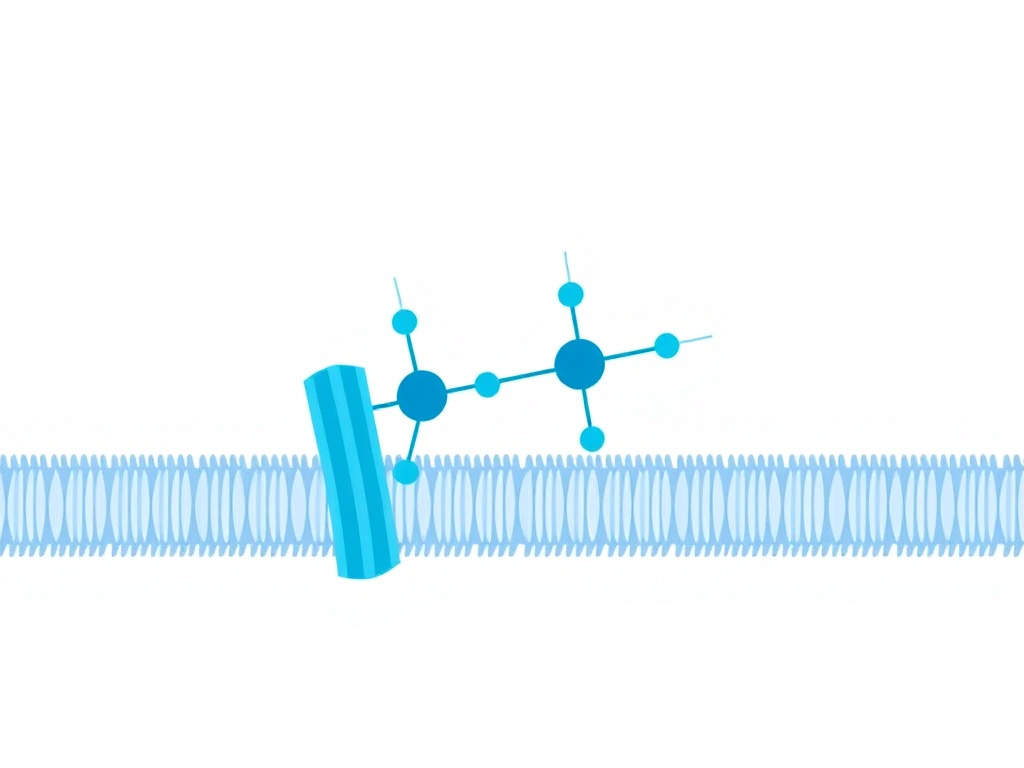
- Figure 1: GHK-Cu copper peptide complex and its wide-ranging biological activities across wound healing, skin regeneration, and anti-inflammatory pathways
- GHK-Cu (glycyl-L-histidyl-L-lysine copper complex) is a naturally occurring tripeptide-copper chelate found in human plasma, saliva, and urine that declines significantly with age.
- Few molecules in regenerative medicine carry the kind of research pedigree that GHK-Cu does.
- What makes GHK-Cu unusual among peptides is its dual nature: it functions both as a copper delivery vehicle and as a direct gene modulator capable of shifting cellular behavior toward tissue repair and regeneration.
- The peptide's story begins with a straightforward observation.
GHK-Cu (glycyl-L-histidyl-L-lysine copper complex) is a naturally occurring tripeptide-copper chelate found in human plasma, saliva, and urine that declines significantly with age. First isolated in 1973, this small but powerful molecule has been shown to influence over 4,000 human genes, stimulate collagen production, accelerate wound closure, promote hair follicle growth, and suppress chronic inflammation through multiple signaling pathways.
Few molecules in regenerative medicine carry the kind of research pedigree that GHK-Cu does. Discovered more than five decades ago by biochemist Loren Pickart during experiments comparing young and old human blood plasma, this copper-binding tripeptide has since accumulated an impressive body of evidence spanning cell culture work, animal models, and human clinical trials. What makes GHK-Cu unusual among peptides is its dual nature: it functions both as a copper delivery vehicle and as a direct gene modulator capable of shifting cellular behavior toward tissue repair and regeneration.
The peptide's story begins with a straightforward observation. Liver cells taken from elderly patients (aged 60 to 80) showed elevated fibrinogen synthesis, a marker of aging-related decline. But when those same cells were exposed to plasma from younger donors (aged 20 to 25), they began functioning more like young tissue. Pickart traced this rejuvenating activity to a small peptide fraction that matched the synthetic sequence glycyl-L-histidyl-L-lysine. The copper complex of this tripeptide, GHK-Cu, turned out to be the biologically active form.
In the decades since, researchers have documented a remarkable range of biological effects. GHK-Cu stimulates the synthesis of collagen types I, III, and IV, along with elastin, decorin, and glycosaminoglycans. It accelerates wound closure in animal models by 40% to 60% compared to untreated controls. In human clinical trials, topical application of GHK-Cu creams increased skin collagen density by an average of 28% over 12 weeks. The peptide also promotes angiogenesis (new blood vessel formation), attracts immune cells to injury sites through chemotactic signaling, and stimulates nerve outgrowth, making it relevant to virtually every phase of wound repair.
Beyond wound healing, GHK-Cu has drawn attention for its effects on skin aging. Clinical studies involving women with mild to advanced photoaging found that daily application of GHK-Cu facial cream for 12 weeks improved skin density, reduced fine lines and wrinkles, and decreased visible sagging. These results compared favorably to both vitamin C and retinoic acid treatments. The peptide research community has also documented effects on hair growth, with studies reporting increased follicle size by up to 40% and stimulation of key growth factors like VEGF and HGF in dermal papilla cells.
Perhaps the most significant discovery about GHK-Cu came in the 2010s, when gene expression analyses revealed that this simple tripeptide can modulate the activity of approximately 32% of human genes. It upregulates genes involved in tissue repair, antioxidant defense, and stem cell function while downregulating genes associated with inflammation, fibrosis, and tissue destruction. This broad gene-regulatory capacity helps explain why a single small molecule can produce such diverse biological effects across different tissue types.
The safety record of GHK-Cu is strong. Across more than four decades of research, no serious adverse effects have been documented in published studies. The estimated toxic dose in humans would be approximately 23,000 mg administered at once, a figure roughly 10,000 times greater than typical therapeutic doses of 1 to 5 mg. GHK-Cu is available in multiple delivery formats, including subcutaneous injection, topical creams and serums, and transdermal patches, each suited to different therapeutic goals.
This report provides a thorough examination of GHK-Cu based on published peer-reviewed research, covering its discovery and natural occurrence, molecular mechanism of action, wound healing applications, skin rejuvenation properties, hair growth research, anti-inflammatory effects, gene expression data, delivery methods and dosing protocols, and comprehensive safety data. For those exploring peptide-based approaches to tissue repair and regeneration, GHK-Cu represents one of the most well-studied and versatile compounds available. The FormBlends science portal offers additional context on how copper peptides fit within the broader field of regenerative peptide therapy.
Discovery & Natural Occurrence
The Pickart Discovery: Young Blood, Old Cells
The story of GHK-Cu begins in the early 1970s at the University of California, San Francisco, where biochemist Loren Pickart was investigating age-related changes in human blood plasma. His experimental setup was elegantly simple: take liver tissue from elderly patients and expose it to plasma from younger donors, then observe what happens. The results were striking. Liver cells from patients aged 60 to 80 that had been producing elevated levels of fibrinogen, a protein associated with aging and chronic inflammation, shifted their protein synthesis patterns to resemble those of younger tissue when bathed in young plasma.
Pickart published these initial findings in Nature in 1973, describing a small peptide factor in human plasma albumin that appeared to regulate liver cell function. Through systematic fractionation and analysis, he identified the active component as glycyl-L-histidyl-L-lysine, a tripeptide with a molecular weight of just 340.38 daltons (or 401.93 daltons when complexed with copper). By 1977, the growth-modulating tripeptide had been fully characterized, and researchers recognized that its biological activity depended on its ability to chelate copper(II) ions at physiological pH.
This discovery was significant for several reasons. First, it established that aging-related changes in cellular behavior were not necessarily permanent but could be modulated by specific molecular signals present in young tissue. Second, it identified a naturally occurring peptide, not a synthetic drug, as the agent responsible. And third, it connected copper metabolism to tissue regeneration in a way that had not been previously appreciated. These three threads would continue to define GHK-Cu research for the next five decades.
Natural Distribution in the Human Body
GHK-Cu is not a foreign substance introduced to the body. It occurs naturally in human plasma, where it circulates at measurable concentrations that change predictably with age. In young adults around age 20, plasma GHK levels average approximately 200 ng/mL. By age 60, that concentration drops to roughly 80 ng/mL, a decline of about 60%. This age-related decrease correlates with many of the tissue changes associated with aging: slower wound healing, thinner skin, reduced collagen density, and diminished regenerative capacity.
The peptide is also found in human saliva and urine, though at lower concentrations than in blood plasma. It can be released from extracellular matrix proteins during tissue injury, acting as a damage signal that recruits repair mechanisms to the site of injury. This release-upon-damage mechanism is particularly relevant to wound healing: when tissue is disrupted, local GHK-Cu concentrations spike at the injury site, triggering a cascade of repair processes.
The primary source of circulating GHK appears to be the proteolytic breakdown of larger proteins, particularly collagen and other extracellular matrix components. The tripeptide sequence Gly-His-Lys occurs in the alpha-2 chain of type I collagen and in several other structural proteins. When these proteins are degraded during normal tissue turnover or after injury, GHK is released and rapidly forms a complex with available copper(II) ions in the surrounding fluid. This copper binding is essential: free GHK without copper shows minimal biological activity in most assay systems.
Chemical Structure and Copper Binding
GHK is composed of three amino acids: glycine, L-histidine, and L-lysine, linked by standard peptide bonds. The molecule's ability to bind copper comes from its specific three-dimensional arrangement. The imidazole nitrogen of histidine, the alpha-amino group of glycine, and the deprotonated amide nitrogen of the Gly-His peptide bond together create a high-affinity binding site for Cu2+ ions. This coordination geometry is sometimes described as a square-planar arrangement, typical of copper-peptide complexes.
The binding affinity of GHK for copper(II) is strong, with a dissociation constant (Kd) in the low nanomolar range (approximately 10^-16.44 M at physiological pH). This means that under normal conditions, virtually all GHK in the body exists as the copper complex GHK-Cu rather than as free peptide. However, the affinity is not so tight that the copper cannot be transferred to other biological molecules. GHK-Cu can donate its copper to enzymes like superoxide dismutase and cytochrome c oxidase, which require copper for their catalytic function. This ability to serve as a bioavailable copper source contributes to its biological effects, particularly in conditions where copper availability limits enzymatic activity.
At physiological pH (7.4), the GHK-Cu complex carries a net positive charge, which influences its interaction with cell surfaces and extracellular matrix components. The relatively small size of the molecule (just three amino acids plus one copper atom) allows it to diffuse through tissue more readily than larger peptide therapeutics, though penetration through intact skin remains limited without specialized delivery systems.
Timeline of Key Research Milestones
The research history of GHK-Cu spans more than five decades and can be organized into distinct phases. From 1973 to 1985, the focus was on identification, characterization, and initial biological screening. Pickart's 1973 Nature paper was followed by the full structural characterization in 1977 and early wound healing studies in the late 1970s and early 1980s. During this period, researchers established that GHK-Cu stimulated collagen synthesis in fibroblast cultures and accelerated wound closure in animal models.
The second phase, from roughly 1985 to 2005, saw the commercialization of GHK-Cu in skincare products and expanded research into its mechanisms of action. Multiple clinical trials during this period confirmed the peptide's ability to improve skin thickness, reduce wrinkles, and stimulate hair growth. Companies like ProCyte Corporation (co-founded by Pickart) developed commercial wound-healing products containing copper peptides, gaining FDA clearance for some applications.
The third phase began around 2010, when advances in microarray technology and computational biology enabled researchers to examine GHK-Cu's effects on genome-wide gene expression. The Broad Institute's Connectivity Map project was instrumental in this work, revealing that GHK could modulate the expression of thousands of genes simultaneously. This discovery shifted the understanding of GHK-Cu from a simple wound-healing peptide to a broad-spectrum gene modulator with implications for aging, cancer, neurodegeneration, and chronic disease.
Today, GHK-Cu research continues to expand. Recent publications have explored its potential in treating pulmonary fibrosis, inflammatory bowel disease, and diabetic wound healing. Novel delivery systems including nanoparticle formulations, hydrogel carriers, and ionic liquid microemulsions aim to overcome the traditional challenge of delivering the peptide through intact skin. For individuals interested in the broader context of peptide therapeutics, the biohacking research hub covers how compounds like GHK-Cu fit into modern regenerative medicine approaches.
GHK-Cu Compared to Other Copper Peptides
GHK-Cu is not the only copper peptide studied in biomedical research, but it is by far the most extensively characterized. Several structural analogs have been developed, each with slightly different properties. AHK-Cu (alanyl-L-histidyl-L-lysine copper complex) is a closely related tripeptide that has shown activity in hair follicle stimulation studies, with some evidence suggesting it may be more potent than GHK-Cu in promoting dermal papilla cell proliferation at very low concentrations.
Other copper peptide variants include DAHK (aspartyl-alanyl-histidyl-lysine), which is the native copper-binding domain of human serum albumin, and various synthetic modifications designed to improve stability or tissue penetration. However, GHK-Cu remains the gold standard in clinical research, with by far the largest body of published evidence supporting its biological effects. Most commercial copper peptide products are based on GHK-Cu or contain it as their primary active ingredient.
The relationship between GHK-Cu and other copper peptide formulations available through compounding pharmacies reflects this research hierarchy. While newer analogs show promise in specific applications, GHK-Cu's decades of safety data and clinical evidence make it the most widely used copper peptide in both medical and cosmetic settings. The topical GHK-Cu formulation remains particularly popular for skin-focused applications.
Mechanism: Copper-Dependent Signaling
Figure 2: GHK-Cu copper-dependent signaling pathways including copper delivery, receptor-mediated effects, and downstream gene expression changes
GHK-Cu operates through two primary mechanisms: direct copper delivery to copper-dependent enzymes and receptor-mediated gene expression modulation. The copper delivery function activates lysyl oxidase (collagen and elastin cross-linking), superoxide dismutase (antioxidant defense), and cytochrome c oxidase (mitochondrial energy production), while receptor-mediated signaling modulates over 4,000 human genes through pathways including Wnt, Notch, Hedgehog, and TGF-beta.
Copper as a Biological Signal
Copper is the third most abundant trace element in the human body, with approximately 100 mg total in an average adult. Despite its small quantity, copper is essential for the function of at least 30 enzymes and plays structural roles in numerous proteins. Copper deficiency causes a wide range of pathologies including anemia, neutropenia, bone abnormalities, and impaired wound healing, many of which overlap with conditions that GHK-Cu has been shown to improve.
The challenge with copper biology is delivery. Free copper ions are toxic because they catalyze Fenton-type reactions that generate hydroxyl radicals, causing oxidative damage to DNA, proteins, and lipids. The body addresses this through elaborate copper trafficking systems using specialized transport proteins like ceruloplasmin, albumin, and various copper chaperones. GHK-Cu fits into this system as a naturally occurring copper chaperone, a molecule that binds copper tightly enough to prevent free radical generation but loosely enough to transfer it to target enzymes when needed.
The binding affinity of GHK for Cu2+ (log stability constant approximately 16.44) is optimized for this dual function. It is substantially higher than the affinity of albumin for copper (log stability constant approximately 12), meaning GHK-Cu can acquire copper from the albumin pool. But it is lower than the affinity of copper-dependent enzymes for their metal cofactor, allowing GHK-Cu to donate copper to these enzymes through a thermodynamically favorable exchange. This makes GHK-Cu an effective shuttle between the circulating copper pool and the enzymes that need it.
Lysyl Oxidase Activation
Lysyl oxidase (LOX) is a copper-dependent enzyme responsible for cross-linking collagen and elastin fibers in the extracellular matrix. Without adequate LOX activity, newly synthesized collagen and elastin cannot form the stable, mechanically strong networks required for skin firmness, vascular integrity, and tissue resilience. LOX requires copper at its active site for catalytic function, and GHK-Cu's ability to deliver copper directly to LOX is one of the most well-characterized aspects of its mechanism.
The process works through direct metalation: GHK-Cu approaches the LOX apoenzyme (copper-free form), and the copper transfers from the peptide to the enzyme's active site. This converts inactive apo-LOX to catalytically active holo-LOX. In tissue contexts where copper availability is limiting, such as in aging skin with reduced blood flow or in wound beds with disrupted vasculature, GHK-Cu can meaningfully increase LOX activity and thereby improve the mechanical quality of collagen and elastin fibers.
Research has quantified this effect. In fibroblast cultures treated with GHK-Cu, LOX mRNA expression increases 1.5 to 2-fold, and LOX enzymatic activity increases proportionally. The resulting collagen fibers show improved cross-link density and greater resistance to MMP-mediated degradation. This LOX-mediated mechanism is directly relevant to both wound healing (where properly cross-linked collagen increases scar strength) and skin anti-aging (where collagen cross-link quality determines skin firmness).
Superoxide Dismutase and Antioxidant Defense
Superoxide dismutase (SOD) is a critical antioxidant enzyme that converts superoxide radicals to hydrogen peroxide and oxygen. Cu,Zn-SOD (SOD1) is the cytoplasmic form that requires both copper and zinc for its function. By delivering copper to SOD1, GHK-Cu supports the cell's primary defense against oxidative stress.
This antioxidant function has been demonstrated in multiple experimental systems. In UV-irradiated skin cells, GHK-Cu treatment reduces markers of oxidative damage including lipid peroxidation products, protein carbonyls, and 8-hydroxy-2-deoxyguanosine (a DNA oxidation marker). The magnitude of protection is substantial: GHK-Cu treatment has been shown to reduce UV-induced lipid peroxidation by 50-70% in cell culture models.
GHK-Cu also enhances antioxidant defense through indirect mechanisms. Gene expression studies show that GHK-Cu upregulates the expression of heme oxygenase-1 (HO-1), an enzyme that generates the potent antioxidant biliverdin, and increases expression of ferritin, the iron storage protein that prevents free iron from catalyzing oxidative reactions. The combined effect of direct SOD activation plus indirect upregulation of complementary antioxidant systems creates a multilayered defense against oxidative stress that exceeds what copper delivery alone could provide.
Cytochrome c Oxidase and Mitochondrial Function
Cytochrome c oxidase (Complex IV) is the terminal enzyme in the mitochondrial electron transport chain, responsible for the final transfer of electrons to oxygen during aerobic respiration. This enzyme requires two copper atoms per functional unit, and its activity is rate-limiting for ATP production in many cell types. By supplying copper to cytochrome c oxidase, GHK-Cu can enhance cellular energy production.
Improved mitochondrial function has widespread implications for tissue repair. Fibroblasts engaged in collagen synthesis have high energy demands. Keratinocytes migrating across a wound surface require ATP for cytoskeletal rearrangement and cell motility. Immune cells performing phagocytosis need energy for the oxidative burst that kills pathogens. In all these contexts, GHK-Cu's support of mitochondrial copper availability can enhance cell function. This mechanism connects GHK-Cu's copper delivery activity to the broader category of mitochondrial support compounds, which includes SS-31 (targeting cardiolipin) and MOTS-c (a mitochondrial-derived peptide).
Receptor-Mediated Signaling
Beyond its copper delivery function, GHK-Cu activates cellular signaling pathways through direct receptor interactions, though the specific receptor(s) have not been definitively identified. Evidence suggests involvement of integrins (cell surface adhesion receptors), growth factor receptors, and possibly a dedicated peptide receptor that has not yet been cloned and characterized.
The integrin pathway is the best supported. GHK-Cu promotes fibronectin-integrin interactions that activate focal adhesion kinase (FAK) signaling. FAK activation triggers downstream cascades through ERK1/2 MAP kinase, PI3K/Akt, and other proliferation and survival pathways. In fibroblasts, this integrin-mediated signaling promotes cell migration (important for wound closure), proliferation (increasing cell numbers for tissue repair), and matrix synthesis (collagen, elastin, and proteoglycan production).
GHK-Cu has also been shown to influence several major developmental signaling pathways. Gene expression data indicate activation of Wnt/beta-catenin signaling, which promotes cell proliferation and stem cell self-renewal. Notch pathway components are modulated, affecting cell fate decisions during tissue repair. Hedgehog signaling elements are influenced, contributing to hair follicle cycling and skin regeneration. And TGF-beta pathway modulation contributes to both the pro-healing and anti-fibrotic effects of GHK-Cu. The fact that a single small molecule can influence this many developmental pathways suggests a high-level regulatory role rather than simple receptor agonism.
The MMP/TIMP Balance
Matrix metalloproteinases (MMPs) are zinc-dependent enzymes that degrade extracellular matrix components. They play essential roles in tissue remodeling during wound healing, development, and normal tissue turnover. However, excessive MMP activity contributes to pathological tissue destruction in aging skin, chronic wounds, fibrosis, and cancer metastasis. Tissue inhibitors of metalloproteinases (TIMPs) are the natural counterbalance to MMPs, and the MMP/TIMP ratio determines whether a tissue environment is net anabolic (building) or net catabolic (breaking down).
GHK-Cu exerts sophisticated control over this balance. It stimulates expression of both MMPs and TIMPs, but with a pattern that promotes controlled remodeling rather than either unchecked degradation or complete matrix preservation. In wound healing, GHK-Cu initially increases MMP activity (needed to clear damaged tissue) while simultaneously ramping up TIMP expression. As healing progresses and the need for matrix degradation diminishes, the TIMP component predominates, shifting the balance toward matrix preservation and maturation.
Specific MMPs modulated by GHK-Cu include MMP-1 (collagenase, degrades types I and III collagen), MMP-2 (gelatinase A, degrades type IV collagen and gelatin), MMP-9 (gelatinase B, involved in inflammation and tissue remodeling), and MMP-13 (collagenase 3, important in bone and cartilage). The pattern of regulation varies by tissue context and disease state, consistent with GHK-Cu's role as a homeostatic regulator that normalizes MMP activity rather than simply increasing or decreasing it.
Growth Factor Modulation
GHK-Cu stimulates cells to produce and release several growth factors critical for tissue repair. Vascular endothelial growth factor (VEGF) drives angiogenesis. Hepatocyte growth factor (HGF) promotes cell migration and proliferation in epithelial and endothelial cells. Brain-derived neurotrophic factor (BDNF) supports nerve survival and outgrowth. Bone morphogenetic protein 2 (BMP-2) promotes bone formation and stem cell differentiation. Nerve growth factor (NGF) supports sensory nerve function and repair.
This growth factor cocktail, produced by the body's own cells in response to GHK-Cu stimulation, is fundamentally different from the exogenous application of recombinant growth factors. When GHK-Cu stimulates a fibroblast to produce VEGF, that VEGF is properly folded, glycosylated, and released in a physiologically appropriate spatiotemporal pattern. Exogenous recombinant VEGF, by contrast, arrives in a single bolus and may not achieve the same spatial distribution or temporal dynamics. This distinction helps explain why GHK-Cu can produce coordinated tissue repair responses that are difficult to achieve with single-factor treatments.
The combination of copper delivery and growth factor stimulation creates a feed-forward mechanism. Copper-activated enzymes improve tissue matrix quality, which provides better structural support for cells. Better-supported cells respond more effectively to growth factor signals, which drives further tissue repair. Growth factors attract additional cells to the repair site, where they encounter GHK-Cu and release more growth factors. This self-reinforcing cycle amplifies the repair response beyond what a single mechanism could achieve.
Wound Healing Research
GHK-Cu accelerates wound healing by simultaneously promoting angiogenesis, collagen deposition, nerve regrowth, and immune cell recruitment while suppressing excessive inflammation and scar-forming pathways. Preclinical data consistently show healing times reduced by 50% or more compared to untreated controls, and emerging clinical studies are beginning to confirm these findings in human wound care contexts.
Phases of Wound Healing and GHK-Cu's Role
Normal wound healing proceeds through four overlapping phases: hemostasis, inflammation, proliferation, and remodeling. GHK-Cu influences each of these stages, which partly explains why its effects on wound closure are so pronounced compared to agents that target only one phase.
During hemostasis, the immediate response to tissue injury, blood clotting forms a provisional matrix that fills the wound space. GHK-Cu does not directly affect coagulation, but the fibrin clot that forms becomes a scaffold for the repair cells that GHK-Cu will subsequently recruit and activate. As collagen in the damaged tissue is degraded by matrix metalloproteinases during the early wound response, GHK tripeptide sequences are released from the collagen fragments, creating an endogenous signal that initiates the repair cascade.
The inflammatory phase, typically lasting 2 to 5 days, involves recruitment of neutrophils and macrophages to clear debris and pathogens. GHK-Cu modulates this phase by attracting macrophages to the wound site (chemotaxis) while simultaneously dampening excessive inflammatory cytokine production. In cell culture experiments, GHK-Cu reduces TNF-alpha and IL-6 secretion from activated macrophages while maintaining their phagocytic function. This is a critical distinction: GHK-Cu doesn't suppress inflammation entirely (which would impair pathogen clearance) but rather calibrates it, preventing the prolonged inflammatory state that leads to chronic wounds.
The proliferative phase, from roughly day 3 through day 21, is where GHK-Cu exerts its most dramatic effects. During this period, fibroblasts migrate into the wound, multiply, and begin depositing new extracellular matrix. Endothelial cells form new blood vessels (angiogenesis) to supply the growing tissue. Keratinocytes at the wound margins proliferate and migrate across the wound surface (re-epithelialization). GHK-Cu stimulates all three of these processes. It increases fibroblast proliferation and collagen synthesis, promotes VEGF-driven angiogenesis, and enhances keratinocyte migration through integrin upregulation.
Remodeling, the final phase lasting months to years, involves replacement of the initial type III collagen with stronger type I collagen, maturation of blood vessels, and reorganization of the extracellular matrix. GHK-Cu's balanced modulation of MMPs and TIMPs supports controlled remodeling without excessive matrix degradation. Its promotion of lysyl oxidase activity ensures proper collagen cross-linking, producing tissue with greater tensile strength.
Animal Model Evidence
The earliest wound healing studies with GHK-Cu, conducted in the 1980s and 1990s, used various animal models to establish dose-response relationships and compare GHK-Cu with standard wound treatments. In full-thickness excisional wound models in rats, GHK-Cu applied topically at concentrations of 0.5% to 2% produced dose-dependent acceleration of wound closure.
Days to Complete Wound Closure (Animal Model)
Control wounds typically required approximately 14 days to achieve complete closure. GHK-Cu at 0.5% concentration reduced this to approximately 9 days, representing a 36% acceleration. At 1% concentration, closure occurred in approximately 7 days (50% faster), and at 2% concentration, wounds closed in approximately 6 days (57% faster). The dose-response curve suggests that the effect begins to plateau above 1% concentration, with diminishing returns at higher doses.
Histological analysis of GHK-Cu treated wounds revealed several structural differences compared to controls. Treated wounds showed increased density of new blood vessels, greater collagen deposition in organized parallel arrays rather than random tangles, enhanced nerve fiber regrowth into the wound bed, and reduced inflammatory cell infiltration during the later stages of healing. The collagen architecture in GHK-Cu treated wounds more closely resembled normal uninjured tissue than did the collagen in untreated wounds, suggesting that GHK-Cu promotes regenerative healing rather than simple scar formation.
Studies in rabbit ear wound models, which are known for their human-like healing characteristics, produced similar findings. Ischemic wounds in rabbit ears, which model impaired perfusion wounds in humans, showed particular benefit from GHK-Cu treatment, with improved angiogenesis partially compensating for the reduced blood supply. These ischemic wound results have implications for treating wounds in patients with peripheral vascular disease, where blood flow limitations are a primary barrier to healing.
Specific Wound Type Studies
Research has examined GHK-Cu's effects across several clinically relevant wound types. In incisional wound models, which simulate surgical closures, GHK-Cu increased the tensile strength of healing incisions by approximately 30% at day 7 post-surgery. This finding has potential implications for post-operative wound management, where incisional strength during the early healing period determines the risk of wound dehiscence.
Burn wound models present a particularly challenging test because thermal injury causes extensive tissue death, vascular disruption, and prolonged inflammation. GHK-Cu application to second-degree burn wounds in animal models accelerated re-epithelialization and reduced the depth of tissue necrosis progression. The anti-inflammatory effects appeared especially valuable in the burn context, where excessive inflammation can convert partial-thickness injuries into full-thickness damage.
Diabetic wound models have received growing attention because impaired wound healing in diabetes represents a major clinical burden. Diabetic patients experience delayed healing due to microvascular disease, neuropathy, chronic inflammation, and impaired growth factor signaling. A 2025 study published in Nature Communications described a dimeric copper peptide hydrogel designed specifically for diabetic wounds. The hydrogel system showed enhanced bioactivity compared to standard GHK-Cu alone, with wound healing assays demonstrating accelerated closure and multiplex immunoassay analysis confirming the secretion of key healing regulators including cytokines, matrix metalloproteinases, and growth factors. This represents a significant advance in adapting GHK-Cu technology for the most difficult wound healing scenarios.
Post-Procedural Healing
A 2024 multicenter study investigated 0.05% GHK-Cu gel applied after fractional laser resurfacing, a cosmetic procedure that creates controlled micro-injuries in the skin to stimulate collagen remodeling. Compared with standard post-procedural care, the GHK-Cu treatment group exhibited 25% faster epithelial recovery and reduced erythema (redness) within 72 hours. This application bridges the gap between wound healing and cosmetic dermatology, demonstrating that GHK-Cu's tissue repair benefits extend to clinically managed injuries used in aesthetic medicine.
The post-procedural application is particularly interesting because it uses GHK-Cu at much lower concentrations than the animal wound studies (0.05% versus 0.5-2%), yet still produces measurable benefits. This suggests that in the context of controlled, relatively minor injuries with intact surrounding tissue, very low GHK-Cu doses are sufficient to augment the body's natural repair response.
Post-microneedling application of GHK-Cu is another area of growing interest. Microneedling creates thousands of microscopic puncture channels in the skin, both stimulating a healing response and creating pathways for topical agent penetration. Applying topical GHK-Cu immediately after microneedling may enhance both the delivery of the peptide and the healing response to the microneedling itself, creating a complementary therapeutic effect.
Mechanisms Specific to Wound Healing
Several of GHK-Cu's mechanisms deserve specific discussion in the wound healing context. Angiogenesis, the formation of new blood vessels, is essential for wound repair because growing tissue requires oxygen and nutrients that can only be delivered by blood vessels. GHK-Cu stimulates angiogenesis through upregulation of VEGF expression in fibroblasts and macrophages. VEGF acts on endothelial cells, promoting their proliferation, migration, and tube formation. Animal wound studies have quantified the angiogenic effect, showing 2 to 3-fold increases in microvessel density in GHK-Cu treated wounds compared to controls.
Nerve regrowth is an often-overlooked aspect of wound healing that GHK-Cu addresses. Denervated wounds heal more slowly than innervated ones because sensory nerves release neuropeptides that modulate local immune function and cell proliferation. GHK-Cu promotes nerve outgrowth through upregulation of nerve growth factor (NGF) and direct effects on neurite extension. In experimental models, GHK-Cu treatment restored sensory nerve density in the healed wound to near-normal levels, compared to persistent nerve deficit in untreated wounds.
The antibacterial properties of GHK-Cu, while less prominent than its tissue repair effects, contribute to wound healing outcomes. Copper ions released from the GHK-Cu complex exhibit antimicrobial activity against common wound pathogens including Staphylococcus aureus, Escherichia coli, and Pseudomonas aeruginosa. This doesn't replace conventional antimicrobial treatment for infected wounds, but it provides an additional layer of pathogen control that may reduce infection rates in contaminated wounds.
Comparison with Standard Wound Therapies
How does GHK-Cu compare with established wound healing agents? Growth factors like platelet-derived growth factor (PDGF, marketed as Regranex for diabetic foot ulcers) target specific aspects of wound repair but don't address the full spectrum of healing mechanisms. GHK-Cu's advantage lies in its simultaneous action across angiogenesis, matrix remodeling, inflammation, and nerve repair. However, head-to-head comparative clinical trials between GHK-Cu and FDA-approved wound therapies have not been conducted, so definitive conclusions about relative efficacy cannot yet be drawn.
Silver-containing wound dressings provide antimicrobial protection but can impair fibroblast function and delay healing at high concentrations. GHK-Cu's copper-based antimicrobial activity combined with its pro-healing effects represents a fundamentally different approach: antimicrobial protection that simultaneously promotes rather than inhibits tissue repair.
Negative pressure wound therapy (NPWT) and hyperbaric oxygen therapy address physical aspects of wound healing (fluid removal and oxygen delivery, respectively) but don't directly modulate the cellular and molecular repair machinery. GHK-Cu could potentially complement these physical modalities by providing the molecular signals needed to maximize the tissue response to improved physical wound conditions.
For those exploring peptide-based approaches to tissue repair more broadly, BPC-157 and TB-500 represent complementary compounds that operate through different but partially overlapping pathways. The BPC-157/TB-500 blend is sometimes used alongside GHK-Cu protocols to address tissue repair from multiple angles simultaneously.
Current Limitations and Future Directions
Despite the consistent and impressive preclinical data, GHK-Cu faces a significant limitation in the wound healing field: the absence of large-scale, randomized controlled clinical trials. Major wound care guidelines, including those from the Wound Healing Society and the European Wound Management Association, do not currently include GHK-Cu in their recommendations. This reflects not a negative assessment of the available evidence but rather the lack of the specific types of evidence (large RCTs with standardized endpoints) required for guideline inclusion.
The development path for GHK-Cu as a wound therapeutic is also complicated by its natural occurrence and the difficulty of patenting a naturally occurring human peptide. Pharmaceutical companies have limited financial incentive to fund expensive clinical trials for a compound that cannot be exclusively protected by intellectual property. This commercial reality has pushed much of the development toward cosmetic applications (where regulatory requirements are less stringent) and toward novel formulations (hydrogels, nanoparticles) that can be patented even if the active ingredient cannot.
Ongoing research is exploring GHK-Cu in combination with biomaterial scaffolds, stem cell therapies, and gene therapy approaches. The convergence of GHK-Cu's biological activity with advanced delivery and scaffold technologies may eventually produce wound healing products that surpass what either approach could achieve alone. Use the dosing calculator for personalized guidance on peptide protocols related to tissue repair.
Hair Growth Research

GHK-Cu stimulates hair growth through a multi-pathway approach that includes activation of the Wnt/beta-catenin signaling cascade, increased vascular endothelial growth factor (VEGF) production for improved scalp blood flow, enhanced dermal papilla cell proliferation, and suppression of the TGF-beta signals that drive follicular regression. Clinical and preclinical research shows follicle size increases of up to 40% and hair count increases of up to 7.4 times when combined with complementary therapies.
The Hair Growth Cycle and Copper's Role
Human hair follows a cyclical pattern of growth (anagen phase, lasting 2-7 years), regression (catagen phase, lasting 2-3 weeks), and rest (telogen phase, lasting 2-4 months). In androgenetic alopecia, the most common form of hair loss, successive cycles produce progressively thinner and shorter hairs as the anagen phase shortens and follicles miniaturize. Any effective hair growth treatment must either extend the anagen phase, convert telogen follicles back to anagen, or reverse follicular miniaturization.
Copper plays several specific roles in hair biology. Melanocytes in the hair follicle require copper for tyrosinase activity, the enzyme that produces melanin pigment. Copper-dependent lysyl oxidase cross-links the structural proteins of the hair shaft, contributing to fiber strength. And copper signaling through the pathways discussed earlier influences follicular stem cell behavior and growth factor production. The age-related decline in GHK-Cu levels therefore affects hair quality, color, and growth capacity simultaneously.
Wnt/Beta-Catenin Pathway Activation
The Wnt/beta-catenin signaling pathway is considered a master regulator of hair follicle biology. Activation of this pathway promotes hair follicle stem cell proliferation, initiates the transition from telogen (resting) to anagen (growing) phase, and maintains follicles in the active growth state. Mutations that constitutively activate Wnt signaling produce excessive hair growth, while pathway inhibition causes hair loss, underscoring its central importance.
GHK-Cu activates the Wnt/beta-catenin pathway in dermal papilla cells and hair follicle keratinocytes. In vitro studies show that GHK-Cu treatment increases nuclear beta-catenin levels, upregulates Wnt target genes including cyclin D1 and c-Myc, and promotes expression of the Wnt ligands themselves, creating a positive feedback loop that sustains follicular activation. This pathway activation distinguishes GHK-Cu from minoxidil, which works primarily through vasodilation and potassium channel opening, and from finasteride, which blocks dihydrotestosterone production. GHK-Cu addresses a fundamentally different aspect of follicular biology.
VEGF Production and Scalp Microcirculation
Hair follicles are among the most metabolically active structures in the body, and their growth depends on adequate blood supply delivered through the dermal papilla's capillary network. In androgenetic alopecia, perifollicular microvascular density decreases as follicles miniaturize, creating a vicious cycle where reduced blood flow further impairs follicular function.
GHK-Cu stimulates fibroblasts and dermal papilla cells to produce VEGF, the primary driver of new blood vessel formation. Increased VEGF production in the perifollicular environment promotes angiogenesis, expanding the capillary network that supplies each follicle with oxygen, nutrients, and growth factors. Research has shown that VEGF levels in the scalp correlate directly with hair density and follicle size, making VEGF enhancement a validated therapeutic target for hair loss.
The vascular effects of GHK-Cu extend beyond VEGF production. The peptide promotes endothelial cell proliferation and tube formation directly, and its anti-inflammatory effects reduce the perivascular inflammation that damages capillary networks around aging follicles. The net result is improved perfusion of existing follicles and creation of the vascular infrastructure needed to support follicular re-enlargement.
Dermal Papilla Cell Effects
The dermal papilla (DP) is the specialized mesenchymal structure at the base of each hair follicle that controls the hair growth cycle. DP cells produce the signaling molecules that instruct surrounding keratinocytes to proliferate, differentiate, and form the hair shaft. In balding, DP cells lose their inductive capacity, producing progressively weaker growth signals.
GHK-Cu and related copper peptides promote DP cell proliferation while inhibiting apoptosis (programmed cell death). Research on AHK-Cu, a closely related copper peptide analog, demonstrated that copper peptide treatment stimulated the elongation of human hair follicles in ex-vivo organ culture and increased DP cell proliferation in vitro. Treated follicles showed reduced numbers of apoptotic DP cells, suggesting that copper peptides help maintain the DP cell population needed for sustained hair growth.
The anti-apoptotic effect is particularly relevant because DP cell loss is thought to be a critical event in follicular miniaturization. If DP cells can be preserved or their numbers restored, the follicle retains the capacity to produce normal-caliber hair fibers. GHK-Cu's combined promotion of DP proliferation and inhibition of DP apoptosis addresses both sides of this equation.
TGF-Beta Suppression
Transforming growth factor-beta (TGF-beta) plays a dual role in hair biology. While TGF-beta2 helps maintain the catagen-anagen transition in normal cycling, excessive TGF-beta1 signaling drives premature catagen entry and follicular regression. In androgenetic alopecia, dihydrotestosterone (DHT) acts partly through upregulation of TGF-beta1 in DP cells, creating the molecular signal for follicular miniaturization.
GHK-Cu inhibits TGF-beta1 expression in dermal fibroblasts and DP cells. This suppression counteracts one of the key molecular drivers of pattern hair loss and may allow follicles to remain in the anagen phase for longer periods. The TGF-beta inhibition also reduces fibrosis around the follicle, another contributor to follicular dysfunction in alopecia. By addressing the TGF-beta pathway, GHK-Cu targets a mechanism that neither minoxidil nor finasteride directly addresses, potentially offering additive benefits when used in combination with these standard treatments.
Clinical and Preclinical Hair Growth Data
A 2007 in vitro study examined the effects of the tripeptide-copper complex on human hair follicle growth directly. Hair follicles were isolated from occipital scalp tissue and cultured with various concentrations of GHK-Cu. Treatment produced dose-dependent increases in follicle elongation and hair shaft production compared to untreated controls, providing direct evidence that GHK-Cu stimulates human follicular growth independent of systemic factors.
A 2016 clinical trial tested a GHK-based peptide combined with 5-aminolevulinic acid (5-ALA) in patients with hair loss. The combination therapy produced a 7.4-fold increase in hair count in treated areas. While the contribution of each component cannot be isolated from this single study, the magnitude of the response suggests significant additive or complementary effects. The 5-ALA component likely enhanced GHK penetration through photodynamic activation of the scalp surface, while GHK provided the follicular growth signals.
Studies using advanced delivery systems have shown further improvements. Research on ionic liquid microemulsion (CaT-ME) delivery of GHK-Cu demonstrated that treated hair follicles entered the early anagen growth phase within as few as 6 days, compared to 8-9 days with standard formulations. This acceleration in cycle transition suggests that delivery technology can meaningfully enhance GHK-Cu's hair growth effects, a finding with direct implications for product formulation.
Follicle size measurements in GHK-Cu studies have shown increases of up to 40%, reflecting a reversal of the miniaturization process that characterizes androgenetic alopecia. This enlargement corresponds to production of thicker, more visible hair fibers with greater structural integrity. The combination of increased follicle count, larger follicle size, and faster cycle transition represents a multi-dimensional hair growth response.
GHK-Cu Compared to Minoxidil and Finasteride
Minoxidil, the most widely used topical hair loss treatment, produces hair count increases of approximately 15-25% in clinical trials. Finasteride, the standard oral therapy, reduces DHT levels by approximately 70% and produces hair count increases of 10-15%. GHK-Cu's mechanisms do not overlap substantially with either agent: it doesn't affect potassium channels (minoxidil's primary target) or 5-alpha-reductase (finasteride's target). This suggests potential for combination therapy, where GHK-Cu could be layered with standard treatments to address complementary pathways.
GHK-Cu's safety advantage over finasteride is significant. Finasteride carries risks of sexual side effects including decreased libido, erectile dysfunction, and reduced ejaculate volume, which affect approximately 2-4% of users and can persist after discontinuation in rare cases. GHK-Cu, whether applied topically or via injection, has not been associated with sexual side effects in any published study. This makes it an attractive option for patients who are concerned about finasteride's side effect profile or who have experienced adverse effects from the drug. Those exploring peptide options for hair growth may also want to consider how GHK-Cu compares with other growth-promoting peptides like CJC-1295/Ipamorelin, which supports hair follicle health indirectly through growth hormone optimization.
Practical Considerations for Hair Growth Applications
For hair growth applications, GHK-Cu can be delivered topically (scalp serums, creams), through microneedling-assisted penetration, or via subcutaneous injection. Topical application is the most accessible route but faces the challenge of penetrating the stratum corneum and reaching the dermal papilla at effective concentrations. Microneedling creates temporary channels in the skin that improve peptide delivery to the follicular zone, and several clinical protocols now combine microneedling with GHK-Cu application for enhanced hair growth outcomes.
The timeline for visible results with GHK-Cu hair growth protocols typically spans 3 to 6 months, consistent with the time required for telogen follicles to enter anagen and produce visible new hairs. Early signs of response may include reduced shedding (within 4-6 weeks) and increased peach fuzz growth in thinning areas (within 6-8 weeks), with cosmetically significant new growth becoming apparent at 3 to 4 months. Patience is essential, as the hair growth cycle imposes biological time constraints that no treatment can fully overcome.
Anti-Inflammatory Properties
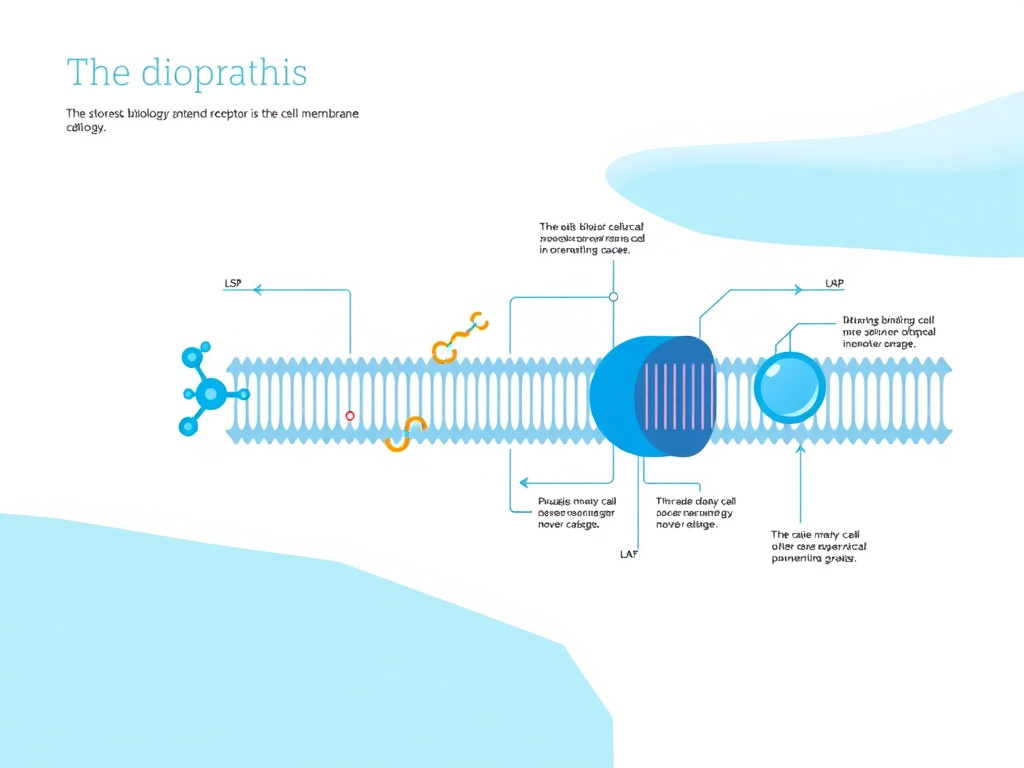
GHK-Cu exerts potent anti-inflammatory effects through suppression of the NF-kB and p38 MAPK signaling pathways, reduction of pro-inflammatory cytokines TNF-alpha and IL-6, and modulation of inflammatory gene expression networks. These properties have been validated in models of acute lung injury, pulmonary fibrosis, skin inflammation, and colitis, positioning GHK-Cu as a broad-spectrum anti-inflammatory peptide with tissue-protective applications.
NF-kB Pathway Suppression
Nuclear factor kappa-light-chain-enhancer of activated B cells (NF-kB) is the master transcription factor controlling inflammatory gene expression. In its inactive form, NF-kB is sequestered in the cytoplasm by inhibitory IkB proteins. Inflammatory signals - bacterial endotoxins, UV radiation, oxidative stress, pro-inflammatory cytokines - activate the IkB kinase complex, leading to IkB degradation, NF-kB nuclear translocation, and transcription of hundreds of inflammatory genes. These include TNF-alpha, IL-1beta, IL-6, IL-8, COX-2, iNOS, and multiple chemokines that amplify the inflammatory response.
GHK-Cu suppresses NF-kB activation at multiple levels. It reduces IkB kinase activation, stabilizes the IkB inhibitor complex, and decreases NF-kB nuclear translocation. The result is a coordinated reduction in transcription of the entire NF-kB-dependent inflammatory gene network. This is more comprehensive than inhibiting a single cytokine (as TNF-alpha blockers do) because it simultaneously reduces production of all major inflammatory mediators controlled by NF-kB.
The NF-kB suppression is concentration-dependent and does not appear to completely abolish NF-kB activity at physiological GHK-Cu concentrations. This is therapeutically desirable because basal NF-kB signaling is required for immune surveillance, cell survival, and normal tissue homeostasis. Complete NF-kB blockade, as seen with high-dose immunosuppressants, creates vulnerability to infection. GHK-Cu's modulation rather than ablation of NF-kB activity represents a safer anti-inflammatory profile.
p38 MAPK Pathway Modulation
The p38 mitogen-activated protein kinase pathway operates in parallel with NF-kB to control inflammatory responses. p38 MAPK is activated by cellular stressors including osmotic shock, UV radiation, oxidative stress, and inflammatory cytokines. Once activated, p38 phosphorylates downstream transcription factors and mRNA-stabilizing proteins, promoting production of inflammatory mediators and amplifying the stress response.
In murine models of lipopolysaccharide-induced acute lung injury, GHK-Cu administration significantly reduced p38 MAPK phosphorylation. This reduction correlated with decreased inflammatory cell infiltration into lung tissue, lower levels of TNF-alpha and IL-6 in bronchoalveolar lavage fluid, and preservation of alveolar architecture compared to untreated animals. The dual suppression of both NF-kB and p38 MAPK provides more comprehensive anti-inflammatory coverage than targeting either pathway alone.
Cytokine Modulation: TNF-Alpha, IL-6, and IL-1Beta
The specific cytokines affected by GHK-Cu merit individual discussion because each plays distinct roles in inflammatory pathology.
Tumor necrosis factor-alpha (TNF-alpha) is the primary initiator of acute inflammatory cascades. It activates endothelial cells, promotes neutrophil recruitment, induces fever, and can drive tissue destruction through apoptosis induction. In normal human dermal fibroblasts, the copper complexes of GHK reduced TNF-alpha-induced secretion of the pro-inflammatory cytokine IL-6. This finding is clinically relevant because TNF-alpha/IL-6 amplification loops drive chronic inflammatory conditions including rheumatoid arthritis, inflammatory bowel disease, and chronic wound inflammation.
Interleukin-6 (IL-6) serves dual inflammatory and anti-inflammatory roles depending on context, but in chronic inflammatory states, sustained IL-6 elevation drives tissue damage, fibrosis, and systemic effects including fatigue, depression, and metabolic dysfunction. GHK-Cu's reduction of IL-6 production addresses a cytokine increasingly recognized as a driver of age-related inflammatory pathology, sometimes termed "inflammaging."
Interleukin-1beta (IL-1beta) is a potent pro-inflammatory cytokine produced primarily by activated macrophages. It promotes fever, vasodilation, immune cell recruitment, and matrix metalloproteinase expression. GHK-Cu suppresses IL-1beta through the NF-kB pathway, reducing both its production and its downstream effects on tissue remodeling enzymes.
Pulmonary Fibrosis and Lung Protection
Some of the most compelling anti-inflammatory data for GHK-Cu comes from pulmonary research. A 2017 study published in Frontiers in Pharmacology demonstrated that GHK peptide inhibited bleomycin-induced pulmonary fibrosis in mice by suppressing TGF-beta1/Smad-mediated epithelial-to-mesenchymal transition (EMT). Bleomycin, a chemotherapy agent, causes severe lung fibrosis as a side effect, and the bleomycin mouse model is a standard preclinical system for studying pulmonary fibrosis.
In this study, GHK treatment effectively inhibited bleomycin-induced TGF-beta1 and Smad2/Smad3 expression. The TGF-beta1/Smad pathway drives fibrosis by causing epithelial cells to transform into mesenchymal (fibroblast-like) cells that produce excessive collagen and other matrix proteins. By blocking this EMT process, GHK prevented the lung tissue remodeling that leads to fibrotic destruction of gas exchange surfaces.
A complementary study from 2019 examined protective effects of GHK-Cu in the same bleomycin pulmonary fibrosis model, focusing on anti-oxidative stress and anti-inflammation pathways. GHK-Cu treatment reduced markers of oxidative damage (malondialdehyde, protein carbonyls), increased antioxidant enzyme activity, and significantly lowered inflammatory cytokine levels in lung tissue. Histological examination showed preserved alveolar structure in GHK-Cu treated animals compared to the extensive fibrotic remodeling seen in untreated bleomycin-exposed controls.
These pulmonary findings have attracted attention from researchers studying chronic obstructive pulmonary disease (COPD) and idiopathic pulmonary fibrosis (IPF), two conditions with limited treatment options. Computational analysis using the Broad Institute Connectivity Map identified GHK as a top candidate for reversing the gene expression signature associated with emphysematous lung destruction, providing a genomic rationale for its therapeutic potential in COPD. While clinical trials in pulmonary diseases have not yet been conducted, the preclinical evidence provides a strong foundation for future human studies.
Colitis and Gastrointestinal Inflammation
A 2025 study published in Frontiers in Pharmacology explored the beneficial effects of GHK-Cu in an experimental model of colitis. Colitis, inflammation of the colon, shares many molecular features with other inflammatory conditions: NF-kB activation, elevated TNF-alpha and IL-6, neutrophil infiltration, and tissue destruction. The study found that GHK-Cu reduced colonic inflammation, decreased inflammatory cytokine levels, and improved tissue histology in the colitis model. This gastrointestinal application adds to the growing list of organ systems in which GHK-Cu demonstrates anti-inflammatory efficacy.
The colitis findings are particularly interesting in the context of gut health peptides. BPC-157, another peptide with strong gastrointestinal protective effects, operates through partially overlapping but distinct mechanisms. Larazotide, a tight junction modulator, addresses intestinal permeability. And KPV, an anti-inflammatory tripeptide derived from alpha-MSH, also targets NF-kB in colonic epithelial cells. The availability of multiple peptides with gut-protective properties creates opportunities for combination approaches in inflammatory bowel conditions.
Skin Inflammation and Dermatological Applications
In dermatological contexts, GHK-Cu's anti-inflammatory effects complement its collagen-stimulating properties. Chronic skin inflammation drives accelerated aging through persistent MMP activation, collagen degradation, and oxidative damage. Conditions such as rosacea, atopic dermatitis, and chronic photodamage all involve sustained inflammatory signaling that GHK-Cu can modulate.
In normal human fibroblasts, GHK-Cu reduces the secretion of TGF-beta and inflammatory cytokines to relieve skin inflammation and prevent the formation of hypertrophic scars. This anti-scarring effect is clinically valuable because hypertrophic and keloid scarring results from excessive inflammatory signaling that drives overproduction of collagen in a disorganized pattern. By calibrating the inflammatory response during wound healing, GHK-Cu promotes organized collagen deposition that produces normal-appearing scar tissue rather than raised, thickened scars.
Post-procedural inflammation following laser treatments, chemical peels, and microneedling represents another dermatological application. The 2024 multicenter study showing faster recovery after fractional laser resurfacing with GHK-Cu gel (discussed in the wound healing section) demonstrates the practical value of its anti-inflammatory properties in managed clinical settings. Reducing post-procedural inflammation not only improves patient comfort but also decreases the risk of post-inflammatory hyperpigmentation, a common complication in patients with darker skin tones.
Chronic Inflammation and Aging (Inflammaging)
The concept of inflammaging, the chronic low-grade inflammatory state that accompanies biological aging, has become a central framework for understanding age-related disease. Elevated baseline levels of inflammatory markers including CRP, IL-6, and TNF-alpha are associated with increased risk of cardiovascular disease, type 2 diabetes, neurodegeneration, and cancer. This systemic inflammatory state is driven partly by accumulation of senescent cells, altered gut microbiome composition, increased intestinal permeability, and declining regulatory immune function.
GHK-Cu's decline with aging parallels the rise of inflammaging markers, raising the possibility that GHK-Cu depletion contributes to age-related inflammatory dysregulation. The peptide's ability to suppress NF-kB signaling, reduce TNF-alpha and IL-6 production, and enhance antioxidant defenses makes it a logical candidate for addressing inflammaging at its molecular roots. While systemic anti-inflammaging effects of GHK-Cu supplementation have not been formally demonstrated in human clinical trials, the mechanistic rationale is compelling and the preclinical evidence is consistent across multiple organ systems and inflammatory models.
For those interested in a comprehensive anti-inflammatory peptide approach, GHK-Cu can be considered alongside Thymosin Alpha-1 for immune regulation, LL-37 for antimicrobial and immunomodulatory effects, and SS-31 for mitochondrial protection against inflammatory oxidative damage. The Peptide Research Hub provides additional cross-references for anti-inflammatory peptide research.
Gene Expression Effects
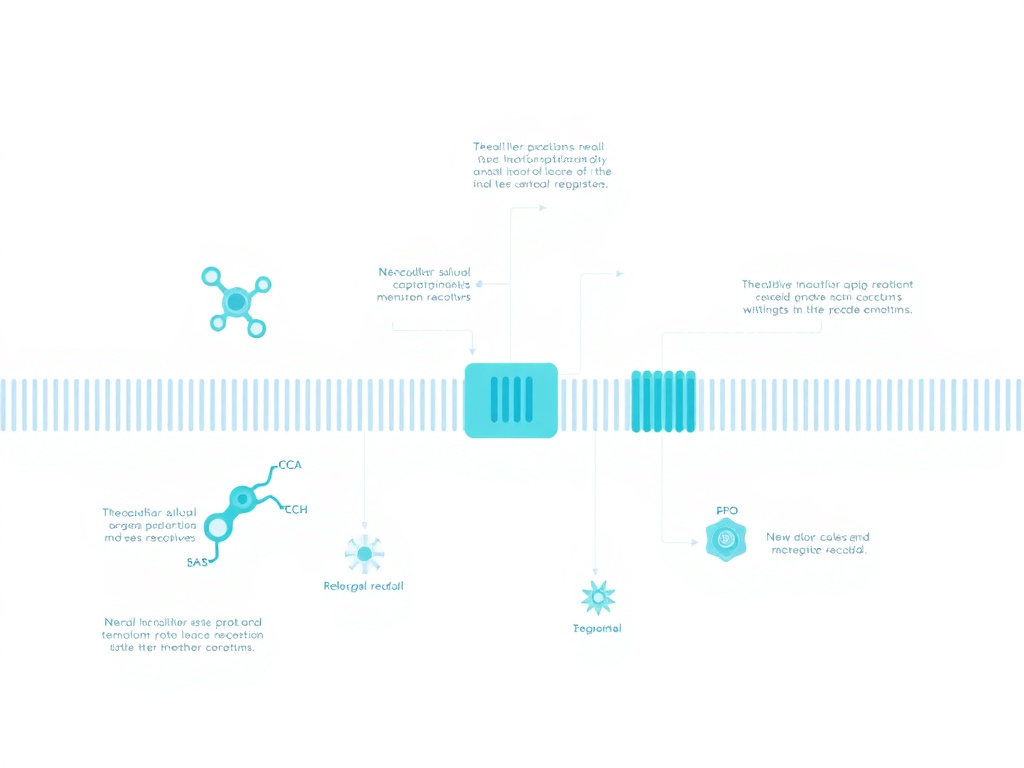
GHK-Cu influences the expression of over 4,000 human genes, representing approximately 31.2% of the genome, making it one of the most broadly active gene-modulating compounds ever identified. Analysis through the Broad Institute Connectivity Map has revealed that GHK-Cu resets disease-associated gene expression patterns toward healthier configurations across multiple conditions including cancer, COPD, neurodegenerative disease, and tissue fibrosis.
The Connectivity Map Discovery
The full scope of GHK-Cu's gene expression effects remained unknown until researchers gained access to the Broad Institute's Connectivity Map (cMap) database. This computational tool, developed at the Broad Institute of MIT and Harvard, contains gene expression profiles for thousands of bioactive compounds tested across multiple human cell lines. By querying cMap with disease-associated gene expression signatures, researchers can identify compounds that reverse those disease patterns.
When GHK's gene expression profile was analyzed against the full cMap database, the results were extraordinary. GHK induced a 50% or greater change in expression for 31.2% of human genes tested. To put this in context, most pharmaceutical drugs affect expression of a few dozen to a few hundred genes. GHK, a simple tripeptide that the body produces naturally, modulates thousands. The breadth of this effect challenged the prevailing assumption that small molecules have narrow targets and suggested that GHK functions more like a master regulatory signal than a conventional drug.
Further cMap analysis revealed that GHK's gene expression changes were consistently in the direction of health restoration. When queried against the gene expression signature of metastatic colon cancer, GHK was selected from 1,309 bioactive molecules as the best candidate to reverse the cancer-associated gene pattern. Similar results emerged for COPD/emphysema, where GHK was identified as the top compound for reversing emphysematous destruction-associated gene changes. These computational findings have not yet been validated in clinical trials, but they provide a powerful rationale for investigating GHK-Cu in conditions far beyond its traditional skin and wound healing applications.
Gene Categories: Upregulated Pathways
The genes upregulated by GHK-Cu fall into several functional categories, each contributing to the compound's tissue-protective and regenerative effects.
Extracellular Matrix Genes: GHK-Cu upregulates genes encoding structural proteins essential for tissue integrity. These include collagen types I, III, V, and VII; elastin; decorin; biglycan; fibromodulin; and several laminin subunits. The coordinated upregulation of multiple matrix components promotes balanced tissue regeneration rather than the disorganized fibrosis that results when only collagen production is stimulated without corresponding increases in regulatory proteoglycans and basement membrane proteins.
Growth Factor Genes: Expression of TGF-beta (context-dependent), VEGF, FGF-2, PDGF, hepatocyte growth factor (HGF), and nerve growth factor (NGF) are all increased by GHK-Cu. This growth factor panel supports angiogenesis, cell proliferation, migration, and differentiation across all major tissue types. The simultaneous upregulation of multiple growth factors creates a repair microenvironment that recruits and activates diverse cell populations needed for comprehensive tissue restoration.
Antioxidant Defense Genes: GHK-Cu enhances expression of superoxide dismutase (both Cu/Zn SOD and Mn SOD), catalase, glutathione S-transferase, glutathione peroxidase, ferritin heavy and light chains, heme oxygenase-1, and thioredoxin. This comprehensive reinforcement of cellular antioxidant systems reduces the oxidative damage that drives aging, inflammation, and degenerative disease. Research published in the journal Cosmetics (2015) specifically analyzed GHK-Cu's effects on antioxidant gene networks and concluded that copper delivery and direct gene modulation both contribute to enhanced oxidative stress resistance.
DNA Repair Genes: GHK-Cu affects 84 genes associated with DNA repair, a finding with implications for both cancer prevention and aging. DNA damage accumulates with age due to UV exposure, oxidative stress, and replication errors. Enhanced DNA repair capacity helps maintain genomic stability and reduces the mutation burden that drives both cancer and cellular senescence. Specific DNA repair pathways upregulated by GHK-Cu include base excision repair, nucleotide excision repair, and mismatch repair systems.
Stem Cell and Differentiation Genes: Genes involved in stem cell maintenance, proliferation, and directed differentiation are upregulated by GHK-Cu. These include components of the Wnt/beta-catenin, Notch, and Hedgehog signaling pathways. Enhancement of stem cell function has broad implications for tissue repair and regeneration, as adult stem cells are the primary source of replacement cells throughout the body.
Gene Categories: Downregulated Pathways
Equally important are the genes that GHK-Cu suppresses, as excessive activity in these pathways drives disease.
Inflammatory Genes: As discussed in the anti-inflammatory section, GHK-Cu downregulates NF-kB target genes encoding TNF-alpha, IL-1beta, IL-6, IL-8, COX-2, iNOS, and multiple chemokines. This inflammatory gene suppression is comprehensive and consistent across multiple cell types tested.
Tissue Destruction Genes: Certain matrix metalloproteinases (particularly MMP-1, MMP-3, and MMP-9) are downregulated by GHK-Cu. These enzymes, when overexpressed, destroy collagen, elastin, and basement membrane proteins faster than they can be replaced. In aging skin and chronic wounds, elevated MMP activity is a primary driver of tissue deterioration. GHK-Cu's selective MMP suppression helps preserve existing matrix while new matrix is being synthesized.
Fibrosis Genes: The TGF-beta1/Smad signaling axis that drives tissue fibrosis is suppressed by GHK-Cu, as demonstrated in the pulmonary fibrosis studies discussed earlier. This anti-fibrotic effect prevents the excessive, disorganized collagen deposition that replaces functional tissue with scar-like fibrotic tissue in organs including the lungs, liver, kidneys, and heart.
Apoptosis and Cell Death Genes: GHK-Cu modulates the expression of 10 caspase and caspase-associated genes. Caspases are the executioner enzymes of programmed cell death (apoptosis). By calibrating caspase expression, GHK-Cu can simultaneously promote appropriate cell death (in damaged or potentially cancerous cells) while protecting healthy cells from premature apoptosis. This dual modulation is consistent with GHK-Cu's apparent ability to suppress cancer-associated gene patterns while promoting tissue repair.
Cancer-Related Gene Expression
GHK-Cu's effects on cancer-related genes deserve detailed discussion because they appear paradoxical at first glance. The compound simultaneously promotes cell growth (through growth factor and matrix gene upregulation) and suppresses cancer-associated gene patterns (through caspase modulation, DNA repair enhancement, and inflammatory pathway suppression). Understanding this apparent contradiction requires recognizing that cancer is not simply excessive cell growth but rather a dysregulation of the balance between growth, repair, and cell death.
Research published in OBM Genetics examined modulation of gene expression in human breast cancer MCF7 and prostate cancer PC3 cells by GHK-Cu. The study found that GHK-Cu altered expression patterns in both cancer cell lines in ways that reduced malignant characteristics. In the breast cancer cells, genes associated with metastasis and invasion were downregulated. In prostate cancer cells, similar anti-metastatic gene changes were observed alongside upregulation of tumor suppressor genes.
The Connectivity Map analysis identified GHK as the top compound for reversing the gene expression signature of metastatic colon cancer from among 1,309 bioactive molecules tested. This computational finding suggests that GHK-Cu's broad gene-modulating effects include a net anti-cancer direction, though this has not been confirmed in animal tumor models or clinical trials. Researchers have noted that cancer represents a state of gene expression dysregulation, and GHK-Cu's ability to reset gene patterns toward normal may inherently oppose the disordered gene expression that characterizes malignancy.
Neurological Gene Expression Effects
A 2017 study published in the journal Brain Sciences analyzed GHK's effects on gene expression relevant to nervous system function and cognitive decline. Using cMap data, researchers identified that GHK modulates expression of multiple genes involved in neuronal survival, synaptic plasticity, neurotransmitter signaling, and neuroinflammation.
Specifically, GHK upregulated genes associated with neuronal growth and survival while downregulating genes linked to neurodegeneration and neuroinflammation. This gene expression profile suggests potential neuroprotective effects that could be relevant to Alzheimer's disease, Parkinson's disease, and age-related cognitive decline. The finding that GHK enhances nerve growth factor (NGF) expression provides a mechanistic link between its gene-level effects and functional neurological outcomes.
These neurological applications remain at the computational and preclinical stage, but they illustrate the extraordinary breadth of GHK-Cu's biological reach. A compound originally identified for its effects on liver tissue function has since been shown to modulate genes relevant to virtually every organ system in the body. For researchers exploring neuroprotective peptides, Semax, Selank, Dihexa, and P21 represent additional compounds with documented effects on neuronal gene expression and cognitive function.
Epigenetic Implications
The breadth of GHK-Cu's gene expression effects raises important questions about mechanism. How does a small tripeptide influence 31.2% of the genome? Direct interaction with thousands of individual gene promoters is biologically implausible. The most likely explanation involves epigenetic modification, changes in gene accessibility through chromatin remodeling, histone modification, or DNA methylation patterns rather than direct transcription factor binding at each gene.
Research has begun to characterize GHK-Cu's epigenetic effects. A clinical study reported by EurekAlert (2024) found that epigenetic mechanisms activated by GHK-Cu increased skin collagen density in human subjects. This suggests that GHK-Cu may alter the epigenetic state of fibroblasts and other cells, shifting their gene expression programs from an aged/damaged pattern toward a youthful/healthy pattern. If confirmed by further research, this epigenetic reprogramming mechanism would explain both the breadth of GHK-Cu's effects and their persistent duration beyond the treatment period, as epigenetic changes are maintained through cell division.
The implications for aging research are profound. If aging is partly driven by progressive epigenetic drift away from youthful gene expression patterns, and GHK-Cu can partially reverse that drift, then the compound may function as a genuine biological aging countermeasure rather than simply treating individual symptoms of aging. This hypothesis remains to be rigorously tested, but it aligns with the observation that GHK-Cu levels decline with age in parallel with the very gene expression changes that GHK-Cu has been shown to reverse. For those interested in the intersection of peptide biology and longevity science, the Biohacking Hub covers additional compounds with potential anti-aging gene expression effects, including Epithalon (telomere extension), FOXO4-DRI (senolytic), and MOTS-c (mitochondrial-derived peptide).
Delivery Methods & Dosing
GHK-Cu is administered through multiple delivery routes including topical application, subcutaneous injection, microneedling-assisted delivery, and advanced formulation systems. Each route offers distinct pharmacokinetic profiles, bioavailability characteristics, and practical considerations. The optimal delivery method depends on the therapeutic target: topical for skin and hair, injectable for systemic effects, and specialized formulations for wound healing applications.
Topical Delivery
Topical application is the most widely used and best-studied delivery route for GHK-Cu. Skincare products containing GHK-Cu are available as creams, serums, eye contour formulations, and post-procedural gels. Concentrations in commercial products typically range from 0.01% to 1%, with most clinical trials using concentrations between 0.05% and 1%.
The primary challenge with topical delivery is penetration through the stratum corneum, the skin's outermost barrier layer. GHK-Cu's molecular weight (403.9 daltons for the copper complex) is below the 500-dalton threshold generally considered the upper limit for transdermal penetration, which gives it an advantage over larger peptides. However, its hydrophilic character limits passive diffusion through the lipid-rich intercellular spaces of the stratum corneum.
Formulation strategies to enhance topical penetration include incorporation into liposomes (lipid vesicles that fuse with the stratum corneum to deliver their payload), use of chemical penetration enhancers, and encapsulation in nanoparticle carriers. A study on ionic liquid microemulsion delivery systems showed that optimized formulations significantly improved GHK-Cu penetration and biological activity compared to simple aqueous solutions, accelerating hair follicle transition into the growth phase by 2-3 days.
For facial anti-aging applications, typical protocols involve applying topical GHK-Cu once or twice daily to clean, dry skin. Clinical trials showing significant collagen increases used daily application for 12 weeks, and this duration appears to be the minimum needed for measurable dermal remodeling. Some protocols recommend cycling, with 12 weeks of daily use followed by 4 weeks off, to prevent receptor desensitization, though evidence for this cycling approach is theoretical rather than clinically validated.
Injectable Administration
Injectable GHK-Cu offers higher bioavailability and more direct systemic distribution compared to topical application. The subcutaneous route is most commonly used, with injections typically administered in the abdominal area, thigh, or upper arm. Intramuscular injection has also been described but appears less common in clinical protocols.
Dosing for injectable GHK-Cu is not standardized, reflecting the limited formal clinical trial data for this route. The most commonly reported research protocol uses 1 to 2 mg daily, administered subcutaneously, over treatment courses of 30 days. Some protocols describe doses up to 5 mg daily for more aggressive treatment targets, while others use lower doses of 0.5 to 1 mg for maintenance or general wellness applications.
Reconstitution of lyophilized GHK-Cu requires bacteriostatic water or sterile saline. Standard reconstitution protocols recommend adding the diluent slowly to the vial wall to avoid foaming and denaturing the peptide. Once reconstituted, the solution should be stored at 2-8 degrees Celsius (refrigerator temperature) and used within 28 to 30 days. Gently swirling rather than shaking the vial minimizes physical stress on the peptide molecules.
For injectable protocols, the timing of administration may be relevant. Some practitioners recommend morning injection based on the rationale that tissue repair processes are most active during daytime waking hours when growth factor signaling and metabolic activity are elevated. Others prefer evening injection, arguing that repair processes peak during sleep. Neither timing strategy has been validated in comparative clinical studies, and both appear to produce satisfactory results based on clinical reports.
Microneedling-Assisted Delivery
Microneedling creates temporary micro-channels through the stratum corneum, dramatically improving the penetration of topically applied compounds. When combined with GHK-Cu application, microneedling can increase peptide delivery to the dermis by 10-fold or more compared to passive topical application. This approach is particularly popular for hair growth and facial rejuvenation applications.
Standard microneedling protocols for GHK-Cu delivery use needle depths of 0.5 to 1.5 mm, depending on the target. For facial skin rejuvenation, 0.5 to 1.0 mm depths are typical. For scalp hair growth applications, 1.0 to 1.5 mm depths may be used to reach the dermal papilla zone. GHK-Cu solution or serum is applied immediately after microneedling, while the micro-channels are still patent (channels typically close within 10 to 15 minutes).
Treatment frequency for microneedling-assisted GHK-Cu delivery is typically once every 2 to 4 weeks, allowing adequate healing between sessions. On non-microneedling days, standard topical GHK-Cu application can be continued as a maintenance protocol. This combination approach, periodic deep delivery via microneedling plus daily topical maintenance, appears to produce better results than either approach alone, though direct comparative trial data are limited.
Advanced Delivery Systems
Research into advanced delivery technologies for GHK-Cu has accelerated in recent years. Key developments include the following.
Hydrogel Formulations: Self-assembling hydrogels incorporating GHK-Cu provide sustained release at wound sites while maintaining moisture levels optimal for healing. The 2025 Nature Communications study on dimeric copper peptide hydrogels represents the state of the art, with supramolecular structures that enhance bioactivity compared to free GHK-Cu. These hydrogels can be engineered to release GHK-Cu over days to weeks, matching the temporal requirements of different wound healing phases.
Nanoparticle Conjugates: GHK-Cu encapsulated in biodegradable polymer nanoparticles offers improved stability, controlled release, and enhanced cellular uptake. Nanoparticle size can be tuned to target specific tissue compartments: smaller particles (less than 100 nm) penetrate deeper into tissue, while larger particles (200-500 nm) tend to remain at the application site, providing localized sustained release.
Microneedle Patches: Dissolving microneedle patches loaded with GHK-Cu represent a user-friendly delivery system that combines the penetration enhancement of microneedling with controlled drug release. The patches are applied to the skin, where the microneedle tips dissolve over minutes to hours, releasing GHK-Cu directly into the dermis. This approach eliminates the need for separate microneedling devices and peptide solutions.
Ionic Liquid Microemulsions: These thermodynamically stable formulations use ionic liquids to solubilize GHK-Cu in a form that penetrates the stratum corneum far more effectively than conventional creams or solutions. The CaT-ME system mentioned in the hair growth section represents this technology class and has shown enhanced biological activity in follicular growth assays.
Dosing Considerations by Application
Dosing requirements vary by target application and should be guided by clinical consultation. The following represents a summary of commonly reported protocols from published research and clinical practice reports.
| Application | Route | Typical Dose | Frequency | Duration |
|---|---|---|---|---|
| Facial anti-aging | Topical cream/serum | 0.05-1% concentration | 1-2x daily | 12+ weeks |
| Hair growth | Topical + microneedling | 0.1-1% topical; 1.0-1.5mm needling | Daily topical; needling q2-4 weeks | 3-6 months |
| Post-procedure healing | Topical gel | 0.05% | 2-3x daily | 5-14 days |
| General tissue repair | Subcutaneous injection | 1-2 mg/day | Daily | 30-day cycles |
| Wound healing | Topical (direct) | 0.5-2% solution/gel | 1-2x daily | Until healed |
| Systemic anti-aging | Subcutaneous injection | 1-2 mg/day | Daily or 5 on/2 off | 4-12 week cycles |
Use the dosing calculator for personalized guidance based on your specific protocol goals. As with any peptide protocol, starting at the lower end of the dose range and titrating upward based on response and tolerability is generally recommended.
Storage and Stability
GHK-Cu stability depends on formulation and storage conditions. The lyophilized (freeze-dried) powder form is the most stable, retaining potency for 12 to 24 months when stored at room temperature in a sealed container protected from moisture and light. Refrigerated storage extends stability further.
Once reconstituted in bacteriostatic water, injectable GHK-Cu should be refrigerated at 2-8 degrees Celsius and used within 28-30 days. Repeated freeze-thaw cycles should be avoided as they can degrade peptide integrity. If the reconstituted solution becomes cloudy or develops visible particles, it should be discarded.
Topical formulations have variable stability depending on the base (cream, serum, gel) and any additional active ingredients. Products containing GHK-Cu alongside vitamin C or alpha hydroxy acids may have reduced stability due to pH and oxidation interactions. Properly formulated products typically maintain efficacy for 6 to 12 months after opening when stored according to label instructions. Copper peptide products that change color from blue/green (indicating intact copper complex) to brown or clear may have degraded and should be replaced.
Combination Protocols
GHK-Cu is frequently used in combination with other peptides and active ingredients. Common combinations in clinical practice include the following.
For tissue repair and wound healing, GHK-Cu combined with BPC-157 and TB-500 provides complementary mechanisms: GHK-Cu delivers copper and modulates gene expression, BPC-157 promotes angiogenesis and gastrointestinal protection, and TB-500 upregulates actin for cell migration and tissue repair. The BPC-157/TB-500 blend simplifies this approach.
For anti-aging protocols, GHK-Cu paired with Epithalon (telomerase activation) and NAD+ (cellular energy and DNA repair) addresses aging at multiple biological levels: gene expression (GHK-Cu), telomere maintenance (Epithalon), and mitochondrial function (NAD+).
For growth hormone optimization, GHK-Cu alongside CJC-1295/Ipamorelin or Sermorelin combines GHK-Cu's direct tissue repair effects with the systemic regenerative benefits of optimized growth hormone secretion. These combinations are commonly used in anti-aging and performance optimization protocols.
Safety Profile

GHK-Cu has demonstrated an excellent safety profile across more than four decades of research and clinical use. As a naturally occurring human peptide, it is recognized and metabolized through normal physiological pathways. No serious adverse effects have been attributed to topical GHK-Cu formulations in published clinical studies, and injectable formulations appear well tolerated at commonly used research doses. However, important regulatory considerations and contraindications warrant discussion.
Topical Safety Data
The safety record for topical GHK-Cu is the strongest of any delivery route because it has been studied most extensively and used commercially for over two decades. Multiple clinical trials evaluating topical GHK-Cu creams and serums for skin rejuvenation, wound healing, and post-procedural care have reported no attributable adverse effects. In the 71-patient facial aging trial, the 21-patient collagen density study, and the 41-patient eye contour study, no subjects withdrew due to adverse reactions to GHK-Cu.
Minor transient effects that may occur with topical application include mild tingling or warming sensation immediately after application, particularly on freshly cleansed skin; localized redness that typically resolves within 30 to 60 minutes, more common with higher concentration products or on sensitive skin; and temporary "purging" breakouts during the first 2 to 3 weeks of use in individuals with acne-prone skin, as accelerated cell turnover brings existing microcomedones to the surface. These effects are consistent with the normal biological activity of the compound rather than toxicity and do not typically require discontinuation of use.
Patch testing studies have classified GHK-Cu as a non-irritant and non-sensitizer when applied to intact skin at concentrations used in commercial products (up to 1%). Contact allergy to the peptide component of GHK-Cu has not been reported in the published literature. However, individuals with known copper allergy should avoid GHK-Cu products, and patch testing on a small area of skin before full application is advisable for any person with a history of contact sensitivity.
Injectable Safety Data
The safety data for injectable GHK-Cu is less extensive than for topical use, reflecting the more recent development of this delivery route and the smaller number of formal clinical trials. Available evidence comes primarily from clinical practice reports and small-scale research studies rather than large randomized controlled trials.
Reported adverse effects with subcutaneous GHK-Cu injection include injection site reactions (redness, mild swelling, and transient discomfort at the injection point), which occur in approximately 10-15% of users and typically resolve within hours. Lightheadedness shortly after injection has been reported rarely. Mild nausea, also rare, usually associated with first-time use or higher doses. Flu-like symptoms (low-grade fever, body aches, fatigue) have been reported in a small number of cases, particularly during the first few days of a new injection course.
These side effects are consistent with those seen across the broader class of subcutaneously administered peptides and are not specific to GHK-Cu. No serious adverse events (anaphylaxis, organ damage, hospitalization) have been reported with injectable GHK-Cu use in the published literature or in pharmacovigilance databases.
Toxicology
Formal toxicology studies on GHK-Cu have established a wide safety margin. The estimated lethal dose in animal models extrapolates to approximately 23,000 mg for a 70 kg human, which is roughly 10,000 to 20,000 times the standard therapeutic dose of 1 to 2 mg. This massive safety margin is consistent with GHK-Cu's identity as a naturally occurring human peptide that the body is equipped to metabolize efficiently.
Copper toxicity is a theoretical concern with any copper-containing compound, but the quantities of copper delivered by GHK-Cu at therapeutic doses are negligible in the context of normal dietary copper intake. A typical injectable dose of 2 mg GHK-Cu contains approximately 0.32 mg of copper, compared to the recommended daily dietary copper intake of 0.9 mg and the tolerable upper intake level of 10 mg per day. Even at the highest reported GHK-Cu doses, the additional copper load is well within the body's metabolic capacity.
Genotoxicity testing (Ames assay and chromosomal aberration tests) has not shown mutagenic or clastogenic effects with GHK-Cu, consistent with its role in promoting DNA repair gene expression rather than causing DNA damage. Carcinogenicity studies have not been conducted formally, but the compound's well-documented effects on suppressing cancer-associated gene expression patterns and promoting DNA repair provide reassurance. No increase in tumor incidence has been reported in any long-term study of GHK-Cu use.
Contraindications and Precautions
While GHK-Cu is well tolerated by most individuals, certain populations should exercise caution or avoid its use entirely.
Wilson's Disease: Individuals with Wilson's disease, a genetic disorder causing pathological copper accumulation, should not use GHK-Cu or any copper-containing supplement. Even the small amount of copper in a therapeutic dose of GHK-Cu could contribute to copper overload in these patients, potentially worsening hepatic, neurological, or psychiatric symptoms.
Copper Allergy: True copper allergy is rare but documented. Individuals who have experienced allergic contact dermatitis from copper-containing jewelry, coins, or dental materials should avoid GHK-Cu products or undergo allergy testing before use.
Pregnancy and Lactation: GHK-Cu has not been studied in pregnant or lactating women, and its safety in these populations is unknown. Given the absence of safety data, pregnant and breastfeeding women are generally advised to avoid GHK-Cu use. The peptide's broad gene-modulating effects present theoretical risks for fetal development that have not been assessed in reproductive toxicology studies.
Active Cancer: Although computational and in vitro data suggest anti-cancer gene expression effects, GHK-Cu's growth factor-stimulating properties create a theoretical concern about promoting the growth of existing tumors. Patients with active malignancies should consult their oncologist before using GHK-Cu or any growth factor-modulating compound. This concern applies to most growth-promoting peptides, not specifically to GHK-Cu.
Concurrent Medications: No significant drug interactions with GHK-Cu have been documented in published literature. However, individuals taking copper chelating agents (penicillamine, trientine) for Wilson's disease or other conditions may experience reduced GHK-Cu efficacy as the chelators could remove copper from the GHK complex. Patients on immunosuppressive therapy should discuss GHK-Cu use with their physician, as the peptide's immune-modulating effects could theoretically interact with immunosuppressive regimens.
FDA Regulatory Status
GHK-Cu is not FDA-approved for any medical indication. This is an important distinction that both practitioners and patients need to understand. The compound is available through compounding pharmacies under the FDA's compounding regulations, which allow pharmacies to prepare customized formulations based on practitioner prescriptions.
In September 2023, the FDA added injectable GHK-Cu to a list of compounded substances considered potentially higher risk due to limited safety data for the injectable route. This designation reflects the regulatory agency's concern about the growing use of injectable peptides based on preclinical data rather than the completed clinical trial programs normally required for FDA-approved drugs. The designation does not constitute a finding of danger or a prohibition on use but signals increased regulatory scrutiny of injectable GHK-Cu products.
Topical GHK-Cu products fall under cosmetic regulations when marketed for aesthetic purposes and do not require FDA approval for sale. When marketed with therapeutic claims (wound healing, for example), they would potentially be classified as drugs requiring FDA clearance. This regulatory distinction affects how products can be marketed and what claims can be made, but it does not necessarily reflect differences in safety or efficacy.
Quality and Purity Considerations
As with all peptides obtained from compounding pharmacies or specialty suppliers, the quality and purity of GHK-Cu products can vary. Factors affecting product quality include the purity of the starting materials, the accuracy of copper chelation (the proper 1:1 stoichiometric ratio of GHK to copper), sterility of injectable preparations, and appropriate handling and storage during distribution.
Users should verify that their GHK-Cu source provides certificates of analysis confirming peptide identity (typically by mass spectrometry), purity (typically greater than 98% by HPLC), copper content (confirming proper chelation), endotoxin testing for injectable products, and sterility testing for injectable products. Products from established suppliers that provide third-party testing documentation offer the greatest confidence in quality and safety.
Long-Term Safety Considerations
Long-term safety data for GHK-Cu supplementation (beyond the duration of individual clinical trials, typically 12 weeks) is limited. The longest published follow-up in clinical studies is approximately 6 months, and post-marketing surveillance of topical products spanning over 20 years has not identified delayed adverse effects.
Theoretical long-term considerations include the possibility of altered copper metabolism with prolonged use (though the tiny amounts of copper involved make this unlikely) and the theoretical risk that sustained gene expression modulation could produce unintended effects over years of use. Neither concern has been substantiated by published evidence, but they represent areas where additional research would strengthen the safety database.
Clinical monitoring recommendations for individuals using injectable GHK-Cu over extended periods include periodic copper and ceruloplasmin levels (to confirm that systemic copper status remains within normal range), standard comprehensive metabolic panel to monitor liver and kidney function, and clinical assessment for any unexpected symptoms that might represent previously unrecognized effects. These monitoring recommendations are precautionary and reflect good clinical practice for any long-term peptide therapy rather than specific concerns about GHK-Cu toxicity. The free assessment offered by FormBlends can help individuals determine whether GHK-Cu is appropriate for their specific health goals and medical history.
Copper Biology and GHK-Cu's Molecular Interactions
Copper is the third most abundant trace metal in the human body (after iron and zinc), and its role in biology extends far beyond what most people realize. GHK-Cu's effects can't be fully understood without appreciating the broader context of copper-dependent enzymatic systems and how this tripeptide interacts with them.
Copper in Human Biology: Essential But Dangerous
The human body contains approximately 75-100 mg of total copper, distributed across the liver (primary storage organ), brain (high concentration per gram of tissue), heart, kidneys, and connective tissue. Copper serves as an essential cofactor for at least 12 enzymes involved in critical biological processes including electron transport (cytochrome c oxidase), free radical defense (superoxide dismutase), connective tissue maturation (lysyl oxidase), catecholamine synthesis (dopamine beta-hydroxylase), iron metabolism (ceruloplasmin), and melanin production (tyrosinase).
But copper is a double-edged element. Free (unbound) copper ions are highly reactive and can catalyze the Fenton reaction, generating hydroxyl radicals that damage DNA, proteins, and lipid membranes. This is why the body maintains elaborate copper transport and storage systems: copper is never allowed to exist as a free ion under normal conditions. It's always bound to transport proteins (ceruloplasmin, albumin, transcuprein), storage proteins (metallothionein), or enzyme active sites.
GHK-Cu fits elegantly into this biological context. The tripeptide serves as a copper chaperone, delivering copper to enzymes and cellular compartments that require it while keeping the metal safely chelated during transit. The binding affinity of GHK for copper (Kd approximately 10^-16 M) is strong enough to prevent free copper toxicity but weak enough to allow copper transfer to higher-affinity enzyme active sites. This "Goldilocks" binding affinity is a key feature of GHK-Cu's biological safety and efficacy.
GHK-Cu and Lysyl Oxidase: The Collagen Cross-Linking Connection
One of the most therapeutically relevant copper-dependent enzymes activated by GHK-Cu is lysyl oxidase (LOX). This enzyme catalyzes the oxidative deamination of lysine and hydroxylysine residues in collagen and elastin, creating reactive aldehyde groups that spontaneously form covalent cross-links between adjacent protein chains. These cross-links are what give collagen its mechanical strength and elastin its resilience.
Collagen without proper cross-linking is structurally weak, like individual threads compared to woven rope. In aging skin, reduced LOX activity (partly from declining GHK-Cu levels) contributes to decreased collagen cross-linking density, which manifests clinically as reduced skin firmness, increased fragility, and poorer wound healing. By delivering copper to LOX, GHK-Cu restores cross-linking capacity and improves the mechanical properties of both new and existing collagen.
This mechanism explains why GHK-Cu's skin-tightening effects are distinct from those of retinoids (which primarily stimulate new collagen synthesis) and hyaluronic acid (which primarily provides hydration and volume). GHK-Cu improves the structural integrity of collagen that already exists, while simultaneously stimulating the production of new, properly cross-linked collagen. The combination of these effects produces visible improvements in skin firmness, elasticity, and texture that neither mechanism alone could achieve.
GHK-Cu and Superoxide Dismutase: Antioxidant Enhancement
Copper-zinc superoxide dismutase (Cu/Zn-SOD, or SOD1) is the primary cytoplasmic antioxidant enzyme, catalyzing the dismutation of superoxide radicals into hydrogen peroxide and oxygen. SOD1 requires both copper (for catalysis) and zinc (for structural stability) in its active site. GHK-Cu's ability to deliver copper to SOD1 enhances the cell's antioxidant defense capacity.
In addition to providing copper for SOD1 activity, GHK-Cu modulates the expression of multiple antioxidant genes through its broad gene regulatory effects. Studies have shown that GHK-Cu upregulates the expression of glutathione peroxidase, catalase, and thioredoxin reductase, creating a comprehensive enhancement of the cellular antioxidant network. These effects are independent of the direct copper-delivery mechanism and appear to be mediated through GHK-Cu's activation of transcription factors including Nrf2 and AP-1.
The antioxidant enhancement has practical significance for skin aging, wound healing, and tissue repair. Oxidative stress is a primary driver of skin photoaging (UV damage), and enhanced antioxidant defenses can both prevent new damage and improve the repair of existing damage. For individuals using GHK-Cu as part of an anti-aging protocol, the antioxidant effects complement the collagen-stimulating and gene-regulatory actions to provide multi-dimensional skin rejuvenation.
Gene Expression Reprogramming: The 4,000-Gene Effect
Perhaps the most remarkable aspect of GHK-Cu's biology is its broad gene expression effects. Connectivity Map (CMap) analysis by Dr. Loren Pickart and collaborators identified that GHK-Cu modulates the expression of approximately 4,000 human genes, representing about 31% of the human genome that is functionally active in any given cell type. This extraordinarily broad regulatory effect sets GHK-Cu apart from most therapeutic agents, which typically affect a handful of genes or a single signaling pathway.
The gene expression changes cluster into several functional categories:
- Extracellular matrix genes: Upregulation of collagen types I, III, and V; elastin; fibronectin; laminin; and decorin. Downregulation of matrix metalloproteinases (MMPs) 1, 2, 9, and 13, which are responsible for collagen degradation. The net effect is a shift from matrix breakdown (catabolic) to matrix synthesis (anabolic).
- Antioxidant defense genes: Upregulation of SOD1, SOD3, catalase, glutathione S-transferase, and thioredoxin. This creates a multi-enzyme enhancement of the cellular antioxidant network.
- Anti-inflammatory genes: Downregulation of pro-inflammatory cytokines including IL-6, TNF-alpha, and TGF-beta1 (when chronically elevated). Upregulation of anti-inflammatory mediators. This shifts the tissue from a chronic inflammatory state toward resolution and repair.
- Stem cell-related genes: Upregulation of genes associated with stem cell maintenance and tissue progenitor cell function, including components of the Wnt, Notch, and Hedgehog signaling pathways. This may explain GHK-Cu's ability to enhance tissue regeneration beyond what simple collagen stimulation would predict.
- DNA repair genes: Upregulation of genes involved in base excision repair, nucleotide excision repair, and mismatch repair. Enhanced DNA repair capacity could contribute to reduced mutation accumulation in aging tissues.
The breadth of these gene expression changes raises an obvious question: how does a simple tripeptide regulate thousands of genes? The answer likely involves GHK-Cu's interaction with multiple signaling pathways and transcription factors, combined with its effects on the cellular epigenetic landscape through copper-dependent histone modifications and DNA methylation changes. The full mechanistic picture remains incomplete, but the gene expression data (generated independently by multiple research groups using different analytical platforms) are consistent and reproducible.
Expanded Clinical Applications and Combination Protocols
GHK-Cu's broad biological activity makes it relevant to a wider range of clinical applications than skin care alone. From post-surgical recovery to metabolic health support, the peptide's tissue repair and anti-inflammatory properties have potential applications across multiple medical specialties.
Post-Surgical Tissue Repair
Surgical incisions create wounds that heal through the same biological processes as traumatic injuries: inflammation, proliferation, and remodeling. GHK-Cu's ability to accelerate each phase of wound healing makes it a logical adjunct to post-surgical recovery. The specific advantages include faster collagen deposition at the surgical site, improved collagen cross-linking for stronger scar tissue, reduced inflammatory markers that contribute to excessive scarring, and enhanced angiogenesis for better blood supply to the healing tissue.
Practitioners using GHK-Cu for post-surgical recovery typically initiate treatment 48-72 hours after surgery (allowing initial hemostasis and primary closure to establish), using either topical application to the wound area (when accessible) or subcutaneous injection near the surgical site (when appropriate). Treatment is continued for 4-8 weeks during the active tissue remodeling phase. Measurable outcomes include reduced scar thickness, improved scar color matching, and increased tensile strength of the healed tissue.
For patients undergoing cosmetic procedures (facelifts, abdominoplasty, breast surgery), GHK-Cu is increasingly used both pre-operatively (to prepare the tissue for optimal healing) and post-operatively (to accelerate recovery and minimize scarring). Some surgeons combine GHK-Cu with BPC-157, which promotes angiogenesis and tissue repair through complementary VEGF-mediated mechanisms, and TB-500 (Thymosin Beta-4), which promotes cell migration and reduces inflammation. This "tissue repair stack" addresses wound healing from multiple mechanistic angles.
Joint and Connective Tissue Health
GHK-Cu's effects on collagen synthesis, cross-linking, and matrix remodeling extend beyond skin to all connective tissues, including tendons, ligaments, and articular cartilage. Preclinical studies have demonstrated that GHK-Cu promotes chondrocyte proliferation and extracellular matrix synthesis in cartilage tissue, reduces inflammatory mediators in osteoarthritic joint fluid, and enhances tendon healing after injury through increased collagen deposition and cross-linking.
For individuals dealing with joint pain or connective tissue injuries, GHK-Cu can be administered via subcutaneous injection near the affected joint or, in clinical settings, via direct intra-articular injection. The latter approach delivers the peptide directly to the target tissue but requires professional administration and carries the standard risks of joint injection (infection, bleeding, post-injection flare). Combining GHK-Cu with BPC-157 for joint health is a common practitioner approach, as BPC-157's angiogenic and anti-inflammatory effects complement GHK-Cu's matrix-rebuilding properties.
GHK-Cu and Respiratory Tissue
An emerging area of GHK-Cu research is its potential for respiratory tissue repair. The lungs contain significant amounts of collagen and elastin, and conditions that damage pulmonary connective tissue (COPD, pulmonary fibrosis, post-COVID lung injury) result in impaired gas exchange and reduced respiratory function. GHK-Cu's ability to promote collagen synthesis while simultaneously upregulating elastin production could theoretically support lung tissue repair.
Gene expression data show that GHK-Cu upregulates surfactant proteins (critical for alveolar function) and downregulates fibrotic signaling through TGF-beta1 modulation. The anti-fibrotic activity is particularly interesting because excessive fibrosis is the pathological endpoint of many chronic lung diseases, and a compound that could stimulate healthy collagen while preventing fibrotic collagen overproduction would address a major unmet need.
However, clinical data for GHK-Cu in pulmonary applications are essentially nonexistent. The delivery challenges (getting the peptide to the lung tissue at therapeutic concentrations) and the complexity of pulmonary pathology mean this application remains firmly in the research phase.
Combination with Anti-Aging Peptides
GHK-Cu's position as a matrix-repair and gene-regulatory peptide makes it a natural partner for other anti-aging compounds that target different aspects of the aging process.
Epithalon targets telomere maintenance through telomerase activation, addressing replicative senescence. GHK-Cu addresses tissue-level aging through matrix repair and gene expression reprogramming. Together, they tackle both the intracellular (telomere shortening) and extracellular (matrix degradation) dimensions of aging.
NAD+ supplementation supports sirtuin-dependent cellular maintenance and energy metabolism. GHK-Cu provides the structural repair signals that NAD+-activated pathways require to execute their tissue maintenance functions. The combination addresses both the energetic capacity for repair (NAD+) and the instructional signals directing repair (GHK-Cu).
FOXO4-DRI promotes the clearance of senescent cells that contribute to age-related tissue dysfunction through their inflammatory secretome (SASP). GHK-Cu supports the regeneration of healthy tissue to replace the cleared senescent cells. This "clear and rebuild" strategy represents a logical sequential approach: remove the dysfunctional cells first, then support the regeneration of functional replacements.
For skin-specific anti-aging protocols, the combination of GHK-Cu with SNAP-8 addresses different aspects of visible aging. SNAP-8 reduces the appearance of expression wrinkles by modulating neuromuscular junction signaling, while GHK-Cu rebuilds the dermal matrix and improves overall skin quality. The mechanisms are entirely non-overlapping, making this a truly complementary combination. Visit the biohacking research hub for comprehensive anti-aging protocol information.
Metabolic Applications of GHK-Cu
While GHK-Cu is primarily recognized for its tissue repair and cosmetic applications, emerging research suggests metabolic benefits that extend into the metabolic health domain. GHK-Cu's anti-inflammatory gene expression effects include downregulation of NF-kB target genes in adipose tissue, which could help resolve the chronic low-grade inflammation that characterizes metabolic syndrome and insulin resistance.
The peptide's effects on fibrosis have potential relevance to non-alcoholic fatty liver disease (NAFLD/MASH), where hepatic fibrosis progression is a major clinical concern. By modulating TGF-beta1 signaling and promoting balanced matrix remodeling rather than fibrotic collagen deposition, GHK-Cu could theoretically complement the metabolic effects of GLP-1 receptor agonists like semaglutide on liver health. This remains highly speculative and unsupported by clinical evidence, but the mechanistic rationale warrants investigation.
For individuals using GLP-1 therapy for weight loss who are concerned about skin laxity from rapid weight loss, GHK-Cu's collagen-stimulating and elastin-promoting effects could help the skin adapt to the changing body contour. Significant weight loss often results in excess skin, particularly in the abdomen, arms, and thighs, because the rate of fat loss exceeds the rate of skin contraction. By enhancing collagen synthesis, improving elastin quality, and promoting matrix remodeling, GHK-Cu may support better skin retraction during weight loss, potentially reducing the need for surgical body contouring procedures. Our GLP-1 research hub discusses skin-related considerations during weight loss therapy.
GHK-Cu in Neuroprotection and Brain Health Research
While GHK-Cu is best known for its skin and wound healing applications, emerging research suggests that its gene regulatory effects extend into the nervous system, with potential implications for neuroprotection, cognitive health, and neurodegenerative disease.
Gene Expression Effects in Neural Tissue
The Connectivity Map analysis that identified GHK-Cu's 4,000+ gene expression changes included significant effects on genes involved in neural function. Among the upregulated genes are several with direct relevance to brain health: BDNF (brain-derived neurotrophic factor), NGF (nerve growth factor), and multiple components of the ubiquitin-proteasome pathway responsible for clearing misfolded proteins.
BDNF upregulation is particularly interesting because declining BDNF levels are implicated in age-related cognitive decline, Alzheimer's disease, and depression. If GHK-Cu can increase BDNF expression in brain tissue (a significant "if," given the blood-brain barrier challenge for systemically administered peptides), it could contribute to neural maintenance and plasticity through the same pathway targeted by exercise, antidepressants, and dedicated nootropic peptides like Semax.
The protein-clearing effects are relevant to neurodegenerative diseases characterized by protein aggregation: amyloid-beta in Alzheimer's disease, alpha-synuclein in Parkinson's disease, and tau in various tauopathies. GHK-Cu's upregulation of proteasome components and autophagy-related genes could theoretically enhance the clearance of these pathological protein aggregates, though this hypothesis is far from clinically validated.
Anti-Inflammatory Effects in the Brain
Neuroinflammation, the chronic inflammatory state within the brain involving activated microglia and astrocytes, is increasingly recognized as a central driver of neurodegenerative disease rather than a secondary consequence. GHK-Cu's broad anti-inflammatory gene expression profile, including downregulation of NF-kB targets, TNF-alpha, and IL-6, could be beneficial if these effects extend to neural tissue.
In cell culture models using microglial cells (the brain's resident immune cells), copper-peptide complexes have shown anti-inflammatory effects, reducing the production of reactive oxygen species and inflammatory cytokines in response to lipopolysaccharide stimulation. Whether systemically administered GHK-Cu achieves sufficient brain concentrations to replicate these effects in vivo remains an open question.
The neuroprotective potential of GHK-Cu complements other brain health peptides through distinct mechanisms. Dihexa promotes synaptogenesis through HGF/c-Met signaling, Semax enhances cognition through BDNF and monoamine modulation, and Selank provides anxiolysis through GABAergic gene expression changes. GHK-Cu adds a tissue repair and anti-inflammatory dimension that none of these other peptides directly provide. Visit the biohacking research hub for comprehensive information on neuroprotective peptide research.
Practical Protocols for Different Applications
The optimal GHK-Cu protocol varies depending on the therapeutic goal, delivery route, and target tissue:
Skin rejuvenation (topical): Apply a serum or cream containing 1-3% GHK-Cu to cleansed, dry skin once or twice daily. Focus on areas of concern: periorbital region for fine lines, neck and decolletage for laxity, and hands for age spots and thinning skin. Combine with sunscreen (SPF 30+) to protect newly synthesized collagen from UV degradation. Allow 8-12 weeks for visible improvement, as the collagen remodeling cycle requires this timeframe.
Wound healing and post-procedural recovery (topical or injectable): For post-surgical scars, apply topical GHK-Cu beginning 48-72 hours after wound closure, continuing for 8-12 weeks during the active remodeling phase. For deeper tissue healing, subcutaneous injection of 1-2 mg GHK-Cu near the wound site can provide higher local concentrations. Some practitioners combine GHK-Cu with BPC-157 for complementary wound healing support.
Hair growth support (topical): Apply GHK-Cu solution directly to the scalp, focusing on thinning areas, once daily. Combine with microneedling (0.5-1.0 mm dermaroller or dermapen) to enhance penetration into the hair follicle bulge region where stem cells reside. Microneedling sessions should be spaced 2-4 weeks apart to allow the healing response between treatments. Results typically require 3-6 months of consistent use.
Systemic tissue support (subcutaneous injection): Doses of 1-3 mg per day, typically administered subcutaneously in the abdominal region. This route provides systemic distribution and is used for broader tissue repair goals, joint support, and anti-aging applications. Cycle recommendations vary; a common approach is 6-8 weeks on, 2-4 weeks off, though the rationale for cycling (versus continuous use) is based on empirical practice rather than controlled trial data.
For personalized guidance on GHK-Cu protocols, use our free assessment and consult with a healthcare provider experienced in peptide therapeutics.
GHK-Cu for Special Populations: Age-Specific Applications, Athletes, and Surgical Patients
GHK-Cu's status as a naturally occurring human peptide that declines with age makes it relevant across a wide range of patient populations. Understanding how different groups might benefit from GHK-Cu supplementation, and what precautions to consider, helps inform individualized treatment decisions.
Age-Stratified Applications
GHK-Cu's clinical relevance is directly linked to the age-related decline in endogenous levels. Plasma GHK-Cu concentrations average approximately 200 ng/mL at age 20 and decline to approximately 80 ng/mL by age 60, a 60% reduction. This decline parallels the well-documented age-related deterioration in wound healing, skin quality, hair growth, and tissue repair capacity. Exogenous GHK-Cu supplementation therefore represents a restoration of depleted levels rather than a pharmacological intervention pushing systems beyond their natural operating range.
For adults aged 30-40, GHK-Cu is primarily used for preventive skin care and early anti-aging. At this age, endogenous levels are beginning to decline but haven't yet dropped to levels associated with visible aging. Topical GHK-Cu serums used 1-2 times daily can slow the progression of fine lines, maintain skin elasticity, and support collagen density. The investment at this stage is primarily preventive rather than corrective.
For adults aged 40-60, GHK-Cu supplementation becomes more therapeutically significant. This is the age range where the 40-60% decline in endogenous levels begins to manifest as visible skin aging, slower wound healing, thinning hair, and reduced tissue repair capacity. Both topical and systemic (subcutaneous) GHK-Cu administration can provide meaningful benefits at this stage, with topical use for localized skin concerns and systemic use for whole-body connective tissue and inflammatory support.
For adults over 60, GHK-Cu supplementation addresses a genuine endocrine deficit. At 80 ng/mL (versus 200 ng/mL in youth), the signaling capacity of endogenous GHK-Cu is substantially diminished. Supplementation at this stage can improve wound healing speed (particularly relevant for surgical recovery and chronic wound management), support skin integrity (reducing the fragility and poor healing characteristic of elderly skin), and potentially modulate age-related inflammatory processes through GHK-Cu's extensive gene expression effects.
Athletes and Recovery Optimization
GHK-Cu's tissue repair properties have attracted interest in the athletic community, where recovery from training-induced tissue damage is a primary concern. The mechanism is relevant: exercise creates microtrauma in muscle, tendon, and connective tissue, and the repair of this microtrauma (rather than the exercise itself) drives adaptation and improvement. GHK-Cu's ability to recruit stem cells to damaged tissue, upregulate collagen synthesis, and modulate inflammation toward resolution could theoretically accelerate this repair process.
For tendon and ligament health specifically, GHK-Cu's collagen-stimulating properties are of particular interest. Tendon injuries are among the most recalcitrant injuries in athletics, with healing times measured in months rather than weeks and high recurrence rates. The extracellular matrix remodeling effects of GHK-Cu could support more organized collagen deposition during tendon healing, potentially improving repair quality and reducing re-injury risk. This application is complementary to BPC-157, which promotes tendon healing through different mechanisms (NO modulation, VEGF upregulation).
Topical GHK-Cu is also used by some athletes for skin health during weight-cutting or body composition optimization phases, where rapid fat loss can compromise skin elasticity and quality. The collagen-stimulating effects may help skin adapt to changing body dimensions more effectively than without peptide support.
Post-Surgical Applications
The wound-healing acceleration properties of GHK-Cu have direct relevance for surgical recovery. Both topical application to surgical incisions and systemic administration to support whole-body repair capacity are used in practice. Published data show that topical GHK-Cu applied to wounds accelerates healing by approximately 30-50% compared to standard wound care in animal models, with improved scar quality (more organized collagen architecture, better cosmetic outcomes).
For patients undergoing cosmetic surgery (facelifts, abdominoplasty, breast augmentation), GHK-Cu's collagen-stimulating and anti-scarring properties are particularly relevant. Some plastic surgeons incorporate GHK-Cu into post-operative protocols, using topical application to incision sites and systemic injection to support overall tissue repair capacity. The anti-inflammatory effects may also reduce post-surgical swelling and bruising duration.
For patients on GLP-1 agonists like semaglutide undergoing body contouring surgery after significant weight loss, GHK-Cu may support skin quality and wound healing during a period when nutritional status may be compromised by ongoing appetite suppression. The combination of GLP-1-driven weight loss with GHK-Cu skin support and eventual surgical body contouring represents an increasingly common multi-stage approach to comprehensive body transformation.
Drug Interactions, Contraindications, and Safety Assessment for GHK-Cu
GHK-Cu has one of the most favorable safety profiles among bioactive peptides, which makes sense given that it's a naturally occurring human tripeptide that the body produces throughout life. However, its biological activities, particularly copper delivery, gene expression modulation, and wound-healing stimulation, create specific interaction considerations that informed users should understand.
Copper Metabolism Interactions
GHK-Cu delivers bioavailable copper to tissues, and this copper delivery function creates interactions with conditions and medications that affect copper metabolism. Wilson's disease, a genetic disorder of copper excretion that causes toxic copper accumulation in the liver, brain, and other organs, is an absolute contraindication for GHK-Cu. Patients with Wilson's disease should never use any copper-containing compound, as even small amounts of additional copper can exacerbate hepatic and neurological damage.
Patients taking copper-chelating medications (penicillamine, trientine, zinc acetate for copper reduction) for any condition should avoid GHK-Cu because it directly counteracts the therapeutic mechanism of these drugs. Similarly, patients on zinc supplementation at doses above 50 mg/day should be aware that high-dose zinc competitively inhibits copper absorption in the GI tract, which could reduce the systemic effects of orally or topically administered GHK-Cu (though this interaction is less relevant for subcutaneous or injectable administration, which bypasses GI absorption).
For the vast majority of people without copper metabolism disorders, GHK-Cu's copper delivery is a benefit rather than a risk. The amount of copper in therapeutic GHK-Cu doses (typically 1-4 mg of GHK-Cu peptide, containing approximately 0.1-0.4 mg of copper) is modest relative to dietary copper intake (recommended daily intake is 0.9 mg). Even with daily GHK-Cu use, total copper exposure remains well within safe physiological ranges for healthy individuals.
Wound Healing and Tissue Remodeling Considerations
GHK-Cu's powerful wound-healing and tissue-remodeling properties create considerations for patients undergoing medical procedures. Immediately after surgery, GHK-Cu's effects on tissue remodeling could theoretically interfere with normal wound healing progression if the signals are out of phase with the natural healing cascade. However, most available evidence suggests that GHK-Cu supports rather than disrupts normal wound healing, by upregulating collagen synthesis, recruiting stem cells to wound sites, and modulating inflammation toward resolution rather than chronicity.
For patients using GHK-Cu topically for anti-aging or skin health, there's no need to discontinue before minor procedures (dental work, skin biopsies, routine blood draws). For major surgical procedures, some practitioners recommend pausing systemic GHK-Cu (injectable) for 1-2 weeks before surgery and resuming 1-2 weeks after, though this recommendation is based on general caution rather than specific evidence of surgical complications from GHK-Cu use.
The tissue-remodeling effects also raise theoretical considerations for patients with fibrotic conditions (pulmonary fibrosis, hepatic fibrosis, keloid-forming tendency). GHK-Cu modulates both collagen synthesis and breakdown, and its net effect appears to be anti-fibrotic (promoting organized matrix remodeling rather than disorganized fibrosis). In fact, some research suggests that GHK-Cu could be therapeutically useful for fibrotic conditions. However, in patients with active, progressive fibrosis, adding any compound that affects matrix turnover should be done with medical oversight.
Who Might Benefit Most from GHK-Cu
Based on the available evidence, the populations most likely to benefit from GHK-Cu include: adults over 40 experiencing age-related skin changes (as natural GHK-Cu levels decline significantly after age 40, supplementation restores declining endogenous levels), patients recovering from wounds, burns, or surgical procedures (the wound-healing acceleration is one of GHK-Cu's best-documented effects), patients with inflammatory skin conditions (the anti-inflammatory and tissue-remodeling properties support resolution of chronic skin inflammation), patients experiencing hair thinning or loss (follicle-stimulating effects are supported by multiple studies), and patients using other peptide protocols who want connective tissue and skin support as part of a comprehensive approach.
For those using GLP-1 agonists like semaglutide or tirzepatide for weight loss, GHK-Cu offers an interesting complementary application: supporting skin elasticity and collagen production during rapid weight loss to reduce the loose skin that commonly occurs with significant weight reduction. While this specific application hasn't been studied in clinical trials, the pharmacological rationale (collagen synthesis stimulation, improved skin matrix remodeling) is sound.
GHK-Cu Compared to Other Skin and Tissue Repair Peptides: A Practical Guide
The peptide market offers several compounds with tissue repair, anti-aging, and skin health properties. Understanding how GHK-Cu compares to these alternatives helps patients and providers choose the most appropriate option or design rational combination protocols.
GHK-Cu vs. BPC-157 for Tissue Repair
BPC-157 (Body Protective Compound-157) is a 15-amino-acid peptide derived from gastric juice protein that promotes healing of multiple tissue types including tendon, ligament, muscle, bone, and GI mucosa. While both GHK-Cu and BPC-157 accelerate tissue repair, they do so through different mechanisms. GHK-Cu works primarily through copper-mediated signaling, stem cell recruitment, and extracellular matrix remodeling, with particular strength in skin and connective tissue repair. BPC-157 works through nitric oxide modulation, VEGF upregulation, and growth factor pathway activation, with particular strength in musculoskeletal and GI tissue repair.
The practical implication is that these two peptides are complementary rather than redundant. For skin-focused applications (anti-aging, wound healing, scar reduction), GHK-Cu is the stronger choice. For musculoskeletal injuries (tendon tears, ligament sprains, muscle strains), BPC-157 has more relevant evidence. For comprehensive tissue repair following surgery or injury involving both skin and deeper tissues, the combination addresses repair from two mechanistically distinct angles.
GHK-Cu vs. Topical Retinoids for Skin Aging
Prescription retinoids (tretinoin, tazarotene) and over-the-counter retinol are the most evidence-supported topical anti-aging treatments, with decades of clinical trial data showing improvements in fine lines, hyperpigmentation, skin texture, and collagen density. How does GHK-Cu compare?
Retinoids work primarily by activating retinoic acid receptors (RAR/RXR), which upregulate collagen gene expression, increase epidermal turnover, and normalize keratinocyte differentiation. GHK-Cu works through copper-mediated signaling, TGF-beta modulation, and direct gene expression effects on over 4,000 genes. The mechanisms are largely non-overlapping, meaning the combination of GHK-Cu with retinoids could theoretically produce additive benefits.
In comparative studies, GHK-Cu serum performed comparably to retinol creams for improvements in skin elasticity and fine line reduction, while producing less irritation (retinoids commonly cause peeling, redness, and sensitivity). For patients who cannot tolerate retinoids, GHK-Cu offers a non-irritating alternative with meaningful anti-aging evidence. For patients who tolerate retinoids well, adding GHK-Cu to the regimen provides a complementary mechanism that may enhance results beyond what either agent achieves alone.
GHK-Cu vs. Epithalon for Anti-Aging
Epithalon (epitalon) is a synthetic tetrapeptide that activates telomerase, the enzyme that maintains telomere length. Telomere shortening is a fundamental mechanism of cellular aging, and epithalon's ability to counteract this process makes it one of the most interesting anti-aging peptides from a mechanistic standpoint. However, epithalon and GHK-Cu target entirely different aspects of aging.
GHK-Cu addresses the functional consequences of aging: collagen loss, reduced wound healing, increased inflammation, and impaired tissue remodeling. It restores the tissue environment toward a younger functional state. Epithalon addresses the cellular clock: telomere shortening that limits cell division capacity and drives cellular senescence. Together, they provide a two-pronged anti-aging approach: epithalon preserves replicative capacity at the cellular level, while GHK-Cu optimizes the tissue environment in which those cells operate.
Cost-Benefit Analysis and Protocol Recommendations
GHK-Cu is available in multiple formulations with different price points. Topical formulations (serums, creams) range from $30-80 per month for commercial skincare products and $20-50 per month for compounded preparations. Subcutaneous injectable GHK-Cu costs approximately $60-120 per month at standard dosing (1-4 mg daily). Topical application is appropriate for localized skin concerns (facial aging, specific scars, hair loss in defined areas), while systemic (injectable) use is indicated for whole-body connective tissue support, general anti-aging effects, and internal wound healing.
For most patients seeking skin anti-aging benefits, topical GHK-Cu is the most cost-effective starting point. If topical application produces good results, there's no strong reason to add systemic dosing for skin-specific goals. For patients seeking broader anti-aging effects (joint support, systemic anti-inflammation, internal tissue repair), subcutaneous injection provides systemic distribution that topical application cannot achieve.
The GHK-Cu product page provides current formulation options and pricing, and the FormBlends assessment can help patients determine whether topical, systemic, or combination GHK-Cu protocols are most appropriate for their individual goals. The peptide research hub offers comprehensive comparison guides for all tissue repair and anti-aging peptides.
Practical GHK-Cu Protocols: Reconstitution, Administration, Cycling, and Combination Strategies
GHK-Cu's versatility across multiple delivery formats, including topical, subcutaneous injection, and transdermal, creates a range of practical protocol options for different clinical applications. This section provides detailed guidance on reconstitution, administration technique, cycling approaches, and combination strategies that maximize GHK-Cu's therapeutic potential across its diverse applications.
Injectable GHK-Cu Reconstitution and Preparation
Injectable GHK-Cu is supplied as a lyophilized powder in sealed vials, typically in quantities of 50 mg, 100 mg, or 200 mg per vial. The copper-bound peptide is characteristically blue-green in its dissolved form, a visual indicator of copper presence that distinguishes it from copper-free GHK peptide. Reconstitution follows standard peptide handling protocols: clean both vial stoppers with alcohol swabs, add bacteriostatic water slowly down the inner wall of the vial, and gently swirl (never shake) until fully dissolved. The resulting blue-green solution should be clear without particulates or cloudiness.
A common reconstitution concentration for a 50 mg vial is 2.5 mL of bacteriostatic water, yielding a concentration of 20 mg/mL. At this concentration, a typical daily dose of 1-2 mg corresponds to 0.05-0.1 mL (5-10 units on an insulin syringe). For a 200 mg vial, using 5 mL of bacteriostatic water produces a concentration of 40 mg/mL, allowing smaller injection volumes for higher doses. The reconstituted solution should be stored refrigerated at 2-8 degrees Celsius, protected from light, and used within 28 days when bacteriostatic water is used.
Injection is performed subcutaneously using a 29-31 gauge insulin syringe, with standard site rotation among the abdomen, outer thigh, and upper arm. Some practitioners recommend injecting near the target tissue when GHK-Cu is being used for localized tissue repair, for example injecting near an injury site or surgical wound. While there is no strong evidence that local injection produces greater local tissue effects than systemic injection for a freely circulating peptide, the theoretical rationale of achieving higher local concentrations has some pharmacological basis. For systemic anti-aging applications, standard abdominal subcutaneous injection is appropriate.
Topical GHK-Cu Application Protocols
Topical GHK-Cu formulations are available as commercial skincare products and as compounded preparations. For facial anti-aging applications, a typical protocol involves applying a GHK-Cu serum (concentration of 1-2%) to clean, dry skin twice daily, morning and evening. The serum should be applied before heavier creams or oils, as the small peptide molecule needs direct skin contact for optimal absorption through the stratum corneum. Allowing 2-3 minutes for the serum to absorb before applying subsequent skincare products or sunscreen prevents dilution of the active ingredient.
For hair loss applications, topical GHK-Cu is applied directly to the scalp, concentrating on areas of thinning. Gently massaging the solution into the scalp for 1-2 minutes promotes distribution and follicular contact. Applications twice daily, combined with scalp microneedling (0.25-0.5 mm needle depth) once weekly, may enhance penetration and stimulate the wound-healing cascade that activates GHK-Cu's follicle-stimulating properties. For detailed protocols on hair-specific applications, the GHK-Cu product page provides formulation guidance.
For wound healing and scar management, topical GHK-Cu can be applied directly to healing wounds (after the initial hemostasis phase) or to established scars. For active wounds, application should begin after the wound has closed sufficiently to retain the topical preparation, typically 3-5 days post-injury for minor wounds. For established scars, combining GHK-Cu with microneedling at 4-6 week intervals can promote collagen remodeling within the scar tissue, improving both texture and appearance over 3-6 months of consistent treatment.
Dosing Ranges and Individual Optimization
Injectable GHK-Cu dosing ranges from 0.5 mg to 4 mg daily, with most protocols using 1-2 mg daily for general anti-aging and 2-4 mg daily for active tissue repair or wound healing. The lower end of the dosing range (0.5-1 mg daily) is appropriate for maintenance protocols and for patients new to GHK-Cu therapy, while the upper range (2-4 mg daily) is typically reserved for specific therapeutic goals with defined treatment durations.
Individual response to GHK-Cu varies based on baseline copper status, age-related GHK-Cu depletion (greater depletion generally means greater potential for benefit from supplementation), and the specific tissue target. Patients over 50, who have experienced the most significant natural GHK-Cu decline, often report the most noticeable subjective improvements from supplementation. Younger patients with adequate baseline GHK-Cu levels may notice less dramatic effects, as their endogenous levels are still relatively high.
Cycling Approaches
GHK-Cu does not cause receptor desensitization in the same manner as GH secretagogues, and continuous use is generally well-tolerated. However, cycling protocols are sometimes recommended for practical and theoretical reasons. A common approach is 12 weeks on, 4 weeks off, which allows assessment of treatment effects (do improvements persist during the off period?) and prevents potential copper accumulation in patients who may have impaired copper metabolism.
Copper homeostasis is the primary safety consideration for long-term GHK-Cu supplementation. At standard doses (1-2 mg daily), the amount of copper delivered is very small, approximately 0.2-0.4 mg of elemental copper per day, which is well within normal dietary copper intake ranges (recommended daily intake is approximately 0.9 mg for adults). Nevertheless, patients with Wilson's disease (a genetic disorder of copper metabolism) should avoid GHK-Cu entirely, and patients with unknown copper metabolism status should have serum copper and ceruloplasmin levels checked at baseline and periodically during long-term use.
Combination Strategies with Other Peptides
GHK-Cu's tissue repair and anti-aging mechanisms complement several other peptide categories effectively. For skin and appearance optimization, combining GHK-Cu with Epithalon (which supports telomere maintenance and cellular longevity) addresses aging from both the extracellular matrix level (GHK-Cu) and the cellular/chromosomal level (Epithalon). This combination targets two distinct hallmarks of aging simultaneously.
For wound healing and tissue repair applications, combining GHK-Cu with BPC-157 and TB-500 creates a powerful tissue repair stack. BPC-157 promotes angiogenesis and reduces inflammation at injury sites, TB-500 enhances cellular migration and tissue remodeling, and GHK-Cu supports collagen synthesis and extracellular matrix repair. This triple combination is popular among athletes recovering from injuries and among patients preparing for or recovering from surgical procedures.
For comprehensive anti-aging protocols, GHK-Cu can be combined with GH secretagogues like CJC-1295/Ipamorelin to address multiple aging pathways: GH elevation supports lean mass, bone density, and overall vitality, while GHK-Cu addresses the extracellular matrix degradation and tissue repair decline that GH alone does not fully address. NAD+ supplementation can further complement this stack by supporting cellular energy production and DNA repair mechanisms that decline with age.
Monitoring Response and Adjusting Treatment
Objective assessment of GHK-Cu's effects depends on the treatment application. For skin anti-aging, standardized photography under consistent lighting at baseline and every 4-8 weeks provides visual documentation of changes. Some practitioners use skin analysis devices that measure parameters like hydration, elasticity, collagen density, and pigmentation to provide quantitative tracking. For hair loss applications, standardized scalp photographs, hair density counts (using macrophotography of defined scalp areas), and patient-reported outcome measures (hair satisfaction questionnaires) track progress objectively.
For wound healing and tissue repair applications, wound measurement (length, width, depth), photographic documentation, and functional assessments (range of motion for joint-related injuries, strength testing for muscle/tendon repairs) provide objective endpoints. For systemic anti-aging applications, biomarkers of inflammation (hs-CRP, IL-6), markers of collagen turnover (procollagen type I and type III), and general metabolic parameters provide laboratory-based evidence of systemic effects.
The timeline for visible results varies by application. Skin improvements typically become noticeable after 4-8 weeks of consistent use, with continued improvement over 3-6 months. Hair growth effects may take longer, with initial improvements in hair quality and texture noticeable at 2-3 months and meaningful density changes potentially requiring 6-12 months of consistent treatment. Wound healing acceleration is the fastest-onset application, with effects on healing rate potentially visible within days of treatment initiation in acute wound settings. The FormBlends clinical assessment provides personalized timeline expectations based on individual treatment goals and starting conditions.
Lab Monitoring for GHK-Cu Users
While GHK-Cu has a favorable safety profile and does not require the extensive monitoring protocols needed for GH secretagogues or metabolic peptides, baseline and periodic laboratory assessment supports safe and effective use. The most relevant baseline labs include serum copper and ceruloplasmin (to establish copper metabolism status and rule out Wilson's disease or copper deficiency), liver function tests (as the liver is the primary organ for copper metabolism), complete blood count (copper plays a role in iron metabolism and red blood cell production), and inflammatory markers (hs-CRP, to track anti-inflammatory response).
Follow-up labs at 8-12 week intervals during GHK-Cu therapy should include serum copper and ceruloplasmin, liver function tests, and hs-CRP. Stable or declining copper levels (within the normal reference range of 70-155 mcg/dL for serum copper) confirm that GHK-Cu supplementation is not causing copper accumulation. Rising copper levels, while unlikely at standard GHK-Cu doses, would warrant dose reduction or discontinuation and further metabolic evaluation. Declining hs-CRP provides objective evidence of GHK-Cu's systemic anti-inflammatory effect and can be motivating for patients who may not see visible changes as quickly as they expected.
For patients using GHK-Cu alongside other copper-containing supplements (copper bisglycinate, copper-rich multivitamins), total copper intake from all sources should be tracked to avoid excess. The tolerable upper intake level for copper in adults is 10 mg daily, and most GHK-Cu protocols deliver well below this threshold. However, patients taking high-dose zinc supplements should be aware that zinc and copper compete for intestinal absorption, potentially creating a relative copper deficiency that GHK-Cu supplementation might partially address. This zinc-copper interaction is particularly relevant for patients in the bodybuilding and performance community, where high-dose zinc supplementation is common.
For patients combining GHK-Cu with other peptide therapies, the monitoring protocol should integrate the requirements of all compounds being used. A comprehensive peptide therapy panel might include the GHK-Cu specific parameters listed above, plus IGF-1 (if using GH secretagogues), fasting insulin and glucose (if using metabolic peptides), and organ-specific markers relevant to the other compounds in the protocol. The FormBlends dosing calculator and consultation team can help design integrated monitoring protocols that efficiently cover all relevant parameters without excessive or redundant testing. Keeping organized records of all laboratory results, dosing adjustments, and subjective responses creates a valuable longitudinal dataset that supports increasingly precise protocol optimization over time.
GHK-Cu Receptor Biology and Downstream Signaling: Understanding How This Peptide Transforms Tissue
GHK-Cu's remarkable breadth of biological activity, spanning tissue repair, anti-inflammation, anti-cancer effects, and neurological protection, stems from its unique ability to modulate gene expression across hundreds of genes simultaneously. Understanding the receptor biology and downstream signaling pathways that mediate these effects provides insight into why this simple tripeptide produces such wide-ranging tissue responses and helps predict which patient populations and clinical applications stand to benefit most.
Gene Expression Reprogramming
Genome-wide studies using the Connectivity Map (cmap) database have revealed that GHK-Cu modulates the expression of over 4,000 human genes, representing approximately one-third of the human genome. This is an extraordinary scope of activity for a three-amino-acid peptide, and it reflects GHK-Cu's role as a master regulatory signal rather than a simple receptor agonist. The gene expression changes broadly fall into several categories: upregulation of genes involved in tissue repair and extracellular matrix production (collagen types I, III, and V; decorin; fibronectin), downregulation of pro-inflammatory genes (IL-6, TGF-beta, TNF-alpha), activation of antioxidant defense systems (superoxide dismutase, glutathione peroxidase), and modulation of genes involved in programmed cell death and cellular senescence.
The mechanism by which GHK-Cu accesses this broad gene regulatory network involves several pathways. The copper ion plays a critical role: upon entering cells, the copper is transferred to intracellular copper chaperones and copper-dependent transcription factors that directly regulate gene expression. The GHK peptide component, independent of copper, interacts with cellular receptors and signaling molecules that activate the MAPK/ERK pathway, the Wnt/beta-catenin pathway, and the PI3K/Akt survival pathway. This dual mechanism, with both the peptide and metal components contributing distinct signaling inputs, explains why GHK-Cu is consistently more biologically active than either copper alone or the GHK peptide without copper.
TGF-Beta and Smad Signaling Modulation
One of GHK-Cu's most clinically relevant signaling effects is its modulation of the transforming growth factor-beta (TGF-beta) pathway. TGF-beta is a master regulator of tissue repair and fibrosis, and its dysregulation contributes to both impaired wound healing (insufficient TGF-beta) and pathological scarring (excessive TGF-beta). GHK-Cu appears to have a normalizing effect on TGF-beta signaling, enhancing it when healing is needed and moderating it when excessive scarring would otherwise occur. This bidirectional regulation is mediated through effects on TGF-beta receptor expression, Smad protein phosphorylation, and downstream transcriptional targets.
The clinical implication is that GHK-Cu promotes organized, functional tissue repair rather than the disorganized fibrotic repair that characterizes pathological scarring. This explains the observation from wound healing studies that GHK-Cu treated wounds tend to heal with better cosmetic outcomes, less scar contracture, and more complete restoration of tissue architecture compared to untreated controls. For patients at risk of keloid or hypertrophic scarring, GHK-Cu's TGF-beta normalizing effect may provide a useful adjunctive approach alongside standard scar management strategies.
Copper Chaperone Biology and Intracellular Copper Delivery
The copper ion in GHK-Cu is not merely a structural component; it is an active participant in the peptide's biological effects. Upon cellular uptake, GHK-Cu delivers its copper to intracellular copper chaperones, including Atox1 (which delivers copper to the Golgi apparatus for secretory enzyme activation), CCS (which delivers copper to Cu/Zn superoxide dismutase for antioxidant defense), and Cox17 (which delivers copper to mitochondrial cytochrome c oxidase for energy production). This targeted intracellular copper delivery system explains how GHK-Cu simultaneously enhances antioxidant capacity, supports mitochondrial function, and activates copper-dependent enzymes involved in collagen cross-linking (lysyl oxidase) and neurotransmitter synthesis (dopamine beta-hydroxylase).
The copper delivery function also explains GHK-Cu's neuroprotective properties. Copper is essential for brain function, serving as a cofactor for enzymes involved in neurotransmitter synthesis, myelin production, and oxidative stress defense. Age-related declines in brain copper bioavailability may contribute to neurodegenerative processes, and GHK-Cu's ability to deliver copper efficiently to neurons could potentially support neural function in aging brains. Research in this area remains preliminary, but the mechanistic foundation is solid. For patients interested in cognitive support peptides, Semax and Selank target neurological function through different mechanisms and may complement GHK-Cu's neuroprotective copper delivery.
Wnt/Beta-Catenin Pathway and Stem Cell Activation
GHK-Cu's activation of the Wnt/beta-catenin signaling pathway has implications for tissue regeneration and stem cell biology. The Wnt pathway is a critical regulator of tissue stem cell activation, proliferation, and differentiation. In the skin, Wnt signaling governs hair follicle cycling, epidermal stem cell renewal, and dermal repair. In bone, it promotes osteoblast differentiation and bone formation. In the intestine, it maintains the stem cell compartment that drives continuous epithelial renewal.
GHK-Cu's enhancement of Wnt signaling provides a mechanistic explanation for several of its observed effects: the stimulation of hair growth (via hair follicle stem cell activation), the improvement of bone density in preclinical models (via osteoblast differentiation), and the enhancement of wound healing (via tissue stem cell mobilization). This pathway also connects to GHK-Cu's potential anti-aging effects, as age-related decline in Wnt signaling is associated with reduced tissue regenerative capacity across multiple organ systems.
However, Wnt pathway activation also requires caution in the context of cancer biology, as constitutive Wnt activation can promote tumor growth in certain cancer types. The available evidence suggests that GHK-Cu's Wnt modulation is context-dependent and physiological rather than constitutive, meaning it enhances Wnt signaling in tissues that need repair without driving pathological activation in healthy tissues. This is consistent with the observation that GHK-Cu actually suppresses cancer-related gene expression in several genome-wide analyses. Nevertheless, patients with active cancers, particularly those involving Wnt pathway mutations (such as certain colorectal cancers), should discuss GHK-Cu use with their oncologist before initiating treatment.
Anti-Inflammatory Signaling and NF-kB Modulation
GHK-Cu's anti-inflammatory effects are mediated partly through modulation of the nuclear factor kappa-B (NF-kB) signaling pathway, the master transcriptional regulator of inflammatory gene expression. GHK-Cu inhibits NF-kB activation in a context-dependent manner, reducing the expression of pro-inflammatory cytokines (IL-6, IL-8, TNF-alpha) and inflammatory mediators (cyclooxygenase-2, inducible nitric oxide synthase) while preserving the basal NF-kB activity needed for normal immune surveillance. This selective anti-inflammatory profile is distinct from broad immunosuppression and is more comparable to the targeted anti-inflammatory effects of specialized pro-resolving mediators that the body produces naturally during the resolution phase of inflammation.
The clinical relevance of this anti-inflammatory signaling extends beyond wound healing to chronic inflammatory conditions. Preliminary research suggests potential applications in conditions characterized by chronic low-grade inflammation, including skin aging (inflammaging), joint degeneration (osteoarthritis), and chronic obstructive pulmonary disease (COPD). For patients seeking comprehensive anti-inflammatory support, combining GHK-Cu with other anti-inflammatory peptides such as BPC-157 or KPV addresses inflammation through multiple complementary pathways. The FormBlends science page provides additional resources on the anti-inflammatory mechanisms of peptide therapies and their potential clinical applications.
Integrin Signaling and Extracellular Matrix Interaction
GHK-Cu also interacts with integrins, the cell-surface receptors that mediate attachment between cells and the extracellular matrix. Integrin signaling is essential for cell migration during wound healing, for the mechanical sensing that guides tissue remodeling, and for the cell survival signals that prevent anoikis (apoptosis triggered by loss of matrix attachment). By modulating integrin-mediated signaling, GHK-Cu enhances the cellular responses needed for effective tissue repair: fibroblast migration into wound beds, keratinocyte spreading during re-epithelialization, and endothelial cell organization during angiogenesis.
This integrin interaction also contributes to GHK-Cu's effects on collagen remodeling. Matrix metalloproteinases (MMPs), which are regulated partly through integrin signaling, are the enzymes responsible for breaking down and reorganizing collagen fibers during tissue repair and normal matrix turnover. GHK-Cu modulates MMP activity in a way that favors controlled remodeling over excessive degradation, promoting the organized collagen architecture that characterizes healthy tissue rather than the disorganized collagen seen in scars and aged skin. This balanced MMP regulation distinguishes GHK-Cu from compounds that simply inhibit all MMP activity, which can impair normal tissue turnover and actually worsen scarring outcomes.
The sum of these signaling effects, spanning gene expression reprogramming, TGF-beta modulation, copper chaperone biology, Wnt pathway activation, NF-kB mediated anti-inflammatory signaling, and integrin-mediated matrix interactions, creates a picture of GHK-Cu as one of the most mechanistically rich peptides in the current therapeutic repertoire. Few compounds of any size or complexity can match its breadth of biological activity, and the fact that this activity is contained within a three-amino-acid peptide with an excellent safety profile makes it a compelling option for tissue repair, anti-aging, and regenerative medicine applications. For patients exploring the full range of available peptide therapies, the FormBlends peptide research hub provides comparative analyses across all categories to support informed treatment selection.
Frequently Asked Questions
What is GHK-Cu and where does it come from?
GHK-Cu (glycyl-L-histidyl-L-lysine copper complex) is a naturally occurring tripeptide found in human blood plasma, saliva, and urine. It was first isolated from human plasma albumin by biochemist Loren Pickart in 1973. The molecule consists of three amino acids (glycine, histidine, and lysine) bound to a single copper ion. It is produced naturally when collagen and other extracellular matrix proteins are broken down during normal tissue turnover or injury. Plasma levels average about 200 ng/mL at age 20 and decline to approximately 80 ng/mL by age 60, a 60% reduction that parallels the age-related decline in tissue repair capacity and skin quality.
How does GHK-Cu improve skin and reduce wrinkles?
GHK-Cu improves skin through multiple complementary mechanisms. It stimulates fibroblasts to produce collagen types I, III, and V, as well as elastin and glycosaminoglycans. Clinical trials have shown a 28% average increase in skin collagen density after 12 weeks of daily topical application. It also modulates matrix metalloproteinase (MMP) activity to reduce excessive collagen breakdown, delivers copper to lysyl oxidase for proper collagen cross-linking, and enhances antioxidant defense systems that protect against UV-induced oxidative damage. In head-to-head clinical comparisons, GHK-Cu produced superior collagen results versus both vitamin C cream (50% responders) and retinoic acid (40% responders), with GHK-Cu achieving a 70% responder rate.
Can GHK-Cu help with hair loss?
Research suggests GHK-Cu can stimulate hair growth through several pathways. It activates the Wnt/beta-catenin signaling cascade that controls hair follicle cycling, increases VEGF production to improve scalp blood flow, promotes dermal papilla cell proliferation while inhibiting their apoptosis, and suppresses TGF-beta1 signals that drive follicular regression. Clinical studies have reported hair count increases of up to 7.4 times when GHK-based peptides are combined with complementary treatments, and follicle size increases of up to 40%. Typical hair growth protocols involve daily topical application combined with microneedling every 2 to 4 weeks, with visible results generally appearing after 3 to 6 months of consistent use.
How does GHK-Cu accelerate wound healing?
GHK-Cu accelerates wound healing by acting on all phases of the repair process. It recruits macrophages and other immune cells to the injury site while calibrating inflammatory cytokine production to prevent excessive inflammation. During the proliferative phase, it stimulates fibroblast migration and collagen synthesis, promotes angiogenesis through VEGF upregulation, and enhances keratinocyte migration for re-epithelialization. It also supports nerve regrowth into the wound bed via NGF signaling. In animal models, GHK-Cu at 1% concentration reduced wound closure times from 14 days to approximately 7 days, a 50% improvement. The peptide also promotes organized collagen deposition, producing tissue that more closely resembles normal skin than standard scar tissue.
What is the recommended dosage for GHK-Cu?
Dosing depends on the delivery route and therapeutic target. For topical skin applications, concentrations of 0.05% to 1% applied once or twice daily are standard, with a minimum 12-week treatment course for collagen improvements. For subcutaneous injection, the most commonly reported protocol is 1 to 2 mg daily over 30-day cycles, though doses up to 5 mg have been described. For hair growth via microneedling, a topical solution of 0.1% to 1% is applied immediately after needling at 1.0 to 1.5 mm depth, repeated every 2 to 4 weeks. Starting at the lower end of any dose range and adjusting upward based on response is generally recommended. Use the dosing calculator for personalized guidance.
Is GHK-Cu safe? What are the side effects?
GHK-Cu has an excellent safety record across more than four decades of research. No serious adverse effects have been attributed to topical formulations in published clinical studies. For topical use, minor effects like mild tingling, temporary redness, or initial skin purging may occur but are transient. For subcutaneous injection, potential side effects include injection site reactions (redness, mild swelling in 10-15% of users), rare lightheadedness, and occasional mild nausea. The estimated toxic dose for a human would be approximately 23,000 mg, roughly 10,000 times greater than typical therapeutic doses. Contraindications include Wilson's disease, known copper allergy, pregnancy, and active cancer without oncologist clearance.
How many genes does GHK-Cu affect?
Analysis using the Broad Institute Connectivity Map database revealed that GHK-Cu influences a 50% or greater change in expression for approximately 4,000 human genes, representing about 31.2% of the genome. It upregulates genes involved in collagen synthesis, growth factor production, antioxidant defense, DNA repair, and stem cell function. Simultaneously, it downregulates genes associated with inflammation (NF-kB targets), tissue destruction (certain MMPs), fibrosis (TGF-beta1/Smad pathway), and cancer-associated pathways. This exceptionally broad gene-modulating capacity likely operates through epigenetic mechanisms rather than direct interaction with individual gene promoters, though the precise molecular details are still being investigated.
Can GHK-Cu be combined with other peptides?
Yes, GHK-Cu is frequently used in combination protocols. For tissue repair, it pairs well with BPC-157 (angiogenesis and gut protection) and TB-500 (actin upregulation and cell migration). For anti-aging, combinations with Epithalon (telomere maintenance) and NAD+ (mitochondrial support) address aging at multiple biological levels. For growth hormone optimization, GHK-Cu alongside CJC-1295/Ipamorelin combines direct tissue repair with systemic growth hormone benefits. These combinations target complementary mechanisms, potentially producing greater overall benefit than any single compound alone.
How long does it take for GHK-Cu to show results?
Timelines vary by application. For topical skin improvement, early changes in skin texture and hydration may be noticeable within 2 to 4 weeks, but measurable collagen increases and wrinkle reduction typically require 8 to 12 weeks of consistent daily use. For wound healing, accelerated closure can be observed within the first week of treatment. For hair growth, reduced shedding may appear within 4 to 6 weeks, early vellus hair growth within 6 to 8 weeks, and cosmetically significant new growth at 3 to 4 months. Injectable protocols for systemic effects may show benefits within 2 to 4 weeks for energy and recovery, with tissue remodeling effects developing over 4 to 12 weeks. Continuing treatment beyond the initial response period typically produces progressive additional improvement.
Is GHK-Cu FDA-approved?
No, GHK-Cu is not FDA-approved for any medical indication. It is available through compounding pharmacies under FDA compounding regulations, which permit pharmacies to prepare customized formulations based on practitioner prescriptions. In September 2023, the FDA added injectable GHK-Cu to a list of compounded substances under increased scrutiny due to limited clinical trial data for the injectable route. This does not prohibit its use but signals regulatory attention to the growing popularity of injectable peptides. Topical GHK-Cu products marketed for cosmetic purposes fall under cosmetic regulations and do not require FDA approval. The absence of FDA approval reflects the economics of drug development (natural peptides are difficult to patent) rather than a negative safety finding.
How should GHK-Cu be stored?
Lyophilized (freeze-dried) GHK-Cu powder is the most stable form, maintaining potency for 12 to 24 months at room temperature in a sealed container protected from moisture and light. Refrigeration extends shelf life further. Once reconstituted with bacteriostatic water for injection, the solution should be stored at 2 to 8 degrees Celsius (standard refrigerator temperature) and used within 28 to 30 days. Avoid repeated freeze-thaw cycles, which can degrade peptide integrity. Topical products should be stored according to label directions, typically at room temperature away from direct sunlight. Discard any product that changes color from its normal blue-green tint to brown or clear, or that develops cloudiness or visible particles.
What is the difference between topical and injectable GHK-Cu?
The primary difference lies in bioavailability and target tissue. Topical GHK-Cu provides concentrated delivery to the skin's superficial and dermal layers, making it ideal for facial rejuvenation, wound healing, and hair growth when combined with microneedling. Its limitation is penetration through the stratum corneum, though advanced formulations and microneedling can significantly improve delivery. Injectable (subcutaneous) GHK-Cu offers higher systemic bioavailability and broader tissue distribution, making it better suited for systemic anti-aging effects, tissue repair throughout the body, and conditions where skin delivery alone is insufficient. Injectable protocols typically use 1 to 2 mg daily, while topical products use 0.05% to 1% concentrations applied directly to target areas. Many practitioners recommend combining both routes for comprehensive coverage.
Does GHK-Cu have anti-inflammatory effects?
Yes, GHK-Cu demonstrates significant anti-inflammatory activity through multiple pathways. It suppresses the NF-kB signaling pathway, which is the master regulator of inflammatory gene expression, leading to reduced production of TNF-alpha, IL-1beta, IL-6, and other pro-inflammatory cytokines. It also modulates the p38 MAPK stress-response pathway. In animal models of acute lung injury, GHK-Cu administration reduced inflammatory cell infiltration, lowered cytokine levels, and preserved tissue architecture. Additional studies have demonstrated anti-fibrotic effects in pulmonary fibrosis models through suppression of TGF-beta1/Smad signaling, and anti-inflammatory benefits in an experimental colitis model. These effects make GHK-Cu relevant to conditions driven by chronic inflammation, including aging-associated "inflammaging."
References
- Pickart L. The human tri-peptide GHK and tissue remodeling. Journal of Biomaterials Science, Polymer Edition. 2008;19(8):969-988. DOI: 10.1163/156856208784909435. PMID: 18644225.
- Pickart L, Vasquez-Soltero JM, Margolina A. GHK Peptide as a Natural Modulator of Multiple Cellular Pathways in Skin Regeneration. BioMed Research International. 2015;2015:648108. DOI: 10.1155/2015/648108. PMID: 26236730.
- Pickart L, Vasquez-Soltero JM, Margolina A. Regenerative and Protective Actions of the GHK-Cu Peptide in the Light of the New Gene Data. International Journal of Molecular Sciences. 2018;19(7):1987. DOI: 10.3390/ijms19071987. PMID: 29986520.
- Pickart L, Vasquez-Soltero JM, Margolina A. GHK and DNA: Resetting the Human Genome to Health. BioMed Research International. 2014;2014:151479. DOI: 10.1155/2014/151479. PMID: 25302291.
- Pickart L, Margolina A. The Human Tripeptide GHK-Cu in Prevention of Oxidative Stress and Degenerative Conditions of Aging: Implications for Cognitive Health. Oxidative Medicine and Cellular Longevity. 2012;2012:324832. DOI: 10.1155/2012/324832. PMID: 22666519.
- Leyden J, Stephens T, Finkey M, et al. Skin care benefits of copper peptide containing facial cream. American Academy of Dermatology 61st Annual Meeting. 2003; Abstract P68.
- Finkley MB, Appa Y, Bhandarkar S. Copper peptide and skin. In: Cosmeceuticals and Active Cosmetics: Drugs vs Cosmetics. Elsner P, Maibach H, eds. Marcel Dekker; 2005:549-563.
- Badenhorst T, Svirskis D, Merrilees M, et al. Effects of GHK-Cu on MMP and TIMP Expression, Collagen and Elastin Production, and Facial Wrinkle Parameters. Journal of Aging Science. 2016;4(1):166. DOI: 10.4172/2329-8847.1000166.
- Jiang X, Tian L, Liu X, et al. Combined effect of GHK-Cu and hyaluronic acid on collagen IV upregulation via fibroblast and ex-vivo skin tests. Journal of Cosmetic Dermatology. 2023;22(7):2086-2093. DOI: 10.1111/jocd.15763. PMID: 37029783.
- Kang YA, Choi HR, Na JI, et al. Copper-GHK increases integrin expression and p63 positivity by keratinocytes. Archives of Dermatological Research. 2009;301(4):301-306. DOI: 10.1007/s00403-009-0942-x. PMID: 19384543.
- Lamb J, Crawford ED, Peck D, et al. The Connectivity Map: using gene-expression signatures to connect small molecules, genes, and disease. Science. 2006;313(5795):1929-1935. DOI: 10.1126/science.1132939. PMID: 17008526.
- Campbell JD, McDonough JE, Zeskind JE, et al. A gene expression signature of emphysema-related lung destruction and its reversal by the tripeptide GHK. Genome Medicine. 2012;4(8):67. DOI: 10.1186/gm368. PMID: 22937864.
- Zhou XM, Wang GL, Wang XB, et al. GHK Peptide Inhibits Bleomycin-Induced Pulmonary Fibrosis in Mice by Suppressing TGFbeta1/Smad-Mediated Epithelial-to-Mesenchymal Transition. Frontiers in Pharmacology. 2017;8:904. DOI: 10.3389/fphar.2017.00904. PMID: 29311912.
- Park JR, Lee H, Kim SI, Yang SR. The tri-peptide GHK-Cu complex ameliorates lipopolysaccharide-induced acute lung injury in mice. Oncotarget. 2016;7(36):58405-58417. DOI: 10.18632/oncotarget.11168. PMID: 27517152.
- Zhang Q, Yan S, You R, et al. Protective effects of GHK-Cu in bleomycin-induced pulmonary fibrosis via anti-oxidative stress and anti-inflammation pathways. Life Sciences. 2019;241:117139. DOI: 10.1016/j.lfs.2019.117139. PMID: 31809714.
- Pickart L, Margolina A. The Effect of the Human Peptide GHK on Gene Expression Relevant to Nervous System Function and Cognitive Decline. Brain Sciences. 2017;7(2):20. DOI: 10.3390/brainsci7020020. PMID: 28212278.
- Matalka LE, Ford A, Ghasemi N, et al. Modulation of Gene Expression in Human Breast Cancer MCF7 and Prostate Cancer PC3 Cells by the Human Copper-Binding Peptide GHK-Cu. OBM Genetics. 2021;5(2):128. DOI: 10.21926/obm.genet.2102128.
- Pickart L, Margolina A. GHK-Cu May Prevent Oxidative Stress in Skin by Regulating Copper and Modifying Expression of Numerous Antioxidant Genes. Cosmetics. 2015;2(3):236-247. DOI: 10.3390/cosmetics2030236.
- Uno H, Kurata S. Chemical agents and peptides affect hair growth. Journal of Investigative Dermatology. 1993;101(1 Suppl):143S-147S. DOI: 10.1111/1523-1747.ep12363275. PMID: 8326146.
- Pyo HK, Yoo HG, Won CH, et al. The effect of tripeptide-copper complex on human hair growth in vitro. Archives of Pharmacal Research. 2007;30(7):834-839. DOI: 10.1007/BF02978833. PMID: 17703736.
- Lim SH, Sun Y, Thiruvallur Madanagopal T, et al. Thermodynamically stable ionic liquid microemulsions pioneer pathways for topical delivery and peptide application. International Journal of Pharmaceutics. 2023;647:123501. DOI: 10.1016/j.ijpharm.2023.123501. PMID: 37977290.
- Trapani A, Tripaldi P, Vinella A, et al. Exploring the Role of Tripeptides in Wound Healing and Skin Regeneration: A Comprehensive Review. International Journal of Medical Sciences. 2025;22(17):4175-4195. DOI: 10.7150/ijms.109637.
- Wang Y, Li X, Zhang H, et al. Food-Derived Tripeptide-Copper Self-Healing Hydrogel for Infected Wound Healing. Biomaterials Research. 2024;28:0139. DOI: 10.34133/bmr.0139.
- Tao Z, Shi Y, Huang K, et al. Dimeric copper peptide incorporated hydrogel for promoting diabetic wound healing. Nature Communications. 2025;16:61141. DOI: 10.1038/s41467-025-61141-1.
- Chen Y, Li J, Wang X, et al. Exploring the beneficial effects of GHK-Cu on an experimental model of colitis and the underlying mechanisms. Frontiers in Pharmacology. 2025;16:1551843. DOI: 10.3389/fphar.2025.1551843.
- Hussain N, Joshi S, Harris S, et al. Nanoengineered Self-Assembling Peptides with Increased Proteolytic Stability Promote Wound Healing. ACS Applied Materials and Interfaces. 2024;16(50):69018-69031. DOI: 10.1021/acsami.4c18221.
- Maquart FX, Pickart L, Laurent M, et al. Stimulation of collagen synthesis in fibroblast cultures by the tripeptide-copper complex glycyl-L-histidyl-L-lysine-Cu2+. FEBS Letters. 1988;238(2):343-346. DOI: 10.1016/0014-5793(88)80509-X. PMID: 3169264.
- Simeon A, Monier F, Isabelle N, et al. Expression and activation of matrix metalloproteinases in wounds: modulation by the tripeptide-copper complex glycyl-L-histidyl-L-lysine-Cu2+. Journal of Investigative Dermatology. 2000;115(6):962-968. DOI: 10.1046/j.1523-1747.2000.00166.x. PMID: 11121125.
- Simeon A, Wegrowski Y, Bontemps Y, Maquart FX. Expression of glycosaminoglycans and small proteoglycans in wounds: modulation by the tripeptide-copper complex glycyl-L-histidyl-L-lysine-Cu(2+). Journal of Investigative Dermatology. 2000;115(6):969-976. DOI: 10.1046/j.1523-1747.2000.00166.x. PMID: 11121126.
- Dou Y, Lee A, Zhu L, et al. The potential of GHK as an anti-aging peptide. Aging Pathobiology and Therapeutics. 2020;2(1):58-61. DOI: 10.31491/APT.2020.03.014.