Deep research
About GHK-Cu (Copper Peptide)
GHK-Cu (glycyl-L-histidyl-L-lysine:copper(II)) is a naturally occurring tripeptide-copper complex with a molecular weight of approximately 403.93 Da (including the copper ion). The peptide sequence Gly-His-Lys chelates a single Cu(II) ion through the histidine imidazole nitrogen and the deprotonated amide nitrogens of the backbone. GHK-Cu was first isolated from human plasma by Loren Pickart in 1973 and identified as the factor responsible for old human liver tissue behaving like young tissue in cell culture assays.
Plasma levels of GHK-Cu decline significantly with age, from approximately 200 ng/mL at age 20 to 80 ng/mL by age 60, a 60% reduction that correlates closely with the age-related decline in regenerative capacity. This decline has been proposed as a contributing factor to impaired wound healing, reduced bone density, and loss of skin elasticity observed in older populations.
The Connectivity Map (CMap) analysis by Iorio et al. and subsequent work by Pickart and Campbell (2012) revealed that GHK-Cu modulates the expression of over 4,000 human genes, representing approximately 6% of the human genome. It upregulates 1,584 genes associated with tissue repair, stem cell biology, and antioxidant defense, while downregulating 2,550 genes linked to inflammation, fibrosis, insulin resistance, and cancer metastasis. This bidirectional gene modulation profile is unmatched by any other single compound tested in the CMap database.
In dermatology research, double-blind clinical trials have demonstrated that GHK-Cu cream applied for 12 weeks produced a 70% improvement in skin laxity, 35% increase in procollagen synthesis, and measurable increases in dermal thickness (Finkley et al., 2005). Additional studies showed improved skin density and reduced hyperpigmentation. GHK-Cu stimulates fibroblasts to produce collagen I, collagen III, decorin, and glycosaminoglycans, the structural components of healthy dermis.
Beyond skin, GHK-Cu has demonstrated significant effects on bone regeneration. In studies published in the Journal of Orthopaedic Research, GHK-Cu promoted osteoblast differentiation and accelerated fracture healing. It also shows neuroprotective activity: GHK-Cu reduced oxidative damage markers and improved outcomes in neuronal cell culture models of ischemia. The compound suppresses fibrinogen expression (linked to cardiovascular risk) and reduces TGF-beta-driven fibrosis signaling.
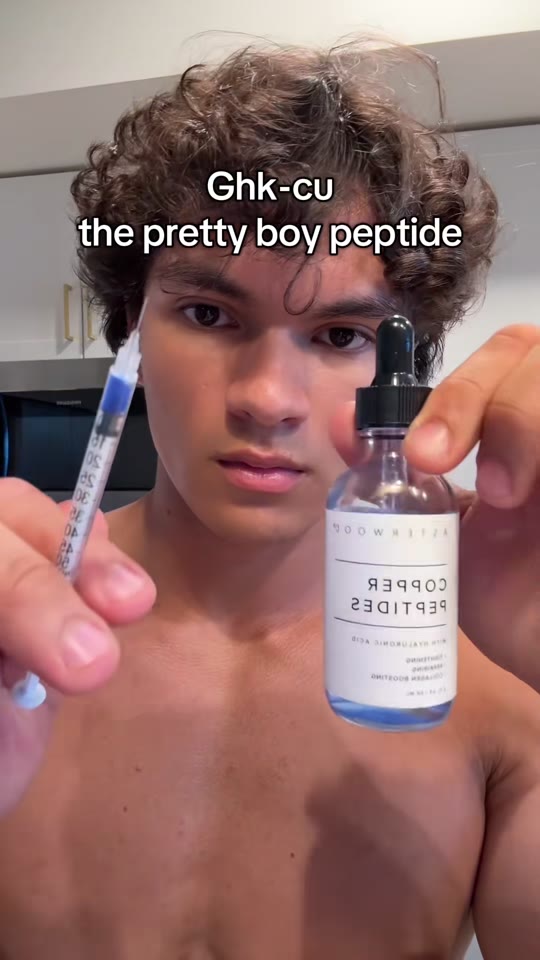
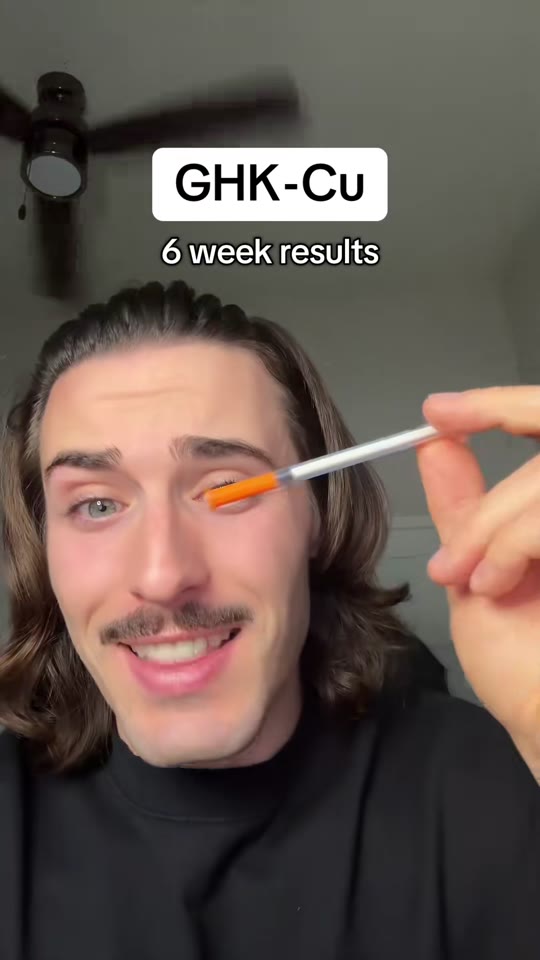
GHK-Cu is administered via subcutaneous injection for systemic effects or applied topically in dermatological research. Subcutaneous bioavailability is high given the peptide's small size and water solubility. The plasma half-life is estimated at 30-60 minutes, though biological effects on gene expression persist for hours to days. Common research protocols use 1-3 mg daily via subcutaneous injection.
Lyophilized GHK-Cu should be stored at -20C and protected from light, as the copper complex can undergo photodegradation. Reconstituted solutions should be refrigerated at 2-8C and used within 21 days. The compound is stable at pH 5.5-7.0 and should not be mixed with chelating agents (EDTA) that would strip the copper ion. The blue-green color of the solution is normal and indicates intact copper coordination.
The safety profile of GHK-Cu is well-established given its endogenous origin. Topical applications in clinical trials reported no irritation, sensitization, or adverse effects. Subcutaneous research protocols have not identified dose-limiting toxicity. GHK-Cu's gene expression profile actively suppresses multiple cancer-related pathways (metastasis, angiogenesis in tumors), distinguishing it from growth factors that might theoretically promote neoplasia.