Key Takeaway
Growth hormone peptide therapy isn't just for men. Women can benefit significantly from GH peptide protocols) but there are important differences in how women respond, what benefits matter most, and how dosing should be approached.
Growth hormone peptide therapy isn't just for men. Women can benefit significantly from GH peptide protocols) but there are important differences in how women respond, what benefits matter most, and how dosing should be approached. Growth hormone peptides for women are becoming increasingly popular as more providers recognize their potential for improving sleep, body composition, skin quality, and overall well-being.
Key Takeaways: - Discover why gh matters for women's health - Benefits Women Commonly Report - Dosing Considerations for Women - Safety and What to Discuss With Your Provider
This guide covers what women specifically need to know about GH peptide therapy.
Why GH Matters for Women's Health
Growth hormone matters in women's health throughout every stage of life. And women actually produce more GH than men during their reproductive years, thanks to the interplay between estrogen and the GH axis.
But here's the problem: GH levels decline with age. And this decline accelerates during perimenopause and menopause. Estrogen supports GH production, so as estrogen levels fall, GH production can drop significantly. By the time a woman reaches her 50s, GH levels may be a fraction of what they were in her 20s.
This decline contributes to many of the changes women experience during midlife: increased body fat (especially around the midsection), decreased muscle mass, thinner skin, poorer sleep quality, reduced bone density, and slower recovery from exercise or injury.
"The key to successful GLP-1 therapy is setting realistic expectations and supporting patients through the titration phase. The side effects are manageable for most people, but they need to know what to expect.", Dr. Caroline Apovian, MD, Harvard Medical School
GH peptide therapy may help address some of these changes by stimulating the pituitary gland to produce more growth hormone naturally. Unlike synthetic HGH, peptides like and work with your body's feedback mechanisms, supporting a more natural pattern of GH release.
Research supports the relationship between GH levels and the symptoms many women experience during aging. While GH peptides aren't a replacement for hormone replacement therapy (HRT), they may complement a detailed approach to women's health improvement.
Benefits Women Commonly Report
While the fundamental benefits of GH peptides are similar across genders, women often report certain benefits more prominently.
Skin quality improvements. Women tend to notice and value skin changes more than men. Growth hormone supports collagen synthesis, and many women report improved skin elasticity, reduced fine lines, and a more youthful appearance after 8 to 12 weeks on a GH peptide protocol. One study showed that GH-stimulated collagen production increased by up to 19% over a treatment period.
Body composition. Women often struggle with stubborn belly fat, especially during perimenopause and menopause. GH peptides may support fat metabolism, particularly visceral fat, while helping preserve lean muscle mass. Combined with proper and strength training, this can make a meaningful difference.
Sleep restoration. Sleep disruption is one of the most common complaints during perimenopause and menopause. GH peptides (especially when dosed before bed) may help restore deeper, more restorative sleep stages. Better sleep cascades into improved mood, energy, and hormone balance.
Hair and nail quality. Many women notice improved hair thickness, reduced hair loss, and stronger nails. These effects are likely related to GH's role in supporting cellular growth and collagen production.
Recovery and bone health. GH supports bone density and tissue repair. For active women, this means potentially faster recovery from workouts and reduced joint discomfort. For women concerned about osteoporosis risk, the bone density support is particularly relevant.
Free Download: Peptide Protocol Planner (12-Week) Designed with women's health goals in mind. Our 12-week planner includes dosing schedules, symptom tracking, and cycle-aware timing recommendations. Get yours free (we'll email it to you instantly.
[Download CTA Button]
Dosing Considerations for Women
Women typically require different dosing than men. Here's what you should know.
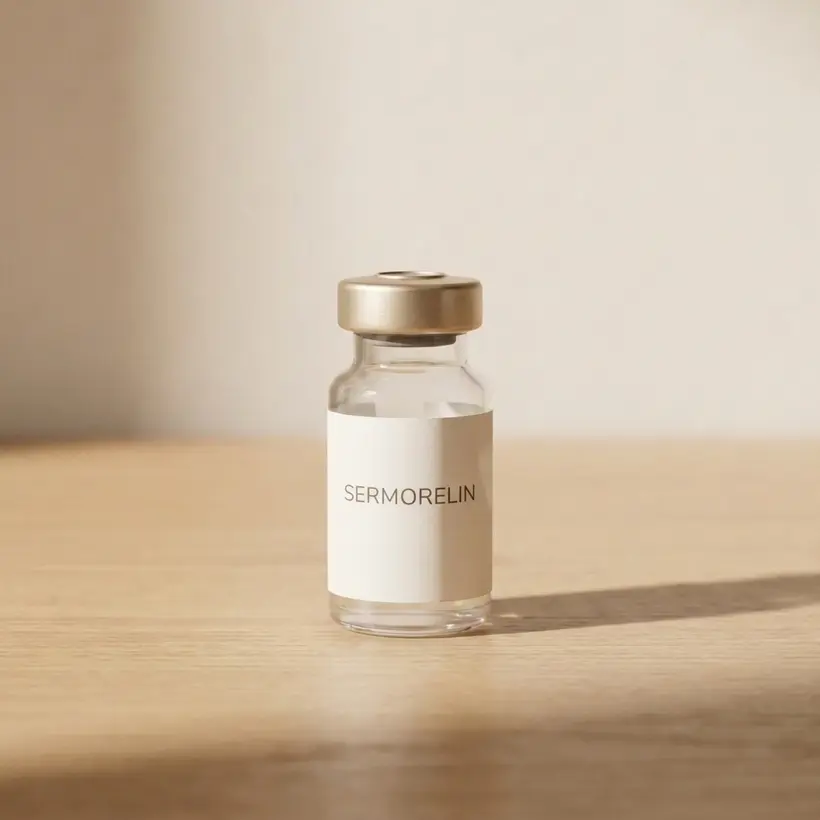
From the FormBlends catalog
Sermorelin
Bioidentical GHRH analog for natural growth hormone pulsatility · From $175/mo · compounded by a licensed 503A pharmacy, dispensed only after provider review.
View Sermorelin →Lower starting doses are common. Many providers start women at the lower end of the dosing range. For example, Ipamorelin might start at 150 to 200 mcg (vs 200-300 mcg for men). Women often respond well to lower doses because of the interactions between estrogen and the GH axis.
Menstrual cycle awareness. Some providers adjust peptide timing or dosing based on the menstrual cycle phase. Estrogen levels naturally fluctuate throughout the cycle, and since estrogen enhances GH release, the peptide response may vary. Tracking your cycle alongside your peptide protocol using the can help identify patterns.
Menopause and HRT interactions. If you're on hormone replacement therapy, your provider should consider how estrogen supplementation may interact with GH peptide therapy. Oral estrogen in particular can reduce IGF-1 levels (through liver first-pass effects), potentially blunting the response to GH peptides. Transdermal estrogen doesn't have this effect.
Pregnancy and nursing. GH peptides aren't recommended during pregnancy or while breastfeeding. If you're planning to become pregnant, discuss the timing of your peptide protocol with your provider.
Thyroid interactions. Women are more likely than men to have thyroid conditions. GH can affect thyroid hormone metabolism, potentially unmasking subclinical hypothyroidism. Your provider should check thyroid function before starting and during your GH peptide protocol.
The right dose is the one that optimizes your GH levels without overshooting. Regular blood work) especially IGF-1 levels (is important for fine-tuning your protocol. Your can create a protocol tailored to your specific hormonal profile.
Safety and What to Discuss With Your Provider
Women may face some unique considerations for GH peptide safety.
Breast health. There's no evidence that therapeutic GH peptide use increases breast cancer risk in healthy women. But because GH can stimulate cell growth, GH peptides are contraindicated in women with active breast cancer or a history of hormone-sensitive cancers. Your provider will screen for this.
Water retention and bloating. Women may be more susceptible to water retention from GH peptides, particularly during certain phases of the menstrual cycle. This is usually mild and manageable with dose adjustments.
Blood sugar monitoring. Some GH peptides can affect insulin sensitivity. This is important for women with PCOS, gestational diabetes history, or other metabolic conditions. Regular glucose monitoring is recommended.
Emotional and hormonal balance. Women's hormonal systems are complex and interconnected. GH peptide therapy should be considered within the context of your overall hormonal picture) not in isolation. A complete approach might include evaluating thyroid function, cortisol levels, and reproductive hormones alongside the GH axis.
Choosing the right peptide. is often the first choice for women because of its clean side effect profile. It doesn't improve cortisol (which women may already struggle with during perimenopause) or cause hunger spikes. The is also popular and well-tolerated by most women.
Frequently Asked Questions
Will GH peptides make me look bulky or masculine?
No. GH peptides stimulate your body's natural growth hormone production, not testosterone. Women using GH peptides at appropriate doses typically report improved body composition (less fat, maintained lean mass), better skin quality, and enhanced recovery (not masculinizing effects.
Can I use GH peptides during perimenopause?
Many women start GH peptide therapy during perimenopause specifically to address symptoms like poor sleep, changing body composition, and reduced energy. A provider who understands both menopause management and peptide therapy can create an integrated plan.
How do GH peptides compare to HRT for menopause symptoms?
They address different things. HRT primarily replaces declining estrogen and progesterone. GH peptides address the separate decline in growth hormone. Some women benefit from both. They're complementary approaches, not competing ones. Discuss your options with your.
Are GH peptides safe for women with PCOS?
PCOS involves insulin resistance and hormonal imbalances that require careful consideration. Some GH peptides can affect insulin sensitivity. Women with PCOS should work closely with their provider to monitor metabolic markers. Ipamorelin is generally well-tolerated, but individual evaluation is important.
How long should women use GH peptides?
Typical protocols run 8 to 12 weeks, followed by a break. Some providers recommend longer-term use with periodic cycling. The optimal duration depends on your goals, response, and blood work. Regular follow-ups with your provider ensure your protocol remains safe and effective.
Start your results Today
Every transformation starts with a single step. Talk to a licensed FormBlends provider about whether this approach is right for you) consultations are free and confidential.
Sources &. References
- Ionescu M, Frohman LA. Pulsatile secretion of growth hormone (GH) persists during continuous stimulation by CJC-1295, a long-acting GH-releasing hormone analog. J Clin Endocrinol Metab. 2006;91(12):4792-4797. Doi:10.1210/jc.2006-1702
This content is provided for informational and educational purposes only. It isn't a substitute for professional medical advice, diagnosis, or treatment. Always seek the advice of a licensed healthcare provider with any questions about a medical condition or treatment plan.
Last updated: 2026-03-24
Ready when you are
Sermorelin
Bioidentical GHRH analog for natural growth hormone pulsatility · From $175/mo · compounded by a licensed 503A pharmacy, dispensed only after provider review.
View Sermorelin →