Key Takeaway
If you train hard, you know that recovery is where the real progress happens. This growth hormone peptides muscle recovery resource covers the important information you need to make informed decisions.
If you train hard, you know that recovery is where the real progress happens. This growth hormone peptides muscle recovery resource covers the important information you need to make informed decisions. Growth hormone peptides for muscle recovery have become a popular topic among athletes, weekend warriors, and anyone who pushes their body physically. These peptides work by supporting your body's natural repair processes at the cellular level.
Key Takeaways: - Learn how growth hormone supports muscle recovery - Best Growth Hormone Peptides for Recovery - Building a Recovery-Focused Peptide Protocol - Understand what results to expect for recovery
This guide explains which growth hormone peptides may help with recovery, how they work, and what to discuss with your provider.
How Growth Hormone Supports Muscle Recovery
Growth hormone plays a central role in how your body repairs and rebuilds after exercise. Understanding this process helps explain why GH peptides are so relevant to recovery.
When you exercise, you create microscopic damage to muscle fibers. This is normal and necessary for growth. Your body responds by repairing those fibers and making them stronger. Growth hormone accelerates this process in several ways.
Protein synthesis. GH stimulates the production of new proteins, including the structural proteins that make up muscle tissue. Higher GH levels can mean faster and more complete muscle repair after training.
IGF-1 production. Growth hormone triggers the liver to produce insulin-like growth factor 1 (IGF-1). This hormone is a powerful driver of muscle growth and repair. IGF-1 acts directly on muscle cells to promote regeneration and hypertrophy.
"Compounding pharmacies serve a critical role in healthcare, but patients need to understand the difference between a properly regulated 503B facility and an unregulated operation. Ask about PCAB accreditation and third-party testing.") Dr. Scott Brunner, PharmD, Alliance for Pharmacy Compounding
Collagen synthesis. GH increases collagen production, which strengthens tendons, ligaments, and connective tissue. This is critical because connective tissue injuries are a common consequence of intense training.
Reduced inflammation. Growth hormone has anti-inflammatory properties that can help reduce the swelling and soreness that follow hard workouts. Less inflammation means less downtime between training sessions.
Fat mobilization. GH promotes the breakdown of stored fat for energy, which can spare muscle glycogen during recovery and support a leaner body composition over time.
As you age, your natural GH production declines. By your 40s, you may be producing less than half of what you did in your 20s. This is one reason recovery gets harder with age. GH peptides can help bridge that gap when prescribed by a licensed provider.
Best Growth Hormone Peptides for Recovery
Not all GH peptides are created equal for recovery. Here are the most commonly prescribed options and how they support the repair process.
CJC-1295 and Ipamorelin. This combination is the gold standard for GH peptide therapy. Together, they produce a strong, sustained growth hormone pulse that supports overnight recovery. Most providers prescribe this as a bedtime protocol to amplify the natural nocturnal GH surge. Learn more in our .
Ipamorelin alone. For people who want a gentler starting point, Ipamorelin by itself provides a clean GH boost without spiking cortisol or appetite. Its favorable side effect profile makes it a good choice for beginners.
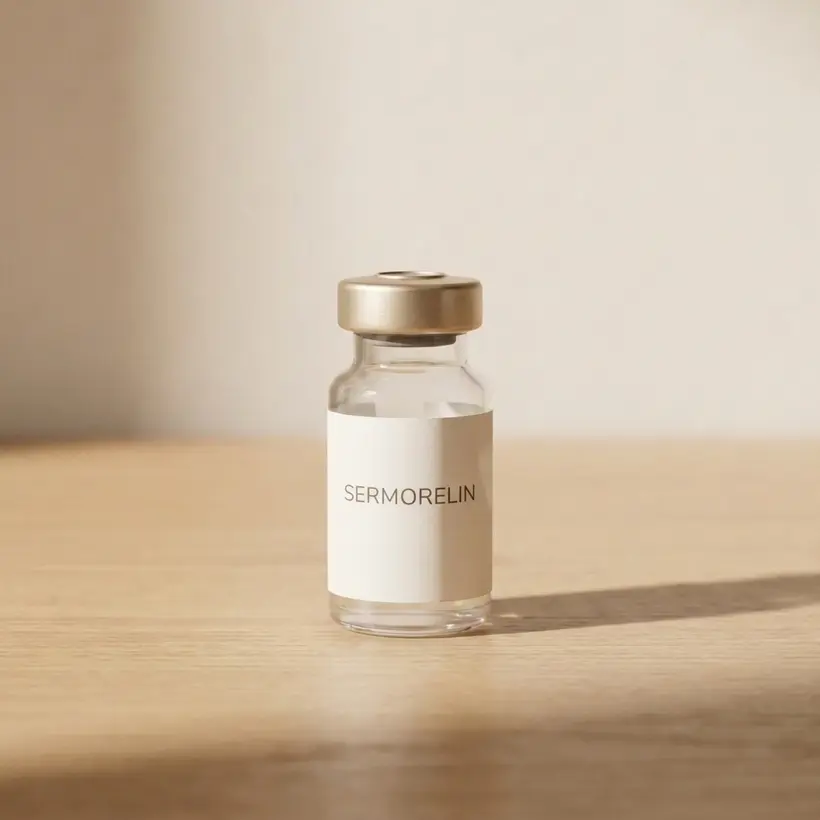
Sermorelin. This GHRH analog has decades of clinical use behind it. It produces a more moderate GH pulse than the CJC-1295/Ipamorelin combo but may be preferred by providers who want a conservative approach.
BPC-157. While not technically a growth hormone peptide, BPC-157 is frequently stacked with GH peptides for recovery purposes. It supports tissue healing through different mechanisms, including angiogenesis and growth factor modulation. Read our for more.
TB-500. Another recovery-focused peptide often combined with GH peptides. TB-500 promotes cell migration and blood vessel formation, which supports healing of injured tissues.
Free Download: Peptide Protocol Planner (12-Week) Design a recovery-focused peptide protocol with our 12-week planner. Includes training day and rest day dosing schedules, injection logs, and progress tracking. Get yours free, we'll email it to you instantly.
[Download CTA Button]
Building a Recovery-Focused Peptide Protocol
Creating an effective recovery protocol involves more than just choosing the right peptides. Timing, dosing, and lifestyle factors all matter.
From the FormBlends catalog
Sermorelin
Bioidentical GHRH analog for natural growth hormone pulsatility · From $175/mo · compounded by a licensed 503A pharmacy, dispensed only after provider review.
View Sermorelin →Timing your injections around training. Many providers recommend a bedtime dose as the foundation of any recovery protocol. This supports the natural overnight repair window. Some protocols add a post-workout dose to capitalize on the exercise-induced GH spike.
Nutrition matters. Peptides work best when your body has the raw materials it needs to rebuild. Prioritize protein intake of 0.7 to 1 gram per pound of body weight daily. Eat a protein-rich meal within 2 hours after training. Explore our for practical guidance.
Sleep is non-negotiable. GH peptides enhance your sleep quality, but you still need to give yourself enough time to sleep. Aim for 7 to 9 hours per night. The peptides amplify what happens during sleep, so skimping on sleep hours undermines your protocol.
Training load management. Peptides can help you recover faster, but they aren't an excuse to overtrain. Progressive overload should still be gradual. Listen to your body and adjust training volume based on how you feel, not just what your protocol allows.
Track everything. Use the to log your injections, training sessions, sleep quality, and perceived recovery. Over time, patterns will emerge that help you and your provider improve your protocol.
Interested in adding GLP-1 therapy for body composition? to see if you qualify.
What Results to Expect for Recovery
Here is what most people experience when using GH peptides specifically for recovery purposes.
Week 1 to 2. Improved sleep quality is usually the first noticeable change. You may feel more rested in the morning even if training volume stays the same. Some users report less next-day soreness after hard sessions.
Week 3 to 4. Recovery between sessions becomes more consistent. You may find you can handle slightly higher training volumes without excessive fatigue. Nagging aches in joints and tendons may begin to ease.
Week 6 to 8. This is when the compounding effect becomes apparent. Consistent GH elevation supports ongoing tissue repair and adaptation. Workout quality often improves because you're starting each session more fully recovered.
Week 8 to 12. Peak recovery benefits from a single cycle. Many athletes report being able to train with greater frequency and intensity while maintaining or improving their recovery metrics. Body composition improvements are often visible by this point.
Important caveats. These timelines assume consistent dosing, adequate nutrition, sufficient sleep, and appropriate training. Missing doses, eating poorly, or sleeping too little will slow your results. Individual responses also vary based on age, baseline GH levels, and training history.
Your provider will monitor your progress through lab work and subjective assessments. If results plateau or side effects emerge, adjustments can be made to your protocol. Check our for transparent costs on peptide therapy.
Frequently Asked Questions
How soon will I notice faster recovery from GH peptides?
Most people notice improved sleep and reduced soreness within the first 1 to 2 weeks. Significant recovery improvements typically appear by weeks 4 to 6. Full results are usually seen by weeks 10 to 12.
Can I take GH peptides on rest days?
Yes. Most protocols call for daily dosing regardless of whether you train. GH supports recovery around the clock, not just immediately after exercise. Consistent dosing maintains improved GH and IGF-1 levels.
Are GH peptides banned in competitive sports?
Many sports organizations, including WADA and the NCAA, prohibit the use of GH secretagogues. If you compete in organized sports, check with your governing body before starting any peptide protocol.
Can GH peptides help with injury recovery?
GH peptides may support tissue repair and collagen synthesis, which can be beneficial during injury recovery. But they aren't a replacement for proper medical treatment of injuries. Discuss injury-specific protocols with your provider.
Should I combine GH peptides with BPC-157 for recovery?
Many providers prescribe BPC-157 alongside GH peptides for a complete recovery approach. BPC-157 targets tissue healing through different mechanisms, so the combination can be complementary. Your provider will determine the appropriate protocol.
Your Personalized Plan Is Waiting
No two patients are the same, and your protocol shouldn't be either. FormBlends providers create customized treatment plans based on your health profile, goals, and preferences.
Sources &. References
- Ionescu M, Frohman LA. Pulsatile secretion of growth hormone (GH) persists during continuous stimulation by CJC-1295, a long-acting GH-releasing hormone analog. J Clin Endocrinol Metab. 2006;91(12):4792-4797. Doi:10.1210/jc.2006-1702
This article is for educational purposes only and doesn't constitute medical advice. Always consult with a licensed healthcare provider before starting, changing, or stopping any medication or supplement. FormBlends connects you with licensed providers who can evaluate your individual health needs.
Last updated: 2026-03-24
Ready when you are
Sermorelin
Bioidentical GHRH analog for natural growth hormone pulsatility · From $175/mo · compounded by a licensed 503A pharmacy, dispensed only after provider review.
View Sermorelin →