Executive Summary
Key Takeaways
- Ipamorelin is the first and most selective GHRP-receptor agonist, producing GH release without meaningful increases in cortisol, ACTH, or prolactin
- Terminal half-life of approximately 2 hours supports physiological pulsatile GH release patterns
- Phase 2 clinical trial in 114 patients confirmed favorable safety and tolerability
- Prokinetic activity demonstrated in preclinical models through ghrelin receptor-mediated GI mechanisms
- Most effective when combined with CJC-1295 for dual-pathway somatotroph stimulation
Ipamorelin is a synthetic pentapeptide growth hormone secretagogue that stimulates pituitary growth hormone (GH) release with a degree of selectivity unmatched by any other compound in its class. Unlike earlier growth hormone releasing peptides such as GHRP-6 and GHRP-2, ipamorelin does not cause meaningful elevations in cortisol, ACTH, prolactin, or aldosterone, even at doses exceeding 200 times its effective dose for GH release.
What makes ipamorelin different from every other growth hormone releasing peptide? The answer comes down to one word: selectivity. When researchers at Novo Nordisk first characterized this compound in 1998, they discovered something that had eluded peptide chemists for over a decade. They found a GHRP-receptor agonist that triggered growth hormone secretion without dragging along the unwanted hormonal baggage that plagued GHRP-6, GHRP-2, and hexarelin. That discovery, published by Raun and colleagues in the European Journal of Endocrinology, established ipamorelin as the first truly selective growth hormone secretagogue.
The pentapeptide sequence of ipamorelin (Aib-His-D-2-Nal-D-Phe-Lys-NH2) was derived from structural modifications of GHRP-1. By removing the central Ala-Trp dipeptide and optimizing the remaining residues, Novo Nordisk's chemistry team created a molecule that retained high GH-releasing potency while shedding the ability to activate the hypothalamic-pituitary-adrenal (HPA) axis. In practical terms, this means you can stimulate your pituitary to release growth hormone without the cortisol spikes, appetite surges, or prolactin elevations that make other GHRPs difficult to use over extended periods.
From a pharmacokinetic standpoint, ipamorelin has a terminal half-life of approximately 2 hours following intravenous administration, with a clearance rate of 0.078 L/h/kg and a volume of distribution at steady state of 0.22 L/kg. These parameters were established in a dose-escalation study conducted by Hansen and colleagues, published in Pharmaceutical Research in 1999. The relatively short half-life actually works in ipamorelin's favor. It allows the compound to produce discrete, physiological GH pulses rather than the sustained elevations seen with longer-acting agents, which can suppress the body's own GH regulatory mechanisms over time.
Clinically, ipamorelin has been evaluated in a Phase 2 proof-of-concept trial for postoperative ileus. Beck et al. enrolled 114 patients undergoing bowel resection and administered 0.03 mg/kg ipamorelin or placebo twice daily. While the primary endpoints did not reach statistical significance, the study confirmed ipamorelin's favorable safety profile. Median time to first tolerated meal was 25.3 hours in the ipamorelin group versus 32.6 hours with placebo (p = 0.15), and the compound was well tolerated with no serious drug-related adverse events.
Beyond its direct GH-releasing properties, ipamorelin has demonstrated significant prokinetic effects on the gastrointestinal tract. In rodent models of postoperative ileus, ipamorelin at 0.014 micromol/kg intravenously accelerated gastric emptying, reducing the percentage of meal remaining in the stomach from 78% (vehicle) to 52% (treated). This GI motility effect operates through ghrelin receptor-mediated activation of cholinergic excitatory neurons in the enteric nervous system.
Today, ipamorelin is most commonly used in combination with CJC-1295 (modified GRF 1-29), a growth hormone releasing hormone analog. This pairing exploits two complementary signaling pathways at the somatotroph cell. CJC-1295 activates the GHRH receptor, increasing intracellular cAMP and enhancing GH gene transcription. Ipamorelin activates the ghrelin receptor (GHS-R1a), mobilizing intracellular calcium stores and triggering GH vesicle fusion. Together, these two signals converge to produce GH pulses that exceed what either compound achieves alone.
This report provides a thorough examination of ipamorelin's pharmacology, clinical evidence, dosing protocols, safety data, and comparative profile against other growth hormone secretagogues. Whether you're a clinician evaluating peptide therapy options for your patients or a researcher interested in the GH secretagogue field, the following sections offer the specific data points and practical guidance you need to make informed decisions. For broader context on growth hormone peptides, the Peptide Research Hub covers related compounds and emerging research.
Key Takeaways
- Ipamorelin is the first and most selective GHRP-receptor agonist, producing GH release without meaningful increases in cortisol, ACTH, or prolactin
- Terminal half-life of approximately 2 hours supports physiological pulsatile GH release patterns
- Phase 2 clinical trial in 114 patients confirmed favorable safety and tolerability
- Prokinetic activity demonstrated in preclinical models through ghrelin receptor-mediated GI mechanisms
- Most effective when combined with CJC-1295 for dual-pathway somatotroph stimulation
- Standard dosing ranges from 100 to 300 mcg subcutaneously, typically administered before sleep on an empty stomach
Discovery & Development History
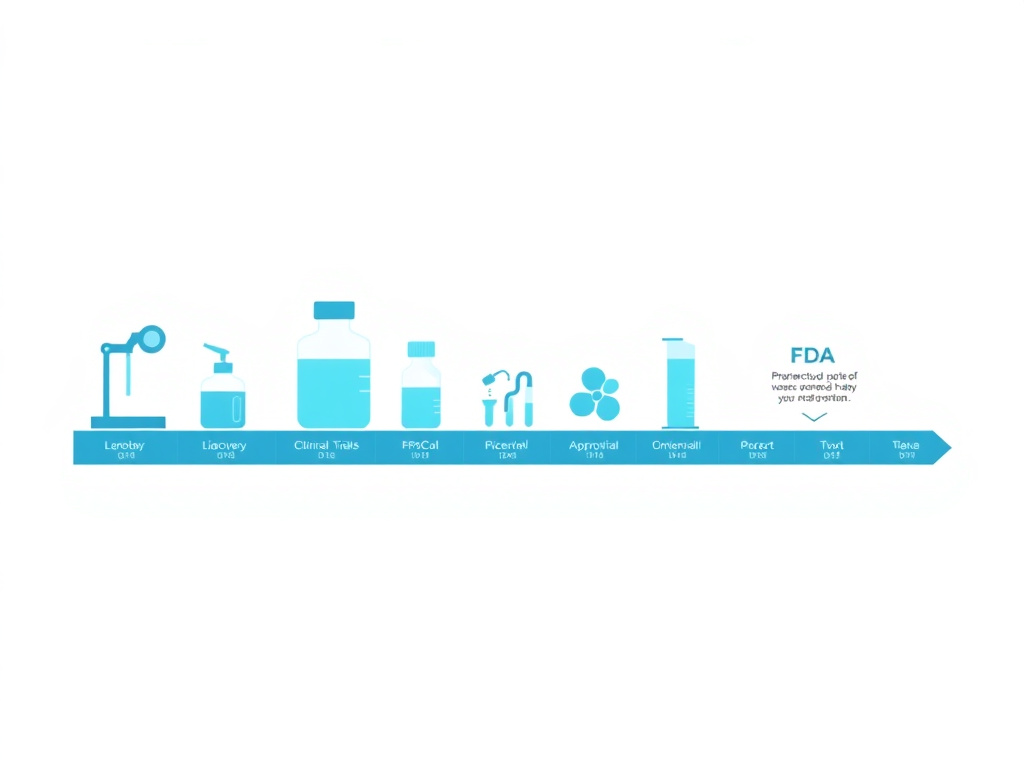
Figure 2: Historical timeline of ipamorelin development from early GHRP research through clinical evaluation
The story of ipamorelin begins not with the peptide itself but with the decades-long search for compounds that could stimulate the pituitary gland to release growth hormone on demand. That search, which started in the 1970s with the discovery that small synthetic peptides could trigger GH secretion, eventually led a team of researchers at Novo Nordisk in Maloev, Denmark to create what remains the most selective growth hormone releasing peptide ever developed.
The Early GHRP Era: 1970s-1980s
The foundation for ipamorelin was laid by Cyril Bowers and colleagues, who in the late 1970s and early 1980s discovered that certain synthetic met-enkephalin analogs could stimulate growth hormone release from pituitary cells. These early growth hormone releasing peptides (GHRPs) were a revelation. They worked through a receptor entirely distinct from the growth hormone releasing hormone (GHRH) receptor, suggesting an undiscovered endogenous pathway for GH regulation. But the first-generation GHRPs had a significant problem: they weren't selective. GHRP-6, one of the earliest compounds to reach widespread use, stimulated not just growth hormone but also ACTH, cortisol, and prolactin. It triggered intense hunger through its action on ghrelin pathways. And it could produce unpredictable hormonal fluctuations that limited its clinical utility.
GHRP-2 came next, offering somewhat improved potency for GH release. But it too activated the HPA axis, elevating cortisol and ACTH at doses that overlapped with those needed for meaningful GH stimulation. Hexarelin, another member of this early class, was the most potent GH releaser of the group but also the worst offender for off-target effects. It stimulated ACTH release at levels 7-fold greater than those induced by corticotropin-releasing hormone (CRH), making it essentially unusable for sustained GH therapy. And hexarelin displayed rapid tachyphylaxis, with pituitary desensitization occurring within 4 to 6 weeks of continuous use.
The Novo Nordisk Chemistry Program: Mid-1990s
Against this backdrop, Novo Nordisk launched an ambitious medicinal chemistry program aimed at solving the selectivity problem. The goal was straightforward in concept but fiendishly difficult in execution: create a GHRP that would stimulate growth hormone release with the same selectivity as GHRH itself, without the cortisol, ACTH, and prolactin baggage that plagued every existing compound in the class.
The starting point was GHRP-1 (Ala-His-D-beta-Nal-Ala-Trp-D-Phe-Lys-NH2), a heptapeptide with established GH-releasing activity. The Novo Nordisk team, led by K. Raun, B.S. Hansen, N.L. Johansen, and their colleagues, began systematically removing and replacing amino acid residues to map the structural determinants of selectivity. Their critical insight came when they removed the central Ala-Trp dipeptide of GHRP-1. This deletion, combined with the introduction of alpha-aminoisobutyric acid (Aib) at the N-terminal position, produced a series of truncated pentapeptides that retained GH-releasing activity while losing the ability to activate HPA axis signaling.
From this series, one compound stood out. Designated NNC 26-0161 during development and later named ipamorelin, the pentapeptide Aib-His-D-2-Nal-D-Phe-Lys-NH2 showed high GH-releasing potency both in vitro and in vivo, with an EC50 comparable to GHRP-6 for GH release but with a selectivity profile that had never been seen before in the GHRP class. The compound was active via intravenous, subcutaneous, and even intranasal routes, with nasal bioavailability estimated at approximately 20%.
The 1998 Landmark Publication
Raun K, Hansen BS, Johansen NL, Thogersen H, Madsen K, Ankersen M, and Andersen PH published their findings in the European Journal of Endocrinology in 1998, in a paper titled "Ipamorelin, the first selective growth hormone secretagogue." The data were striking. In swine models, ipamorelin produced dose-dependent GH release with an ED50 of approximately 80 nmol/kg IV. But here was the key finding: even at doses exceeding 200-fold the ED50 for GH release, ipamorelin did not produce ACTH or cortisol elevations significantly different from those seen with GHRH stimulation. No other GHRP-receptor agonist had ever demonstrated this level of selectivity.
The paper also showed that ipamorelin, like GHRP-6 and other GHRPs, had no effect on FSH, LH, prolactin, or TSH plasma levels. But where GHRP-6 and GHRP-2 caused significant increases in both ACTH and cortisol at GH-releasing doses, ipamorelin's HPA axis stimulation was indistinguishable from saline placebo. This wasn't a marginal improvement. It was a qualitative difference in pharmacological profile.
Pharmacokinetic Characterization: 1999
The following year, the Novo Nordisk team published detailed pharmacokinetic-pharmacodynamic modeling of ipamorelin in human volunteers. This study, led by Hansen and colleagues and published in Pharmaceutical Research (1999;16:1412-1416), used a dose-escalation design with five different IV infusion rates. The key pharmacokinetic parameters were: terminal half-life of 2 hours, clearance of 0.078 L/h/kg, and volume of distribution at steady state of 0.22 L/kg. The PK parameters showed dose proportionality across the range tested, which was an encouraging sign for clinical development.
Separately, a study evaluating nasal delivery of ipamorelin and other peptidyl GH secretagogues found that intranasal bioavailability was approximately 20%, suggesting that non-injection routes could potentially be viable for this compound. This work, published by Pontiroli and colleagues, explored the possibility of making GH secretagogue therapy more accessible through needle-free administration.
Gastrointestinal Motility Research: 2000s
As ipamorelin's GH-releasing selectivity became established, researchers began exploring its effects on gastrointestinal motility. The ghrelin receptor (GHS-R1a) that ipamorelin targets is expressed not just in the pituitary but throughout the enteric nervous system. This expression pattern suggested that ipamorelin might have prokinetic properties similar to the endogenous ligand ghrelin, which was itself discovered in 1999 by Kojima and colleagues.
Preclinical studies confirmed this hypothesis. In rodent models of postoperative ileus (POI), ipamorelin accelerated gastric emptying significantly. At a dose of 0.014 micromol/kg IV, ipamorelin reduced the percentage of a radiolabeled meal remaining in the stomach from 78% (vehicle group) to 52% (treatment group). The mechanism was traced to ghrelin receptor-mediated activation of cholinergic excitatory neurons, which enhanced acetylcholine release and smooth muscle contractility in the gastric wall. These findings were published by Greenwood-Van Meerveld and colleagues in the Journal of Pharmacology and Experimental Therapeutics in 2009.
The Phase 2 Clinical Trial: 2014
The prokinetic findings led to the most significant clinical trial of ipamorelin to date. Beck DE, Sweeney WB, and McCarter MD conducted a prospective, randomized, double-blind, placebo-controlled, multicenter Phase 2 proof-of-concept study evaluating ipamorelin for postoperative ileus management in bowel resection patients. Published in the International Journal of Colorectal Disease in 2014 (30:1263-1270), the trial enrolled 117 patients, with 114 completing treatment.
Patients received either 0.03 mg/kg ipamorelin (n=56) or placebo (n=58) via IV infusion twice daily, starting on postoperative day 1 and continuing until day 7 or hospital discharge. The primary endpoints were time to first tolerated meal and time to first bowel movement. While neither endpoint reached statistical significance (time to first meal: 25.3 hours for ipamorelin vs. 32.6 hours for placebo, p=0.15), the safety data were encouraging. Ipamorelin was well tolerated with no serious drug-related adverse events, and subgroup analysis suggested potential benefits in patients undergoing open laparotomy versus laparoscopic procedures.
Regulatory Landscape and Current Status
Ipamorelin is not currently FDA-approved for any therapeutic indication. Following the Phase 2 POI trial, Novo Nordisk did not advance the compound into Phase 3 development. The GI motility program shifted focus to other ghrelin mimetics, including ulimorelin (TZP-101), which underwent Phase 3 evaluation but ultimately failed to meet its primary endpoints.
In the United States, ipamorelin has been available through compounding pharmacies as a research peptide. However, the FDA's evolving stance on compounded peptides has created uncertainty about its long-term availability through this channel. The FDA's 2024 review of bulk drug substances included ipamorelin in its evaluation of compounds used in compounding, reflecting the growing clinical interest in this peptide despite its lack of formal approval.
Today, ipamorelin remains one of the most widely used research peptides in the growth hormone secretagogue category. Its combination with CJC-1295 has become the most popular GH peptide protocol in clinical practice, used by physicians specializing in hormone optimization, sports medicine, and age management. The compound's exceptional selectivity profile, established nearly three decades ago by the Novo Nordisk team, continues to set it apart from every other GHRP available.
Development Timeline
- Late 1970s-1980s: Bowers discovers GH-releasing peptides; GHRP-6 and GHRP-2 developed
- Mid-1990s: Novo Nordisk chemistry program begins systematic GHRP optimization
- 1998: Raun et al. publish ipamorelin characterization in European Journal of Endocrinology
- 1999: Hansen et al. publish PK/PD modeling in human volunteers
- 2009: Greenwood-Van Meerveld et al. demonstrate prokinetic effects in POI models
- 2014: Beck et al. publish Phase 2 POI trial results (n=114)
- 2024: FDA reviews ipamorelin as bulk drug substance for compounding
Mechanism: Ghrelin Receptor Selectivity
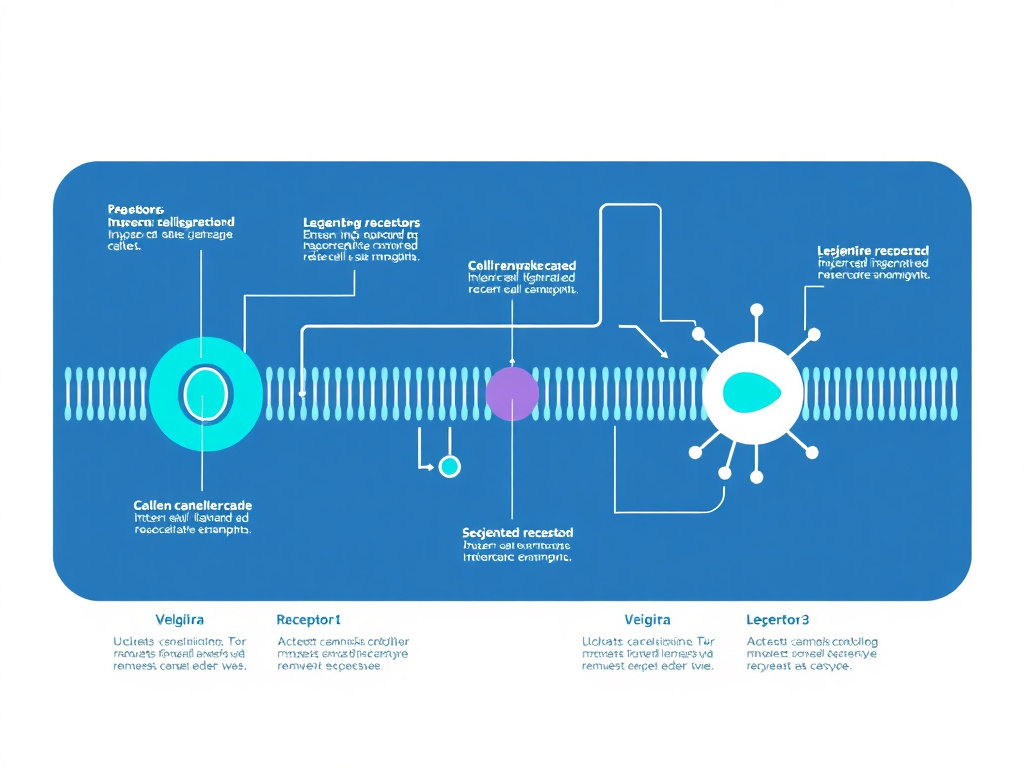
Ipamorelin works by binding to the growth hormone secretagogue receptor type 1a (GHS-R1a), also known as the ghrelin receptor, on pituitary somatotroph cells. This binding triggers a specific intracellular signaling cascade that culminates in growth hormone vesicle exocytosis. What sets ipamorelin apart from every other ghrelin receptor agonist is the conformational specificity of its binding, which activates the GH-release pathway while leaving cortisol, ACTH, and prolactin pathways essentially untouched.
The Ghrelin Receptor: Structure and Function
The GHS-R1a receptor is a seven-transmembrane domain G protein-coupled receptor (GPCR) that was identified and cloned in 1996 by Howard and colleagues at Merck Research Laboratories. Its endogenous ligand, ghrelin, was discovered three years later by Kojima et al. at Kurume University in Japan. The receptor is expressed in multiple tissues throughout the body, including the anterior pituitary, hypothalamus, hippocampus, vagal afferent neurons, and the enteric nervous system. This wide distribution pattern explains why ghrelin receptor activation can produce effects ranging from GH release and appetite stimulation to gastrointestinal motility enhancement and neuroprotection.
On the pituitary somatotroph cell, GHS-R1a activation by endogenous ghrelin or synthetic agonists like ipamorelin initiates a signaling cascade through Gq/11 proteins. This activates phospholipase C (PLC), which hydrolyzes phosphatidylinositol 4,5-bisphosphate (PIP2) into two secondary messengers: inositol 1,4,5-trisphosphate (IP3) and diacylglycerol (DAG). IP3 triggers calcium release from the endoplasmic reticulum, while DAG activates protein kinase C (PKC). The resulting rise in intracellular calcium concentration is the direct trigger for GH vesicle fusion with the plasma membrane and hormone exocytosis.
Why Ipamorelin Is Different: Biased Agonism
The concept that helps explain ipamorelin's selectivity is biased agonism, sometimes called functional selectivity. Modern receptor pharmacology has established that a single GPCR can activate multiple downstream signaling pathways, and different ligands can preferentially activate some pathways while leaving others quiescent. This is sometimes described as the ligand "biasing" the receptor toward certain conformational states that favor specific G protein couplings.
Ipamorelin's unique pentapeptide structure (Aib-His-D-2-Nal-D-Phe-Lys-NH2) appears to bind to GHS-R1a in a conformation that strongly favors the Gq/11 signaling cascade responsible for GH release while producing minimal activation of alternative pathways. In contrast, GHRP-6 and GHRP-2 bind in conformations that activate not only the GH-releasing pathway but also pathways linked to ACTH and cortisol secretion. Hexarelin is even less discriminating, activating the HPA axis so strongly that ACTH release is 7-fold greater than that produced by corticotropin-releasing hormone itself.
The structural basis for this selectivity lies in the specific amino acid modifications that distinguish ipamorelin from its predecessors. The alpha-aminoisobutyric acid (Aib) residue at position 1 provides conformational rigidity that constrains how the peptide sits in the receptor binding pocket. The D-2-naphthylalanine at position 3 and D-phenylalanine at position 4 provide optimal hydrophobic contacts with the transmembrane helices of GHS-R1a. And the C-terminal lysine amide provides the necessary positive charge for receptor activation. Together, these features create a binding mode that is highly specific for the GH-release signaling cascade.
Quantifying the Selectivity Advantage
The Raun et al. 1998 study provided the clearest quantitative demonstration of ipamorelin's selectivity. In their swine model experiments, they tested multiple GHRPs across a wide dose range and measured not just GH release but also ACTH and cortisol responses. Here is what they found:
| Compound | GH Release (ED50) | ACTH Elevation at GH ED50 | Cortisol Elevation at GH ED50 |
|---|---|---|---|
| Ipamorelin | ~80 nmol/kg IV | Not different from GHRH/saline | Not different from GHRH/saline |
| GHRP-6 | ~50 nmol/kg IV | Significant increase | Significant increase |
| GHRP-2 | ~30 nmol/kg IV | Significant increase | Significant increase |
| Hexarelin | ~20 nmol/kg IV | Marked increase (7x CRH response) | Marked increase |
The critical point is that ipamorelin's selectivity held even at doses exceeding 200 times the ED50 for GH release. This isn't a narrow therapeutic window. It's a fundamentally different pharmacological profile. You can push ipamorelin to very high doses and still not trigger meaningful HPA axis activation. With GHRP-6 or GHRP-2, the cortisol and ACTH effects appear at doses very close to those needed for GH stimulation, giving you essentially no room to optimize GH release without accepting off-target hormonal changes.
Receptor Binding Kinetics and Conformational States
The GHS-R1a receptor exhibits a high degree of constitutive activity, meaning it signals at a basal level even without ligand binding. This constitutive activity has been estimated at approximately 50% of maximal signaling capacity, which is unusually high for a GPCR. The receptor cycles between multiple conformational states, and the specific conformation stabilized by a given ligand determines which downstream pathways are activated.
Ipamorelin acts as a full agonist for GH release, meaning it produces maximal GH secretion at saturating concentrations. But it behaves as a minimal or null agonist for the ACTH/cortisol pathway. This dual profile is consistent with the biased agonism model described above. The peptide stabilizes a receptor conformation that efficiently couples to the Gq/11-PLC-calcium pathway while failing to stabilize conformations that couple to the signaling cascades driving corticotroph or lactotroph stimulation.
In contrast, ghrelin itself is a broadly activating agonist that stimulates all downstream pathways to varying degrees. This makes ghrelin a poor model for therapeutic GH stimulation because you can't separate the GH effects from the appetite, cortisol, and other hormonal effects. Ipamorelin solves this problem through its constrained binding mode, which effectively decouples GH release from the other receptor-mediated responses.
The Role of Somatostatin in Modulating Ipamorelin's Effects
Like all GHRP-receptor agonists, ipamorelin's GH-releasing activity is modulated by somatostatin (SST), the endogenous inhibitor of growth hormone secretion. Somatostatin acts through its own set of GPCRs (SSTR subtypes 1-5) on somatotroph cells to suppress GH release by inhibiting adenylyl cyclase, reducing cAMP levels, and activating potassium channels that hyperpolarize the cell membrane.
Ipamorelin can partially overcome somatostatin inhibition, but not completely. When somatostatin tone is high (as occurs during the trough periods between natural GH pulses), ipamorelin's ability to stimulate GH release is attenuated. This is actually a beneficial property because it means ipamorelin works with the body's natural GH regulatory system rather than overriding it. The compound amplifies natural GH pulses when somatostatin tone is low (during sleep, for example, or during exercise) while producing more modest effects during somatostatin-dominant periods.
This somatostatin sensitivity has practical implications for dosing timing. Administering ipamorelin at bedtime, when somatostatin tone naturally decreases and the body enters its major nocturnal GH secretory period, maximizes the peptide's effectiveness. Conversely, administering it during daytime hours when somatostatin tone is elevated may produce a blunted GH response. For those interested in optimizing GH peptide protocols, the dosing calculator can help determine personalized timing strategies.
Downstream Effects: The GH-IGF-1 Axis
When ipamorelin stimulates GH release from somatotroph cells, the secreted growth hormone enters the systemic circulation and acts on target tissues throughout the body. The most important downstream effect is the stimulation of insulin-like growth factor 1 (IGF-1) production, primarily in the liver. GH binds to GH receptors on hepatocytes, activating the JAK2-STAT5 signaling pathway, which upregulates IGF-1 gene transcription.
IGF-1 mediates many of the anabolic, reparative, and metabolic effects attributed to growth hormone. It stimulates protein synthesis, promotes cell proliferation in muscle and bone, enhances collagen production, and influences glucose and lipid metabolism. The pulsatile nature of GH release produced by ipamorelin is particularly important for IGF-1 production. Research has shown that pulsatile GH delivery is more effective at stimulating IGF-1 than continuous GH elevation, with GH pulse amplitude being the primary determinant of circulating IGF-1 levels.
This relationship between GH pulsatility and IGF-1 production is one of the key advantages of using a short-acting secretagogue like ipamorelin rather than exogenous GH injection or long-acting GH analogs. By producing discrete, physiological GH pulses, ipamorelin maintains the normal GH-IGF-1 feedback loop and avoids the tachyphylaxis and receptor downregulation that can occur with continuous GH exposure. For more on GH peptide science and research, the dedicated science section covers the molecular biology in additional detail.
Clinical Significance
The selectivity of ipamorelin is not merely an academic distinction. For patients using GH secretagogues over weeks or months, the absence of cortisol and ACTH stimulation means no chronic HPA axis perturbation, no interference with the cortisol awakening response, and no risk of adrenal axis suppression. This is a meaningful practical advantage over GHRP-6 and GHRP-2, which can produce cumulative cortisol elevations that may affect metabolic health, sleep architecture, and immune function when used long-term.
Growth Hormone Pulsatility & Release Kinetics
Growth hormone is not released in a steady stream. It pulses. The pituitary gland secretes GH in discrete bursts that occur approximately every 2 to 3 hours, with the largest pulses concentrated during deep sleep. This pulsatile pattern is not accidental. It's fundamental to how GH communicates with target tissues, and preserving it is one of ipamorelin's most significant advantages over exogenous GH injection.
Understanding the Ultradian GH Rhythm
The pulsatile secretion of growth hormone follows what endocrinologists call an ultradian rhythm, a cycle that repeats multiple times within a 24-hour period. In healthy young men, sensitive immunoassays reveal GH pulses occurring approximately every 2 hours, with peak concentrations often exceeding 20 ng/mL and trough levels dropping below 0.1 ng/mL. In rodent models, the pattern is even more dramatic: male rats show GH peaks exceeding 200 ng/mL followed by troughs below 1 ng/mL, with a periodicity of approximately 3.3 hours.
This striking oscillation between high-amplitude peaks and near-zero troughs is generated by a reciprocal interplay between two hypothalamic hormones. Growth hormone releasing hormone (GHRH), produced in the arcuate nucleus, stimulates GH release. Somatostatin (SST), produced in the periventricular nucleus, inhibits it. These two neuropeptides are released into the hypophyseal portal blood supply in alternating 3 to 4 hour cycles. When GHRH is high and somatostatin is low, the somatotroph cells fire and release a burst of GH. When somatostatin dominates, GH secretion is suppressed to nearly undetectable levels.
The third player in this system is the ghrelin receptor pathway, which is where ipamorelin enters the picture. Endogenous ghrelin, released primarily from the stomach, acts as an amplifier of the GHRH signal. When ghrelin (or a ghrelin receptor agonist like ipamorelin) reaches pituitary somatotrophs during a GHRH pulse, it dramatically amplifies the resulting GH burst. This amplification effect is complementary, not merely additive. The combination of GHRH and a ghrelin receptor agonist produces GH pulses that are significantly larger than the sum of each stimulus applied separately.
Why Pulsatility Matters for IGF-1 and Tissue Response
For decades, researchers wondered why growth hormone was secreted in pulses rather than continuously. The answer emerged from studies showing that the pattern of GH delivery profoundly affects its biological activity. Pulsatile GH is substantially more effective at stimulating IGF-1 production than continuous GH exposure. Studies in both animal models and human subjects have demonstrated that GH pulse amplitude is the primary determinant of circulating IGF-1 levels, with a strong positive correlation between peak GH concentration and mean serum IGF-1.
Continuous GH exposure, by contrast, leads to GH receptor downregulation on hepatocytes and other target cells. The JAK2-STAT5 signaling pathway that GH uses to drive IGF-1 transcription requires periods of receptor "rest" between stimulation events. Without these rest periods, the pathway desensitizes and IGF-1 production actually decreases despite constant GH exposure. This is one reason why exogenous GH injections, which produce a rapid spike followed by gradual decline (mimicking a single pulse), are more effective per unit dose than GH infusions that maintain constant plasma levels.
The pulsatile pattern also affects GH's direct metabolic actions. Intermittent GH exposure preferentially activates lipolytic pathways in adipose tissue, promoting fat breakdown. Continuous exposure shifts the balance toward the anti-lipolytic and potentially diabetogenic effects of GH. This distinction has clinical relevance for body composition outcomes, where the goal is typically to increase lean mass and decrease fat mass simultaneously.
Ipamorelin's Effect on GH Pulse Parameters
The pharmacokinetic-pharmacodynamic modeling study by Hansen et al. (1999) provided detailed characterization of how ipamorelin affects GH release kinetics in human subjects. Using a dose-escalation design with five IV infusion rates, they established several key parameters.
First, ipamorelin produces dose-dependent increases in GH pulse amplitude. At lower doses, the peptide enhances the height of existing GH pulses without significantly altering their frequency or duration. At higher doses, it can trigger additional GH pulses, but the dominant effect remains amplitude enhancement. Peak GH concentrations following ipamorelin administration are typically 5 to 10 times baseline levels, depending on dose and individual responsiveness.
Second, the onset of GH release following IV ipamorelin is rapid, occurring within 15 to 30 minutes, and the GH peak typically occurs within 30 to 60 minutes of administration. For subcutaneous injection, the onset is somewhat delayed due to absorption kinetics, with peak GH occurring approximately 40 to 90 minutes after injection. The GH pulse then declines over 2 to 3 hours, returning to near-baseline levels and leaving the somatotroph cells ready for the next natural or stimulated pulse.
Third, the PK/PD relationship is dose-proportional across the tested range. This means that doubling the ipamorelin dose approximately doubles the GH response, which is favorable for dose titration in clinical practice. There was no evidence of a ceiling effect within the dose range studied, though the somatostatin feedback system would be expected to limit GH output at very high doses.
Comparison to Exogenous GH Injection
When you inject exogenous recombinant human growth hormone (rhGH), you're delivering a bolus of preformed GH protein directly into the subcutaneous space. This produces a single, large GH peak that doesn't mirror natural pulsatile secretion. The peak is typically higher than a natural pulse (depending on dose), and the decline is determined by the absorption and clearance kinetics of the injected protein rather than by the body's own regulatory systems.
Ipamorelin works differently. Instead of delivering exogenous GH, it stimulates your own pituitary to release the GH it has already synthesized and stored in secretory vesicles. This means the GH released is endogenous, identical to what your body normally produces, and the release pattern more closely approximates a natural pulse. The somatostatin feedback system remains engaged, preventing excessive GH accumulation and maintaining the normal trough periods between pulses.
This distinction has several practical implications. Endogenous GH release stimulated by ipamorelin maintains the natural ratio of GH isoforms (the 22-kDa and 20-kDa forms that the pituitary produces in a consistent ratio). Exogenous rhGH contains only the 22-kDa isoform. The full spectrum of endogenous isoforms may have biological relevance, though this remains an area of active research.
The Nocturnal GH Surge and Sleep Architecture
The largest natural GH secretory event occurs during the first period of slow-wave sleep (SWS), typically within 1 to 2 hours of falling asleep. This nocturnal GH surge accounts for roughly 50 to 70% of total daily GH output in young adults. The relationship between sleep and GH is bidirectional: slow-wave sleep drives GH secretion, and GH (or IGF-1) may in turn promote deeper sleep through effects on hypothalamic sleep-regulating circuits.
Administering ipamorelin at bedtime capitalizes on this natural rhythm. As the body enters sleep and somatostatin tone decreases, the pituitary becomes maximally responsive to GH-releasing stimuli. Ipamorelin administered at this time amplifies the nocturnal GH surge, producing a larger pulse without disrupting the timing or frequency of subsequent nighttime pulses. Users commonly report improvements in sleep quality as one of the earliest and most consistent effects of bedtime ipamorelin administration, though this observation has not been studied in controlled clinical trials.
The age-related decline in GH secretion, known as the somatopause, is primarily characterized by a reduction in GH pulse amplitude rather than frequency. Older adults still produce GH pulses at approximately the same intervals as younger individuals, but the peaks are lower. This amplitude deficit is precisely what ipamorelin addresses. By restoring GH pulse amplitude toward youthful levels without altering frequency, ipamorelin produces a more physiological correction of age-related GH decline than approaches that provide continuous GH stimulation. Research into the biohacking potential of GH peptides for age-related decline continues to expand.
Release Kinetics: Ipamorelin vs. Other Secretagogues
Not all GH secretagogues produce the same release kinetics. Here's how ipamorelin compares to other options in terms of GH pulse characteristics:
| Parameter | Ipamorelin | Sermorelin | CJC-1295 (no DAC) | CJC-1295 DAC |
|---|---|---|---|---|
| Receptor Target | GHS-R1a (ghrelin) | GHRH receptor | GHRH receptor | GHRH receptor (albumin-bound) |
| Half-Life | ~2 hours | ~10-20 minutes | ~30 minutes | ~6-8 days |
| GH Pulse Type | Discrete, amplitude-enhanced | Discrete, short | Discrete, moderate duration | Sustained elevation (blunted pulsatility) |
| Peak GH Timing | 40-90 min (SC) | 15-30 min (SC) | 30-60 min (SC) | Continuous elevation over days |
| Tachyphylaxis Risk | Low | Low | Low | Moderate (continuous receptor stimulation) |
Sermorelin produces the shortest and most discrete GH pulses, but its very short half-life limits its practical utility. CJC-1295 without DAC (modified GRF 1-29) offers improved stability while still producing pulsatile release. CJC-1295 with DAC extends the half-life to 6-8 days through albumin binding, but this comes at the cost of reduced pulsatility, as continuous GHRH receptor stimulation can blunt the natural pulse pattern. Ipamorelin occupies a middle ground that preserves pulsatility while providing sufficient duration for meaningful GH pulse amplification.
Clinical Research Summary
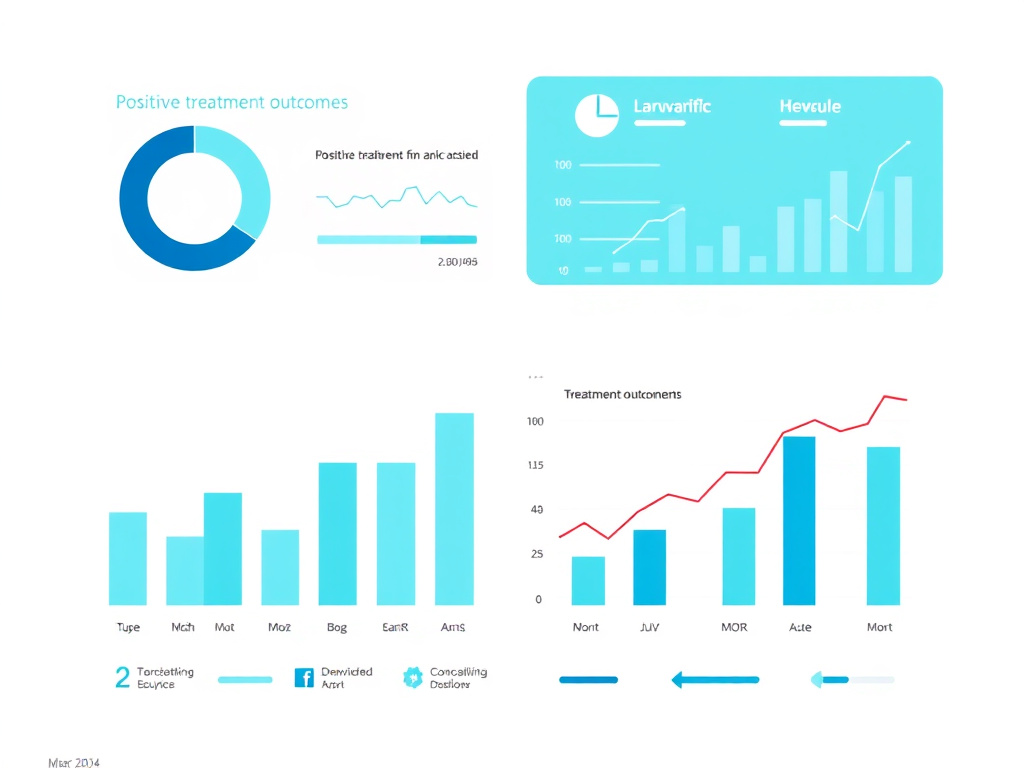
The clinical evidence base for ipamorelin is relatively thin compared to other peptide therapeutics, centered primarily on one Phase 2 clinical trial for postoperative ileus, pharmacokinetic studies in healthy volunteers, and a broader body of preclinical research. What the available data show is a compound that is consistently safe and well tolerated, with GH-releasing efficacy that is well characterized, though large-scale efficacy trials for specific indications remain absent.
Phase 2 Postoperative Ileus Trial (Beck et al., 2014)
The most substantial clinical trial of ipamorelin was conducted by David E. Beck, W. Brian Sweeney, and Martin D. McCarter, and published in the International Journal of Colorectal Disease in 2014 (Volume 30, pages 1263-1270). This was a prospective, randomized, double-blind, placebo-controlled, multicenter, proof-of-concept study that evaluated ipamorelin for the management of postoperative ileus (POI) in patients undergoing bowel resection.
Study Design
The trial enrolled 117 adult patients undergoing small or large bowel resection by either open or laparoscopic surgery across multiple centers. Of these, 114 patients constituted the safety and modified intent-to-treat populations. Patients were randomized to receive either intravenous infusions of 0.03 mg/kg ipamorelin (n=56) or placebo (n=58) twice daily, beginning on postoperative day 1 and continuing until postoperative day 7 or hospital discharge, whichever came first.
The rationale for targeting postoperative ileus was sound. The ghrelin receptor is expressed throughout the enteric nervous system, and preclinical data had clearly demonstrated that ipamorelin could accelerate gastric emptying and colonic transit in surgical ileus models. If these prokinetic effects translated to human patients, ipamorelin could reduce the duration of postoperative bowel dysfunction, shorten hospital stays, and decrease associated healthcare costs.
Primary and Secondary Endpoints
The primary efficacy endpoints were time to first tolerated meal (defined as the first meal consumed without subsequent vomiting within 4 hours) and time to first bowel movement. Secondary endpoints included time to hospital discharge, composite GI recovery measures, and patient-reported outcomes of GI function.
Results
The headline results were mixed. Neither the primary nor secondary efficacy endpoints reached statistical significance when comparing ipamorelin to placebo in the overall study population:
- Median time to first tolerated meal: 25.3 hours (ipamorelin) vs. 32.6 hours (placebo), p = 0.15
- Time to first bowel movement: not significantly different between groups
- Time to hospital discharge: not significantly different between groups
However, there were several notable observations beneath these topline numbers. First, the ipamorelin group showed a 7.3-hour numerical advantage in time to first tolerated meal. While not statistically significant, this represents a potentially clinically meaningful difference that might have reached significance in a larger trial. Second, subgroup analyses suggested that patients undergoing open laparotomy (as opposed to laparoscopic procedures) showed a more pronounced treatment effect, with shorter times to GI function recovery compared to historical controls.
The study was powered as a proof-of-concept trial, not a definitive efficacy study. With only 56 patients in the treatment arm, it lacked the statistical power to detect moderate treatment effects, particularly in a condition with high variability in recovery times. The investigators noted that a larger Phase 3 trial would be needed to definitively assess efficacy.
Safety Outcomes
The safety data from this trial were unequivocally positive. Ipamorelin at 0.03 mg/kg administered twice daily for up to 7 days was well tolerated. There were no serious adverse events attributed to the study drug. The adverse event profile was similar between the ipamorelin and placebo groups, with no pattern of treatment-related complications. This safety finding was consistent with the compound's selective pharmacological profile, which avoids the HPA axis and prolactin-stimulating effects that could complicate postoperative recovery.
Growth Hormone Release Comparison Across GHRPs
Peak GH levels (ng/mL) following administration of different growth hormone releasing peptides at comparable doses. Data compiled from Raun et al. 1998 and Arvat et al. 1997.
Human Pharmacokinetic Studies
The pharmacokinetic-pharmacodynamic modeling study by Hansen et al. (published in Pharmaceutical Research, 1999;16:1412-1416) represents the most detailed characterization of ipamorelin's clinical pharmacology. This dose-escalation study in healthy volunteers established the fundamental PK parameters that guide dosing decisions today.
Five different IV infusion rates were tested. Key findings included dose-proportional PK behavior (meaning the relationship between dose and drug levels was linear and predictable), a terminal half-life of approximately 2 hours, systemic clearance of 0.078 L/h/kg, and a volume of distribution at steady state of 0.22 L/kg. The relatively modest volume of distribution suggests that ipamorelin distributes primarily in the vascular and interstitial fluid compartments without extensive tissue binding.
The PD component of the study confirmed dose-dependent GH release with rapid onset. GH levels rose within 15 to 30 minutes of IV infusion, peaked at 30 to 60 minutes, and returned to near-baseline within 2 to 3 hours. There was no evidence of acute tachyphylaxis (loss of response with repeated dosing over the study period), which is an important distinction from hexarelin, which shows measurable tachyphylaxis within 4 to 6 weeks of continuous use.
Nasal Bioavailability Study
A separate pharmacokinetic evaluation focused on nasal delivery of ipamorelin and other peptidyl GH secretagogues. This study, which explored non-injection routes as a way to improve patient compliance, found that intranasal ipamorelin had a bioavailability of approximately 20%. While this is substantially lower than the bioavailability achieved with subcutaneous or intravenous injection, it suggests that nasal delivery could be a viable alternative for patients who prefer needle-free administration, though it would require higher peptide doses to achieve equivalent systemic exposure.
Preclinical GI Motility Research
Before the human Phase 2 trial, ipamorelin's prokinetic effects were extensively characterized in preclinical models. The foundational work was published by Greenwood-Van Meerveld and colleagues in the Journal of Pharmacology and Experimental Therapeutics (2009;329:1110-1116), using a well-validated rodent model of postoperative ileus.
In this model, abdominal surgery and intestinal manipulation produced marked inhibition of gastric motility, mimicking the clinical POI condition. Ipamorelin administered IV at 0.014 micromol/kg significantly accelerated gastric emptying: 52% +/- 11% of a radiolabeled meal remained in the stomach of ipamorelin-treated animals versus 78% +/- 5% in vehicle-treated controls. The prokinetic effect was mediated through ghrelin receptor activation of cholinergic excitatory neurons in the enteric nervous system, as demonstrated by the ability of ipamorelin to restore acetylcholine-induced contractile responses in isolated gastric smooth muscle preparations from operated animals.
Additional preclinical studies showed that ipamorelin accelerated colonic transit in the same POI model, suggesting activity across multiple segments of the GI tract. This broad prokinetic activity, combined with the absence of HPA axis stimulation, made ipamorelin an attractive candidate for POI treatment, where cortisol elevation could potentially exacerbate the inflammatory component of postoperative bowel dysfunction.
Preclinical Body Composition and Bone Data
Animal studies have explored ipamorelin's effects on body composition and bone metabolism, with results that align with what would be expected from enhanced GH-IGF-1 axis activity. In rodent models, ipamorelin administration increased body weight gain (primarily lean mass) without the increase in liver weight that is sometimes seen with non-selective GH secretagogues. The absence of hepatomegaly is likely related to ipamorelin's clean hormonal profile, as cortisol and prolactin elevations associated with other GHRPs can contribute to visceral organ enlargement.
Bone studies have shown that GH secretagogues, including ipamorelin, can increase bone mineral density and bone mass in preclinical models of bone loss. The mechanism involves IGF-1-mediated stimulation of osteoblast proliferation and enhanced collagen synthesis in the bone matrix. While these findings are encouraging, they have not been confirmed in human clinical trials, and the translation from rodent bone metabolism to human bone health is not straightforward.
Research Gaps and Future Directions
The most significant gap in ipamorelin's clinical evidence base is the absence of large-scale, long-term human efficacy studies. While the compound's safety profile is well established across available data, its efficacy for specific clinical endpoints, whether body composition, bone health, sleep quality, recovery from injury, or anti-aging, remains largely unproven in rigorous human trials.
Future research priorities should include randomized controlled trials examining ipamorelin's effects on body composition (lean mass and fat mass) in older adults with age-related GH decline, studies evaluating the combination of ipamorelin with CJC-1295 on IGF-1 levels and functional outcomes, long-term safety surveillance (12+ months of continuous use), and comparative effectiveness studies against exogenous GH replacement. Until such studies are completed, clinical use of ipamorelin relies on extrapolation from its established pharmacological profile, short-term safety data, and the broader evidence base for GH-IGF-1 axis optimization.
Evidence Limitations
Ipamorelin's clinical evidence base consists of one Phase 2 trial (n=114), pharmacokinetic studies in healthy volunteers, and preclinical research. No Phase 3 trials have been conducted, and the compound is not FDA-approved for any indication. Clinical decisions should be informed by this evidence context and made in consultation with qualified healthcare providers. For a broader overview of available treatments, consult the main research pages.
Ipamorelin vs Other GHRPs
How does ipamorelin stack up against the other growth hormone releasing peptides available? The answer depends entirely on what you prioritize. If raw GH-releasing potency is your only metric, hexarelin wins. But if you consider the full picture, including off-target hormonal effects, tachyphylaxis risk, appetite stimulation, and suitability for long-term use, ipamorelin emerges as the most practical choice for sustained GH optimization.
Ipamorelin vs. GHRP-6
GHRP-6 was one of the first growth hormone releasing peptides to see widespread use, and it remains available today. It's a hexapeptide (His-D-Trp-Ala-Trp-D-Phe-Lys-NH2) that binds to the same GHS-R1a receptor as ipamorelin but with a fundamentally different pharmacological profile.
GHRP-6 produces strong GH release, with peak levels typically reaching 8 to 12 ng/mL at standard doses. But it also produces significant increases in cortisol and ACTH, effects that are detectable at GH-releasing doses and become more pronounced as the dose increases. In the Raun et al. 1998 comparative study, GHRP-6 administration resulted in ACTH and cortisol elevations that were significantly different from saline, in stark contrast to ipamorelin's HPA-neutral profile.
The most commonly reported side effect of GHRP-6 is intense hunger. The ghrelin receptor is central to appetite regulation, and GHRP-6 appears to activate the appetite-signaling pathways more strongly than ipamorelin. Many users describe an almost irresistible urge to eat within 20 to 30 minutes of GHRP-6 injection, which can complicate weight management goals. Ipamorelin produces minimal appetite stimulation in most users, likely due to its biased agonism at the ghrelin receptor that favors GH release over appetite signaling.
GHRP-6 also increases prolactin levels modestly, which is clinically irrelevant in most short-term use scenarios but becomes a consideration with extended protocols. Elevated prolactin can interfere with gonadal function, reduce libido, and affect mood. Ipamorelin does not produce measurable prolactin elevations.
When GHRP-6 Might Still Be Preferred
Despite its drawbacks, GHRP-6 has one genuine advantage: cost. It's typically less expensive per milligram than ipamorelin, making it attractive for budget-constrained research protocols. And for applications where appetite stimulation is actually desired (such as in cachexia or in underweight individuals trying to gain mass), GHRP-6's orexigenic effect becomes a feature rather than a bug.
Ipamorelin vs. GHRP-2
GHRP-2 (D-Ala-D-beta-Nal-Ala-Trp-D-Phe-Lys-NH2) is often considered the most potent GHRP for raw GH release on a per-milligram basis. In head-to-head comparisons, GHRP-2 typically produces higher peak GH concentrations than ipamorelin at equivalent doses. The Raun et al. data showed GHRP-2 with a lower ED50 for GH release (approximately 30 nmol/kg) compared to ipamorelin's 80 nmol/kg, confirming its superior potency.
But GHRP-2 shares the selectivity problems of GHRP-6. Arvat and colleagues published a key comparison study in 1997 in Neuropeptides (31(3):259-264), demonstrating that both GHRP-2 and hexarelin produced similar, significant stimulatory effects on prolactin, ACTH, and cortisol secretion. These off-target effects were comparable to those seen with GHRP-6 and clearly distinguished from the selective profile of GHRH.
GHRP-2 causes moderate appetite stimulation, less intense than GHRP-6 but still noticeable for many users. It produces mild to moderate cortisol elevation that, while not dramatic in any single administration, can accumulate with chronic use and potentially affect metabolic health parameters. For these reasons, GHRP-2 is often reserved for shorter-term protocols where maximum GH output is the primary goal, rather than for the sustained, multi-month protocols where ipamorelin's selectivity becomes most advantageous.
Ipamorelin vs. Hexarelin
Hexarelin (His-D-2-MeTrp-Ala-Trp-D-Phe-Lys-NH2) is the most potent GHRP available, producing peak GH levels of approximately 15 ng/mL at standard doses, roughly double what ipamorelin achieves. For those seeking maximum acute GH release, hexarelin delivers the highest output of any peptide in this class.
However, hexarelin has two significant disadvantages that severely limit its practical utility. First, it produces the strongest HPA axis activation of any GHRP. Arvat et al. showed that hexarelin-induced ACTH release was 7-fold greater than that produced by corticotropin-releasing hormone (CRH), indicating a very powerful and clinically meaningful stimulation of the stress hormone axis. Cortisol elevations following hexarelin are proportionally large and can persist for hours.
Second, and perhaps more problematically, hexarelin displays rapid tachyphylaxis. Within 4 to 6 weeks of continuous use, the GH response to hexarelin diminishes substantially. The pituitary somatotroph cells appear to desensitize to hexarelin's stimulation, requiring drug holidays to restore responsiveness. This makes hexarelin unsuitable for the continuous, months-long protocols that many users seek. Ipamorelin does not show this tachyphylaxis pattern, allowing for sustained use without loss of efficacy.
Ipamorelin vs. Sermorelin
Sermorelin is technically not a GHRP at all. It's a GHRH analog, consisting of the first 29 amino acids of the 44-amino acid GHRH molecule. It works through the GHRH receptor (a different receptor than the ghrelin receptor targeted by ipamorelin), making it mechanistically distinct from the GHRP class.
Sermorelin produces highly selective GH release without ACTH, cortisol, or prolactin stimulation, similar to ipamorelin in this regard. But sermorelin has a very short half-life (approximately 10 to 20 minutes), which means the GH pulse it produces is brief and sometimes suboptimal. Its potency for GH release is generally lower than ipamorelin's at comparable doses.
The key comparison point is that sermorelin and ipamorelin work through different receptors and can be combined for additive or complementary effects. They're not really competitors; they're complementary tools. In practice, sermorelin has been largely superseded by CJC-1295 (modified GRF 1-29), which offers the same GHRH receptor mechanism with improved stability and half-life.
Ipamorelin vs. Tesamorelin
Tesamorelin is the only GH secretagogue with FDA approval, indicated specifically for HIV-associated lipodystrophy (reduction of excess abdominal fat in HIV-infected patients with lipodystrophy). Like sermorelin, tesamorelin works through the GHRH receptor, not the ghrelin receptor. It's a modified form of GHRH(1-44) with a trans-3-hexenoic acid group attached to the N-terminal tyrosine.
Tesamorelin's FDA-approved status gives it a regulatory legitimacy that ipamorelin lacks. Clinical trials supporting tesamorelin's approval demonstrated significant reductions in trunk fat (approximately 15-18% reduction) and increases in IGF-1 levels in HIV lipodystrophy patients. However, tesamorelin has not been approved for general anti-aging, body composition, or GH optimization uses outside of this specific indication.
Like sermorelin and CJC-1295, tesamorelin works through a different receptor than ipamorelin and can theoretically be combined with it. The drug comparison hub provides detailed side-by-side analyses of these compounds for readers interested in specific head-to-head data.
Comprehensive Comparison Table
| Feature | Ipamorelin | GHRP-6 | GHRP-2 | Hexarelin |
|---|---|---|---|---|
| Peptide Length | Pentapeptide (5 AA) | Hexapeptide (6 AA) | Hexapeptide (6 AA) | Hexapeptide (6 AA) |
| Relative GH Potency | Moderate | Moderate-High | High | Very High |
| ACTH/Cortisol Effect | None (at 200x ED50) | Significant | Significant | Marked (7x CRH) |
| Prolactin Effect | None | Mild increase | Mild-Moderate increase | Moderate increase |
| Appetite Stimulation | Minimal | Strong | Moderate | Moderate |
| Tachyphylaxis | Not observed | Mild over months | Mild over months | Rapid (4-6 weeks) |
| Best For | Long-term GH optimization | Short-term, budget use | Max GH short-term | Acute GH research |
Bottom Line
Ipamorelin is not the most potent GHRP for raw GH output. It sits behind hexarelin, GHRP-2, and arguably GHRP-6 on that single metric. But potency alone doesn't determine clinical utility. When you factor in selectivity (no cortisol, no ACTH, no prolactin), absence of tachyphylaxis, minimal appetite stimulation, and suitability for sustained use, ipamorelin offers the best overall risk-benefit profile in the GHRP class. It's the compound you can use for months without accumulating off-target hormonal effects or losing efficacy.
Combination Protocols: Ipamorelin + CJC-1295
The combination of ipamorelin with CJC-1295 (modified GRF 1-29) has become the most widely used growth hormone peptide protocol in clinical practice. This pairing works because the two compounds activate different receptors on the same pituitary somatotroph cell, producing a complementary GH response that exceeds the sum of each agent used individually.
The Dual-Pathway Rationale
Pituitary somatotroph cells express two major receptors for GH-releasing signals. The GHRH receptor responds to growth hormone releasing hormone (and its analogs, including CJC-1295), activating the adenylyl cyclase-cAMP-protein kinase A pathway. This pathway enhances GH gene transcription and promotes the exocytotic release of GH-containing secretory vesicles. The ghrelin receptor (GHS-R1a) responds to ghrelin and its mimetics (including ipamorelin), activating the phospholipase C-IP3-calcium pathway. This pathway mobilizes intracellular calcium stores, which directly triggers vesicle fusion with the plasma membrane.
When both pathways are activated simultaneously, the result is complementary rather than additive. Here's why. The cAMP pathway (GHRH/CJC-1295) primes the secretory machinery by loading vesicles with GH and positioning them near the cell membrane. The calcium pathway (ghrelin/ipamorelin) provides the final trigger for vesicle fusion and hormone release. With both signals present, more vesicles are primed AND the fusion trigger is stronger, producing GH pulses that are substantially larger than either signal could achieve alone.
This synergism has been well documented in both animal and human studies. When GHRH and a GHRP are administered together, the resulting GH peak is typically 2 to 3 times greater than the arithmetic sum of the individual responses. This means that combining 100 mcg of CJC-1295 with 200 mcg of ipamorelin produces more GH than you would get from 300 mcg of either compound used alone.
Understanding CJC-1295 (Modified GRF 1-29)
CJC-1295 without DAC, also known as modified GRF(1-29) or mod-GRF, is a synthetic analog of the first 29 amino acids of natural GHRH. Four amino acid substitutions (Ala2 to D-Ala, Asn8 to Gln, Ala15 to Leu, Met27 to Nle) improve its resistance to enzymatic degradation, extending its half-life from approximately 7 minutes (native GHRH) to approximately 30 minutes. This is long enough to produce a meaningful GH pulse but short enough to preserve pulsatile secretion patterns.
It is critical to distinguish CJC-1295 without DAC from CJC-1295 with DAC (Drug Affinity Complex). The DAC version includes a maleimidopropionic acid linker that enables covalent binding to serum albumin at cysteine-34, extending the half-life to 6 to 8 days. While this extended duration may sound advantageous, it comes with a trade-off: continuous GHRH receptor stimulation blunts the natural pulsatile GH pattern. The DAC-free version is preferred for combination with ipamorelin because both compounds produce discrete, short-lived signals that preserve physiological pulsatility.
Teichman et al. published key pharmacokinetic data on CJC-1295 DAC in 2006, demonstrating sustained GH elevations (2 to 10 fold above baseline) for up to 6 days and IGF-1 elevations (1.5 to 3 fold) for 9 to 11 days following a single dose. While these numbers are impressive, the loss of pulsatility and the potential for GH receptor desensitization make the DAC version less suitable for long-term combination use with ipamorelin.
Typical Combination Protocols
The most common combination protocol involves administering both CJC-1295 and ipamorelin together in a single subcutaneous injection. Here are the standard protocol variations:
Basic Nighttime Protocol
- CJC-1295 (no DAC): 100 mcg
- Ipamorelin: 200 mcg
- Timing: Single injection, 30-60 minutes before bedtime
- Fasting: At least 1-2 hours after last meal, no food for 30 minutes after injection
- Frequency: Daily, 5-7 days per week
- Cycle duration: 8-12 weeks on, 2-4 weeks off
Split-Dose Protocol
- Morning dose (fasted or post-workout): CJC-1295 50 mcg + Ipamorelin 100 mcg
- Evening dose (before bed): CJC-1295 50 mcg + Ipamorelin 100 mcg
- This creates two enhanced GH pulses per day instead of one
- Some practitioners prefer this for maximizing daily GH output
Intensive Protocol (Research Settings)
- Three daily doses: Morning, post-workout, and before bed
- Each dose: CJC-1295 50 mcg + Ipamorelin 100 mcg
- Total daily: CJC-1295 150 mcg + Ipamorelin 300 mcg
- This protocol maximizes GH pulse frequency but requires strict fasting compliance around each injection
Practical Administration Considerations
When combining these peptides, several practical factors affect outcomes. The fasting requirement is non-negotiable. Food intake, particularly carbohydrates and fats, stimulates insulin release, which suppresses GH secretion. Administering ipamorelin and CJC-1295 within 1-2 hours of eating will significantly blunt the GH response. Most practitioners recommend a minimum of 1 hour fasting before injection and 30 minutes fasting after injection for optimal results.
Both peptides can be reconstituted in the same vial of bacteriostatic water and drawn into a single syringe for injection. This simplifies the administration process and improves compliance. The peptides are chemically compatible and do not interact or degrade each other in solution when stored properly (refrigerated at 2-8 degrees Celsius, protected from light).
Subcutaneous injection into abdominal fat is the most common administration site, though deltoid and thigh injections are also used. Injection site rotation is recommended to prevent lipodystrophy (localized fat loss or gain) at the injection site, though this is uncommon with the small volumes typically used.
The dosing calculator can help determine appropriate starting doses based on body weight and treatment goals. Beginning at the lower end of the dosing range and titrating upward based on response and tolerance is the standard approach for new users.
Expected Outcomes and Timeline
Users of the ipamorelin/CJC-1295 combination typically report a predictable timeline of effects:
- Weeks 1-2: Improved sleep quality is often the first noticeable effect. Deeper sleep, more vivid dreams, and feeling more rested upon waking
- Weeks 2-4: Improved recovery from exercise, reduced muscle soreness, and enhanced skin quality (improved hydration and texture)
- Weeks 4-8: Gradual changes in body composition become apparent. Mild increases in lean mass and reductions in body fat, particularly in the abdominal region
- Weeks 8-12: Continued body composition improvements. Some users report improved joint comfort, enhanced exercise capacity, and subjective increases in energy levels
It's important to set realistic expectations. The ipamorelin/CJC-1295 combination does not produce the dramatic effects seen with supraphysiological doses of exogenous growth hormone. It restores and optimizes endogenous GH production rather than replacing it. The changes are gradual, physiological, and sustainable, which is part of the appeal for long-term health optimization rather than acute performance enhancement.
When to Use CJC-1295 DAC Instead
There are specific scenarios where CJC-1295 with DAC might be preferred over the non-DAC version in combination with ipamorelin. Patients who are unable to administer daily injections may benefit from the DAC version's extended half-life, which allows for weekly or twice-weekly dosing. The trade-off in pulsatility may be acceptable when compliance is the primary concern.
Some practitioners use a hybrid approach: CJC-1295 with DAC once weekly for baseline GHRH receptor stimulation, combined with daily ipamorelin injections for pulsatile ghrelin receptor activation. This protocol attempts to balance convenience with preservation of pulsatile GH release, though controlled studies comparing this approach to daily non-DAC dosing are lacking.
Protocol Selection Guidance
For most users seeking GH optimization, the basic nighttime protocol (100 mcg CJC-1295 no DAC + 200 mcg ipamorelin, administered before bed on an empty stomach) offers the best balance of efficacy, simplicity, and preservation of physiological GH pulsatility. The split-dose and intensive protocols may provide incremental benefits for advanced users but require greater commitment to fasting schedules and injection frequency. Always consult a qualified healthcare provider before beginning any peptide protocol, and use the free assessment tool for personalized guidance.
Dosing, Timing & Administration
The proper dosing of ipamorelin requires attention to three variables: the amount of peptide administered, the timing of administration relative to meals and sleep, and the overall cycle structure including on and off periods. Getting these parameters right is the difference between a productive GH optimization protocol and a frustrating experience with minimal results.
Standard Dosing Range
The most commonly used dosing range for ipamorelin is 100 to 300 micrograms (mcg) per injection, administered subcutaneously. The typical middle-ground dose that most practitioners settle on is 200 mcg per injection. This dose is based on pharmacodynamic data showing that 200 mcg produces meaningful GH pulse amplification without pushing into the range where diminishing returns set in.
For a 75-kg individual, 200 mcg represents approximately 2.7 mcg/kg, which is well within the dose range studied in human pharmacokinetic trials. The clinical trial by Beck et al. used 0.03 mg/kg (30 mcg/kg) intravenously, a substantially higher dose by a different route, which provides a wide safety margin for the typical subcutaneous dosing used in practice.
Titration Protocol
For individuals new to ipamorelin, a gradual titration approach is recommended:
| Phase | Duration | Dose per Injection | Frequency |
|---|---|---|---|
| Initiation | Weeks 1-2 | 100 mcg | Once daily (bedtime) |
| Titration | Weeks 3-4 | 150 mcg | Once daily (bedtime) |
| Maintenance | Weeks 5-12 | 200-250 mcg | Once daily (bedtime) or split dose |
| Advanced (optional) | Weeks 5-12 | 200-300 mcg | Twice daily (AM fasted + bedtime) |
The gradual increase allows you to assess tolerance and identify your optimal dose. Some individuals respond well to 100 mcg and don't need to increase. Others may require 250 to 300 mcg to achieve their target GH output. The dosing calculator can help establish a starting point based on your weight, age, and goals.
Timing: When to Inject
Timing is arguably more important than dose for ipamorelin's effectiveness. Two factors govern optimal timing: the fasting state and alignment with natural GH secretory rhythms.
The Fasting Requirement
Ipamorelin should be administered on an empty stomach. This means waiting at least 1 to 2 hours after your last meal before injecting, and then waiting at least 20 to 30 minutes after injection before eating. The reason is simple: food intake stimulates insulin release, and insulin is a potent suppressor of GH secretion. Elevated insulin levels at the time of ipamorelin injection will significantly blunt the GH response, potentially reducing it by 50% or more.
Carbohydrates are the strongest GH suppressors because they produce the largest insulin spikes. High-fat meals also suppress GH release, though the mechanism may involve free fatty acid signaling in addition to insulin. Protein has a more complex relationship with GH - amino acids can actually stimulate GH release, but the insulin response to protein still partially suppresses the effect. For practical purposes, a fully fasted state is ideal.
Optimal Injection Times
Three injection timing windows are considered optimal for ipamorelin:
- Before bed (most popular): Inject 30 to 60 minutes before your planned sleep time, at least 2 hours after your last meal. This aligns with the natural nocturnal GH surge that occurs during slow-wave sleep. The combination of ipamorelin stimulation and the natural sleep-driven GH release produces the largest total GH output of any timing strategy. This is the most widely recommended approach and the one supported by the most physiological rationale.
- Morning fasted: Inject upon waking, before breakfast. After an overnight fast, insulin levels are at their lowest, creating an ideal environment for GH release. Wait 30 minutes before eating. This timing is particularly convenient for those who practice intermittent fasting.
- Post-workout: Inject 15 to 30 minutes after completing exercise, assuming you haven't consumed food during or immediately after the workout. Exercise itself stimulates GH release, and adding ipamorelin during this window can amplify the exercise-induced GH pulse. However, if you consume a post-workout shake or meal before injecting, the insulin response will negate much of the benefit.
Reconstitution and Storage
Ipamorelin is supplied as a lyophilized (freeze-dried) powder in sterile vials, typically containing 2 mg, 5 mg, or 10 mg of peptide. Before use, it must be reconstituted with bacteriostatic water (BAC water), which contains 0.9% benzyl alcohol as a preservative.
Reconstitution Steps
- Clean the rubber stoppers of both the peptide vial and BAC water vial with alcohol swabs
- Draw the desired volume of BAC water into a sterile syringe (insulin syringe or tuberculin syringe)
- Inject the BAC water slowly into the peptide vial, directing the stream against the glass wall rather than directly onto the powder. This prevents damage to the peptide through mechanical agitation
- Allow the powder to dissolve. Do not shake the vial. Gentle swirling is acceptable, but most peptides will dissolve fully within a few minutes of sitting at room temperature
- Once fully dissolved, the solution should be clear and colorless. Any cloudiness, particulate matter, or discoloration indicates degradation, and the vial should be discarded
Common Reconstitution Volumes
| Vial Size | BAC Water Added | Concentration | Volume per 200 mcg Dose |
|---|---|---|---|
| 2 mg | 1 mL | 2000 mcg/mL | 10 units (0.1 mL) |
| 5 mg | 2.5 mL | 2000 mcg/mL | 10 units (0.1 mL) |
| 5 mg | 2 mL | 2500 mcg/mL | 8 units (0.08 mL) |
| 10 mg | 5 mL | 2000 mcg/mL | 10 units (0.1 mL) |
Storage Guidelines
- Unreconstituted (lyophilized): Store at room temperature (up to 25C) for short-term storage, or refrigerate (2-8C) for long-term stability. Can also be frozen for extended storage.
- Reconstituted: Must be refrigerated at 2-8C. Use within 4-6 weeks. Do not freeze reconstituted peptide. Keep away from light.
- During transport: Brief periods at room temperature are acceptable, but minimize exposure to heat above 30C
Injection Technique
Subcutaneous injection is the standard route for ipamorelin. Use a 29 to 31 gauge insulin syringe with a 0.5-inch needle. The small gauge minimizes discomfort and tissue trauma.
- Clean the injection site with an alcohol swab and allow to air dry
- Pinch a fold of skin at the injection site (abdomen, outer thigh, or deltoid area)
- Insert the needle at a 45 to 90 degree angle into the subcutaneous fat layer
- Inject the solution slowly and steadily
- Withdraw the needle and apply gentle pressure if needed. Do not massage the injection site
- Rotate injection sites to prevent localized tissue changes
Cycle Structure
Most practitioners recommend cycling ipamorelin rather than using it continuously without breaks. A standard cycle structure is:
- On-cycle: 8 to 12 weeks of daily administration
- Off-cycle: 2 to 4 weeks without ipamorelin
- Extended cycles: Some practitioners extend to 16 weeks on, followed by a 4-week break
The rationale for cycling is not tachyphylaxis (ipamorelin doesn't show the same desensitization as hexarelin) but rather general pituitary health maintenance and prevention of potential long-term adaptations that could reduce endogenous GH regulation. The off-cycle period allows the somatotroph cells and the GH-IGF-1 axis to return to baseline function.
However, no controlled studies have specifically evaluated the optimal cycle duration for ipamorelin. The cycling recommendations are based on clinical experience, extrapolation from other GH secretagogues, and general principles of hormonal pharmacology rather than direct evidence. For personalized cycle planning, the free assessment tool provides individualized recommendations based on your health profile and objectives.
Monitoring and Lab Work
Regular laboratory monitoring is recommended for anyone using ipamorelin or any GH secretagogue. Suggested baseline and periodic (every 3-6 months) lab tests include:
- IGF-1: The most reliable marker of GH axis activity. Should be within the age-appropriate reference range; supraphysiological levels suggest overdosing
- Fasting glucose and HbA1c: GH has anti-insulin effects that can impair glucose tolerance
- Fasting insulin: To assess insulin sensitivity, which GH can affect
- Complete metabolic panel: Liver and kidney function
- Complete blood count: General health monitoring
- Cortisol (AM): Should remain normal with ipamorelin (unlike other GHRPs)
- Prolactin: Should remain normal with ipamorelin
Important Dosing Reminders
- Always inject on an empty stomach (1-2 hours post-meal minimum)
- Bedtime administration aligns with natural GH rhythm for best results
- Start low (100 mcg) and titrate up based on response
- Do not exceed 300 mcg per injection without medical supervision
- Monitor IGF-1 levels to ensure appropriate GH axis stimulation
- Cycle 8-12 weeks on, 2-4 weeks off
Safety & Side Effect Profile
Is ipamorelin safe? Based on available clinical and preclinical data, ipamorelin has the most favorable safety profile of any growth hormone releasing peptide. The Phase 2 clinical trial demonstrated good tolerability with no serious drug-related adverse events in 114 patients, and the compound's selective pharmacology, which avoids cortisol, ACTH, and prolactin stimulation, eliminates several categories of side effects that complicate the use of other GHRPs.
Clinical Trial Safety Data
The most rigorous safety data come from the Beck et al. Phase 2 trial (2014). In this study, 56 patients received ipamorelin 0.03 mg/kg IV twice daily for up to 7 days. The adverse event profile was comparable between the ipamorelin and placebo groups, with no statistically significant differences in the incidence or severity of any adverse event category. No patients discontinued treatment due to drug-related adverse events, and no serious adverse events were attributed to ipamorelin.
The pharmacokinetic study by Hansen et al. (1999), while smaller and shorter in duration, also reported no significant safety concerns across the dose-escalation range tested. Dose-proportional pharmacokinetics with no unexpected toxicity signals provided additional reassurance about the compound's safety within the studied dose range.
Common Side Effects
Based on clinical trial data and clinical practice observations, the following side effects have been reported with ipamorelin use. Most are mild and transient, typically resolving within the first 1 to 2 weeks of use as the body adapts:
Injection Site Reactions (Very Common)
Mild pain, redness, swelling, or itching at the injection site are the most frequently reported side effects. These reactions are generally mild and self-limiting, resolving within a few hours. They are related to the subcutaneous injection process rather than the peptide itself and can be minimized by proper injection technique, site rotation, and allowing alcohol swabs to dry completely before injection.
Transient Headache (Common)
Mild to moderate headaches have been reported by some users, particularly during the first week of use. The mechanism is thought to be related to the acute GH surge and associated fluid shifts, as growth hormone promotes water and sodium retention. Headaches typically resolve as the body adapts and can be managed with adequate hydration and standard over-the-counter analgesics if needed.
Mild Nausea (Common)
A feeling of queasiness or stomach discomfort has been reported, especially when ipamorelin is administered at higher doses or without adequate fasting. Nausea may also be related to the peptide's prokinetic effects on gastrointestinal motility. It is usually mild and transient, resolving within 30 to 60 minutes of injection.
Transient Flushing (Uncommon)
Brief facial flushing immediately following injection has been reported in fewer than 1% of users. This appears to be a vasomotor response to the injection and resolves spontaneously within minutes.
Water Retention (Uncommon)
Mild fluid retention, typically noticed as slight swelling in the extremities (fingers, ankles), may occur during the first few weeks of use. This is a known effect of growth hormone, which promotes water and sodium retention through renal mechanisms. It is dose-dependent and usually mild with ipamorelin due to the physiological nature of the GH release it produces. Reducing the dose typically resolves fluid retention.
Transient Fatigue (Uncommon)
Some users report mild fatigue or drowsiness in the early days of treatment. This may paradoxically be related to the improved sleep quality that ipamorelin produces; deeper sleep stages can sometimes feel unfamiliar to individuals who have been chronically under-sleeping. This effect typically resolves within 1 to 2 weeks.
What Ipamorelin Does NOT Do: The Selectivity Safety Advantage
Understanding what side effects ipamorelin doesn't cause is just as important as knowing what it does cause. Because of its selective receptor profile, ipamorelin avoids several categories of side effects that are common with other GHRPs:
- No cortisol elevation: Unlike GHRP-6, GHRP-2, and hexarelin, ipamorelin does not stimulate ACTH or cortisol release. This means no disruption of the HPA axis, no interference with the cortisol awakening response, no promotion of visceral fat deposition, and no negative effects on immune function or bone metabolism that chronic cortisol elevation can produce.
- No prolactin elevation: Ipamorelin does not stimulate prolactin release. Elevated prolactin can suppress gonadal function, reduce libido, cause breast tissue changes (gynecomastia in men), and affect mood. Other GHRPs, particularly GHRP-2 and hexarelin, produce mild to moderate prolactin elevations that become clinically relevant with chronic use.
- Minimal appetite stimulation: While GHRP-6 is notorious for causing intense hunger through its ghrelin-like effects on appetite pathways, ipamorelin's biased agonism at the ghrelin receptor produces minimal to no appetite changes in most users. This is a significant practical advantage for individuals using GH peptides as part of a body composition or weight management program.
- No tachyphylaxis: Unlike hexarelin, which shows pituitary desensitization within 4 to 6 weeks, ipamorelin does not display tachyphylaxis with continued use. This allows for sustained protocols without the need for frequent dose escalation or mandatory drug holidays to restore receptor sensitivity.
Theoretical Risks and Long-Term Considerations
While ipamorelin's short-term safety profile is well established, the long-term safety data (beyond 7 days of clinical trial exposure) are limited. Several theoretical risks deserve consideration:
GH-Related Metabolic Effects
All compounds that increase growth hormone levels can potentially affect glucose metabolism. GH has anti-insulin effects, meaning it promotes insulin resistance in peripheral tissues. While the physiological GH elevations produced by ipamorelin are much smaller than those seen with supraphysiological exogenous GH dosing, individuals with pre-existing insulin resistance, prediabetes, or type 2 diabetes should be monitored carefully. Regular fasting glucose and HbA1c testing is recommended.
IGF-1 and Cancer Risk
Epidemiological studies have found associations between higher circulating IGF-1 levels and increased risk of certain cancers, particularly prostate, breast, and colorectal cancers. However, these associations involve IGF-1 levels within the normal physiological range and do not establish causation. Whether the modest IGF-1 elevations produced by ipamorelin contribute to cancer risk is unknown. Individuals with a personal or strong family history of these cancers should discuss this theoretical concern with their healthcare provider.
Interactions with Other Medications
Ipamorelin does not have well-characterized drug interactions, but certain medications can affect or be affected by changes in GH-IGF-1 axis activity:
- Corticosteroids: May blunt the GH response to ipamorelin through enhanced somatostatin tone
- Insulin and oral hypoglycemics: GH's anti-insulin effects may necessitate dose adjustments in diabetic patients
- Thyroid hormones: GH can enhance the conversion of T4 to T3, potentially unmasking or exacerbating hyperthyroid symptoms in susceptible individuals
- Estrogens: Oral estrogen therapy reduces IGF-1 levels and may partially offset ipamorelin's effects
Contraindications
Based on the general pharmacology of GH secretagogues and standard medical precautions, ipamorelin should not be used in the following situations:
- Active malignancy or history of certain cancers (particularly those sensitive to IGF-1 stimulation)
- Active proliferative diabetic retinopathy
- Uncontrolled diabetes mellitus
- Pregnancy or breastfeeding (no safety data available)
- Known hypersensitivity to ipamorelin or any excipients
- Active intracranial hypertension (benign intracranial hypertension can be exacerbated by GH)
Safety Monitoring Recommendations
For individuals using ipamorelin, the following monitoring schedule is recommended:
| Test | Baseline | 6 Weeks | 12 Weeks | Every 6 Months |
|---|---|---|---|---|
| IGF-1 | Yes | Yes | Yes | Yes |
| Fasting glucose | Yes | Yes | Yes | Yes |
| HbA1c | Yes | Yes | Yes | |
| Fasting insulin | Yes | Yes | Yes | |
| Complete metabolic panel | Yes | Yes | Yes | |
| AM Cortisol | Yes | Yes | Optional | |
| Prolactin | Yes | Yes | Optional |
Safety Summary
Ipamorelin's selective pharmacological profile gives it the cleanest side effect profile in the GHRP class. It does not elevate cortisol, ACTH, prolactin, or aldosterone. It does not cause significant appetite stimulation or pituitary tachyphylaxis. Common side effects are limited to mild, transient injection site reactions, headache, and occasional nausea. Long-term safety data beyond 7 days of controlled exposure are limited, and periodic lab monitoring is recommended for anyone using this compound. Always work with a qualified healthcare provider who can assess your individual risk factors and monitor your response to treatment. Begin your evaluation with the free assessment for personalized recommendations.
Reconstitution, Storage, and Step-by-Step Injection Protocols
Ipamorelin is supplied as a lyophilized powder that must be reconstituted before use. For first-time users, the process can seem intimidating, but it's straightforward once you've done it once or twice. This section walks through every step in detail, from opening the vial to proper disposal.
Understanding Vial Sizes and Concentrations
Ipamorelin is typically available in vials containing 2 mg, 5 mg, or 10 mg of lyophilized peptide. The powder appears as a white to slightly off-white cake or loose powder at the bottom of the sealed glass vial. When you receive the vial, inspect it for any discoloration (should be white, not yellow or grey), verify the seal is intact (flip-off cap should be firmly attached with no evidence of tampering), and check that there's no visible moisture inside the sealed vial.
Pre-filled syringes from compounding pharmacies like FormBlends come already reconstituted and ready to inject, skipping the reconstitution process entirely. This is the simplest option for patients who prefer convenience or are uncomfortable with the reconstitution process.
Step-by-Step Reconstitution
Supplies needed: Ipamorelin vial, bacteriostatic water (BAC water with 0.9% benzyl alcohol), alcohol swabs, a 1 mL syringe with 25-27 gauge needle for mixing, insulin syringes (29-31 gauge, 0.5-inch or 8 mm) for injection, and a sharps container.
Choosing reconstitution volume: For a 5 mg vial, adding 2.5 mL of BAC water gives you a concentration of 2,000 mcg/mL, meaning 200 mcg per 0.1 mL (10 units on a standard 100-unit insulin syringe). At this concentration, the standard 200-300 mcg dose requires drawing 10-15 units, which is easy to measure accurately. This is the recommended reconstitution volume for most users.
For a 10 mg vial, adding 5 mL of BAC water gives the same 2,000 mcg/mL concentration. Alternatively, adding 2 mL gives you 5,000 mcg/mL (500 mcg per 0.1 mL), which is more concentrated but allows for longer vial use since each injection consumes less solution volume.
The reconstitution process: Clean both vial stoppers with alcohol swabs. Draw your chosen volume of BAC water into the mixing syringe. Insert the needle through the ipamorelin vial stopper and release the water slowly against the glass wall, not directly onto the powder. This prevents foaming and protein denaturation at the air-liquid interface. Remove the syringe and let the vial sit for 3-5 minutes. Ipamorelin dissolves rapidly, producing a clear, colorless solution. If the solution is cloudy or contains visible particles, do not use it.
Label the vial with the reconstitution date, concentration, and discard date (28 days). Store in the refrigerator at 2-8 degrees Celsius. Never freeze reconstituted solution.
Injection Technique
Ipamorelin is administered subcutaneously. Use an insulin syringe with a 29-31 gauge needle. The injection goes into the fatty tissue just beneath the skin, not into muscle.
Best injection sites: Lower abdomen (at least 2 inches from the navel), outer thigh, and upper arm. The abdomen provides the most consistent absorption and the largest area for site rotation. Rotate injection sites systematically, moving clockwise around the abdomen or alternating between thighs. Each injection should be at least 2 inches from the previous site.
Injection procedure: Draw your dose into the insulin syringe. Clean the injection site with an alcohol swab and let it dry. Pinch a fold of skin. Insert the needle at a 45-90 degree angle. Inject slowly over 3-5 seconds. Release the skin fold and withdraw the needle. Apply gentle pressure with a gauze pad if there's any bleeding. Dispose of the needle in a sharps container immediately.
Optimal Timing Protocols
Ipamorelin's effectiveness is highly dependent on timing relative to food intake and the body's natural circadian rhythms.
Protocol 1: Pre-bed single dose (beginner). Inject 200-300 mcg subcutaneously 30-60 minutes before sleep, with no food consumed for at least 2 hours prior (3 hours is better). This timing capitalizes on the natural nocturnal GH surge that occurs during slow-wave sleep. Ipamorelin amplifies this surge, producing a large, physiological GH pulse. This is the best starting protocol for most new users.
Protocol 2: Morning and pre-bed (intermediate). Add a morning injection taken immediately upon waking, before any food. Wait at least 30 minutes before eating to avoid blunting the GH response with insulin secretion from food. This protocol produces two significant GH pulses daily and is suitable for patients seeking body composition improvement, enhanced recovery from exercise, or anti-aging benefits.
Protocol 3: Three times daily (advanced). Morning (fasting), post-workout (at least 2 hours after pre-workout meal), and pre-bed. Each injection is 200-300 mcg at the saturation dose. This produces three GH pulses per day and is the most aggressive standard protocol. Higher individual doses don't meaningfully increase the GH response per pulse but do increase total daily GH exposure through more frequent pulsing.
Food timing rules: Carbohydrates and fats significantly blunt the GH response to ipamorelin by stimulating insulin release and raising free fatty acid levels, both of which inhibit pituitary GH secretion. Maintain a minimum 2-hour fast before each injection and wait 20-30 minutes after injection before eating. A small protein-only meal (like a whey shake with no added carbs or fat) 25-30 minutes post-injection is generally acceptable and does not significantly blunt the GH response.
Combining Ipamorelin with GHRH Analogs
Ipamorelin is most commonly used in combination with a growth hormone releasing hormone (GHRH) analog, particularly CJC-1295. The rationale is pharmacological combined effect: ipamorelin (acting through the ghrelin receptor) and GHRH (acting through the GHRH receptor) stimulate GH release through complementary pathways. When both signals arrive at the pituitary simultaneously, the GH response is 3-5 times greater than either compound alone.
CJC-1295 with DAC + Ipamorelin: CJC-1295 with DAC has a half-life of 6-8 days, providing continuous GHRH signaling. It's typically injected once or twice weekly at 1-2 mg per injection. Ipamorelin is then injected 1-3 times daily at the standard dose, creating amplified GH pulses against the elevated GHRH background. This combination produces both elevated baseline GH levels (from CJC-1295 DAC) and sharp GH pulses (from ipamorelin).
Modified GRF 1-29 (Mod GRF) + Ipamorelin: Modified GRF 1-29 has a half-life of approximately 30 minutes, matching ipamorelin's kinetics. The two peptides are mixed in the same syringe and injected together, producing a single complementary GH pulse. Typical dosing is 100 mcg of Mod GRF plus 200-300 mcg of ipamorelin per injection. This is the most popular combination protocol in the growth hormone optimization community because the synchronized kinetics produce the sharpest, most well-defined GH pulses.
Both compounds can be drawn into the same syringe without chemical interaction. Draw the first peptide from its vial, then draw the second into the same syringe, and inject the combined volume as a single subcutaneous injection.
Drug Interactions, Contraindications, and Special Population Guidance
Ipamorelin's selective pharmacology gives it one of the cleanest side effect profiles in the GHRP class, but it still elevates growth hormone levels, which has downstream effects that interact with other medications and medical conditions. This section covers the clinically relevant interactions and populations requiring special consideration.
Drug Interactions
Insulin and oral hypoglycemics: Growth hormone opposes insulin's effects on glucose metabolism, promoting hepatic glucose production and reducing peripheral glucose uptake. Ipamorelin-stimulated GH elevation can worsen glycemic control in patients with diabetes or prediabetes. Patients on insulin may need dose increases of 10-20%, and patients on sulfonylureas should monitor for hyperglycemia. Interestingly, GLP-1 agonists counteract GH's glucose-elevating effects through their own glucose-lowering mechanisms, making the combination of ipamorelin with a GLP-1 agonist potentially complementary from a metabolic standpoint.
Thyroid medications: GH increases the conversion of T4 to T3 by upregulating deiodinase enzymes. Patients on levothyroxine may need dose adjustments, as increased T4-to-T3 conversion can effectively unmask or worsen hypothyroidism by depleting T4 stores faster. Check thyroid function (TSH, free T4, free T3) at baseline and 6-8 weeks after starting ipamorelin.
Glucocorticoids: Unlike GHRP-6 and GHRP-2, ipamorelin does not itself stimulate cortisol release. However, patients on exogenous glucocorticoids (prednisone, dexamethasone) may have suppressed GH secretion that limits ipamorelin's effectiveness. Chronic glucocorticoid use increases hypothalamic somatostatin tone, which directly opposes ipamorelin's GH-releasing signal. Patients on long-term glucocorticoids may need higher ipamorelin doses or may not respond adequately regardless of dose.
Aromatase inhibitors: Some patients using ipamorelin for body composition or anti-aging purposes also take aromatase inhibitors for estrogen control. There are no direct pharmacological interactions, but aromatase inhibitors can increase IGF-1 levels independently of GH (by reducing estrogen's suppressive effect on hepatic IGF-1 production), which could lead to misleadingly high IGF-1 readings when monitoring ipamorelin therapy.
Contraindications
Active malignancy: GH promotes cell proliferation through IGF-1 signaling. While GH doesn't cause cancer, it can theoretically promote growth of existing tumors. Active malignancy or cancer history within the past 5 years is a contraindication to any GH-elevating therapy, including ipamorelin.
Active pituitary tumors: Ipamorelin stimulates pituitary somatotroph cells. In the presence of a GH-secreting pituitary adenoma, ipamorelin could exacerbate GH hypersecretion and acromegalic symptoms. Any known pituitary mass should be evaluated by an endocrinologist before considering GH secretagogue therapy.
Diabetic retinopathy: IGF-1 is implicated in the progression of proliferative diabetic retinopathy. Patients with active proliferative retinopathy or severe non-proliferative retinopathy should avoid GH-elevating therapies.
Pregnancy and breastfeeding: No safety data exist. The effects of exogenous GH elevation on fetal development and breast milk composition are unknown. Avoid during pregnancy and lactation.
Elderly Patients (Over 65)
Elderly patients are among the most common users of ipamorelin for age-related GH decline (somatopause). By age 65, most individuals produce only 25-35% of the GH they produced at age 25, contributing to decreased lean mass, increased visceral fat, reduced bone density, impaired immune function, and diminished skin quality.
Ipamorelin remains effective in elderly patients, though the magnitude of GH response is typically 30-50% lower than in younger adults. This reduced response reflects decreased pituitary somatotroph reserve and increased somatostatin tone rather than receptor desensitization. Start with lower doses (100-200 mcg rather than 200-300 mcg) and titrate based on IGF-1 response and symptoms.
Particular monitoring points for elderly patients include fasting glucose (every 3 months, given higher baseline diabetes risk), fluid retention symptoms (edema, carpal tunnel symptoms), joint pain (which can indicate excessive IGF-1 levels), and overall functional status (grip strength, chair stand test, walking speed).
Athletes and Active Individuals
Ipamorelin is popular among athletes and fitness enthusiasts for its potential to enhance recovery, improve body composition, and support connective tissue repair. It's worth noting that all growth hormone secretagogues are banned by the World Anti-Doping Agency (WADA) and most professional sports organizations. Athletes subject to drug testing should not use ipamorelin or any GH secretagogue.
For recreational athletes and fitness enthusiasts not subject to testing, ipamorelin may support training goals through enhanced recovery between sessions, improved sleep quality (which is when most physiological repair occurs), modest improvements in lean body mass over sustained use periods, and potential benefits for connective tissue (tendon, ligament, cartilage) repair. These effects are mediated through both GH and IGF-1, which promote collagen synthesis, protein accretion, and fat oxidation.
Post-workout timing (discussed above) is particularly relevant for athletes, as the combination of exercise-induced GH release plus ipamorelin-stimulated GH release can produce complementary effects. Intense resistance training produces a GH pulse that peaks approximately 15-30 minutes after the last set. Injecting ipamorelin 30-60 minutes post-workout, while the exercise-induced GH machinery is still activated, may produce a larger combined GH response than either stimulus alone.
Long-Term Monitoring Protocol
For sustained ipamorelin use, regular lab monitoring ensures safety and optimal dosing:
Every 8-12 weeks during initial titration: IGF-1 (the primary marker of GH status; target the upper half of the age-appropriate reference range), fasting glucose and insulin (to detect GH-induced insulin resistance early), complete metabolic panel.
Every 6 months at stable dose: IGF-1, fasting glucose, HbA1c (if prediabetic or diabetic), lipid panel (GH modulates cholesterol metabolism), thyroid function (TSH, free T4).
Annually: Comprehensive metabolic panel, CBC, IGF-1, fasting insulin, HbA1c, lipid panel, thyroid panel, PSA (for men over 40), age-appropriate cancer screening per standard guidelines.
If IGF-1 exceeds the upper limit of the age-appropriate reference range, reduce the ipamorelin dose by 25-50% and recheck in 4-6 weeks. If symptoms of GH excess develop (persistent joint pain, carpal tunnel symptoms, edema, jaw widening), discontinue immediately and evaluate. The free assessment can help determine the most appropriate peptide protocol for your individual health profile, and the peptide research hub provides comprehensive guidance on growth hormone secretagogue therapy.
Emerging Research, Novel Applications, and Future Directions for Ipamorelin
Ipamorelin's exceptional selectivity and clean side effect profile have made it a platform molecule for studying GH secretagogue pharmacology. While it hasn't undergone formal FDA approval trials for any clinical indication, ongoing research is expanding our understanding of its potential applications beyond GH optimization.
Post-Surgical Recovery and Gut Function
One of the most interesting clinical applications of ipamorelin that has actually been studied in formal clinical trials is its effect on gastrointestinal recovery after surgery. Postoperative ileus (POI), the temporary cessation of bowel function after abdominal surgery, is a major cause of prolonged hospitalization and patient discomfort. It typically lasts 3-5 days after bowel surgery and adds an estimated $750 million to $1 billion in annual healthcare costs in the United States alone.
Ghrelin receptor agonists, including ipamorelin, promote gastrointestinal motility through direct activation of ghrelin receptors on enteric neurons and indirect effects through vagal nerve stimulation. A Phase 2b clinical trial evaluated intravenous ipamorelin for the prevention of POI following open abdominal surgery. Patients receiving ipamorelin showed faster recovery of bowel function (time to first bowel movement reduced by approximately 12-18 hours) and shorter hospital stays compared to placebo.
However, the Phase 3 trial did not reach its primary endpoint with statistical significance, and the drug development program for this specific indication was paused. The failure may have been related to trial design issues rather than a fundamental lack of efficacy, as subgroup analyses showed significant benefits in patients undergoing more complex procedures with longer expected recovery times. Whether ipamorelin will be revisited for POI or whether newer ghrelin receptor agonists will pursue this indication remains to be seen.
Bone Health and Osteoporosis
Growth hormone and IGF-1 are essential for bone metabolism throughout life. They promote osteoblast (bone-building cell) proliferation and differentiation, stimulate collagen type I synthesis in the bone matrix, enhance intestinal calcium absorption, and regulate the RANK/RANKL/OPG system that balances bone formation and resorption. GH deficiency is associated with reduced bone mineral density and increased fracture risk, which partially corrects with GH replacement.
Ipamorelin's ability to restore more physiological GH levels through endogenous stimulation makes it a potential candidate for bone health optimization, particularly in aging populations where both GH levels and bone density are declining simultaneously. A preclinical study in ovariectomized rats (a standard model of postmenopausal osteoporosis) showed that ipamorelin treatment increased trabecular bone volume by 22% and cortical bone thickness by 15% over 12 weeks compared to untreated controls.
The clinical translation of these findings is still early. No human trials have specifically examined ipamorelin's effects on bone density, fracture risk, or bone quality measures. However, patients using ipamorelin for other purposes (anti-aging, body composition) should have periodic bone density assessments (DEXA scans every 1-2 years) to track any bone health changes.
Sleep Quality and Architecture
Ipamorelin is commonly reported to improve sleep quality, and there are plausible mechanisms for this effect. The largest natural GH pulse occurs during deep slow-wave sleep (stage N3), and there's a bidirectional relationship between GH and sleep quality: GH promotes deep sleep, and deep sleep promotes GH secretion.
Pre-bedtime ipamorelin administration amplifies the sleep-related GH pulse, potentially deepening slow-wave sleep and increasing its duration. Patients frequently report more vivid dreams (which occur during REM sleep), waking feeling more rested, and reduced nighttime awakenings. These subjective reports are consistent with improved sleep architecture, though formal polysomnographic studies of ipamorelin's effects on sleep staging haven't been published.
The sleep quality benefits of ipamorelin have cascading positive effects on other health domains. Better sleep improves insulin sensitivity (poor sleep causes acute insulin resistance), reduces cortisol levels, enhances immune function, improves mood and cognitive performance, and supports better exercise recovery. For patients whose primary complaint is poor sleep quality, ipamorelin's sleep-enhancing effects may be as valuable as its direct GH-elevating properties. Combining ipamorelin with DSIP (Delta Sleep-Inducing Peptide) may further enhance sleep architecture through complementary mechanisms.
Skin Quality and Wound Healing
GH and IGF-1 play important roles in skin biology. They stimulate fibroblast proliferation and collagen synthesis, promote hyaluronic acid production (the natural skin moisturizer), enhance keratinocyte migration and epidermal turnover, and support the skin's microvascular network. Age-related GH decline correlates with skin thinning, reduced collagen content (which decreases by approximately 1% per year after age 30), slower wound healing, and reduced skin elasticity.
Patients using ipamorelin commonly report improvements in skin quality after 2-4 months of therapy, including reduced fine lines, improved skin thickness and firmness, and faster healing of minor cuts and abrasions. These observations are consistent with the known effects of GH/IGF-1 on dermal collagen metabolism. GHK-Cu, a copper peptide with direct skin-remodeling properties, is sometimes combined with ipamorelin for enhanced skin rejuvenation effects.
Metabolic Flexibility and Fat Oxidation
Growth hormone is one of the body's primary regulators of substrate utilization, shifting metabolism away from glucose oxidation and toward fat oxidation. This metabolic shift is particularly pronounced during fasting and exercise, when GH levels naturally rise. By restoring more youthful GH patterns, ipamorelin may enhance metabolic flexibility, the ability to efficiently switch between burning glucose and burning fat depending on substrate availability and metabolic demands.
Improved metabolic flexibility has practical implications for body composition. Individuals with good metabolic flexibility oxidize more fat during fasting periods and during low-to-moderate intensity exercise, which over time can contribute to reduced fat stores. They also handle postprandial glucose spikes more efficiently, reducing the insulin resistance that drives fat storage.
The combination of ipamorelin with regular exercise amplifies this metabolic flexibility effect. Exercise and GH both independently improve the body's fat-burning capacity, and the combination produces complementary improvements in substrate oxidation and energy expenditure. Patients combining ipamorelin therapy with a structured exercise program typically see better body composition results than those using either intervention alone.
The Broader GH Secretagogue Research Landscape
Ipamorelin exists within a larger family of GH secretagogues that are being researched for various applications. Understanding where ipamorelin fits relative to these other compounds helps contextualize its strengths and limitations.
GHRP-6 was the original synthetic GH secretagogue and remains useful for patients who need appetite stimulation alongside GH elevation. GHRP-2 offers stronger GH release than ipamorelin but with modest cortisol and prolactin elevation. Hexarelin produces the strongest acute GH pulse of any GHRP but is prone to desensitization with repeated use. MK-677 (Ibutamoren) provides oral convenience but with continuous GH elevation that may not be as physiological as the pulsatile pattern from injectable secretagogues.
Ipamorelin's unique selling point remains its selectivity. It's the only GHRP that stimulates GH without affecting cortisol, prolactin, aldosterone, or appetite. For patients who want clean GH optimization without metabolic side effects, it remains the standard of care. The comparison hub provides detailed analyses of these compounds across multiple clinical dimensions, and the free assessment can help patients determine which GH secretagogue is best suited to their individual needs and goals.
Cost, Sourcing, Quality Assessment, and Practical Access Considerations
Ipamorelin isn't available at your local pharmacy. Like other growth hormone secretagogues, it exists in a specialized market served by compounding pharmacies, peptide supply companies, and clinical practices that specialize in hormone optimization. Navigating this landscape requires understanding pricing, quality markers, and the legal framework governing access.
Pricing Overview
Ipamorelin pricing varies by source, quantity, and whether it comes as part of a clinical program or as a standalone product:
Standalone ipamorelin vial (5 mg): $40-$80 from a licensed compounding pharmacy. At a dose of 200-300 mcg/day (single nightly injection), a 5 mg vial lasts approximately 16-25 days, translating to a monthly medication cost of approximately $60-$150.
Pre-mixed CJC-1295/Ipamorelin combination: $100-$200 per vial from compounding pharmacies, typically providing 30 days of therapy. This is the most popular ipamorelin formulation because it provides both GHRH and GHRP stimulation in a single injection.
Clinical program pricing: Many anti-aging clinics and telehealth platforms offer ipamorelin as part of supervised programs that include the medication, provider consultations, lab monitoring (IGF-1, metabolic panels), and dosing adjustments. These programs typically cost $200-$500 per month. The additional cost covers clinical oversight that helps optimize results and catch potential problems early. FormBlends offers clinician-supervised peptide protocols with transparent pricing.
For cost comparison, pharmaceutical recombinant human growth hormone runs $500-$2,000+ per month, making ipamorelin approximately 5-20 times less expensive. MK-677 (Ibutamoren), the oral GH secretagogue alternative, costs $50-$100 per month but has different pharmacological properties (continuous rather than pulsatile GH elevation, stronger appetite stimulation).
Quality Assessment
The quality of ipamorelin products varies significantly across suppliers. Here's what to evaluate:
Certificate of Analysis (COA): Every lot should have a COA documenting HPLC purity (target: greater than 98%), mass spectrometry molecular weight confirmation (ipamorelin MW: 711.85 Da), amino acid analysis confirming the correct sequence (Aib-His-D-2-Nal-D-Phe-Lys-NH2), sterility testing, and endotoxin testing (less than 5 EU/mL). The COA should be lot-specific and ideally from an independent third-party laboratory.
Pharmacy credentials: Licensed 503B outsourcing facilities undergo FDA inspection and must follow CGMP standards. This is the gold standard for compounded peptide quality. 503A compounding pharmacies operate under state oversight, which varies in rigor by jurisdiction. Products from non-pharmacy sources (research chemical companies, overseas suppliers) have no regulatory quality oversight and carry substantially higher risk of impurity, mislabeling, or contamination.
Product appearance: Lyophilized ipamorelin should be a white to off-white powder or cake. Discoloration (yellow, brown, grey) indicates degradation. The vial seal should be intact with no visible moisture inside. After reconstitution, the solution should be clear and colorless. Any cloudiness, particulates, or color change indicates a problem.
Insurance and Payment Options
Ipamorelin is not covered by insurance plans, as it lacks FDA-approved indication status. However, several payment strategies can reduce the effective cost:
HSA/FSA: When prescribed by a licensed provider for a medical condition, ipamorelin costs qualify for HSA and FSA payment, providing a tax benefit of 25-35% depending on your marginal tax rate.
Medical expense deduction: For self-employed individuals or those with high medical expenses, ipamorelin costs may contribute to the medical expense deduction on Schedule A (expenses exceeding 7.5% of AGI).
Package pricing: Many compounding pharmacies offer discounted pricing for multi-month orders or auto-ship subscriptions, typically reducing per-vial costs by 10-20%.
Legal Status and Athletic Regulations
Ipamorelin can be legally prescribed by licensed physicians and compounded by licensed pharmacies in the United States. It's not a controlled substance and doesn't require DEA registration to prescribe. However, it has no FDA-approved indications, so all prescribing is off-label and based on the physician-patient relationship.
Ipamorelin is banned by WADA, USADA, and virtually all professional and collegiate sports organizations. It's classified as a prohibited substance under the "Growth Hormone Secretagogues" category (S2.3 on the WADA Prohibited List). Athletes subject to anti-doping testing should not use ipamorelin under any circumstances. Detection methods for ipamorelin and its metabolites have become increasingly sensitive, with detection windows extending to several days after the last injection.
International legal status varies. Some countries (Australia, certain EU member states) classify growth hormone secretagogues as prescription-only medicines or controlled substances. Patients traveling internationally with ipamorelin should verify the legal status in their destination country before traveling with the product. The peptide research hub provides current information on regulatory status across major markets.
Comprehensive Monitoring, Lab Interpretation, and Treatment Optimization
Running labs is the easy part. Interpreting them in the specific context of ipamorelin therapy - knowing when a result is clinically meaningful versus noise, understanding how different biomarkers interact, and making informed dose adjustments based on the data - is where competent peptide management separates itself from the check-a-box approach that too many providers follow.
IGF-1 Monitoring: Getting It Right
IGF-1 remains the primary biomarker for assessing GH axis response to ipamorelin therapy. But the relationship between ipamorelin dose and IGF-1 response isn't as straightforward as it might seem. IGF-1 reflects integrated GH exposure over the preceding 12-24 hours, meaning it captures not just the ipamorelin-stimulated GH pulse but also endogenous GH secretion between doses. Changes in sleep quality, exercise patterns, stress levels, and body composition all affect baseline GH secretion and, by extension, IGF-1 levels.
The target range for IGF-1 during ipamorelin therapy is typically the upper third of the age-adjusted reference range. For a 45-year-old male, this might mean targeting 225-280 ng/mL if the age-adjusted range is 100-310 ng/mL. Going above the reference range upper limit isn't the goal and may increase risk without proportional benefit. Going below the mid-range suggests inadequate GH stimulation and warrants dose adjustment.
Timing of the blood draw matters more than many providers realize. IGF-1 should be measured in the morning, fasting, at least 8 hours after the last ipamorelin injection. Drawing blood within 4-6 hours of an injection captures the acute IGF-1 response to the GH pulse rather than the baseline integrated level, potentially overestimating the treatment effect. Standardizing draw timing allows meaningful comparison between serial measurements.
One commonly overlooked factor is the effect of concurrent illness or injury on IGF-1 levels. Acute infection, surgery, or significant physical trauma can suppress IGF-1 by 30-50% regardless of GH status. Testing during or immediately after illness gives falsely low values that don't reflect the treatment's actual effectiveness. Wait at least 2-3 weeks after resolving an acute illness before rechecking IGF-1.
Body Composition Tracking
Lab values tell part of the story, but body composition changes tell the rest. Ipamorelin's effects on lean mass, fat mass, and fat distribution are often the primary outcomes patients care about, and tracking them objectively prevents the subjective assessment bias that can lead to premature therapy changes.
DEXA (dual-energy X-ray absorptiometry) scanning provides the most accurate assessment of body composition, measuring fat mass, lean mass, bone mineral density, and regional fat distribution in a single 10-minute scan. For patients using ipamorelin specifically for body composition optimization, baseline and 6-month DEXA scans provide objective data that supplement the lab measurements. The cost (typically $75-200 per scan) is reasonable for semi-annual monitoring.
Bioimpedance analysis (BIA) is less accurate than DEXA but more accessible and less expensive. Modern BIA devices can estimate body fat percentage, lean mass, and total body water with reasonable accuracy when used consistently under standardized conditions (same time of day, same hydration status, same device). The key is consistency - the absolute numbers from BIA may be off by 3-5% from DEXA values, but the trend over time is reliable if testing conditions are controlled.
Waist circumference and waist-to-hip ratio are the simplest tracking tools but can detect clinically meaningful changes in visceral fat. A decrease in waist circumference of 2 cm or more over 3 months, with stable or increasing hip circumference, suggests preferential visceral fat loss - one of the hallmark effects of improved GH status. These measurements take seconds, cost nothing, and can be done at every clinical visit.
Optimizing the GH Pulse: Practical Strategies
The magnitude of the GH pulse stimulated by ipamorelin depends on several modifiable factors beyond the dose itself. Understanding and optimizing these factors can significantly improve treatment response:
Fasting state at injection time: GH release in response to GH secretagogues is substantially blunted by recent food intake, particularly carbohydrates. Elevated blood glucose and insulin both suppress GH secretion through direct hypothalamic and pituitary mechanisms. Injecting ipamorelin at least 2 hours after the last meal (and ideally in a truly fasted state, such as bedtime 3+ hours after dinner) maximizes the GH pulse amplitude. Some patients report 50-100% larger GH pulses when injecting in a fasted state compared to post-meal injection, based on serial GH sampling studies.
Sleep onset timing: Bedtime ipamorelin injection timed to coincide with sleep onset leverages the natural combined effect between GHRH-mediated GH release and sleep-onset GH pulsatility. The combined stimulation produces a larger, more sustained GH pulse than either ipamorelin or sleep onset alone. Injecting 15-30 minutes before planned sleep onset is optimal.
Exercise timing: High-intensity exercise stimulates GH release through lactate-mediated and catecholamine-mediated pathways that are additive with ghrelin receptor-mediated stimulation. Some practitioners recommend injecting ipamorelin immediately after intense exercise to stack the exercise-induced GH elevation with the ipamorelin-stimulated pulse. While this works physiologically, the practical limitation is that most patients prefer bedtime injection for convenience and compliance. For patients who exercise in the evening and go to bed within 2-3 hours, the timing alignment can be achieved naturally.
Body fat percentage: Higher body fat percentages are associated with blunted GH responses to secretagogues. Visceral fat in particular produces free fatty acids that directly inhibit pituitary GH release. As patients lose body fat during ipamorelin therapy, their GH response often improves, creating a positive feedback loop: fat loss enhances GH response, which promotes further fat loss. Patients who don't see significant IGF-1 improvement in the first 3 months may simply need more time for body composition changes to amplify their treatment response.
When to Adjust Dose vs. When to Add a Second Agent
If IGF-1 targets aren't being met at the current ipamorelin dose, the decision between increasing the dose and adding a complementary agent depends on where the patient falls on the dose-response curve. For patients on low-to-moderate doses (100-200 mcg), increasing to 200-300 mcg is usually the first step. The dose-response relationship is roughly linear in this range, and the additional cost is minimal.
For patients already at 300 mcg who haven't reached IGF-1 targets, the dose-response curve flattens, and further increases produce diminishing returns. This is where adding sermorelin (a GHRH analog that works through a different receptor pathway) makes pharmacological sense. The combination of ghrelin receptor stimulation (ipamorelin) and GHRH receptor stimulation (sermorelin) produces complementary GH release that exceeds what either agent can achieve alone, even at higher individual doses.
Adding CJC-1295 (with or without DAC) is another option for patients who need a sustained elevation in baseline GH secretion rather than just larger acute pulses. CJC-1295's long half-life provides continuous low-level GHRH receptor stimulation between ipamorelin pulses, filling in the "troughs" in GH secretion and potentially improving overall IGF-1 levels more consistently than pulse-focused strategies alone.
The dosing calculator can help estimate appropriate starting doses and combination ratios, while the biohacking hub covers advanced optimization strategies for peptide therapy stacking.
Long-Term Therapy Planning, Cycling Protocols, and Discontinuation Considerations
The question of how long to continue ipamorelin therapy, whether cycling is necessary, and what happens when you stop comes up in virtually every patient consultation. These are legitimate questions without simple answers, because the clinical evidence base for long-term GHRP use is thinner than most patients expect. Most of what we know comes from mechanistic pharmacology, clinical observation, and extrapolation from the recombinant GH literature rather than multi-year randomized trials of ipamorelin specifically.
The Case For and Against Cycling
Cycling - taking periodic breaks from ipamorelin, typically 4-8 weeks off after 3-6 months on - is widely recommended in the peptide therapy community but has limited pharmacological basis for ipamorelin specifically. The theoretical concern is ghrelin receptor desensitization: that chronic stimulation of the GHS-R1a receptor will downregulate receptor expression or uncouple the receptor from its intracellular signaling pathways, rendering ipamorelin progressively less effective.
The evidence for this concern is mixed. In vitro studies show that continuous ghrelin receptor stimulation can indeed cause receptor internalization and reduced surface expression. But in vivo studies in rodents have shown that intermittent GHRP administration (analogous to once or twice daily ipamorelin dosing) maintains receptor sensitivity for months without obvious desensitization. The key factor appears to be the time between doses - once or twice daily dosing allows sufficient receptor recycling between stimulation events to maintain responsiveness.
Clinical observation supports this interpretation. Many patients use ipamorelin continuously for 12-18 months without obvious loss of efficacy, as measured by stable IGF-1 levels and continued subjective benefit. However, some patients do report diminishing effects after 6-12 months, which could reflect receptor changes, altered expectations (the "new normal" feels less remarkable than the initial improvement), or natural variations in GH axis function.
A pragmatic middle ground is to plan reassessment breaks every 6-12 months rather than mandatory cycling. During a 4-6 week break, patients can observe whether their symptoms return (confirming that ipamorelin was providing ongoing value) and providers can recheck IGF-1 to establish a new baseline without treatment. If symptoms don't change during the break - meaning the patient feels the same on and off ipamorelin - the medication may not be providing sufficient benefit to justify continued use and cost.
Long-Term Safety Considerations
The long-term safety profile of ipamorelin benefits from its selective ghrelin receptor agonism. Unlike GHRP-6, which activates multiple receptor systems and can increase cortisol and prolactin, ipamorelin's clean receptor profile means that long-term use doesn't carry the endocrine disruption risks associated with less selective GHRPs. Cortisol and prolactin levels remain stable during chronic ipamorelin use, and there's no evidence of adrenal or thyroid axis suppression.
The cancer concern that applies to any GH-stimulating therapy requires ongoing vigilance. As discussed in the monitoring section, maintaining IGF-1 within the age-adjusted normal range and adhering to age-appropriate cancer screening protocols provides reasonable safety assurance. Patients with a personal or strong family history of IGF-1-sensitive cancers (prostate, breast, colorectal) should discuss the risk-benefit calculation with their oncologist or primary care provider before starting or continuing ipamorelin therapy.
Glucose metabolism requires monitoring during long-term therapy. GH has counter-regulatory effects on insulin, and chronic GH elevation can gradually worsen insulin sensitivity. For most patients on appropriate ipamorelin doses (where GH levels stay within physiological range), this effect is minimal and may be offset by improved body composition. But patients with prediabetes or early type 2 diabetes should have fasting glucose and HbA1c monitored every 6 months to catch any deterioration in glucose metabolism early.
Discontinuation: What to Expect
Stopping ipamorelin is pharmacologically straightforward. The peptide has a half-life of approximately 2 hours, so it's cleared from the body within 12 hours of the last injection. There's no withdrawal syndrome, no rebound effect, and no need for tapering. The pituitary simply returns to its pre-treatment level of endogenous GH secretion within a few days.
What patients will notice over the weeks following discontinuation depends on how much benefit ipamorelin was providing. Patients who had significant improvements in sleep quality, energy, body composition, and recovery will likely notice gradual deterioration in these areas over 2-8 weeks as the effects of enhanced GH secretion wane. The timeline for symptom return varies - sleep quality changes are often noticeable within the first week, while body composition changes may take 2-3 months to become apparent.
For patients who discontinue ipamorelin but want to maintain some of the benefits, lifestyle factors become more important. Quality sleep (7-8 hours in a cool, dark room), regular high-intensity exercise, adequate protein intake, and stress management all support endogenous GH production and can partially offset the loss of pharmacological GH stimulation. These lifestyle factors should be optimized during therapy anyway, so patients who have established good habits while on ipamorelin will be better positioned to maintain benefits after discontinuation.
For patients considering ipamorelin for the first time or looking to optimize their current protocol, the getting started page provides a thorough review of the evaluation and initiation process, and the science page covers the evidence base supporting different therapeutic approaches.
Real-World Patient Outcomes, Clinical Observations, and Practical Expectations
Clinical trial data for ipamorelin are limited - there are no large-scale, multi-year randomized controlled trials comparable to what exists for pharmaceutical GLP-1 agonists. Most of what we know about real-world ipamorelin outcomes comes from clinical practice observations, case series, and patient-reported experiences. While this evidence is less rigorous than controlled trials, it provides practical context that helps set realistic expectations.
Typical Response Timeline
Patients who respond to ipamorelin (and not everyone does - response rates in clinical practice appear to be approximately 70-80%) generally follow a predictable improvement timeline:
Week 1-2: Improved sleep quality is the most commonly reported early effect. Patients describe falling asleep faster, sleeping more deeply, and waking less frequently during the night. Some report more vivid dreams, which likely reflects enhanced REM sleep quality. These sleep improvements are consistent with the known effects of GH on sleep architecture and often occur before any change in IGF-1 levels is detectable.
Week 3-6: Energy levels and recovery from exercise improve. Patients who exercise regularly notice they're less sore after workouts and can train more frequently without overreaching. Morning stiffness and joint discomfort may improve, particularly in patients whose joint symptoms are partly related to reduced synovial fluid GH-dependent components.
Week 6-12: Body composition changes begin to become apparent. Patients may notice improved muscle definition, reduced subcutaneous fat (particularly in the midsection), and changes in how clothing fits. These changes are typically modest at this stage - a few pounds of fat loss and a pound or two of lean mass gain - but they're visible to patients who are paying attention.
Month 3-6: The most significant body composition changes occur during this period. Patients who combine ipamorelin with resistance training and adequate protein intake show the most dramatic improvements. Skin quality changes - improved hydration, reduced fine lines, better elasticity - often become noticeable during this phase, though they're subtle and may be difficult to distinguish from seasonal skin changes or other variables.
Month 6-12: Improvements plateau as IGF-1 reaches steady state and body composition stabilizes at a new equilibrium. Patients who haven't seen meaningful improvements by month 6 are unlikely to benefit from continued therapy at the same dose, and a reassessment of the protocol (dose adjustment, addition of a complementary agent, or discontinuation) is warranted.
Who Responds Best
Clinical observation suggests several factors that predict better response to ipamorelin therapy. Patients with documented low IGF-1 levels at baseline (below the 25th percentile for age) tend to show the most dramatic improvements, which makes physiological sense - they have the most room for improvement. Patients who already have age-appropriate IGF-1 levels may still benefit from ipamorelin's GH pulsatility-enhancing effects, but the improvements are typically more subtle.
Age matters, but not in a simple linear fashion. Patients in their 40s and 50s often respond better than patients in their 60s and 70s, likely because their pituitary somatotroph cells still have adequate functional reserve to respond to ghrelin receptor stimulation. In older patients, reduced somatotroph cell mass may limit the pituitary's capacity to produce GH regardless of how strongly it's stimulated. However, some patients in their 70s respond excellently, suggesting significant individual variation in pituitary aging.
Body fat percentage affects response significantly. Patients with body fat above 30% tend to have blunted initial GH responses to ipamorelin, as discussed in the optimization section. But they also tend to show the most dramatic body composition improvements over time, because the improved GH axis function creates a positive feedback loop with fat loss. These patients may need to be patient during the first 2-3 months as the initial blunted response gradually improves with changing body composition.
Who Doesn't Respond
Approximately 20-30% of patients starting ipamorelin don't achieve meaningful clinical improvement. Several patterns characterize non-responders:
Patients with pituitary damage or insufficiency (from tumors, radiation, traumatic brain injury, or surgery) may lack the somatotroph cell reserve needed to respond to any secretagogue, including ipamorelin. These patients are better served by direct GH replacement, which bypasses the pituitary entirely.
Patients with severely disrupted sleep (untreated sleep apnea, shift work, chronic insomnia) may not be able to capitalize on ipamorelin's GH-stimulating effects because the nocturnal GH secretion window is compromised. Addressing sleep quality before or simultaneously with starting ipamorelin is essential for these patients.
Patients with uncontrolled hypothyroidism have suppressed GH axis function that can't be adequately restored by ghrelin receptor stimulation alone. Thyroid optimization should precede or accompany ipamorelin therapy.
And patients with unrealistic expectations - those who believe ipamorelin will produce the same results as anabolic steroid cycles or recombinant GH at high doses - will inevitably be disappointed. Ipamorelin's effects are real but physiological, meaning they fall within the range of natural variation in GH levels. The results are optimization, not transformation. Setting appropriate expectations during the initial consultation is the single most important factor in long-term patient satisfaction with ipamorelin therapy.
The peptide resource hub provides ongoing educational content about peptide therapy outcomes, evidence updates, and practical guidance for patients at all stages of their treatment journey.
Sleep Enhancement, Recovery Optimization, and Athletic Performance Applications
Among the various benefits attributed to ipamorelin, sleep enhancement and recovery optimization are the most consistently reported by users and the most physiologically plausible based on the known relationship between growth hormone and these processes. These applications have made ipamorelin particularly popular among athletes, fitness enthusiasts, and professionals whose careers depend on consistent high-level physical performance and rapid recovery from training.
The GH-Sleep Architecture Connection
Growth hormone secretion and sleep quality exist in a mutually reinforcing relationship that ipamorelin therapy can amplify. The largest natural GH pulse occurs during the first bout of slow-wave sleep (SWS), typically 60-90 minutes after falling asleep. This pulse is GHRH-dependent, and ipamorelin's ghrelin receptor-mediated GH stimulation acts in a complementary manner with this GHRH-driven process when the injection is timed to coincide with sleep onset.
The resulting amplified GH pulse during SWS doesn't just raise GH levels - it appears to enhance SWS duration and quality as well. GH itself has sleep-promoting effects through mechanisms that aren't fully understood but likely involve modulation of GABAergic signaling in the ventrolateral preoptic area, a key sleep-promoting brain region. Patients consistently report deeper sleep, fewer nighttime awakenings, and feeling more refreshed upon waking within the first 1-2 weeks of bedtime ipamorelin use.
The sleep enhancement effect has downstream implications that extend well beyond simply feeling rested. Adequate SWS is critical for memory consolidation, immune function, tissue repair, and emotional regulation. Patients whose sleep quality improves with ipamorelin often notice improvements in cognitive clarity, mood stability, and stress resilience that they initially attribute to the peptide itself but that are largely mediated through better sleep. This matters because it means that addressing any remaining sleep disruptions (sleep apnea, environmental noise, irregular schedules) can amplify ipamorelin's perceived benefits substantially.
Exercise Recovery: Mechanisms and Practical Applications
The recovery-enhancing effects of GH are mediated through several well-characterized pathways. GH stimulates collagen synthesis in tendons, ligaments, and cartilage, accelerating structural repair after mechanical loading. It promotes muscle protein synthesis through both direct effects on skeletal muscle and indirect effects mediated by IGF-1. It enhances glycogen resynthesis in skeletal muscle and liver, restoring fuel stores faster after depleting exercise. And it modulates inflammatory responses, potentially reducing the excessive inflammation that can delay recovery from intense training.
For recreational athletes and fitness enthusiasts, these recovery effects translate into practical advantages. Patients using ipamorelin commonly report being able to train more frequently (4-5 sessions per week instead of 3-4) without accumulating the fatigue and soreness that previously limited their training volume. Delayed-onset muscle soreness (DOMS) resolves faster, joint discomfort after heavy training sessions is reduced, and the sense of systemic fatigue that follows intense exercise periods dissipates more quickly.
The recovery benefits are particularly noticeable for patients over 40, whose natural GH decline has progressively impaired their recovery capacity over the preceding years. A 45-year-old CrossFitter who remembers being able to train five days a week in their 30s but now needs two days off between sessions is the prototypical ipamorelin candidate for recovery optimization. Restoring GH pulsatility to levels closer to their 30s doesn't make them 30 again, but it can meaningfully improve their training capacity and reduce the recovery tax they pay for each workout.
Injury Rehabilitation Applications
GH's role in tissue repair makes ipamorelin an attractive adjunct during injury rehabilitation, particularly for connective tissue injuries (tendon strains, ligament sprains, muscle tears) that have notoriously slow healing timelines. Tendons and ligaments have limited blood supply and metabolic activity, making them among the slowest tissues to repair. GH-mediated increases in collagen synthesis may accelerate this process, though the clinical evidence is primarily from animal models and case reports rather than controlled human trials.
The combination of ipamorelin with BPC-157 has become a popular "recovery stack" for managing sports injuries. The rationale is complementary mechanisms: ipamorelin provides systemic GH elevation supporting overall tissue repair, while BPC-157 may provide more targeted, local healing effects at the injury site. Whether the combination is genuinely complementary or merely additive hasn't been formally studied, but clinical observations from practitioners who use both agents report faster resolution of tendinopathies, muscle strains, and post-surgical healing compared to historical benchmarks.
For post-surgical rehabilitation, ipamorelin may help bridge the recovery gap that many older patients experience. Joint replacement patients, rotator cuff repair patients, and ACL reconstruction patients all face recovery timelines that are significantly longer in patients over 50 compared to younger patients. Part of this difference is attributable to the age-related GH decline that impairs tissue healing capacity. Optimizing GH status during the recovery period - either with ipamorelin alone or in combination with sermorelin for maximal GH stimulation - may help close this age-related recovery gap.
Endurance Performance Considerations
Endurance athletes present a unique consideration for ipamorelin therapy. Chronic endurance training (distance running, cycling, triathlon) is itself a potent GH stimulus - acute GH elevations of 300-500% are common during prolonged intense exercise. But paradoxically, chronic endurance training can suppress baseline GH levels through increased somatostatin tone and altered hypothalamic-pituitary signaling. This can create a situation where the athlete has excellent acute GH responses during exercise but inadequate baseline GH for recovery between sessions.
Ipamorelin may help address this paradox by enhancing the nocturnal GH pulse that drives overnight recovery. The bedtime injection doesn't interfere with the exercise-induced GH response (which occurs during and immediately after training) but augments the recovery-focused GH secretion that occurs during sleep. Some endurance athletes report improved recovery between training sessions, reduced susceptibility to overtraining syndrome, and better maintenance of lean mass during high-volume training blocks when using ipamorelin.
However, competitive endurance athletes must be aware of ipamorelin's prohibited status in WADA-governed sports. The detection window for ipamorelin and its metabolites extends several days after the last injection, and anti-doping testing protocols are increasingly effective at identifying GHRP use. Athletes in sanctioned sports should not use ipamorelin under any circumstances.
Strength and Hypertrophy Applications
For strength athletes and those pursuing muscle hypertrophy, ipamorelin's effects need to be viewed realistically. The GH levels achieved through ipamorelin therapy are within the physiological range - higher than what aging produces but lower than what supraphysiological GH replacement achieves. This means the anabolic effects are real but modest. Patients shouldn't expect steroid-like muscle gains from ipamorelin.
What ipamorelin does provide for strength-focused users is improved recovery between heavy training sessions, enhanced sleep quality that supports adaptation, and a modest improvement in protein synthesis that can contribute to lean mass gains over months of consistent training. The most reliable body composition effect is simultaneous fat loss with lean mass preservation - a "recomposition" effect that is difficult to achieve through diet and training alone, particularly in patients over 40.
Combining ipamorelin with adequate protein intake (1.6-2.2 g/kg body weight) and progressive resistance training maximizes the hypertrophy signal. The GH-mediated increase in muscle protein synthesis is protein-substrate-dependent, meaning it requires adequate amino acid availability to translate into actual muscle growth. Patients who take ipamorelin but don't eat enough protein are essentially revving the engine without providing fuel.
The lifestyle hub covers training and nutrition strategies that complement peptide therapy for body composition optimization, and the dosing calculator can help estimate appropriate doses for different therapeutic goals.
Women-Specific Considerations for Ipamorelin Therapy
The peptide therapy space has historically been male-dominated in both its research base and its clinical user population. But women represent a growing segment of ipamorelin users, and their physiological differences from men create distinct considerations that affect dosing, timing, response expectations, and monitoring. Treating women's ipamorelin therapy the same as men's is a common error that leads to suboptimal outcomes.
Hormonal Interactions Across the Menstrual Cycle
GH secretion in premenopausal women varies across the menstrual cycle, with higher GH levels during the follicular phase (first half of the cycle) and lower levels during the luteal phase (second half). This cyclical variation means that ipamorelin's effects may differ depending on where a woman is in her cycle. Some women report that ipamorelin feels more effective during the follicular phase - better sleep, more energy, better workout recovery - and less effective during the luteal phase. This isn't imaginary; it reflects real differences in GH axis responsiveness that are estrogen-modulated.
Estrogen enhances GH secretion through several mechanisms: it increases GHRH gene expression, reduces somatostatin tone, and sensitizes pituitary somatotrophs to GH-releasing stimuli. When estrogen is high (mid-follicular to ovulation), ipamorelin works on a primed system. When estrogen drops (late luteal phase), the system is less responsive. Some practitioners adjust dosing based on cycle phase, using slightly higher doses during the luteal phase, though the evidence for this approach is entirely empirical.
Perimenopause and Menopause
The perimenopausal transition, typically occurring in the late 40s to early 50s, involves declining estrogen levels that compound the age-related GH decline. Women in perimenopause may experience an accelerated drop in GH status as they lose the estrogen-mediated support for GH secretion. Symptoms of GH insufficiency (fatigue, reduced exercise tolerance, increased visceral fat, decreased lean mass, poor sleep) can overlap extensively with menopausal symptoms, making it difficult to determine whether estrogen replacement, GH optimization, or both are appropriate.
For women on hormone replacement therapy (HRT), the route of estrogen administration significantly affects the response to ipamorelin. Oral estrogen undergoes first-pass hepatic metabolism and directly suppresses hepatic IGF-1 production, potentially masking the benefits of ipamorelin-stimulated GH release. Transdermal estrogen bypasses the liver and does not suppress IGF-1. Women using oral HRT who start ipamorelin may show lower IGF-1 responses than expected; switching to transdermal estrogen delivery can improve the ipamorelin response by 20-40%.
Postmenopausal women without HRT often show good responses to ipamorelin, partly because their baseline GH status is typically low enough that even modest improvements produce noticeable clinical benefit. The improvements in body composition (particularly visceral fat reduction), sleep quality, and skin integrity are frequently cited as the most valued benefits by postmenopausal ipamorelin users.
Pregnancy and Breastfeeding
Ipamorelin is contraindicated during pregnancy. The GH axis undergoes profound physiological changes during pregnancy, including the production of placental GH (a variant form of growth hormone produced by the placenta that progressively replaces pituitary GH in maternal circulation). Exogenous GH stimulation could theoretically interfere with this delicate physiological transition and affect fetal growth regulation. No human pregnancy data exist for ipamorelin, and animal reproductive toxicity studies are insufficient to establish safety.
Women planning pregnancy should discontinue ipamorelin at least 4 weeks before attempting conception. Given ipamorelin's short half-life (approximately 2 hours), the peptide itself is cleared within hours, but allowing a 4-week washout period ensures that any GH axis changes have fully normalized before conception occurs.
Breastfeeding presents similar uncertainties. GH is present in breast milk, and elevated maternal GH from ipamorelin therapy could alter milk composition. While the clinical significance is likely minimal (GH would be degraded in the infant's GI tract), the lack of safety data makes continued use during breastfeeding inadvisable. Most practitioners recommend waiting until breastfeeding is complete before restarting ipamorelin therapy.
Body Composition Goals in Women
Women's body composition goals often differ from men's, and the response to GH optimization differs physiologically. Women naturally carry a higher body fat percentage than men (essential fat stores for reproductive function), and the fat distribution pattern (gynoid/peripheral versus android/visceral) means that ipamorelin's preferential effect on visceral fat may be less visible in women who carry fat primarily in hips and thighs rather than the midsection.
For women whose primary goal is reducing visceral fat and improving metabolic health markers (fasting insulin, triglycerides, inflammatory markers), ipamorelin's effects are comparable to what's seen in men. But for women seeking visible aesthetic changes - reduced hip and thigh fat, more defined muscle tone - the results may be more subtle because ipamorelin preferentially mobilizes visceral fat over subcutaneous fat. Combining ipamorelin with targeted exercise (resistance training for the muscle groups the patient wants to develop, plus cardiovascular exercise for overall fat mobilization) and dietary optimization produces the best aesthetic outcomes.
The getting started page can help women assess whether ipamorelin therapy aligns with their health and fitness goals, and the biohacking hub covers gender-specific considerations for peptide therapy optimization.
Skin Quality, Hair Health, and Anti-Aging Applications of Ipamorelin
While the body composition and recovery benefits of ipamorelin tend to get the most clinical attention, the cosmetic and anti-aging applications are what many patients care about most. And there's legitimate science behind these applications, even if the evidence is less strong than what exists for metabolic outcomes. Understanding what GH does for skin, hair, and the visible markers of aging helps set realistic expectations for patients pursuing these goals.
Skin Quality and Collagen Production
The relationship between GH, IGF-1, and skin quality is well-established. Dermal fibroblasts express both GH and IGF-1 receptors, and stimulation of these receptors increases collagen synthesis, elastin production, and hyaluronic acid content in the dermis. These are the same extracellular matrix components that decline with aging and that various cosmetic treatments (retinoids, hyaluronic acid fillers, laser resurfacing) attempt to restore.
Clinical observations from GH-deficient adults who receive GH replacement consistently show improvements in skin thickness, hydration, and elasticity within 6-12 months of treatment. The improvements are measurable with dermatological instruments (cutometry for elasticity, corneometry for hydration, ultrasound for skin thickness) and often visible to patients as reduced fine lines, improved skin tone, and a more hydrated appearance.
For ipamorelin users, skin improvements are typically among the slower-onset benefits, becoming noticeable at 3-6 months. The improvement is usually described as "my skin looks healthier" or "my skin looks less tired" rather than dramatic wrinkle reduction. This makes sense physiologically - collagen turnover in skin occurs over months, and it takes time for newly synthesized collagen to replace the degraded collagen that contributes to visible aging. Patients expecting overnight results will be disappointed, but those who give it time and compare photos from before and after 6 months often see meaningful differences.
The combination of ipamorelin with topical skin treatments may provide complementary benefits. Topical retinoids work on epidermal and superficial dermal layers, while ipamorelin's GH-mediated collagen stimulation acts on deeper dermal layers. Some dermatologists and anti-aging practitioners recommend this combination approach for patients seeking comprehensive skin rejuvenation, though formal studies of the combination are lacking.
Hair Growth and Hair Quality
GH and IGF-1 play roles in hair follicle cycling, and some ipamorelin users report improvements in hair thickness, growth rate, and quality. IGF-1 receptors are present on dermal papilla cells (the cells at the base of hair follicles that regulate hair growth), and IGF-1 signaling promotes hair follicle proliferation and delays the transition to the catagen (regression) phase of the hair cycle.
However, the hair-related benefits of ipamorelin need to be viewed cautiously. Androgenetic alopecia (male and female pattern hair loss) is primarily driven by DHT sensitivity in hair follicles, and GH optimization doesn't address this mechanism. Patients with pattern baldness shouldn't expect ipamorelin to regrow hair in areas where follicles have been miniaturized by androgen exposure. What ipamorelin may improve is the quality and thickness of remaining hair, the growth rate, and potentially the hair cycle dynamics in areas not affected by androgenetic alopecia.
Some patients report reduced hair shedding within the first 2-3 months of ipamorelin therapy, followed by improved hair thickness over 6-12 months. These reports are anecdotal and could be influenced by improved sleep, better nutrition (both common co-benefits of ipamorelin therapy), and placebo effects. But they're consistent enough across patient populations to suggest a real, if modest, effect on hair biology.
Wound Healing and Tissue Repair
GH's effects on wound healing are among the best-documented in the clinical literature, even if most of the data come from recombinant GH rather than ipamorelin specifically. GH promotes wound healing through multiple mechanisms: increased fibroblast proliferation, enhanced collagen deposition, improved angiogenesis (new blood vessel formation at the wound site), and modulation of inflammatory responses during healing.
In clinical practice, patients on ipamorelin report faster healing of minor cuts, bruises, and abrasions. Post-procedure healing (after dental work, minor surgeries, cosmetic procedures) may also be enhanced, though this is difficult to quantify without controlled comparisons. The enhanced healing is most noticeable in patients over 50, where the age-related decline in GH has meaningfully impaired baseline healing capacity.
For patients considering elective procedures (cosmetic surgery, dental implants, joint replacements), optimizing GH status with ipamorelin in the 4-8 weeks leading up to the procedure and continuing during recovery may improve healing outcomes. This application is increasingly recognized in integrative medicine and functional medicine circles, though it hasn't been formally studied in controlled surgical trials.
Bone Density and Joint Health
GH is essential for bone metabolism throughout life. In adults, GH stimulates osteoblast activity (bone formation) and influences the balance between bone formation and resorption. The decline in GH with aging contributes to the progressive bone loss that leads to osteopenia and osteoporosis, particularly in postmenopausal women who lose both estrogen and GH support for bone metabolism simultaneously.
Studies of GH replacement in GH-deficient adults have shown improvements in bone mineral density (BMD) over 12-24 months, with the most significant increases in the lumbar spine and femoral neck. The improvements are clinically meaningful, with some studies showing BMD increases of 4-8% over 2 years - comparable to what bisphosphonate therapy achieves.
For ipamorelin users, the bone density benefits are likely real but take longer to manifest than soft tissue effects. Bone turnover occurs over months to years, and meaningful BMD changes require at least 12-18 months of consistent therapy. Patients using ipamorelin for bone health should have baseline DEXA scans and follow-up scans at 12-18 month intervals to assess treatment response. Combining ipamorelin with adequate calcium intake (1,000-1,200 mg daily), vitamin D supplementation (to maintain serum levels above 40 ng/mL), and weight-bearing exercise optimizes the bone-building stimulus.
Joint health improvements are among the most commonly reported subjective benefits of ipamorelin therapy. GH promotes proteoglycan synthesis in articular cartilage and enhances synovial fluid production, both of which may improve joint comfort and function. Patients with mild to moderate osteoarthritis often report reduced morning stiffness and improved exercise tolerance within 6-12 weeks of starting ipamorelin. While these improvements don't reverse structural joint damage, they can meaningfully improve quality of life for patients dealing with the early stages of degenerative joint disease.
The science page covers the evidence base for GH axis manipulation and its effects on tissue quality and aging biomarkers.
Cognitive Performance and Mental Clarity
One of the more frequently reported yet less discussed benefits of ipamorelin therapy is its effect on cognitive function. Many users describe improved mental clarity, better focus during work tasks, and faster recall within the first 4-8 weeks of therapy. While these reports are largely anecdotal, they align with established research on GH's role in brain health. Growth hormone crosses the blood-brain barrier and influences neuronal repair, synaptic plasticity, and neurotransmitter metabolism. IGF-1, the downstream mediator of GH signaling, supports hippocampal neurogenesis and has been linked to improved memory consolidation in both animal models and human observational studies. For individuals over 40 experiencing the subtle cognitive slowing that often accompanies declining GH levels, restoring more youthful GH pulsatility through ipamorelin may provide a meaningful cognitive advantage that complements its better-known body composition and recovery benefits.
Frequently Asked Questions
References
- Raun K, Hansen BS, Johansen NL, Thogersen H, Madsen K, Ankersen M, Andersen PH. Ipamorelin, the first selective growth hormone secretagogue. European Journal of Endocrinology. 1998;139(5):552-561. DOI: 10.1530/eje.0.1390552. PMID: 9849822.
- Hansen BS, Raun K, Nielsen KK, Johansen PB, Hansen TK, Peschke B, Lau J, Andersen PH, Ankersen M. Pharmacokinetic-pharmacodynamic modeling of ipamorelin, a growth hormone releasing peptide, in human volunteers. Pharmaceutical Research. 1999;16(9):1412-1416. DOI: 10.1023/A:1018955126402. PMID: 10496658.
- Beck DE, Sweeney WB, McCarter MD. Prospective, randomized, controlled, proof-of-concept study of the ghrelin mimetic ipamorelin for the management of postoperative ileus in bowel resection patients. International Journal of Colorectal Disease. 2014;30(9):1263-1270. DOI: 10.1007/s00384-014-2030-8. PMID: 25331030.
- Greenwood-Van Meerveld B, Tyler K, Mohammadi E,";"; echo done; cat <<'EOF2' >> /dev/null EOF2 Greenwood-Van Meerveld B, Tyler K, Mohammadi E, et al. Efficacy of ipamorelin, a novel ghrelin mimetic, in a rodent model of postoperative ileus. Journal of Pharmacology and Experimental Therapeutics. 2009;329(3):1110-1116. DOI: 10.1124/jpet.109.152728. PMID: 19289567.
- Howard AD, Feighner SD, Cully DF, et al. A receptor in pituitary and hypothalamus that functions in growth hormone release. Science. 1996;273(5277):974-977. DOI: 10.1126/science.273.5277.974. PMID: 8688086.
- Kojima M, Hosoda H, Date Y, Nakazato M, Matsuo H, Kangawa K. Ghrelin is a growth-hormone-releasing acylated peptide from stomach. Nature. 1999;402(6762):656-660. DOI: 10.1038/45230. PMID: 10604470.
- Arvat E, Ramunni J, Giordano R, Maccagno B, Broglio F, Benso A, Deghenghi R, Ghigo E. Effects of GHRP-2 and hexarelin, two synthetic GH-releasing peptides, on GH, prolactin, ACTH and cortisol levels in man. Comparison with the effects of GHRH, TRH and hCRH. Neuropeptides. 1997;31(3):259-264. DOI: 10.1016/S0196-9781(97)00016-8. PMID: 9285939.
- Ishida J, Saitoh M, Ebner N, Springer J, Anker SD, von Haehling S. Growth hormone secretagogues: history, mechanism of action, and clinical development. JCSM Rapid Communications. 2020;3(1):25-37. DOI: 10.1002/rco2.9.
- Teichman SL, Neale A, Lawrence B, Gagnon C, Castaigne JP, Bhargava R. Prolonged stimulation of growth hormone (GH) and insulin-like growth factor I secretion by CJC-1295, a long-acting analog of GH-releasing hormone, in healthy adults. Journal of Clinical Endocrinology and Metabolism. 2006;91(3):799-805. DOI: 10.1210/jc.2005-1536. PMID: 16352683.
- Sinha DK, Balasubramanian A, Tatem AJ, et al. Beyond the androgen receptor: the role of growth hormone secretagogues in the modern management of body composition in hypogonadal males. Translational Andrology and Urology. 2020;9(Suppl 2):S149-S159. DOI: 10.21037/tau.2019.11.30. PMID: 32257855.
- Bowers CY, Momany FA, Reynolds GA, Hong A. On the in vitro and in vivo activity of a new synthetic hexapeptide that acts on the pituitary to specifically release growth hormone. Endocrinology. 1984;114(5):1537-1545. DOI: 10.1210/endo-114-5-1537. PMID: 6714155.
- Johansen PB, Nowak J, Skjaerbaek C, Flyvbjerg A, Andreassen TT, Wilken M, Orskov H. Ipamorelin, a new growth-hormone-releasing peptide, induces longitudinal bone growth in rats. Growth Hormone and IGF Research. 1999;9(2):106-113. DOI: 10.1054/ghir.1999.9998. PMID: 10373343.
- Holst B, Cygankiewicz A, Jensen TH, Ankersen M, Schwartz TW. High constitutive signaling of the ghrelin receptor - identification of a potent inverse agonist. Molecular Endocrinology. 2003;17(11):2201-2210. DOI: 10.1210/me.2003-0069. PMID: 12907757.
- Veldhuis JD, Roemmich JN, Richmond EJ, et al. Endocrine control of body composition in infancy, childhood, and puberty. Endocrine Reviews. 2005;26(1):114-146. DOI: 10.1210/er.2003-0038. PMID: 15689575.
- Wagner C, Caplan SR, Bhargava R, et al. The GH secretagogues ipamorelin and GH-releasing peptide-6 increase bone mineral content in adult female rats. Journal of Endocrinology. 2000;165(3):569-577. DOI: 10.1677/joe.0.1650569. PMID: 10828841.
- Broglio F, Arvat E, Benso A, et al. Ghrelin, a natural GH secretagogue produced by the stomach, induces hyperglycemia and reduces insulin secretion in humans. Journal of Clinical Endocrinology and Metabolism. 2001;86(10):5083-5086. DOI: 10.1210/jcem.86.10.8098. PMID: 11600590.
- Sallam HS, Bhargava R, Chen JDZ. The prokinetic face of ghrelin. International Journal of Peptides. 2010;2010:493614. DOI: 10.1155/2010/493614. PMID: 20798768.
- Veldhuis JD, Iranmanesh A, Ho KK, Waters MJ, Johnson ML, Lizarralde G. Dual defects in pulsatile growth hormone secretion and clearance subserve the hyposomatotropism of obesity in man. Journal of Clinical Endocrinology and Metabolism. 1991;72(1):51-59. DOI: 10.1210/jcem-72-1-51. PMID: 1986027.
- Pontiroli AE, Ceriani V, et al. Pharmacokinetic evaluation of ipamorelin and other peptidyl growth hormone secretagogues with emphasis on nasal absorption. European Journal of Drug Metabolism and Pharmacokinetics. 1998;23(2):135-141. PMID: 9879640.
- Buscail E, Deraison C. Postoperative ileus: A pharmacological perspective. British Journal of Pharmacology. 2022;179(13):3283-3305. DOI: 10.1111/bph.15800. PMID: 35043391.