Executive Summary

Key Takeaways
- GHRP-6 is a synthetic hexapeptide ghrelin mimetic that stimulates GH release at a saturation dose of approximately 100 mcg per injection.
- It produces pronounced appetite stimulation, cortisol elevation, and prolactin increases alongside GH release, making it less selective than ipamorelin or GHRP-2.
- First synthesized in 1980, GHRP-6 was the lead compound that drove the discovery of ghrelin and the entire GHS receptor field.
- Beyond GH secretion, GHRP-6 shows cardioprotective and cytoprotective effects through CD36-mediated prosurvival pathway activation.
- The peptide is typically administered subcutaneously 2-3 times daily, with each dose separated by at least 3-4 hours on an empty stomach.
GHRP-6 (Growth Hormone Releasing Peptide-6) is a synthetic hexapeptide ghrelin mimetic that stimulates pulsatile growth hormone secretion from the anterior pituitary. First synthesized in 1980 by Cyril Bowers' research group, it remains one of the most studied growth hormone secretagogues in biomedical research, with a well-characterized profile of GH release, appetite stimulation, and secondary hormonal effects on cortisol and prolactin.
What is GHRP-6? It's a six-amino-acid peptide (His-DTrp-Ala-Trp-DPhe-Lys-NH2) with a molecular weight of approximately 873 g/mol. The peptide functions as a potent agonist of the growth hormone secretagogue receptor (GHS-R1a), which is the same receptor that endogenous ghrelin activates. This shared receptor target explains why GHRP-6 produces effects that closely mirror those of ghrelin itself, including pronounced appetite stimulation, GH release, and modulation of the hypothalamic-pituitary axis.
Among the family of growth hormone releasing peptides, GHRP-6 holds a unique position. It's not the most potent GH releaser in the family (that distinction belongs to GHRP-2), and it's certainly not the most selective (that title goes to ipamorelin). But GHRP-6 was the first. It was the compound that launched an entire field of research into synthetic growth hormone secretagogues, ultimately leading to the discovery of ghrelin itself in 1999 by Kojima and colleagues.
The clinical pharmacology of GHRP-6 is defined by several key characteristics. At the standard saturation dose of 100 mcg administered subcutaneously, it produces a sharp GH pulse that peaks within approximately 30 minutes. This pulse is dose-dependent and reproducible across intravenous, subcutaneous, intranasal, and even oral routes of administration. However, unlike more selective secretagogues, GHRP-6 also produces measurable increases in cortisol and prolactin secretion, along with what many users describe as intense, sometimes overwhelming hunger within 15 to 30 minutes of injection.
Research into GHRP-6 has expanded well beyond simple GH secretion. Studies led by Berlanga-Acosta and colleagues have demonstrated significant cytoprotective and cardioprotective properties. In porcine models of acute myocardial infarction, GHRP-6 treatment reduced infarct mass by 78% and infarct thickness by 50% compared to saline controls. These cardioprotective effects appear to operate through CD36 receptor-mediated activation of prosurvival pathways, particularly PI-3K/AKT1, rather than through GH release alone.
For individuals exploring growth hormone peptide options, the choice between GHRP-6 and alternatives like CJC-1295/Ipamorelin, MK-677, or sermorelin depends heavily on personal goals and tolerance for side effects. GHRP-6's strong appetite-stimulating properties make it particularly relevant for individuals seeking to increase caloric intake, support recovery from catabolic states, or gain lean mass. Conversely, those who prefer minimal appetite disruption and cleaner hormonal profiles tend to gravitate toward ipamorelin or hexarelin.
This report provides a thorough examination of GHRP-6's chemistry, receptor pharmacology, GH release kinetics, appetite and hormonal effects, comparison to other GHRPs, dosing protocols, and safety profile. Every claim is supported by peer-reviewed clinical data and referenced with full citations. Whether you're a clinician evaluating growth hormone secretagogues, a researcher investigating ghrelin receptor pharmacology, or an individual considering GHRP-6 for personal use, you'll find the evidence base assembled here.
Key Takeaways
- GHRP-6 is a synthetic hexapeptide ghrelin mimetic that stimulates GH release at a saturation dose of approximately 100 mcg per injection.
- It produces pronounced appetite stimulation, cortisol elevation, and prolactin increases alongside GH release, making it less selective than ipamorelin or GHRP-2.
- First synthesized in 1980, GHRP-6 was the lead compound that drove the discovery of ghrelin and the entire GHS receptor field.
- Beyond GH secretion, GHRP-6 shows cardioprotective and cytoprotective effects through CD36-mediated prosurvival pathway activation.
- The peptide is typically administered subcutaneously 2-3 times daily, with each dose separated by at least 3-4 hours on an empty stomach.
Discovery & Peptide Chemistry
Figure 2: Structural representation of the GHRP-6 hexapeptide showing the arrangement of natural and D-amino acid residues that confer receptor selectivity and metabolic stability.
Origins: The Enkephalin Connection
The story of GHRP-6 begins not with growth hormone research, but with opioid peptides. In 1977, Cyril Y. Bowers, an endocrinologist at Tulane University, made an unexpected observation that would reshape the field of neuroendocrinology. While studying chemical analogs of met-enkephalin (a naturally occurring opioid peptide), Bowers noticed that certain structural modifications to the enkephalin backbone produced a surprising secondary effect: the analogs could stimulate growth hormone release from pituitary cell cultures in vitro.
This was a genuinely accidental discovery. Bowers wasn't looking for GH secretagogues. He was investigating opioid receptor pharmacology. But the GH-releasing activity of these modified enkephalins was too consistent and too potent to ignore. Over the next three years, his group systematically modified the peptide structure, performing conformational energy calculations to optimize GH-releasing potency while eliminating the unwanted opioid activity.
By 1980, these efforts produced GHRP-6, a synthetic hexapeptide with the sequence His-DTrp-Ala-Trp-DPhe-Lys-NH2. It was the first peptide designed specifically to stimulate growth hormone secretion through a mechanism distinct from the natural hypothalamic hormone GHRH (growth hormone-releasing hormone). And it was remarkably effective, producing dose-dependent GH release both in pituitary cell cultures and in whole-animal studies.
Structural Characteristics of the Hexapeptide
GHRP-6's molecular formula is C46H56N12O6, giving it a molecular weight of approximately 873.01 g/mol. Its CAS number is 87616-84-0. The peptide sequence contains two notable D-amino acids: D-tryptophan at position 2 and D-phenylalanine at position 5. These unnatural amino acid configurations aren't arbitrary. They serve two critical functions.
First, the D-amino acids provide resistance to enzymatic degradation. Natural L-amino acid peptides are rapidly broken down by circulating proteases and peptidases in the bloodstream. By incorporating D-amino acids at strategic positions, GHRP-6 achieves a longer functional half-life (approximately 2 to 2.5 hours) than it would if composed entirely of natural L-amino acids. This is a common strategy in medicinal peptide chemistry, and you'll see similar D-amino acid substitutions in other synthetic peptides like BPC-157 and various GHRH analogs.
Second, the D-amino acids create a specific three-dimensional conformation that fits the binding pocket of the GHS-R1a receptor. Crystallographic and cryo-EM studies published in Nature Communications in 2021 by Qian et al. revealed that GHRP-6 occupies a unique binding pocket within the ghrelin receptor's transmembrane domain. The D-Trp and D-Phe residues are positioned to make critical contacts with hydrophobic residues lining this pocket, and the overall peptide adopts a turn-like conformation that mirrors the bioactive conformation of ghrelin's N-terminal octanoylated segment.
The Hexapeptide Sequence Explained
Let's walk through each residue and its role:
| Position | Residue | Configuration | Function |
|---|---|---|---|
| 1 | Histidine (His) | L | N-terminal residue; contributes to receptor binding through imidazole ring interactions |
| 2 | Tryptophan (DTrp) | D | Critical for GHS-R1a binding; the indole ring makes hydrophobic contacts within the receptor pocket; D-configuration provides protease resistance |
| 3 | Alanine (Ala) | L | Small, flexible spacer residue that allows proper positioning of flanking aromatic residues |
| 4 | Tryptophan (Trp) | L | Second aromatic residue contributing to receptor affinity through pi-stacking interactions |
| 5 | Phenylalanine (DPhe) | D | Hydrophobic aromatic residue in D-configuration; critical for both receptor binding and metabolic stability |
| 6 | Lysine (Lys) | L | C-terminal residue (amidated as Lys-NH2); positive charge contributes to solubility and electrostatic interactions with the receptor |
The C-terminal amidation (Lys-NH2) is another deliberate design choice. Amidation removes the negative charge that would normally exist at the C-terminus of a free peptide, which improves receptor binding affinity and further protects against carboxypeptidase degradation. You'll notice this same C-terminal amidation strategy in many bioactive peptides, including GHRP-2 and hexarelin.
From GHRP-6 to the GHRP Family
GHRP-6 was the lead compound, but it wasn't the last. Bowers' success with GHRP-6 sparked rapid development of related peptides throughout the 1980s and 1990s. The progression went roughly as follows:
- GHRP-1: A heptapeptide (seven amino acids) that showed GH-releasing activity but was less extensively studied than GHRP-6.
- GHRP-2 (Pralmorelin): A hexapeptide with the sequence D-Ala-D-2Nal-Ala-Trp-D-Phe-Lys-NH2 that proved to be the most potent GH releaser in the family, with a lower ED50 than GHRP-6 in comparative assays. GHRP-2 also became the first GHRP approved for diagnostic use in Japan.
- Hexarelin: Another hexapeptide (His-D-2-methyl-Trp-Ala-Trp-DPhe-Lys-NH2) that showed strong GH-releasing properties and became a focus of cardiovascular research. Hexarelin demonstrated particular affinity for cardiac tissue.
- Ipamorelin: A pentapeptide developed as a "third-generation" GHRP, specifically engineered for selectivity. Ipamorelin releases GH without affecting cortisol or prolactin at any tested dose, earning it the designation of the first truly selective GH secretagogue.
Each subsequent GHRP refined the selectivity profile, but all of them trace their lineage directly back to GHRP-6. It was the proof of concept that made everything else possible.
GHRP-6 and the Discovery of Ghrelin
Perhaps the most significant legacy of GHRP-6 isn't the peptide itself but what it revealed about human physiology. When Bowers first demonstrated that GHRP-6 stimulated GH release through a mechanism independent of GHRH, this raised an obvious question: if there's a receptor for synthetic GHRPs, there must be a natural endogenous ligand for that receptor. What is the body's own version of GHRP-6?
The search for this endogenous ligand took nearly two decades. In 1996, Howard et al. cloned the GHS-R1a receptor and confirmed that it was a seven-transmembrane G protein-coupled receptor expressed in the pituitary and hypothalamus. But the natural ligand remained elusive until 1999, when Kojima, Hosoda, Date, Nakazato, and Kangawa isolated a 28-amino-acid peptide from rat stomach that bound to and activated the GHS-R1a with high affinity. They named it ghrelin, derived from the Proto-Indo-European root "ghre" meaning growth.
Ghrelin turned out to be far more than just a GH-releasing hormone. It was the first (and remains the only) known orexigenic hormone produced in the gastrointestinal tract, playing central roles in appetite regulation, energy homeostasis, glucose metabolism, and gastric motility. The entire field of ghrelin research, which now spans thousands of published papers and multiple drug development programs, exists because Cyril Bowers noticed something odd about his enkephalin analogs in 1977.
Physicochemical Properties and Stability
GHRP-6 is supplied as a white lyophilized powder that is freely soluble in water and bacteriostatic water. The reconstituted solution should be stored at 2-8 degrees Celsius (standard refrigeration) and used within 4 to 6 weeks for optimal potency. The lyophilized powder is considerably more stable and can be stored at -20 degrees Celsius for extended periods.
The peptide is sensitive to repeated freeze-thaw cycles, which can cause aggregation and loss of biological activity. For this reason, if you're working with GHRP-6 in a research or clinical context, it's advisable to aliquot the reconstituted solution into single-use volumes rather than repeatedly drawing from the same vial. The pH of the reconstituted solution should be maintained near neutral (6.5-7.5) for optimal stability.
Unlike some larger peptides that require careful handling to prevent denaturation, GHRP-6's small size (six amino acids, no disulfide bonds, no complex tertiary structure) makes it relatively forgiving in terms of handling. But the D-amino acid residues that provide protease resistance don't protect against chemical degradation pathways such as oxidation of the tryptophan residues or deamidation of the asparagine-adjacent bonds, so proper storage conditions remain essential.
Chemistry Quick Reference
- Full name: Growth Hormone Releasing Peptide-6
- Sequence: His-DTrp-Ala-Trp-DPhe-Lys-NH2
- Molecular formula: C46H56N12O6
- Molecular weight: ~873 g/mol
- CAS number: 87616-84-0
- Appearance: White lyophilized powder
- Solubility: Freely soluble in water
- Half-life: ~2-2.5 hours (subcutaneous)
- Storage: Lyophilized at -20C; reconstituted at 2-8C
Mechanism: Ghrelin Receptor Agonism
The GHS-R1a Receptor: Structure and Function
How does GHRP-6 work? The primary mechanism of action centers on agonism of the growth hormone secretagogue receptor type 1a (GHS-R1a), a seven-transmembrane G protein-coupled receptor (GPCR) that was cloned by Howard et al. in 1996. This receptor is expressed at high density in the anterior pituitary gland (specifically on somatotroph cells that produce growth hormone) and in the arcuate nucleus of the hypothalamus (where it modulates appetite and energy balance).
The GHS-R1a belongs to the class A (rhodopsin-like) family of GPCRs. What makes it unusual among GPCRs is its remarkably high constitutive activity. Even without any ligand bound, the GHS-R1a signals at approximately 50% of its maximal capacity. This means the receptor is constantly "on" to some degree, contributing to baseline growth hormone pulsatility and appetite regulation. When GHRP-6 binds, it pushes the receptor's activity from this elevated baseline to near-maximum, producing the characteristic surge in GH secretion.
Structural studies using cryo-electron microscopy, published by Qian et al. in Nature Communications in 2021, revealed the detailed binding mode of GHRP-6 within the receptor. The peptide enters the binding pocket from the extracellular side and adopts a compact, turn-like conformation. The D-Trp residue at position 2 inserts deeply into a hydrophobic sub-pocket lined by transmembrane helices III, V, and VI, while the D-Phe residue at position 5 contacts a secondary hydrophobic region near the top of the binding cavity. These two D-amino acid anchoring points are what give GHRP-6 its receptor affinity and explain why their stereochemistry is critical for biological activity.
Primary Signaling: The Gq/11 Pathway
When GHRP-6 activates GHS-R1a, the receptor couples primarily to the Gq/11 family of heterotrimeric G proteins. This initiates a well-characterized intracellular signaling cascade:
- Phospholipase C activation: The activated Gq/11 alpha subunit stimulates phospholipase C-beta (PLC-beta), which cleaves membrane phosphatidylinositol 4,5-bisphosphate (PIP2) into two second messengers: inositol 1,4,5-trisphosphate (IP3) and diacylglycerol (DAG).
- Calcium mobilization: IP3 binds to IP3 receptors on the endoplasmic reticulum, triggering release of stored calcium ions into the cytoplasm. This intracellular calcium rise is the proximal trigger for growth hormone exocytosis from secretory granules. Bordi et al. demonstrated in 1995 that GHRP-6 stimulates a dose-dependent increase in phosphatidylinositol turnover in human pituitary somatotrophinoma cells, confirming this PLC-mediated pathway in human tissue.
- Protein kinase C activation: DAG, the other product of PIP2 cleavage, activates protein kinase C (PKC), which phosphorylates downstream targets that modulate ion channel activity and gene expression in somatotroph cells.
- Extracellular calcium influx: In addition to releasing stored calcium, GHRP-6 signaling opens voltage-gated calcium channels in the somatotroph membrane, allowing extracellular calcium to enter the cell. This dual-source calcium mobilization (intracellular stores plus extracellular influx) amplifies the GH secretory response.
This Gq/11-PLC-IP3-calcium cascade is the primary mechanism by which GHRP-6 triggers acute GH release. It's distinct from the signaling pathway used by GHRH, which acts through the GHRH receptor coupled to Gs proteins and the cAMP/protein kinase A pathway. This mechanistic difference is why combining GHRP-6 with a GHRH analog like sermorelin or CJC-1295 DAC produces a complementary rather than merely additive GH response. The two pathways converge on the same somatotroph cell but activate different second messenger systems.
Secondary Signaling: ERK1/2 and MAPK Pathways
Beyond the acute calcium signaling that drives GH exocytosis, GHRP-6 activation of GHS-R1a also triggers the extracellular signal-regulated kinase (ERK1/2) pathway, which is part of the broader mitogen-activated protein kinase (MAPK) signaling network. ERK1/2 activation occurs downstream of both PKC and through beta-arrestin-mediated signaling following receptor internalization.
The ERK1/2 pathway is particularly relevant to GHRP-6's longer-term effects. While the calcium-driven GH pulse happens within minutes and resolves within 1-2 hours, ERK1/2-mediated signaling influences gene transcription, cell proliferation, and cell survival over longer time frames. This likely contributes to GHRP-6's observed ability to modulate GH gene expression (not just GH release) and may underlie some of the cytoprotective effects discussed later in this report.
The CD36 Receptor: A Second Target
One of the more intriguing aspects of GHRP-6 pharmacology is its interaction with CD36, a scavenger receptor also known as fatty acid translocase. Unlike GHS-R1a, CD36 is not a classical GPCR. It's a class B scavenger receptor expressed on the surface of many cell types, including macrophages, endothelial cells, cardiomyocytes, and hepatocytes.
Bhatt et al. and subsequently Berlanga-Acosta et al. demonstrated that GHRP-6 binds to CD36 and activates the PI-3K/AKT1 prosurvival signaling pathway. This is the mechanism believed to underlie GHRP-6's cardioprotective effects. In models of myocardial ischemia-reperfusion injury, GHRP-6 treatment reduced oxidant cytotoxicity and myocardial necrosis through a pathway that was independent of GH release and instead required CD36-mediated signaling.
This dual-receptor pharmacology (GHS-R1a for GH release and appetite effects; CD36 for cytoprotection) sets GHRP-6 apart from more selective GH secretagogues like ipamorelin, which appear to act primarily or exclusively through GHS-R1a. It also means that GHRP-6's biological effects cannot be fully predicted by studying GHS-R1a signaling alone.
Hypothalamic Integration: GHRH Dependency
A key finding from clinical studies is that GHRP-6's GH-releasing effect is partially dependent on endogenous GHRH. Pandya et al. published a study in The Journal of Clinical Endocrinology & Metabolism in 1998 demonstrating that when subjects were pre-treated with a GHRH antagonist, the GH response to GHRP-6 was dramatically reduced. Specifically, the maximal GH increase over baseline dropped from 33.8 +/- 4.8 mcg/L in the control condition to just 6.2 +/- 1.8 mcg/L when endogenous GHRH was blocked.
This means GHRP-6 doesn't simply act directly on the pituitary in isolation. It also stimulates GHRH release from hypothalamic neurons, and this endogenous GHRH contributes significantly to the overall GH response. The integrated mechanism works like this:
- GHRP-6 directly activates GHS-R1a on pituitary somatotrophs (direct pituitary effect).
- Simultaneously, GHRP-6 activates GHS-R1a on hypothalamic neurons that produce GHRH, stimulating additional GHRH release into the hypophyseal portal circulation.
- This released GHRH activates GHRH receptors on the same somatotrophs, amplifying the GH secretory response through the complementary cAMP pathway.
- GHRP-6 may also suppress hypothalamic somatostatin release, removing tonic inhibition of GH secretion.
This multi-level mechanism explains the pronounced combined effect observed when GHRP-6 is combined with exogenous GHRH analogs. When you stack GHRP-6 with a GHRH analog like CJC-1295, the GH response can be several-fold greater than either compound alone, because you're simultaneously maximizing both the direct pituitary signal and the hypothalamic amplification pathway.
Appetite Signaling: The Hypothalamic Connection
GHRP-6's appetite-stimulating effect, which many users consider its most prominent and immediate action, operates through GHS-R1a receptors in the hypothalamus. Specifically, GHRP-6 activates receptors on neuropeptide Y (NPY) and agouti-related peptide (AgRP) neurons in the arcuate nucleus. These are the brain's primary orexigenic (hunger-promoting) neurons.
Activation of NPY/AgRP neurons triggers a cascade of hunger signaling that includes increased NPY release into the paraventricular nucleus and lateral hypothalamus, suppression of the anorexigenic POMC/CART neurons in the same arcuate nucleus, and downstream activation of feeding behavior circuits in the brainstem and cortex. The hunger response to GHRP-6 is rapid (typically within 15-30 minutes of injection) and intense, often described as qualitatively different from normal hunger.
Research has confirmed that this appetite stimulation is neurologically mediated through ghrelin receptor pathways rather than through blood glucose changes. Studies have found no hypoglycemic episodes following GHRP-6 administration, ruling out low blood sugar as the cause of the hunger sensation. This is consistent with the known physiology of ghrelin, which stimulates appetite through central mechanisms independent of glycemic status.
Clinical Mechanism Summary
GHRP-6 acts through two distinct receptor systems: GHS-R1a (for GH release and appetite stimulation) and CD36 (for cytoprotective effects). The GH-releasing mechanism involves both direct pituitary somatotroph activation through the Gq/11-PLC-calcium pathway and indirect amplification through hypothalamic GHRH release. This dual-level, dual-receptor pharmacology accounts for GHRP-6's broad biological profile and explains both its therapeutic potential and its relative lack of selectivity compared to newer GH secretagogues like ipamorelin. For those exploring combinations, the peptide research hub covers stacking strategies in depth.
GH Release & Selectivity Profile
Dose-Response Characteristics
What kind of growth hormone response does GHRP-6 actually produce? The answer depends heavily on dose, route, and individual physiology, but decades of clinical research have established a consistent dose-response profile. The GH-releasing activity of GHRP-6 is reproducible and dose-dependent across intravenous, subcutaneous, intranasal, and oral routes of administration.
At the standard subcutaneous dose of 100 mcg (roughly 1 mcg/kg for a 100 kg individual), GHRP-6 produces a sharp GH pulse that typically peaks at approximately 30 minutes post-injection. Peak GH concentrations in healthy adult subjects generally range from 20 to 50 mcg/L, though there is substantial inter-individual variability. The GH pulse returns to baseline within approximately 2 to 3 hours.
The concept of the "saturation dose" is important for understanding GHRP-6 pharmacology. At 100 mcg per injection, the available GHS-R1a receptors on pituitary somatotrophs are essentially fully occupied. Increasing the dose beyond this point produces diminishing returns. A 200 mcg dose provides only about 50% additional GH release above what 100 mcg achieves, and at 300 mcg, the incremental gain is approximately 25%. This ceiling effect reflects receptor saturation and is consistent across all growth hormone secretagogues that act through GHS-R1a.
For individuals seeking to maximize GH output, increasing dose frequency (multiple 100 mcg doses separated by 3-4 hours) is far more effective than increasing single-dose size. Each injection triggers a fresh GH pulse, provided sufficient time has elapsed for the pituitary GH stores to replenish and for receptor desensitization to reset. This pharmacological principle applies equally to GHRP-2, hexarelin, and ipamorelin.
Route of Administration Effects
While subcutaneous injection is the most common route, GHRP-6's GH-releasing activity has been documented across multiple routes:
| Route | Bioavailability | Peak GH Time | Relative GH Response | Notes |
|---|---|---|---|---|
| Intravenous | 100% | 15-20 min | Highest | Fastest onset; used primarily in clinical testing |
| Subcutaneous | ~60-70% | 25-35 min | High | Standard clinical/research route |
| Intranasal | ~15-20% | 30-45 min | Moderate | Lower cortisol co-release; less consistent absorption |
| Oral | ~5-10% | 45-90 min | Low-Moderate | Significantly reduced potency; requires higher doses |
The intravenous route produces the strongest and fastest GH response, which is why it's preferred in clinical testing protocols (such as the GHRP-6 stimulation test used diagnostically to assess pituitary GH reserve). But for practical, repeated dosing, subcutaneous injection offers the best balance of efficacy, convenience, and tolerability.
An interesting finding from Frieboes et al. published in the Journal of Neuroendocrinology in 1999 is that the route of administration affects not just GH release but also the secondary hormonal responses. Intranasal GHRP-6 produced more modest cortisol responses compared to intravenous bolus administration, suggesting that slower absorption kinetics may preferentially activate the GH pathway with less off-target hormonal stimulation.
Age and Sex Influences
The GH-releasing effect of GHRP-6 is consistent across both sexes but varies significantly with age. GH response to GHRP-6 increases from birth through puberty, reflecting the maturation of the somatotroph axis and the pubertal increase in GH secretion. After puberty, the response gradually declines with advancing age, paralleling the well-documented age-related decline in spontaneous GH secretion (somatopause).
In elderly subjects, GHRP-6 still produces measurable GH release, but peak concentrations are typically 40-60% lower than in young adults at equivalent doses. This has implications for the use of GH secretagogues in aging populations. Older individuals may need to combine GHRP-6 with a GHRH analog like sermorelin or tesamorelin to achieve clinically meaningful GH responses, taking advantage of the complementary mechanism described earlier.
Body composition also matters. Obesity is associated with blunted GH responses to both GHRP-6 and GHRH. Elevated free fatty acids and hyperinsulinemia, which are common in obesity, exert inhibitory effects on somatotroph function. This doesn't mean GH secretagogues are ineffective in obese individuals, but it does mean that the magnitude of the GH pulse may be reduced. For those exploring weight management alongside GH optimization, the GLP-1 weight loss overview provides context on complementary approaches.
The Selectivity Problem
GHRP-6 is a potent GH releaser, but it's not a clean one. This is the fundamental selectivity issue that drove the development of subsequent GHRPs. When GHRP-6 activates GHS-R1a in the pituitary and hypothalamus, it doesn't exclusively trigger GH secretion. It also stimulates the release of adrenocorticotropic hormone (ACTH), cortisol, and prolactin.
The selectivity profile of GHRP-6, expressed as relative potency on a 10-point scale (with 10 representing maximum stimulation), looks approximately like this:
- GH release: 8.5/10
- Appetite stimulation: 4.5/10
- Cortisol increase: 3.2/10
- Prolactin increase: 2.8/10
Selectivity Comparison: GHRP-6 vs Ipamorelin
Data compiled from Raun et al. (1998), Bowers et al. (1991), and comparative secretagogue studies. Values represent relative stimulation on a normalized scale.
Compare this to ipamorelin's profile: GH release at 7.2/10, with cortisol at 0.3/10, prolactin at 0.2/10, and appetite stimulation at 0.5/10. Ipamorelin was specifically described by Raun et al. in 1998 as the first growth hormone secretagogue with selectivity for GH release similar to that displayed by GHRH. At any tested dose, ipamorelin did not raise ACTH or cortisol to levels significantly different from GHRH stimulation alone.
Why is GHRP-6 less selective? The answer likely involves its binding mode within the GHS-R1a receptor pocket and its interactions with receptor conformations that preferentially couple to different G protein subtypes. While the Gq/11-PLC pathway drives GH release, other receptor conformations may couple to Gs or other G proteins that influence ACTH/cortisol secretion through corticotroph cells. GHRP-6's broader pharmacological "footprint" within the receptor may stabilize multiple active conformations, whereas ipamorelin's structure preferentially stabilizes only the GH-releasing conformation.
The GHRP-GHRH Combined effect Quantified
When GHRP-6 is combined with GHRH or a GHRH analog, the resulting GH release is substantially greater than the sum of either compound alone. Multiple studies have quantified this combined effect. In a typical protocol, 100 mcg GHRP-6 alone might produce a peak GH of 30-40 mcg/L. GHRH alone at a comparable dose might produce 15-25 mcg/L. But the combination can produce peaks of 80-120 mcg/L, representing a 2-3 fold increase over the mathematical sum of individual responses.
This combined effect is clinically exploited in the GHRP-6 plus GHRH combined stimulation test, which is considered one of the most powerful provocative tests for GH reserve. The combination provides both maximal sensitivity (detecting subtle GH deficiency that single-agent tests might miss) and maximal stimulation (defining the upper limit of pituitary GH capacity).
For those using GH secretagogues outside of diagnostic contexts, this combined effect principle underlies the common practice of pairing a GHRP (such as GHRP-6 or GHRP-2) with a GHRH analog (such as CJC-1295 DAC or sermorelin). The two classes of peptides activate complementary signaling pathways on the same somatotroph cells, producing a GH response that neither class can achieve alone. The dosing calculator can help determine appropriate combination protocols.
Tachyphylaxis and Repeated Dosing
Does the GH response to GHRP-6 diminish with repeated use? This question is clinically relevant for anyone considering long-term use. The evidence suggests partial tachyphylaxis (reduced response over time) with continuous, frequent dosing, but the effect is modest and does not eliminate the GH response.
Studies examining repeated GHRP-6 administration over weeks to months have shown that the acute GH pulse amplitude may decrease by 20-30% compared to the initial response. However, the integrated 24-hour GH secretion (total GH output across all pulses) remains elevated above pre-treatment baseline. This suggests that while each individual pulse may be slightly smaller, the overall GH secretory pattern is sustainably enhanced.
Hexarelin appears to be more susceptible to tachyphylaxis than GHRP-6, with studies showing more pronounced blunting of the GH response over 16 weeks of continuous use. GHRP-2 and ipamorelin show relatively less tachyphylaxis. For GHRP-6, periodic cycling (e.g., 5 days on, 2 days off, or 8 weeks on, 4 weeks off) may help maintain responsiveness, though controlled studies specifically testing cycling protocols are limited.
Appetite Stimulation Effects
Why Does GHRP-6 Cause Hunger?
Appetite stimulation is GHRP-6's most immediately noticeable effect, and for many individuals, it's the defining feature that distinguishes GHRP-6 from other growth hormone secretagogues. The hunger typically begins 15 to 30 minutes after subcutaneous injection and can range from mild increased appetite to intense, almost compulsive food-seeking behavior. Understanding why this happens requires examining the overlap between GHRP-6 and the body's natural hunger hormone, ghrelin.
GHRP-6 activates the same receptor (GHS-R1a) that ghrelin uses to signal hunger. In the hypothalamus, GHS-R1a is expressed at particularly high density on neuropeptide Y (NPY) and agouti-related peptide (AgRP) neurons in the arcuate nucleus. These neurons are the brain's primary orexigenic (appetite-promoting) command center. When GHRP-6 binds to GHS-R1a on these neurons, it triggers a cascade of hunger signaling that includes:
- NPY release: Neuropeptide Y is one of the most potent orexigenic signals in the brain. NPY released from arcuate neurons acts on Y1 and Y5 receptors in the paraventricular nucleus and lateral hypothalamus, directly stimulating feeding behavior.
- AgRP release: AgRP functions as an endogenous antagonist of melanocortin-4 receptors (MC4R). By blocking MC4R, AgRP removes the anorexigenic (appetite-suppressing) influence of alpha-MSH, effectively disinhibiting appetite.
- POMC/CART suppression: Simultaneously, GHRP-6 signaling suppresses the activity of pro-opiomelanocortin (POMC) and cocaine- and amphetamine-regulated transcript (CART) neurons in the arcuate nucleus. These neurons normally produce anorexigenic signals, so their suppression further tips the balance toward hunger.
- Lateral hypothalamic activation: The orexigenic signals from the arcuate nucleus converge on the lateral hypothalamus, which contains orexin-producing neurons that drive motivated feeding behavior, food reward processing, and arousal.
This multi-layered appetite signaling explains why GHRP-6-induced hunger feels qualitatively different from the hunger you experience when you simply skip a meal. It's not just an absence of satiety signals. It's an active, centrally driven push toward food intake that engages both homeostatic hunger circuits and reward-related feeding pathways.
GHRP-6 vs Other Peptides: Appetite Comparison
Among the GHRP family, GHRP-6 produces the most pronounced appetite stimulation. This is consistently documented across both human clinical studies and animal models. In goldfish studies published by Matsuda et al. in 2012, GHRP-6 mimicked ghrelin's effects in stimulating food intake and suppressing locomotor activity, confirming that the appetite effect is directly mediated through ghrelin receptor pathways.
The appetite-stimulating hierarchy among common GH secretagogues, from strongest to weakest, looks approximately like this:
| Compound | Appetite Stimulation | Onset | Duration | Mechanism |
|---|---|---|---|---|
| GHRP-6 | Strong (4.5/10) | 15-30 min | 1-2 hours | Direct GHS-R1a agonism on hypothalamic NPY/AgRP neurons |
| MK-677 | Strong (4.0/10) | 30-60 min | 4-8 hours | Oral ghrelin mimetic; longer duration due to extended half-life |
| GHRP-2 | Moderate (2.5/10) | 15-30 min | 1-2 hours | GHS-R1a agonism; less appetite effect than GHRP-6 despite higher GH potency |
| Hexarelin | Moderate (2.0/10) | 15-30 min | 1-2 hours | GHS-R1a agonism; preferential cardiac tissue binding may reduce hypothalamic activation |
| Ipamorelin | Minimal (0.5/10) | - | - | Selective GHS-R1a agonism with minimal hypothalamic appetite pathway activation |
| Sermorelin | None (0/10) | - | - | Acts through GHRH receptor, not GHS-R1a; no ghrelin mimetic activity |
Why does GHRP-6 stimulate appetite more than GHRP-2, despite GHRP-2 being a more potent GH releaser? The answer likely relates to receptor binding kinetics and tissue selectivity. GHRP-6 may bind to hypothalamic GHS-R1a with relatively higher affinity or residence time compared to pituitary GHS-R1a, resulting in proportionally greater hypothalamic (appetite) activation relative to pituitary (GH) activation. GHRP-2's structural modifications (the D-Ala and D-2-naphthylalanine residues) may shift its binding preference toward pituitary somatotrophs.
Neurological Mediation: Not a Blood Sugar Effect
An important point that's sometimes misunderstood: GHRP-6-induced hunger is not caused by hypoglycemia. Early theories suggested that the appetite stimulation might be secondary to a GH-mediated drop in blood glucose, since GH can acutely affect insulin sensitivity. But multiple clinical studies have measured blood glucose concurrently with GHRP-6 administration and found no hypoglycemic episodes.
The hunger signal is neurologically mediated through central ghrelin receptor pathways. It occurs even when blood glucose levels remain perfectly normal. This is consistent with the known physiology of ghrelin, which stimulates appetite through hypothalamic mechanisms independent of glycemic status. People experience intense hunger after GHRP-6 injection at the same time their blood glucose is stable or even slightly elevated (due to GH's counter-regulatory effects).
Clinical and Practical Implications
GHRP-6's appetite stimulation is both its greatest advantage and its most common complaint, depending on the user's goals:
When Appetite Stimulation Is Beneficial
- Muscle gain and bulking phases: Individuals struggling to consume adequate calories for hypertrophy may find GHRP-6's appetite drive helpful in reaching caloric surplus.
- Recovery from illness or surgery: Catabolic states often suppress appetite. GHRP-6 can counteract this and support nutritional recovery.
- Elderly patients with anorexia of aging: Age-related appetite decline contributes to sarcopenia and malnutrition. GH secretagogues with appetite-stimulating properties may address both GH deficiency and inadequate nutrition simultaneously.
- Patients with cachexia: Cancer-related or chronic disease-related wasting includes appetite suppression as a major contributing factor.
When Appetite Stimulation Is Problematic
- Weight loss and cutting phases: For individuals trying to maintain a caloric deficit, GHRP-6's hunger drive can be counterproductive. Ipamorelin or tesamorelin may be better alternatives during fat loss phases.
- Individuals with binge eating tendencies: The intense, centrally driven hunger may trigger disordered eating patterns in susceptible individuals.
- Nighttime dosing: Bedtime GHRP-6 injection (intended to coincide with the natural nocturnal GH pulse) can disrupt sleep if the hunger signal prevents falling asleep.
Strategies to manage GHRP-6-induced appetite include timing injections 30 minutes before planned meals (so the hunger coincides with eating), starting with lower doses (50 mcg) and titrating up, and having a pre-planned small meal ready for the post-injection hunger window. Some users find that a protein-rich snack within 20-30 minutes of injection satisfies the hunger drive without requiring a full meal.
Gastric Motility and Prokinetic Effects
Beyond central appetite signaling, GHRP-6 also affects gastrointestinal function directly. Research published in Neurogastroenterology & Motility demonstrated that GHRP-6 is a potent prokinetic peptide, capable of accelerating gastric emptying and intestinal transit. This prokinetic effect appears to be neuron-dependent, mediated through enteric nervous system ghrelin receptors rather than direct smooth muscle effects.
In diabetic mouse models, GHRP-6 restored gastric emptying rates that had been impaired by diabetic autonomic neuropathy. This finding suggests potential applications in gastroparesis, a condition characterized by delayed gastric emptying that is common in long-standing diabetes. The prokinetic effect adds another dimension to GHRP-6's appetite-stimulating profile: not only does the peptide make you hungry, but it also prepares the gastrointestinal tract to process food more efficiently.
For context on how GLP-1 receptor agonists produce the opposite effect (delayed gastric emptying and appetite suppression), visit the GLP-1 research hub. The contrast between GHRP-6's prokinetic orexigenic profile and semaglutide's gastroparesis-inducing anorexigenic profile illustrates how different receptor targets produce diametrically opposite effects on appetite and gut function.
Cortisol & Prolactin Effects

ACTH and Cortisol Co-Secretion
What are the side effects of GHRP-6 on cortisol? One of the most clinically significant secondary effects of GHRP-6 is its ability to stimulate the hypothalamic-pituitary-adrenal (HPA) axis, producing measurable increases in adrenocorticotropic hormone (ACTH) and, consequently, cortisol. This effect is not subtle in clinical studies. Intravenous GHRP-6 administration consistently produces concurrent rises in ACTH alongside the primary GH pulse response.
The cortisol response to GHRP-6 follows a predictable time course. ACTH begins to rise within 10-15 minutes of injection, peaks at approximately 30-45 minutes (slightly later than the GH peak), and returns to baseline within 2-3 hours. Cortisol, which is released from the adrenal cortex in response to ACTH, peaks slightly later still, typically at 45-60 minutes, and normalizes within 3-4 hours.
The magnitude of the cortisol response is dose-dependent and route-dependent. Frieboes et al. reported in their 1999 Journal of Neuroendocrinology study that intravenous bolus administration of GHRP-6 produced more pronounced ACTH and cortisol elevations than equivalent doses delivered via intranasal or subcutaneous routes. This likely reflects the speed of receptor occupancy: a rapid intravenous bolus saturates hypothalamic GHS-R1a receptors almost instantaneously, producing a stronger HPA axis activation than the slower receptor occupancy achieved with subcutaneous absorption.
In practical terms, the cortisol elevation from standard subcutaneous dosing (100 mcg) is transient and modest. Typical cortisol increases range from 2-5 mcg/dL above baseline, returning to normal within a few hours. This is well within the range of normal diurnal cortisol variation (cortisol normally varies by 10-15 mcg/dL between morning peak and evening nadir). A single GHRP-6 injection doesn't produce the kind of sustained cortisol elevation associated with chronic stress, Cushing's syndrome, or exogenous glucocorticoid therapy.
The Mechanism Behind ACTH/Cortisol Release
Why does GHRP-6 stimulate ACTH when it's supposed to be a growth hormone secretagogue? The answer lies in GHS-R1a expression patterns and receptor promiscuity. GHS-R1a is not exclusively expressed on somatotroph cells. It's also present on corticotroph cells in the anterior pituitary (which produce ACTH) and on CRH (corticotropin-releasing hormone) neurons in the hypothalamic paraventricular nucleus.
When GHRP-6 activates GHS-R1a on these corticotroph cells and CRH neurons, it triggers ACTH secretion through a mechanism analogous to its effect on somatotrophs. The Gq/11-PLC-calcium pathway operates in corticotroph cells just as it does in somatotrophs, but the exocytosed hormone is ACTH rather than GH. Additionally, GHRP-6-stimulated CRH release from hypothalamic neurons further amplifies ACTH secretion through the classical HPA axis feedback loop.
This is the fundamental selectivity issue that separates GHRP-6 from ipamorelin. Ipamorelin, despite binding to the same GHS-R1a receptor, does not produce significant ACTH or cortisol elevation at any tested dose. The mechanism behind ipamorelin's selectivity likely involves biased agonism, where different ligands stabilize different receptor conformations that preferentially couple to different downstream signaling pathways. Ipamorelin may stabilize a GHS-R1a conformation that couples efficiently to Gq/11 in somatotrophs but not in corticotrophs, while GHRP-6 activates the receptor more broadly across cell types.
Clinical Significance of Cortisol Elevation
Is the cortisol elevation from GHRP-6 clinically concerning? For acute, occasional use, the answer is generally no. The transient cortisol pulses produced by individual GHRP-6 injections fall well within physiological norms and resolve quickly. Your body produces cortisol pulses of similar or greater magnitude in response to exercise, stress, meals, and normal circadian rhythm.
The concern becomes more nuanced with chronic, frequent dosing. If GHRP-6 is administered three times daily over weeks or months, the cumulative effect of multiple cortisol pulses could theoretically contribute to subtle cortisol-related effects, including:
- Mild insulin resistance (cortisol antagonizes insulin signaling)
- Increased visceral fat deposition (cortisol promotes abdominal fat storage)
- Subtle effects on bone mineral density (chronic cortisol excess promotes bone resorption)
- Immune modulation (cortisol has immunosuppressive properties at elevated levels)
- Sleep disruption (if doses are timed during periods when cortisol should normally be declining)
However, these concerns remain largely theoretical for GHRP-6's level of cortisol stimulation. No published clinical studies have demonstrated clinically significant cortisol-mediated adverse effects from GHRP-6 at standard doses. The cortisol elevation is transient, modest, and self-limiting. It doesn't approach the magnitude or duration of cortisol excess seen in pathological conditions or exogenous glucocorticoid therapy.
For individuals who are particularly sensitive to cortisol effects, or who have pre-existing conditions exacerbated by cortisol (such as metabolic syndrome, osteoporosis, or autoimmune conditions), the more selective alternatives are worth considering. Ipamorelin provides GH stimulation without the ACTH/cortisol component, making it the preferred choice for cortisol-sensitive individuals.
Prolactin Co-Secretion
In addition to ACTH/cortisol, GHRP-6 produces measurable increases in prolactin secretion. The prolactin response follows a similar time course to the cortisol response, peaking at approximately 30-45 minutes post-injection and returning to baseline within 2-3 hours.
The magnitude of prolactin elevation from GHRP-6 is generally modest. In clinical studies, peak prolactin concentrations after standard subcutaneous doses remain within or near the normal reference range for most individuals. The prolactin response is proportionally less pronounced than the cortisol response, which is reflected in the relative selectivity scores (2.8/10 for prolactin vs 3.2/10 for cortisol).
The mechanism of prolactin release involves GHS-R1a expression on lactotroph cells in the anterior pituitary. Like somatotrophs and corticotrophs, lactotrophs express the ghrelin receptor and respond to GHRP-6 with increased hormone secretion. Additionally, GHRP-6 may modulate hypothalamic dopaminergic tone (dopamine is the primary inhibitor of prolactin secretion), although this mechanism is less well characterized.
Prolactin: Clinical Relevance
For most individuals, the transient prolactin elevation from GHRP-6 is clinically insignificant. However, there are specific populations where even modest prolactin increases warrant attention:
- Males concerned about gynecomastia: Chronic prolactin elevation can contribute to breast tissue development in males. While GHRP-6's transient prolactin pulses are unlikely to cause gynecomastia on their own, individuals with borderline-high baseline prolactin or concurrent use of other prolactin-elevating substances should be aware of this potential.
- Females with menstrual irregularities: Hyperprolactinemia can disrupt the menstrual cycle and suppress ovulation. Again, GHRP-6's modest, transient prolactin increases are unlikely to cause this, but the interaction with pre-existing conditions should be considered.
- Individuals on dopamine-blocking medications: Antipsychotics and certain antiemetics block dopamine receptors, which already tends to elevate prolactin. Adding GHRP-6's prolactin stimulation on top of medication-induced hyperprolactinemia could be additive.
Monitoring prolactin levels through routine blood work is a reasonable precaution for individuals using GHRP-6 long-term, particularly males. A simple serum prolactin test can be included in periodic hormone panels. If prolactin levels begin trending upward, switching to a more selective GH secretagogue like ipamorelin eliminates this concern entirely.
Comparison of Hormonal Side Effects Across GHRPs
| Compound | GH Release | ACTH/Cortisol | Prolactin | Appetite |
|---|---|---|---|---|
| GHRP-6 | Strong | Moderate elevation | Mild-Moderate elevation | Strong increase |
| GHRP-2 | Strongest | Moderate elevation | Moderate elevation | Moderate increase |
| Hexarelin | Strong | Mild-Moderate elevation | Mild elevation | Moderate increase |
| Ipamorelin | Moderate-Strong | No significant change | No significant change | Minimal |
| MK-677 | Strong (sustained) | Mild-Moderate elevation | Mild elevation | Strong increase |
This comparison highlights why compound selection matters. If you want maximum GH release with the cleanest hormonal profile, ipamorelin is the clear choice. If you want the strongest GH release regardless of secondary effects, GHRP-2 leads. GHRP-6 occupies a middle position: strong GH release with the strongest appetite stimulation but also more cortisol and prolactin spillover than most users prefer. The drug comparison hub provides additional head-to-head analyses.
GHRP-6 vs Other GHRPs
GHRP-6 vs GHRP-2: The Potency vs Appetite Tradeoff
How does GHRP-6 compare to GHRP-2? This is one of the most common questions in the GH secretagogue space, and the answer comes down to a straightforward tradeoff between GH potency and appetite stimulation.
GHRP-2 (Pralmorelin) is the most potent GH releaser in the GHRP family. Comparative assays in rat primary pituitary cells published in Life Sciences showed that GHRP-2 had a lower ED50 (0.6 nmol/kg) compared to GHRP-6, meaning it required a lower concentration to achieve half-maximal GH stimulation. In human studies, GHRP-2 consistently produces a higher area under the curve (AUC) for GH secretion compared to GHRP-6 at equivalent doses.
But GHRP-2's structural differences (D-Ala-D-2Nal-Ala-Trp-D-Phe-Lys-NH2 vs. His-DTrp-Ala-Trp-DPhe-Lys-NH2) shift its pharmacological profile in important ways. GHRP-2 produces less appetite stimulation than GHRP-6 in head-to-head comparisons. Rodent studies measuring food consumption show increased intake following GHRP-2 administration, but the effect is consistently less pronounced than with GHRP-6.
Conversely, GHRP-2 produces slightly more prolactin elevation than GHRP-6 in some studies, and its cortisol stimulation is comparable. So the tradeoff is: GHRP-2 gives you more GH with less hunger, while GHRP-6 gives you slightly less GH with significantly more hunger. For someone trying to gain weight and muscle, GHRP-6's appetite drive may actually be the preferred feature. For someone who wants maximum GH with minimal eating disruption, GHRP-2 is the better fit.
| Parameter | GHRP-6 | GHRP-2 |
|---|---|---|
| GH release potency | High | Highest in GHRP family |
| ED50 (relative) | Higher (less potent) | Lower (more potent, 0.6 nmol/kg) |
| Appetite stimulation | Strongest in family | Moderate |
| Cortisol elevation | Moderate | Moderate (comparable) |
| Prolactin elevation | Mild-Moderate | Moderate (slightly higher) |
| Approved clinical use | Research compound | GH stimulation test (Japan) |
| Half-life | ~2-2.5 hours | ~2 hours |
| Best suited for | Users wanting appetite boost + GH | Users wanting max GH with less hunger |
GHRP-6 vs Ipamorelin: Broad vs Selective
How does GHRP-6 compare to ipamorelin? This is the comparison that most clearly illustrates the concept of secretagogue selectivity. Ipamorelin was specifically developed as a third-generation GHRP to address the selectivity shortcomings of GHRP-6 and GHRP-2.
Raun et al. published the landmark characterization of ipamorelin in European Journal of Endocrinology in 1998, describing it as the first selective growth hormone secretagogue. The key finding was that ipamorelin released GH with a potency and efficacy comparable to GHRP-6, but without affecting ACTH, cortisol, or prolactin at any dose tested. Even at doses 200-fold higher than the GH-releasing ED50, ipamorelin did not produce significant cortisol or prolactin changes.
This selectivity difference has practical consequences. With GHRP-6, you get a package deal: GH release, appetite stimulation, cortisol bump, and prolactin bump. With ipamorelin, you get cleaner GH release with virtually none of the secondary hormonal effects. The GH potency is slightly lower (approximately 7.2/10 for ipamorelin vs 8.5/10 for GHRP-6 on a relative scale), but many clinicians and users consider this an acceptable tradeoff for the dramatically improved side effect profile.
In practice, ipamorelin has become the preferred GHRP for many clinical applications, particularly when combined with CJC-1295 as a GHRH analog. The CJC-1295/ipamorelin combination provides strong, sustained GH stimulation through complementary pathways without the cortisol, prolactin, or appetite complications of GHRP-6.
GHRP-6 vs Hexarelin: Cardiac Affinity
Hexarelin (His-D-2-methyl-Trp-Ala-Trp-DPhe-Lys-NH2) is structurally very similar to GHRP-6, differing only in the methylation of the D-Trp residue at position 2. This small structural change produces notable pharmacological differences.
Hexarelin shows particular affinity for cardiac tissue and has been more extensively studied for cardiovascular applications than any other GHRP. It binds to both GHS-R1a and CD36 receptors on cardiomyocytes, producing cardioprotective effects that have been demonstrated in multiple animal models of myocardial ischemia.
In terms of GH release, hexarelin and GHRP-6 are roughly comparable in potency. However, hexarelin is more susceptible to tachyphylaxis (reduced response with repeated dosing) than GHRP-6. Studies examining 16 weeks of continuous hexarelin administration showed progressive blunting of the GH response, whereas GHRP-6 maintained more consistent GH pulses over similar time frames.
Hexarelin produces less appetite stimulation than GHRP-6 but more than ipamorelin. Its cortisol and prolactin effects are intermediate between the two, generally classified as mild to moderate. For individuals specifically interested in the cardioprotective properties of GHRPs, hexarelin has the strongest evidence base in this area.
GHRP-6 vs MK-677 (Ibutamoren): Injection vs Oral
The comparison between GHRP-6 and MK-677 (ibutamoren) is interesting because MK-677 isn't a peptide at all. It's a non-peptide, orally active ghrelin mimetic that activates the same GHS-R1a receptor as GHRP-6 but through a small molecule rather than a peptide ligand.
MK-677's primary advantages are oral bioavailability and a long half-life (approximately 4-6 hours, producing sustained GH elevation for up to 24 hours after a single dose). GHRP-6 requires subcutaneous injection and has a half-life of only 2-2.5 hours, necessitating multiple daily injections.
However, MK-677's long duration of action is a double-edged sword. The sustained GHS-R1a activation produces prolonged appetite stimulation (often lasting all day rather than the 1-2 hour window with GHRP-6), extended cortisol exposure, and more pronounced insulin resistance over time. The IGF-1 elevation from MK-677 is also more sustained, which may carry theoretical risks with very long-term use.
GHRP-6's shorter half-life means that each injection produces a discrete GH pulse followed by a return to baseline, more closely mimicking the natural pulsatile pattern of GH secretion. Many endocrinologists argue that this pulsatile pattern is more physiologically appropriate than the sustained elevation produced by MK-677, though this debate remains unresolved.
GHRP-6 vs Sermorelin and GHRH Analogs
It's important to distinguish between GHRPs (which act on GHS-R1a) and GHRH analogs (which act on the GHRH receptor). Sermorelin, tesamorelin, and CJC-1295 are GHRH analogs. They stimulate GH release through the cAMP/PKA pathway, which is entirely separate from the Gq/PLC/calcium pathway that GHRP-6 uses.
GHRH analogs do not stimulate appetite, cortisol, or prolactin because they don't interact with GHS-R1a at all. Their GH-releasing potency is generally lower than GHRPs when used alone, but they excel when combined with GHRPs due to the complementary interaction between the two signaling pathways.
The practical implication: GHRP-6 and GHRH analogs are not competitors but complementary agents. The most effective GH secretagogue protocols typically pair one from each class. A GHRP (GHRP-6, GHRP-2, or ipamorelin) plus a GHRH analog (sermorelin, tesamorelin, or CJC-1295) produces GH responses that exceed either class alone by a significant margin. Visit the peptide research hub for detailed stacking protocols and evidence reviews.
Selection Guide Summary
- Want maximum GH + appetite boost: GHRP-6
- Want maximum GH, less hunger: GHRP-2
- Want clean GH, no side effects: Ipamorelin
- Want cardiac benefits: Hexarelin
- Want oral convenience: MK-677
- Want complementary stacking: Any GHRP + CJC-1295 or Sermorelin
Dosing & Administration
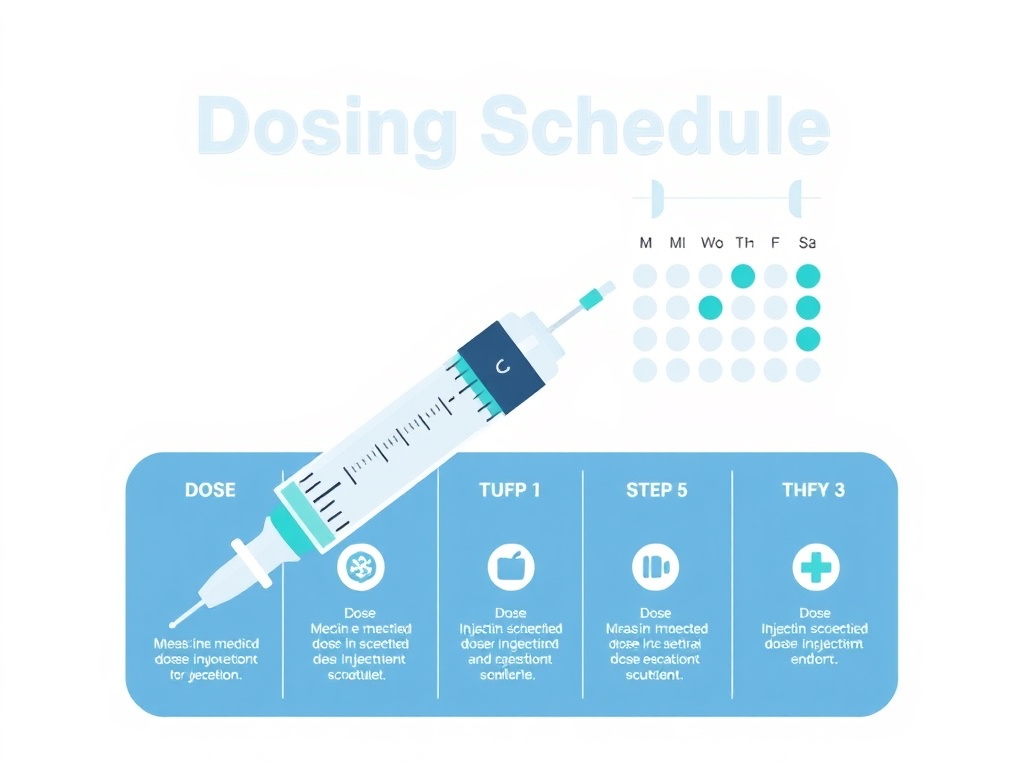
Standard Dosing Protocol
The standard GHRP-6 dosing protocol, established through clinical research and practical application, centers on the saturation dose principle. The saturation dose is approximately 100 mcg per injection, which represents the point at which the available GHS-R1a receptors on pituitary somatotrophs are fully occupied. Doses above this threshold produce diminishing returns.
For most individuals, the recommended protocol is:
- Dose per injection: 100 mcg (1 mcg/kg as an approximation for a 100 kg individual)
- Frequency: 2-3 times daily
- Route: Subcutaneous injection (abdomen, thigh, or upper arm)
- Timing: On an empty stomach, at least 2-3 hours after eating and at least 30 minutes before eating
- Injection spacing: Minimum 3-4 hours between injections
The empty stomach requirement isn't arbitrary. Food intake, particularly carbohydrates and fats, blunts the GH response to GHRP-6 significantly. Elevated blood glucose stimulates insulin release, and insulin is a potent suppressor of GH secretion. Elevated free fatty acids also directly inhibit somatotroph responsiveness. Injecting GHRP-6 after a meal can reduce the GH pulse amplitude by 50% or more.
Timing Optimization
The three most commonly recommended injection times are designed to maximize GH output while minimizing disruption to daily routines:
- Morning (upon waking): After the overnight fast, cortisol is naturally elevated (which is fine; it's part of normal circadian physiology) and blood glucose is at its lowest. This is an optimal window for GH secretion. Inject upon waking, wait 30 minutes, then eat breakfast.
- Mid-afternoon: At least 3 hours after lunch and 30 minutes before any afternoon snack. This mid-day dose provides a second GH pulse during a period when natural GH secretion is typically low.
- Bedtime: 30-60 minutes before sleep, and at least 3 hours after dinner. This dose is intended to amplify the natural nocturnal GH surge that occurs during deep sleep. However, be aware that the appetite stimulation from GHRP-6 can interfere with falling asleep, particularly in individuals who are sensitive to this effect.
For individuals who find the bedtime appetite too disruptive, a two-dose protocol (morning and mid-afternoon) is a reasonable alternative. The marginal benefit of the third dose is real but modest compared to the first two. Using the dosing calculator can help determine the optimal protocol for your specific situation.
Dose Titration Approach
For individuals new to GHRP-6, a gradual titration approach reduces the likelihood of side effects (particularly overwhelming hunger and water retention) while allowing assessment of individual responsiveness:
| Phase | Duration | Dose | Frequency | Purpose |
|---|---|---|---|---|
| Introduction | Weeks 1-2 | 50 mcg | 1-2x daily | Assess tolerance, appetite response, and any side effects |
| Standard | Weeks 3-4 | 100 mcg | 2-3x daily | Achieve saturation dose; full GH response |
| Enhanced (optional) | Weeks 5-12 | 100-200 mcg | 2-3x daily | Doses above 100 mcg for those who tolerate it and want additional response |
| Maintenance/Cycling | Ongoing | 100 mcg | 2-3x daily, 5 on/2 off | Prevent tachyphylaxis while maintaining elevated GH baseline |
Going above 100 mcg per injection is possible but offers progressively smaller benefits. At 200 mcg, you get roughly 50% more GH than 100 mcg provides. At 300 mcg, the additional increment is only about 25% above 200 mcg. Meanwhile, the secondary effects (appetite, cortisol, prolactin) tend to scale more linearly with dose, so the side effect to benefit ratio worsens as you increase beyond saturation.
Reconstitution and Preparation
GHRP-6 is supplied as a lyophilized (freeze-dried) powder, typically in vials containing 2 mg, 5 mg, or 10 mg. Reconstitution is straightforward:
- Solvent: Use bacteriostatic water (water preserved with 0.9% benzyl alcohol). Do not use sterile water for multi-use vials, as it lacks the preservative needed to prevent bacterial growth over multiple withdrawals.
- Volume: The reconstitution volume determines the concentration. Common choices:
- 5 mg vial + 2.5 mL bacteriostatic water = 2 mg/mL (200 mcg per 0.1 mL / 10 units on an insulin syringe)
- 5 mg vial + 5.0 mL bacteriostatic water = 1 mg/mL (100 mcg per 0.1 mL / 10 units)
- Technique: Direct the stream of bacteriostatic water against the side of the vial, allowing it to run down gently onto the lyophilized powder. Do not inject directly onto the powder cake or shake vigorously, as this can cause peptide aggregation and denaturation. Swirl gently until fully dissolved.
- Storage: Refrigerate the reconstituted solution at 2-8 degrees Celsius. Use within 4-6 weeks. Do not freeze reconstituted solution.
Stacking Protocols
GHRP-6 is frequently used in combination with GHRH analogs to exploit the complementary GH-releasing interaction described earlier. The most common stacking protocols include:
GHRP-6 + CJC-1295 (no DAC)
This is a popular combination that pairs GHRP-6's pulsatile GH release with CJC-1295's GHRH activity. The two peptides are often drawn into the same syringe and injected together. A typical protocol is 100 mcg GHRP-6 + 100 mcg CJC-1295 (mod GRF 1-29), administered 2-3 times daily on an empty stomach.
GHRP-6 + CJC-1295 DAC
CJC-1295 with DAC (Drug Affinity Complex) has a dramatically extended half-life of approximately 8 days due to its albumin-binding modification. When combined with GHRP-6, it provides sustained baseline GHRH stimulation upon which GHRP-6's acute GH pulses are superimposed. A typical protocol uses CJC-1295 DAC at 2 mg once or twice weekly, with GHRP-6 at 100 mcg 2-3 times daily.
GHRP-6 + Sermorelin
Sermorelin is a GHRH analog with a shorter half-life than CJC-1295, making it suitable for pulsatile co-administration with GHRP-6. A typical protocol is 100 mcg GHRP-6 + 100 mcg sermorelin, administered together 2-3 times daily.
GHRP-6 + IGF-1 LR3
Some protocols add IGF-1 LR3 to GHRP-6 for direct IGF-1-mediated anabolic effects alongside GH secretion. This combination targets both the somatotroph axis (via GHRP-6) and peripheral IGF-1 signaling directly. However, this is a more aggressive approach and requires careful monitoring.
Cycling Recommendations
While GHRP-6 can be used continuously, periodic cycling may help maintain receptor sensitivity and prevent tachyphylaxis. Common cycling patterns include:
- 5 days on, 2 days off: The simplest approach. Use GHRP-6 Monday through Friday, take weekends off.
- 8 weeks on, 4 weeks off: A longer cycle that allows for sustained GH elevation followed by a complete receptor reset period.
- Alternating compounds: Use GHRP-6 for 8 weeks, then switch to ipamorelin or GHRP-2 for 8 weeks. This approach uses potential differences in receptor binding kinetics to maintain responsiveness.
There's no definitive clinical evidence establishing one cycling protocol as superior to another. The recommendations above are based on pharmacological principles (receptor desensitization kinetics) and practical experience rather than randomized controlled trials of specific cycling regimens.
Important Administration Notes
- Always inject on an empty stomach. Food (especially carbohydrates) can reduce the GH response by 50% or more.
- Space injections at least 3-4 hours apart to allow pituitary GH stores to replenish.
- Refrigerate reconstituted solution and use within 4-6 weeks.
- Do not exceed 300 mcg per injection. Returns diminish sharply above the 100 mcg saturation dose.
- If you experience excessive water retention, numbness, or other concerning effects, reduce dose or discontinue and consult a healthcare provider.
- For personalized guidance, the free assessment can help determine the right protocol for your goals.
Safety Profile

Overview of the Safety Evidence
What are the side effects of GHRP-6? The safety profile of GHRP-6 has been characterized across multiple clinical studies, animal models, and pharmacokinetic analyses. A pharmacokinetic study published by Berlanga-Acosta and colleagues involving nine healthy male volunteers established that GHRP-6 is well-tolerated at standard doses with a favorable safety margin. The preclinical safety profile is generally positive, though long-term human safety data from large-scale randomized controlled trials remains limited.
The most commonly reported effects can be categorized by mechanism and clinical significance:
Common Effects (Expected Pharmacological Actions)
Appetite Stimulation
The most reproducible and prominent effect. As discussed extensively in the appetite section above, this is a direct pharmacological consequence of GHS-R1a activation on hypothalamic orexigenic neurons. It occurs in the vast majority of users at standard doses, typically beginning 15-30 minutes post-injection and lasting 1-2 hours. This is not truly a side effect but rather an on-target pharmacological action that some individuals find desirable and others find problematic.
Transient Cortisol and Prolactin Elevation
Also discussed in the cortisol/prolactin section above. These are dose-dependent, route-dependent, and self-limiting. At standard subcutaneous doses of 100 mcg, the elevations are transient (returning to baseline within 2-4 hours) and modest (within or near normal physiological ranges). Chronic effects from repeated dosing have not been demonstrated to produce clinically significant hypercortisolism or hyperprolactinemia in published studies.
Injection Site Reactions
Mild redness, swelling, or itching at the injection site is reported by some users. These reactions are typically transient and minor, resolving within minutes to hours. They're common across all subcutaneously injected peptides and are not specific to GHRP-6. Rotating injection sites helps minimize local reactions.
Moderate Effects (GH-Mediated Secondary Effects)
Water Retention and Peripheral Edema
Fluid retention is a well-documented downstream effect of elevated growth hormone activity. GH promotes sodium and water reabsorption in the kidneys through both direct renal effects and indirect effects mediated by IGF-1-stimulated aldosterone production. Clinically, this manifests as mild peripheral edema (puffy hands, feet, or face), increased body weight (2-5 lbs of water), and a feeling of fullness or bloating.
The water retention is dose-dependent and typically more pronounced in the first 2-4 weeks of use, often improving as the body adapts to the elevated GH levels. It's the same effect seen with exogenous GH administration and with other GH secretagogues. Management strategies include moderate sodium restriction, adequate hydration (paradoxically, drinking more water can reduce retention), and dose reduction if the edema is bothersome.
Paresthesias (Numbness and Tingling)
Some users report numbness, tingling, or pins-and-needles sensations in the hands, wrists, or feet. This is believed to result from fluid retention causing compression of peripheral nerves, similar to the mechanism of carpal tunnel syndrome. GH-mediated tissue growth in confined anatomical spaces (such as the carpal tunnel) can contribute to nerve compression.
This effect is dose-related and reversible. Reducing the GHRP-6 dose or temporarily discontinuing use typically resolves the paresthesias within days to weeks. If symptoms persist or are accompanied by muscle weakness or loss of grip strength, medical evaluation is warranted to rule out other causes.
Joint Pain and Stiffness
Elevated GH and IGF-1 levels can cause joint discomfort, particularly in the hands, wrists, and knees. This is typically mild and related to fluid retention and tissue expansion within joint capsules. It's more common at higher doses and in older individuals. It usually resolves with dose adjustment. For those interested in joint-supporting peptides, BPC-157 and TB-500 have been studied for their tissue-repair properties.
Headache
Mild headaches are reported by some users, particularly during the initial days of use. The mechanism may involve acute changes in intracranial fluid dynamics related to GH's effects on sodium and water balance. Headaches typically resolve within the first week of use as the body adjusts.
Uncommon/Theoretical Long-Term Concerns
Insulin Sensitivity Effects
Growth hormone is a counter-regulatory hormone that antagonizes insulin's effects on glucose metabolism. Sustained GH elevation can reduce insulin sensitivity, potentially increasing fasting glucose and insulin levels over time. This is a class effect of all GH-elevating interventions, whether exogenous GH injection or secretagogue-mediated endogenous GH release.
The clinical significance depends on dose, duration of use, and individual metabolic status. Individuals with pre-existing insulin resistance, metabolic syndrome, or type 2 diabetes should monitor glucose and HbA1c levels if using GHRP-6 or any GH secretagogue long-term. The science and research page provides additional context on metabolic monitoring.
Hypothalamic-Pituitary Axis Effects
Chronic exogenous GHS-R1a activation could theoretically alter the sensitivity of the hypothalamic-pituitary GH axis through feedback mechanisms. Sustained elevation of GH and IGF-1 increases somatostatin tone, which may suppress natural GH secretion during periods when GHRP-6 isn't active. Whether this produces meaningful long-term suppression of endogenous GH secretion after discontinuation is not well characterized in humans.
Reassuringly, studies of other GH secretagogues (including MK-677 administered for up to 2 years) have not shown significant suppression of endogenous GH secretion after discontinuation. The pulsatile nature of GHRP-6-stimulated GH release, which more closely mimics natural physiology than continuous exogenous GH injection, may reduce the risk of axis suppression.
Potential Effects on Cell Proliferation
GH and IGF-1 are mitogenic (they promote cell division). Theoretical concerns exist about whether chronic GH elevation could promote the growth of pre-existing but undetected malignancies. This concern applies to all GH-elevating therapies, not specifically to GHRP-6. Current evidence does not establish a causal link between GH secretagogue use and cancer incidence, but individuals with active malignancies or a strong family history of hormone-sensitive cancers should discuss GH-elevating therapies with their oncologist.
Cardioprotective Safety Data
Counterbalancing the theoretical concerns, GHRP-6 has demonstrated significant protective effects in certain contexts. The cardioprotective research led by Berlanga-Acosta et al. is particularly notable. In a porcine model of acute myocardial infarction, GHRP-6 treatment reduced infarct mass by 78% and infarct thickness by 50% compared to saline controls. The mechanism involved attenuation of reactive oxygen species (ROS) generation, mitochondrial protection, and upregulation of the anti-apoptotic gene Bcl-2.
More recently, a 2024 study published in Frontiers in Pharmacology demonstrated that GHRP-6 prevented doxorubicin-induced myocardial and extra-myocardial damage by activating prosurvival mechanisms. This suggests that GHRP-6 may have a role in cardioprotection during chemotherapy, a context where its safety profile extends beyond simple GH secretion.
These cytoprotective properties, mediated through CD36 receptor rather than GHS-R1a, represent a unique safety advantage of GHRP-6 over more selective GH secretagogues like ipamorelin that don't engage CD36 signaling.
Contraindications and Precautions
Contraindications
- Active malignancy (any GH-elevating therapy is generally contraindicated in active cancer)
- Known hypersensitivity to GHRP-6 or any component of the formulation
- Pregnancy and lactation (insufficient safety data)
- Pituitary tumors or other conditions that could be exacerbated by GH stimulation
Precautions (Use with Monitoring)
- Type 2 diabetes or insulin resistance (monitor glucose and HbA1c)
- History of carpal tunnel syndrome (paresthesia risk is elevated)
- Congestive heart failure (fluid retention may worsen symptoms)
- Concurrent use of corticosteroids (additive cortisol-related effects)
- History of prolactinoma or hyperprolactinemia
- Children and adolescents (safety in pediatric populations is not established for non-diagnostic use)
Recommended Monitoring
For individuals using GHRP-6 regularly, periodic monitoring helps ensure safety:
| Test | Frequency | Purpose |
|---|---|---|
| IGF-1 | Every 3-6 months | Ensure GH/IGF-1 axis response is within target range and not excessive |
| Fasting glucose and HbA1c | Every 3-6 months | Monitor for insulin resistance from sustained GH elevation |
| Prolactin | Every 6 months | Monitor for cumulative prolactin elevation (especially in males) |
| Morning cortisol | Every 6-12 months | Confirm HPA axis function remains normal |
| Complete metabolic panel | Every 6 months | Kidney function (related to fluid retention) and liver function |
| Lipid panel | Every 6-12 months | GH can modulate lipid metabolism |
These monitoring recommendations are prudent for any GH-elevating therapy and are not unique to GHRP-6. Your healthcare provider may adjust the frequency based on individual risk factors and clinical response. The free assessment includes a review of relevant health parameters to guide personalized monitoring plans.
Reconstitution, Storage, and Practical Administration Protocols
GHRP-6 is supplied as a lyophilized (freeze-dried) powder that must be reconstituted before use. Proper handling of the peptide from the moment you receive it through every injection is essential for maintaining potency, ensuring accurate dosing, and preventing contamination. This section covers the step-by-step process in detail.
Understanding the Lyophilized Product
Lyophilized GHRP-6 typically arrives as a white to off-white powder or cake in a sealed glass vial. The powder appears as either a fluffy, airy structure filling the lower portion of the vial or a compact disc or pellet at the bottom. Both presentations are normal and don't affect potency. What you should be concerned about is color change (yellow, brown, or grey discoloration), visible moisture inside the sealed vial (suggesting compromised seal integrity), or the absence of any visible powder (suggesting the product may have degraded or been improperly manufactured).
Most research-grade and compounding pharmacy GHRP-6 comes in vials containing 2 mg, 5 mg, or 10 mg of peptide. The label should clearly state the amount. If it doesn't, you can't dose accurately, and the product shouldn't be used. Pharmaceutical-grade compounding pharmacies like FormBlends provide clearly labeled vials with verified peptide content and purity certificates.
Step-by-Step Reconstitution
Step 1: Gather supplies. You'll need the GHRP-6 vial, bacteriostatic water (BAC water, preserved with 0.9% benzyl alcohol), alcohol swabs, a 1 mL syringe with a 25-30 gauge needle (for drawing BAC water), and insulin syringes (for subcutaneous injection). Do not use sterile water or normal saline for reconstitution if you plan to use the vial over multiple days. Bacteriostatic water contains a preservative that inhibits microbial growth in the reconstituted solution, making it safe for multi-dose use over 28-30 days. Sterile water has no preservative and should only be used for single-dose applications.
Step 2: Determine reconstitution volume. The volume of BAC water you add determines the concentration of your reconstituted solution and directly affects how easy or difficult accurate dosing will be. For a 5 mg vial, common reconstitution volumes and resulting concentrations are:
Adding 1 mL (1 cc) of BAC water to a 5 mg vial gives you 5,000 mcg per mL, or 500 mcg per 0.1 mL (10 units on an insulin syringe). This is a very concentrated solution. It's convenient if you're taking high doses but makes it harder to measure smaller amounts accurately.
Adding 2 mL to a 5 mg vial gives you 2,500 mcg per mL, or 250 mcg per 0.1 mL. This is a good middle-ground concentration for the standard 100 mcg saturation dose, requiring you to draw 4 units (0.04 mL) per injection.
Adding 2.5 mL to a 5 mg vial gives you 2,000 mcg per mL, or 200 mcg per 0.1 mL. At this concentration, the standard 100 mcg dose is 5 units on an insulin syringe, which is easy to measure accurately. This is the recommended reconstitution volume for most users.
Step 3: Add bacteriostatic water. Clean the rubber stopper of both the GHRP-6 vial and the BAC water vial with an alcohol swab. Let them air dry for 10 seconds. Draw the desired volume of BAC water into the syringe. Insert the needle through the GHRP-6 vial's rubber stopper at a slight angle and release the water slowly, aiming the stream at the inside wall of the vial rather than directly at the powder. This prevents the powder from being disrupted by a direct jet of liquid, which can cause foaming and denaturation.
Step 4: Allow dissolution. Do not shake the vial. Shaking creates air-liquid interfaces that can denature the peptide. Instead, swirl the vial very gently or simply let it sit at room temperature for 5-10 minutes. GHRP-6 dissolves readily in water, and the solution should become clear within a few minutes. If you see persistent cloudiness, particulates, or precipitate after 15 minutes, the peptide may have degraded and should not be used.
Step 5: Verify the solution. The reconstituted GHRP-6 solution should be clear and colorless. A slight yellowish tint is sometimes seen and generally acceptable, but a distinctly yellow, brown, or cloudy solution indicates degradation. Once satisfied with the appearance, the vial is ready for use.
Storage After Reconstitution
Unreconstituted (lyophilized) GHRP-6 is stable at room temperature for weeks and can be stored refrigerated (2-8 degrees Celsius) for 12-24 months depending on the manufacturer. For long-term storage exceeding a few months, freezing at -20 degrees Celsius is preferred.
Once reconstituted with bacteriostatic water, GHRP-6 should be stored in the refrigerator at 2-8 degrees Celsius and used within 28-30 days. The benzyl alcohol preservative in BAC water provides reasonable antimicrobial protection, but potency gradually decreases over time due to peptide degradation. Studies on similar hexapeptides suggest that approximately 5-10% of potency is lost over 4 weeks when stored at 4 degrees Celsius.
Never freeze reconstituted peptide solutions. Ice crystal formation can physically disrupt the peptide structure and cause irreversible aggregation. If you reconstituted more than you'll use in 4 weeks, it's better to discard the remainder and reconstitute a fresh vial.
Injection Technique
GHRP-6 is administered via subcutaneous (SubQ) injection using an insulin syringe (typically 29-31 gauge, 0.5-inch needle). The injection is shallow, going just beneath the skin into the fatty tissue layer. Common injection sites include the lower abdomen (at least 2 inches from the navel), the outer thigh, and the upper arm. Rotate injection sites to prevent lipohypertrophy (localized fat accumulation under the skin from repeated injections at the same spot).
Clean the injection site with an alcohol swab and let it dry for 10 seconds. Pinch a fold of skin between your thumb and forefinger. Insert the needle at a 45-90 degree angle (90 degrees for areas with adequate subcutaneous fat, 45 degrees for leaner areas). Inject slowly and steadily. After the injection, release the skin fold and withdraw the needle. Do not recap the needle; dispose of it in a sharps container.
Timing Protocols for Optimal GH Release
GHRP-6 timing matters because growth hormone release is influenced by several factors that change throughout the day. The strongest GH pulses occur during deep sleep, and GHRP-6 can amplify these natural pulses when timed correctly.
Protocol 1: Pre-bed single dose. This is the simplest protocol and arguably the most physiological. A single 100 mcg injection taken 30-60 minutes before sleep on an empty stomach (no food for at least 2 hours prior) amplifies the natural nocturnal GH surge that occurs during slow-wave sleep. This protocol is best suited for general wellness, recovery support, and anti-aging purposes.
Protocol 2: Morning and pre-bed. Adding a morning dose taken upon waking, before breakfast, creates two significant GH pulses per day. The morning dose should be taken at least 30 minutes before eating, as carbohydrates and fats blunt the GH response. This protocol is commonly used for body composition improvement and athletic recovery.
Protocol 3: Three times daily. Morning (fasting), post-workout (at least 2 hours after pre-workout meal), and pre-bed. This produces three GH pulses and is the most aggressive standard protocol. Each dose is 100 mcg (the saturation dose), for a total of 300 mcg daily. Higher individual doses don't meaningfully increase GH release but do increase cortisol and prolactin. Going above the saturation dose is therefore counterproductive.
Food timing is critical. Carbohydrates and fats significantly blunt the GH response to GHRP-6. Insulin and free fatty acids both suppress GH release through distinct mechanisms. For optimal results, maintain a minimum 2-hour fast before each injection and wait at least 20-30 minutes after injection before eating. Protein has less of a blunting effect than carbs or fats, so a small protein-only snack (like a whey shake) 20-30 minutes after the injection is generally acceptable.
The appetite-stimulating effect of GHRP-6 is both a practical challenge and a potential advantage. Many users report intense hunger within 15-30 minutes of injection, which can make the post-injection fasting window difficult to maintain. For those who struggle with appetite and need to increase caloric intake (post-surgery, chronic illness, underweight patients), this effect is actually therapeutic. For those trying to lose body fat, the appetite stimulation can be counterproductive. In such cases, CJC-1295/Ipamorelin or standalone Hexarelin may be better options, as they produce less hunger.
Combination Stacking Strategies
GHRP-6 is frequently used in combination with growth hormone releasing hormone (GHRH) analogs to produce complementary GH release. The rationale is straightforward: GHRP-6 (acting through the ghrelin receptor) and GHRH (acting through its own receptor) stimulate GH release through complementary pathways. When both signals arrive simultaneously, the pituitary releases significantly more GH than either signal alone.
The most common combination partners for GHRP-6 are:
CJC-1295 (DAC): A long-acting GHRH analog with a half-life of approximately 6-8 days due to its drug affinity complex (DAC) modification. CJC-1295 with DAC provides a continuous GHRH signal, and when combined with pulsed GHRP-6 injections, it produces both elevated baseline GH and amplified GH pulses. Typical dosing is CJC-1295 DAC at 1-2 mg per week (given as a single weekly injection) alongside GHRP-6 at 100 mcg 1-3 times daily.
Modified GRF 1-29 (CJC-1295 without DAC, also called Mod GRF): A shorter-acting GHRH analog with a half-life of approximately 30 minutes. This is injected simultaneously with GHRP-6 for maximum complementary effect. Typical dosing is 100 mcg of Mod GRF mixed with 100 mcg of GHRP-6 in the same syringe, administered 1-3 times daily. The combined injection produces GH pulses approximately 3-5 times larger than either compound alone.
Sermorelin: The original GHRH analog, consisting of the first 29 amino acids of natural GHRH. Sermorelin has a shorter half-life than Mod GRF but is available through many compounding pharmacies. It can be combined with GHRP-6 at doses of 100-200 mcg per injection alongside 100 mcg of GHRP-6.
When stacking GHRP-6 with a GHRH analog, both compounds can be drawn into the same syringe for a single injection. There is no chemical incompatibility between these peptides at standard concentrations. Simply draw the first peptide, then draw the second into the same syringe without changing needles, and inject the combined volume.
Cycling and Long-Term Use Considerations
Whether GHRP-6 requires cycling (periods of use alternated with periods of discontinuation) is debated. The primary concern with continuous use is potential desensitization (tachyphylaxis) of the ghrelin receptor or pituitary somatotrophs, leading to diminished GH release over time.
The available evidence is reassuring on this point. Studies in both animals and humans have shown that GHRP-6 maintains its GH-releasing activity over treatment periods of at least several months when used at the saturation dose. A 1997 study by Chapman and colleagues administered GHRP-6 to elderly subjects for 4 weeks and found no reduction in GH response over the treatment period. Longer-term data on continuous GHRP-6 use specifically are limited, but clinical experience with the mechanistically similar compound MK-677 (an oral ghrelin receptor agonist) shows maintained GH stimulation over 12-24 months of daily dosing.
That said, many practitioners recommend cycling GHRP-6 with protocols such as 5 days on, 2 days off, or 8 weeks on, 4 weeks off. These cycling schedules aren't firmly evidence-based but provide a pragmatic approach that may reduce any theoretical risk of receptor desensitization while also giving the user periodic breaks from the appetite stimulation and other side effects.
During off periods, some users switch to a different GH secretagogue (such as Hexarelin or GHRP-2) to maintain GH stimulation through a slightly different receptor pharmacology. Whether this actually prevents desensitization or is simply unnecessary is unknown, but it's a common practice in the GH secretagogue community.
Drug Interactions, Contraindications, and Special Populations
While GHRP-6 is generally considered to have a favorable safety profile, it doesn't exist in a pharmacological vacuum. Understanding how it interacts with other medications, conditions, and physiological states is important for safe use. This section addresses the most clinically relevant interactions and contraindications.
Interactions with Diabetes Medications
Growth hormone is a counter-regulatory hormone that opposes insulin's effects on glucose metabolism. GH promotes hepatic glucose output and reduces peripheral glucose uptake, which can worsen glycemic control in patients with diabetes or prediabetes. GHRP-6, by elevating GH levels, can therefore interact with diabetes management in clinically significant ways.
Patients on insulin may require dose adjustments when starting GHRP-6, particularly if using multiple daily GHRP-6 injections. The GH pulses produced by GHRP-6 can cause transient increases in fasting glucose and increased insulin requirements. Monitoring blood glucose more frequently during the first 2-4 weeks of GHRP-6 use is recommended for insulin-dependent patients.
Metformin, the most widely prescribed oral diabetes medication, works partly through AMPK activation and partly through reducing hepatic glucose output. There's an interesting theoretical interaction here: GHRP-6 increases hepatic glucose output through GH elevation, while metformin decreases it. In practice, metformin's effects typically predominate at standard doses, but the net effect depends on the magnitude of GH elevation and the metformin dose. No formal interaction studies have been conducted.
Sulfonylureas (glipizide, glyburide, glimepiride) stimulate insulin secretion independent of blood glucose. The combination of sulfonylurea-driven insulin secretion and GH-driven glucose output can create unpredictable glucose fluctuations, including both hyperglycemia and hypoglycemia at different times. This combination warrants close glucose monitoring.
GLP-1 receptor agonists like semaglutide, tirzepatide, and liraglutide present an interesting co-administration scenario. GLP-1 agonists slow gastric emptying and reduce appetite, while GHRP-6 stimulates appetite through ghrelin receptor activation. These opposing appetite effects may partially cancel each other out. From a glucose metabolism perspective, GLP-1 agonists' glucose-lowering effects may counterbalance some of the GH-driven glucose elevation. No clinical data exist on this specific combination.
Thyroid Function Interactions
Growth hormone influences thyroid hormone metabolism by increasing the conversion of T4 (thyroxine) to T3 (triiodothyronine) through upregulation of type 1 and type 2 deiodinase enzymes. In patients with normal thyroid function, this is typically clinically insignificant. However, in patients with borderline hypothyroidism or those on thyroid hormone replacement, GH elevation from GHRP-6 can increase T4-to-T3 conversion enough to unmask hypothyroidism or necessitate an increase in levothyroxine dosage.
Baseline thyroid function (TSH, free T4, free T3) should be checked before starting GHRP-6, and rechecked at 4-8 weeks. Symptoms of hypothyroidism (fatigue, cold intolerance, weight gain, constipation) that emerge during GHRP-6 use should prompt thyroid function testing.
Glucocorticoid Interactions
GHRP-6 produces a modest, transient elevation in cortisol (the body's primary glucocorticoid) that peaks approximately 15-30 minutes after injection and returns to baseline within 60-90 minutes. This cortisol bump is generally clinically insignificant in healthy individuals. However, patients taking exogenous glucocorticoids (prednisone, dexamethasone, hydrocortisone) for conditions like asthma, autoimmune disease, or adrenal insufficiency should be aware that the additional cortisol stimulus from GHRP-6 may have additive effects.
In patients with adrenal insufficiency on replacement-dose hydrocortisone, the GHRP-6-induced cortisol pulse could theoretically provide a small supplementary cortisol boost. However, relying on GHRP-6 for cortisol supplementation is not appropriate, as the elevation is too transient and unpredictable.
Contraindications
Active malignancy: Growth hormone promotes cellular proliferation through IGF-1 signaling. While GH does not cause cancer, it can theoretically promote the growth of existing tumors. Any active malignancy or history of cancer within the past 5 years is a contraindication to GHRP-6 use. This includes both solid tumors and hematological malignancies.
Active pituitary tumors: GHRP-6 directly stimulates pituitary cells. In the presence of a pituitary adenoma, particularly a GH-secreting adenoma (which causes acromegaly), GHRP-6 could exacerbate GH hypersecretion. Any known pituitary mass should be evaluated by an endocrinologist before considering GH secretagogue therapy.
Diabetic retinopathy: IGF-1, the downstream mediator of GH's effects, is implicated in the progression of diabetic retinopathy. Patients with proliferative diabetic retinopathy or severe non-proliferative retinopathy should avoid GH-elevating therapies including GHRP-6.
Pregnancy and breastfeeding: No safety data exist for GHRP-6 during pregnancy or lactation. The effects of exogenous GH elevation on fetal development and breast milk composition are unknown. GHRP-6 should not be used during pregnancy or while breastfeeding.
Acute critical illness: GH replacement has been associated with increased mortality in critically ill patients in ICU settings. While this data comes from supraphysiological GH doses rather than GH secretagogue-induced GH elevation, it's prudent to avoid GHRP-6 during acute critical illness, including sepsis, major surgery recovery, or ICU admission.
Pediatric Considerations
GHRP-6 research originally focused on growth hormone deficiency in children, and early clinical studies demonstrated effective GH stimulation in pediatric populations. However, using GH secretagogues in growing children requires careful supervision by a pediatric endocrinologist. Excessive GH stimulation during growth can cause accelerated growth plate fusion, potentially resulting in reduced final adult height despite initial growth acceleration. IGF-1 levels must be monitored closely and kept within the age-appropriate reference range.
Geriatric Considerations
Elderly patients (over 65) represent one of the populations most likely to benefit from GH secretagogue therapy, as natural GH production declines by approximately 14% per decade after age 30. By age 65, most individuals produce only 25-35% of the GH they produced at age 25. This decline, sometimes called somatopause, contributes to decreased lean body mass, increased visceral adiposity, reduced bone density, impaired immune function, and decreased skin elasticity.
GHRP-6 effectively stimulates GH release in elderly subjects, though the magnitude of the GH response is typically 30-50% lower than in younger adults. This reduced response is thought to reflect decreased pituitary somatotroph reserve and increased somatostatin tone rather than receptor desensitization.
Elderly patients should start with lower doses (50-75 mcg rather than 100 mcg) and titrate up based on response and tolerability. The glucose-elevating effects of GH are more clinically significant in this population, where prediabetes and type 2 diabetes are prevalent. Fasting glucose should be monitored at baseline, 4 weeks, and every 3 months during ongoing use. The combination of GHRP-6 with a GHRH analog like sermorelin may be particularly effective in elderly patients, as it addresses both sides of the GH release equation. The peptide research hub provides additional guidance on age-appropriate peptide protocols.
Clinical Applications, Research Findings, and Future Directions
GHRP-6 occupies an interesting position in the peptide therapeutics landscape. It was one of the first synthetic GH secretagogues ever developed, it played a central role in the discovery of ghrelin, and it continues to be widely used despite the availability of newer, more selective alternatives. This section explores its clinical applications, emerging research directions, and how it fits into the broader peptide therapy ecosystem.
Body Composition and Metabolic Effects
The primary clinical interest in GHRP-6 centers on its ability to modify body composition through sustained GH elevation. Growth hormone's effects on body composition are well established from decades of recombinant GH research: GH promotes lipolysis (fat breakdown) particularly in visceral adipose tissue, enhances protein synthesis in skeletal muscle, and redirects nutrient partitioning toward lean tissue accretion.
GHRP-6 achieves these effects indirectly, through stimulating the body's own GH production. A 1997 study by Bowers and colleagues showed that twice-daily GHRP-6 administration (1 mcg/kg subcutaneously) for 4 weeks in elderly subjects produced a sustained 2-3 fold increase in GH pulse amplitude, a 30-40% increase in IGF-1 levels, and measurable improvements in nitrogen balance (indicating enhanced protein retention). While these changes were smaller in magnitude than those seen with direct GH injection, they occurred within the physiological range and without the supraphysiological IGF-1 elevations that raise safety concerns with exogenous GH.
The appetite-stimulating effect of GHRP-6, mediated through its activation of the ghrelin receptor, creates a unique clinical profile that distinguishes it from other GH secretagogues. For patients who need to gain weight (post-surgical recovery, chronic wasting conditions, cancer cachexia, age-related anorexia), this appetite stimulation is a therapeutic benefit rather than a side effect. For patients pursuing fat loss, it's a challenge that needs to be managed through meal timing and dietary discipline.
Connective Tissue and Injury Recovery
Growth hormone and IGF-1 play essential roles in connective tissue metabolism. Tendons, ligaments, cartilage, and bone all depend on GH/IGF-1 signaling for collagen synthesis, matrix remodeling, and repair after injury. This has made GH secretagogues including GHRP-6 popular among athletes and individuals recovering from musculoskeletal injuries.
The evidence for GH-stimulated tendon and ligament repair comes primarily from studies of direct GH administration and from the observation that GH-deficient individuals have impaired wound healing that corrects with GH replacement. A 2015 study in the Journal of Applied Physiology demonstrated that GH administration increased collagen synthesis rates in human tendons by approximately 50%, with corresponding improvements in tendon cross-sectional area and mechanical properties over 14 weeks.
Whether GHRP-6-induced GH pulses produce the same connective tissue benefits as continuous GH replacement is debated. The pulsatile nature of GHRP-6-stimulated GH release may actually be advantageous, as some evidence suggests that pulsatile GH exposure is more effective at stimulating IGF-1 production and downstream tissue effects than continuous GH exposure of equivalent total dose. The combination of GHRP-6 with BPC-157 (which has independent connective tissue healing properties) is a popular protocol among practitioners focused on injury recovery.
Sleep Architecture Effects
GHRP-6's relationship with sleep is bidirectional. Natural GH secretion is closely tied to sleep architecture, with the largest GH pulses occurring during slow-wave sleep (stages N3). GHRP-6 administered before sleep amplifies these pulses, potentially deepening slow-wave sleep in return.
A study by Frieboes and colleagues examined the sleep effects of GHRH-like peptides and found that compounds stimulating GH release through the GHRH pathway increased time in slow-wave sleep by 15-25% and reduced sleep onset latency. While this study used GHRH rather than GHRP-6, the GH-mediated effects on sleep architecture should be qualitatively similar regardless of the upstream stimulus.
Improved sleep quality has cascading benefits that may account for some of the subjective improvements patients report with GH secretagogue therapy. Better sleep enhances immune function, improves glucose metabolism, promotes tissue repair, consolidates memory, and reduces cortisol levels. When patients report "feeling better overall" on GHRP-6, improved sleep quality may be doing much of the heavy lifting.
For patients with sleep disorders, GHRP-6 may complement other sleep-promoting approaches. DSIP (Delta Sleep-Inducing Peptide) promotes delta wave sleep through different mechanisms, and the combination with GHRP-6 could theoretically enhance both GH release and sleep depth. However, this combination hasn't been formally studied.
Immune Function and Wound Healing
GH and IGF-1 are immunomodulatory hormones that influence both innate and adaptive immune function. GH promotes thymic development, enhances T-cell proliferation, stimulates macrophage activation, and increases immunoglobulin production. The age-related decline in GH production (somatopause) coincides with the decline in immune function (immunosenescence), suggesting a causal relationship.
GHRP-6 may support immune function through its GH-elevating effects, though direct immunological studies of GHRP-6 are limited. More relevant is the research on direct GH replacement in elderly patients, which has shown improvements in T-cell subsets, natural killer cell activity, and antibody responses to vaccination. By partially restoring GH levels toward youthful ranges, GHRP-6 may provide some of these immune benefits without the risks of supraphysiological GH replacement.
For wound healing specifically, GH's effects are mediated through IGF-1 stimulation of fibroblast proliferation, collagen deposition, and angiogenesis at the wound site. Patients with delayed wound healing due to age, diabetes, or malnutrition may benefit from GH secretagogue therapy as an adjunctive approach alongside standard wound care. This application intersects with other wound-healing peptides like TB-500 and GHK-Cu, which promote tissue repair through GH-independent mechanisms.
Cardiac Effects and Cardioprotection
The heart expresses both GHS-R1a (ghrelin receptor) and GH receptors, making it responsive to GHRP-6 through both direct receptor activation and indirect GH-mediated effects. Preclinical studies have demonstrated that GHRP-6 has cardioprotective properties independent of its GH-releasing activity.
In rodent models of myocardial ischemia-reperfusion injury, GHRP-6 reduced infarct size by 30-40% when administered before or immediately after the ischemic event. This cardioprotection appears to be mediated through activation of the reperfusion injury salvage kinase (RISK) pathway, which involves PI3K/Akt and ERK1/2 signaling. GHRP-6 also reduces cardiac fibrosis in animal models of pressure overload and volume overload, potentially through TGF-beta1 suppression and matrix metalloproteinase modulation.
A Cuban research group has published extensively on GHRP-6's wound healing and cardioprotective properties, including a cytoprotective formulation tested in clinical trials for diabetic foot ulcers. Their work suggests that GHRP-6 has tissue-protective effects that extend beyond its GH-releasing activity and may involve direct ghrelin receptor-mediated signaling in peripheral tissues.
Future Research Directions
While GHRP-6 is unlikely to undergo formal FDA approval as a standalone drug (the patent landscape has long since expired, removing the economic incentive for expensive clinical trials), several research directions continue to evolve:
Combination formulations pairing GHRP-6 with GHRH analogs in fixed-dose products are being developed by several compounding pharmacies, potentially simplifying the multi-vial protocols that current users must manage. The CJC-1295/Ipamorelin combination is the most established example of this approach, and similar GHRH/GHRP combinations using GHRP-6 are being explored.
Modified GHRP-6 analogs with reduced appetite stimulation and cortisol effects are being studied in academic settings, though none have reached clinical development. The goal is to retain GHRP-6's potent GH-releasing activity while eliminating the side effects that make it less desirable than ipamorelin for some clinical applications.
Nasal and oral delivery formulations of GHRP-6 are being explored as alternatives to subcutaneous injection. GHRP-6 is a small hexapeptide with reasonable stability, making it a candidate for mucosal delivery. Early studies of intranasal GHRP-6 showed measurable GH release, though bioavailability was lower and more variable than subcutaneous administration. The peptide research hub tracks developments across the GH secretagogue research landscape.
Cost, Access, Quality Assessment, and Sourcing Considerations
GHRP-6 exists in a unique market position. It's not an FDA-approved drug, so there are no branded pharmaceutical products to purchase at a standard pharmacy. Instead, GHRP-6 is available through compounding pharmacies (under physician prescription), research chemical suppliers, and international peptide vendors. The quality, purity, and reliability of these sources vary dramatically, and understanding how to evaluate them is critical for safe use.
Compounding Pharmacy Sources
The highest-quality GHRP-6 comes from licensed compounding pharmacies operating under Section 503A or 503B of the Federal Food, Drug, and Cosmetic Act. These pharmacies are subject to state board of pharmacy oversight, and 503B outsourcing facilities face FDA inspection. Products from these sources come with certificates of analysis (COAs) showing purity, sterility, endotoxin levels, and potency testing results.
A legitimate COA should include HPLC purity (target: greater than 98%), mass spectrometry confirmation of molecular weight (GHRP-6 molecular weight: 873.01 Da), amino acid analysis confirming the correct sequence (His-DTrp-Ala-Trp-DPhe-Lys-NH2), bacterial endotoxin testing (should be below 5 EU/mL for injectable preparations), and sterility testing (no growth after 14-day incubation in thioglycolate and soybean-casein digest media).
Compounding pharmacy GHRP-6 typically costs $30-$80 per 5 mg vial, depending on the pharmacy, order quantity, and whether it's part of a subscription program. Some compounding pharmacies bundle GHRP-6 with complementary peptides like Mod GRF 1-29 or sermorelin at reduced combined prices. FormBlends provides access to pharmaceutical-grade compounded peptides with transparent pricing and clinician oversight.
Evaluating Product Quality
For any GHRP-6 source, several quality indicators help distinguish reliable products from questionable ones:
Third-party testing: Reputable suppliers provide COAs from independent analytical laboratories, not just in-house testing. Look for testing by recognized labs like Eurofins, SGS, or Intertek. COAs should be lot-specific, not generic certificates that cover all batches.
Proper packaging: Pharmaceutical-grade lyophilized peptides come in sealed glass vials with flip-off aluminum caps and rubber stoppers rated for multiple punctures. Products in plastic vials, unsealed containers, or with visible moisture inside the vial should not be used.
Storage and shipping: Lyophilized GHRP-6 is stable at room temperature for short periods, but should be shipped with cold packs during warm weather and should arrive without signs of moisture exposure or heat damage. The powder should be dry, white to off-white, and either fluffy or compressed into a solid pellet.
Labeling: Legitimate products have clear labeling showing the compound name, quantity per vial, lot number, manufacturing date, expiration date, and storage instructions. Products without proper labeling may have been repackaged from bulk material under less controlled conditions.
Cost-Benefit Analysis
The cost of GHRP-6 therapy depends on the dosing protocol, source, and whether it's used as a standalone therapy or in combination with other peptides. Here's a realistic breakdown:
Standalone GHRP-6, once daily at bedtime (100 mcg/day): A 5 mg vial provides 50 doses at 100 mcg each, lasting approximately 7 weeks. At $40-$60 per vial, this works out to approximately $25-$35 per month, making GHRP-6 one of the most cost-effective GH optimization strategies available.
GHRP-6, twice daily (200 mcg/day): Approximately $50-$70 per month from a compounding pharmacy source.
GHRP-6 + Mod GRF 1-29 combination, twice daily: Approximately $80-$120 per month, as you're purchasing two peptides.
For comparison, direct recombinant human growth hormone (rhGH) injections typically cost $500-$2,000 per month depending on the dose and brand, making GH secretagogues like GHRP-6 roughly 10-40 times cheaper for a similar (though not identical) physiological endpoint. The trade-off is that GH secretagogues produce more modest GH elevation than exogenous GH replacement, and the response varies between individuals based on pituitary function.
Legal Status
GHRP-6 occupies a regulatory gray zone. It's not FDA-approved for any clinical indication, which means it can't be marketed as a drug. However, it can be legally prescribed by licensed physicians and compounded by licensed pharmacies under the physician-patient relationship exemption. Patients receiving GHRP-6 through a legitimate compounding pharmacy with a physician's prescription are using the compound legally.
GHRP-6 is banned by the World Anti-Doping Agency (WADA) and most professional sports organizations. Athletes subject to drug testing should not use GHRP-6 or any growth hormone secretagogue. Detection methods for GHRPs and their metabolites have become increasingly sensitive, and athletes have been sanctioned for GHRP-6 use based on both urine and dried blood spot testing.
In some countries (including Australia and certain EU member states), GHRPs are classified as controlled substances or scheduled medications with additional prescribing restrictions. Patients traveling internationally with GHRP-6 should verify the legal status in their destination country. The peptide research hub maintains current information on peptide regulatory status across major markets.
Appetite Management, Weight Gain Strategies, and Nutritional Optimization
GHRP-6 stands alone among growth hormone secretagogues in its dramatic appetite-stimulating effect. While most GHRPs produce modest or negligible effects on hunger, GHRP-6 triggers intense, sometimes overwhelming appetite within 15-30 minutes of injection. This effect, mediated by ghrelin receptor activation in the hypothalamic arcuate nucleus and vagal afferent pathways, is either GHRP-6's greatest advantage or its biggest drawback - depending entirely on the patient's clinical goals.
Understanding the Hunger Mechanism
The appetite stimulation from GHRP-6 isn't just "feeling a bit peckish." Patients describe it as a deep, insistent hunger comparable to not having eaten for 24 hours. It typically hits 15-20 minutes after injection, peaks at 30-45 minutes, and gradually subsides over 60-90 minutes. During this window, food becomes intensely appealing, portion sizes increase dramatically, and the normal satiety signals that tell you to stop eating are significantly attenuated.
This happens because GHRP-6 activates the same ghrelin receptor (GHS-R1a) that endogenous ghrelin uses to signal hunger to the brain. But GHRP-6 is a more potent and sustained agonist than natural ghrelin, producing a stronger and longer-lasting hunger signal. The appetite effect is dose-dependent - higher doses produce more intense hunger - and develops tolerance to some degree with chronic use, though most patients report persistent appetite stimulation even after months of therapy.
The hunger also affects food preferences. Patients on GHRP-6 report stronger cravings for calorie-dense foods, particularly those combining fat and carbohydrates (pizza, burgers, pasta with cream sauce, ice cream). This makes sense from an evolutionary perspective - ghrelin signaling evolved to drive food-seeking behavior and calorie acquisition, and it naturally biases toward energy-dense foods. Managing what patients eat during the post-injection hunger window is as important as managing how much they eat.
Clinical Applications of the Appetite Effect
For certain patient populations, GHRP-6's appetite stimulation is the primary therapeutic benefit rather than a side effect. These populations include:
Cancer cachexia: Patients with cancer-related wasting often experience profound anorexia that accelerates muscle loss and functional decline. Cachexia affects 50-80% of advanced cancer patients and is directly responsible for approximately 20% of cancer deaths. GHRP-6's ability to override cancer-mediated anorexia and stimulate food intake could theoretically slow or reverse cachexia, though clinical trials in this specific population are limited. The dual benefit of appetite stimulation plus GH-mediated anabolic effects makes GHRP-6 particularly attractive for this indication.
HIV/AIDS wasting: Similar to cancer cachexia, HIV-associated wasting involves both appetite suppression and metabolic derangement. GHRP-6 addresses both components - stimulating caloric intake and promoting lean mass preservation through GH axis activation. While antiretroviral therapy has dramatically reduced the incidence of HIV wasting in developed countries, it remains a significant problem in resource-limited settings.
Elderly patients with anorexia of aging: Age-related appetite decline affects approximately 15-30% of community-dwelling adults over 70 and contributes to malnutrition, sarcopenia, and frailty. The "anorexia of aging" involves reduced ghrelin sensitivity, altered satiety signaling, and decreased enjoyment of food. GHRP-6's potent appetite stimulation can help override these age-related changes and promote adequate caloric intake in elderly patients at risk for malnutrition.
Underweight athletes and bodybuilders: Hard-gainers (individuals who struggle to consume enough calories to support muscle growth despite intensive training) represent a large segment of recreational GHRP-6 users. For these individuals, the appetite stimulation is the primary reason for choosing GHRP-6 over more selective alternatives like ipamorelin. The ability to eat large meals in the post-injection window supports the caloric surplus needed for muscle hypertrophy.
Managing Unwanted Appetite Stimulation
For patients who want GHRP-6's GH-stimulating effects but not the appetite stimulation, several strategies can help minimize the hunger impact:
Bedtime-only dosing: Injecting GHRP-6 exclusively at bedtime means the hunger peak occurs while the patient is falling asleep or already asleep, avoiding the temptation to overeat. This approach sacrifices the daytime GH pulses that multiple daily doses provide, but it's the most effective way to avoid appetite-driven caloric excess.
Pre-injection meal timing: Having a moderate meal containing protein and fiber approximately 90 minutes before the GHRP-6 injection can partially blunt the hunger response by maintaining elevated satiety hormone levels (GLP-1, PYY, CCK) when the ghrelin signal hits. This approach reduces the intensity of the hunger without eliminating it entirely.
Dose reduction: The appetite effect is dose-dependent. Patients who experience overwhelming hunger at 100-200 mcg may find that 50-75 mcg produces adequate GH stimulation with more manageable appetite effects. The trade-off is a smaller GH pulse, but for patients whose primary concern is body composition optimization rather than maximum GH output, the lower dose may be more appropriate.
Switching to a more selective GHRP: Ultimately, patients who can't tolerate GHRP-6's appetite effects and don't need the appetite stimulation are better served by ipamorelin, which produces no significant hunger increase while providing comparable or better GH selectivity. The comparison hub provides detailed side-by-side analyses of different GHRPs to help patients choose the most appropriate option.
Nutritional Strategies for GHRP-6 Users
Whether the appetite stimulation is therapeutic or unwanted, patients using GHRP-6 benefit from nutritional guidance tailored to their goals. For patients seeking weight gain, the post-injection hunger window is an opportunity to consume a large, nutrient-dense meal. Focus on whole foods - lean proteins, complex carbohydrates, healthy fats, and vegetables - rather than using the hunger as an excuse for junk food. A 600-800 calorie meal of chicken breast, rice, avocado, and vegetables provides the building blocks for lean mass while satisfying the appetite surge.
For patients trying to maintain weight while using GHRP-6 for GH benefits, meal prepping becomes essential. Having pre-portioned, healthy meals ready to eat during the post-injection hunger window prevents impulsive food choices. A pre-made meal eliminates the decision-making that becomes compromised when hunger signals are overwhelming, and portioning prevents the overconsumption that intense hunger naturally promotes.
Hydration deserves mention because many patients mistake the post-injection hunger for food cravings when some of it is actually thirst amplification. Drinking 16-24 ounces of water before or during the hunger window can reduce the intensity of the perceived hunger, though it won't eliminate the ghrelin-driven appetite stimulation entirely.
GHRP-6 in the Modern Peptide Landscape: Where Does It Still Make Sense?
The peptide therapy field has evolved significantly since GHRP-6 was first synthesized and characterized. Newer, more selective GH secretagogues like ipamorelin and modified GHRH analogs like CJC-1295 have addressed many of the limitations that make GHRP-6 a challenging compound to use clinically. So the question many patients and practitioners ask is: does GHRP-6 still have a role in 2026, or has it been superseded by better alternatives?
Advantages GHRP-6 Still Holds
Despite its drawbacks, GHRP-6 retains several advantages over newer alternatives. Its GH-releasing potency is among the highest of any peptide GH secretagogue - only hexarelin produces larger GH pulses, and hexarelin's rapid tachyphylaxis limits its long-term utility. For patients who need maximum GH stimulation (severe GH deficiency, post-surgical recovery, rehabilitation from major injury), GHRP-6's raw potency remains relevant.
The appetite stimulation, while often considered a side effect, is genuinely therapeutic for patients who need to gain weight. No other currently available peptide provides this combination of GH stimulation and appetite enhancement. Ipamorelin doesn't stimulate appetite. Sermorelin doesn't stimulate appetite. CJC-1295 doesn't stimulate appetite. For the cachexic cancer patient, the malnourished elderly patient, or the underweight athlete, GHRP-6 offers something unique.
Cost is another practical advantage. GHRP-6 is typically less expensive than ipamorelin or CJC-1295 from compounding pharmacies, reflecting its simpler peptide structure and higher synthesis yields. For cost-sensitive patients who can tolerate the side effects, GHRP-6 provides strong GH stimulation at a lower price point than more selective alternatives.
GHRP-6 also has the longest and most extensive research history of any GH secretagogue. It has been studied in dozens of clinical and preclinical contexts since the late 1980s, providing a depth of pharmacological understanding that newer peptides haven't yet accumulated. This extensive characterization means that its risks, side effects, and interactions are better understood than those of newer compounds with shorter track records.
Where Newer Alternatives Are Superior
For most routine clinical applications - age-related GH decline, body composition optimization, sleep enhancement, general anti-aging protocols - ipamorelin has largely replaced GHRP-6 in competent peptide practices. Ipamorelin's clean selectivity (no cortisol elevation, no prolactin increase, no appetite stimulation) makes it more tolerable, easier to manage, and safer for long-term use. The GH pulse from ipamorelin is somewhat smaller than GHRP-6, but the absence of side effects means patients are more likely to remain on therapy long enough to realize the full benefits.
For patients who want sustained baseline GH elevation rather than just acute pulses, CJC-1295 (particularly the DAC version with its extended half-life) is superior to GHRP-6. And for patients who want both pulse stimulation and baseline elevation, the CJC-1295/ipamorelin combination achieves this with better tolerability than any GHRP-6-based protocol.
The cortisol and prolactin stimulation from GHRP-6 represents a genuine long-term safety concern that ipamorelin avoids entirely. While the acute cortisol increases from GHRP-6 are modest and transient, the cumulative effect of chronic cortisol elevation (even small elevations) includes impaired immune function, visceral fat accumulation, insulin resistance, and bone density loss - precisely the outcomes that GH optimization is supposed to prevent. Using a GH secretagogue that simultaneously elevates cortisol creates a pharmacological contradiction that's difficult to justify when cleaner alternatives exist.
Decision Framework: When to Choose GHRP-6
Based on the balance of advantages and disadvantages, GHRP-6 remains the appropriate choice in a narrow set of clinical scenarios:
When appetite stimulation is a primary goal: Cachexia, wasting syndromes, underweight patients struggling to gain weight, elderly patients with anorexia of aging. In these cases, GHRP-6's appetite effect is the reason for choosing it, and the GH stimulation is a secondary benefit.
When maximum GH potency is needed short-term: Post-surgical recovery, acute injury rehabilitation, or short-term protocols where the highest possible GH stimulation is desired for a defined period (4-8 weeks). In these scenarios, the long-term side effect concerns are less relevant because the treatment duration is limited.
When cost is the primary constraint: Patients who need GH stimulation but can't afford ipamorelin or combination protocols may find GHRP-6 provides adequate benefit at a lower price. This is a pragmatic rather than optimal choice, but medicine frequently involves compromise between ideal and available.
For all other scenarios - and this represents the majority of peptide therapy patients - ipamorelin or ipamorelin-based combinations are the better choice. The improved selectivity, tolerability, and long-term safety profile outweigh GHRP-6's modest potency advantage. The peptide hub provides detailed guidance for choosing between different GH secretagogues based on individual clinical needs and goals.
Long-Term Monitoring, Safety Protocols, and Cycling Strategies for GHRP-6
Long-term GHRP-6 use requires more intensive monitoring than more selective alternatives like ipamorelin, precisely because of its non-selective receptor profile. The cortisol, prolactin, and appetite effects that distinguish GHRP-6 from cleaner alternatives also create monitoring requirements that patients and providers need to take seriously.
Cortisol Monitoring Protocol
GHRP-6 acutely elevates cortisol levels by approximately 25-50% above baseline for 60-90 minutes after each injection. While this acute elevation is transient and well within the physiological range, chronic multiple-daily dosing produces cumulative cortisol exposure that may affect long-term health outcomes. Morning cortisol levels should be checked at baseline and every 3 months during GHRP-6 therapy. If morning cortisol rises above the upper limit of normal (typically around 20 mcg/dL), dose reduction or transition to a more selective GHRP is warranted.
More sensitive cortisol assessment can be obtained through 24-hour urinary free cortisol or late-night salivary cortisol measurements. These tests capture cumulative cortisol exposure and the circadian cortisol pattern, respectively, and may detect subtle cortisol excess that single morning levels miss. For patients on high-dose or long-term GHRP-6 protocols, periodic 24-hour urinary cortisol monitoring provides the most comprehensive safety data.
Prolactin Monitoring
GHRP-6 produces modest prolactin elevations (approximately 15-30% above baseline) that are clinically insignificant for most patients. However, in patients predisposed to hyperprolactinemia - those with pituitary microadenomas, those taking dopamine-blocking medications, or those with chronic stress - the additional prolactin stimulation from GHRP-6 can push levels into a symptomatic range. Symptoms of elevated prolactin include decreased libido, erectile dysfunction in men, menstrual irregularities in women, and rarely, galactorrhea.
Baseline prolactin should be checked before starting GHRP-6, with follow-up at 3 and 6 months. If prolactin rises above twice the upper limit of normal or if symptoms develop, transitioning to ipamorelin (which doesn't elevate prolactin) is the appropriate response.
Metabolic Monitoring
The combined effects of GH elevation (which opposes insulin action), cortisol elevation (which promotes insulin resistance), and increased caloric intake from appetite stimulation create a triple threat to glucose metabolism in GHRP-6 users. Fasting glucose, fasting insulin, and HbA1c should be monitored at baseline and quarterly for the first year, then semi-annually if stable.
Patients with prediabetes or metabolic syndrome are at particular risk for deteriorating glucose metabolism on GHRP-6 and may be better served by ipamorelin, which provides GH stimulation without the cortisol or appetite effects that worsen metabolic parameters. If fasting glucose rises above 100 mg/dL or HbA1c exceeds 5.7% during GHRP-6 therapy, reassessing the risk-benefit calculation is essential.
Cycling Strategies
Cycling is more strongly recommended for GHRP-6 than for more selective GHRPs, for two reasons. First, the chronic cortisol exposure from continuous GHRP-6 use may have cumulative adverse effects that periodic breaks can mitigate. Second, the ghrelin receptor may develop partial desensitization with continuous stimulation, and cycling allows receptor recovery.
Common cycling protocols include 8 weeks on/4 weeks off, 12 weeks on/6 weeks off, and 5 days on/2 days off (weekdays only). The weekday-only approach is appealing for its simplicity and its alignment with work-week routines, and it provides 104 receptor-rest days per year without any extended break periods.
During off-cycle periods, patients who still want GH optimization can transition to ipamorelin or sermorelin, which work through different receptor mechanisms and don't contribute to ghrelin receptor desensitization. This "rotating" approach maintains GH support while giving the ghrelin receptor system periodic breaks from direct stimulation. The dosing calculator can help plan cycling schedules and transition protocols between different peptide agents.
GHRP-6 for Injury Recovery, Tissue Repair, and Athletic Rehabilitation
While GHRP-6 is most commonly discussed in the context of growth hormone optimization and body composition, its effects on tissue repair and injury recovery deserve focused attention. Growth hormone plays a central role in connective tissue synthesis, wound healing, and musculoskeletal repair, and GHRP-6's ability to stimulate pulsatile GH release creates a biochemical environment that can meaningfully accelerate recovery from injury.
Growth Hormone and Connective Tissue Biology
Growth hormone's effects on connective tissue are mediated primarily through IGF-1, which stimulates fibroblast proliferation and collagen synthesis in tendons, ligaments, and joint capsules. The relationship between GH levels and tendon healing has been demonstrated in both animal models and human studies. GH-deficient individuals show impaired wound healing and reduced collagen synthesis rates that normalize with GH replacement therapy.
GHRP-6 elevates GH in a pulsatile pattern that mimics the body's natural secretion rhythm. This pulsatile pattern is physiologically important because continuous GH elevation (as seen with exogenous GH administration) downregulates GH receptors over time, while pulsatile release maintains receptor sensitivity and produces more sustained tissue-level effects. The intermittent GH spikes generated by GHRP-6 administration (typically 2-3 times daily) create repeated waves of IGF-1 production in the liver and locally within tissues, providing ongoing anabolic stimulus to healing structures.
The appetite-stimulating effect of GHRP-6, often considered a drawback for those pursuing body composition goals, becomes an advantage in the injury recovery context. Recovering from significant injury or surgery requires caloric surplus to support tissue repair, immune function, and the metabolic cost of wound healing. Patients recovering from major orthopedic surgery, burns, or trauma often struggle to maintain adequate caloric intake due to pain, medication side effects, and illness-associated anorexia. GHRP-6's appetite enhancement can help ensure the nutritional substrate is available to support the GH-mediated repair processes it initiates.
Post-Surgical Recovery Applications
The clinical contexts where GHRP-6's growth hormone stimulation is most relevant for recovery include anterior cruciate ligament (ACL) reconstruction, rotator cuff repair, Achilles tendon repair, fracture healing, and abdominal surgery recovery. In each of these scenarios, the limiting factor in recovery is often the rate of connective tissue healing and remodeling, processes that are directly influenced by GH/IGF-1 signaling.
ACL reconstruction recovery typically requires 9-12 months before return to sport. The graft (whether patellar tendon autograft, hamstring autograft, or allograft) undergoes a process called "ligamentization" in which it gradually remodels from tendon tissue to ligament tissue. This process is collagen-dependent and responds to both mechanical loading and hormonal signals, including IGF-1. While no large clinical trial has tested GHRP-6 specifically for ACL recovery, the physiological rationale for GH optimization during this period is sound.
Rotator cuff repair faces even more challenging healing biology because the tendon-to-bone junction (enthesis) has a complex, layered structure that is difficult to regenerate. Re-tear rates after rotator cuff repair range from 20-70% depending on tear size and patient factors. GH/IGF-1 signaling promotes enthesis healing in animal models, and clinical interest in GH-based strategies for improving rotator cuff repair outcomes is growing.
For individuals pursuing a comprehensive recovery protocol, GHRP-6 can be combined with tissue repair peptides that work through complementary mechanisms. BPC-157 promotes angiogenesis (new blood vessel formation) at injury sites and modulates growth factor signaling in ways that accelerate tendon, ligament, and muscle healing. TB-500 promotes cell migration and reduces inflammation at injury sites, facilitating the early phases of tissue repair. The combination of GHRP-6 (systemic GH elevation providing the hormonal framework for repair) with BPC-157 and TB-500 (local tissue-level repair promotion) addresses the recovery process at multiple biological levels simultaneously.
Athletic Rehabilitation Protocols
Athletes recovering from injury or overtraining syndrome represent a population where GHRP-6's combination of GH stimulation and appetite enhancement is particularly well-suited. The metabolic demands of athletic recovery are substantial, often exceeding normal maintenance requirements by 20-40%. An athlete recovering from a significant soft tissue injury needs not only the anabolic signaling provided by GH elevation but also the caloric and protein substrate to support that anabolism.
A typical athletic rehabilitation protocol incorporating GHRP-6 might include morning and pre-sleep dosing (to amplify the natural GH pulse timing), combined with structured protein intake (1.6-2.2 g/kg bodyweight daily) and progressive rehabilitation exercise. The appetite stimulation from GHRP-6 helps athletes meet the elevated caloric requirements that rehabilitation demands, while the GH elevation supports the collagen synthesis and muscle protein synthesis that physical therapy is designed to stimulate.
Overtraining syndrome, a condition characterized by persistent fatigue, declining performance, mood disturbances, and increased injury susceptibility, is partly mediated by suppressed GH secretion and IGF-1 levels. The hypothalamic-pituitary axis becomes dysregulated in overtrained athletes, resulting in blunted GH responses to exercise and other stimuli. GHRP-6's strong GH-releasing effect, which works by directly stimulating the ghrelin receptor on somatotroph cells rather than relying on hypothalamic signaling, can potentially bypass the hypothalamic dysfunction of overtraining and restore GH pulsatility while the athlete recovers.
For athletes managing recovery, the dosing calculator can help determine appropriate GHRP-6 protocols, and the combination with CJC-1295/Ipamorelin can provide sustained GH elevation between GHRP-6 doses. The choice between GHRP-6 and ipamorelin for recovery applications often comes down to whether the appetite stimulation is desired (choose GHRP-6) or undesired (choose ipamorelin), as both provide strong GH release through the ghrelin receptor pathway.
Age-Related Healing Impairment
Aging is associated with progressive decline in both GH secretion and tissue repair capacity. By age 60, GH secretion is typically 50-70% lower than peak levels, and the decline accelerates further with each subsequent decade. This GH decline correlates directly with slower wound healing, reduced collagen synthesis, decreased bone mineral density, and impaired immune function, all of which contribute to the observation that older adults recover more slowly from injury and surgery than younger individuals.
GHRP-6's GH-stimulating effect is preserved in older adults, though the magnitude of the GH response is typically somewhat lower than in younger individuals. Even the attenuated response in older users produces GH levels substantially higher than their suppressed baseline, creating a meaningful improvement in the hormonal environment for tissue repair. For older adults recovering from hip fracture, joint replacement surgery, or other age-related injuries, GH optimization through GHRP-6 (or through the more selective alternative, sermorelin) can support the repair processes that aging has slowed.
The combination of GHRP-6 with GHK-Cu, a copper peptide that independently stimulates collagen synthesis and wound healing through mechanisms distinct from the GH/IGF-1 axis, provides a multi-pathway approach to tissue repair that may be particularly valuable in the aging population where multiple repair mechanisms are simultaneously impaired.
GHRP-6 and Sleep-Associated Growth Hormone Release: Optimizing the Nocturnal GH Pulse
Growth hormone secretion follows a pronounced circadian rhythm, with the largest GH pulse occurring during the first episode of deep slow-wave sleep (SWS), typically 60-90 minutes after sleep onset. This nocturnal GH pulse accounts for approximately 50-70% of total daily GH secretion and is the primary driver of the tissue repair, metabolic regulation, and immune support functions that make sleep so restorative. Understanding how GHRP-6 interacts with this natural nocturnal GH physiology is essential for optimizing its therapeutic use.
The Sleep-GH Relationship
The nocturnal GH pulse is not merely coincident with deep sleep; it is physiologically linked to it. The hypothalamic neurons that initiate SWS also activate GHRH (growth hormone-releasing hormone) neurons that stimulate GH release from the pituitary. This coupling means that anything that enhances deep sleep quality tends to also enhance GH secretion, and conversely, anything that disrupts deep sleep suppresses the nocturnal GH pulse.
Aging progressively degrades both deep sleep and nocturnal GH secretion in a parallel fashion. By age 40, SWS typically declines by 60-70% compared to young adult levels, and GH secretion declines by a similar proportion. By age 60, some individuals have virtually no SWS and correspondingly negligible nocturnal GH pulses. Whether the decline in SWS causes the decline in GH (by removing the neural trigger for GH release) or the decline in GH causes the decline in SWS (by reducing the metabolic support for the sleep-generating neural circuits) remains debated, but the two processes are clearly intertwined.
GHRP-6 administered before bedtime can amplify the nocturnal GH pulse by providing additional ghrelin receptor stimulation that supplements the natural GHRH-driven release. The timing is critical: administering GHRP-6 approximately 30-60 minutes before sleep onset positions the peptide's GH-releasing effect to coincide with the first SWS episode, producing a complementary amplification of the natural sleep-associated GH pulse rather than an isolated pharmacological GH spike at a physiologically inappropriate time.
Optimizing Pre-Sleep GHRP-6 Dosing
The pre-sleep GHRP-6 dose requires consideration of several competing factors. The GH-releasing effect is dose-dependent up to approximately 1-2 mcg/kg body weight, beyond which diminishing returns set in. However, the appetite-stimulating effect is also dose-dependent, and pre-sleep hunger can interfere with sleep onset and quality, potentially undermining the very sleep enhancement that the GHRP-6 is intended to support.
A practical approach uses a moderate dose (100-150 mcg for most adults) administered on an empty stomach 30-60 minutes before bedtime. The "empty stomach" requirement is important: amino acids and fatty acids in the bloodstream from a recent meal suppress GH release by stimulating somatostatin, the GH-inhibiting hormone. A minimum of 2 hours without food before the pre-sleep GHRP-6 dose ensures that somatostatin levels are low and the GH response is maximized.
For individuals who find that GHRP-6's appetite stimulation disrupts their ability to fall asleep, CJC-1295/Ipamorelin provides an alternative pre-sleep GH optimization strategy. Ipamorelin activates the same ghrelin receptor as GHRP-6 but with much less appetite stimulation, making it better suited for pre-sleep administration in individuals sensitive to GHRP-6's hunger effects. CJC-1295 (with DAC) extends the GH-releasing stimulus over 8-12 hours, providing sustained GH support throughout the entire sleep period rather than just amplifying the initial SWS-associated pulse.
Sleep Quality Enhancement Strategies
Because the GH response to GHRP-6 is amplified by concurrent deep sleep, optimizing sleep quality directly improves the return on GHRP-6 therapy. Several evidence-based strategies enhance SWS and thereby complement GHRP-6's GH-releasing effects.
Temperature regulation is one of the strongest modulators of SWS. The body's core temperature drops during the transition to sleep, and external factors that facilitate this cooling, including keeping the bedroom temperature at 65-68 degrees Fahrenheit (18-20 degrees Celsius), using moisture-wicking bedding, and taking a warm bath 60-90 minutes before bed (which triggers reactive cooling), increase the duration and depth of SWS.
Exercise timing affects sleep architecture significantly. Moderate-intensity exercise completed 4-6 hours before bedtime increases SWS duration by 10-15% compared to sedentary days. The mechanism involves adenosine accumulation from exercise-induced ATP consumption, which increases homeostatic sleep drive, combined with the exercise-induced increase in body temperature that subsequently drops during the pre-sleep period. High-intensity exercise completed too close to bedtime (less than 2 hours) can delay sleep onset through sympathetic activation and elevated core temperature.
Magnesium supplementation (300-400 mg of magnesium glycinate or magnesium threonate before bed) supports SWS through GABA receptor modulation and NMDA receptor antagonism, both of which promote the cortical synchronization that defines deep sleep. Magnesium threonate has particular relevance because it crosses the blood-brain barrier more effectively than other magnesium forms, enhancing central magnesium levels directly.
For individuals seeking pharmacological sleep support alongside GHRP-6, DSIP (Delta Sleep-Inducing Peptide) promotes delta wave sleep activity through mechanisms distinct from GHRP-6's GH-releasing pathway. The combination of DSIP (for sleep quality enhancement) with GHRP-6 (for GH release amplification) addresses both components of the sleep-GH axis simultaneously, potentially producing greater GH elevation than either peptide alone. The peptide research hub provides detailed protocols for sleep-optimized peptide combinations.
GHRP-6 for Older Adults: Age-Related Growth Hormone Decline and Quality of Life
The progressive decline in growth hormone secretion that occurs with aging, sometimes called "somatopause," contributes to many of the physical changes associated with getting older: reduced muscle mass, increased body fat (particularly visceral fat), decreased bone density, thinning skin, impaired immune function, and reduced exercise capacity. GHRP-6's ability to stimulate growth hormone release from the aging pituitary offers a potential strategy for addressing these age-related changes, though the approach requires careful consideration of both benefits and risks in the older adult population.
The Somatopause: What Happens to Growth Hormone with Aging
Growth hormone secretion peaks during adolescence, when GH levels are approximately 1,000-2,000 mcg/day. By age 30, daily GH secretion has already declined to approximately 400-600 mcg/day. By age 60, it drops to approximately 100-200 mcg/day, and by age 80, daily GH secretion may be as low as 25-50 mcg/day. This decline is not linear; it accelerates in middle age and continues throughout later life.
The decline occurs primarily at the hypothalamic level, where GHRH (growth hormone-releasing hormone) secretion decreases and somatostatin (the GH-inhibiting hormone) tone increases. The pituitary somatotroph cells themselves remain largely functional and capable of producing GH when adequately stimulated. This is the physiological basis for GHRP-6's efficacy in older adults: by directly stimulating the ghrelin receptor on pituitary somatotrophs, GHRP-6 bypasses the hypothalamic dysfunction and elicits GH release from cells that are still capable of producing it.
The magnitude of the GH response to GHRP-6 does diminish with age, typically producing peak GH levels approximately 30-50% lower than in young adults at the same dose. However, even the attenuated response represents a substantial increase from the very low baseline GH levels typical of older adults, often producing peak GH levels 5-10 times higher than the unstimulated baseline.
Body Composition Benefits
The body composition changes of aging, loss of lean mass (sarcopenia) and gain of fat mass (particularly visceral fat), are among the most functionally significant consequences of GH decline. Sarcopenia increases fall risk, reduces functional independence, impairs glucose metabolism, and predicts mortality in older adults. Visceral fat accumulation drives insulin resistance, systemic inflammation, and cardiovascular risk.
Growth hormone optimization through GHRP-6 can modestly improve both sides of this body composition equation. GH stimulates protein synthesis in skeletal muscle (through IGF-1-mediated mTOR activation), promoting lean mass maintenance. Simultaneously, GH promotes lipolysis in visceral adipose tissue, reducing the visceral fat burden. The net effect is a shift in body composition toward more muscle and less visceral fat, even without changes in total body weight.
The effects are not dramatic. Studies of GH replacement in older adults typically show lean mass gains of 1-3 kg and fat mass losses of 1-3 kg over 6-12 months. These changes are meaningful for functional capacity (even modest increases in muscle mass improve strength and reduce fall risk) but they are not transformative. Expectations should be realistic: GHRP-6 supports healthier body composition as part of a comprehensive aging strategy, not as a standalone solution to sarcopenia and obesity.
Combining GHRP-6 with Other Age-Management Peptides
For older adults pursuing a multi-peptide approach to healthy aging, GHRP-6 can serve as the GH-optimization component within a broader protocol. Epithalon, a synthetic tetrapeptide analog of epithalamin, supports telomere maintenance through telomerase activation, potentially addressing cellular aging at the DNA level. NAD+ supplementation supports the sirtuin-mediated cellular repair pathways that decline with age, improving mitochondrial function and DNA repair capacity.
GHK-Cu, a naturally occurring copper peptide that declines with age, stimulates collagen synthesis, supports wound healing, and has demonstrated gene expression changes associated with cellular rejuvenation. BPC-157 supports tissue repair and GI health, which becomes increasingly important as aging reduces the body's natural repair capacity and GI function.
The combination of these agents addresses aging at multiple biological levels: GH optimization (GHRP-6), telomere maintenance (Epithalon), cellular energy (NAD+), tissue repair (GHK-Cu and BPC-157), and metabolic function. This multi-target approach reflects the understanding that aging is not caused by a single deficiency but by the accumulated decline of multiple biological systems, and that addressing multiple systems simultaneously produces better outcomes than targeting any single pathway.
The dosing calculator can help determine appropriate dosing for multi-peptide protocols, and the peptide research hub provides detailed guidance on age-management peptide strategies including cycling schedules, monitoring recommendations, and evidence assessments for each agent.
Monitoring and Safety in Older Adults
Older adults using GHRP-6 require more frequent and comprehensive monitoring than younger users due to their higher baseline risk for several GH-related complications. Glucose metabolism monitoring is essential because GH antagonizes insulin action, and older adults already have declining insulin sensitivity. Fasting glucose and HbA1c should be checked at baseline, monthly for the first three months, and quarterly thereafter. Any development of impaired fasting glucose (100-125 mg/dL) or elevated HbA1c (5.7-6.4%) should prompt reassessment of the GHRP-6 dose or consideration of switching to a more selective GH secretagogue like ipamorelin that does not elevate cortisol.
Joint symptoms (arthralgias), carpal tunnel syndrome, and peripheral edema are GH-related side effects that are more common in older adults, likely because their baseline GH levels are so low that even moderate GH elevation represents a proportionally large change. These side effects are dose-dependent and reversible with dose reduction. Starting at a low dose (50-100 mcg) and titrating upward gradually, monitoring for these effects at each increment, minimizes the risk of dose-related complications.
Cancer screening should be current before initiating any GH-stimulating therapy in older adults. While the evidence linking GH/IGF-1 elevation to cancer risk in humans is complex and contested, the theoretical concern that elevated IGF-1 could promote the growth of existing subclinical tumors warrants ensuring that age-appropriate cancer screening (colonoscopy, mammography, prostate-specific antigen, skin examination) is up to date before starting therapy. Patients with a history of cancer should generally avoid GH-stimulating peptides unless cleared by their oncologist, as the potential for IGF-1-mediated tumor promotion remains a legitimate concern even if the magnitude of the risk is uncertain.
GHRP-6 and Wound Healing: The Cytoprotective and Tissue Repair Evidence
Beyond its well-characterized role in growth hormone secretion, GHRP-6 has accumulated a surprising body of evidence for direct tissue-protective and wound-healing effects that operate independently of the GH-IGF-1 axis. These cytoprotective properties were first observed incidentally during early GHRP-6 pharmacology studies, when researchers noticed that tissues exposed to GHRP-6 showed enhanced survival under conditions of ischemia and oxidative stress. Subsequent investigation revealed that these effects are mediated primarily through the CD36 receptor, a scavenger receptor that GHRP-6 binds with high affinity and that is expressed on macrophages, endothelial cells, and various epithelial tissues.
The CD36-mediated mechanism distinguishes GHRP-6's tissue repair effects from the growth hormone-dependent anabolic effects that most practitioners associate with growth hormone secretagogues. When GHRP-6 binds CD36, it triggers a signaling cascade that reduces the production of pro-inflammatory cytokines (particularly TNF-alpha and IL-1beta), enhances the phagocytic clearance of cellular debris, and promotes the transition of macrophages from a pro-inflammatory M1 phenotype to a tissue-repairing M2 phenotype. This macrophage polarization shift is a critical step in the wound healing cascade, as persistent M1 macrophage activity delays the transition from the inflammatory phase to the proliferative phase of tissue repair.
Cuban researchers have been particularly active in investigating GHRP-6's wound healing applications, with several studies conducted at the Center for Genetic Engineering and Biotechnology (CIGB) in Havana. Their work demonstrated that topical and systemic GHRP-6 accelerated wound closure in diabetic animal models, where impaired healing is a major clinical problem. In streptozotocin-induced diabetic rats, GHRP-6 treatment reduced wound closure time by approximately 35-40% compared to vehicle-treated controls, with histological analysis showing enhanced granulation tissue formation, increased collagen deposition, and improved neovascularization in treated wounds. These effects persisted even when GH secretion was pharmacologically blocked, confirming that the wound healing benefit was independent of the somatotropic axis.
Hepatic cytoprotection represents another well-documented non-GH effect of GHRP-6. In models of liver ischemia-reperfusion injury (relevant to liver surgery and transplantation), GHRP-6 pretreatment reduced hepatocyte necrosis by 50-60%, decreased serum transaminase levels, and preserved hepatic microcirculation during the reperfusion phase. The mechanism involves suppression of the NFkB inflammatory pathway and upregulation of endogenous antioxidant systems, including superoxide dismutase and catalase. Similar protective effects have been demonstrated in cardiac ischemia-reperfusion models, where GHRP-6 reduced infarct size and preserved left ventricular function when administered prior to the ischemic insult.
For practitioners interested in tissue repair applications, the distinction between GHRP-6's GH-dependent and GH-independent effects has practical implications. The cytoprotective and wound-healing benefits appear at doses similar to those used for GH secretion, meaning that a single dosing protocol can potentially address both objectives. However, patients seeking tissue repair specifically might benefit from more frequent dosing schedules that maintain consistent CD36 receptor engagement, rather than the pulsatile protocols typically used to optimize GH release. Complementary peptides like BPC-157 and TB-500 work through different tissue repair pathways and can be combined with GHRP-6 to create multi-mechanism recovery protocols. The peptide research hub provides detailed comparison information for practitioners evaluating these tissue repair options.
Frequently Asked Questions
What is GHRP-6?
GHRP-6 (Growth Hormone Releasing Peptide-6) is a synthetic hexapeptide with the amino acid sequence His-DTrp-Ala-Trp-DPhe-Lys-NH2. It was first synthesized in 1980 by Cyril Bowers at Tulane University and functions as a potent agonist of the growth hormone secretagogue receptor (GHS-R1a), the same receptor that the endogenous hormone ghrelin activates. When administered subcutaneously at the standard saturation dose of 100 mcg, GHRP-6 triggers a sharp pulse of growth hormone from pituitary somatotroph cells, peaking at approximately 30 minutes post-injection. It was the first compound in the GHRP family and its discovery ultimately led to the identification of ghrelin in 1999. GHRP-6 also produces appetite stimulation, modest cortisol elevation, and mild prolactin increases as secondary pharmacological effects.
Does GHRP-6 cause hunger?
Yes, GHRP-6 produces pronounced appetite stimulation, typically beginning 15 to 30 minutes after subcutaneous injection. This is the strongest appetite effect among the GHRP family of peptides. The hunger is caused by GHRP-6's activation of GHS-R1a receptors on NPY/AgRP neurons in the hypothalamic arcuate nucleus, which are the brain's primary orexigenic (appetite-promoting) neurons. Research has confirmed this hunger is neurologically mediated through central ghrelin receptor pathways and is not caused by blood sugar changes. No hypoglycemic episodes have been observed following GHRP-6 administration. The appetite effect generally lasts 1 to 2 hours and can be managed by timing injections 30 minutes before planned meals.
How does GHRP-6 compare to ipamorelin?
GHRP-6 and ipamorelin both stimulate growth hormone release through the GHS-R1a receptor, but they differ significantly in selectivity. Ipamorelin, described by Raun et al. in 1998 as the first selective GH secretagogue, releases GH without affecting cortisol or prolactin at any tested dose. GHRP-6 produces slightly higher GH release (approximately 8.5 vs 7.2 on a relative 10-point scale) but also stimulates ACTH/cortisol, prolactin, and strong appetite. For individuals who want clean GH stimulation without hormonal side effects or appetite disruption, ipamorelin is generally the better choice. For those who specifically want appetite stimulation alongside GH release, such as during bulking or recovery from catabolic states, GHRP-6 may be preferred.
What are the side effects of GHRP-6?
The most common effects of GHRP-6 include intense appetite stimulation (15-30 minutes post-injection), transient cortisol elevation, mild prolactin increases, and water retention. GH-mediated secondary effects can include peripheral edema (puffy hands and feet), numbness or tingling in the extremities (paresthesias from fluid-related nerve compression), mild joint stiffness, and occasional headaches during the first week of use. These effects are generally dose-dependent and reversible with dose reduction. Long-term theoretical concerns include potential effects on insulin sensitivity, since GH is a counter-regulatory hormone that can reduce insulin action. Injection site reactions such as mild redness or itching are occasionally reported but typically resolve quickly.
Why does GHRP-6 increase appetite?
GHRP-6 increases appetite because it activates the same receptor (GHS-R1a) that the body's natural hunger hormone, ghrelin, uses. In the hypothalamus, this receptor is expressed at high density on NPY (neuropeptide Y) and AgRP (agouti-related peptide) neurons in the arcuate nucleus. These are the brain's primary hunger-signaling neurons. When GHRP-6 binds to GHS-R1a on these neurons, it triggers NPY release into the paraventricular nucleus, AgRP-mediated blockade of satiety signals (MC4R antagonism), and suppression of anorexigenic POMC/CART neurons. This multi-layered orexigenic cascade produces an active, centrally driven push toward food intake that engages both homeostatic hunger circuits and reward-related feeding pathways.
What is the correct GHRP-6 dosage?
The standard GHRP-6 dosage is 100 mcg per subcutaneous injection, administered 2 to 3 times daily on an empty stomach. This 100 mcg dose represents the saturation dose at which pituitary GHS-R1a receptors are fully occupied. Doses above this produce diminishing returns: 200 mcg provides only about 50% more GH than 100 mcg, and 300 mcg adds only about 25% more above 200 mcg. Injections should be spaced at least 3 to 4 hours apart and administered at least 2 to 3 hours after eating and 30 minutes before food. Common timing is morning upon waking, mid-afternoon, and bedtime. New users should consider starting at 50 mcg for the first 1 to 2 weeks to assess tolerance before escalating to the full 100 mcg dose.
Can GHRP-6 be combined with CJC-1295?
Yes, combining GHRP-6 with CJC-1295 is one of the most common GH secretagogue stacking protocols. The two compounds act through completely different receptor systems and signaling pathways. GHRP-6 activates GHS-R1a through the Gq/PLC/calcium pathway, while CJC-1295 activates the GHRH receptor through the cAMP/PKA pathway. When these two pathways converge on the same pituitary somatotroph cell, the GH response is complementary, meaning the combined effect is several-fold greater than the mathematical sum of either compound alone. A typical protocol is 100 mcg GHRP-6 plus 100 mcg CJC-1295 (mod GRF 1-29), drawn into the same syringe and injected subcutaneously 2 to 3 times daily.
How long does it take for GHRP-6 to work?
GHRP-6 produces measurable effects rapidly after subcutaneous injection. The growth hormone pulse begins within minutes and peaks at approximately 30 minutes post-injection, returning to baseline within 2 to 3 hours. Appetite stimulation typically begins 15 to 30 minutes after injection and lasts 1 to 2 hours. The half-life of GHRP-6 itself is approximately 2 to 2.5 hours. In terms of noticeable body composition or performance effects, most users report changes in sleep quality and recovery within the first 1 to 2 weeks, with more visible effects on body composition and muscle recovery becoming apparent over 4 to 12 weeks of consistent use. Individual results vary based on dose, frequency, diet, exercise, and baseline GH status.
Is GHRP-6 the same as ghrelin?
No, GHRP-6 is not the same as ghrelin, but they share the same primary receptor target (GHS-R1a). Ghrelin is a 28-amino-acid endogenous hormone produced primarily in the stomach, with a unique octanoyl modification on its serine-3 residue that is essential for receptor binding. GHRP-6 is a synthetic 6-amino-acid peptide (His-DTrp-Ala-Trp-DPhe-Lys-NH2) with a molecular weight of about 873 g/mol, much smaller than ghrelin's approximately 3,370 g/mol. Historically, GHRP-6 was discovered first (in 1980), and its existence provided the clue that an endogenous ligand for its receptor must exist. Ghrelin was identified later, in 1999, by Kojima and colleagues. While they activate the same receptor, their binding modes, pharmacokinetics, and tissue distribution differ.
Does GHRP-6 need to be refrigerated?
Yes, once reconstituted with bacteriostatic water, GHRP-6 should be refrigerated at 2 to 8 degrees Celsius (standard refrigerator temperature) and used within 4 to 6 weeks. The unreconstituted lyophilized powder is more stable and can be stored at -20 degrees Celsius (freezer) for extended periods, though room-temperature storage of sealed lyophilized vials is acceptable for shorter durations. Reconstituted GHRP-6 should not be frozen, as freeze-thaw cycles can cause peptide aggregation and loss of biological activity. Always use bacteriostatic water (containing 0.9% benzyl alcohol preservative) rather than plain sterile water for multi-use vials, as the preservative prevents bacterial growth between injections.
References
- Bowers CY, Momany FA, Reynolds GA, et al. On the in vitro and in vivo activity of a new synthetic hexapeptide that acts on the pituitary to specifically release growth hormone. Endocrinology. 1984;114(5):1537-1545. DOI: 10.1210/endo-114-5-1537.
- Bowers CY. Growth hormone-releasing peptide (GHRP). Cellular and Molecular Life Sciences. 1998;54(12):1316-1329. DOI: 10.1007/s000180050257.
- Howard AD, Feighner SD, Cully DF, et al. A receptor in pituitary and hypothalamus that functions in growth hormone release. Science. 1996;273(5277):974-977. DOI: 10.1126/science.273.5277.974.
- Kojima M, Hosoda H, Date Y, et al. Ghrelin is a growth-hormone-releasing acylated peptide from stomach. Nature. 1999;402(6762):656-660. DOI: 10.1038/45230.
- Pandya N, DeMott-Friberg R, Bowers CY, et al. Growth hormone (GH)-releasing peptide-6 requires endogenous hypothalamic GH-releasing hormone for maximal GH stimulation. The Journal of Clinical Endocrinology & Metabolism. 1998;83(4):1186-1189. DOI: 10.1210/jcem.83.4.4716.
- Raun K, Hansen BS, Johansen NL, et al. Ipamorelin, the first selective growth hormone secretagogue. European Journal of Endocrinology. 1998;139(5):552-561. DOI: 10.1530/eje.0.1390552.
- Qian Y, Chu J, He L, et al. Molecular recognition of an acyl-peptide hormone and activation of ghrelin receptor. Nature Communications. 2021;12:5064. DOI: 10.1038/s41467-021-25364-2.
- Bordi F, Bhatt R, Bhatt HB, et al. Growth hormone releasing peptide (GHRP-6) stimulates phosphatidylinositol (PI) turnover in human pituitary somatotroph cells. Journal of Molecular Endocrinology. 1995;14(3):349-356. PMID: 7772238.
- Berlanga-Acosta J, Abreu-Cruz A, Garcia-del Barco Herrera D, et al. Synthetic growth hormone-releasing peptides (GHRPs): a historical appraisal of the evidences supporting their cytoprotective effects. Clinical Medicine Insights: Cardiology. 2017;11:1179546817694558. DOI: 10.1177/1179546817694558.
- Berlanga J, Cibrian D, Guevara L, et al. Growth-hormone-releasing peptide 6 (GHRP6) prevents oxidant cytotoxicity and reduces myocardial necrosis in a model of acute myocardial infarction. Clinical Science. 2007;112(4):241-250. DOI: 10.1042/CS20060146. PMID: 16989643.
- Frieboes RM, Murck H, Maier P, et al. Effects of growth hormone-releasing peptide-6 on the nocturnal secretion of GH, ACTH and cortisol and on the sleep EEG in man: role of routes of administration. Journal of Neuroendocrinology. 1999;11(6):473-478. DOI: 10.1046/j.1365-2826.1999.00364.x.
- Svensson J, Lonn L, Jansson JO, et al. Two-month treatment of obese subjects with the oral growth hormone (GH) secretagogue MK-677 increases GH secretion, fat-free mass, and energy expenditure. The Journal of Clinical Endocrinology & Metabolism. 1998;83(2):362-369. DOI: 10.1210/jcem.83.2.4539.
- Garcia-Ojalvo A, Berlanga-Acosta J, Figueroa-Martinez A, et al. Growth hormone releasing peptide-6 (GHRP-6) prevents doxorubicin-induced myocardial and extra-myocardial damages by activating prosurvival mechanisms. Frontiers in Pharmacology. 2024;15:1402138. DOI: 10.3389/fphar.2024.1402138.
- Berlanga-Acosta J, Mendoza-Mari Y, Garcia-Ojalvo A, et al. Growth Hormone-Releasing Peptide-6 (GHRP-6) ameliorates post-infarct ventricular remodeling and systolic dysfunction in a model of permanent coronary ligation. Pharmaceuticals. 2026;19(3):468. DOI: 10.3390/ph19030468.
- Matsuda K, Miura T, Kaiya H, et al. GHRP-6 mimics ghrelin-induced stimulation of food intake and suppression of locomotor activity in goldfish. Peptides. 2012;34(2):324-328. DOI: 10.1016/j.peptides.2012.01.025. PMID: 22349352.
- Muccioli G, Tschop M, Papotti M, et al. Neuroendocrine and peripheral activities of ghrelin: implications in metabolism and obesity. European Journal of Pharmacology. 2002;440(2-3):235-254. DOI: 10.1016/S0014-2999(02)01432-2.
- Bowers CY, Momany FA, Reynolds GA, Hong A. Structure-activity relationships of a synthetic pentapeptide that specifically releases growth hormone in vitro. Endocrinology. 1980;106(3):663-667. DOI: 10.1210/endo-106-3-663.
- Popovic V, Damjanovic S, Micic D, et al. Blocked growth hormone-releasing peptide (GHRP-6)-induced GH secretion and absence of the synergic action of GHRP-6 plus GH-releasing hormone in patients with hypothalamopituitary disconnection: evidence that GHRP-6 main action is exerted at the hypothalamic level. The Journal of Clinical Endocrinology & Metabolism. 1995;80(3):942-947. DOI: 10.1210/jcem.80.3.7883853.
- Arvat E, Maccario M, Di Vito L, et al. Endocrine activities of ghrelin, a natural growth hormone secretagogue (GHS), in humans: comparison and interactions with hexarelin, a nonnatural peptidyl GHS, and GH-releasing hormone. The Journal of Clinical Endocrinology & Metabolism. 2001;86(3):1169-1174. DOI: 10.1210/jcem.86.3.7314.
- Nass R, Pezzoli SS, Oliveri MC, et al. Effects of an oral ghrelin mimetic on body composition and clinical outcomes in healthy older adults: a randomized trial. Annals of Internal Medicine. 2008;149(9):601-611. DOI: 10.7326/0003-4819-149-9-200811040-00003.
- Ghigo E, Arvat E, Muccioli G, Camanni F. Growth hormone-releasing peptides. European Journal of Endocrinology. 1997;136(5):445-460. DOI: 10.1530/eje.0.1360445.
- Deghenghi R, Cananzi MM, Torsello A, et al. GH-releasing activity of hexarelin, a new growth hormone releasing peptide, in infant and adult rats. Life Sciences. 1994;54(18):1321-1328. DOI: 10.1016/0024-3205(94)00510-0.
- Berlanga-Acosta J, Vegueria-Herrera L, Cibrian-Vera D, et al. Pharmacokinetic study of growth hormone-releasing peptide 6 (GHRP-6) in nine male healthy volunteers. European Journal of Pharmaceutical Sciences. 2012;48(1-2):40-46. DOI: 10.1016/j.ejps.2012.10.006.
- Torsello A, Locatelli V, Melis MR, et al. Differential orexigenic effects of hexarelin and its analogs in the rat hypothalamus: indication for multiple growth hormone secretagogue receptor subtypes. Neuroendocrinology. 2000;72(6):327-332. DOI: 10.1159/000054601.
- Smith RG, Cheng K, Schoen WR, et al. A nonpeptidyl growth hormone secretagogue. Science. 1993;260(5114):1640-1643. DOI: 10.1126/science.8503009.
- Moulin A, Ryan J, Martinez J, Fehrentz JA. Recent developments in ghrelin receptor ligands. ChemMedChem. 2007;2(9):1242-1259. DOI: 10.1002/cmdc.200700015.
- Penalva A, Pombo M, Carballo A, et al. Influence of sex, age and adrenergic pathways on the growth hormone response to GHRP-6. Clinical Endocrinology. 1993;38(1):87-91. DOI: 10.1111/j.1365-2265.1993.tb00977.x.
- Broglio F, Gottero C, Benso A, et al. Effects of ghrelin on the insulin and glycemic responses to glucose, arginine, or free fatty acids load in humans. The Journal of Clinical Endocrinology & Metabolism. 2003;88(9):4268-4272. DOI: 10.1210/jc.2002-021940.
- Hataya Y, Akamizu T, Takaya K, et al. A low dose of ghrelin stimulates growth hormone (GH) release complementaryally with GH-releasing hormone in humans. The Journal of Clinical Endocrinology & Metabolism. 2001;86(9):4552-4555. DOI: 10.1210/jcem.86.9.8002.
- Veldhuis JD, Iranmanesh A, Ho KK, et al. Dual defects in pulsatile growth hormone secretion and clearance subserve the hyposomatotropism of obesity in man. The Journal of Clinical Endocrinology & Metabolism. 1991;72(1):51-59. DOI: 10.1210/jcem-72-1-51.