Executive Summary

Key Takeaways
- CJC-1295 DAC binds covalently to serum albumin, producing a half-life of 6 to 8 days and sustained GH/IGF-1 elevation for over a week from a single injection
- Mod GRF 1-29 (CJC-1295 without DAC) has a 30-minute half-life, producing acute GH pulses that more closely mimic natural secretion patterns
- In clinical trials, CJC-1295 DAC increased GH levels 2- to 10-fold and IGF-1 levels 1.5- to 3-fold in healthy adults
- Pulsatile GH secretion is preserved even during continuous CJC-1295 DAC stimulation
- Combining a GHRH analog with a GHRP/ghrelin mimetic like ipamorelin targets two complementary pathways for additive GH release
CJC-1295 is a synthetic analog of growth hormone-releasing hormone (GHRH) available in two distinct forms: CJC-1295 with Drug Affinity Complex (DAC), which binds covalently to serum albumin for a half-life of approximately 6 to 8 days, and CJC-1295 without DAC, commonly known as Mod GRF 1-29, which has a half-life of roughly 30 minutes. Both peptides stimulate the anterior pituitary to release growth hormone (GH) in a dose-dependent manner, but their pharmacokinetic profiles, dosing schedules, and clinical applications differ substantially.
Growth hormone optimization sits at the intersection of endocrinology, sports medicine, anti-aging research, and metabolic health. For decades, recombinant human growth hormone (rhGH) injections were the only pharmacological option for individuals with GH deficiency or those seeking the body composition benefits associated with higher GH levels. But rhGH carries well-documented drawbacks: it bypasses the hypothalamic-pituitary axis entirely, suppresses endogenous GH production over time, and delivers supraphysiological GH concentrations that don't mimic the body's natural pulsatile secretion pattern. The development of GHRH analogs like CJC-1295 DAC and CJC-1295/Ipamorelin offered a fundamentally different approach: stimulating the pituitary to produce and release its own GH, preserving the natural pulsatile rhythm that appears essential for many of growth hormone's physiological effects.
The story of CJC-1295 begins with native GHRH itself, a 44-amino-acid peptide produced by neurons in the arcuate nucleus of the hypothalamus. Researchers discovered in the 1980s that only the first 29 amino acids of GHRH were necessary for full biological activity. This truncated form, GRF 1-29 (later marketed as sermorelin), became the foundation for subsequent analog development. However, sermorelin had a critical limitation: an in vivo half-life of just 10 to 12 minutes, primarily because the enzyme dipeptidyl peptidase-IV (DPP-IV) rapidly cleaves the Tyr-Ala bond at positions 1-2, rendering the peptide inactive. This extremely short half-life meant that sermorelin required frequent dosing and produced inconsistent GH elevations.
Two separate strategies emerged to solve this problem. The first was tetrasubstitution, replacing four amino acids at positions 2, 8, 15, and 27 with residues resistant to enzymatic cleavage. This produced Modified GRF 1-29 (Mod GRF 1-29), extending the half-life to approximately 30 minutes. The second strategy was bioconjugation, attaching a reactive maleimido group (the Drug Affinity Complex) to the C-terminus of a tetrasubstituted GRF 1-29 backbone. This DAC moiety forms a covalent bond with cysteine-34 on circulating serum albumin after subcutaneous injection, dramatically extending the half-life to 6 to 8 days. Both forms activate the same GHRH receptor on anterior pituitary somatotrophs, but their duration of action creates very different pharmacological profiles.
Key Clinical Findings
The most comprehensive clinical data on CJC-1295 DAC comes from the landmark 2006 study by Teichman et al., published in the Journal of Clinical Endocrinology and Metabolism. In two randomized, placebo-controlled, double-blind trials involving healthy adults aged 21 to 61, subcutaneous CJC-1295 DAC at doses of 30 to 60 mcg/kg produced dose-dependent increases in mean plasma GH concentrations of 2- to 10-fold lasting 6 days or more after a single injection. Mean plasma IGF-1 concentrations rose 1.5- to 3-fold and remained elevated for 9 to 11 days. After multiple weekly or biweekly doses, IGF-1 levels stayed above baseline for up to 28 days. The estimated half-life ranged from 5.8 to 8.1 days.
A separate study by Ionescu and Bhatt, also published in the JCEM in 2006, demonstrated that pulsatile GH secretion was preserved during continuous stimulation by CJC-1295, addressing a major theoretical concern about long-acting GHRH analogs. This finding is critical because it means CJC-1295 DAC doesn't simply flood the system with constant GH the way exogenous rhGH does. Instead, it amplifies the natural peaks and troughs of GH release, maintaining the secretory pattern that appears important for GH's downstream effects on metabolism, body composition, and tissue repair.
Why This Report Matters
If you're researching growth hormone peptides, you've likely encountered confusing and sometimes contradictory information about CJC-1295. Part of the confusion stems from nomenclature: "CJC-1295" can refer to either the DAC or non-DAC version depending on the source, and "Mod GRF 1-29" is sometimes called "CJC-1295 no DAC" even though it was developed separately. This report cuts through that confusion. We'll cover the molecular biology of both compounds, the clinical evidence base, how they compare pharmacokinetically, the rationale for combining them with growth hormone secretagogues like ipamorelin, practical dosing protocols, and safety considerations.
We'll also place these compounds in the broader context of growth hormone peptide therapy, explaining how they relate to other secretagogues like GHRP-2, GHRP-6, hexarelin, and MK-677 (ibutamoren), as well as other GHRH analogs like sermorelin and tesamorelin. The Peptide Research Hub provides additional background on the peptide therapy field as a whole.
Key Takeaways
- CJC-1295 DAC binds covalently to serum albumin, producing a half-life of 6 to 8 days and sustained GH/IGF-1 elevation for over a week from a single injection
- Mod GRF 1-29 (CJC-1295 without DAC) has a 30-minute half-life, producing acute GH pulses that more closely mimic natural secretion patterns
- In clinical trials, CJC-1295 DAC increased GH levels 2- to 10-fold and IGF-1 levels 1.5- to 3-fold in healthy adults
- Pulsatile GH secretion is preserved even during continuous CJC-1295 DAC stimulation
- Combining a GHRH analog with a GHRP/ghrelin mimetic like ipamorelin targets two complementary pathways for additive GH release
- Neither compound is FDA-approved for any indication; both remain investigational peptides
Understanding the distinction between these two forms of CJC-1295, and knowing when each might be preferred, is essential for anyone exploring growth hormone peptide protocols. The sections that follow provide the scientific depth and practical guidance needed to make informed decisions. For personalized dosing guidance, the dosing calculator can help you estimate appropriate starting points based on your individual parameters.
GHRH Biology & Analog Development
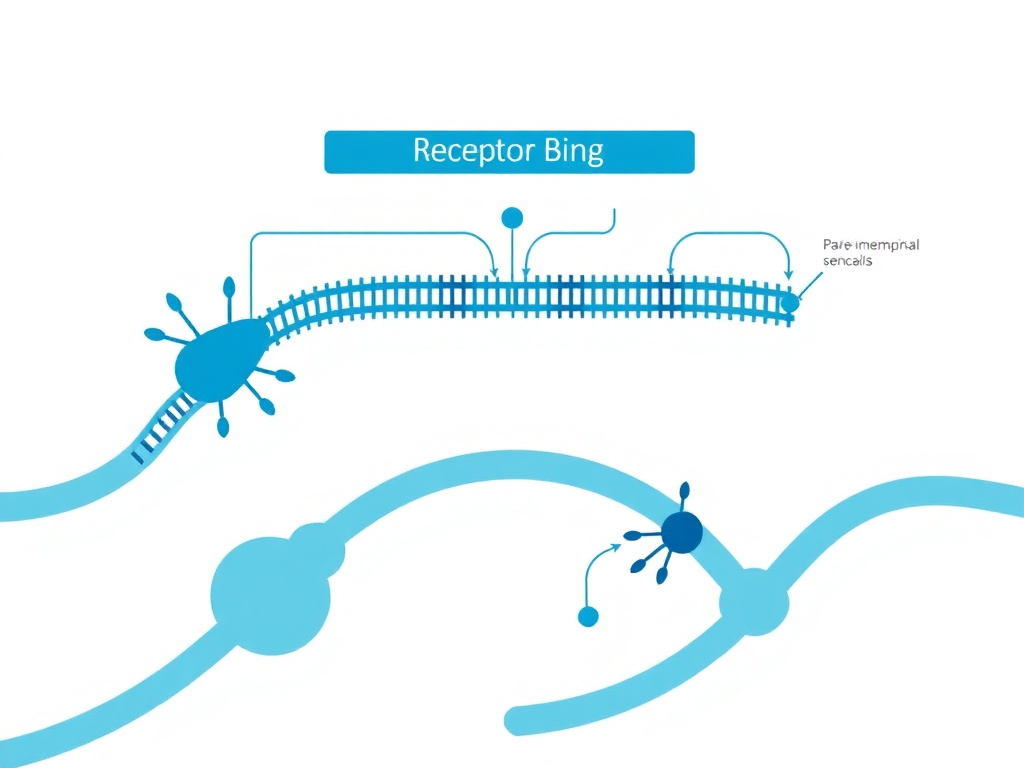
Figure 2: The GHRH signaling cascade from hypothalamic neurons through the GHRH receptor on anterior pituitary somatotrophs
Growth hormone-releasing hormone is the primary physiological stimulator of pulsatile growth hormone secretion from the anterior pituitary gland. To understand how CJC-1295 and Mod GRF 1-29 work, and why they were developed in the first place, you need a solid grounding in GHRH biology. This section covers the neuroendocrine regulation of GH secretion, the molecular pharmacology of the GHRH receptor, and the historical progression from native GHRH to the modern synthetic analogs used in clinical and research settings today.
The Hypothalamic-Pituitary GH Axis
Growth hormone secretion is controlled by a complex interplay of stimulatory and inhibitory signals originating primarily in the hypothalamus. GHRH neurons, concentrated in the arcuate nucleus, synthesize and release GHRH into the hypophyseal portal vasculature, which carries it directly to the anterior pituitary. There, GHRH acts on somatotroph cells, which comprise roughly 35% to 45% of the anterior pituitary cell population, to stimulate both GH synthesis and secretion.
But GHRH doesn't act alone. Somatostatin (also called somatotropin release-inhibiting factor, or SRIF), produced primarily by neurons in the periventricular nucleus of the hypothalamus, provides the counterbalancing inhibitory signal. The alternating pulses of GHRH and somatostatin released into the portal circulation produce the characteristic pulsatile pattern of GH secretion, with major secretory bursts occurring approximately every 2 to 3 hours. The largest GH pulse typically occurs during slow-wave sleep, which is why sleep quality has such a profound effect on GH output.
A third player entered the picture in 1999 with the discovery of ghrelin, a 28-amino-acid peptide produced predominantly by P/D1 cells in the gastric fundus. Ghrelin acts through the growth hormone secretagogue receptor type 1a (GHS-R1a), a distinct receptor from the GHRH receptor, to amplify GH release. The ghrelin and GHRH pathways are complementary: GHRH primarily sets the "tone" of GH secretion by stimulating GH gene transcription and priming somatotrophs for release, while ghrelin amplifies the acute secretory burst. This complementarity is the scientific basis for combining GHRH analogs like CJC-1295 with ghrelin mimetics like ipamorelin.
The GHRH Receptor: Structure and Signaling
The GHRH receptor (GHRHR) is a Class B G protein-coupled receptor (GPCR) with seven transmembrane domains. It's expressed at high levels on anterior pituitary somatotrophs and at lower levels in certain hypothalamic nuclei, including the arcuate and ventromedial nuclei. When GHRH binds to its extracellular domain, the receptor undergoes a conformational change that activates the stimulatory G protein (Gs), which in turn stimulates adenylyl cyclase.
The downstream signaling cascade proceeds through several well-characterized steps:
- cAMP production: Adenylyl cyclase converts ATP to cyclic AMP (cAMP), the primary second messenger in GHRH signaling. Intracellular cAMP levels rise rapidly after receptor activation.
- PKA activation: cAMP activates protein kinase A (PKA), which phosphorylates multiple downstream targets including the transcription factor CREB (cAMP response element-binding protein).
- GH gene transcription: Phosphorylated CREB binds to cAMP response elements in the GH gene promoter, increasing GH mRNA synthesis. This is how GHRH stimulates new GH production, not just release of stored hormone.
- Calcium influx: cAMP also stimulates the opening of voltage-gated calcium channels (L-type) and certain potassium channels on the somatotroph membrane. The resulting calcium influx triggers exocytosis of GH-containing secretory granules.
- Pit-1 activation: The pituitary-specific transcription factor Pit-1 (also known as POU1F1) cooperates with CREB to maintain GH gene expression and somatotroph cell identity. GHRH signaling through PKA enhances Pit-1 activity.
This dual mechanism, increasing both GH synthesis and GH release, distinguishes GHRH analogs from ghrelin mimetics. Compounds like GHRP-6 and hexarelin primarily trigger release of pre-formed GH from secretory granules via the GHS-R1a/PLC/IP3/calcium pathway. GHRH analogs do that too, but they also replenish the GH supply by upregulating transcription. Over time, this means GHRH analogs can sustain GH elevation without depleting pituitary GH stores, a common problem with high-dose ghrelin mimetic monotherapy.
Somatotroph Biology and GH Pulsatility
Somatotrophs aren't a homogeneous population. Research has identified subtypes with different densities of GHRH receptors and GHS-R1a receptors, different amounts of stored GH, and different thresholds for activation. Some somatotrophs respond more strongly to GHRH, others to ghrelin, and the relative proportions of these subtypes can shift with age, nutritional status, and hormonal milieu. This heterogeneity helps explain why combining a GHRH analog with a ghrelin mimetic often produces a GH response that exceeds the sum of either agent alone: the combination recruits a larger fraction of the total somatotroph population.
The pulsatile pattern of GH secretion isn't just an interesting physiological curiosity. It has real functional consequences. Continuous GH exposure and pulsatile GH exposure activate different gene expression programs in target tissues like the liver, muscle, and adipose tissue. For example, pulsatile GH preferentially activates the JAK2/STAT5b signaling pathway in the liver, which drives IGF-1 production and has sex-specific effects on hepatic gene expression. Continuous GH exposure, by contrast, tends to activate a broader array of signaling pathways and can lead to receptor desensitization over time. This is one reason researchers believe that preserving GH pulsatility, as CJC-1295 DAC has been shown to do, matters for achieving the full spectrum of GH's metabolic effects.
Native GHRH: The Starting Point
Human GHRH was first isolated and characterized in 1982 by two independent research groups: Guillemin and colleagues at the Salk Institute, and Vale and colleagues at the same institution, working from pancreatic tumor extracts that had been causing acromegaly in affected patients. The full-length peptide, GHRH(1-44)-NH2, was quickly synthesized and found to potently stimulate GH release when administered intravenously. But therapeutic development hit an immediate wall: the plasma half-life of native GHRH is approximately 5 to 7 minutes following intravenous injection.
The culprit was identified as dipeptidyl peptidase-IV (DPP-IV), a serine protease present on the surface of endothelial cells and circulating in soluble form in plasma. DPP-IV has a well-defined substrate preference: it cleaves dipeptides from the N-terminus of polypeptides that have a proline or alanine residue at position 2. Native GHRH has tyrosine at position 1 and alanine at position 2, making the Tyr1-Ala2 bond a perfect target for DPP-IV. Cleavage at this site produces GHRH(3-44), which is biologically inactive at the GHRH receptor. Additional degradation occurs through other proteases, including trypsin-like enzymes that cleave at basic amino acid residues within the peptide chain.
GRF 1-29 (Sermorelin): The First Clinical Analog
Structure-activity studies in the 1980s revealed that the first 29 amino acids of GHRH contained all the structural information needed for full biological activity at the GHRH receptor. The truncated peptide GRF(1-29)-NH2, later named sermorelin, retained equivalent potency to full-length GHRH while being simpler and cheaper to synthesize. Sermorelin received FDA approval in 1990 as a diagnostic agent for GH deficiency and in 1997 for treatment of idiopathic GH deficiency in children with growth failure.
However, sermorelin shared the same fundamental weakness as native GHRH: rapid degradation by DPP-IV. Its in vivo half-life was measured at 11 to 12 minutes following either intravenous or subcutaneous administration. This meant subcutaneous injections needed to be given multiple times daily for meaningful GH elevation, and even then, the brief pulses of receptor activation produced relatively modest and inconsistent IGF-1 increases compared to recombinant GH therapy. Sermorelin was eventually withdrawn from commercial availability in the United States in 2008 due to manufacturing difficulties, though it remained available through compounding pharmacies.
The Tetrasubstitution Strategy
To overcome DPP-IV degradation, researchers systematically substituted amino acids at positions known to be vulnerable to enzymatic cleavage. The most successful approach involved four substitutions:
| Position | Native Residue | Substituted Residue | Rationale |
|---|---|---|---|
| 2 | Alanine (Ala) | D-Alanine (D-Ala) | D-amino acids resist DPP-IV cleavage at the N-terminal dipeptide bond |
| 8 | Asparagine (Asn) | Glutamine (Gln) | Prevents amide hydrolysis and increases stability against other serum proteases |
| 15 | Glycine (Gly) | Alanine (Ala) | Enhances alpha-helical stability in the receptor-binding domain |
| 27 | Methionine (Met) | Leucine (Leu) | Eliminates methionine oxidation, a common degradation pathway during storage and circulation |
This tetrasubstituted GRF(1-29) became known as Modified GRF 1-29, or Mod GRF 1-29. The substitutions increased the in vivo half-life from approximately 10 minutes (native GRF 1-29) to approximately 30 minutes, a three-fold improvement that made single daily dosing more practical. The D-alanine substitution at position 2 was the most critical change, directly blocking DPP-IV from cleaving the N-terminal dipeptide. And because all four substitutions were at positions outside the core receptor-binding epitope (residues 1-7 and 9-14 are most critical for GHRHR activation), the modified peptide retained full agonist activity at the GHRH receptor.
The Bioconjugation Strategy: Enter the Drug Affinity Complex
While tetrasubstitution improved the half-life of GRF 1-29, a 30-minute half-life still fell far short of what researchers wanted for a once-weekly injectable. A team at ConjuChem Biotechnologies in Montreal pursued a more radical approach: covalent attachment of the peptide to circulating serum albumin. Albumin is the most abundant protein in human plasma (35 to 50 g/L), with a half-life of approximately 19 days. If a peptide could be permanently attached to albumin, it would be cleared from the body at roughly the same rate as albumin itself.
The technology, which ConjuChem called the Drug Affinity Complex (DAC), uses a maleimido reactive group attached to a lysine residue added to the C-terminus of tetrasubstituted GRF 1-29. After subcutaneous injection, this maleimido group reacts with the free thiol on cysteine-34 of circulating serum albumin, forming a stable thioether bond. The bioconjugation occurs within minutes of injection: a Western blot analysis by Jette et al. (2005) showed CJC-1295 immunoreactive species appearing on the albumin band within 15 minutes of injection in rats. This in vivo bioconjugation approach was validated in their paper published in Endocrinology.
The result was dramatic. The half-life of the peptide went from 30 minutes (Mod GRF 1-29 alone) to 5.8 to 8.1 days (CJC-1295 DAC bound to albumin). That's an increase of roughly 280- to 390-fold. A single subcutaneous injection could maintain elevated GH and IGF-1 levels for a week or more, opening the door to once-weekly dosing, a huge practical advantage over peptides requiring multiple daily injections.
The Nomenclature Problem
Before moving on, it's worth addressing a persistent source of confusion. In the peptide research community and at compounding pharmacies, "CJC-1295" can refer to two different compounds depending on context:
- CJC-1295 with DAC (also called CJC-1295 DAC): The original ConjuChem compound with the maleimido-lysine Drug Affinity Complex at the C-terminus. This is the version with the 6-to-8-day half-life that was used in the Teichman et al. clinical trials.
- CJC-1295 without DAC (also called Mod GRF 1-29, Modified GRF 1-29, or CJC-1295 no DAC): The tetrasubstituted GRF 1-29 peptide without the DAC moiety. This has a half-life of roughly 30 minutes.
The confusion arose because both compounds share the same tetrasubstituted peptide backbone. But the presence or absence of the DAC makes an enormous pharmacokinetic difference. Throughout this report, we'll use "CJC-1295 DAC" for the albumin-binding version and "Mod GRF 1-29" for the version without DAC. If you encounter "CJC-1295" without further specification in other sources, you'll need to determine from context which form is being discussed. The Peptide Research Hub maintains updated definitions for all commonly used peptide terminology.
CJC-1295 with DAC: Drug Affinity Complex
CJC-1295 with DAC represents one of the most significant advances in GHRH analog design. By exploiting the body's own albumin as a carrier protein, this compound achieves a pharmacokinetic profile that no previous GHRH analog could match. This section examines its molecular design, the bioconjugation chemistry in detail, its pharmacodynamic effects on the GH/IGF-1 axis, and the unique advantages and potential drawbacks of the DAC approach.
Molecular Architecture
CJC-1295 DAC is built on the same tetrasubstituted GRF(1-29) backbone described in the previous section, with D-Ala at position 2, Gln at position 8, Ala at position 15, and Leu at position 27. To this backbone, a lysine residue is added at the C-terminus (position 30), and to the epsilon-amino group of this lysine, a maleimidopropionic acid (MPA) moiety is conjugated. The complete chemical designation is [D-Ala2, Gln8, Ala15, Leu27]-GRF(1-29)-Lys30(N-epsilon-MPA)-NH2.
The maleimido group is the key to the entire DAC strategy. Maleimides are highly selective for thiol groups under physiological conditions (pH 6.5 to 7.5). They react via a Michael addition with the sulfhydryl group of cysteine residues to form a stable thioether linkage. Human serum albumin has exactly one free (reduced) cysteine residue: Cys-34, located in domain IA of the protein. Approximately 70% to 80% of circulating albumin molecules have Cys-34 in the reduced state (with a free thiol), making it an abundant and accessible target for bioconjugation.
The beauty of this design is its simplicity. You don't need to pre-conjugate the peptide to albumin in a manufacturing facility. Instead, CJC-1295 DAC is injected as a free peptide, and the bioconjugation happens automatically in the bloodstream. Within minutes, the maleimido group finds and reacts with albumin's Cys-34, creating a long-lived peptide-albumin conjugate that circulates for days. The Jette et al. (2005) study in Endocrinology confirmed this mechanism using Western blot analysis: after intravenous injection in rats, a CJC-1295 immunoreactive band appeared at the molecular weight of albumin (approximately 66 kDa) within 15 minutes and persisted for over 24 hours.
The Albumin Advantage
Why albumin? Several properties make it an ideal carrier protein for extending peptide half-life:
- Abundance: Albumin is present at concentrations of 35 to 50 g/L in human plasma, far exceeding the concentration of any injected peptide. There's no shortage of binding partners.
- Long half-life: Human serum albumin has a plasma half-life of approximately 19 days, primarily determined by the FcRn (neonatal Fc receptor) salvage pathway that rescues albumin from lysosomal degradation in endothelial cells.
- Size: At 66.5 kDa, the albumin-peptide conjugate is too large for renal filtration (the glomerular filtration threshold is approximately 60 kDa), preventing the kidney clearance that rapidly eliminates small peptides.
- Distribution: Albumin distributes extensively into the interstitial space, carrying the conjugated peptide with it. This means CJC-1295 DAC can access the pituitary (which sits outside the blood-brain barrier) effectively.
The net effect is a half-life extension from roughly 30 minutes to 5.8 to 8.1 days, as measured in the Teichman et al. clinical trials. But the actual half-life of the conjugate is shorter than albumin's intrinsic 19-day half-life. This is likely because the thioether bond, while stable, can undergo slow hydrolysis, and the peptide moiety may also undergo some degree of proteolytic cleavage even while conjugated to albumin. Regardless, the practical result is that a single injection produces meaningful GH/IGF-1 elevation lasting 7 to 14 days.
Pharmacodynamics: GH and IGF-1 Response
The Teichman et al. (2006) study provides the most detailed pharmacodynamic characterization of CJC-1295 DAC in humans. The two trials enrolled healthy subjects aged 21 to 61:
Single-Dose Trial (28 days): Subjects received a single subcutaneous injection of CJC-1295 DAC at doses ranging from 30 to 60 mcg/kg or placebo. Results showed:
- Mean plasma GH concentrations increased 2- to 10-fold in a dose-dependent manner
- GH elevation persisted for 6 days or more after a single injection
- Mean plasma IGF-1 concentrations increased 1.5- to 3-fold
- IGF-1 elevation persisted for 9 to 11 days after a single injection
Multiple-Dose Trial (49 days): Subjects received two or three weekly or biweekly injections of CJC-1295 DAC at similar dose ranges. Results showed:
- Sustained IGF-1 elevation above baseline for up to 28 days
- No evidence of tachyphylaxis (loss of response) over the treatment period
- Dose-proportional increases in both GH and IGF-1 area under the curve (AUC)
These numbers are significant when placed in context. Recombinant GH therapy (such as 0.3 mg/day somatropin) typically increases IGF-1 by 50% to 100% in GH-deficient adults. CJC-1295 DAC produced IGF-1 increases of 50% to 200% from a single injection, suggesting comparable or superior IGF-1 stimulation through a mechanism that preserves physiological GH secretion. And because CJC-1295 DAC works through the pituitary rather than bypassing it, the GH response is self-limiting: somatostatin feedback, short-loop GH feedback at the hypothalamus, and long-loop IGF-1 feedback all remain intact. This creates a natural ceiling effect that reduces the risk of GH excess compared to direct rhGH injections.
Preserved Pulsatility: A Critical Feature
One of the most important findings in the CJC-1295 research program came from Ionescu and Bhatt's 2006 study examining whether long-acting GHRH stimulation would flatten the natural pulsatile pattern of GH secretion. The concern was logical: if the GHRH receptor is continuously activated by a long-lived agonist, wouldn't the somatotrophs simply release GH continuously rather than in pulses?
The answer was no. GH secretion remained pulsatile during CJC-1295 DAC treatment, with preserved frequency and increased amplitude of secretory bursts. Trough GH levels were slightly elevated compared to baseline, but the characteristic peak-trough pattern was maintained. The researchers attributed this to the ongoing counterregulatory influence of somatostatin: even though GHRH receptor activation was continuous, somatostatin release continued to cycle on and off, periodically suppressing GH release and maintaining pulsatility.
This finding has practical significance. As discussed earlier, pulsatile GH exposure activates different signaling pathways in target tissues than continuous exposure. The JAK2/STAT5b pathway, which drives hepatic IGF-1 production and has important roles in sex-specific metabolism, is preferentially activated by pulsatile GH. By preserving pulsatility, CJC-1295 DAC may offer a more physiologically appropriate GH stimulus than direct GH replacement, which delivers supraphysiological peaks followed by rapid clearance with no true pulsatile pattern.
Serum Protein Profile Changes
A proteomics analysis by Sackmann-Sala et al. (2009), published in Proteomics - Clinical Applications, examined the serum protein profile changes induced by CJC-1295 DAC in healthy subjects from the Teichman clinical trials. Using 2D gel electrophoresis and mass spectrometry, the researchers identified changes in 22 protein spots, representing proteins involved in lipid metabolism, coagulation, immune function, and carrier protein activity. These changes were consistent with the known effects of GH/IGF-1 axis activation and provided additional biomarker evidence that CJC-1295 DAC was producing meaningful, broad-spectrum GH signaling in target tissues, not just isolated increases in circulating GH and IGF-1 concentrations.
Potential Drawbacks of the DAC Approach
The DAC technology isn't without theoretical limitations:
Considerations with CJC-1295 DAC
- Continuous GHRH stimulation: While pulsatility is preserved, the baseline GHRH tone is continuously elevated. Over very long treatment periods (months to years), there's a theoretical concern about somatotroph desensitization or hyperplasia, though this hasn't been demonstrated in the relatively short human studies conducted to date.
- Less control over GH timing: Because the peptide-albumin conjugate is long-lived, you can't easily "turn off" GH stimulation once injected. With short-acting peptides like Mod GRF 1-29, you can time injections around sleep, training, or fasting to match your desired GH elevation windows.
- IGF-1 accumulation: With weekly dosing, IGF-1 levels can remain chronically elevated. While the feedback mechanisms prevent extreme elevations, sustained IGF-1 above the upper normal range raises theoretical concerns about long-term proliferative effects in individuals with pre-existing neoplasms.
- Irreversibility of albumin binding: Once conjugated, the peptide can't be removed from albumin. If an adverse reaction occurs, you have to wait for the conjugate to be naturally cleared over several days.
These considerations are theoretical at current evidence levels. The clinical trial data showed good tolerability at doses of 30 to 60 mcg/kg, with no serious adverse events attributable to CJC-1295 DAC itself. However, longer-term safety data is limited, and the compound never advanced beyond Phase II clinical trials before development was discontinued. The Science & Research page provides updated information on the safety monitoring of GHRH analogs as new data becomes available.
Mod GRF 1-29 (CJC-1295 no DAC)

Mod GRF 1-29 is the tetrasubstituted form of GRF(1-29) without the Drug Affinity Complex. It shares the same peptide backbone as CJC-1295 DAC but lacks the C-terminal lysine-maleimido extension that enables albumin binding. The result is a GHRH analog with a half-life of approximately 30 minutes, producing acute, pulsatile GH release that closely mirrors the natural pattern of hypothalamic GHRH stimulation. For many researchers and clinicians, this shorter-acting profile is actually the preferred option because it allows precise control over the timing of GH pulses.
Chemical Structure and Stability
The amino acid sequence of Mod GRF 1-29 is: Tyr-D-Ala-Asp-Ala-Ile-Phe-Thr-Gln-Ser-Tyr-Arg-Lys-Val-Leu-Ala-Gln-Leu-Ser-Ala-Arg-Lys-Leu-Leu-Gln-Asp-Ile-Leu-Ser-Arg-NH2. The four substitutions (D-Ala2, Gln8, Ala15, Leu27) accomplish the following:
- Position 2 (D-Alanine): This is the single most important modification. The D-configuration of alanine at position 2 prevents DPP-IV from recognizing and cleaving the Tyr1-D-Ala2 bond. DPP-IV is stereospecific for L-amino acids at the P1' position, so introducing a D-amino acid renders the bond resistant to cleavage. This modification alone extends the half-life from about 7 minutes to approximately 20 minutes.
- Position 8 (Glutamine replacing Asparagine): Asparagine is susceptible to deamidation, a non-enzymatic chemical degradation process where the amide side chain is hydrolyzed. This is particularly problematic during peptide storage but also occurs in vivo. Glutamine has a longer side chain that makes deamidation kinetically less favorable, improving both shelf stability and in vivo integrity.
- Position 15 (Alanine replacing Glycine): Glycine is a helix-breaking residue due to its high conformational flexibility. The GHRH receptor-binding domain requires an alpha-helical conformation for optimal receptor interaction. Replacing glycine with alanine, a strong helix-promoting residue, stabilizes the bioactive conformation and may slightly improve receptor binding affinity.
- Position 27 (Leucine replacing Methionine): Methionine is vulnerable to oxidation, both during manufacturing and storage and during circulation in vivo. The sulfur atom in methionine's side chain readily reacts with reactive oxygen species to form methionine sulfoxide, which alters the peptide's conformation and can reduce receptor binding. Leucine is an isosteric replacement that eliminates this oxidation vulnerability while maintaining the hydrophobic character needed at this position.
Together, these four changes increase the effective half-life from about 7 to 10 minutes (native GRF 1-29) to approximately 30 minutes, while maintaining full agonist potency at the GHRH receptor. The peptide's molecular weight is approximately 3,367 Da, classifying it as a small peptide that's easily synthesized, readily dissolved in bacteriostatic water, and quickly absorbed after subcutaneous injection.
Pharmacokinetic Profile
After subcutaneous injection, Mod GRF 1-29 is absorbed into the bloodstream within minutes. Peak plasma concentrations typically occur 5 to 15 minutes post-injection, depending on the injection site and subcutaneous blood flow. The peptide then activates GHRH receptors on anterior pituitary somatotrophs, triggering a GH secretory pulse that typically peaks 15 to 30 minutes after injection and returns to near-baseline levels within 2 to 3 hours.
This pharmacokinetic profile means Mod GRF 1-29 produces GH pulses rather than sustained elevation. Each injection creates a single, discrete pulse of GH release that mimics what a bolus of endogenous GHRH would produce. The amplitude of the pulse is dose-dependent: higher doses produce larger GH peaks, up to a ceiling effect where somatotroph secretory capacity is maximally stimulated. In practice, the typical research dose of 100 mcg (sometimes expressed as 1 mcg/kg in a 100-kg individual) produces a significant GH pulse in most subjects.
The rapid clearance of Mod GRF 1-29 has both advantages and disadvantages compared to CJC-1295 DAC. On the advantage side, it allows users to time their GH pulses strategically, for example before bed (to amplify the natural nocturnal GH surge), after training (to capitalize on the exercise-induced GH response), or during fasting (when GH is naturally elevated for lipolytic effects). On the disadvantage side, it requires multiple daily injections to achieve meaningful 24-hour GH elevation, which reduces convenience and compliance compared to once-weekly CJC-1295 DAC dosing.
Receptor Pharmacology
Mod GRF 1-29 is a full agonist at the GHRH receptor with essentially the same binding affinity and intrinsic efficacy as native GHRH(1-29). This means it activates the same downstream signaling cascade, Gs-coupled adenylyl cyclase activation, cAMP production, PKA phosphorylation, CREB activation, and calcium channel opening, as the endogenous hormone. The only difference is duration: Mod GRF 1-29 occupies the receptor for a shorter period before being cleared, resulting in a more transient signal.
There's an important pharmacological concept here: receptor occupancy time affects downstream signaling in non-linear ways. Very brief receptor occupancy (as with native GHRH, which is degraded within minutes) may not fully activate all downstream pathways because some, like GH gene transcription, require sustained PKA/CREB signaling to produce measurable effects. Mod GRF 1-29's 30-minute half-life provides long enough receptor occupancy to activate both the acute secretory pathway (calcium-dependent exocytosis) and the transcriptional pathway (CREB-dependent GH gene expression), making it more effective per pulse than native GHRH despite having identical receptor affinity.
Why Many Practitioners Prefer Mod GRF 1-29
Despite the convenience advantage of CJC-1295 DAC, a significant proportion of practitioners and researchers prefer Mod GRF 1-29 for several reasons:
- Physiological mimicry: The acute, pulsatile GH release pattern produced by Mod GRF 1-29 more closely resembles natural GH secretion than the sustained elevation from CJC-1295 DAC. Some researchers believe this provides a more "natural" stimulus that may have advantages for long-term use.
- Timing control: You can choose exactly when GH pulses occur. This allows strategic timing around sleep, exercise, meals, or other events that affect GH's metabolic actions. With CJC-1295 DAC, GH stimulation is always "on."
- Rapid offset: If side effects occur, they resolve quickly because the peptide is cleared within a few hours. With CJC-1295 DAC, you're committed to several days of continued GH stimulation regardless of any adverse effects.
- Combination flexibility: Mod GRF 1-29 is more commonly used in combination with short-acting GHRPs like ipamorelin because the synchronized timing of the GH pulse from both compounds produces a larger combined response than would occur with a long-acting background GHRH stimulus.
- Less IGF-1 accumulation: Because GH elevation is intermittent rather than sustained, 24-hour integrated IGF-1 levels tend to be lower than with CJC-1295 DAC. For individuals concerned about chronic IGF-1 elevation, this may be preferred.
Limitations of Mod GRF 1-29
The short half-life that provides timing control also creates practical challenges:
- Multiple daily injections: To achieve meaningful 24-hour GH elevation, most protocols call for 2 to 3 injections per day, typically pre-bed and post-training at minimum. This is less convenient than once-weekly CJC-1295 DAC.
- Inconsistent absorption: Subcutaneous absorption varies with injection site, local blood flow, subcutaneous fat thickness, and physical activity level. This can produce variable GH pulse amplitudes from the same dose.
- Sensitivity to feeding state: GHRH-induced GH release is blunted by elevated free fatty acids and glucose, which occur after meals. Mod GRF 1-29 should ideally be injected on an empty stomach (at least 30 minutes before or 2 hours after eating) for optimal effect.
- Storage requirements: While more stable than native GHRH, Mod GRF 1-29 still requires refrigeration after reconstitution and is sensitive to light, heat, and mechanical agitation. The peptide should be stored at 2-8 degrees Celsius and used within 3 to 4 weeks of reconstitution.
For researchers or individuals who value convenience over timing precision, CJC-1295 DAC may be the better choice. For those who want maximum control over their GH secretion pattern and are willing to manage a multi-injection daily protocol, Mod GRF 1-29 (especially in combination with a GHRP) offers a more targeted approach. The free assessment can help determine which approach aligns best with your individual goals and lifestyle.
Pharmacokinetics Comparison
How do native GHRH, Mod GRF 1-29, and CJC-1295 DAC compare in terms of pharmacokinetics? The differences are striking and drive nearly every practical decision about which compound to use, how to dose it, and what kind of GH response to expect. This section provides a head-to-head comparison using data from published clinical and preclinical studies, covering absorption, distribution, metabolism, elimination, and the downstream GH/IGF-1 pharmacodynamics that result from each compound's unique pharmacokinetic profile.
Half-Life Comparison
Half-Life Comparison: Native GHRH vs. Mod GRF 1-29 vs. CJC-1295 DAC
Native GHRH: ~7 minutes | Mod GRF 1-29: ~30 minutes | CJC-1295 DAC: ~4,320 minutes (3 days minimum, up to 8.1 days)
The chart above illustrates the enormous range in half-lives across these three compounds. Native GHRH, with a half-life of approximately 7 minutes, is essentially a bolus signal that fires and extinguishes almost immediately. Mod GRF 1-29 extends this roughly four-fold to about 30 minutes, which is long enough for a single injection to produce a meaningful GH pulse. And CJC-1295 DAC extends the half-life by a factor of 600 or more, to 5.8 to 8.1 days, enabling once-weekly dosing.
To put these numbers in practical terms: if you injected 100 mcg of each compound at 10:00 PM, here's what would happen over the following 24 hours:
| Compound | Peak GH Pulse | Return to Baseline | Net 24-hour GH Exposure |
|---|---|---|---|
| Native GHRH | 10:15-10:30 PM | 11:00-11:30 PM | Very low - single brief pulse |
| Mod GRF 1-29 | 10:15-10:45 PM | 12:30-1:00 AM | Low-moderate - one extended pulse |
| CJC-1295 DAC | 10:30 PM-2:00 AM (initial) | Still elevated at 24 hours | High - sustained elevation with superimposed pulses |
Absorption Kinetics
All three compounds are administered subcutaneously, and their absorption profiles differ meaningfully:
Native GHRH: Rapid absorption from the subcutaneous depot into the bloodstream, reaching peak plasma concentration within 5 to 10 minutes. However, degradation by DPP-IV and other proteases in the subcutaneous tissue and bloodstream begins immediately, so a substantial fraction of the injected dose is inactivated before reaching the pituitary. The bioavailability of native GHRH after subcutaneous injection is estimated at only 20% to 30% of the IV bioavailability.
Mod GRF 1-29: Also rapidly absorbed, with peak plasma concentrations occurring within 5 to 15 minutes of subcutaneous injection. Because the D-Ala2 substitution protects against DPP-IV cleavage, a higher fraction of the injected dose reaches the systemic circulation in bioactive form. Subcutaneous bioavailability is estimated at 40% to 60%, roughly double that of native GHRH. The peptide still undergoes some degradation by other proteases and renal clearance, but the net result is more consistent GH pulse amplitude from a given dose.
CJC-1295 DAC: Absorption from the subcutaneous depot is somewhat slower due to the larger molecular size of the peptide-maleimido conjugate (approximately 3,647 Da before albumin binding). Peak free peptide concentration in plasma occurs within 15 to 30 minutes, but the bioconjugation with albumin happens concurrently, so the "peak" is really a transition from free peptide to albumin-bound conjugate. Within 1 to 2 hours, essentially all circulating CJC-1295 is albumin-bound. The bioavailability approaches 100% because the albumin conjugation protects the peptide from essentially all proteolytic degradation pathways.
Distribution
Distribution kinetics represent another major difference between these compounds:
Native GHRH and Mod GRF 1-29: As small peptides (approximately 3,300 to 3,400 Da), these compounds distribute rapidly into the extracellular fluid compartment. Their volume of distribution is approximately 15 to 20 L in a 70-kg adult, consistent with distribution into plasma plus readily accessible interstitial fluid. They cross capillary walls freely but don't penetrate cell membranes. Their small size also means they're freely filtered by the kidneys, contributing to their rapid clearance.
CJC-1295 DAC (albumin-bound): Once conjugated to albumin, CJC-1295 distributes with a volume of distribution of approximately 4 to 5 L, consistent with the plasma volume. This is because albumin, while able to enter the interstitial space via transcytosis, does so slowly and with a transcapillary escape rate of roughly 5% per hour. The slow distribution means CJC-1295 DAC remains at higher concentrations in the plasma (where the pituitary is accessible) compared to a small peptide that rapidly equilibrates into the interstitial compartment. This is actually an advantage for pituitary targeting.
Metabolism and Elimination
Native GHRH: Metabolized primarily by DPP-IV cleavage at the Tyr1-Ala2 bond, producing the inactive fragment GHRH(3-44). Additional degradation occurs through trypsin-like proteases, aminopeptidases, and renal clearance of intact peptide and fragments. The dominant elimination pathway is enzymatic degradation, with a metabolic clearance rate of approximately 200 to 300 mL/min, exceeding the glomerular filtration rate and indicating substantial extrahepatic metabolism.
Mod GRF 1-29: The D-Ala2 substitution blocks DPP-IV cleavage, but other degradation pathways remain active: C-terminal endopeptidases, aminopeptidases (which can cleave the Tyr1-D-Ala2 bond slowly), and renal filtration of intact peptide. The overall metabolic clearance rate is lower than native GHRH (approximately 80 to 120 mL/min), explaining the longer half-life. Renal clearance accounts for a higher proportion of total clearance compared to native GHRH because the enzymatic pathway is partially blocked.
CJC-1295 DAC: Once bound to albumin, the conjugate is eliminated primarily through the same pathways as albumin itself: endosomal uptake in endothelial cells, with FcRn-mediated recycling protecting most of the conjugate from lysosomal degradation. The fraction that escapes FcRn recycling is degraded in lysosomes to amino acids and small peptide fragments. There's likely also some slow hydrolysis of the thioether bond linking CJC-1295 to albumin's Cys-34, releasing free peptide that is then rapidly cleared. The overall elimination half-life of 5.8 to 8.1 days is shorter than albumin's 19-day half-life, suggesting that the peptide moiety does undergo some additional clearance mechanisms beyond simple albumin turnover.
Pharmacodynamic Comparison: GH Response Patterns
The pharmacokinetic differences translate directly into different GH secretion patterns:
| Parameter | Native GHRH | Mod GRF 1-29 | CJC-1295 DAC |
|---|---|---|---|
| GH pulse duration | 30-60 min | 60-120 min | Continuous elevation with superimposed pulses |
| Peak GH increase | 3-5x baseline | 3-8x baseline | 2-10x baseline (dose-dependent) |
| IGF-1 increase | Minimal (too brief) | Modest (1.2-1.5x with multiple daily doses) | 1.5-3x from single injection |
| IGF-1 duration | Hours | Hours per pulse | 9-11 days |
| Pulsatility preserved | Yes (too brief to disrupt) | Yes | Yes (demonstrated in clinical study) |
| Somatotroph desensitization risk | Very low | Low | Theoretical concern, not yet demonstrated |
| Optimal for acute GH pulse | No (too short) | Yes | No (produces sustained elevation) |
| Optimal for IGF-1 elevation | No | Moderate (requires multiple daily doses) | Yes (single weekly injection) |
Implications for Clinical Use
These pharmacokinetic profiles create clear use cases for each compound. If the primary goal is IGF-1 elevation for its anabolic and tissue-repair effects, CJC-1295 DAC's sustained stimulation is superior because it provides the continuous GHRH drive needed to maintain elevated IGF-1 over days. If the primary goal is to amplify specific GH pulses, for example the nocturnal pulse or the post-exercise pulse, then Mod GRF 1-29's short-acting profile allows precise timing without background stimulation at other times.
For body composition applications, both approaches can be effective. CJC-1295 DAC raises 24-hour integrated GH exposure more efficiently (because it doesn't require multiple daily injections), which is the parameter most closely correlated with lipolysis and lean mass preservation. But Mod GRF 1-29, especially when combined with ipamorelin, can produce very large acute GH pulses that may be superior for specific applications like post-training recovery or fasting-enhanced fat oxidation.
The choice between the two often comes down to lifestyle factors. Busy professionals who want a simple once-weekly injection may prefer CJC-1295 DAC. Athletes or biohackers who want maximum control and don't mind multiple daily injections may prefer Mod GRF 1-29. And some protocols use both: CJC-1295 DAC once weekly for baseline IGF-1 support, plus Mod GRF 1-29/ipamorelin before bed for amplified nocturnal GH pulses. The Biohacking Hub covers additional strategies for optimizing growth hormone through lifestyle and peptide protocols.
Clinical Research Data

What does the clinical research actually show about CJC-1295 and Mod GRF 1-29? This section provides a comprehensive review of published clinical trials, preclinical studies, and mechanistic investigations involving these GHRH analogs. While the total volume of published human data is smaller than what exists for compounds like semaglutide or recombinant GH, the available studies are methodologically sound and provide meaningful insights into efficacy, safety, and potential clinical applications.
The Teichman et al. Phase I/II Trials (2006)
The most comprehensive human data on CJC-1295 DAC comes from two randomized, placebo-controlled, double-blind, ascending-dose studies conducted at two investigational sites and published by Teichman SL, Neale A, Lawrence B, et al. in the Journal of Clinical Endocrinology and Metabolism (2006;91(3):799-805). These trials remain the gold-standard evidence base for CJC-1295 DAC's pharmacological effects in humans.
Study 1: Single-Dose, 28-Day Study
This first trial enrolled healthy adults aged 21 to 61 years. Subjects were randomized to receive a single subcutaneous injection of CJC-1295 DAC at one of four ascending doses or matching placebo. The dose range was selected based on preclinical toxicology data and pharmacokinetic modeling. The primary endpoints were peak GH concentration, GH area under the curve (AUC), peak IGF-1 concentration, and IGF-1 AUC measured over the 28-day follow-up period.
Key findings from the single-dose study:
- GH concentrations increased in a dose-dependent fashion, with mean increases of 2- to 10-fold above baseline
- The GH elevation persisted for 6 or more days after the single injection
- IGF-1 concentrations increased 1.5- to 3-fold above baseline
- IGF-1 elevation persisted for 9 to 11 days, longer than the GH elevation itself, reflecting the cumulative effect of sustained GH stimulation on hepatic IGF-1 production
- The estimated elimination half-life of CJC-1295 ranged from 5.8 to 8.1 days across dose groups
- No serious adverse events were reported
- The most common adverse events were injection-site reactions: transient pain, swelling, and induration, sometimes with local urticaria
Study 2: Multiple-Dose, 49-Day Study
The second trial administered CJC-1295 DAC as two or three injections on a weekly or biweekly schedule over 49 days, again in an ascending-dose design with placebo control. This study addressed the critical question of whether repeated dosing would produce cumulative GH/IGF-1 elevation or whether tachyphylaxis (diminishing response) would develop.
Key findings from the multiple-dose study:
- Mean IGF-1 levels remained above baseline for up to 28 days after the start of dosing
- There was no evidence of tachyphylaxis over the 49-day treatment period; the GH and IGF-1 responses to each injection were similar in magnitude
- The dose-response relationship was consistent across both the single-dose and multiple-dose phases
- No serious adverse events occurred; the safety profile was similar to the single-dose study
- Doses of 30 and 60 mcg/kg were identified as well-tolerated and effective
Clinical Significance
The absence of tachyphylaxis is particularly significant. Many peptide receptor systems show desensitization with continuous or repeated stimulation, for example the GnRH receptor downregulates with continuous GnRH agonist exposure (the basis for leuprolide therapy in prostate cancer). The fact that GHRH receptor signaling in somatotrophs doesn't appear to desensitize during weeks of CJC-1295 DAC treatment suggests that the preserved pulsatility of GH release (demonstrated in the Ionescu study) plays a role in maintaining receptor sensitivity.
The Ionescu and Bhatt Pulsatility Study (2006)
Published in the Journal of Clinical Endocrinology and Metabolism (2006;91(12):4792-4797), this study specifically examined whether CJC-1295 DAC's long-acting GHRH stimulation would disrupt the normal pulsatile pattern of GH secretion. This was a critical mechanistic question because the therapeutic advantages of a GHRH analog over direct rhGH injection depend partly on maintaining physiological GH secretion dynamics.
The study used 20-minute frequent blood sampling over 24-hour periods (a gold-standard method for characterizing GH pulsatility) before and during CJC-1295 DAC treatment. Deconvolution analysis was applied to the GH concentration-time series to quantify pulse frequency, pulse amplitude, interpulse (trough) GH levels, and total GH secretion.
Key findings:
- GH secretion was significantly increased after CJC-1295 DAC administration
- The pulsatile pattern of GH release was preserved, meaning that GH continued to be secreted in discrete pulses rather than as a continuous stream
- Both trough GH levels and mean GH levels were elevated, indicating a "resetting" of the GH secretory tone to a higher level
- Pulse amplitude was increased, meaning each secretory burst released more GH
- The preservation of pulsatility was attributed to the ongoing cyclical release of somatostatin from the hypothalamus, which periodically suppressed GH release even in the presence of continuous GHRH receptor activation
This finding is significant because it distinguishes CJC-1295 DAC from exogenous GH injections, which produce a supraphysiological spike followed by rapid clearance without any pulsatile pattern. The preserved pulsatility suggests that the downstream signaling effects of CJC-1295 DAC-stimulated GH may be more similar to normal physiological GH signaling than what occurs with rhGH therapy. For individuals comparing GHRH analog therapy to direct GH replacement, this is a key differentiating factor.
The Jette et al. Bioconjugation Study (2005)
Published in Endocrinology (2005;146(7):3052-3058), this preclinical study established the molecular mechanism of CJC-1295 DAC's albumin binding. Using three maleimido derivatives of human GRF(1-29), the researchers demonstrated that CJC-1295 (the compound with the highest GH-releasing activity among the three) covalently conjugated to serum albumin's Cys-34 residue in vivo.
Key technical findings:
- Three maleimido-GRF conjugates were synthesized and tested: they differed in the position and linker chemistry of the maleimido group
- All three conjugates were bioactive in a GH secretion assay using cultured rat anterior pituitary cells, confirming that the maleimido modification didn't impair receptor agonism
- All three showed enhanced stability against DPP-IV compared to native GRF(1-29)
- Western blot analysis of rat plasma after IV injection showed CJC-1295 immunoreactivity co-migrating with the albumin band (approximately 66 kDa), appearing within 15 minutes of injection and persisting beyond 24 hours
- CJC-1295 was selected as the lead compound based on its combination of GH-releasing potency, bioconjugation efficiency, and pharmacokinetic profile
The Alba et al. GHRH Knockout Mouse Study (2006)
Published in the American Journal of Physiology - Endocrinology and Metabolism (2006;291(6):E1290-E1294), this preclinical study examined whether once-daily CJC-1295 could normalize growth in GHRH knockout mice, a model of severe GH deficiency. The GHRH knockout mouse lacks endogenous GHRH production and consequently has severely reduced GH secretion, low IGF-1 levels, and significantly reduced body weight and linear growth.
Key findings:
- Once-daily subcutaneous CJC-1295 administration normalized body weight gain in GHRH knockout mice over the treatment period
- IGF-1 levels were restored toward normal
- The growth-promoting effect was dose-dependent
- These results provided proof-of-concept that CJC-1295 could functionally replace endogenous GHRH signaling in a complete GHRH deficiency state
This study was important for establishing that CJC-1295's mechanism of action is specifically through the GHRH receptor pathway. The knockout mice lacked GHRH but had intact GHRH receptors on their somatotrophs. The fact that CJC-1295 normalized growth confirmed that it was activating those receptors directly, not working through some alternative pathway.
The Sackmann-Sala Proteomics Study (2009)
This study, published in Proteomics - Clinical Applications (2009;3(6):789-798), used a proteomics approach to characterize the downstream biological effects of CJC-1295 DAC treatment. Using 2D gel electrophoresis and mass spectrometry on serum samples from the Teichman clinical trials, the researchers identified 22 protein spots that changed significantly during CJC-1295 treatment.
The changed proteins fell into several functional categories:
- Lipid metabolism: Changes in apolipoprotein levels consistent with GH's known lipolytic effects
- Coagulation: Alterations in fibrinogen and other coagulation factors
- Immune function: Changes in complement proteins and immunoglobulin levels
- Carrier proteins: Alterations in transthyretin and retinol-binding protein
These changes are consistent with the known proteomic signature of GH/IGF-1 axis activation and confirmed that CJC-1295 DAC was producing meaningful biological effects beyond simply raising circulating GH and IGF-1 concentrations. The proteomic profile changes were similar to those seen with direct GH administration, supporting the view that CJC-1295 DAC-stimulated GH has the same spectrum of biological activity as exogenous GH.
The HIV Lipodystrophy Trial (2006)
ConjuChem conducted a Phase II clinical trial evaluating CJC-1295 DAC in 192 HIV-positive patients with lipodystrophy, a condition characterized by abnormal fat distribution (visceral fat accumulation and subcutaneous fat loss) that is common in individuals receiving antiretroviral therapy. The trial was a multicenter, randomized, placebo-controlled, double-blind study using weekly CJC-1295 DAC injections.
This trial was halted prematurely after one participant suffered a fatal myocardial infarction approximately two hours after receiving the 11th weekly dose. The attending physician determined that the most likely explanation was pre-existing asymptomatic coronary artery disease with plaque rupture, and the event was considered unrelated to CJC-1295 DAC treatment. However, the trial was terminated as a precautionary measure, and the full results were never published in a peer-reviewed journal.
Important Context
The termination of this trial effectively ended CJC-1295 DAC's pharmaceutical development pathway. While the single death was deemed unrelated to the study drug by investigators, the incident prevented completion of the Phase II program and collection of the efficacy data that would have been needed to proceed to Phase III. It should be noted that HIV-positive patients with lipodystrophy have elevated baseline cardiovascular risk, making this a challenging population for any clinical trial. No causative link between CJC-1295 DAC and the cardiac event was established.
Preclinical Data on Mod GRF 1-29
Mod GRF 1-29 specifically (as distinct from CJC-1295 DAC) has a smaller published clinical evidence base because it was developed primarily as a research tool and compounding pharmacy peptide rather than as a pharmaceutical product undergoing formal clinical development. However, the pharmacology of Mod GRF 1-29 is well-characterized based on its parent compound (sermorelin, which has extensive clinical data from its FDA-approved uses) and on the understanding that the four amino acid substitutions improve stability without altering receptor pharmacology.
The clinical data on sermorelin (unmodified GRF 1-29) provides a reasonable proxy for what Mod GRF 1-29 does, with the caveat that Mod GRF 1-29's longer half-life produces larger and more consistent GH pulses per injection. Sermorelin's clinical track record includes FDA approval for diagnosis of GH deficiency (1990) and treatment of growth failure in children with idiopathic GH deficiency (1997), confirming that GHRH receptor agonism by GRF 1-29 peptides can produce clinically meaningful GH and IGF-1 stimulation.
Combination Studies: CJC-1295 + Ipamorelin
While there are no published, peer-reviewed randomized controlled trials evaluating the specific combination of Mod GRF 1-29 and ipamorelin, the pharmacological rationale for combining a GHRH analog with a ghrelin mimetic is supported by extensive research on the complementary mechanisms of these two pathways. Studies examining the combination of GHRH with various GHS-R1a agonists (including GHRP-6 and GHRP-2) have consistently shown additive or additive-or-greater GH release compared to either agent alone.
Raun et al. (1998) published the foundational characterization of ipamorelin in European Journal of Endocrinology, establishing it as the first selective growth hormone secretagogue. Their research demonstrated that ipamorelin produced dose-dependent GH release without significantly affecting ACTH or cortisol levels, even at doses more than 200-fold higher than the ED50 for GH release. This selectivity profile makes ipamorelin the preferred GHRP to combine with GHRH analogs because it adds GH-releasing stimulus without the cortisol and prolactin side effects seen with less selective GHRPs like GHRP-6 or hexarelin.
The theoretical basis for the combination's efficacy is sound: GHRH and ghrelin act through different receptor systems (GHRHR and GHS-R1a, respectively) that converge on the somatotroph but use different intracellular signaling cascades. GHRH primarily activates the Gs/cAMP/PKA pathway, while ghrelin primarily activates the Gq/PLC/IP3/calcium pathway with additional involvement of PKC. These parallel pathways provide complementary stimulation of both GH release (from stored granules) and GH synthesis (transcriptional activation), potentially producing a combined response that exceeds the mathematical sum of either agent alone.
Combination Protocols
Combining a GHRH analog with a growth hormone secretagogue (GHS) is the most widely used strategy for maximizing GH output from peptide therapy. The principle is straightforward: GHRH analogs and ghrelin mimetics activate different receptor systems on pituitary somatotrophs, and when used together, they produce additive or greater-than-additive GH release. This section covers the most common combination protocols, the pharmacological rationale for each, and practical considerations for implementation.
The GHRH + GHRP combined enhancement Principle
The concept of GHRH-GHRP combined enhancement was established in the early 1990s when researchers observed that co-administration of GHRH with growth hormone-releasing peptides produced GH responses far exceeding what either compound produced alone. In some studies, the combined GH release was 3 to 5 times greater than the sum of the individual responses, a phenomenon called pharmacological combined effect (as distinct from simple additivity).
The mechanism underlying this combined enhancement involves the different intracellular signaling pathways activated by each receptor class:
- GHRH receptor pathway: Gs protein activation leads to adenylyl cyclase stimulation, cAMP production, and PKA activation. PKA phosphorylates L-type calcium channels (increasing calcium entry), CREB (increasing GH gene transcription), and various other targets. The net effect is both increased GH synthesis and calcium-dependent exocytosis of GH secretory granules.
- GHS-R1a (ghrelin receptor) pathway: Gq protein activation leads to phospholipase C (PLC) stimulation, IP3 production, and release of calcium from intracellular endoplasmic reticulum stores. PKC is also activated. The calcium release from intracellular stores combines with the extracellular calcium influx driven by GHRH signaling to produce a larger total calcium signal, driving more vigorous exocytosis.
The combined enhancement arises because calcium from two different sources (extracellular influx via GHRH and intracellular release via GHS-R1a) converges on the exocytotic machinery. Neither pathway alone saturates the calcium-responsive elements that drive granule fusion with the plasma membrane. When both pathways are activated simultaneously, the combined calcium signal exceeds the threshold needed for maximum exocytotic response.
Protocol 1: Mod GRF 1-29 + Ipamorelin (Most Common)
This is by far the most widely used GHRH/GHRP combination in clinical and research settings. The Mod GRF 1-29/Ipamorelin combination pairs the GHRH analog's receptor-level stimulus with ipamorelin's selective GHS-R1a activation.
Why ipamorelin is the preferred GHRP partner:
- GH selectivity: Ipamorelin increases GH release without significantly raising ACTH, cortisol, or prolactin. This was demonstrated by Raun et al. (1998), who showed no significant ACTH or cortisol elevation even at doses 200 times the ED50 for GH release.
- No hunger stimulation: Unlike GHRP-6, ipamorelin doesn't strongly activate hypothalamic appetite circuits. This makes it more tolerable for users who don't want increased hunger as a side effect.
- Matched pharmacokinetics: Ipamorelin has a terminal half-life of approximately 2 hours following IV administration, matching Mod GRF 1-29's effective window reasonably well. Both produce acute GH pulses rather than sustained elevation, making their temporal profiles complementary.
- Low side effect burden: The selective mechanism means fewer off-target effects on aldosterone, glucose, and other hormones compared to less selective GHRPs.
Standard protocol parameters:
| Parameter | Typical Protocol |
|---|---|
| Mod GRF 1-29 dose | 100 mcg (1 mcg/kg in a 100-kg individual) |
| Ipamorelin dose | 100-200 mcg |
| Injection frequency | 2-3 times daily |
| Preferred timing | Morning fasted, post-workout, and/or pre-bed |
| Fasting requirement | No food for 30 min before or 30 min after injection |
| Administration route | Subcutaneous (abdomen or deltoid preferred) |
| Cycle length | 8-12 weeks on, 4 weeks off (common practice) |
The pre-bed injection is considered the most important timing because it coincides with the natural nocturnal GH surge that occurs during slow-wave sleep. By amplifying this endogenous pulse with exogenous GHRH + GHRP stimulation, the pre-bed protocol produces the largest single GH pulse of the day. Some practitioners argue that if you can only do one injection per day, pre-bed is the time to do it.
Protocol 2: CJC-1295 DAC + Ipamorelin
This hybrid protocol uses CJC-1295 DAC for sustained background GHRH stimulation plus daily ipamorelin injections for acute GH pulse amplification. The rationale is that CJC-1295 DAC raises the baseline GH and IGF-1 levels, while ipamorelin provides targeted GH bursts at strategic times.
Standard protocol parameters:
| Parameter | Typical Protocol |
|---|---|
| CJC-1295 DAC dose | 2 mg once weekly (approximately 25-30 mcg/kg) |
| Ipamorelin dose | 100-200 mcg 1-2 times daily |
| CJC-1295 DAC timing | Any time (long half-life makes timing irrelevant) |
| Ipamorelin timing | Pre-bed and/or post-workout |
| Cycle length | 8-16 weeks |
This protocol is sometimes preferred by individuals who want the convenience of once-weekly CJC-1295 DAC but also want the larger acute GH pulses that ipamorelin provides. The downside is the cost of using two peptides simultaneously and the theoretical concern about chronic IGF-1 elevation from the DAC component.
Protocol 3: Mod GRF 1-29 + GHRP-2
GHRP-2 is a more potent GH releaser than ipamorelin but less selective. It produces larger GH pulses at equivalent doses but also increases ACTH, cortisol, prolactin, and appetite to a greater degree. Some practitioners use GHRP-2 instead of ipamorelin when maximum GH output is the priority and the user is willing to manage the additional side effects.
Standard protocol parameters:
| Parameter | Typical Protocol |
|---|---|
| Mod GRF 1-29 dose | 100 mcg |
| GHRP-2 dose | 100-200 mcg |
| Injection frequency | 2-3 times daily |
| Key difference from Protocol 1 | Greater GH output but increased cortisol, prolactin, and hunger |
Protocol 4: Mod GRF 1-29 + GHRP-6
GHRP-6 is notable for its strong appetite-stimulating effect, which some users view as a feature (for those trying to gain weight) rather than a bug. Combined with Mod GRF 1-29, it produces strong GH pulses with the additional benefit of increased ghrelin-like signaling in the gastrointestinal tract.
This combination is sometimes preferred by individuals who are underweight, recovering from illness or surgery, or training at high volumes and struggling to consume enough calories. The appetite stimulation from GHRP-6, combined with the GH release from both compounds, creates a strong anabolic environment. However, the cortisol and prolactin increases with GHRP-6 are larger than with ipamorelin, making long-term use potentially more problematic.
Protocol 5: Mod GRF 1-29 + Hexarelin
Hexarelin is the most potent GH-releasing peptide in the GHRP class, producing larger acute GH pulses than GHRP-2, GHRP-6, or ipamorelin at equivalent doses. However, it also causes the most pronounced side effects: significant increases in ACTH, cortisol, and prolactin, and the highest rate of tachyphylaxis (diminishing response) with repeated use. Most researchers report that hexarelin's GH-releasing effect diminishes significantly after 4 to 8 weeks of continuous use.
Because of the tachyphylaxis issue, hexarelin is sometimes used in short "blast" protocols of 2 to 4 weeks combined with Mod GRF 1-29, followed by a switch to ipamorelin or GHRP-2 for maintenance. This rotating approach attempts to capture hexarelin's superior potency during the period when receptor sensitivity is highest, then transitions to a more sustainable combination for ongoing use.
Protocol 6: CJC-1295 DAC + MK-677 (Oral GHS)
Some protocols combine CJC-1295 DAC (injectable GHRH analog) with MK-677 (ibutamoren), an orally active ghrelin mimetic. The advantage of this combination is that it provides both GHRH and GHS-R1a stimulation without requiring daily injections of the GHRP component. CJC-1295 DAC is injected once weekly, and MK-677 is taken orally once daily.
However, MK-677's pharmacological profile is quite different from injectable GHRPs. It has a half-life of approximately 4.7 hours but an active metabolite with a half-life of approximately 15.8 hours, producing near-continuous GHS-R1a activation rather than the acute pulse produced by ipamorelin or GHRP-2. Combined with CJC-1295 DAC's continuous GHRH stimulation, this creates a situation where both receptor systems are chronically activated, which may increase the risk of tachyphylaxis and chronic IGF-1 elevation. Additionally, MK-677 increases appetite, cortisol, and fasting glucose to a greater degree than ipamorelin. Practitioners who prefer this protocol typically monitor IGF-1 and fasting glucose closely.
Protocol Selection Guide
Choosing the right combination protocol depends on several factors:
Protocol Selection Considerations
- If convenience is the priority: CJC-1295 DAC (once weekly) + MK-677 (once daily oral) - no daily injections of the GHRP component
- If GH selectivity and minimal side effects are the priority: Mod GRF 1-29 + ipamorelin - the cleanest hormonal profile
- If maximum GH output is the priority: Mod GRF 1-29 + GHRP-2 or hexarelin (short-term) - strongest GH release per pulse
- If appetite stimulation is desired: Mod GRF 1-29 + GHRP-6 - strongest orexigenic effect
- If sustained IGF-1 elevation is the primary goal: CJC-1295 DAC alone or + ipamorelin - most consistent 24-hour IGF-1 levels
- If budget is a constraint: Mod GRF 1-29 + ipamorelin at 1-2x daily dosing - effective with fewer injections than some protocols
The dosing calculator can help you estimate specific doses based on body weight and protocol selection. And the free assessment provides personalized recommendations based on your specific goals and health status.
Dosing & Administration
How should CJC-1295 DAC and Mod GRF 1-29 be dosed, reconstituted, and administered? This section provides detailed practical guidance on every aspect of peptide preparation and use, from reconstitution and storage to injection technique, dose titration, and timing optimization. While these compounds aren't FDA-approved and no official prescribing information exists, the dosing parameters discussed here are derived from published clinical trial data and established clinical practice patterns.
CJC-1295 DAC Dosing
The clinical trial data from Teichman et al. (2006) used weight-based dosing of 30 to 60 mcg/kg administered subcutaneously on a weekly or biweekly schedule. In practice, most protocols use fixed-dose approaches for simplicity:
| Goal | Dose | Frequency | Notes |
|---|---|---|---|
| General GH optimization | 1-2 mg | Once weekly | Start at 1 mg, titrate based on IGF-1 response |
| Anti-aging / recovery | 2 mg | Once weekly | Standard maintenance dose for most users |
| Body composition / performance | 2-4 mg | Once weekly | Higher doses increase IGF-1 more but also increase side effect risk |
| Conservative start | 1 mg | Every 10-14 days | For individuals sensitive to GH effects or new to peptides |
The weekly injection timing for CJC-1295 DAC is largely irrelevant because of its long half-life. Morning, evening, or any other time of day produces essentially the same pharmacokinetic profile. Some users prefer evening injections, reasoning that the initial GH pulse from the injection will coincide with the nocturnal GH surge, but the evidence for this providing a meaningful advantage is thin given that the compound produces sustained rather than pulsatile stimulation.
Mod GRF 1-29 Dosing
Mod GRF 1-29 is typically dosed at a fixed amount per injection rather than weight-based:
| Goal | Dose per Injection | Daily Frequency | Timing |
|---|---|---|---|
| General GH optimization | 100 mcg | 1-2x daily | Pre-bed (priority) and/or morning fasted |
| Anti-aging / sleep quality | 100 mcg | 1x daily (pre-bed) | 30-60 min before sleep |
| Body composition | 100-150 mcg | 2-3x daily | Morning fasted, post-workout, pre-bed |
| Performance / recovery | 100-200 mcg | 2-3x daily | Post-workout (priority), pre-bed, morning |
| Combined with GHRP | 100 mcg | 2-3x daily | Same injection with GHRP component |
The 100-mcg dose per injection is considered the standard effective dose. Doses below 50 mcg produce inconsistent GH pulses, while doses above 200 mcg don't produce proportionally larger responses (there's a ceiling effect related to maximum somatotroph secretory capacity). The dosing calculator can help refine these estimates based on individual body weight.
Reconstitution Protocol
Both CJC-1295 DAC and Mod GRF 1-29 are supplied as lyophilized (freeze-dried) powder in sterile vials and must be reconstituted with bacteriostatic water before injection. The reconstitution process is the same for both:
- Gather materials: Peptide vial (lyophilized powder), bacteriostatic water (BAC water, contains 0.9% benzyl alcohol as a preservative), insulin syringes (U-100, 29-31 gauge), alcohol swabs
- Clean the vial stoppers: Swab the tops of both the peptide vial and the BAC water vial with alcohol and allow to air dry
- Draw bacteriostatic water: Using an insulin syringe, draw the desired volume of BAC water. The volume depends on the concentration you want. For a 2-mg vial of Mod GRF 1-29, adding 2 mL of BAC water creates a concentration of 1 mg/mL (100 mcg per 0.1 mL / 10 units on an insulin syringe)
- Add water to peptide vial: Insert the needle through the rubber stopper and direct the stream of water down the inside wall of the vial, not directly onto the lyophilized powder cake. Let the water drip slowly down the glass
- Gently swirl: Do NOT shake the vial. Gently roll or swirl it to dissolve the powder. Vigorous shaking can denature the peptide through mechanical stress. The solution should become clear within 1 to 2 minutes
- Refrigerate: Store the reconstituted vial at 2-8 degrees Celsius (standard refrigerator temperature). Reconstituted Mod GRF 1-29 is stable for approximately 3 to 4 weeks. CJC-1295 DAC may be stable slightly longer due to the additional chemical modifications
Concentration Cheat Sheet
For a standard 2-mg vial reconstituted with different water volumes:
- 1 mL BAC water: 2 mg/mL = 200 mcg per 0.1 mL (10 units on insulin syringe)
- 2 mL BAC water: 1 mg/mL = 100 mcg per 0.1 mL (10 units on insulin syringe)
- 4 mL BAC water: 0.5 mg/mL = 100 mcg per 0.2 mL (20 units on insulin syringe)
Most users prefer the 2 mL reconstitution because it allows easy measurement of 100-mcg doses as 10 units on a standard U-100 insulin syringe.
Injection Technique
Subcutaneous injection is the standard route for both compounds. Here's the proper technique:
- Select injection site: The abdomen (at least 2 inches from the navel) and the deltoid (lateral aspect of the upper arm) are the most common sites. Rotate injection sites to prevent lipodystrophy
- Clean the site: Swab the injection area with an alcohol pad and allow it to air dry completely
- Draw the dose: Using a fresh insulin syringe (29-31 gauge, 0.5 to 1 inch needle), draw the calculated dose from the reconstituted vial
- Pinch the skin: Gently pinch a fold of skin at the injection site between your thumb and forefinger
- Insert the needle: At a 45-degree angle (for lean individuals with minimal subcutaneous fat) or 90-degree angle (for those with more subcutaneous tissue), insert the full length of the needle
- Inject slowly: Depress the plunger steadily over 5 to 10 seconds. There's no need to aspirate (pull back) with subcutaneous injections
- Withdraw and dispose: Remove the needle smoothly, apply light pressure with a clean cotton ball if needed, and dispose of the syringe in a sharps container
Timing Optimization
The timing of Mod GRF 1-29 injections matters significantly because the peptide produces acute GH pulses that interact with the body's own GH secretion rhythm. Several factors influence optimal timing:
Fasting State
GHRH-induced GH release is blunted by elevated blood glucose and free fatty acids. For maximum GH pulse amplitude, inject Mod GRF 1-29 at least 30 minutes before eating or at least 2 hours after a meal. High-fat meals are particularly suppressive because fatty acids directly inhibit somatotroph responsiveness to GHRH. The pre-bed injection is naturally well-suited to this requirement, as most people haven't eaten for at least 2 to 3 hours before sleep.
Exercise Timing
Resistance exercise and high-intensity interval training both produce endogenous GH pulses through direct neural stimulation of the hypothalamus and through exercise-induced catecholamine release. Injecting Mod GRF 1-29 (with or without ipamorelin) 15 to 30 minutes after completing a workout can amplify this exercise-induced GH pulse, potentially producing a larger combined response than either stimulus alone. However, injecting before the workout isn't ideal because the exercise itself blunts the exogenous peptide's effect through acute cortisol elevation and metabolic competition for somatotroph signaling.
Sleep Timing
The largest natural GH pulse of the day occurs during the first period of slow-wave (deep) sleep, typically 60 to 90 minutes after falling asleep. Injecting Mod GRF 1-29 approximately 30 to 60 minutes before bed positions the peptide's peak effect to coincide with this natural nocturnal surge. Some users report deeper sleep and more vivid dreams with pre-bed GHRH/GHRP injections, possibly reflecting enhanced slow-wave sleep architecture associated with amplified GH secretion.
Cycle Length and Periodization
There's no consensus on ideal cycle length for GHRH analogs, but common approaches include:
- Continuous use (Mod GRF 1-29): Some practitioners use Mod GRF 1-29 (with or without ipamorelin) continuously for months to years, arguing that the pulsatile stimulation pattern doesn't cause receptor desensitization. The clinical data from the Teichman study (which showed no tachyphylaxis over 49 days) supports short-to-medium-term continuous use, but long-term data beyond a few months is limited.
- Cycling (8-12 weeks on, 4 weeks off): A common practice in the peptide community, this approach provides periodic breaks to theoretically allow receptor sensitivity to fully reset and to minimize any long-term risks associated with chronic IGF-1 elevation.
- 5-days-on, 2-days-off: Some practitioners skip weekend injections as a practical compromise between continuous use and formal cycling. This provides brief breaks in GHRH stimulation without the full 4-week off-period.
- CJC-1295 DAC cycling: Because of the long half-life, formal cycling is more common with CJC-1295 DAC. Typical cycles are 8 to 16 weeks on, followed by 4 to 8 weeks off. The off-period needs to be longer than with Mod GRF 1-29 because it takes 3 to 4 half-lives (approximately 3 to 5 weeks) for the albumin-bound conjugate to fully clear.
Monitoring and Dose Adjustment
Users of GHRH analogs should monitor several laboratory parameters to assess efficacy and safety:
| Parameter | When to Test | Target Range | Action if Abnormal |
|---|---|---|---|
| IGF-1 | Baseline, then every 4-8 weeks | Upper half of age-appropriate reference range | Reduce dose if IGF-1 exceeds reference range |
| Fasting glucose | Baseline, then every 8-12 weeks | Under 100 mg/dL | GH antagonizes insulin; monitor for developing insulin resistance |
| HbA1c | Baseline, then every 3-6 months | Under 5.7% | Consider dose reduction or discontinuation if trending upward |
| Fasting insulin | Baseline, then every 8-12 weeks | Under 15 mIU/L | Elevated levels suggest compensatory hyperinsulinemia |
| Cortisol (AM) | If using GHRP-2/6/hexarelin | 6-20 mcg/dL | Relevant only for GHRPs that stimulate ACTH/cortisol |
| Prolactin | If using GHRP-2/6/hexarelin | Men: 2-18 ng/mL; Women: 2-29 ng/mL | Elevated prolactin may require switching to ipamorelin |
IGF-1 is the most important monitoring parameter because it integrates the 24-hour GH signal into a single stable measurement. A rising IGF-1 confirms that the GHRH analog is working, while an IGF-1 that exceeds the age-appropriate reference range suggests the dose should be reduced. The Science & Research page has additional information on laboratory monitoring for peptide therapy.
Safety Profile

What are the risks associated with CJC-1295 DAC and Mod GRF 1-29? Neither compound has received FDA approval, and the total body of human safety data is limited to relatively short-term clinical trials and post-marketing surveillance from compounding pharmacy use. This section reviews the known adverse effects, theoretical risks, drug interactions, contraindications, and special population considerations.
Clinical Trial Safety Data
The Teichman et al. (2006) trials provide the most rigorous safety data available. Across both the single-dose and multiple-dose studies in healthy adults:
- No serious adverse events were reported that were attributed to CJC-1295 DAC
- Injection site reactions were the most common adverse events, consisting of transient pain, swelling, and induration at the injection site, sometimes accompanied by local urticaria (hives). These reactions were generally mild and self-limiting
- Flushing was reported by some subjects, typically occurring within 15 to 30 minutes of injection and resolving within an hour. This is consistent with the known vasodilatory effect of GH release
- Light-headedness or dizziness was reported occasionally, likely related to transient vasodilation
- No clinically significant changes were observed in vital signs, electrocardiograms, or routine laboratory parameters (complete blood count, metabolic panel, liver function tests)
The safety profile at doses of 30 and 60 mcg/kg was described as "safe and relatively well tolerated" by the investigators.
Known Adverse Effects
Based on clinical trial data and post-marketing experience from compounding pharmacy use, the following adverse effects have been reported:
Common (occurring in more than 10% of users)
- Injection site reactions: pain, redness, swelling, or itching at the injection site. These are more common with CJC-1295 DAC than Mod GRF 1-29, possibly because the larger molecular size of the DAC conjugate triggers more local immune activation
- Transient flushing or warmth, especially in the face and upper body, occurring shortly after injection
- Water retention / bloating: GH increases sodium and water reabsorption in the kidneys, which can cause mild fluid retention, particularly during the first 1 to 2 weeks of use
Uncommon (occurring in 1% to 10% of users)
- Light-headedness or dizziness following injection
- Headache, typically mild and transient
- Numbness or tingling in the extremities (paresthesias), related to fluid retention causing mild carpal tunnel-like compression of peripheral nerves
- Joint stiffness or mild arthralgia, particularly in the hands and wrists
- Increased hunger (more common when combined with GHRPs that affect appetite, particularly GHRP-6)
Rare (occurring in less than 1% of users)
- Significant peripheral edema requiring dose reduction
- Persistent headache requiring discontinuation
- Significant blood glucose elevation in individuals with pre-existing insulin resistance
- Allergic reactions beyond local injection site urticaria
Theoretical and Long-Term Risks
Because long-term clinical trial data doesn't exist for these compounds, several theoretical risks must be considered based on the known pharmacology of GH/IGF-1 axis activation:
Insulin Resistance
Growth hormone is a counter-regulatory hormone that antagonizes insulin action. At physiological concentrations, this isn't problematic, but sustained supraphysiological GH exposure can lead to reduced insulin sensitivity, elevated fasting glucose, and compensatory hyperinsulinemia. This risk is most relevant for individuals with pre-existing insulin resistance, metabolic syndrome, or type 2 diabetes. Monitoring fasting glucose and HbA1c (as described in the Dosing section) helps detect this early. For those already using semaglutide or other GLP-1 agonists for metabolic health, the glucose-lowering effects of these agents may partially offset the GH-induced insulin antagonism.
IGF-1 and Cancer Risk
Epidemiological studies have reported associations between higher circulating IGF-1 levels and increased risk of certain cancers, including prostate, breast, and colorectal cancer. However, these associations are observational and don't prove causation, and they apply to the upper range of normal IGF-1, not necessarily to pharmacologically elevated IGF-1. The theoretical concern is that sustained IGF-1 elevation could promote the growth of pre-existing subclinical neoplasms through IGF-1 receptor-mediated proliferative and anti-apoptotic signaling.
Current evidence doesn't conclusively demonstrate that GHRH analog use increases cancer risk, but most clinicians recommend against using GH-stimulating peptides in individuals with a personal history of cancer, active malignancy, or strong family history of IGF-1-responsive cancers. This is a precautionary approach based on biological plausibility rather than direct evidence of harm from these specific compounds.
Somatotroph Hyperplasia
Chronic GHRH stimulation theoretically could cause proliferation (hyperplasia) of pituitary somatotroph cells. GHRH is a known mitogenic signal for somatotrophs, and rare cases of GHRH-producing tumors (ectopic GHRH secretion) are associated with somatotroph hyperplasia and sometimes pituitary adenoma formation. However, the concentrations of GHRH receptor activation produced by therapeutic doses of CJC-1295 or Mod GRF 1-29 are likely far below the sustained, massive GHRH exposure from ectopic tumors. No cases of clinically significant somatotroph hyperplasia have been reported in clinical trials or post-marketing surveillance of GHRH analogs, but long-term data is limited.
Acromegaloid Changes
Very prolonged, very high GH/IGF-1 exposure can produce acromegaloid changes: enlargement of the hands, feet, and jaw; thickening of the skin; and organ enlargement. These changes are characteristic of acromegaly (GH-producing pituitary tumors) and take years to develop even at the extreme GH levels seen in untreated acromegaly. The risk from GHRH analog use is considered very low because the feedback mechanisms that regulate the GH axis remain intact, preventing the extreme GH excess that causes acromegaly. Nevertheless, users should be aware of this theoretical risk with very long-term, high-dose use.
Drug Interactions
CJC-1295 and Mod GRF 1-29 have relatively few known drug interactions, but several are worth noting:
| Interacting Drug/Class | Interaction | Clinical Significance |
|---|---|---|
| Glucocorticoids (prednisone, dexamethasone) | Glucocorticoids suppress GH secretion and blunt the response to GHRH | Moderate - may reduce efficacy of GHRH analogs |
| Insulin and oral hypoglycemics | GH antagonizes insulin action; may require dose adjustment of diabetic medications | Moderate - monitor glucose closely if using both |
| Somatostatin analogs (octreotide, lanreotide) | Somatostatin analogs directly inhibit GH release and oppose GHRH signaling | High - concurrent use would negate the effect of GHRH analogs |
| Thyroid hormones | GH increases the conversion of T4 to T3; may unmask subclinical hypothyroidism | Low-moderate - monitor thyroid function if symptomatic |
| Estrogen (oral contraceptives, HRT) | Oral estrogen increases SHBG and reduces the hepatic response to GH, potentially requiring higher GHRH analog doses for equivalent IGF-1 elevation | Low-moderate - transdermal estrogen has less impact |
Contraindications
Based on the pharmacological profile and known risks, the following are generally considered contraindications or strong precautions for GHRH analog use:
- Active malignancy: The potential for IGF-1 to promote tumor growth makes this an absolute contraindication
- History of pituitary tumors: GHRH stimulation of somatotrophs could theoretically promote growth of residual or recurrent pituitary adenomas
- Uncontrolled diabetes mellitus: GH's insulin-antagonistic effects could worsen glycemic control
- Active retinopathy: IGF-1 is implicated in the progression of diabetic retinopathy and other proliferative retinal disorders
- Severe obesity with metabolic syndrome: The combination of insulin resistance, elevated glucose, and inflammation in severe obesity may be worsened by GH stimulation. Paradoxically, GH also promotes lipolysis, so the risk-benefit calculation is complex
- Pregnancy and breastfeeding: No safety data exists for GHRH analog use during pregnancy or lactation
- Children and adolescents (without diagnosed GH deficiency): Stimulating GH in normally developing youth risks premature epiphyseal closure and other growth abnormalities
Peptide Quality and Contamination Risks
A significant portion of reported adverse effects from GHRH analogs may be related to product quality rather than the compounds themselves. Peptides obtained from unregulated sources may contain:
- Bacterial endotoxins: Inadequate sterility during manufacturing can introduce pyrogens that cause fever, chills, and systemic inflammatory responses
- Heavy metals: Some manufacturing processes use heavy metal catalysts; incomplete purification can leave residual lead, cadmium, or other toxic metals
- Truncated or degraded peptides: Improper synthesis or storage can produce truncated peptide fragments that don't have the intended biological activity and may trigger immune responses
- Incorrect peptide identity: Some unregulated products may contain different peptides entirely than what's listed on the label
This is why sourcing peptides from reputable, quality-controlled suppliers is essential. The Science & Research page provides information on quality standards and third-party testing protocols that help ensure product purity and identity.
Summary Safety Assessment
Overall Safety Profile
Based on available evidence, CJC-1295 DAC and Mod GRF 1-29 appear to have favorable short-term safety profiles when used at recommended doses in healthy adults without contraindications. The most common adverse effects are injection site reactions, transient flushing, and mild water retention, all of which are generally self-limiting. Long-term safety data is lacking, and theoretical risks related to chronic GH/IGF-1 elevation (insulin resistance, potential cancer promotion, acromegaloid changes) warrant ongoing monitoring and appropriate caution. Neither compound is FDA-approved, and users should be aware that they are using investigational substances with incomplete safety characterization.
Frequently Asked Questions
What is CJC-1295?
CJC-1295 is a synthetic analog of growth hormone-releasing hormone (GHRH), the 44-amino-acid peptide produced in the hypothalamus that stimulates growth hormone release from the anterior pituitary gland. CJC-1295 exists in two forms. The version "with DAC" (Drug Affinity Complex) contains a maleimido group that binds covalently to serum albumin after injection, extending its half-life to approximately 6 to 8 days and enabling once-weekly dosing. The version "without DAC," commonly called Mod GRF 1-29, has a half-life of approximately 30 minutes and produces acute, pulsatile GH release with each injection. Both versions are tetrasubstituted forms of GRF(1-29), meaning four amino acids have been replaced to improve resistance to enzymatic degradation by DPP-IV.
What is the difference between CJC-1295 with DAC and without DAC?
The key difference is pharmacokinetics. CJC-1295 with DAC has a C-terminal maleimido-lysine extension that covalently binds to circulating serum albumin after subcutaneous injection. This bioconjugation extends the half-life from about 30 minutes (without DAC) to 5.8 to 8.1 days (with DAC). Practically, this means CJC-1295 DAC is injected once weekly and produces sustained, continuous GH and IGF-1 elevation, while Mod GRF 1-29 (without DAC) requires multiple daily injections and produces discrete GH pulses. Clinical research shows both preserve GH pulsatility, but Mod GRF 1-29 gives users more control over the timing of individual GH pulses, whereas CJC-1295 DAC prioritizes convenience and sustained IGF-1 elevation.
What is Mod GRF 1-29?
Mod GRF 1-29, also called Modified GRF(1-29) or tetrasubstituted GRF(1-29), is a 29-amino-acid peptide analog of GHRH. It has four amino acid substitutions compared to native GRF(1-29): D-alanine at position 2 (blocks DPP-IV cleavage), glutamine at position 8 (prevents deamidation), alanine at position 15 (enhances helical stability), and leucine at position 27 (eliminates methionine oxidation). These changes extend the half-life from approximately 7 minutes for native GRF(1-29) to about 30 minutes, while maintaining full agonist activity at the GHRH receptor. Mod GRF 1-29 is frequently used in combination with growth hormone secretagogues like ipamorelin for amplified GH release through complementary receptor pathways.
How do GHRH analogs work?
GHRH analogs work by binding to the GHRH receptor (GHRHR), a Class B G protein-coupled receptor expressed on somatotroph cells in the anterior pituitary gland. When the analog binds, it activates the Gs protein, which stimulates adenylyl cyclase to produce cyclic AMP (cAMP). This triggers two parallel effects: first, cAMP activates PKA, which phosphorylates CREB to increase GH gene transcription (making more GH protein); second, cAMP opens voltage-gated calcium channels on the cell membrane, causing calcium influx that triggers exocytosis of stored GH granules (releasing existing GH). This dual mechanism - increasing both GH synthesis and GH release - distinguishes GHRH analogs from ghrelin mimetics, which primarily trigger release of pre-formed GH.
What is the best way to combine CJC-1295 with ipamorelin?
The most common and well-regarded combination protocol uses Mod GRF 1-29 (CJC-1295 without DAC) at 100 mcg together with ipamorelin at 100 to 200 mcg, injected subcutaneously 2 to 3 times daily. The two peptides can be drawn into the same syringe and injected simultaneously. Optimal timing is pre-bed (the most important dose, coinciding with the natural nocturnal GH surge), post-workout, and morning on an empty stomach. You should avoid eating for at least 30 minutes before and after each injection, since elevated blood glucose and fatty acids blunt the GH response. This protocol targets two complementary receptor systems on pituitary somatotrophs, producing additive or additive-or-greater GH release greater than either peptide alone.
Is CJC-1295 FDA approved?
No. Neither CJC-1295 with DAC nor CJC-1295 without DAC (Mod GRF 1-29) is FDA-approved for any indication. CJC-1295 DAC was in clinical development by ConjuChem Biotechnologies and reached Phase II trials, but development was discontinued after a clinical trial in HIV lipodystrophy patients was halted in 2006 following an unrelated patient death. Both compounds are currently available through compounding pharmacies in the United States under physician prescription, but they lack the formal regulatory approval process that drugs like semaglutide or recombinant GH have undergone. The FDA has flagged both compounds for safety concerns in compounding contexts.
What are the side effects of CJC-1295?
The most commonly reported side effects in clinical trials were injection site reactions (pain, swelling, redness, and occasionally local hives), transient facial flushing, and mild water retention or bloating. Less common effects include headache, light-headedness, tingling or numbness in the extremities, and joint stiffness. Most side effects are mild and resolve within the first 1 to 2 weeks of use as the body adapts. Theoretical long-term risks include insulin resistance (GH antagonizes insulin action), potential effects on IGF-1-sensitive conditions, and glucose elevation in individuals with pre-existing metabolic issues. In clinical trials at doses of 30 to 60 mcg/kg, no serious adverse events were attributed to CJC-1295 DAC.
How long does CJC-1295 DAC stay in your system?
CJC-1295 DAC has an elimination half-life of 5.8 to 8.1 days based on clinical trial measurements by Teichman et al. (2006). This means it takes approximately 4 to 5 half-lives, roughly 23 to 40 days, for the compound to be essentially fully cleared from your system. After a single injection, GH elevation persists for 6 or more days, and IGF-1 elevation lasts 9 to 11 days. After multiple weekly injections, residual IGF-1 elevation can persist for up to 28 days after the last dose. The long persistence is due to the covalent binding between CJC-1295 and serum albumin, which has its own half-life of approximately 19 days.
Can I mix CJC-1295 and ipamorelin in the same syringe?
Yes, Mod GRF 1-29 and ipamorelin can be drawn into the same insulin syringe and injected together at the same site. The two peptides don't chemically interact in solution at the concentrations and timeframes involved in syringe preparation. Draw one peptide first, then the other, and inject subcutaneously as a single combined dose. This approach reduces the total number of injections per day from two to one per dosing time, improving convenience and compliance. Some practitioners even reconstitute both peptides into the same vial (a "blend"), though this should only be done with sterile technique and the blend should be used within the standard 3-to-4-week stability window of the shorter-lived component.
How should I store reconstituted CJC-1295 or Mod GRF 1-29?
After reconstitution with bacteriostatic water, both CJC-1295 DAC and Mod GRF 1-29 should be stored in the refrigerator at 2 to 8 degrees Celsius (36 to 46 degrees Fahrenheit). Keep the vials upright and protected from direct light. Reconstituted Mod GRF 1-29 is generally stable for 3 to 4 weeks under proper refrigeration. CJC-1295 DAC may maintain stability slightly longer due to its additional chemical modifications. Unreconstituted lyophilized powder can be stored at room temperature for short periods or frozen for longer-term storage. Avoid freezing reconstituted solutions, as freeze-thaw cycles can denature the peptide. Never use a solution that appears cloudy, discolored, or contains visible particles.
Growth Hormone Physiology: A Deeper Look at the GH/IGF-1 Axis
To fully appreciate why GHRH analogs like CJC-1295 and Mod GRF 1-29 are of such interest to researchers and clinicians, it helps to understand the growth hormone/IGF-1 axis in greater detail. This system is one of the body's most important endocrine cascades, affecting virtually every organ system and influencing processes from childhood growth to adult metabolism, body composition, bone density, immune function, and cognitive performance. Here we'll explore the axis from top to bottom, highlighting the points where GHRH analogs intervene and explaining why that intervention produces such broad-spectrum effects.
Hypothalamic Control: The GH "Thermostat"
The hypothalamus functions as the master controller of GH secretion, integrating signals from the central nervous system, the metabolic environment, and the endocrine feedback loops that report the current GH/IGF-1 status back to the brain. Two primary hypothalamic peptides regulate GH output: GHRH (stimulatory) and somatostatin (inhibitory). Their alternating release into the hypophyseal portal blood creates the pulsatile GH pattern that characterizes normal physiology.
GHRH neurons in the arcuate nucleus fire in a coordinated, episodic fashion. When they fire, GHRH floods the portal circulation and reaches the anterior pituitary within seconds, binding to GHRHR on somatotroph membranes and triggering the signaling cascade described earlier. Between GHRH pulses, somatostatin from the periventricular nucleus predominates in the portal blood, actively suppressing GH release by binding to somatostatin receptors (primarily SSTR2 and SSTR5) on somatotrophs. These receptors couple to inhibitory G proteins (Gi/Go), reducing cAMP levels and opposing the stimulatory effects of any residual GHRH signaling.
The timing of GHRH and somatostatin release is reciprocal: when GHRH is high, somatostatin is low, and vice versa. This push-pull arrangement creates sharp, well-defined GH pulses with clear peaks and troughs. The amplitude of each pulse depends on the strength of the GHRH signal and the degree of somatostatin withdrawal. The frequency is determined by an intrinsic oscillator in the hypothalamic circuitry, modulated by neural inputs from the sleep-wake cycle, stress responses, metabolic sensors, and gonadal hormones.
Several other signals modulate this core GHRH/somatostatin oscillator:
- Ghrelin: Released from gastric P/D1 cells in response to fasting and caloric deficit, ghrelin reaches the hypothalamus via the bloodstream and stimulates GHRH release while inhibiting somatostatin release. It also acts directly on pituitary somatotrophs through GHS-R1a. This dual action explains why fasting is such a potent GH stimulator and why ghrelin mimetics like ipamorelin pair so effectively with GHRH analogs.
- Sleep architecture: The transition from wakefulness to slow-wave sleep (SWS, also called N3 or deep sleep) is associated with increased GHRH release and decreased somatostatin tone. This produces the large nocturnal GH pulse that accounts for 50% to 70% of total 24-hour GH secretion in young adults. Disrupted sleep, shortened sleep duration, or reduced SWS proportionally reduces nocturnal GH output.
- Exercise: High-intensity resistance training and interval training stimulate GH release through multiple mechanisms: direct neural activation of GHRH neurons, catecholamine-mediated suppression of somatostatin, and metabolic signals (lactate, hydrogen ions) that independently activate GH secretion.
- Nutritional status: Hypoglycemia stimulates GH (through activation of glucose-sensing neurons in the hypothalamus), while hyperglycemia suppresses it. Free fatty acids directly inhibit somatotroph responsiveness to GHRH. Protein intake (particularly arginine) can suppress somatostatin release, enhancing the GH response to GHRH.
- Sex steroids: Testosterone and estrogen both modulate GH secretion, but through different mechanisms. Testosterone increases GH pulse amplitude (larger peaks with same frequency), while estrogen increases GH pulse frequency. This explains sex differences in GH secretion patterns and why hypogonadism is associated with reduced GH output.
- Age: GH secretion declines progressively after the third decade of life, a phenomenon sometimes called "somatopause." Both GHRH pulse amplitude and somatotroph responsiveness decline with age, and somatostatin tone may increase. By age 60, 24-hour GH secretion may be only 25% of what it was at age 25. This age-related decline is a key motivator for interest in GHRH analogs for anti-aging applications.
Pituitary Somatotrophs: The GH Factory
Somatotroph cells are the workhorses of GH production. Each cell contains thousands of GH-laden secretory granules (dense-core vesicles), each approximately 300 to 600 nanometers in diameter, packed with GH protein in a semi-crystalline array. A single somatotroph can contain enough stored GH for hundreds of secretory events, which is why acute GH release in response to strong stimuli (like combined GHRH + GHRP) can be so rapid and strong, it's pre-formed hormone being released from existing stores.
But somatotrophs also need to continuously replenish their GH stores, and this is where GHRH's transcriptional activity becomes critical. As described earlier, GHRH receptor activation stimulates GH gene transcription through the cAMP/PKA/CREB pathway, with cooperation from the pituitary-specific transcription factor Pit-1. This ensures that GH stores are replenished between secretory bursts. Ghrelin mimetics, by contrast, primarily stimulate release without proportional increases in synthesis. This is why chronic GHRP monotherapy (without a GHRH component) can sometimes lead to diminished GH responses over time, as the somatotrophs release GH faster than they can make it. Adding a GHRH analog like Mod GRF 1-29 to the protocol helps maintain the synthesis-release balance.
Somatotroph number and function also change with age. In young adults, somatotrophs comprise approximately 40% to 50% of the anterior pituitary cell population. With aging, this proportion declines modestly, but the more significant change is a reduction in per-cell GH output, both in terms of GH synthesis rate and releasable GH per stimulatory event. GHRH analogs can partially reverse this age-related hypofunction by providing stronger and more sustained receptor stimulation than the declining endogenous GHRH signal.
GH in the Circulation: Binding Proteins and Bioavailability
Once released from somatotrophs, GH enters the systemic circulation where its fate is determined by binding to GH-binding protein (GHBP). GHBP is actually the extracellular domain of the GH receptor, shed from cell surfaces by proteolytic cleavage. In humans, approximately 40% to 50% of circulating GH is bound to GHBP, and this bound fraction serves as a reservoir that slows GH clearance and modulates its bioavailability.
Free GH (unbound to GHBP) has a half-life of approximately 10 to 20 minutes in the circulation, while GHBP-bound GH has a longer effective half-life of approximately 30 to 60 minutes. This means that each GH pulse, even a brief one, has a circulating effect lasting 30 to 90 minutes. The pulsatile pattern of GH secretion, amplified by GHRH analog use, creates a series of these GH "waves" throughout the day, each lasting long enough to activate GH receptors in target tissues before the next trough allows receptor resensitization.
Target Tissue Effects: What GH Actually Does
GH exerts its effects through two pathways: direct actions mediated by the GH receptor (GHR), and indirect actions mediated by IGF-1. Understanding both pathways is essential for appreciating why GHRH analog therapy produces such diverse physiological effects.
Direct GH Effects (GHR-Mediated)
GH binds to the GH receptor, a type I cytokine receptor, causing receptor dimerization and activation of the associated Janus kinase 2 (JAK2). Activated JAK2 phosphorylates multiple downstream targets, including:
- STAT5b: The primary mediator of GH's growth-promoting and metabolic effects. STAT5b activation drives expression of IGF-1, acid-labile subunit (ALS), and other GH-responsive genes in the liver. STAT5b is preferentially activated by pulsatile (rather than continuous) GH, which is why preserving pulsatility matters.
- STAT1 and STAT3: Involved in cell differentiation, immune regulation, and other functions distinct from growth promotion.
- MAPK/ERK pathway: Contributes to cell proliferation and differentiation in response to GH.
- PI3K/Akt pathway: Involved in GH's metabolic effects, including regulation of glucose and lipid metabolism.
Direct GH effects include lipolysis (breakdown of stored triglycerides in adipocytes), insulin antagonism (reduced glucose uptake in muscle and adipose tissue), increased protein synthesis in muscle, stimulation of chondrocyte proliferation, and modulation of immune cell function. Many of these effects are rapid (occurring within minutes to hours of GH receptor activation) and are responsible for the acute metabolic changes observed during GH pulses.
Indirect Effects (IGF-1-Mediated)
IGF-1 is produced primarily by the liver (approximately 75% of circulating IGF-1) in response to GH-stimulated STAT5b activation of the IGF-1 gene. Circulating IGF-1 binds to IGF-binding proteins (IGFBPs), particularly IGFBP-3 and ALS, forming a ternary complex that extends IGF-1's half-life from approximately 10 minutes (free IGF-1) to approximately 16 hours (ternary complex-bound IGF-1).
IGF-1 exerts its effects through the IGF-1 receptor (IGF-1R), a tyrosine kinase receptor that activates the PI3K/Akt and MAPK/ERK signaling pathways. Key IGF-1-mediated effects include:
- Skeletal muscle anabolism: IGF-1 stimulates muscle protein synthesis through the Akt/mTOR pathway, the same pathway activated by leucine-rich meals and resistance exercise. This contributes to the lean mass gains observed with GH peptide therapy.
- Bone formation: IGF-1 stimulates osteoblast proliferation and collagen synthesis, contributing to bone density maintenance. Reduced IGF-1 is one factor driving age-related osteoporosis.
- Cartilage growth: IGF-1 is the primary mediator of GH's growth-plate stimulating effect in children, driving longitudinal bone growth through chondrocyte proliferation and matrix production.
- Tissue repair: IGF-1 promotes satellite cell activation in muscle, fibroblast proliferation in connective tissue, and angiogenesis in healing tissues. These effects contribute to the recovery-enhancing reputation of GH peptide therapy. Peptides like BPC-157 and TB-500 are sometimes used alongside GHRH analogs to further support tissue healing through complementary mechanisms.
- Neuroprotection: IGF-1 crosses the blood-brain barrier and has neurotrophic effects, supporting neuronal survival, synaptic plasticity, and myelination. The cognitive benefits reported by some GH peptide users may be partly mediated by increased brain IGF-1 signaling.
The dual mechanism of GH action, direct effects plus IGF-1-mediated effects, creates a layered response to GHRH analog therapy. Acute GH pulses produce immediate metabolic effects (lipolysis, protein synthesis stimulation), while the slower, sustained rise in IGF-1 drives longer-term anabolic and tissue-repair processes. CJC-1295 DAC, by virtue of its sustained GH stimulation, may be particularly effective at driving IGF-1-mediated effects. Mod GRF 1-29, with its pulsatile GH peaks, may be more effective at the direct GH-mediated effects that respond to pulse amplitude rather than average concentration.
The Feedback System: Self-Regulation
The GH/IGF-1 axis incorporates multiple negative feedback loops that prevent runaway GH excess:
- Short-loop feedback: GH itself feeds back to the hypothalamus, stimulating somatostatin release and inhibiting GHRH release. This creates a rapid brake on GH secretion after each pulse.
- Long-loop feedback: IGF-1 feeds back to both the hypothalamus (suppressing GHRH and stimulating somatostatin) and the pituitary (directly inhibiting somatotroph responsiveness to GHRH). This slower feedback loop adjusts GH secretion based on the cumulative GH exposure reflected in circulating IGF-1 levels.
- Ultra-short-loop feedback: GH may also act locally within the pituitary in an autocrine/paracrine fashion to modulate somatotroph activity.
These feedback mechanisms are the primary reason GHRH analogs are considered safer than exogenous GH. When you inject CJC-1295 DAC, it stimulates somatotrophs to release GH, but the released GH simultaneously activates the feedback loops that restrain further secretion. The net effect is an increase in GH output that self-limits, never reaching the extreme levels seen in acromegaly (where a GH-secreting tumor operates outside feedback control) or with high-dose exogenous GH (which bypasses the pituitary entirely). This self-limiting property is a fundamental safety advantage of the GHRH-analog approach to GH optimization.
Body Composition and Performance Applications
How do the GH and IGF-1 increases from GHRH analog therapy translate into practical body composition and performance outcomes? While large-scale, placebo-controlled trials specifically using CJC-1295 or Mod GRF 1-29 for body composition endpoints are limited, the extensive literature on GH's effects on body composition provides a strong foundation for understanding what GHRH analogs can and can't do in this context.
Fat Loss: The GH-Lipolysis Connection
Growth hormone is one of the body's most potent lipolytic hormones. GH stimulates lipolysis (triglyceride breakdown) in adipocytes through activation of hormone-sensitive lipase (HSL), the enzyme that releases free fatty acids from stored triglycerides. This effect is mediated by GH receptor activation of the MAPK/ERK and STAT5b pathways in adipose tissue. The lipolytic effect of GH is particularly pronounced in visceral (abdominal) fat depots, which have higher GH receptor density than subcutaneous fat.
Studies using recombinant GH in GH-deficient adults consistently show reductions in visceral adipose tissue of 10% to 20% over 6 to 12 months of treatment. In obese, non-GH-deficient adults, the fat-loss effects of GH are more modest but still measurable, particularly in the visceral compartment. GHRH analogs would be expected to produce similar directional effects, though potentially at a smaller magnitude since the GH levels achieved through pituitary stimulation are generally lower than those from exogenous GH injection.
The lipolytic effect of GH is dose-dependent and time-dependent. Acute GH pulses produce transient increases in free fatty acid (FFA) release within 1 to 2 hours. Chronic GH elevation (as with CJC-1295 DAC) maintains a persistently elevated lipolytic drive. For fat loss specifically, the combination of acute GH pulses (from Mod GRF 1-29 + ipamorelin) timed around fasting or exercise may be particularly effective because the GH-stimulated FFA release coincides with increased fatty acid oxidation during these metabolic states.
Lean Mass: Protein Synthesis and Muscle Effects
GH and IGF-1 both promote muscle protein synthesis, but through somewhat different mechanisms. GH's direct effect on muscle is primarily anti-catabolic, reducing protein breakdown through suppression of the ubiquitin-proteasome pathway. IGF-1's effect is more directly anabolic, stimulating protein synthesis through the Akt/mTOR/p70S6K pathway, the same pathway activated by leucine and resistance exercise.
Clinical studies of GH replacement in GH-deficient adults show increases in lean body mass of 2 to 5 kg over 6 to 12 months, with corresponding decreases in fat mass. In non-GH-deficient adults, the lean mass effects are smaller and may partly reflect increased water content of muscle tissue (since GH promotes sodium and water retention) rather than true myofiber hypertrophy. This is an important distinction: some of the early "lean mass gains" observed with GH peptide therapy represent intracellular water retention, which reverses when treatment is discontinued.
For genuine muscle hypertrophy, the GH/IGF-1 stimulus from GHRH analogs is likely most effective when combined with an adequate resistance training stimulus and sufficient protein intake. The IGF-1 elevation creates a permissive anabolic environment, but the mechanical stimulus from training is needed to direct that anabolic potential toward muscle-specific protein synthesis. Users who expect significant muscle growth from GHRH analogs without training are likely to be disappointed. The compounds work best as enhancers of an already-active training and nutrition program.
Recovery and Sleep Quality
One of the most consistently reported benefits of GHRH/GHRP therapy is improved recovery from exercise and enhanced sleep quality. The recovery effect is likely mediated by multiple GH/IGF-1 actions: increased protein synthesis to repair exercise-damaged muscle fibers, enhanced collagen synthesis to repair connective tissue, increased satellite cell activation for muscle regeneration, and anti-inflammatory effects mediated by IGF-1's suppression of pro-inflammatory cytokines.
The sleep effect is particularly interesting because it creates a positive feedback loop. GH is primarily released during slow-wave sleep, and GHRH itself has been shown to promote slow-wave sleep independent of its GH-releasing effects. By injecting Mod GRF 1-29 before bed, users may increase both GH output and sleep depth simultaneously, with the deeper sleep further enhancing endogenous GH release. Several studies have shown that GHRH administration increases slow-wave sleep duration and delta wave power on EEG, suggesting a direct sleep-promoting effect of GHRH receptor activation in the brain. This connection between sleep-promoting peptides and GH release underscores the importance of the pre-bed dosing window.
Skin, Hair, and Connective Tissue
GH and IGF-1 stimulate collagen synthesis in the skin and connective tissues. Collagen production, primarily types I and III, increases in response to IGF-1 receptor activation in fibroblasts. This may explain the improvements in skin thickness, elasticity, and wound healing that have been reported in GH replacement studies. GHK-Cu is another peptide with collagen-stimulating properties that is sometimes used alongside GHRH analogs for skin health applications.
Hair growth may also be affected by GH/IGF-1 signaling, as IGF-1 receptors are expressed in the dermal papilla cells that regulate the hair growth cycle. However, evidence for clinically meaningful hair growth from GHRH analog therapy alone is anecdotal rather than well-documented in controlled studies.
Bone Health and Joint Function
IGF-1 is a key regulator of bone metabolism, stimulating osteoblast activity and contributing to bone mineral density maintenance. GH-deficient adults have significantly reduced bone density, and GH replacement over 12 to 24 months produces measurable increases in bone mineral content. While the degree of bone density improvement from GHRH analog therapy specifically hasn't been studied in long-term trials, the sustained IGF-1 elevation from CJC-1295 DAC would be expected to provide ongoing osteoanabolic stimulus.
Joint health is another area of interest. GH and IGF-1 stimulate chondrocyte proliferation and glycosaminoglycan synthesis in articular cartilage. Some users report improvement in joint comfort and mobility with GHRH/GHRP therapy, though it's difficult to separate genuine cartilage effects from the anti-inflammatory properties of IGF-1 and the potential placebo effect of improved overall well-being.
Comparison with Alternative GH Optimization Strategies
GHRH analogs aren't the only way to optimize growth hormone levels. How do they compare to other pharmacological and non-pharmacological approaches? This section provides a comprehensive comparison to help you understand where CJC-1295 and Mod GRF 1-29 fit in the broader GH optimization landscape.
GHRH Analogs vs. Recombinant Human GH (rhGH)
Recombinant human GH (somatropin), sold under brand names like Norditropin, Genotropin, and Humatrope, is the standard pharmacological treatment for diagnosed GH deficiency and remains the only FDA-approved GH therapy. How does it compare to GHRH analogs?
| Parameter | rhGH (Somatropin) | GHRH Analogs (CJC-1295/Mod GRF 1-29) |
|---|---|---|
| FDA approved | Yes (for multiple indications) | No |
| Mechanism | Direct GH replacement; bypasses pituitary | Stimulates pituitary to produce own GH |
| GH pattern | Non-physiological (supraphysiological peak then rapid decline) | Amplified physiological pulsatile pattern |
| IGF-1 elevation | Potent, dose-dependent, easily titrated | Moderate to potent, self-limiting via feedback |
| Endogenous GH suppression | Yes - negative feedback suppresses own GH production | No - stimulates own production through natural pathway |
| Tachyphylaxis | Not applicable (direct hormone replacement) | Not observed in 49-day clinical trials |
| Cost (approximate monthly) | $800-2,000+ for brand-name; less for compounded | $100-400 for compounded peptides |
| Dosing frequency | Daily injection (typically) | Once weekly (DAC) or 2-3x daily (Mod GRF) |
| Requires functioning pituitary | No | Yes |
| Safety data | Extensive (decades of post-marketing surveillance) | Limited (Phase I/II trials only) |
The most significant clinical difference is that rhGH bypasses the pituitary entirely, while GHRH analogs require functioning somatotrophs to work. For individuals with organic GH deficiency caused by pituitary damage (surgery, radiation, tumors), GHRH analogs won't work because there aren't enough somatotrophs to stimulate. For the much larger population of individuals with functional GH decline (age-related somatopause, lifestyle-related GH suppression), GHRH analogs offer a potentially more physiological approach at lower cost.
GHRH Analogs vs. Ghrelin Mimetics Alone
Ghrelin mimetics (GHRPs and oral GHS like MK-677) can be used as standalone GH-stimulating agents without a GHRH component. How does this compare?
Using a ghrelin mimetic alone (for example, MK-677 as monotherapy) stimulates GH release through the GHS-R1a pathway but doesn't provide the GHRH-driven transcriptional stimulus that replenishes GH stores. Over time, this can lead to a phenomenon where the somatotrophs are increasingly "empty" of stored GH, producing diminishing GH peaks despite continued receptor stimulation. Adding a GHRH analog ensures that GH synthesis keeps pace with GH release, maintaining consistent response over longer treatment periods.
Additionally, the GH pattern produced by ghrelin mimetics alone is influenced by the endogenous GHRH/somatostatin rhythm. When endogenous GHRH is at its nadir (during a somatostatin "on" phase), ghrelin mimetics produce smaller GH pulses. When endogenous GHRH is peaking, ghrelin mimetics produce larger pulses. This creates inconsistent responses. By providing exogenous GHRH in the form of Mod GRF 1-29, you ensure that the GHRH component is always "on" at the time of ghrelin mimetic injection, producing more consistent and larger GH pulses regardless of the endogenous GHRH rhythm.
GHRH Analogs vs. Sermorelin
Since Mod GRF 1-29 is essentially an improved version of sermorelin, how do they compare clinically?
Sermorelin (unmodified GRF 1-29) has a half-life of approximately 10 to 12 minutes versus Mod GRF 1-29's approximately 30 minutes. This means sermorelin produces smaller, more variable GH pulses because more of the injected dose is degraded before reaching the pituitary. In practice, sermorelin requires slightly higher doses and more frequent injections to achieve comparable GH stimulation. Sermorelin has the advantage of more extensive clinical data (it was FDA-approved for two indications), but the tetrasubstituted modification in Mod GRF 1-29 is a clear pharmacokinetic improvement with no known trade-offs in terms of efficacy or safety.
GHRH Analogs vs. Tesamorelin
Tesamorelin (Egrifta) is an FDA-approved GHRH analog used specifically for reducing visceral adipose tissue in HIV-associated lipodystrophy. It's a modified version of GHRH(1-44) with a trans-3-hexenoic acid group at the N-terminus that improves DPP-IV resistance. Unlike CJC-1295 DAC, tesamorelin doesn't bind to albumin, so its half-life is shorter (approximately 26 to 38 minutes, similar to Mod GRF 1-29).
Tesamorelin has the significant advantage of FDA approval and extensive Phase III clinical trial data demonstrating an 18% reduction in visceral adipose tissue over 26 weeks in HIV-associated lipodystrophy. This provides a clinical proof-of-concept for GHRH analog therapy improving body composition, and suggests that compounds like CJC-1295 and Mod GRF 1-29 would produce similar directional effects on visceral fat given comparable GH stimulation.
Non-Pharmacological GH Optimization
Before considering peptide therapy, it should be noted that several lifestyle factors have profound effects on GH secretion and can be optimized for free:
- Sleep optimization: Getting 7 to 9 hours of quality sleep with adequate slow-wave sleep proportions is the single most impactful lifestyle factor for GH production. Sleep debt, late bedtimes, alcohol before bed, and sleep apnea all dramatically reduce nocturnal GH output.
- Resistance training: Heavy compound lifts and high-intensity interval training produce the largest acute GH pulses. Training in a slightly fasted state may enhance this effect.
- Body composition: Excess body fat (particularly visceral fat) suppresses GH secretion through multiple mechanisms: elevated FFAs, hyperinsulinemia, and increased somatostatin tone. Reducing body fat often restores GH output toward youthful levels without any pharmacological intervention.
- Intermittent fasting: Fasting for 16 to 24 hours significantly increases GH secretion (through reduced insulin and glucose, increased ghrelin, and enhanced somatotroph sensitivity to GHRH). Some researchers estimate that a 24-hour fast can increase GH secretion by 2- to 5-fold.
- Stress management: Chronic stress elevates cortisol, which suppresses GH secretion through multiple hypothalamic and pituitary mechanisms.
Optimizing these lifestyle factors before or alongside GHRH analog therapy maximizes the peptide's effectiveness. A person sleeping poorly, eating constantly, avoiding exercise, and carrying excess visceral fat will get much less benefit from CJC-1295 or Mod GRF 1-29 than someone who has already optimized these foundational factors. The Lifestyle Hub provides detailed guidance on these non-pharmacological optimization strategies.
Regulatory Status and Future Outlook
The regulatory status of CJC-1295 and Mod GRF 1-29 is an evolving situation that deserves careful attention. As of early 2026, neither compound has FDA approval for any indication. Both are available through compounding pharmacies in the United States under Section 503A and 503B of the Federal Food, Drug, and Cosmetic Act, which allows pharmacies to compound medications that are not commercially available when prescribed by a licensed practitioner for an individual patient.
FDA Regulatory Actions
The FDA has taken an increasingly active interest in compounded peptides, including CJC-1295. In 2024, the FDA held a public hearing (Docket FDA-2024-N-4777) to gather input on the safety and quality of compounded peptides, including CJC-1295. Presentations at this hearing included discussion of the clinical evidence base for CJC-1295, its safety profile, and concerns about quality control in the compounding pharmacy industry.
The FDA's primary concerns regarding compounded peptides include:
- Lack of FDA-approved safety and efficacy data (since these compounds haven't completed the standard drug approval process)
- Quality control variability among compounding pharmacies (purity, sterility, potency)
- Potential for patient harm from improperly compounded products
- Marketing of compounded peptides for indications not supported by adequate evidence
Some peptides have already been restricted from compounding, and additional restrictions may follow. Users of GHRH analogs should stay informed about regulatory changes that may affect availability. The GLP-1 Research Hub and Peptide Research Hub are updated regularly with information about regulatory developments affecting peptide availability.
International Status
Regulatory approaches to GHRH analogs vary internationally:
- Australia: CJC-1295 and Mod GRF 1-29 are available through compounding pharmacies and some anti-aging clinics under medical supervision
- United Kingdom: Available through private clinics and compounding pharmacies, not available through the NHS
- Canada: Available through compounding pharmacies; ConjuChem (the original developer of CJC-1295 DAC) was a Canadian company
- European Union: Regulatory status varies by member state; generally available through specialized compounding pharmacies
Future Research Directions
Several areas of ongoing and potential future research could shape the clinical development of GHRH analogs:
- Longer-term safety studies: The biggest gap in the current evidence base is long-term safety data. Registries tracking outcomes in patients using compounded GHRH analogs could help fill this gap, even without formal clinical trials.
- Body composition-specific trials: Large-scale, placebo-controlled trials evaluating CJC-1295 or Mod GRF 1-29 specifically for body composition endpoints (lean mass, visceral fat, bone density) would be valuable for establishing evidence-based indications.
- Age-related GH decline: The potential role of GHRH analogs in managing somatopause (age-related GH decline) is of considerable interest but requires long-term outcome studies to demonstrate net benefit versus risk.
- Combination with metabolic therapies: The interaction between GHRH analogs and newer metabolic therapies like semaglutide and tirzepatide is an area of growing interest, since GLP-1 agonists address insulin resistance while GHRH analogs promote lipolysis and lean mass preservation.
- Novel GHRH analogs: Research continues on newer GHRH analogs with improved properties, including oral bioavailability, longer half-lives through non-albumin mechanisms, and tissue-selective GH stimulation.
Advanced Pharmacology of GHRH Receptor Signaling
For researchers and clinicians who want to understand the molecular details behind GHRH analog therapy, this section provides an in-depth look at the receptor pharmacology, intracellular signaling networks, and regulatory mechanisms that determine how CJC-1295 and Mod GRF 1-29 produce their biological effects. Understanding these details helps explain why certain dosing strategies work better than others and why individual responses to GHRH analogs can vary significantly.
GHRH Receptor Structure-Function Relationships
The GHRH receptor belongs to the Class B (secretin) family of G protein-coupled receptors, which also includes receptors for glucagon, GLP-1, GLP-2, GIP, VIP, PACAP, secretin, calcitonin, and PTH. These receptors share a characteristic large N-terminal extracellular domain (ECD) of approximately 120 to 160 amino acids that serves as the primary ligand-binding domain, connected to a seven-transmembrane domain (7-TM) core that mediates G protein coupling and downstream signaling.
The GHRH receptor ECD contains a hormone-binding groove formed by a series of alpha-helices and disulfide-bonded loop structures. GHRH binds to this groove in an amphipathic helical conformation, with hydrophobic residues on one face of the GHRH helix (positions 3, 6, 7, 10, 14, 18, 22, 25, 26) making contact with a hydrophobic patch on the ECD, while hydrophilic residues on the opposite face remain solvent-exposed. The N-terminal residues of GHRH (positions 1-7) are particularly critical for receptor activation: truncation of even the first two amino acids (as occurs with DPP-IV cleavage) completely abolishes agonist activity.
This structure-function relationship explains why the tetrasubstitutions in Mod GRF 1-29 and CJC-1295 can improve stability without impairing receptor activation. The modified positions (2, 8, 15, 27) don't involve the key hydrophobic contact residues in the receptor-binding interface. Position 2 (D-Ala for Ala) blocks DPP-IV without altering the spatial orientation of the N-terminal pharmacophore. Position 8 (Gln for Asn) is a conservative change that doesn't affect the amphipathic helix geometry. Position 15 (Ala for Gly) actually improves helix stability. And position 27 (Leu for Met) is an isosteric replacement. The net result is a peptide that presents essentially the same molecular surface to the receptor while being much more resistant to degradation.
Downstream Signaling Networks: Beyond Simple cAMP
While the Gs/cAMP/PKA pathway is the canonical GHRH receptor signaling cascade, modern research has revealed a more complex signaling network that includes multiple parallel and intersecting pathways:
The cAMP/PKA/CREB Core Pathway
The primary signaling axis activates adenylyl cyclase (primarily isoforms AC2, AC4, and AC7 in somatotrophs), producing cAMP that activates PKA. The PKA catalytic subunit then phosphorylates multiple targets:
- CREB (Ser133 phosphorylation) activates GH gene transcription by binding to cAMP response elements in the GH promoter region
- L-type voltage-gated calcium channels (Cav1.2 and Cav1.3) are phosphorylated, increasing their open probability and conductance, leading to increased calcium influx
- BK-type potassium channels are phosphorylated, modulating membrane potential and affecting the calcium oscillation patterns that drive GH exocytosis
- Pit-1 (POU1F1) is phosphorylated, enhancing its transcriptional activity at the GH gene promoter and potentially at other target genes including the PRL gene
The MAPK/ERK Pathway
GHRH receptor activation also engages the mitogen-activated protein kinase (MAPK) cascade through Ras-dependent mechanisms. Activated ERK1/2 phosphorylates Elk-1 and other transcription factors that regulate genes involved in cell proliferation and differentiation. This pathway is thought to mediate GHRH's mitogenic effect on somatotrophs, the ability to stimulate somatotroph proliferation and prevent apoptosis. While beneficial for maintaining somatotroph mass during GHRH analog therapy, this pathway is also the theoretical basis for concerns about somatotroph hyperplasia with very long-term continuous GHRH stimulation.
Calcium Signaling: The Integration Point
Calcium signaling in somatotrophs is remarkably complex and serves as the final common pathway for GH exocytosis. GHRH stimulation produces two distinct phases of calcium elevation:
- Initial spike: Rapid calcium influx through L-type channels produces a transient, high-amplitude calcium spike within 1 to 3 minutes of GHRH receptor activation. This immediate calcium spike triggers the first wave of GH exocytosis from granules that are already docked at the plasma membrane ("readily releasable pool").
- Sustained plateau: A lower-amplitude but prolonged calcium elevation follows, maintained by continued L-type channel activity and by calcium release from intracellular stores triggered by IP3 (produced through a minor Gq-coupled component of GHRH receptor signaling in some somatotroph subtypes). This sustained calcium phase drives the mobilization and exocytosis of granules from the "reserve pool" deeper in the cytoplasm.
When a ghrelin mimetic is co-administered with a GHRH analog, the GHS-R1a pathway contributes additional intracellular calcium release through the Gq/PLC/IP3 mechanism, amplifying both the spike and plateau phases. This calcium convergence from two distinct sources, extracellular influx (GHRH) and intracellular release (ghrelin), is the molecular basis for the additive-or-greater GH response observed with GHRH/GHRP combination protocols. It's why the combination of Mod GRF 1-29 plus ipamorelin produces a GH response that's more than the sum of its parts.
Receptor Desensitization and Resensitization
A critical question for GHRH analog therapy is whether the GHRH receptor desensitizes with repeated or continuous stimulation. The answer appears to be "modestly, but functionally recoverable," based on available evidence.
GHRH receptor desensitization occurs through the standard GPCR regulatory mechanisms:
- Phosphorylation: G protein-coupled receptor kinases (GRKs) phosphorylate the activated GHRH receptor's intracellular loops and C-terminal tail, creating binding sites for beta-arrestin proteins
- Arrestin binding: Beta-arrestin binding uncouples the receptor from Gs, terminating cAMP signaling, and also promotes receptor internalization through clathrin-coated pit endocytosis
- Internalization: Internalized receptors are either recycled back to the cell surface (resensitization) or routed to lysosomes for degradation (downregulation), depending on the duration and intensity of stimulation
In the context of pulsatile GHRH stimulation (as produced by Mod GRF 1-29), the inter-pulse intervals allow time for receptor dephosphorylation, arrestin dissociation, and receptor recycling. This is why pulsatile protocols generally maintain consistent GH responses over long periods without significant tachyphylaxis. The receptors desensitize during each GHRH pulse but resensitize before the next pulse arrives.
With continuous GHRH stimulation (as produced by CJC-1295 DAC), the desensitization-resensitization dynamic is more complex. The Ionescu and Bhatt study (2006) showed that GH pulsatility was maintained during CJC-1295 DAC treatment, suggesting that the somatostatin-mediated pauses in GH release create windows for receptor resensitization even during continuous agonist exposure. The receptor may not fully desensitize because the somatostatin "off" periods reduce agonist-stimulated receptor phosphorylation, allowing partial resensitization within each pulsatile cycle.
The Teichman et al. multiple-dose study (49 days) showed no evidence of tachyphylaxis with weekly CJC-1295 DAC dosing, which is reassuring for medium-term use. However, 49 days is relatively short, and it remains unknown whether very long-term use (years) might eventually produce clinically significant receptor downregulation. This uncertainty is one reason some practitioners recommend periodic off-cycles for GHRH analogs.
Individual Response Variability
Individuals vary considerably in their GH response to GHRH analogs. Several factors contribute to this variability:
- Age: Older individuals have fewer somatotrophs and reduced somatotroph responsiveness, producing smaller GH pulses from the same GHRH analog dose. The GH response to CJC-1295 DAC at age 60 may be only 40% to 60% of the response at age 25.
- Body composition: Higher visceral fat is associated with elevated free fatty acids and somatostatin tone, both of which blunt the somatotroph response to GHRH. Obesity can reduce the GH response to GHRH stimulation by 50% or more.
- Gender: Women generally have higher basal GH levels but may have a smaller incremental response to GHRH stimulation than men, possibly due to estrogen's effects on somatostatin tone.
- GHRH receptor polymorphisms: Genetic variants in the GHRHR gene can affect receptor expression levels, ligand binding affinity, and signaling efficiency. While most known GHRHR mutations cause severe GH deficiency (as in isolated GH deficiency type IB), milder polymorphisms may contribute to the spectrum of "normal" GH responses to GHRH analogs.
- Somatostatin tone: Individuals with constitutively higher somatostatin activity (potentially influenced by genetics, chronic stress, or metabolic factors) will have a dampened GH response to GHRH analog stimulation because somatostatin continuously opposes the GHRH signal at the somatotroph level.
- Concurrent medications: Glucocorticoids, oral estrogens, and certain other medications suppress GH responses to GHRH. Hypothyroidism also blunts the GH response.
These factors explain why some individuals experience dramatic effects from GHRH analog therapy while others are underwhelmed. The degree of GH stimulation correlates with the baseline GH secretory capacity, which varies widely across the population. Individuals with the greatest age-related or lifestyle-related GH decline often have the most to gain from GHRH analog therapy, while those with already-strong GH secretion may see only modest additional benefit.
Interaction with the Somatostatin System
Somatostatin and its receptors play a crucial moderating role in GHRH analog therapy that deserves detailed discussion. Somatostatin (also known as growth hormone-inhibiting hormone, GHIH, or somatotropin release-inhibiting factor, SRIF) is a cyclic peptide produced in the hypothalamus, gastrointestinal tract, and other tissues. It acts through five receptor subtypes (SSTR1-5), all of which are inhibitory GPCRs that couple to Gi/Go proteins to reduce cAMP levels, activate potassium channels, and inhibit calcium channels.
On pituitary somatotrophs, SSTR2 and SSTR5 are the predominant subtypes. Their activation by hypothalamic somatostatin directly opposes GHRH receptor signaling by reducing cAMP (counteracting the Gs-mediated adenylyl cyclase activation from GHRHR), hyperpolarizing the cell membrane through potassium channel opening (reducing the probability of calcium channel opening), and directly inhibiting L-type calcium channels.
The interplay between GHRH analog stimulation and somatostatin inhibition creates several clinically relevant consequences:
- Preserved pulsatility: As the Ionescu study demonstrated, somatostatin cycling continues during CJC-1295 DAC treatment, creating periods of reduced GH release that produce the preserved pulsatile pattern. Without somatostatin, continuous GHRH stimulation would likely produce relatively flat, non-pulsatile GH elevation.
- Age-related blunting: Somatostatin tone increases with age, partly explaining the reduced GH response to GHRH analogs in older individuals. Strategies that reduce somatostatin tone (like arginine supplementation, which inhibits somatostatin release from the hypothalamus) might enhance the effectiveness of GHRH analog therapy in older adults.
- Meal-related suppression: Postprandial hyperglycemia stimulates somatostatin release, which is why GHRH-induced GH release is blunted by recent meals. This is the pharmacological basis for the recommendation to inject Mod GRF 1-29 in a fasted state.
- Ceiling effect: Even at high doses of GHRH analogs, the GH response plateaus because somatostatin feedback progressively intensifies as GH levels rise (through both short-loop GH feedback and long-loop IGF-1 feedback on hypothalamic somatostatin neurons). This self-limiting property provides a natural safety margin against GH excess.
Practical Considerations for GHRH Analog Users
Beyond dosing and injection technique, several practical considerations affect the real-world experience of using CJC-1295 or Mod GRF 1-29. This section addresses common questions and challenges that arise during actual peptide use.
Sourcing and Quality Verification
The quality of compounded peptides varies significantly between providers. A 2023 analysis by an independent testing laboratory found that peptide products from unregulated online vendors frequently failed quality standards: approximately 15% to 20% of tested products contained less than 80% of the labeled peptide amount, and some contained no detectable peptide at all. Contamination with bacterial endotoxins, heavy metals, and other impurities was also common in products from unverified sources.
When selecting a peptide provider, consider the following quality indicators:
- Third-party testing: Reputable providers submit each batch for independent analysis by accredited laboratories, testing for identity (mass spectrometry), purity (HPLC), sterility, endotoxin levels, and heavy metal content
- Certificate of Analysis (COA): Each batch should come with a COA listing the test results. The peptide purity should be 98% or higher for research-grade material
- Compounding pharmacy licensure: In the United States, 503B outsourcing facilities are subject to FDA inspection and must follow current Good Manufacturing Practices (cGMP). Products from 503B facilities generally have higher and more consistent quality than those from unregulated sources
- Proper packaging: Lyophilized peptides should be supplied in sealed, sterile vials with intact crimped aluminum caps. Products supplied in open vials, bags, or other non-sterile packaging should be avoided
Cost Considerations
The cost of GHRH analog therapy varies widely depending on the source, the specific compound, and the dosing protocol. As a rough guide:
| Protocol | Monthly Cost (Approximate) | Notes |
|---|---|---|
| CJC-1295 DAC, 2 mg/week | $100-250 | Most cost-effective per injection (4 injections/month) |
| Mod GRF 1-29, 100 mcg 2x/day | $80-200 | Higher injection count but lower per-dose cost |
| Mod GRF 1-29 + Ipamorelin, 100/200 mcg 2x/day | $150-400 | Most popular combination; cost depends on source |
| CJC-1295 DAC + Ipamorelin hybrid | $200-450 | Highest combined cost |
These costs compare favorably to recombinant GH therapy, which typically costs $600 to $2,000 or more per month for brand-name products at standard therapeutic doses. For individuals whose primary goal is GH optimization rather than treatment of diagnosed GH deficiency, GHRH analogs offer a significantly more affordable approach.
Tracking Progress
How do you know if your GHRH analog protocol is working? Several objective and subjective markers can help track progress:
Objective Markers
- IGF-1 levels: The most important objective marker. A rising IGF-1 (measured at a consistent time of day, typically morning fasting) confirms biological activity. Target the upper half of the age-appropriate reference range.
- Body composition: DEXA scans provide the most accurate measurement of lean mass, fat mass, and visceral adipose tissue. Track changes every 3 to 6 months rather than monthly, as meaningful body composition changes take time to manifest.
- Sleep quality metrics: Wearable devices (Oura Ring, Apple Watch, Whoop) can track deep sleep duration and sleep efficiency, which may improve with pre-bed GHRH/GHRP protocols.
- Recovery metrics: Heart rate variability (HRV), resting heart rate trends, and training performance metrics can reflect improved recovery with GH optimization.
Subjective Markers
- Improved sleep depth and morning refreshment
- Faster recovery between training sessions
- Improved skin quality (thickness, hydration, healing speed)
- Reduced joint discomfort
- Improved body composition (visible changes in fat distribution and muscle fullness)
- Enhanced cognitive function and mood
Keep in mind that some users report noticeable subjective improvements within 2 to 4 weeks, while objective markers like IGF-1 and body composition changes may take 4 to 12 weeks to become clearly measurable. Patience and consistent use are essential for evaluating the effectiveness of any GHRH analog protocol.
Common Mistakes to Avoid
Based on the collective experience of practitioners and researchers, here are the most common mistakes that reduce the effectiveness of GHRH analog therapy:
- Injecting after meals: This is the most common mistake. Elevated blood glucose and fatty acids blunt the GH response to GHRH by 50% or more. Always inject on an empty stomach, at least 30 minutes before eating or 2 hours after.
- Inconsistent dosing: Skipping doses frequently or varying the timing erratically produces inconsistent GH stimulation. The benefits of GHRH analog therapy are cumulative and require consistent use over weeks to months.
- Expecting overnight results: GHRH analogs aren't anabolic steroids. The GH and IGF-1 increases they produce are within the physiological range, and the resulting body composition changes are gradual. Expect to see meaningful differences over 3 to 6 months, not 3 to 6 days.
- Neglecting lifestyle factors: Poor sleep, no training, constant eating, and high stress all suppress GH responsiveness. You can't outrun a poor lifestyle with peptides.
- Using excessive doses: There's a ceiling effect for GH release from somatotrophs. Doubling the dose of Mod GRF 1-29 from 100 mcg to 200 mcg doesn't double the GH response. Beyond a certain point, additional peptide is wasted and may increase side effects without proportional benefit.
- Poor reconstitution technique: Shaking the vial vigorously after adding bacteriostatic water can denature the peptide through mechanical stress, reducing its potency. Always swirl gently.
- Storing at room temperature: Reconstituted peptides degrade rapidly at room temperature. Always refrigerate and use within 3 to 4 weeks of reconstitution.
- Not monitoring IGF-1: Without baseline and follow-up IGF-1 measurements, you have no objective way to know whether the peptide is working. Always get bloodwork.
The free assessment can help you design a protocol that avoids these common pitfalls, and the dosing calculator provides evidence-based starting points for your specific situation.
Special Populations and Clinical Scenarios
How do CJC-1295 and Mod GRF 1-29 perform in specific clinical contexts and patient populations? While formal clinical trials in special populations are limited, the pharmacological principles and available case-series data provide reasonable guidance for clinicians managing diverse patients. This section addresses age-specific considerations, gender differences, interactions with common comorbidities, and applications in athletic performance and recovery.
Age-Stratified Considerations
Adults Aged 30-45
This age group typically has the most strong response to GHRH analogs because somatotroph mass and responsiveness are still relatively well-preserved. GH secretion has begun its age-related decline (typically starting around age 25-30), but the decrease is modest enough that GHRH receptor stimulation can restore GH/IGF-1 levels to young-adult ranges in most individuals. Standard dosing protocols (100 mcg Mod GRF 1-29 two to three times daily, or 2 mg CJC-1295 DAC weekly) are usually effective without dose escalation.
For this age group, the primary applications are typically body composition optimization (reducing visceral fat while preserving or increasing lean mass), enhanced recovery from training, improved sleep quality, and general anti-aging support. The relatively low risk profile in this population makes GHRH analogs an attractive option for individuals who want GH optimization without the cost and complexity of rhGH therapy.
Adults Aged 45-60
In this age range, GH secretion has declined more substantially, typically to 50% to 75% of young-adult levels. Somatotroph responsiveness to GHRH is reduced, and somatostatin tone is increased. GHRH analogs are still effective, but the GH response per dose is typically smaller than in younger adults. Some practitioners use slightly higher doses (125-150 mcg of Mod GRF 1-29 per injection) or add a GHRP component to compensate for the reduced somatotroph sensitivity.
Monitoring is particularly important in this age group because of the higher prevalence of metabolic syndrome, insulin resistance, and subclinical cardiovascular disease. IGF-1, fasting glucose, HbA1c, and lipid panels should be checked at baseline and monitored regularly. The combination of GHRH analog therapy with lifestyle optimization (exercise, sleep, nutrition) becomes even more critical in this demographic because the metabolic factors that suppress GH (obesity, insulin resistance, poor sleep) are more prevalent.
Adults Over 60
Individuals over 60 have experienced the most significant age-related GH decline, with 24-hour GH secretion often below 25% of young-adult levels. While GHRH analogs can still produce meaningful GH stimulation in this population, the response is attenuated, and the risk-benefit calculation becomes more nuanced.
On the benefit side, this population often has the most to gain from GH optimization: sarcopenia (age-related muscle loss), osteopenia/osteoporosis, increased visceral adiposity, poor sleep quality, and declining cognitive function all have GH/IGF-1 components. On the risk side, the higher prevalence of cancer, cardiovascular disease, and diabetes in this age group raises concerns about chronic IGF-1 elevation.
Conservative dosing, careful monitoring, and lower IGF-1 targets (upper-normal rather than supranormal) are generally recommended for older adults. Many clinicians prefer Mod GRF 1-29 over CJC-1295 DAC in this population because the pulsatile, lower-intensity GH stimulation provides a more modest IGF-1 elevation with easier dose adjustment.
Gender-Specific Considerations
Men
Men typically have higher GH pulse amplitude but lower pulse frequency compared to women, a pattern driven by testosterone's effects on the hypothalamic-pituitary GH axis. Testosterone enhances somatotroph responsiveness to GHRH, meaning that men with normal testosterone levels generally have a stronger GH response to GHRH analogs than hypogonadal men.
For men receiving testosterone replacement therapy (TRT) alongside GHRH analogs, the combination can be particularly effective because testosterone increases GH pulse amplitude (through enhanced GHRH sensitivity) while GHRH analogs further amplify this signal. The androgenic stimulus from testosterone plus the anabolic stimulus from GH/IGF-1 creates a additive-or-greater environment for lean mass accretion and fat loss. However, this combination also requires more careful monitoring of metabolic parameters, as both testosterone and GH can independently affect glucose metabolism, lipid profiles, and hematocrit.
Men considering GHRH analogs should also be aware that gonadorelin and other GnRH agonists used for testosterone support don't interfere with GHRH receptor signaling, as the two receptor systems operate independently.
Women
Women have higher GH pulse frequency but lower amplitude compared to men, driven by estrogen's effects on the GHRH/somatostatin balance. Estrogen increases GH pulse frequency by enhancing GHRH sensitivity while simultaneously increasing somatostatin release, which limits pulse amplitude. The net result is that women produce more frequent, smaller GH pulses.
Oral estrogen (from contraceptives or hormone replacement therapy) has a unique impact on the GH/IGF-1 axis: it undergoes first-pass hepatic metabolism, where it suppresses hepatic IGF-1 production directly. This means that women taking oral estrogen may have lower IGF-1 responses to GHRH analogs despite adequate GH stimulation. Transdermal estrogen delivery (patches, creams) avoids first-pass metabolism and doesn't suppress hepatic IGF-1 production, making it compatible with GHRH analog therapy.
Menstrual cycle phase can also affect GH responsiveness. The late follicular phase (around ovulation), when estradiol peaks, is associated with the highest GH responsiveness to GHRH. The luteal phase, when progesterone is dominant, shows slightly reduced GH responses. These fluctuations are relatively small and don't require cycle-adjusted dosing in practice, but they can contribute to week-to-week variability in perceived treatment effects.
Athletes and Performance Applications
GHRH analogs are of considerable interest in the athletic community for their potential to enhance recovery, support lean mass, and improve body composition. It's essential to note that both CJC-1295 and Mod GRF 1-29 are prohibited by the World Anti-Doping Agency (WADA) under the category of "Peptide Hormones, Growth Factors, Related Substances, and Mimetics." Athletes subject to WADA testing cannot use these compounds without risking a positive test and sanctions.
For non-competitive athletes and recreational fitness enthusiasts who aren't subject to drug testing, the potential performance and recovery benefits include:
- Accelerated recovery between training sessions: The GH/IGF-1 stimulus from GHRH analogs supports muscle protein synthesis, connective tissue repair, and satellite cell activation, all of which contribute to faster recovery from intense training. Users commonly report the ability to train more frequently or at higher volumes without accumulated fatigue.
- Enhanced fat oxidation: GH's lipolytic effect, particularly when timed around exercise, increases fatty acid availability for oxidation during and after training. This can support body fat reduction while maintaining training intensity.
- Lean mass support during caloric deficit: GH and IGF-1 have anti-catabolic effects that help preserve lean mass during cutting phases. The protein-sparing effect of GH makes GHRH analogs potentially valuable for athletes trying to reduce body fat while maintaining muscle mass.
- Connective tissue strengthening: IGF-1 stimulates collagen synthesis in tendons, ligaments, and cartilage. For athletes dealing with chronic tendinopathy or joint stress, the increased collagen synthesis may support tissue remodeling and injury prevention. BPC-157/TB-500 blends are sometimes used alongside GHRH analogs for additional connective tissue support.
- Improved sleep quality: Better sleep directly translates to better recovery and performance. The pre-bed GHRH/GHRP protocol's ability to enhance slow-wave sleep is one of the most consistently reported benefits among athletic users.
Post-Surgical and Injury Recovery
GH and IGF-1 play important roles in wound healing, tissue repair, and recovery from surgical procedures. Several studies using recombinant GH in post-surgical and trauma patients have shown accelerated wound healing, improved nitrogen balance (indicating reduced muscle catabolism), and faster functional recovery. While no studies have specifically evaluated CJC-1295 or Mod GRF 1-29 in post-surgical settings, the GH/IGF-1 elevation they produce would be expected to support similar recovery-promoting effects.
For individuals recovering from orthopedic surgery (joint replacement, ACL reconstruction, rotator cuff repair), the combination of GHRH analogs with tissue-healing peptides like BPC-157, TB-500, and GHK-Cu represents a comprehensive peptide-based approach to recovery. The GHRH analog provides systemic GH/IGF-1 elevation that supports overall anabolism and tissue repair, while the tissue-specific peptides may provide localized healing signals at the injury site.
Metabolic Health and Insulin Sensitivity Considerations
The relationship between GH and insulin sensitivity creates an important clinical consideration for individuals with metabolic comorbidities. GH acutely reduces insulin sensitivity by promoting hepatic gluconeogenesis, reducing glucose uptake in muscle, and increasing lipolysis (which raises free fatty acid levels that interfere with insulin signaling). These effects typically manifest as modestly elevated fasting glucose and reduced glucose tolerance during the first few weeks of GHRH analog therapy.
However, the chronic effects of GH on metabolism are more nuanced. Over weeks to months, GH-induced reduction in visceral fat improves insulin sensitivity through reduced visceral adipose tissue-derived inflammation and improved adipokine profiles. The net metabolic effect of GHRH analog therapy may be neutral or even beneficial in the long term, as the fat-loss benefits counterbalance the acute insulin-antagonistic effects.
For individuals already using metabolic-support medications like semaglutide or tirzepatide, the glucose-lowering effects of these GLP-1 receptor agonists may partially or fully offset the glucose-raising effects of GHRH analog-stimulated GH. Some clinicians have reported positive outcomes using GHRH analogs alongside GLP-1 agonists, with the GHRH analog providing lean mass preservation and lipolytic support while the GLP-1 agonist manages appetite, glucose control, and cardiovascular risk. The GLP-1 Research Hub provides additional information on these metabolic therapies.
Other peptides that support metabolic health, such as 5-Amino-1MQ (which inhibits NNMT to promote cellular energy metabolism) and MOTS-c (a mitochondrial-derived peptide that improves metabolic flexibility), may complement GHRH analog therapy by addressing metabolic pathways not directly targeted by GH/IGF-1 signaling.
Immune Function
GH and IGF-1 have well-documented immunomodulatory effects. GH receptors are expressed on multiple immune cell types, including T lymphocytes, B lymphocytes, natural killer cells, and macrophages. GH stimulates thymic function, promotes T cell maturation, enhances natural killer cell cytotoxicity, and modulates cytokine production. The age-related decline in GH secretion (somatopause) parallels the age-related decline in immune function (immunosenescence), and several researchers have proposed that GH supplementation could partially reverse immunosenescence in older adults.
For individuals interested in immune support alongside GHRH analog therapy, peptides like Thymosin Alpha-1 (which directly stimulates T cell maturation and function) and LL-37 (an antimicrobial peptide with immunomodulatory properties) target complementary immune pathways. The combination of systemic GH/IGF-1 optimization through GHRH analogs with specific immune-targeted peptides represents a comprehensive approach to age-related immune decline.
Cognitive Function and Neuroprotection
IGF-1 crosses the blood-brain barrier and has significant neurotrophic effects, including promotion of neuronal survival, support of synaptic plasticity, enhancement of myelination, and stimulation of hippocampal neurogenesis. Several studies have correlated age-related decline in circulating IGF-1 with cognitive decline, and GH replacement in GH-deficient adults has been associated with improvements in attention, memory, and executive function.
While no studies have specifically evaluated cognitive outcomes with CJC-1295 or Mod GRF 1-29, the IGF-1 elevation they produce would be expected to reach the brain and exert neurotrophic effects. Some users report subjective improvements in mental clarity, focus, and mood during GHRH analog therapy, though these reports are difficult to separate from the effects of improved sleep quality.
For individuals specifically targeting cognitive enhancement, combining GHRH analogs with neuropeptides like Semax (a synthetic ACTH fragment with neurotrophic properties), Selank (an anxiolytic peptide with cognitive benefits), or Dihexa (a peptide with potent neurotrophic activity) targets multiple neuroprotective pathways simultaneously. Pinealon, a tripeptide that supports circadian rhythm and melatonin production, may further complement the sleep-enhancing effects of pre-bed GHRH/GHRP protocols.
Peptide Stacking Strategies: Integrating GHRH Analogs into Comprehensive Protocols
For individuals using multiple peptides simultaneously, understanding how GHRH analogs interact with other commonly used compounds is essential for designing effective, safe protocols. This section covers the most common peptide "stacks" that include CJC-1295 or Mod GRF 1-29 as a component, explaining the pharmacological rationale, timing considerations, and expected outcomes of each combination.
The GH Optimization Stack
The foundational peptide stack for growth hormone optimization typically includes a GHRH analog paired with a GHRP. But many users build on this foundation with additional compounds that support related physiological goals:
Base: Mod GRF 1-29 (100 mcg) + Ipamorelin (200 mcg), 2-3x daily
This provides the core GH-releasing stimulus through complementary GHRH and GHS-R1a receptor activation. The pre-bed dose is the highest-priority injection, and the post-workout and morning fasted doses add additional GH pulses throughout the day.
Addition 1: IGF-1 LR3 for Direct Anabolism
Some advanced protocols add IGF-1 LR3 to the GHRH/GHRP base. IGF-1 LR3 is a modified form of IGF-1 with reduced IGFBP binding, giving it a longer half-life and more potent receptor activation. The rationale is that while GHRH analogs increase endogenous IGF-1 production through GH stimulation, adding exogenous IGF-1 provides direct, rapid activation of IGF-1 receptors in target tissues like muscle. This combination is popular among those focused primarily on lean mass accretion.
Timing: IGF-1 LR3 is typically used post-workout (when muscle IGF-1 receptor sensitivity is highest), while the GHRH/GHRP injections are timed pre-bed and morning fasted. Separating the IGF-1 LR3 from the GHRH/GHRP injections avoids potential negative feedback: exogenous IGF-1 can suppress GH release through long-loop feedback at the hypothalamus and pituitary, so injecting both simultaneously might partially negate the GH-releasing effect of the GHRH/GHRP.
Addition 2: Growth Hormone Fragment 176-191 for Fat Loss
HGH Fragment 176-191 (also available as AOD-9604) is a truncated form of GH that retains the lipolytic properties of GH's C-terminal region without the diabetogenic (insulin-antagonistic) effects associated with full-length GH. Adding Fragment 176-191 to a GHRH/GHRP stack can enhance fat mobilization while mitigating some of the glucose-related concerns of elevated GH. This is particularly relevant for individuals with borderline insulin sensitivity who want GH's fat-loss benefits without worsening their metabolic profile.
The Recovery and Healing Stack
For individuals focused primarily on injury recovery, post-surgical healing, or joint health, GHRH analogs are often combined with tissue-healing peptides:
- Base: Mod GRF 1-29 + Ipamorelin (pre-bed and morning) for systemic GH/IGF-1 elevation supporting overall anabolism and tissue repair
- BPC-157: 250-500 mcg 2x daily (subcutaneous near injury site and/or systemically) for its effects on angiogenesis, nitric oxide signaling, and gastrointestinal protection
- TB-500: 2-5 mg 2x weekly for its effects on actin polymerization, cell migration, and wound healing, particularly in tendons and muscle
- GHK-Cu: Topically or subcutaneously for copper-peptide-mediated collagen synthesis and tissue remodeling
The theoretical basis for this stack is that GHRH analog-stimulated IGF-1 provides the systemic anabolic drive for tissue repair, while the tissue-specific peptides (BPC-157, TB-500, GHK-Cu) provide localized healing signals that direct the anabolic stimulus toward the injured tissue. The combination targets multiple points in the healing cascade: inflammation resolution, angiogenesis, cell proliferation, matrix synthesis, and tissue remodeling.
The Anti-Aging and Longevity Stack
For individuals focused on healthspan optimization and slowing age-related decline, GHRH analogs are sometimes combined with longevity-focused peptides:
- Base: Mod GRF 1-29 + Ipamorelin (pre-bed) for GH optimization and sleep quality enhancement
- Epithalon: 5-10 mg daily for 10-20 days, cycled periodically, for its putative telomerase-activating and pineal-protective effects
- NAD+: Subcutaneous or intravenous for cellular energy support, sirtuin activation, and DNA repair
- FOXO4-DRI: For senescent cell clearance (senolytic activity), addressing the accumulation of dysfunctional cells that contribute to age-related tissue decline
- SS-31 (Elamipretide): For mitochondrial function support, targeting the inner mitochondrial membrane to improve electron transport chain efficiency and reduce oxidative stress
This stack operates on the principle of addressing multiple hallmarks of aging simultaneously: GH decline (GHRH analog), telomere shortening (Epithalon), NAD+ depletion (NAD+), cellular senescence (FOXO4-DRI), and mitochondrial dysfunction (SS-31). While the evidence for each component varies in quality from strong clinical trial data (GH effects) to primarily preclinical or mechanistic studies (some of the longevity peptides), the theoretical rationale for the combination is based on the interconnected nature of aging processes.
The Cognitive Enhancement Stack
For users interested in cognitive optimization alongside GH benefits:
- Base: Mod GRF 1-29 + Ipamorelin (pre-bed) for IGF-1-mediated neurotrophic effects and enhanced sleep quality
- Semax: 200-600 mcg intranasal daily for BDNF upregulation and cognitive enhancement
- Selank: 200-400 mcg intranasal daily for anxiolytic effects and GABA-ergic modulation
- P21: For CNTF-mimetic neurotrophic activity supporting hippocampal neurogenesis
The combined enhancement here arises from the convergence of multiple neurotrophic pathways: IGF-1 (from GHRH analog-stimulated GH) promotes neuronal survival and synaptic plasticity through the PI3K/Akt pathway, while BDNF (upregulated by Semax) acts through the TrkB receptor to support similar but non-overlapping aspects of neuronal function. The improved sleep quality from pre-bed GHRH/GHRP injection further supports cognitive performance by enhancing sleep-dependent memory consolidation and glymphatic clearance of metabolic waste products from the brain.
Timing and Scheduling Complex Stacks
When using multiple peptides simultaneously, timing becomes important to avoid negative interactions and maximize individual compound effectiveness. Here's a general scheduling framework:
| Time | Protocol | Rationale |
|---|---|---|
| Morning (fasted) | Mod GRF 1-29 + Ipamorelin; Semax/Selank (nasal) | GH pulse on empty stomach; cognitive peptides for daytime function |
| Post-workout (if applicable) | BPC-157; IGF-1 LR3 (if using) | Tissue repair during anabolic window; direct IGF-1R activation |
| Afternoon | TB-500 (on designated days); NAD+ (if using) | Cellular recovery compounds; separate from GH-stimulating peptides |
| Pre-bed (30-60 min before sleep) | Mod GRF 1-29 + Ipamorelin; Epithalon (if using, during active cycles) | Primary GH pulse; sleep-enhancing effects; pineal support |
The key scheduling principles are: (1) Keep GHRH/GHRP injections on an empty stomach. (2) Separate IGF-1 LR3 from GHRH/GHRP by at least 4 hours to avoid negative feedback. (3) BPC-157 can be injected at any time and doesn't interact with GHRH signaling. (4) Nasal peptides (Semax, Selank, NAD+ nasal, Selank nasal) can be administered at any time of day. (5) Don't overcomplicate the protocol to the point where it's unsustainable. Consistency with a simpler protocol beats sporadic compliance with a complex one.
Monitoring Multiple-Peptide Protocols
When running complex stacks that include GHRH analogs alongside other peptides, a more comprehensive monitoring panel is advisable:
| Test | Frequency | What It Tracks |
|---|---|---|
| IGF-1 | Every 4-8 weeks | Response to GHRH analog + any exogenous IGF-1 use |
| Comprehensive metabolic panel | Every 8-12 weeks | Liver function, kidney function, electrolytes, glucose |
| Fasting insulin + glucose | Every 8-12 weeks | Insulin sensitivity (GH and IGF-1 effects) |
| Complete blood count | Every 8-12 weeks | General health; detect any hematological effects |
| Thyroid panel (TSH, free T3, free T4) | Baseline then every 3-6 months | GH can affect T4-to-T3 conversion |
| Lipid panel | Every 3-6 months | GH effects on lipid metabolism |
| Cortisol (AM) | If using GHRP-2, GHRP-6, or hexarelin | ACTH/cortisol stimulation from non-selective GHRPs |
| Prolactin | If using GHRP-2, GHRP-6, or hexarelin | Prolactin elevation from non-selective GHRPs |
Working with a knowledgeable healthcare provider who understands peptide therapy is strongly recommended for complex protocols. The free assessment can connect you with practitioners experienced in peptide-based optimization.
Emerging Research and Novel Applications
While the core pharmacology of CJC-1295 and Mod GRF 1-29 has been well-characterized for nearly two decades, ongoing research continues to uncover new aspects of GHRH biology and potential therapeutic applications for GHRH analogs. This section highlights recent findings and emerging areas of investigation that may shape the future of GHRH analog therapy.
GHRH and Cardiac Function
Recent research has revealed that GHRH receptors are expressed not only on pituitary somatotrophs but also on cardiomyocytes (heart muscle cells). Studies in animal models have shown that GHRH analogs can exert direct cardioprotective effects independent of their GH-releasing activity. In rodent models of myocardial infarction, GHRH analog treatment reduced infarct size, improved post-ischemic cardiac function, and decreased cardiomyocyte apoptosis through activation of PI3K/Akt and ERK1/2 survival pathways directly in cardiac tissue.
These findings are preliminary and haven't been validated in human clinical trials, but they suggest that GHRH analogs may have broader tissue-protective effects beyond their pituitary-mediated GH stimulation. If confirmed in human studies, this could expand the therapeutic rationale for GHRH analog use, particularly in populations at risk for cardiovascular disease. However, it should be noted that the cardiac death in the HIV lipodystrophy trial, while deemed unrelated to CJC-1295, underscores the need for careful cardiovascular monitoring during GHRH analog therapy until the cardiac safety profile is more thoroughly characterized.
GHRH and Neurodegeneration
GHRH receptors have also been identified in multiple brain regions, including the hippocampus, cerebral cortex, and cerebellum. Preclinical studies have demonstrated neuroprotective effects of GHRH agonists in models of Alzheimer's disease, Parkinson's disease, and traumatic brain injury. The mechanisms appear to involve both direct GHRH receptor-mediated neuroprotection (through cAMP/PKA activation of neuronal survival pathways) and indirect effects mediated by GH/IGF-1 elevation.
A 2020 study published in Aging Cell found that GHRH receptor knockout mice showed accelerated cognitive decline and hippocampal neurodegeneration compared to wild-type controls, while GHRH analog treatment in aged wild-type mice improved spatial memory performance and increased hippocampal BDNF expression. These findings suggest that age-related decline in GHRH signaling may contribute to cognitive aging, and that restoring GHRH receptor activation with analogs like CJC-1295 or Mod GRF 1-29 could have neuroprotective value.
GHRH and Immune Function: Beyond Simple Enhancement
The interaction between GHRH signaling and immune function is more nuanced than simple "immune stimulation." Recent research has revealed that GHRH receptors are expressed on immune cells themselves, and that GHRH can modulate immune responses through both GH-dependent and GH-independent mechanisms. In particular, GHRH signaling appears to promote regulatory T cell function and may help modulate autoimmune responses, while simultaneously enhancing anti-microbial and anti-tumor immune surveillance.
For individuals dealing with chronic inflammation or autoimmune conditions, the immunomodulatory properties of GHRH analogs are of interest, though clinical evidence in human autoimmune populations is essentially nonexistent at this point. The combination of GHRH analogs with immunomodulatory peptides like Thymosin Alpha-1, KPV (an anti-inflammatory tripeptide), and Larazotide (for gut barrier integrity) represents a multi-pathway approach to immune optimization that targets different aspects of immune regulation.
Oral GHRH Analogs: The Next Frontier
One of the major limitations of current GHRH analogs is the requirement for injectable administration. Peptides are typically degraded by gastrointestinal proteases and have poor permeability across the intestinal epithelium, making oral delivery extremely challenging. However, recent advances in peptide engineering and delivery technology are bringing oral GHRH analogs closer to reality.
Several approaches are under investigation:
- Permeation enhancers: Small molecule compounds that temporarily open tight junctions between intestinal epithelial cells, allowing peptides to cross the gut barrier intact. This approach is already used commercially with oral semaglutide (Rybelsus), where SNAC (sodium N-[8-(2-hydroxybenzoyl)amino] caprylate) serves as the permeation enhancer.
- Nanoparticle encapsulation: Encapsulating GHRH analogs in lipid nanoparticles, polymeric nanoparticles, or chitosan-based carriers that protect the peptide from gastric degradation and promote epithelial absorption.
- Small molecule GHRHR agonists: Developing non-peptide small molecules that activate the GHRH receptor with oral bioavailability. While challenging due to the large receptor binding interface, advances in computational chemistry and fragment-based drug design are making this approach more feasible.
- Peptide macrocyclization: Cyclizing the GHRH peptide to improve protease resistance and membrane permeability, a strategy that has been successful for other peptide drug classes.
If oral GHRH analogs become available, they could dramatically expand the accessibility and convenience of GHRH-based GH optimization therapy, potentially displacing the injectable formulations currently available through compounding pharmacies.
Personalized GHRH Therapy
The growing field of pharmacogenomics may eventually enable personalized GHRH analog therapy based on individual genetic profiles. Polymorphisms in genes encoding the GHRH receptor, somatostatin receptors, GH, IGF-1, and the various signaling molecules in the GH axis could all influence an individual's response to GHRH analog therapy. As genotyping becomes more affordable and the pharmacogenomic associations become better characterized, it may become possible to predict which patients will respond best to GHRH analogs, which will need higher doses, and which might be better served by alternative GH optimization strategies.
Until such personalized approaches are available, the current standard of care remains empirical: start at a standard dose, monitor IGF-1 response, adjust based on results and tolerability, and optimize lifestyle factors to maximize the peptide's effectiveness. The free assessment and dosing calculator provide starting points based on currently available clinical guidance.
References
- Teichman SL, Neale A, Lawrence B, Gagnon C, Castaigne JP, Bhatt RS. Prolonged stimulation of growth hormone (GH) and insulin-like growth factor I secretion by CJC-1295, a long-acting analog of GH-releasing hormone, in healthy adults. Journal of Clinical Endocrinology and Metabolism. 2006;91(3):799-805. DOI: 10.1210/jc.2005-1536. PMID: 16352683.
- Ionescu M, Bhatt RS. Pulsatile secretion of growth hormone (GH) persists during continuous stimulation by CJC-1295, a long-acting GH-releasing hormone analog. Journal of Clinical Endocrinology and Metabolism. 2006;91(12):4792-4797. DOI: 10.1210/jc.2006-1520. PMID: 17018654.
- Jette L, Leger R, Thibaudeau K, Bhardwaj S, Bhatt RS, et al. Human growth hormone-releasing factor (hGRF)1-29-albumin bioconjugates activate the GRF receptor on the anterior pituitary in rats: identification of CJC-1295 as a long-lasting GRF analog. Endocrinology. 2005;146(7):3052-3058. DOI: 10.1210/en.2004-1286. PMID: 15817669.
- Alba M, Fintini D, Sagazio A, Lawrence B, Castaigne JP, Bhatt RS, et al. Once-daily administration of CJC-1295, a long-acting growth hormone-releasing hormone (GHRH) analog, normalizes growth in the GHRH knockout mouse. American Journal of Physiology - Endocrinology and Metabolism. 2006;291(6):E1290-E1294. DOI: 10.1152/ajpendo.00201.2006. PMID: 16822960.
- Sackmann-Sala L, Ding J, Frohman LA, Bhatt RS, et al. Activation of the GH/IGF-1 axis by CJC-1295, a long acting GHRH analog, results in serum protein profile changes in normal adult subjects. Proteomics - Clinical Applications. 2009;3(6):789-798. DOI: 10.1002/prca.200800167. PMID: 19386527.
- Raun K, Hansen BS, Johansen NL, Thogersen H, Madsen K, Ankersen M, Andersen PH. Ipamorelin, the first selective growth hormone secretagogue. European Journal of Endocrinology. 1998;139(5):552-561. DOI: 10.1530/eje.0.1390552. PMID: 9849822.
- Giustina A, Veldhuis JD. Pathophysiology of the neuroregulation of growth hormone secretion in experimental animals and the human. Endocrine Reviews. 1998;19(6):717-797. DOI: 10.1210/edrv.19.6.0353. PMID: 9861545.
- Mayo KE, Godfrey PA, Suhr ST, Kulik DJ, Rahal JO. Growth hormone-releasing hormone: synthesis and signaling. Recent Progress in Hormone Research. 1995;50:35-73. PMID: 7740167.
- Frohman LA, Kineman RD. Regulation of the pituitary somatotroph cell by GHRH and its receptor. Recent Progress in Hormone Research. 2000;55:189-198. PMID: 11036940.
- Veldhuis JD, Roemmich JN, Richmond EJ, Bowers CY. Somatotropic and gonadotropic axes linkages in infancy, childhood, and the puberty-adult transition. Endocrine Reviews. 2006;27(2):101-140. DOI: 10.1210/er.2005-0006. PMID: 16434512.
- Bowers CY. Growth hormone-releasing peptide (GHRP). Cellular and Molecular Life Sciences. 1998;54(12):1316-1329. DOI: 10.1007/s000180050257. PMID: 9893710.
- Ishida J, Saitoh M, Ebner N, Springer J, Anker SD, von Haehling S. Growth hormone secretagogues: history, mechanism of action, and clinical development. JCSM Rapid Communications. 2020;3(1):25-37. DOI: 10.1002/rco2.9.
- Kojima M, Hosoda H, Date Y, Nakazato M, Matsuo H, Kangawa K. Ghrelin is a growth-hormone-releasing acylated peptide from stomach. Nature. 1999;402(6762):656-660. DOI: 10.1038/45230. PMID: 10604470.
- Sinha DK, Balasubramanian A, Tatem AJ, Tomford JW, Kovac JR, Thomas T, Raheem OA. Beyond the androgen receptor: the role of growth hormone secretagogues in the modern management of body composition in hypogonadal males. Translational Andrology and Urology. 2020;9(Suppl 2):S149-S159. DOI: 10.21037/tau.2019.11.30. PMID: 32257856.
- Nass R, Pezzoli SS, Oliveri MC, Patrie JT, Harrell FE Jr, Clasey JL, et al. Effects of an oral ghrelin mimetic on body composition and clinical outcomes in healthy older adults: a randomized trial. Annals of Internal Medicine. 2008;149(9):601-611. DOI: 10.7326/0003-4819-149-9-200811040-00003. PMID: 18981485.
- Patchett AA, Nargund RP, Tata JR, Chen MH, Barakat KJ, Johnston DB, et al. Design and biological activities of L-163,191 (MK-0677): a potent, orally active growth hormone secretagogue. Proceedings of the National Academy of Sciences USA. 1995;92(15):7001-7005. DOI: 10.1073/pnas.92.15.7001. PMID: 7624358.
- Gebert U, Ober E, Senarclens-Bezencon C, Gough N, Jensen J, Mack H. Growth hormone-releasing hormone (GHRH) analogues: a current update on the patent landscape. Expert Opinion on Therapeutic Patents. 2007;17(7):773-789. DOI: 10.1517/13543776.17.7.773.
- Ghigo E, Arvat E, Muccioli G, Camanni F. Growth hormone-releasing peptides. European Journal of Endocrinology. 1997;136(5):445-460. DOI: 10.1530/eje.0.1360445. PMID: 9186261.
- Hartman ML, Farello G, Pezzoli SS, Thorner MO. Oral administration of growth hormone (GH)-releasing peptide stimulates GH secretion in normal men. Journal of Clinical Endocrinology and Metabolism. 1992;74(6):1378-1384. DOI: 10.1210/jcem.74.6.1592882. PMID: 1592882.
- Pandya N, DeMott-Friberg R, Bowers CY, Barkan AL, Jaffe CA. Growth hormone (GH)-releasing peptide-6 requires endogenous hypothalamic GH-releasing hormone for maximal GH stimulation. Journal of Clinical Endocrinology and Metabolism. 1998;83(4):1186-1189. DOI: 10.1210/jcem.83.4.4716. PMID: 9543139.
- Velloso CP. Regulation of muscle mass by growth hormone and IGF-I. British Journal of Pharmacology. 2008;154(3):557-568. DOI: 10.1038/bjp.2008.153. PMID: 18500379.
- Perrini S, Laviola L, Carreira MC, Cignarelli A, Natalicchio A, Giorgino F. The GH/IGF1 axis and signaling pathways in the muscle and bone: mechanisms underlying age-related skeletal muscle wasting and osteoporosis. Journal of Endocrinology. 2010;205(3):201-210. DOI: 10.1677/JOE-09-0431. PMID: 20197302.
- Melmed S. Pathogenesis and diagnosis of growth hormone deficiency in adults. New England Journal of Medicine. 2019;380(26):2551-2562. DOI: 10.1056/NEJMra1817346. PMID: 31242363.
- Stanley T. Diagnosis of growth hormone deficiency in childhood. Current Opinion in Endocrinology, Diabetes and Obesity. 2012;19(1):47-52. DOI: 10.1097/MED.0b013e32834ec52f. PMID: 22157402.
- Corpas E, Harman SM, Blackman MR. Human growth hormone and human aging. Endocrine Reviews. 1993;14(1):20-39. DOI: 10.1210/edrv-14-1-20. PMID: 8491152.