Executive Summary

Key Takeaways
- Sermorelin is a 29-amino acid GHRH analog that stimulates natural, pulsatile GH release from the pituitary gland
- Originally FDA-approved as Geref (1997) for pediatric GHD; voluntarily withdrawn in 2008 for commercial reasons, not safety concerns
- Clinical trials in elderly adults showed increases in IGF-1, lean body mass, skin thickness, and insulin sensitivity
- Now widely available through compounding pharmacies under FDA 503A/503B frameworks
- Often used as a first-line GH peptide or combined with GHRPs for enhanced efficacy
Sermorelin acetate is a synthetic 29-amino acid peptide that replicates the biologically active portion of human growth hormone-releasing hormone (GHRH). Originally approved by the FDA in 1997 under the brand name Geref for treating children with idiopathic growth hormone deficiency, sermorelin has since transitioned to a second life through compounding pharmacies, where it serves as one of the most widely prescribed growth hormone secretagogues for adults seeking hormone optimization.
What makes sermorelin different from direct growth hormone replacement? The answer lies in how it works. Rather than flooding your body with exogenous growth hormone, sermorelin stimulates your own pituitary gland to produce and release growth hormone in a natural, pulsatile pattern. This distinction matters. A lot. When the pituitary receives the signal from sermorelin, it responds by secreting growth hormone (GH) in bursts that mirror what a healthy, younger body does on its own. The feedback loops stay intact. Somatostatin, the body's natural braking system for GH release, continues to function normally, which makes it extremely difficult to overshoot into supraphysiological territory.
The clinical story behind sermorelin stretches back more than three decades. Researchers at the National Institute on Aging first demonstrated in the early 1990s that twice-daily injections of the GHRH(1-29) fragment could restore GH and insulin-like growth factor 1 (IGF-1) levels in elderly men to ranges approaching those of younger adults. The Corpas study of 1992 showed that men aged 60 to 78 who received high-dose sermorelin experienced elevated 24-hour GH secretion, increased peak GH amplitude, and rising IGF-1 concentrations that persisted for two weeks after discontinuation. These findings built the foundation for sermorelin's use in age-related GH decline.
Between 1992 and the drug's commercial discontinuation in 2008, a series of clinical trials further characterized sermorelin's effects. The Khorram 1997 trial enrolled 19 men and women aged 55 to 71 in a placebo-controlled design, finding that 16 weeks of nightly GHRH analog injections produced meaningful increases in nocturnal GH and serum IGF-1 levels. Men in the Khorram study gained an average of 1.26 kg of lean body mass, experienced improved insulin sensitivity, and reported better general well-being and libido. Both men and women showed statistically significant increases in skin thickness, a direct marker of dermal collagen content.
Today, sermorelin is no longer available as an FDA-approved branded product. EMD Serono voluntarily withdrew Geref from the market in December 2008 for commercial reasons, and the FDA confirmed in a March 2013 Federal Register notice that the withdrawal was not related to safety or effectiveness concerns. This distinction is critical: sermorelin didn't fail clinically. The manufacturer simply chose to exit a market where competition from recombinant GH products and newer secretagogues had eroded profitability.
The compounding pharmacy landscape has filled the gap left by Geref's departure. Under the FDA's 503A and 503B frameworks, licensed compounding pharmacies can prepare sermorelin acetate for individual prescriptions or as bulk compounded products. This availability has made sermorelin one of the most accessible growth hormone peptides on the market, often serving as a first-line option for practitioners and patients new to peptide therapy.
For clinicians and patients trying to understand where sermorelin fits in the current peptide arsenal, context helps. Sermorelin is a GHRH analog, meaning it works through the same receptor system as the body's own GHRH. This puts it in the same mechanistic family as tesamorelin (a modified GHRH(1-44) analog with FDA approval for HIV lipodystrophy) and CJC-1295 with DAC (a synthetic GHRH analog with an extended half-life). It differs fundamentally from growth hormone-releasing peptides (GHRPs) like hexarelin and growth hormone secretagogues like MK-677 (ibutamoren), which act through the ghrelin receptor rather than the GHRH receptor.
In practice, sermorelin is frequently combined with other peptides to amplify the GH response. The pairing of a GHRH analog with a GHRP, such as CJC-1295/ipamorelin, has become one of the most common protocols in anti-aging medicine. Sermorelin provides the "accelerator" signal through the GHRH receptor, while ipamorelin provides a complementary push through the ghrelin receptor. The combined effect on GH output exceeds what either agent produces alone.
Key Takeaways
- Sermorelin is a 29-amino acid GHRH analog that stimulates natural, pulsatile GH release from the pituitary gland
- Originally FDA-approved as Geref (1997) for pediatric GHD; voluntarily withdrawn in 2008 for commercial reasons, not safety concerns
- Clinical trials in elderly adults showed increases in IGF-1, lean body mass, skin thickness, and insulin sensitivity
- Now widely available through compounding pharmacies under FDA 503A/503B frameworks
- Often used as a first-line GH peptide or combined with GHRPs for enhanced efficacy
This report examines the full story of sermorelin, from its origins as a research tool for understanding GHRH physiology through its clinical development, FDA approval, market withdrawal, and current role in compounded peptide therapy. Each section draws on published clinical trial data, peer-reviewed research, and current prescribing practices to give you a thorough, evidence-based picture of what sermorelin can and can't do. Whether you're a clinician evaluating sermorelin for your practice or a patient considering it for age-related GH decline, the data presented here will help you make an informed decision.
We'll also compare sermorelin against the newer peptides that have entered the market since Geref's departure, including CJC-1295/ipamorelin, tesamorelin, and GHRP-2. Understanding where sermorelin excels and where newer agents may have advantages is essential for building an optimized GH protocol. The GLP-1 research hub and peptide research hub cover additional compounds that complement growth hormone optimization strategies.
History: From Geref to Compounding
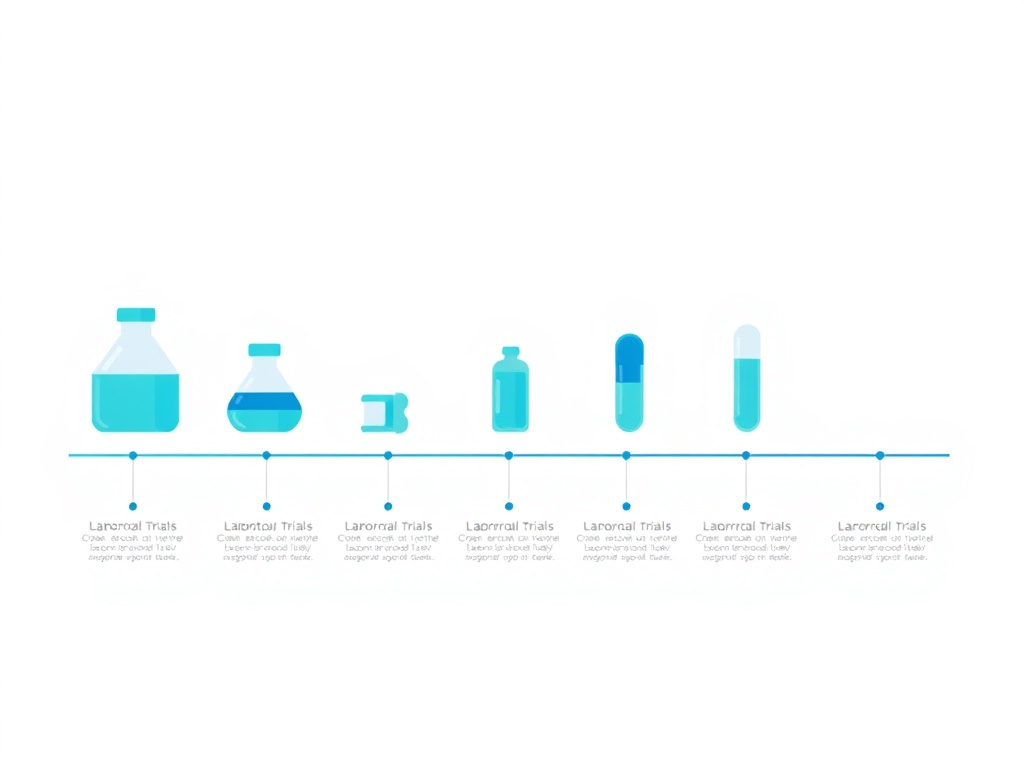
Figure 2: Key milestones in sermorelin's journey from laboratory discovery to current compounding pharmacy availability.
The story of sermorelin begins not with the peptide itself but with the discovery of its parent molecule. In 1982, two research groups independently isolated human growth hormone-releasing hormone (GHRH) from pancreatic tumor tissue. Guillemin's team at the Salk Institute and Vale's group at the same institution both identified the 44-amino acid neuropeptide responsible for triggering GH secretion from the anterior pituitary. This discovery earned significant recognition and opened an entirely new chapter in endocrinology.
The Discovery of GHRH and Its Truncated Fragment
Once researchers had the full 44-amino acid GHRH sequence in hand, the next question was straightforward: which part of the molecule actually does the work? Through systematic truncation studies, scientists determined that the first 29 amino acids of GHRH, designated GHRH(1-29), retained full biological activity at the GHRH receptor. Everything from residue 30 onward could be removed without losing the ability to stimulate GH release. This truncated fragment became sermorelin.
The identification of GHRH(1-29) as the shortest fully functional fragment had practical implications. Shorter peptides are easier and cheaper to synthesize. They can be produced with higher purity and at greater scale than the full-length 44-amino acid GHRH. And because sermorelin activates the same receptor as native GHRH, it preserves the physiological feedback mechanisms that regulate GH output, something that direct GH injection bypasses entirely.
Early studies during the mid-1980s focused on sermorelin's ability to provoke acute GH secretion when administered intravenously. Researchers used it as a diagnostic tool to test pituitary function. If a patient received IV sermorelin and showed a strong GH spike, their pituitary was capable of producing growth hormone. If the response was blunted or absent, the problem likely originated in the pituitary itself rather than in the hypothalamic GHRH signal. This diagnostic application led to the first clinical development pathway for sermorelin.
FDA Approval as a Diagnostic Agent (1990)
In December 1990, the FDA approved sermorelin injection (0.05 mg base per ampule) under New Drug Application 19-863 for use as a diagnostic agent. This formulation, marketed by Serono (later EMD Serono), was used in clinical settings to assess pituitary GH reserve. The diagnostic test was simple: administer a single IV dose of sermorelin, draw blood at timed intervals, and measure the GH response. A peak GH level above a defined threshold (typically 7-10 ng/mL) indicated adequate pituitary function.
The diagnostic formulation established sermorelin's safety profile in clinical practice. Adverse events were mild and predominantly limited to transient facial flushing at the injection site, a pharmacological effect related to the peptide's vasodilatory properties. This favorable safety record encouraged researchers to explore chronic subcutaneous dosing for therapeutic purposes.
Orphan Drug Designation and Therapeutic Development
In 1988, even before the diagnostic approval, the FDA had granted sermorelin orphan drug designation for the treatment of idiopathic or organic growth hormone deficiency in children with growth failure. This designation reflected the limited treatment options available at the time and the theoretical advantage of stimulating endogenous GH production rather than replacing it with exogenous recombinant GH (rhGH).
The pediatric clinical development program for sermorelin spanned several years and involved multiple clinical sites internationally. The Geref International Study Group conducted key trials evaluating once-daily subcutaneous sermorelin at 30 mcg/kg bodyweight in prepubertal children with idiopathic GHD. Results were encouraging. At six months, 74% of treated children demonstrated what investigators classified as a good growth response. Height velocity increased significantly during the first 12 months of treatment, and limited data in a subset of children suggested the growth effect was maintained through 36 months of continued therapy.
Geref Approval for Pediatric GHD (1997)
On September 26, 1997, the FDA approved sermorelin acetate injection in 0.5 mg and 1.0 mg vial strengths under NDA 20-443, marketed as Geref. The approved indication was for the treatment of idiopathic growth hormone deficiency in children who had growth failure. This made sermorelin the first GHRH analog to receive FDA approval for therapeutic use.
The approval was significant for several reasons. First, it validated the concept that stimulating the pituitary to produce its own GH could produce clinically meaningful growth in GH-deficient children. Second, it offered an alternative to daily rhGH injections for families seeking a more physiological approach. Third, the safety profile was remarkably clean. Of 350 patients exposed to sermorelin in clinical trials, only three discontinued therapy due to injection reactions. The most common treatment-related adverse event occurred in roughly one out of every six patients and consisted of localized injection site reactions (pain, swelling, or redness). All other adverse events occurred at rates below 1%.
But Geref faced an uphill commercial battle from the start. By 1997, recombinant GH products from multiple manufacturers (Humatrope, Genotropin, Norditropin, Nutropin, Saizen) had already established dominance in the pediatric GHD market. These products offered a direct, reliable approach to restoring growth velocity, and endocrinologists were comfortable with their use. Sermorelin, by contrast, required an intact pituitary to work, which meant it wasn't suitable for all GHD patients, and its growth-promoting effects, while statistically significant, were generally more modest than those achieved with direct rhGH replacement.
Off-Label Adult Use and the Anti-Aging Market
While Geref was approved only for pediatric use, the published clinical trial data from the Corpas, Khorram, and Vittone studies provided the scientific rationale for off-label use in adults with age-related GH decline. During the early 2000s, a growing number of anti-aging and age-management practitioners began prescribing sermorelin to adult patients seeking the benefits associated with restored GH levels: improved body composition, better sleep quality, enhanced energy, and reduced markers of biological aging.
This off-label market grew steadily. Sermorelin offered several advantages over direct rhGH therapy for anti-aging applications. It was less expensive. It carried a lower risk of causing supraphysiological GH levels because of the intact somatostatin feedback loop. And it didn't suppress the patient's own pituitary function the way exogenous GH could over time. For practitioners and patients worried about the regulatory scrutiny surrounding off-label GH prescribing, sermorelin provided a pathway to GH optimization that felt more conservative and physiological.
EMD Serono's Withdrawal (2008) and FDA Clarification (2013)
On December 2, 2008, EMD Serono notified the FDA that it was discontinuing Geref and requested withdrawal of NDA 20-443. The company did not cite safety or efficacy concerns. The withdrawal was a business decision driven by the product's poor commercial performance in a market dominated by rhGH products.
This point deserves emphasis because it's frequently misunderstood. When people hear that a drug has been "withdrawn from the market," the assumption is often that something went wrong, that the drug was found to be dangerous or ineffective. That was not the case with sermorelin. The FDA addressed this directly in a Federal Register notice published on March 4, 2013, stating its determination that Geref was not withdrawn for reasons of safety or effectiveness. This determination was important because it preserved the legal pathway for compounding pharmacies to prepare sermorelin under the 503A and 503B sections of the Federal Food, Drug, and Cosmetic Act.
The Compounding Pharmacy Era (2008 to Present)
With Geref off the market, compounding pharmacies stepped in to fill the demand. Under section 503A of the FDCA, licensed pharmacies can compound drugs (including peptides) in response to individual patient prescriptions from licensed practitioners. Under section 503B, outsourcing facilities registered with the FDA can compound larger batches without individual prescriptions, provided they meet current good manufacturing practice (cGMP) requirements.
Sermorelin acetate has been one of the most commonly compounded peptides in the United States since 2008. Major compounding pharmacies like Empower Pharmacy, Olympia Pharmaceuticals, and others have maintained sermorelin in their formularies continuously. The peptide is typically supplied as a lyophilized powder in sterile vials, requiring reconstitution with bacteriostatic water before subcutaneous injection.
The transition from branded pharmaceutical to compounded product has had both advantages and drawbacks. On the positive side, compounding has made sermorelin more affordable and accessible. Without the overhead of branded pharmaceutical marketing and distribution, the per-vial cost dropped substantially. On the negative side, the quality of compounded products depends entirely on the compounding pharmacy's manufacturing standards. Not all pharmacies are equal, and there have been instances where compounded peptide products failed potency or sterility testing. For this reason, practitioners and patients should select pharmacies that are licensed, inspected, and ideally accredited by organizations like the Pharmacy Compounding Accreditation Board (PCAB).
The regulatory landscape for compounded peptides has faced increased scrutiny in recent years. The FDA has periodically reviewed its bulk drug substances list, which determines which compounds can be used in compounding. As of early 2026, sermorelin remains eligible for compounding, though practitioners should stay current with FDA guidance documents and state pharmacy board regulations, as the regulatory environment can shift. The Science and Research page at FormBlends tracks these regulatory developments as they affect peptide availability.
Timeline Summary
| Year | Milestone |
|---|---|
| 1982 | Human GHRH(1-44) isolated by Guillemin and Vale at the Salk Institute |
| 1982-1985 | GHRH(1-29) identified as the shortest fully functional fragment |
| 1988 | FDA orphan drug designation for pediatric GHD |
| 1990 | FDA approves sermorelin (0.05 mg) as a diagnostic agent (NDA 19-863) |
| 1992 | Corpas et al. publish data on GHRH(1-29) restoring GH/IGF-1 in elderly men |
| 1996 | Geref International Study Group reports pediatric growth data |
| 1997 | FDA approves Geref (0.5 mg and 1.0 mg) for pediatric GHD (NDA 20-443) |
| 1997 | Khorram et al. publish adult trial showing IGF-1, lean mass, and skin thickness improvements |
| 2000s | Off-label adult prescribing grows in anti-aging medicine |
| 2008 | EMD Serono voluntarily withdraws Geref; compounding pharmacies fill the gap |
| 2013 | FDA confirms withdrawal was not for safety or effectiveness reasons |
| 2020s | Sermorelin remains one of the most commonly compounded GH peptides in the US |
Mechanism of Action
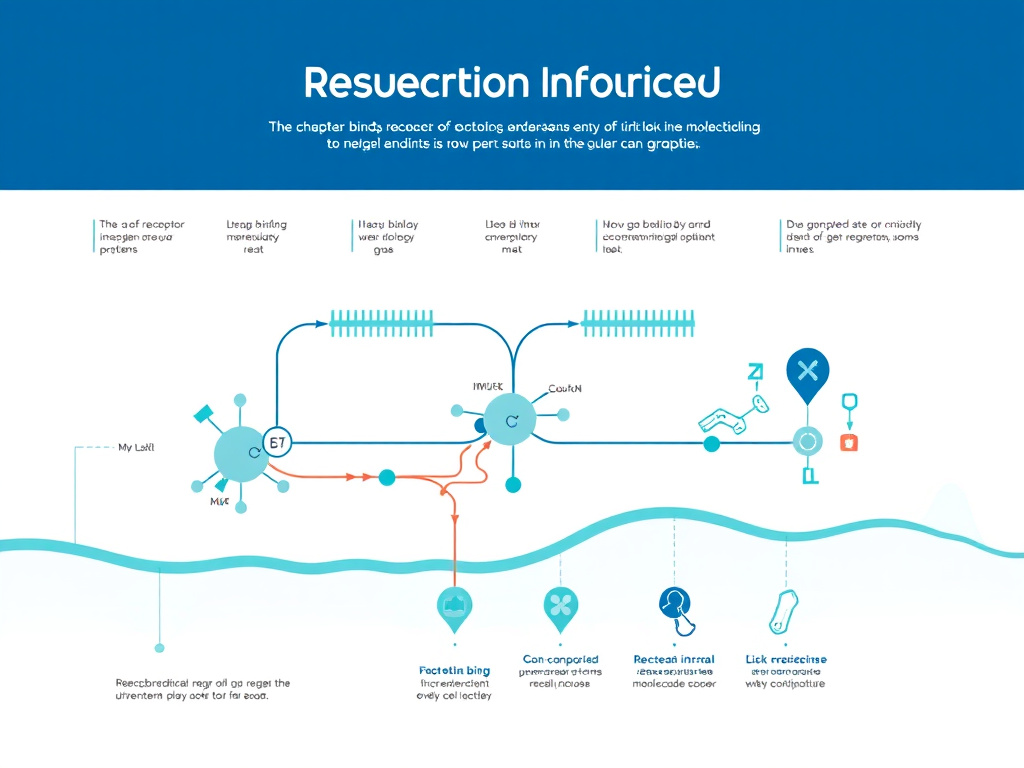
Sermorelin works by binding to the growth hormone-releasing hormone receptor (GHRHR) on somatotroph cells in the anterior pituitary gland. This receptor activation triggers a cascade of intracellular signaling events that ultimately lead to the synthesis, storage, and pulsatile release of endogenous growth hormone into the bloodstream. Because sermorelin uses the body's own machinery to produce GH, the resulting hormonal output follows the same physiological rhythms that govern natural GH secretion.
The GHRH Receptor and Somatotroph Signaling
The GHRH receptor belongs to the class B family of G protein-coupled receptors (GPCRs). When sermorelin binds to the extracellular domain of this receptor, it triggers a conformational change that activates the stimulatory G protein (Gs) on the intracellular side. This Gs protein then activates adenylyl cyclase, an enzyme that converts adenosine triphosphate (ATP) into cyclic adenosine monophosphate (cAMP).
The rise in intracellular cAMP is the central event in the signaling cascade. cAMP activates protein kinase A (PKA), which phosphorylates a series of downstream targets. These targets include the transcription factor CREB (cAMP response element-binding protein), which drives the transcription of the GH gene. At the same time, PKA-mediated phosphorylation of ion channels, specifically voltage-gated calcium channels and sodium channels, leads to calcium influx into the somatotroph. This calcium signal triggers the exocytosis of GH-containing secretory granules from the cell membrane, releasing GH into the pituitary capillary network and from there into systemic circulation.
So the signaling pathway can be summarized in a direct chain: Sermorelin binds GHRHR, which activates Gs, which stimulates adenylyl cyclase, which raises cAMP, which activates PKA, which simultaneously drives GH gene transcription (for future GH production) and calcium-mediated exocytosis (for immediate GH release). The dual nature of this response means sermorelin doesn't just empty existing GH stores. It also replenishes them by upregulating GH synthesis.
Pulsatile Release and the Somatostatin Connection
One of sermorelin's most important pharmacological features is that it preserves pulsatile GH release. In a healthy young person, GH isn't secreted continuously. Instead, the hypothalamus alternates between releasing GHRH (which stimulates GH) and somatostatin (which inhibits it). This push-pull system creates discrete GH pulses throughout the day, with the largest pulses occurring during slow-wave sleep in the early nighttime hours.
When you inject exogenous recombinant GH (such as Genotropin or Norditropin), you're bypassing this system entirely. The GH enters the bloodstream directly, producing a spike that doesn't follow the natural pulse pattern. And because the body detects this exogenous GH through negative feedback, it responds by increasing somatostatin release and decreasing endogenous GHRH output. Over time, this can suppress the pituitary's own GH-producing capacity.
Sermorelin avoids this trap. Because it acts upstream of GH, working at the GHRH receptor to stimulate the pituitary, the somatostatin feedback loop remains active. When GH and IGF-1 levels rise to a certain threshold, somatostatin kicks in and temporarily inhibits further GH release. This means that sermorelin-stimulated GH output is self-limiting. The body's own regulatory system prevents excessive GH accumulation, a safety feature that exogenous GH injections don't share.
As researcher Richard Walker noted in his 2006 analysis, overdosing on endogenous GH through sermorelin therapy is extremely difficult if not impossible to achieve precisely because somatostatin regulation remains functional. This built-in safety mechanism is one of the primary reasons clinicians favor GHRH analogs over direct GH replacement for anti-aging applications.
How Sermorelin Differs from GHRH(1-44)
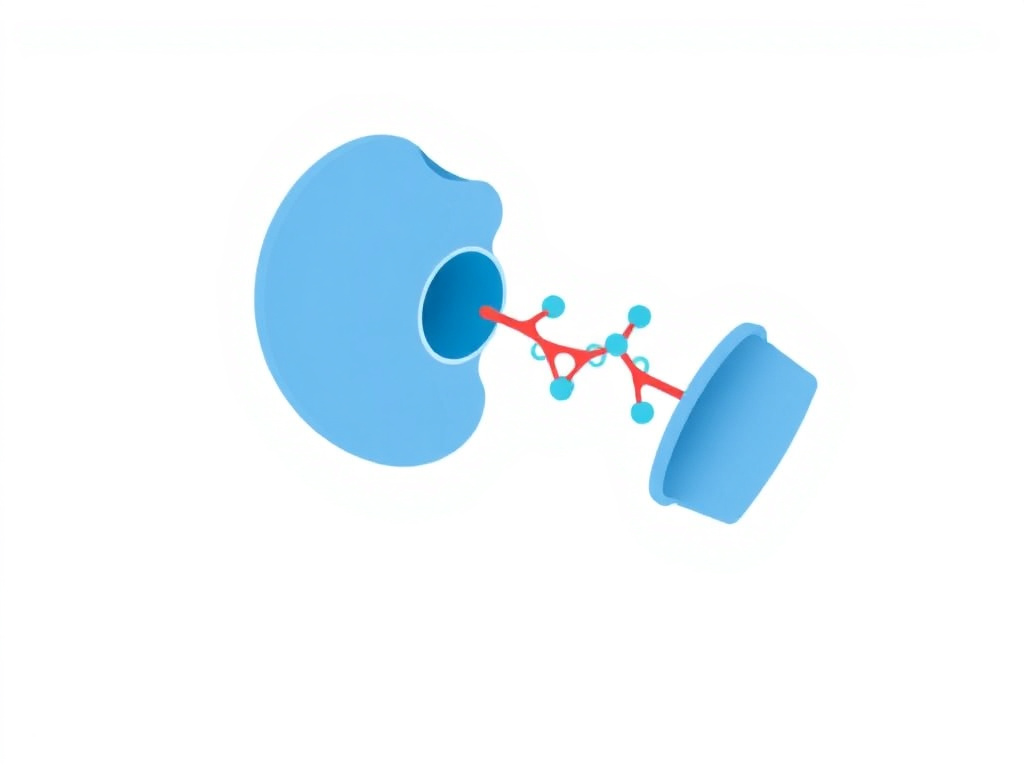
Native human GHRH is a 44-amino acid peptide. Sermorelin is the first 29 amino acids of this sequence, designated GHRH(1-29)-NH2 (the NH2 indicates an amidated C-terminus). Truncation studies conducted in the 1980s demonstrated that residues 1-29 are both necessary and sufficient for full receptor binding and activation. The remaining 15 residues (30-44) appear to contribute primarily to structural stability and resistance to enzymatic degradation rather than to receptor affinity or signaling potency.
In practical terms, sermorelin and GHRH(1-44) produce equivalent acute GH responses when administered intravenously. The difference becomes apparent in vivo, where the shorter sermorelin peptide has a somewhat shorter plasma half-life due to its greater susceptibility to enzymatic cleavage by dipeptidyl peptidase IV (DPP-4) and other serine proteases. Sermorelin's plasma half-life is typically estimated at 10 to 20 minutes, which is why subcutaneous injection (which provides slower absorption and a more extended pharmacokinetic profile than IV administration) is preferred for therapeutic use.
The IGF-1 Axis and Downstream Effects
Sermorelin's effects extend well beyond the initial GH pulse. Once GH enters the bloodstream, it binds to GH receptors in the liver and other tissues, stimulating the production of insulin-like growth factor 1 (IGF-1). IGF-1 is the primary mediator of many of GH's anabolic and tissue-repair effects. It promotes protein synthesis, stimulates cell proliferation in muscle and connective tissue, enhances bone mineral density, and exerts metabolic effects including improved glucose utilization and lipid metabolism.
The GH-IGF-1 axis operates through its own feedback circuit. Rising IGF-1 levels act on the hypothalamus to increase somatostatin release and on the pituitary to reduce somatotroph sensitivity to GHRH. This feedback adds another layer of regulation to sermorelin's effects, ensuring that the downstream hormonal cascade remains within physiological boundaries.
Clinical monitoring of sermorelin therapy typically focuses on IGF-1 levels rather than GH itself, because IGF-1 provides a more stable and reliable indicator of the overall GH status. GH levels fluctuate dramatically throughout the day due to pulsatile secretion, making single-point measurements difficult to interpret. IGF-1, by contrast, changes more slowly and reflects the integrated GH signal over the preceding 24 to 48 hours. The dosing calculator on FormBlends can help practitioners interpret IGF-1 results in the context of a sermorelin protocol.
Comparison with Other Receptor Systems
Understanding how sermorelin's mechanism differs from other GH secretagogues helps explain why combination protocols exist. There are two primary receptor systems that regulate GH release from the pituitary:
GHRH Receptor (GHRHR): This is sermorelin's target. Activation drives cAMP-mediated GH synthesis and release. Other compounds that work through this receptor include CJC-1295 (both with and without DAC) and tesamorelin.
Growth Hormone Secretagogue Receptor (GHS-R1a), also known as the ghrelin receptor: This is the target for GHRPs (growth hormone-releasing peptides) like GHRP-2, GHRP-6, hexarelin, and selective agonists like ipamorelin. MK-677 (ibutamoren) is an oral ghrelin receptor agonist that works through the same pathway. The GHS-R1a pathway uses different intracellular signaling, primarily involving phospholipase C, inositol trisphosphate (IP3), and intracellular calcium mobilization from the endoplasmic reticulum.
When a GHRH analog like sermorelin is combined with a GHRP like ipamorelin, the two pathways converge on the same somatotroph cell but through independent signaling cascades. The result is an amplified GH response that exceeds the sum of either agent alone, a phenomenon sometimes described as a true pharmacological enhancement. This is the rationale behind popular combination products like CJC-1295/ipamorelin.
Tissue-Level Effects of Restored GH/IGF-1
The physiological effects of sermorelin-stimulated GH/IGF-1 restoration span multiple organ systems:
- Skeletal muscle: GH and IGF-1 promote protein synthesis, satellite cell activation, and myofiber hypertrophy. In the Khorram 1997 trial, male subjects gained an average of 1.26 kg of lean body mass over 16 weeks.
- Adipose tissue: GH stimulates lipolysis (fat breakdown) and inhibits lipogenesis (fat storage), particularly in visceral fat depots. Clinical studies have shown improved waist-to-hip ratios in sermorelin-treated subjects.
- Skin and connective tissue: IGF-1 stimulates fibroblast activity and collagen synthesis. Both men and women in the Khorram study showed statistically significant increases in skin thickness, a biomarker of dermal collagen content.
- Bone: GH/IGF-1 signaling stimulates osteoblast activity and bone mineral deposition, particularly important in aging populations at risk for osteoporosis.
- Metabolic function: GH improves insulin sensitivity in the context of age-related GH decline (though supraphysiological GH levels can worsen insulin resistance). The Khorram trial showed improved insulin sensitivity in male subjects.
- Sleep architecture: GH secretion is closely tied to slow-wave sleep, and bedtime sermorelin administration is thought to enhance both the GH pulse and sleep quality through reciprocal effects on sleep architecture.
- Neurological function: Research from Vitiello and colleagues has explored GHRH's effects on brain GABA levels in mild cognitive impairment, suggesting potential neuroprotective properties that extend beyond traditional endocrine effects.
Mechanism Summary
Sermorelin is a GHRH(1-29) analog that binds the GHRH receptor on pituitary somatotrophs, activating a cAMP/PKA signaling cascade that drives both GH gene transcription and secretory granule exocytosis. Unlike exogenous GH, sermorelin preserves pulsatile GH release and somatostatin-mediated feedback control, making it a self-regulating approach to GH optimization. Its effects on IGF-1, body composition, skin integrity, and metabolic function are mediated through the downstream GH-IGF-1 axis.
Clinical Research

Sermorelin's clinical evidence base spans more than 30 years and includes studies in pediatric growth hormone deficiency, age-related GH decline in healthy elderly adults, and exploratory research in conditions ranging from HIV-associated wasting to cognitive impairment. While the total body of clinical trial data is smaller than that available for recombinant GH products, the existing evidence provides a clear picture of sermorelin's efficacy, consistency, and limitations.
Pediatric Growth Hormone Deficiency Trials
The clinical trials that led to Geref's FDA approval focused on prepubertal children with idiopathic GHD. The Geref International Study Group, a multicenter collaboration, conducted the largest of these studies. Children received once-daily subcutaneous sermorelin at a dose of 30 mcg/kg bodyweight, typically administered at bedtime to align with the natural nocturnal GH surge.
Results from the Geref International Study Group showed that sermorelin produced clinically meaningful increases in height velocity. At six months, 74% of children were classified as good responders. The growth acceleration was sustained over 12 months of continuous therapy, and data from a smaller subset of patients followed for 36 months suggested that the growth effect could be maintained over longer treatment periods. Children who were shorter, slower-growing, and had more delayed bone ages tended to show the best responses, consistent with the idea that sermorelin works best when pituitary reserve is present but understimulated.
A key finding from the pediatric trials was that sermorelin's growth-promoting effect, while statistically significant, was generally more modest than what was achieved with equivalent rhGH therapy. This was expected given the indirect mechanism. Stimulating the pituitary to produce GH introduces variability based on each child's remaining pituitary capacity, while direct rhGH replacement delivers a fixed, predictable dose. This efficacy gap, combined with the availability of well-established rhGH products, contributed to Geref's limited commercial uptake in pediatric endocrinology.
The Corpas Study (1992): Restoring GH in Elderly Men
One of the most frequently cited sermorelin studies was conducted by Corpas, Blackman, Roberson, Scholfield, and Harman at the National Institute on Aging. Published in the Journal of Clinical Endocrinology and Metabolism in 1992, this study evaluated the effects of twice-daily GHRH(1-29) injections on GH secretion and IGF-1 levels in elderly men aged 60 to 78, compared with young men aged 22 to 33.
The study design was a crossover protocol with two 14-day treatment periods separated by a 14-day washout. Elderly men received either low-dose (0.5 mg) or high-dose (1.0 mg) sermorelin subcutaneously twice daily. The investigators measured 24-hour GH profiles, peak GH amplitude, GH area under the curve, and serum IGF-1 at multiple time points.
The findings were striking. At baseline, the elderly men had significantly lower IGF-1 levels compared with the younger cohort, as expected for age-related GH decline. But high-dose sermorelin reversed much of this gap. Mean 24-hour GH levels increased significantly. Peak GH amplitude rose. And IGF-1 concentrations climbed in a dose-dependent fashion, approaching the levels seen in the younger men.
Perhaps the most intriguing finding was the persistence of the IGF-1 elevation. Even two weeks after stopping sermorelin, IGF-1 levels in the elderly men remained above their pre-treatment baseline. This suggested that sermorelin didn't just produce a transient pharmacological effect. It appeared to "reset" the GH-IGF-1 axis to a higher operating point, at least temporarily, possibly by restoring somatotroph sensitivity or replenishing GH stores within the pituitary.
The Khorram Study (1997): Body Composition and Quality of Life
Dr. Omid Khorram and colleagues at the University of Wisconsin conducted a single-blind, randomized, placebo-controlled trial that remains one of the most comprehensive evaluations of GHRH analog therapy in older adults. The study enrolled 19 men and women aged 55 to 71, all of whom had IGF-1 levels below the age-adjusted median.
The protocol consisted of a four-week placebo run-in period followed by 16 weeks of active treatment with nightly subcutaneous GHRH analog injections at 10 mcg/kg bodyweight. This bedtime dosing schedule was chosen to amplify the natural nocturnal GH surge.
Results were differentiated by sex, and men showed the stronger response across most endpoints:
| Endpoint | Men | Women |
|---|---|---|
| Nocturnal GH increase | Significant increase | Significant increase |
| Serum IGF-1 | Significant increase | Significant increase |
| Lean body mass | +1.26 kg (significant) | No significant change |
| Skin thickness | Significant increase | Significant increase |
| Insulin sensitivity | Improved | Not significant |
| Quality of life/Libido | Improved (self-reported) | Not assessed separately |
The increase in skin thickness observed in both sexes was particularly interesting. Skin thickness is a validated proxy for dermal collagen content, and its decline with aging is a well-characterized phenomenon. The finding that sermorelin-stimulated GH could partially reverse this decline supported the broader thesis that restoring GH levels could address multiple hallmarks of aging simultaneously.
The only notable adverse event in the Khorram study was transient hyperlipidemia that resolved by the study's end. No serious adverse events were reported, and treatment adherence was high.
The Vittone Study (1997): IGF-1 Kinetics in Elderly Men
Vittone and colleagues conducted a prospective study examining the time course of sermorelin's effects on IGF-1 and related binding proteins in 11 healthy elderly men aged 64 to 76. Subjects received 2 mg of subcutaneous sermorelin nightly for six weeks, with follow-up blood draws continuing for several weeks after cessation.
Key findings from the Vittone study included:
- IGF-1 levels rose significantly by week 2 of treatment and remained elevated through week 12
- IGFBP-3 (insulin-like growth factor binding protein 3) increased alongside IGF-1, indicating a physiologically coordinated response
- GH binding protein (GHBP) levels also increased, suggesting upregulation of GH receptor expression
- By week 16, IGF-1 had declined back toward baseline, suggesting the effect was reversible and treatment-dependent
The Vittone data complemented the Corpas findings by providing a more detailed picture of the IGF-1 response kinetics. The two-week onset of IGF-1 elevation aligns with current clinical expectations for when patients should begin seeing laboratory changes during sermorelin therapy.
Cognitive Function: The Vitiello GHRH-MCI Study
In an intriguing extension of GHRH analog research, Vitiello and colleagues at the University of Washington explored the effects of GHRH administration on brain GABA levels and cognitive function in adults with mild cognitive impairment (MCI) and healthy aging controls. Published in a 2013 study supported by National Institute on Aging funding, this research used magnetic resonance spectroscopy to measure brain neurochemistry before and after GHRH treatment.
The study found that GHRH treatment was associated with changes in brain GABA levels, a neurotransmitter system critically involved in cognitive processing and neuronal inhibition. While the authors cautioned against overinterpreting preliminary findings, the results opened an interesting line of investigation into whether GH-restoring therapies might offer cognitive benefits beyond their known metabolic and body composition effects.
HIV-Related Applications
The broader class of GHRH analogs has been investigated in HIV-associated conditions, though tesamorelin rather than sermorelin became the focus of this research. Tesamorelin, a modified GHRH(1-44) analog, received FDA approval in 2010 for reducing excess abdominal fat in HIV-infected patients with lipodystrophy. In the key registration trials, tesamorelin reduced visceral adipose tissue by approximately 15% over 26 weeks while maintaining improvements in lipid profiles. While sermorelin was studied in early HIV wasting research, the more extensive data set belongs to tesamorelin.
Limitations of the Existing Evidence
It's important to be candid about the limitations of sermorelin's clinical evidence. The studies are relatively small, with the largest adult trials enrolling fewer than 20 subjects. Most are short-term, ranging from 6 weeks to 5 months. There are no large-scale, long-term randomized controlled trials comparing sermorelin with placebo or with rhGH in adults with age-related GH decline. The pediatric data, while more extensive, predates modern trial design standards and was conducted in a specific population (children with idiopathic GHD) that may not generalize to adult anti-aging applications.
Additionally, most of the published research used GHRH(1-29) or closely related analogs in research settings with defined protocols, controlled populations, and laboratory-grade peptide preparations. The real-world use of compounded sermorelin in clinical anti-aging practice introduces variables not present in these controlled studies, including variability in compounding quality, patient compliance, concomitant medications, and lifestyle factors that influence GH dynamics.
Despite these limitations, the consistency of the clinical signal across multiple independent studies spanning different investigators, time periods, and populations provides reasonable confidence that sermorelin produces meaningful physiological effects in GH-deficient or GH-insufficient adults. The effects on IGF-1, lean body mass, skin thickness, and insulin sensitivity have been replicated across studies, though the magnitude of these effects is generally modest compared with direct rhGH replacement.
Adult Growth Hormone Deficiency

Adult growth hormone deficiency (AGHD) encompasses both classical GHD, caused by pituitary disease, surgery, radiation, or traumatic brain injury, and the more gradual decline in GH secretion that accompanies normal aging, sometimes termed "somatopause." Sermorelin occupies a specific niche in the AGHD treatment landscape: it is best suited for patients with functional pituitary reserve who are experiencing reduced but not absent GH output, making it a first-line option for age-related GH decline rather than for severe organic GHD.
Understanding the Somatopause
Growth hormone secretion peaks during adolescence and declines steadily thereafter. By age 60, most adults produce 50% to 80% less GH than they did at age 25. This decline isn't due to somatotroph cell death in most cases. Rather, several age-related changes converge to reduce GH output: decreased hypothalamic GHRH production, increased somatostatin tone, reduced ghrelin signaling, and altered sleep architecture (since the largest GH pulses occur during slow-wave sleep, and slow-wave sleep diminishes with age).
The consequences of the somatopause overlap substantially with what people commonly attribute to "getting older." Loss of lean muscle mass (sarcopenia), accumulation of visceral fat, thinning skin, reduced bone density, decreased exercise capacity, impaired sleep quality, and cognitive slowing all have plausible links to declining GH/IGF-1 activity. This overlap is what drives interest in GH-restoring therapies for anti-aging applications.
But distinguishing "normal aging" from "treatable GHD" remains a contentious topic in endocrinology. The Endocrine Society's clinical practice guidelines define AGHD based on provocative testing (typically an insulin tolerance test or GHRH-arginine stimulation test) and require peak GH levels below specific cutoffs for diagnosis. Age-related GH decline in otherwise healthy adults doesn't meet these diagnostic criteria, even when the symptoms overlap. This distinction has important regulatory and insurance implications, though it doesn't prevent practitioners from prescribing sermorelin off-label for patients with documented low IGF-1 levels and consistent clinical symptoms.
Why Sermorelin Suits Age-Related GH Decline
For patients whose pituitary gland is still functional but understimulated, sermorelin makes particular sense. Here's why:
Preserved pituitary reserve: In age-related GH decline, the somatotrophs are still present and capable of producing GH. They're just not receiving adequate stimulation from hypothalamic GHRH. Sermorelin provides that missing signal directly. It's analogous to turning up the thermostat in a house where the furnace works fine but the thermostat has been set too low.
Physiological GH patterns: Because sermorelin stimulates pulsatile GH release rather than providing a continuous GH supply, it more closely reproduces the GH dynamics of a younger person. This may have advantages for tissue responsiveness, since some GH-dependent cellular processes are thought to respond better to pulsatile exposure than to continuous exposure.
Safety through self-regulation: The somatostatin feedback loop prevents sermorelin from pushing GH into supraphysiological territory. For older adults who may have increased cardiovascular risk, insulin resistance, or other comorbidities that could be worsened by GH excess, this built-in ceiling provides a meaningful margin of safety.
No pituitary suppression: Unlike exogenous GH, which can suppress endogenous GH production through feedback mechanisms, sermorelin works with the pituitary rather than replacing it. When sermorelin is discontinued, the pituitary's baseline function returns to its pre-treatment state rather than to a suppressed state.
IGF-1 Levels During Sermorelin Therapy
Based on composite data from clinical trials showing progressive IGF-1 increases over 6 months of sermorelin therapy.
Clinical Assessment and Patient Selection
Appropriate patient selection is critical for successful sermorelin therapy. The ideal candidate typically presents with:
- Age over 30, most commonly 40 to 70
- Serum IGF-1 levels below the age-adjusted reference range, or in the lower quartile
- Clinical symptoms consistent with GH insufficiency: reduced energy, increased body fat (especially visceral), decreased muscle mass, poor sleep quality, slow recovery from exercise or injury
- No history of active malignancy (GH/IGF-1 signaling can promote tumor growth in susceptible individuals)
- No evidence of severe organic pituitary disease (in which the somatotrophs themselves are damaged or absent)
Before starting sermorelin, a comprehensive hormonal panel should be drawn, including total and free testosterone, thyroid function (TSH, free T4, free T3), cortisol, DHEA-S, and a complete metabolic panel. GH deficiency doesn't exist in isolation, and concurrent deficiencies in other hormonal axes are common, especially in patients with pituitary pathology. Treating GH deficiency without addressing concurrent hypothyroidism or hypocortisolism, for example, can blunt the response to sermorelin and produce suboptimal outcomes.
Expected IGF-1 Response Timeline
Clinical experience and trial data suggest a characteristic timeline for the IGF-1 response to sermorelin therapy:
| Timepoint | Expected IGF-1 Change | Clinical Observations |
|---|---|---|
| Weeks 1-2 | Initial rise begins (per Vittone data) | Improved sleep quality often noted first |
| Weeks 3-6 | 20-30% increase from baseline in responders | Increased energy, mild improvement in skin quality |
| Months 2-3 | 40-55% increase from baseline typical | Measurable body composition changes begin |
| Months 4-6 | Plateau at new steady state, often 60-80% above baseline | Full benefits manifest: lean mass gains, fat reduction, skin thickness improvement |
The absolute numbers vary widely based on the patient's baseline IGF-1, age, dose, and individual pituitary responsiveness. A 55-year-old man with a baseline IGF-1 of 120 ng/mL might expect to reach 190-210 ng/mL after 3 to 6 months of optimized sermorelin therapy. A 70-year-old with a baseline of 80 ng/mL might see a rise to 130-160 ng/mL. These are general ranges, not guarantees, and individual responses can deviate significantly.
Non-Responders and Predictors of Response
Not everyone responds to sermorelin. Published data suggest that roughly 25-30% of patients treated for GH deficiency don't achieve a meaningful IGF-1 increase. In the pediatric Geref trials, 26% of children were classified as non-responders at 6 months. Similar rates are observed in adult clinical practice.
Factors associated with poor response include:
- Severe pituitary damage: Patients with organic GHD from tumors, surgery, or radiation may lack sufficient somatotroph mass to respond to GHRH stimulation. These patients typically require direct rhGH replacement rather than a secretagogue approach.
- Advanced age (over 75): Very elderly patients may have diminished somatotroph reserve that limits the achievable GH response, though this is not absolute and some octogenarians do respond.
- Obesity: Excess body fat, particularly visceral fat, is associated with increased somatostatin tone and reduced GH responsiveness. Weight loss often improves the response to sermorelin.
- Concurrent medications: Glucocorticoids suppress GH secretion. Patients on chronic prednisone or other corticosteroids may have blunted responses to sermorelin.
- Poor adherence: Sermorelin requires consistent daily or near-daily injection. Patients who inject sporadically or miss frequent doses don't achieve the sustained pituitary stimulation needed for a strong IGF-1 response.
When a patient fails to respond to sermorelin after 8 to 12 weeks of consistent therapy at adequate doses, practitioners typically consider switching to an alternative approach. Options include combination therapy with a GHRP (such as adding ipamorelin), switching to a different GHRH analog like CJC-1295 with DAC, or transitioning to direct rhGH therapy if the clinical indication warrants it.
Sermorelin in the Context of Comprehensive Hormone Optimization
GH optimization with sermorelin rarely happens in a vacuum. Most patients in the anti-aging and age-management setting are addressing multiple hormonal deficiencies simultaneously. Testosterone replacement, thyroid optimization, DHEA supplementation, and metabolic interventions often accompany sermorelin therapy. The interactions between these hormonal axes are complex and clinically relevant.
Thyroid hormone, for example, is required for optimal GH responsiveness. Patients with untreated hypothyroidism often show blunted GH responses to GHRH stimulation. Correcting thyroid function before or concurrent with initiating sermorelin can improve outcomes. Similarly, testosterone has anabolic effects that are partly mediated through GH/IGF-1, and the combination of testosterone and sermorelin may produce additive benefits on body composition and metabolic health.
The American Association of Clinical Endocrinologists (AACE) has published guidelines for the management of AGHD that outline diagnostic criteria, treatment options, and monitoring parameters. While these guidelines focus primarily on rhGH replacement, the principles of patient selection, monitoring, and dose titration apply equally to sermorelin therapy. The free assessment at FormBlends can help patients determine whether they might be candidates for GH-optimization therapies including sermorelin.
Long-Term Outcomes and Sustainability
One question that the current evidence doesn't fully answer is whether sermorelin's benefits are sustained over years of continuous therapy. The longest published adult data extends to roughly 5 months (the Khorram study). Clinical practitioners who have been prescribing sermorelin for over a decade report that most patients maintain their IGF-1 improvements and clinical benefits with continued therapy, though some note a gradual attenuation of the GH response over several years, possibly reflecting ongoing age-related decline in somatotroph reserve.
Some practitioners implement "cycling" protocols, alternating periods of sermorelin therapy with periods off treatment, to prevent potential receptor desensitization or tachyphylaxis. However, there is no strong published evidence that receptor desensitization occurs with chronic sermorelin use, and the cycling approach is based more on theoretical reasoning and clinical impression than on controlled data. The question of whether continuous or intermittent therapy produces better long-term outcomes remains unanswered and would require a properly designed comparative trial to resolve.
Sermorelin vs Modern Peptides
Sermorelin was the first GHRH analog used therapeutically, but it's no longer the only option. Since Geref's 1997 approval, several new growth hormone secretagogues have entered clinical and compounding use. Understanding how sermorelin compares with these alternatives is essential for practitioners building GH-optimization protocols and for patients evaluating their options.
Sermorelin vs CJC-1295 (Modified GRF 1-29)
CJC-1295 is, at its core, a modified version of the same GHRH(1-29) fragment that makes up sermorelin. The "modification" refers to four amino acid substitutions at positions 2, 8, 15, and 27 that make the peptide resistant to DPP-4 enzymatic cleavage. This single change has dramatic pharmacokinetic consequences. While sermorelin's plasma half-life is 10 to 20 minutes, modified GRF(1-29), sometimes called CJC-1295 without DAC or "Mod GRF," has a half-life estimated at 30 minutes or longer.
When the Drug Affinity Complex (DAC) is added to create CJC-1295 with DAC, the half-life extends further to approximately 6 to 8 days. This happens because DAC binds to albumin in the blood, creating a depot effect that dramatically slows the peptide's clearance. CJC-1295 with DAC can be dosed once or twice weekly rather than daily, which improves convenience significantly.
The trade-off is physiological fidelity. Sermorelin's short half-life means it produces a sharp, defined GH pulse that closely mimics what the hypothalamus does naturally. CJC-1295 with DAC, by contrast, provides sustained GHRH receptor stimulation, which produces elevated but less pulsatile GH output. Whether pulsatile or sustained stimulation is clinically superior for anti-aging outcomes remains debated. The theoretical argument favors pulsatility, but no head-to-head clinical trial has compared long-term outcomes between the two approaches.
Sermorelin vs Ipamorelin
Ipamorelin is not a GHRH analog. It's a selective growth hormone-releasing peptide (GHRP) that works through the ghrelin receptor (GHS-R1a) rather than the GHRH receptor. This distinction matters because the two receptor systems use different intracellular signaling pathways and have different effects on non-GH hormones.
Ipamorelin's standout characteristic is its selectivity. Among GHRPs, it produces the cleanest GH stimulus with virtually no measurable increase in cortisol, prolactin, ACTH, or aldosterone. By contrast, older GHRPs like GHRP-6 and GHRP-2 stimulate cortisol and prolactin to varying degrees, which can be undesirable in clinical practice.
Comparing sermorelin and ipamorelin head-to-head is somewhat misleading because they work through entirely different mechanisms. A more useful way to think about the comparison is this: sermorelin is an accelerator for the GHRH system, while ipamorelin is an accelerator for the ghrelin system. Both systems converge on the same somatotroph cell, and combining them produces a greater GH response than either alone. This is why the CJC-1295/ipamorelin combination has become the most popular GH peptide protocol in current clinical practice: it pairs a GHRH analog with a selective GHRP to hit both receptor systems simultaneously.
Sermorelin vs Tesamorelin
Tesamorelin is a stabilized synthetic analog of full-length GHRH(1-44) with a hexenoyl moiety attached to the N-terminal tyrosine residue. This modification protects the peptide from DPP-4 cleavage, giving tesamorelin a longer functional duration than sermorelin. Tesamorelin is the only GHRH analog besides sermorelin to have received FDA approval (in 2010, as Egrifta, for HIV-associated lipodystrophy).
The clinical data supporting tesamorelin is stronger than what exists for sermorelin in adult body composition endpoints. In the key HIV lipodystrophy trials, tesamorelin reduced visceral adipose tissue by approximately 15% over 26 weeks. It also increased skeletal muscle area and density, reduced trunk fat and waist circumference, and decreased hepatic fat. A 2026 meta-analysis of randomized controlled trials confirmed these benefits on body composition, hepatic fat, and metabolic markers.
For practitioners choosing between sermorelin and tesamorelin for adult patients, the decision often comes down to indication, cost, and availability. Tesamorelin has stronger body composition data but is more expensive and may not be covered by insurance for non-HIV indications. Sermorelin is less expensive through compounding pharmacies and has a longer track record in general anti-aging practice, but its clinical evidence base is thinner.
Sermorelin vs MK-677 (Ibutamoren)
MK-677 is an oral ghrelin receptor agonist, not a peptide, which gives it a unique advantage: no injections required. For patients who can't or won't self-inject, MK-677 offers oral GH secretagogue activity. However, MK-677 has several properties that differentiate it from sermorelin.
First, MK-677 has a very long half-life (approximately 4 to 6 hours for the active compound, with effects on GH lasting up to 24 hours). This produces a sustained elevation of GH rather than discrete pulses. Second, MK-677 increases appetite through its ghrelin-mimetic activity, which can be either an advantage (for patients with sarcopenia or cachexia) or a disadvantage (for patients trying to lose weight). Third, MK-677 has been associated with water retention, mild edema, and insulin resistance at higher doses or with prolonged use.
Sermorelin, by comparison, doesn't significantly affect appetite, doesn't cause clinically meaningful water retention, and preserves insulin sensitivity (at least in the short term, as shown in the Khorram study). For patients prioritizing metabolic health and body composition optimization, sermorelin may be the better choice. For patients who need an oral option or who are underweight, MK-677 has its own advantages.
Sermorelin vs Hexarelin
Hexarelin is a potent GHRP that produces among the highest acute GH responses of any secretagogue. However, hexarelin is associated with cortisol and prolactin elevation (unlike ipamorelin's clean profile), and published data suggests that its GH-stimulating effect diminishes with repeated dosing over several weeks, a phenomenon attributed to receptor desensitization. Sermorelin doesn't appear to share this desensitization liability, possibly because the GHRH receptor handles chronic stimulation differently than the ghrelin receptor.
Comprehensive Comparison Table
| Peptide | Receptor | Half-Life | Dosing Frequency | Key Advantages | Key Limitations |
|---|---|---|---|---|---|
| Sermorelin | GHRHR | 10-20 min | Daily (SC) | Physiological pulse, proven safety, low cost | Short half-life, 25-30% non-responder rate |
| CJC-1295 (no DAC) | GHRHR | ~30 min | Daily (SC) | DPP-4 resistant, stronger GH pulse | Less clinical history than sermorelin |
| CJC-1295 (with DAC) | GHRHR | 6-8 days | 1-2x/week (SC) | Convenient dosing, sustained GH elevation | Less pulsatile, potential GH "bleed" |
| Tesamorelin | GHRHR | 26-38 min | Daily (SC) | FDA approved, strong body composition data | Higher cost, limited availability |
| Ipamorelin | GHS-R1a | ~2 hours | 2-3x/day (SC) | Highly selective, no cortisol/prolactin rise | Different mechanism (not GHRH) |
| GHRP-2 | GHS-R1a | ~1 hour | 2-3x/day (SC) | Strong GH stimulus, well-studied | Cortisol and prolactin elevation, appetite increase |
| Hexarelin | GHS-R1a | ~70 min | 2-3x/day (SC) | Most potent acute GH release | Desensitization with chronic use, cortisol/prolactin |
| MK-677 | GHS-R1a | 4-6 hours | Daily (oral) | Oral dosing, no injections | Appetite increase, water retention, insulin resistance |
Where Sermorelin Fits in 2026
Given the expanded peptide arsenal available today, where does sermorelin fit? The answer depends on the clinical context:
Best use cases for sermorelin:
- First-line GH peptide for patients new to secretagogue therapy who want the most established safety profile
- Patients who prioritize physiological, pulsatile GH release over maximal GH output
- Budget-conscious patients (sermorelin is among the least expensive compounded GH peptides)
- Part of a combination protocol with a GHRP (e.g., sermorelin + ipamorelin) for enhanced efficacy
- Patients with mild to moderate GH insufficiency rather than severe GHD
Cases where alternatives may be preferred:
- Patients who want less frequent injections (CJC-1295 with DAC offers weekly dosing)
- Patients requiring documented body composition changes for clinical purposes (tesamorelin has stronger published data)
- Patients who refuse injections entirely (MK-677 offers oral dosing)
- Patients with confirmed severe organic GHD who need direct GH replacement rather than pituitary stimulation
For a deeper comparison of the growth hormone peptide landscape, the drug comparison hub covers additional head-to-head analyses across the full range of GH-optimizing compounds.
Dosing Protocols
Sermorelin dosing for adults typically ranges from 200 to 500 mcg per day, administered by subcutaneous injection at bedtime. The dose is individualized based on age, weight, baseline IGF-1 levels, treatment goals, and clinical response. Most practitioners start conservatively and titrate upward based on laboratory monitoring and symptom improvement. This section covers standard protocols, titration schedules, injection technique, reconstitution, and practical tips for optimizing outcomes.
Standard Adult Dosing Protocol
The most commonly prescribed starting dose for adults is 200 to 300 mcg per day, injected subcutaneously at bedtime. This starting range balances efficacy with tolerability and allows for upward titration based on the IGF-1 response at follow-up labs (typically drawn at 4 to 6 weeks).
| Phase | Dose | Frequency | Duration | Monitoring |
|---|---|---|---|---|
| Initiation | 200 mcg | Nightly at bedtime | 4-6 weeks | IGF-1 at 4-6 weeks |
| Titration | 300-500 mcg | Nightly at bedtime | Ongoing | IGF-1 every 8-12 weeks until stable |
| Maintenance | 200-500 mcg (individualized) | 5-7 nights per week | Long-term | IGF-1 every 3-6 months |
Some practitioners use a 5-nights-on, 2-nights-off schedule for maintenance therapy. The rationale is that brief intermittent breaks may help prevent receptor desensitization, though published evidence for this approach is limited. Others prescribe daily injection without breaks and report sustained efficacy. The choice often comes down to practitioner preference and patient compliance patterns.
Why Bedtime Dosing?
Bedtime administration is recommended for sermorelin because the body's natural GH secretion peaks during the first few hours of sleep, coinciding with slow-wave (deep) sleep cycles. By injecting sermorelin just before bed, the exogenous GHRH signal arrives at the pituitary at precisely the time when the somatotrophs are most responsive and when the natural GHRH pulse from the hypothalamus would normally occur.
This timing amplifies the physiological nocturnal GH surge rather than creating an artificial GH spike at a time when the body wouldn't normally produce one. Clinical practitioners frequently report that patients notice improved sleep quality as one of the earliest benefits of sermorelin therapy, likely reflecting this enhancement of the natural sleep-GH connection.
Sermorelin should be injected on an empty stomach, ideally at least 90 minutes after the last meal and at least 30 minutes before any bedtime snack. Food, particularly carbohydrates and fats, can blunt the GH response to GHRH by increasing somatostatin release and insulin secretion, both of which suppress GH output. This isn't a theoretical concern; studies have demonstrated that postprandial GH responses to GHRH are significantly attenuated compared with fasting responses.
Weight-Based vs Fixed Dosing
In the original clinical trials, sermorelin was dosed on a weight-based formula. The Geref International Study Group used 30 mcg/kg/day for children. The Khorram study used 10 mcg/kg/night for adults. And the Corpas study used fixed doses of 0.5 mg and 1.0 mg twice daily.
In current compounding practice, fixed dosing has largely replaced weight-based dosing for adults. The standard vial concentrations (typically 3 mg, 6 mg, or 9 mg vials reconstituted to specific concentrations) lend themselves to fixed-dose prescribing. A 200 mcg dose is straightforward to draw up regardless of patient weight, and the titration-to-effect approach means that the starting dose is adjusted based on IGF-1 response rather than calculated from body mass.
For reference, a 10 mcg/kg dose for a 70 kg (154 lb) adult equals 700 mcg, which is higher than most current starting protocols. The Khorram study used what would be considered a moderately high dose by today's standards, which may explain the strong responses seen in that trial. Current clinical practice trends toward lower starting doses with upward titration, reflecting a conservative approach to minimizing side effects and cost.
Reconstitution and Storage
Compounded sermorelin acetate is supplied as a lyophilized (freeze-dried) powder in sterile vials. Before use, it must be reconstituted with bacteriostatic water for injection (BWFI), which contains 0.9% benzyl alcohol as a preservative. Here is the standard reconstitution procedure:
- Gather materials: Sermorelin vial, bacteriostatic water vial, insulin syringe (typically 1 mL / 100 unit), alcohol swabs
- Clean the tops of both vials with alcohol swabs and allow to dry
- Draw the specified volume of bacteriostatic water into the syringe. The volume depends on the vial strength and desired concentration; follow the prescribing pharmacy's instructions. For example, adding 3 mL of BWFI to a 3 mg vial yields a concentration of 1 mg/mL (1000 mcg/mL)
- Inject the water slowly down the side of the sermorelin vial, angling the needle so the stream runs along the glass wall rather than hitting the powder cake directly
- Swirl gently until fully dissolved. Do not shake, as vigorous agitation can denature the peptide
- Label the vial with the date of reconstitution and the concentration
Once reconstituted, sermorelin should be refrigerated at 36 to 46 degrees Fahrenheit (2 to 8 degrees Celsius) and used within 28 days. Unreconstituted vials should also be stored refrigerated. Avoid freezing, exposure to direct sunlight, and temperatures above room temperature. If the reconstituted solution appears cloudy, discolored, or contains particulate matter, it should be discarded.
Injection Technique
Sermorelin is administered by subcutaneous injection, typically using a 29-gauge or 31-gauge insulin syringe with a 1/2-inch needle. The injection is placed into the fatty tissue just beneath the skin. Recommended injection sites include:
- Lower abdomen: 2 or more inches away from the navel, alternating sides. This is the most common site.
- Anterior thigh: The front of the upper thigh, avoiding the inner thigh and knee area.
- Outer upper arm: The fatty tissue of the lateral deltoid/tricep area (may require assistance from a partner).
Rotate injection sites daily to prevent lipoatrophy (local fat loss) or lipohypertrophy (local fat buildup) and to minimize injection site reactions. Most patients report that sermorelin injections are virtually painless with modern insulin syringes, particularly when using the 31-gauge needle.
Dose Titration and Lab Monitoring
After starting sermorelin, the first follow-up labs should be drawn at approximately 4 to 6 weeks. The primary marker to monitor is IGF-1, ideally drawn fasting in the morning. The goal for most anti-aging protocols is to bring IGF-1 into the upper third of the age-adjusted reference range without exceeding the upper limit of normal.
If IGF-1 has not risen meaningfully by week 6, the dose can be increased by 100 mcg increments every 4 to 6 weeks until the target range is reached or the maximum dose (typically 500 mcg for sermorelin alone) is achieved. If IGF-1 exceeds the target range, the dose should be reduced. If IGF-1 rises above the upper limit of normal for the patient's age, the dose should be cut significantly or the patient should be switched to a lower-potency protocol.
Additional monitoring should include:
- Fasting glucose and insulin (to monitor for insulin resistance)
- Hemoglobin A1c (in patients with diabetes or pre-diabetes)
- Complete metabolic panel (liver and kidney function)
- Lipid panel
- Thyroid function (TSH, free T4)
- Body composition assessment (if available: DEXA scan or bioimpedance analysis)
Use the FormBlends dosing calculator for personalized guidance on interpreting lab results and adjusting sermorelin doses based on your IGF-1 response.
Combination Dosing with GHRPs
When sermorelin is prescribed in combination with a GHRP such as ipamorelin, the dosing strategy needs to account for the additive GH stimulus. A common combination protocol is:
- Sermorelin 100-200 mcg + Ipamorelin 100-200 mcg, combined in a single injection at bedtime
- Some protocols add a second injection in the morning (typically at a lower dose) for patients seeking maximal GH output
- The combined dose of each peptide is typically lower than what would be used for either peptide alone, since the dual-receptor stimulation produces a greater aggregate GH response
Pre-formulated combination vials (sermorelin/ipamorelin) are available from many compounding pharmacies, simplifying the dosing process for patients. These combination products typically contain fixed ratios (e.g., 3 mg sermorelin + 3 mg ipamorelin per vial), and the dose is drawn as a single injection volume containing both peptides.
Clinical Pearl
Patients starting sermorelin should be counseled that the subjective benefits (improved sleep, energy, well-being) often precede the objective benefits (body composition changes, measurable IGF-1 rise) by several weeks. Setting realistic expectations about the timeline prevents early discontinuation in patients who expect immediate results. Sleep quality improvements are often noticed within the first 1 to 2 weeks, while body composition changes typically require 3 to 6 months of consistent therapy.
Safety Profile
Sermorelin has one of the cleanest safety profiles among growth hormone secretagogues, with more than three decades of clinical use supporting its tolerability. In the original FDA clinical trial program, 350 patients were exposed to sermorelin, and the adverse event rate was low. The most common treatment-related event, occurring in approximately 1 in 6 patients, was a local injection site reaction. All other adverse events occurred at rates below 1%. No deaths, no cancers, and no serious organ toxicity were attributed to sermorelin in the trial database.
Common Adverse Events
Based on clinical trial data and post-marketing clinical experience, the most frequently reported side effects of sermorelin include:
| Adverse Event | Frequency | Typical Duration | Management |
|---|---|---|---|
| Injection site reaction (pain, redness, swelling) | ~16% (1 in 6 patients) | Minutes to hours | Rotate sites, apply cold compress, use smaller gauge needle |
| Facial flushing | <1% | Seconds to minutes | Self-resolving, typically diminishes with continued use |
| Headache | <1% | Hours | Over-the-counter analgesics if needed |
| Dizziness | <1% | Minutes | Administer injection while seated or lying down |
| Difficulty swallowing (dysphagia) | <1% | Transient | Self-resolving |
| Hyperactivity or somnolence | <1% | Variable | Adjust timing if needed |
| Urticaria (hives) | <1% | Hours | Antihistamine; discontinue if recurrent |
The injection site reaction is by far the most common issue, and it led to treatment discontinuation in only 3 out of 350 patients in clinical trials, a 0.86% discontinuation rate. Most patients who experience injection site discomfort find that it diminishes over the first few weeks of therapy as they become more proficient with their injection technique and their skin adapts to regular injections.
Transient facial flushing is a pharmacological effect related to sermorelin's vasodilatory properties. It typically lasts only seconds to minutes and occurs most prominently with the first few injections. Patients should be counseled about this possibility so they don't mistake it for an allergic reaction. The flushing is harmless, and most patients stop noticing it after the first week of therapy.
Rare but Serious Adverse Events
Serious adverse reactions to sermorelin are exceptionally rare but theoretically possible. These include:
Anaphylaxis: As with any injectable peptide, true anaphylaxis (severe allergic reaction with hives, facial/throat swelling, difficulty breathing, and hypotension) is possible but has been reported only in isolated cases. Patients with a history of severe allergic reactions to any peptide should exercise extra caution and have appropriate emergency measures available.
Antibody formation: Some patients develop anti-sermorelin antibodies with chronic use. In the pediatric literature, antibody formation was observed in a subset of patients treated long-term. In most cases, antibody titers were low and didn't interfere with clinical efficacy. However, in rare cases, antibody formation has been proposed as a mechanism for treatment failure or attenuation of the GH response over time. If a patient demonstrates a progressive decline in IGF-1 despite adequate dosing and adherence, antibody formation should be considered in the differential diagnosis.
Theoretical Risks of GH/IGF-1 Elevation
Because sermorelin raises GH and IGF-1 levels, the theoretical risks associated with elevated GH/IGF-1 apply to sermorelin therapy, though the magnitude of risk is attenuated by the self-limiting nature of sermorelin's mechanism. These theoretical risks include:
Insulin resistance and glucose dysregulation: GH is a counter-regulatory hormone that opposes insulin's effects on glucose metabolism. At supraphysiological levels, GH can cause insulin resistance, hyperglycemia, and potentially type 2 diabetes. However, sermorelin's self-limiting mechanism (via somatostatin feedback) makes supraphysiological GH levels unlikely. And at physiological replacement levels, GH actually improves insulin sensitivity, as demonstrated in the Khorram study. The risk of insulin resistance is primarily a concern with exogenous GH therapy at high doses, not with GHRH analog therapy at standard doses.
Cancer risk: IGF-1 is a growth factor that promotes cell proliferation and inhibits apoptosis. Epidemiological studies have associated higher IGF-1 levels with increased risk of certain cancers, including colon, breast, and prostate cancer. This association has led to caution around GH-stimulating therapies in patients with active malignancy or a strong family history of IGF-1-responsive cancers. Current guidelines recommend against using GH or GH secretagogues in patients with active cancer. For cancer survivors, the decision to use sermorelin should be made in consultation with the patient's oncologist and should weigh the potential benefits against the theoretical risk.
It's important to distinguish between association and causation. The epidemiological data linking IGF-1 to cancer risk is observational and doesn't prove that therapeutic IGF-1 elevation causes cancer. However, the precautionary principle favors screening patients for occult malignancy before starting GH-stimulating therapy and monitoring for cancer-related symptoms during treatment.
Cardiovascular effects: Chronic GH excess (as seen in acromegaly) is associated with cardiac hypertrophy, hypertension, and cardiomyopathy. At physiological replacement levels, however, GH therapy appears to have neutral or beneficial cardiovascular effects, including improved endothelial function and favorable changes in body composition that reduce cardiovascular risk. Sermorelin's self-limiting mechanism provides an additional safety margin, as it's very unlikely to produce the sustained supraphysiological GH levels that characterize acromegaly.
Drug Interactions
Several drug classes can interact with sermorelin's efficacy or safety profile:
- Glucocorticoids: Chronic corticosteroid use (prednisone, dexamethasone, etc.) suppresses GH secretion and can blunt the IGF-1 response to sermorelin. Patients on chronic glucocorticoids may need higher doses or may not respond adequately.
- Insulin and oral hypoglycemics: Because GH has counter-regulatory effects on insulin, patients with diabetes may require adjustment of their insulin or oral medication doses when starting sermorelin. Blood glucose monitoring should be more frequent during the initiation phase.
- Thyroid hormones: Hypothyroidism blunts the GH response to GHRH. Thyroid function should be optimized before starting sermorelin. Conversely, starting thyroid replacement in a patient already on sermorelin may increase the GH response and require dose adjustment.
- Antimuscarinic agents: Drugs with anticholinergic properties may interfere with GHRH-stimulated GH release, though the clinical significance of this interaction is uncertain.
- Somatostatin analogs: Octreotide, lanreotide, and other somatostatin analogs directly oppose sermorelin's mechanism and would be expected to negate its effects. Concurrent use is contraindicated.
Contraindications
Sermorelin is contraindicated or should be used with extreme caution in the following situations:
- Active malignancy of any type
- Known hypersensitivity to sermorelin or any excipients
- Active proliferative diabetic retinopathy
- Pregnancy and breastfeeding (insufficient safety data)
- Severe untreated obesity (may require weight loss before adequate response is achievable)
- Active intracranial hypertension
Comparison of Safety Profiles Across GH Peptides
When compared with other GH-stimulating agents, sermorelin's safety profile is among the most favorable:
- Compared with exogenous rhGH: Sermorelin has lower risk of supraphysiological GH levels, joint pain, carpal tunnel syndrome, and insulin resistance because of the somatostatin feedback mechanism
- Compared with MK-677: Sermorelin doesn't cause significant appetite increase, water retention, or edema
- Compared with GHRP-6: Sermorelin doesn't stimulate cortisol, prolactin, or appetite
- Compared with hexarelin: Sermorelin doesn't appear to cause receptor desensitization with chronic use
Safety Monitoring Checklist
Before starting sermorelin: Baseline IGF-1, fasting glucose, HbA1c, comprehensive metabolic panel, lipids, thyroid function, age-appropriate cancer screening. During therapy: IGF-1 every 8-12 weeks during titration, then every 3-6 months; annual fasting glucose/HbA1c; periodic lipid panel; continued age-appropriate cancer screening. Discontinue and evaluate if: IGF-1 exceeds upper limit of normal, new-onset glucose intolerance, unexplained symptoms suggestive of GH excess (joint pain, edema, carpal tunnel), or any new cancer diagnosis.
Reconstitution, Storage, and Step-by-Step Administration
Sermorelin arrives as a lyophilized powder that needs to be reconstituted before each use. Getting this process right is the difference between effective therapy and wasted product. This section covers everything from opening the vial to disposing of the syringe, with the level of detail that first-time users actually need.
What You'll Need
Before you start, gather the following supplies: your sermorelin vial (typically 3 mg, 6 mg, 9 mg, or 15 mg), bacteriostatic water (BAC water, preserved with 0.9% benzyl alcohol), alcohol swabs, a 1 mL syringe with a 25-27 gauge needle for drawing BAC water, insulin syringes (29-31 gauge, 0.5-inch or 8mm needle) for subcutaneous injection, and a sharps disposal container.
Do not use sterile water for injection if you plan to use the vial over multiple days. Sterile water lacks a preservative and allows bacterial growth in multi-dose vials. Bacteriostatic water's benzyl alcohol content inhibits microbial growth for approximately 28-30 days after first puncture. If you're using pre-filled syringes from a compounding pharmacy like FormBlends, the reconstitution step is handled for you, and the product arrives ready to inject.
Choosing Your Reconstitution Volume
The volume of BAC water you add determines your solution concentration. Pick a volume that makes your desired dose easy to measure with an insulin syringe. For a 9 mg vial (9,000 mcg), here are common options:
Adding 3 mL gives you 3,000 mcg/mL, or 300 mcg per 0.1 mL (10 units on a 100-unit insulin syringe). For a standard 300 mcg dose, you'd draw 10 units. For 200 mcg, draw approximately 6.7 units. This concentration works well for the standard dose range.
Adding 4.5 mL gives you 2,000 mcg/mL, or 200 mcg per 0.1 mL. For a 200 mcg dose, draw exactly 10 units. For 300 mcg, draw 15 units. This is a slightly more dilute solution that makes lower doses easier to measure accurately.
Adding 9 mL gives you 1,000 mcg/mL, or 100 mcg per 0.1 mL. This very dilute concentration makes fine dose adjustments easy but means larger injection volumes and the vial will be used up faster since each injection consumes more solution.
Reconstitution Procedure
Step 1: Clean the rubber stoppers of both the sermorelin vial and the BAC water vial with separate alcohol swabs. Allow 10 seconds of air drying.
Step 2: Draw your chosen volume of BAC water into the mixing syringe. Insert the needle through the BAC water vial stopper, invert the vial, and pull back the plunger slowly. Remove any large air bubbles by tapping the syringe and pushing them back into the vial.
Step 3: Insert the needle through the sermorelin vial's stopper at a slight angle. Release the BAC water slowly, directing the stream against the glass wall of the vial, not directly onto the powder cake. Direct impact can cause foaming and protein denaturation at the air-liquid interface.
Step 4: Remove the syringe. Do not shake. Gently roll the vial between your palms or swirl it very gently. Sermorelin dissolves readily, and the solution should become clear within 2-5 minutes. If you see persistent cloudiness or particulates after 10 minutes, the peptide may be damaged. Do not use a cloudy solution.
Step 5: Label the vial with the date of reconstitution, the concentration (e.g., "3,000 mcg/mL"), and the discard date (28 days from reconstitution). Store immediately in the refrigerator at 2-8 degrees Celsius.
Injection Technique
Sermorelin is administered subcutaneously (under the skin), not intramuscularly. Use an insulin syringe with a 29-31 gauge, 0.5-inch needle. The injection is shallow and should go into the fatty tissue layer just beneath the skin.
Common injection sites include the lower abdomen (at least 2 inches from the navel), the outer thigh, and the back of the upper arm. Rotate injection sites systematically to prevent lipohypertrophy, a localized thickening of the subcutaneous fat that can develop with repeated injections at the same spot and may affect absorption consistency.
Clean the injection site with an alcohol swab and let it air dry. Pinch a fold of skin between your thumb and forefinger. Insert the needle at a 45-90 degree angle (90 for areas with adequate subcutaneous fat, 45 for leaner areas). Inject slowly and steadily over 3-5 seconds. Remove the needle and release the skin fold. Apply gentle pressure with a clean gauze pad if there's any bleeding. Do not rub the injection site.
Optimal Timing Protocols
Timing is everything with sermorelin. Growth hormone release follows a natural circadian rhythm, with the largest GH pulses occurring during deep slow-wave sleep. Sermorelin amplifies these natural pulses when injected at the right time.
Pre-bedtime protocol (most common): Inject 200-300 mcg subcutaneously 30-60 minutes before going to sleep. Your stomach should be relatively empty (no food for at least 2 hours, preferably 3). This timing synchronizes the sermorelin-stimulated GH pulse with the natural sleep-related GH surge, producing the largest total GH release. Most clinicians recommend this as the starting protocol for new patients.
Morning fasting protocol: For patients using twice-daily dosing, the second injection is given upon waking, before breakfast. The morning dose should be taken on a completely empty stomach, with no food for at least 30 minutes after the injection. Carbohydrates and fats suppress GH release through insulin and free fatty acid feedback, so eating too soon after the injection blunts the GH response.
Post-workout protocol: Some practitioners add a third injection 30-60 minutes after intense exercise, capitalizing on the exercise-induced GH release that is already activated. This timing can produce complementary GH elevation, as exercise and sermorelin stimulate GH release through partially independent mechanisms. However, three-daily dosing is aggressive and is typically reserved for athletes or patients with significant GH deficiency who haven't responded adequately to once or twice-daily dosing.
Enhancing Sermorelin's Effectiveness
Several evidence-based strategies can improve your response to sermorelin therapy beyond just taking the injection at the right time.
Sleep quality matters enormously. Sermorelin amplifies sleep-related GH release, but this only works if you're actually reaching deep slow-wave sleep. Poor sleep hygiene, sleep apnea, alcohol consumption before bed, and blue light exposure from screens all reduce slow-wave sleep and can blunt sermorelin's effectiveness. If you're not seeing expected results from sermorelin, evaluate your sleep quality before increasing the dose.
Exercise is complementary. Regular resistance training and high-intensity interval training both stimulate GH release independently of sermorelin. The combination of exercise-induced GH stimulation plus sermorelin-induced GH stimulation produces greater total GH output than either alone. Aim for at least 3-4 sessions of resistance training per week alongside sermorelin therapy.
Body composition affects response. Higher body fat percentages are associated with lower GH responses to GHRH stimulation. Visceral fat produces free fatty acids that directly suppress pituitary GH release. As sermorelin therapy improves body composition (reducing fat and increasing lean mass), the GH response to each injection may actually improve over time, creating a positive feedback loop.
Arginine supplementation may enhance sermorelin's effects. L-arginine (5-9 grams taken orally 30-60 minutes before the sermorelin injection) suppresses somatostatin release, removing the "brake" on GH secretion while sermorelin provides the "accelerator." The GHRH-arginine combination test is used diagnostically to assess pituitary GH reserve, and the same principle applies therapeutically. However, arginine can cause GI discomfort at high doses, so start with 3-5 grams and increase as tolerated.
Long-Term Management, Drug Interactions, and Troubleshooting
Sermorelin therapy isn't a short-term intervention. Most patients who benefit from it continue for months or years, which means understanding long-term management, potential complications, and how to troubleshoot common problems becomes essential for sustained results.
Drug Interactions
Sermorelin has relatively few direct pharmacokinetic drug interactions, but several medication classes can influence its effectiveness or raise safety concerns through pharmacodynamic interactions.
Glucocorticoids (prednisone, dexamethasone, hydrocortisone): Chronic glucocorticoid use suppresses GH secretion both at the hypothalamic level (increasing somatostatin tone) and at the pituitary level (reducing somatotroph responsiveness to GHRH). Patients on chronic glucocorticoids may have a significantly blunted response to sermorelin. Dose adjustments won't fix this; the glucocorticoid effect on the GH axis is a pharmacological ceiling that sermorelin can't overcome. If glucocorticoid therapy is necessary, consider whether a GHRP like ipamorelin (which acts through the ghrelin receptor rather than the GHRH receptor) might provide GH stimulation through an alternative pathway.
Thyroid medications: Growth hormone increases the conversion of T4 to T3. Patients on levothyroxine may need dose adjustments as sermorelin elevates their GH levels. Check TSH and free T4 at baseline, 6-8 weeks after starting sermorelin, and after any dose changes. Hypothyroid symptoms (fatigue, weight gain, cold intolerance) that develop during sermorelin therapy should prompt thyroid function testing.
Insulin and oral hypoglycemics: GH is a counter-regulatory hormone that opposes insulin's effects on glucose metabolism. Sermorelin-stimulated GH elevation can worsen glycemic control in patients with diabetes or prediabetes. Patients on insulin may need to increase their dose by 10-20%, and patients on sulfonylureas should monitor for hyperglycemia. GLP-1 agonists may partially counterbalance the glucose-elevating effects of GH, making the combination theoretically compatible from a glucose metabolism perspective.
SSRIs and other serotonergic medications: Serotonin stimulates GH release through hypothalamic pathways. SSRIs increase serotonergic tone and may modestly enhance sermorelin's GH-releasing effect. This is generally a beneficial interaction, though it means patients on SSRIs might be more sensitive to sermorelin and could start at a lower dose.
Opioids: Chronic opioid use suppresses the hypothalamic-pituitary axis, including GH secretion. Patients on chronic opioid therapy may have a blunted response to sermorelin. This is one of many reasons to minimize chronic opioid use when possible.
Cycling Strategies
Whether to cycle sermorelin (use it for a period, then stop, then restart) or use it continuously is a common question without a definitive evidence-based answer. Here are the arguments on both sides:
Arguments for cycling: Theoretical concern about pituitary somatotroph desensitization with continuous GHRH stimulation. Some practitioners report subjective "wearing off" of effects after 3-6 months of continuous use. Periodic breaks allow the GHRH receptor system to reset, potentially restoring full sensitivity. Common cycling protocols include 5 days on, 2 days off, or 3 months on, 1 month off.
Arguments against cycling: Clinical studies of GHRH analogs (including the Geref FDA approval trials) used continuous daily dosing without evidence of tachyphylaxis over treatment periods of up to 12 months. The body's natural somatostatin feedback system already provides intermittent "breaks" from GH stimulation, even when sermorelin is administered daily. GH deficiency symptoms may return during off periods, reducing quality of life. The physiological half-life of the GHRH receptor is short enough that meaningful desensitization is unlikely with once-daily stimulation.
A pragmatic approach is to start with continuous daily dosing and monitor IGF-1 levels every 8-12 weeks. If IGF-1 levels plateau or decline despite consistent dosing and good compliance, a 2-4 week break may help restore sensitivity. If IGF-1 continues to rise or remains stable, there's no physiological reason to introduce breaks.
Troubleshooting Common Problems
"I'm not seeing results after 8 weeks." First, verify that you're actually getting a GH response by checking IGF-1 levels. If IGF-1 hasn't risen from baseline, the sermorelin may not be working for one of several reasons: degraded product (check storage conditions and reconstitution date), incorrect injection technique (ensure you're injecting subcutaneously, not intradermally or intramuscularly), timing issues (are you injecting on an empty stomach? Is food or alcohol within 2 hours before the injection?), or physiological factors (high body fat, chronic stress, poor sleep, glucocorticoid use, or pituitary insufficiency that limits the somatotrophs' ability to respond to GHRH stimulation). If IGF-1 has risen but you're not noticing subjective benefits, give it more time. The effects of GH optimization on body composition, sleep quality, skin, and energy levels typically take 3-6 months to become noticeable.
"The injection site is getting red and itchy." Mild injection site reactions occur in approximately 10-15% of sermorelin users. They're typically caused by histamine release from mast cells in the subcutaneous tissue. Sermorelin has known histaminergic activity, and some patients are more sensitive than others. Strategies include: rotating injection sites rigorously (never inject the same spot twice in a row), injecting slowly over 5-10 seconds rather than rapidly, allowing the alcohol swab to dry completely before injecting (injecting through wet alcohol causes more irritation), and taking an antihistamine (cetirizine 10 mg) 30 minutes before the injection if reactions are consistent. If reactions are severe or spreading beyond the injection site, discontinue and consult your provider.
"I'm waking up with numbness and tingling in my hands." This can be a sign of fluid retention and early carpal tunnel syndrome from elevated GH/IGF-1 levels. It suggests your dose may be too high or your GH response is stronger than expected. Check IGF-1 levels. If IGF-1 is above the upper limit of the age-appropriate reference range, reduce the dose by 25-50%. Mild, transient tingling that resolves within an hour of waking is generally not concerning and may resolve as your body adapts over 2-4 weeks.
"I'm gaining weight instead of losing it." Early weight gain during sermorelin therapy is sometimes water retention from GH's anti-natriuretic effect. This typically resolves within 4-6 weeks. If weight gain persists, check whether it's lean mass gain (measure waist circumference, not just weight) or fat gain (which would suggest the GH isn't working as expected or caloric intake has increased). Some patients experience increased appetite from improved energy levels and may need to be more conscious of portion control. The dosing calculator can help optimize your protocol.
When to Consider Alternative Peptides
Sermorelin doesn't work for everyone. If after 3-4 months of compliant therapy with verified suboptimal IGF-1 response, it's time to consider alternatives. CJC-1295 with Ipamorelin provides dual-pathway GH stimulation through both the GHRH receptor and the ghrelin receptor, often producing stronger GH responses than either pathway alone. Tesamorelin, a modified GHRH analog with a trans-3-hexenoic acid modification, has approximately 20% greater potency than sermorelin and is FDA-approved for HIV-associated lipodystrophy. MK-677 (Ibutamoren) is an oral ghrelin receptor agonist that doesn't require injection, making it attractive for needle-averse patients, though it has more pronounced appetite stimulation than sermorelin.
The peptide research hub provides detailed comparisons of all growth hormone secretagogues, and the free assessment can help match you with the peptide protocol most likely to meet your specific goals.
Emerging Research, Novel Applications, and the Future of Sermorelin
Sermorelin may be one of the older peptides in clinical use, but research into its potential applications continues to evolve. Beyond its established role in GH optimization, several new therapeutic directions are being explored that could keep sermorelin relevant for decades to come.
Cognitive Function and Neuroprotection
The relationship between growth hormone and cognitive function is well established. GH receptors are expressed throughout the brain, with particularly high density in the hippocampus (critical for memory formation), choroid plexus (which produces cerebrospinal fluid), and hypothalamus. Age-related GH decline (somatopause) parallels age-related cognitive decline, and supplementation studies with direct GH replacement have shown modest improvements in cognitive domains including processing speed, attention, and verbal memory.
Sermorelin's potential cognitive benefits derive from its GH-elevating effects, but there may also be direct central effects. GHRH receptors are expressed on hippocampal neurons, and GHRH signaling promotes hippocampal neurogenesis (the birth of new neurons in the dentate gyrus), enhances long-term potentiation (the synaptic mechanism of memory formation), and increases expression of brain-derived neurotrophic factor (BDNF), a key mediator of neuronal survival and plasticity.
A 2019 pilot study at the University of Washington administered GHRH analogs (including tesamorelin, which is closely related to sermorelin) to adults with mild cognitive impairment and found improvements in executive function and verbal memory over 20 weeks. IGF-1 levels increased significantly, and higher IGF-1 responses correlated with greater cognitive improvements. While this study was small and preliminary, it supports the hypothesis that restoring youthful GH/IGF-1 levels through GHRH stimulation may protect cognitive function during aging.
The implications for Alzheimer's disease prevention are particularly intriguing. Alzheimer's disease shares several pathological mechanisms with conditions that respond to GH optimization, including insulin resistance (the brain uses insulin for neuronal signaling, not just glucose uptake), chronic neuroinflammation, impaired waste clearance through the glymphatic system (which is most active during deep sleep, when GH is secreted), and mitochondrial dysfunction. By improving sleep quality, reducing inflammation, and enhancing IGF-1-mediated neuroprotection, sermorelin could theoretically address multiple Alzheimer's risk factors simultaneously.
Cardiovascular Health
Growth hormone deficiency is associated with increased cardiovascular mortality, adverse lipid profiles, increased visceral adiposity, endothelial dysfunction, and pro-inflammatory states. GH replacement in GH-deficient adults improves several cardiovascular risk markers, including reducing total cholesterol, LDL cholesterol, and C-reactive protein while increasing HDL cholesterol and improving endothelial function.
Sermorelin's cardiovascular effects are mediated both through GH/IGF-1 and through direct GHRH receptor activation in cardiovascular tissues. GHRH receptors have been identified on cardiomyocytes, vascular smooth muscle cells, and endothelial cells. A series of studies from the University of Miami demonstrated that GHRH analogs (including sermorelin-like compounds) reduced cardiac fibrosis, improved left ventricular function, and enhanced cardiomyocyte survival in rodent models of myocardial infarction. These cardioprotective effects occurred at doses that did not significantly elevate systemic GH levels, suggesting direct cardiac GHRH receptor-mediated effects.
For patients using sermorelin primarily for anti-aging or body composition purposes, these cardiovascular benefits represent a meaningful secondary advantage. The combination of improved lipid profiles, reduced visceral fat, enhanced endothelial function, and direct cardioprotection could contribute to reduced cardiovascular risk over years of therapy.
Immune Function and Longevity
The thymus gland, which produces T-cells essential for adaptive immunity, begins involuting (shrinking) after puberty and is largely replaced by fat in elderly adults. This thymic involution is a major contributor to immunosenescence, the age-related decline in immune function that increases susceptibility to infections, cancer, and autoimmune diseases.
GH and IGF-1 are among the most potent known stimulators of thymic function. Exogenous GH administration in elderly humans has been shown to partially reverse thymic involution, increasing thymic mass and improving T-cell diversity. A landmark 2019 study (the TRIIM trial) demonstrated that a combination of GH, DHEA, and metformin partially reversed epigenetic aging (measured by DNA methylation clocks) in healthy men aged 51-65, with GH's thymic regeneration effects considered a primary driver.
Sermorelin, by restoring more youthful GH levels through endogenous stimulation, could provide similar thymic benefits with a more physiological approach. The pulsatile GH pattern produced by sermorelin is closer to the body's natural GH secretion pattern than continuous exogenous GH injection, which may better support the circadian rhythms of immune cell trafficking and function. Thymosin Alpha-1 is another peptide that directly supports thymic function and may complement sermorelin's indirect effects on immune aging.
Sermorelin in Combination Protocols
The modern approach to peptide therapy increasingly involves combination protocols that target multiple physiological pathways simultaneously. Sermorelin is often a foundational component of these protocols, providing the GH/IGF-1 optimization that supports and enhances the effects of other peptides.
Sermorelin + CJC-1295/Ipamorelin: This triple combination targets both the GHRH receptor (sermorelin, CJC-1295) and the ghrelin receptor (ipamorelin) for maximum GH stimulation. The rationale is pharmacological redundancy: even if one pathway is partially desensitized or constitutively inhibited, the other can compensate. This protocol is typically used for patients with significant GH deficiency who haven't responded adequately to single-agent therapy.
Sermorelin + BPC-157 + TB-500: The "recovery stack" combines sermorelin's GH-elevating effects with BPC-157's tissue-protective and angiogenic properties and TB-500's cellular migration and differentiation effects. This combination targets injury recovery from multiple angles: systemic GH/IGF-1 stimulation of protein synthesis and collagen production, BPC-157's local anti-inflammatory and healing effects, and TB-500's promotion of new blood vessel formation and tissue remodeling.
Sermorelin + NAD+ + Epithalon: The "longevity stack" combines GH optimization (sermorelin) with mitochondrial support (NAD+) and telomere maintenance (Epithalon). This protocol addresses multiple hallmarks of aging simultaneously: hormonal decline, mitochondrial dysfunction, telomere shortening, and epigenetic drift. While the evidence for this specific combination is limited to its individual components, the mechanistic rationale for combined use is strong.
Sermorelin + Semaglutide: For patients pursuing both GH optimization and weight loss, this combination addresses a practical challenge: GLP-1 agonists promote weight loss but can also reduce lean mass, while sermorelin/GH promotion supports lean mass preservation. The combination may produce better body composition outcomes than either alone, maintaining muscle mass while reducing fat mass. The comparison hub provides guidance on peptide combination strategies.
The Regulatory Future of Sermorelin
Sermorelin's regulatory status is unique among peptides. It was once FDA-approved as Geref Diagnostic (for growth hormone deficiency testing) and Geref (for treatment of idiopathic GH deficiency in children). Both products were withdrawn from the market by their manufacturer (Serono) for commercial reasons in 2008, not for safety concerns. This means sermorelin has a prior FDA approval history, confirmed safety data from formal clinical trials, and established clinical use spanning over 25 years.
Currently, sermorelin is available exclusively through compounding pharmacies under Section 503A and 503B of the Federal Food, Drug, and Cosmetic Act. The FDA has maintained sermorelin on its list of bulk drug substances that can be used in compounding (the so-called "503B bulks list"), providing legal certainty for compounding pharmacies.
Whether sermorelin could be brought back as an FDA-approved product depends on commercial incentive. With the patent expired, any company seeking approval would need to invest in a clinical trial program without the protection of market exclusivity. This economic reality makes re-approval unlikely unless a new formulation or delivery method (such as an oral or intranasal version) could qualify for new patent protection. The FormBlends platform provides access to clinician-supervised sermorelin therapy through its established compounding pharmacy network.
Cost, Quality Assessment, and Access Considerations
Sermorelin is available exclusively through compounding pharmacies and specialized clinical practices. There's no branded pharmaceutical product and no standard retail pharmacy option. This means patients need to understand how to evaluate quality, compare costs, and navigate the sourcing landscape to ensure they're getting a reliable product.
Typical Pricing Structure
Sermorelin pricing varies widely depending on the source, dose, formulation, and whether it's bundled with clinical services. Typical price ranges include:
Standalone sermorelin vial (9 mg): $100-$200 from a licensed 503B compounding pharmacy. At a dose of 300 mcg/day, a 9 mg vial lasts 30 days, making the monthly medication cost $100-$200.
Sermorelin as part of a clinical program: Many anti-aging clinics and telehealth platforms offer sermorelin as part of comprehensive programs that include the medication, provider consultations, lab monitoring, and dosing adjustments. These programs typically cost $200-$500 per month. The additional cost covers clinical oversight that's important for optimizing results and ensuring safety.
Combination products: Sermorelin is frequently compounded in combination with other peptides. Common combinations include sermorelin + GHRP-2, sermorelin + GHRP-6, or sermorelin + glycine (which may enhance the GH response). These combination vials typically cost $100-$250 depending on the specific formulation and quantity.
For comparison, pharmaceutical recombinant human growth hormone (Genotropin, Norditropin, Humatrope) costs $500-$2,000+ per month at standard anti-aging doses, making sermorelin roughly 5-20 times cheaper for a qualitatively similar (though quantitatively smaller) physiological effect. FormBlends provides transparent pricing on compounded sermorelin with clinician oversight included.
Quality Indicators to Look For
When evaluating a sermorelin source, several quality indicators help distinguish reliable products from questionable ones:
Pharmacy licensing: The compounding pharmacy should hold a valid state pharmacy license and, ideally, 503B outsourcing facility registration with the FDA. 503B facilities undergo FDA inspections and must follow Current Good Manufacturing Practice (CGMP) standards, providing a higher level of quality assurance than traditional 503A compounding pharmacies.
Certificate of Analysis (COA): Each lot of sermorelin should come with a COA documenting HPLC purity (target: greater than 95%, preferably greater than 98%), mass spectrometry confirmation of molecular identity, sterility testing, bacterial endotoxin testing (less than 5 EU/mL for injectable products), and potency verification. Request the COA for your specific lot number, not a generic certificate.
Proper packaging: Lyophilized sermorelin should arrive in sealed glass vials with crimp-top aluminum caps and pharmaceutical-grade rubber stoppers. Products in plastic containers, improperly sealed vials, or with visible moisture should be rejected. The product should ship with cold packs in insulated packaging during warm months.
Clear labeling: Every vial should be labeled with the compound name, quantity (e.g., "Sermorelin Acetate 9 mg"), lot number, beyond-use date, storage conditions, and pharmacy contact information. Unlabeled or poorly labeled products may indicate sub-standard manufacturing practices.
Insurance and Reimbursement
Sermorelin is not covered by most insurance plans because it lacks FDA-approved indication status and is only available through compounding pharmacies. Even patients diagnosed with adult growth hormone deficiency (a recognized medical condition) typically can't get insurance coverage for sermorelin, though they may qualify for coverage of FDA-approved GH products (which are far more expensive).
However, sermorelin costs are eligible for payment through Health Savings Accounts (HSAs) and Flexible Spending Accounts (FSAs) when prescribed by a licensed provider for a medical condition. This provides a tax benefit of approximately 25-35% (depending on your marginal tax rate), effectively reducing the out-of-pocket cost.
Some patients have successfully obtained partial reimbursement by submitting sermorelin costs as an out-of-network pharmacy benefit, particularly when prescribed for diagnosed GH deficiency with supporting lab documentation (low IGF-1 levels, provocative GH testing). Success rates vary by insurer and plan, and most patients should expect to pay out of pocket.
Special Populations and Complex Clinical Scenarios
Sermorelin prescribing looks straightforward in the healthy 40-year-old professional who's feeling a bit run down and wants to optimize their hormone levels. But the patients who show up in clinical practice are rarely that simple. They have thyroid disease, they're recovering from surgery, they're managing autoimmune conditions, or they're competitive athletes navigating anti-doping regulations. Understanding how sermorelin fits into these complex scenarios separates competent prescribers from those who are just following a template.
Sermorelin in Thyroid Dysfunction
The relationship between growth hormone and thyroid function is bidirectional and clinically significant. GH stimulates the peripheral conversion of T4 to T3, meaning that patients who start sermorelin therapy may experience changes in their effective thyroid hormone levels even if their thyroid medication dose doesn't change. For hypothyroid patients on levothyroxine, this can manifest as symptoms of mild thyrotoxicosis - increased heart rate, anxiety, tremor, or difficulty sleeping - within the first 4-8 weeks of sermorelin therapy.
The practical approach is to check thyroid function (TSH, free T4, and free T3) at baseline before starting sermorelin, then recheck at 6 weeks and 3 months. Patients who were previously stable on levothyroxine may need dose reductions of 12.5-25 mcg as their improved GH status enhances T4 to T3 conversion. Missing this adjustment is one of the more common clinical errors in peptide prescribing, and patients end up with symptoms that get attributed to "sermorelin side effects" when they're actually iatrogenic hyperthyroidism.
Conversely, patients with untreated or inadequately treated hypothyroidism will have a blunted response to sermorelin. The pituitary needs adequate thyroid hormone to produce growth hormone effectively, and sermorelin simply can't overcome severe thyroid insufficiency through GH axis stimulation alone. If a patient's IGF-1 levels aren't responding to appropriate sermorelin doses, checking thyroid function should be among the first troubleshooting steps. The peptide article hub covers the interplay between hormonal systems in more detail.
Post-Surgical Recovery Applications
One of the more compelling use cases for sermorelin is supporting recovery after major surgery. Growth hormone plays a documented role in wound healing, collagen synthesis, and immune function - all critical processes during surgical recovery. And the decline in GH that accompanies aging may partly explain why older patients heal more slowly than younger ones after equivalent surgical procedures.
The data on GH-based interventions for surgical recovery come primarily from studies using recombinant human growth hormone (rhGH) rather than sermorelin specifically. In burn patients, rhGH administration reduced healing time by approximately 25% and decreased the need for skin grafting. In hip fracture patients, GH supplementation improved functional recovery scores at 6 months. These studies provide a mechanistic rationale for sermorelin use in surgical recovery, even though direct sermorelin studies in this population are limited.
Timing matters for surgical applications. Starting sermorelin 2-4 weeks before planned surgery allows GH and IGF-1 levels to reach a new steady state before the acute stress of the procedure. The elevated GH provides substrate for the healing cascade that begins immediately after tissue injury. Post-operatively, continuing sermorelin during the recovery period supports ongoing collagen deposition, angiogenesis, and immune surveillance at the surgical site.
There are important contraindications to be aware of, though. Sermorelin should not be used in patients with active malignancy or those with a recent history of cancer, since GH and IGF-1 can theoretically promote tumor growth. Patients recovering from cancer surgery need careful oncological clearance before considering any GH-stimulating therapy. Additionally, patients on high-dose corticosteroids (common after certain surgeries) will have a blunted response to sermorelin, since glucocorticoids suppress GH secretion through multiple mechanisms.
Athletes and Anti-Doping Considerations
The sports medicine community has a complicated relationship with growth hormone-releasing peptides. Sermorelin and related compounds appear on the World Anti-Doping Agency (WADA) prohibited list under category S2: Peptide Hormones, Growth Factors, Related Substances, and Mimetics. All growth hormone-releasing hormones and their analogs are banned in competition and out of competition.
This has practical implications beyond elite athletes. Recreational athletes who compete in any WADA-signatory sport, CrossFit athletes at the qualifying level, military personnel subject to drug testing, and even law enforcement officers in some jurisdictions may face consequences for sermorelin use. The peptide is detectable in urine and blood tests, though detection windows vary and testing methodologies continue to evolve.
For athletes who want the recovery and body composition benefits associated with optimized GH levels but can't use sermorelin due to anti-doping restrictions, legal alternatives exist. Optimizing sleep quality, implementing periodized training with adequate recovery, ensuring adequate protein intake (1.6-2.2 g/kg body weight), and managing stress can all support natural GH pulsatility. High-intensity interval training and heavy resistance training are particularly potent natural GH stimulators, producing acute GH elevations of 300-500% above baseline in well-trained individuals.
Sermorelin in Metabolic Syndrome
Metabolic syndrome - the cluster of central obesity, insulin resistance, dyslipidemia, and hypertension that affects roughly 35% of American adults - is associated with significant GH suppression. Visceral adiposity directly inhibits GH secretion through elevated free fatty acids, hyperinsulinemia, and increased somatostatin tone. This creates a vicious cycle: low GH promotes further visceral fat accumulation, which further suppresses GH.
Sermorelin has theoretical utility in breaking this cycle. By stimulating GH secretion despite the inhibitory effects of metabolic syndrome, sermorelin may help shift body composition away from visceral adiposity and toward lean mass. Early clinical observations support this idea - patients with metabolic syndrome who use sermorelin often show preferential loss of visceral fat, improvements in fasting insulin levels, and favorable shifts in lipid profiles.
However, the response to sermorelin in metabolic syndrome patients is often attenuated compared to metabolically healthy individuals. The same factors that suppress endogenous GH also blunt the pituitary's response to exogenous GHRH stimulation. Higher doses may be needed, and the dose-response curve may be shifted rightward. Some clinicians combine sermorelin with GH-releasing peptides like ipamorelin to overcome this attenuated response, since GHRP-mediated GH release operates through a different receptor (the ghrelin receptor) and is less affected by the metabolic factors that blunt GHRH responsiveness.
Monitoring metabolic syndrome patients on sermorelin requires attention to glucose metabolism. While GH has complex effects on insulin sensitivity - acutely it can cause insulin resistance, but chronically the improved body composition tends to improve insulin sensitivity - the transition period can be tricky for patients who are already insulin-resistant. Blood glucose and HbA1c should be monitored at baseline and at 3-month intervals during the first year of therapy.
Aging and Cognitive Decline
The relationship between growth hormone decline and cognitive aging has attracted increasing research attention. GH and IGF-1 receptors are widely distributed in the brain, particularly in the hippocampus, prefrontal cortex, and cerebellum - regions critical for memory formation, executive function, and motor coordination. Age-related GH decline correlates with cognitive decline in epidemiological studies, though establishing causation is more challenging.
Animal studies provide the most compelling mechanistic evidence. GH administration in aged rats improves spatial memory performance, increases hippocampal neurogenesis, and enhances long-term potentiation - the synaptic mechanism underlying learning. GHRH analogs (functionally similar to sermorelin) in aged mice improved cognitive performance on multiple test paradigms and increased brain-derived neurotrophic factor (BDNF) levels in the hippocampus.
Human data are more limited but intriguing. A small randomized trial of GHRH analog administration in healthy older adults and those with mild cognitive impairment showed improvements in executive function and verbal memory after 20 weeks of treatment. The improvements were more pronounced in the MCI group, suggesting that patients with early cognitive decline may have more to gain from GH axis optimization.
These findings don't constitute sufficient evidence to recommend sermorelin as a cognitive enhancement therapy - the studies are too small, too short, and haven't been adequately replicated. But they do suggest that sermorelin's benefits in older patients may extend beyond body composition and energy levels to include neuroprotective effects. For patients already using sermorelin for other indications, the potential cognitive benefits represent a plausible additional advantage worth monitoring.
Women's Health Considerations
GH axis physiology differs significantly between men and women, and these differences affect sermorelin prescribing in ways that many practitioners overlook. Premenopausal women have higher spontaneous GH secretion than age-matched men, with pulse amplitude being estrogen-dependent. This means that menopausal women experience a more dramatic decline in GH secretion compared to men of the same age, and they may have more to gain from GHRH stimulation with sermorelin.
Estrogen status directly modulates the response to sermorelin. Women on oral estrogen replacement therapy will have a blunted IGF-1 response to sermorelin because oral estrogens undergo first-pass hepatic metabolism and directly inhibit hepatic IGF-1 production. Transdermal estrogen, which bypasses first-pass metabolism, does not suppress IGF-1 to the same degree. For women on HRT who are considering sermorelin, switching from oral to transdermal estrogen delivery may significantly improve their response to GH-stimulating therapy.
During pregnancy, sermorelin is contraindicated. While there are no human studies of sermorelin in pregnancy (for obvious ethical reasons), the GH axis undergoes profound physiological changes during gestation, and exogenous GH stimulation could theoretically interfere with placental function and fetal growth regulation. Women of childbearing potential should use reliable contraception during sermorelin therapy and discontinue the medication if pregnancy is suspected.
Breastfeeding presents a gray area. GH is present in breast milk, and stimulating additional GH production with sermorelin could theoretically alter breast milk composition. Most practitioners recommend discontinuing sermorelin during breastfeeding, though the actual risk to the infant is unknown and likely very small given that GH is a protein hormone that would be degraded in the infant's GI tract.
For perimenopausal women experiencing the early stages of GH decline alongside estrogen decline, sermorelin may address symptoms that overlap between GH deficiency and estrogen deficiency - fatigue, body composition changes, sleep disruption, and reduced exercise capacity. Distinguishing which symptoms are responding to sermorelin versus concurrent HRT can be challenging, and the most practical approach is to optimize one axis at a time when possible. The biohacking hub explores strategies for integrated hormone optimization across multiple axes.
Combination Protocols, Stacking Strategies, and Complementary Approaches
Using sermorelin as a standalone therapy produces measurable results, but the peptide therapy community has long recognized that combining sermorelin with other agents can amplify the response. The concept of "stacking" - using multiple peptides or therapeutic agents simultaneously to achieve complementary effects - is widespread in clinical peptide practice. But stacking intelligently requires understanding the pharmacological basis for each combination and recognizing the potential for adverse interactions.
Sermorelin Plus Ipamorelin: The Classic Combination
The most well-established sermorelin combination pairs it with ipamorelin, a growth hormone-releasing peptide that works through the ghrelin receptor (GHS-R1a) rather than the GHRH receptor. Because these two peptides stimulate GH release through completely independent receptor pathways, their effects are genuinely complementary rather than merely additive.
When sermorelin and ipamorelin are administered together, the resulting GH pulse is typically 2-3 times larger than what either peptide produces alone. This amplified response occurs because GHRH receptor activation by sermorelin and ghrelin receptor activation by ipamorelin converge on the somatotroph cell through different intracellular signaling cascades. Sermorelin primarily works through cAMP-PKA signaling, while ipamorelin activates PLC-PKC pathways. The combined activation produces a more strong calcium influx and GH vesicle exocytosis response than either pathway can generate independently.
Typical combination dosing uses sermorelin at 200-300 mcg paired with ipamorelin at 200-300 mcg, administered together as a single bedtime injection. Some protocols separate the injections by 30-60 minutes, though there's no strong evidence that timing separation improves outcomes compared to simultaneous administration. The combined injection is generally well-tolerated, with side effect profiles similar to either peptide alone.
This combination is particularly valuable for patients who show an attenuated response to sermorelin alone - often those with metabolic syndrome, higher body fat percentages, or more advanced age-related pituitary decline. Adding ipamorelin can rescue the GH response in these patients by providing an alternative stimulatory pathway that bypasses the factors suppressing GHRH sensitivity.
Sermorelin Plus CJC-1295: Extended Duration Protocols
CJC-1295 is a modified GHRH analog that incorporates a drug affinity complex (DAC) allowing it to bind to albumin in the bloodstream, dramatically extending its half-life from minutes to approximately 6-8 days. Combining CJC-1295 with sermorelin provides both acute GH pulsatility (from the short-acting sermorelin) and sustained baseline GH elevation (from the long-acting CJC-1295).
This combination attempts to mimic the natural GH secretory pattern more closely than either agent alone. Young, healthy individuals have both discrete GH pulses (which sermorelin stimulates) and a baseline level of GH secretion between pulses (which CJC-1295 supports). The combination theoretically restores both components of GH secretion that decline with aging.
Dosing for this combination typically involves CJC-1295 (DAC) at 1-2 mg administered once or twice weekly, with sermorelin at 200-300 mcg administered nightly. The weekly CJC-1295 injection maintains elevated GHRH receptor stimulation continuously, while the nightly sermorelin provides the acute pulse that drives the largest GH release during sleep.
The downside of this combination is that the sustained GHRH receptor stimulation from CJC-1295 can potentially lead to receptor desensitization over time. Some practitioners address this by cycling CJC-1295 - using it for 8-12 weeks, then discontinuing for 4-6 weeks while continuing sermorelin alone. This cycling approach aims to maintain receptor sensitivity while still benefiting from the extended-duration GHRH stimulation that CJC-1295 provides.
Sermorelin and GLP-1 Agonist Combinations
An increasingly common clinical scenario involves patients who are using both sermorelin for GH optimization and a GLP-1 agonist for weight management or metabolic health. These agents work through entirely different receptor systems with minimal pharmacokinetic interaction, but their physiological effects interact in clinically relevant ways.
The primary concern is body composition during weight loss. GLP-1 agonists cause weight loss through appetite suppression and metabolic effects, but a significant portion of that weight loss comes from lean mass rather than fat alone. Sermorelin, by stimulating GH secretion, promotes lean mass preservation and fat oxidation. The combination may therefore produce a more favorable body composition outcome - greater fat loss with less lean mass loss - than either agent alone.
Preliminary clinical observations support this hypothesis. Patients using both sermorelin and semaglutide report maintaining more muscle mass and strength during their weight loss phase compared to patients using semaglutide alone, though this hasn't been studied in a controlled trial. The GH-mediated increase in protein synthesis and reduction in protein catabolism may partially offset the lean mass loss that GLP-1 agonists produce.
Timing considerations for this combination are straightforward. Sermorelin is typically injected subcutaneously at bedtime to align with natural nocturnal GH pulsatility, while GLP-1 agonists are usually administered weekly (semaglutide, tirzepatide) without specific timing requirements. There's no pharmacological reason these agents can't be used on the same day, though some patients prefer to stagger their injections for practical comfort reasons.
Sermorelin and BPC-157: The Recovery Stack
Body Protection Compound-157 (BPC-157) is a synthetic peptide derived from a gastric protein that has demonstrated wound healing and anti-inflammatory properties in animal studies. Combining BPC-157 with sermorelin creates what some practitioners call a "recovery stack" - aimed at patients dealing with injuries, post-surgical healing, or chronic inflammatory conditions.
The rationale is that sermorelin provides the systemic GH elevation that supports tissue repair processes, while BPC-157 provides targeted, local healing effects at the injury site. GH promotes collagen synthesis and angiogenesis systemically, while BPC-157 may accelerate tendon and ligament repair, reduce inflammation, and protect the GI mucosa from the stress of injury or surgery.
This combination is popular among aging athletes and fitness enthusiasts dealing with the accumulated wear and tear of decades of physical activity. The typical protocol involves sermorelin at standard bedtime dosing for systemic GH optimization, with BPC-157 administered either subcutaneously near the injury site or orally for systemic and GI effects.
It's worth noting that the clinical evidence for BPC-157 in humans is extremely limited compared to sermorelin. Most BPC-157 data come from rodent studies, and extrapolating these results to human clinical practice involves significant uncertainty. Patients should be informed about the evidence level for each component of their stack and should understand that combination protocols are based more on theoretical rationale and clinical observation than on controlled trial data.
Monitoring Combination Protocols
Patients using sermorelin in combination with other peptides or therapeutic agents need more intensive monitoring than those on sermorelin alone. The monitoring framework should include baseline and quarterly IGF-1 levels (the primary biomarker for GH axis activity), fasting glucose and insulin (to detect GH-mediated insulin resistance), comprehensive metabolic panels, and body composition assessments.
For combinations that involve multiple GH-stimulating agents (sermorelin plus ipamorelin, or sermorelin plus CJC-1295), monitoring IGF-1 is particularly important. If IGF-1 levels exceed the age-adjusted upper limit of normal, doses should be reduced. Sustained supraphysiological IGF-1 levels are associated with increased risk of certain cancers and other adverse outcomes, and the goal of combination therapy should be to restore GH axis function to youthful-normal levels, not to push it beyond physiological range.
The dosing calculator can help estimate appropriate starting doses for combination protocols, and the science page provides additional information about the evidence supporting various peptide combinations.
Frequently Asked Questions
What is sermorelin?
Sermorelin is a synthetic peptide composed of the first 29 amino acids of human growth hormone-releasing hormone (GHRH). It binds to GHRH receptors on pituitary somatotroph cells, stimulating your body to produce and release its own growth hormone in a natural, pulsatile pattern. Unlike direct growth hormone injections, sermorelin works through the body's existing regulatory systems, including somatostatin feedback, which prevents GH from rising to dangerously high levels. Originally approved by the FDA in 1997 as Geref for treating children with growth hormone deficiency, sermorelin is now available through compounding pharmacies for adult patients with GH insufficiency or age-related GH decline.
Is sermorelin the same as HGH?
No, sermorelin is not the same as HGH (human growth hormone). HGH is the actual growth hormone molecule (a 191-amino acid protein), while sermorelin is a 29-amino acid peptide that tells your pituitary gland to produce more of its own HGH. Think of it this way: HGH replacement is like pouring water into a tank from outside, while sermorelin is like turning on the pump that fills the tank from within. This distinction matters clinically because sermorelin preserves the body's natural feedback loops and pulsatile secretion patterns, while exogenous HGH can suppress the pituitary's own production and delivers GH in a non-physiological pattern. Sermorelin also carries a lower risk of producing supraphysiological GH levels.
What are the benefits of sermorelin?
Clinical studies have demonstrated several benefits of sermorelin therapy in adults with GH insufficiency. These include increased IGF-1 levels (which serve as the primary biomarker for GH status), improved body composition with increased lean body mass (men gained an average of 1.26 kg in the Khorram trial), increased skin thickness reflecting improved collagen content, enhanced insulin sensitivity, and self-reported improvements in energy, sleep quality, and libido. Many patients report noticing better sleep within the first 1 to 2 weeks, while body composition changes typically require 3 to 6 months of consistent use. Sermorelin can be used alone or combined with GHRPs for enhanced results.
How does sermorelin compare to ipamorelin?
Sermorelin and ipamorelin work through completely different receptor systems. Sermorelin is a GHRH analog that activates the GHRH receptor on pituitary cells, while ipamorelin is a growth hormone-releasing peptide (GHRP) that activates the ghrelin receptor (GHS-R1a). Both stimulate GH release but through independent signaling pathways. Ipamorelin is notable for its selectivity, producing GH stimulation without raising cortisol or prolactin. Rather than choosing one over the other, many practitioners combine them, as the CJC-1295/ipamorelin combination activates both receptor systems simultaneously, producing a greater GH response than either peptide alone. Sermorelin offers more clinical history and a longer safety track record.
Can adults use sermorelin?
Yes, adults can use sermorelin, and it is one of the most commonly prescribed growth hormone peptides for adult patients. While the original FDA-approved indication was for pediatric GHD, the published clinical trials by Corpas, Khorram, Vittone, and others all studied sermorelin in adult and elderly populations, establishing its efficacy and safety in these groups. Sermorelin is prescribed off-label through compounding pharmacies for adults with age-related GH decline, documented low IGF-1 levels, or symptoms consistent with GH insufficiency. Adult dosing typically starts at 200 to 300 mcg per day injected subcutaneously at bedtime, with titration based on IGF-1 response. A healthcare provider can determine if sermorelin is appropriate through blood work and clinical evaluation.
How long does it take for sermorelin to work?
The timeline for sermorelin's effects follows a predictable pattern based on clinical data. IGF-1 levels typically begin rising within 2 weeks of starting therapy, as demonstrated in the Vittone study. Subjective improvements in sleep quality are often the first benefit patients notice, usually within 1 to 3 weeks. Increased energy and improved mood tend to follow over weeks 3 to 6. Measurable changes in body composition, including increased lean mass and reduced body fat, generally require 3 to 6 months of consistent daily or near-daily injections. Full optimization of IGF-1 levels to the target range typically occurs by month 3 to 6, depending on the starting dose and individual responsiveness. Patience and consistent adherence are essential for best results.
What are the side effects of sermorelin?
Sermorelin has a favorable safety profile based on data from 350+ patients in clinical trials. The most common side effect is injection site reaction (pain, redness, or swelling at the injection point), occurring in about 1 in 6 patients. All other side effects occur at rates below 1% and include transient facial flushing, headache, dizziness, difficulty swallowing, and rarely urticaria (hives). Only 3 out of 350 patients in clinical trials discontinued treatment due to side effects. Serious reactions like anaphylaxis are extremely rare. Sermorelin does not cause the appetite increase seen with MK-677, does not raise cortisol or prolactin, and does not cause water retention. Most side effects diminish within the first few weeks of therapy.
Is sermorelin still FDA-approved?
Sermorelin is no longer available as an FDA-approved branded product. The manufacturer, EMD Serono, voluntarily withdrew Geref from the market in December 2008 for commercial reasons. The FDA published a formal determination in March 2013 confirming that the withdrawal was not due to safety or effectiveness concerns. This distinction is important because it allows compounding pharmacies to legally prepare sermorelin under FDA 503A and 503B frameworks. While you won't find a branded sermorelin product at a retail pharmacy, the peptide is widely available by prescription from licensed compounding pharmacies throughout the United States. Your prescribing provider can help you source sermorelin from a reputable compounding pharmacy.
How do you inject sermorelin?
Sermorelin is administered by subcutaneous (under the skin) injection using an insulin syringe, typically 29-gauge or 31-gauge with a half-inch needle. The most common injection site is the lower abdomen, at least 2 inches from the navel. Other acceptable sites include the front of the thigh and the outer upper arm. The peptide comes as a freeze-dried powder that must be reconstituted with bacteriostatic water before use. Once mixed, store the vial in the refrigerator and use within 28 days. Inject at bedtime on an empty stomach (at least 90 minutes after eating) to align with your body's natural nighttime GH surge. Rotate injection sites daily to prevent skin irritation. Most patients find the injection nearly painless.
Can sermorelin be combined with other peptides?
Yes, sermorelin is frequently combined with other peptides, and combination protocols are among the most popular approaches in growth hormone optimization. The most common pairing is sermorelin with ipamorelin, which activates both the GHRH receptor and the ghrelin receptor simultaneously for a stronger GH response. Pre-mixed combination vials are available from compounding pharmacies. Sermorelin can also be used alongside other peptides that serve different purposes, such as BPC-157 for tissue repair or epithalon for longevity support. When combining peptides, doses of each individual compound are typically reduced to account for the additive effects. Always work with a knowledgeable healthcare provider to design a combination protocol tailored to your goals.
Sleep Architecture, Circadian Rhythm, and Maximizing Sermorelin's Effects
Growth hormone secretion and sleep are so tightly intertwined that you can't meaningfully discuss one without the other. The largest GH pulse of the day occurs during the first period of slow-wave sleep (SWS), typically within 60-90 minutes of falling asleep. This pulse can account for up to 70% of total daily GH output in young adults, and its progressive decline with aging parallels the reduction in SWS that characterizes normal aging. Understanding this relationship is essential for optimizing sermorelin therapy, because timing and sleep quality directly determine how effectively the peptide stimulates GH release.
The GH-Sleep Connection
The relationship between sleep and GH secretion works in both directions. Sleep onset triggers GH release through GHRH-dependent mechanisms - the hypothalamus increases GHRH secretion while simultaneously reducing somatostatin tone, creating optimal conditions for pituitary GH release. But GH also affects sleep architecture. Patients with GH deficiency have measurably worse sleep quality, reduced SWS duration, and more nighttime awakenings compared to age-matched controls. When GH levels are restored (whether through direct GH replacement or GHRH stimulation), sleep quality often improves, creating a positive feedback loop.
This is one reason why many patients report that sermorelin's most noticeable early effect is improved sleep quality. Within the first 1-2 weeks of bedtime sermorelin administration, many users describe deeper sleep, more vivid dreams (a marker of REM sleep quality), and feeling more refreshed upon waking. These subjective reports align with the known physiology - enhanced GHRH signaling during the sleep-onset period produces a larger GH pulse during SWS, which in turn supports more consolidated and restorative sleep.
The timing of sermorelin injection relative to sleep onset is therefore not arbitrary. The standard recommendation to inject sermorelin 15-30 minutes before bedtime is designed to ensure that peak peptide concentrations in the blood coincide with the natural pre-sleep increase in GHRH sensitivity. Injecting too early (2-3 hours before bed) means the sermorelin bolus hits the pituitary before it's primed for GH release, resulting in a suboptimal response. Injecting in the morning completely misses the nocturnal GH secretion window and produces a much smaller GH response.
Optimizing Sleep for Better Sermorelin Response
Because sermorelin's effectiveness depends on the quality of sleep architecture it's trying to enhance, patients who have poor sleep habits or untreated sleep disorders will get less benefit from the peptide. Addressing sleep quality should be considered a prerequisite, not an afterthought, when prescribing sermorelin.
Sleep restriction is particularly detrimental. Adults who consistently sleep less than 6 hours per night have significantly reduced SWS duration, which means less opportunity for sermorelin-stimulated GH release. One study found that sleep restriction to 4 hours per night for a single week reduced the nocturnal GH pulse by 70% compared to 8 hours of sleep. For patients investing in sermorelin therapy, sleeping 7-8 hours nightly isn't just a general health recommendation - it's directly tied to the medication's effectiveness.
Alcohol consumption before bed also disrupts SWS and should be minimized. While alcohol may help people fall asleep faster, it fragments sleep architecture during the second half of the night and specifically reduces SWS duration. Even moderate alcohol intake (2 standard drinks) within 3 hours of bedtime can reduce SWS by 20-30%, directly impacting the nocturnal GH pulse that sermorelin is designed to amplify.
Room temperature affects SWS duration more than most people realize. The optimal bedroom temperature for maximizing SWS is between 65-68 degrees Fahrenheit (18-20 degrees Celsius). Higher temperatures increase arousal frequency and shift sleep toward lighter stages, while temperatures in this range promote sustained deep sleep. For sermorelin users, controlling bedroom temperature is a simple, free intervention that can meaningfully improve treatment response.
Blue light exposure from screens in the 2 hours before bedtime suppresses melatonin production and delays sleep onset, shortening the first SWS period and reducing the nocturnal GH pulse. The recommendation to minimize screen time before bed is standard sleep hygiene advice, but it takes on additional significance for sermorelin users whose treatment depends on strong nocturnal SWS.
Circadian Rhythm Disorders and Sermorelin
Patients with circadian rhythm disorders - shift workers, people with delayed sleep phase syndrome, or those with irregular sleep-wake patterns - present particular challenges for sermorelin prescribing. The standard bedtime dosing recommendation assumes a conventional sleep schedule, but what about a nurse who works alternating day and night shifts? Or a tech worker who consistently falls asleep at 3 AM and wakes at 11 AM?
For shift workers, the guidance is to inject sermorelin before whatever sleep period represents their main consolidated block of sleep, regardless of clock time. If a night shift worker's main sleep period runs from 8 AM to 3 PM, the injection should go in around 7:30-7:45 AM. The pituitary doesn't care what the clock says - it responds to the GHRH stimulus during sleep onset regardless of when that sleep onset occurs.
The complication arises with rotating shifts, where the main sleep period moves around the clock. These patients have chronically disrupted circadian rhythms and reduced SWS even on their "normal" schedule days. Their response to sermorelin is typically attenuated, and they may need higher doses to achieve the same IGF-1 targets as patients with stable sleep schedules. Some practitioners recommend these patients use sermorelin only during their days off or stable schedule periods, rather than trying to chase a moving target with rotating shift schedules.
For patients with delayed sleep phase syndrome (naturally late sleepers), the advice is simple: inject before your actual sleep onset, not at some arbitrary "normal" bedtime. If you consistently fall asleep at 2 AM and wake at 10 AM, inject at 1:30 AM. The 8 hours of sleep you get from 2-10 AM will produce the same GH response as 8 hours from 10 PM to 6 AM, as long as sleep quality is adequate.
Tracking Sleep Quality for Treatment Optimization
Consumer sleep tracking technology has advanced to the point where patients can get reasonably accurate data on their sleep stages, including SWS duration, using devices like the Oura Ring, Whoop strap, or Apple Watch. While these devices aren't as accurate as clinical polysomnography, they provide trend data that can be useful for sermorelin treatment optimization.
Patients who track their sleep before and during sermorelin therapy can observe changes in deep sleep duration that correlate with their GH response. An increase in SWS from, say, 45 minutes to 75 minutes per night is a positive sign that sermorelin is enhancing nocturnal GH pulsatility. Conversely, if SWS doesn't increase despite appropriate sermorelin dosing, it may indicate suboptimal sleep conditions that need to be addressed, or a pituitary that isn't responding adequately to GHRH stimulation.
Heart rate variability (HRV) during sleep is another useful tracking metric. GH secretion is associated with increased parasympathetic tone, and patients whose nighttime HRV improves during sermorelin therapy are likely experiencing enhanced GH-mediated recovery. Many sleep tracking devices report overnight HRV automatically, making this an accessible biomarker for treatment monitoring.
The biohacking hub covers sleep tracking technologies and how to interpret the data in the context of peptide therapy optimization.
Long-Term Safety Considerations and Discontinuation Protocols
Sermorelin has been used clinically for over 25 years, giving us a longer safety track record than most compounds in the peptide therapy space. The original Geref product was FDA-approved in 1997, and while it was eventually discontinued for commercial (not safety) reasons in 2008, the accumulated safety data from clinical use, post-marketing surveillance, and ongoing compounded pharmacy use provide a reasonable basis for assessing long-term risk.
Cancer Risk Assessment
The question that comes up most frequently - and that deserves the most careful answer - is whether long-term GH axis stimulation increases cancer risk. It's a reasonable concern. IGF-1 is a growth factor, and epidemiological studies have found associations between higher circulating IGF-1 levels and increased risk of certain cancers, particularly prostate, breast, and colorectal malignancies.
But context matters enormously when interpreting these data. The epidemiological associations are between naturally elevated IGF-1 levels (often in the upper quartile of the normal range) and cancer risk over decades of follow-up. They don't tell us whether therapeutically restoring IGF-1 from the lower end of normal to the mid-normal range carries the same risk. There's a meaningful difference between a 25-year-old with naturally high IGF-1 and a 55-year-old whose IGF-1 has been therapeutically raised from deficient to normal.
The clinical data from decades of recombinant GH use in GH-deficient adults provide some reassurance. Large registry studies (KIMS, HypoCCS) following GH-treated patients for 10-20 years have not found increased overall cancer incidence compared to the general population, though there may be a slightly elevated risk of secondary malignancies in patients who had childhood cancer - a finding that's likely related to the original cancer treatment rather than GH therapy itself.
The practical approach is age-appropriate cancer screening and IGF-1 monitoring. Patients on sermorelin should maintain standard cancer screening (colonoscopy, mammography, PSA testing per guidelines), and IGF-1 levels should be maintained within the age-adjusted normal range rather than pushed to supraphysiological levels. If a cancer diagnosis occurs during sermorelin therapy, the peptide should be immediately discontinued and not restarted without oncological clearance.
Pituitary Desensitization: Myth vs. Reality
A frequently expressed concern in peptide therapy forums is that long-term GHRH stimulation will "burn out" the pituitary or cause receptor desensitization, eventually rendering sermorelin ineffective. This concern is based partly on what happens with other receptor systems (opioid tolerance, beta-adrenergic desensitization) and partly on anecdotal reports of patients who feel the effects of sermorelin diminish over time.
The pharmacological evidence doesn't strongly support the pituitary burnout hypothesis for sermorelin specifically. Unlike continuous GHRH infusion (which does cause rapid receptor desensitization within days), the pulsatile nature of once-daily bedtime sermorelin administration allows receptor resensitization between doses. The 18-24 hour gap between evening injections is sufficient for GHRH receptor recycling, based on receptor internalization and trafficking kinetics.
That said, some patients do report diminishing subjective effects after 6-12 months of continuous use. Several explanations exist beyond receptor desensitization: initial improvements in sleep, energy, and body composition are most noticeable because they represent a change from baseline, and as these improvements become the new normal, patients stop perceiving them as actively beneficial. Additionally, IGF-1 negative feedback may partially attenuate the GH response over time, even if the GHRH receptor itself maintains sensitivity.
For patients who notice diminishing effects, a reasonable approach is to take a 4-6 week break from sermorelin every 6-12 months. This "cycling" strategy isn't strictly necessary based on receptor pharmacology, but it can help patients re-appreciate the benefits when they restart, and it provides an opportunity to confirm that sermorelin is still providing meaningful value by observing what happens when it's withdrawn.
Discontinuation Protocol
Unlike some hormonal therapies that require careful tapering to avoid withdrawal effects, sermorelin can be stopped abruptly without significant risk. The peptide has a very short half-life (10-20 minutes), and once exogenous stimulation stops, the pituitary simply reverts to its previous level of endogenous GH secretion. There's no rebound suppression of GH production comparable to the hypothalamic-pituitary-adrenal suppression that occurs after prolonged corticosteroid use.
What patients will notice after stopping sermorelin is a gradual return of the symptoms that prompted them to start therapy in the first place. Sleep quality may decline over 1-2 weeks. Energy levels and exercise recovery may worsen over 2-4 weeks. Body composition changes (particularly increased visceral fat) may become apparent over 2-3 months. These changes reflect the return to age-related GH decline, not a withdrawal syndrome.
For patients who decide to discontinue sermorelin permanently, the transition period is an opportunity to establish lifestyle habits that support natural GH secretion as much as possible. High-intensity exercise, adequate sleep, stress management, and avoiding excess sugar and processed food all support endogenous GH production. While lifestyle optimization can't fully replace pharmacological GH stimulation, it can maintain some of the benefits patients gained during sermorelin therapy.
Patients who are discontinuing sermorelin to transition to a different peptide - such as switching to tesamorelin for targeted visceral fat reduction, or to a combination protocol with ipamorelin - can generally transition directly without a washout period. The short half-life of sermorelin means there's no meaningful accumulation or carryover effect that would interfere with starting a new agent.
For patients considering whether sermorelin therapy is right for their situation, the getting started page walks through the evaluation process, including lab work, clinical assessment, and what to expect during the first few months of treatment.
Laboratory Testing, Biomarker Interpretation, and Tracking Treatment Progress
Ordering labs is easy. Interpreting them correctly in the context of sermorelin therapy is where most practitioners fall short. The GH axis has multiple measurable components, each with different clinical utility, different pitfalls in interpretation, and different relevance at different stages of treatment. Knowing which labs to order, when to order them, and what the numbers actually mean separates evidence-based peptide therapy from the "check IGF-1 and hope for the best" approach that's unfortunately common.
IGF-1: The Primary Biomarker
Insulin-like growth factor 1 (IGF-1) is the standard biomarker for assessing GH axis status and monitoring sermorelin response. Unlike GH itself, which is pulsatile and has a half-life of minutes, IGF-1 is relatively stable throughout the day with a half-life of approximately 12-15 hours. A single morning blood draw provides a reasonably accurate snapshot of overall GH activity.
But IGF-1 interpretation requires nuance that many practitioners miss. Age-adjusted reference ranges are essential - an IGF-1 of 200 ng/mL is in the upper third of normal for a 55-year-old but in the lower third for a 25-year-old. Simply looking at whether the value falls within the lab's reported normal range isn't enough. For sermorelin therapy, the target is typically the upper third of the age-adjusted normal range, which represents optimized but not supraphysiological GH activity.
Several factors can confound IGF-1 interpretation. Liver disease reduces IGF-1 production (the liver produces approximately 75% of circulating IGF-1) and can make levels appear low even when GH secretion is adequate. Malnutrition and caloric restriction suppress IGF-1, meaning patients on aggressive weight loss diets will have artificially low IGF-1 that doesn't accurately reflect their GH secretion. Oral estrogen therapy reduces hepatic IGF-1 production through first-pass effects. And acute illness or inflammation can transiently suppress IGF-1, so testing during a cold or other acute illness gives misleading results.
The timing of IGF-1 testing relative to sermorelin therapy also matters. After starting sermorelin or adjusting the dose, IGF-1 takes approximately 3-4 weeks to reach a new steady state. Testing earlier than this won't reflect the full effect of the dose change. The recommended protocol is to check IGF-1 at baseline, then at 4-6 weeks after starting therapy, and quarterly thereafter for the first year. Once stable, twice-yearly monitoring is generally sufficient.
Growth Hormone Stimulation Testing
Direct measurement of GH levels is rarely useful for monitoring sermorelin therapy because of GH's pulsatile secretion pattern. A random GH level can range from undetectable (between pulses) to 20-30 ng/mL (during a major pulse) in the same person on the same day. Single-point GH measurements are essentially meaningless for clinical decision-making.
Where direct GH testing has a role is in the initial diagnostic workup, using provocative stimulation tests. The GHRH-arginine stimulation test (which uses a GHRH bolus followed by arginine infusion) has been the gold standard for diagnosing adult GH deficiency. Peak GH values below 9-11 ng/mL (depending on BMI) suggest true GH deficiency, while values above this threshold suggest adequate pituitary reserve.
For sermorelin prescribing purposes, the stimulation test serves a dual function: it diagnoses GH deficiency (justifying treatment) and predicts treatment response. Patients whose pituitary responds to GHRH stimulation with adequate GH release are likely to respond well to sermorelin, which works through the same receptor. Patients with minimal GH release to GHRH stimulation may have pituitary damage or atrophy that limits sermorelin's effectiveness, and they might be better served by direct GH replacement or alternative GH-releasing peptides that work through different receptors.
Beyond IGF-1: Additional Biomarkers Worth Tracking
While IGF-1 is the primary treatment biomarker, several other measurements provide useful context for comprehensive sermorelin monitoring:
IGFBP-3 (IGF binding protein 3): This protein binds the majority of circulating IGF-1 and extends its half-life. IGFBP-3 levels are GH-dependent and provide an independent measure of GH axis activity. When IGF-1 is equivocal or confounded by liver disease or nutrition status, IGFBP-3 can help clarify whether GH secretion is actually adequate. The IGF-1 to IGFBP-3 ratio may be more informative than either value alone, as it better reflects "free" or bioactive IGF-1.
Fasting insulin and glucose: GH has anti-insulin effects, and sermorelin-stimulated GH increases can affect glucose metabolism. Monitoring fasting glucose and insulin at baseline and every 3-6 months helps detect emerging insulin resistance. For patients with prediabetes or metabolic syndrome, more frequent monitoring (monthly for the first 3 months) is warranted. HbA1c provides a longer-term view of glucose control and should be checked at baseline and semi-annually.
Lipid panel: GH affects lipid metabolism, generally in favorable ways. Adequate GH levels promote LDL receptor expression and hepatic cholesterol clearance, leading to improved LDL levels. Patients on sermorelin often show modest improvements in their lipid profiles over 6-12 months. Tracking lipids helps document this benefit and can be useful for justifying continued therapy to patients and insurers.
Body composition metrics: While not a "lab test" in the traditional sense, body composition assessment (via DEXA scan, bioimpedance analysis, or even simple waist circumference and skinfold measurements) provides clinical data that correlates with GH axis optimization. Improvements in lean mass percentage, reductions in visceral fat, and increases in bone mineral density all serve as clinical biomarkers of sermorelin efficacy that complement the laboratory measurements.
Cortisol: Baseline morning cortisol should be checked before starting sermorelin therapy because cortisol excess (Cushing's disease or syndrome) can suppress GH secretion and confound the clinical picture. Patients with elevated cortisol need that addressed first; sermorelin won't produce optimal results in a hypercortisolemic environment. Conversely, patients on cortisol replacement (for adrenal insufficiency) may need dose adjustments when starting sermorelin, since GH can alter cortisol metabolism.
Common Lab Testing Pitfalls
Several common errors in laboratory testing and interpretation deserve specific mention because they lead to incorrect clinical decisions:
Testing too soon after starting therapy: As mentioned, IGF-1 needs 3-4 weeks to reach steady state. Testing at 2 weeks and concluding "sermorelin isn't working" leads to premature dose increases or unnecessary therapy changes.
Not fasting before IGF-1 draws: While IGF-1 is less meal-sensitive than many hormones, acute nutrient intake can modestly affect levels. Standardizing to fasting morning draws improves the consistency and comparability of serial measurements.
Ignoring assay variability between labs: Different laboratories use different IGF-1 assay platforms with different reference ranges. Switching labs between measurements can make it appear that IGF-1 has changed when it hasn't. Patients should use the same laboratory for all serial monitoring whenever possible.
Over-interpreting small changes: IGF-1 has a within-person biological variability of approximately 10-15%, meaning that a change from 180 to 200 ng/mL may be within normal fluctuation rather than a meaningful therapeutic response. Changes of less than 20% between measurements should be interpreted cautiously, and trends over multiple measurements are more informative than any single comparison.
Failing to account for age-related decline: If a 60-year-old patient's IGF-1 was 250 ng/mL at baseline and drops to 220 ng/mL two years later, that may reflect natural age-related decline rather than sermorelin failure. Treatment targets should be periodically recalibrated against age-appropriate norms, and gradual dose adjustments may be needed to maintain optimal levels as patients age.
The science page provides additional context on biomarker interpretation, and the dosing calculator can help practitioners estimate appropriate starting doses based on patient characteristics and lab values.
Regulatory Landscape, Legal Status, and the Future of Sermorelin Access
Sermorelin occupies a unique legal and regulatory position in the peptide therapy world. It's not currently an FDA-approved pharmaceutical product - Geref was voluntarily discontinued by its manufacturer in 2008 for commercial reasons, not safety concerns. But it hasn't been banned or restricted either, and it remains available through compounding pharmacies under the regulatory framework that governs compounded medications. Understanding this landscape is important for both practitioners and patients navigating the logistics of sermorelin therapy.
Compounded sermorelin is prepared by pharmacies operating under either Section 503A or Section 503B of the Federal Food, Drug, and Cosmetic Act. Section 503A pharmacies compound medications in response to individual patient prescriptions, while Section 503B outsourcing facilities can produce larger batches without individual prescriptions. The distinction matters for quality assurance - 503B facilities are subject to FDA inspection and must follow current good manufacturing practices (cGMP), while 503A pharmacies are primarily regulated at the state level with more variable oversight.
For patients and prescribers, the key question is whether their compounding pharmacy is reputable and follows appropriate quality standards. Third-party testing for peptide identity, purity, and sterility is available through independent laboratories, and reputable pharmacies will provide certificates of analysis (COAs) on request. Pharmacies that refuse to share COAs or that offer prices dramatically below market rates should raise red flags. The peptide resource hub provides guidance on evaluating compounding pharmacy quality.
The broader regulatory environment for peptide therapies has been in flux. The FDA has taken enforcement action against companies marketing peptides without proper compounding safeguards, and the agency's stance on specific peptides has evolved over time. Sermorelin's status has been relatively stable compared to some other peptides that have faced restrictions, partly because of its long clinical history and well-characterized safety profile.
State-level regulations add another layer of complexity. Some states have specific rules about which peptides can be compounded, who can prescribe them, and whether telehealth prescribing is permitted. Patients who obtain sermorelin through telehealth platforms should confirm that the prescribing provider is licensed in their state and that the compounding pharmacy is licensed to ship to their jurisdiction.
Looking forward, several developments could affect sermorelin access. The growing interest in peptide therapies has attracted pharmaceutical company attention, and there have been discussions about bringing sermorelin or GHRH analogs back through the traditional FDA approval process for specific indications like age-related sarcopenia or metabolic syndrome. If this happens, it could simultaneously improve insurance coverage (since FDA-approved products are more likely to be covered) and restrict compounding access (since the FDA can limit compounding of commercially available products).
International access varies considerably. In some countries, GHRH analogs are available by prescription through standard pharmacy channels. In others, they're completely unavailable or restricted to specialized endocrinology clinics. Patients traveling internationally should be aware that carrying injectable peptides across borders can raise customs and legal questions, and that regulations in the destination country may differ from those at home.
The telemedicine expansion that accelerated during the COVID-19 pandemic has significantly improved access to peptide therapy, including sermorelin. Patients in rural or underserved areas who previously had limited access to prescribers familiar with peptide therapy can now consult with specialists via video visit and have medications shipped directly. This has democratized access but also created quality concerns, as not all telemedicine platforms maintain the same prescribing standards. Patients should look for platforms that require comprehensive lab work, conduct thorough medical history reviews, and provide ongoing monitoring - not just one-time prescriptions.
For patients ready to explore whether sermorelin therapy is appropriate for their situation, the getting started page provides a structured path from initial inquiry through treatment initiation and ongoing management.
Common Myths, Misconceptions, and Frequently Misunderstood Aspects of Sermorelin
The peptide therapy community, for all its enthusiasm, has generated a substantial amount of misinformation about sermorelin. Online forums, social media influencers, and even some healthcare providers promote claims about sermorelin that range from slightly exaggerated to completely unfounded. Separating evidence-based facts from popular myths helps patients make informed decisions and avoids setting unrealistic expectations.
"Sermorelin is the same as taking HGH." This is one of the most persistent myths, and it's fundamentally wrong. Sermorelin stimulates the pituitary to produce its own growth hormone, while HGH (recombinant human growth hormone) is the hormone itself delivered exogenously. The difference matters enormously. Sermorelin maintains the body's natural feedback loops - somatostatin still modulates GH release, the pituitary still controls pulse timing and amplitude, and IGF-1 feedback still operates. Direct HGH replacement bypasses all of these regulatory mechanisms, which is why it carries higher risks of side effects like fluid retention, joint pain, and potentially supraphysiological IGF-1 levels. Sermorelin is a gentler, more physiological approach that works within the body's existing regulatory framework rather than overriding it.
"Sermorelin works immediately." Patients who expect to feel dramatically different after their first injection will be disappointed. The initial GH pulse from a single sermorelin dose is modest, and the clinical effects of improved GH status take weeks to months to manifest. Sleep quality improvements are typically the earliest noticeable effect (1-2 weeks), followed by improved energy and recovery (4-8 weeks), then body composition changes (8-16 weeks), and finally skin quality and cognitive improvements (3-6 months). Setting this timeline expectation at the outset prevents premature abandonment of therapy.
"Sermorelin is illegal." Sermorelin is not a controlled substance and is not illegal. It's a peptide available through licensed compounding pharmacies with a valid prescription from a licensed healthcare provider. The confusion arises partly from its discontinued FDA-approved status (Geref was withdrawn for commercial reasons), partly from its prohibited status in organized sports (WADA bans all GHRH analogs), and partly from enforcement actions against companies selling peptides without proper pharmacy licensing. When obtained through legitimate channels with a prescription, sermorelin use is entirely legal.
"Higher doses always produce better results." The dose-response curve for sermorelin is not linear. Above a certain threshold (typically around 300-500 mcg depending on the individual), additional dose increases produce diminishing returns in GH release and may actually trigger stronger somatostatin feedback, partially negating the additional GHRH stimulation. More is not always better, and finding the optimal dose for each patient through IGF-1 monitoring is more effective than simply escalating to the highest tolerable dose.
"Sermorelin can reverse aging." While sermorelin can address some symptoms associated with age-related GH decline - reduced lean mass, increased body fat, decreased energy, impaired sleep quality - it doesn't reverse aging in any fundamental sense. The biological aging processes (telomere shortening, cellular senescence, accumulative DNA damage, mitochondrial dysfunction) are not meaningfully affected by GH axis manipulation. What sermorelin can do is optimize one hormonal system that declines with age, potentially improving quality of life and functional capacity. Framing it as optimization rather than reversal is both more honest and more helpful for patient expectations.
"You need to cycle sermorelin." The necessity of cycling (taking periodic breaks from sermorelin) is debated within the peptide therapy community. As discussed in the discontinuation section, the pharmacological basis for mandatory cycling is weak - once-daily bedtime dosing allows adequate receptor resensitization between doses. However, some practitioners recommend periodic breaks for practical reasons: reassessing the need for therapy, allowing patients to re-appreciate the benefits, and confirming that the medication is still providing value. Cycling is a reasonable practice but not a pharmacological necessity.
"Sermorelin causes cancer." This is perhaps the most concerning myth and the one that most needs evidence-based correction. As discussed in the long-term safety section, the epidemiological association between higher IGF-1 levels and certain cancers is real but needs to be interpreted carefully. Restoring IGF-1 from deficient levels to age-appropriate normal levels is physiologically different from having constitutionally elevated IGF-1 throughout life. Large GH replacement registries have not found increased cancer incidence in GH-treated patients, and sermorelin's self-limiting mechanism (via somatostatin feedback) provides an additional safety buffer that direct GH replacement does not. Still, appropriate cancer screening should be maintained, and sermorelin is contraindicated in patients with active malignancy. The science page covers the evidence on GH axis manipulation and cancer risk in more detail.
References
- Corpas E, Blackman MR, Roberson R, Scholfield D, Harman SM. Growth hormone (GH)-releasing hormone-(1-29) twice daily reverses the decreased GH and insulin-like growth factor-I levels in old men. Journal of Clinical Endocrinology and Metabolism. 1992;75(2):530-535. DOI: 10.1210/jcem.75.2.1379256.
- Khorram O, Laughlin GA, Yen SS. Endocrine and metabolic effects of long-term administration of [Nle27]growth hormone-releasing hormone-(1-29)-NH2 in age-advanced men and women. Journal of Clinical Endocrinology and Metabolism. 1997;82(5):1472-1479. DOI: 10.1210/jcem.82.5.3903. PMID: 9141536.
- Vittone J, Blackman MR, Busby-Whitehead J, et al. Effects of single nightly injections of growth hormone-releasing hormone (GHRH 1-29) in healthy elderly men. Metabolism. 1997;46(1):89-96. DOI: 10.1016/S0026-0495(97)90174-0.
- Walker RF. Sermorelin: a better approach to management of adult-onset growth hormone insufficiency? Clinical Interventions in Aging. 2006;1(4):307-308. PMID: 18046908. PMCID: PMC2699646.
- Prakash A, Goa KL. Sermorelin: a review of its use in the diagnosis and treatment of children with idiopathic growth hormone deficiency. BioDrugs. 1999;12(2):139-157. DOI: 10.2165/00063030-199912020-00007. PMID: 18031173.
- Geref International Study Group. Once daily subcutaneous growth hormone-releasing hormone therapy accelerates growth in growth hormone-deficient children during the first year of therapy. Journal of Clinical Endocrinology and Metabolism. 1996;81(3):1189-1196. PMID: 8772599.
- Ishida J, Saitoh M, Ebner N, Springer J, Anker SD, von Haehling S. Growth hormone secretagogues: history, mechanism of action, and clinical development. JCSM Rapid Communications. 2020;3(1):25-37. DOI: 10.1002/rco2.9.
- Sinha DK, Balasubramanian A, Tatem AJ, et al. Beyond the androgen receptor: the role of growth hormone secretagogues in the modern management of body composition in hypogonadal males. Translational Andrology and Urology. 2020;9(Suppl 2):S149-S159. DOI: 10.21037/tau.2019.11.30. PMCID: PMC7108996.
- Vitiello MV, Moe KE, Merriam GR, Mazzoni G, Buchner DH, Schwartz RS. Growth hormone releasing hormone improves the cognition of healthy older adults. Neurobiology of Aging. 2006;27(2):318-323. DOI: 10.1016/j.neurobiolaging.2005.01.010.
- Falutz J, Allas S, Blot K, et al. Metabolic effects of a growth hormone-releasing factor in patients with HIV. New England Journal of Medicine. 2007;357(23):2359-2370. DOI: 10.1056/NEJMoa072375.
- Stanley TL, Feldpausch MN, Oh J, et al. Effect of tesamorelin on visceral fat and liver fat in HIV-infected patients with abdominal fat accumulation: a randomized clinical trial. JAMA. 2014;312(4):380-389. DOI: 10.1001/jama.2014.8334.
- Makimura H, Stanley TL, Sun N, et al. The effects of tesamorelin on insulin sensitivity and insulin secretion in HIV-infected patients with fat redistribution. Journal of Clinical Endocrinology and Metabolism. 2012;97(2):601-609. DOI: 10.1210/jc.2011-2468.
- Merriam GR, Schwartz RS, Vitiello MV. Growth hormone-releasing hormone and growth hormone secretagogues in normal aging. Endocrine. 2003;22(1):41-48. DOI: 10.1385/ENDO:22:1:41.
- Russell-Aulet M, Jaffe CA, Demott-Friberg R, Barkan AL. In vivo semiquantification of hypothalamic growth hormone-releasing hormone (GHRH) output in humans: evidence for relative GHRH deficiency in aging. Journal of Clinical Endocrinology and Metabolism. 1999;84(10):3490-3497. DOI: 10.1210/jcem.84.10.6002.
- Veldhuis JD, Iranmanesh A, Bowers CY. Joint mechanisms of impaired growth-hormone (GH) pulse renewal in aging men: decreased hypothalamic GH-releasing hormone drive and reduced GH autofeedback. Journal of Clinical Endocrinology and Metabolism. 2005;90(7):4177-4183. DOI: 10.1210/jc.2005-0336.
- US Food and Drug Administration. Determination that GEREF (sermorelin acetate) injection, 0.5 milligrams base/vial and 1.0 milligrams base/vial, and GEREF (sermorelin acetate) injection, 0.05 milligrams base/amp, were not withdrawn from sale for reasons of safety or effectiveness. Federal Register. 2013;78(42):13547-13548.
- Molitch ME, Clemmons DR, Malozowski S, et al. Evaluation and treatment of adult growth hormone deficiency: an Endocrine Society clinical practice guideline. Journal of Clinical Endocrinology and Metabolism. 2011;96(6):1587-1609. DOI: 10.1210/jc.2011-0179.
- Yuen KCJ, Biller BMK, Radovick S, et al. American Association of Clinical Endocrinologists and American College of Endocrinology guidelines for management of growth hormone deficiency in adults and patients transitioning from pediatric to adult care. Endocrine Practice. 2019;25(11):1191-1232. DOI: 10.4158/GL-2019-0405.
- Thorner MO, Chapman IM, Gaylinn BD, Pezzoli SS, Hartman ML. Growth hormone-releasing hormone and growth hormone-releasing peptide as therapeutic agents to enhance growth hormone secretion in disease and aging. Recent Progress in Hormone Research. 1997;52:215-244. PMID: 9238854.
- Iranmanesh A, Lizarralde G, Veldhuis JD. Age and relative adiposity are specific negative determinants of the frequency and amplitude of growth hormone (GH) secretory bursts and the half-life of endogenous GH in healthy men. Journal of Clinical Endocrinology and Metabolism. 1991;73(5):1081-1088. DOI: 10.1210/jcem-73-5-1081.
- Rudman D, Feller AG, Nagraj HS, et al. Effects of human growth hormone in men over 60 years old. New England Journal of Medicine. 1990;323(1):1-6. DOI: 10.1056/NEJM199007053230101.
- Ho KK, 2007 GH Deficiency Consensus Workshop Participants. Consensus guidelines for the diagnosis and treatment of adults with GH deficiency II: a statement of the GH Research Society in association with the European Society for Pediatric Endocrinology, Lawson Wilkins Society, European Society of Endocrinology, Japan Endocrine Society, and Endocrine Society of Australia. European Journal of Endocrinology. 2007;157(6):695-700. DOI: 10.1530/EJE-07-0631.
- Vittone J, Blackman MR, Busby-Whitehead J, et al. Effects of single nightly injections of growth hormone-releasing hormone (GHRH 1-29) in healthy elderly men. Metabolism. 1997;46(1):89-96. PMID: 9005976.
- Guillemin R, Brazeau P, Bohlen P, Esch F, Ling N, Wehrenberg WB. Growth hormone-releasing factor from a human pancreatic tumor that caused acromegaly. Science. 1982;218(4572):585-587. DOI: 10.1126/science.6812220.
- Iranmanesh A, South S, Liem AY, et al. Unequal impact of age, percentage body fat, and serum testosterone concentration on the somatotropic, IGF-I, and IGF-binding protein responses to a three-day intravenous growth hormone-releasing hormone pulsatile infusion in men. European Journal of Endocrinology. 1998;139(1):59-71. DOI: 10.1530/eje.0.1390059.
- Vitiello MV, Schwartz RS, Moe KE, et al. Growth hormone-releasing hormone effects on brain gamma-aminobutyric acid levels in mild cognitive impairment and healthy aging. JCSM Clinical Reports. 2013;2(2):18-24. PMCID: PMC3764915.
- Abs R, Feldt-Rasmussen U, Mattsson AF, et al. Determinants of cardiovascular risk in 2589 hypopituitary GH-deficient adults - a KIMS database analysis. European Journal of Endocrinology. 2006;155(1):79-90. DOI: 10.1530/eje.1.02179.
- Ezzat S, Fear S, Gaillard RC, et al. Gender-specific responses of lean body composition and non-gender-specific cardiac function improvement after GH replacement in GH-deficient adults. Journal of Clinical Endocrinology and Metabolism. 2002;87(6):2725-2733. DOI: 10.1210/jcem.87.6.8551.
- Nass R, Pezzoli SS, Oliveri MC, et al. Effects of an oral ghrelin mimetic on body composition and clinical outcomes in healthy older adults: a randomized trial. Annals of Internal Medicine. 2008;149(9):601-611. DOI: 10.7326/0003-4819-149-9-200811040-00003.
- Hartman ML, Farello G, Pezzoli SS, Thorner MO. Oral administration of growth hormone (GH)-releasing peptide stimulates GH secretion in normal men. Journal of Clinical Endocrinology and Metabolism. 1992;74(6):1378-1384. DOI: 10.1210/jcem.74.6.1592882.