Key Takeaway
Learn how to prevent muscle loss while on semaglutide with the right protein intake, resistance training, and lifestyle strategies.
STEP 1 trial data shows semaglutide patients lost 39% of weight from lean mass versus 61% fat mass over 68 weeks. This muscle loss rate can be reduced to 25% with adequate protein intake (1g per pound ideal body weight) and resistance training. The challenge lies in semaglutide's profound appetite suppression, which makes hitting protein targets difficult during the average 14.9% weight[1] loss.
Semaglutide causes muscle loss in about 39% of total weight lost according to STEP 1 trial data, but this can be reduced to 25% with adequate protein intake (1g per pound ideal body weight) and resistance training. The profound appetite suppression from semaglutide makes hitting protein targets challenging but critical for preserving lean mass during the average 14.9% weight[1] loss.Up to 40% of weight lost on semaglutide can come from lean mass, but this can be significantly reduced with adequate protein intake (1g per pound of ideal body weight) and resistance training. This is one of the most important and underappreciated aspects of GLP-1 therapy. Losing fat is the goal. Losing muscle is a side effect that, left unchecked, can undermine your metabolism, physical function, and long-term results.Why Muscle Loss Happens on Semaglutide
Whenever you lose weight through any method, some of that weight comes from lean mass. This isn't unique to semaglutide. It happens with traditional dieting, bariatric surgery, and every other weight loss intervention ever studied. The body doesn't selectively burn only fat when it's in a caloric deficit. It breaks down some muscle tissue for energy and amino acids as well.
The STEP 1 trial[1], which studied semaglutide 2.4 mg for weight management, found that participants lost an average of 14.9% of their body weight over 68 weeks. Of that, roughly 39% was lean mass and 61% was fat mass, as measured by DEXA scans. For context, the lean-to-fat loss ratio in typical caloric restriction diets ranges from 25-40% lean mass, so semaglutide falls within the normal range but toward the higher end.
There are specific reasons why semaglutide may tip toward more lean mass loss. The appetite suppression can be profound, especially early in treatment. Some patients struggle to eat more than 800-1000 calories a day. When caloric intake drops that low, it becomes nearly impossible to consume enough protein to maintain muscle, and the body increases muscle protein breakdown to meet its amino acid needs.
Why Preserving Muscle Matters So Much
Muscle isn't just about aesthetics or strength, though those matter too. Skeletal muscle is your body's largest metabolic organ. It's responsible for the majority of your resting energy expenditure beyond your brain and important organs. Every pound of muscle burns roughly 6-7 calories per day at rest, compared to about 2 calories per pound of fat. For a complete cost breakdown, see our affordable GLP-1 options. For a complete cost breakdown, see our compare semaglutide prices.
View data table
| Category | Search Volume Share (%) | Detail |
|---|---|---|
| Side Effects | 35 | Nausea, GI issues |
| Cost/Insurance | 28 | Pricing questions |
| Effectiveness | 22 | How much weight loss |
| Eligibility | 15 | BMI requirements |
When you lose significant muscle mass, your basal metabolic rate drops. This means your body needs fewer calories to maintain its weight, which makes future weight regain more likely. It's one of the reasons why so many people regain weight after dieting: they lost muscle along with fat, their metabolism slowed, and when they returned to normal eating patterns, their body could no longer handle the same caloric load.
Beyond metabolism, muscle mass is critical for bone health, insulin sensitivity, balance, mobility, and longevity. Sarcopenia (age-related muscle loss) is associated with falls, fractures, loss of independence, and increased mortality in older adults. If you're losing weight in your 40s, 50s, or beyond, preserving every pound of muscle you can should be a top priority.
The Protein Strategy
Protein is the single most important nutritional lever for muscle preservation during weight loss. The current evidence supports consuming at least 1 gram of protein per pound of ideal body weight daily. For someone targeting 160 pounds, that means 160 grams of protein per day.
From the FormBlends catalog
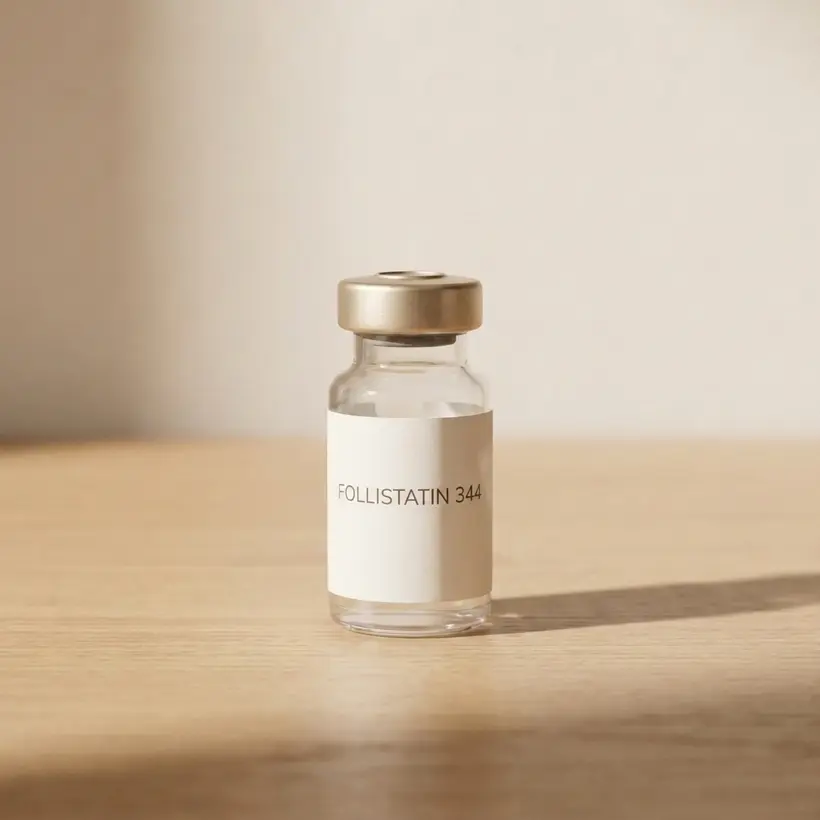
Follistatin 344
Myostatin inhibitor studied for enhanced muscle growth · From $149/mo · compounded by a licensed 503A pharmacy, dispensed only after provider review.
Learn about Follistatin 344 →This is challenging on semaglutide because your appetite is suppressed. Here is how to make it work:
- Front-load protein at every meal. Eat your protein source first before vegetables, grains, or anything else. If you fill up quickly (which you'll on semaglutide), at least you got the protein in.
- Use protein shakes strategically. A high-quality whey or plant-based protein shake with 30-40 grams of protein is an efficient way to hit your target without requiring a large volume of food. Many patients have one shake per day on top of their meals.
- Choose protein-dense foods. Greek yogurt (17g per cup), cottage cheese (28g per cup), chicken breast (31g per 4 oz), eggs (6g each), and canned tuna (20g per can) deliver a lot of protein in relatively small portions.
- Spread intake across the day. Your body can only use about 30-40 grams of protein for muscle protein synthesis in a single meal. Eating 100 grams in one sitting is less effective than spreading it across 4-5 smaller protein feedings.
The Resistance Training Protocol
Protein alone isn't enough. You need to give your muscles a reason to stick around. Resistance training sends a powerful signal to your body that says "this muscle is being used, don't break it down for energy."
You don't need to become a competitive powerlifter. A practical, effective resistance training program for someone on semaglutide involves:
- 2-4 sessions per week. Consistency matters more than intensity. Even two well-structured sessions per week can make a meaningful difference.
- Focus on compound movements. Squats, deadlifts, bench press, rows, overhead press, and lunges work multiple muscle groups simultaneously and give you the most return on your time investment.
- Progressive overload. Gradually increase the weight, reps, or sets over time. Your muscles need to be consistently challenged to be maintained.
- Don't skip legs. Your lower body contains the largest muscle groups in your body. Training them has the biggest impact on overall lean mass preservation and metabolic rate.
If you're new to resistance training, consider working with a personal trainer for a few sessions to learn proper form. Many gyms offer introductory packages. There are also excellent app-based programs designed for beginners.
Other Strategies That Help
Creatine monohydrate: This is one of the most studied and safe supplements in existence. Taking 3-5 grams daily has been shown to support muscle retention during caloric restriction, improve strength, and even support cognitive function. It's inexpensive, widely available, and has no meaningful side effects for most people.
Sleep: Growth hormone is primarily released during deep sleep. Poor sleep quality directly impairs muscle recovery and increases muscle protein breakdown. Aim for 7-9 hours per night.
Avoid excessive cardio: While cardiovascular exercise is important for heart health, excessive cardio in a caloric deficit can accelerate muscle loss. If you enjoy cardio, keep it moderate (walking, cycling, swimming) and make sure resistance training takes priority.
Slow your weight loss if needed: If you're losing more than 2 pounds per week consistently, talk to your provider about adjusting your semaglutide dose or caloric intake. Slower weight loss generally preserves more muscle.
Working With Your Provider
Ask your prescribing provider about body composition monitoring. A DEXA scan at baseline and every 3-6 months can show you exactly how much fat versus lean mass you're losing. This data helps you and your provider adjust your approach in real time rather than guessing.
The patients who get the best long-term results on semaglutide aren't just losing weight. They're strategically losing fat while protecting their muscle. It takes more effort than simply taking the injection and eating less, but the payoff for metabolic health, physical function, and sustainable results is enormous.
Medical References
- Wilding JPH, Batterham RL, Calanna S, et al. Once-Weekly Semaglutide in Adults with Overweight or Obesity. N Engl J Med. 2021;384(11):989-1002. [PubMed | ClinicalTrials.gov | DOI]
Related guides
- What Is the Cheapest Way to Get Semaglutide? (Quick Answer)
- Semaglutide Muscle Loss: Prevention
- Zepbound and Muscle Loss Prevention
- Tirzepatide and Muscle Wasting Prevention
- Does Semaglutide Cause Muscle Loss
- Semaglutide and Muscle Loss: Management Guide
Ready when you are
Follistatin 344
Myostatin inhibitor studied for enhanced muscle growth · From $149/mo · compounded by a licensed 503A pharmacy, dispensed only after provider review.
Learn about Follistatin 344 →