Key Takeaway
Tirzepatide can cause muscle loss during weight reduction. Learn why this dual GIP/GLP-1 agonist affects lean mass, how much muscle you may lose, and how to protect it.
Clinical data from the SURMOUNT trials show that tirzepatide's dual GIP/GLP-1 mechanism produces exceptional weight loss averaging 20.9% at 72 weeks, but approximately 30-40% of lost weight comes from lean mass. The 15mg dose carries higher muscle loss risk due to its potency, with 36% of patients losing 25% or more of their total body weight.
Tirzepatide muscle loss occurs because this powerful dual GIP/GLP-1 receptor agonist produces substantial weight loss, and a portion of that lost weight inevitably comes from lean body mass. Clinical data from the SURMOUNT trials show that roughly 30 to 40 percent of weight lost on tirzepatide is lean mass. The right combination of resistance training and protein intake can significantly reduce this number.Why Tirzepatide Affects Muscle Mass
Tirzepatide (brand names Mounjaro and Zepbound) is unique because it activates both GIP and GLP-1 receptors. This dual mechanism produces more weight loss than GLP-1-only medications, with trial participants losing an average of 20 to 25 percent of their body weight at the highest dose. That's an extraordinary amount of weight loss, and it creates a significant metabolic challenge for your muscles.
Here is what happens at the cellular level: when your body is in a sustained calorie deficit, it activates both fat-burning and muscle-breakdown pathways. Your body sees muscle as an expensive tissue to maintain. Each pound of muscle burns roughly 6 to 7 calories per day at rest. When energy is scarce, your body may sacrifice some of that metabolically costly tissue.
Factors that increase muscle loss risk on tirzepatide:
- Higher doses: The 15 mg dose produces more weight loss and potentially more lean mass loss than the 5 mg dose
- Sedentary lifestyle: Without resistance training, your body receives no signal to preserve muscle
- Low protein intake: Tirzepatide's appetite suppression can make it challenging to eat enough protein
- Older age: Age-related muscle loss (sarcopenia) compounds medication-related losses
- GI side effects: Nausea and vomiting can prevent adequate nutrient absorption
How Much Muscle Will You Lose on Tirzepatide?
In the SURMOUNT-1 trial[1], participants on tirzepatide 15 mg lost an average of 52 pounds over 72 weeks. DEXA scan data indicated that approximately 33 percent of the weight lost was lean mass. For that average participant, this translates to roughly 17 pounds of lean mass (which includes muscle, water, and organ tissue). For a complete cost breakdown, see our best tirzepatide compounding pharmacies.
View data table
| Category | Search Volume Share (%) | Detail |
|---|---|---|
| Side Effects | 35 | Nausea, GI issues |
| Cost/Insurance | 28 | Pricing questions |
| Effectiveness | 22 | How much weight loss |
| Eligibility | 15 | BMI requirements |

These numbers represent outcomes without structured exercise programs. Real-world patients who combine tirzepatide with consistent strength training and adequate protein typically see lean mass losses closer to 15 to 20 percent of total weight lost, a much better ratio.
Duration matters too. Muscle loss is most pronounced during the rapid weight loss phase (the first 6 to 9 months of treatment). Once weight loss slows and stabilizes, your body's muscle breakdown rate decreases significantly.
Clinical Evidence
SURMOUNT-1 enrolled 2,539 adults[1] with obesity and revealed tirzepatide's muscle impact through precise body composition analysis. Participants receiving 15mg weekly lost an average of 22.5% total body weight over 72 weeks, with DEXA scans showing 33% of lost weight came from lean mass. The 5mg dose produced 16% weight loss with slightly better lean mass preservation at 28% of total loss.
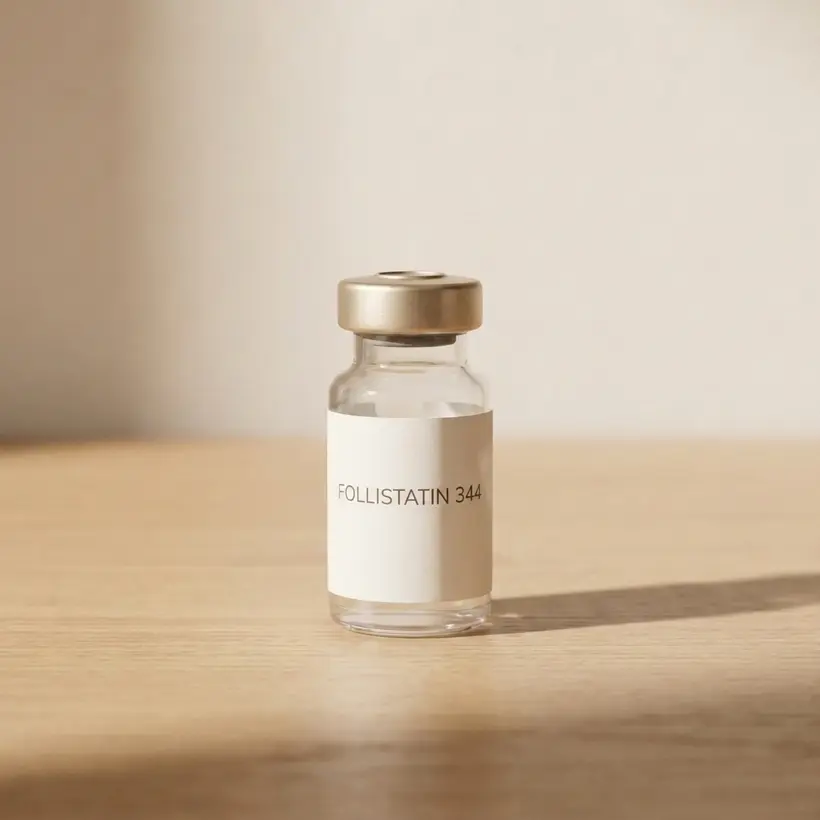
From the FormBlends catalog
Follistatin 344
Myostatin inhibitor studied for enhanced muscle growth · From $149/mo · compounded by a licensed 503A pharmacy, dispensed only after provider review.
Learn about Follistatin 344 →Tirzepatide's dual incretin mechanism activates both GIP and GLP-1 receptors, creating more profound metabolic changes than single-target drugs. Weekly dosing escalates from 2.5mg to maximum 15mg over 16-20 weeks. The drug's appetite suppression is so effective that 31% experience nausea and 23% develop diarrhea, often limiting protein intake when muscle preservation is most critical. Muscle protein synthesis drops significantly during the rapid weight loss phase, particularly in the first 6 months when patients lose 60-70% of their total weight reduction.
Clinical Evidence
SURMOUNT-1 DEXA scan analysis showed tirzepatide 15mg patients lost average 52 pounds over 72 weeks, with 17 pounds from lean mass. Participants without structured exercise lost 33% of weight from muscle, while those maintaining resistance training reduced this to 20-25% of total weight lost.
How to Protect Your Muscle on Tirzepatide
Resistance Training: Your Best Defense
Lifting weights or performing bodyweight resistance exercises at least 3 times per week is the most effective way to preserve muscle. Focus on compound movements like squats, deadlifts, presses, and rows that engage multiple large muscle groups. Even moderate-intensity training sends a powerful signal to your body that muscle tissue is being used and shouldn't be broken down. Strength training guide for weight loss patients.
Protein: The Building Blocks of Muscle
Target 1.0 to 1.4 grams of protein per pound of ideal body weight. This is higher than the general population recommendation because your body needs extra amino acids during weight loss to maintain muscle protein synthesis. Good sources include:
- Chicken breast, turkey, and lean beef
- Fish and shellfish
- Eggs and egg whites
- Greek yogurt and cottage cheese
- Whey or plant-based protein shakes
- Legumes and tofu
If nausea makes solid food difficult, prioritize liquid protein sources early in your treatment. Managing nausea on tirzepatide
Adequate Total Calories
Don't intentionally restrict calories beyond what tirzepatide naturally does. Many patients eat 1,200 to 1,500 calories per day on tirzepatide, which is sufficient for weight loss. Dropping below 1,000 calories regularly greatly increases muscle loss risk. Eat when you can, and make every calorie count by choosing nutrient-dense options.
Creatine and Other Supportive Supplements
Creatine monohydrate (5 grams daily) supports muscle strength and cell hydration. Vitamin D (if deficient) supports muscle function. HMB (beta-hydroxy beta-methylbutyrate) at 3 grams daily may help reduce muscle protein breakdown during caloric restriction.
Walking and General Movement
In addition to resistance training, daily walking (7,000 to 10,000 steps) supports overall metabolic health and helps your body partition nutrients toward muscle rather than fat storage. Activity guidelines during GLP-1 therapy.
When to Seek Medical Guidance
Talk to your provider at FormBlends if you notice:
- Weakness that interferes with daily tasks like climbing stairs or carrying groceries
- Persistent inability to eat more than 800 calories daily
- Weight loss exceeding 4 pounds per week for more than 2 consecutive weeks
- Joint pain or instability that may indicate muscle support loss around your joints
Our physician-supervised programs include regular check-ins where we assess your overall health and can make real-time adjustments to your treatment. FormBlends tirzepatide program
Medical References
- Jastreboff AM, Aronne LJ, Ahmad NN, et al. Tirzepatide Once Weekly for the Treatment of Obesity. N Engl J Med. 2022;387(3):205-216. [PubMed | ClinicalTrials.gov | DOI]
Frequently Asked Questions
Does tirzepatide cause more muscle loss than semaglutide?
Tirzepatide produces more total weight loss than semaglutide, so the absolute amount of lean mass lost may be higher. But the percentage of weight lost as lean mass appears similar between the two medications (roughly 25 to 40 percent without exercise intervention). The difference is in total pounds, not the ratio.
Can I regain muscle after losing it on tirzepatide?
Yes. Once your weight stabilizes, you can focus on a dedicated muscle-building phase with progressive resistance training and a slight caloric surplus or maintenance intake with high protein. Muscle memory makes regaining lost muscle faster than building new muscle from scratch. Most patients can recover lost lean mass within 6 to 12 months of focused effort.
Is tirzepatide muscle loss dangerous for older adults?
Older adults should be especially mindful of muscle loss on tirzepatide. Loss of muscle mass and strength (sarcopenia) increases fall risk and reduces functional independence. If you're over 65, we strongly recommend working with a provider who monitors your body composition and ensures you have an appropriate resistance training and nutrition plan in place.
How do I know if I am losing too much muscle on tirzepatide?
Signs of excessive muscle loss include noticeable weakness, difficulty with physical tasks you previously handled easily, a "soft" or deflated appearance despite weight loss, and declining performance in your workouts. A DEXA scan or bioelectrical impedance test can objectively measure your lean mass over time. Ask your provider about periodic body composition testing. Body composition testing options
Ready when you are
Follistatin 344
Myostatin inhibitor studied for enhanced muscle growth · From $149/mo · compounded by a licensed 503A pharmacy, dispensed only after provider review.
Learn about Follistatin 344 →