Key Takeaway
Semaglutide can cause muscle loss alongside fat loss during weight reduction. Learn why it happens, how much muscle you might lose, and proven strategies to preserve lean mass.
Semaglutide causes muscle loss in 25-40% of total weight reduction. In STEP 1[1] trials, participants lost 14.9% body weight[1] at 68 weeks, with roughly 25-40% coming from lean mass rather than fat. This occurs because semaglutide's appetite suppression creates severe calorie deficits that trigger muscle protein breakdown alongside fat loss.
Semaglutide muscle loss is a real concern during weight loss treatment. Studies show that up to 25 to 40 percent of total weight lost on semaglutide can come from lean body mass, including muscle. This happens because your body breaks down both fat and muscle tissue when in a significant calorie deficit. But with the right nutrition and exercise plan, you can preserve the vast majority of your muscle while still losing fat.Why Does Semaglutide Cause Muscle Loss?
Semaglutide works by mimicking the GLP-1 hormone, which reduces appetite and slows gastric emptying. The result is a substantial reduction in calorie intake, often 500 to 1,000 fewer calories per day than before treatment. When your body faces this calorie deficit, it draws on stored energy. While most of that energy comes from fat, your body also catabolizes muscle protein for fuel.
Several specific factors make muscle loss more likely on semaglutide:
- Severe calorie restriction: Many patients eat far less than intended because of strong appetite suppression, sometimes dropping below 1,000 calories daily
- Inadequate protein: When overall food intake drops, protein intake often drops too, leaving your muscles without the building blocks they need
- Physical inactivity: Reduced energy from eating less can lead to decreased physical activity, which accelerates muscle breakdown
- Nausea and GI side effects: Nausea, the most common semaglutide side effect, can make it hard to eat protein-rich foods
- Rapid weight loss: Losing weight too fast tips the balance toward more lean mass loss relative to fat loss
Some lean mass loss is normal during any weight loss program, whether medication-assisted or not. The goal isn't to eliminate it entirely, but to minimize it so that the majority of your weight loss comes from fat.
How Much Muscle Loss Should You Expect?
In the STEP clinical trials, participants on semaglutide 2.4 mg lost an average of 15 percent of their body weight. Body composition analysis showed that roughly 60 to 75 percent of the weight lost was fat, with the remainder being lean mass (muscle, water, and other non-fat tissue). For a complete cost breakdown, see our cheapest semaglutide options. For a complete cost breakdown, see our compare GLP-1 providers.
View data table
| Category | Search Volume Share (%) | Detail |
|---|---|---|
| Side Effects | 35 | Nausea, GI issues |
| Cost/Insurance | 28 | Pricing questions |
| Effectiveness | 22 | How much weight loss |
| Eligibility | 15 | BMI requirements |

For a person who loses 40 pounds on semaglutide, this could mean 10 to 16 pounds of lean mass loss. Without intervention, this amount of muscle loss can lead to:
- Reduced metabolic rate, making it harder to maintain weight loss
- Decreased physical strength and functional capacity
- Higher risk of injury, especially in older adults
- A "skinny fat" appearance where you lose weight but still look soft
The good news is that these numbers come from clinical trials where exercise and nutrition were not heavily emphasized. With proper strategies, real-world patients can do much better.
Clinical Evidence
Semaglutide (Wegovy/Ozempic) is a GLP-1 receptor agonist that demonstrated significant weight reduction in clinical trials. The STEP 1 trial showed 14.9% body weight[1] loss at 68 weeks with weekly 2.4mg dosing, while the SELECT cardiovascular outcomes trial recorded a 20% reduction in major adverse cardiovascular[2] events. The medication's mechanism involves mimicking incretin hormones that regulate blood sugar and gastric emptying, leading to substantial appetite suppression.
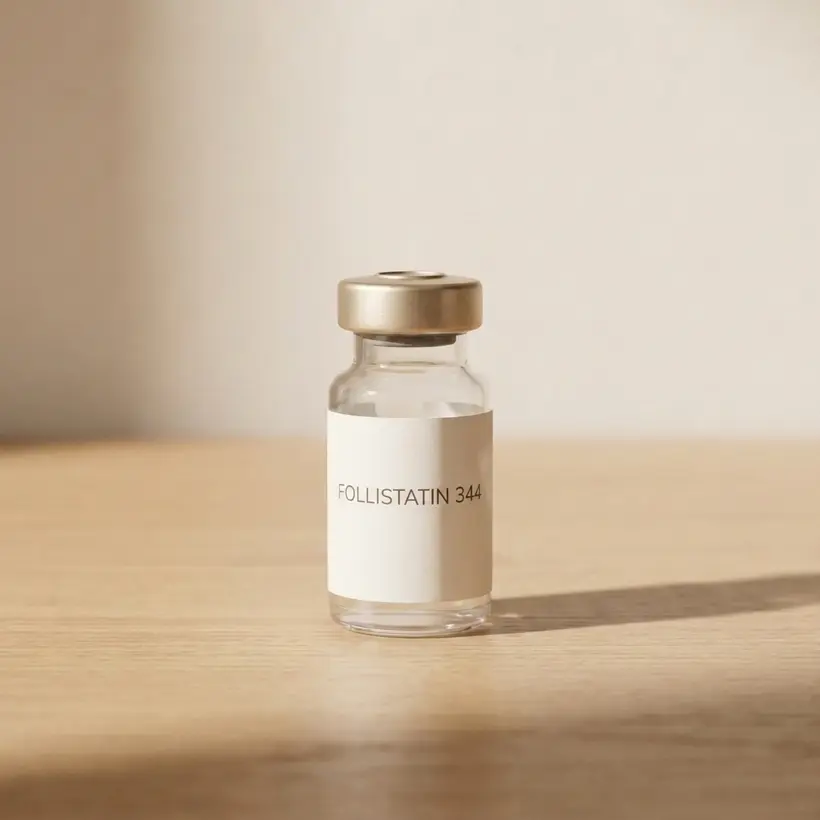
From the FormBlends catalog
Follistatin 344
Myostatin inhibitor studied for enhanced muscle growth · From $149/mo · compounded by a licensed 503A pharmacy, dispensed only after provider review.
Learn about Follistatin 344 →Clinical dosing starts at 0.25mg weekly and escalates to a maintenance dose of 2.4mg over 16-20 weeks. The most common side effects include nausea in 44% of patients and diarrhea in 30%, which can compound muscle loss by reducing protein intake. Body composition studies from STEP trials reveal that while total weight loss is substantial, approximately 25-40% comes from lean body mass rather than adipose tissue, highlighting the importance of muscle preservation strategies during treatment.
Clinical Evidence
STEP 1 trial body composition analysis showed that of the 14.9% total weight loss at 68 weeks, roughly 60-75% came from fat mass while 25-40% represented lean tissue loss. This translates to approximately 10-16 pounds of muscle loss for every 40 pounds of total weight reduction without targeted preservation strategies.
Proven Strategies to Prevent Muscle Loss
1. Resistance Training Is Non-Negotiable
Strength training is the single most effective tool for preserving muscle during weight loss. We recommend at least 2 to 3 sessions per week, targeting all major muscle groups. Your muscles need a stimulus to stay. Without that signal, your body has little reason to maintain metabolically expensive muscle tissue during a calorie deficit. Exercise recommendations for semaglutide patients
2. Hit Your Protein Targets
Aim for 1.0 to 1.2 grams of protein per pound of lean body mass daily. For most patients, this means 100 to 150 grams of protein per day. Spread your protein intake across 3 to 4 meals for optimal muscle protein synthesis. If nausea makes eating difficult, consider liquid protein sources like shakes, bone broth, or Greek yogurt. Protein strategies for GLP-1 patients
3. Do Not Restrict Calories Beyond What the Medication Already Does
Semaglutide naturally reduces your appetite. You don't need to diet on top of the medication. Aim to eat when you're hungry and focus on nutrient-dense foods rather than further calorie restriction. Eating too little is one of the primary drivers of muscle loss.
4. Consider Creatine Supplementation
Creatine monohydrate is one of the most well-researched supplements for supporting muscle mass and strength. Taking 3 to 5 grams daily can help maintain muscle performance during weight loss.
5. Get Enough Sleep
Poor sleep increases cortisol levels, which promotes muscle breakdown. Aim for 7 to 9 hours of quality sleep per night. Sleep is when your body does most of its muscle repair and recovery.
6. Monitor Your Body Composition
The scale alone doesn't tell you whether you're losing fat or muscle. Ask your provider about body composition testing, such as DEXA scans or bioelectrical impedance analysis, to track your lean mass over time. Body composition monitoring
When to Talk to Your Provider
Contact your care team if you experience:
- Significant weakness or decreased physical performance
- Inability to eat more than 800 calories per day due to nausea or appetite suppression
- Rapid weight loss exceeding 3 to 4 pounds per week
- Difficulty performing daily activities or exercises you previously managed easily
At FormBlends, our physicians monitor your overall health throughout your semaglutide treatment. We can adjust your dosing, recommend targeted supplementation, and connect you with fitness guidance to protect your lean mass while you lose fat. FormBlends physician-supervised weight loss
Medical References
- Wilding JPH, Batterham RL, Calanna S, et al. Once-Weekly Semaglutide in Adults with Overweight or Obesity. N Engl J Med. 2021;384(11):989-1002. [PubMed | ClinicalTrials.gov | DOI]
- Lincoff AM, Brown-Frandsen K, Colhoun HM, et al. Semaglutide and Cardiovascular Outcomes in Obesity without Diabetes. N Engl J Med. 2023;389(24):2221-2232. [PubMed | ClinicalTrials.gov | DOI]
Frequently Asked Questions
Can you build muscle while taking semaglutide?
Building new muscle while in a calorie deficit is difficult but not impossible, especially for people who are new to strength training. Beginners can experience "newbie gains" even while losing weight. For most patients, the realistic goal on semaglutide is to preserve existing muscle rather than build new mass. Once your weight stabilizes, you can shift to a muscle-building phase.
Is semaglutide muscle loss permanent?
No. Muscle can be rebuilt through resistance training and adequate protein intake. Even if you lose some lean mass during your weight loss phase, a focused strength training program after your weight stabilizes can help you regain it. Muscle has a "memory effect" that makes regaining lost muscle faster than building it from scratch.
How much protein do I need on semaglutide to prevent muscle loss?
We recommend 1.0 to 1.2 grams of protein per pound of lean body mass daily. For a 200-pound person with 35 percent body fat, that would be approximately 130 to 156 grams of protein per day. Spreading this across multiple meals optimizes muscle protein synthesis. Protein calculator for weight loss patients
Does semaglutide cause more muscle loss than diet alone?
The proportion of lean mass lost on semaglutide is similar to what occurs with diet-induced weight loss of the same magnitude. The key difference is that semaglutide often produces faster and greater weight loss, which can mean more total lean mass lost in absolute terms. Combining semaglutide with resistance training and high protein intake brings the lean mass loss ratio closer to what is seen in well-managed diet programs.
Should I take BCAAs or other supplements to protect muscle on semaglutide?
If you're meeting your total protein goals, BCAA supplements are unnecessary because whole protein sources already contain all important amino acids. But creatine monohydrate (3 to 5 grams daily) has strong evidence for supporting muscle mass and strength. A daily multivitamin can also help cover any micronutrient gaps caused by reduced food intake.
Ready when you are
Follistatin 344
Myostatin inhibitor studied for enhanced muscle growth · From $149/mo · compounded by a licensed 503A pharmacy, dispensed only after provider review.
Learn about Follistatin 344 →