About
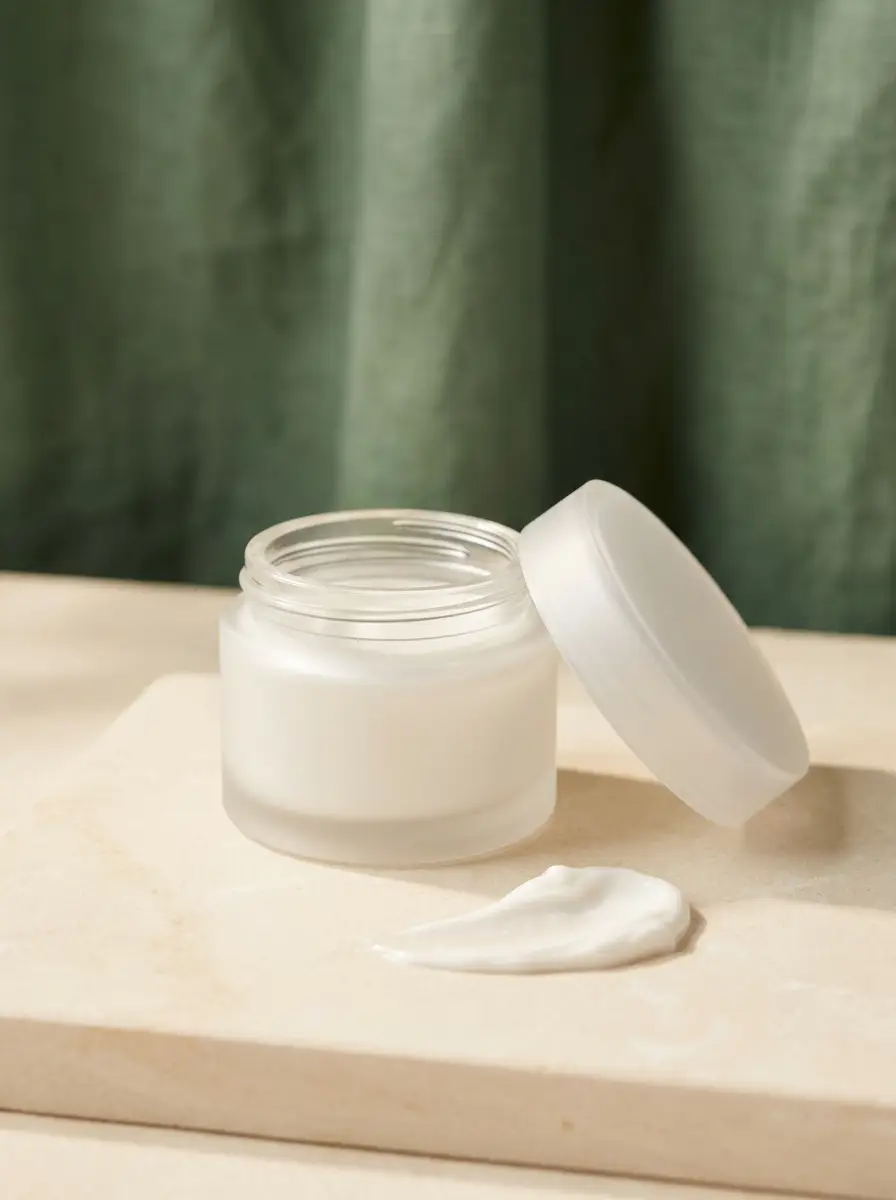
About Hyperpigmentation Cream
This compounded hyperpigmentation formula brings together three actives that target uneven pigmentation through distinct but complementary mechanisms. Hydroquinone is a prescription depigmenting agent that inhibits tyrosinase, the key enzyme in melanin synthesis, reducing the production of pigment in areas of discoloration. Tretinoin accelerates epidermal turnover, helping to shed pigmented cells more rapidly and enhancing the penetration of co-ingredients. Vitamin C (ascorbic acid or a stable derivative) is an antioxidant that also interferes with melanin formation and may help address oxidative contributors to pigmentation. A licensed provider selects the concentration of each component appropriate for your skin and the nature of your pigmentation concern.
The cream is typically applied to affected areas at night. Sun avoidance and consistent daily use of broad-spectrum SPF 30 or higher sunscreen are essential components of any hyperpigmentation treatment plan, as UV exposure directly stimulates melanin production and can undermine progress. Some users apply a thin layer to the entire face; others use a targeted spot-treatment approach. Your provider will specify the application protocol best suited to your situation.
Hyperpigmentation responds slowly. Lightening of existing dark spots may begin to become visible after eight to twelve weeks of consistent use, with more substantial improvement unfolding over four to six months. The rate of response varies depending on the depth of pigmentation, underlying cause (sun damage, post-inflammatory, melasma), skin type, and adherence to sun protection. This cream is not intended for indefinite use. Hydroquinone-containing formulas are generally prescribed for defined treatment cycles, after which a provider evaluates the need for continuation or a maintenance approach.
This formula is appropriate for adults with concerns including melasma, solar lentigines, post-inflammatory hyperpigmentation from acne or injury, and general uneven skin tone, following a provider assessment. Hydroquinone is not recommended during pregnancy or breastfeeding. Tretinoin increases sun sensitivity, making daily SPF non-negotiable. Mild irritation, redness, or temporary dryness may occur, particularly early in treatment. Avoid use on broken or irritated skin and keep away from eyes.