Key Takeaway
Your cells run on energy. And at the heart of cellular energy production is a molecule called NAD+. NAD+ peptide longevity energy research has become one of the hottest areas in anti-aging science. As you age, your NAD+ levels drop significantly. By age 50, you may have half the NAD+ you had at 20.
Your cells run on energy. And at the heart of cellular energy production is a molecule called NAD+. NAD+ peptide longevity energy research has become one of the hottest areas in anti-aging science. As you age, your NAD+ levels drop significantly. By age 50, you may have half the NAD+ you had at 20. This decline is linked to fatigue, cognitive decline, and accelerated aging.
Key Takeaways: - Understand what is nad+ and why does it matter - Delivery Methods: NMN, NR, and Direct NAD+ Injections - Benefits and What the Research Shows - Safety, Side Effects, and Monitoring
Boosting NAD+ levels through precursors like NMN and NR, or through direct NAD+ injections, may help restore cellular energy and support healthier aging. Here is what the research says and how it may apply to you.
What Is NAD+ and Why Does It Matter?
NAD+ stands for nicotinamide adenine dinucleotide. It's a coenzyme found in every living cell. Without NAD+, your cells can't produce energy, repair DNA, or maintain proper function. It's that important.
NAD+ matters in mitochondrial function. Your mitochondria are the power plants of your cells. They convert nutrients into ATP, the energy currency your body runs on. NAD+ is important for this conversion process. When NAD+ levels drop, mitochondrial function declines, and you feel it as fatigue and reduced performance.
"Compounding pharmacies serve a critical role in healthcare, but patients need to understand the difference between a properly regulated 503B facility and an unregulated operation. Ask about PCAB accreditation and third-party testing.") Dr. Scott Brunner, PharmD, Alliance for Pharmacy Compounding
Beyond energy, NAD+ activates sirtuins. Sirtuins are a family of proteins that regulate cellular health, inflammation, and aging. When sirtuin activity is high, your cells maintain themselves better, resist stress, and age more slowly. NAD+ is required for sirtuins to function.
NAD+ also supports PARP enzymes, which repair damaged DNA. As you age and accumulate more DNA damage, the demand for PARP activity increases. This creates a competition for NAD+ between energy production, sirtuin activation, and DNA repair. Boosting NAD+ levels may help meet all three demands.
Delivery Methods: NMN, NR, and Direct NAD+ Injections
There are several ways to increase your NAD+ levels. Each has different pros, cons, and levels of evidence.
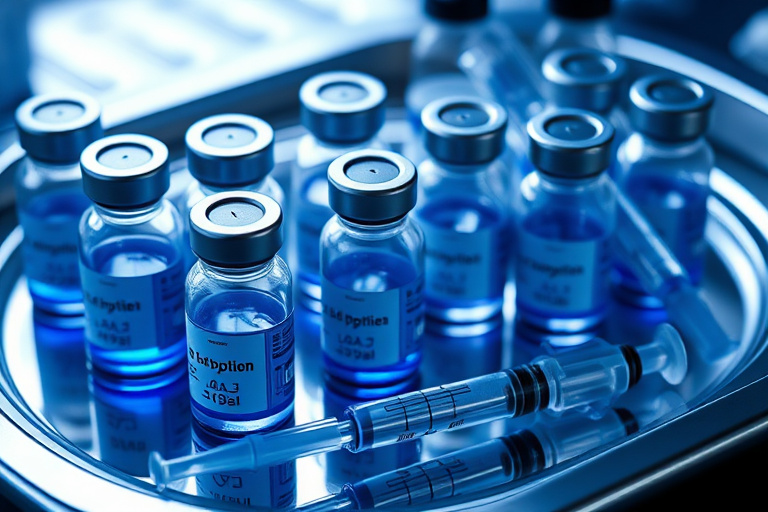
Free Download: Protocol Planner Organize your NAD+ protocol with our free planner. Includes dosing schedules, supplement tracking, and energy level logs. Get yours free, we'll email it to you instantly. [Email Input] [Download Button]
NMN (nicotinamide mononucleotide) is a direct precursor to NAD+. Your body converts NMN into NAD+ through a single enzymatic step. NMN is available as an oral supplement and can also be prescribed in injectable form. Research in animal models has shown impressive results for energy, metabolism, and aging markers. Human trials are ongoing and early results are encouraging.
NR (nicotinamide riboside) is another NAD+ precursor. It takes a slightly different pathway to become NAD+ in the body. NR has more published human clinical trial data than NMN. Studies have shown it can raise blood NAD+ levels in humans, though the clinical significance of this increase is still being studied.
Direct NAD+ injections and IV infusions deliver the molecule straight into your bloodstream. This bypasses digestive absorption entirely. IV NAD+ infusions typically take 2 to 4 hours and can cause flushing, nausea, and chest tightness during administration. Subcutaneous NAD+ injections are a faster and more convenient alternative.
Your can help determine which delivery method aligns with your health goals, lifestyle, and budget.
Benefits and What the Research Shows
The most consistent finding in NAD+ research is improved mitochondrial function. Animal Clinical data indicate that boosting NAD+ can restore mitochondrial activity in aged tissues to levels closer to young tissue. This translates to improved energy production at the cellular level.
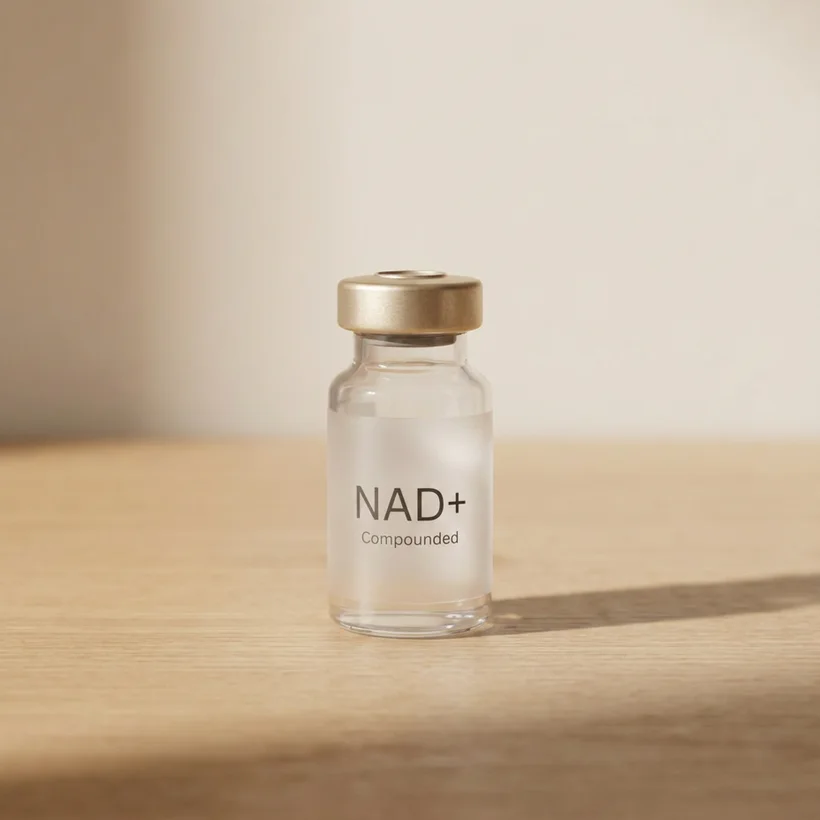
From the FormBlends catalog
NAD+ Peptide Complex
Restore cellular energy and DNA repair capacity · From $179/mo · compounded by a licensed 503A pharmacy, dispensed only after provider review.
View NAD+ Peptide Complex →Cognitive benefits are another active area of research. NAD+ supports brain cell energy production and may protect neurons from age-related damage. Some users report improved mental clarity and focus after NAD+ therapy.
Metabolic health may also benefit. Research suggests NAD+ influences insulin sensitivity, lipid metabolism, and inflammation. These effects could complement other metabolic interventions like for in-depth health support.
Exercise recovery is a practical benefit many users report. By supporting mitochondrial function and cellular repair, NAD+ may help your body recover faster from intense workouts. Some athletes and fitness enthusiasts use NAD+ as part of their .
While animal data is strong, human clinical evidence is still developing. NAD+ therapy is promising but not yet proven to extend human lifespan or reverse aging. Results vary between individuals.
Safety, Side Effects, and Monitoring
Oral NMN and NR supplements are generally well-tolerated. Common side effects are mild and may include stomach upset, flushing, or mild nausea. These usually resolve with continued use or dose adjustment.
IV NAD+ infusions can cause more noticeable side effects during administration. Flushing, nausea, cramping, and chest tightness are common. These effects are related to the infusion rate and typically resolve when the rate is slowed.
Subcutaneous NAD+ injections may cause injection site redness or soreness. Starting with lower doses and gradually increasing can help minimize side effects.
Some researchers have raised theoretical concerns about high-dose NAD+ supplementation in people with existing cancers. Cancer cells also use NAD+ for energy and growth. While current evidence doesn't show NAD+ supplementation promotes cancer, discuss this with your provider if you have a cancer history.
Monitoring your NAD+ levels through specialized blood tests can help track the effectiveness of your protocol. Your provider may also recommend in-depth bloodwork to assess overall metabolic and health markers alongside NAD+ therapy.
Frequently Asked Questions
Should I take NMN or NR?
Both NMN and NR can raise NAD+ levels. NMN converts to NAD+ in one step, while NR takes a different pathway. NR has more human clinical trial data currently available. Your can recommend the best option for your situation.
How long does it take to feel the effects of NAD+?
Some people notice improved energy within days of starting NAD+ therapy. For others, benefits develop over 2 to 4 weeks. IV NAD+ infusions often produce the most immediate effects, while oral precursors may take longer.
Are NAD+ injections painful?
Subcutaneous NAD+ injections cause mild stinging at the injection site in some people. IV infusions can cause flushing and discomfort during administration but aren't typically described as painful. Side effects are dose and rate dependent.
Can I combine NAD+ with other peptides?
Yes. NAD+ therapy is commonly combined with other longevity peptides like as part of a thorough anti-aging protocol. Always combine therapies under provider supervision.
How much does NAD+ therapy cost?
Costs vary depending on the delivery method. Oral NMN and NR supplements are the most affordable. Subcutaneous injections are moderately priced. IV infusions are the most expensive option. Check for current rates.
Your Personalized Plan Is Waiting
No two patients are the same, and your protocol shouldn't be either. FormBlends providers create customized treatment plans based on your health profile, goals, and preferences.
Sources &. References
- Pickart L, Vasquez-Soltero JM, Margolina A. GHK Peptide as a Natural Modulator of Multiple Cellular Pathways in Skin Regeneration. BioMed Res Int. 2015;2015:648108. Doi:10.1155/2015/648108
- Pickart L, Vasquez-Soltero JM, Margolina A. GHK and DNA: Resetting the Human Genome to Health. BioMed Res Int. 2014;2014:151479. Doi:10.1155/2014/151479
- Sikiric P, Hahm KB, Blagaic AB, et al. Stable Gastric Pentadecapeptide BPC 157, Robert's Cytoprotection, Adaptive Cytoprotection, and Therapeutic Effects. Curr Pharm Des. 2018;24(18):1990-2001. Doi:10.2174/1381612824666180515125918
- Chang CH, Tsai WC, Lin MS, et al. The promoting effect of pentadecapeptide BPC 157 on tendon healing involves tendon outgrowth, cell survival, and cell migration. J Appl Physiol. 2011;110(3):774-780. Doi:10.1152/japplphysiol.00945.2010
- Seiwerth S, Brcic L, Vuletic LB, et al. BPC 157 and blood vessels. Curr Pharm Des. 2014;20(7):1121-1125. Doi:10.2174/13816128113199990421
- Bock-Marquette I, Saxena A, White MD, et al. Thymosin beta4 activates integrin-linked kinase and promotes cardiac cell migration, survival and cardiac repair. Nature. 2004;432(7016):466-472. Doi:10.1038/nature03000
- Malinda KM, Sidhu GS, Mani H, et al. Thymosin beta4 accelerates wound healing. J Invest Dermatol. 1999;113(3):364-368. Doi:10.1046/j.1523-1747.1999.00708.x
This content is provided for informational and educational purposes only. It isn't a substitute for professional medical advice, diagnosis, or treatment. Always seek the advice of a licensed healthcare provider with any questions about a medical condition or treatment plan.
Last updated: 2026-03-24
Ready when you are
NAD+ Peptide Complex
Restore cellular energy and DNA repair capacity · From $179/mo · compounded by a licensed 503A pharmacy, dispensed only after provider review.
View NAD+ Peptide Complex →