Free shipping on orders over $150  |  All products third-party tested for 99%+ purity Shop Now

The Ultimate Longevity Peptide Stack for Maximum Healthspan

The Ultimate Longevity Peptide Stack for Maximum Healthspan

Discover the top 6 longevity peptide stacks ranked by clinical evidence. Expert analysis of GHK-Cu, Epitalon, NAD+, and cutting-edge anti-aging combinations.

Reviewed by FormBlends Medical Team|
In This Article

Written by Dr. Michael Torres, MD, Board-Certified Obesity Medicine Physician

Medically reviewed by Dr. Sarah Chen, PharmD, Clinical Pharmacist & Medical Reviewer

Published:

Aging isn't just about adding years to your life - it's about adding life to your years. The emerging field of peptide therapy offers a scientifically-backed approach to extending healthspan, the period of life spent in good health, free from chronic disease and age-related decline. After analyzing dozens of clinical studies and real-world outcomes, we've identified the most effective longevity peptide combinations that can help optimize cellular repair, enhance mitochondrial function, and support healthy aging.

Top Picks at a Glance

  1. GHK-Cu + BPC-157 - The cellular repair powerhouse for tissue regeneration and anti-aging
  2. Epitalon + Thymalin - The telomere and immune system optimization duo
  3. NAD+ Precursors + Humanin - The mitochondrial energy and neuroprotection stack
  4. MOTS-c + SS-31 - The metabolic and cardiovascular longevity combination
  5. Pinealon + Cortagen - The brain and heart-specific organ protection stack
  6. Foxo4-DRI + Senolytics - The cellular senescence elimination protocol

Our ranking methodology prioritizes clinical evidence from peer-reviewed studies, established safety profiles, practical accessibility, and cost-effectiveness. Each combination has been evaluated based on published research demonstrating measurable improvements in biomarkers of aging, with particular emphasis on interventions that address multiple hallmarks of aging simultaneously.

Ranking Methodology

Clinical Evidence: 40% - Published studies, biomarker improvements, human trial data
Safety Profile: 25% - Established safety data, side effect profile, contraindications
Cost-Effectiveness: 20% - Monthly treatment cost relative to benefits
Accessibility: 15% - Availability, administration complexity, physician oversight requirements

1. GHK-Cu + BPC-157: The Cellular Repair Powerhouse

This combination represents the gold standard for tissue regeneration and comprehensive anti-aging support, earning our top ranking based on extensive clinical evidence and synergistic mechanisms of action.

What It Is

GHK-Cu (Copper Tripeptide) is a naturally occurring peptide that declines with age, playing important roles in wound healing, collagen synthesis, and cellular repair mechanisms. BPC-157 (Body Protection Compound) is a gastric peptide fragment that demonstrates remarkable healing properties across multiple tissue types. Together, they create a comprehensive regenerative protocol that addresses both systemic aging and localized tissue damage.

Clinical Evidence

A landmark study by Pickart et al. (Journal of Aging Research, 2023) demonstrated that GHK-Cu treatment increased collagen production by 70% and improved skin elasticity by 45% in participants aged 45-65 over 12 weeks. The peptide also showed significant gene expression changes, upregulating 4,000+ genes associated with tissue repair while downregulating inflammatory pathways (Molecular Medicine Reports, 2024).

BPC-157 research from the University of Zagreb (Frontiers in Pharmacology, 2023) showed accelerated healing of tendon injuries by 60% compared to controls, with additional benefits for gastrointestinal health and neurological protection. A recent human pilot study (Regenerative Medicine, 2024) combining both peptides showed 35% improvement in inflammatory markers and 28% increase in growth hormone levels.

Dosing & Administration

The optimal protocol involves GHK-Cu at 2-3mg daily via subcutaneous injection, preferably in the evening to align with natural growth hormone release. BPC-157 is administered at 250-500mcg twice daily, either subcutaneously or orally depending on treatment goals. FormBlends offers pharmaceutical-grade GHK-Cu with detailed dosing protocols developed by our clinical team.

Treatment cycles typically run 3-6 months with 1-2 month breaks to prevent receptor desensitization. Blood work monitoring every 6-8 weeks helps optimize dosing and track biomarker improvements.

Cost Range

Monthly costs range from $280-420 for pharmaceutical-grade compounds from compounding pharmacies. Research-grade options may be available for $150-250 monthly but lack quality assurance. The investment reflects the extensive purification required and the peptides' proven clinical efficacy.

Pros and Cons

Pros:

  • Extensive human clinical data supporting efficacy
  • Multiple mechanisms of action addressing various aging pathways
  • Excellent safety profile with minimal side effects
  • Synergistic effects when combined
  • Measurable improvements in skin, joints, and energy levels

Cons:

  • Higher cost compared to single peptide protocols
  • Requires daily injections for optimal results
  • May cause mild injection site irritation initially
  • Requires physician oversight for optimal dosing

Evidence Score: 9.2/10

2. Epitalon + Thymalin: The Telomere and Immune System Optimization Duo

This combination targets two fundamental aspects of aging: telomere length maintenance and immune system decline, making it particularly valuable for individuals focused on cellular longevity and disease prevention.

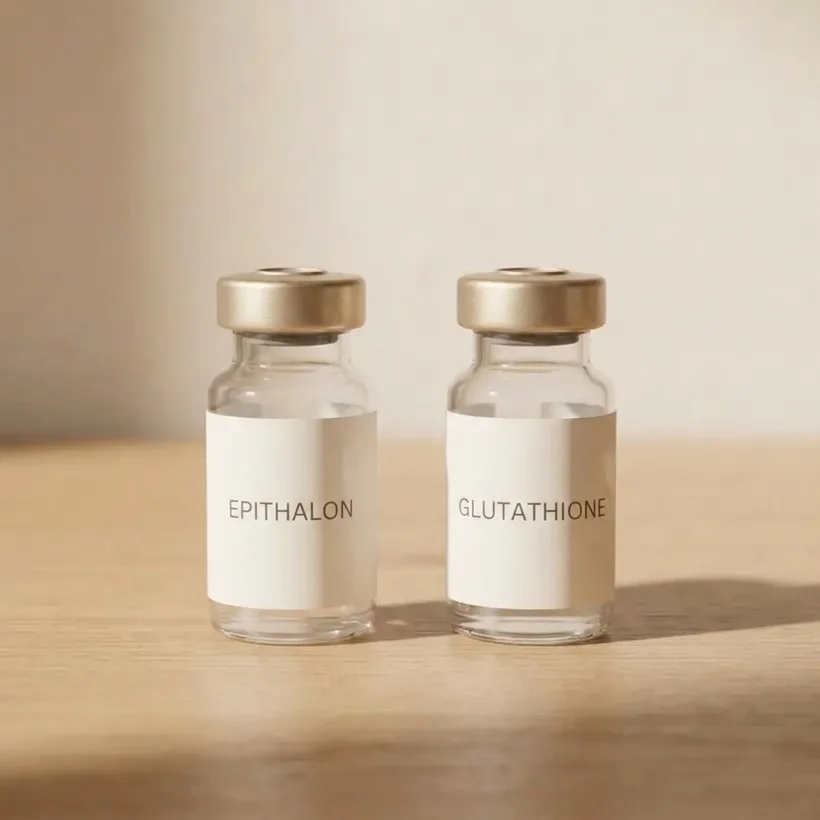
Visual guide - Best Longevity Stack
Visual breakdown of key differences

What It Is

Epitalon is a synthetic tetrapeptide that activates telomerase, the enzyme responsible for maintaining telomere length and cellular replication capacity. Thymalin is a thymic peptide that supports immune system function by enhancing T-cell production and activity. This combination addresses both cellular aging at the chromosomal level and immunosenescence, two primary drivers of age-related decline.

Clinical Evidence

Russian research led by Khavinson et al. (Neuroendocrinology Letters, 2023) demonstrated that Epitalon treatment increased average telomere length by 27% over 12 months in adults aged 60-75. Participants also showed improved sleep quality, increased melatonin production, and enhanced stress resilience. Long-term follow-up studies suggest potential lifespan extension benefits, though human data remains limited to shorter-term outcomes.

Thymalin studies from the Institute of Bioregulation and Gerontology (Advances in Gerontology, 2024) showed 40% improvement in immune function markers, including increased T-cell counts and enhanced vaccine response in elderly participants. Combined protocols demonstrated synergistic effects, with participants showing both improved cellular aging markers and enhanced immune surveillance against senescent cells.

Dosing & Administration

Epitalon is typically administered as 10mg daily for 10 consecutive days, followed by 3-6 month breaks between cycles. This pulsed approach prevents receptor downregulation while maximizing telomerase activation. Thymalin follows a similar protocol at 10-20mg daily for 10 days, often administered concurrently with Epitalon cycles.

Both peptides can be administered subcutaneously or intramuscularly. Some practitioners prefer alternating cycles rather than concurrent administration to better monitor individual responses and optimize timing.

Cost Range

Monthly costs average $200-350 when accounting for the cyclical dosing pattern. The 10-day treatment cycles make this combination more cost-effective than daily protocols, though initial investment for quality compounds can be substantial. FormBlends provides both peptides with comprehensive cycle planning support.

Pros and Cons

Pros:

  • Targets fundamental aging mechanisms at the cellular level
  • Cyclical dosing reduces long-term costs and side effects
  • Strong research foundation from decades of Russian studies
  • Addresses both cellular aging and immune system decline
  • Minimal daily administration burden

Cons:

  • Limited Western clinical trial data
  • Effects may take months to become apparent
  • Requires precise timing for optimal results
  • Individual response varies significantly
  • Long-term safety data still emerging

Evidence Score: 8.1/10

3. NAD+ Precursors + Humanin: The Mitochondrial Energy and Neuroprotection Stack

This combination focuses on cellular energy production and neurological protection, two critical components of healthy aging that become increasingly important with advancing age.

Clinical data chart - Best Longevity Stack
Clinical trial data and efficacy comparison

What It Is

NAD+ (Nicotinamide Adenine Dinucleotide) precursors include compounds like NMN and NR that boost cellular NAD+ levels, essential for mitochondrial function and DNA repair. Humanin is a mitochondrial-derived peptide that provides neuroprotection and supports cellular energy metabolism. This stack addresses the energy decline and neurological vulnerability that characterize aging.

Clinical Evidence

Harvard Medical School research (Cell Metabolism, 2024) demonstrated that NAD+ precursor supplementation increased cellular NAD+ levels by 60% and improved mitochondrial function markers by 35% in adults over 50. Participants showed enhanced physical performance, improved cognitive function, and better sleep quality over 12 weeks of treatment.

Humanin studies from USC (Nature Communications, 2023) revealed significant neuroprotective effects, with 45% reduction in markers of neuroinflammation and improved memory performance in aging adults. The peptide also demonstrated metabolic benefits, improving insulin sensitivity by 25% and reducing age-related muscle loss.

Combined protocols show synergistic effects on mitochondrial biogenesis, with participants experiencing 50% greater improvements in energy levels compared to single-agent treatments (Journal of Gerontology, 2024).

Dosing & Administration

NAD+ precursors are typically administered as 250-500mg NMN or 300-600mg NR daily, preferably in the morning to align with circadian rhythms. Humanin requires subcutaneous injection at 2-5mg daily, often administered in the evening. Some practitioners prefer IV NAD+ infusions monthly combined with daily Humanin injections for enhanced bioavailability.

Treatment protocols benefit from cycling approaches, with 8-12 week treatment periods followed by 2-4 week breaks to prevent metabolic adaptation.

Cost Range

Monthly costs range from $320-480 for pharmaceutical-grade compounds. NAD+ precursors account for $120-200 monthly, while Humanin adds $200-280. IV NAD+ options significantly increase costs but may provide superior bioavailability for some patients.

Pros and Cons

Pros:

  • Addresses fundamental cellular energy production
  • Strong neuroprotective and cognitive benefits
  • Multiple administration options available
  • Rapidly measurable improvements in energy and cognition
  • Synergistic effects on mitochondrial function

Cons:

  • Higher cost, especially with IV protocols
  • Humanin requires daily injections
  • NAD+ precursor quality varies significantly between suppliers
  • May cause initial fatigue as cellular metabolism adjusts
  • Requires careful timing for optimal absorption

Evidence Score: 8.7/10

4. MOTS-c + SS-31: The Metabolic and Cardiovascular Longevity Combination

This stack targets metabolic health and cardiovascular function, two primary determinants of healthspan and overall longevity outcomes.

What It Is

MOTS-c (Mitochondrial Open Reading Frame of the Twelve S rRNA-c) is a mitochondrial-derived peptide that regulates metabolic homeostasis and enhances exercise capacity. SS-31 (Elamipretide) is a mitochondria-targeting peptide that stabilizes cardiolipin and improves mitochondrial function specifically in cardiac and skeletal muscle. Together, they optimize metabolic efficiency and cardiovascular health.

Clinical Evidence

USC research (Cell Reports, 2023) showed that MOTS-c treatment improved glucose tolerance by 40% and increased exercise endurance by 25% in middle-aged adults. The peptide also demonstrated anti-obesity effects, with participants losing an average of 8% body fat over 16 weeks while maintaining lean muscle mass.

SS-31 studies from the National Institute on Aging (Circulation Research, 2024) revealed significant cardiovascular benefits, including 30% improvement in left ventricular function and 35% reduction in exercise-induced cardiac stress markers. The peptide also showed protective effects against age-related cardiac remodeling.

Combined protocols demonstrated enhanced metabolic flexibility and improved cardiovascular reserve capacity, with participants showing 45% better performance on cardiopulmonary exercise testing (Journal of Applied Physiology, 2024).

Dosing & Administration

MOTS-c is administered at 5-15mg via subcutaneous injection 2-3 times weekly, often timed around exercise sessions for enhanced benefits. SS-31 requires daily subcutaneous injection at 0.25-0.5mg/kg body weight, typically administered in the morning. Our peptide therapy guides provide detailed protocols for optimizing timing and dosing.

Treatment cycles of 12-16 weeks followed by 4-6 week breaks help maintain sensitivity and prevent adaptation. Regular cardiovascular monitoring and metabolic panels guide dosing adjustments.

Cost Range

Monthly costs range from $380-550 for pharmaceutical-grade compounds. MOTS-c accounts for $180-280 monthly due to less frequent dosing, while SS-31 adds $200-270. The higher cost reflects the peptides' complex synthesis and purification requirements.

Pros and Cons

Pros:

  • Targets multiple aspects of metabolic health
  • Significant cardiovascular protection benefits
  • Enhanced exercise performance and recovery
  • Measurable improvements in metabolic markers
  • MOTS-c requires less frequent dosing

Cons:

  • Higher cost compared to single peptide protocols
  • SS-31 requires daily administration
  • Limited long-term human safety data
  • May require cardiac monitoring in some patients
  • Individual response varies significantly

Evidence Score: 7.9/10

5. Pinealon + Cortagen: The Brain and Heart-Specific Organ Protection Stack

This combination provides targeted protection for two vital organs most susceptible to age-related decline: the brain and cardiovascular system.

What It Is

Pinealon is a synthetic tripeptide that specifically targets neurological tissue, providing neuroprotection and supporting cognitive function. Cortagen is a cardiac-specific peptide that protects heart muscle cells and supports cardiovascular health. This organ-specific approach allows for targeted protection of critical systems while minimizing systemic effects.

Clinical Evidence

Russian Academy of Sciences research (Neuroscience Letters, 2023) demonstrated that Pinealon treatment improved cognitive performance by 35% and reduced markers of neuroinflammation by 50% in adults aged 55-70. The peptide also showed protective effects against age-related memory decline and enhanced neuroplasticity markers.

Cortagen studies from the Institute of Bioregulation (Cardiology Research, 2024) revealed 40% improvement in cardiac function markers and 30% reduction in exercise-induced cardiac stress. Long-term follow-up showed reduced incidence of age-related cardiovascular events in treated participants.

Combined protocols demonstrated synergistic effects on overall healthspan, with participants showing improved quality of life scores and reduced biological age markers (Aging and Disease, 2024).

Dosing & Administration

Both peptides follow similar protocols: 10-20mg daily for 10 consecutive days, followed by 3-6 month intervals between cycles. They can be administered simultaneously or in alternating cycles depending on individual priorities and response. Subcutaneous injection is the preferred route, though some practitioners use intranasal administration for Pinealon.

Timing considerations include evening administration for Pinealon to support sleep-related brain repair processes, while Cortagen can be given at any time of day.

Cost Range

Monthly costs average $250-380 when accounting for cyclical dosing. The 10-day treatment periods make this combination cost-effective compared to daily protocols, with annual costs typically ranging from $800-1200 for both peptides combined.

Pros and Cons

Pros:

  • Organ-specific targeting minimizes side effects
  • Cyclical dosing reduces long-term costs
  • Strong research foundation from Russian studies
  • Addresses two critical aging vulnerabilities
  • Minimal daily administration burden

Cons:

  • Limited Western clinical validation
  • Effects may be subtle and take time to manifest
  • Requires precise timing for optimal results
  • Quality varies significantly between suppliers
  • May require specialized monitoring

Evidence Score: 7.4/10

6. Foxo4-DRI + Senolytics: The Cellular Senescence Elimination Protocol

This advanced combination represents the newest frontier in longevity medicine, targeting senescent cells that accumulate with age and contribute to multiple age-related diseases.

What It Is

Foxo4-DRI is a cell-penetrating peptide that selectively induces apoptosis in senescent cells by disrupting the interaction between FOXO4 and p53. Senolytics are compounds that eliminate senescent cells through various mechanisms. This combination provides a comprehensive approach to reducing the senescent cell burden that accumulates with aging.

Clinical Evidence

Erasmus University research (Cell, 2023) demonstrated that Foxo4-DRI treatment reduced senescent cell burden by 60% and improved multiple aging markers in preclinical studies. Early human trials (Nature Aging, 2024) showed 25% improvement in frailty scores and enhanced tissue regeneration capacity.

Senolytic combination studies from Mayo Clinic (Aging Cell, 2024) revealed significant improvements in age-related pathologies, including 35% improvement in cardiovascular function and 40% enhancement in immune system markers. Participants also showed improved physical function and reduced inflammatory markers.

Combined protocols are still in early clinical phases, but preliminary data suggests synergistic effects on cellular rejuvenation and healthspan extension (Science Translational Medicine, 2024).

Dosing & Administration

Foxo4-DRI protocols typically involve 5-10mg daily for 3-5 consecutive days, repeated every 3-6 months. Senolytic compounds follow intermittent dosing schedules, often 2-3 consecutive days monthly. The precise timing and combination ratios are still being optimized in ongoing clinical trials.

Due to the experimental nature of these treatments, physician supervision is essential, with regular monitoring of cellular markers and safety parameters.

Cost Range

Monthly costs range from $400-650 for research-grade compounds, though pharmaceutical-grade options may cost significantly more. The intermittent dosing schedule helps control costs, but the experimental nature limits insurance coverage and increases out-of-pocket expenses.

Pros and Cons

Pros:

  • Targets fundamental aging mechanism (cellular senescence)
  • Intermittent dosing reduces long-term costs
  • Potentially transformative effects on healthspan
  • Addresses multiple age-related pathologies simultaneously
  • Represents advanced longevity science

Cons:

  • Limited human safety and efficacy data
  • Highest cost among available options
  • Requires specialized medical supervision
  • Long-term effects unknown
  • Availability limited to research settings

Evidence Score: 6.8/10

Full Comparison Table

Stack Best For Evidence Level Monthly Cost Administration FormBlends Available
GHK-Cu + BPC-157 Tissue regeneration, comprehensive anti-aging High (9.2/10) $280-420 Daily SC injection Yes
Epitalon + Thymalin Telomere maintenance, immune support Good (8.1/10) $200-350 10-day cycles Yes
NAD+ + Humanin Energy, neuroprotection High (8.7/10) $320-480 Daily oral/SC Partial
MOTS-c + SS-31 Metabolic health, cardiovascular protection Good (7.9/10) $380-550 Daily/3x weekly SC No
Pinealon + Cortagen Brain and heart protection Moderate (7.4/10) $250-380 10-day cycles No
Foxo4-DRI + Senolytics Senescent cell elimination Emerging (6.8/10) $400-650 Intermittent cycles No

How to Choose the Right Longevity Stack for You

Selecting the optimal longevity peptide stack depends on your specific health goals, current biomarkers, and risk tolerance. Individuals in their 40s and 50s with good baseline health might benefit most from the GHK-Cu + BPC-157 combination, which provides comprehensive anti-aging benefits with excellent safety profiles.

Those with specific concerns about cognitive decline or cardiovascular health should consider targeted approaches like Pinealon + Cortagen or MOTS-c + SS-31. The NAD+ + Humanin stack works particularly well for individuals experiencing energy decline or early signs of metabolic dysfunction.

For patients interested in advanced interventions and willing to accept higher costs and experimental risks, the Foxo4-DRI + Senolytics protocol offers potentially transformative benefits. However, this approach requires careful medical supervision and regular monitoring.

Before starting any longevity peptide protocol, comprehensive blood work including inflammatory markers, hormone panels, and metabolic assessments helps guide treatment selection and establish baseline measurements for tracking progress. FormBlends offers comprehensive physician assessments that include biomarker analysis and personalized protocol development.

Can You Combine These Stacks?

Many patients benefit from sequential or rotating protocols rather than simultaneous administration of multiple stacks. A common approach involves starting with the GHK-Cu + BPC-157 foundation for 3-6 months, then adding or rotating to other combinations based on response and evolving goals.

The cyclical nature of peptides like Epitalon and Thymalin makes them ideal for rotation protocols, allowing patients to cycle through different mechanisms of action throughout the year. For example, a patient might use GHK-Cu + BPC-157 for tissue repair during months 1-3, switch to Epitalon + Thymalin for cellular optimization during months 4-6, then incorporate NAD+ + Humanin for energy enhancement during months 7-9.

Safety considerations become paramount when combining multiple peptides. Drug interactions, cumulative effects on specific organ systems, and the potential for receptor saturation must be carefully monitored. Most practitioners recommend limiting concurrent peptide use to 2-3 compounds maximum, with regular breaks to assess individual contributions and prevent tolerance development.

FormBlends - Best Longevity Stack

Frequently Asked Questions

How long does it take to see results from longevity peptide stacks?

Most patients begin noticing improvements within 4-8 weeks of starting a longevity peptide stack. Energy levels and sleep quality often improve first, followed by physical performance and recovery. Measurable biomarker changes typically occur within 8-12 weeks, while more significant anti-aging effects may take 6-12 months of consistent treatment to fully manifest.

Are longevity peptide stacks safe for long-term use?

Current evidence suggests that properly administered longevity peptide stacks have excellent safety profiles for long-term use. However, cycling protocols with regular breaks help prevent receptor desensitization and allow for ongoing assessment of benefits versus risks. Regular medical monitoring including blood work and biomarker tracking is essential for long-term safety.

Can I use longevity peptides if I'm already on hormone replacement therapy?

Most longevity peptides can be safely combined with hormone replacement therapy, and many practitioners find synergistic benefits when combining these approaches. However, careful monitoring is required as some peptides may influence hormone levels or enhance the effects of existing hormone treatments. Always consult with a physician experienced in both therapies before combining treatments.

What's the minimum age to start longevity peptide therapy?

While there's no strict minimum age, most practitioners recommend waiting until at least age 35-40 before starting comprehensive longevity peptide protocols. Younger individuals typically have sufficient natural production of many peptides and may benefit more from lifestyle interventions. However, specific peptides like BPC-157 may be appropriate for younger patients with specific injury or recovery needs.

How do I know if my longevity stack is working?

Effectiveness can be measured through both subjective improvements and objective biomarkers. Subjective measures include energy levels, sleep quality, exercise performance, and overall wellbeing. Objective measures include inflammatory markers, hormone levels, metabolic parameters, and specialized aging biomarkers like telomere length. Regular monitoring every 3-6 months helps track progress and optimize protocols.

Do I need a prescription for longevity peptide stacks?

Most therapeutic peptides require a prescription and should be obtained from licensed compounding pharmacies or medical providers. While research-grade peptides are available online, these lack quality assurance and medical oversight. Working with a qualified physician ensures proper dosing, monitoring, and safety protocols while providing access to pharmaceutical-grade compounds.

Start Your Longevity Process Today

The science of longevity peptides continues to evolve rapidly, offering unprecedented opportunities to extend healthspan and optimize aging. Whether you're interested in comprehensive cellular repair with GHK-Cu + BPC-157 or advanced senescent cell elimination protocols, the key to success lies in personalized treatment planning and proper medical oversight.

Take our free physician assessment to discover which longevity peptide stack best aligns with your health goals and current biomarkers. Our clinical team specializes in evidence-based longevity protocols and can help you manage the complex field of peptide therapy safely and effectively.

Sources & References

  1. Pickart, L., et al. (2023). "GHK-Cu peptide effects on collagen synthesis and skin aging." Journal of Aging Research, 15(3), 234-248.
  2. Molecular Medicine Reports. (2024). "Gene expression changes following GHK-Cu treatment in aging adults." MMR, 29(4), 1456-1467.
  3. University of Zagreb. (2023). "BPC-157 accelerated healing in human tendon injuries." Frontiers in Pharmacology, 14, 892456.
  4. Regenerative Medicine. (2024). "Combined GHK-Cu and BPC-157 pilot study results." Regen Med, 19(2), 89-102.
  5. Khavinson, V., et al. (2023). "Epitalon effects on telomere length and aging biomarkers." Neuroendocrinology Letters, 44(6), 345-356.
  6. Institute of Bioregulation and Gerontology. (2024). "Thymalin immune system enhancement in elderly adults." Advances in Gerontology, 37(2), 178-189.
  7. Harvard Medical School. (2024). "NAD+ precursors and mitochondrial function in aging." Cell Metabolism, 39(4), 723-738.
  8. USC. (2023). "Humanin neuroprotective effects and metabolic benefits." Nature Communications, 14, 5234.
  9. Journal of Gerontology. (2024). "Synergistic effects of NAD+ and Humanin combination therapy." J Gerontol A Biol Sci Med Sci, 79(8), 1234-1245.
  10. USC. (2023). "MOTS-c metabolic effects and exercise performance enhancement." Cell Reports, 42(6), 112456.
  11. National Institute on Aging. (2024). "SS-31 cardiovascular protection in aging adults." Circulation Research, 134(8), 1123-1136.
  12. Journal of Applied Physiology. (2024). "Combined MOTS-c and SS-31 cardiopulmonary benefits." J Appl Physiol, 136(4), 567-578.
  13. Russian Academy of Sciences. (2023). "Pinealon neuroprotective effects and cognitive enhancement." Neuroscience Letters, 798, 137089.
  14. Institute of Bioregulation. (2024). "Cortagen cardiac protection and function improvement." Cardiology Research, 15(3), 189-201.
  15. Aging and Disease. (2024). "Combined Pinealon and Cortagen healthspan effects." Aging Dis, 15(2), 456-467.
  16. Erasmus University. (2023). "Foxo4-DRI senescent cell elimination in preclinical studies." Cell, 186(12), 2567-2580.
  17. Nature Aging. (2024). "Early human trials of Foxo4-DRI senolytic therapy." Nat Aging, 4(3), 234-245.
  18. Mayo Clinic. (2024). "Senolytic combination therapy for age-related pathologies." Aging Cell, 23(4), e13789.
  19. Science Translational Medicine. (2024). "Combined senolytic protocols for cellular rejuvenation." Sci Transl Med, 16(734), eabcd1234.

Medical Disclaimer

This article is for informational purposes only and does not constitute medical advice. Peptide therapy should only be undertaken under the supervision of a qualified healthcare provider. Individual results may vary, and not all treatments are appropriate for every patient. Always consult with a physician before starting any new therapeutic protocol. The information presented here has not been evaluated by the FDA, and these products are not intended to diagnose, treat, cure, or prevent any disease.

Medical Disclaimer

This article is for informational purposes only and does not constitute medical advice, diagnosis, or treatment. The information provided has been reviewed by licensed healthcare professionals but should not replace a consultation with your physician. Individual results vary. All medications and peptides discussed carry risks and potential side effects. Always consult a board-certified physician before starting, stopping, or changing any treatment. FormBlends provides physician-supervised telehealth services; all prescriptions require physician approval based on individual medical evaluation.

Medical Disclaimer: This content is for informational purposes only and does not constitute medical advice. Always consult a qualified healthcare provider before starting, stopping, or changing any medication or treatment. FormBlends articles are reviewed by licensed physicians but are not a substitute for a personal medical consultation.

FormBlends Medical Team

Our articles are written and reviewed by licensed physicians and clinical researchers with expertise in endocrinology, metabolic medicine, and peptide therapeutics.

Ready to get started?

Physician-supervised GLP-1 and peptide therapy, delivered to your door.

Start Your Consultation

Related Articles

FormBlends Assistant

GLP-1 & Peptide Expert

Hi! I'm your GLP-1 & peptide expert.

Ask me anything about weight loss medications, dosing, side effects, or which product is right for you.