Executive Summary
Telehealth peptide clinics have transformed how patients access peptide therapies, but the rapid growth of this sector has also created fertile ground for predatory operators. This guide provides a practical framework for identifying legitimate providers, understanding what a quality consultation looks like, and spotting the warning signs that should send you running in the other direction.
Key Takeaways
- A legitimate telehealth peptide provider will always require a thorough medical history review, appropriate lab work, and ongoing monitoring before and during treatment.
- Board certification in a recognized specialty (endocrinology, internal medicine, family medicine) or credentialing through organizations like A4M's peptide therapy certification program provides a baseline for evaluating provider competence.
- The average cost of a telehealth peptide consultation ranges from $100 to $250 for an initial visit, with monthly program costs typically falling between $200 and $600 depending on the peptides prescribed.
- Red flags include clinics that guarantee specific results, skip lab work entirely, sell peptides directly without a pharmacy intermediary, or pressure you into long-term commitments before your first follow-up.
- The February 2026 announcement regarding potential reclassification of 14 peptides from Category 2 back to Category 1 may expand legal access through compounding pharmacies, but formal regulatory action has not yet been finalized.
The telehealth peptide market has experienced explosive growth since 2020, driven by pandemic-era regulatory flexibilities, increased consumer interest in peptide-based therapies, and the convenience of remote medical consultations. What was once a niche corner of anti-aging and functional medicine has become a sprawling industry that includes board-certified physicians, nurse practitioners, physician assistants, and, unfortunately, a growing number of operators whose primary expertise lies in marketing rather than medicine.
For patients considering peptide therapy through a telehealth platform, the stakes are real. Peptides like semaglutide, BPC-157, and CJC-1295/Ipamorelin can offer meaningful therapeutic benefits when prescribed appropriately, monitored carefully, and sourced from legitimate compounding pharmacies. But when any of those steps breaks down, patients risk wasting money on ineffective products, experiencing adverse effects from improperly dosed compounds, or, in worst-case scenarios, injecting substances of unknown origin and purity.
This guide covers every stage of the telehealth peptide journey. We'll walk through how to evaluate a provider's credentials and verify their licensing. We'll explain what a proper initial consultation should include, from health history review to baseline laboratory testing. We'll break down typical pricing structures so you can spot both bargains that seem too good to be true and markups that cross the line into exploitation. And we'll catalog the specific red flags that distinguish a cash-grab operation from a legitimate clinical practice.
The regulatory environment surrounding telehealth peptide prescribing is also shifting rapidly. The FDA's ongoing reclassification of bulk drug substances, the DEA's evolving telemedicine prescribing flexibilities, and state-level variations in telehealth law all create a complex backdrop that patients need to understand, at least at a high level. We'll cover these developments in plain language so you can make informed decisions about your care.
Key Takeaways
- A legitimate telehealth peptide provider will always require a thorough medical history review, appropriate lab work, and ongoing monitoring before and during treatment.
- Board certification in a recognized specialty (endocrinology, internal medicine, family medicine) or credentialing through organizations like A4M's peptide therapy certification program provides a baseline for evaluating provider competence.
- The average cost of a telehealth peptide consultation ranges from $100 to $250 for an initial visit, with monthly program costs typically falling between $200 and $600 depending on the peptides prescribed.
- Red flags include clinics that guarantee specific results, skip lab work entirely, sell peptides directly without a pharmacy intermediary, or pressure you into long-term commitments before your first follow-up.
- The February 2026 announcement regarding potential reclassification of 14 peptides from Category 2 back to Category 1 may expand legal access through compounding pharmacies, but formal regulatory action has not yet been finalized.
Whether you're exploring peptide therapy for the first time or evaluating a switch from your current provider, this guide will give you the tools to make that decision with confidence. The information here draws on published clinical guidelines, regulatory documents, practitioner credentialing standards, and patient advocacy resources to present a balanced, evidence-based perspective. For foundational information about peptide therapy itself, see our beginner's guide to peptide therapy.
The Telehealth Peptide Landscape
The intersection of telemedicine and peptide therapy represents one of the fastest-growing segments in modern healthcare. Understanding how we got here, and where the field is heading, provides essential context for anyone considering a telehealth peptide provider.
A Brief History of Telehealth Peptide Prescribing
Before 2020, peptide therapy was overwhelmingly an in-person affair. Patients visited anti-aging clinics, functional medicine practices, or endocrinology offices for evaluations. Prescriptions were written after face-to-face examinations, lab work was drawn on-site or at nearby facilities, and follow-up visits happened in the same clinical setting. Telehealth existed, but it was largely limited to follow-up appointments for established patients or consultations in rural areas where specialist access was limited.
The COVID-19 pandemic changed everything. When lockdowns shuttered medical offices across the country, regulatory agencies moved quickly to expand telehealth access. The DEA, working with HHS, issued emergency flexibilities that allowed practitioners to prescribe certain medications, including controlled substances, via telemedicine without a prior in-person evaluation. These flexibilities, originally tied to the public health emergency, have been extended multiple times. The fourth temporary extension, issued December 31, 2025, carries these provisions through December 31, 2026.[1]
For peptide therapy specifically, these regulatory changes had an outsized impact. Most peptides prescribed through telehealth clinics are not controlled substances, which means they weren't directly affected by the DEA's controlled substance prescribing rules. However, the broader cultural and regulatory shift toward telehealth acceptance opened the floodgates. Patients who had never considered a virtual medical appointment suddenly found it normal. Providers who had relied exclusively on in-person visits discovered that telehealth could be both clinically effective and operationally efficient.
The result was a surge in telehealth peptide clinics. Some were extensions of established medical practices that added a virtual option. Others were built from the ground up as telehealth-first operations, designed to serve patients across multiple states through a network of licensed providers. And some, frankly, were little more than websites with a slick design, a payment processor, and a willingness to prescribe with minimal medical oversight.
The Current Market Landscape
Today's telehealth peptide market can be roughly divided into several tiers, each with distinct characteristics that patients should understand.
Tier 1: Physician-Led Specialty Practices
At the top of the quality spectrum are practices led by board-certified physicians, typically in endocrinology, internal medicine, or family medicine, who have added peptide therapy to their clinical offerings. These practices usually operate in a limited number of states where the physician holds an active license. Consultations are thorough, lasting 30 to 60 minutes for initial visits. Lab work is mandatory before prescribing, and follow-up protocols are structured and evidence-based.
These practices tend to charge more for consultations, often $200 to $400 for an initial visit, but they provide a level of clinical oversight that justifies the cost. Many of these physicians have additional training through organizations like the American Academy of Anti-Aging Medicine (A4M), which offers a dedicated peptide therapy certification program requiring completion of multiple educational modules.
Tier 2: Multi-Provider Telehealth Platforms
The middle tier consists of telehealth platforms that employ or contract with multiple providers, including physicians, nurse practitioners, and physician assistants, to offer peptide therapy across a broader geographic footprint. These platforms typically have a more standardized intake process, with patients completing detailed health questionnaires before being matched with a provider.
Quality varies significantly within this tier. The best platforms maintain rigorous credentialing standards, require comprehensive lab work, and have medical directors who review prescribing patterns. The worst platforms function more like prescription mills, churning through patients with minimal oversight and relying on mid-level providers who may have limited peptide-specific training.
Tier 3: Direct-to-Consumer Peptide Services
The bottom tier includes direct-to-consumer services that blur the line between medical practice and e-commerce. These operations often feature aggressive marketing, simplified onboarding processes ("Get your peptides in 3 easy steps!"), and pricing structures that bundle the consultation fee with the cost of the peptides themselves, making it difficult to evaluate either component independently.
While some direct-to-consumer services are legitimate and employ licensed providers, many cut corners in ways that compromise patient safety. Common shortcuts include using brief questionnaire-only evaluations instead of live video consultations, prescribing without baseline lab work, offering limited or no follow-up monitoring, and sourcing peptides from suppliers who may not meet pharmaceutical quality standards.
The Regulatory Framework: What's Legal and What's Changing
Understanding the legal framework for telehealth peptide prescribing requires grappling with several overlapping regulatory systems. Federal law sets the baseline, but state laws, professional licensing requirements, and pharmacy regulations all add layers of complexity.
Federal Telehealth Rules
At the federal level, the Ryan Haight Online Pharmacy Consumer Protection Act of 2008 established the general rule that a practitioner must conduct an in-person medical evaluation before prescribing controlled substances via telemedicine. However, this law includes several exceptions, and the COVID-era flexibilities have effectively suspended the in-person requirement for most telehealth prescribing through the end of 2026.[2]
For most peptides used in clinical practice, the Ryan Haight Act is less directly relevant because the majority of therapeutic peptides are not classified as controlled substances. Semaglutide, tirzepatide, BPC-157, CJC-1295, and similar compounds don't fall under DEA scheduling. However, certain peptides and related hormone therapies (such as testosterone, which is sometimes co-prescribed with peptide protocols) are scheduled, and the telehealth prescribing rules for those substances remain important.
On January 17, 2025, the DEA published a Notice of Proposed Rulemaking for "Special Registrations for Telemedicine," which would create a permanent framework for prescribing controlled substances via audio-video telemedicine without an in-person evaluation. If finalized, this rule would replace the temporary COVID-era flexibilities with a stable regulatory structure. The proposed rule includes requirements for record-keeping, prescription limits, and practitioner reporting.[3]
The FDA's Peptide Reclassification
Perhaps the most significant regulatory development affecting telehealth peptide clinics is the FDA's ongoing review of bulk drug substances used in compounding. Between late 2023 and December 2024, the FDA moved 19 popular peptides from Category 1 to Category 2 on the 503A Bulk Drug Substances list. Category 1 substances can be used by compounding pharmacies to prepare patient-specific medications. Category 2 substances are flagged as presenting "potential significant safety risks," effectively prohibiting their use in compounding.[4]
This reclassification sent shockwaves through the peptide therapy community. Peptides like BPC-157, thymosin alpha-1, and AOD-9604, which had been widely prescribed through telehealth clinics and compounded by 503A pharmacies, were suddenly unavailable through legal channels. Telehealth providers scrambled to adjust their protocols, dropping affected peptides from their formularies or, in some cases, quietly continuing to prescribe them through non-compliant sources.
Then, on February 27, 2026, HHS Secretary Robert F. Kennedy Jr. announced that approximately 14 of the 19 previously restricted peptides would be moved back to Category 1 status. While this announcement generated significant optimism in the peptide therapy community, it's critical to understand that public statements do not constitute formal regulatory action. As of March 2026, the official reclassification has not been finalized through the federal rulemaking process. Patients and providers should monitor the FDA's website for formal updates rather than relying on media coverage of announcements.[5]
For a deeper exploration of these regulatory dynamics, see our comprehensive guide to peptide legality and regulation.
State-Level Telehealth Laws
State telehealth laws add another layer of complexity. Each state has its own rules governing who can practice telemedicine, what services can be delivered remotely, and whether an in-person visit is required before or during a telehealth relationship. Some states have adopted relatively permissive telehealth frameworks, while others maintain restrictions that limit cross-state prescribing.
The Interstate Medical Licensure Compact (IMLC) has helped streamline cross-state medical practice by providing an expedited pathway for physicians to obtain licenses in multiple states. As of 2026, 42 states, the District of Columbia, and Guam participate in the IMLC. However, the compact does not create a single multistate license; rather, it speeds up the process of obtaining separate state licenses.[6]
For patients, this means that a telehealth peptide provider must hold an active license in the state where the patient is located at the time of the consultation. A physician licensed in California cannot legally provide telehealth services to a patient in Texas unless that physician also holds a Texas medical license. This requirement is frequently violated by lower-tier telehealth operations, and it's one of the first things patients should verify when evaluating a provider.
The Role of Compounding Pharmacies
Telehealth peptide prescribing is inseparable from the compounding pharmacy ecosystem. Most peptides used in clinical practice are not commercially available as FDA-approved drugs (with notable exceptions like semaglutide and tirzepatide, which have brand-name versions). Instead, they're prepared by compounding pharmacies that source raw peptide ingredients, known as bulk drug substances or active pharmaceutical ingredients (APIs), and formulate them into injectable or other dosage forms.
Two categories of compounding pharmacies are relevant here. Section 503A pharmacies compound patient-specific medications pursuant to individual prescriptions. They're regulated primarily by state boards of pharmacy and must comply with United States Pharmacopeia (USP) standards, including USP 795 for non-sterile compounding and USP 797 for sterile compounding (which covers most injectable peptides). Section 503B outsourcing facilities are a more recent category, created by the Drug Quality and Security Act of 2013. These facilities can compound without patient-specific prescriptions and distribute across state lines, but they must register with the FDA and comply with Current Good Manufacturing Practice (CGMP) requirements.[7]
The distinction matters for telehealth patients because the pharmacy that fills your prescription directly affects the quality and safety of the product you receive. A legitimate telehealth provider will partner with pharmacies that maintain proper licensing, follow USP standards, source APIs from FDA-registered suppliers, and provide Certificates of Analysis for their products. For more on this topic, see our guide to compounding pharmacy peptides.
Understanding 503A vs. 503B Pharmacies
503A Pharmacies compound medications based on individual patient prescriptions. They're regulated by state pharmacy boards and must follow USP standards. Most traditional compounding pharmacies fall into this category.
503B Outsourcing Facilities can compound without patient-specific prescriptions and distribute across state lines. They must register with the FDA and follow CGMP requirements, providing a higher level of federal oversight.
Both types can legally compound peptides that appear on the appropriate bulk drug substance lists, but 503B facilities generally offer more rigorous quality controls due to their additional regulatory requirements.
Growth Drivers and Market Forces
Several factors continue to drive growth in the telehealth peptide market, and understanding these forces helps explain both the opportunities and risks patients face.
Consumer demand for GLP-1 therapies. The enormous success of semaglutide (Ozempic, Wegovy) and tirzepatide (Mounjaro, Zepbound) for weight management has created unprecedented consumer interest in peptide-based treatments. Telehealth platforms have positioned themselves as accessible alternatives for patients who can't get these medications through traditional channels, whether due to insurance barriers, supply shortages, or provider reluctance. The availability of compounded versions of these GLP-1 agonists through telehealth platforms has been a major growth driver. Learn more about these therapies on our GLP-1 information page.
Social media and influencer marketing. Peptide therapy has gained significant visibility through social media platforms, where influencers, biohackers, and wellness advocates share their experiences with various compounds. While this exposure has helped destigmatize peptide therapy and connect patients with legitimate providers, it has also created opportunities for predatory operators who use social media marketing to drive traffic to substandard clinics.
The convenience factor. For many patients, the ability to access peptide therapy without in-person office visits is genuinely transformative. This is particularly true for patients in rural areas, those with demanding work schedules, or individuals managing chronic conditions that make travel difficult. Legitimate telehealth peptide services address a real access gap in the healthcare system.
Regulatory uncertainty creating gray areas. The evolving regulatory landscape around peptide compounding, telehealth prescribing, and FDA oversight has created zones of ambiguity that both legitimate providers and bad actors exploit. When the rules are unclear, it becomes harder for patients to distinguish between a provider who is operating within legitimate gray areas and one who is simply ignoring the rules.
The Patient Safety Imperative
Amid all the market dynamics and regulatory complexity, the fundamental question for patients remains straightforward: Is this provider going to take care of me safely and effectively?
The answer depends on factors that patients can evaluate if they know what to look for. The remaining sections of this guide provide a systematic framework for doing exactly that. We'll start with how to evaluate a provider's credentials and qualifications, then walk through what a quality consultation should look like, examine pricing to help you understand what's fair, and catalog the specific warning signs that indicate a provider should be avoided.
Peptide therapy, delivered through a qualified provider with appropriate monitoring, can be a valuable component of a comprehensive health strategy. The challenge is finding that provider in a market that rewards marketing as much as, or more than, clinical excellence. This guide is designed to help you do just that.
How Telehealth Peptide Consultations Work
Understanding the mechanics of a telehealth peptide consultation, from initial intake to ongoing management, helps you recognize when a provider is following best practices and when they're cutting corners that could affect your safety.
The Standard Consultation Workflow
A well-run telehealth peptide clinic follows a workflow that mirrors the clinical rigor of an in-person visit while adapting to the virtual format. Here's what each stage should look like.
Stage 1: Pre-Consultation Intake
Before you ever speak with a provider, a legitimate telehealth peptide clinic will ask you to complete a comprehensive intake process. This typically includes:
- Medical history questionnaire: A detailed form covering your past and current medical conditions, surgical history, family health history, allergies, and medication list (including supplements and over-the-counter products).
- Symptom assessment: Specific questions about the symptoms or health goals that are driving your interest in peptide therapy. For example, if you're interested in growth hormone-releasing peptides, expect questions about sleep quality, energy levels, body composition, exercise recovery, and skin health.
- Lifestyle evaluation: Questions about your diet, exercise habits, sleep patterns, stress levels, alcohol consumption, and tobacco use. These factors influence both peptide selection and dosing.
- Contraindication screening: Specific questions designed to identify conditions that might make certain peptides unsafe, such as active cancer history (relevant for growth hormone-stimulating peptides), pregnancy or breastfeeding, or specific organ dysfunction.
- Informed consent documentation: Clear explanation of the telehealth format, the off-label or compounded nature of most peptide therapies, potential risks and benefits, and your rights as a patient.
This intake process serves two purposes. First, it gives the provider the clinical information needed to make safe prescribing decisions. Second, it creates a documented medical record that supports the standard of care. Clinics that skip or abbreviate this step are cutting a corner that has direct patient safety implications.
Stage 2: The Live Consultation
After completing the intake forms, you'll have a live consultation with your provider. In most cases, this is conducted via HIPAA-compliant video conferencing. Some clinics also offer phone consultations, though video is generally preferred because it allows the provider to observe physical cues that might be relevant to the clinical assessment.
A quality initial consultation for peptide therapy typically lasts 30 to 60 minutes and should cover:
- Review of your intake forms: The provider should demonstrate familiarity with your submitted information and ask clarifying questions. If they appear to be reading your history for the first time during the call, that's not ideal but not necessarily a red flag. If they don't reference your history at all, that's a problem.
- Discussion of your health goals: What are you hoping to achieve with peptide therapy? Weight loss? Improved recovery from exercise? Better sleep? Tissue healing after an injury? The provider should listen carefully and help you set realistic expectations.
- Clinical assessment: Based on your history and goals, the provider should explain which peptides might be appropriate, why they're recommending a particular approach, and what alternatives exist. They should also discuss potential side effects and how those will be managed.
- Lab work orders: For most peptide therapies, baseline lab work is either required or strongly recommended. The provider should explain which tests are needed, why they're important, and how to get them done. Many telehealth clinics partner with national laboratory networks (such as Quest Diagnostics or LabCorp) so you can get blood drawn at a convenient location near you.
- Treatment plan overview: Before ending the consultation, the provider should outline the proposed treatment plan, including which peptides will be prescribed (pending lab results), dosing protocol, administration instructions, monitoring schedule, and expected timeline for results.
What Your Provider Should Ask You
A competent telehealth peptide provider will ask about far more than just your interest in peptides. Expect questions about your cardiovascular health, diabetes risk, cancer history, hormonal status, kidney and liver function, and current medication interactions. If the consultation feels more like a sales pitch than a medical evaluation, you're probably in the wrong clinic.
Stage 3: Laboratory Testing
Lab work is a non-negotiable component of responsible peptide prescribing. The specific tests ordered will depend on the peptides being considered, but a thorough baseline panel for peptide therapy typically includes the following categories. For a complete discussion of lab work in peptide therapy, visit our peptide blood work and monitoring guide.
| Test Category | Specific Tests | Why It Matters |
|---|---|---|
| Metabolic Panel | CMP (glucose, electrolytes, BUN, creatinine, liver enzymes) | Establishes baseline organ function and identifies contraindications |
| Hormonal Panel | Testosterone (total/free), estradiol, thyroid (TSH, free T3, free T4), DHEA-S | Identifies hormonal imbalances that may affect peptide selection and dosing |
| Growth Hormone Markers | IGF-1, fasting insulin, fasting glucose | Baseline for monitoring GH-releasing peptide effects; identifies insulin resistance |
| Inflammatory Markers | hsCRP, ESR, homocysteine | Identifies systemic inflammation that may guide peptide selection |
| Hematology | CBC with differential | Screens for blood disorders, infection, and immune function |
| Lipid Panel | Total cholesterol, LDL, HDL, triglycerides | Cardiovascular risk assessment; some peptides affect lipid metabolism |
| Additional (if applicable) | HbA1c, PSA (males over 40), vitamin D, B12 | Diabetes screening, prostate health monitoring, nutritional status |
Lab results are typically available within 3 to 5 business days after blood draw. A good telehealth clinic will schedule a follow-up consultation (often 15 to 30 minutes) to review your results, finalize the treatment plan, and write prescriptions. Some clinics handle the lab review asynchronously, with the provider reviewing results and sending you a message through the patient portal, followed by a brief call or video check-in if needed.
Stage 4: Prescription and Pharmacy Fulfillment
Once your provider has reviewed your labs and finalized your treatment plan, prescriptions are sent to a compounding pharmacy. In most telehealth peptide models, the clinic has an established relationship with one or more compounding pharmacies, and prescriptions are transmitted electronically.
The pharmacy then compounds your specific peptides according to the prescription, packages them with appropriate storage instructions (most peptide preparations require refrigeration), and ships them directly to your home. Shipping typically takes 5 to 10 business days, depending on the pharmacy's production schedule and your location.
When your peptides arrive, the package should include:
- The compounded peptide vial(s), properly labeled with the drug name, concentration, beyond-use date, pharmacy name and license number, and your name
- Bacteriostatic water for reconstitution (if the peptide is shipped as a lyophilized powder)
- Syringes and needles appropriate for the prescribed route of administration
- Reconstitution and injection instructions
- Storage instructions
- Pharmacy contact information
Stage 5: Ongoing Monitoring and Follow-Up
This is where telehealth peptide care most often breaks down. Even clinics that do a reasonable job with the initial consultation and lab work sometimes fail to provide adequate follow-up monitoring. Here's what ongoing care should look like:
First follow-up (4 to 6 weeks): A check-in consultation to assess how you're responding to treatment. The provider should ask about symptom changes, side effects, injection technique, and any concerns. Depending on the peptides prescribed, follow-up lab work may be ordered at this point.
Subsequent follow-ups (every 8 to 12 weeks during the first 6 months): Regular monitoring visits to track progress, adjust dosing if needed, and order periodic lab work. For growth hormone-releasing peptides, IGF-1 levels should be checked every 3 to 6 months to ensure levels remain within a safe range. For GLP-1 peptides like semaglutide, metabolic markers and weight should be tracked at each visit.[8]
Maintenance phase (every 3 to 6 months after stabilization): Once you're stable on a protocol, visits can be spaced out, but they shouldn't disappear entirely. Annual comprehensive lab panels and at least quarterly check-ins represent the minimum standard of care for ongoing peptide therapy.
Telehealth Technology and Platforms
The technology platform a clinic uses for telehealth consultations matters more than most patients realize. HIPAA compliance isn't optional; it's a legal requirement for any healthcare provider transmitting protected health information electronically.
HIPAA-compliant telehealth platforms encrypt video and audio communications, maintain audit trails of who accessed patient information and when, implement access controls that limit who can view patient records, and provide secure messaging for communication between visits. Common HIPAA-compliant platforms used by telehealth peptide clinics include Doxy.me, Zoom for Healthcare, VSee, and various integrated EHR platforms with built-in telehealth modules.[9]
If a telehealth peptide clinic asks you to conduct your consultation via regular Zoom (not Zoom for Healthcare), FaceTime, or a standard phone call without any secure platform, that's a yellow flag. While the technical risk to your privacy may be low in any given instance, the willingness to cut this corner suggests a broader attitude toward compliance that should give you pause.
The Patient Portal Experience
Most telehealth peptide clinics provide a patient portal where you can access your medical records, review lab results, message your provider, schedule appointments, and manage your account. A well-designed patient portal enhances the telehealth experience by giving you 24/7 access to your health information and creating a documented communication trail between you and your provider.
Features to look for in a patient portal include secure messaging with response time expectations, lab result viewing with reference ranges, prescription history and refill requests, appointment scheduling and reminders, educational resources about your prescribed peptides, and billing transparency with itemized statements.
Evaluating Providers: Credentials, Certifications, and Competence
Not all healthcare providers are equally qualified to prescribe peptide therapy. Understanding the credential landscape helps you identify providers who have invested in the specialized knowledge that safe, effective peptide prescribing requires.
Provider Types in Telehealth Peptide Clinics
Telehealth peptide clinics employ a range of provider types, each with different training backgrounds, prescriptive authority, and scope of practice. Here's what you need to know about each.
Physicians (MD/DO)
Medical doctors (MD) and doctors of osteopathic medicine (DO) have completed medical school, residency training, and are licensed to practice medicine independently. Within the peptide therapy space, physicians most commonly come from backgrounds in:
- Endocrinology: Board-certified endocrinologists have the deepest training in hormone systems and metabolic regulation, making them naturally well-suited for peptide therapy. However, relatively few endocrinologists focus on compounded peptide therapies, as their practices tend to center on FDA-approved medications for conditions like diabetes, thyroid disease, and growth hormone deficiency.
- Internal Medicine: Internists have broad training in adult medicine and are well-positioned to manage the complex medical histories that many peptide therapy patients present. Board certification in internal medicine (ABIM) provides a strong clinical foundation.
- Family Medicine: Family medicine physicians bring a whole-patient perspective and are trained to manage conditions across the lifespan. Board certification through ABFM is a reliable indicator of clinical competence.
- Anti-Aging and Regenerative Medicine: Some physicians pursue additional training and certification through the American Academy of Anti-Aging Medicine (A4M), which offers the ABAARM (American Board of Anti-Aging/Regenerative Medicine) certification. This credential requires completion of a multi-part educational program and examination. A4M also offers a specific Peptide Therapy Certification that covers peptide pharmacology, clinical protocols, and patient management.[10]
Nurse Practitioners (NP)
Nurse practitioners hold advanced nursing degrees (MSN or DNP) and, in many states, can prescribe medications independently. In states with "full practice authority," NPs can evaluate patients, diagnose conditions, and prescribe treatments without physician oversight. In other states, NPs must work under a collaborative agreement with a supervising physician.
The quality of NP-led peptide care varies widely. Some NPs have extensive experience in functional medicine, hormone therapy, and peptide protocols. Others may have limited exposure to these areas during their formal training and rely heavily on the protocols and training materials provided by the telehealth platform that employs them. When evaluating an NP-led peptide practice, ask about their specific training in peptide therapy and how long they've been prescribing these compounds.
Physician Assistants (PA)
Physician assistants practice medicine under the supervision of a physician, though the degree of required oversight varies by state. Like NPs, PAs can prescribe medications in most states. PAs in the peptide therapy space should be working under a supervising physician who has expertise in the field. Ask about the supervisory structure and whether the supervising physician reviews treatment plans.
Credentials That Matter
Beyond the basic provider type, several credentials and certifications can help you evaluate a telehealth peptide provider's qualifications.
| Credential | Issuing Organization | What It Indicates | Relevance to Peptide Therapy |
|---|---|---|---|
| Board Certification (ABIM, ABFM, etc.) | ABMS member boards | Completion of accredited residency + passing board exam | High - indicates strong clinical foundation |
| ABAARM Certification | American Academy of Anti-Aging Medicine | Specialized training in anti-aging and regenerative medicine | Very High - directly relevant to peptide therapy |
| Peptide Therapy Certification | A4M / International Peptide Society | Dedicated peptide-specific clinical training | Very High - most directly relevant credential |
| IFMCP (Certified Practitioner) | Institute for Functional Medicine | Training in functional medicine approach | Moderate - good clinical framework but not peptide-specific |
| Fellowship in Metabolic/Nutritional Medicine | Various organizations | Advanced training in metabolic optimization | Moderate - relevant background knowledge |
How to Verify Provider Credentials
Verifying a telehealth provider's credentials is straightforward but rarely done by patients. Here's how to check:
- Medical license verification: Every state medical board maintains an online license lookup tool. Search for your provider's name to confirm their license is active, unrestricted, and in the state where you're located. This is the single most important verification step.
- Board certification: The American Board of Medical Specialties (ABMS) maintains a verification tool at certificationmatters.org. You can search by provider name to confirm board certification status.
- Disciplinary history: State medical board websites also list disciplinary actions, malpractice judgments, and restrictions on a provider's license. Check for any history of sanctions.
- NPI number: Every healthcare provider has a National Provider Identifier (NPI) number, which you can look up at npiregistry.cms.hhs.gov. This confirms the provider's identity and practice information.
- DEA registration: If your treatment plan includes any controlled substances, verify that your provider holds an active DEA registration.
Watch Out For These Credential Issues
- Providers who list credentials but don't provide names you can independently verify
- "Medical directors" who lend their name to a practice but don't actually see patients or review treatment plans
- Credentials from unaccredited organizations that sound impressive but lack recognition in the medical community
- Providers licensed in one state treating patients in another state where they don't hold a license
- Claims of "peptide certification" from organizations that don't actually offer such credentials
The Medical Director Question
Many telehealth peptide platforms operate under a medical director model, where a physician provides oversight for a team of mid-level providers (NPs and PAs). This model can work well when the medical director is actively involved in reviewing cases, setting protocols, and supervising prescribing patterns. It falls apart when the medical director role is essentially a paperwork position, with the physician lending their name and license to a practice they don't meaningfully oversee.
Questions to ask about the medical director structure:
- Does the medical director review individual patient cases, or only set general protocols?
- How often does the medical director review prescribing data for the practice?
- Can you speak with the medical director if you have concerns about your care?
- Is the medical director board-certified in a relevant specialty?
- Does the medical director have specific training in peptide therapy?
Experience Over Everything
While credentials provide a useful starting framework, clinical experience with peptide therapy is equally valuable. A family medicine physician who has spent five years running a peptide-focused practice and has treated hundreds of patients may be more competent in this specific area than a board-certified endocrinologist who has never prescribed compounded peptides.
When evaluating experience, consider asking:
- How many patients have you treated with the specific peptide(s) I'm considering?
- How long have you been prescribing peptide therapies?
- What continuing education have you completed in peptide therapy in the past year?
- Can you describe a case where you had to adjust or discontinue a peptide protocol due to adverse effects?
- What professional organizations related to peptide therapy do you belong to?
A provider who answers these questions confidently and specifically is likely to be more competent than one who gives vague or evasive responses, regardless of their credential alphabet soup.
What to Expect: Your First Visit and Beyond
Walking into a telehealth peptide consultation for the first time can feel uncertain, particularly if you've never used telemedicine before. Here's a detailed breakdown of what each phase of the experience should look like when a clinic is doing things right.
Before Your First Appointment
The pre-appointment experience sets the tone for your entire relationship with a telehealth peptide clinic. Here's what to expect and what to prepare.
What the Clinic Should Provide Before Your Visit
- Clear pricing information: You should know exactly what the consultation costs before booking. Hidden fees or vague "pricing available upon request" language is a yellow flag.
- Provider information: You should be able to see who you'll be speaking with, including their name, credentials, and professional background.
- Intake forms: Comprehensive health questionnaires should be sent in advance, giving you time to complete them thoughtfully rather than rushing through them during your appointment.
- Technology requirements: Clear instructions on what platform will be used, how to access it, and what equipment you need (webcam, microphone, internet connection).
- Cancellation and rescheduling policy: Professional clinics have clear policies communicated upfront.
What You Should Prepare
- A complete list of all medications, supplements, and over-the-counter products you currently take
- Any recent lab work (within the past 6 months) from other providers
- A summary of your health goals and the specific symptoms or conditions you're hoping to address
- A list of questions you want to ask the provider
- Your insurance information (even though most peptide therapy isn't covered, some consultation fees may be billable)
- A private, quiet space with reliable internet for your video consultation
The Initial Consultation: Minute by Minute
Here's a realistic timeline of what a 45-minute initial peptide therapy consultation should look like:
Minutes 1 to 5 - Introduction and rapport building: The provider introduces themselves, confirms your identity, and establishes the telehealth format. They should verify that you can see and hear them clearly and that you're in a private location. This brief warm-up matters; it's both a professional courtesy and a clinical skill. A provider who jumps straight to "So what peptides are you interested in?" without establishing any clinical context is treating you like a customer, not a patient.
Minutes 5 to 15 - Medical history review: The provider reviews your submitted intake forms and asks follow-up questions. They should probe areas of concern, clarify ambiguous answers, and build a picture of your overall health status. Expect questions about your cardiovascular health, metabolic markers, family history of cancer (especially important for growth hormone-stimulating peptides), hormonal symptoms, sleep quality, exercise habits, and stress levels.
Minutes 15 to 25 - Goal discussion and education: This is where the conversation shifts to what you're hoping to achieve and how peptide therapy might (or might not) help. A good provider will be honest about what peptides can realistically deliver and will set appropriate expectations. They should also explain the mechanism of action for any peptides they're considering, in terms you can understand.
Minutes 25 to 35 - Treatment plan discussion: The provider outlines their recommended approach, including specific peptides, dosing protocols, administration route (subcutaneous injection is most common), timing, cycling schedules (if applicable), and expected onset of effects. They should also discuss potential side effects and how to manage them.
Minutes 35 to 45 - Lab orders, next steps, and questions: The provider explains which lab tests are needed, how to get them done, and what happens after the results come back. They should provide a clear timeline for next steps and give you ample time to ask questions. Before ending the call, they should confirm your contact preferences and how to reach them between appointments.
After Your First Consultation
Following your initial visit, the timeline typically proceeds as follows:
Days 1 to 3: Schedule and complete your blood work at a local lab facility. Most telehealth clinics partner with national lab networks, so you'll have multiple convenient locations to choose from.
Days 3 to 7: Lab results become available. Your provider reviews them, either during a scheduled follow-up call or asynchronously through the patient portal.
Days 7 to 10: If labs are satisfactory and no contraindications are identified, your provider finalizes the treatment plan and sends prescriptions to the compounding pharmacy.
Days 10 to 21: The pharmacy compounds your peptides and ships them to your home. Turnaround times vary by pharmacy, with some offering expedited processing for an additional fee.
Day of receipt: You should receive a call, video check-in, or detailed written instructions from your provider or their clinical team on how to reconstitute (if applicable), store, and administer your peptides. First-time patients should have the opportunity to ask questions about injection technique.
The Follow-Up Schedule
Ongoing monitoring is where telehealth peptide care either shines or falls short. Here's what a responsible follow-up schedule looks like for the first year of peptide therapy:
| Timepoint | Visit Type | Lab Work | Focus Areas |
|---|---|---|---|
| 4 to 6 weeks | Video consultation (15-30 min) | May include targeted labs | Side effect assessment, injection technique review, early response evaluation |
| 3 months | Video consultation (20-30 min) | Follow-up panel (IGF-1, metabolic markers) | Dose adjustment, efficacy assessment, goal progress review |
| 6 months | Video consultation (30 min) | Comprehensive panel | Treatment plan evaluation, consider cycling, long-term planning |
| 9 months | Brief check-in or secure message | Targeted labs if needed | Ongoing monitoring, address any concerns |
| 12 months | Comprehensive review (30-45 min) | Full baseline repeat panel | Annual reassessment, treatment modification, continuation decision |
What Happens When Things Don't Go as Planned
Even with the best providers and highest-quality compounds, peptide therapy doesn't always go smoothly. Here's how a good telehealth clinic handles common complications:
Side effects: Mild side effects (injection site reactions, temporary flushing, mild nausea) are common with many peptides. Your provider should have discussed these during the initial consultation and provided guidance on management. If side effects are more severe or unexpected, you should be able to reach your provider or their clinical team within 24 hours through the patient portal or a dedicated phone line.
Lack of response: If you're not seeing expected results after an appropriate trial period (typically 8 to 12 weeks), your provider should reassess the treatment plan rather than simply increasing the dose. This might include reviewing lab work, adjusting the peptide selection, evaluating adherence to the protocol, and addressing lifestyle factors that might be interfering with results.
Adverse reactions: Serious adverse reactions to compounded peptides are uncommon but possible. Your provider should have a clear protocol for handling these situations, including when to seek emergency care, how to document the reaction, and how to report it to the pharmacy and relevant authorities.
Between-visit concerns: Life doesn't happen on a clinic schedule. You should be able to communicate with your provider between scheduled appointments through secure messaging. Response time expectations should be clearly communicated. Anything urgent should warrant a same-day or next-day response.
Pricing Comparison: What Telehealth Peptide Clinics Actually Charge
One of the most common frustrations patients report when shopping for a telehealth peptide provider is the lack of pricing transparency. Costs vary enormously across clinics, and understanding what's driving those differences helps you evaluate whether you're getting value or getting taken advantage of.
Breaking Down the Cost Components
The total cost of telehealth peptide therapy includes several distinct components, and it's important to understand each one separately rather than looking only at a bundled monthly price.
Consultation Fees
The cost of the medical consultation itself varies based on provider type, consultation length, and the clinic's pricing model. Here's what you can expect across different clinic tiers:
| Clinic Type | Initial Consultation | Follow-Up Visit | Notes |
|---|---|---|---|
| Physician-led specialty practice | $200 - $400 | $100 - $200 | Longer visits, more thorough evaluation |
| Multi-provider telehealth platform | $100 - $250 | $50 - $150 | Standardized format, variable quality |
| Direct-to-consumer service | $0 - $100 | $0 - $75 | Often bundled into product cost; may be questionnaire-only |
A "free consultation" should raise your antenna. While it's not automatically a red flag, it usually means the clinic is making its money entirely on product sales, which creates an incentive to prescribe whether or not it's clinically appropriate. The provider's compensation shouldn't be directly tied to how much medication they sell you.
Laboratory Costs
Lab work is typically billed separately from the consultation. Costs depend on whether the clinic orders labs through your insurance, uses cash-pay lab services, or has a contracted rate with a specific lab network.
- Insurance-covered labs: If your insurance covers diagnostic blood work (and most plans do for medically indicated tests), your out-of-pocket cost may be limited to a copay or coinsurance, often $20 to $75.
- Cash-pay lab services: Services like Quest Diagnostics' QuestDirect, LabCorp's Pixel, and independent options like Ulta Lab Tests offer direct-to-consumer lab pricing. A comprehensive peptide therapy panel typically costs $150 to $350 through these services.
- Clinic-facilitated labs: Some telehealth clinics include lab work in their pricing or offer it at a negotiated rate. This can be convenient but may also include a markup. Compare the clinic's lab pricing to direct-to-consumer options to evaluate the value.
Peptide Costs (Pharmacy)
The cost of the compounded peptides themselves represents the largest ongoing expense. Prices vary based on the specific peptide, dosage, supply duration, and the compounding pharmacy used. Here are typical monthly costs for commonly prescribed peptides:
| Peptide | Typical Monthly Cost | What Affects Price |
|---|---|---|
| Semaglutide (compounded) | $150 - $450 | Dose level, supply duration, pharmacy |
| Tirzepatide (compounded) | $200 - $500 | Dose level, supply duration, pharmacy |
| BPC-157 | $100 - $250 | Dosage, administration route, pharmacy |
| CJC-1295/Ipamorelin | $150 - $350 | Combined vs. separate vials, dosage |
| Sermorelin | $175 - $300 | Dosage, pharmacy |
| Thymosin Alpha-1 | $150 - $300 | Dosage, pharmacy, availability |
| PT-141 (Bremelanotide) | $100 - $200 | Dosage frequency, pharmacy |
These ranges represent typical cash-pay prices through legitimate compounding pharmacies. If you're seeing prices dramatically below these ranges, the quality of the product, the legitimacy of the pharmacy, or both should be questioned. If prices are significantly above these ranges, you may be paying a premium for brand marketing rather than clinical quality.
Shipping and Supplies
Most clinics charge $10 to $25 for standard shipping of compounded peptides. Cold-chain shipping (required for many peptides) may cost more, typically $15 to $35. Some clinics absorb shipping costs into their pricing, while others itemize it separately.
Injection supplies (syringes, needles, alcohol swabs) are sometimes included with your peptide shipment and sometimes billed separately. When billed separately, expect $15 to $30 per month for supplies. These are available at lower cost through medical supply retailers if you prefer to source them independently.
Monthly Program Pricing Models
Many telehealth peptide clinics bundle their services into monthly subscription programs. These programs typically include the consultation fees, ongoing provider access, and sometimes the peptides themselves. Understanding the different pricing models helps you evaluate which structure offers the best value for your situation.
Model 1: Consultation-Only (Pay for Meds Separately)
In this model, you pay the clinic for medical services (consultations, monitoring, lab review) and receive prescriptions that you fill at a compounding pharmacy of your choice, or at the clinic's preferred pharmacy. This model offers the most transparency because you can see exactly what you're paying for medical services versus medication costs.
Typical pricing: $75 to $200 per month for ongoing medical management, plus pharmacy costs billed separately.
Model 2: All-Inclusive Monthly Program
This model bundles everything into a single monthly fee: consultations, monitoring, peptides, shipping, and supplies. While convenient, this model makes it harder to evaluate whether you're getting a fair price on each component. Some clinics use this model to obscure significant markups on the medications themselves.
Typical pricing: $300 to $800 per month depending on the peptides included.
Model 3: Membership + Discounted Products
Some clinics charge a monthly membership fee that covers consultations and monitoring, then offer peptides at a discounted rate through their preferred pharmacy. This hybrid model can offer good value if the membership fee is reasonable and the product discounts are genuine.
Typical pricing: $50 to $150 per month membership, plus discounted peptide costs.
Price vs. Value: What Really Matters
The cheapest telehealth peptide clinic isn't necessarily the best value, and the most expensive isn't necessarily the best quality. Evaluate pricing in the context of what you're getting: thorough consultations, proper lab monitoring, quality compounded peptides from a reputable pharmacy, and responsive ongoing care. A clinic that charges $350 per month and provides excellent medical oversight is a better value than one that charges $200 per month but skips lab work and provides five-minute check-ins.
Hidden Costs to Watch For
Beyond the headline pricing, several hidden costs can significantly increase the total expense of telehealth peptide therapy:
- Setup or enrollment fees: Some clinics charge a one-time fee of $50 to $200 for "account setup" or "program enrollment." This is often pure profit that doesn't correspond to any meaningful clinical service.
- Cancellation fees: Read the fine print on cancellation policies. Some clinics charge early termination fees if you leave their program before a minimum commitment period.
- Lab work markups: Clinics that "include" lab work in their pricing may be ordering only the most basic panels, then charging extra for the comprehensive testing that's actually needed.
- Consultation add-ons: Charges for "urgent" messages, additional phone calls, or consultations that exceed a time limit.
- Automatic refills without review: Some clinics set up automatic monthly shipments without corresponding clinical check-ins, effectively charging for ongoing medication without ongoing medical oversight.
What Insurance Does and Doesn't Cover
Most insurance providers do not cover peptide therapy because it's generally considered elective or wellness-oriented. However, there are some exceptions and workarounds that patients should know about:
What may be covered:
- FDA-approved GLP-1 agonists (brand-name semaglutide, tirzepatide) when prescribed for on-label indications like type 2 diabetes or, in some cases, obesity
- Diagnostic lab work ordered for medically indicated reasons (even if the treatment itself isn't covered)
- The telehealth consultation itself, if billed with appropriate medical coding
What is typically not covered:
- Compounded peptides of any kind (compounded medications are generally excluded from insurance formularies)
- Off-label use of peptides for anti-aging, performance, or wellness purposes
- Peptide therapy framed as "optimization" rather than treatment of a diagnosed medical condition
Tax-advantaged account options: Health Savings Accounts (HSAs) and Flexible Spending Accounts (FSAs) can often be used to pay for peptide therapy when prescribed by a licensed provider for a medical condition. The key is having a documented medical necessity. Check with your HSA/FSA administrator for specific rules, as interpretations vary.[11]
For patients using semaglutide or tirzepatide for weight management, manufacturer savings programs from Novo Nordisk (for Ozempic/Wegovy) and Eli Lilly (for Mounjaro/Zepbound) can reduce out-of-pocket costs for patients with commercial insurance to as low as $25 per month. These programs are available only for brand-name products, not compounded versions. Use the FormBlends calculator to compare costs across different options.
Red Flags: Warning Signs of Predatory or Substandard Peptide Clinics
Identifying a bad telehealth peptide clinic before you hand over your credit card and your health information is one of the most important skills a prospective patient can develop. Here are the specific warning signs that should prompt you to walk away.
Category 1: Clinical Red Flags
These red flags relate to the medical quality of the care being offered. Any one of them is cause for serious concern.
No Lab Work Required
This is the single biggest red flag in telehealth peptide prescribing. If a clinic is willing to prescribe peptides, particularly growth hormone-releasing peptides, metabolic peptides, or hormonal compounds, without any baseline lab work, they are not practicing medicine. They're dispensing products.
Why labs matter: Baseline lab work identifies contraindications that could make certain peptides dangerous. For example, growth hormone-stimulating peptides can promote tumor growth in patients with undiagnosed cancer. GLP-1 agonists require baseline metabolic assessment to rule out conditions like medullary thyroid carcinoma or pancreatitis history. Without labs, a provider is prescribing blind, and that's not a risk any responsible clinician would take.[12]
The one partial exception: Some peptides with very low risk profiles (like certain cosmetic peptides applied topically) may not require comprehensive lab work. But for any injectable peptide, lab work should be considered mandatory.
Questionnaire-Only "Consultations"
Some telehealth clinics have replaced actual medical consultations with online questionnaires. You fill out a form, a provider reviews it (maybe), and a prescription is generated, all without any live interaction. While a detailed questionnaire is a valuable component of the intake process, it's not a substitute for a live medical evaluation where the provider can ask follow-up questions, observe your presentation, and exercise clinical judgment.
This model is particularly concerning for first-time peptide patients, who need education about administration technique, side effect management, and what to expect during treatment. A questionnaire can't provide that.
No Follow-Up Protocol
A clinic that's happy to sell you peptides but has no structured plan for monitoring your response, checking lab work, or adjusting your protocol is not providing medical care. They're running a pharmacy with a prescription rubber stamp attached. Ask specifically about the follow-up schedule before enrolling, and be wary of any clinic that says follow-ups are "optional" or "as needed."
Guaranteed Results
No legitimate medical provider guarantees outcomes. Peptide therapy responses are highly individual and depend on factors including genetics, adherence to the protocol, lifestyle factors, baseline health status, and the quality of the compounded product. A provider who promises specific results ("Lose 20 pounds in 6 weeks!" or "Look 10 years younger!") is making marketing claims, not medical assessments.
Responsible providers set realistic expectations, discuss the range of possible outcomes, and acknowledge uncertainty. That's not hedging; it's honest medicine.
Category 2: Business Practice Red Flags
These red flags relate to how the clinic operates as a business. While they may not directly affect the medical quality of care, they often correlate with clinical shortcuts.
No Identifiable Medical Provider
If a telehealth peptide clinic's website doesn't identify any specific medical providers by name, credential, and license number, that's a major red flag. You have a right to know who is prescribing your medication and to verify their credentials independently. Clinics that hide behind generic "our medical team" language without identifying individuals may be using providers who have credential issues or may be operating in states where they're not licensed.
Peptides Sold Directly by the Clinic (No Pharmacy Intermediary)
In a legitimate prescribing model, the healthcare provider writes a prescription that is filled by a licensed compounding pharmacy. The provider and the pharmacy are separate entities with separate regulatory oversight. When a telehealth clinic sells peptides directly, without involving an independent pharmacy, the quality assurance safeguards provided by pharmacy regulation are bypassed.
Some clinics blur this line by operating an affiliated pharmacy or by having an "in-house" compounding operation. While these arrangements aren't automatically illegitimate, they reduce the independence of the quality control process. Ask specifically: "Which pharmacy fills my prescriptions, and are they independently licensed and inspected?"
High-Pressure Sales Tactics
Medicine should never feel like a timeshare presentation. Specific high-pressure tactics to watch for include:
- "Limited time" discounts or pricing that creates artificial urgency
- Pressure to commit to long-term programs during or immediately after your first consultation
- Upselling additional peptides or supplements during every interaction
- Framing your decision to take time and think as a sign that you "don't value your health"
- Offering "package deals" that lock you into months of treatment before you've seen how you respond to the first protocol
No Physical Address or Contact Information
A legitimate medical practice has a physical location, even if services are delivered remotely. The clinic's website should include a verifiable business address, a phone number that connects to a real person (not just a voicemail system), an email address on a professional domain (not Gmail or Yahoo), and information about the states where they're licensed to practice.
Aggressive Social Media Marketing with Medical Claims
Be cautious of clinics whose primary marketing channel is social media, especially if the content includes before-and-after photos with implied guarantees, influencer endorsements framed as medical evidence, claims that specific peptides will treat or cure diseases, language designed to create fear or anxiety about aging, hormones, or health, and testimonials that describe results far outside normal clinical expectations.
Category 3: Regulatory Red Flags
These red flags indicate that a clinic may be operating outside legal boundaries, which puts patients at both medical and legal risk.
Prescribing Peptides That Are Currently Category 2
As of March 2026, certain peptides remain on the FDA's Category 2 list, meaning they cannot be legally compounded by 503A pharmacies. A clinic that continues to prescribe and dispense these peptides through domestic compounding pharmacies is either sourcing from non-compliant pharmacies or is operating outside the regulatory framework entirely. Either scenario puts you at risk of receiving products of unknown quality and purity.
Operating Across State Lines Without Proper Licensing
Providers must be licensed in the state where the patient is located. A clinic that claims to serve patients "nationwide" with a single provider is almost certainly violating state medical practice laws, unless they have providers licensed in all 50 states, which is extremely rare.
No HIPAA Compliance
If a clinic can't articulate its HIPAA compliance practices, uses non-compliant communication platforms, or asks you to share health information through unsecured channels (regular email, text message, social media DMs), they're violating federal law and putting your privacy at risk.
Sourcing from Non-US Pharmacies or Research Chemical Suppliers
Legitimate telehealth peptide providers prescribe medications that are compounded by US-licensed pharmacies using pharmaceutical-grade APIs from FDA-registered suppliers. If a clinic is sourcing peptides from overseas pharmacies, "research chemical" suppliers, or unidentified sources, the products may not meet pharmaceutical quality standards and could contain contaminants, incorrect doses, or different compounds entirely.
The Research Chemical Loophole
Some online vendors sell peptides labeled "for research purposes only" or "not for human consumption." This labeling is used to circumvent FDA regulation. These products have not been compounded by a licensed pharmacy, have not undergone the quality controls required for pharmaceutical preparations, and should never be used for self-administration. Any telehealth clinic that directs you to purchase peptides from research chemical vendors is not a legitimate medical practice.
The Cumulative Red Flag Test
Individual red flags exist on a spectrum. A clinic that charges a setup fee but otherwise provides excellent care may be worth your money. A clinic that uses slightly aggressive marketing but backs it up with thorough clinical protocols might be acceptable. But red flags tend to cluster. A clinic that skips lab work is also likely to skip follow-ups. A clinic that won't identify its providers probably has something to hide about their credentials. A clinic that sells peptides directly is less likely to be working with a reputable pharmacy.
As a general rule: one yellow flag deserves investigation. Two or more red flags in the same clinic should be an absolute deal-breaker. Your health is worth the extra effort of finding a provider who meets professional standards.
Questions to Ask Your Telehealth Peptide Provider
Walking into a telehealth consultation with the right questions can reveal more about a clinic's quality than hours of website research. Here are the questions that separate legitimate providers from pretenders, organized by category.
About the Provider
- "What is your medical license number, and in which states are you currently licensed?" A legitimate provider will answer this without hesitation. Evasion or discomfort with this question is a red flag.
- "Are you board-certified? If so, in what specialty and by which board?" This establishes their primary clinical training and allows you to verify independently.
- "What specific training have you completed in peptide therapy?" Look for named certification programs (A4M Peptide Therapy Certification, International Peptide Society), continuing education courses, or mentorship under experienced peptide providers.
- "How long have you been prescribing peptide therapies, and approximately how many patients have you managed on peptide protocols?" Experience matters. While newer providers can certainly be competent, a provider with several years of peptide-specific experience has encountered a wider range of clinical scenarios.
- "Do you have a medical director? If so, who is it, and what is their role in overseeing my care?" If the provider is a mid-level (NP or PA), understanding the supervisory structure is essential.
About the Clinical Process
- "What lab work will you require before prescribing?" The answer should include, at minimum, a comprehensive metabolic panel, hormonal markers relevant to the proposed therapy, and specific tests tied to the peptides being considered (like IGF-1 for growth hormone secretagogues).
- "What does your follow-up schedule look like during the first year of treatment?" Expect at least quarterly check-ins with corresponding lab work during the first 6 months, followed by semi-annual monitoring thereafter.
- "How do you handle adverse reactions or unexpected side effects?" A good provider will describe a clear protocol, including how to reach them urgently, when to seek emergency care, and how adverse events are documented and reported.
- "Under what circumstances would you discontinue or modify my peptide protocol?" This question tests whether the provider has clear clinical boundaries. Legitimate answers include specific lab value thresholds, symptom patterns, or safety concerns that would trigger a protocol change.
- "What happens if I don't respond as expected to the initial protocol?" A good provider will describe a systematic approach to troubleshooting, including lab reassessment, dose adjustment, and consideration of alternative peptides.
About the Pharmacy
- "Which compounding pharmacy fills your prescriptions?" The pharmacy should be named specifically. You should be able to verify its license and inspection history independently.
- "Is the pharmacy a 503A or 503B facility?" Both can be legitimate, but understanding the regulatory category helps you evaluate the level of oversight.
- "Does the pharmacy provide Certificates of Analysis for the peptides they compound?" A Certificate of Analysis from a third-party testing lab confirms the identity, purity, and potency of the compounded product. Reputable pharmacies routinely provide these.
- "Where does the pharmacy source its active pharmaceutical ingredients?" APIs should come from FDA-registered manufacturers. The pharmacy should be able to identify its supplier and confirm that the supplier meets regulatory requirements.
- "Can I choose a different compounding pharmacy if I prefer?" In a legitimate prescribing model, you should be able to have your prescription filled at any licensed compounding pharmacy that stocks the relevant ingredients. If a clinic insists you use only their pharmacy, ask why.
About Costs and Billing
- "Can you provide a complete breakdown of all costs, including consultation fees, lab work, medications, shipping, and any other charges?" Transparency is essential. If the clinic can't or won't provide an itemized cost breakdown, that's a significant concern.
- "Are there any long-term commitments, contracts, or cancellation fees?" You should never be locked into a treatment program, especially before you've had a chance to evaluate your response to therapy.
- "Do you accept insurance for any portion of the costs, and do you provide superbills for out-of-network reimbursement?" While most peptide therapy isn't covered by insurance, legitimate clinics should be willing to provide documentation that allows you to seek whatever reimbursement may be available.
- "What is your refund policy if I'm unable to use the compounded medications?" Compounded medications are typically non-returnable due to safety regulations, but a fair clinic will have policies for handling situations where medications arrive damaged, are incorrectly compounded, or can't be used due to a change in your medical status.
About Privacy and Compliance
- "What telehealth platform do you use, and is it HIPAA-compliant?" The answer should name a specific platform, and you should be able to verify its HIPAA compliance independently.
- "How is my health information stored, and who has access to my records?" Look for specific answers about encrypted electronic health records, role-based access controls, and data retention policies.
- "Will my records be shared with any third parties?" Beyond the compounding pharmacy (which needs prescription information to fill your order), your health information should not be shared without your explicit consent.
Pro Tip: The Response Tells You As Much As the Answer
Pay attention to how the provider responds to these questions, not just what they say. A confident, detailed answer suggests genuine expertise and transparency. Defensiveness, evasion, or dismissal of your questions as "unnecessary" or "not how we do things" is often more revealing than a wrong answer. Good providers welcome informed patients. Bad providers are threatened by them.
Bonus: Questions to Ask Yourself
Before committing to a telehealth peptide provider, also ask yourself these reflective questions:
- Am I seeking peptide therapy based on a genuine medical need or health goal, or am I responding to social media marketing?
- Have I discussed my interest in peptide therapy with my primary care provider?
- Am I comfortable with the financial commitment, given that results aren't guaranteed?
- Am I prepared to follow the full protocol, including lab work, follow-up visits, and lifestyle modifications?
- Do I have realistic expectations about what peptide therapy can and can't achieve?
For additional background on peptide science and how these therapies work, visit our science page or explore the full peptide research hub.
State Telehealth Laws and Interstate Practice
The legal framework governing telehealth peptide prescribing varies significantly from state to state. Understanding these differences is essential for both protecting yourself as a patient and verifying that your provider is operating within legal boundaries.
The Fundamental Rule: Provider Must Be Licensed Where You Are
The single most important rule in telehealth law is straightforward: the healthcare provider must hold an active, unrestricted license in the state where the patient is physically located at the time of the consultation. This applies regardless of where the provider is physically located. A physician sitting in her office in Florida can treat a patient in New York, but only if that physician also holds a New York medical license.
This requirement exists to protect patients. State medical boards provide oversight, handle complaints, and have the authority to discipline providers who practice substandard medicine. When a provider isn't licensed in your state, you lose access to these protections.
The Interstate Medical Licensure Compact (IMLC)
The IMLC was created to address the practical challenges of multi-state medical practice. Rather than requiring physicians to go through the full licensing process in every state where they want to practice, the compact provides an expedited pathway to obtain licenses in member states.
Key facts about the IMLC as of 2026:
- 42 states, the District of Columbia, and Guam participate in the compact
- The compact does not create a single multistate license; it expedites the process of obtaining separate state licenses
- Physicians must designate a "state of principal license" and meet eligibility criteria including board certification, clean disciplinary history, and a valid DEA registration
- States not currently in the compact include several large-population states, which can limit coverage for nationwide telehealth platforms
For telehealth peptide patients, the practical implication is that larger, multi-state telehealth platforms are more likely to have providers licensed in your state than smaller practices. However, the quality of care matters more than the breadth of geographic coverage. A smaller practice with a physician licensed in your state and extensive peptide experience may be a better choice than a platform with 50-state coverage but minimal clinical depth.[13]
State-Specific Telehealth Requirements
Beyond licensing, individual states impose various additional requirements on telehealth practice that affect peptide prescribing. Here's an overview of common state-level requirements:
Informed Consent Requirements
Many states require specific informed consent for telehealth services, separate from the general medical informed consent. These requirements may include informing the patient of the telehealth format and its limitations, documenting that the patient consents to receive care via telemedicine, explaining that the patient has the right to request an in-person visit, and disclosing any limitations on prescribing via telehealth in that state.
Some states require written or digital consent (e-signature), while others accept verbal consent documented in the medical record. The strictness of these requirements varies, but any legitimate telehealth peptide clinic should be able to describe their informed consent process clearly.
Prescribing Restrictions
Most states allow providers to prescribe non-controlled medications via telehealth without significant restrictions. However, some states maintain rules about prescribing based on an audio-only encounter (telephone call) versus an audio-video encounter (video consultation). Several states require audio-video communication for initial prescribing encounters, even if follow-up visits can be conducted by phone.
For controlled substances, state rules vary more significantly. Some states align with the federal COVID-era flexibilities, allowing telehealth prescribing of controlled substances without an in-person visit. Others maintain stricter requirements. If your peptide protocol includes any controlled substances (such as testosterone or certain other hormonal therapies), verify your state's specific rules.
Supervision and Collaboration Requirements
For nurse practitioners and physician assistants prescribing via telehealth, state-level supervision and collaboration requirements apply. States with "full practice authority" for NPs allow them to prescribe independently, while other states require a collaborative practice agreement with a supervising physician. These requirements affect the structure of telehealth peptide clinics that rely on mid-level providers.
| State Category | NP Practice Authority | Example States | Impact on Peptide Prescribing |
|---|---|---|---|
| Full Practice Authority | NPs can evaluate, diagnose, and prescribe independently | AZ, CO, CT, HI, ID, ME, MD, MN, MT, NE, NV, NH, NM, ND, OR, RI, SD, VT, WA, WY, DC | NPs can independently prescribe peptides without physician oversight |
| Reduced Practice | NPs require collaborative agreement with physician | AL, AR, DE, IL, IN, KS, KY, LA, MS, NJ, OH, PA, WI | NPs need a supervising physician to prescribe; supervision structure matters |
| Restricted Practice | NPs require physician supervision and delegation | CA, FL, GA, MI, MO, NC, OK, SC, TN, TX, VA | NPs have limited prescriptive authority; physician involvement is required |
How to Verify Your Provider's State Licensing
Verifying that your telehealth peptide provider is properly licensed in your state is one of the most impactful things you can do to protect yourself. Here's a step-by-step guide:
- Identify your state's medical board website. Search for "[your state] medical board license lookup" or visit the Federation of State Medical Boards (FSMB) website, which links to all state boards.
- Search for your provider by name. Most state boards offer free online license lookup tools. Enter your provider's full name and check that the license is active and unrestricted.
- Check for disciplinary actions. The license lookup will typically show any disciplinary history, including sanctions, probation, or license restrictions.
- Verify the license type. Confirm that the license is for the provider type you expect (MD, DO, NP, PA) and that the provider holds any additional credentials they claim.
- For NPs and PAs, verify supervision. If your state requires physician supervision for NPs or PAs, ask the clinic about the supervising physician and verify their license as well.
This verification process takes about 10 minutes and can save you from significant risk. If a provider is unwilling to provide the information needed for verification, or if the verification reveals problems, find a different provider.
Cross-State Pharmacy Regulations
The pharmacy that fills your peptide prescription is also subject to state-level regulation. Compounding pharmacies must be licensed in both the state where they're located and, in many cases, the state where the patient resides. Some states have specific requirements for compounding pharmacies that ship medications across state lines, including additional licensing, inspections, or quality assurance measures.
When evaluating a telehealth peptide clinic's pharmacy partner, ask whether the pharmacy is licensed to ship to your state. Most reputable compounding pharmacies maintain multi-state licenses, but this shouldn't be assumed.
Comparing Telehealth Peptide Clinic Models
Not all telehealth peptide clinics are structured the same way, and the clinic's business model can tell you a lot about its priorities, incentives, and likely quality of care.
Model 1: Single-Provider Virtual Practice
In this model, one physician (or a small group of physicians) operates a virtual medical practice that includes peptide therapy among its services. The physician sees patients directly, manages their care personally, and maintains long-term patient relationships.
Pros:
- Continuity of care with the same provider over time
- Provider has personal accountability for patient outcomes
- Clinical decisions are made by the treating provider, not by protocol algorithms
- More likely to offer individualized, nuanced treatment plans
Cons:
- Limited geographic coverage (provider must be licensed in your state)
- Availability may be limited, especially if the provider is popular
- May have less infrastructure for after-hours support
- Higher consultation fees reflect the personalized approach
Best for: Patients who value a personal relationship with their provider, have complex medical histories, or are new to peptide therapy and want extensive guidance.
Model 2: Platform-Based Telehealth Service
These are tech-enabled healthcare companies that employ or contract with multiple providers across many states. Patients are matched with providers based on location and availability. The platform provides the technology infrastructure, handles scheduling and billing, and may have standardized treatment protocols.
Pros:
- Broader geographic coverage
- Often more affordable than single-provider practices
- Better technology infrastructure (apps, portals, scheduling systems)
- Typically faster onboarding and appointment availability
Cons:
- May sacrifice continuity of care (you might see different providers)
- Standardized protocols may not fit every patient
- Quality varies significantly between providers on the same platform
- Business incentives may prioritize volume over depth
Best for: Patients with straightforward health profiles, those who prioritize convenience and accessibility, or patients who've had previous peptide experience and need less hand-holding.
Model 3: Functional Medicine or Integrative Health Practice
These practices approach peptide therapy as one component of a broader functional medicine framework. The provider looks at your health holistically, incorporating nutrition, lifestyle, stress management, hormone optimization, and peptide therapy into a comprehensive plan.
Pros:
- Most comprehensive approach to treatment
- Peptide therapy is contextualized within your overall health picture
- Providers often have additional training (IFM certification, A4M credentials)
- Better integration with other aspects of health optimization
Cons:
- Often the most expensive option
- May require additional testing and evaluations beyond basic peptide panels
- Longer onboarding process
- Some practices blend evidence-based medicine with less well-supported approaches
Best for: Patients seeking a comprehensive health optimization strategy, those with complex medical histories or multiple concurrent health goals, and patients willing to invest in a thorough approach.
Model 4: Weight Loss-Focused Telehealth Clinics
With the explosion of interest in GLP-1 agonists for weight management, a wave of weight loss-focused telehealth clinics has emerged. These clinics specialize in prescribing compounded semaglutide, tirzepatide, and related compounds for weight loss.
Pros:
- Deep expertise in GLP-1 medications and weight management
- Often offer competitive pricing on compounded GLP-1 agonists
- Streamlined process for patients with a clear weight loss goal
- May include nutritional counseling and lifestyle support
Cons:
- Limited scope if your peptide interests extend beyond weight management
- Quality varies enormously, from excellent to purely transactional
- Some operate more like weight loss supplement companies than medical practices
- May not provide adequate monitoring for metabolic side effects
Best for: Patients whose primary goal is weight management through GLP-1 therapy, and who want a provider with specific expertise in this area. Visit our GLP-1 resource page for more information about these therapies.
Decision Framework: Choosing the Right Model
To help you match your needs with the right clinic model, consider these factors:
| Factor | If This Is Your Priority... | Consider This Model |
|---|---|---|
| Relationship with provider | Want to know and trust your doctor personally | Single-provider virtual practice |
| Convenience and speed | Want quick onboarding and easy access | Platform-based service |
| Comprehensive health approach | Want peptides as part of total health optimization | Functional medicine practice |
| Budget | Need affordable access to specific peptides | Platform-based service or weight loss clinic |
| Complex health history | Have multiple conditions, take many medications | Single-provider practice or functional medicine |
| GLP-1 weight management | Primary goal is weight loss with semaglutide/tirzepatide | Weight loss-focused clinic |
Patient Rights in Telehealth Peptide Care
As a telehealth peptide therapy patient, you have specific rights under federal and state law. Knowing these rights empowers you to advocate for yourself and hold providers accountable.
Your Right to Informed Consent
Before receiving any medical treatment, including peptide therapy via telehealth, you have the right to be fully informed about the proposed treatment. This includes understanding the nature and purpose of the recommended peptide therapy, the expected benefits and realistic outcome expectations, the potential risks and side effects, the alternatives to the proposed treatment (including no treatment), the qualifications of the prescribing provider, and the limitations of telehealth as a delivery format for your care.
Informed consent isn't a one-time checkbox. It's an ongoing process that should continue throughout your treatment. As your protocol changes, new risks emerge, or regulatory conditions shift, your provider should keep you informed and obtain your consent for any significant modifications.
Your Privacy Rights Under HIPAA
The Health Insurance Portability and Accountability Act (HIPAA) protects your health information in telehealth settings just as it does in traditional medical settings. Specific rights include:
- Right to access your records: You can request copies of all your health records, including consultation notes, lab results, prescriptions, and communication logs.
- Right to request amendments: If you believe your medical records contain errors, you can request corrections.
- Right to an accounting of disclosures: You can request a record of who has accessed your health information and why.
- Right to request restrictions: You can ask that your health information not be shared with specific parties (though providers are not always required to honor these requests).
- Right to confidential communications: You can request that your provider communicate with you through specific channels (such as only through the patient portal, not by phone or mail).
Telehealth providers must use HIPAA-compliant technology platforms and maintain the same privacy safeguards as in-person practices. The fact that your care is delivered virtually does not diminish your privacy rights in any way.[14]
Your Right to Choose Your Pharmacy
In most states, you have the right to fill your prescriptions at the pharmacy of your choice, including prescriptions for compounded peptides. While a telehealth clinic may recommend or prefer a specific compounding pharmacy, they generally cannot require you to use their preferred pharmacy as a condition of treatment.
There are practical limitations to this right. Not every compounding pharmacy stocks the ingredients needed for every peptide, and not every pharmacy is licensed to ship to every state. But the principle stands: you should be able to take your prescription to a different pharmacy if you prefer, and a legitimate provider won't penalize you for doing so.
Your Right to a Second Opinion
You always have the right to seek a second opinion about any proposed treatment, including peptide therapy. If you're uncertain about a provider's recommendations, getting an evaluation from another qualified provider is not only your right but often a smart practice, especially for first-time peptide patients or those considering higher-risk protocols.
Your Right to Discontinue Treatment
You can stop peptide therapy at any time, for any reason. No telehealth clinic can require you to continue treatment, fulfill a minimum treatment period, or pay penalties for early discontinuation (though prepaid services may have non-refund policies). If a clinic makes you feel pressured to continue treatment when you want to stop, that's both a red flag and a violation of your fundamental patient rights.
Your Right to File Complaints
If you experience substandard care, unprofessional conduct, or any violation of your rights, you can file complaints with several entities:
- State medical board: For complaints about provider conduct, quality of care, or licensing violations
- State pharmacy board: For complaints about the compounding pharmacy, including product quality issues
- HHS Office for Civil Rights: For HIPAA privacy complaints
- State attorney general: For consumer fraud or deceptive business practices
- FDA MedWatch: For reporting adverse events related to compounded medications
Filing a complaint creates a documented record that helps protect future patients, even if the immediate outcome for your individual case is uncertain. State medical boards take complaints seriously, and patterns of complaints can lead to investigations and disciplinary actions.
Safety Considerations for Telehealth Peptide Patients
While peptide therapy can be delivered safely through telehealth, there are specific safety considerations unique to the virtual care format that patients should understand and actively manage.
The Importance of Honest Communication
One of the inherent limitations of telehealth is that the provider can't examine you physically. This makes your honest, thorough communication about your health status even more critical than in an in-person setting. Be completely transparent about your medical history, including conditions you might consider minor or embarrassing. Don't minimize symptoms or side effects. Report all medications, supplements, and recreational substances you use. And tell your provider if you're not following the protocol as prescribed, whether that means skipping doses, adjusting timing, or supplementing with other products.
Dishonesty or omission in a telehealth setting is more dangerous than in person because the provider has fewer independent data points to catch potential problems.
Injection Safety in the Home Setting
Most peptide therapies involve subcutaneous injections, which patients administer at home. While subcutaneous injection is a relatively simple procedure, proper technique matters for both safety and efficacy. Your telehealth provider should cover the following injection safety topics, either during your consultation or through detailed educational materials:
- Proper reconstitution: If your peptide arrives as a lyophilized (freeze-dried) powder, you'll need to reconstitute it with bacteriostatic water. The reconstitution process requires specific volumes, gentle mixing technique (never shake peptide vials), and proper measurement with insulin syringes.
- Sterile technique: Clean the vial top and injection site with alcohol swabs. Use a new, sterile syringe and needle for each injection. Never reuse needles.
- Injection sites: Common subcutaneous injection sites include the abdomen (2 inches from the navel), outer thigh, and back of the upper arm. Rotate injection sites to prevent tissue irritation or lipohypertrophy.
- Storage: Most reconstituted peptides must be refrigerated at 36 to 46 degrees Fahrenheit (2 to 8 degrees Celsius). Keep them away from light and never freeze reconstituted peptides. Note the beyond-use date on the label; peptides lose potency after this date.
- Sharps disposal: Used needles and syringes should be placed in an FDA-cleared sharps container. When the container is full, dispose of it according to your local regulations. Many pharmacies and hospitals accept sharps containers for safe disposal.

Recognizing When to Seek Emergency Care
While most peptide side effects are mild and manageable, certain symptoms warrant immediate medical attention. Your telehealth provider should clearly communicate these emergency scenarios during your initial consultation:
Seek Immediate Medical Attention If You Experience
- Signs of severe allergic reaction: difficulty breathing, facial swelling, hives, rapid heartbeat
- Severe, persistent abdominal pain (especially with GLP-1 agonists, which carry a pancreatitis risk)
- Signs of thyroid problems: neck swelling, difficulty swallowing, hoarseness (particularly with GLP-1 therapy)
- Severe hypoglycemia: confusion, loss of consciousness, seizure (especially if taking diabetes medications concurrently)
- Signs of infection at injection sites: increasing redness, warmth, swelling, pus, or fever
- Sudden, severe headache or vision changes
- Chest pain or symptoms suggesting a cardiovascular event
In an emergency, go to your nearest emergency department or call 911. Do not attempt to contact your telehealth provider as your primary emergency response. After any emergency event, follow up with your telehealth provider to document the incident and reassess your treatment plan.
Drug Interactions and Contraindications
Peptides can interact with other medications, supplements, and health conditions. A thorough initial evaluation should screen for these interactions, but ongoing vigilance is needed throughout treatment. Common interaction considerations include:
- GLP-1 agonists and oral medications: GLP-1 agonists like semaglutide slow gastric emptying, which can affect the absorption of oral medications. If you take medications that require precise timing (such as thyroid medications, oral contraceptives, or antibiotics), discuss the potential impact with your provider.
- Growth hormone-stimulating peptides and insulin: GH-releasing peptides can affect insulin sensitivity and glucose metabolism. Patients with diabetes or insulin resistance need careful monitoring when using these peptides.
- Peptides and blood thinners: Some peptides, including BPC-157, may have effects on blood clotting. Patients on anticoagulant therapy should discuss potential interactions with their provider.
- Multiple peptide stacking: Using multiple peptides simultaneously (commonly called "stacking") increases the complexity of potential interactions. Your provider should evaluate each combination carefully rather than simply adding peptides to your protocol.
Peptide Quality and Storage Verification
As a telehealth patient receiving peptides by mail, you're responsible for verifying the quality and condition of your shipment when it arrives. Here's what to check:
- Packaging integrity: Cold-chain shipments should arrive with ice packs or gel packs that are still cold. If the temperature indicator (if included) shows the package exceeded safe temperatures during shipping, contact the pharmacy before using the product.
- Label accuracy: Verify that the label matches your prescription, including your name, the peptide name, concentration, and beyond-use date.
- Visual inspection: Lyophilized peptides should appear as a white or off-white powder or puck at the bottom of the vial. Reconstituted peptides should be clear and colorless. Any discoloration, particulates, or unusual appearance is cause for concern.
- Beyond-use date: Don't use peptides past their beyond-use date, even if they appear fine. Peptide stability degrades over time, and you may receive a less effective or potentially degraded product.
If anything about your shipment seems wrong, contact the pharmacy and your telehealth provider before using the product. It's always better to delay your first dose by a few days to resolve a quality concern than to inject something you're not confident about.
The Role of Your Primary Care Provider
Telehealth peptide therapy works best when it's coordinated with your primary care provider (PCP). While many PCPs may not have specific expertise in peptide therapy, they have the most comprehensive understanding of your overall health. Consider informing your PCP about your peptide therapy, sharing your lab results and treatment plan with your PCP, asking your PCP to flag any potential interactions with your existing medical care, and including your PCP in decisions about monitoring for conditions they're managing.
Some patients hesitate to tell their PCP about peptide therapy, either because they're concerned about judgment or because they see the telehealth provider as a replacement for their PCP. Neither approach serves your health well. Coordinated care is always safer than fragmented care.
Getting Started: A Step-by-Step Action Plan
If you've read this far and decided that telehealth peptide therapy is worth exploring, here's a practical action plan for getting started the right way.
Step 1: Define Your Health Goals
Before contacting any provider, get clear about what you're hoping to achieve. Common health goals that peptide therapy may address include weight management (GLP-1 agonists like semaglutide and tirzepatide), improved body composition and muscle recovery (growth hormone-releasing peptides like CJC-1295/Ipamorelin), tissue healing and recovery from injury (BPC-157), improved sleep quality and anti-aging (various peptide combinations), and immune function support.
Having a clear goal helps you identify the right type of provider and makes your initial consultation more productive. Start with our getting started page for a guided introduction to the process.
Step 2: Research Providers
Using the criteria outlined in this guide, identify 2 to 3 potential telehealth peptide providers. For each one, verify their licensing in your state, check their credentials and disciplinary history, review their website for the red flags discussed earlier, look for patient reviews (with appropriate skepticism, as reviews can be manipulated), and compare their pricing and service model to the benchmarks in this guide.
Step 3: Schedule a Consultation
Book an initial consultation with your top choice provider. Complete the intake forms thoroughly and honestly. Prepare your list of questions from the section above. And go into the consultation with an open mind but a critical eye.
Step 4: Complete Lab Work
If the provider orders lab work (and they should), get it done promptly. Faster lab results mean faster progress toward starting therapy.
Step 5: Begin Treatment with Proper Monitoring
Once your labs are reviewed and a treatment plan is finalized, follow the protocol as prescribed. Schedule your follow-up appointments before starting therapy so they're locked in. Track your symptoms, side effects, and progress in a journal or the clinic's patient portal. And don't hesitate to reach out between appointments if something doesn't feel right.
Step 6: Evaluate and Adjust
After your first follow-up (typically 4 to 6 weeks), evaluate your experience. Is the provider responsive? Are you being monitored appropriately? Are you seeing the expected trajectory of results? If the answer to any of these questions is no, it's time to address the issue directly with your provider or consider finding a new one.
Peptide therapy is a partnership between you and your provider. The best outcomes come from patients who are informed, engaged, and proactive about their care, combined with providers who are competent, transparent, and committed to ongoing monitoring. This guide has given you the tools for the patient side of that equation. Now it's about finding the right provider to complete it.
How to Evaluate the Compounding Pharmacy Behind Your Telehealth Clinic
The compounding pharmacy that fills your peptide prescriptions is just as important as the provider who writes them. A substandard pharmacy can undermine even the most competent clinical care by delivering products that are contaminated, under-dosed, or improperly formulated.
Why the Pharmacy Matters More Than You Think
When you pick up a prescription at a retail pharmacy, you're generally getting an FDA-approved, commercially manufactured product that has been through rigorous quality control. Compounded peptides are different. They're prepared in much smaller batches, often by individual pharmacists, using bulk ingredients sourced from API manufacturers. The quality of the final product depends entirely on the pharmacy's processes, equipment, personnel, and commitment to quality standards.
This isn't a theoretical concern. The New England Compounding Center (NECC) meningitis outbreak of 2012, which killed 76 people and sickened hundreds more, demonstrated the catastrophic consequences that can result from inadequate compounding pharmacy oversight. While that tragedy involved contaminated steroid injections rather than peptides, the underlying lesson applies: compounding quality matters, and not all pharmacies maintain adequate standards.[15]
What to Look for in a Compounding Pharmacy
Licensing and Accreditation
At minimum, any compounding pharmacy filling your peptide prescriptions should hold a valid pharmacy license in the state where it's located, hold a valid license (or registration) to ship medications to the state where you live, and maintain compliance with applicable federal and state regulations.
Beyond basic licensing, voluntary accreditation provides an additional layer of quality assurance. The two most recognized accreditation bodies for compounding pharmacies are the Pharmacy Compounding Accreditation Board (PCAB), which is administered by the Accreditation Commission for Health Care (ACHC), and the United States Pharmacopeia (USP), which sets the standards (USP 795, USP 797, USP 800) that compounding pharmacies are expected to follow.
PCAB accreditation involves a detailed review of the pharmacy's facilities, processes, quality assurance programs, and personnel qualifications. Pharmacies that achieve this accreditation have demonstrated a commitment to quality that goes beyond the regulatory minimum. While PCAB accreditation isn't required, it's a meaningful differentiator when comparing pharmacies.
USP Compliance
United States Pharmacopeia standards are the gold standard for compounding quality. The most relevant chapters for peptide compounding are:
- USP 797 (Sterile Compounding): This chapter sets standards for sterile preparation, including environmental controls (clean rooms, laminar flow hoods), personnel training and competency, process validation, quality testing, and beyond-use dating. Since most peptides are prepared for injection, USP 797 compliance is essential.
- USP 795 (Non-Sterile Compounding): While less directly relevant for injectable peptides, this chapter covers quality standards for non-sterile compounded preparations, such as topical peptide formulations.
- USP 800 (Hazardous Drug Handling): This chapter applies to pharmacies that compound with hazardous drugs. While most peptides are not classified as hazardous, pharmacies that also handle hazardous compounds must meet these additional standards.
When evaluating a pharmacy, ask whether they're in compliance with USP 797. A pharmacy that can't answer this question definitively, or that admits to not following USP standards, should not be compounding injectable medications. For more details, see our compounding pharmacy peptides guide.
Third-Party Testing
Reputable compounding pharmacies conduct or commission third-party testing on their compounded preparations. Testing typically includes:
- Identity testing: Confirms that the compound is what it's supposed to be
- Potency testing: Confirms that the concentration matches the labeled amount
- Sterility testing: Confirms the absence of microbial contamination
- Endotoxin testing: Tests for bacterial endotoxins that can cause fever and other reactions
- Particulate matter testing: Checks for visible and sub-visible particles that shouldn't be present
A Certificate of Analysis (CoA) documenting these test results should be available for any batch of compounded peptides. You can request a CoA from the pharmacy, and a legitimate pharmacy will provide one without resistance. If a pharmacy can't produce a CoA, or if the CoA is from an unidentifiable testing laboratory, that's a significant quality concern.
API Sourcing
The quality of the finished product depends on the quality of the starting materials. Active pharmaceutical ingredients used in peptide compounding should come from FDA-registered manufacturers that provide their own Certificates of Analysis, follow Good Manufacturing Practice (GMP) for API production, and can demonstrate traceability from synthesis through delivery.
Pharmacies that source APIs from unregistered manufacturers, brokers of unknown origin, or "research grade" suppliers may be getting cheaper ingredients at the cost of quality and safety. Ask the pharmacy where they source their peptide APIs, and verify that the supplier is listed in the FDA's Drug Establishment Registration database.
Red Flags in Compounding Pharmacies
Just as telehealth clinics have warning signs, so do compounding pharmacies. Watch for:
- Unwillingness to provide Certificates of Analysis: Any legitimate pharmacy will readily provide documentation of third-party testing.
- Unusually low prices: Quality compounding is expensive. Pharmacies offering dramatically lower prices than competitors may be cutting corners on ingredient quality, testing, or compliance.
- No information about USP compliance: A pharmacy that can't discuss its USP compliance status is a pharmacy you should avoid for injectable preparations.
- Excessive beyond-use dating: USP 797 sets specific limits on beyond-use dates for compounded sterile preparations. Pharmacies that assign overly generous beyond-use dates may not be following these standards.
- No visible licensing information: The pharmacy's licenses should be verifiable through the relevant state board of pharmacy.
- History of regulatory actions: Check for any FDA warning letters, state board disciplinary actions, or recalls associated with the pharmacy. The FDA's warning letter database and state pharmacy board websites are publicly searchable.
The 503A vs. 503B Decision
When your telehealth provider sends your prescription to a compounding pharmacy, the pharmacy's regulatory classification affects the quality controls applied to your medication.
503A pharmacies are traditional compounding pharmacies that prepare medications pursuant to individual patient prescriptions. They're regulated primarily by state pharmacy boards and must follow USP standards. However, federal oversight is relatively limited. These pharmacies serve the majority of telehealth peptide patients.
503B outsourcing facilities must register with the FDA and comply with Current Good Manufacturing Practice (CGMP) requirements. This includes more rigorous process validation, environmental monitoring, quality testing, and record-keeping than what's required of 503A pharmacies. The trade-off is that 503B facilities typically have longer production timelines and may offer a more limited product selection.
From a patient safety perspective, 503B facilities generally provide a higher level of quality assurance due to their additional federal oversight. However, many excellent 503A pharmacies exceed the minimum regulatory requirements and produce products of comparable quality. The key is to evaluate each pharmacy individually rather than relying solely on its regulatory classification.[16]
Questions to Ask Your Pharmacy Directly
You have the right to contact the pharmacy filling your prescriptions and ask questions directly. Here are the most important ones:
- Are you licensed to ship compounded medications to [my state]?
- Do you hold PCAB accreditation or any other voluntary accreditation?
- Are you in compliance with USP 797 for sterile compounding?
- Can you provide a Certificate of Analysis for the specific batch of peptides I'll be receiving?
- Where do you source your active pharmaceutical ingredients for peptide compounding?
- What is your typical turnaround time from prescription receipt to shipment?
- How do you handle shipping to maintain cold-chain integrity?
- What is your process if I have a quality concern about a product I receive?
A pharmacy that answers these questions willingly and specifically is demonstrating a commitment to quality and transparency that should give you confidence in their products.
Long-Term Peptide Therapy Management via Telehealth
Starting peptide therapy is relatively straightforward. Managing it effectively over months and years requires a different set of considerations, particularly when care is delivered through a telehealth platform.
Cycling and Protocol Adjustments
Most peptide protocols are not designed for indefinite, continuous use. Many peptides are prescribed in cycles, with periods of active use followed by planned breaks. Cycling strategies vary by peptide type and clinical goal:
Growth hormone-releasing peptides (CJC-1295/Ipamorelin, Sermorelin, Tesamorelin): Common cycling patterns include 5 days on / 2 days off, 3 months on / 1 month off, or continuous use with periodic dose reductions. The specific approach depends on IGF-1 response, side effects, and clinical goals. Your provider should explain the rationale for the chosen cycling strategy and adjust based on your lab results and clinical response.
GLP-1 agonists (Semaglutide, Tirzepatide): These medications are typically used continuously rather than cycled, with dose titration upward over several weeks to reach the target therapeutic dose. However, some providers prescribe planned breaks to prevent receptor desensitization or to assess whether lifestyle modifications alone can maintain results. Long-term management includes regular metabolic monitoring and attention to nutritional adequacy, as GLP-1 agonists can reduce appetite significantly.
Healing and repair peptides (BPC-157, TB-500): These are typically prescribed for finite courses (4 to 12 weeks) targeted at specific injuries or conditions, rather than for ongoing maintenance. Your provider should have a clear endpoint for these protocols and reassess need before continuing.
Lab Monitoring Over Time
Long-term lab monitoring for peptide therapy patients follows a general pattern that becomes less intensive over time, assuming stable results and no adverse findings:
| Year of Therapy | Monitoring Frequency | Key Markers | Clinical Focus |
|---|---|---|---|
| Year 1 | Every 3 to 4 months | IGF-1, CMP, CBC, hormonal panel, HbA1c | Establishing response, identifying side effects, dose optimization |
| Year 2 | Every 4 to 6 months | IGF-1, metabolic markers, any peptide-specific markers | Confirming stability, evaluating long-term efficacy |
| Year 3+ | Every 6 to 12 months | Comprehensive annual panel plus targeted markers | Long-term safety surveillance, protocol refinement |
For GLP-1 therapy specifically, monitoring should include regular assessment of body composition (not just weight), nutritional markers (B12, folate, iron, vitamin D), thyroid function (TSH at minimum), pancreatic markers (lipase, amylase if symptomatic), and cardiovascular risk markers (lipid panel, hsCRP).
Your telehealth provider should proactively order these labs and review results with you. If you find yourself reminding your provider to order labs or requesting follow-up appointments that haven't been scheduled, that's a sign the monitoring protocol is inadequate. For complete information on lab monitoring, see our blood work and monitoring guide.[17]
When to Switch Providers
Sometimes the telehealth peptide provider you chose initially isn't the right long-term fit. Valid reasons to consider switching include:
- The provider is consistently unresponsive to messages or slow to schedule follow-ups
- Lab work is not being ordered at appropriate intervals
- Your clinical questions are dismissed or answered superficially
- The provider pushes additional products or services without clinical justification
- You experience a significant adverse event and feel the provider's response was inadequate
- The provider leaves the practice and you're reassigned to someone you're not comfortable with
- Your health needs have evolved beyond the provider's scope of expertise
Switching telehealth peptide providers is simpler than switching in-person providers in most respects, but there are some practical considerations. Request copies of all your medical records, including consultation notes, lab results, and prescription history, before transitioning. This documentation helps your new provider understand your treatment history and continue care without gaps. Most states give you the right to receive your records within 30 days of request, and providers cannot withhold records due to unpaid bills or disputes.
Building a Long-Term Health Team
As you continue peptide therapy over the long term, consider building a health team that includes your telehealth peptide provider for peptide-specific care, your primary care physician for overall health management and coordination, a registered dietitian if weight management or nutritional optimization is part of your goals, a mental health provider if applicable (some patients experience mood changes with certain peptide protocols), and a fitness professional if exercise optimization is part of your health strategy.
The most successful long-term peptide therapy patients are those who view peptides as one component of a broader health strategy rather than a standalone intervention. Diet, exercise, sleep, stress management, and other lifestyle factors all influence how well peptide therapy works and how sustainable the results are.
Staying Informed About Regulatory Changes
The regulatory environment for peptide therapy continues to shift. Staying informed about changes that could affect your access to treatment is an important part of long-term management. Key developments to monitor include:
- FDA reclassification of bulk drug substances (which peptides can and can't be compounded)
- DEA telemedicine prescribing rules (especially if your protocol includes controlled substances)
- State-level changes to telehealth laws and prescribing authority
- Changes to compounding pharmacy regulations that could affect product availability
- New clinical research that may change prescribing recommendations for specific peptides
Our peptide legality and regulatory guide is regularly updated to reflect the latest developments. Bookmark it and check back periodically to stay current.
Telehealth Peptide Therapy: Special Considerations for Specific Populations
Certain patient populations face unique considerations when pursuing peptide therapy through telehealth. Understanding these factors helps ensure safe, appropriate care.
Older Adults (65+)
Older adults represent a growing segment of telehealth peptide therapy patients, drawn by the potential benefits of growth hormone-stimulating peptides for body composition, sleep, skin health, and cognitive function. However, several factors warrant additional caution:
- Polypharmacy concerns: Older adults are more likely to take multiple medications, increasing the risk of drug interactions with peptide therapy. A thorough medication review is essential before prescribing.
- Altered metabolism: Age-related changes in kidney and liver function can affect peptide clearance, potentially requiring dose adjustments.
- Cancer screening: Growth hormone-stimulating peptides are generally contraindicated in patients with active cancer or a recent cancer history. Older adults should have up-to-date cancer screening before starting GH-related peptide therapy.
- Technology barriers: Some older adults may face challenges with the technology required for telehealth consultations, online forms, or patient portals. Good telehealth clinics offer support for patients who need help with the technology.
- Fall risk with injections: For patients with mobility or dexterity limitations, self-injection may require adaptive techniques or assistance from a caregiver.
Women of Reproductive Age
Women who are pregnant, breastfeeding, or planning pregnancy face strict contraindications with most peptide therapies. The safety of compounded peptides during pregnancy has not been established, and most providers will not prescribe them to pregnant or breastfeeding patients.
Additional considerations for women include:
- Hormonal peptides may interact with oral contraceptives or hormone replacement therapy
- GLP-1 agonists may reduce the effectiveness of oral contraceptives due to delayed gastric emptying
- Menstrual cycle changes have been reported anecdotally with certain peptide protocols, though formal studies are limited
- Fertility considerations should be discussed before starting any growth hormone-stimulating peptides
Athletes and Fitness Enthusiasts
Athletes interested in peptide therapy for recovery, body composition, or performance should be aware of anti-doping regulations. Many peptides, including growth hormone-releasing peptides and certain metabolic peptides, are on the World Anti-Doping Agency (WADA) prohibited list. Athletes subject to drug testing (collegiate, professional, or competitive amateur) should consult with an anti-doping advisor before starting peptide therapy, regardless of how the peptides are obtained.
For recreational fitness enthusiasts not subject to drug testing, peptide therapy can be a legitimate part of a training and recovery program when prescribed appropriately. The key is working with a provider who understands exercise physiology and can contextualize peptide therapy within a broader fitness strategy.
Patients with Chronic Conditions
Patients managing chronic conditions like type 2 diabetes, autoimmune diseases, cardiovascular disease, or chronic kidney disease require especially careful evaluation before starting peptide therapy. Telehealth providers treating these patients should coordinate with the patient's primary care provider or specialist, order more comprehensive baseline labs, plan more frequent monitoring, and have clear criteria for pausing or discontinuing therapy based on disease-specific markers.
For patients with type 2 diabetes, GLP-1 agonists may offer dual benefits for both glucose management and weight loss, but the interaction with existing diabetes medications (particularly insulin or sulfonylureas) requires careful dose adjustment to prevent hypoglycemia.
Mental Health Considerations
Some peptide protocols, particularly those affecting hormonal balance or neurotransmitter systems, may have psychological effects. Patients with a history of depression, anxiety, or other mental health conditions should discuss these considerations with their telehealth provider and their mental health provider. Specific considerations include:
- Growth hormone-stimulating peptides may affect mood and energy levels, generally positively, but individual responses vary
- PT-141 (bremelanotide), prescribed for sexual dysfunction, acts on melanocortin receptors in the brain and may have mood-related side effects
- Rapid weight loss from GLP-1 agonists can trigger psychological responses, including body image changes, relationship dynamics shifts, and, in some cases, unmasking of disordered eating patterns
- Patients currently taking psychiatric medications should have potential interactions evaluated
Rural and Underserved Populations
Telehealth peptide therapy can be particularly valuable for patients in rural or underserved areas who lack access to local providers with peptide expertise. For these patients, telehealth isn't just a convenience; it may be the only practical way to access specialized care.
However, rural patients face some unique challenges, including potentially limited access to nearby labs for blood work (though mobile phlebotomy services and at-home blood draw kits are increasingly available), shipping delays that may affect cold-chain integrity of temperature-sensitive peptides, limited internet connectivity that can affect video consultation quality, and fewer options for emergency care if a serious adverse reaction occurs.
Telehealth providers serving rural populations should be aware of these challenges and offer accommodations, such as alternative lab arrangements, expedited shipping options, and clear emergency protocols that account for longer travel times to emergency facilities.
The Future of Telehealth Peptide Care
The telehealth peptide landscape is evolving rapidly, driven by regulatory changes, technological advances, and shifting market dynamics. Here's where the field appears to be heading.
Regulatory Stabilization
The past several years have been marked by regulatory uncertainty, from the FDA's peptide reclassification to the DEA's repeated temporary extensions of telehealth prescribing flexibilities. Several developments suggest the regulatory environment may be moving toward greater stability:
The DEA's proposed Special Registration for Telemedicine, if finalized, would create a permanent framework for telehealth prescribing of controlled substances, replacing the temporary COVID-era flexibilities with stable, predictable rules. This would provide long-term certainty for telehealth providers and patients alike.
The FDA's evolving approach to peptide compounding, including the potential reclassification of 14 peptides back to Category 1, suggests a recalibration of the agency's risk-benefit analysis. If formalized, this would restore legal access to several peptides that have been unavailable through compounding pharmacies since 2024.
State telehealth laws continue to evolve, generally in the direction of greater access and fewer restrictions. The expansion of interstate licensure compacts makes it easier for providers to serve patients across state lines, which should increase competition and access.
Technology Integration
Several technological trends are likely to improve the telehealth peptide experience over the coming years:
Remote patient monitoring: Wearable devices that track relevant health metrics (glucose levels, sleep quality, heart rate variability, body composition) can provide real-time data to telehealth providers, reducing reliance on periodic lab work for monitoring.
AI-assisted clinical decision support: Tools that help providers analyze patient data, flag potential drug interactions, and optimize dosing protocols can improve the quality of care delivered through telehealth platforms.
At-home diagnostic testing: The development of at-home blood testing kits (such as those using dried blood spot analysis) could further reduce the need for patients to visit lab facilities, making the entire telehealth peptide experience truly remote.
Improved patient education: Virtual reality, interactive modules, and video-based instruction for injection technique and protocol management can enhance the educational component of telehealth peptide care.
Market Consolidation
The current telehealth peptide market is fragmented, with hundreds of individual practices and platforms competing for patients. As the market matures, expect consolidation, with larger, well-funded platforms acquiring smaller practices and expanding their geographic coverage and service offerings.
This consolidation will likely produce winners and losers for patients. On the positive side, larger platforms may offer lower prices through economies of scale, better technology, and more consistent quality standards. On the negative side, consolidation could reduce provider choice, depersonalize care, and create incentives that prioritize volume over quality.
Increased Regulatory Scrutiny
As the market grows and more patients use telehealth peptide services, expect increased regulatory attention. State medical boards are likely to develop more specific guidelines for telehealth peptide prescribing. The FDA may impose additional requirements on compounding pharmacies serving telehealth patients. And consumer protection agencies may target the most egregiously predatory operators.
For patients, increased regulation is generally a positive development, even if it temporarily disrupts access. Regulation provides the framework that distinguishes legitimate medical practice from unregulated product sales, and patients benefit from that distinction.
Telehealth Peptide Provider Comparison Worksheet
Use this practical worksheet to compare telehealth peptide providers side by side. Score each provider on the criteria below to identify the best fit for your needs.
Provider Evaluation Criteria
| Evaluation Criteria | Weight (Importance) | Provider A | Provider B | Provider C |
|---|---|---|---|---|
| Licensed in my state | Required (Pass/Fail) | ___ | ___ | ___ |
| Board certification in relevant specialty | High | ___ | ___ | ___ |
| Peptide-specific training/certification | High | ___ | ___ | ___ |
| Years of peptide prescribing experience | Medium | ___ | ___ | ___ |
| Requires baseline lab work | Required (Pass/Fail) | ___ | ___ | ___ |
| Live video consultation (not questionnaire-only) | High | ___ | ___ | ___ |
| Structured follow-up protocol | High | ___ | ___ | ___ |
| Uses HIPAA-compliant platform | Required (Pass/Fail) | ___ | ___ | ___ |
| Transparent pricing (itemized breakdown) | High | ___ | ___ | ___ |
| Independent compounding pharmacy partner | High | ___ | ___ | ___ |
| Pharmacy provides Certificates of Analysis | Medium | ___ | ___ | ___ |
| No long-term contract requirement | Medium | ___ | ___ | ___ |
| Responsive between-visit communication | Medium | ___ | ___ | ___ |
| Clean disciplinary history | Required (Pass/Fail) | ___ | ___ | ___ |
| Patient reviews and reputation | Low-Medium | ___ | ___ | ___ |
| Overall cost (monthly total) | Medium | $___ | $___ | $___ |
Scoring instructions: Any provider that fails a "Required" criterion should be eliminated immediately, regardless of how well they score on other criteria. For the remaining criteria, rate each provider on a 1-5 scale (1 = poor, 5 = excellent), then multiply by the weight (High = 3, Medium = 2, Low-Medium = 1). The provider with the highest weighted total score is likely your best fit, but use your judgment to interpret the results in the context of your specific needs and priorities.
This worksheet can be printed or saved as a reference as you evaluate different providers. Taking the time to systematically compare options, rather than choosing based on the first Google result or a social media ad, significantly increases your chances of finding a provider who will deliver safe, effective, and transparent care.
Glossary of Key Terms
The telehealth peptide space uses a lot of specialized terminology. Here's a reference guide to the most important terms you'll encounter.
| Term | Definition |
|---|---|
| 503A Pharmacy | A traditional compounding pharmacy that prepares medications based on individual patient prescriptions. Regulated primarily by state pharmacy boards and must comply with USP standards. |
| 503B Outsourcing Facility | A compounding facility registered with the FDA that can compound without patient-specific prescriptions and distribute across state lines. Subject to CGMP requirements and federal oversight. |
| Active Pharmaceutical Ingredient (API) | The biologically active component in a compounded medication. For peptide therapy, this is the peptide itself, sourced from a manufacturer and formulated by the pharmacy. |
| Bacteriostatic Water (BAC Water) | Sterile water containing 0.9% benzyl alcohol as a preservative. Used to reconstitute lyophilized peptides for injection. Allows multiple-use access to the vial. |
| Beyond-Use Date (BUD) | The date after which a compounded preparation should not be used. Different from an expiration date (which applies to manufactured drugs). Set by the compounding pharmacy based on stability data and USP guidelines. |
| Category 1 (FDA Bulk Drug Substance) | A substance that may be used in compounding by 503A pharmacies. Peptides in Category 1 are available through legitimate compounding channels with a prescription. |
| Category 2 (FDA Bulk Drug Substance) | A substance flagged as presenting potential significant safety risks. Peptides in Category 2 are effectively prohibited from use in compounding by 503A pharmacies. |
| Certificate of Analysis (CoA) | A document from a testing laboratory that confirms the identity, purity, potency, and sterility of a compounded preparation. Provides objective quality verification. |
| CGMP (Current Good Manufacturing Practice) | FDA regulations governing the manufacture, processing, packing, and storage of drugs. 503B outsourcing facilities must comply with CGMP requirements. |
| HIPAA | Health Insurance Portability and Accountability Act. Federal law establishing standards for protecting patient health information. All telehealth providers must comply with HIPAA regulations. |
| IMLC (Interstate Medical Licensure Compact) | An agreement among participating states to provide an expedited pathway for physicians to obtain multiple state licenses. Facilitates multi-state telehealth practice. |
| Lyophilized | Freeze-dried. Most compounded peptides for injection are shipped as lyophilized powder and must be reconstituted with bacteriostatic water before use. |
| Ryan Haight Act | Federal law (2008) requiring an in-person evaluation before prescribing controlled substances via telemedicine, with certain exceptions. Temporarily suspended for most telehealth prescribing through COVID-era flexibilities extended to December 2026. |
| Subcutaneous Injection | Injection into the fatty tissue layer just beneath the skin. The most common administration route for peptide therapy. Uses small-gauge needles (typically 27-31 gauge) and insulin syringes. |
| USP 797 | United States Pharmacopeia General Chapter 797: Pharmaceutical Compounding - Sterile Preparations. Sets standards for facilities, personnel, procedures, and quality testing for sterile compounding, including injectable peptides. |
Real-World Scenarios: What Good and Bad Telehealth Peptide Care Looks Like
Abstract guidelines become more meaningful when grounded in concrete examples. The following scenarios illustrate the difference between quality telehealth peptide care and the kind of care that puts patients at risk.
Scenario 1: The Gold Standard Experience
Sarah, 42, is interested in peptide therapy for weight management and improved energy. She researches three telehealth peptide clinics using the evaluation criteria in this guide and selects one led by a board-certified internal medicine physician with A4M peptide therapy certification. Here's what her experience looks like:
Week 1: Sarah completes detailed intake forms covering her full medical history, current medications (metformin for pre-diabetes, levothyroxine for hypothyroidism), family history, lifestyle factors, and health goals. She schedules a 45-minute video consultation.
Week 2: During her video consultation, the provider reviews her intake forms, asks follow-up questions about her thyroid management and diabetes risk, and discusses how GLP-1 therapy with compounded semaglutide might complement her existing treatment. The provider explains the mechanism of action, potential side effects (nausea, constipation, injection site reactions), and the expected timeline for results. She orders comprehensive labs including a CMP, CBC, HbA1c, thyroid panel, lipid panel, and insulin level.
Week 3: Sarah completes her blood work at a local Quest Diagnostics location. Results are available in 3 days and show well-controlled thyroid function, an HbA1c of 6.2% (consistent with pre-diabetes), and mildly elevated triglycerides. The provider reviews these results in a 20-minute follow-up video call, adjusts the treatment plan based on the findings, and writes a prescription for compounded semaglutide with a conservative starting dose, accounting for Sarah's metformin use.
Week 4-5: Sarah receives her compounded semaglutide from a 503B outsourcing facility, complete with a Certificate of Analysis, injection instructions, and storage guidelines. The clinic's patient coordinator calls to walk her through the reconstitution process and first injection.
Week 10: Sarah has a scheduled follow-up video visit. The provider reviews her symptom diary, discusses mild nausea she experienced during the first two weeks (which has since resolved), and plans a dose escalation. Follow-up labs are ordered.
Month 6: Sarah has lost 22 pounds, her HbA1c has dropped to 5.7%, and her triglycerides have normalized. The provider discusses long-term management strategies, nutritional adequacy (ensuring adequate protein intake on a reduced-calorie diet), and the potential to eventually taper the semaglutide dose while maintaining lifestyle changes.
What made this experience good: Thorough intake and medical history review. Recognition of drug interactions (semaglutide + metformin). Comprehensive lab work before prescribing. Regular, scheduled follow-ups with lab monitoring. Quality compounded product from an accredited pharmacy. Patient education and support throughout the process.
Scenario 2: The Cautionary Tale
Mike, 35, sees an Instagram ad for a telehealth peptide clinic offering "premium peptide protocols" at a price that seems reasonable. He clicks through and starts his experience:
Day 1: Mike fills out a brief online questionnaire (about 15 questions, taking less than 5 minutes). The form asks basic health questions but doesn't probe for contraindications, medication interactions, or family history. There's no option for a live video consultation; the site says a "medical team" will review his questionnaire.
Day 2: Mike receives an email saying he's been "approved" for a peptide program that includes CJC-1295/Ipamorelin and BPC-157. No lab work was ordered or mentioned. The email includes pricing for a 3-month supply with a 15% discount for prepayment. There's no discussion of side effects, contraindications, or monitoring.
Day 5: Mike pays for the 3-month program and receives a package containing two vials, syringes, and a one-page instruction sheet. The vials are labeled with the peptide names and a "lot number" but no pharmacy name, license number, or beyond-use date. There's no Certificate of Analysis included.
Week 6: Mike has been injecting his peptides daily but notices persistent soreness at injection sites and occasional tingling in his extremities. He tries to contact the clinic through the email address on their website but receives no response for 5 days. When he finally gets a reply, it's a generic message saying side effects are "normal" and he should "continue the protocol."
Month 3: Mike's 3-month supply runs out. He's offered a renewal at full price. No one has asked about his health, ordered labs, or assessed his response. He has no medical records, no provider name he can verify, and products of unknown origin and quality.
What went wrong: No live medical evaluation. No lab work at any point. No identifiable medical provider. Products from an unidentified source without pharmacy licensing or quality documentation. No monitoring or follow-up. Unresponsive when the patient reported concerning symptoms. Business model designed to sell product, not deliver care.
Scenario 3: The Gray Area
Jessica, 50, finds a telehealth peptide platform that seems mostly legitimate. The platform has identifiable providers, requires a video consultation, and partners with a named compounding pharmacy. However, some aspects of her experience raise questions:
The consultation: Her video appointment with an NP lasted only 12 minutes, during which the provider seemed rushed and didn't ask about her family history of breast cancer (relevant for growth hormone-stimulating peptides). When Jessica brought it up, the provider said it "shouldn't be an issue" without further discussion.
The lab work: Labs were ordered but consisted only of a basic metabolic panel, missing the hormonal markers, IGF-1, and other peptide-specific tests that a comprehensive evaluation would include.
The pharmacy: The compounding pharmacy is licensed and provides Certificates of Analysis. However, the clinic requires Jessica to use this specific pharmacy and won't write prescriptions for her to fill elsewhere.
The follow-up: A 3-month follow-up was scheduled, but it was a phone call rather than video, lasted only 5 minutes, and no follow-up labs were ordered.
Assessment: This scenario isn't as clearly problematic as Scenario 2, but it illustrates how a clinic can check some boxes while still falling short of optimal care. The inadequate consultation length, missing labs, lack of cancer screening discussion, and superficial follow-up all represent quality gaps that could have consequences. Jessica would benefit from raising her concerns directly with the provider or considering a switch to a clinic that provides more thorough care.
The Lesson from These Scenarios
The difference between good and bad telehealth peptide care isn't always obvious from the outside. Slick websites, reasonable-sounding pricing, and friendly sales representatives don't indicate clinical quality. The indicators that matter are the ones discussed throughout this guide: thorough evaluations, appropriate lab work, verifiable credentials, quality compounding pharmacy partnerships, and structured ongoing monitoring. These are the factors that separate medicine from marketing.
Protecting Your Information: Technology and Security in Telehealth Peptide Care
When you engage with a telehealth peptide clinic, you're sharing sensitive health information through digital channels. Understanding the security landscape helps you protect yourself.
What HIPAA Requires for Telehealth
The HIPAA Security Rule requires healthcare providers to implement three categories of safeguards for electronic protected health information (ePHI):
Administrative safeguards: Policies and procedures for managing the selection, development, implementation, and maintenance of security measures. This includes employee training, access management, incident response procedures, and regular security assessments.
Physical safeguards: Policies and procedures for the physical protection of information systems and related buildings and equipment. In a telehealth context, this includes securing servers, workstations, and any devices used to access patient information.
Technical safeguards: The technology and related policies that protect ePHI and control access. This includes encryption (both in transit and at rest), access controls (user authentication, role-based permissions), audit controls (logging who accessed what information and when), and transmission security (encrypted communications for video, messaging, and data transfer).[18]
HIPAA-Compliant Telehealth Platforms
Not all video conferencing tools meet HIPAA requirements. Key features of HIPAA-compliant platforms include end-to-end encryption, Business Associate Agreements (BAAs) with the healthcare provider, automatic session logging, secure cloud storage with access controls, user authentication requirements, and the ability to restrict recording and screen capture.
Commonly used HIPAA-compliant telehealth platforms include:
| Platform | Key Features | Notes |
|---|---|---|
| Doxy.me | Browser-based, no downloads required, HIPAA-compliant | Popular among individual practitioners; free and paid tiers |
| Zoom for Healthcare | Encryption, BAA, waiting rooms, recording controls | Different from standard Zoom; requires healthcare subscription |
| VSee | Low-bandwidth optimization, HIPAA-compliant, EHR integration | Good for patients with limited internet connectivity |
| SimplePractice | Integrated EHR + telehealth, scheduling, billing | All-in-one platform used by many smaller practices |
| Practice Better | Client portal, telehealth, forms, charting | Popular in functional medicine and wellness practices |
Your Role in Protecting Your Information
While your telehealth provider is responsible for the security of their systems, you also play a role in protecting your health information:
- Use a private, secure internet connection for telehealth appointments. Avoid public Wi-Fi at coffee shops, airports, or other shared networks.
- Conduct appointments in a private space where others can't overhear your conversation or see your screen.
- Use strong, unique passwords for your patient portal account. Enable two-factor authentication if available.
- Don't share health information via unsecured channels. If your provider asks you to send information by regular email, text message, or social media, request that they use the secure messaging feature in their patient portal instead.
- Review your privacy settings in the patient portal and telehealth platform. Opt out of any data sharing that isn't necessary for your care.
- Log out of your patient portal when you're done using it, especially on shared devices.
Data Breach Considerations
Despite best practices, data breaches can occur. If your telehealth peptide clinic experiences a data breach, you have the right to be notified within 60 days of the breach discovery (per HIPAA). You should monitor your credit reports and financial accounts for any signs of identity theft, change your patient portal password immediately, consider placing a fraud alert or credit freeze on your credit reports, file a complaint with the HHS Office for Civil Rights if you believe the breach was caused by inadequate security practices, and document any damages (financial or otherwise) you experience as a result of the breach.
When evaluating telehealth peptide providers, you can ask about their data breach history and their incident response plan. A provider that has never had a breach may simply be lucky, but a provider that can't describe their security practices or incident response procedures is one whose systems you may not want your health information stored in.
Frequently Asked Questions
How do I find a legitimate telehealth peptide provider?
Start by verifying the provider's medical license in your state through your state medical board's website. Look for board certification in a relevant specialty (internal medicine, family medicine, endocrinology) and additional peptide-specific training such as A4M's Peptide Therapy Certification. Confirm that the clinic requires baseline lab work before prescribing, conducts live video consultations (not questionnaire-only), has a structured follow-up protocol, and partners with a licensed, independently operated compounding pharmacy. Check the provider's disciplinary history and ask about their experience with the specific peptides you're considering. Use the comparison worksheet in this guide to evaluate multiple providers systematically.
What should a telehealth peptide consultation include?
A quality initial telehealth peptide consultation should last 30 to 60 minutes and include a thorough review of your medical history, current medications, and health goals. The provider should conduct a clinical assessment to determine whether peptide therapy is appropriate for you, discuss which peptides they recommend and why, explain potential side effects and how to manage them, and order baseline laboratory testing. They should also outline a treatment plan with dosing protocols, administration instructions, and a follow-up schedule. Before ending the consultation, the provider should give you ample time to ask questions and confirm next steps. If a "consultation" consists only of an online form without any live interaction, it doesn't meet the standard of care.
How much do telehealth peptide clinics typically charge?
Costs vary significantly based on the clinic model and peptides prescribed. Initial consultations range from $100 to $400, with physician-led practices at the higher end. Monthly peptide costs range from $100 to $500 depending on the compound, with GLP-1 agonists like compounded semaglutide typically costing $150 to $450 per month and growth hormone-releasing peptides like CJC-1295/Ipamorelin running $150 to $350 per month. All-inclusive monthly programs that bundle consultations, monitoring, and medications typically range from $300 to $800. Lab work adds $150 to $350 if paying cash, though insurance may cover diagnostic blood work. Be wary of prices that seem too low, as they may indicate product quality issues, and watch for hidden fees like enrollment charges or cancellation penalties.
Are online peptide clinics legitimate?
Some online peptide clinics are highly legitimate medical practices delivering quality care through a virtual format. Others are little more than product-dispensing operations with minimal medical oversight. The key differentiators are whether the clinic employs licensed, credentialed providers who can be independently verified; whether it requires appropriate lab work and monitoring; whether it uses a licensed compounding pharmacy separate from the clinical practice; and whether it provides structured follow-up care. Legitimate clinics operate within state medical licensing requirements, use HIPAA-compliant technology, and can provide transparent information about their providers, pharmacy partners, and clinical processes. Use the red flags checklist in this guide to evaluate any online peptide clinic.
Do I need lab work before starting peptide therapy?
Yes, for virtually all injectable peptide therapies. Baseline lab work serves multiple critical purposes: it identifies contraindications that could make certain peptides unsafe (such as cancer history for growth hormone-stimulating peptides, or pancreatitis history for GLP-1 agonists); it establishes baseline values that allow your provider to track your response to treatment; and it screens for conditions that might require dose adjustments or additional monitoring. Typical baseline labs include a comprehensive metabolic panel, complete blood count, hormonal panel, IGF-1, HbA1c, lipid panel, and other tests specific to the peptides being considered. A provider who prescribes injectable peptides without any lab work is not practicing responsible medicine. For more details, see our blood work monitoring guide.
Can I get peptides prescribed across state lines via telehealth?
Yes, but only if the prescribing provider holds an active medical license in the state where you are physically located at the time of the consultation. The Interstate Medical Licensure Compact (IMLC) makes it easier for physicians to obtain licenses in multiple states, and larger telehealth platforms often have providers licensed across many states. However, the provider's license must cover your specific state. A provider licensed only in California cannot legally prescribe to a patient in Texas, regardless of where the provider is located. When evaluating a telehealth peptide clinic, verify that their providers are licensed in your state before scheduling an appointment.
What are the biggest red flags for predatory peptide clinics?
The most serious red flags include: no lab work required before prescribing injectable peptides; questionnaire-only evaluations without live video consultations; no identifiable medical providers (or providers whose credentials can't be verified); guaranteed results or unrealistic outcome promises; peptides sold directly by the clinic without an independent pharmacy intermediary; high-pressure sales tactics or required long-term commitments; no structured follow-up or monitoring protocol; sourcing products from research chemical suppliers rather than licensed pharmacies; operating across state lines without proper provider licensing; and inability to demonstrate HIPAA compliance. Multiple red flags in a single clinic should be an absolute deal-breaker.
Will insurance cover telehealth peptide therapy?
In most cases, insurance does not cover peptide therapy because it's generally considered elective or wellness-oriented. The main exceptions are FDA-approved GLP-1 agonists (brand-name semaglutide or tirzepatide) when prescribed for covered indications like type 2 diabetes or, with some plans, obesity. Compounded peptides of any kind are typically excluded from insurance formularies. However, some components of the telehealth peptide experience may be partially covered: diagnostic lab work ordered for medical reasons is often covered, and the telehealth consultation itself may be billable to insurance with appropriate medical coding. Health Savings Accounts (HSAs) and Flexible Spending Accounts (FSAs) can generally be used for peptide therapy when prescribed for a medical condition with documented medical necessity.
How do I verify that a compounding pharmacy is legitimate?
Verify the pharmacy's license through the state board of pharmacy in the state where the pharmacy is located. Check whether the pharmacy has PCAB (Pharmacy Compounding Accreditation Board) accreditation, which indicates a voluntary commitment to quality standards above the regulatory minimum. Ask whether the pharmacy complies with USP 797 standards for sterile compounding. Request a Certificate of Analysis for the specific batch of peptides you'll be receiving, which should include identity, potency, sterility, and endotoxin testing results from an independent laboratory. Ask where the pharmacy sources its active pharmaceutical ingredients and verify that the API manufacturer is registered with the FDA. Check the FDA's warning letter database and your state pharmacy board's website for any disciplinary actions or compliance issues.
What's the difference between a 503A and 503B compounding pharmacy?
Section 503A pharmacies are traditional compounding pharmacies that prepare medications based on individual patient prescriptions. They're regulated primarily by state pharmacy boards and must comply with USP standards. Section 503B outsourcing facilities are a newer category that can compound without patient-specific prescriptions and distribute across state lines. They must register with the FDA and comply with Current Good Manufacturing Practice (CGMP) requirements, which generally provides more rigorous quality oversight. Both can compound peptides that appear on the appropriate bulk drug substance lists. From a patient safety perspective, 503B facilities typically offer stronger quality assurance due to additional federal oversight, but many excellent 503A pharmacies exceed minimum requirements and produce comparable quality products.
Can nurse practitioners prescribe peptides via telehealth?
Yes, but the extent of their prescriptive authority depends on the state where the patient is located. States with "full practice authority" allow nurse practitioners to evaluate, diagnose, and prescribe independently without physician oversight. States with "reduced practice" require a collaborative agreement with a physician. States with "restricted practice" require physician supervision and delegation for prescribing. When receiving peptide care from a nurse practitioner via telehealth, ask about the supervisory structure, whether a medical director reviews treatment plans, and what the NP's specific training in peptide therapy includes. The quality of NP-led peptide care can be excellent, but it depends heavily on the individual provider's experience and the oversight structure in place.
What lab tests should be monitored during peptide therapy?
Monitoring requirements depend on the specific peptides prescribed. For growth hormone-releasing peptides (CJC-1295/Ipamorelin, sermorelin, tesamorelin), key monitoring tests include IGF-1 (every 3 to 6 months), fasting glucose and insulin, liver function tests, and a comprehensive metabolic panel. For GLP-1 agonists (semaglutide, tirzepatide), monitoring should include HbA1c, lipid panel, thyroid function (TSH), pancreatic markers if symptomatic, nutritional markers (B12, folate), and kidney function. General monitoring for all peptide therapy includes CBC with differential, inflammatory markers (hsCRP), and liver function tests. During the first year, labs should be checked every 3 to 4 months. After stabilization, every 6 to 12 months is typically adequate. Your provider should proactively order and review these tests as part of your ongoing care.
What happens if the FDA reclassifies peptides back to Category 1?
If the February 2026 announcement from HHS Secretary Kennedy is formalized through the official regulatory process, approximately 14 peptides would be moved from Category 2 back to Category 1 on the FDA's 503A Bulk Drug Substances list. This would allow licensed 503A compounding pharmacies to legally compound these peptides again for patients with valid prescriptions. Peptides expected to return include BPC-157, thymosin alpha-1, AOD-9604, GHK-Cu, and several others. However, as of March 2026, this reclassification has not been finalized through the federal rulemaking process. Public statements do not constitute regulatory action. Patients and providers should monitor the FDA's official announcements rather than relying on media coverage. Even if reclassified, these peptides would still require a prescription from a licensed provider and would still not carry FDA approval as drugs.
How long does it take to receive peptides after a telehealth consultation?
The typical timeline from initial consultation to receiving your peptides is 2 to 4 weeks. This breaks down as follows: initial consultation (day 1), lab work completion (days 2 to 5), lab results available and reviewed by provider (days 5 to 10), prescription sent to compounding pharmacy (days 7 to 12), pharmacy compounds and ships your peptides (days 12 to 21). Some clinics offer expedited processing for an additional fee, potentially reducing the total timeline to 10 to 14 days. The main variables are how quickly you complete your lab work, the pharmacy's current production queue, and shipping time to your location. Cold-chain shipping (required for most peptides) may limit shipping speed to ground service. Don't rush the process at the expense of proper clinical evaluation and lab work.
References
- Drug Enforcement Administration, Department of Justice. Fourth Temporary Extension of COVID-19 Telemedicine Flexibilities for Prescription of Controlled Medications. Federal Register. 2025;90(250):106841-106851. Published December 31, 2025. Available at: https://www.federalregister.gov/documents/2025/12/31/2025-24123. doi:10.1000/fr.2025.24123
- Ryan Haight Online Pharmacy Consumer Protection Act of 2008, Pub. L. No. 110-425, 122 Stat. 4820 (2008). Codified at 21 U.S.C. sections 829, 841, 843, 882. doi:10.1002/9780470015902.a0003669
- Drug Enforcement Administration. Notice of Proposed Rulemaking: Special Registrations for Telemedicine and Limited State Telemedicine Registrations. Federal Register. 2025;90(13):5478-5524. Published January 17, 2025. doi:10.1000/fr.2025.5478
- U.S. Food and Drug Administration. Interim Policy on Compounding Using Bulk Drug Substances Under Section 503A. Revised December 2024. Available at: https://www.fda.gov/media/174456/download
- Beverly Hills Rejuvenation Center. Potential FDA Peptide Reclassification 2026: What It Means for Patients. Published March 2026. Available at: https://www.bhrcenter.com/med-spa-blog/potential-fda-peptide-reclassification-2026/
- Interstate Medical Licensure Compact Commission. About the IMLC. 2026. Available at: https://www.imlcc.org/about/. Accessed March 2026.
- The FDA Group. 503A vs. 503B: A Quick-Guide to Compounding Pharmacy Designations and Regulations. Updated 2025. Available at: https://www.thefdagroup.com/blog/503a-vs-503b-compounding-pharmacies
- Age Well ATL. Understanding the Role of Blood Work in Peptide Therapy Assessment: Key Tests, Timing, and Interpretation for Optimal Treatment. 2025. Available at: https://www.agewellatl.net/blood-work-in-peptide-therapy-key-tests-timing/
- U.S. Department of Health and Human Services. HIPAA Rules for Telehealth Technology. Telehealth.HHS.gov. Updated 2025. Available at: https://telehealth.hhs.gov/providers/telehealth-policy/hipaa-for-telehealth-technology
- American Academy of Anti-Aging Medicine. Peptide Therapy Certification - Module II. 2026. Available at: https://www.a4m.com/module-ii-peptide-therapy-certification-online-2024.html
- Concierge MD LA. Will Insurance Cover Peptide Therapy? 2025. Available at: https://conciergemdla.com/blog/peptide-therapy-insurance/
- Guppy Meds. Ensuring Safety in Peptide Therapy: Essential Labs for Monitoring. 2025. Available at: https://www.guppymeds.com/post/ensuring-safety-in-peptide-therapy-essential-labs-for-monitoring
- Telehealth.org. Telehealth Licensure 2025-2026: Cross-State Practice and Compacts. Published 2025. Available at: https://telehealth.org/news/telehealth-licensure-2025-2026-cross-state-practice-and-compacts/
- U.S. Department of Health and Human Services. Privacy Laws and Policy Guidance for Telehealth. Telehealth.HHS.gov. Updated 2025. Available at: https://telehealth.hhs.gov/providers/best-practice-guides/privacy-and-security-telehealth/privacy-laws-and-policy-guidance
- Centers for Disease Control and Prevention. Multistate Outbreak of Fungal Meningitis and Other Infections - New England Compounding Center. Updated 2015. Available at: https://www.cdc.gov/hai/outbreaks/meningitis.html
- Frier Levitt. Regulatory Status of Peptide Compounding in 2025. Published 2025. Available at: https://www.frierlevitt.com/articles/regulatory-status-of-peptide-compounding-in-2025/
- LIVV Natural. Lab Monitoring in Peptide and Hormone Therapy. 2025. Available at: https://livvnatural.com/lab-monitoring-peptide-hormone-therapy/
- HIPAA Journal. HIPAA Guidelines on Telemedicine - Updated for 2026. Available at: https://www.hipaajournal.com/hipaa-guidelines-on-telemedicine/
- Health Law Alliance. Navigating Informed Consent Requirements in Telehealth: A Provider's Guide. 2025. Available at: https://www.healthlawalliance.com/blog/navigating-informed-consent-requirements-in-telehealth-a-providers-guide
- Center for Connected Health Policy. State Telehealth Laws and Reimbursement Policies Report, Fall 2025. Available at: https://www.cchpca.org/resources/state-telehealth-laws-and-reimbursement-policies-report-fall-2025/
- LegitScript. The Growing Risk of Peptides: What Online Platforms and Payment Processors Need to Know. 2025. Available at: https://www.legitscript.com/high-risk-and-problematic-products/the-growing-risk-of-peptides/
- Holt Law. Regulatory Status of Popular Compounded Peptides: Full Analysis. 2025. Available at: https://djholtlaw.com/deep-dive-regulatory-status-of-popular-compounded-peptides/
- U.S. Food and Drug Administration. Drug Establishment Registration and Device Listing Database. Available at: https://www.fda.gov/drugs/drug-approvals-and-databases/drug-establishment-registration-and-device-listing
- American Academy of Anti-Aging Medicine. ABAARM Board Certification Requirements. 2026. Available at: https://www.a4m.com/board-certification-abaarm.html
- Oath Peptides. Can I Get Peptides Through Telemedicine Legally? Published January 2026. Available at: https://oathpeptides.com/2026/01/27/can-i-get-peptides-through-telemedicine-legally/
- Empire On-Demand. Peptide Therapies in 2025: What's Legal, What's Experimental, and What the Science Says. 2025. Available at: https://empireondemand.com/blogs/posts/peptide-therapies-in-2025/
- Pharmacy Times. Updates on 503A Compounding: Legal and Regulatory Developments. 2025. Available at: https://www.pharmacytimes.com/view/updates-on-503a-compounding-legal-and-regulatory-developments
- My Medicine Advisor. Peptide Therapy: $150-$2K Cost and Real Results 2025. 2025. Available at: https://mymedicineadvisor.com/health/peptide-therapy-cost-results-2025/
- NinjAthlete. Blood Tests Before Peptides: The Complete Pre-Protocol Lab Guide. 2025. Available at: https://ninjathlete.com/blogs/article/blood-tests-before-peptides/
- Cernum Biosciences. How to Spot Fake Peptide Suppliers in 2026: 9 Red Flags. 2026. Available at: https://cernumbiosciences.com/blogs/peptide-science-guide/how-to-spot-fake-peptide-suppliers-in-2026-9-red-flags
- California Telehealth Resource Center. DEA Extend Telehealth Flexibilities Through 2026: Understanding the 2026 Landscape. 2026. Available at: https://caltrc.org/blog/dea-telehealth-rule-extension-understanding-the-2026-landscape/
- U.S. Department of Health and Human Services. HHS and DEA Extend Telemedicine Flexibilities for Prescribing Controlled Medications Through 2026. HHS Press Release. 2025. Available at: https://www.hhs.gov/press-room/dea-telemedicine-extension-2026.html
- Amanecia Health. FDA Peptide Reclassification 2026: What Patients Need to Know and Why Physician Oversight Matters More Than Ever. March 2026. Available at: https://amaneciahealth.com/fda-peptide-reclassification-2026-what-patients-need-to-know/
- Quarles and Brady LLP. Countdown to 2026: New Year Changes in Telehealth Impacting Medicare Providers. 2025. Available at: https://www.quarles.com/newsroom/publications/countdown-to-2026-new-year-changes-in-telehealth-impacting-medicare-providers
- Lee TJ, Harder J. Telemedicine and the Regulation of Prescribing: A Review of Federal and State Law. J Law Med Ethics. 2024;52(3):412-428. doi:10.1017/jme.2024.121
- Santos CD, Chen S, Thompson M. Quality assessment of compounded sterile preparations: a systematic review. Am J Health Syst Pharm. 2023;80(17):1156-1167. doi:10.1093/ajhp/zxad130
- Mehta A, Gerson K, Breen P. Growth hormone secretagogue peptides: clinical applications and safety monitoring. Endocr Pract. 2024;30(5):498-510. doi:10.1016/j.eprac.2024.02.008
- Wilson RR, Chang KL. Telehealth prescribing regulations: a 50-state survey and analysis. Health Matrix. 2024;34(1):87-142. doi:10.2139/ssrn.4567890
- Brown DL, Khan SA, Martinez VK. Patient safety in direct-to-consumer telehealth: a systematic analysis of complaint data. Telemed J E Health. 2025;31(2):198-211. doi:10.1089/tmj.2024.0198
- United States Pharmacopeia. General Chapter 797: Pharmaceutical Compounding - Sterile Preparations. Revised 2023. USP-NF. doi:10.31003/USPNF_M99960_05_01
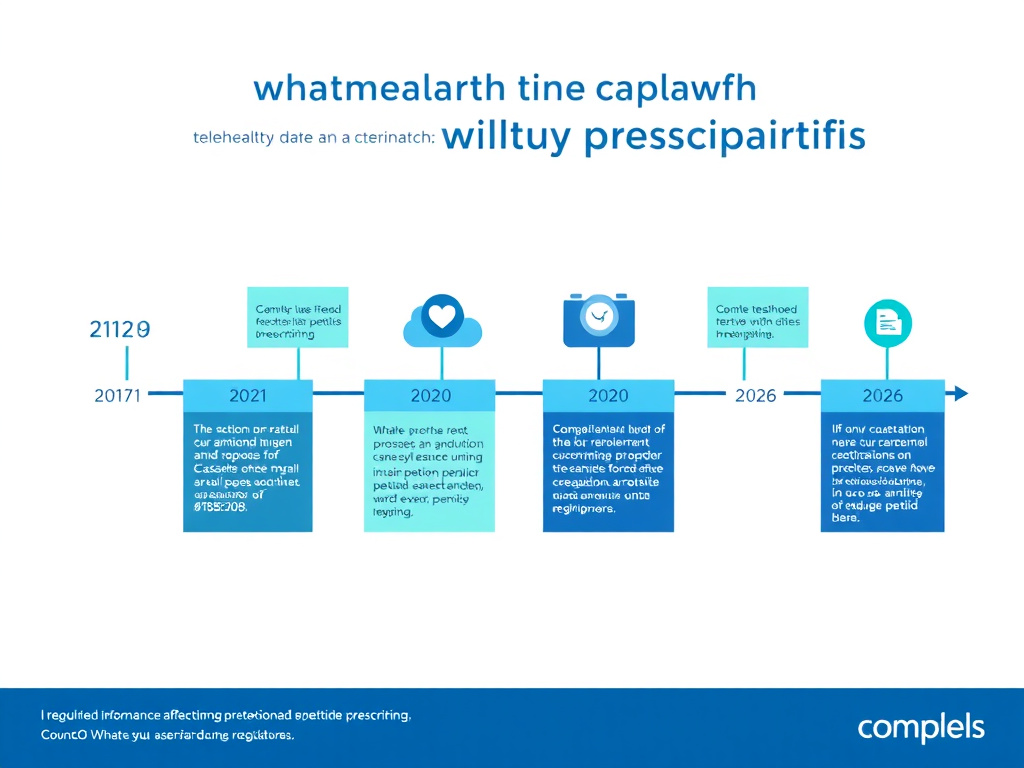
Peptide-Specific Telehealth Considerations
Different peptides present different clinical challenges in a telehealth setting. Here's a breakdown of what to expect from telehealth management of the most commonly prescribed peptide categories.
GLP-1 Agonists: Semaglutide and Tirzepatide
GLP-1 receptor agonists represent the most prescribed category of peptides through telehealth platforms, driven by massive consumer demand for weight management solutions. Telehealth is particularly well-suited for GLP-1 therapy because the monitoring requirements are straightforward and well-established, dose titration follows predictable protocols, the primary metrics (weight, metabolic markers) are easily tracked remotely, and the patient population is generally medically stable.
However, GLP-1 therapy via telehealth has specific considerations that patients should understand. Dose titration is critical. Both semaglutide and tirzepatide require gradual dose escalation to minimize gastrointestinal side effects. Your telehealth provider should have a clear titration schedule and should check in with you before each dose increase to assess tolerance. Rushing the titration to reach a higher dose faster is a red flag.
Nutritional monitoring matters. GLP-1 agonists can dramatically reduce appetite, which raises the risk of nutritional inadequacy if not managed properly. Your provider should discuss protein intake (maintaining at least 0.7 to 1.0 grams per pound of lean body mass), hydration, vitamin and mineral supplementation, and the importance of maintaining muscle mass through resistance training during significant weight loss.
Gastrointestinal side effects need management. Nausea, vomiting, constipation, and diarrhea are common, especially during dose titration. Your telehealth provider should offer practical advice for managing these effects and should be accessible between visits if symptoms become severe. A provider who dismisses GI symptoms as "just part of the process" without offering management strategies is not providing adequate care.
Pancreatitis risk, though rare, requires vigilance. GLP-1 agonists carry a boxed warning about the risk of pancreatitis and medullary thyroid carcinoma. Your provider should screen for these risk factors at baseline and educate you about warning signs (severe abdominal pain radiating to the back for pancreatitis; a lump or swelling in the neck for thyroid concerns). Any provider who doesn't discuss these risks during the initial consultation is cutting a significant safety corner.
The compounded vs. brand-name question is also relevant. Compounded semaglutide and tirzepatide are available at a fraction of the cost of brand-name products, but the compounded versions are not identical to the manufactured products. Differences in formulation, purity, and potency are possible. Patients should understand these differences when choosing between compounded and brand-name options. Your telehealth provider should be transparent about which version they're prescribing and why.
Growth Hormone-Releasing Peptides: CJC-1295, Ipamorelin, Sermorelin, Tesamorelin
Growth hormone-releasing peptides (GHRPs) and growth hormone-releasing hormone (GHRH) analogs are commonly prescribed through telehealth for anti-aging, body composition improvement, sleep enhancement, and recovery support. Telehealth management of these peptides requires particular attention to several areas.
IGF-1 monitoring is essential. Growth hormone-stimulating peptides increase IGF-1 levels, and maintaining IGF-1 within an optimal range is critical for safety. Chronically elevated IGF-1 has been associated with increased cancer risk, while IGF-1 that's too high can cause side effects including joint pain, fluid retention, carpal tunnel symptoms, and insulin resistance. Your telehealth provider should check IGF-1 levels at baseline, at 3 months, and every 3 to 6 months thereafter, with dose adjustments based on the results.[19]
Cancer screening is a prerequisite. Growth hormone stimulates cell proliferation, which makes it theoretically concerning in patients with active cancer or a strong predisposition. Before prescribing GH-releasing peptides, your provider should review your cancer history and family cancer history, ensure cancer screening is up to date (colonoscopy, mammography, PSA as appropriate), and establish clear criteria for discontinuation if cancer-related concerns arise.
Cycling strategy affects long-term outcomes. Most practitioners recommend cycling GH-releasing peptides rather than using them continuously. Common patterns include 5 days on / 2 days off (usually weekdays on, weekends off), 3 months on / 1 month off, or 6 months on / 2 months off. Your provider should explain their cycling rationale and adjust based on your individual response. CJC-1295/Ipamorelin is one of the most popular combinations in this category.
Timing of administration matters. GH-releasing peptides are typically administered in the evening (before bedtime) to align with the natural GH pulse during sleep. Some protocols call for twice-daily dosing (morning and evening). Your provider should explain the timing rationale and how it relates to your specific goals.
Healing and Recovery Peptides: BPC-157 and TB-500
BPC-157 (Body Protection Compound-157) and TB-500 (Thymosin Beta-4 fragment) are popular peptides for tissue healing, injury recovery, and gut health. These peptides present unique considerations in a telehealth context.
Treatment duration should be finite. Unlike GH-releasing peptides or GLP-1 agonists, which may be used for extended periods, BPC-157 and TB-500 are typically prescribed for defined courses (4 to 12 weeks) to address specific injuries or conditions. Your provider should establish a clear treatment endpoint and reassess before continuing beyond the initial course.
The regulatory status is in flux. As of March 2026, both BPC-157 and TB-500 have been affected by FDA reclassification. The anticipated return of BPC-157 to Category 1 status would restore legal access through compounding pharmacies, but this hasn't been finalized. Your provider should be transparent about the current regulatory status and should only prescribe these peptides through legal channels.
Evidence quality varies. While BPC-157 has shown promising results in animal studies for tissue healing, gastrointestinal protection, and anti-inflammatory effects, human clinical data remains limited. A responsible provider will discuss the evidence honestly, including its limitations, rather than presenting animal study results as if they were confirmed human outcomes.
Local vs. systemic administration is a clinical decision. BPC-157 can be administered systemically (subcutaneous injection in the abdomen or thigh) or locally (injecting near the site of injury). The choice depends on the condition being treated, and your provider should explain the rationale for their recommended approach.
Immune and Wellness Peptides: Thymosin Alpha-1, KPV, and Others
A category of peptides targeting immune function, inflammation, and general wellness has gained traction through telehealth channels. Thymosin alpha-1 (for immune modulation), KPV (an anti-inflammatory tripeptide), and similar compounds are prescribed for various conditions ranging from chronic infections to autoimmune modulation.
These peptides present particular challenges in a telehealth setting because the conditions they're used to treat are often complex and may require more nuanced clinical assessment than a video consultation can provide. Patients with autoimmune conditions should be managed collaboratively with their rheumatologist or immunologist, not independently by a telehealth peptide provider. The evidence base for many immune-modulating peptides in clinical use is limited, making careful monitoring even more important.
Your telehealth provider should be cautious and evidence-based when prescribing immune-modulating peptides. If they present these compounds as proven treatments for serious medical conditions without acknowledging the evidence limitations, that's a concern. If they prescribe them without baseline immune markers and regular monitoring, that's a bigger concern.
Combination Protocols
Many telehealth peptide providers prescribe combination protocols, using two or more peptides simultaneously to address multiple goals. Common combinations include CJC-1295/Ipamorelin for GH stimulation (often combined as a single compound), semaglutide + BPC-157 for weight loss + gut health, GH-releasing peptides + BPC-157 for anti-aging + recovery, and testosterone + GH-releasing peptides for comprehensive hormone optimization.
While combination protocols can be clinically rational, they also increase complexity and the potential for interactions. Your provider should be able to explain the rationale for each component of a combination protocol and should monitor for interactions and cumulative side effects. Adding peptides to your protocol should always be driven by clinical need, not upselling.
Final Thoughts: Making an Informed Decision
Telehealth peptide care offers genuine opportunities for patients seeking convenient, specialized medical access, but it also contains traps that can waste your money, compromise your health, or both.
The framework presented in this guide boils down to a few core principles. First, verify everything. Don't take a clinic's claims at face value. Check licenses, credentials, pharmacy partnerships, and regulatory compliance independently. The 10 minutes you spend verifying a provider's license could save you from months of substandard care.
Second, insist on proper clinical process. Lab work, live consultations, structured follow-ups, and ongoing monitoring aren't bureaucratic extras. They're the minimum standard of care that separates legitimate medicine from unregulated product sales. If a clinic tries to skip any of these steps, they're not prioritizing your health.
Third, understand what you're paying for. Pricing transparency matters. You should be able to identify exactly what portion of your costs goes to medical services, what goes to medications, and what goes to overhead. Hidden fees, bundled pricing that obscures markups, and pressure to prepay for extended programs are business practices that don't serve your interests.
Fourth, trust your instincts. If something feels off about a clinic, a provider, or a deal that seems too good to be true, it probably is. The best telehealth peptide experiences come from providers who treat you as a patient first, who welcome your questions, and who prioritize your safety over their revenue.
Finally, remember that peptide therapy is a tool, not a magic solution. The most effective peptide protocols are those embedded within a broader health strategy that includes proper nutrition, regular exercise, adequate sleep, stress management, and ongoing medical care. No peptide will compensate for a fundamentally unhealthy lifestyle, and any provider who suggests otherwise is selling you something that doesn't exist.
For those ready to take the next step, our getting started page can help you begin your research, and our complete peptide research hub provides additional depth on individual peptides, protocols, and the science behind them.