Executive Summary
Peptide therapy has moved from the edges of anti-aging medicine into the mainstream, with millions of patients now using peptide-based treatments for everything from weight management to tissue repair. If you're considering peptide therapy for the first time, this guide will walk you through every step of the process, from understanding what peptides actually are to finding the right provider, getting your blood work done, learning injection technique, and setting realistic expectations for results.
Key Takeaways
- Peptides are short chains of amino acids that act as signaling molecules in your body, and peptide therapy uses synthetic versions of these molecules to support specific health goals.
- You should always work with a qualified healthcare provider who can order baseline blood work, prescribe the appropriate compounds, and monitor your progress.
- Most peptide therapies cost between $150 and $500 per month through compounding pharmacies, with some specialized protocols running higher.
- Results typically take 4 to 12 weeks to become noticeable, and many protocols require 3 to 6 months for full effects.
- The FDA regulatory environment for compounded peptides shifted significantly in early 2026, with many previously restricted compounds returning to legal compounding status.
The word "peptide" gets thrown around a lot these days, and it can feel overwhelming when you first start researching the topic. Strange compound names like CJC-1295, BPC-157, and Ipamorelin don't exactly roll off the tongue. Confusing regulatory statuses, conflicting information online, and the sheer number of available compounds can make the whole subject feel impenetrable. But here's the good news: the basic concepts behind peptide therapy are straightforward, and with the right guidance, getting started is far simpler than most people expect.
This guide was written specifically for beginners. We won't assume you have a background in biochemistry or medicine. Instead, we'll build your understanding from the ground up, starting with what peptides are at the molecular level, then moving through the practical realities of working with a provider, handling your first vial, and tracking your progress over time. Along the way, we'll address the most common mistakes new users make and explain how to avoid them.
Key Takeaways for Beginners
- Peptides are short chains of amino acids that act as signaling molecules in your body, and peptide therapy uses synthetic versions of these molecules to support specific health goals.
- You should always work with a qualified healthcare provider who can order baseline blood work, prescribe the appropriate compounds, and monitor your progress.
- Most peptide therapies cost between $150 and $500 per month through compounding pharmacies, with some specialized protocols running higher.
- Results typically take 4 to 12 weeks to become noticeable, and many protocols require 3 to 6 months for full effects.
- The FDA regulatory environment for compounded peptides shifted significantly in early 2026, with many previously restricted compounds returning to legal compounding status.
- Safety depends on three factors: pharmaceutical-grade sourcing, proper medical supervision, and correct handling and storage of your peptides.
Throughout this guide, you'll find links to our detailed research reports on individual peptides, reconstitution techniques, storage protocols, and blood work monitoring. Consider this your starting point, and those specialized guides your next steps as you move deeper into specific areas of interest.
Whether you're looking into peptide therapy for injury recovery, body composition improvement, cognitive enhancement, immune support, or anti-aging benefits, the fundamentals covered here will give you the foundation you need to make informed decisions and get the most out of your treatment. Let's start with the basics.
What Are Peptides?
Peptides are short chains of amino acids linked together by peptide bonds. They're essentially small proteins, typically containing between 2 and 50 amino acids, though some definitions extend this range up to 100. Your body naturally produces thousands of different peptides, each serving specific roles as chemical messengers, hormones, or structural components.
Amino Acids: The Building Blocks
To understand peptides, you first need to understand amino acids. There are 20 standard amino acids that serve as the building blocks for all proteins and peptides in the human body. Nine of these are considered "essential" because your body can't manufacture them on its own - they must come from food or supplementation. The remaining eleven are "non-essential," meaning your body can synthesize them internally.
When amino acids link together in a specific sequence, they form a peptide. The sequence matters enormously. Just as rearranging the letters in a word changes its meaning entirely, rearranging the amino acids in a peptide changes its biological function. A chain of just 15 amino acids arranged in one particular order creates BPC-157, a peptide that promotes tissue healing. A different arrangement of 39 amino acids creates CJC-1295, which stimulates growth hormone release. The precision of these sequences is what gives each peptide its unique therapeutic properties.
Think of it this way: amino acids are like individual letters. Peptides are like words or short sentences. Proteins are like full paragraphs or books. While proteins can contain hundreds or even thousands of amino acids, peptides are the shorter versions, and their compact size gives them certain advantages in therapeutic applications, including faster absorption, more targeted action, and generally fewer side effects than larger protein-based drugs.
How Peptides Work in Your Body
Your body already produces close to 7,000 known peptides, and researchers continue to discover new ones. These endogenous (naturally occurring) peptides regulate virtually every major biological process you can think of. They control hunger and satiety. They modulate immune responses. They trigger tissue repair after injury. They regulate sleep cycles, mood, and cognitive function. They signal your pituitary gland to release growth hormone. They manage inflammation. The list goes on.
Peptides work primarily by binding to specific receptors on cell surfaces, much like a key fitting into a lock. When a peptide binds to its target receptor, it triggers a cascade of intracellular events that produce a specific biological response. This receptor-binding mechanism is what makes peptides so targeted in their effects. Unlike broad-spectrum drugs that affect multiple systems simultaneously, most therapeutic peptides interact with a narrow set of receptors, producing focused outcomes with relatively limited off-target effects.
Here's a simple example. Your stomach naturally produces a peptide called ghrelin. When ghrelin levels rise, it binds to receptors in your hypothalamus, and you feel hungry. After you eat, ghrelin levels drop, and the hunger signal fades. This is peptide signaling at its most basic: a specific molecule delivering a specific message to a specific set of cells.
Peptide therapy takes this natural signaling system and uses it therapeutically. By introducing synthetic versions of naturally occurring peptides, or modified analogs designed to be more stable or more potent, clinicians can amplify, supplement, or modulate specific biological pathways. The goal isn't to introduce something foreign to your body. It's to provide more of what your body already recognizes and uses.
Endogenous vs. Synthetic Peptides
Understanding the distinction between endogenous and synthetic peptides is essential for anyone starting peptide therapy. Endogenous peptides are the ones your body makes on its own. Growth hormone-releasing hormone (GHRH), for instance, is an endogenous peptide produced by your hypothalamus. It tells your pituitary gland to release growth hormone. As you age, your production of GHRH declines, which is one reason growth hormone levels drop with age.
Synthetic peptides are laboratory-manufactured versions of these natural molecules. Some are exact copies of endogenous peptides. Others are modified analogs designed to improve on the natural version in some way, perhaps by extending the half-life (how long the peptide remains active in your body) or by increasing binding affinity to the target receptor.
CJC-1295, for example, is a synthetic analog of GHRH. It's been modified to include a Drug Affinity Complex (DAC) that extends its half-life from minutes to days. This means that instead of needing multiple daily doses (as you would with natural GHRH), a single injection of CJC-1295 with DAC can provide sustained growth hormone stimulation for up to a week. The underlying mechanism is the same as your body's natural GHRH signaling, but the synthetic version has been engineered for practical therapeutic use.
Similarly, semaglutide is a synthetic analog of GLP-1 (glucagon-like peptide-1), a hormone your gut naturally produces after meals. Natural GLP-1 has a half-life of only about 2 minutes before enzymes break it down. Semaglutide has been modified to resist enzymatic degradation, giving it a half-life of approximately one week. This single modification transformed a short-lived gut hormone into one of the most effective weight management medications ever developed.
Peptides vs. Proteins vs. Amino Acids
Amino acids: Individual building blocks. Twenty standard types in the human body. Think of them as single letters.
Peptides: Short chains of 2 to ~50 amino acids. Act primarily as signaling molecules and hormones. Think of them as words or short phrases.
Proteins: Longer chains of 50+ amino acids that fold into complex three-dimensional structures. Serve structural, enzymatic, and transport roles. Think of them as full sentences, paragraphs, or books.
The boundary between peptides and proteins isn't rigid. Some molecules that are technically peptide-length are called proteins, and vice versa. But for practical purposes in peptide therapy, you'll be working with molecules on the shorter end of this spectrum.
Why Peptide Therapy Has Gained Popularity
Several factors have driven the rapid growth of peptide therapy over the past decade. First, the aging population is looking for evidence-based interventions that go beyond traditional hormone replacement. Peptides offer a more targeted approach than blanket hormone therapy, with the ability to stimulate your body's own hormone production rather than replacing it outright.
Second, the success of GLP-1 receptor agonists like semaglutide and tirzepatide in treating obesity and type 2 diabetes brought peptide therapy into the public consciousness in a way that previous applications hadn't. When a peptide-based drug becomes one of the most prescribed medications in history, people naturally start asking, "What else can peptides do?"
Third, advances in peptide synthesis and compounding pharmacy capabilities have made these treatments more accessible and affordable than ever. What once required a trip to a specialized anti-aging clinic can now be prescribed through telemedicine platforms and shipped directly to your door from licensed compounding pharmacies.
Fourth, the research base supporting peptide therapy has grown substantially. While many peptides still lack large-scale randomized controlled trials in humans, the preclinical evidence for compounds like BPC-157, TB-500, and various growth hormone secretagogues has become extensive enough that many physicians feel comfortable prescribing them, particularly when the risk profile is favorable.
Finally, the regulatory environment has evolved. In February 2026, HHS Secretary Robert F. Kennedy Jr. announced that approximately 14 of the 19 peptides previously placed on the FDA's Category 2 "do not compound" list would be moved back to Category 1 status. This meant that licensed compounding pharmacies across the United States could once again legally prepare these peptides for patients with valid prescriptions, dramatically expanding access for the general public.
The Science of Peptide Signaling
Let's go a bit deeper into how peptide signaling actually works at the cellular level, because understanding this will help you make sense of why certain peptides are used for certain conditions, and why timing, dosing, and cycling all matter.
When a peptide molecule reaches its target cell, it binds to a specific receptor on the cell's surface. These receptors are typically G-protein coupled receptors (GPCRs) or receptor tyrosine kinases, though some peptides interact with intracellular receptors or ion channels. The binding event triggers a conformational change in the receptor, which activates a cascade of intracellular signaling molecules.
This cascade might activate enzymes, open ion channels, trigger gene expression, or initiate protein synthesis. The specific downstream effects depend on which receptor was activated and which cell type is involved. For instance, when growth hormone-releasing peptide (GHRP) binds to the ghrelin receptor on pituitary somatotroph cells, it triggers calcium influx and activates protein kinase C, which ultimately causes the cell to release stored growth hormone into the bloodstream.
One of the advantages of peptide-based signaling is that it preserves your body's natural feedback loops. When you use a growth hormone secretagogue like CJC-1295 with Ipamorelin, you're not injecting growth hormone directly. Instead, you're stimulating your own pituitary gland to produce and release more growth hormone in its natural pulsatile pattern. This means your body's feedback mechanisms - particularly the negative feedback provided by IGF-1 and somatostatin - remain intact. If growth hormone levels get too high, your body can still apply the brakes. This is a fundamentally different and generally safer approach compared to injecting exogenous growth hormone directly.
The same principle applies to GLP-1 receptor agonists like semaglutide. Rather than directly reducing blood sugar through an insulin-independent mechanism, semaglutide enhances your body's natural incretin response. It amplifies the signal your gut already sends after meals, telling your pancreas to release more insulin, your stomach to slow gastric emptying, and your brain to register satiety. The underlying physiology is the same. The peptide just turns up the volume.
Half-Life and Bioavailability
Two concepts you'll encounter repeatedly as you explore peptide therapy are half-life and bioavailability. Understanding these will help you make sense of dosing schedules and administration methods.
Half-life refers to the time it takes for half of the administered peptide to be cleared from your bloodstream. Natural peptides tend to have very short half-lives, often measured in minutes. This is by design - your body needs to be able to turn signaling on and off quickly. But for therapeutic purposes, a two-minute half-life is impractical. You'd need constant infusion to maintain therapeutic levels.
This is why many therapeutic peptides have been modified to extend their half-life. Strategies include adding polyethylene glycol (PEGylation), attaching fatty acid chains that bind to albumin in the blood, incorporating non-natural amino acids that resist enzymatic breakdown, or using Drug Affinity Complex (DAC) technology. These modifications allow once-daily or even once-weekly dosing for peptides that would otherwise require injection every few hours.
Bioavailability refers to the percentage of the administered dose that actually reaches the systemic circulation in active form. Subcutaneous injection typically provides high bioavailability for peptides (often 70-90%) because the peptide is absorbed directly into the bloodstream through capillaries in the subcutaneous tissue. Oral bioavailability of peptides, on the other hand, is usually very low (often less than 1-2%) because digestive enzymes in the stomach and intestines break down the peptide before it can be absorbed.
This is why most peptide therapies are administered via injection rather than taken as pills. There are exceptions - oral semaglutide (brand name Rybelsus) uses a special absorption enhancer called SNAC to achieve oral bioavailability of about 1-2%, which is enough to be clinically effective at higher doses. But for most peptides, subcutaneous injection remains the gold standard for reliable, consistent dosing.
Other routes of administration include nasal sprays (used for peptides like Selank and Semax), topical creams (sometimes used for GHK-Cu), and sublingual tablets. Each route has its own bioavailability profile, and your provider will recommend the most appropriate method for the specific peptide you're using.
Common Peptide Categories
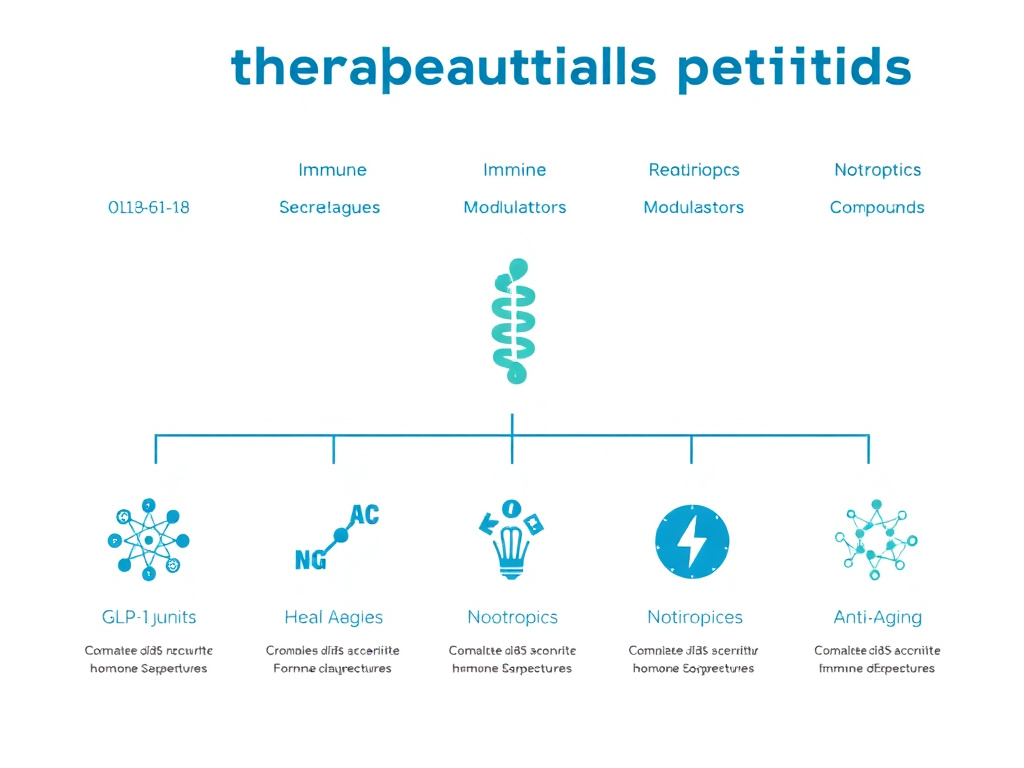
Therapeutic peptides can be organized into several broad categories based on their primary mechanism of action and clinical application. Understanding these categories will help you make sense of the peptide landscape and identify which compounds might be relevant to your health goals.
GLP-1 Receptor Agonists (Weight Management and Metabolic Health)
GLP-1 receptor agonists are arguably the most well-known category of therapeutic peptides today, thanks largely to the explosive popularity of semaglutide (marketed as Ozempic for type 2 diabetes and Wegovy for weight management) and tirzepatide (marketed as Mounjaro and Zepbound).
These peptides mimic the action of glucagon-like peptide-1 (GLP-1), a hormone your intestines naturally produce after eating. GLP-1 performs several functions simultaneously: it stimulates insulin secretion from the pancreas, suppresses glucagon release, slows gastric emptying (so food moves through your stomach more slowly), and acts on appetite centers in the brain to reduce hunger and increase feelings of fullness.
The result is a multi-pronged approach to metabolic health. Patients using GLP-1 receptor agonists typically experience significant reductions in appetite, improved blood sugar control, and meaningful weight loss. Clinical trials with semaglutide 2.4mg weekly showed average weight loss of approximately 15-17% of body weight over 68 weeks, making it one of the most effective non-surgical weight loss interventions ever studied.
For a deeper look at how these compounds work and what the clinical data shows, visit our GLP-1 research hub.
Key GLP-1 Peptides
| Peptide | Brand Names | Administration | Typical Frequency | Primary Use |
|---|---|---|---|---|
| Semaglutide | Ozempic, Wegovy, Rybelsus | Subcutaneous injection or oral | Once weekly (injection) or daily (oral) | Type 2 diabetes, weight management |
| Tirzepatide | Mounjaro, Zepbound | Subcutaneous injection | Once weekly | Type 2 diabetes, weight management |
| Liraglutide | Victoza, Saxenda | Subcutaneous injection | Once daily | Type 2 diabetes, weight management |
| Dulaglutide | Trulicity | Subcutaneous injection | Once weekly | Type 2 diabetes |
Compounded semaglutide has become particularly popular due to its lower cost compared to brand-name versions. While brand-name Wegovy can cost $1,300 to $1,500 per month without insurance, compounded semaglutide from a licensed pharmacy typically runs $200 to $450 per month. However, the regulatory status of compounded semaglutide has been subject to ongoing legal and regulatory challenges, so availability may vary by location and timing.
Growth Hormone Secretagogues (GH Optimization)
Growth hormone secretagogues (GHSs) are peptides that stimulate your pituitary gland to produce and release more growth hormone (GH). Unlike direct growth hormone replacement, which involves injecting synthetic GH (somatropin), secretagogues work with your body's natural production machinery. This approach preserves the natural pulsatile pattern of GH release and maintains feedback regulation through IGF-1 and somatostatin.
Growth hormone plays a role in virtually every aspect of body composition, recovery, and aging. It promotes lean muscle development, supports fat metabolism, accelerates tissue repair, improves sleep quality, and contributes to skin elasticity and bone density. GH levels peak during puberty and decline steadily thereafter, dropping by approximately 14% per decade after age 30. By age 60, many people produce only a fraction of the GH they produced in their twenties.
Growth hormone secretagogues aim to partially reverse this age-related decline by stimulating increased GH output. They work through two primary mechanisms: some act as GHRH (growth hormone-releasing hormone) analogs that stimulate the GHRH receptor on pituitary cells, while others act as ghrelin mimetics that stimulate the growth hormone secretagogue receptor (GHS-R).
The most effective protocols combine both types. CJC-1295 with Ipamorelin is the classic example - CJC-1295 acts as a GHRH analog while Ipamorelin acts as a ghrelin mimetic, and together they produce a stronger GH release than either would alone.
Key Growth Hormone Secretagogues
| Peptide | Mechanism | Half-Life | Key Benefits | Notes |
|---|---|---|---|---|
| CJC-1295 (with DAC) | GHRH analog | ~8 days | Sustained GH elevation, improved body composition | Long-acting; 1-2 injections per week |
| CJC-1295 (no DAC / Mod GRF 1-29) | GHRH analog | ~30 minutes | GH pulse amplification | Short-acting; typically dosed 1-3x daily |
| Ipamorelin | Ghrelin mimetic (selective GHRP) | ~2 hours | GH release without cortisol/prolactin increase | Cleanest side-effect profile among GHRPs |
| Sermorelin | GHRH analog (first 29 amino acids) | ~10-20 minutes | GH stimulation, improved sleep | FDA-approved for pediatric GH deficiency |
| MK-677 (Ibutamoren) | Oral ghrelin mimetic | ~24 hours | Sustained GH/IGF-1 elevation | Oral dosing; can increase appetite and blood sugar |
| Tesamorelin | GHRH analog | ~26 minutes | Visceral fat reduction | FDA-approved for HIV-associated lipodystrophy |
Clinical Note
Ipamorelin is often recommended as a first-line growth hormone secretagogue for beginners because of its selectivity. Unlike older GHRPs such as GHRP-6 and GHRP-2, Ipamorelin stimulates GH release without significantly increasing cortisol, prolactin, or appetite. This makes it better tolerated and reduces the risk of unwanted hormonal side effects. When combined with CJC-1295 (no DAC), the two peptides produce a combined GH pulse that mimics the natural nocturnal GH surge.
Healing and Tissue Repair Peptides
This category includes some of the most exciting peptides from a regenerative medicine perspective. These compounds accelerate healing processes in tendons, ligaments, muscles, bones, and gut tissue. They're particularly popular among athletes, people recovering from injuries, and individuals with chronic gut issues.
BPC-157 (Body Protection Compound-157) is a 15-amino-acid peptide derived from a naturally occurring protein in human gastric juice. Preclinical research has shown that BPC-157 promotes healing through multiple mechanisms: it upregulates vascular endothelial growth factor (VEGF) to support new blood vessel formation, enhances growth hormone receptor expression in fibroblasts, reduces inflammation via modulation of the nitric oxide system, and promotes tendon outgrowth and cell migration. In animal models, BPC-157 has accelerated healing of tendons, ligaments, muscles, bones, and gastrointestinal tissue. A systematic review examining 36 studies published from 1993 to 2024 confirmed its potential in musculoskeletal soft tissue healing, though human clinical trial data remains limited.
TB-500 (Thymosin Beta-4) is a 43-amino-acid peptide naturally found in virtually all human cells. It plays a fundamental role in tissue repair by promoting cell migration, angiogenesis, and the differentiation of stem cells. TB-500 is particularly well-studied for cardiac tissue repair and wound healing. Its mechanism complements BPC-157, which is why the two are frequently used together in "healing stack" protocols.
GHK-Cu (Copper Peptide) is a naturally occurring tripeptide (three amino acids) that binds to copper ions. Found throughout the human body, GHK-Cu levels decline significantly with age. It promotes collagen and elastin synthesis, supports wound healing, has anti-inflammatory properties, and acts as a potent antioxidant. GHK-Cu is available in both injectable and topical forms, making it one of the more accessible peptides for beginners. The topical form is widely used for skin rejuvenation, hair growth support, and scar reduction.
Popular Healing Peptide Protocols
| Protocol | Peptides Used | Typical Duration | Primary Application |
|---|---|---|---|
| Tendon/Ligament Repair | BPC-157 + TB-500 | 4-8 weeks | Sports injuries, chronic tendinopathy |
| Gut Healing | BPC-157 (oral or injectable) | 4-12 weeks | Leaky gut, IBS, gastric ulcers |
| Post-Surgical Recovery | BPC-157 + TB-500 + GHK-Cu | 4-8 weeks | Accelerated surgical wound healing |
| Skin Rejuvenation | GHK-Cu (topical or injectable) | Ongoing | Collagen support, anti-aging |
For detailed information on combining healing peptides effectively, see our peptide stacking and combinations guide.
Immune-Modulating Peptides
Immune-modulating peptides help regulate immune function, which can be beneficial for both immune-compromised individuals and those with autoimmune conditions where the immune system is overactive. These peptides don't simply "boost" immunity - they help balance and optimize immune responses.
Thymosin Alpha-1 (Tα1) is a 28-amino-acid peptide originally isolated from the thymus gland. It enhances T-cell function, promotes dendritic cell maturation, and modulates cytokine production. Tα1 has been used clinically for hepatitis B treatment in over 35 countries and has shown promise in supporting immune function in immunocompromised patients. It was one of the peptides returned to Category 1 compounding status in the 2026 regulatory update.
LL-37 is a human cathelicidin antimicrobial peptide that forms part of the innate immune system. It has direct antimicrobial properties against bacteria, viruses, and fungi, and also modulates inflammatory responses. LL-37 is being studied for applications in chronic infections and wound healing.
Thymosin Beta-4 (TB-500) also has immune-modulating properties in addition to its healing effects, as it influences the activity of macrophages and other immune cells involved in the inflammatory response.
Nootropic and Cognitive Peptides
Nootropic peptides target cognitive function, memory, focus, and neuroprotection. They're particularly interesting for individuals experiencing age-related cognitive decline or those seeking to optimize mental performance.
Selank is a synthetic peptide based on the naturally occurring immunomodulatory peptide tuftsin. It has anxiolytic (anti-anxiety) effects comparable to benzodiazepines but without the sedation, cognitive impairment, or addiction potential. Selank also enhances memory and learning by modulating BDNF (brain-derived neurotrophic factor) expression and serotonin metabolism. It's typically administered as a nasal spray, making it one of the most user-friendly peptides for beginners who are uncomfortable with injections.
Semax is a synthetic analog of ACTH (adrenocorticotropic hormone) that has been used in Russia as an approved drug for stroke recovery and cognitive enhancement since the 1990s. It promotes neurogenesis, enhances BDNF levels, and has neuroprotective properties. Like Selank, it's administered intranasally.
Dihexa is a more potent and newer nootropic peptide that acts on hepatocyte growth factor (HGF) signaling. It's been shown in animal studies to be millions of times more potent than BDNF at promoting synaptogenesis. However, it has a thinner safety profile and is generally not recommended for beginners.
Anti-Aging and Longevity Peptides
Epithalon (Epitalon) is a synthetic version of the naturally occurring tetrapeptide Epithalamin, produced by the pineal gland. Its primary mechanism involves activation of telomerase, the enzyme responsible for maintaining telomere length. Telomeres are protective caps on the ends of chromosomes that shorten with each cell division - a process closely linked to cellular aging. By activating telomerase, Epithalon may help preserve telomere length and extend cellular lifespan. It also supports melatonin production, which can improve sleep quality and circadian rhythm regulation.
NAD+ - while technically a coenzyme rather than a peptide, NAD+ therapy is frequently discussed alongside peptide protocols because it targets similar anti-aging pathways. NAD+ (nicotinamide adenine dinucleotide) is essential for cellular energy production, DNA repair, and siren pathway activation. Levels decline significantly with age, and supplementation via IV infusion, subcutaneous injection, or oral precursors (NMN, NR) has become a cornerstone of many longevity-focused treatment plans.
Cosmetic and Dermatological Peptides
Several peptides have found applications in skincare and aesthetic medicine, either in topical formulations or as injectable treatments.
GHK-Cu (mentioned above) crosses into this category with its collagen-stimulating and skin-regenerating properties. Topical GHK-Cu serums have become popular in the skincare community for reducing fine lines, improving skin texture, and supporting hair follicle health.
Argireline (Acetyl hexapeptide-3) is a topical peptide that inhibits SNARE complex formation, reducing muscle contraction at the neuromuscular junction. It's sometimes called "topical Botox" because it can reduce the appearance of expression lines, though its effects are more modest than injectable neurotoxins.
Palmitoyl pentapeptide-4 (Matrixyl) stimulates collagen I, collagen III, and fibronectin production in dermal fibroblasts. Clinical studies have shown it can reduce wrinkle depth by up to 36% over six months of topical use.
Choosing the Right Category for Your Goals
One of the first questions any peptide therapy beginner should answer is: what are my primary health goals? Your answer will point you toward the appropriate category of peptides and help your provider design a targeted protocol.
| Primary Goal | Recommended Category | Common Starting Peptides | Typical Timeline to Results |
|---|---|---|---|
| Weight loss / metabolic health | GLP-1 receptor agonists | Semaglutide, Tirzepatide | 4-8 weeks |
| Body composition / anti-aging | Growth hormone secretagogues | CJC-1295 + Ipamorelin | 8-16 weeks |
| Injury recovery / gut healing | Healing peptides | BPC-157, TB-500 | 2-6 weeks |
| Immune support | Immune modulators | Thymosin Alpha-1 | 4-8 weeks |
| Cognitive enhancement / anxiety | Nootropic peptides | Selank, Semax | 1-4 weeks |
| Longevity / cellular health | Anti-aging peptides | Epithalon, NAD+ | 3-6 months |
| Skin rejuvenation | Cosmetic peptides | GHK-Cu (topical/injectable) | 4-12 weeks |
Keep in mind that these categories aren't mutually exclusive. Many protocols combine peptides from different categories to address multiple health goals simultaneously. A common example is someone using CJC-1295/Ipamorelin for overall anti-aging benefits while simultaneously using BPC-157 to address a nagging tendon injury. Your provider can help you design a protocol that addresses your specific combination of goals, taking into account any interactions between compounds and the total load on your system.
For comprehensive guidance on combining multiple peptides safely and effectively, refer to our peptide stacking and combinations guide.
Finding a Provider
Working with a qualified healthcare provider is the single most important decision you'll make when starting peptide therapy. The right provider will ensure you get proper baseline testing, appropriate compound selection, pharmaceutical-grade products, correct dosing, and ongoing monitoring. The wrong provider - or worse, no provider at all - puts you at risk for suboptimal results, unnecessary side effects, and potentially serious health complications.
Why Medical Supervision Matters
Let's address this directly: yes, you can find peptides for sale online without a prescription. Research chemical vendors, gray-market suppliers, and overseas pharmacies all sell peptides directly to consumers. But going this route is risky for several reasons that go beyond just legality.
First, quality control. Peptides purchased from unregulated sources may be contaminated with bacterial endotoxins, heavy metals, or residual solvents from the manufacturing process. They may be under-dosed, over-dosed, or contain an entirely different compound than what's listed on the label. Third-party testing data, when provided at all, may be fabricated or outdated. Many of the "side effects" attributed to specific peptides in online forums are actually reactions to contaminants in poorly manufactured products, not to the peptides themselves.
Second, without baseline blood work, you have no way of knowing whether a particular peptide is appropriate for your current health status. Growth hormone secretagogues, for example, can affect blood glucose levels and may not be suitable for pre-diabetic individuals without careful monitoring. GLP-1 agonists have specific contraindications related to thyroid conditions and pancreatitis risk. BPC-157, while generally well-tolerated, may theoretically promote angiogenesis in existing tumors, making cancer screening relevant before starting treatment.
Third, dosing is not one-size-fits-all. Your optimal dose depends on your body weight, age, health status, specific goals, and how you respond to the initial dosing. A provider can start you at a conservative dose, assess your response through symptoms and follow-up labs, and titrate upward or adjust as needed. Self-dosing based on internet forum recommendations skips this calibration process entirely.
Types of Providers Who Prescribe Peptides
Several types of healthcare providers prescribe peptide therapy. Understanding the differences will help you find the right fit.
Integrative Medicine Physicians
These are MDs or DOs who blend conventional medicine with evidence-based complementary approaches. Many have specialized training in peptide therapy, hormone optimization, and functional medicine. They typically offer the most comprehensive approach, combining peptide therapy with nutritional optimization, lifestyle modifications, and conventional medical management as needed. Look for physicians certified by the Institute for Functional Medicine (IFM) or the American Academy of Anti-Aging Medicine (A4M).
Anti-Aging and Longevity Clinics
Dedicated anti-aging clinics have been at the forefront of peptide therapy for over a decade. They tend to have deep experience with a wide range of peptide protocols and often employ staff who specialize in patient education around injection technique and reconstitution. The trade-off is that these clinics are typically cash-pay only and may be more expensive than other options.
Telemedicine Platforms
The rise of telehealth has made peptide therapy accessible to people who don't live near a specialized clinic. Several telemedicine platforms now offer peptide therapy consultations, with the provider reviewing your lab work, prescribing appropriate compounds, and having them shipped from a licensed compounding pharmacy directly to your home. This model is generally 20-40% less expensive than brick-and-mortar clinics due to lower overhead costs. Many platforms offer all-inclusive monthly plans ($250-$500) that bundle the peptide medications, lab work, and provider consultations into a single fee.
Naturopathic Physicians (NDs)
In states where naturopathic physicians have prescribing authority, NDs can prescribe peptide therapy. NDs often take a whole-body approach, addressing gut health, nutrient status, and lifestyle factors alongside peptide protocols. Their scope of practice varies significantly by state, so verify that your ND has prescribing privileges in your jurisdiction.
Primary Care Physicians
Some forward-thinking primary care doctors are becoming comfortable prescribing common peptide therapies, particularly GLP-1 agonists for weight management. However, most PCPs have limited training in growth hormone secretagogues, healing peptides, and other less mainstream compounds. If your primary care doctor is open to peptide therapy, they may be willing to collaborate with a peptide specialist to co-manage your care.
What to Look for in a Peptide Provider
Not all peptide providers are created equal. Here's a checklist of what to evaluate when choosing a provider:
Provider Evaluation Checklist
- Medical credentials: Verify that the provider is a licensed physician (MD, DO), nurse practitioner (NP), physician assistant (PA), or naturopathic physician (ND) with prescribing authority in your state.
- Peptide-specific training: Ask about their training in peptide therapy specifically. Have they completed courses through A4M, the Peptide Society, or similar organizations? How many peptide patients have they treated?
- Comprehensive initial evaluation: A good provider will require baseline blood work before prescribing anything. Be wary of providers who offer to prescribe peptides based solely on a questionnaire or brief phone call without reviewing labs.
- Pharmacy sourcing: Ask which compounding pharmacy they work with. Legitimate providers use 503A or 503B registered compounding pharmacies that operate under state and federal oversight. The pharmacy should have current accreditation from PCAB (Pharmacy Compounding Accreditation Board) or equivalent.
- Monitoring protocol: Your provider should have a clear plan for follow-up labs and progress assessment. This typically includes labs at 4-6 weeks after starting therapy and then every 3-6 months thereafter.
- Realistic expectations: Be cautious of providers who make extravagant claims about what peptides can do. Good providers will discuss realistic timelines, potential side effects, and the limitations of current evidence.
- Accessibility: Can you reach your provider between appointments if you have questions or concerns? Many telemedicine platforms offer messaging access to your provider, which can be invaluable during the first few weeks of therapy.
Red Flags to Watch For
Certain warning signs should make you think twice about a potential provider:
- No blood work required: Any provider willing to prescribe peptides without baseline labs is cutting corners in a way that could compromise your safety.
- Selling peptides directly from the office: While some clinics legitimately dispense medications in-office, be cautious of providers who seem more interested in selling products than in managing your health. The peptides should come from a licensed compounding pharmacy, not from unlabeled vials in a back office.
- Pressure to start multiple peptides at once: A responsible provider will typically start you on one peptide (or one well-established combination like CJC-1295/Ipamorelin) and assess your response before adding additional compounds.
- No follow-up plan: If a provider prescribes peptides and then doesn't schedule follow-up labs or check-ins, that's a sign of inadequate medical supervision.
- Claims that sound too good: Peptides are powerful tools, but they're not magic. If a provider promises that peptides will cure your chronic disease, reverse 20 years of aging, or replace the need for exercise and nutrition, look elsewhere.
- Unlicensed or unverifiable credentials: Always verify your provider's medical license through your state's medical board website. This takes two minutes and can save you from working with unqualified individuals.
The Initial Consultation: What to Expect
Your first visit with a peptide provider will typically include several components:
Health history review: Expect a thorough review of your medical history, current medications, supplements, past surgeries, family history of cancer and hormonal disorders, and your specific health goals. This information helps the provider identify both opportunities and potential contraindications for peptide therapy.
Physical examination: Depending on the practice setting, this may be an in-person exam or, for telemedicine consultations, a review of recent physical exam records from your primary care doctor. Some providers also request body composition data (DEXA scan, InBody scan, or similar) as a baseline for tracking changes.
Lab work order: Your provider will order comprehensive baseline blood work (covered in detail in the next section). In some cases, they'll want you to complete labs before the initial consultation so they can review results during your visit. Other providers order labs during the consultation and schedule a follow-up to review results and finalize your protocol.
Treatment planning: Based on your health history, exam findings, lab results, and goals, your provider will propose a peptide protocol. This will include specific compounds, dosages, administration frequency, and the expected duration of treatment. Take notes and ask questions. This is your treatment plan, and you should understand every component of it.
Education: Many providers or their clinical staff will walk you through injection technique, reconstitution procedures, and storage requirements during this visit or at a separate teaching session. Some clinics provide instructional videos or written guides as well.
First consultations typically last 30-60 minutes for in-person visits or 20-40 minutes for telemedicine appointments. The cost of the initial consultation ranges from $150 to $350, depending on the provider and practice model. Some telemedicine platforms include the initial consultation in their monthly subscription fee.
Visit our getting started page for additional resources on beginning your peptide therapy journey.
Required Blood Work
Baseline blood work is the foundation of safe, effective peptide therapy. Without it, your provider is essentially prescribing blind - unable to assess whether a particular peptide is appropriate for you, unable to set a meaningful baseline for tracking progress, and unable to identify potential contraindications that could make certain treatments risky.
Think of baseline labs as a "before" snapshot. They tell your provider where your hormones, metabolic markers, organ function, and inflammation levels stand right now, before any peptide intervention. Follow-up labs taken during therapy become the "after" snapshots that reveal whether the treatment is working as intended and whether any adjustments are needed.
For a thorough guide to blood work monitoring throughout your peptide therapy journey, see our detailed peptide blood work monitoring guide.
Essential Baseline Labs for All Peptide Therapy Patients
Regardless of which peptide you're starting with, certain baseline tests are considered essential. These provide a comprehensive picture of your overall health and establish reference points for monitoring organ function during treatment.
Complete Blood Count (CBC)
The CBC measures red blood cells, white blood cells, hemoglobin, hematocrit, and platelets. It screens for anemia, infection, blood clotting disorders, and immune system abnormalities. This test is important because some peptides (particularly growth hormone secretagogues) can affect red blood cell production, and you need a baseline to assess any changes.
Comprehensive Metabolic Panel (CMP)
The CMP includes 14 tests covering blood glucose, electrolytes, kidney function (BUN, creatinine), and liver function (ALT, AST, alkaline phosphatase, bilirubin). Liver and kidney function are particularly important because these organs are responsible for metabolizing and clearing peptides from your system. Pre-existing liver or kidney impairment may affect how your body processes certain peptides and could require dose adjustments.
Lipid Panel
Total cholesterol, LDL, HDL, and triglycerides. Many peptides, particularly GLP-1 agonists and growth hormone secretagogues, can positively affect lipid profiles. Baseline lipid values help you and your provider track these improvements over time.
Fasting Glucose and HbA1c
Fasting blood glucose provides a snapshot of your blood sugar at the time of the test. HbA1c (glycated hemoglobin) reflects your average blood sugar over the preceding 2-3 months. These tests are critical because several popular peptides affect glucose metabolism. MK-677, for example, can increase fasting blood glucose and insulin resistance in some individuals. GLP-1 agonists, conversely, improve glucose control. Knowing your baseline glucose status helps your provider choose appropriate peptides and monitor for any adverse metabolic effects.
Fasting Insulin
Fasting insulin levels reveal how hard your pancreas is working to maintain normal blood sugar. Elevated fasting insulin (hyperinsulinemia) is an early indicator of insulin resistance, often appearing years before blood glucose levels rise into the pre-diabetic range. This test is particularly important for individuals considering growth hormone secretagogues or MK-677, as these compounds can worsen insulin resistance in susceptible individuals.
Thyroid Panel
At minimum, TSH (thyroid-stimulating hormone) and free T4. Some providers also include free T3 and thyroid antibodies (anti-TPO, anti-thyroglobulin). Thyroid function affects metabolic rate, energy levels, body composition, and mood - all parameters that overlap with peptide therapy goals. Additionally, GLP-1 receptor agonists carry labeling warnings about thyroid C-cell tumors (based on rodent studies), making baseline thyroid assessment particularly relevant for patients starting semaglutide or tirzepatide.
Inflammatory Markers
High-sensitivity C-reactive protein (hs-CRP) is the most commonly ordered inflammatory marker. Some providers also include erythrocyte sedimentation rate (ESR) and homocysteine. Systemic inflammation affects everything from how well you heal to how effectively your body responds to anabolic signaling. If baseline inflammation is elevated, your provider may want to address underlying inflammatory drivers before or alongside peptide therapy.
Peptide-Specific Lab Tests
Beyond the essential baseline tests, certain peptides require additional specific lab markers. Your provider should order these based on which compounds you'll be using.
For Growth Hormone Secretagogues (CJC-1295, Ipamorelin, MK-677, Sermorelin)
| Test | Why It's Needed | Monitoring Frequency |
|---|---|---|
| IGF-1 (Insulin-like Growth Factor 1) | Primary marker of GH activity. Non-negotiable for anyone using GH secretagogues. Reflects average GH output over the preceding 24-48 hours. | Baseline, 6 weeks, then every 3-6 months |
| Fasting glucose + insulin | GH and its downstream mediators affect glucose metabolism. MK-677 in particular can raise fasting glucose. | Baseline, 6 weeks, then every 3-6 months |
| Prolactin | Some GHRPs (GHRP-6, GHRP-2) can elevate prolactin. Ipamorelin is cleaner in this regard but baseline is still useful. | Baseline, 6 weeks |
| Cortisol (AM) | Certain GHRPs can affect cortisol levels. Morning cortisol provides a reference point. | Baseline, 6 weeks |
For GLP-1 Receptor Agonists (Semaglutide, Tirzepatide)
| Test | Why It's Needed | Monitoring Frequency |
|---|---|---|
| HbA1c + fasting glucose | Track improvements in glycemic control, the primary therapeutic target. | Baseline, 3 months, then every 3-6 months |
| Lipase and amylase | Screen for pancreatic inflammation. GLP-1 agonists carry a small risk of pancreatitis. | Baseline, then as clinically indicated |
| Thyroid panel (TSH, free T4) | Monitor thyroid function given labeling warnings about thyroid C-cell tumors in rodents. | Baseline, then annually |
| Kidney function (eGFR, creatinine) | Dehydration from reduced fluid intake or GI side effects can affect kidney function. | Baseline, 3 months |
For Healing Peptides (BPC-157, TB-500)
| Test | Why It's Needed | Monitoring Frequency |
|---|---|---|
| CMP (liver and kidney function) | General safety monitoring for any injectable medication. | Baseline, after protocol completion |
| CBC | Monitor for any hematological changes. | Baseline, after protocol completion |
| hs-CRP | Track inflammatory markers that should improve with healing peptide therapy. | Baseline, after protocol completion |
For Anti-Aging Protocols (Epithalon, GHK-Cu, NAD+)
| Test | Why It's Needed | Monitoring Frequency |
|---|---|---|
| IGF-1 | If combining anti-aging peptides with GH secretagogues. | As per GH secretagogue schedule |
| DHEA-S | Marker of adrenal function and overall hormonal aging. | Baseline, then every 6-12 months |
| Vitamin D (25-OH) | Vitamin D status affects many anti-aging pathways. Optimizing it enhances peptide therapy outcomes. | Baseline, then every 6 months |
| Homocysteine | Marker of methylation efficiency and cardiovascular risk. | Baseline, then annually |
Timing Your Blood Draw
For accurate results, blood work should be drawn after an overnight fast (at least 8-12 hours, water only). Schedule your draw in the morning, ideally between 7:00 AM and 9:00 AM, as many hormones (cortisol, testosterone, growth hormone) follow circadian patterns and morning values provide the most standardized reference point. If you're already on peptide therapy and getting follow-up labs, draw blood before your morning dose. Your provider may give additional timing instructions specific to your protocol.
Where to Get Your Blood Work Done
You have several options for completing your blood work:
Your provider's office: Many integrative medicine clinics and anti-aging practices can draw blood on-site and send it to a reference lab. This is the most convenient option if it's available.
Quest Diagnostics or Labcorp: These national reference laboratories have thousands of draw sites across the United States. Your provider can send you a lab order (often electronically), and you simply walk into the nearest location, no appointment needed in most cases. Results are typically available within 24-72 hours.
Direct-to-consumer lab testing: Services like Ulta Lab Tests, Life Extension, and others allow you to order blood work directly without a physician's order. This can be useful if you want to run your own baseline before your initial consultation. However, you'll still need a provider to interpret the results in the context of peptide therapy.
Mobile phlebotomy: Some telemedicine peptide platforms include mobile phlebotomy as part of their service, sending a phlebotomist directly to your home to draw blood. This premium service typically costs an additional $25-75 but offers maximum convenience.
Understanding Your Results
When your lab results come back, you'll see each value listed alongside a "reference range." This range represents the values seen in 95% of the apparently healthy population. However, there's an important distinction between "normal" (within reference range) and "optimal."
For example, the reference range for IGF-1 in a 40-year-old male might be 56-264 ng/mL. A value of 80 ng/mL is technically "normal" (within range), but it's at the low end. A provider experienced in peptide therapy would recognize that an IGF-1 of 80 ng/mL in a 40-year-old suggests significant room for optimization through GH secretagogue therapy. The optimal range they might target could be 180-250 ng/mL, a level associated with better body composition, recovery, and overall vitality.
Similarly, a fasting insulin of 18 mIU/L falls within most reference ranges (which may list the upper limit as 24 or even 25 mIU/L), but an experienced provider would flag this as a sign of insulin resistance worth addressing, potentially influencing which peptides they recommend and how they monitor your metabolic response.
This is why working with a provider experienced in peptide therapy matters. They interpret your labs through the lens of optimization, not just disease detection. A standard primary care doctor might tell you everything looks "normal." A peptide-experienced provider will tell you where the opportunities are and design a protocol to address them.
For a complete guide to interpreting blood work in the context of peptide therapy, visit our blood work monitoring guide.
Cost of Blood Work
The cost of baseline blood work varies depending on which tests are ordered and how you access the testing:
| Testing Option | Basic Panel Cost | Comprehensive Panel Cost | Notes |
|---|---|---|---|
| Through your provider (in-network insurance) | $0-50 (copay) | $0-100 (copay) | Best value if you have insurance that covers preventive labs |
| Through your provider (out-of-pocket) | $100-200 | $200-400 | Provider marks up lab costs; may negotiate |
| Direct at Quest/Labcorp (self-pay) | $75-150 | $150-300 | No insurance needed; results sent to you directly |
| Direct-to-consumer services | $50-100 | $100-250 | Often the most affordable option for comprehensive panels |
| Included in telehealth subscription | $0 (included) | $0 (included) | Many all-inclusive plans cover labs in their monthly fee |
Pro tip: if cost is a concern, ask your primary care doctor to order the baseline labs during your annual physical. Many of the core tests (CBC, CMP, lipid panel, thyroid panel, HbA1c) are covered as preventive care by most insurance plans. You may need to pay out of pocket only for the more specialized tests like IGF-1, fasting insulin, and hs-CRP.
Cost Breakdown by Peptide
Understanding the financial commitment of peptide therapy is essential for planning and budgeting. Costs can vary significantly based on the specific peptide, your dosing protocol, the pharmacy source, and whether you're using a telemedicine platform or a brick-and-mortar clinic.
The chart below shows typical monthly costs for common peptides when obtained through licensed compounding pharmacies with a valid prescription. These figures represent the medication cost only and don't include consultation fees, lab work, or supplies (syringes, alcohol swabs, bacteriostatic water).
Typical Monthly Cost by Peptide
Costs represent typical monthly medication expense through licensed compounding pharmacies. Actual costs may vary by provider and region.
Detailed Cost Analysis by Peptide Category
GLP-1 Receptor Agonists
| Peptide | Monthly Cost (Compounded) | Monthly Cost (Brand Name) | Notes |
|---|---|---|---|
| Semaglutide | $200-450 | $1,300-1,500 (Wegovy) | Compounded availability subject to regulatory changes |
| Tirzepatide | $300-550 | $1,000-1,200 (Mounjaro) | Dual GIP/GLP-1 agonist; more complex to compound |
| Liraglutide | $150-300 | $1,200-1,500 (Saxenda) | Daily injection; less convenient than weekly options |
Growth Hormone Secretagogues
| Peptide | Monthly Cost | Typical Protocol | Notes |
|---|---|---|---|
| CJC-1295/Ipamorelin combination | $120-250 | 5 nights/week injection | Most popular GH secretagogue protocol |
| Sermorelin | $100-200 | Daily injection (evening) | FDA-approved compound; well-established safety profile |
| MK-677 (oral) | $80-150 | Daily oral dose | No injection needed; may increase appetite and glucose |
| Tesamorelin | $200-400 | Daily injection | FDA-approved for lipodystrophy; targets visceral fat |
Healing Peptides
| Peptide | Monthly Cost | Typical Protocol Duration | Notes |
|---|---|---|---|
| BPC-157 | $80-150 | 4-8 weeks | Short-term use for injury healing; not typically ongoing |
| TB-500 | $90-180 | 4-8 weeks | Often combined with BPC-157 for enhanced healing |
| BPC-157 + TB-500 stack | $150-300 | 4-8 weeks | Combined protocol; total healing stack cost |
Other Popular Peptides
| Peptide | Monthly Cost | Administration | Notes |
|---|---|---|---|
| Thymosin Alpha-1 | $150-300 | Subcutaneous injection 2-3x/week | Immune modulation; seasonal or ongoing use |
| Selank | $60-120 | Nasal spray daily | No injection required; good for injection-averse beginners |
| Epithalon | $100-200 per cycle | 10-20 day cycles 1-2x/year | Cycled protocol; not continuous use |
| GHK-Cu (injectable) | $80-160 | Subcutaneous injection daily | Also available as topical for skin/hair |
| NAD+ (subcutaneous) | $150-400 | Daily or several times weekly | IV infusion costs more ($250-750 per session) |
Total Monthly Budget Scenarios
Here's what realistic monthly budgets look like for common peptide therapy goals:
| Scenario | Peptide(s) | Medication | Provider/Labs | Supplies | Total Monthly |
|---|---|---|---|---|---|
| Weight loss (basic) | Compounded semaglutide | $200-350 | $50-100 | $15-25 | $265-475 |
| GH optimization | CJC-1295/Ipamorelin | $120-250 | $50-100 | $15-25 | $185-375 |
| Injury recovery | BPC-157 + TB-500 | $150-300 | $50-100 | $15-25 | $215-425 |
| Anti-aging stack | CJC/Ipa + GHK-Cu + Epithalon | $300-500 | $75-150 | $20-35 | $395-685 |
| Comprehensive protocol | Multiple peptides + NAD+ | $450-800 | $100-200 | $25-40 | $575-1,040 |
Ways to Reduce Costs
Peptide therapy can be a significant ongoing expense, but several strategies can help manage costs:
- Telemedicine platforms: These typically offer lower prices than brick-and-mortar clinics due to reduced overhead. All-inclusive plans that bundle medications, labs, and consultations often provide the best per-unit value.
- Insurance for labs: Even though the peptides themselves aren't covered by insurance, many of the required lab tests are. Get your baseline and monitoring labs done through your insurance whenever possible.
- HSA/FSA funds: Health Savings Accounts and Flexible Spending Accounts can often be used for peptide therapy costs, including consultations, lab work, and medications (when prescribed by a licensed provider). Check with your plan administrator for specific eligibility rules.
- Strategic cycling: Not all peptides need to be used continuously. Healing peptides (BPC-157, TB-500) are typically used for defined cycles of 4-8 weeks. Epithalon is used in 10-20 day cycles once or twice a year. Even growth hormone secretagogues can be cycled (5 days on, 2 days off) to extend the life of each vial.
- Start simple: Rather than jumping into a multi-peptide protocol, start with one compound, assess your response, and add others only if needed. This keeps initial costs manageable and makes it easier to identify which peptide is producing which effects.
- Use the peptide dosing calculator: Accurate dosing means you won't waste expensive peptide solution through over-dosing or need additional vials due to calculation errors.
Warning About "Cheap" Peptides
If you find peptides priced dramatically below the ranges listed above, proceed with extreme caution. Prices that seem too low typically indicate one of several problems: the product is sourced from unregulated overseas manufacturers with no quality control, the peptide is under-dosed or diluted, the product contains contaminants, or the seller is operating without proper licensing. The cost difference between a legitimate and an illegitimate product is small compared to the potential health risks and the wasted money on products that don't actually work. Always source peptides through licensed compounding pharmacies with valid prescriptions.
Reconstitution and Injection Basics
If you've never handled a vial and syringe before, the prospect of preparing and injecting peptides can feel intimidating. That's completely normal. But the actual process is straightforward, and most people become comfortable with it within the first few days. This section will walk you through the fundamentals of reconstitution (mixing your peptide) and subcutaneous injection technique.
For a step-by-step visual guide with detailed calculations, see our comprehensive peptide reconstitution guide.
Understanding Your Supplies
Before you can reconstitute and inject your peptide, you need to understand the supplies you'll be working with:
The Peptide Vial
Your peptide will arrive as a lyophilized (freeze-dried) powder in a small glass vial sealed with a rubber stopper and aluminum crimp cap. The powder is typically white or off-white and may appear as a loose cake, a compact pellet, or a fine powder at the bottom of the vial. The vial label will indicate the total amount of peptide in milligrams (mg), such as "BPC-157 5mg" or "CJC-1295/Ipamorelin 6mg/6mg."
Bacteriostatic Water (BAC Water)
Bacteriostatic water is sterile water that contains 0.9% benzyl alcohol as a preservative. The benzyl alcohol inhibits bacterial growth, which allows you to use the same vial of water for multiple reconstitutions and to keep your reconstituted peptide for up to 28 days (when stored properly in the refrigerator). Do not confuse bacteriostatic water with plain sterile water, saline, or tap water. Only bacteriostatic water is appropriate for peptide reconstitution.
Insulin Syringes
Most peptide injections use standard insulin syringes with 29-gauge or 31-gauge needles. The fine gauge makes injections nearly painless. Insulin syringes are marked in "units" (abbreviated as "IU" on the syringe), with most syringes holding 100 units (equivalent to 1 mL) total. You'll use these markings to measure your dose, which is why understanding the concentration of your reconstituted peptide matters so much.
Alcohol Swabs
Individually packaged 70% isopropyl alcohol swabs are used to clean the rubber stoppers on your vials and the injection site on your skin before each injection. This is a basic but essential step in maintaining sterility.
Sharps Container
Used syringes should be disposed of in a proper sharps container, never thrown in regular trash. Inexpensive sharps containers are available at most pharmacies. When full, they can be dropped off at designated collection sites (most pharmacies accept them) or mailed back through sharps disposal programs.
Step-by-Step Reconstitution
Reconstitution is simply the process of dissolving your freeze-dried peptide powder in bacteriostatic water to create an injectable solution. Here's how to do it:
Reconstitution Steps
- Wash your hands thoroughly. This should always be the first step. Use soap and water, scrubbing for at least 20 seconds.
- Clean the vial tops. Wipe the rubber stopper on both your peptide vial and your bacteriostatic water vial with an alcohol swab. Allow them to air dry for a few seconds.
- Draw bacteriostatic water. Using a clean insulin syringe, insert the needle through the rubber stopper of the bacteriostatic water vial. Invert the vial and slowly draw out the desired amount of water. (See "How Much Water to Add" below for guidance on volumes.)
- Add water to the peptide vial. Insert the needle through the rubber stopper of the peptide vial. Slowly and gently inject the bacteriostatic water. Aim the stream of water at the inside wall of the vial, allowing it to run down the side and pool at the bottom. Do NOT spray the water directly onto the peptide cake, as this can damage delicate peptide structures.
- Let it dissolve. After adding the water, gently tilt and roll the vial between your fingers to help the powder dissolve. NEVER shake the vial. Shaking creates mechanical stress that can break peptide bonds and destroy the compound's biological activity. Most peptides dissolve within 1-3 minutes of gentle swirling. Some may take longer.
- Inspect the solution. Once fully dissolved, the solution should be clear and free of visible particles. If you see cloudiness, floating particles, or discoloration, the peptide may be damaged or contaminated and should not be used.
- Store properly. Once reconstituted, store the vial in the refrigerator (36-46 degrees F / 2-8 degrees C). Keep it upright and away from light. Use within 28 days of reconstitution.
How Much Water to Add
The amount of bacteriostatic water you add to your peptide vial determines the concentration of the solution, which in turn determines how many units you'll need to draw for each dose. There's no single "correct" volume - you can add whatever amount makes dosing convenient for you. However, some standard approaches have become common in the peptide community.
The most popular approach is to add enough water to create a round, easy-to-calculate concentration. Here are common examples:
| Peptide Amount in Vial | Water Added | Resulting Concentration | Dose per 10 units on syringe |
|---|---|---|---|
| 5 mg | 1 mL (100 units) | 5 mg/mL = 50 mcg per unit | 500 mcg |
| 5 mg | 2 mL (200 units) | 2.5 mg/mL = 25 mcg per unit | 250 mcg |
| 10 mg | 2 mL (200 units) | 5 mg/mL = 50 mcg per unit | 500 mcg |
| 2 mg | 1 mL (100 units) | 2 mg/mL = 20 mcg per unit | 200 mcg |
Example calculation: You have a 5 mg vial of BPC-157, and your prescribed dose is 250 mcg twice daily. If you add 2 mL (200 units) of bacteriostatic water, your concentration is 25 mcg per unit. To get 250 mcg per injection, you need to draw 10 units (250 / 25 = 10 units). At two injections per day, you'll use 20 units total per day. Your 200-unit vial will last 10 days.
Use the FormBlends peptide calculator to make these calculations quickly and accurately.
Subcutaneous Injection Technique
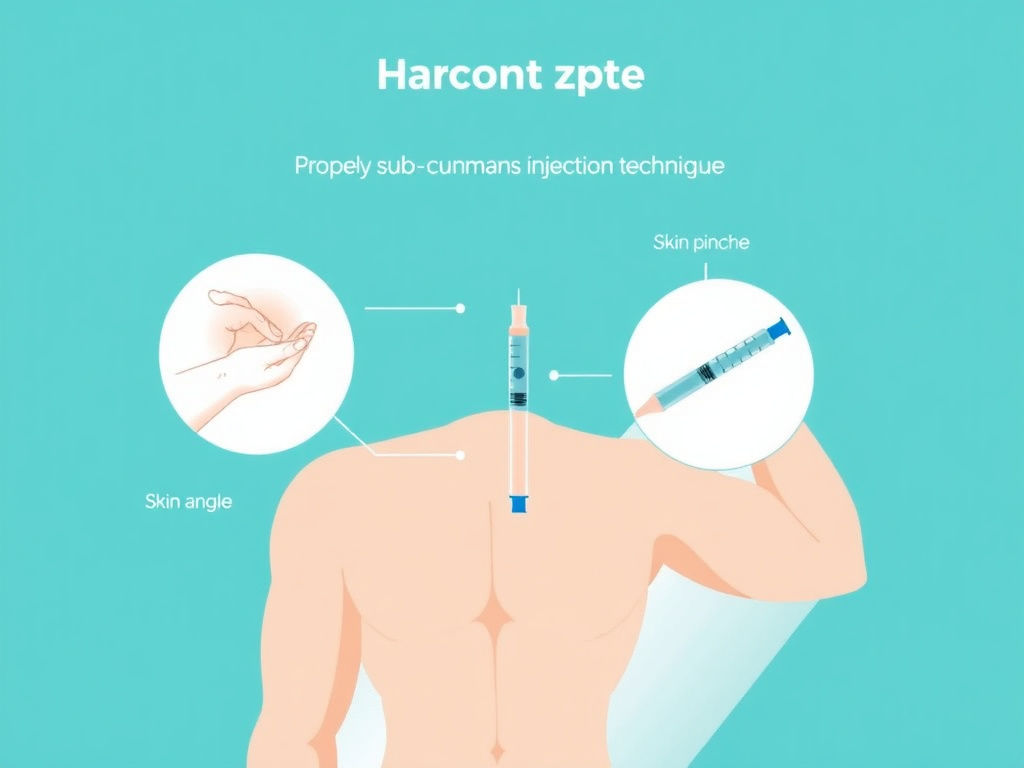
Subcutaneous (often abbreviated "subQ") injection means injecting into the fatty tissue just beneath the skin. This is the most common route of administration for peptide therapy. It's simpler and less intimidating than intramuscular injection, uses smaller needles, and provides consistent absorption for most peptides.
Choosing an Injection Site
Common subcutaneous injection sites include:
- Abdomen: The most popular site. Inject at least 2 inches away from the belly button. The abdomen provides a large area with consistent subcutaneous fat, making it easy to rotate injection spots. Many people find abdominal injections the least painful.
- Thigh (front or outer): Another convenient site, especially for people who are lean with minimal abdominal fat. Use the middle third of the thigh, on the front or outer surface.
- Upper arm (back/outer): This site works but can be awkward to self-inject. Some people find it easier to pinch the skin with one hand and inject with the other if they have a partner who can assist.
- Love handles (flanks): A good alternative for those who prefer to avoid the abdomen and thigh.
Rotate your injection sites. Don't inject in the exact same spot every time. Repeated injections in one location can cause lipodystrophy (changes in the fat tissue), bruising, or localized irritation. Move your injection site by at least an inch each time, rotating through different areas of the abdomen or alternating between abdomen and thigh.
Injection Procedure
- Wash your hands.
- Prepare your syringe. Remove the cap from a new insulin syringe. Insert the needle through the rubber stopper of your reconstituted peptide vial. Invert the vial. Slowly draw the prescribed number of units. Tap the syringe gently if air bubbles are visible, and push them back into the vial. Verify you have the correct dose drawn.
- Clean the injection site. Wipe the area with an alcohol swab and allow it to dry completely (about 10-15 seconds). Injecting into wet alcohol can sting.
- Pinch the skin. Using your non-dominant hand, pinch a fold of skin at the injection site. This lifts the subcutaneous fat away from the underlying muscle, ensuring the injection goes into the correct tissue layer.
- Insert the needle. With the pinched skin fold held firmly, insert the needle at a 45 to 90-degree angle. If you can pinch at least 2 inches of skin, a 90-degree angle is fine. If you can only pinch about an inch, use a 45-degree angle to avoid injecting into muscle tissue. Insert the needle smoothly and steadily - don't jab.
- Inject slowly. Once the needle is fully inserted, slowly push the plunger to inject the peptide solution. Rushing can cause discomfort. Take 3-5 seconds for a typical injection volume.
- Withdraw and release. Pull the needle out at the same angle you inserted it. Release the skin fold. If there's a small drop of blood or solution at the injection site, gently press with a clean alcohol swab or cotton ball for a few seconds. Don't rub.
- Dispose of the syringe. Place the used syringe immediately into your sharps container. Never recap needles, as this increases the risk of needlestick injuries.
Tips for Painless Injections
- Let the peptide solution warm to room temperature for 5-10 minutes before injecting. Cold solution from the fridge can sting on injection.
- Use 31-gauge needles rather than 29-gauge for thinner, less painful needle sticks.
- Insert the needle quickly and confidently. Slow, tentative insertion tends to hurt more because the needle moves through nerve-rich skin layers slowly.
- Ice the injection site for 30 seconds before injecting if you're particularly sensitive. This numbs the area and makes the needle stick less noticeable.
- Inject slowly. Pushing the plunger too fast causes pressure buildup in the tissue, which can be uncomfortable.
- Relax your muscles. Tension at the injection site can increase discomfort.
- Distract yourself - many people find that watching TV or listening to music during their injection makes the process feel routine rather than stressful.
Storage and Handling
Proper storage is essential for maintaining peptide potency. Here are the key rules:
| State | Storage Method | Duration |
|---|---|---|
| Lyophilized (unreconstituted powder) | Refrigerator preferred. Room temperature acceptable short-term. Freezer for long-term storage (months). | Months to years if kept cool and dry |
| Reconstituted (mixed with BAC water) | Refrigerator only (36-46 degrees F / 2-8 degrees C). Keep upright. Protect from light. | Up to 28 days |
| In transit (shipping) | Many pharmacies ship lyophilized peptides at ambient temperature. Reconstituted peptides should ship with cold packs. | A few days at ambient temperature is generally acceptable for lyophilized peptides |
Key storage rules:
- Never freeze reconstituted peptides. Freezing causes ice crystals to form that can damage peptide structures.
- Never expose peptides (especially reconstituted ones) to direct sunlight or excessive heat.
- Keep reconstituted vials in the refrigerator door or on a shelf - not in the back where they might freeze against the cooling element.
- Label your vials with the reconstitution date so you know when the 28-day window expires.
- If a reconstituted solution becomes cloudy, develops particles, or changes color, discard it.
For a complete guide to maximizing peptide shelf life and stability, see our peptide storage and stability guide.
Setting Realistic Expectations
One of the most common sources of frustration for peptide therapy beginners is unrealistic expectations. Social media, marketing materials, and online forums often paint an overly optimistic picture of what peptides can do and how quickly they work. While peptide therapy can produce meaningful, measurable results, it's not a magic bullet, and understanding what to realistically expect will help you stay committed through the initial adjustment period and beyond.
What Peptides Can and Can't Do
Let's be direct about what peptide therapy is and isn't.
Peptides are not:
- A substitute for proper nutrition, exercise, and sleep. These lifestyle factors remain the foundation of health. Peptides work best when they're added on top of a solid foundation, not used as a replacement for one.
- An instant fix. Most peptides take weeks to months to produce their full effects. If you're expecting overnight transformation, you'll be disappointed.
- A cure for disease. While some peptides have therapeutic applications for specific conditions, they're not approved treatments for most diseases, and framing them as "cures" is both inaccurate and irresponsible.
- Risk-free. All medications carry some degree of risk. Peptides generally have favorable safety profiles, but side effects, interactions, and contraindications exist.
Peptides can:
- Amplify your body's natural processes. Growth hormone secretagogues stimulate your own GH production. Healing peptides enhance your body's natural repair mechanisms. GLP-1 agonists amplify your natural satiety signaling. They're working with your biology, not overriding it.
- Provide measurable, objective improvements in biomarkers and body composition when used correctly and consistently.
- Accelerate recovery from injuries, optimize hormonal balance, support cognitive function, and improve metabolic health.
- Complement and enhance the benefits of good nutrition, exercise, and sleep.
The First Week: What You Might Notice
During the first week of peptide therapy, your experience will vary depending on which peptide you're using. Here's what to expect:
GLP-1 agonists (semaglutide, tirzepatide): You'll likely start on a low dose to minimize GI side effects. During the first week, you may notice reduced appetite, mild nausea (especially after meals), and potentially some fatigue. These effects are usually mild and improve as your body adapts. Significant weight loss typically doesn't occur in the first week - the initial dose is a titration dose, not the therapeutic dose.
Growth hormone secretagogues (CJC-1295/Ipamorelin): Many people notice improved sleep quality within the first few nights, with deeper sleep and more vivid dreams. This is one of the earliest and most consistent effects of GH secretagogues. You may also notice a slight increase in water retention (a normal effect of elevated GH). Body composition changes won't be visible yet.
Healing peptides (BPC-157, TB-500): Some people report feeling subtle improvements in pain or mobility within the first few days, particularly with BPC-157 for gut-related issues. However, tissue healing is a biological process that takes weeks, so structural changes in tendons, ligaments, or muscles won't be measurable this early.
Nootropic peptides (Selank, Semax): These tend to have the fastest noticeable effects. Some people report reduced anxiety or improved focus within the first day of using Selank nasal spray. However, the full cognitive benefits typically develop over 1-2 weeks of consistent use.
The Adjustment Period: Weeks 2 Through 4
The first month is primarily an adjustment period. Your body is adapting to the new signaling it's receiving, and many of the initial side effects will diminish during this time while the therapeutic effects begin to build.
Common experiences during weeks 2-4 include:
- GI side effects from GLP-1 agonists typically improve as your body adjusts, though they may briefly intensify with each dose escalation.
- Sleep improvements from GH secretagogues become more consistent. Some people start noticing improved recovery from exercise.
- Healing peptide users may begin to notice more tangible improvements in pain levels, range of motion, or gut symptoms.
- Energy levels may fluctuate as your body adapts. Some people experience transient fatigue, while others notice increased energy relatively early.
- Injection site reactions (redness, mild irritation) typically diminish as you become more proficient with injection technique and your skin adapts to regular injections.
Months 1 Through 3: Early Results
This is when most people begin to see and feel meaningful changes. Your first follow-up labs (typically at 4-6 weeks) will provide objective data to complement your subjective experience.
| Peptide Category | Expected Changes at 1-3 Months | How to Measure |
|---|---|---|
| GLP-1 agonists | 5-10% body weight reduction; improved fasting glucose and HbA1c; improved lipid values | Scale, labs, waist circumference |
| GH secretagogues | Improved sleep quality; early body composition changes (subtle fat loss, increased muscle firmness); elevated IGF-1 on labs; improved skin quality | Labs (IGF-1), sleep tracking, progress photos, body composition scan |
| Healing peptides | Significant improvement in injury symptoms; reduced inflammation markers; improved gut function (for GI applications) | Pain scales, range of motion testing, hs-CRP, symptom diary |
| Nootropic peptides | Consistent improvements in focus, mood, and anxiety levels; better stress resilience | Cognitive assessments, symptom diary, anxiety scales |
| Anti-aging peptides | Subtle improvements in skin texture and elasticity; improved sleep (Epithalon); increased energy (NAD+) | Photos, skin quality assessments, subjective energy tracking |
Months 3 Through 6: Full Effect Development
Most peptide protocols reach their full effect within 3-6 months. This is when the cumulative benefits become most apparent and when your provider will make data-driven decisions about whether to continue, adjust, or cycle off the protocol.
At this stage, GLP-1 agonist users may have reached their therapeutic maintenance dose and can expect continued weight loss toward their goal. GH secretagogue users typically see the most significant body composition changes (visible fat loss, improved muscle definition, changes in skin quality and hair texture). Healing peptide protocols may have already concluded (most run 4-8 weeks), and the repaired tissue continues to strengthen and remodel.
This is also the point where follow-up labs become particularly informative. Comparing your 3-month or 6-month labs to your baseline reveals the objective impact of your protocol and guides decisions about dosing adjustments or the addition of complementary compounds.
Managing Expectations During Plateaus
Nearly everyone experiences plateaus during peptide therapy - periods where progress seems to stall despite continued use. This is normal and doesn't necessarily mean the peptide has stopped working.
Common causes of plateaus include:
- Receptor desensitization: With continuous use, your receptors can become less responsive to the peptide signal. This is why many providers recommend cycling protocols (for example, 5 days on, 2 days off for GH secretagogues).
- Metabolic adaptation: As you lose weight on GLP-1 agonists, your metabolic rate adjusts downward, slowing further weight loss. This is a normal physiological response, not a failure of the medication.
- Lifestyle factors: Changes in diet quality, exercise habits, stress levels, or sleep quality can all impact how well your peptide protocol works. Peptides amplify good habits but can't fully compensate for poor ones.
- Physiological ceiling: There's a limit to how much any peptide can stimulate a given pathway. If your IGF-1 has risen from 80 to 220 ng/mL, you may not see further increases regardless of dosing because your pituitary is already producing near its maximum output.
When plateaus occur, work with your provider rather than self-adjusting your dose. They may recommend a brief washout period, a dosing adjustment, the addition of a complementary compound, or a focus on lifestyle factors that could be limiting your response.
Timeline for Results
The timeline for peptide therapy results varies significantly based on the specific peptide, your dosage, your starting health status, and your consistency with the protocol. This section provides detailed timelines for the most commonly used peptides to help you know what to expect and when to expect it.
GLP-1 Receptor Agonists (Semaglutide, Tirzepatide)
| Timeframe | What to Expect |
|---|---|
| Week 1-2 | Reduced appetite begins. Mild GI side effects (nausea, bloating) common. Starting dose is sub-therapeutic for weight loss - this is a titration phase. |
| Week 3-4 | Appetite suppression becomes more pronounced. First dose escalation typically occurs. Early weight loss of 2-4 lbs (partly water). |
| Month 2 | Second or third dose escalation. Weight loss accelerates. Food noise (constant thoughts about food) significantly reduced. Energy levels may improve. |
| Month 3 | Approaching therapeutic dose. Weight loss of 5-8% of starting body weight for most patients. Improved fasting glucose and HbA1c visible on labs. |
| Month 4-6 | Full therapeutic dose reached. Weight loss continues at steady pace. Improved cardiovascular markers. Clothing fits differently. Body composition changes visible. |
| Month 6-12 | Approaching maximum weight loss for most patients (15-20% of starting weight). Metabolic improvements plateau at new baseline. Discussion of maintenance dosing begins. |
| Month 12+ | Maintenance phase. Weight stability with continued use. Some patients gradually reduce dose. Metabolic benefits sustained as long as treatment continues. |
Growth Hormone Secretagogues (CJC-1295/Ipamorelin)
| Timeframe | What to Expect |
|---|---|
| Week 1 | Improved sleep quality - deeper sleep, more vivid dreams. Mild water retention possible. IGF-1 levels beginning to rise. |
| Week 2-4 | Sleep improvements continue. Recovery from exercise improves. Subtle increase in energy levels. Skin may begin to feel more hydrated. |
| Month 2-3 | IGF-1 levels measurably elevated on labs. Early fat loss visible (particularly abdominal area). Improved exercise performance and recovery. Nails and hair may grow faster. |
| Month 3-4 | Body composition changes become more apparent. Increased lean muscle firmness. Continued fat loss. Skin quality improvements (increased elasticity, reduced dryness). |
| Month 4-6 | Full body composition benefits realized. Significant improvement in overall vitality and recovery capacity. Anti-aging benefits becoming visible. Joint comfort may improve. |
| Month 6+ | Maintenance phase. Benefits sustained with continued use. Some providers recommend periodic cycling (e.g., 3 months on, 1 month off) to maintain receptor sensitivity. |
Healing Peptides (BPC-157, TB-500)
| Timeframe | What to Expect |
|---|---|
| Day 1-7 | Subtle reduction in acute pain or discomfort (varies by injury type). Increased blood flow to injured area. Gut symptoms may begin to improve (BPC-157 for GI use). |
| Week 2-3 | Noticeable improvement in pain levels and function. Range of motion improvements for joint/tendon injuries. Inflammation reduction measurable on labs (hs-CRP). |
| Week 4-6 | Significant healing progress. Many acute injuries feel substantially better. Gut healing protocols showing meaningful symptom improvement. Some patients begin tapering dose. |
| Week 6-8 | Most healing protocols conclude. Continued tissue remodeling occurs naturally after stopping the peptide. Structural healing (tendon, ligament) may continue for weeks to months after the protocol ends. |
| Post-protocol | Healing benefits are generally sustained. The peptide accelerated a natural process, and the repaired tissue remains. Some patients repeat cycles for chronic conditions or new injuries. |
Factors That Affect Your Timeline
Several individual factors influence how quickly you'll see results from peptide therapy:
- Age: Younger patients often respond faster because their baseline biology (receptor density, metabolic rate, cellular repair capacity) is more resilient. Older patients may need slightly longer to see full effects but can still achieve excellent results.
- Starting health status: Someone with severe hormonal deficiency (very low IGF-1, for example) may notice more dramatic improvements than someone whose levels are already in the mid-normal range. There's more room for improvement when you're starting from a lower baseline.
- Dosing consistency: Peptides work best with consistent, regular dosing. Skipping doses or injecting at irregular times disrupts the biological signaling and can delay results significantly. Most peptides have a minimum effective threshold, and inconsistent dosing may keep your levels below that threshold.
- Lifestyle factors: Diet, exercise, sleep, and stress management all modulate how well peptide therapy works. Someone eating well, training regularly, sleeping 7-8 hours, and managing stress will typically see faster and more dramatic results than someone with poor lifestyle habits.
- Individual biology: Genetics, gut health, body composition, and individual receptor sensitivity all create variation in response. Two people on identical protocols can have noticeably different timelines for results. This is normal and is one reason why monitoring labs and working with an experienced provider matters.
Safety Essentials
Safety should be your top priority when starting peptide therapy. While peptides generally have favorable safety profiles compared to many conventional medications, they are not risk-free. Understanding potential side effects, contraindications, drug interactions, and the importance of pharmaceutical-grade sourcing will help you minimize risks and get the most benefit from your treatment.
General Side Effects Across Peptide Categories
Side effects from peptide therapy tend to be mild and transient, meaning they typically resolve on their own as your body adjusts to the treatment. However, awareness of what can happen prepares you to respond appropriately.
Injection Site Reactions
The most common side effect across all injectable peptides is mild irritation at the injection site. This can include redness, slight swelling, itching, or minor bruising. These reactions are usually self-limiting and resolve within hours to a day or two. They tend to decrease in frequency and severity with subsequent injections as your skin adapts. If reactions are persistent or severe, report them to your provider, as they could indicate an allergy to the peptide itself or to the benzyl alcohol preservative in bacteriostatic water.
GI Side Effects
Gastrointestinal side effects are most common with GLP-1 receptor agonists. These include nausea (the most frequently reported side effect, occurring in 15-44% of patients depending on the study), vomiting, diarrhea, constipation, and abdominal discomfort. These effects are dose-dependent and usually most pronounced during dose escalation phases. They typically improve within 2-4 weeks at each dose level.
Management strategies include: eating smaller, more frequent meals; avoiding high-fat and greasy foods; staying well hydrated; eating slowly; and avoiding lying down immediately after eating. If nausea is severe, your provider may slow the dose escalation schedule or temporarily reduce the dose.
Headaches
Mild headaches can occur with various peptides during the first few weeks of therapy. They're usually related to changes in blood sugar levels, hormonal fluctuations, or dehydration. Staying well hydrated and eating regular meals typically resolves this issue.
Fatigue and Energy Fluctuations
As your body adjusts to peptide therapy, you might experience temporary fatigue or unusual energy patterns. This is particularly common with GH secretagogues (where the enhanced deep sleep can make you feel groggy initially) and with GLP-1 agonists (where reduced caloric intake can cause fatigue). These effects typically balance out after the first few weeks of treatment.
Water Retention
Growth hormone secretagogues can cause mild water retention, particularly in the first few weeks. This may manifest as slightly puffy fingers, tighter rings, or a temporary increase in scale weight. This is a normal physiological response to elevated GH levels and usually resolves as your body adapts. It's not fat gain, and it doesn't indicate that the peptide isn't working.
Serious Side Effects and When to Seek Medical Attention
While rare, serious side effects can occur. Seek immediate medical attention if you experience any of the following:
Seek Medical Attention For
- Signs of allergic reaction: Hives, widespread rash, facial swelling, difficulty breathing, throat tightening. These require immediate emergency care.
- Severe abdominal pain: Particularly with GLP-1 agonists, severe abdominal pain could indicate pancreatitis. This requires immediate medical evaluation.
- Vision changes: Any sudden changes in vision while on peptide therapy should be evaluated promptly.
- Signs of hypoglycemia: Shakiness, confusion, excessive sweating, rapid heartbeat, especially in diabetic patients on insulin or sulfonylureas alongside GLP-1 agonists.
- Persistent vomiting or inability to keep fluids down: This can lead to dehydration and electrolyte imbalances that require medical intervention.
- Chest pain or irregular heartbeat: While not commonly associated with therapeutic peptides, any cardiovascular symptoms warrant prompt evaluation.
- Signs of infection at injection site: Increasing redness, warmth, swelling, pus, red streaks radiating from the site, or fever. These could indicate a bacterial infection requiring antibiotic treatment.
Contraindications
Certain medical conditions may make specific peptides inappropriate or require extra caution. Always disclose your complete medical history to your provider, but be particularly forthcoming about the following:
| Condition | Peptides of Concern | Reason |
|---|---|---|
| Active cancer or history of cancer | Growth hormone secretagogues, BPC-157 | GH and IGF-1 may promote tumor growth. BPC-157 promotes angiogenesis, which could theoretically support tumor vascularization. |
| Personal or family history of medullary thyroid cancer or MEN2 syndrome | GLP-1 receptor agonists | Rodent studies showed thyroid C-cell tumors with GLP-1 agonists. Contraindicated in patients with these conditions. |
| History of pancreatitis | GLP-1 receptor agonists | Small but real risk of pancreatitis with GLP-1 agonists. |
| Type 1 diabetes | GLP-1 receptor agonists (used alone) | GLP-1 agonists are not a substitute for insulin in type 1 diabetes. |
| Severe kidney disease | Most peptides | Impaired renal clearance may affect peptide metabolism and increase risk of side effects. |
| Active infection or sepsis | Immune-modulating peptides | Timing and type of immune modulation matters during active infections. |
| Pregnancy or breastfeeding | All peptides | Insufficient safety data for use during pregnancy or breastfeeding. Most peptides are contraindicated. |
| Diabetic retinopathy | Growth hormone secretagogues | Elevated IGF-1 may worsen diabetic retinopathy. Requires ophthalmologic monitoring. |
Drug Interactions
While peptides generally have fewer drug interactions than many conventional medications, some interactions are worth knowing about:
- GLP-1 agonists + insulin or sulfonylureas: Increased risk of hypoglycemia. Your provider may need to reduce your insulin dose or sulfonylurea dose when starting a GLP-1 agonist.
- GLP-1 agonists + oral medications: Because GLP-1 agonists slow gastric emptying, they can affect the absorption of other oral medications. Take time-sensitive oral medications (like oral contraceptives or thyroid medication) at least one hour before your GLP-1 injection or as directed by your provider.
- Growth hormone secretagogues + glucocorticoids: Glucocorticoids (prednisone, dexamethasone) can blunt the GH response to secretagogues and may also worsen any glucose elevation effects.
- MK-677 + blood sugar-lowering medications: MK-677 can raise fasting blood glucose, potentially counteracting diabetes medications. Careful monitoring is needed.
The Importance of Pharmaceutical-Grade Sourcing
We've mentioned this throughout the guide, but it bears repeating with emphasis: the source of your peptides is a critical safety factor. Here's what you need to know about quality:
503A compounding pharmacies are state-licensed pharmacies that compound individual prescriptions based on a doctor's order. They operate under state pharmacy board oversight and must follow USP (United States Pharmacopeia) standards for sterility, potency, and quality. When you get peptides through a legitimate provider-compounding pharmacy relationship, you're getting a product that has been prepared in a controlled environment with documented quality standards.
503B outsourcing facilities operate under FDA oversight and can compound larger batches without individual prescriptions. They follow current Good Manufacturing Practices (cGMP) and are subject to FDA inspection. Products from 503B facilities often come with certificates of analysis documenting purity and potency testing.
"Research chemical" vendors sell peptides labeled "for research purposes only - not for human consumption." These products have no regulatory oversight, no guaranteed purity or potency, and no accountability if something goes wrong. Purity can be as low as 50% or less, with the remainder consisting of manufacturing byproducts, incorrect amino acid sequences, or bacterial contamination. Many adverse reactions attributed to peptides in online forums are actually caused by contaminants in research-grade products.
The price difference between pharmaceutical-grade and research-grade peptides is real but modest in the context of your health. If the cost difference is $50-100 per month, that's a small price to pay for knowing exactly what you're injecting into your body.
Sterility and Contamination Prevention
Maintaining sterility during reconstitution and injection is your responsibility once the peptide is in your hands. Follow these practices consistently:
- Always wash hands before handling peptide vials or syringes.
- Always clean vial stoppers with alcohol swabs before puncturing.
- Use a new, sterile syringe for every injection. Never reuse syringes.
- Never touch the needle or allow it to contact any non-sterile surface.
- Clean the injection site with an alcohol swab before every injection.
- Don't share vials with other people. Each person should have their own dedicated vials.
- Discard any reconstituted peptide that appears cloudy, discolored, or contains particles.
- Discard any reconstituted peptide after 28 days, regardless of remaining volume.
- Store reconstituted peptides in the refrigerator, away from raw food items.
Monitoring Your Response
Safety monitoring doesn't end with your initial blood work. Ongoing monitoring is essential for ensuring your peptide therapy remains safe and effective over time.
Subjective monitoring means paying attention to how you feel. Keep a simple log or journal noting energy levels, sleep quality, appetite, mood, any new symptoms, injection site reactions, and progress toward your goals. This subjective data, combined with objective lab work, gives your provider a complete picture of your response.
Objective monitoring means regular lab work. Most providers recommend follow-up labs at 4-6 weeks after starting therapy, then every 3-6 months while on an active protocol. The specific tests depend on which peptides you're using (see the blood work section above), but at minimum, a follow-up panel should include a CMP, CBC, and any peptide-specific markers (IGF-1 for GH secretagogues, HbA1c for GLP-1 agonists, etc.).
Body composition tracking provides additional objective data. Methods include regular weigh-ins (same time, same conditions), waist and hip circumference measurements, progress photos (same lighting, same pose, same time of day), and periodic body composition scans (DEXA, InBody, or similar).
Bring all this data - subjective logs, lab results, and body composition measurements - to your follow-up appointments. It will help your provider make informed decisions about protocol adjustments.
Common Beginner Mistakes
After working with thousands of peptide therapy patients, providers consistently see the same mistakes repeated by beginners. Learning from these common errors before you start can save you time, money, frustration, and potentially protect your health.
Mistake #1: Skipping Blood Work
This is the most consequential mistake a beginner can make. Starting peptide therapy without baseline labs is like starting a road trip without checking your fuel gauge, oil level, or tire pressure. You might get lucky and everything works out fine. Or you might run into problems that could have been easily prevented with 10 minutes of preparation.
Without baseline labs, you can't identify contraindications, set optimization targets, or measure the impact of your treatment. You're essentially flying blind. Get the labs done. Every time.
Mistake #2: Starting Too Many Peptides at Once
It's tempting to jump in with a multi-peptide "stack" that targets every goal simultaneously. But starting multiple compounds at the same time creates a problem: if you experience a side effect, you won't know which peptide caused it. And if you feel great, you won't know which peptide deserves the credit.
Start with one peptide (or one well-established combination like CJC-1295/Ipamorelin) and give it at least 4-6 weeks before adding additional compounds. This allows you to assess your response to each component individually and makes troubleshooting much simpler if issues arise.
Mistake #3: Inconsistent Dosing
Peptides work through consistent signaling. When you skip doses or inject at wildly different times each day, you disrupt the biological signal the peptide is designed to deliver. Many peptides have a minimum effective threshold - a blood concentration below which they simply don't trigger the desired response. Inconsistent dosing means your levels may never consistently exceed that threshold.
Treat your peptide dosing like any other medication. Set a daily alarm if needed. Keep your injection supplies accessible and organized. Build the process into your daily routine so it becomes automatic. If you're using evening-dosed peptides like GH secretagogues, make the injection part of your bedtime routine.
Mistake #4: Expecting Overnight Results
As discussed in the expectations and timeline sections, most peptide therapies take weeks to months to produce their full effects. Beginners who expect dramatic changes in the first week often conclude that the peptide "isn't working" and either discontinue prematurely or increase their dose without medical guidance. Both of these responses are counterproductive.
Commit to your protocol for at least the recommended initial assessment period (typically 4-8 weeks for most peptides) before evaluating effectiveness. Use objective measures (labs, body composition data) rather than relying solely on how you feel day to day, since subjective perception can be unreliable, especially during the adjustment period.
Mistake #5: Poor Storage Practices
Peptides are fragile molecules. Exposing them to heat, direct sunlight, excessive agitation, or freezing (when reconstituted) can destroy their biological activity. You could be injecting inert solution without knowing it.
Common storage mistakes include: leaving reconstituted vials on the kitchen counter instead of the refrigerator, storing vials in the bathroom (where temperature and humidity fluctuate widely), shaking vials vigorously to "mix" them, and keeping reconstituted peptides past the 28-day mark. Review the storage guidelines in this guide and our storage stability guide, and follow them consistently.
Mistake #6: Using Unverified Sources
Purchasing peptides from unregulated "research chemical" vendors or overseas pharmacies might save money upfront, but the risks far outweigh the savings. Contaminated, mislabeled, or under-dosed products can cause adverse reactions, provide no therapeutic benefit, or both. Worse, you may develop a false impression that "peptides don't work" when the reality is that you never received a legitimate product in the first place.
Always obtain peptides through a licensed provider and a licensed compounding pharmacy. If you can't verify the pharmacy's license and accreditation, don't use their products.
Mistake #7: Ignoring Reconstitution Math
Getting the reconstitution math wrong means getting the dose wrong. Adding too little water creates an overly concentrated solution where each unit on your syringe delivers more peptide than intended. Adding too much water creates a dilute solution where you might not be getting an effective dose. Either way, you're not getting the prescribed amount.
Double-check your calculations every time you reconstitute a new vial. Use the peptide calculator until you're confident in your math. Write the concentration on the vial label so you don't forget.
Mistake #8: Neglecting Lifestyle Factors
Peptides are tools, not replacements for healthy habits. Growth hormone secretagogues work better when you're exercising regularly (exercise independently stimulates GH release, and the peptide amplifies this effect). GLP-1 agonists produce better long-term outcomes when combined with dietary improvements and physical activity. Healing peptides accelerate recovery, but proper nutrition, adequate sleep, and appropriate rehabilitation exercises still matter.
Think of peptides as multipliers. If you're doing everything right with diet, exercise, sleep, and stress management, peptides multiply good results. If you're doing nothing, there's less to multiply.
Mistake #9: Self-Adjusting Doses Without Medical Guidance
Some beginners increase their dose because they "don't feel anything yet" or decrease it because of mild side effects, all without consulting their provider. Dose changes should always be discussed with your prescribing provider, who can assess whether an adjustment is warranted based on your labs, symptoms, and overall protocol context.
Increasing the dose beyond the prescribed amount doesn't necessarily produce better results and may increase side effects. The dose-response curve for most peptides is not linear - doubling the dose does not double the effect. In some cases, excessive dosing can even be counterproductive due to receptor desensitization.
Mistake #10: Not Asking Questions
You're new to this. You're going to have questions. That's not only okay - it's expected. A good provider welcomes questions and prefers patients who are engaged and informed. Don't assume you're "bothering" your provider by asking about side effects, timing, reconstitution, or anything else related to your treatment.
If your provider seems annoyed by questions or doesn't take the time to explain things clearly, that might be a sign to find a better provider. Your health is at stake, and you deserve a provider who treats you as a partner in your care.
Building Your Protocol
A peptide therapy protocol is your personalized treatment plan - the specific compounds, dosages, timing, duration, and monitoring schedule designed to achieve your health goals. Building an effective protocol is a collaboration between you and your provider, combining your goals and preferences with their medical expertise and knowledge of peptide pharmacology.
Step 1: Define Your Goals
Before your provider can design a protocol, they need to understand what you're trying to achieve. Be specific about your goals. "I want to feel better" is a starting point, but "I want to lose 30 pounds, improve my sleep quality, and heal a chronic patellar tendon injury" gives your provider something concrete to work with.
Common peptide therapy goals include:
- Weight loss and body composition improvement
- Increased energy and vitality
- Better sleep quality
- Faster recovery from exercise or injury
- Healing of a specific injury (tendon, ligament, muscle, gut)
- Immune system support
- Cognitive enhancement and anxiety reduction
- Anti-aging and longevity
- Skin quality improvement
- Hair growth support
Rank your goals in order of priority. While it's possible to address multiple goals simultaneously, starting with a focused protocol for your top 1-2 priorities tends to produce better results than trying to do everything at once.
Step 2: Review Your Labs and Health History
Your provider will use your baseline labs and health history to identify which peptides are appropriate for you and which should be avoided. For example:
- If your IGF-1 is low-normal and you're looking for body composition improvements, GH secretagogues make sense.
- If your fasting glucose is elevated, your provider might avoid MK-677 (which can raise blood sugar further) and might consider a GLP-1 agonist instead.
- If you have a history of cancer, your provider will likely avoid GH secretagogues due to the theoretical risk of promoting tumor growth through IGF-1 elevation.
- If you're dealing with chronic gut issues, BPC-157 might be prioritized over other goals.
Step 3: Select Your Peptide(s)
Based on your goals, labs, and health history, your provider will recommend specific peptides. For beginners, simpler is better. A first protocol might consist of:
Single-goal protocol example (weight loss):
- Semaglutide, starting at 0.25 mg weekly, escalating to 2.4 mg weekly over 16-20 weeks
- Follow-up labs at 4 weeks (CMP, HbA1c, lipid panel) and 12 weeks
- Bi-weekly check-ins with provider
Single-goal protocol example (GH optimization):
- CJC-1295 (no DAC) 100 mcg + Ipamorelin 100 mcg, subcutaneous injection 5 nights per week before bed
- Follow-up labs at 6 weeks (IGF-1, fasting glucose, insulin) and 12 weeks
- Monthly check-ins with provider
Single-goal protocol example (injury healing):
- BPC-157 250 mcg subcutaneous injection twice daily, near the injury site if practical
- Optional: TB-500 750 mcg subcutaneous injection twice weekly
- Protocol duration: 6-8 weeks
- Follow-up at 4 weeks to assess progress and determine if continuation is warranted
Step 4: Establish Your Schedule
Consistency is key, so build your peptide schedule around your existing daily routine. Consider:
- Time of day: GH secretagogues should be dosed before bed on an empty stomach (GH release is suppressed by food intake, particularly carbohydrates and fats). GLP-1 agonists are typically injected on the same day each week at any time of day. Healing peptides like BPC-157 are often dosed twice daily (morning and evening).
- Fasting requirements: Some peptides work best when administered on an empty stomach. GH secretagogues, in particular, should be taken at least 2-3 hours after your last meal.
- Cycling: Some protocols use cycling schedules (5 days on / 2 days off, or specific numbers of weeks on and off) to maintain receptor sensitivity and reduce the risk of desensitization.
- Reconstitution days: Plan ahead so you don't run out of reconstituted peptide mid-protocol. Know how many days each vial lasts at your dosing schedule and reconstitute a new vial before the current one runs out.
Step 5: Track Your Progress
Systematic progress tracking transforms peptide therapy from a subjective "I think this is working" experience into an objective, data-driven process. We recommend tracking:
- Weekly: Body weight (same time, same conditions), injection diary (date, time, dose, site, any reactions), subjective energy and sleep quality (simple 1-10 scale)
- Monthly: Progress photos (front, side, back - same lighting and pose), waist and hip circumference, any notable symptoms or changes
- Per lab schedule: Full blood work panels as ordered by your provider
This data is invaluable at follow-up appointments. It gives your provider concrete information to work with when assessing your protocol's effectiveness and making decisions about adjustments.
Step 6: Plan for Reassessment
No protocol should run indefinitely without reassessment. Work with your provider to establish clear reassessment points:
- 4-6 weeks: Initial follow-up labs and symptom review. Are levels moving in the right direction? Are side effects manageable? Any adjustments needed?
- 3 months: Comprehensive reassessment. Labs, body composition data, and subjective response. Decision point: continue current protocol, adjust dosing, add/remove compounds, or cycle off.
- 6 months: Full protocol review. Has the protocol achieved its goals? Should it continue as maintenance, or is it time to shift focus?
For more information on when and how to adjust your peptide protocol, see our peptide research hub.
When to Adjust Your Protocol
Peptide therapy is not a set-it-and-forget-it treatment. As your body responds to therapy, as your goals evolve, and as new lab data becomes available, your protocol will likely need adjustments. Knowing when and how to adjust - and when to let things stay the course - is an important part of getting the most from your treatment.
Signs That an Adjustment May Be Needed
Positive Signs (May Warrant Stepping Up)
- Labs are improving but not yet optimal: If your IGF-1 has risen from 80 to 150 ng/mL on CJC-1295/Ipamorelin but your provider's target is 200-250, a modest dose increase may be appropriate.
- Good tolerance with room for more benefit: If you're on a sub-therapeutic dose of semaglutide (e.g., 0.5 mg/week) with no GI side effects, your provider will likely increase to the next dose level per the standard titration schedule.
- Goals have expanded: If your initial healing protocol has resolved your injury and you now want to focus on body composition, it may be time to transition from healing peptides to GH secretagogues.
Concerning Signs (May Warrant Scaling Back or Changing)
- Persistent side effects: Mild side effects that don't resolve within 2-4 weeks may indicate that the dose is too high, the peptide isn't a good match for your biology, or there's an interaction with another medication.
- Lab abnormalities: Elevated fasting glucose on MK-677, unexpectedly high IGF-1 on GH secretagogues, or elevated liver enzymes on any protocol all warrant prompt discussion with your provider.
- No response after adequate trial: If you've been on a peptide for 8-12 weeks with no measurable changes in labs or symptoms, the dose may be too low, the peptide may not be appropriate for your situation, or the product quality may be an issue.
- Plateau after initial progress: As discussed earlier, plateaus can occur due to receptor desensitization, metabolic adaptation, or lifestyle factors. Your provider may recommend a cycling strategy, a dose adjustment, or a protocol change.
Types of Adjustments
Dose adjustments: Increasing or decreasing the amount of peptide per injection. This is the most common type of adjustment and should always be guided by your provider based on lab results and clinical response.
Frequency adjustments: Changing how often you inject. For example, moving from daily to every-other-day dosing for a peptide that's causing side effects, or from 5x/week to daily for one that's not producing adequate response.
Timing adjustments: Changing when you inject. Moving a GH secretagogue dose from evening to mid-afternoon (on an empty stomach), for instance, if evening dosing is disrupting your sleep rather than enhancing it.
Compound changes: Switching from one peptide to another within the same category. For example, switching from Sermorelin to CJC-1295/Ipamorelin if Sermorelin isn't producing adequate GH stimulation, or from semaglutide to tirzepatide if the GLP-1-only approach isn't providing sufficient weight loss.
Stack modifications: Adding a complementary peptide to an existing protocol (after an adequate assessment period on the initial compound) or removing a compound that's no longer needed.
Cycling: Introducing on/off periods to maintain receptor sensitivity. Common cycling approaches include 5 days on / 2 days off (weekly), 8 weeks on / 4 weeks off (monthly-quarterly), or 3 months on / 1 month off (seasonal).
The Cardinal Rule: Never Self-Adjust
We cannot emphasize this enough for beginners: do not adjust your own protocol without consulting your provider. The temptation to increase a dose that "isn't working fast enough" or to add a second peptide because you read about it online can lead to unnecessary side effects, drug interactions, or wasted money on compounds you don't need.
Your provider has the training, experience, and access to your lab data needed to make informed adjustment decisions. Use them. That's what you're paying for.
Understanding the Regulatory Landscape
The regulatory environment surrounding peptide therapy has been in flux, particularly since 2023. Understanding the current regulatory status of peptides helps you make informed decisions about sourcing, legality, and what to expect from your provider.
FDA Classification and Compounding
In the United States, peptides fall into a regulatory framework that distinguishes between FDA-approved drugs, compounded medications, and research chemicals.
FDA-approved peptide drugs include semaglutide (Ozempic/Wegovy/Rybelsus), tirzepatide (Mounjaro/Zepbound), liraglutide (Victoza/Saxenda), tesamorelin (Egrifta), and several others. These products have gone through the full FDA approval process, including large-scale clinical trials. They're manufactured by pharmaceutical companies under cGMP conditions and are available through standard prescriptions at retail pharmacies.
Compounded peptides are prepared by compounding pharmacies based on individual prescriptions from licensed providers. Compounding is legal under both federal (503A/503B) and state pharmacy laws, provided the pharmacy meets applicable regulatory requirements. Compounded peptides are not FDA-approved, but the compounding process itself is regulated.
The Category 1 / Category 2 System
The FDA maintains a list of bulk drug substances that can be used in compounding. This list has been divided into categories:
- Category 1: Substances that can be compounded by pharmacies operating under section 503A (state-licensed) or 503B (federally registered). Being in Category 1 means the FDA has not identified safety or efficacy concerns sufficient to prohibit compounding.
- Category 2: Substances that the FDA has determined should not be compounded, typically due to safety concerns, lack of adequate data, or the availability of FDA-approved alternatives. Compounding pharmacies are not supposed to use Category 2 substances.
The 2026 Regulatory Shift
In a significant development for the peptide therapy community, HHS Secretary Robert F. Kennedy Jr. announced in February 2026 that approximately 14 of the 19 peptides previously placed on the Category 2 list would be returned to Category 1 status. This included several of the most popular therapeutic peptides:
- BPC-157
- Thymosin Alpha-1
- TB-500 (Thymosin Beta-4)
- CJC-1295 and Ipamorelin
- AOD-9604
- Selank and Semax
- Several others
This reclassification means that licensed compounding pharmacies can once again legally prepare these peptides for patients with valid prescriptions, reversing restrictions that had significantly limited access since 2023.
What This Means for Patients
As a patient considering peptide therapy, the regulatory landscape affects you in several practical ways:
- Access: With more peptides in Category 1, your provider has more options to prescribe through legitimate channels. This is positive for patient access.
- Quality: Peptides obtained through licensed compounding pharmacies operating under regulatory oversight are generally safer and more reliable than those obtained from unregulated sources.
- Insurance: Category 1 reclassification does not change insurance coverage. Most compounded peptides remain uncovered by standard health insurance. You'll typically pay out of pocket, though HSA/FSA funds may be applicable.
- Ongoing changes: The regulatory environment continues to evolve. Work with a provider who stays current on regulatory changes and sources peptides through pharmacies that operate within the current legal framework.
For the latest information on peptide science and regulatory developments, visit our science page.
Peptide Therapy and Your Lifestyle
Peptide therapy doesn't exist in a vacuum. Your nutrition, exercise habits, sleep quality, stress levels, and overall lifestyle all influence how well peptides work for you. This section explores how to optimize these lifestyle factors to get the maximum benefit from your peptide protocol.
Nutrition and Peptide Therapy
What you eat and when you eat can significantly impact the effectiveness of your peptide therapy.
General Nutrition Principles
Regardless of which peptide you're using, certain nutritional principles support optimal results:
- Adequate protein intake: Aim for 0.7-1.0 grams of protein per pound of body weight daily. Protein provides the amino acid building blocks your body needs for tissue repair, muscle synthesis, and the production of endogenous peptides. If you're using GH secretagogues for body composition, adequate protein is essential for translating increased GH output into actual lean muscle development.
- Whole food emphasis: Prioritize minimally processed foods including lean meats, fish, eggs, vegetables, fruits, nuts, seeds, and whole grains. These provide the micronutrients (vitamins, minerals, antioxidants) that support the biological processes peptides are designed to enhance.
- Adequate hydration: Drink at least half your body weight in ounces of water daily. Proper hydration supports peptide absorption, kidney function (important for peptide clearance), and overall cellular function. Dehydration is particularly risky with GLP-1 agonists, which can reduce fluid intake due to appetite suppression.
- Strategic carbohydrate timing: For GH secretagogue users, avoid high-carbohydrate or high-fat meals within 2-3 hours of your evening injection. Elevated blood sugar and insulin suppress GH release, potentially blunting the peptide's effect. A protein-rich, lower-carb dinner eaten early in the evening supports optimal GH response.
Nutrition for GLP-1 Agonist Users
If you're using semaglutide or tirzepatide for weight management, nutrition becomes particularly important because reduced appetite can lead to inadequate nutrient intake if you're not intentional about food choices.
- Prioritize nutrient density: With reduced appetite, every bite counts. Choose foods that pack the most nutritional value per calorie.
- Protein first: Eat protein-rich foods first at each meal to ensure adequate protein intake despite reduced overall food consumption. This also helps preserve lean muscle mass during weight loss.
- Manage portions for comfort: GLP-1 agonists slow gastric emptying, meaning food sits in your stomach longer. Eating large meals can cause significant discomfort. Smaller, more frequent meals are generally better tolerated.
- Limit trigger foods: Greasy, high-fat, and heavily processed foods tend to cause the most nausea and GI discomfort on GLP-1 agonists. Many patients naturally find themselves gravitating away from these foods anyway.
Exercise and Peptide Therapy
Exercise and peptide therapy are complementary - each enhances the other's effects.
For GH Secretagogue Users
Resistance training is arguably the best exercise companion for GH secretagogues. High-intensity resistance training independently stimulates GH release, and when combined with peptide-enhanced GH secretion, the total GH output is greater than either stimulus alone. This complementary effect promotes lean muscle development, fat loss, and improved body composition.
Aim for 3-5 resistance training sessions per week, focusing on compound movements (squats, deadlifts, bench press, rows, overhead press) that recruit large muscle groups and stimulate maximal hormonal response. Training in the evening, 1-2 hours before your GH secretagogue injection, creates a combined stimulus that maximizes the nocturnal GH pulse.
For GLP-1 Agonist Users
Regular exercise helps preserve lean muscle mass during weight loss, which is a concern with GLP-1 agonists. Without resistance training, a significant portion of weight lost on these medications can be lean tissue rather than just fat. Combining resistance training with adequate protein intake helps shift the composition of weight loss toward fat and away from muscle.
Start with whatever exercise level is sustainable for you. Even walking 30 minutes daily provides meaningful benefits when combined with GLP-1 therapy. Gradually increase intensity and incorporate resistance training as your fitness improves.
For Healing Peptide Users
If you're using BPC-157 or TB-500 for injury recovery, exercise recommendations are highly specific to your injury type and healing stage. Follow your physical therapist's or provider's guidance on activity modifications. The general principle is controlled loading - gradually increasing the mechanical stress on healing tissue to promote proper tissue remodeling without re-injury.
Sleep Optimization
Sleep is when much of the biological work supported by peptide therapy actually happens. Growth hormone is primarily released during deep sleep (stages 3 and 4 of NREM sleep), tissue repair processes peak during sleep, and metabolic regulation is closely tied to sleep quality and duration.
Optimizing sleep supports peptide therapy effectiveness in several ways:
- GH release: The majority of daily GH secretion occurs during the first few hours of deep sleep. Poor sleep quality reduces GH output even when you're using secretagogues. Aim for 7-9 hours of quality sleep per night.
- Recovery: Sleep is when your body does most of its repair work. If you're using healing peptides for an injury, adequate sleep accelerates the recovery process.
- Appetite regulation: Poor sleep disrupts leptin and ghrelin levels, increasing appetite and cravings. This can counteract the appetite-suppressing effects of GLP-1 agonists.
- Stress hormones: Sleep deprivation elevates cortisol, which can interfere with GH secretion, promote fat storage (particularly visceral fat), and impair tissue healing.
Practical sleep optimization strategies include: maintaining a consistent sleep/wake schedule, keeping your bedroom cool (65-68 degrees F), minimizing blue light exposure 1-2 hours before bed, avoiding caffeine after noon, and using your GH secretagogue injection as a trigger for your bedtime routine (the improved sleep quality from GH secretagogues can become a positive feedback loop).
Stress Management
Chronic stress elevates cortisol, which is essentially the anti-peptide hormone. Elevated cortisol:
- Suppresses GH release, directly counteracting GH secretagogues
- Promotes visceral fat storage, working against body composition goals
- Impairs immune function, reducing the effectiveness of immune-modulating peptides
- Slows wound healing, which can limit the benefits of healing peptides
- Increases inflammation, which peptide therapy often aims to reduce
Effective stress management doesn't require dramatic lifestyle changes. Even simple, consistent practices can make a meaningful difference: 10 minutes of daily meditation, regular physical activity, time in nature, social connection, breathwork, or journaling. The specific method matters less than the consistency.
Alcohol and Peptide Therapy
While moderate alcohol consumption doesn't strictly contraindicate most peptide therapies, it's worth understanding how alcohol interacts with your treatment:
- Alcohol suppresses GH release for several hours after consumption. If you're using GH secretagogues, drinking in the evening around the time of your injection significantly blunts the GH response.
- Alcohol increases nausea and GI symptoms in patients on GLP-1 agonists. Many GLP-1 patients find that their alcohol tolerance decreases on these medications.
- Alcohol is processed by the liver, the same organ responsible for metabolizing many peptides. Heavy drinking adds liver stress on top of peptide processing.
- Alcohol disrupts sleep architecture, reducing the deep sleep phases where GH is released and tissue repair occurs.
If you drink, moderation is key, and timing matters. Avoid alcohol within 3-4 hours of your GH secretagogue dose. If you're on GLP-1 agonists, start with much less than your usual amount, as your tolerance may have changed.
Supplement Synergies
Certain supplements can complement peptide therapy:
| Supplement | Complementary Peptide(s) | Why |
|---|---|---|
| Magnesium glycinate | GH secretagogues | Supports sleep quality and GH release. Many people are deficient. |
| Zinc | GH secretagogues | Cofactor in GH synthesis. Deficiency impairs GH output. |
| Vitamin D3 + K2 | All peptides | Supports immune function, bone health, and overall hormonal balance. Widespread deficiency. |
| Omega-3 fatty acids | Healing peptides, GLP-1 agonists | Anti-inflammatory properties complement healing protocols and metabolic health. |
| L-glutamine | BPC-157 (for gut healing) | Supports intestinal barrier integrity alongside BPC-157's gut healing effects. |
| Collagen peptides (oral) | GHK-Cu | Provides amino acid building blocks for collagen synthesis that GHK-Cu stimulates. |
| B vitamin complex | NAD+ therapy | B vitamins are precursors and cofactors in NAD+ metabolism. |
Always discuss supplements with your provider, as some can interact with peptides or medications. More isn't always better, and a targeted approach based on your labs (checking for actual deficiencies) is more effective than shotgunning supplements blindly.
Advanced Considerations for the Interested Beginner
While beginners should keep their initial protocols simple, understanding some advanced concepts can help you become a more informed patient and set the stage for more sophisticated protocols down the road.
Peptide Stacking
Peptide stacking refers to using multiple peptides simultaneously to achieve complementary or complementary effects. The most established stacks include:
CJC-1295 + Ipamorelin: The classic GH secretagogue stack. CJC-1295 provides sustained GHRH stimulation while Ipamorelin provides pulsatile GHRP stimulation. Together, they produce greater GH release than either alone.
BPC-157 + TB-500: The healing stack. BPC-157 promotes local tissue repair through VEGF upregulation and growth factor enhancement, while TB-500 promotes systemic healing through cell migration and anti-inflammatory effects. Their mechanisms are complementary rather than overlapping.
CJC-1295/Ipamorelin + BPC-157: Combines GH optimization (which supports overall recovery and body composition) with targeted healing for a specific injury. This is common in athletes who want to heal an injury while maintaining or improving their physical performance.
Semaglutide + CJC-1295/Ipamorelin: Combines weight loss and appetite control (GLP-1) with body composition optimization and lean mass preservation (GH secretagogues). This stack can help ensure that weight loss comes primarily from fat rather than muscle.
For comprehensive guidance on peptide stacking strategies, see our peptide stacking and combinations guide.
Cycling Strategies
Cycling involves alternating periods of peptide use with periods of rest. The primary purpose is to maintain receptor sensitivity and prevent desensitization, which can reduce the peptide's effectiveness over time.
Common cycling approaches:
- Weekly micro-cycling: 5 days on, 2 days off. Common with GH secretagogues. The off days allow receptors to reset while maintaining most of the week's benefit.
- Monthly cycling: 4 weeks on, 1-2 weeks off. Some providers use this for healing peptides or more aggressive GH protocols.
- Seasonal cycling: 3 months on, 1 month off. Often used for longer-term protocols where continuous use is planned for 6+ months.
- Epithalon-specific cycling: 10-20 days on, then off for 4-6 months. Epithalon's telomerase activation effects persist after the dosing period, so continuous use isn't necessary.
Not all peptides need cycling. GLP-1 agonists, for example, are typically used continuously without cycling, as the metabolic benefits depend on sustained receptor activation. Your provider will advise you on the appropriate cycling strategy for your specific protocol.
Timing and the Circadian Connection
Your body's circadian rhythm influences how well peptides work. Key timing considerations:
- GH secretagogues before bed: Natural GH release peaks during the first period of deep sleep (typically 1-2 hours after falling asleep). Dosing GH secretagogues 20-30 minutes before bed aligns the peptide's peak effect with this natural GH window.
- Cortisol patterns: Cortisol naturally peaks in the early morning and declines throughout the day. Peptides that interact with the stress axis may have different effects depending on when they're administered relative to this cortisol rhythm.
- Fasting windows: Many peptides work best in a fasted state. If you practice intermittent fasting, coordinate your peptide dosing with your fasting windows for optimal effect.
- Exercise timing: The GH response to exercise is greatest 1-3 hours after the exercise bout. Timing your GH secretagogue dose to coincide with this post-exercise window can amplify the total GH pulse.
Understanding Desensitization
Desensitization (also called tachyphylaxis or receptor downregulation) occurs when repeated exposure to a peptide causes the target receptors to become less responsive over time. This is a natural physiological process - your body adjusts to sustained signaling by reducing its sensitivity to that signal.
Signs of desensitization may include a plateau in benefits despite continued use, labs that show declining response (e.g., IGF-1 levels that were initially elevated on GH secretagogues start drifting back toward baseline), or side effects that resolved early in treatment (like the initial sleep improvement from GH secretagogues) starting to diminish.
Strategies to manage desensitization:
- Use cycling protocols (described above) to periodically rest receptors.
- Avoid supraphysiological dosing - using more than necessary can accelerate desensitization.
- Consider compound rotation within a category (e.g., alternating between Sermorelin and CJC-1295/Ipamorelin).
- Ensure lifestyle factors (sleep, exercise, nutrition) are optimized, as these can independently influence receptor sensitivity.
Travel with Peptides
Traveling while on peptide therapy requires some planning:
- Keep peptides in original pharmacy packaging with your name on the prescription label. This is important if questioned by TSA or customs.
- Use a small insulated cooler bag with ice packs for reconstituted peptides. They must stay refrigerated. Many travel coolers designed for insulin work well for peptides.
- Carry syringes with your prescription. Insulin syringes are generally accepted through airport security, but having your prescription documentation prevents potential issues.
- TSA allows medical supplies including syringes, needles, and injectable medications through security checkpoints when accompanied by a medical necessity. Declare them at the checkpoint.
- For international travel, research the destination country's regulations regarding prescription medications. Some peptides may have different regulatory statuses abroad. Carry a letter from your provider documenting the medical necessity of your treatment.
- Consider timing your trips between vials so you're not reconstituting in a hotel room. If possible, time your travel for a cycling "off" period.
Understanding Peptide Labels and Dosing
Reading peptide vial labels and accurately calculating doses is a skill every peptide therapy patient needs. Mistakes in this area are common among beginners and can lead to under-dosing (ineffective treatment) or over-dosing (increased side effects). This section breaks down everything you need to know about interpreting labels and doing the math correctly.
Anatomy of a Peptide Vial Label
A typical peptide vial from a compounding pharmacy will include the following information:
- Peptide name: The compound in the vial (e.g., "BPC-157," "CJC-1295/Ipamorelin," "Semaglutide").
- Total content: The total amount of peptide in the vial, expressed in milligrams (mg). For example, "5 mg" means the vial contains 5 milligrams of peptide in lyophilized form.
- For combination vials: The amounts of each peptide are listed separately. "CJC-1295 6 mg / Ipamorelin 6 mg" means the vial contains 6 mg of each compound.
- Lot number and expiration date: Important for tracking and quality purposes.
- Pharmacy name and licensing information: Confirms the vial came from a licensed facility.
- Patient name: Compounded medications are prescribed for specific patients.
- Prescribing provider: The name of the provider who wrote the prescription.
- Storage instructions: Usually "Refrigerate" or "Store at 2-8 degrees C."
Units of Measurement
Peptide dosing involves several units of measurement that can be confusing for beginners:
| Unit | Abbreviation | Meaning | Conversion |
|---|---|---|---|
| Milligram | mg | Total peptide content in the vial | 1 mg = 1,000 mcg |
| Microgram | mcg (or ug) | Typical dosing unit for individual injections | 1,000 mcg = 1 mg |
| Milliliter | mL | Volume of liquid | 1 mL = 100 insulin units |
| Insulin Unit | IU (on syringe) | Markings on insulin syringe for measuring volume | 100 IU = 1 mL |
The key relationship to understand: once you reconstitute your peptide, you need to know the concentration (how many mcg of peptide are in each insulin unit of solution) so you can accurately measure your dose using the insulin syringe markings.
Dose Calculation Made Simple
Here's a step-by-step method that works every time:
- Note the total peptide content in the vial (in mg). Convert to mcg by multiplying by 1,000. Example: 5 mg vial = 5,000 mcg total.
- Note how much bacteriostatic water you added (in mL, which equals units divided by 100). Example: Added 2 mL = 200 units.
- Calculate concentration: Total mcg divided by total units = mcg per unit. Example: 5,000 mcg / 200 units = 25 mcg per unit.
- Calculate your dose volume: Prescribed dose (in mcg) divided by concentration (mcg per unit) = units to draw. Example: 250 mcg dose / 25 mcg per unit = 10 units on the syringe.
Write the concentration on the vial itself (using a piece of tape or a marker on the label) so you don't have to recalculate every time you draw a dose.
The FormBlends peptide calculator does these calculations instantly. Enter your vial size, water volume, and prescribed dose, and it tells you exactly how many units to draw.
Common Dosing Mistakes to Avoid
- Confusing mg and mcg: A 250 mg dose is 1,000 times larger than a 250 mcg dose. Always verify the unit of measurement on your prescription.
- Forgetting what you added: If you don't remember how much water you added during reconstitution, you can't calculate your dose accurately. Write it on the vial.
- Miscounting units on the syringe: Insulin syringe markings are small. Count carefully, and use adequate lighting. Some people find it helpful to use a magnifying glass for the first few doses.
- Drawing from the wrong vial: If you're using multiple peptides, label your vials clearly and store them separately to avoid mix-ups. Some people use colored tape or markers to color-code their vials.
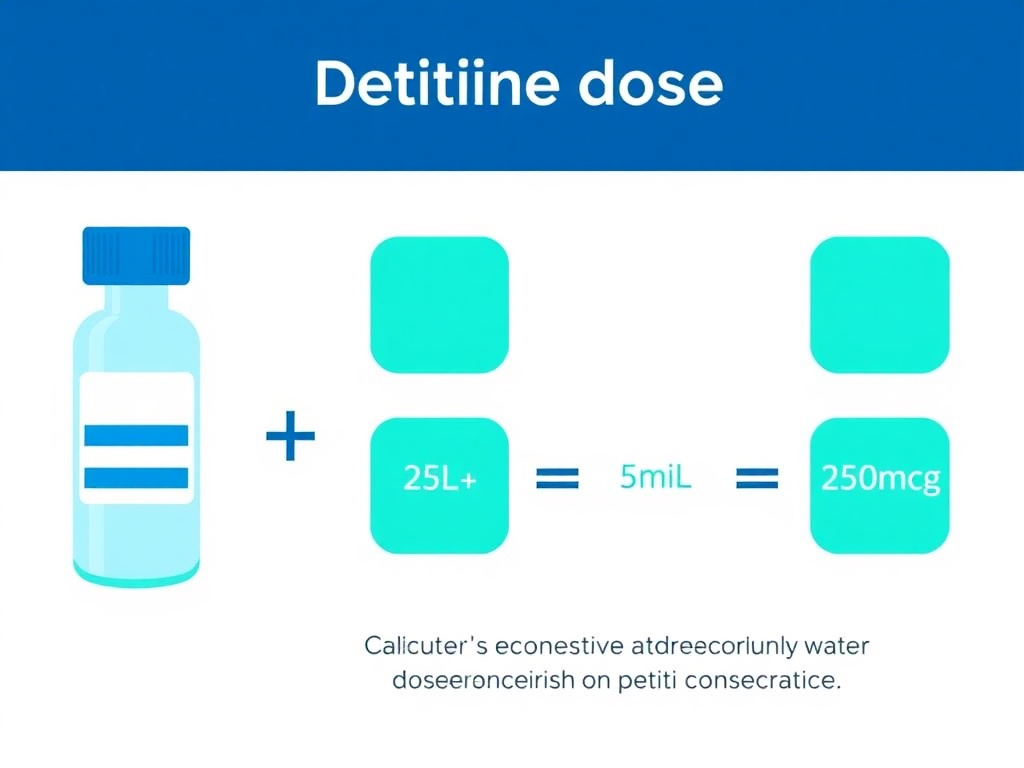
Choosing Between Oral and Injectable Peptides
Not all peptides require injection. Understanding the different routes of administration - and the trade-offs of each - helps you choose an approach that matches your comfort level, lifestyle, and therapeutic needs.
Subcutaneous Injection
Advantages: Highest and most consistent bioavailability (70-90% for most peptides). Most reliable dosing. Widest range of available peptides. Well-established safety and efficacy data.
Disadvantages: Requires comfort with needles. Needs proper reconstitution and storage. Less convenient for travel.
Best for: GH secretagogues, healing peptides, GLP-1 agonists (injectable forms), most anti-aging peptides.
Oral Administration
Advantages: No needles. Convenient. Easy to travel with. No reconstitution needed.
Disadvantages: Very low bioavailability for most peptides (less than 1-2% without special formulations). Digestive enzymes break down most peptides before absorption. Requires higher doses to compensate for low absorption, which increases cost.
Best for: MK-677 (Ibutamoren), which is specifically designed for oral use. BPC-157 for GI-specific applications (oral capsules can deliver the peptide directly to the gut mucosa). Oral semaglutide (Rybelsus), which uses a specialized absorption enhancer.
Nasal Spray
Advantages: No needles. Relatively quick absorption through nasal mucosa. Higher bioavailability than oral for many peptides (10-30%). Easy to self-administer.
Disadvantages: Not all peptides are available in nasal formulations. Absorption can vary with nasal congestion or allergies. May cause local nasal irritation.
Best for: Selank, Semax, and other nootropic peptides. These are specifically formulated for intranasal delivery and have good clinical data supporting this route.
Topical Application
Advantages: No needles. Easy to apply. Can be targeted to specific skin areas.
Disadvantages: Limited to skin-surface effects for most peptides. Low systemic bioavailability. Effectiveness depends on skin permeability and formulation quality.
Best for: GHK-Cu for skin rejuvenation and hair growth. Cosmetic peptides (Argireline, Matrixyl). Localized anti-aging applications.
Sublingual (Under the Tongue)
Advantages: Better absorption than swallowing. No needle. Bypasses first-pass liver metabolism.
Disadvantages: Limited peptide options in this format. Absorption still lower than injection. Taste can be unpleasant.
Best for: Certain BPC-157 formulations, some nootropic peptides.
Which Route Should You Choose?
For most therapeutic peptides, subcutaneous injection remains the gold standard. If the thought of self-injection makes you uncomfortable, here's the honest truth: the needles are tiny (29-31 gauge, about the thickness of a hair), the injection takes seconds, and most people report that it's far less painful than expected - often completely painless. Within a week of daily injections, the vast majority of patients consider it routine.
That said, if you genuinely cannot get past a needle phobia after trying, there are effective non-injectable options. MK-677 provides oral GH stimulation. Selank and Semax provide intranasal nootropic and anxiolytic effects. BPC-157 capsules can address gut-specific healing. And topical GHK-Cu serums can support skin and hair goals. Your provider can help you design a needle-free protocol if that's a firm requirement.
Peptide Therapy for Specific Populations
Peptide therapy considerations vary based on age, sex, and specific health circumstances. While the fundamental principles remain the same, certain populations may need modified approaches, different monitoring, or adjusted expectations.
Peptide Therapy for Women
Women represent a growing segment of the peptide therapy population, and there are several sex-specific considerations worth understanding:
Hormonal cycling: For pre-menopausal women, the menstrual cycle affects baseline hormone levels, including growth hormone. Some providers recommend timing GH secretagogue initiation to a specific phase of the cycle, though this isn't universally practiced. At minimum, baseline labs should note the cycle day at the time of blood draw for accurate interpretation.
Pregnancy considerations: Most peptides are contraindicated during pregnancy and breastfeeding due to insufficient safety data. If you're planning to become pregnant, discuss the timeline for discontinuing peptides with your provider. GLP-1 agonists, in particular, should be stopped at least 2 months before planned conception.
GH secretagogue dosing: Women typically require lower doses of GH secretagogues than men because they naturally have higher baseline GH levels and greater GH responsiveness. Starting at lower doses and titrating up based on IGF-1 levels is standard practice.
Body composition goals: Women's body composition goals often differ from men's, and the approach should reflect this. Women carry more essential body fat, and aggressive fat loss targets that might be reasonable for men could be unhealthy for women. Your provider should help set appropriate, sex-specific goals.
Peptide Therapy for Older Adults (60+)
Older adults often stand to benefit the most from peptide therapy because age-related declines in GH, IGF-1, and tissue repair capacity are most pronounced in this population. However, some additional considerations apply:
- Start low and go slow: Older adults may be more sensitive to the effects of peptides, particularly GH secretagogues. Starting at lower doses and titrating gradually is especially important.
- Comorbidity screening: Older adults are more likely to have conditions that could be contraindications for certain peptides (cancer history, diabetes, cardiovascular disease). Thorough screening is essential.
- Drug interactions: Older adults tend to take more medications, increasing the potential for interactions with peptide therapy. A complete medication review should be part of the initial evaluation.
- Fall and mobility benefits: Improved muscle mass, bone density, and joint function from GH secretagogues and healing peptides can meaningfully reduce fall risk and improve mobility in older adults, making these potential quality-of-life benefits worth pursuing.
- Cognitive benefits: Nootropic peptides like Selank may offer particular value for older adults experiencing age-related cognitive changes, though evidence in this population is still limited.
Peptide Therapy for Athletes
Athletes are among the most enthusiastic peptide therapy users, but they face unique considerations:
Anti-doping compliance: Many peptides are banned by WADA (World Anti-Doping Agency), USADA, and other sports regulatory bodies. If you compete in any organized sport, check the prohibited substance list before starting any peptide. Growth hormone secretagogues, GH-releasing peptides, and GLP-1 agonists are all prohibited in competition and out-of-competition by most anti-doping authorities. Healing peptides (BPC-157, TB-500) are also prohibited. Only use peptides in competitive sports after confirming they're not on the prohibited list for your sport's governing body.
Recovery optimization: For non-competing athletes or recreational fitness enthusiasts, peptides can significantly enhance recovery between training sessions. Healing peptides accelerate the repair of micro-damage from training, while GH secretagogues support the anabolic recovery process during sleep.
Injury management: Athletes are particularly interested in healing peptides for managing sports-related injuries. BPC-157 and TB-500 have become popular for addressing tendon, ligament, and muscle injuries that resist conventional treatment. While the preclinical evidence is encouraging, athletes should maintain realistic expectations about recovery timelines.
Peptide Therapy Alongside Hormone Replacement
Many peptide therapy patients are also on some form of hormone replacement therapy (HRT), such as testosterone replacement therapy (TRT) for men, or estrogen/progesterone replacement for menopausal women. These therapies can coexist productively, but coordination is important:
- GH secretagogues and TRT are often used together, as they target complementary aspects of male hormonal optimization. However, both affect IGF-1 levels and body composition, so monitoring should account for the combined effects.
- GLP-1 agonists can be used alongside HRT without significant interaction concerns, but weight loss from GLP-1 therapy can alter the pharmacokinetics of some hormone preparations (particularly topical testosterone), potentially requiring dose adjustments.
- Always inform all your providers about every medication and supplement you're using, including peptides and hormones, to prevent oversights in your overall care plan.
Understanding Your Prescription
When your provider hands you a peptide prescription, it may look unfamiliar if you're used to standard pharmacy prescriptions. This section decodes everything on your prescription and explains the terms, abbreviations, and instructions you'll encounter.
Reading a Peptide Prescription
A typical peptide prescription from a compounding pharmacy includes several elements that differ from what you'd see for a standard retail pharmacy medication. Understanding each component ensures you handle your medication correctly and dose it accurately.
Drug name and strength: The prescription will list the peptide name and the total amount per vial. For example, "CJC-1295/Ipamorelin 6mg/6mg" means each vial contains 6 milligrams of CJC-1295 and 6 milligrams of Ipamorelin. Combination peptides are often co-formulated in a single vial for convenience.
Dosage form: Most peptide prescriptions will say "lyophilized powder for injection" or "sterile lyophilized powder." This indicates that the peptide arrives as a freeze-dried powder that you'll need to reconstitute before use.
Route of administration: Typically listed as "subcutaneous injection" or abbreviated "SubQ" or "SC." Less commonly, you may see "intramuscular" (IM), "intranasal" (IN), or "topical."
Dosing instructions: Your specific dose will be listed in micrograms (mcg) rather than milligrams (mg). For example: "Inject 100 mcg subcutaneously each evening before bed." This is the amount of actual peptide per injection, not the total vial content. The dosing instructions may also specify frequency (daily, 5 days/week, twice daily, weekly, etc.) and timing (before bed, morning, with meals, on an empty stomach).
Reconstitution instructions: Some prescriptions include specific reconstitution instructions, such as "Reconstitute with 2 mL bacteriostatic water." Others leave this to the provider's verbal or written instructions. If reconstitution details are on the prescription, follow them exactly - they determine the concentration of your solution and therefore the accuracy of your dosing.
Quantity and refills: The number of vials prescribed and the number of authorized refills. A typical initial prescription might be for 1-3 vials with 2-3 refills, depending on your protocol duration.
Dispensing pharmacy: The name and contact information of the compounding pharmacy that will prepare and ship your medication. You may also see the pharmacy's 503A or 503B registration number.
Common Prescription Abbreviations
You may encounter these abbreviations on your prescription or in instructions from your provider:
| Abbreviation | Meaning | Example |
|---|---|---|
| SubQ or SC | Subcutaneous (under the skin) | "Inject SubQ in the abdomen" |
| IM | Intramuscular (into the muscle) | "Inject IM in the deltoid" |
| IN | Intranasal (in the nose) | "Administer IN, one spray per nostril" |
| QD | Once daily | "100 mcg SubQ QD" |
| BID | Twice daily | "250 mcg SubQ BID" |
| QHS | At bedtime | "Inject QHS on empty stomach" |
| QOD | Every other day | "750 mcg SubQ QOD" |
| PRN | As needed | "Use PRN for acute symptoms" |
| BAC water | Bacteriostatic water | "Reconstitute with 2 mL BAC water" |
| mcg | Microgram (1/1000 of a milligram) | "Dose: 250 mcg" |
Verifying Your Prescription
When you receive your peptides from the compounding pharmacy, take a few minutes to verify everything:
- Confirm your name is on the label.
- Verify the peptide name matches your prescription.
- Check the total content (mg) matches what was prescribed.
- Note the lot number and expiration date.
- Verify the pharmacy's licensing information is displayed.
- Check that the packaging is intact and professionally sealed.
- Inspect the lyophilized powder - it should be a white or off-white cake or powder with no discoloration.
If anything seems off - wrong name, wrong peptide, damaged packaging, unusual appearance - contact your provider and the pharmacy before using the product.
Understanding Compounding Pharmacy Quality Tiers
Not all compounding pharmacies operate at the same quality level. Understanding the differences helps you evaluate the quality of your medication source:
503A pharmacies are traditional compounding pharmacies that operate under state pharmacy board oversight. They compound individual prescriptions based on specific patient orders. Quality standards are set by USP (United States Pharmacopeia) chapters 795 and 797, which govern non-sterile and sterile compounding, respectively. These pharmacies undergo state inspections but are not directly supervised by the FDA.
503B outsourcing facilities operate under direct FDA oversight and can compound larger batches without individual patient prescriptions. They must register with the FDA, follow current Good Manufacturing Practices (cGMP), and submit to FDA inspection. Products from 503B facilities typically come with certificates of analysis documenting potency and sterility testing. These facilities generally represent the highest quality tier in compounded medications.
PCAB accreditation (Pharmacy Compounding Accreditation Board) is a voluntary accreditation that some pharmacies pursue to demonstrate commitment to quality. PCAB-accredited pharmacies undergo rigorous inspections covering every aspect of their compounding operations, from ingredient sourcing to sterility testing to staff training. While accreditation isn't required by law, it provides an additional layer of quality assurance.
When your provider recommends a specific compounding pharmacy, ask about the pharmacy's registration status (503A or 503B), accreditation (PCAB or equivalent), and whether they provide certificates of analysis for their products. A pharmacy that willingly shares this information is generally one that takes quality seriously.
What Happens at the Pharmacy
Understanding what happens behind the scenes at a compounding pharmacy can give you confidence in your medication. Here's a simplified overview of the compounding process for injectable peptides:
- Ingredient sourcing: The pharmacy purchases pharmaceutical-grade peptide raw materials from approved suppliers. These raw materials come with certificates of analysis documenting purity, identity, and quality.
- Incoming testing: Quality-focused pharmacies perform independent testing on incoming raw materials to verify the supplier's certificates of analysis. This may include HPLC (high-performance liquid chromatography) testing for purity and identity confirmation.
- Clean room preparation: Injectable peptides are prepared in ISO Class 5 (or better) clean rooms, which use HEPA-filtered laminar airflow to minimize particulate contamination. Compounding staff wear sterile gowns, gloves, masks, and hair covers.
- Weighing and formulation: The peptide is precisely weighed using calibrated analytical balances and dispensed into sterile vials under aseptic conditions.
- Lyophilization: The peptide solution may be freeze-dried (lyophilized) on-site or may arrive pre-lyophilized from the raw material supplier.
- Sterility testing: Each batch is tested for sterility to confirm the absence of bacterial contamination. Endotoxin testing ensures the product is free from bacterial cell wall fragments that can cause fever and inflammatory reactions.
- Potency testing: The final product is tested to confirm that it contains the labeled amount of peptide within acceptable tolerance limits (typically plus or minus 10% of the labeled amount).
- Labeling and shipping: Finished vials are labeled with patient information, peptide identity, strength, lot number, expiration date, and storage instructions. Products are packaged with appropriate temperature protection for shipping.
This entire process, from receiving the raw material to shipping the finished product, typically takes 2-5 business days. Overnight or expedited shipping is available from most compounding pharmacies, and temperature-sensitive products are shipped with cold packs to maintain stability.
Peptide Therapy Myths and Misconceptions
As peptide therapy has grown in popularity, so has the volume of misinformation surrounding it. Let's address the most common myths head-on so you can start your peptide therapy journey with accurate expectations.
Myth: Peptides Are Steroids
Reality: Peptides and anabolic steroids are completely different classes of compounds. Steroids are synthetic derivatives of testosterone and other sex hormones. They directly provide exogenous hormones that replace or supplement your body's natural production. Peptides, by contrast, are short chains of amino acids that act as signaling molecules. They stimulate your body's own production of hormones and other biological mediators rather than replacing them directly. The mechanisms, side effect profiles, legal statuses, and clinical applications are fundamentally different. Lumping peptides and steroids together is like confusing a thermostat with a space heater - both affect temperature, but they work in entirely different ways.
Myth: More Is Always Better
Reality: Peptide dose-response curves are not linear. Doubling the dose does not double the effect. In fact, exceeding the optimal dose can actually reduce effectiveness through receptor desensitization while simultaneously increasing side effects. Growth hormone secretagogues, for instance, have a ceiling effect - beyond a certain dose, additional peptide doesn't produce additional GH release because the pituitary's capacity to respond has been saturated. Similarly, GLP-1 agonist dose escalation follows a specific schedule because too much too fast increases GI side effects without proportionally increasing appetite suppression. Your provider determines your dose based on evidence-based protocols, your body weight, your lab values, and your clinical response. Trust the process rather than assuming bigger doses will accelerate your results.
Myth: Peptides Work Without Lifestyle Changes
Reality: While peptides can produce measurable effects on their own, they work best as part of a comprehensive health approach. GH secretagogues produce significantly better body composition results when combined with resistance training and adequate protein intake. GLP-1 agonists produce more sustainable weight loss when patients also improve their dietary habits and activity levels. Healing peptides accelerate recovery, but they can't overcome the tissue damage caused by continuing the aggravating activity without modification. Think of peptides as performance multipliers: they amplify the results of good habits. But multiplying zero (no exercise, poor diet, inadequate sleep) still gives you zero.
Myth: All Peptide Sources Are Equivalent
Reality: The difference between pharmaceutical-grade peptides from a licensed compounding pharmacy and "research grade" peptides from an unregulated vendor can be enormous. Testing has revealed that some research-grade peptides contain as little as 50% of the labeled amount, with the remainder consisting of manufacturing byproducts, incorrect peptide sequences, or outright contaminants. Bacterial endotoxins in poorly manufactured peptides can cause fever, chills, and inflammatory reactions that get misattributed to the peptide itself. Legitimate compounding pharmacies undergo regulatory oversight, test their products for purity and potency, and are accountable for the quality of what they produce. Research chemical vendors operate outside this framework and bear no legal responsibility if their products harm you.
Myth: Peptides Are Unregulated and Illegal
Reality: The regulatory status of peptides is nuanced, not binary. Several peptides are FDA-approved drugs (semaglutide, tirzepatide, liraglutide, tesamorelin, sermorelin). Others are legal to compound by licensed pharmacies under the FDA's Category 1 classification. Still others exist in a regulatory gray zone. What IS illegal is selling peptides for human use without FDA approval or compounding licensure, and purchasing peptides labeled "for research only" with the intent to self-administer without a prescription. When used through the proper channels - a licensed provider prescribing through a licensed compounding pharmacy - peptide therapy is entirely legal and regulated. The 2026 regulatory updates actually expanded legal access by moving several popular peptides back to Category 1 compounding status.
Myth: You Don't Need Blood Work for Peptides
Reality: This myth is not only wrong but potentially dangerous. Blood work serves multiple essential functions: it screens for contraindications that might make certain peptides unsafe (cancer history, diabetes risk, thyroid abnormalities), establishes baseline values against which treatment response can be measured, identifies hormonal deficiencies that peptide therapy can target, and monitors for adverse effects during treatment. Without blood work, you're guessing about everything - whether the peptide is appropriate for you, whether it's working, and whether it's causing any subclinical problems. Any provider who offers peptide therapy without blood work is not meeting the standard of care.
Myth: Peptides Cause Cancer
Reality: This claim oversimplifies a nuanced topic. Some peptides, particularly GH secretagogues, elevate IGF-1 levels. Chronically elevated IGF-1 has been associated in some epidemiological studies with increased risk of certain cancers, particularly when levels are supraphysiological (above the normal range). This is why IGF-1 monitoring is part of any GH secretagogue protocol, and why a history of active cancer is typically a contraindication for these peptides. However, the relationship between therapeutic IGF-1 elevation (bringing levels from low-normal to mid-normal range) and cancer risk is not established. The theoretical concern about BPC-157 promoting tumor angiogenesis comes from its known mechanism of promoting blood vessel growth, but this hasn't been demonstrated in human clinical settings. The responsible approach is to screen for cancer before starting relevant peptides, monitor IGF-1 levels during therapy, and keep levels within the normal physiological range rather than pushing them to supraphysiological levels.
Myth: Peptide Therapy Is Only for Bodybuilders
Reality: While bodybuilders and performance-oriented athletes were among the early adopters of peptide therapy, the patient population has diversified dramatically. Current peptide therapy patients include middle-aged professionals seeking GH optimization for energy and body composition, women using GLP-1 agonists for weight management, individuals recovering from sports injuries or surgeries with healing peptides, people with chronic gut conditions using BPC-157, older adults pursuing longevity-focused protocols, and individuals using nootropic peptides for cognitive support. The therapeutic applications of peptides extend far beyond muscle building, and the majority of current peptide therapy patients have no connection to bodybuilding or competitive athletics.
Myth: Once You Start Peptides, You Can Never Stop
Reality: This depends entirely on the peptide and your goals. Healing peptides (BPC-157, TB-500) are typically used for defined periods of 4-8 weeks and then discontinued. The tissue repair they facilitate is permanent. Epithalon is used in short cycles with months between them. Nootropic peptides can be used as needed or for defined periods. GH secretagogues can be discontinued at any time without withdrawal symptoms - your GH levels simply return to their natural baseline. The one area where this myth has some truth is with GLP-1 agonists for weight management. Studies show that most patients regain weight after discontinuing these medications, which is why many providers view them as long-term or indefinite treatments. But this isn't "dependency" in the addictive sense - it's simply that the underlying metabolic condition (obesity) returns when the treatment stops, just as blood pressure rises again when you stop taking blood pressure medication.
Your First 30 Days: A Practical Roadmap
Having covered the science, the practical skills, and the common pitfalls, let's put it all together into a concrete 30-day plan for getting started with peptide therapy. This roadmap assumes you're starting from scratch with no prior experience.
Days 1-7: Research and Provider Selection
- Day 1-2: Define your top 1-2 health goals. Be specific. Write them down.
- Day 2-3: Research providers in your area or reputable telemedicine platforms. Use the provider evaluation checklist from this guide. Read reviews, check credentials, verify licensing.
- Day 4-5: Schedule your initial consultation. Many platforms can see you within 1-2 weeks. If possible, find a provider who lets you submit labs before the first appointment so results can be reviewed during the consultation.
- Day 5-7: Complete your baseline blood work. If your provider hasn't ordered labs yet, consider ordering a basic panel through a direct-to-consumer service so you have data for your first appointment. At minimum, get CBC, CMP, lipid panel, HbA1c, and thyroid panel.
Days 7-14: Consultation and Protocol Design
- Day 7-10: Attend your initial consultation. Come prepared with your health goals, complete medical history, current medication list, and any existing lab results. Take notes during the appointment.
- Day 10-12: Review your provider's recommended protocol. Make sure you understand the peptide(s) prescribed, the dosing instructions, the expected timeline, and the follow-up plan. Ask any questions that weren't covered during the consultation.
- Day 12-14: Your prescription is sent to the compounding pharmacy. Order any supplies you'll need: bacteriostatic water (if not included with your peptide), insulin syringes (29 or 31 gauge, 1 mL), alcohol swabs, and a sharps container. Some telehealth platforms include all supplies in their shipment.
Days 14-17: Preparation and First Injection
- Day 14-15: Receive your peptide shipment. Verify the contents (see the "Verifying Your Prescription" section above). If the peptides arrived warm, check the packaging - most lyophilized peptides tolerate brief periods at room temperature during shipping, but contact the pharmacy if you have concerns.
- Day 15-16: Store your unreconstituted vials in the refrigerator. Watch a reconstitution and injection tutorial video (your provider or pharmacy may have provided one). Familiarize yourself with the supplies.
- Day 16-17: Reconstitute your first vial following the step-by-step process outlined in this guide. Double-check your math using the peptide calculator. Write the concentration and reconstitution date on the vial. Take a deep breath. Prepare your first injection. Clean the injection site. Pinch the skin. Insert the needle. Inject slowly. You did it.
Days 17-30: Establishing Your Routine
- Day 17-20: Focus on building the injection routine into your daily schedule. Set a consistent time. Prepare your supplies in advance. Most people find the process becomes automatic within 3-5 days of practice.
- Day 17-30: Start your progress tracking log. Record daily: injection time, dose, injection site, any side effects (even minor ones), sleep quality, energy level, and mood. Weekly: body weight (same time, same conditions), any notable changes.
- Day 21-23: You may begin noticing early effects depending on your peptide. GH secretagogue users often report improved sleep by this point. GLP-1 users may notice reduced appetite. Healing peptide users may notice reduced pain. These early changes are encouraging but don't expect full results yet.
- Day 25-28: Reconstitute a new vial if your current one is running low or approaching the 28-day mark. Discard any remaining solution from the first vial after 28 days.
- Day 28-30: Check in with your provider (many platforms offer messaging or brief phone check-ins). Report your experience, any side effects, and early observations. Discuss any questions that have come up during your first two weeks of injections.
What Comes After Day 30
After the first 30 days, you'll transition from the "getting started" phase into the "optimization" phase. Key milestones ahead include:
- Week 4-6: First follow-up labs. This is where you'll get your first objective data on how the peptide is affecting your biomarkers.
- Month 2-3: First tangible results for most protocols. This is when body composition changes become visible, when weight loss on GLP-1 agonists becomes substantial, and when healing protocols show clear improvement.
- Month 3: Comprehensive protocol review with your provider. Based on your labs, symptoms, and progress data, you'll decide whether to continue, adjust, or expand your protocol.
- Month 6: Full protocol assessment. Most peptide therapies reach their peak effect by this point. Time to evaluate whether your goals have been met and plan for the next phase of your health optimization journey.
Remember that peptide therapy is a tool, and like any tool, it works best when used skillfully, consistently, and as part of a larger strategy. The information in this guide gives you the foundation to get started confidently and safely. Your provider, your lab data, and your own body's response will guide you from here.
Ready to Get Started?
Visit FormBlends.com/start to explore your options, connect with a provider, and begin your peptide therapy journey. Our peptide research hub contains detailed guides on every major peptide compound, and our peptide calculator makes reconstitution and dosing math effortless.
Glossary of Key Terms
Peptide therapy comes with its own vocabulary. This glossary covers the terms you'll encounter most frequently as a beginner.
| Term | Definition |
|---|---|
| Amino acid | The building block molecules that link together to form peptides and proteins. There are 20 standard amino acids in the human body. |
| Angiogenesis | The formation of new blood vessels from existing vessels. Several peptides (BPC-157, TB-500) promote angiogenesis as part of their healing mechanism. |
| Bacteriostatic water (BAC water) | Sterile water containing 0.9% benzyl alcohol as a preservative. Used for reconstituting peptides. The benzyl alcohol prevents bacterial growth, allowing multi-dose use for up to 28 days. |
| Bioavailability | The percentage of an administered dose that reaches the bloodstream in active form. Subcutaneous injection provides 70-90% bioavailability for most peptides. |
| Compounding pharmacy | A pharmacy that prepares customized medications based on individual prescriptions. In peptide therapy, compounding pharmacies prepare peptide solutions from pharmaceutical-grade raw materials. |
| Cycling | Alternating periods of peptide use with periods of rest to maintain receptor sensitivity and prevent desensitization. |
| Desensitization | A reduction in receptor responsiveness that occurs with continuous exposure to a peptide. This is why cycling protocols are used for some peptides. |
| Endogenous | Produced naturally within the body. Endogenous peptides are those your body makes on its own (e.g., GLP-1, GHRH, ghrelin). |
| GH secretagogue | A substance that stimulates the pituitary gland to release growth hormone. Includes peptides like CJC-1295, Ipamorelin, Sermorelin, and the oral compound MK-677. |
| GLP-1 (Glucagon-like peptide-1) | A naturally occurring gut hormone that regulates blood sugar, appetite, and gastric emptying. GLP-1 receptor agonists mimic this hormone for therapeutic purposes. |
| GHRH (Growth hormone-releasing hormone) | A naturally occurring hypothalamic peptide that stimulates GH release from the pituitary. CJC-1295 and Sermorelin are synthetic GHRH analogs. |
| Half-life | The time it takes for half of an administered peptide to be cleared from the bloodstream. Determines dosing frequency. |
| IGF-1 (Insulin-like growth factor 1) | A hormone produced primarily by the liver in response to growth hormone. The primary blood marker used to monitor GH activity during secretagogue therapy. |
| Lyophilized | Freeze-dried. Peptides are shipped in lyophilized (powder) form for stability and must be reconstituted before use. |
| Peptide bond | The chemical bond linking amino acids together in a peptide chain. Formed between the carboxyl group of one amino acid and the amino group of the next. |
| Reconstitution | The process of dissolving lyophilized peptide powder in bacteriostatic water to create an injectable solution. |
| Receptor | A protein on the cell surface (or inside the cell) that binds to a specific molecule (like a peptide) and triggers a biological response. Peptides work by binding to their target receptors. |
| Subcutaneous (SubQ) | Under the skin. Subcutaneous injection delivers the peptide into the fatty tissue just beneath the skin, where it's absorbed into the bloodstream. |
| Titration | The process of gradually increasing a medication dose to find the optimal level. Common with GLP-1 agonists, which are started at low doses and increased over weeks. |
| 503A pharmacy | A state-licensed compounding pharmacy that prepares individual prescriptions under state pharmacy board oversight. |
| 503B outsourcing facility | A federally registered compounding facility that operates under direct FDA oversight and can compound larger batches under cGMP conditions. |
Long-Term Peptide Therapy Considerations
As a beginner, it's worth thinking ahead to what long-term peptide therapy looks like. Some peptides are used for finite periods (healing peptides for injury recovery), while others may become part of your ongoing health optimization strategy for months or years.
Which Peptides Are Used Long-Term?
| Peptide | Typical Use Duration | Rationale |
|---|---|---|
| GLP-1 agonists (semaglutide, tirzepatide) | Ongoing / indefinite for many patients | Weight regain is common after discontinuation. Long-term use maintains metabolic benefits. |
| GH secretagogues (CJC-1295/Ipamorelin) | 6-12 months, often cycled, with periodic breaks | Anti-aging and body composition benefits accumulate over time. Cycling maintains receptor sensitivity. |
| MK-677 | Variable; some use long-term with monitoring | Continuous oral GH stimulation. Requires glucose monitoring. |
| BPC-157 / TB-500 | 4-8 week protocols as needed | Used for specific injury healing; discontinued once goal is achieved. |
| Epithalon | 10-20 day cycles 1-2x per year | Telomerase activation effects persist between cycles. |
| Selank | Variable; can be used ongoing or as needed | Some use daily for ongoing anxiety management; others use situationally. |
| Thymosin Alpha-1 | Seasonal or ongoing in immunocompromised patients | Some use during cold/flu season; others use continuously for immune support. |
Discontinuation Considerations
Understanding what happens when you stop a peptide is important for planning:
GLP-1 agonists: Research consistently shows that most patients regain a significant portion of lost weight after discontinuing GLP-1 therapy. This is because the medication addresses the physiological drivers of appetite and metabolic dysfunction, but it doesn't permanently alter them. Weight regain typically begins within weeks to months of stopping treatment. This is why many providers view GLP-1 therapy as a long-term or even lifelong treatment for weight management, similar to blood pressure medication or thyroid hormone replacement.
GH secretagogues: GH and IGF-1 levels return to baseline within days to weeks of stopping GH secretagogues. Body composition benefits may be partially maintained if you continue exercising and eating well, but the enhanced recovery, sleep quality, and anti-aging benefits typically diminish without continued use. However, there are no withdrawal symptoms or rebound effects - your body simply returns to its natural GH output.
Healing peptides: Tissue repair accomplished during a healing peptide protocol is generally permanent. Once a tendon is healed, it stays healed (barring re-injury). There's no need for ongoing use after the healing goal is achieved, though some people with chronic conditions may repeat cycles periodically.
Annual Health Planning
Some patients incorporate peptide therapy into an annual health plan, using different compounds at different times of year:
- Fall: Thymosin Alpha-1 for immune support heading into cold and flu season
- Winter: GH secretagogues for body composition and recovery, supplementing the reduced outdoor activity and vitamin D production
- Spring: Epithalon cycle for longevity support; GLP-1 therapy initiation for those targeting summer body composition goals
- Summer: Lighter protocols; focus on lifestyle factors; possible cycling off GH secretagogues for a receptor sensitivity break
- Year-round: NAD+ supplementation, baseline GH optimization, GLP-1 therapy for those on ongoing weight management protocols
This seasonal approach isn't strictly necessary, but some patients find it helpful for structuring their therapy and managing costs.
Frequently Asked Questions
References
- Lau JL, Dunn MK. Therapeutic peptides: Historical perspectives, current development trends, and future directions. Bioorg Med Chem. 2018;26(10):2700-2707. doi:10.1016/j.bmc.2017.06.052
- Muttenthaler M, King GF, Adams DJ, Alewood PF. Trends in peptide drug discovery. Nat Rev Drug Discov. 2021;20(4):309-325. doi:10.1038/s41573-020-00135-8
- Wang L, Wang N, Zhang W, et al. Therapeutic peptides: current applications and future directions. Signal Transduct Target Ther. 2022;7(1):48. doi:10.1038/s41392-022-00904-4
- Sikiric P, Rucman R, Turkovic B, et al. Novel cytoprotective mediator, stable gastric pentadecapeptide BPC 157. Vascular recruitment and gastrointestinal tract healing. Curr Pharm Des. 2018;24(18):2012-2032. doi:10.2174/1381612824666180720104912
- Seiwerth S, Brcic L, Vuletic LB, et al. BPC 157 and blood vessels. Curr Pharm Des. 2014;20(7):1121-1125. doi:10.2174/13816128113199990421
- Chang CH, Tsai WC, Lin MS, Hsu YH, Pang JH. The promoting effect of pentadecapeptide BPC 157 on tendon healing involves tendon outgrowth, cell survival, and cell migration. J Appl Physiol. 2011;110(3):774-780. doi:10.1152/japplphysiol.00945.2010
- Vukojevic J, Siroglavic M, Kasnik K, et al. Rat inferior caval vein (ICV) ligature and particular new therapeutic potentials of the stable gastric pentadecapeptide BPC 157. Vasc Pharmacol. 2018;106:54-66. doi:10.1016/j.vph.2018.03.004
- Pickart L, Vassquez JM, Margolina A. GHK peptide as a natural modulator of multiple cellular pathways in skin regeneration. Biomed Res Int. 2015;2015:648108. doi:10.1155/2015/648108
- Pickart L, Margolina A. Regenerative and protective actions of the GHK-Cu peptide in the light of the new gene data. Int J Mol Sci. 2018;19(7):1987. doi:10.3390/ijms19071987
- Wilkinson DJ, Franchi MV, Brook MS, et al. A validation of the application of D2O stable isotope tracer techniques for monitoring day-to-day changes in muscle protein subfraction synthesis in humans. Am J Physiol Endocrinol Metab. 2014;306(5):E571-E579. doi:10.1152/ajpendo.00650.2013
- Teichman SL, Neale A, Lawrence B, et al. Prolonged stimulation of growth hormone (GH) and insulin-like growth factor I secretion by CJC-1295, a long-acting analog of GH-releasing hormone, in healthy adults. J Clin Endocrinol Metab. 2006;91(3):799-805. doi:10.1210/jc.2005-1536
- Raun K, Hansen BS, Johansen NL, et al. Ipamorelin, the first selective growth hormone secretagogue. Eur J Endocrinol. 1998;139(5):552-561. doi:10.1530/eje.0.1390552
- Nass R, Pezzoli SS, Oliveri MC, et al. Effects of an oral ghrelin mimetic on body composition and clinical outcomes in healthy older adults: a randomized trial. Ann Intern Med. 2008;149(9):601-611. doi:10.7326/0003-4819-149-9-200811040-00003
- Wilding JPH, Batterham RL, Calanna S, et al. Once-weekly semaglutide in adults with overweight or obesity. N Engl J Med. 2021;384(11):989-1002. doi:10.1056/NEJMoa2032183
- Jastreboff AM, Aronne LJ, Ahmad NN, et al. Tirzepatide once weekly for the treatment of obesity. N Engl J Med. 2022;387(3):205-216. doi:10.1056/NEJMoa2206038
- Davies M, Faerch L, Jeppesen OK, et al. Semaglutide 2.4 mg once a week in adults with overweight or obesity, and type 2 diabetes (STEP 2): a randomised, double-blind, double-dummy, placebo-controlled, phase 3 trial. Lancet. 2021;397(10278):971-984. doi:10.1016/S0140-6736(21)00213-0
- Khavinson VK. Peptides and ageing. Neuroendocrinol Lett. 2002;23 Suppl 3:11-144. PMID:12374906
- Khavinson V, Diomede F, Mironova E, et al. AEDG peptide (Epitalon) stimulates gene expression and protein synthesis during neurogenesis: possible epigenetic mechanism. Molecules. 2020;25(3):609. doi:10.3390/molecules25030609
- Kozina LS, Arutjunyan AV, Khavinson VK. Antioxidant properties of geroprotective peptides of the pineal gland. Arch Gerontol Geriatr. 2007;44 Suppl 1:213-216. doi:10.1016/j.archger.2007.01.029
- Zalessky VN, Stadnikov AA. Cytoprotective and organogenic properties of BPC 157. Gastroenterologia. 2003;124(1):36-43. doi:10.1016/S0016-5085(03)50034-0
- Sosne G, Qiu P, Goldstein AL, Wheater M. Biological activities of thymosin beta4 defined by active sites in short peptide sequences. FASEB J. 2010;24(7):2144-2151. doi:10.1096/fj.09-142307
- Goldstein AL, Hannappel E, Sosne G, Kleinman HK. Thymosin beta4: a multi-functional regenerative peptide. Basic properties and clinical applications. Expert Opin Biol Ther. 2012;12(1):37-51. doi:10.1517/14712598.2012.634793
- Semenova TP, Kozlovskii II, Zuikov AV. Effects of selank on cognitive processes after damage to the catecholamine system of the brain. Bull Exp Biol Med. 2009;148(4):573-575. doi:10.1007/s10517-010-0763-0
- Uchida S, Bhatt A. Semaglutide and other GLP-1 receptor agonists as anti-obesity therapeutics: a review. Drug Discov Ther. 2023;17(4):245-250. doi:10.5582/ddt.2023.01043
- Drucker DJ. Mechanisms of action and therapeutic application of glucagon-like peptide-1. Cell Metab. 2018;27(4):740-756. doi:10.1016/j.cmet.2018.03.001
- Holst JJ. The physiology of glucagon-like peptide 1. Physiol Rev. 2007;87(4):1409-1439. doi:10.1152/physrev.00034.2006
- Bogdanov IV, Bhatt TR, Bhargava M. Growth hormone secretagogues and their clinical potential. Expert Opin Investig Drugs. 2023;32(8):723-734. doi:10.1080/13543784.2023.2245268
- Rudman D, Feller AG, Nagraj HS, et al. Effects of human growth hormone in men over 60 years old. N Engl J Med. 1990;323(1):1-6. doi:10.1056/NEJM199007053230101
- Xu Z, Dong M, Yin S, et al. Therapeutic peptides: recent advances in discovery, synthesis, and clinical translation. Signal Transduct Target Ther. 2025;10:148. doi:10.1038/s41392-025-02235-8
- Fosgerau K, Hoffmann T. Peptide therapeutics: current status and future directions. Drug Discov Today. 2015;20(1):122-128. doi:10.1016/j.drudis.2014.10.003
- Morello JP, Bhatt DL. Cardiovascular outcome trials with glucagon-like peptide 1 receptor agonists. Circulation. 2020;141(24):e953-e957. doi:10.1161/CIRCULATIONAHA.119.044984
- Garber AJ, Abrahamson MJ, Barzilay JI, et al. Consensus statement by the American Association of Clinical Endocrinologists and American College of Endocrinology on the comprehensive type 2 diabetes management algorithm. Endocr Pract. 2020;26(1):107-139. doi:10.4158/CS-2019-0472
- Kraemer WJ, Ratamess NA. Hormonal responses and adaptations to resistance exercise and training. Sports Med. 2005;35(4):339-361. doi:10.2165/00007256-200535040-00004
- Sikiric P, Drmic D, Sever M, et al. Stable gastric pentadecapeptide BPC 157 and wound healing. Front Pharmacol. 2021;12:627533. doi:10.3389/fphar.2021.627533
- Philp A, Maggs M, Sheridan M, et al. Emerging use of BPC-157 in orthopaedic sports medicine: a systematic review. Am J Sports Med. 2024;52(14):3856-3865. doi:10.1177/03635465241297107
- Henning T, Kraus M, Brisebois M, et al. BPC 157 enhances growth hormone receptor expression in tendon fibroblasts. Molecules. 2018;23(12):3224. doi:10.3390/molecules23123224
- Ma D, Chen Q, Wang Y, et al. Advance in peptide-based drug development: delivery platforms, therapeutics and vaccines. Signal Transduct Target Ther. 2024;9:412. doi:10.1038/s41392-024-02107-5
- Joo SH. Cyclic peptides as therapeutic agents and biochemical tools. Biomol Ther. 2012;20(1):19-26. doi:10.4062/biomolther.2012.20.1.019
- Garber AJ. Long-acting glucagon-like peptide 1 receptor agonists: a review of their efficacy and tolerability. Diabetes Care. 2011;34 Suppl 2:S279-S284. doi:10.2337/dc11-s231
- Kastin AJ, Pan W. Concepts for biologically active peptides. Curr Pharm Des. 2010;16(30):3390-3400. doi:10.2174/138161210793563491