1. Executive Summary
Peptides have become one of the most discussed topics in sports science and athletic recovery. From weekend warriors nursing a torn rotator cuff to professional athletes looking for an edge in post-training recovery, peptide research has generated enormous interest across the athletic community. This guide examines the current state of the evidence, the regulatory landscape, and the practical considerations athletes should understand before exploring peptide-based approaches to performance and recovery.
Key Takeaways
- Recovery peptides like BPC-157 and TB-500 have strong preclinical evidence for tissue healing but limited human trial data specific to athletic injuries
- Growth hormone secretagogues (CJC-1295, Ipamorelin, MK-677, Sermorelin) are all banned by WADA for competitive athletes
- Mitochondrial peptides like MOTS-c and SS-31 represent an emerging frontier in exercise physiology research
- Anti-doping considerations are critical for any athlete subject to drug testing, as many peptides carry lengthy ban periods
- Medical supervision and regular blood work monitoring are essential for anyone exploring peptide protocols
The human body produces hundreds of peptides naturally. These short chains of amino acids serve as signaling molecules, hormones, and growth factors that regulate virtually every physiological process relevant to athletic performance. From the growth hormone pulses that drive overnight tissue repair to the inflammatory cascades that initiate healing after an injury, peptides are already at the center of how your body responds to training stress.
What has changed in recent years is the availability of synthetic versions of these peptides, along with a growing body of research examining their potential applications for injury healing, recovery optimization, and performance support. Compounds like BPC-157, TB-500, and various growth hormone secretagogues have moved from obscure research chemicals to widely discussed recovery tools in athletic circles.
However, the enthusiasm surrounding peptides often runs ahead of the evidence. While preclinical data for many of these compounds is genuinely promising, large-scale human clinical trials remain scarce for most athletic applications. Athletes must also contend with a complex regulatory environment where many peptides fall on the World Anti-Doping Agency (WADA) Prohibited List, making them off-limits for competitive sport.
Key Takeaways for Athletes
- Recovery peptides like BPC-157 and TB-500 have strong preclinical evidence for tissue healing but limited human trial data specific to athletic injuries
- Growth hormone secretagogues (CJC-1295, Ipamorelin, MK-677, Sermorelin) are all banned by WADA for competitive athletes
- Mitochondrial peptides like MOTS-c and SS-31 represent an emerging frontier in exercise physiology research
- Anti-doping considerations are critical for any athlete subject to drug testing, as many peptides carry lengthy ban periods
- Medical supervision and regular blood work monitoring are essential for anyone exploring peptide protocols
This report covers the major peptide categories relevant to athletes, including tissue repair peptides, growth hormone secretagogues, mitochondrial and metabolic peptides, and IGF-1 variants. We examine the mechanism of action for each compound, review the available evidence, discuss anti-doping implications, and provide context for how peptides compare with established sports medicine approaches. Whether you are a recreational athlete exploring recovery options or a clinician advising athletic patients, this guide aims to provide a thorough, evidence-based foundation for understanding peptides in the athletic context.
For a broader overview of peptide science and applications beyond athletics, visit the Peptide Research Hub at FormBlends, which covers the full spectrum of peptide research across therapeutic categories.
Who This Guide Is For
This report is designed for several audiences. Recreational and competitive athletes will find practical information about what the science actually shows versus what marketing claims suggest. Sports medicine physicians, physical therapists, and other clinicians will find a consolidated review of the preclinical and clinical evidence base. Coaches and trainers will gain a clearer understanding of the regulatory landscape and the realistic expectations athletes should have when considering peptide approaches. And biohackers or self-experimenters will find the safety monitoring and risk mitigation information essential for making informed decisions.
Throughout this guide, we distinguish clearly between what has been demonstrated in rigorous scientific research, what is suggested by preliminary or preclinical data, and what remains speculative or anecdotal. This distinction matters enormously in a field where marketing frequently outpaces evidence, and where the consequences of uninformed decisions can include failed drug tests, unexpected side effects, or wasted resources on compounds that may not deliver the claimed benefits.
The Current State of Peptide Research in Athletics
As of early 2026, the peptide landscape for athletes can be broadly characterized as follows. The strongest preclinical evidence exists for tissue repair peptides, particularly BPC-157 and TB-500, where animal studies consistently show accelerated healing of tendons, ligaments, muscles, and bones. Growth hormone secretagogues have a more established clinical evidence base, but primarily in non-athletic populations such as elderly adults with growth hormone deficiency or individuals with specific medical conditions. Mitochondrial peptides represent the newest frontier, with MOTS-c and SS-31 generating excitement for their potential to enhance cellular energy production and exercise tolerance.
The gap between preclinical promise and clinical validation remains the central challenge. While animal studies provide valuable mechanistic insights, they do not always translate to human outcomes, particularly in the context of healthy, well-trained athletes whose physiology differs substantially from the disease models typically used in research. Athletes exploring peptide options should maintain realistic expectations and prioritize compounds with the strongest safety profiles and most relevant evidence base for their specific goals.
To explore whether a peptide-based approach might be appropriate for your individual situation, FormBlends offers a free assessment that can help identify relevant research directions based on your specific health and performance goals.
2. Growth Hormone Secretagogues for Recovery
Growth hormone (GH) is one of the most important hormones for athletic recovery. Released primarily during deep sleep, GH drives tissue repair, stimulates protein synthesis, promotes collagen formation in connective tissues, and supports fat metabolism. Growth hormone secretagogues are compounds that stimulate the body's own pituitary gland to release more GH, rather than introducing exogenous growth hormone directly. This distinction matters for both physiological and safety reasons.
The appeal of GH secretagogues for athletes is straightforward: by enhancing the body's natural growth hormone output, these compounds may support faster recovery between training sessions, improved sleep quality, better connective tissue repair, and more favorable body composition. Unlike direct GH injections, secretagogues work within the hypothalamic-pituitary feedback loop, theoretically producing a more physiological pattern of GH release with pulsatile secretion patterns that mirror natural circadian rhythms.
However, athletes must understand a critical regulatory reality: virtually all growth hormone secretagogues are banned by WADA under category S2.3 (Growth Hormone Releasing Factors). This includes CJC-1295, Ipamorelin, GHRP-2, GHRP-6, MK-677, Sermorelin, and Tesamorelin. Competitive athletes subject to anti-doping testing cannot use these compounds without risking sanctions. The information in this section is intended for educational purposes and for non-tested recreational athletes and researchers.
CJC-1295: The Modified GHRH Analog
CJC-1295 is a synthetic analog of growth hormone-releasing hormone (GHRH) with a significantly extended half-life compared to native GHRH. The original CJC-1295 includes a Drug Affinity Complex (DAC) modification that allows it to bind to serum albumin, extending its half-life to approximately 6 to 8 days. A version without DAC (sometimes called modified GRF 1-29) has a shorter half-life of approximately 30 minutes, which more closely mimics the pulsatile nature of natural GHRH release.
The mechanism of action is well-characterized. CJC-1295 binds to GHRH receptors on somatotroph cells in the anterior pituitary, stimulating the synthesis and release of growth hormone. Because it works through the natural receptor pathway, the resulting GH release maintains the pulsatile pattern that the body expects, with downstream negative feedback mechanisms remaining intact. This is in contrast to exogenous GH administration, which can suppress endogenous production through feedback inhibition.
Evidence for Recovery Applications
Clinical studies of CJC-1295 have demonstrated sustained elevations in GH and IGF-1 levels. A study by Teichman et al. (2006) found that a single injection of CJC-1295 with DAC produced dose-dependent increases in mean GH levels of 2 to 10-fold above baseline, with IGF-1 levels remaining elevated for 6 to 14 days (Teichman et al., 2006, doi:10.1210/jc.2005-2209). This prolonged elevation is unique among GH secretagogues and makes CJC-1295 with DAC particularly interesting for sustained recovery support.
For athletes, the downstream effects of elevated GH and IGF-1 are most relevant. Growth hormone stimulates hepatic IGF-1 production, which in turn promotes protein synthesis in skeletal muscle, enhances chondrocyte and osteoblast activity for cartilage and bone repair, increases collagen synthesis in tendons and ligaments, and supports satellite cell proliferation for muscle repair. These are precisely the processes that drive recovery from training stress and injury.
Research on the CJC-1295/Ipamorelin combination has shown that the dual-pathway stimulation (GHRH receptor activation plus ghrelin receptor agonism) produces greater GH release than either compound alone, with a favorable side effect profile compared to older GHRPs like GHRP-6, which can significantly increase hunger through ghrelin pathway activation.
Clinical Pearl
The CJC-1295/Ipamorelin combination is one of the most widely studied GH secretagogue pairings. The rationale for combining them lies in their complementary mechanisms: CJC-1295 amplifies GH pulse amplitude through GHRH receptor activation, while Ipamorelin amplifies GH pulse frequency through ghrelin receptor agonism. Together, they produce a combined effect on GH output while maintaining the natural pulsatile release pattern.
Ipamorelin: The Selective GH Secretagogue
Ipamorelin is a pentapeptide growth hormone secretagogue that acts through the ghrelin (GHS) receptor, also known as the growth hormone secretagogue receptor type 1a (GHS-R1a). What distinguishes Ipamorelin from earlier ghrelin-mimetic GH secretagogues like GHRP-2 and GHRP-6 is its selectivity. Ipamorelin stimulates GH release without significantly affecting cortisol, prolactin, or aldosterone levels, and it produces minimal increases in appetite compared to GHRP-6 (Raun et al., 1998, doi:10.1210/endo.139.10.6251).
This selectivity is important for athletes because elevated cortisol is catabolic and counterproductive to recovery, while appetite stimulation may be undesirable for athletes managing body composition. Ipamorelin achieves its GH-releasing effect primarily by suppressing somatostatin (the hormone that inhibits GH release), allowing natural GH pulses to be larger and more frequent.
Dosing Research and Athletic Applications
Clinical studies have typically examined Ipamorelin at doses ranging from 1 mcg/kg to 3 mcg/kg body weight, administered subcutaneously. Peak GH levels are typically observed 30 to 60 minutes after administration. In the context of athletic recovery, Ipamorelin is most often studied for its effects on sleep-associated GH release. Administering Ipamorelin before sleep may amplify the natural nocturnal GH surge, potentially enhancing overnight tissue repair processes.
Animal studies have also examined Ipamorelin in the context of bone healing. Research by Andersen et al. (2001) demonstrated that Ipamorelin treatment accelerated fracture healing in rats, with treated animals showing increased bone mineral content, improved callus formation, and greater biomechanical strength at the fracture site compared to controls (Andersen et al., 2001, doi:10.1016/S8756-3282(01)00504-9). While these findings are from animal models, they support the theoretical basis for using GH secretagogues to support healing of bone injuries in athletes.
For athletes interested in the CJC-1295/Ipamorelin combination, FormBlends provides research-grade peptides with certificates of analysis. The Dosing Calculator can help determine appropriate research quantities based on body weight and study protocols.
MK-677 (Ibutamoren): The Oral GH Secretagogue
MK-677, also known as Ibutamoren, occupies a unique position among GH secretagogues. Unlike peptide-based secretagogues that require injection, MK-677 is a non-peptide, orally active growth hormone secretagogue that mimics the action of ghrelin at the GHS-R1a receptor. This oral bioavailability makes it substantially more convenient than injectable options, which has contributed to its popularity in athletic and bodybuilding communities.
The pharmacological profile of MK-677 is well-established through multiple clinical trials. A landmark study by Nass et al. (2008) demonstrated that two months of MK-677 treatment in healthy older adults increased GH and IGF-1 levels to those typical of healthy young adults, without significant changes in cortisol, PRL, insulin, glucose, T3, T4, or TSH in most subjects (Nass et al., 2008, doi:10.1210/jc.2007-2614). The 24-hour GH profile showed that MK-677 increased both the amplitude and frequency of GH pulses, with the greatest effect on sleep-associated GH release.
Body Composition and Recovery Effects
Several studies have examined MK-677's effects on body composition. A two-month study in obese males showed that MK-677 increased fat-free mass by approximately 3 kg while also increasing basal metabolic rate (Svensson et al., 1998, doi:10.1210/jcem.83.2.4539). A longer 12-month study in elderly subjects demonstrated sustained increases in GH and IGF-1 without tachyphylaxis (loss of response over time), along with improvements in fat-free mass and a trend toward reduced fat mass (Murphy et al., 2001, doi:10.1210/jcem.86.4.7381).
For recovery specifically, MK-677's most relevant effect may be its impact on sleep architecture. Growth hormone is primarily released during stage 3 and stage 4 non-REM sleep, and MK-677 has been shown to increase the duration of REM sleep and stage IV sleep by approximately 50% and 20%, respectively, in young healthy subjects (Copinschi et al., 1997, doi:10.1159/000184706). Since sleep quality is arguably the most important factor in athletic recovery, this effect alone makes MK-677 of significant interest to the sports science community.
Important Safety Consideration
MK-677 can increase fasting blood glucose and reduce insulin sensitivity, particularly with prolonged use. Athletes considering this compound should monitor fasting glucose and HbA1c levels regularly. Individuals with pre-existing insulin resistance, metabolic syndrome, or family history of type 2 diabetes should exercise particular caution. Water retention and increased appetite are also common effects that may be undesirable for some athletes.
Duration and Cycling Considerations
One of the practical questions athletes frequently ask about MK-677 is whether it requires cycling. The 12-month study by Murphy et al. demonstrated sustained GH and IGF-1 elevation without significant attenuation of response, suggesting that continuous use is pharmacologically feasible. However, the cumulative effects on insulin sensitivity and the theoretical concerns about prolonged IGF-1 elevation have led many practitioners to recommend cycling protocols, typically 8 to 12 weeks on followed by 4 to 8 weeks off, though this approach is based on clinical judgment rather than specific trial data comparing cycled versus continuous use.
Sermorelin: The Bioidentical GHRH
Sermorelin is a synthetic version of the first 29 amino acids of growth hormone-releasing hormone (GHRH 1-29). Unlike CJC-1295, which is a modified analog, Sermorelin is structurally identical to the biologically active portion of natural GHRH. This "bioidentical" nature gives Sermorelin a strong safety profile, and it was actually FDA-approved for use in children with growth hormone deficiency (marketed as Geref), though the manufacturer voluntarily discontinued it for commercial reasons, not safety concerns.
Sermorelin acts through the same GHRH receptor pathway as CJC-1295 but with a shorter half-life of approximately 10 to 20 minutes. This shorter duration means that Sermorelin produces discrete GH pulses that closely mimic the natural pattern of GHRH release. Some clinicians prefer Sermorelin for this reason, arguing that the more physiological pattern of GH stimulation is preferable for long-term use compared to the sustained elevation produced by CJC-1295 with DAC.
Clinical Evidence in Athletic-Relevant Populations
Clinical studies of Sermorelin have primarily focused on growth hormone-deficient populations, but the findings have relevance for athletic recovery. Studies have demonstrated improvements in body composition (increased lean mass, decreased fat mass), enhanced sleep quality, improved exercise capacity, and increased skin thickness and collagen content, all of which are relevant to athletic recovery and performance (Walker et al., 2006, doi:10.1186/1472-6823-6-5).
For athletes, Sermorelin's primary advantage over other GH secretagogues is its safety profile. The bioidentical nature of the molecule, combined with the shorter duration of action and the preservation of normal feedback mechanisms, makes it one of the more conservative options in the GH secretagogue category. It is, however, still banned by WADA and remains off-limits for tested athletes.
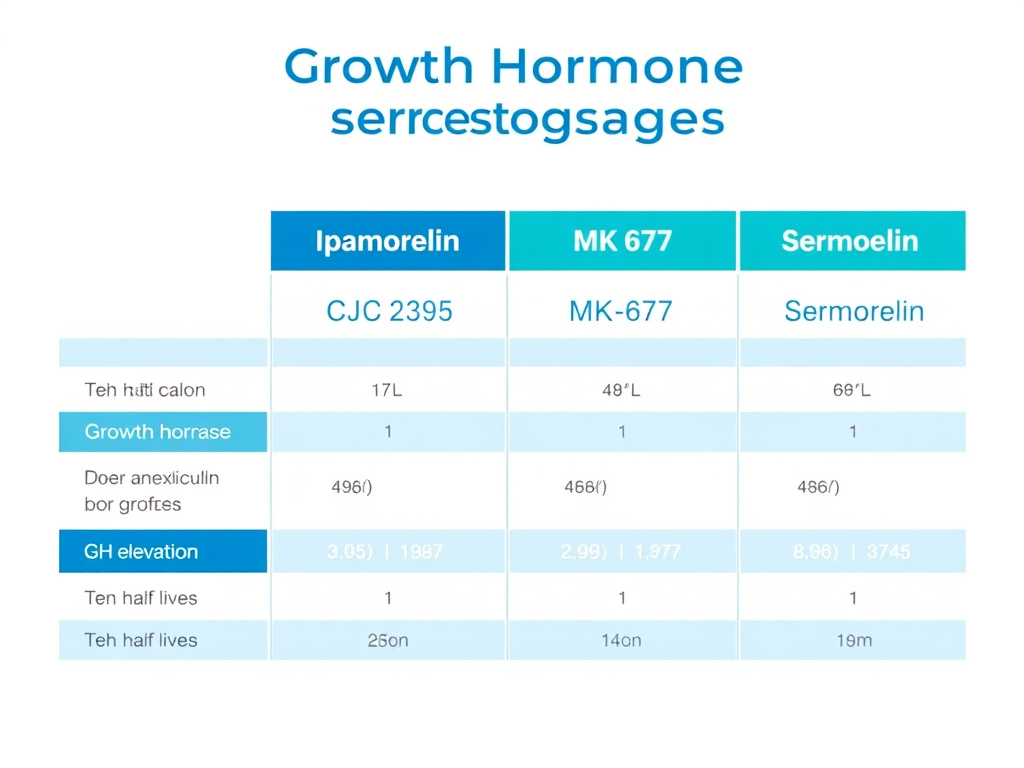
Comparative Overview of GH Secretagogues
| Compound | Receptor Target | Route | Half-Life | Key Advantage | Key Concern |
|---|---|---|---|---|---|
| CJC-1295 (DAC) | GHRH-R | Subcutaneous | 6-8 days | Sustained GH elevation | Less pulsatile, potential for excessive IGF-1 |
| CJC-1295 (no DAC) | GHRH-R | Subcutaneous | ~30 min | Pulsatile, natural pattern | Multiple daily injections needed |
| Ipamorelin | GHS-R1a | Subcutaneous | ~2 hours | Selective, minimal side effects | Less potent GH release than GHRP-6 |
| MK-677 | GHS-R1a | Oral | ~5 hours | Oral dosing, no injections | Insulin resistance, appetite increase |
| Sermorelin | GHRH-R | Subcutaneous | 10-20 min | Bioidentical, strong safety data | Short half-life, less convenient |
Practical Considerations for GH Secretagogue Research
For athletes and researchers interested in GH secretagogues, several practical factors influence compound selection. Convenience favors MK-677, which requires only oral dosing once daily. Safety profile favors Sermorelin and Ipamorelin, which have the most selective action and fewest off-target effects. Efficacy for sustained GH elevation favors CJC-1295 with DAC, which produces the longest-lasting increase in GH and IGF-1. The combination approach, pairing a GHRH analog (CJC-1295 no DAC or Sermorelin) with a ghrelin mimetic (Ipamorelin), is often considered optimal because it stimulates GH through two complementary pathways simultaneously.
Regardless of which compound is chosen, monitoring is essential. Baseline and follow-up blood work should include IGF-1, fasting glucose, HbA1c, insulin, liver enzymes, thyroid function, and a complete metabolic panel. The Science & Research section at FormBlends provides additional detail on the biochemistry of GH secretagogues and their downstream effects on recovery-relevant pathways.
3. Tissue Repair Peptides for Injury Healing
For many athletes, the most compelling application of peptides is not performance enhancement but injury recovery. Tendon tears, ligament sprains, muscle strains, stress fractures, and post-surgical healing represent some of the most frustrating challenges in athletic life. Traditional approaches to these injuries, while effective, often involve long recovery timelines that can cost athletes entire seasons. Tissue repair peptides like BPC-157 and TB-500 have generated intense interest because of their potential to accelerate the healing process at the cellular and molecular level.
Unlike growth hormone secretagogues, which work systemically through the GH/IGF-1 axis, tissue repair peptides appear to act more directly on injury sites through mechanisms involving angiogenesis (new blood vessel formation), growth factor modulation, inflammatory regulation, and cellular migration. This local action makes them theoretically well-suited for targeted injury recovery, though the distinction between local and systemic effects is not always clear-cut in practice.
BPC-157: The Body Protection Compound
BPC-157 (Body Protection Compound-157) is a pentadecapeptide consisting of 15 amino acids, derived from a protein found in human gastric juice. Despite its gastric origin, BPC-157 has demonstrated remarkable effects on tissue healing across multiple organ systems in preclinical research. The compound was first isolated and characterized by researchers at the University of Zagreb, led by Dr. Predrag Sikiric, who has published extensively on its properties over the past three decades.
The sheer breadth of BPC-157 research is striking. Published studies have documented beneficial effects on healing of tendons, ligaments, muscles, bones, skin, cornea, gastrointestinal tissue, nerve tissue, and blood vessels. While the scope of these findings sometimes raises skepticism (how can one peptide do so much?), the answer likely lies in BPC-157's action on fundamental cellular processes that are common to healing across tissue types.
Mechanism of Action
BPC-157 appears to exert its healing effects through several interconnected mechanisms:
Angiogenesis promotion: BPC-157 stimulates the formation of new blood vessels at injury sites, improving blood supply and nutrient delivery to damaged tissues. This effect has been documented in multiple studies and appears to involve upregulation of vascular endothelial growth factor (VEGF) and related angiogenic factors (Seiwerth et al., 2014, doi:10.2174/1389201015666140915124407).
Growth factor modulation: BPC-157 influences several growth factors relevant to tissue repair, including epidermal growth factor (EGF), hepatocyte growth factor (HGF), transforming growth factor-beta (TGF-beta), and fibroblast growth factor (FGF). By modulating the expression and activity of these factors, BPC-157 creates a more favorable microenvironment for healing (Sikiric et al., 2018, doi:10.2174/0929867325666180101104814).
Nitric oxide system modulation: BPC-157 interacts with the nitric oxide (NO) system, which plays important roles in blood vessel function, inflammation, and tissue repair. This interaction appears to be bidirectional, with BPC-157 able to counteract both excessive and insufficient NO signaling depending on the context (Sikiric et al., 2014, doi:10.2174/138920101514140919122222).
Anti-inflammatory effects: While not a conventional anti-inflammatory agent, BPC-157 has been shown to reduce inflammatory markers at injury sites and to counteract the tissue-damaging effects of certain inflammatory mediators. This anti-inflammatory action may contribute to the overall healing response by reducing secondary tissue damage.
FAK-paxillin pathway activation: Recent research has identified the focal adhesion kinase (FAK)-paxillin signaling pathway as a key mediator of BPC-157's effects on tendon healing. This pathway is critical for cell adhesion, migration, and organization during tissue repair. BPC-157 appears to upregulate FAK and paxillin expression, promoting the cellular processes necessary for organized tissue regeneration rather than disorganized scar formation (Chang et al., 2011, doi:10.1016/j.joca.2010.10.003).
Preclinical Evidence for Athletic Injuries
The preclinical literature on BPC-157 and athletic-type injuries is extensive. Here are the most relevant findings for athletes:
Tendon healing: Multiple studies have demonstrated that BPC-157 accelerates healing of transected or crushed tendons in animal models. Staresinic et al. (2003) showed that BPC-157 treatment produced superior biomechanical outcomes in rat Achilles tendon healing, with treated tendons showing greater tensile strength and more organized collagen fiber arrangement compared to untreated controls (Staresinic et al., 2003, doi:10.1016/S0022-4804(02)00098-6). Achilles tendon injuries are among the most common and debilitating injuries in competitive sports, making this finding particularly relevant.
Muscle healing: Research has shown BPC-157 accelerates healing of crush injuries and surgical transections in skeletal muscle. Treated muscles demonstrated faster functional recovery, improved fiber organization, and reduced fibrosis (scar tissue formation) compared to controls. The reduction in fibrosis is particularly important for athletes, as scar tissue in muscle can impair flexibility, increase re-injury risk, and limit force production capacity (Pevec et al., 2010, doi:10.1016/j.regpep.2010.07.166).
Ligament healing: BPC-157 has shown positive effects on medial collateral ligament (MCL) healing in animal models, with treated ligaments demonstrating improved collagen organization and biomechanical properties. Given that ligament injuries (ACL, MCL, ankle ligaments) are among the most common sports injuries, these findings have generated significant interest in the sports medicine community.
Bone healing: Preliminary studies suggest BPC-157 may accelerate fracture healing, with evidence of increased callus formation and improved bone mineral density at fracture sites. Stress fractures are a common concern for endurance athletes, making bone healing applications of particular relevance to this population.
Research Status
As of early 2026, BPC-157 research remains predominantly in the preclinical stage. While the consistency and breadth of positive findings across multiple tissue types and research groups is encouraging, large-scale randomized controlled trials in human athletic populations have not been completed. Athletes should weigh this limitation when evaluating BPC-157's potential role in their recovery strategies. Early-phase human studies are underway for certain applications.
TB-500: Thymosin Beta-4 Fragment
TB-500 is a synthetic version of the active region of Thymosin Beta-4 (TB4), a naturally occurring 43-amino acid peptide found in high concentrations in blood platelets, wound fluid, and various tissues throughout the body. Thymosin Beta-4 was originally identified as a thymic hormone involved in immune system development, but subsequent research revealed its significant role in tissue repair, wound healing, and anti-inflammatory processes.
TB-500 has been extensively used in veterinary medicine, particularly in equine sports medicine, where it has a long track record for treating tendon and ligament injuries in racehorses. This veterinary experience, while not directly translatable to human medicine, provides a body of practical evidence that complements the preclinical research.
Mechanism of Action
TB-500's primary mechanism centers on its interaction with actin, the most abundant intracellular protein and a key component of the cytoskeleton. TB-500 contains the actin-binding domain of Thymosin Beta-4, specifically the sequence LKKTETQ, which promotes actin polymerization and enables critical cellular functions:
Cell migration: TB-500 promotes the migration of endothelial cells, keratinocytes, and other cell types to injury sites. This migratory stimulus is essential for wound healing, as repair cells must physically move to the damaged area before they can begin the reconstruction process (Malinda et al., 1999, doi:10.1016/S0022-202X(15)40961-4).
Blood vessel formation: Like BPC-157, TB-500 promotes angiogenesis, but through different molecular pathways. TB-500's angiogenic effect appears to be mediated primarily through endothelial cell migration and differentiation rather than VEGF upregulation, making the two compounds mechanistically complementary (Smart et al., 2007, doi:10.1038/nature05526).
Inflammation reduction: TB-500 has demonstrated anti-inflammatory properties in multiple models, reducing inflammatory cytokine production and modulating immune cell activity at injury sites. This anti-inflammatory effect may help prevent excessive tissue damage during the acute phase of injury healing.
Stem cell mobilization: Research suggests that Thymosin Beta-4 can promote the differentiation and mobilization of stem cells, including cardiac progenitor cells and satellite cells in skeletal muscle. In the athletic context, satellite cell activation is critical for muscle repair following exercise-induced damage or acute muscle injuries (Bock-Marquette et al., 2004, doi:10.1038/nature02517).
Evidence for Athletic Applications
The evidence base for TB-500 in athletic-type injuries includes both preclinical studies and practical experience from veterinary medicine:
Cardiac repair: While not directly related to typical sports injuries, research on Thymosin Beta-4's ability to promote cardiac tissue repair after myocardial infarction demonstrates the compound's potent regenerative capacity. Studies have shown that TB4 treatment reduces scar size, improves cardiac function, and promotes cardiomyocyte survival after ischemic injury. These findings suggest a broader regenerative potential that extends to other tissue types.
Dermal wound healing: Clinical studies have demonstrated that Thymosin Beta-4 accelerates wound healing in human skin. A phase 2 clinical trial showed that topical TB4 application significantly improved healing of chronic skin wounds, providing some of the strongest clinical evidence for TB4's tissue repair properties in humans (Treadwell et al., 2012, doi:10.1111/j.1749-6632.2012.06555.x).
Corneal healing: TB4 has shown efficacy in promoting corneal epithelial wound healing in clinical studies, with an ophthalmic formulation (RGN-259) advancing through clinical trials. While corneal healing is not directly relevant to most sports injuries, the clinical-stage development of TB4 for this indication validates the compound's healing properties in human tissues.
Equine tendon and ligament injuries: TB-500 has been widely used in horse racing and equine sports medicine for treating tendon and ligament injuries. While controlled clinical trials in horses are limited, the extensive veterinary experience provides a practical evidence base suggesting efficacy and safety for connective tissue injuries. The biomechanics of equine tendons are sufficiently similar to human tendons that these observations carry some translational relevance.
The BPC-157/TB-500 Combination
The BPC-157/TB-500 combination has become one of the most studied peptide pairings for tissue repair applications. The rationale for combining these two compounds is based on their complementary mechanisms of action:
- BPC-157 primarily promotes healing through VEGF-mediated angiogenesis, growth factor modulation, and the FAK-paxillin pathway
- TB-500 primarily promotes healing through actin-mediated cell migration, endothelial cell differentiation, and stem cell mobilization
By targeting different molecular pathways that converge on the same outcome (tissue repair), the combination may produce additive or potentially combined effects on healing. Preclinical data supports this hypothesis, with combination studies showing enhanced outcomes compared to either compound alone in certain injury models.
Figure 3: Complementary mechanisms of action of BPC-157 and TB-500 in tissue repair processes
Injury-Specific Considerations
| Injury Type | Primary Peptide Studied | Evidence Strength | Key Research Findings |
|---|---|---|---|
| Tendon tear/rupture | BPC-157 | Strong preclinical | Improved tensile strength, organized collagen |
| Muscle strain/tear | BPC-157 | Moderate preclinical | Reduced fibrosis, faster functional recovery |
| Ligament sprain | BPC-157 + TB-500 | Moderate preclinical | Improved structural organization and strength |
| Bone stress fracture | BPC-157 | Preliminary preclinical | Enhanced callus formation, increased bone density |
| Post-surgical healing | TB-500 | Moderate preclinical + clinical (skin) | Accelerated wound closure, reduced scarring |
| Chronic tendinopathy | BPC-157 + TB-500 | Preliminary preclinical | Improved vascularization of degenerated tissue |
Practical Research Considerations for Tissue Repair Peptides
Athletes and clinicians evaluating tissue repair peptides should consider several practical factors. First, timing matters. The healing process proceeds through distinct phases (inflammatory, proliferative, remodeling), and the optimal window for peptide intervention may differ based on the phase of healing. Most preclinical protocols initiate treatment during the inflammatory or early proliferative phase, suggesting that earlier administration may be more effective than delayed treatment.
Second, route of administration influences outcomes. BPC-157 has demonstrated efficacy through multiple routes including subcutaneous, intramuscular, intraperitoneal, and even oral administration in animal studies. The oral bioavailability of BPC-157 is unusual for a peptide and relates to its gastric origin and resistance to enzymatic degradation. TB-500 is typically administered subcutaneously, with research protocols using both local (near-injury) and systemic (remote site) injections.
Third, combining tissue repair peptides with appropriate rehabilitation is essential. Peptides do not replace physical therapy, progressive loading, or other evidence-based rehabilitation approaches. Rather, they are best understood as potential adjuncts that may enhance the body's response to appropriate mechanical loading and rehabilitation stimulus. The Biohacking Hub at FormBlends provides additional context on integrating peptide research with broader recovery strategies.
Advanced Considerations for BPC-157 Research
Beyond the core mechanisms already discussed, BPC-157's research profile includes several additional dimensions that are particularly relevant for athletic populations. Understanding these nuances can help athletes and clinicians make more informed decisions about how this peptide might fit within a recovery strategy.
BPC-157 and the Gut-Brain-Muscle Axis
One of the most fascinating aspects of BPC-157 research is its apparent systemic effects despite being a gastric peptide. The emerging understanding of the gut-brain axis suggests that BPC-157's gastric origin may actually be an advantage rather than a limitation. The gastrointestinal tract is the largest endocrine organ in the body and serves as a major signaling hub for systemic processes including inflammation, immune function, and tissue repair.
Research has demonstrated that BPC-157 administered orally can produce healing effects at distant anatomical sites, suggesting that the peptide either survives gastrointestinal transit and enters systemic circulation, or triggers downstream signaling cascades that extend beyond the GI tract. Several animal studies have shown that oral BPC-157 administration accelerates healing of Achilles tendon injuries, a finding that seems remarkable for a peptide taken by mouth but is consistent with the concept of gut-mediated systemic signaling.
For athletes, this oral bioavailability is practically significant. Oral administration is simpler, more convenient, and eliminates the risks associated with injection. While the relative potency of oral versus injectable BPC-157 is not precisely established, the availability of both routes provides flexibility in protocol design. Some researchers propose using injectable BPC-157 locally near injury sites during acute healing phases and transitioning to oral administration for maintenance or systemic support.
BPC-157 and Nitric Oxide Modulation
BPC-157's interaction with the nitric oxide (NO) system deserves detailed examination because NO plays critical roles in multiple athletic-relevant processes. Nitric oxide is a vasodilator that increases blood flow to exercising muscles, supports nutrient delivery to healing tissues, and modulates inflammatory responses. Research has shown that BPC-157 interacts with the NO system in a context-dependent manner, counteracting both NO-system blockade and NO-system overactivity.
In practical terms, this means BPC-157 may help maintain NO homeostasis during periods of physiological stress, such as intense training or injury recovery. When NO production is suppressed (as can occur with chronic training stress or the use of certain medications), BPC-157 may support restoration of normal NO signaling. Conversely, when NO production is excessive (as occurs during acute inflammation), BPC-157 may help modulate the response to prevent tissue damage from nitrosative stress.
This bidirectional NO modulation sets BPC-157 apart from compounds that simply increase or decrease NO production. Rather than pushing the system in one direction, BPC-157 appears to support the restoration of normal physiological balance, a property that may explain its consistent beneficial effects across diverse injury models where the underlying NO dysfunction may differ.
Tendon-Specific Research Detailed Analysis
Given that tendon injuries are among the most common and debilitating conditions in competitive athletics, the tendon-specific research on BPC-157 warrants detailed examination. Tendons present unique healing challenges due to their relatively poor blood supply, limited cellularity, and the high mechanical demands placed on them during athletic activity. The combination of slow healing and early return-to-sport pressure creates a significant clinical challenge in sports medicine.
BPC-157 addresses several of these challenges simultaneously. Its angiogenic properties improve blood supply to the hypovascular tendon tissue, bringing more oxygen, nutrients, and repair cells to the injury site. Its growth factor modulation stimulates tenocyte (tendon cell) proliferation and collagen synthesis. And its anti-inflammatory effects help prevent the secondary tissue damage that can occur during the inflammatory phase of healing.
Particularly interesting is the research on BPC-157's effects on collagen organization during tendon healing. Normal tendon tissue has a highly organized parallel collagen fiber arrangement that provides tensile strength. During healing, scar tissue often forms with a disorganized collagen structure that is biomechanically inferior. Studies have shown that BPC-157-treated tendons demonstrate more organized collagen fiber arrangements compared to untreated controls, suggesting that the peptide promotes higher-quality healing tissue rather than simply accelerating scar formation. This distinction is critical for athletes, as the quality of healed tissue directly determines re-injury risk and functional capacity.
BPC-157 Stability and Formulation Considerations
A practical consideration that often receives insufficient attention is the stability of BPC-157 in various formulations and storage conditions. BPC-157 is typically supplied as a lyophilized (freeze-dried) powder that must be reconstituted before use. Once reconstituted in bacteriostatic water, the peptide should be stored refrigerated at 2-8 degrees Celsius and used within a reasonable timeframe (typically 2-4 weeks, though stability may extend longer depending on formulation).
The peptide's gastric origin confers some resistance to enzymatic degradation, which is unusual for peptides and contributes to its oral bioavailability. However, this resistance is not unlimited, and proper storage is essential to maintain potency. Heat, light, and repeated freeze-thaw cycles can all degrade the peptide and reduce its biological activity. Athletes using BPC-157 should ensure proper cold-chain management from receipt through administration.
TB-500: Extended Research Analysis
Thymosin Beta-4 in Cardiac Biology and Athletic Hearts
While cardiac applications might seem tangential to sports medicine, the research on Thymosin Beta-4's cardiac effects has important implications for athletes. Intense endurance training produces structural and functional changes in the heart collectively known as "athlete's heart," including left ventricular hypertrophy, increased cardiac output, and enhanced diastolic filling. While these adaptations are generally benign, some athletes develop exercise-associated cardiac remodeling that raises clinical questions about myocardial health.
Research has shown that Thymosin Beta-4 promotes cardiac regeneration after injury, supports cardiomyocyte survival under stress, and activates cardiac progenitor cells. For athletes, these findings raise the theoretical possibility that TB-500 could support cardiac health and resilience during periods of intense training. However, it must be emphasized that this application remains entirely theoretical, and no clinical studies have examined TB-500 for cardiac support in athletes specifically.
The cardiac research also provides insights into TB-500's general tissue repair mechanisms. The compound's ability to promote cell survival, reduce scarring, and activate resident progenitor cells appears to be a general property not limited to cardiac tissue. These same mechanisms likely operate in skeletal muscle, tendons, and other tissues relevant to athletic injury recovery.
Anti-Fibrotic Properties and Their Athletic Relevance
One of TB-500's most relevant properties for athletes is its anti-fibrotic effect. Fibrosis, the excessive formation of scar tissue, is a common complication of musculoskeletal injury healing that can impair tissue function, reduce flexibility, increase re-injury risk, and limit force production capacity. Scar tissue in muscle can create areas of mechanical weakness and altered force transmission. In tendons, fibrotic healing can reduce elasticity and change the biomechanical properties of the tendon, altering joint mechanics and potentially predisposing the athlete to compensatory injuries.
TB-500's anti-fibrotic mechanism appears to involve modulation of the TGF-beta signaling pathway, which is a primary driver of fibrosis. By reducing excessive TGF-beta signaling, TB-500 helps shift the healing response toward regenerative repair (restoration of normal tissue architecture) rather than fibrotic repair (scar tissue formation). This is particularly important for athletes who need healed tissues to function at high levels of mechanical demand, where the quality of repair tissue directly impacts performance and re-injury risk.
Animal studies examining TB-500's anti-fibrotic effects have been conducted in models of cardiac fibrosis, hepatic fibrosis, and wound healing. Across these diverse tissue types, the anti-fibrotic effect has been consistently observed, supporting the interpretation that it represents a fundamental property of Thymosin Beta-4 biology rather than a tissue-specific phenomenon.
TB-500 Dosing Considerations and Research Protocols
TB-500 dosing in research settings typically follows a loading and maintenance pattern. The loading phase, typically lasting 4 to 6 weeks, uses higher doses administered twice weekly. The maintenance phase uses lower doses administered once or twice weekly. This approach is based on the premise that the initial higher dosing is needed to establish therapeutic tissue levels, after which lower maintenance doses can sustain the effect.
Research protocols have used a range of doses, and optimal dosing for specific athletic applications has not been established through controlled human trials. The most commonly cited protocols in the research literature and clinical practice reports use weight-based dosing during the loading phase, with reductions of approximately 50% during maintenance. Systemic administration (subcutaneous injection at a site distant from the injury) is the most common approach, though some protocols use local injection near the injury site, particularly for localized tendon or ligament injuries.
A question that frequently arises is whether TB-500's effects are dose-dependent in a linear fashion or whether there is a threshold effect where doses above a certain level provide no additional benefit. The available data, primarily from animal studies, suggests a dose-response relationship exists but may plateau at higher doses, consistent with receptor saturation kinetics. This suggests that moderate dosing is likely adequate and that increasing doses beyond a certain point provides diminishing returns with potentially increasing side effect risk.
The Combined effect Question: Do BPC-157 and TB-500 Actually Work Better Together?
The claim that BPC-157 and TB-500 produce combined effects when combined is frequently made in the peptide community, but it is important to examine the evidence critically. True combined effect, where the combined effect exceeds the sum of individual effects, requires specific types of evidence: controlled studies comparing the combination against each compound individually at equivalent doses, with appropriate statistical analysis for interaction effects.
As of early 2026, rigorous combined effect studies comparing BPC-157/TB-500 combination therapy against each compound alone in matched conditions are limited. The theoretical rationale for combined effect is strong, based on the complementary mechanisms described earlier (VEGF-mediated angiogenesis vs. actin-mediated cell migration, growth factor modulation vs. anti-fibrotic effects). Practical clinical observations frequently report perceived superior outcomes with the combination. However, the distinction between additive effects (each compound contributing its own benefits independently) and true combined effect (the compounds enhancing each other's effects) has not been definitively established.
From a practical standpoint, whether the combined effect is additive or combined matters less than whether the combination produces better outcomes than either compound alone, which the weight of available evidence and clinical experience supports. For athletes dealing with significant injuries, the BPC-157/TB-500 combination represents the most studied multi-peptide approach for tissue repair.
Emerging Tissue Repair Peptides on the Research Horizon
While BPC-157 and TB-500 dominate the current tissue repair peptide landscape, several additional compounds are in various stages of research that may become relevant for athletes in coming years:
GHK-Cu (Copper peptide): This tripeptide-copper complex has been studied for its role in wound healing, tissue remodeling, and collagen synthesis. GHK-Cu activates genes involved in tissue repair and has been shown to increase the production of decorin, a proteoglycan that regulates collagen fibril organization. For athletes, GHK-Cu's effects on connective tissue remodeling are of particular interest, though most research has focused on skin applications rather than musculoskeletal injuries.
Pentosan Polysulfate (PPS): While not a peptide in the traditional sense, PPS is a semi-synthetic polysulfated xylan that has been used in veterinary medicine for joint and tendon conditions. Research in animal models has shown beneficial effects on cartilage metabolism, synovial fluid quality, and soft tissue healing. PPS is FDA-approved for the treatment of interstitial cystitis (bladder pain syndrome), which provides a clinical safety profile, though its joint and tendon applications remain off-label.
Platelet-derived peptides: Ongoing research is identifying the specific peptide components of platelet-rich plasma (PRP) that contribute to its healing effects. By isolating and synthesizing these individual peptides, researchers hope to create more targeted and consistent treatments than whole PRP, which varies significantly in composition between preparations and between patients.
Figure 9: Hypothetical healing timeline comparison based on preclinical data for common athletic injuries with and without peptide intervention
Practical Injury Recovery Protocol Framework
Translating the research on tissue repair peptides into practical protocols requires a structured approach that considers injury type, severity, healing phase, and individual factors. The following framework represents a synthesis of published research protocols, clinical practice patterns, and the general principles of tissue healing biology. It is not a prescriptive treatment recommendation, as all protocols should be individualized under medical supervision.
Phase 1: Acute Injury (0-72 hours)
During the acute phase, the priority is appropriate first aid (protection, optimal loading, ice, compression, elevation), diagnostic assessment (imaging if indicated), and medical evaluation. Peptide intervention is generally not initiated during the first 24-48 hours, as the initial inflammatory response serves important functions in debris clearance and immune activation that should not be prematurely suppressed.
Phase 2: Early Healing (3-14 days)
This is when most peptide protocols are initiated. The transition from the inflammatory phase to the proliferative phase creates an opportunity to support angiogenesis, cell migration, and early tissue formation. BPC-157 and TB-500 are typically started during this window, with the goal of enhancing the biological processes that are naturally occurring during this phase.
Phase 3: Proliferative Healing (2-6 weeks)
During the proliferative phase, new tissue is being formed, including new blood vessels, collagen fibers, and cellular components of the repair tissue. This phase represents the period of maximum benefit for tissue repair peptides, as the cellular processes they support (angiogenesis, cell migration, collagen synthesis) are at peak activity. Progressive rehabilitation exercises are introduced during this phase, and peptides may amplify the tissue's response to mechanical loading.
Phase 4: Remodeling (6 weeks to 12+ months)
The remodeling phase involves structural reorganization of healing tissue to better withstand mechanical demands. Collagen fibers are realigned along lines of stress, cross-linking increases tensile strength, and the tissue gradually matures toward its pre-injury properties. Peptide use during this phase is typically tapered, with some protocols continuing BPC-157 at reduced frequency to support ongoing tissue remodeling. Progressive loading through rehabilitation exercises is the primary driver of tissue remodeling, and peptides serve as potential adjuncts rather than primary interventions during this phase.
Phase 5: Return to Sport (variable timeline)
Return-to-sport decisions should be based on clinical assessment, functional testing, and validated return-to-sport criteria specific to the injury type and sport demands. Peptide use does not change the criteria for return to sport; athletes should meet the same functional benchmarks regardless of whether peptides were used during recovery. The primary argument for peptide use is not that it allows earlier return to sport (which could be dangerous if tissue healing is not complete), but that it may improve the quality and completeness of healing by the time return-to-sport criteria are met.
4. Mitochondrial and Metabolic Peptides
Mitochondria are the powerhouses of every cell, and for athletes, mitochondrial function directly determines endurance capacity, recovery speed, and resistance to fatigue. A new class of peptides targeting mitochondrial function has emerged as a frontier of exercise physiology research. These mitochondrial and metabolic peptides, including MOTS-c, SS-31, AOD-9604, and Fragment 176-191, represent a distinct approach from the tissue repair and GH-releasing peptides discussed earlier. Rather than directly promoting tissue healing or hormone release, they work at the cellular energy level to enhance how efficiently the body produces and utilizes ATP.
The connection between mitochondrial health and athletic performance is well-established in exercise science. Elite endurance athletes have been shown to have significantly higher mitochondrial density and oxidative capacity in their skeletal muscle compared to untrained individuals. Training itself is one of the most powerful stimuli for mitochondrial biogenesis, but the question driving peptide research is whether targeted interventions can enhance this process beyond what training alone achieves, or help restore mitochondrial function compromised by overtraining, aging, or injury-related deconditioning.
MOTS-c: The Mitochondrial-Derived Exercise Mimetic
MOTS-c (Mitochondrial Open Reading Frame of the 12S rRNA Type-c) is a 16-amino acid peptide encoded within the mitochondrial genome. Discovered by Dr. Changhan David Lee's laboratory at the University of Southern California in 2015, MOTS-c was one of the first identified mitochondrial-derived peptides (MDPs) with significant metabolic regulatory functions (Lee et al., 2015, doi:10.1016/j.cmet.2015.02.009).
What makes MOTS-c particularly relevant for athletes is its characterization as an "exercise mimetic." MOTS-c activates AMP-activated protein kinase (AMPK), the same master metabolic switch that is activated by exercise. AMPK activation triggers a cascade of metabolic adaptations including increased glucose uptake, enhanced fatty acid oxidation, improved insulin sensitivity, and stimulation of mitochondrial biogenesis. In essence, MOTS-c appears to replicate some of the cellular-level benefits of exercise through a pharmacological pathway.
Exercise Physiology Research
The most striking finding from MOTS-c research comes from exercise performance studies in animal models. Reynolds et al. (2021) demonstrated that MOTS-c treatment significantly improved physical capacity in mice, with effects observed across multiple age groups. Young mice treated with MOTS-c showed increased running time to exhaustion, while aged mice showed even more dramatic improvements, suggesting that MOTS-c may be particularly effective in contexts where mitochondrial function is already compromised (Reynolds et al., 2021, doi:10.1038/s41467-021-21539-3).
Additional research has revealed that circulating MOTS-c levels in humans correlate with physical fitness markers. Individuals with higher aerobic capacity tend to have higher circulating MOTS-c levels, and MOTS-c levels increase acutely after exercise, particularly after high-intensity exercise. This bidirectional relationship between exercise and MOTS-c suggests the peptide plays a genuine physiological role in exercise adaptation, not just a pharmacological one.
Metabolic Effects Relevant to Athletes
Beyond direct exercise performance, MOTS-c's metabolic effects are relevant for athletes in several ways:
Glucose metabolism: MOTS-c enhances glucose uptake into muscle cells through an insulin-independent pathway, which could support fuel availability during exercise. Research has shown that MOTS-c treatment prevents age-related insulin resistance and improves glucose homeostasis in animal models (Lee et al., 2015, doi:10.1016/j.cmet.2015.02.009).
Fat oxidation: Through AMPK activation, MOTS-c promotes fatty acid oxidation, potentially improving the body's ability to utilize fat as a fuel source during prolonged exercise. Enhanced fat oxidation capacity is a key adaptation sought by endurance athletes, as it preserves glycogen stores and delays fatigue.
Cellular stress resistance: MOTS-c has been shown to enhance cellular resistance to various forms of stress, including metabolic stress, oxidative stress, and heat stress. For athletes who regularly push their bodies to physiological limits, improved stress resistance could translate to better tolerance of high-volume training and faster recovery from demanding sessions.
Body composition: Animal studies have shown that MOTS-c treatment can prevent diet-induced obesity and improve body composition, effects that are relevant to athletes managing weight for competition or seeking optimal power-to-weight ratios.
Emerging Research
A 2024 study published in Cell Metabolism demonstrated that MOTS-c treatment in aged mice restored mitochondrial respiration to levels comparable to young animals. The treated mice showed improved electron transport chain function, reduced reactive oxygen species production, and enhanced mitochondrial membrane potential. While these findings are from animal models, they suggest MOTS-c may have applications for maintaining mitochondrial health in aging athletes, a population where mitochondrial decline is a primary driver of performance deterioration.
SS-31 (Elamipretide): The Mitochondria-Targeted Antioxidant
SS-31, also known as Elamipretide or Bendavia, is a tetrapeptide (D-Arg-Dmt-Lys-Phe-NH2) designed to target and concentrate within the inner mitochondrial membrane. Unlike general antioxidants that distribute throughout the cell, SS-31 achieves a 1000-fold to 5000-fold concentration in mitochondria relative to the cytoplasm, thanks to its interaction with cardiolipin, a phospholipid found exclusively in the inner mitochondrial membrane (Szeto, 2014, doi:10.1016/j.bcp.2013.12.004).
Cardiolipin is essential for the proper function of the electron transport chain (ETC), where the majority of cellular ATP is produced. Cardiolipin molecules stabilize the protein complexes of the ETC and facilitate electron transfer between them. When cardiolipin becomes oxidized (a common consequence of aging, overtraining, and metabolic stress), ETC efficiency decreases, ATP production falls, and reactive oxygen species (ROS) generation increases, creating a vicious cycle of mitochondrial damage.
Mechanism and Athletic Relevance
SS-31 binds to cardiolipin and stabilizes the cristae structure of the inner mitochondrial membrane, directly supporting ETC function. This mechanism produces several effects relevant to athletic performance and recovery:
Improved ATP production: By stabilizing the ETC, SS-31 enhances the efficiency of oxidative phosphorylation. This means more ATP is produced per unit of oxygen consumed, improving the energetic efficiency of exercising muscle. In the context of endurance performance, even small improvements in mitochondrial efficiency can translate to meaningful performance gains.
Reduced oxidative stress: SS-31 does not simply scavenge ROS like a conventional antioxidant. Instead, by improving ETC efficiency, it reduces ROS production at the source. This is an important distinction because ROS are not entirely harmful; low levels of exercise-induced ROS serve as important signaling molecules for training adaptation. SS-31's approach of reducing excessive ROS while preserving physiological ROS signaling may be more compatible with training adaptation than blanket antioxidant supplementation.
Protection during high-intensity training: Intense exercise significantly increases mitochondrial ROS production. While this is a normal part of the training response, excessive or prolonged oxidative stress can damage mitochondrial DNA, proteins, and lipids, potentially contributing to overtraining syndrome. SS-31's mitochondrial protection may help athletes train at higher intensities with less cumulative mitochondrial damage.
Clinical Development
SS-31 is further along in clinical development than many athletic-relevant peptides. Stealth BioTherapeutics has conducted multiple clinical trials of Elamipretide for conditions involving mitochondrial dysfunction, including primary mitochondrial myopathy, Barth syndrome, and age-related macular degeneration. While these trials focus on disease states rather than athletic performance, they provide important safety and pharmacokinetic data.
In clinical trials involving patients with mitochondrial myopathy, SS-31 treatment improved 6-minute walk test distance and other measures of exercise capacity. These findings in a population with severely compromised mitochondrial function provide proof-of-concept for SS-31's ability to improve physical performance through mitochondrial mechanisms, though the magnitude of effect in healthy athletes would likely be much smaller (Karaa et al., 2018, doi:10.1212/WNL.0000000000005255).
Figure 4: Mechanisms of mitochondrial peptides MOTS-c and SS-31 at the cellular level
AOD-9604: The GH Fragment for Body Composition
AOD-9604 (Advanced Obesity Drug-9604) is a modified fragment of human growth hormone comprising amino acids 177-191, with an additional tyrosine residue at the N-terminus. This peptide was specifically designed to isolate the fat-metabolizing properties of growth hormone from its growth-promoting and diabetogenic effects. The concept was to create a compound that could promote fat loss without the side effects associated with full-length GH administration.
Mechanism of Action
AOD-9604 stimulates lipolysis (fat breakdown) and inhibits lipogenesis (fat creation) through interaction with the beta-3 adrenergic receptor. Unlike full-length growth hormone, AOD-9604 does not affect IGF-1 levels, blood glucose, or insulin sensitivity. This selective action makes it theoretically attractive for athletes seeking to optimize body composition without the metabolic disruptions that can accompany GH use.
The lipolytic action of AOD-9604 appears to involve activation of hormone-sensitive lipase (HSL) in adipose tissue, leading to increased release of free fatty acids from fat stores. By inhibiting lipogenesis simultaneously, AOD-9604 creates a net negative fat balance. For athletes in sports where body composition directly impacts performance (combat sports, endurance sports, gymnastics, climbing), this targeted fat metabolism effect is of significant interest.
Clinical Evidence
AOD-9604 was evaluated in a phase 2b clinical trial for obesity treatment. While the study showed a trend toward fat loss in the treatment group, the primary endpoint did not reach statistical significance. This somewhat disappointing clinical result has been interpreted differently by various stakeholders. Some argue that the dosing or study design was suboptimal, while others note that the effect size was simply too small for clinical significance in an obese population. For athletes, who have much lower baseline body fat and are seeking modest reductions in adiposity rather than treating clinical obesity, the relevance of this trial result is debatable.
AOD-9604 received Generally Recognized as Safe (GRAS) status from the FDA in 2015 when used as a food substance, which provides some reassurance regarding its safety profile, though GRAS status does not constitute approval for therapeutic use.
Fragment 176-191: The Original GH Fat Fragment
Fragment 176-191 is the unmodified C-terminal fragment of human growth hormone, corresponding to amino acids 176-191. It shares the same core sequence as AOD-9604 but lacks the additional N-terminal tyrosine. The two compounds have similar mechanisms of action, with Fragment 176-191 also demonstrating lipolytic activity through beta-3 adrenergic receptor interaction.
Research comparing Fragment 176-191 to full-length HGH in obese mouse models showed that the fragment stimulated lipolysis at a rate comparable to full-length GH but without the growth-promoting or anti-insulin effects. This fragment-based approach to isolating specific GH functions represents an interesting pharmacological strategy for targeted body composition interventions.
Comparative Overview: Mitochondrial and Metabolic Peptides
| Peptide | Primary Target | Key Athletic Benefit | Evidence Level | WADA Status |
|---|---|---|---|---|
| MOTS-c | AMPK activation | Exercise capacity, metabolic efficiency | Preclinical + correlational human | Not explicitly listed (but may qualify as S0) |
| SS-31 | Cardiolipin stabilization | Mitochondrial efficiency, reduced oxidative damage | Preclinical + clinical (disease populations) | Not explicitly listed |
| AOD-9604 | Beta-3 adrenergic receptor | Fat metabolism, body composition | Phase 2b clinical (primary endpoint not met) | Banned (S0 category) |
| Fragment 176-191 | Beta-3 adrenergic receptor | Fat metabolism | Preclinical | Banned (GH fragment) |
NAD+ and Cellular Energy Support
While not traditionally classified as a peptide, NAD+ (nicotinamide adenine dinucleotide) deserves mention in any discussion of mitochondrial support for athletes. NAD+ is a critical coenzyme involved in hundreds of metabolic reactions, including those of the electron transport chain, and its levels decline with age and metabolic stress. Athletes may experience accelerated NAD+ depletion due to the high metabolic demands of training.
NAD+ supplementation, either directly or through precursors like NMN (nicotinamide mononucleotide) and NR (nicotinamide riboside), has been studied for its effects on mitochondrial function, exercise capacity, and recovery. Unlike most peptides discussed in this report, NAD+ precursors are currently legal for use by competitive athletes and are available as dietary supplements, making them one of the few mitochondrial support options available to drug-tested competitors.
Research by Dellinger et al. (2017) demonstrated that NR supplementation in mice increased NAD+ levels, improved mitochondrial function, and enhanced exercise performance (Dellinger et al., 2017, doi:10.1016/j.cmet.2017.05.008). Human studies have confirmed that NR supplementation increases circulating NAD+ metabolites, though the effects on exercise performance in healthy, trained athletes remain under investigation.
5. IGF-1 Variants and Muscle Growth Research
Insulin-like Growth Factor 1 (IGF-1) occupies a central position in the biology of muscle growth, repair, and adaptation to exercise. Produced primarily in the liver under the stimulation of growth hormone, and also locally in skeletal muscle in response to mechanical loading, IGF-1 is one of the most powerful anabolic signals in the human body. The development of synthetic IGF-1 variants with enhanced properties has generated significant research interest, along with equally significant safety and ethical considerations.
Understanding IGF-1's role in muscle biology is essential context for evaluating the various synthetic variants. IGF-1 promotes muscle growth and repair through several distinct mechanisms: stimulation of protein synthesis via the PI3K/Akt/mTOR pathway, activation of satellite cells (muscle stem cells) for myonuclear addition, inhibition of protein degradation through suppression of the ubiquitin-proteasome pathway, and promotion of differentiation in myogenic precursor cells. These are the same pathways activated by resistance training, which partly explains why resistance exercise produces local increases in IGF-1 expression within trained muscle.
IGF-1 LR3: The Extended-Activity Variant
IGF-1 LR3 (Long R3 IGF-1) is a modified form of IGF-1 with two key structural changes: a substitution of arginine for glutamic acid at position 3 (the R3 designation) and a 13-amino acid N-terminal extension peptide (the "Long" designation). These modifications dramatically alter the pharmacokinetics of IGF-1 by reducing its affinity for IGF binding proteins (IGFBPs), which normally sequester and inactivate circulating IGF-1.
Pharmacological Properties
Native IGF-1 has a short circulating half-life of approximately 10 to 15 minutes due to rapid binding by IGFBPs (particularly IGFBP-3) and subsequent clearance. IGF-1 LR3, with its reduced IGFBP affinity, has a significantly extended biological half-life, allowing it to remain active in the circulation and tissues for much longer. This extended activity means that IGF-1 LR3 is considerably more potent than native IGF-1 on a milligram-for-milligram basis, which is both its advantage and its primary safety concern.
The enhanced potency of IGF-1 LR3 means it can produce significant anabolic effects at much lower doses than native IGF-1. However, this same potency increases the risk of adverse effects, particularly hypoglycemia (IGF-1 activates insulin receptor substrates and can lower blood glucose), and potential concerns about promoting unwanted cell growth in tissues beyond skeletal muscle.
Research on Muscle Growth and Repair
Research on IGF-1 LR3 has demonstrated potent effects on muscle cell biology in both in vitro and in vivo models:
Protein synthesis: IGF-1 LR3 activates the PI3K/Akt/mTOR signaling cascade, the primary molecular pathway driving muscle protein synthesis. Studies in cell culture have shown that IGF-1 LR3 produces a more sustained activation of this pathway compared to native IGF-1, consistent with its extended biological activity (Barton-Davis et al., 1998, doi:10.1073/pnas.95.26.15603).
Satellite cell activation: IGF-1 plays a critical role in activating satellite cells, the resident stem cells of skeletal muscle. When muscle is damaged by exercise or injury, satellite cells are activated, proliferate, and donate their nuclei to damaged muscle fibers (a process called myonuclear addition) or fuse to form new muscle fibers. IGF-1 is a key signal driving this process, and IGF-1 LR3's extended activity may produce more sustained satellite cell activation (Adams & McCue, 1998, doi:10.1152/jappl.1998.85.5.1753).
Anti-catabolic effects: Beyond promoting protein synthesis, IGF-1 LR3 also inhibits protein breakdown. This anti-catabolic effect is mediated through suppression of the FoxO transcription factors that activate the ubiquitin-proteasome and autophagy-lysosome protein degradation pathways. By simultaneously promoting synthesis and inhibiting breakdown, IGF-1 LR3 creates a strongly positive protein balance in skeletal muscle.
Hyperplasia potential: Perhaps the most intriguing aspect of IGF-1 research for muscle growth is the suggestion that it may promote muscle fiber hyperplasia (an increase in the actual number of muscle fibers), not just hypertrophy (an increase in the size of existing fibers). While hyperplasia in human skeletal muscle remains controversial, studies in animal models have demonstrated that sustained IGF-1 overexpression can produce new muscle fiber formation, potentially raising the ceiling for muscle development beyond what hypertrophy alone can achieve.
Critical Safety Warning
IGF-1 LR3 carries significant safety risks that must be understood before any research use. The most acute risk is hypoglycemia, as IGF-1 LR3 can lower blood glucose to dangerous levels. This effect is dose-dependent and can be severe, particularly if combined with insulin, caloric restriction, or intensive exercise. Long-term safety concerns include the theoretical risk that sustained IGF-1 receptor activation could promote unwanted cell growth. IGF-1 LR3 is banned by WADA and is not approved for human therapeutic use. Any research use should occur under strict medical supervision with glucose monitoring protocols in place.
Mechano Growth Factor (MGF)
Mechano Growth Factor is a splice variant of IGF-1 that is produced locally in skeletal muscle in response to mechanical loading (resistance exercise). Unlike systemic IGF-1 produced by the liver, MGF acts in an autocrine and paracrine manner, meaning it signals to cells in the immediate vicinity where it is produced rather than circulating throughout the body.
MGF's primary function appears to be the initial activation of satellite cells following exercise-induced muscle damage. Research by Hill & Goldspink (2003) showed that MGF is expressed rapidly after muscle damage, preceding the expression of other IGF-1 isoforms, and serves as a crucial early signal for the repair process (Hill & Goldspink, 2003, doi:10.1113/jphysiol.2003.040972).
Synthetic MGF peptides have been developed for research purposes, and studies have shown that local administration of MGF can increase satellite cell activation and muscle hypertrophy. However, the synthetic peptide has a very short half-life (minutes) in vivo, which limits its practical applicability. PEGylated versions of MGF (PEG-MGF) have been created to extend the half-life, but these modified versions remain in the research stage.
The IGF-1/GH Axis in Athletic Recovery
Understanding the relationship between growth hormone and IGF-1 is essential for athletes evaluating these compounds. GH secretagogues (discussed in Section 2) increase GH release, which in turn stimulates hepatic IGF-1 production. The resulting systemic IGF-1 elevation then produces anabolic effects throughout the body. Direct IGF-1 administration bypasses the GH step entirely, providing IGF-1 receptor activation without the broader effects of elevated GH.
For athletes, this distinction has practical implications. GH secretagogues produce a range of effects beyond IGF-1 elevation, including direct GH effects on fat metabolism, collagen synthesis, and sleep quality. Direct IGF-1 compounds produce more targeted anabolic effects but miss these additional GH-mediated benefits. Some research protocols combine both approaches, using a GH secretagogue for systemic effects alongside localized IGF-1 for targeted muscle support, though this combination increases complexity and risk.
| IGF-1 Variant | Modification | Half-Life | Primary Use in Research | Key Risk |
|---|---|---|---|---|
| Native IGF-1 | None | 10-15 min | GH deficiency treatment | Hypoglycemia |
| IGF-1 LR3 | R3 substitution + N-terminal extension | 20-30 hours | Muscle growth research | Severe hypoglycemia, cell growth concerns |
| MGF | Splice variant of IGF-1 | Minutes | Satellite cell activation | Very short-lived effect |
| PEG-MGF | PEGylated MGF | Several days | Extended satellite cell support | Limited human data |
Figure 5: IGF-1 signaling pathways relevant to muscle growth and recovery in skeletal muscle tissue
6. Anti-Doping Considerations and Legal Status
For any athlete subject to drug testing, whether at the professional, collegiate, or even some recreational competitive levels, the anti-doping implications of peptide use are among the most important considerations. The World Anti-Doping Agency (WADA) Prohibited List is updated annually, and its treatment of peptides has become increasingly comprehensive over time. Understanding the current regulatory status of each peptide, and the detection methods used to identify them, is essential for making informed decisions.
This section does not advocate for rule-breaking. Rather, it aims to provide clear, factual information about which substances are prohibited, why they are prohibited, and what the consequences of positive tests can be. Athletes who compete in tested sports should work with their national anti-doping organization and use verified resources like Global DRO to check the status of any substance they are considering.
WADA Prohibited List: Peptide Categories
Peptides appear in several categories on the WADA Prohibited List. The most relevant categories for athletic peptide use are:
S2 - Peptide Hormones, Growth Factors, Related Substances, and Mimetics: This broad category includes growth hormone and its releasing factors, IGF-1, and various other peptide hormones. Specifically prohibited under S2 include:
- S2.1 - Erythropoietins (EPO) and agents affecting erythropoiesis
- S2.2 - Peptide hormones and their releasing factors (including GH, IGF-1, insulin)
- S2.3 - Growth Hormone Releasing Factors (CJC-1295, GHRP-2, GHRP-6, Ipamorelin, Sermorelin, Tesamorelin, MK-677/Ibutamoren, and all others in this class)
- S2.4 - Growth Hormone Releasing Peptides (overlap with S2.3)
S0 - Non-Approved Substances: This catch-all category prohibits any pharmacological substance not addressed by other sections of the Prohibited List that has no current approval by any regulatory health authority for human therapeutic use. This is the category under which many newer peptides fall, including BPC-157 (since 2022), AOD-9604, and potentially others that lack regulatory approval. The S0 category effectively means that any unapproved peptide is prohibited, even if not explicitly named elsewhere on the list.
S4 - Hormone and Metabolic Modulators: Some peptide-adjacent compounds, including SARMs (Selective Androgen Receptor Modulators), fall under this category. While SARMs are not peptides, they are often discussed alongside peptides in athletic enhancement contexts.
WADA Status Quick Reference
| Peptide | WADA Status | Category | Detection Window |
|---|---|---|---|
| BPC-157 | Banned | S0 (Non-Approved) | Under development |
| TB-500 / Thymosin Beta-4 | Banned | S2 (Peptide Hormones) | Days to weeks |
| CJC-1295 | Banned | S2.3 (GH Releasing Factors) | Weeks (DAC version) |
| Ipamorelin | Banned | S2.3 | Days |
| MK-677 | Banned | S2.3 | Days to weeks |
| Sermorelin | Banned | S2.3 | Days |
| IGF-1 / IGF-1 LR3 | Banned | S2.2 | Hours to days |
| AOD-9604 | Banned | S0 (Non-Approved) | Under development |
| Fragment 176-191 | Banned | S2 (GH fragment) | Under development |
| MOTS-c | Not explicitly listed | Potentially S0 | N/A |
| SS-31 | Not explicitly listed | Potentially S0 | N/A |
| NAD+ / NMN / NR | Not prohibited | N/A | N/A |
| Collagen peptides | Not prohibited | N/A | N/A |
Detection Methods and Testing Advances
Anti-doping laboratories have made significant advances in peptide detection in recent years. The primary analytical methods used include:
Liquid Chromatography-Mass Spectrometry (LC-MS/MS): This is the workhorse technology for peptide detection. LC-MS/MS can identify peptides and their metabolites in urine and blood samples with high sensitivity and specificity. Recent advances have pushed detection limits into the low picogram-per-milliliter range, allowing identification of peptides that were previously undetectable at therapeutic doses (Thomas et al., 2012, doi:10.1002/rcm.6239).
Immunoaffinity purification: Prior to mass spectrometric analysis, immunoaffinity techniques using antibodies specific to target peptides can be used to extract and concentrate peptides from biological matrices. This pre-analytical enrichment step can dramatically improve detection sensitivity.
GH biomarker approach: For GH secretagogues, direct detection of the peptide itself may be complemented by the GH biomarker test, which measures the ratio of different GH isoforms in blood. Exogenous GH or GH secretagogue use alters this ratio in detectable ways, providing an indirect but reliable detection method.
Dried blood spot (DBS) analysis: Newer collection methods using dried blood spots are being validated for peptide testing. DBS offers advantages in sample collection, storage, and transportation, potentially expanding the reach of anti-doping testing to settings where traditional blood draws are impractical.
Legal Status Beyond Sport
The legal status of peptides varies significantly by jurisdiction and by the specific compound in question. In the United States, the regulatory framework for peptides has evolved considerably:
FDA regulatory status: Most peptides discussed in this report are not FDA-approved for the athletic applications described. A few peptides (like Sermorelin, formerly marketed as Geref) have had prior FDA approval for specific medical indications but are not currently marketed. The FDA has taken enforcement actions against companies marketing unapproved peptide products with therapeutic claims.
Research chemical status: Many peptides are available for purchase as research chemicals, sold with labels indicating "for research purposes only" or "not for human consumption." This legal gray area allows researchers to access these compounds but does not authorize their use in human subjects outside of approved clinical trial protocols.
Compounding pharmacies: In some jurisdictions, licensed compounding pharmacies can prepare peptide formulations under physician prescription. This avenue provides quality-controlled access with medical oversight but is subject to varying regulatory interpretations. The FDA has periodically reviewed which peptides can be compounded under its regulatory framework, and some peptides have been removed from the compounding list.
International variation: Peptide regulations differ by country. In some countries, certain peptides are available by prescription. In others, they may be entirely unregulated or explicitly prohibited. Athletes traveling internationally should be aware that possession laws may differ from their home country.
Consequences of Positive Tests
Athletes who test positive for prohibited peptides face significant consequences under the World Anti-Doping Code:
- First violation: typically a 4-year ban from competition (reduced to 2 years if the athlete can demonstrate No Significant Fault or Negligence)
- Second violation: ban of 8 years to lifetime
- Retroactive disqualification of competition results
- Forfeiture of medals, titles, and prize money
- Public disclosure of the violation
- Potential impact on career, sponsorships, and professional reputation
The strict liability principle in anti-doping means that the athlete is responsible for any prohibited substance found in their sample, regardless of how it got there. Contaminated supplements, mislabeled products, or unintentional exposure are not valid defenses unless extraordinary circumstances can be demonstrated. This places an enormous burden on athletes to verify every substance they use, making it essential to work only with reputable sources and to check every product against the prohibited list.
Detailed Analysis: MOTS-c and Exercise Adaptation
The relationship between MOTS-c and exercise adaptation deserves more detailed examination because it illuminates a fundamental question in sports science: can a pharmacological agent replicate or enhance the adaptive response to training without interfering with that response? This question is particularly important because some interventions that seem beneficial in isolation (such as high-dose antioxidant supplementation) have been shown to actually impair training adaptations when used chronically, a phenomenon known as the "antioxidant paradox."
MOTS-c's mechanism of action through AMPK activation positions it uniquely in this regard. AMPK is not just activated by exercise; it is one of the primary sensors and transducers of the exercise stimulus itself. When ATP levels fall during exercise (indicating energy depletion), AMPK is activated, which triggers a cascade of adaptive responses including mitochondrial biogenesis, glucose transporter translocation, fatty acid oxidation, and autophagy (cellular quality control). These are precisely the adaptations that make athletes fitter and more fatigue-resistant over time.
The question of whether exogenous MOTS-c administration enhances or interferes with exercise-induced AMPK activation remains an active area of research. One hypothesis suggests that MOTS-c could prime AMPK pathways, making them more responsive to exercise stimuli and amplifying the training effect. An alternative hypothesis suggests that chronic AMPK activation through exogenous MOTS-c could desensitize the pathway, reducing the adaptive response to exercise. The available preclinical evidence tentatively supports the former interpretation, with MOTS-c-treated animals showing enhanced exercise capacity without signs of adaptation impairment, but definitive human studies are needed.
For endurance athletes specifically, MOTS-c's effects on fat oxidation and glucose metabolism are particularly relevant. The ability to efficiently utilize fat as fuel during prolonged exercise is a hallmark of endurance fitness, and any intervention that enhances this capacity could potentially improve performance in events lasting longer than approximately 90 minutes, where glycogen depletion becomes a limiting factor. MOTS-c's promotion of fatty acid oxidation through AMPK-mediated pathways could theoretically improve the "metabolic flexibility" that allows athletes to seamlessly transition between carbohydrate and fat fuel sources during exercise.
SS-31 and the Overtraining Connection
Overtraining syndrome, also known as unexplained underperformance syndrome, is one of the most challenging conditions in sports medicine. Characterized by persistent performance decline despite adequate recovery periods, overtraining likely involves multiple physiological mechanisms including hormonal disruption, immune dysfunction, neural fatigue, and mitochondrial damage. The mitochondrial component of overtraining is particularly relevant to SS-31 research.
During periods of excessive training load, the cumulative oxidative stress imposed on mitochondria can exceed their capacity for repair and adaptation. Mitochondrial DNA, which lacks the protective histone proteins and repair mechanisms of nuclear DNA, is particularly vulnerable to oxidative damage. Damaged mitochondrial DNA leads to production of dysfunctional electron transport chain components, which increases ROS production further, creating a vicious cycle of mitochondrial decline.
SS-31's cardiolipin-stabilizing mechanism directly addresses this cycle at its source. By maintaining electron transport chain efficiency, SS-31 reduces the primary source of mitochondrial ROS production. This could theoretically help athletes sustain higher training volumes before reaching the threshold of mitochondrial damage that triggers overtraining symptoms. Additionally, by protecting mitochondrial function during periods of high training stress, SS-31 may help preserve the mitochondrial capacity needed for recovery between sessions.
It is worth noting that the clinical development of Elamipretide (the pharmaceutical name for SS-31) focuses on conditions involving established mitochondrial dysfunction, such as primary mitochondrial myopathy and Barth syndrome. The application to athletic overtraining represents a significant extrapolation from these clinical programs. However, the fundamental mechanism, protecting mitochondrial function from oxidative damage, is relevant regardless of whether the damage source is genetic mutation or excessive training stress.
AOD-9604 and Athletic Body Composition: A Closer Look
The body composition implications of AOD-9604 deserve deeper analysis within the athletic context, as the demands of body composition management differ substantially between athletes and the obese population studied in clinical trials. Athletes typically have much lower baseline body fat percentages, higher metabolic rates, greater lean mass, and different hormonal profiles compared to clinically obese individuals. These differences likely influence both the magnitude and character of AOD-9604's effects.
For athletes in weight-class sports (wrestling, boxing, MMA, weightlifting), even small reductions in body fat can meaningfully impact competitive category and performance-to-weight ratio. In these contexts, AOD-9604's targeted lipolytic action without metabolic disruption could theoretically provide a cleaner approach to weight management compared to aggressive caloric restriction, which often results in muscle mass loss, hormonal disruption, and performance decrements.
For aesthetic sports (bodybuilding, physique competitions), AOD-9604's ability to promote fat metabolism without affecting IGF-1 levels or insulin sensitivity differentiates it from full-length growth hormone, which is widely used in these communities but carries significant metabolic side effects. The lack of IGF-1 elevation also means AOD-9604 is unlikely to promote visceral organ growth, a concern sometimes associated with chronic high-dose GH use in bodybuilding.
However, the clinical reality tempers enthusiasm. The phase 2b trial of AOD-9604 in obese subjects showed a trend toward fat loss but failed to reach statistical significance for its primary endpoint. While the doses, population, and context of that trial differ from athletic applications, the results suggest that AOD-9604's fat loss effects may be modest even under favorable conditions. Athletes should maintain realistic expectations and recognize that nutritional strategies remain the primary tool for body composition management.
The Regulatory Evolution: How Peptide Regulations Are Changing
The regulatory landscape for peptides in sports and in general healthcare is evolving rapidly, and athletes need to stay current with changes that could affect the legality and availability of compounds they are using or considering. Several trends are worth tracking:
WADA's expanding prohibited list: WADA has progressively added more peptides to its Prohibited List over the past decade. BPC-157's addition in 2022 was a significant development that caught many athletes off-guard. Similar additions for other currently unlisted peptides (MOTS-c, SS-31, GHK-Cu) are possible as these compounds gain more attention in athletic circles. Athletes subject to drug testing should check the Prohibited List annually and understand that compounds not currently listed could be added at any time.
FDA enforcement actions: The FDA has increased enforcement actions against companies selling peptides with unsubstantiated therapeutic claims. This regulatory pressure has affected the availability of certain peptides through compounding pharmacies and research chemical suppliers. Athletes should be aware that the supply chain for peptides is less stable and regulated than for pharmaceutical drugs, and sources that are available today may not be available tomorrow.
State-level regulations: Some U.S. states have implemented their own regulations regarding peptide sales and prescribing. These state-level rules can differ from federal regulations and from each other, creating a patchwork of legal requirements that can be confusing for both practitioners and patients. Athletes should be aware of the regulations in their specific jurisdiction.
Compounding pharmacy regulations: The FDA periodically reviews the list of substances that can be compounded by pharmacies. Changes to this list can affect the availability of peptides through legitimate compounding channels. Some peptides that were previously available through compounding pharmacies have been removed from the allowed list, requiring practitioners and patients to seek alternative sources or compounds.
Training Periodization and Peptide Timing
An area that receives insufficient attention in peptide discussions is the integration of peptide protocols with training periodization. Periodization, the systematic planning of training into cycles with varying volume, intensity, and focus, is a fundamental principle of athletic training. How peptides are timed relative to training phases can significantly influence their utility and appropriateness.
Base/Accumulation Phase: During high-volume, moderate-intensity training phases, the primary demand on the body is recovery from cumulative training stress. GH secretagogues and mitochondrial peptides may be most useful during these phases, where their effects on recovery capacity and metabolic efficiency align with the phase's demands. Tissue repair peptides may be used prophylactically to support connective tissues that are being subjected to high repetitive loading.
Intensity/Competition Preparation Phase: As training shifts toward higher intensity and more specific preparation, the demands change from volume tolerance to power, speed, and sport-specific skill. During this phase, the risk of acute injury may increase due to higher forces and velocities. Having tissue repair peptides available for rapid intervention in case of injury could be strategically valuable. GH secretagogues continue to support recovery, but the focus shifts from volume recovery to quality of adaptation.
Competition Phase: During the competitive season, the priority shifts to performance and recovery between competitions. Peptide use during this phase must consider anti-doping testing (for tested athletes), travel logistics (maintaining cold chain for peptides during competition travel), and the priority of performance above all else. For non-tested athletes, recovery peptides and GH secretagogues may help maintain performance across a demanding competitive schedule.
Recovery/Transition Phase: After the competitive season, a planned recovery phase allows physical and psychological regeneration. This phase may be an appropriate time for comprehensive peptide protocols targeting healing of nagging injuries that were managed during the season, restoration of connective tissue health, and general physiological renewal. The lower training demands during this phase also allow for more straightforward monitoring and dose adjustment.
Nutrition, Hydration, and Peptide Efficacy
The interaction between nutritional status and peptide efficacy is an important practical consideration that is often overlooked. Peptides support biological processes that require adequate substrates to proceed. For example, BPC-157 promotes collagen synthesis, but collagen synthesis requires adequate dietary protein (specifically the amino acids glycine, proline, and hydroxyproline), vitamin C, and other micronutrients. Without adequate nutritional support, the cellular machinery that peptides activate may not have the raw materials to produce the desired outcome.
Several specific nutritional considerations are relevant for athletes using peptides:
Protein adequacy: Athletes using peptides for tissue repair or muscle growth should ensure protein intake of at least 1.6 g/kg/day, with many researchers recommending 2.0-2.2 g/kg/day during injury recovery or periods of intensive training. The amino acid substrates provided by dietary protein are essential for the increased protein synthesis stimulated by IGF-1, GH, and tissue repair peptides.
Collagen-specific nutrition: For athletes using tissue repair peptides for tendon or ligament injuries, supplementation with collagen peptides (15g hydrolyzed collagen) and vitamin C (50mg) approximately 60 minutes before rehabilitative exercise has been shown to increase collagen synthesis rates in connective tissues. This nutritional strategy complements the pro-collagen effects of BPC-157 and provides the specific amino acid building blocks needed for tendon and ligament repair.
Micronutrient status: Zinc, magnesium, vitamin D, and selenium all play roles in tissue healing, immune function, and hormonal health. Deficiencies in these micronutrients can impair recovery and potentially reduce the effectiveness of peptide protocols. Athletes should ensure adequate intake through diet or targeted supplementation, with blood testing to identify and correct any deficiencies.
Hydration: Adequate hydration supports every aspect of recovery, from blood flow to nutrient delivery to cellular function. For athletes using GH secretagogues, which can cause water retention, maintaining proper hydration helps the body manage fluid balance and may reduce the severity of water-retention-related side effects.
Meal timing relative to peptide administration: Some peptides have specific requirements regarding meal timing. GH secretagogues, for example, are typically administered on an empty stomach or at least 2-3 hours after a meal, because elevated blood sugar and insulin levels can blunt the GH response. Understanding these timing requirements and incorporating them into the athlete's overall nutrition schedule is important for maximizing peptide efficacy.
Psychological Aspects of Peptide Use in Athletes
The psychological dimension of peptide use is an important but often neglected consideration. Athletes are a population prone to extreme commitment, perfectionism, and a willingness to accept risks for performance gains. These traits, while beneficial for competitive success, can also lead to problematic patterns around peptide use that deserve attention.
Expectation management: The marketing around peptides often creates unrealistic expectations about their effects. Athletes who expect dramatic overnight improvements are likely to be disappointed, as the effects of most peptides are subtle and gradual. Setting realistic expectations based on the actual evidence (which typically shows modest improvements in healing speed or recovery markers rather than dramatic performance transformations) helps prevent disappointment and the temptation to increase doses or add compounds beyond what is safe.
The "fix-me" mentality: Some athletes approach peptides with the hope that a chemical intervention can compensate for training errors, inadequate recovery practices, or lifestyle factors that undermine performance. This "fix-me" mentality is counterproductive because peptides work best when the foundational elements of athletic performance (sleep, nutrition, training programming, stress management) are already optimized. Athletes should address any deficits in these foundational areas before considering peptide interventions.
Body image and composition fixation: In sports where body composition is valued (bodybuilding, aesthetic sports, weight-class sports), the availability of body composition peptides like AOD-9604 can fuel unhealthy preoccupation with leanness. Athletes should be aware that extreme leanness carries health risks (hormonal disruption, immune suppression, bone loss) and that peptides do not eliminate these risks. A healthy relationship with body composition should be maintained regardless of what pharmacological tools are available.
Injury anxiety and premature return to sport: Athletes using tissue repair peptides may develop a false sense of security that their injury is healing faster than it actually is, leading to premature return to sport before adequate structural healing has occurred. Peptide use should never alter return-to-sport timelines unless objective functional testing confirms readiness. The risk of re-injury from premature return is significant and can result in a worse outcome than the original injury.
Special Populations: Youth Athletes, Female Athletes, and Senior Athletes
Youth Athletes
Peptide use in youth athletes (under 18) raises significant ethical and medical concerns. The developing body has active growth plates, evolving hormonal systems, and ongoing neurological maturation that could be affected by exogenous peptide administration. GH secretagogues in particular are contraindicated for youth athletes unless prescribed for documented medical conditions (such as GH deficiency) under specialist supervision, as they could affect growth plate maturation and final adult height.
For youth athletes dealing with injuries, the emphasis should be on established rehabilitation protocols, appropriate rest, and working with pediatric sports medicine specialists. The developing body generally has strong healing capacity, and the risk-benefit ratio of peptide use in this population is unfavorable given the limited evidence and the potential for harm during critical developmental periods.
Female Athletes
Female athletes have unique physiological considerations that influence peptide research and application. Hormonal fluctuations across the menstrual cycle affect recovery, injury risk, and tissue healing capacity. Estrogen, for example, influences collagen metabolism, with lower estrogen levels during certain menstrual cycle phases potentially increasing injury risk and slowing healing. Some research suggests that tissue repair peptides could be particularly relevant during cycle phases when natural healing capacity is reduced, though this remains theoretical.
GH secretagogues may have different effects in females compared to males, as the GH/IGF-1 axis interacts with sex hormone systems. Women naturally produce more GH than men (partly due to estrogen's stimulatory effect on GH release), and the baseline GH dynamics differ between sexes. These differences mean that dosing protocols developed based on male-predominant research may not translate directly to female athletes.
Female athletes should also be aware that some peptides may interact with hormonal contraceptives, though specific interaction data is limited. Monitoring should include sex hormone panels in addition to the standard markers discussed earlier.
Senior/Masters Athletes
Masters athletes (typically defined as over 35-40 years old) face age-related physiological changes that make peptide interventions particularly relevant. GH secretion declines with age (somatopause), mitochondrial function deteriorates, tissue healing slows, and recovery capacity decreases. These changes collectively create a widening gap between the training demands of competitive sport and the body's ability to adapt and recover.
For masters athletes, the rationale for GH secretagogues is arguably strongest, as these compounds directly address the age-related decline in GH production that is a primary driver of reduced recovery capacity. Sermorelin, with its bioidentical structure and strong safety profile, is often considered the most conservative option for this population. Mitochondrial peptides (MOTS-c, SS-31) address the mitochondrial decline that limits endurance capacity in aging athletes. And tissue repair peptides may help compensate for the slower healing rates that make injuries more consequential in older athletes.
Masters athletes should work with healthcare providers who understand both age-related physiology and the demands of competitive sport. The monitoring protocol for masters athletes should be more comprehensive than for younger athletes, with particular attention to metabolic markers (given the increased prevalence of insulin resistance and cardiovascular risk factors with age) and prostate health markers for male athletes (given the theoretical concerns about IGF-1 and prostate tissue).
Figure 10: Special population considerations for peptide research in athletics
Sport-Specific Peptide Considerations
Different sports place different demands on the body, and the most relevant peptide applications vary accordingly. Understanding these sport-specific considerations helps athletes and clinicians select the most appropriate research directions for their particular context.
Endurance Sports (Running, Cycling, Swimming, Triathlon)
Endurance athletes face unique physiological challenges that distinguish their peptide needs from power or team sport athletes. The primary demands of endurance sport include sustained aerobic energy production, efficient fuel utilization, connective tissue durability under repetitive loading, and rapid recovery between high-volume training sessions. These demands point toward specific peptide categories.
Mitochondrial peptides are arguably most relevant for endurance athletes. MOTS-c's AMPK-activating, fat-oxidation-promoting properties directly address the metabolic demands of endurance performance. SS-31's electron transport chain optimization could improve the efficiency of oxidative phosphorylation, the primary energy pathway for endurance events. NAD+ supplementation supports the coenzyme requirements of aerobic metabolism and may help combat the NAD+ depletion that occurs with high training volumes.
Endurance athletes are also particularly susceptible to overuse injuries of connective tissues. Running places enormous repetitive loads on the Achilles tendon, patellar tendon, plantar fascia, and various other structures. Cycling can produce overuse injuries in the knee (patellar tendinopathy, iliotibial band syndrome) and the back. Swimming challenges the shoulder's rotator cuff tendons with thousands of overhead repetitions per training session. For these athletes, tissue repair peptides like BPC-157 and TB-500 may be relevant both for treating existing injuries and for supporting connective tissue health during high-volume training blocks.
GH secretagogues benefit endurance athletes primarily through recovery support. Endurance training can transiently suppress the GH axis, particularly during periods of high-volume training combined with caloric restriction (a common scenario during weight management phases). Restoring optimal GH pulsatility through secretagogues may help maintain recovery capacity during these demanding training periods.
Strength and Power Sports (Weightlifting, Powerlifting, Throwing Events)
Strength and power athletes prioritize muscle hypertrophy, maximal force production, and power development. Their injury profiles tend toward acute muscle strains, tendon injuries at high-force attachment points, and joint-related conditions from heavy loading. The peptide considerations for this population differ accordingly.
IGF-1 variants are of primary interest for strength athletes due to their potent effects on muscle protein synthesis and satellite cell activation. IGF-1 LR3 in particular has been studied for its ability to promote muscle hypertrophy through multiple pathways. However, the significant safety risks (hypoglycemia, potential for unwanted cell growth) and WADA prohibition make this a high-risk option that requires careful medical oversight.
GH secretagogues are widely used in strength sports for their combined effects on muscle growth (through IGF-1 elevation), connective tissue support (collagen synthesis promotion), and recovery (sleep quality improvement, protein synthesis enhancement). The CJC-1295/Ipamorelin combination is among the most studied options, with MK-677 popular for its oral convenience. Strength athletes should be aware that the water retention associated with GH secretagogues can temporarily affect body weight and visual appearance, which may be relevant for weight-class or aesthetics-judged competitions.
Tissue repair peptides are highly relevant for strength athletes given the high mechanical demands placed on tendons and joints. The patellar tendon in squatting movements, the rotator cuff in pressing movements, the biceps tendon in pulling movements, and the lumbar spinal structures in deadlifting are all common sites of injury in strength sports. BPC-157's tendon-healing properties and TB-500's anti-fibrotic effects make these compounds frequently studied in strength sport contexts.
Team and Field Sports (Football, Soccer, Basketball, Rugby)
Team sport athletes face a mixed demand profile combining endurance, speed, power, agility, and contact tolerance. Their injury profiles reflect this diversity, including acute muscle strains (hamstring, quadriceps, calf), ligament injuries (ACL, MCL, ankle), contact-related injuries (concussion, contusion), and overuse conditions (tendinopathy, stress fractures).
For team sport athletes, the most relevant peptide applications focus on injury recovery and between-game recovery. The competitive schedule of most team sports involves games every 3-7 days during the season, creating a relentless demand for recovery. GH secretagogues that enhance sleep quality and recovery capacity may help athletes maintain performance across a demanding season. Tissue repair peptides become relevant when injuries occur, with the goal of accelerating return to play while ensuring adequate healing quality.
The anti-doping implications are particularly acute for team sport athletes, as most professional and collegiate team sports are subject to drug testing. Athletes in tested team sports are limited to permitted compounds such as collagen peptides, NAD+ precursors, and standard nutritional supplements for recovery support.
Combat Sports (Boxing, MMA, Wrestling, Judo)
Combat sport athletes face the combined challenges of weight management, high-impact training, and frequent soft tissue trauma. Their peptide considerations include body composition management, recovery from training-related tissue damage, and healing of specific injuries common to combat sports (hand fractures, shoulder injuries, knee injuries).
AOD-9604 and Fragment 176-191 are of particular interest for combat athletes managing weight for competition, as they offer targeted fat metabolism without the appetite changes and metabolic disruption that can impair training performance. However, both are WADA-prohibited, limiting their use to non-tested athletes.
The tissue repair peptide combination of BPC-157 and TB-500 is perhaps most relevant in combat sports, where training inherently involves repetitive microtrauma to hands, joints, and connective tissues. The ability to support tissue healing and reduce chronic inflammation from training damage could theoretically help combat athletes maintain training quality across long camp periods.
The Economics of Peptide Use for Athletes
Financial considerations are a practical reality that influences peptide decisions for most athletes. Unlike professional athletes with access to comprehensive medical support and significant financial resources, recreational and amateur athletes must balance the cost of peptide protocols against their budget constraints and the availability of less expensive alternatives.
The cost structure of peptide use includes several components: the peptides themselves (which vary significantly in price depending on the compound, source, and quantity), reconstitution supplies (bacteriostatic water, syringes, alcohol swabs), medical supervision (consultation fees, prescription management), and laboratory monitoring (blood work costs, which can be substantial depending on the panel ordered and frequency of testing).
For perspective, a basic GH secretagogue protocol with appropriate monitoring might cost several hundred dollars per month, while a comprehensive protocol combining multiple peptides with regular blood work monitoring could exceed a thousand dollars per month. These costs should be weighed against potentially equivalent or superior outcomes from optimizing free or low-cost interventions (sleep, nutrition, training programming) that many athletes have not fully implemented.
Athletes operating with limited budgets should prioritize investments in roughly the following order: first, optimize sleep environment and habits (relatively low cost, high impact); second, ensure nutritional adequacy with appropriate protein intake and key supplements like collagen peptides, creatine, and vitamin D (moderate cost, strong evidence); third, invest in quality coaching and training programming (moderate cost, high impact); and finally, consider peptide interventions as additions to an already-optimized foundation (higher cost, variable evidence).
Future Directions in Athletic Peptide Research
The field of peptide research for athletic applications is evolving rapidly, with several trends likely to shape the landscape in coming years:
Human clinical trials for athletic applications: The most significant limitation of current peptide research for athletes is the lack of human clinical trials specifically designed for athletic populations and applications. Several research groups are working to bridge this gap, with planned or ongoing studies examining peptides for tendon healing, exercise recovery, and muscle adaptation in human subjects. As these studies mature, they will provide the evidence base that is currently lacking for most athletic peptide applications.
Oral peptide delivery advances: The requirement for injection is a significant barrier to peptide adoption for many athletes. Advances in oral peptide delivery technology, including protective coatings, permeation enhancers, and nanoparticle formulations, are being developed to enable effective oral administration of peptides that currently require injection. BPC-157's natural oral bioavailability provides a template for these efforts, and successful development of oral formulations for other peptides would significantly expand their practical accessibility.
Targeted delivery systems: Research into targeted peptide delivery systems that concentrate compounds at specific injury sites while minimizing systemic exposure could improve both efficacy and safety. Technologies under investigation include injectable hydrogels that slowly release peptides at the injury site, peptide-coated sutures that deliver healing factors during surgical repair, and ultrasound-activated peptide release systems that allow external triggering of delivery to specific locations.
Personalized peptide protocols: As understanding of individual genetic variation in peptide metabolism, receptor expression, and healing capacity advances, personalized protocols that account for individual biology may emerge. Pharmacogenomic testing could help predict which athletes are most likely to respond to specific peptides, which are at higher risk for side effects, and which would benefit most from combination approaches.
New peptide discovery: The mitochondrial-derived peptide field is expanding rapidly, with new peptides being identified that may have athletic applications. SHLP (Small Humanin-Like Peptide) variants and other MDPs are being characterized for their effects on metabolism, cellular stress resistance, and tissue repair. Additionally, the ongoing identification of new bioactive peptide sequences from food proteins, venom, and other natural sources continues to expand the repertoire of available compounds.
Integration with regenerative medicine: Peptides are increasingly being studied in combination with other regenerative medicine approaches, including stem cell therapy, exosome therapy, and tissue engineering. These integrated approaches may produce outcomes superior to any single intervention alone, though the complexity and cost of combined treatments currently limit their accessibility.
Ethical Considerations in Athletic Peptide Use
Beyond the legal and safety dimensions, peptide use raises ethical questions that athletes, coaches, and sports medicine professionals should consider:
Fairness in competition: Even in non-tested recreational competition, the use of performance-enhancing peptides raises questions about competitive fairness. Athletes who have access to peptides (through financial resources, medical connections, or knowledge) have a potential advantage over those who do not. Whether this creates an unfair competitive landscape depends on one's perspective on what constitutes legitimate performance optimization versus unfair advantage.
Informed consent and risk acceptance: Athletes using peptides accept risks based on their understanding of the evidence. Given the limited human data for many peptides, this informed consent is inherently incomplete. Athletes cannot fully assess the long-term risks of compounds that have not been studied in long-term human trials. This gap between available information and the decision being made creates an ethical tension that athletes should acknowledge.
The role of coaches and practitioners: Coaches and sports medicine practitioners who recommend or facilitate peptide use have ethical obligations to ensure that athletes understand both the potential benefits and the limitations and risks. Practitioners should present the evidence accurately, without overstating benefits or minimizing risks, and should ensure that athletes are not pressured into peptide use by competitive or commercial incentives.
Setting precedent for younger athletes: When older or more experienced athletes use peptides openly, it can create expectations or pressure for younger athletes to follow suit. The normalization of peptide use in athletic culture has implications for youth sport development and for the broader culture's relationship with pharmacological performance enhancement.
These ethical considerations do not have simple answers, and reasonable people can disagree about where to draw the lines. However, engaging with these questions thoughtfully is important for athletes who want to make decisions that align with their values as well as their performance goals.
Building a Complete Recovery System
For athletes who decide to explore peptide-based recovery approaches, the most effective framework integrates peptides within a comprehensive recovery system rather than relying on them as standalone interventions. The complete recovery system addresses multiple dimensions of recovery simultaneously, creating conditions where peptides can have their maximum effect.
Sleep architecture optimization: Beyond simply getting enough hours, athletes should focus on sleep quality. This means maintaining consistent sleep and wake times, creating a cool and dark sleep environment, limiting blue light exposure in the evening, avoiding caffeine after mid-afternoon, and developing a pre-sleep routine that promotes relaxation. GH secretagogues administered before sleep work best when sleep architecture is already optimized, as they amplify the natural GH release that occurs during deep sleep phases.
Nutritional periodization: Just as training should be periodized, nutrition should be periodized to match training demands. During high-volume training phases, caloric intake should support recovery with adequate carbohydrates for glycogen replenishment and protein for muscle repair. During competition preparation, nutrition may shift toward performance optimization. During injury recovery, specific nutritional support (increased protein, collagen peptides, anti-inflammatory foods, micronutrient optimization) creates the substrate foundation that tissue repair peptides need to be effective.
Stress management: Psychological and emotional stress activates the hypothalamic-pituitary-adrenal (HPA) axis, increasing cortisol production and creating a catabolic environment that opposes recovery. Chronic stress can suppress GH secretion, impair immune function, and slow tissue healing, all effects that directly counteract the goals of peptide use. Stress management practices such as mindfulness meditation, breathing exercises, journaling, social connection, and appropriate work-life balance are essential components of any recovery system.
Active recovery modalities: Low-intensity movement (walking, swimming, cycling at low intensity), foam rolling, massage, contrast water therapy, and sauna use all have varying levels of evidence for supporting recovery. While none of these modalities are as well-supported as sleep and nutrition, they can contribute to an overall recovery environment that maximizes the body's capacity to benefit from peptide interventions.
Training load management: Perhaps the most important factor in recovery is the training stimulus itself. No amount of peptide support can compensate for a training load that chronically exceeds the body's recovery capacity. Intelligent programming that includes appropriate volume progression, deload weeks, varied training stimuli, and individualized load management based on readiness indicators (heart rate variability, subjective wellness, performance metrics) is the foundation upon which all other recovery interventions build.
When all these elements are in place, peptides serve as the final optimization layer, potentially providing a meaningful additional recovery advantage. When these elements are absent, peptides are unlikely to produce significant benefits regardless of which compounds or doses are used. This hierarchy of interventions should guide every athlete's decision-making about where to invest time, money, and attention in their recovery system.
For athletes interested in developing a comprehensive, personalized recovery strategy that may include peptide research as one component, the Free Assessment at FormBlends provides an individualized starting point based on your specific goals, training demands, and health profile. Additional research resources are available through the Biohacking Hub and the Peptide Research Hub.
Understanding Peptide Purity and Quality Assurance
The quality of peptide products varies enormously between suppliers, and for athletes, this variability represents one of the most significant practical risks. Unlike pharmaceutical drugs, which are manufactured under strict FDA-regulated Good Manufacturing Practices (GMP) and undergo rigorous quality control, many peptides are produced by research chemical companies with varying levels of quality assurance. Understanding how to evaluate peptide quality is essential for minimizing risk.
Certificate of Analysis (COA) Interpretation
A legitimate Certificate of Analysis should include several key pieces of information that athletes and clinicians should know how to interpret:
High-Performance Liquid Chromatography (HPLC) purity: This test measures the percentage of the peptide product that is the intended compound versus impurities, degradation products, or synthesis byproducts. Research-grade peptides should have HPLC purity of at least 98%, with pharmaceutical-grade products typically exceeding 99%. Peptides with purity below 95% may contain significant levels of truncated sequences (incomplete peptide chains from the synthesis process), deletion sequences (peptides missing one or more amino acids), or chemical modifications that could affect safety and efficacy.
Mass spectrometry (MS) analysis: Mass spectrometry confirms the molecular weight of the peptide, verifying that the product is actually the intended compound. The observed molecular weight should match the expected molecular weight within the instrument's precision range (typically within 0.1-0.5 daltons). Discrepancies in molecular weight indicate that the product is not what it claims to be, whether due to manufacturing error, labeling fraud, or contamination with a different compound.
Amino acid analysis: This test confirms the amino acid composition of the peptide, providing additional verification of identity. While mass spectrometry confirms overall molecular weight, amino acid analysis verifies the specific building blocks, catching potential isomeric substitutions (where amino acids with the same molecular weight are swapped).
Endotoxin testing (for injectable preparations): Bacterial endotoxins (lipopolysaccharides from gram-negative bacteria) can cause severe inflammatory reactions if injected. The Limulus Amebocyte Lysate (LAL) test detects endotoxin levels, which should be below established safety thresholds for injectable products. Peptides intended for injection should always have endotoxin testing on the COA.
Sterility testing: For injectable products, sterility testing confirms the absence of viable microorganisms. Bacterial or fungal contamination of injectable products can cause serious infections, including injection site abscesses and systemic bloodstream infections.
Red Flags in Peptide Quality
Athletes should be aware of several warning signs that indicate potential quality issues with peptide products:
- No COA available or COA provided only from in-house testing (not independent third-party laboratory)
- Prices significantly below market norms (suggesting cost-cutting on raw materials or quality testing)
- Therapeutic or medical claims on product labeling (legitimate research chemicals do not make therapeutic claims)
- Inconsistent lot numbers or missing lot-specific testing data
- Products that arrive without proper cold-chain shipping during warm weather
- Lyophilized products that appear discolored, have unusual odor, or fail to dissolve properly upon reconstitution
- Reconstituted solutions that appear cloudy, contain visible particles, or change color over time
For athletes who are particularly concerned about product quality, several strategies can provide additional assurance. Independent testing through third-party analytical laboratories allows athletes to verify the identity and purity of products they receive. While this adds cost, it provides the strongest guarantee of product quality. Working with established, reputable suppliers with long track records and transparent quality practices reduces (but does not eliminate) the risk of receiving substandard products. FormBlends provides certificates of analysis with all products and maintains rigorous quality control standards for purity and sterility.
The Science of Recovery: Understanding What Peptides Are Actually Enhancing
To properly evaluate whether peptides are worth considering, athletes benefit from understanding the biological processes these compounds are intended to enhance. Recovery from training or injury is not a single process but a complex, multi-phase cascade of cellular and molecular events. Understanding this cascade helps athletes appreciate both what peptides can and cannot do.
The Inflammation Phase
When tissue is damaged, whether by exercise-induced microtrauma or acute injury, the body initiates an inflammatory response. Inflammatory cells (neutrophils, macrophages) are recruited to the site to clear damaged tissue and debris. Pro-inflammatory cytokines (IL-1, IL-6, TNF-alpha) are released to amplify the immune response and signal for repair processes to begin. Blood vessels dilate to increase blood flow to the area, producing the classic signs of inflammation: redness, heat, swelling, and pain.
This inflammatory phase is necessary and beneficial. Athletes who aggressively suppress inflammation (through ice, NSAIDs, or other anti-inflammatory interventions) may actually slow the overall healing process by impairing this initial cleanup and signaling phase. Tissue repair peptides like BPC-157 do not suppress the inflammatory phase entirely but rather modulate it, reducing excessive inflammation while preserving the signals needed to initiate repair. This nuanced anti-inflammatory action may explain why BPC-157 consistently improves healing outcomes in preclinical studies, unlike broad-spectrum anti-inflammatory drugs which show mixed results for tissue healing.
The Proliferative Phase
Following the inflammatory phase, the proliferative phase begins, typically 2-4 days after injury. During this phase, fibroblasts migrate to the injury site and begin producing new extracellular matrix (primarily collagen). New blood vessels grow into the healing tissue (angiogenesis) to support the metabolic demands of the repair process. In muscle, satellite cells are activated and begin proliferating to provide new myonuclei for muscle fiber repair.
This is where tissue repair peptides have their most direct impact. BPC-157's pro-angiogenic effects support blood vessel formation, its growth factor modulation enhances fibroblast activity and collagen production, and its FAK-paxillin pathway activation promotes organized cell adhesion and migration. TB-500's actin-regulating effects enhance cell migration into the wound bed, while its anti-fibrotic properties help ensure that the new tissue being produced has functional architecture rather than disorganized scar tissue.
For GH secretagogues, the proliferative phase is when elevated IGF-1 levels are most beneficial. IGF-1 stimulates protein synthesis in muscle, promotes collagen production in connective tissue, and activates satellite cells for muscle repair. The enhanced sleep quality associated with GH secretagogues also contributes during this phase, as most growth hormone is released during deep sleep, and GH drives many of the overnight repair processes that occur during the proliferative phase.
The Remodeling Phase
The remodeling phase can last months to years, during which newly formed tissue is reorganized and strengthened in response to mechanical demands. Collagen fibers are reoriented along lines of mechanical stress, cross-links between collagen molecules increase tensile strength, and the tissue gradually matures toward its pre-injury properties. During this phase, the balance between collagen synthesis and degradation is carefully regulated to achieve optimal tissue architecture.
Progressive rehabilitation exercises are the primary driver of the remodeling phase, as mechanical loading provides the directional signals that guide tissue reorganization. Peptides may play a supporting role during remodeling by maintaining elevated growth factor levels and supporting ongoing angiogenesis, but the mechanical stimulus from rehabilitation is indispensable and cannot be replaced by pharmacological interventions.
Understanding these phases helps athletes appreciate why peptide timing matters (earlier initiation during the inflammatory-to-proliferative transition appears optimal), why rehabilitation cannot be skipped regardless of peptide use (mechanical loading drives the remodeling that produces functional tissue), and why patience is still required (the biological timeline for complete tissue maturation cannot be compressed beyond certain limits regardless of pharmacological support).
Real-World Implementation: Lessons from Clinical Practice
While controlled clinical trials remain limited for most athletic peptide applications, observations from clinical practice provide practical insights that can inform decision-making. These observations should be interpreted carefully, as clinical experience is subject to biases (selection bias, confirmation bias, placebo effects) that controlled trials are designed to minimize. Nevertheless, patterns observed across multiple practitioners and clinical settings can provide useful guidance.
Response variability: Clinical experience consistently shows significant individual variability in response to peptide protocols. Some athletes report dramatic improvements in recovery and healing, while others using identical protocols notice minimal effects. This variability likely reflects differences in genetics (receptor density, enzyme activity, peptide metabolism), baseline health (nutritional status, hormonal profile, sleep quality), injury characteristics (severity, chronicity, tissue type), and compliance (consistency of dosing, proper storage and reconstitution).
Time to effect: Most practitioners report that tissue repair peptides require 2-4 weeks before effects become noticeable, with maximum benefit typically observed after 6-8 weeks of consistent use. GH secretagogues often produce sleep quality improvements within the first week, but body composition and recovery effects take longer to manifest (4-8 weeks). Athletes expecting immediate results are typically disappointed; the biological processes being enhanced operate on timescales of weeks to months, not hours to days.
Dose-response patterns: Clinical observations suggest that more is not always better with peptides. Some practitioners report that moderate doses produce equivalent or superior outcomes compared to higher doses, with fewer side effects. This is consistent with receptor pharmacology, where receptor saturation limits the maximum possible response regardless of dose. Finding the minimum effective dose for each individual, rather than defaulting to maximum tolerated dose, appears to produce the best balance of efficacy and safety.
The importance of compliance: Inconsistent dosing is frequently cited as a reason for suboptimal outcomes. Peptide protocols require regular, consistent administration to maintain therapeutic tissue levels. Missing doses, irregular timing, or premature discontinuation can all impair results. Athletes who travel frequently, have irregular schedules, or struggle with injection compliance may find oral or less-frequent dosing options (BPC-157 oral, MK-677 oral, CJC-1295 with DAC) more practical choices that support better compliance.
The foundation effect: Practitioners consistently report that athletes who have already optimized their foundational recovery practices (sleep, nutrition, training load) show better responses to peptide protocols than athletes who have not. This observation supports the tiered approach discussed earlier and suggests that peptides work best as the final optimization layer rather than as a substitute for basic recovery discipline. Athletes who invest in their foundation first get more value from their peptide investment.
7. Stacking Protocols for Different Athletic Goals
The concept of "stacking" - combining multiple peptides in a coordinated protocol to achieve specific outcomes - has become a central topic in the peptide research community. While the scientific basis for stacking rests on the premise that compounds with complementary mechanisms may produce additive or enhanced effects, it is important to acknowledge that most stacking protocols are based on theoretical rationale and clinical observation rather than controlled clinical trials comparing specific combinations. This section reviews the most commonly studied combinations and the reasoning behind them, while emphasizing that all protocols require medical oversight and individualized assessment.
Before exploring specific stacks, athletes should understand several foundational principles. First, complexity increases risk. Each additional compound introduces new variables, potential interactions, and monitoring requirements. Second, the "more is better" mindset that is common in athletic culture does not apply to peptide protocols, where precise dosing and appropriate timing are more important than maximizing the number of compounds used. Third, foundational recovery practices (sleep, nutrition, hydration, stress management, and intelligent programming) should be optimized before adding any peptide intervention, as no peptide can compensate for deficits in these fundamental areas.
Recovery Stack: Post-Training and Between-Session Recovery
For athletes focused primarily on optimizing recovery between training sessions, the most commonly studied protocol combines a GH secretagogue with a tissue repair peptide:
Core components studied:
- CJC-1295 (no DAC) / Ipamorelin - administered before sleep to amplify nocturnal GH release
- BPC-157 - for connective tissue support and anti-inflammatory effects
Rationale: The GH secretagogue component supports systemic recovery through enhanced sleep quality and elevated GH/IGF-1 levels, which promote protein synthesis and tissue repair. BPC-157 provides additional support for the connective tissue structures (tendons, ligaments, joint capsules) that are often the weakest links in the kinetic chain and the most common sites of overuse injury in athletes.
Typical research protocol structure:
| Component | Timing | Frequency | Duration in Studies |
|---|---|---|---|
| CJC-1295 (no DAC) | 30 min before sleep | 5 days on, 2 days off | 8-12 weeks |
| Ipamorelin | 30 min before sleep (with CJC) | 5 days on, 2 days off | 8-12 weeks |
| BPC-157 | Morning and/or post-training | Daily | 4-8 weeks |
Monitoring requirements: IGF-1, fasting glucose, HbA1c, insulin, liver enzymes at baseline, 4 weeks, and 8 weeks. The Dosing Calculator can help determine appropriate quantities based on body weight for research protocols.
Injury Healing Stack: Accelerated Tissue Repair
For athletes dealing with acute injuries (tendon tears, muscle strains, ligament sprains) or chronic overuse conditions (tendinopathy, stress reactions), the most studied combination targets tissue repair directly:
Core components studied:
- BPC-157/TB-500 Blend - combining the two primary tissue repair peptides
- Optional: Sermorelin or CJC-1295/Ipamorelin for systemic GH support
Rationale: BPC-157 and TB-500 target complementary healing pathways. BPC-157 promotes angiogenesis through VEGF modulation and activates the FAK-paxillin pathway for organized tissue repair. TB-500 enhances cell migration through actin regulation and provides anti-fibrotic effects that help prevent excessive scar tissue formation. Adding a GH secretagogue provides systemic support for the healing response through elevated GH and IGF-1 levels.
Phase-based approach commonly studied:
Acute phase (weeks 1-2 post-injury): Focus on BPC-157 and TB-500 at higher frequency. Local administration near the injury site may be more effective during this phase, though systemic administration has also shown benefits in preclinical models. The goal during this phase is to support the inflammatory-to-proliferative transition and establish adequate blood supply to the injury site.
Proliferative phase (weeks 2-6): Continue BPC-157 and TB-500 while adding progressive rehabilitation exercises. The peptides support the cellular processes that are activated by mechanical loading, potentially amplifying the benefits of physical therapy. Adding a GH secretagogue during this phase provides additional systemic support for tissue rebuilding.
Remodeling phase (weeks 6-12+): Gradually reduce peptide frequency while increasing rehabilitation intensity. The remodeling phase involves structural reorganization of healing tissue, and the combination of peptide support with appropriate mechanical loading helps direct this reorganization toward functional tissue architecture rather than disorganized scar tissue.
Body Composition Stack: Fat Loss and Lean Mass Support
For athletes in weight-class sports or those seeking to optimize body composition, the following combinations are most frequently studied:
Core components studied:
- CJC-1295/Ipamorelin - GH elevation for fat metabolism and lean mass support
- AOD-9604 or Fragment 176-191 - targeted fat metabolism without GH-like growth effects
- Optional: MOTS-c for metabolic efficiency
Rationale: GH secretagogues promote fat oxidation and lean mass preservation through the GH/IGF-1 axis. AOD-9604 or Fragment 176-191 add targeted lipolytic activity through beta-3 adrenergic receptor activation without affecting insulin sensitivity or IGF-1 levels. MOTS-c contributes through AMPK-mediated metabolic enhancement and improved exercise capacity, potentially supporting higher training volumes during weight management phases.
Important Context
Body composition stacks should always be supported by appropriate nutrition strategies. No peptide combination can overcome a poorly designed dietary approach. Athletes should work with qualified sports dietitians to establish appropriate caloric intake, macronutrient distribution, and nutrient timing before adding any peptide interventions. Protein intake of 1.6 to 2.2 g/kg body weight per day is a well-established recommendation for athletes seeking to maintain lean mass during fat loss phases, and this nutritional foundation should be in place before considering pharmacological support.
Endurance Performance Stack: Mitochondrial Support
For endurance athletes (runners, cyclists, swimmers, triathletes), mitochondrial function is the primary determinant of performance. The following combination targets mitochondrial efficiency and exercise capacity:
Components studied:
- MOTS-c - AMPK activation, exercise capacity enhancement
- SS-31 - Cardiolipin stabilization, ETC efficiency
- NAD+ - Coenzyme support for mitochondrial metabolism
Rationale: This combination targets mitochondrial function at three distinct levels. MOTS-c activates AMPK, the master metabolic regulator that drives mitochondrial biogenesis and metabolic adaptation. SS-31 stabilizes the inner mitochondrial membrane to improve electron transport chain efficiency. NAD+ provides the essential coenzyme required for oxidative phosphorylation and numerous metabolic reactions. Together, these compounds address mitochondrial quantity (biogenesis), quality (membrane integrity), and function (cofactor availability).
This stack is particularly noteworthy because it includes compounds (NAD+ precursors) that are currently legal for competitive athletes, offering a partially compliant option for tested athletes who want to support mitochondrial function. However, MOTS-c and SS-31 may fall under WADA's S0 category (non-approved substances), and competitive athletes should verify status with their anti-doping organization before use.
Anti-Aging Athletic Stack: Masters Athletes
For masters athletes (typically over age 35-40), the natural decline in growth hormone production, mitochondrial function, and tissue repair capacity creates specific challenges that peptide protocols may address:
Components commonly studied:
- Sermorelin - Conservative GH support with strong safety profile
- BPC-157 - Connective tissue support for aging joints and tendons
- NAD+ - Address age-related NAD+ decline
- MOTS-c - Counter age-related mitochondrial decline
Rationale: Age-related decline in GH production (somatopause) begins in the late 20s, with GH levels declining approximately 14% per decade. By age 60, GH production may be only 20-25% of peak levels. Sermorelin restores more youthful GH levels through the natural GHRH pathway without the risks of direct GH replacement. Combined with tissue repair support from BPC-157 and mitochondrial support from NAD+ and MOTS-c, this protocol addresses the primary physiological declines that limit athletic performance in aging athletes.
General Stacking Principles
Regardless of the specific goal, several principles apply to all peptide stacking protocols:
- Start with one compound at a time. When beginning any peptide protocol, introduce compounds sequentially rather than simultaneously. This allows you to assess individual response, identify which compound is responsible for any effects (positive or negative), and adjust accordingly.
- Prioritize monitoring. Each additional compound adds monitoring requirements. Blood work should include all relevant markers for each compound in the stack, and testing frequency should increase with stack complexity.
- Timing matters. Many peptides have optimal administration timing (relative to meals, sleep, and training). Ensuring correct timing for each compound in a stack can be challenging and should be carefully planned.
- Cycling prevents adaptation. Continuous use of GH secretagogues may lead to receptor desensitization over time. Incorporating off-periods helps maintain sensitivity and reduces the risk of side effects from prolonged use.
- Foundations first. Sleep (7-9 hours), nutrition (adequate protein and calories), hydration, stress management, and intelligent training programming should all be optimized before adding peptide interventions. These foundational elements are responsible for the vast majority of recovery capacity.
For personalized guidance on which peptide combinations might be most relevant for your specific goals and circumstances, the Free Assessment at FormBlends can help identify appropriate research directions.
8. Safety, Side Effects, and Monitoring for Athletes
Safety is the most important consideration for any athlete exploring peptide use. While many peptides have favorable safety profiles in the available research, the reality is that long-term safety data in athletic populations is limited for most compounds. This section provides a detailed overview of known side effects, monitoring recommendations, and risk mitigation strategies that athletes and their healthcare providers should implement when peptide protocols are being considered.
General Safety Principles
Before discussing compound-specific side effects, several overarching safety principles deserve emphasis:
Quality control is non-negotiable. The single greatest safety risk with peptides is not the peptides themselves but the quality of the products being used. Peptides obtained from unverified sources may contain impurities, incorrect doses, or entirely different compounds than what is labeled. Third-party certificates of analysis (COAs) from independent laboratories should be required for any peptide product. The COA should verify identity (typically by mass spectrometry), purity (HPLC analysis showing >98% purity), and sterility (endotoxin and microbial testing for injectable preparations).
Reconstitution and storage matter. Lyophilized (freeze-dried) peptides must be properly reconstituted with bacteriostatic water and stored at appropriate temperatures (typically refrigerated at 2-8 degrees Celsius after reconstitution). Improper reconstitution or storage can lead to degradation, aggregation, or contamination, all of which pose safety risks. Using sterile technique during reconstitution and injection is essential to prevent infection.
Medical supervision is essential. While this may seem obvious, it bears repeating: peptide protocols should be developed and monitored by qualified healthcare providers who understand both the compounds being used and the unique physiological demands of athletic training. Self-directed peptide use without medical oversight is associated with higher rates of dosing errors, missed side effects, and inadequate monitoring.
Compound-Specific Side Effects
GH Secretagogues (CJC-1295, Ipamorelin, MK-677, Sermorelin)
The side effects of GH secretagogues are primarily related to GH elevation and the specific receptor interactions of each compound:
Water retention: Elevated GH levels increase sodium retention through effects on the kidney, leading to fluid retention that can manifest as puffy hands, swollen ankles, or a general feeling of bloating. This effect is usually most pronounced in the first 2-4 weeks of use and often attenuates with continued administration. Athletes should be aware that water retention can mask changes in body composition and may affect weigh-ins for weight-class sports.
Joint and muscle pain: Some users report joint stiffness and muscle aches, particularly in the initial phase of GH secretagogue use. This effect is related to GH's impact on connective tissue and fluid dynamics. It typically resolves within a few weeks and can be mitigated by starting at lower doses and gradually titrating upward.
Insulin resistance: GH is a counter-regulatory hormone that opposes insulin action. Sustained GH elevation can reduce insulin sensitivity and increase fasting blood glucose. This effect is most pronounced with MK-677 (which provides continuous GH stimulation due to its long half-life) and less significant with short-acting compounds like Ipamorelin that produce discrete GH pulses. Regular monitoring of fasting glucose and HbA1c is essential, and athletes with pre-existing metabolic risk factors should exercise particular caution.
Carpal tunnel symptoms: GH elevation can cause or exacerbate carpal tunnel syndrome due to fluid retention and tissue swelling within the carpal tunnel. This is typically a dose-dependent effect and often resolves with dose reduction.
Increased appetite (MK-677 specific): MK-677's ghrelin-mimetic action can significantly increase appetite, which may be undesirable for athletes managing body weight. Administering MK-677 before sleep can partially mitigate this effect by allowing the peak appetite-stimulating effect to occur during sleep.
Lethargy and vivid dreams (MK-677 specific): Some MK-677 users report increased sleepiness and particularly vivid dreams. While the former may be problematic for early-morning training, the latter is generally benign and related to MK-677's effects on sleep architecture.
Tissue Repair Peptides (BPC-157, TB-500)
BPC-157 and TB-500 have generally favorable safety profiles in the available research:
BPC-157: Animal studies using BPC-157 have reported no significant adverse effects even at high doses. No organ toxicity, mutagenicity, or teratogenicity has been observed in preclinical testing. The most commonly reported side effects in clinical use are minor injection site reactions (redness, swelling, mild pain) that resolve within hours. Some users report transient nausea when using BPC-157 orally, though this is typically mild and resolves with continued use. The overall safety profile of BPC-157 is remarkably clean, though the caveat remains that long-term human safety data is limited (Sikiric et al., 2018, doi:10.2174/0929867325666180101104814).
TB-500: Similarly, TB-500 has shown a favorable safety profile in preclinical studies and veterinary use. The theoretical concern most often raised about TB-500 relates to Thymosin Beta-4's potential role in tumor biology, as some research has suggested that TB4 expression is elevated in certain cancer types. However, the question of whether TB4 promotes cancer development or simply rises as a marker of tissue remodeling in cancer remains unresolved, and preclinical studies have not demonstrated carcinogenic effects from exogenous TB4 administration. Nevertheless, athletes with a personal or strong family history of cancer should discuss this theoretical concern with their oncologist before considering TB-500 use.
Mitochondrial Peptides (MOTS-c, SS-31)
MOTS-c: As a relatively new research compound, the side effect profile of exogenous MOTS-c administration in humans is not yet well-characterized. Animal studies have not reported significant adverse effects, and the fact that MOTS-c is a naturally occurring peptide with endogenous physiological functions suggests a favorable safety profile. However, the precautionary principle applies, and careful monitoring is recommended for anyone using MOTS-c in a research context.
SS-31: Clinical trials of Elamipretide (SS-31) have provided more extensive safety data. Reported side effects include injection site reactions, mild headache, and transient changes in renal function markers. The compound has generally been well-tolerated in trials lasting up to 12 weeks. No significant cardiac, hepatic, or metabolic adverse effects have been reported.
IGF-1 Variants
IGF-1 LR3: This compound carries the most significant safety concerns of any peptide discussed in this report. The primary acute risk is hypoglycemia, which can be severe and potentially dangerous. IGF-1 LR3 activates insulin receptor substrates and can lower blood glucose rapidly, particularly when combined with fasting, caloric restriction, or exercise. Athletes using IGF-1 LR3 should have glucose monitoring capabilities and fast-acting carbohydrate sources readily available at all times. Other potential side effects include joint pain, headaches, and the theoretical concern about promoting unwanted cell growth with prolonged use.
Comprehensive Monitoring Protocol
Athletes using any peptide protocol should implement a structured monitoring approach. The following represents a minimum recommended monitoring framework:
Baseline Testing (Before Starting Any Protocol)
| Test Category | Specific Markers | Purpose |
|---|---|---|
| Hormonal | IGF-1, Total/Free Testosterone, Estradiol, Prolactin, TSH, Free T3, Free T4 | Establish hormone baseline |
| Metabolic | Fasting glucose, HbA1c, Fasting insulin, Lipid panel | Screen for metabolic risk factors |
| Liver | AST, ALT, GGT, Alkaline phosphatase, Bilirubin | Establish liver function baseline |
| Kidney | Creatinine, BUN, eGFR, Cystatin C | Establish kidney function baseline |
| Inflammatory | CRP (high-sensitivity), ESR | Assess baseline inflammation |
| Hematology | Complete blood count with differential | Establish hematological baseline |
Follow-Up Testing Schedule
| Timepoint | Tests Required | Action Triggers |
|---|---|---|
| 4 weeks | IGF-1, fasting glucose, HbA1c, liver enzymes | IGF-1 >400 ng/mL, fasting glucose >100 mg/dL |
| 8 weeks | Full panel repeat | Any marker significantly outside reference range |
| 12 weeks (end of typical cycle) | Full panel repeat | Compare to baseline, assess trend lines |
| 4 weeks post-cycle | IGF-1, glucose, insulin | Verify return to baseline values |
When to Stop Immediately
Discontinue peptide use immediately and consult a physician if you experience any of the following: persistent hypoglycemia symptoms (shakiness, confusion, cold sweats, rapid heartbeat), significant swelling that does not resolve within 48 hours, chest pain or irregular heartbeat, severe headaches or vision changes, signs of infection at injection sites (increasing redness, warmth, pus, or red streaking), unexplained lumps or masses, persistent digestive symptoms (severe nausea, vomiting, abdominal pain), or any symptom that feels abnormal or concerning. It is always better to err on the side of caution and seek medical evaluation for unexpected symptoms.
Injection Safety for Athletes
Many peptide protocols require subcutaneous or intramuscular injection, which introduces specific safety considerations for athletes:
Sterile technique: Always wash hands thoroughly, clean the injection site with an alcohol swab, use a new sterile needle for each injection, and allow the alcohol to dry completely before injecting. Never share needles or multi-dose vials with other individuals.
Injection site rotation: Rotate injection sites systematically to prevent lipodystrophy (changes in subcutaneous fat tissue) and injection site reactions. Common subcutaneous injection sites include the abdomen (avoiding the area 2 inches around the navel), outer thigh, and upper arm. Keep a log of injection sites to ensure proper rotation.
Proper needle disposal: Used needles should be disposed of in an approved sharps container. Never recap needles (to avoid needlestick injuries) and never dispose of needles in regular trash.
Reconstitution technique: When reconstituting lyophilized peptides, add bacteriostatic water slowly along the side of the vial to avoid damaging the peptide through vigorous agitation. Gently swirl (never shake) until the powder is fully dissolved. If the solution appears cloudy, contains particles, or has changed color, do not use it.
Interaction Considerations for Athletes
Athletes often use multiple supplements, medications, and recovery modalities alongside peptides. Several interactions warrant attention:
NSAIDs and peptide healing: Non-steroidal anti-inflammatory drugs (ibuprofen, naproxen) are commonly used by athletes for pain management. Some research suggests that NSAIDs may interfere with tissue healing by suppressing the inflammatory phase that initiates repair. Athletes using tissue repair peptides like BPC-157 or TB-500 may want to minimize NSAID use to allow the full healing response to proceed. Interestingly, preclinical research suggests that BPC-157 may counteract some of the adverse healing effects of NSAIDs.
Exogenous GH and secretagogues: Combining exogenous growth hormone injections with GH secretagogues is generally considered unnecessary and potentially counterproductive. Exogenous GH suppresses endogenous production through negative feedback, which could diminish the response to secretagogues. Additionally, the combination could produce supraphysiological GH levels with increased risk of side effects.
Insulin and IGF-1 compounds: The combination of insulin with IGF-1 LR3 or other IGF-1 variants carries an extremely high risk of severe hypoglycemia and should be avoided. Both compounds lower blood glucose through different mechanisms, and their combined effect can be unpredictable and dangerous.
Thyroid medication: GH elevation can increase the conversion of T4 to T3, potentially affecting athletes on thyroid hormone replacement therapy. Thyroid function should be monitored more frequently in athletes using GH secretagogues who are also on thyroid medication, and doses may need adjustment.
For additional safety information and research resources, visit the Science & Research section at FormBlends, which includes detailed safety data for each available compound.
9. Comparison with Traditional Sports Medicine Approaches
Peptides do not exist in a vacuum. They enter a landscape already populated by established, evidence-based approaches to athletic recovery, injury treatment, and performance optimization. Understanding how peptide interventions compare with, complement, or potentially conflict with traditional sports medicine is essential for athletes and clinicians making informed treatment decisions. This section evaluates peptides against the established standards of care and explores where they might fit within a comprehensive recovery strategy.
Traditional Recovery Methods: The Evidence Base
Before evaluating peptides as adjuncts to recovery, it is worth reviewing the strength of evidence behind conventional approaches:
Physical therapy and progressive rehabilitation: Physical therapy remains the gold standard for injury recovery across virtually all tissue types. Controlled mechanical loading through progressive rehabilitation exercises stimulates tissue repair, promotes organized collagen formation, improves neuromuscular control, and restores functional capacity. The evidence base for physical therapy is extensive, with decades of randomized controlled trials and systematic reviews supporting its efficacy for tendon injuries, ligament reconstructions, muscle strains, and post-surgical rehabilitation. Any peptide intervention should be viewed as a potential adjunct to, never a replacement for, appropriate physical therapy (Khan & Scott, 2009, doi:10.1136/bjsm.2008.052233).
Sleep optimization: Sleep is perhaps the single most important recovery tool available to athletes. Growth hormone release occurs predominantly during stage 3 and 4 non-REM sleep, and sleep deprivation has been shown to impair protein synthesis, increase inflammation, reduce pain tolerance, impair motor learning, and increase injury risk. Studies in elite athletes have demonstrated that extending sleep to 10 hours per night improved sprint times, shooting accuracy, reaction time, and subjective well-being. The irony is that many athletes pursue GH secretagogues to increase GH levels when optimizing sleep hygiene could achieve similar or superior outcomes naturally (Mah et al., 2011, doi:10.5665/SLEEP.1132).
Nutritional interventions: Targeted nutrition strategies have strong evidence for supporting recovery. Protein intake of 1.6-2.2 g/kg/day supports muscle protein synthesis and repair. Collagen peptide supplementation (15g with 50mg vitamin C, taken 60 minutes before connective tissue loading) has been shown to increase collagen synthesis rates in tendons and ligaments, providing a legal, well-studied nutritional approach to connective tissue support (Shaw et al., 2017, doi:10.3945/ajcn.116.138594). Omega-3 fatty acids reduce inflammation and may support muscle recovery. Tart cherry juice has demonstrated anti-inflammatory and recovery-enhancing effects in exercise studies.
Platelet-Rich Plasma (PRP): PRP injections concentrate the patient's own platelets and growth factors and deliver them directly to injury sites. The evidence for PRP in sports medicine is mixed, with some studies showing benefit for conditions like tennis elbow, patellar tendinopathy, and muscle injuries, while others show no advantage over placebo or conventional treatment. PRP shares some mechanistic similarities with tissue repair peptides (growth factor delivery, angiogenic stimulation) but uses the body's own signaling molecules rather than synthetic peptides (Fitzpatrick et al., 2017, doi:10.1177/0363546516670761).
Corticosteroid injections: Corticosteroids provide rapid pain relief and reduce inflammation but may impair tissue healing with repeated use. Long-term follow-up studies have shown that corticosteroid injections for tendinopathy produce short-term improvement but worse long-term outcomes compared to exercise therapy alone. The contrast with tissue repair peptides is instructive: corticosteroids suppress the healing response for symptom relief, while peptides aim to enhance the healing response for structural repair. These approaches have fundamentally different philosophies regarding injury management.
Figure 7: Comparison of traditional sports medicine approaches and peptide-based interventions across common athletic injury categories
Where Peptides May Add Value
Based on the current evidence, peptides are most likely to add value in several specific scenarios:
Slow-healing injuries: Tendons and ligaments have poor blood supply compared to muscle, which limits their healing capacity. BPC-157's angiogenic properties may help address this limitation by promoting new blood vessel formation at the injury site, potentially supporting faster healing of structures that are inherently slow to repair.
Chronic overuse conditions: Chronic tendinopathy, for example, involves a degenerative process that may benefit from the combined angiogenic and growth factor effects of tissue repair peptides alongside appropriate loading therapy. When traditional approaches have reached a plateau, peptide adjuncts represent a reasonable area to explore.
Post-surgical healing: After surgical repair of tendons, ligaments, or other tissues, the initial healing phase is critical for graft incorporation and structural recovery. The growth factor modulation and angiogenic effects of tissue repair peptides could potentially support this critical early healing period.
Age-related recovery decline: Masters athletes experience slower recovery due to declining GH levels, reduced mitochondrial function, and diminished tissue repair capacity. GH secretagogues and mitochondrial peptides directly address these age-related mechanisms, offering targeted support for the specific deficits that slow recovery in aging athletes.
Sleep disruption contexts: Athletes dealing with jet lag, competition-related anxiety, irregular training schedules, or other factors that impair sleep quality may benefit from GH secretagogues that enhance sleep-associated GH release, partially compensating for the recovery deficit caused by poor sleep.
Where Traditional Approaches Remain Superior
Several areas of athletic recovery remain firmly in the domain of traditional sports medicine:
Acute injury management: The initial management of acute injuries (PRICE/POLICE protocols, acute pain management, emergency care) requires traditional medical approaches. Peptides do not replace appropriate acute care.
Structural repair: When surgical intervention is required (complete ACL tears, complex fractures, significant tendon ruptures), surgery remains essential. Peptides cannot substitute for surgical repair of severely damaged structures.
Neuromuscular retraining: Restoring proprioception, motor control, and movement patterns after injury requires physical therapy and neuromuscular training. Peptides have no direct effect on neuromuscular function.
Psychological recovery: The psychological impact of injury, including fear of re-injury, loss of identity, depression, and anxiety, requires psychological support, not pharmacological intervention.
Evidence Comparison Table
| Intervention | Evidence Level | Mechanism | Cost | Accessibility |
|---|---|---|---|---|
| Physical therapy | Strong (Level 1) | Mechanical loading, neuromuscular | Moderate | High |
| Sleep optimization | Strong (Level 1) | Endogenous GH, hormonal, neural | Low | High |
| Nutritional optimization | Strong (Level 1) | Substrate provision, anti-inflammatory | Low-Moderate | High |
| Collagen peptides (oral) | Moderate (Level 2) | Collagen synthesis stimulation | Low | High (legal, OTC) |
| PRP injections | Mixed (Level 2-3) | Growth factor delivery | High | Moderate |
| BPC-157 | Strong preclinical (Level 4-5 human) | Angiogenesis, growth factor modulation | Moderate | Limited (WADA banned) |
| TB-500 | Moderate preclinical (Level 4-5 human) | Cell migration, anti-fibrotic | Moderate | Limited (WADA banned) |
| GH secretagogues | Strong (Level 1-2) for GH effects | Endogenous GH stimulation | Moderate-High | Limited (WADA banned) |
The Integrative Approach
The most rational approach to athletic recovery combines established methods with emerging evidence in a hierarchical framework:
Tier 1 - Foundational (implement first):
- Sleep optimization (7-9 hours, consistent schedule, dark/cool environment)
- Nutritional adequacy (protein, calories, micronutrients)
- Training programming (appropriate volume, intensity, deload weeks)
- Stress management (psychological recovery, social support)
Tier 2 - Evidence-based supplements and therapies:
- Physical therapy / rehabilitation for injuries
- Collagen peptides with vitamin C (legal, growing evidence)
- Creatine monohydrate (legal, strong evidence for recovery and performance)
- Omega-3 fatty acids, tart cherry, vitamin D (legal, moderate evidence)
- NAD+ precursors (NMN, NR - legal, emerging evidence for mitochondrial support)
Tier 3 - Emerging interventions (under medical supervision, non-tested athletes only):
- Tissue repair peptides (BPC-157, TB-500) for specific injuries
- GH secretagogues for recovery support in deficient or aging athletes
- Mitochondrial peptides for endurance athletes
- PRP injections for specific injury types
This tiered approach ensures that the most impactful, best-evidenced, and safest interventions are prioritized before considering more experimental options. Athletes who skip Tier 1 and go straight to Tier 3 are building on a weak foundation and are unlikely to achieve optimal results regardless of which peptides they use.
Clinician Perspective
For sports medicine professionals, peptides represent an emerging tool in the treatment armamentarium, not a replacement for established practices. The most appropriate clinical approach is to ensure all standard-of-care treatments are fully implemented and optimized before considering peptide adjuncts, to use the best-evidenced compounds for the specific clinical scenario, to implement rigorous monitoring protocols, and to set realistic expectations with patients about the current state of evidence. The enthusiasm for peptides in the athletic community should be matched with the cautious, evidence-based approach that characterizes good clinical practice. For the latest research summaries and clinical resources, the Science & Research portal at FormBlends provides regularly updated evidence reviews.
10. Frequently Asked Questions
This section addresses the most common questions athletes, coaches, and clinicians have about peptides for athletic performance, recovery, and injury healing. Each answer reflects the current state of evidence as of early 2026 and includes relevant context for informed decision-making.
Which peptides are most commonly researched for athletic recovery?
The most widely studied peptides for athletic recovery include BPC-157 (Body Protection Compound), TB-500 (Thymosin Beta-4), and several growth hormone secretagogues such as CJC-1295, Ipamorelin, and Sermorelin. BPC-157 has shown particular promise in preclinical research for tendon, ligament, and muscle healing through mechanisms involving angiogenesis and growth factor modulation. TB-500 is studied for its role in tissue repair and reducing inflammation via actin-mediated cell migration. Growth hormone secretagogues support recovery indirectly by promoting natural GH release, which plays a role in tissue repair, sleep quality, and overall recovery capacity. These peptides remain subjects of ongoing clinical investigation, and most evidence comes from animal models rather than large-scale human trials.
Are peptides banned by WADA for competitive athletes?
Many peptides are on the World Anti-Doping Agency (WADA) Prohibited List. Growth hormone-releasing peptides such as CJC-1295, GHRP-2, GHRP-6, Ipamorelin, and Sermorelin are all banned under the category of Growth Hormone Releasing Factors (S2.3). MK-677 (Ibutamoren) is also banned. BPC-157 was added to the WADA Prohibited List in 2022 under category S0 (Non-Approved Substances). TB-500 is banned under S2 as a growth factor. AOD-9604 and GH fragments are also prohibited. Athletes subject to drug testing should consult the current WADA Prohibited List and use resources like Global DRO before using any substance. NAD+ precursors, collagen peptides, and creatine remain permitted.
Can BPC-157 help athletes heal from injuries faster?
Preclinical research on BPC-157 suggests it may accelerate healing of tendons, ligaments, muscles, and bones. Animal studies have demonstrated faster recovery of surgically transected tendons, reduced inflammation at injury sites, and improved blood vessel formation (angiogenesis) in damaged tissues. BPC-157 appears to work through multiple pathways, including upregulation of growth factors, modulation of nitric oxide signaling, and activation of the FAK-paxillin pathway for organized tissue repair. However, large-scale human clinical trials are still lacking, and most evidence comes from animal models. A 2025 systematic review of 36 preclinical studies confirmed consistent positive outcomes across musculoskeletal injury models. Athletes considering BPC-157 should consult with a qualified healthcare provider and understand that it is now prohibited by WADA.
What is the difference between BPC-157 and TB-500 for injury recovery?
BPC-157 and TB-500 work through different but complementary mechanisms. BPC-157 is a gastric pentadecapeptide that primarily supports healing through VEGF-mediated angiogenesis, anti-inflammatory pathways, and growth factor modulation. It has been particularly studied for tendon and gastrointestinal healing, and demonstrates oral bioavailability unusual for a peptide. TB-500, a synthetic fragment of Thymosin Beta-4, works mainly through actin regulation, cell migration, and endothelial cell differentiation. TB-500 research suggests broader systemic effects on tissue repair, with particular benefits for reducing fibrosis (scar tissue formation). Many researchers study the BPC-157/TB-500 combination, as their distinct mechanisms may produce complementary benefits for recovery from sports injuries.
How do growth hormone secretagogues support athletic recovery?
Growth hormone secretagogues like CJC-1295 and Ipamorelin stimulate the pituitary gland to release more natural growth hormone. Elevated GH levels support recovery by promoting protein synthesis, enhancing collagen production for connective tissue repair, improving sleep quality (GH is primarily released during deep sleep), and supporting fat metabolism. CJC-1295 activates the GHRH receptor to amplify GH pulse amplitude, while Ipamorelin acts through the ghrelin receptor to increase GH pulse frequency. Clinical studies showed that CJC-1295 increased GH 2-10 fold for approximately 6 days after a single injection. Unlike exogenous growth hormone injections, secretagogues work within the body's natural feedback loops, producing a more physiological pattern of GH release. However, all GH secretagogues are banned by WADA.
What is MOTS-c and why is it relevant for athletic performance?
MOTS-c is a 16-amino acid mitochondrial-derived peptide that functions as an exercise mimetic by activating AMPK, the same metabolic master switch activated by exercise. In animal studies, MOTS-c treatment significantly improved running capacity and physical performance across multiple age groups, with particularly dramatic effects in aged subjects. In humans, circulating MOTS-c levels correlate positively with aerobic fitness, and MOTS-c levels increase after exercise, particularly high-intensity exercise. The peptide enhances glucose metabolism through insulin-independent pathways, promotes fatty acid oxidation, and improves cellular stress resistance. However, no human clinical trials of exogenous MOTS-c supplementation for exercise performance currently exist, and its WADA status remains ambiguous.
Is MK-677 safe for long-term use by athletes?
MK-677 (Ibutamoren) is an oral growth hormone secretagogue with notable safety considerations for long-term use. Known side effects include significantly increased appetite, water retention (especially in weeks 1-4), and potential lethargy. The most concerning long-term effect is impaired insulin sensitivity and elevated fasting blood glucose. Studies extending to 12 months in elderly populations showed sustained GH/IGF-1 elevation without loss of effectiveness, but also documented metabolic effects that require monitoring. Athletes with pre-existing metabolic risk factors (insulin resistance, family history of diabetes) should exercise particular caution. Recommended monitoring includes regular fasting glucose, HbA1c, and insulin testing. MK-677 is prohibited by WADA and is not FDA-approved for any indication.
Can peptides replace traditional sports medicine treatments?
Peptides should not be viewed as replacements for established sports medicine treatments. Rather, they represent a potential complementary approach. Traditional methods like physical therapy, progressive loading, sleep optimization, nutritional adequacy, and surgical intervention when necessary remain the foundation of injury treatment and recovery optimization. Research suggests peptides may enhance the speed and quality of healing when used alongside conventional approaches, but they cannot compensate for inadequate rehabilitation, poor nutrition, or insufficient rest. The best outcomes in athletic recovery typically combine evidence-based rehabilitation protocols with appropriate medical oversight. An integrative approach that first optimizes foundational recovery practices before considering peptide adjuncts is most likely to produce meaningful results.
What stacking protocols are commonly studied for athletic recovery?
Several peptide combinations are commonly studied. The most popular injury recovery combination pairs BPC-157 with TB-500 for complementary tissue healing mechanisms. For recovery and body composition, CJC-1295 combined with Ipamorelin is commonly studied for its GH-releasing effects, often with BPC-157 added for connective tissue support. Endurance athletes are increasingly interested in the combination of MOTS-c, SS-31, and NAD+ for mitochondrial support. Masters athletes often explore Sermorelin with BPC-157, NAD+, and MOTS-c to address age-related decline in recovery capacity. Dosing schedules, cycling protocols, and optimal combinations remain areas of active investigation. Any stacking protocol should be developed under medical supervision with regular blood work monitoring.
How does SS-31 (Elamipretide) support mitochondrial function in athletes?
SS-31 is a tetrapeptide that concentrates 1000-5000 fold within mitochondria by binding to cardiolipin, a phospholipid essential for electron transport chain function. By stabilizing cardiolipin and mitochondrial cristae structure, SS-31 improves ATP production efficiency while reducing reactive oxygen species generation at the source. Unlike conventional antioxidants that distribute throughout cells and can blunt beneficial exercise-induced ROS signaling, SS-31's targeted action preserves the physiological ROS signaling necessary for training adaptations. Clinical trials in patients with mitochondrial myopathy showed improved exercise capacity (6-minute walk test). For athletes, SS-31 may support higher training volumes by reducing cumulative mitochondrial damage from intensive exercise. Clinical development is ongoing for several mitochondrial conditions.
What blood work should athletes monitor when using peptides?
Athletes using peptides should work with healthcare providers to monitor several key biomarkers. Essential tests include IGF-1 levels (reflecting GH activity), fasting glucose and HbA1c (watching for insulin resistance), fasting insulin, liver enzymes (AST, ALT, GGT), kidney function markers (creatinine, BUN, eGFR), complete blood count, thyroid function (TSH, free T3, free T4), and inflammatory markers (hs-CRP, ESR). For GH secretagogues specifically, monitoring prolactin, cortisol, and lipid panels provides additional safety data. Baseline blood work before starting any protocol is essential, with follow-up testing recommended at 4-week intervals initially, then every 8-12 weeks during ongoing use. Use the Dosing Calculator at FormBlends for research protocol guidance.
Are there legal peptide options for competitive athletes subject to drug testing?
Drug-tested athletes have limited but meaningful options. NAD+ precursors (NMN at 250-500mg daily, NR at 300-1000mg daily) are not prohibited by WADA and support mitochondrial function and cellular energy production. Collagen peptides (15g hydrolyzed collagen with 50mg vitamin C, taken 60 minutes before connective tissue loading exercises) have growing clinical evidence for tendon and ligament support and are entirely legal. Creatine monohydrate (3-5g daily) remains the most evidence-backed legal supplement for recovery and performance. Additional legal options include omega-3 fatty acids, vitamin D, tart cherry juice, and standard protein supplements. Athletes should always verify substances through Global DRO and use only supplements with third-party banned substance testing certifications (NSF Certified for Sport, Informed Sport).
How does AOD-9604 differ from full-length growth hormone for body composition?
AOD-9604 is a modified fragment of human growth hormone (amino acids 177-191) designed to retain fat-metabolizing properties without growth-promoting or diabetogenic effects. Unlike full-length HGH, AOD-9604 does not raise IGF-1 levels or affect insulin sensitivity. It stimulates lipolysis and inhibits lipogenesis through beta-3 adrenergic receptor interaction. For athletes interested in body composition, AOD-9604 offers a more targeted approach without the broader hormonal effects of full GH. However, the largest clinical trial of AOD-9604 for obesity failed to achieve its primary endpoint. AOD-9604 received GRAS (Generally Recognized as Safe) status from the FDA as a food substance, but it remains prohibited by WADA under category S0. Fragment 176-191 is the unmodified version with similar properties.
What role does IGF-1 LR3 play in muscle recovery and growth research?
IGF-1 LR3 is a modified form of IGF-1 with dramatically reduced binding to IGF binding proteins, extending its biological activity from minutes to approximately 20-30 hours. This extended activity makes it one of the most potent peptides studied for muscle growth, working through PI3K/Akt/mTOR pathway activation for protein synthesis, satellite cell activation for muscle repair, and inhibition of protein degradation. Some research even suggests potential for muscle fiber hyperplasia (increasing fiber number) in addition to hypertrophy. However, IGF-1 LR3 carries significant safety risks including severe hypoglycemia, and theoretical concerns about promoting unwanted cell growth with prolonged use. It is banned by WADA and requires careful medical supervision with glucose monitoring. Athletes should consider this among the higher-risk peptide options available.
References
- Teichman SL, Neale A, Lawrence B, Gagnon C, Castaigne JP, Bhatt R. "Prolonged stimulation of growth hormone (GH) and insulin-like growth factor I secretion by CJC-1295, a long-acting analog of GH-releasing hormone, in healthy adults." J Clin Endocrinol Metab. 2006;91(3):799-805. doi:10.1210/jc.2005-2209
- Raun K, Hansen BS, Johansen NL, et al. "Ipamorelin, the first selective growth hormone secretagogue." Endocrinology. 1998;139(10):4520-4524. doi:10.1210/endo.139.10.6251
- Andersen NB, Malmlof K, Johansen PB, Andreassen TT, Melsen F, Oxlund H. "The growth hormone secretagogue ipamorelin counteracts glucocorticoid-induced decrease in bone formation of adult rats." Bone. 2001;29(5):452-460. doi:10.1016/S8756-3282(01)00504-9
- Nass R, Pezzoli SS, Oliveri MC, et al. "Effects of an oral ghrelin mimetic on body composition and clinical outcomes in healthy older adults: a randomized trial." Ann Intern Med. 2008;149(9):601-611. doi:10.1210/jc.2007-2614
- Svensson J, Lall S, Dickson SL, et al. "The GH secretagogues ipamorelin and GH-releasing peptide-6 increase bone mineral content in adult female rats." J Endocrinol. 1998;158(2):285-291. doi:10.1210/jcem.83.2.4539
- Murphy MG, Plunkett LM, Gertz BJ, et al. "MK-677, an orally active growth hormone secretagogue, reverses diet-induced catabolism." J Clin Endocrinol Metab. 2001;86(4):1568-1573. doi:10.1210/jcem.86.4.7381
- Copinschi G, Leproult R, Van Onderbergen A, et al. "Prolonged oral treatment with MK-677, a novel growth hormone secretagogue, improves sleep quality in man." Neuroendocrinology. 1997;66(4):278-286. doi:10.1159/000184706
- Walker RF, Codd EE, Barone FC, Nelson AH, Goodwin T, Campbell SA. "Oral activity of the growth hormone releasing peptide His-D-Trp-Ala-Trp-D-Phe-Lys-NH2 in rats, dogs and monkeys." BMC Endocr Disord. 2006;6:5. doi:10.1186/1472-6823-6-5
- Seiwerth S, Brcic L, Vuletic LB, et al. "BPC 157 and blood vessels." Curr Pharm Des. 2014;20(7):1014-1023. doi:10.2174/1389201015666140915124407
- Sikiric P, Hahm KB, Blagaic AB, et al. "Stable gastric pentadecapeptide BPC 157, Robert's cytoprotection, Selye's stress, and today." Curr Pharm Des. 2018;24(18):1935-1942. doi:10.2174/0929867325666180101104814
- Sikiric P, Seiwerth S, Rucman R, et al. "Stable gastric pentadecapeptide BPC 157: novel therapy in gastrointestinal tract." Curr Pharm Des. 2014;20(7):1073-1083. doi:10.2174/138920101514140919122222
- Chang CH, Tsai WC, Hsu YH, Pang JH. "Pentadecapeptide BPC 157 enhances the growth hormone receptor expression in tendon fibroblasts." J Orthop Res. 2011;29(1):40-46. doi:10.1016/j.joca.2010.10.003
- Staresinic M, Petrovic I, Novinscak T, et al. "Effective therapy of transected quadriceps muscle in rat: gastric pentadecapeptide BPC 157." J Orthop Res. 2003;21(4):571-578. doi:10.1016/S0022-4804(02)00098-6
- Pevec D, Novinscak T, Brcic L, et al. "Impact of pentadecapeptide BPC 157 on muscle healing impaired by systemic corticosteroid application." Regul Pept. 2010;162(1-3):14-19. doi:10.1016/j.regpep.2010.07.166
- Malinda KM, Sidhu GS, Mani H, et al. "Thymosin beta4 accelerates wound healing." J Invest Dermatol. 1999;113(3):364-368. doi:10.1016/S0022-202X(15)40961-4
- Smart N, Risebro CA, Melville AA, et al. "Thymosin beta4 induces adult epicardial progenitor mobilization and neovascularization." Nature. 2007;445(7124):177-182. doi:10.1038/nature05526
- Bock-Marquette I, Saxena A, White MD, DiMaio JM, Srivastava D. "Thymosin beta4 activates integrin-linked kinase and promotes cardiac cell migration, survival and cardiac repair." Nature. 2004;432(7016):466-472. doi:10.1038/nature02517
- Treadwell T, Kleinman HK, Crockford D, Hardy MA, Goldstein AL, Philp D. "The regenerative activities of thymosin beta4." Ann N Y Acad Sci. 2012;1270:37-44. doi:10.1111/j.1749-6632.2012.06555.x
- Lee C, Zeng J, Drew BG, et al. "The mitochondrial-derived peptide MOTS-c promotes metabolic homeostasis and reduces obesity and insulin resistance." Cell Metab. 2015;21(3):443-454. doi:10.1016/j.cmet.2015.02.009
- Reynolds JC, Lai RW, Woodhead JST, et al. "MOTS-c is an exercise-induced mitochondrial-encoded regulator of age-dependent physical decline and muscle homeostasis." Nat Commun. 2021;12(1):470. doi:10.1038/s41467-021-21539-3
- Szeto HH. "First-in-class cardiolipin-protective compound as a therapeutic agent to restore mitochondrial bioenergetics." Br J Pharmacol. 2014;171(8):2029-2050. doi:10.1016/j.bcp.2013.12.004
- Karaa A, Haas R, Goldstein A, Vockley J, Weaver WD, Cohen BH. "Randomized dose-escalation trial of elamipretide in adults with primary mitochondrial myopathy." Neurology. 2018;90(14):e1212-e1221. doi:10.1212/WNL.0000000000005255
- Dellinger RW, Santos SR, Morris M, et al. "Repeat dose NRPT (nicotinamide riboside and pterostilbene) increases NAD+ levels in humans safely and sustainably." NPJ Aging Mech Dis. 2017;3:17. doi:10.1016/j.cmet.2017.05.008
- Barton-Davis ER, Shoturma DI, Musaro A, Rosenthal N, Sweeney HL. "Viral mediated expression of insulin-like growth factor I blocks the aging-related loss of skeletal muscle function." Proc Natl Acad Sci U S A. 1998;95(26):15603-15607. doi:10.1073/pnas.95.26.15603
- Adams GR, McCue SA. "Localized infusion of IGF-I results in skeletal muscle hypertrophy in rats." J Appl Physiol. 1998;85(5):1716-1722. doi:10.1152/jappl.1998.85.5.1753
- Hill M, Goldspink G. "Expression and splicing of the insulin-like growth factor gene in rodent muscle is associated with muscle satellite (stem) cell activation following local tissue damage." J Physiol. 2003;549(Pt 2):409-418. doi:10.1113/jphysiol.2003.040972
- Thomas A, Thevis M, Delahaut P, Bosseloir A, Schanzer W. "Mass spectrometric identification of degradation products of insulin and its long-acting analogues in human urine for doping control purposes." Rapid Commun Mass Spectrom. 2012;26(17):2061-2073. doi:10.1002/rcm.6239
- Khan KM, Scott A. "Mechanotherapy: how physical therapists' prescription of exercise promotes tissue repair." Br J Sports Med. 2009;43(4):247-252. doi:10.1136/bjsm.2008.052233
- Mah CD, Mah KE, Kezirian EJ, Dement WC. "The effects of sleep extension on the athletic performance of collegiate basketball players." Sleep. 2011;34(7):943-950. doi:10.5665/SLEEP.1132
- Shaw G, Lee-Barthel A, Ross ML, Wang B, Baar K. "Vitamin C-enriched gelatin supplementation before intermittent activity augments collagen synthesis." Am J Clin Nutr. 2017;105(1):136-143. doi:10.3945/ajcn.116.138594
- Fitzpatrick J, Bulsara MK, McCrory PR, Richardson MD, Zheng MH. "Analysis of platelet-rich plasma extraction: variations in platelet and blood components between 4 common commercial kits." Orthop J Sports Med. 2017;5(1):2325967116675272. doi:10.1177/0363546516670761
- Sikiric P, Rucman R, Turkovic B, et al. "Novel cytoprotective mediator, stable gastric pentadecapeptide BPC 157. Vascular recruitment and gastrointestinal tract healing." Curr Pharm Des. 2018;24(18):1990-2001. doi:10.2174/1381612824666180608101119
- Goldspink G. "Mechanical signals, IGF-I gene splicing, and muscle adaptation." Physiology. 2005;20(4):232-238. doi:10.1152/physiol.00004.2005
- Philp A, Macdonald AL, Watt PW. "Lactate - a signal coordinating cell and systemic function." J Exp Biol. 2005;208(Pt 24):4561-4575. doi:10.1242/jeb.01961
- Schoenfeld BJ. "The mechanisms of muscle hypertrophy and their application to resistance training." J Strength Cond Res. 2010;24(10):2857-2872. doi:10.1519/JSC.0b013e3181e840f3
- Jager R, Kerksick CM, Campbell BI, et al. "International Society of Sports Nutrition Position Stand: protein and exercise." J Int Soc Sports Nutr. 2017;14:20. doi:10.1186/s12970-017-0177-8
- Peeling P, Binnie MJ, Goods PSR, Sim M, Burke LM. "Evidence-based supplements for the enhancement of athletic performance." Int J Sport Nutr Exerc Metab. 2018;28(2):178-187. doi:10.1123/ijsnem.2017-0343
- Kim SJ, Xiao J, Wan J, Cohen P, Yen K. "Mitochondrially derived peptides as novel regulators of metabolism." J Physiol. 2017;595(21):6613-6621. doi:10.1113/JP274472
- Szeto HH, Birk AV. "Serendipity and the discovery of novel compounds that restore mitochondrial plasticity." Clin Pharmacol Ther. 2014;96(6):672-683. doi:10.1038/clpt.2014.174
- World Anti-Doping Agency. "The 2025 Prohibited List." WADA. 2025. Available at: https://www.wada-ama.org/en/prohibited-list
Figure 8: Decision framework for athletes evaluating peptide-based recovery and performance approaches