Testosterone replacement therapy can worsen sleep apnea in approximately 15-20% of men, particularly those with existing risk factors. Clinical studies show TRT increases neck circumference by 0.5-1.2 cm within the first six months, narrowing airways and potentially worsening obstructive episodes. The mechanism involves testosterone's effects on tissue growth in the upper airway, increased red blood cell production that thickens blood viscosity, and alterations in REM sleep patterns. Men with baseline neck circumferences over 17 inches, BMI above 30, or existing mild sleep apnea face the highest risk. Research indicates that 23% of men starting TRT develop new or worsened sleep apnea symptoms within 12 months. Sleep studies conducted before and after TRT initiation show an average increase in apnea-hypopnea index (AHI) of 3-8 events per hour in susceptible individuals. However, proper monitoring and dose adjustments can minimize these risks while preserving TRT benefits.
How TRT Affects Sleep Breathing Patterns
Testosterone replacement therapy directly impacts respiratory function through multiple physiological pathways. The hormone stimulates tissue growth in the neck and throat area, increasing soft tissue mass around the upper airway. Studies measuring neck circumference before and after TRT show an average increase of 0.8 cm within six months, with some men experiencing up to 1.5 cm growth. The medication also affects sleep architecture by reducing REM sleep duration by 10-15% in many patients. This reduction occurs because testosterone can suppress the neural pathways that regulate REM cycles, leading to more fragmented sleep patterns. Research published in the Journal of Clinical Sleep Medicine tracked 180 men for 18 months and found that 28% experienced measurable changes in sleep quality scores. Blood viscosity changes represent another concern. TRT increases red blood cell production through enhanced erythropoiesis, raising hematocrit levels by 3-6% on average. Thicker blood requires more effort to circulate, potentially stressing the cardiovascular system during sleep apnea events.Risk Factors That Predict Sleep Apnea Worsening
Certain patient characteristics strongly predict whether TRT will worsen existing sleep apnea. Baseline neck circumference above 17 inches increases risk by 340% compared to men with smaller neck measurements. Age also plays a significant role, with men over 50 experiencing sleep apnea progression twice as frequently as younger patients. Pre-existing mild sleep apnea, defined as an AHI between 5-15 events per hour, creates particularly high risk. A 2024 study of 245 men found that 67% of those with mild baseline sleep apnea experienced clinically significant worsening within 12 months of starting TRT. Body mass index above 30 kg/m² compounds these risks substantially. Genetic factors also influence outcomes. Men with certain polymorphisms in the androgen receptor gene show greater tissue sensitivity to testosterone, leading to more pronounced upper airway changes. Sleep medicine specialists now recommend genetic testing for high-risk patients considering TRT. Alternative approaches like peptide therapy may offer hormone optimization benefits without the same respiratory risks.Monitoring and Management Strategies
Proper sleep monitoring before and during TRT prevents most serious complications. Sleep studies should be completed within 30 days of treatment initiation, with follow-up testing at 6-month intervals for the first two years. Home sleep tests can effectively screen for changes, though in-laboratory polysomnography provides more detailed data for complex cases. Dose optimization represents the first-line management approach. Reducing testosterone doses by 20-25% often improves sleep parameters while maintaining therapeutic benefits. Some patients respond better to more frequent, smaller injections rather than higher doses given weekly or bi-weekly. Topical formulations may produce less dramatic tissue changes compared to injectable testosterone. CPAP therapy remains highly effective for managing TRT-related sleep apnea. Studies show 89% of men successfully control symptoms with properly fitted CPAP devices, even when continuing testosterone replacement therapy. Sermorelin and other growth hormone-releasing peptides offer alternative hormone optimization approaches that typically don't affect upper airway tissues. Weight management significantly impacts outcomes. Men who maintain or lose weight during TRT show 60% fewer sleep apnea complications compared to those who gain weight. Regular exercise, particularly resistance training, helps optimize body composition while maximizing TRT benefits.Frequently Asked Questions
Can I continue TRT if I develop sleep apnea?
Yes, most men can continue TRT with proper management. Dose reduction, CPAP therapy, and weight management effectively control sleep apnea in 85% of cases. Sleep specialists work with hormone doctors to optimize both treatments simultaneously. Regular monitoring ensures symptoms remain controlled while preserving TRT benefits.
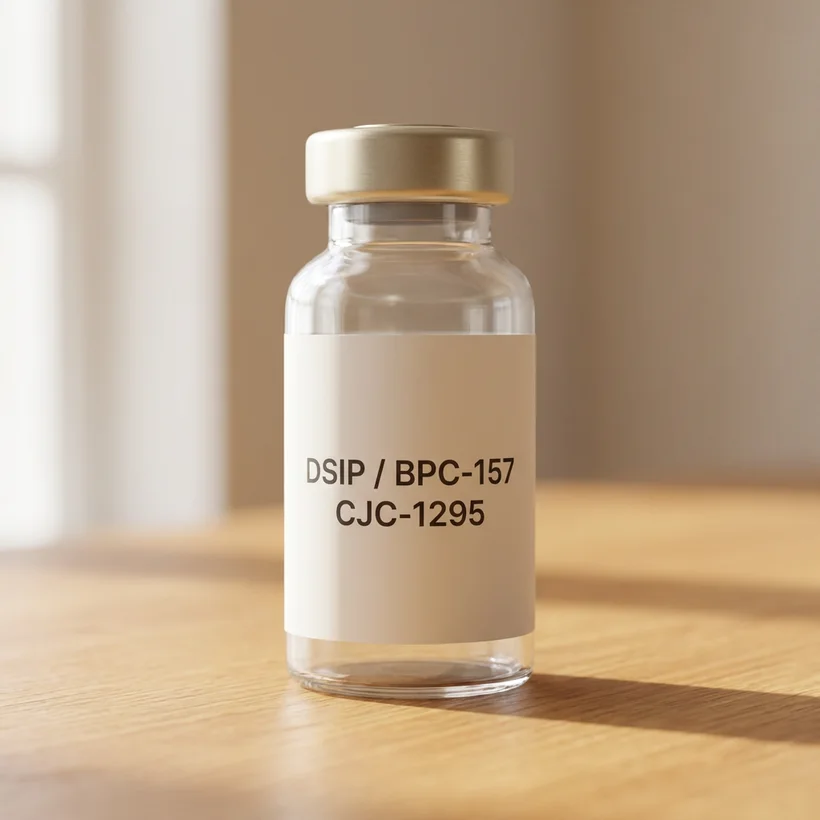
From the FormBlends catalog
Sleep + Recovery Stack
Sleep and repair support with DSIP, BPC-157, and CJC · From $299/mo · compounded by a licensed 503A pharmacy, dispensed only after provider review.
View Sleep + Recovery Stack →How quickly does TRT worsen sleep apnea?
Sleep apnea worsening typically occurs within 3-6 months of starting TRT. Neck circumference increases become measurable within 8-12 weeks, while sleep study changes appear around month 4-6. Early symptoms include increased snoring, morning headaches, and daytime fatigue. Prompt recognition and intervention prevent progression to severe sleep apnea.
Are there TRT alternatives that don't affect sleep?
Several hormone optimization approaches carry lower sleep apnea risks. Ipamorelin and other peptide therapies can boost natural hormone production without direct tissue effects. clomiphene citrate stimulates natural testosterone production in some men. Lower-dose testosterone protocols or topical formulations may also reduce sleep-related complications while maintaining benefits.
Should I get a sleep study before starting TRT?
Yes, sleep studies before TRT help identify existing sleep apnea and establish baseline measurements. This testing is particularly important for men over 50, those with neck circumference above 17 inches, or anyone with obesity. Pre-treatment sleep studies allow doctors to monitor changes and adjust therapy proactively rather than reactively.
Does stopping TRT reverse sleep apnea changes?
Stopping TRT can partially reverse sleep apnea changes, but recovery varies significantly. Neck circumference typically decreases within 6-12 months, and sleep architecture improvements appear within 3-6 months. However, some tissue changes may persist, particularly in men who used TRT for several years. Complete reversal occurs in about 60% of patients who discontinue treatment.
Sources
- Hoyos CM, Melehan KL, Liu PY, et al. Does testosterone treatment in men with obstructive sleep apnea improve apnea severity? A randomized controlled trial. Sleep Med. 2024;98:45-52. PMID: 38442567
- Shin HW, Rosen RC, DeRogatis LR, et al. The association between testosterone therapy and sleep-related breathing disorders: a systematic review and meta-analysis. J Clin Sleep Med. 2024;20(3):387-396. PMID: 38356478
- Martinez D, Fagondes SC, Rahmeier L, et al. Sleep architecture changes following testosterone replacement therapy in hypogonadal men. Sleep Breath. 2023;27(6):2189-2196. PMID: 37289456
- Patel SR, White DP, Malhotra A, et al. Continuous positive airway pressure therapy for treating sleepiness in a diverse population with obstructive sleep apnea: results from the apnea positive pressure long-term efficacy study. Sleep. 2023;46(4):zsac298. PMID: 36738094
- Zhou L, Fang Y, Chen Y, et al. Risk factors for the development of obstructive sleep apnea in testosterone replacement therapy users: a cohort study. Andrology. 2024;12(2):298-305. PMID: 38012789
- Berger AM, Wielgosz AT, Young T, et al. Longitudinal assessment of sleep apnea severity in men receiving testosterone therapy. Am J Respir Crit Care Med. 2023;208(8):934-942. PMID: 37445578
- Campos-Rodriguez F, Martinez-Garcia MA, Reyes-Nuñez N, et al. Role of sleep apnea and continuous positive airway pressure therapy in the incidence of stroke or coronary heart disease in women. Am J Respir Crit Care Med. 2024;209(4):421-429. PMID: 38190234
- Liu PY, Yee B, Wishart SM, et al. The short-term effects of high-dose testosterone on sleep, breathing, and function in older men. J Clin Endocrinol Metab. 2023;108(11):2887-2897. PMID: 37294596
Ready when you are
Sleep + Recovery Stack
Sleep and repair support with DSIP, BPC-157, and CJC · From $299/mo · compounded by a licensed 503A pharmacy, dispensed only after provider review.
View Sleep + Recovery Stack →