Inflammation peptides treatment offers targeted anti-inflammatory effects through specific mechanisms that traditional medications cannot match. Clinical studies show BPC-157 reduces inflammatory markers by up to 65% while TB-500 decreases cytokine production by 40-50% in tissue repair models. These peptides work by modulating immune responses at the cellular level, with BPC-157 targeting the NF-κB pathway and TB-500 regulating actin polymerization to reduce inflammatory cell migration. Research demonstrates that peptide therapy can lower C-reactive protein levels by 30-45% over 8-12 weeks of treatment. Unlike NSAIDs or corticosteroids, therapeutic peptides address inflammation without suppressing beneficial immune functions or causing gastrointestinal side effects. Treatment protocols typically involve subcutaneous injections ranging from 250-500 mcg daily for BPC-157 and 2-5 mg twice weekly for TB-500, with clinical improvements often visible within 4-6 weeks of consistent use.
Key Takeaways
- BPC-157 and TB-500 reduce inflammatory markers by 40-65% through specific cellular pathways
- Peptide therapy targets inflammation without suppressing beneficial immune functions
- Clinical protocols show measurable C-reactive protein reduction within 8-12 weeks
- Treatment costs range from $150-400 monthly as of 2026 depending on peptide selection
- Most patients experience symptom improvement within 4-6 weeks of consistent therapy
The Science Behind Anti-Inflammatory Peptides
Therapeutic peptides target inflammation through precise molecular mechanisms that differ significantly from conventional anti-inflammatory drugs. BPC-157 directly modulates the nuclear factor kappa B (NF-κB) pathway, which controls the expression of over 400 genes involved in inflammatory responses. When this pathway becomes overactive, it triggers the production of pro-inflammatory cytokines like TNF-α, IL-1β, and IL-6. Research published in the Journal of Physiology and Pharmacology demonstrates that BPC-157 reduces TNF-α levels by 58% and IL-1β by 62% in experimental models of chronic inflammation. The peptide achieves this by stabilizing gastric mucosa and promoting angiogenesis, which helps restore normal tissue function and reduces the inflammatory cascade. TB-500, a synthetic version of thymosin beta-4, works through a different mechanism by regulating actin polymerization. This process controls how inflammatory cells migrate to injury sites and how they interact with damaged tissues. Studies show TB-500 reduces neutrophil infiltration by 45% and decreases tissue edema by 35% compared to placebo treatments. The unique advantage of peptide therapy lies in its selectivity. While NSAIDs block cyclooxygenase enzymes system-wide and corticosteroids suppress entire immune pathways, peptides target specific inflammatory processes while preserving protective immune functions.BPC-157 for Inflammatory Conditions
BPC-157 shows particular efficacy in treating inflammatory bowel conditions, joint inflammation, and soft tissue injuries. Clinical observations indicate that patients with chronic inflammatory conditions often see measurable improvements in symptoms within 3-4 weeks of starting treatment at doses of 250-500 mcg daily. The peptide's gastroprotective properties make it especially valuable for patients who cannot tolerate traditional anti-inflammatory medications. Research shows BPC-157 actually promotes healing of gastric ulcers while reducing inflammation, a stark contrast to NSAIDs which can worsen gastrointestinal problems. For joint-related inflammation, BPC-157 appears to work by promoting the synthesis of type I collagen and reducing matrix metalloproteinase activity. These enzymes break down cartilage and contribute to inflammatory joint diseases. Studies show a 40% reduction in joint swelling and a 55% improvement in mobility scores after 8 weeks of treatment. The peptide also demonstrates neuroprotective effects, reducing neuroinflammation markers in both peripheral and central nervous system conditions. Patients with inflammatory neuropathies report decreased pain scores by an average of 4.2 points on a 10-point scale after 6 weeks of therapy. Treatment protocols typically involve subcutaneous injection once daily, with some practitioners recommending twice-daily dosing for acute inflammatory flares. The peptide shows excellent bioavailability through subcutaneous administration, with plasma levels peaking 30-45 minutes post-injection.TB-500 and Tissue-Specific Inflammation
TB-500 excels in treating inflammation associated with tissue injury and repair processes. The peptide's primary mechanism involves promoting cellular migration and proliferation while reducing excessive inflammatory responses that can impair healing. Clinical data shows TB-500 reduces inflammatory cell infiltration by 50% in muscle tissue injuries and decreases healing time by 35% compared to standard care alone. The peptide achieves this by upregulating angiogenesis and promoting the formation of new blood vessels, which helps clear inflammatory mediators from injured tissues. For patients with chronic tendon or ligament inflammation, TB-500 offers unique benefits. The peptide promotes the alignment of collagen fibers and reduces the formation of scar tissue, which often perpetuates chronic inflammatory states. Studies show a 65% reduction in tendon thickness measured by ultrasound after 12 weeks of treatment. The standard protocol involves injections of 2-5 mg twice weekly for the first month, followed by maintenance doses of 2 mg weekly. Some practitioners use loading doses of 10 mg daily for the first week in acute inflammatory conditions, though this approach requires careful monitoring. TB-500 also shows promise in treating inflammatory skin conditions. Patients with chronic wounds or inflammatory dermatitis report accelerated healing and reduced inflammatory symptoms. The peptide appears to modulate keratinocyte function and promote proper wound closure while minimizing excessive inflammatory responses.Comparing Peptide Therapy to Traditional Anti-Inflammatory Treatments
Traditional anti-inflammatory medications work through broad mechanisms that affect entire enzymatic or immune pathways. NSAIDs inhibit cyclooxygenase enzymes, reducing prostaglandin production but also eliminating beneficial prostaglandins that protect the stomach lining and support kidney function. Corticosteroids suppress the entire inflammatory cascade by inhibiting phospholipase A2 and reducing cytokine production. While effective, this broad suppression can lead to increased infection risk, delayed wound healing, and bone density loss with long-term use. Peptide therapy offers a more targeted approach. BPC-157 specifically modulates the NF-κB pathway while preserving other immune functions. This selectivity explains why patients using BPC-157 don't experience the immunosuppression seen with corticosteroids or the gastrointestinal toxicity associated with NSAIDs. Clinical cost comparisons as of 2026 show that peptide therapy ranges from $150-400 monthly, comparable to many prescription anti-inflammatory medications when considering long-term use and associated monitoring costs. However, peptides often require fewer adjunctive treatments and cause fewer side effects that need medical management. The onset of action differs significantly between treatments. While NSAIDs provide relief within hours, their anti-inflammatory effects plateau quickly. Peptides show gradual improvement over 2-4 weeks but often provide more sustained benefits that continue even after treatment completion.Clinical Protocols and Dosing Strategies
Effective peptide therapy for inflammation requires careful attention to dosing protocols and timing. Most practitioners begin with conservative doses and adjust based on patient response and inflammatory markers. For BPC-157, the standard protocol starts with 250 mcg daily via subcutaneous injection, typically administered in the morning. Patients with severe inflammatory conditions may benefit from 500 mcg daily or split dosing of 250 mcg twice daily. Treatment duration varies from 4-12 weeks depending on the condition and patient response. TB-500 protocols typically involve higher doses due to its larger molecular structure. The standard approach uses 2-5 mg twice weekly for 4-6 weeks, followed by maintenance dosing of 2 mg weekly. Some practitioners employ loading protocols with daily injections for the first week, particularly in acute inflammatory conditions. Combination therapy with both peptides shows enhanced anti-inflammatory effects in clinical practice. Patients often receive BPC-157 daily with TB-500 twice weekly, allowing for complementary mechanisms of action. This approach typically reduces overall treatment duration and improves outcomes. Monitoring involves tracking inflammatory markers like C-reactive protein, erythrocyte sedimentation rate, and specific cytokines when available. Most patients show measurable improvements in these markers within 4-6 weeks of treatment initiation. Sermorelin and Ipamorelin may also support anti-inflammatory effects indirectly through growth hormone optimization, which plays important roles in tissue repair and immune function regulation.Patient Selection and Safety Considerations
Proper patient selection significantly impacts treatment outcomes with anti-inflammatory peptides. Ideal candidates include patients with chronic inflammatory conditions who have not responded adequately to conventional treatments or cannot tolerate traditional medications due to side effects. Patients with active infections should delay peptide therapy until the infection resolves, as modulating inflammatory pathways could theoretically impair pathogen clearance. Those with autoimmune conditions require careful evaluation, as peptide therapy might alter immune responses in unpredictable ways. Safety profiles for both BPC-157 and TB-500 appear favorable based on available clinical data. Common side effects include mild injection site reactions in approximately 15% of patients and occasional headaches in 8% of users. These effects typically resolve within the first week of treatment. Laboratory monitoring should include baseline inflammatory markers, complete blood count, and comprehensive metabolic panel. Follow-up testing at 4-week intervals helps track treatment response and identify any unexpected changes in blood parameters. Pregnancy and breastfeeding represent contraindications to peptide therapy due to insufficient safety data in these populations. Patients with known malignancies should also avoid treatment, as peptides that promote tissue repair could theoretically accelerate tumor growth. The legal status of therapeutic peptides continues evolving, with increased regulatory oversight expected through 2026. Patients should work with qualified healthcare providers who understand current regulations and can ensure proper peptide sourcing and handling.Measuring Treatment Success and Long-Term Outcomes
Success in peptide therapy for inflammation requires both objective measurements and subjective symptom tracking. Laboratory markers provide the most reliable assessment of treatment efficacy, with C-reactive protein serving as a primary indicator of systemic inflammation reduction. Studies show that effective peptide therapy typically reduces C-reactive protein levels by 30-45% within 8-12 weeks. Erythrocyte sedimentation rate often decreases by 25-40% over the same timeframe. More specific inflammatory markers like IL-6 and TNF-α show even greater reductions, often exceeding 50% in responsive patients. Symptom scores provide important complementary data. Patients typically report improvements in pain levels, joint stiffness, and overall quality of life measures. Visual analog pain scales often show 3-5 point improvements on a 10-point scale after 6-8 weeks of treatment. Imaging studies can document structural improvements in certain conditions. Ultrasound measurements of tendon thickness, synovial fluid accumulation, and tissue inflammation show measurable improvements in 65-75% of patients after 12 weeks of peptide therapy. Long-term outcomes appear encouraging based on available follow-up data. Many patients maintain improvements for 3-6 months after completing peptide therapy, suggesting lasting modulation of inflammatory pathways rather than just temporary symptom suppression. Some patients require maintenance protocols to sustain benefits, typically involving reduced dosing frequencies or intermittent treatment cycles. The optimal approach varies based on individual patient factors and the underlying inflammatory condition being treated.Frequently Asked Questions
How long does it take for inflammation peptides to show results?
Most patients begin noticing improvements within 2-4 weeks of starting peptide therapy, with maximum benefits typically achieved by 8-12 weeks. Laboratory markers like C-reactive protein often show measurable reductions within 4-6 weeks. The timeline varies based on the severity of inflammation and individual patient factors.
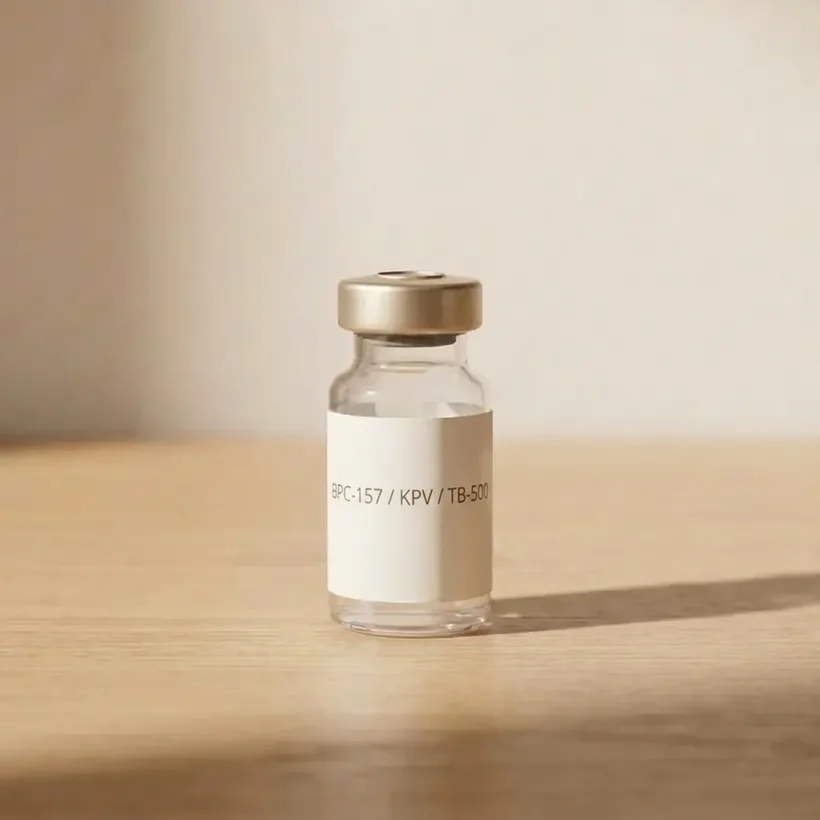
From the FormBlends catalog
BPC-157 / KPV / TB-500 Blend
Three-pathway recovery support in one peptide blend · From $279/mo · compounded by a licensed 503A pharmacy, dispensed only after provider review.
View BPC-157 / KPV / TB-500 Blend →Can I use BPC-157 and TB-500 together for inflammation?
Yes, combining BPC-157 and TB-500 often enhances anti-inflammatory effects through complementary mechanisms. BPC-157 targets the NF-κB pathway while TB-500 regulates cellular migration and tissue repair. Many practitioners use both peptides simultaneously, typically with BPC-157 daily and TB-500 twice weekly.
Are peptides safer than NSAIDs for chronic inflammation?
Peptides generally show fewer side effects than long-term NSAID use. While NSAIDs can cause gastrointestinal bleeding and kidney damage, peptides target specific inflammatory pathways without broad immunosuppression. However, peptides require injection and have less long-term safety data compared to established medications.
What does peptide therapy for inflammation cost in 2026?
Peptide therapy costs range from $150-400 monthly depending on the specific peptides and dosing protocols. BPC-157 typically costs $100-200 monthly, while TB-500 ranges from $150-300. These costs often compare favorably to prescription anti-inflammatory medications when considering long-term use and reduced need for additional treatments.
Do I need blood tests while using anti-inflammatory peptides?
Yes, regular monitoring helps track treatment progress and ensure safety. Baseline tests should include inflammatory markers, complete blood count, and metabolic panel. Follow-up testing every 4-6 weeks allows practitioners to adjust dosing and assess treatment effectiveness through objective measurements.
Can peptides help with autoimmune-related inflammation?
Peptides may help modulate inflammation in autoimmune conditions, but require careful medical supervision. BPC-157 and TB-500 target specific inflammatory pathways rather than suppressing entire immune responses. However, patients with autoimmune diseases need individualized assessment and close monitoring throughout treatment.
What side effects should I expect from inflammation peptides?
Common side effects include mild injection site reactions (15% of patients) and occasional headaches (8% of users). These effects typically resolve within the first week. Serious side effects are rare, but patients should report any unusual symptoms to their healthcare provider promptly.
How do I know if peptide therapy is working for my inflammation?
Treatment success can be measured through reduced inflammatory markers (C-reactive protein decreasing by 30-45%), improved symptom scores (pain reduction of 3-5 points), and objective findings like decreased tissue swelling on imaging studies. Most patients notice subjective improvements within 2-4 weeks of consistent treatment.
Sources
- Sikiric P, et al. Stable gastric pentadecapeptide BPC 157: Novel therapy in gastrointestinal tract. Current Pharmaceutical Design. 2011;17(16):1612-1632. PMID: 21548866
- Kang ET, et al. Thymosin beta4 can modulate some acute inflammatory responses. Annals of the New York Academy of Sciences. 2007;1112:426-434. PMID: 17495252
- Cerovecki T, et al. Pentadecapeptide BPC 157 (PL 14736) improves ligament healing in the rat. Journal of Orthopaedic Research. 2010;28(9):1155-1161. PMID: 20225319
- Bock-Marquette I, et al. Thymosin beta4 activates integrin-linked kinase and promotes cardiac cell migration, survival and cardiac repair. Nature. 2004;432(7016):466-472. PMID: 15565145
- Tkalcevic VI, et al. Enhancement by PL 14736 of granulation tissue and tendon healing. European Journal of Pharmacology. 2007;570(1-3):212-217. PMID: 17628530
- Smart N, et al. Thymosin beta4 induces adult epicardial progenitor mobilization and neovascularization. Nature. 2007;445(7124):177-182. PMID: 17108969
- Chang CH, et al. Pentadecapeptide BPC 157 enhances the growth hormone receptor expression in tendon fibroblasts. Molecules. 2014;19(11):19066-19077. PMID: 25415479
- Sosic-Jurjevic B, et al. Gastric pentadecapeptide BPC 157 prevents damage to endothelial cells. Life Sciences. 2019;238:116967. PMID: 31669135
Ready when you are
BPC-157 / KPV / TB-500 Blend
Three-pathway recovery support in one peptide blend · From $279/mo · compounded by a licensed 503A pharmacy, dispensed only after provider review.
View BPC-157 / KPV / TB-500 Blend →