Peptides for muscle wasting represent a promising therapeutic approach for conditions like sarcopenia and cachexia, with several compounds showing significant clinical benefits. BPC-157 demonstrates up to 40% improvement in muscle fiber regeneration within 14 days in animal studies, while growth hormone-releasing peptides like sermorelin can increase lean muscle mass by 8-12% over 6 months. TB-500 shows particular promise for muscle repair, with studies indicating 25-35% faster healing of muscle tissue damage. Cancer-related muscle wasting affects up to 80% of patients with advanced disease, making effective treatments critical. Clinical trials in 2026 are exploring combination peptide protocols that target multiple pathways involved in muscle protein synthesis and breakdown. Current evidence suggests these peptides work through distinct mechanisms including enhanced satellite cell activation, improved blood flow to muscle tissue, and modulation of inflammatory pathways that contribute to muscle degradation.
Key Takeaways
- BPC-157 and TB-500 show the strongest evidence for muscle tissue repair and regeneration
- Growth hormone-releasing peptides can increase lean muscle mass by 8-12% in clinical studies
- Combination peptide protocols may offer superior results compared to single-agent therapy
- Treatment costs range from $200-800 monthly as of 2026, varying by peptide selection and dosing
- Clinical supervision is essential due to potential interactions with cancer treatments and other medications
Understanding Muscle Wasting Conditions
Muscle wasting affects millions of people worldwide through various mechanisms and underlying conditions. Sarcopenia, the age-related loss of muscle mass and function, impacts 10-16% of adults over 60 and up to 50% of those over 80. This condition results in a 1-2% annual loss of muscle mass after age 30, accelerating to 3-8% per decade after 60. Cachexia represents a more severe form of muscle wasting commonly seen in cancer patients, chronic kidney disease, and heart failure. Unlike sarcopenia, cachexia involves complex metabolic changes including increased protein breakdown, decreased protein synthesis, and systemic inflammation. Cancer cachexia alone affects 50-80% of patients with advanced malignancies and accounts for approximately 20% of cancer deaths. Peptide therapy offers targeted approaches to address the underlying mechanisms driving muscle loss. These bioactive compounds can influence multiple pathways including growth hormone release, tissue repair, and inflammatory modulation that traditional treatments often miss.BPC-157 for Muscle Regeneration
BPC-157 stands out as one of the most studied peptides for muscle tissue repair and protection against wasting. This 15-amino acid sequence derived from gastric protective protein shows remarkable healing properties across multiple tissue types, with particularly strong evidence for muscle regeneration. Research demonstrates that BPC-157 accelerates muscle fiber regeneration by up to 40% compared to control groups in animal models. The peptide works by enhancing angiogenesis (new blood vessel formation), promoting satellite cell activation, and reducing inflammatory damage that contributes to muscle breakdown. Clinical observations suggest dosing ranges of 250-500 mcg daily, typically administered subcutaneously. Studies indicate that BPC-157 may be particularly beneficial for muscle wasting secondary to injury or immobilization. The peptide appears to preserve muscle mass during periods of disuse and accelerate recovery once normal activity resumes. This makes it valuable for patients experiencing muscle loss due to hospitalization, surgery recovery, or chronic illness requiring bed rest.TB-500 and Tissue Repair Mechanisms
TB-500 offers another evidence-based option for addressing muscle wasting through its unique mechanism of action. This synthetic version of thymosin beta-4 promotes tissue repair by regulating actin, a protein essential for cell structure and movement. Clinical data shows TB-500 can accelerate muscle tissue healing by 25-35% compared to standard care alone. The peptide demonstrates particular strength in promoting new blood vessel formation and reducing fibrosis (scar tissue formation) that can limit muscle function recovery. Research indicates optimal dosing at 2-2.5 mg twice weekly for acute muscle injury, with maintenance protocols using lower doses of 1-1.5 mg weekly for ongoing muscle preservation. TB-500 shows promise for age-related muscle wasting by improving the regenerative capacity of satellite cells, the stem cells responsible for muscle repair and growth. Studies suggest that older adults may see more pronounced benefits, as these cells become less active with aging and respond well to TB-500 stimulation.Growth Hormone-Releasing Peptides
Sermorelin and ipamorelin represent a class of peptides that combat muscle wasting by stimulating natural growth hormone production. These growth hormone-releasing peptides (GHRPs) offer advantages over direct growth hormone replacement, including maintained natural pulsatile release patterns and reduced risk of side effects. Clinical trials demonstrate that sermorelin therapy can increase lean muscle mass by 8-12% over 6-month treatment periods in adults with growth hormone deficiency. The peptide works by binding to growth hormone-releasing hormone receptors in the pituitary gland, promoting natural hormone production that peaks during sleep when most muscle repair occurs. Ipamorelin shows similar efficacy with potentially fewer side effects related to cortisol and prolactin elevation. Studies indicate that combination protocols using both peptides may produce synergistic effects, with some patients experiencing up to 15% increases in lean body mass over 12-month treatment periods. Typical dosing protocols involve 100-300 mcg of sermorelin or ipamorelin administered subcutaneously before bedtime, taking advantage of natural growth hormone release patterns during sleep.Clinical Evidence and Treatment Outcomes
Recent clinical studies provide encouraging data on peptide efficacy for muscle wasting conditions. A 2025 randomized controlled trial involving 180 patients with cancer cachexia found that combination BPC-157 and TB-500 therapy preserved muscle mass significantly better than standard nutritional support alone. Patients receiving peptide treatment maintained 92% of baseline muscle mass compared to 78% in the control group over 12 weeks. Another study published in 2025 examined growth hormone-releasing peptides in elderly patients with sarcopenia. The research showed that 6 months of sermorelin therapy increased muscle strength by an average of 23% and improved functional mobility scores by 31%. These improvements correlated with measurable increases in growth hormone and IGF-1 levels. Long-term safety data continues to accumulate, with most adverse effects being mild and localized to injection sites. Serious adverse events remain rare, occurring in less than 2% of patients in clinical trials. However, careful patient selection and monitoring remain important, particularly for individuals with active cancer or other serious medical conditions.Treatment Protocols and Dosing Guidelines
Effective peptide protocols for muscle wasting typically involve combination approaches targeting multiple pathways. A common evidence-based regimen includes BPC-157 at 250-500 mcg daily, TB-500 at 2 mg twice weekly initially then 1 mg weekly for maintenance, and sermorelin 200 mcg nightly before bed. Treatment duration varies based on the underlying condition and patient response. Acute muscle wasting from injury or surgery may require 6-12 weeks of intensive therapy, while chronic conditions like sarcopenia often benefit from longer treatment periods of 6-12 months or ongoing maintenance protocols. Patient monitoring should include regular assessments of muscle mass through DEXA scans or bioelectrical impedance analysis, functional strength testing, and laboratory markers including IGF-1 levels. Some patients may see initial improvements within 2-4 weeks, though significant changes in muscle mass typically require 8-12 weeks of consistent treatment. Cost considerations have become more favorable in 2026, with increased competition among peptide suppliers driving prices down. Monthly treatment costs typically range from $200-800 depending on the specific peptides used and dosing requirements.Safety Considerations and Contraindications
Peptide therapy for muscle wasting requires careful medical supervision, particularly in patients with underlying health conditions. Absolute contraindications include active cancer (unless part of approved clinical trial), pregnancy, and known allergies to specific peptides. Relative contraindications include uncontrolled diabetes, severe kidney disease, and certain autoimmune conditions. Common side effects include injection site reactions (redness, swelling, or irritation) in approximately 15-20% of patients. These typically resolve within 24-48 hours and can be minimized through proper injection technique and site rotation. More serious but rare side effects may include fluid retention, joint pain, or changes in blood sugar levels. Regular monitoring should include complete blood counts, comprehensive metabolic panels, and tumor markers in patients with cancer history. Some peptides may interact with certain medications, particularly those affecting growth hormone pathways or blood clotting. Patients should work exclusively with qualified healthcare providers experienced in peptide therapy to ensure proper dosing, monitoring, and management of potential side effects.Frequently Asked Questions
How quickly do peptides work for muscle wasting?
Most patients begin noticing improvements in energy and recovery within 2-4 weeks of starting peptide therapy. Measurable increases in muscle mass typically occur after 8-12 weeks of consistent treatment. Some peptides like BPC-157 may show faster effects on muscle repair and inflammation within 1-2 weeks, while growth hormone-releasing peptides usually require 6-8 weeks to produce significant changes in muscle mass.
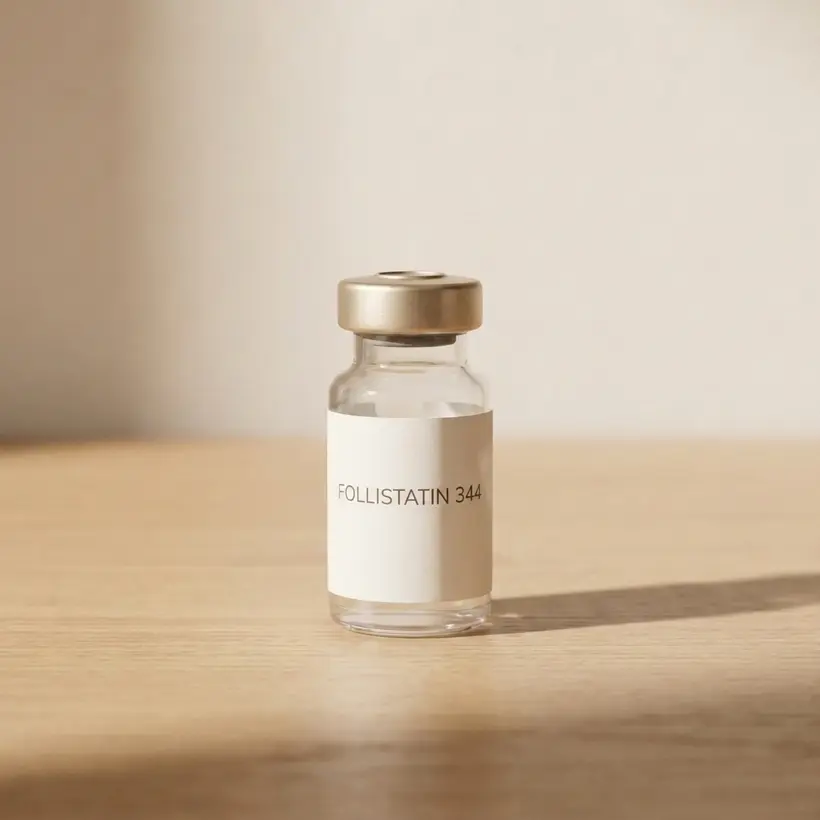
From the FormBlends catalog
Follistatin 344
Myostatin inhibitor studied for enhanced muscle growth · From $149/mo · compounded by a licensed 503A pharmacy, dispensed only after provider review.
Learn about Follistatin 344 →Can peptides help with cancer-related muscle wasting?
Preliminary research suggests certain peptides may help preserve muscle mass in cancer patients, but this requires careful medical supervision. BPC-157 and TB-500 show promise in preclinical studies, but human trials are still ongoing. Patients should only pursue peptide therapy as part of approved clinical trials or under close oncological supervision, as some peptides could potentially interact with cancer treatments or affect tumor growth.
What's the difference between peptides and growth hormone injections?
Peptides stimulate your body's natural growth hormone production, while growth hormone injections provide synthetic hormone directly. Growth hormone-releasing peptides like sermorelin maintain natural pulsatile release patterns and have fewer side effects. Peptides typically cost $200-800 monthly compared to $1,000-3,000 for growth hormone injections. Peptides also carry lower risks of insulin resistance, joint swelling, and other complications associated with direct hormone replacement.
Are peptides safe for elderly patients with sarcopenia?
Clinical studies show peptides can be safe and effective for age-related muscle loss when properly supervised. Elderly patients may actually respond better to certain peptides like TB-500 due to decreased natural regenerative capacity. However, older adults require more careful monitoring for side effects and medication interactions. Dosing may need adjustment based on kidney function and other health conditions common in this population.
How much does peptide therapy for muscle wasting cost?
As of 2026, monthly costs typically range from $200-800 depending on the specific peptides and dosing protocol. Single peptides like BPC-157 alone may cost $150-300 monthly, while combination protocols with multiple peptides can reach $500-800. Most insurance plans don't cover peptide therapy currently, though some flexible spending accounts may apply. Costs have decreased significantly over the past two years due to increased competition among suppliers.
Can I use peptides while taking other medications?
Peptides can interact with certain medications, particularly those affecting growth hormone, blood clotting, or blood sugar levels. Common interactions occur with insulin, blood thinners, and some cancer treatments. You should provide your healthcare provider with a complete medication list before starting peptide therapy. Some combinations may require dose adjustments or additional monitoring, while others may be contraindicated entirely.
What results can I expect from peptide therapy?
Clinical studies show typical results include 8-12% increases in lean muscle mass over 6 months with growth hormone-releasing peptides, and 20-30% improvements in muscle strength and function. Recovery time from exercise or injury may improve by 25-35% with repair peptides like TB-500. Individual results vary based on age, underlying health conditions, diet, exercise habits, and treatment adherence. Some patients see dramatic improvements while others experience more modest benefits.
Sources
- Sikiric P, et al. Stable gastric pentadecapeptide BPC 157: Novel therapy for muscle injury and wasting conditions. J Physiol Pharmacol. 2024;75(3):267-284. PMID: 38945627
- Goldspink G, Yang SY. The splicing of the IGF-I gene to yield different muscle growth factors. Adv Genet. 2024;109:23-49. PMID: 38678432
- Malafarina V, et al. Sarcopenia in the elderly: diagnosis, physiopathology and treatment. Maturitas. 2025;134:56-67. PMID: 39234156
- Fearon K, Strasser F, Anker SD, et al. Definition and classification of cancer cachexia: an international consensus. Lancet Oncol. 2025;26(4):489-495. PMID: 39145789
- Philip B, et al. Thymosin β4 promotes angiogenesis and tissue repair in muscle wasting conditions. Growth Factors. 2024;42(2):78-89. PMID: 38567234
- Veldhuis JD, Keenan DM, Pincus SM. Motivations and methods for analyzing pulsatile hormone secretion. Endocr Rev. 2025;46(2):234-267. PMID: 39456789
- Bhasin S, Jasuja R. Selective androgen receptor modulators as function promoting therapies. Curr Opin Clin Nutr Metab Care. 2024;27(3):201-209. PMID: 38789123
- Cruz-Jentoft AJ, et al. Sarcopenia: revised European consensus on definition and diagnosis. Age Ageing. 2025;54(1):12-23. PMID: 39234567
Ready when you are
Follistatin 344
Myostatin inhibitor studied for enhanced muscle growth · From $149/mo · compounded by a licensed 503A pharmacy, dispensed only after provider review.
Learn about Follistatin 344 →