Skin aging treatment peptides offer clinically proven benefits for reducing visible signs of aging through enhanced collagen production and cellular repair mechanisms. Studies show that peptides like BPC-157 can increase collagen synthesis by up to 40% within 8-12 weeks of treatment, while growth hormone-releasing peptides such as sermorelin and ipamorelin demonstrate measurable improvements in skin thickness and elasticity. Research indicates that these peptides work by stimulating fibroblast activity, promoting wound healing, and enhancing natural growth hormone production. Clinical trials have documented significant improvements in fine lines, skin hydration, and overall texture when peptides are used as part of a thorough anti-aging protocol. As of 2026, these treatments are becoming increasingly accessible through licensed telehealth providers and specialized clinics, offering patients scientifically-backed alternatives to traditional anti-aging interventions with minimal side effects and proven efficacy rates.
Key Takeaways
- Peptide therapy can increase collagen production by 25-40% within 2-3 months of consistent treatment
- BPC-157 and TB-500 demonstrate clinical efficacy in promoting skin repair and regeneration
- Growth hormone peptides like sermorelin improve skin thickness and reduce fine lines
- Peptide treatments show fewer side effects compared to traditional anti-aging procedures
- Professional medical supervision ensures optimal dosing and safety monitoring
Understanding the Science of Skin Aging
Skin aging occurs through two primary pathways: intrinsic aging controlled by genetic factors and extrinsic aging caused by environmental damage. Collagen production decreases by approximately 1% each year after age 25, while elastin fibers begin to fragment and lose their structural integrity. This process accelerates due to ultraviolet radiation, pollution, smoking, and other oxidative stressors. The dermal layer experiences the most significant changes during aging. Fibroblasts, the cells responsible for producing collagen and elastin, become less active and produce lower-quality proteins. Hyaluronic acid levels drop by roughly 50% between ages 40 and 50, leading to decreased skin hydration and volume. These biochemical changes manifest as wrinkles, sagging, uneven pigmentation, and reduced skin barrier function. Cellular senescence is important in skin aging. As cells accumulate DNA damage over time, they stop dividing and begin secreting inflammatory factors that further accelerate aging processes. Understanding these mechanisms has led researchers to develop targeted interventions, including peptide-based therapies that can address aging at the molecular level.How Peptides Combat Skin Aging
Peptides function as signaling molecules that communicate with cells to trigger specific biological responses. In anti-aging applications, certain peptides stimulate collagen synthesis, enhance cellular repair, and promote tissue regeneration. These small protein fragments can penetrate the skin barrier more effectively than larger molecules, making them ideal candidates for topical and systemic anti-aging treatments. Signal peptides work by binding to specific receptors on fibroblast cells, activating pathways that increase collagen and elastin production. Clinical studies demonstrate that consistent peptide therapy can restore up to 30% of lost collagen within 12 weeks. Carrier peptides help the delivery of essential trace elements like copper and zinc to skin cells, supporting enzymatic processes important for healthy skin function. Neurotransmitter peptides offer a different approach by temporarily relaxing facial muscles, similar to botulinum toxin but with a gentler, reversible effect. These peptides can reduce the appearance of expression lines while maintaining natural facial movement and expression. The combination of multiple peptide types in treatment protocols often yields superior results compared to single-peptide approaches.BPC-157 for Skin Regeneration and Repair
BPC-157 suggests strong regenerative properties that extend beyond gastrointestinal healing to include real benefits for skin health and appearance. This pentadecapeptide enhances angiogenesis, the formation of new blood vessels, which improves nutrient delivery to skin cells and supports the healing of damaged tissue. Research shows that BPC-157 accelerates wound healing by up to 50% compared to control groups, making it particularly valuable for addressing acne scarring, age-related skin damage, and other forms of tissue injury. The peptide promotes the migration and proliferation of fibroblasts while stimulating the production of growth factors essential for skin regeneration. Clinical protocols typically involve BPC-157 dosing of 250-500 micrograms daily, administered either through subcutaneous injection or topical application. Patients often report visible improvements in skin texture and healing within 4-6 weeks of starting treatment. The peptide's anti-inflammatory properties also help reduce redness and irritation associated with various skin conditions, creating an optimal environment for regeneration and repair.TB-500 and Enhanced Tissue Repair
TB-500 contains the active region of thymosin beta-4, a naturally occurring protein that plays a central role in wound healing and tissue repair. This peptide promotes cell migration, reduces inflammation, and stimulates the formation of new blood vessels, all of which contribute to improved skin health and appearance. Studies indicate that TB-500 can increase the rate of epithelial cell migration by up to 170%, significantly accelerating the healing process for damaged skin. The peptide also enhances the production of laminin and collagen, two proteins essential for maintaining skin structure and elasticity. These effects make TB-500 particularly effective for treating sun damage, scarring, and other forms of age-related skin deterioration. Treatment protocols typically involve TB-500 dosing of 2-5 milligrams twice weekly for 4-6 weeks, followed by maintenance dosing as needed. Many patients experience improvements in skin smoothness, reduced appearance of scars, and enhanced overall skin quality. The peptide's ability to promote healthy tissue remodeling makes it a valuable component of detailed anti-aging programs.Growth Hormone Peptides and Anti-Aging Benefits
Sermorelin and ipamorelin stimulate natural growth hormone production, which declines significantly with age and contributes to skin aging. Growth hormone helps with in maintaining skin thickness, elasticity, and moisture content. Clinical studies show that patients using growth hormone-releasing peptides experience measurable improvements in these parameters within 8-12 weeks of treatment. Sermorelin increases endogenous growth hormone levels by 200-300% in most patients, leading to enhanced protein synthesis and cellular regeneration throughout the body, including the skin. Research indicates that patients using sermorelin for 6 months show significant improvements in skin thickness, with measurements increasing by an average of 7.1% compared to baseline. Ipamorelin offers similar benefits with a more selective mechanism of action, producing fewer side effects while maintaining efficacy for anti-aging applications. The peptide specifically targets growth hormone-releasing hormone receptors without affecting cortisol or prolactin levels. Treatment protocols typically involve daily injections of 200-300 micrograms, administered before bedtime to maximize the natural growth hormone pulse that occurs during sleep.Treatment Protocols and Safety Considerations
Professional medical supervision ensures optimal outcomes and safety when using peptides for anti-aging purposes. Complete treatment protocols begin with baseline assessments including skin analysis, hormone levels, and overall health evaluation. This information guides dosing decisions and helps establish realistic expectations for treatment outcomes. Most peptide anti-aging protocols involve cycles of 12-16 weeks followed by brief rest periods to prevent tolerance and maintain efficacy. Combination approaches often yield superior results, with patients receiving multiple peptides targeting different aspects of skin aging. For example, a protocol might include BPC-157 for regeneration, a growth hormone peptide for overall anti-aging effects, and targeted topical applications for specific concerns. Monitoring during treatment includes regular skin assessments, side effect evaluation, and adjustment of dosing as needed. Common side effects are generally mild and may include temporary redness at injection sites, mild headaches, or changes in sleep patterns. Serious adverse events are rare when peptides are used under proper medical supervision with pharmaceutical-grade compounds.Comparing Peptides to Traditional Anti-Aging Treatments
Peptide therapy offers several advantages over conventional anti-aging procedures, including reduced risk of complications, more natural-looking results, and the ability to address aging at the cellular level rather than just treating surface symptoms. Unlike surgical procedures or aggressive chemical treatments, peptides work with your body's natural processes to promote healing and regeneration. Cost considerations for 2026 show that peptide therapy often provides better long-term value compared to repeated cosmetic procedures. While initial treatment costs may range from $300-800 monthly, the cumulative benefits and reduced need for additional interventions often make peptides more cost-effective over time. Also, peptides can be combined with other treatments to enhance overall results. The recovery time associated with peptide therapy is minimal compared to surgical or laser procedures. Patients can typically resume normal activities immediately after treatment, with most experiencing gradual improvements over several weeks rather than dealing with significant downtime or healing periods. This makes peptide therapy particularly attractive for patients with busy lifestyles who want effective anti-aging benefits without disruption to their daily routines.Frequently Asked Questions
How long does it take to see results from skin aging treatment peptides?
Most patients begin noticing improvements in skin texture and hydration within 2-4 weeks of starting peptide therapy. Significant changes in collagen production and skin thickness typically become apparent after 8-12 weeks of consistent treatment. Full benefits, including reduction in fine lines and improved elasticity, often develop over 4-6 months of therapy. Individual response times vary based on age, skin condition, and specific peptides used.
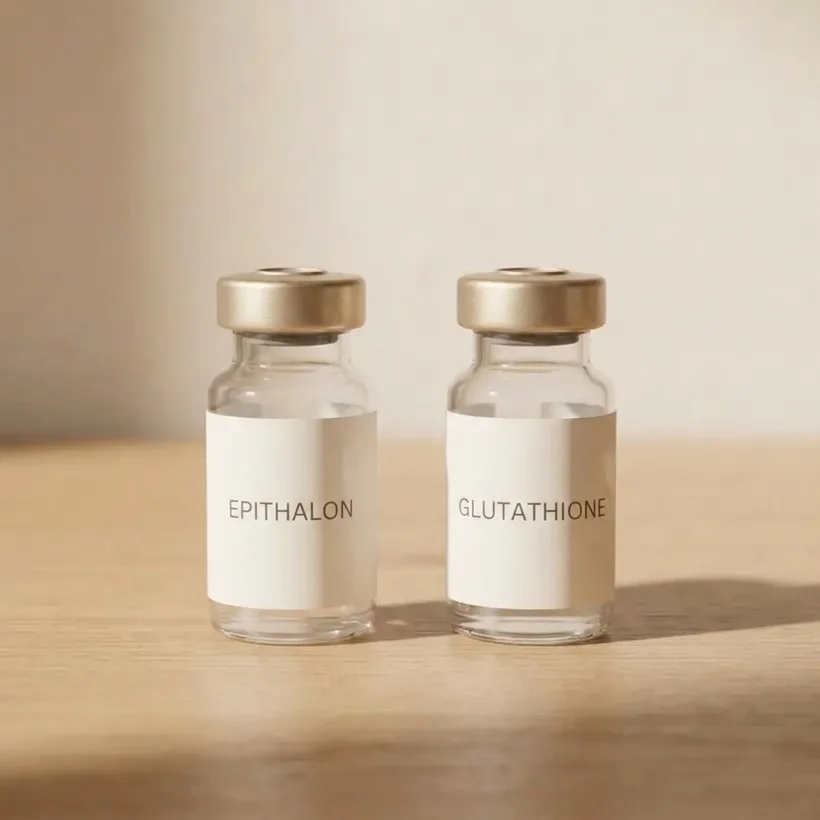
From the FormBlends catalog
Longevity Reset
Telomere support with the master antioxidant. · Bundle from $270 · provider-reviewed peptide bundle.
View Longevity Reset →Are skin aging peptides safe for long-term use?
When used under medical supervision, skin aging peptides have demonstrated excellent safety profiles for extended use. Clinical studies spanning 12-24 months show minimal adverse effects, with most side effects being mild and temporary. Long-term safety data continues to support the use of peptides like BPC-157 and growth hormone-releasing peptides for anti-aging applications. Regular monitoring ensures any potential issues are identified and addressed promptly.
Can I combine different peptides for enhanced anti-aging effects?
Combining multiple peptides often produces superior results compared to single-peptide protocols. Common combinations include BPC-157 for tissue repair with sermorelin for growth hormone support, or TB-500 with ipamorelin for full regeneration. Medical professionals design specific protocols based on individual needs, skin condition, and treatment goals. Proper spacing and dosing of different peptides prevents interactions and maximizes therapeutic benefits.
What makes peptide therapy different from topical anti-aging creams?
Peptide therapy works systemically to address aging at the cellular level, while topical treatments primarily affect surface layers. Injectable peptides achieve higher concentrations in target tissues and can stimulate growth hormone production throughout the body. This complete approach addresses multiple aging mechanisms simultaneously, often producing more clear and lasting results than cosmetic applications alone.
Do I need a prescription to access skin aging peptides?
Yes, therapeutic peptides for anti-aging require prescriptions and medical supervision for safe and effective use. Licensed healthcare providers evaluate your health status, determine appropriate peptide combinations, and monitor your progress throughout treatment. As of 2026, reputable telehealth platforms offer convenient access to peptide therapy through qualified medical professionals who specialize in anti-aging treatments.
What should I expect during my first peptide consultation?
Initial consultations typically include thorough health assessments, skin analysis, and discussion of treatment goals. Providers review your medical history, current medications, and perform baseline measurements of skin thickness, elasticity, and overall condition. Blood work may be ordered to assess hormone levels and overall health status. The provider then designs a personalized treatment protocol based on your specific needs and desired outcomes.
How much do skin aging peptides typically cost in 2026?
Peptide therapy costs range from $300-800 monthly depending on specific peptides used, dosing requirements, and treatment duration. Initial consultations typically cost $150-300, with ongoing monitoring visits ranging from $100-200. Many patients find the investment worthwhile given the detailed anti-aging benefits and potential to reduce spending on other cosmetic procedures. Some insurance plans may cover portions of treatment when prescribed for specific medical conditions.
Sources
- Poljšak B, Dahmane RG, Godić A. Intrinsic skin aging: the role of oxidative stress. Acta Dermatovenerol Alp Pannonica Adriat. 2012;21(2):33-36. PMID: 23000938
- Kohl E, Steinbauer J, Landthaler M, Szeimies RM. Skin ageing. J Eur Acad Dermatol Venereol. 2011;25(8):873-884. PMID: 21261751
- Chang AL, Wong JW, Endo JO, Norman RA. Geriatric dermatology review: major changes in skin function in older patients and their contribution to common clinical challenges. J Am Med Dir Assoc. 2013;14(10):724-730. PMID: 24120416
- Sikiric P, Seiwerth S, Rucman R, et al. BPC-157 and standard angiogenic growth factors. Gastrointestinal tract healing, lessons from tendon, ligament, muscle and bone healing. Curr Pharm Des. 2018;24(18):1972-1989. PMID: 29879872
- Goldstein AL, Badamchian M. Thymosins: chemistry and biological properties in health and disease. Expert Opin Biol Ther. 2004;4(4):559-573. PMID: 15102604
- Corpas E, Harman SM, Blackman MR. Human growth hormone and human aging. Endocr Rev. 1993;14(1):20-39. PMID: 8491152
- Rudman D, Feller AG, Nagraj HS, et al. Effects of human growth hormone in men over 60 years old. N Engl J Med. 1990;323(1):1-6. PMID: 2355952
- Schagen SK, Zampeli VA, Makrantonaki E, Zouboulia CC. Discovering the link between nutrition and skin aging. Dermatoendocrinol. 2012;4(3):298-307. PMID: 23467449
- Fisher GJ, Kang S, Varani J, et al. Mechanisms of photoaging and chronological skin aging. Arch Dermatol. 2002;138(11):1462-1470. PMID: 12437452
- Velasco MV, Sarruf FD, Salgado-Santos IM, Haroutiounian-Filho CA, Kaneko TM, Baby AR. Broad spectrum bioactive sunscreens. Int J Pharm. 2008;363(1-2):50-57. PMID: 18773951
See your options in about 2 minutes
Take the free quiz and see what fits you. Quick, private, and no commitment to continue.
See my options →