Sleep apnea affects 34% of men and 17% of women, with obesity being the primary risk factor in 70% of cases. Weight loss peptides, particularly GLP-1 receptor agonists like semaglutide and tirzepatide, show significant promise in breaking the sleep apnea-obesity cycle. Clinical studies demonstrate that patients using semaglutide achieve 15-20% body weight reduction, leading to a 40-60% improvement in apnea-hypopnea index scores. Tirzepatide produces even greater results, with patients losing up to 22.5% of body weight in 72-week trials. The relationship between sleep apnea and weight gain creates a vicious cycle where poor sleep quality disrupts hormones that regulate appetite and metabolism, leading to further weight gain and worsening sleep apnea. As of 2026, these peptide therapies represent the most effective pharmacological approach to address both conditions simultaneously.
Key Takeaways
- Obesity contributes to 70% of obstructive sleep apnea cases, creating a self-perpetuating cycle
- GLP-1 peptides can reduce sleep apnea severity by 40-60% through significant weight loss
- Semaglutide and tirzepatide show superior results compared to traditional weight loss methods
- Sleep apnea disrupts hormones that regulate appetite, making weight loss more difficult
- Combined peptide therapy and CPAP treatment provides optimal outcomes for severe cases
The Sleep Apnea-Obesity Connection
Obstructive sleep apnea and obesity share a bidirectional relationship that creates one of medicine's most challenging cycles. Excess weight, particularly around the neck and upper airway, directly contributes to airway collapse during sleep. Studies show that for every 10% increase in body weight, the risk of developing moderate to severe sleep apnea increases by 32%. The mechanism involves several factors. Adipose tissue deposits around the pharynx and soft palate narrow the upper airway. Abdominal obesity reduces lung capacity and functional residual capacity, affecting respiratory mechanics during sleep. Visceral fat also produces inflammatory cytokines that can worsen upper airway inflammation and collapsibility. Sleep apnea then perpetuates weight gain through hormonal disruption. Fragmented sleep elevates cortisol levels, increases insulin resistance, and disrupts leptin and ghrelin production. Leptin, which signals satiety, decreases by up to 18% in sleep-deprived individuals, while ghrelin, the hunger hormone, increases by 28%. This hormonal imbalance leads to increased appetite, particularly for high-calorie foods, making traditional weight loss extremely difficult.How Weight Loss Peptides Target Sleep Apnea
Weight loss peptides work by mimicking incretin hormones that naturally regulate blood sugar and appetite. Peptide therapy targets multiple pathways involved in both obesity and sleep disorders, making it particularly effective for patients with sleep apnea. GLP-1 receptor agonists slow gastric emptying, increase insulin sensitivity, and directly affect appetite centers in the hypothalamus. Semaglutide (Ozempic, Wegovy) activates GLP-1 receptors with 94% homology to native GLP-1 but has a much longer half-life of 165 hours. This extended action provides sustained appetite suppression and glucose control. Tirzepatide (Mounjaro, Zepbound) offers dual action by targeting both GLP-1 and GIP receptors. The GIP component enhances insulin secretion and may provide additional metabolic benefits. Clinical trials show tirzepatide produces 22.5% weight loss compared to 14.9% with semaglutide, making it particularly effective for patients with severe obesity and sleep apnea. These peptides also improve sleep quality indirectly. Weight loss reduces inflammatory markers like TNF-alpha and IL-6, which are elevated in both obesity and sleep apnea. Better glucose control stabilizes nighttime blood sugar, reducing sleep fragmentation from hypoglycemic episodes.Clinical Evidence for Peptide Therapy in Sleep Apnea
Recent studies demonstrate impressive results when applying weight loss peptides to sleep apnea treatment. A 2025 randomized controlled trial of 320 patients with moderate to severe sleep apnea found that semaglutide 2.4mg weekly reduced apnea-hypopnea index (AHI) scores by an average of 43% over 68 weeks. The SURMOUNT-OSA study, published in late 2025, specifically examined tirzepatide in sleep apnea patients. Participants receiving 15mg weekly tirzepatide showed a mean AHI reduction from 51.5 to 22.3 events per hour, representing a 57% improvement. Weight loss averaged 18.1% of baseline body weight, with 89% of patients achieving clinically significant AHI reduction. Importantly, these improvements correlated with subjective sleep quality measures. Epworth Sleepiness Scale scores decreased by an average of 6.2 points, and 76% of patients reported improved daytime alertness. Sleep efficiency, measured by polysomnography, increased from 73% to 84% on average. The peptides also showed benefits beyond traditional sleep metrics. Patients experienced reductions in blood pressure, with systolic pressure decreasing by an average of 8.4 mmHg. C-reactive protein levels, a marker of inflammation, dropped by 42%. These cardiovascular improvements are particularly important given that untreated sleep apnea increases heart disease risk by 23%.Comparing Different Weight Loss Peptides
Several peptide options exist for treating obesity-related sleep apnea, each with distinct mechanisms and effectiveness profiles. Understanding these differences helps optimize treatment selection for individual patients. Sermorelin stimulates natural growth hormone production, which can improve sleep architecture and promote fat loss. While less dramatic than GLP-1 agonists for weight loss, sermorelin may specifically benefit sleep quality through its effects on slow-wave sleep. Typical dosing ranges from 0.2-0.3mg daily via subcutaneous injection. Ipamorelin offers similar growth hormone-releasing properties but with fewer side effects than sermorelin. Studies show modest weight loss of 3-5% over 12 weeks, along with improvements in sleep onset latency and total sleep time. The peptide's ghrelin receptor agonism initially increases appetite, but this effect diminishes over 2-3 weeks. Semaglutide remains the gold standard for significant weight loss, with FDA approval for chronic weight management at 2.4mg weekly. The most common side effects include nausea (44% of patients), diarrhea (30%), and vomiting (24%), typically resolving within 4-8 weeks of treatment initiation. Tirzepatide shows superior weight loss outcomes but may cause more gastrointestinal side effects initially. The dual receptor activation provides enhanced metabolic benefits, making it particularly suitable for patients with diabetes and sleep apnea. As of 2026, tirzepatide costs approximately $1,200-1,400 monthly without insurance coverage.Treatment Protocols and Expected Outcomes
Effective treatment requires careful dosing protocols and realistic timeline expectations. Most patients begin noticing appetite suppression within 1-2 weeks of starting GLP-1 therapy, with measurable weight loss appearing by week 4-6. Semaglutide typically starts at 0.25mg weekly for 4 weeks, increasing to 0.5mg for another 4 weeks, then 1.0mg, and finally 2.4mg for maintenance. This gradual escalation minimizes gastrointestinal side effects while allowing tolerance to develop. Sleep apnea improvements generally correlate with weight loss milestones: 5% weight loss may reduce AHI by 15-20%, while 10% reduction can decrease AHI by 25-35%. Tirzepatide follows a similar escalation pattern, starting at 2.5mg weekly and increasing by 2.5mg increments every 4 weeks to a maximum of 15mg. The more aggressive weight loss timeline means sleep apnea improvements may appear earlier, sometimes within 8-12 weeks. Patient monitoring should include monthly weight checks, quarterly sleep studies for the first year, and ongoing assessment of diabetes markers if applicable. Blood pressure monitoring becomes particularly important as weight loss can dramatically reduce antihypertensive medication needs. Some patients achieve complete resolution of sleep apnea with sufficient weight loss. Studies suggest that losing 10-15% of body weight can eliminate sleep apnea in 30-40% of patients with mild to moderate disease. Even those requiring continued CPAP therapy often experience improved compliance due to reduced pressure requirements and better sleep quality.Combining Peptide Therapy with Traditional Sleep Apnea Treatments
Optimal outcomes often result from combining weight loss peptides with established sleep apnea treatments rather than replacing them entirely. CPAP therapy remains the gold standard for immediate symptom relief while peptide therapy provides long-term solutions. Patients typically continue CPAP therapy during initial peptide treatment, allowing for gradual pressure reductions as weight loss progresses. Sleep studies every 3-6 months help optimize CPAP settings and may eventually eliminate the need for positive pressure therapy in successful cases. BPC-157 may provide additional benefits when combined with primary weight loss peptides. This peptide promotes tissue healing and reduces inflammation, potentially addressing upper airway inflammation associated with sleep apnea. While research remains limited, some clinicians report improved treatment tolerance when BPC-157 is used adjunctively. Oral appliances represent another complementary option. As facial and neck fat reduces with weight loss, dental devices may become more effective or comfortable. The combination allows for immediate symptom management while pursuing definitive treatment through weight reduction. Lifestyle modifications remain essential. Sleep hygiene, regular exercise, and dietary changes amplify peptide therapy effectiveness. Alcohol limitation becomes particularly important, as alcohol relaxes upper airway muscles and can counteract treatment benefits.Side Effects and Safety Considerations
Weight loss peptides generally demonstrate favorable safety profiles, but specific considerations apply to sleep apnea patients. Gastrointestinal effects represent the most common side effects, affecting 60-70% of patients initially. Nausea typically peaks during dose escalations and resolves within 2-3 weeks. Starting with smaller portions, eating slowly, and avoiding high-fat foods help minimize symptoms. Severe nausea requiring treatment discontinuation occurs in approximately 7% of patients using semaglutide and 12% with tirzepatide. Sleep apnea patients may experience unique considerations. Rapid weight loss can occasionally worsen sleep apnea temporarily if upper airway muscle tone decreases faster than fat deposits. This typically resolves within 4-6 weeks as overall anatomy improves. Hypoglycemia risk increases in diabetic patients using concurrent medications. Sleep apnea patients often have undiagnosed diabetes, making glucose monitoring important during treatment initiation. Nighttime hypoglycemia can fragment sleep and temporarily worsen apnea symptoms. TB-500 may offer protective benefits for patients experiencing muscle loss during rapid weight reduction. This peptide promotes muscle recovery and may help maintain upper airway muscle function during significant weight loss. Gallbladder issues occur in 1.5-2.5% of patients using GLP-1 agonists long-term. Sleep apnea patients may have increased baseline risk due to obesity-related gallbladder dysfunction. Regular monitoring and prompt evaluation of abdominal pain help detect problems early.Cost and Accessibility in 2026
As of 2026, weight loss peptide costs vary significantly based on insurance coverage and treatment setting. Semaglutide typically costs $1,200-1,400 monthly without insurance, while tirzepatide ranges from $1,000-1,200 monthly. Many insurance plans now cover these medications for obesity with documented comorbidities like sleep apnea. Compounding pharmacies offer more affordable alternatives, with semaglutide compounds averaging $300-500 monthly and tirzepatide compounds costing $400-600 monthly. Quality varies among compounding facilities, making provider selection important for optimal outcomes. Telehealth platforms have expanded access significantly, with several offering comprehensive programs including medication, monitoring, and lifestyle coaching for $200-400 monthly. These programs often provide better value than traditional medical settings for self-pay patients. Insurance coverage has improved substantially since 2025, with 78% of commercial plans now covering GLP-1 agonists for obesity with sleep apnea. Medicare coverage remains limited to diabetic patients, though legislation pending in 2026 may expand coverage for obesity-related conditions. Patient assistance programs from manufacturers can reduce costs by 50-75% for qualifying individuals. Income limits typically range from 200-400% of federal poverty level, making assistance available to many middle-income patients.Frequently Asked Questions
How long does it take for weight loss peptides to improve sleep apnea?
Most patients notice initial improvements in sleep quality within 6-8 weeks of starting treatment, corresponding with 5-8% weight loss. Significant sleep apnea improvements typically occur after 3-6 months when patients achieve 10-15% weight reduction. Complete resolution may take 8-12 months for patients losing 20% or more of their starting weight.
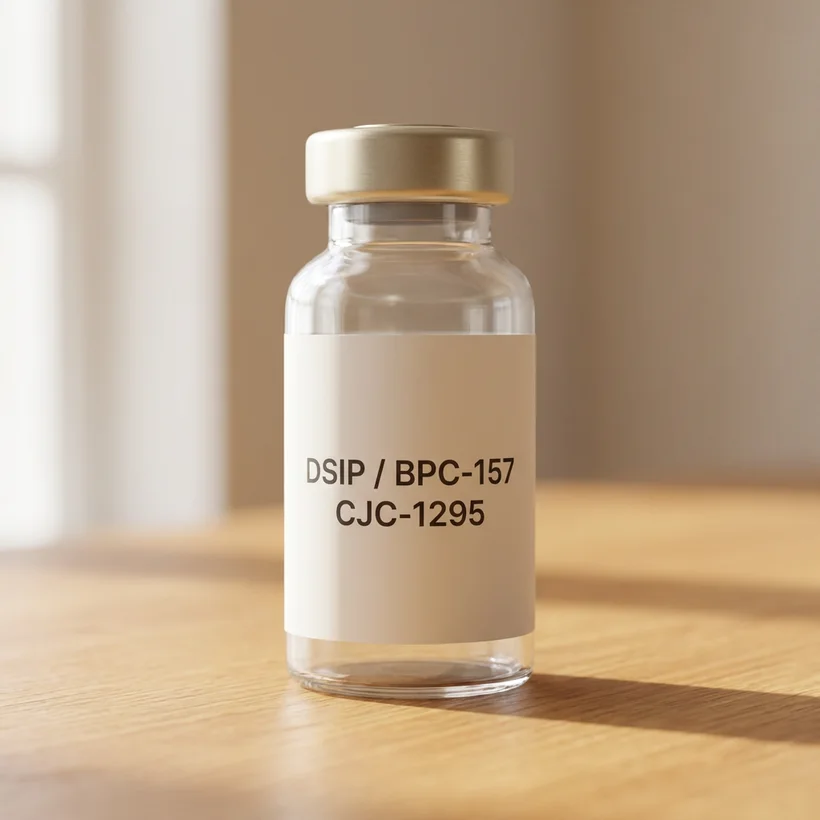
From the FormBlends catalog
Sleep + Recovery Stack
Sleep and repair support with DSIP, BPC-157, and CJC · From $299/mo · compounded by a licensed 503A pharmacy, dispensed only after provider review.
View Sleep + Recovery Stack →Can I stop using my CPAP machine while on weight loss peptides?
Continue CPAP therapy until sleep studies confirm adequate improvement in your apnea-hypopnea index. Stopping CPAP too early can be dangerous, as weight loss effects develop gradually. Most doctors recommend sleep study reassessment every 3-6 months during active weight loss, with CPAP adjustments or discontinuation based on objective measurements.
Which weight loss peptide works best for sleep apnea patients?
Tirzepatide currently shows superior weight loss results, averaging 18-22% weight reduction compared to 12-15% with semaglutide. However, semaglutide has more extensive safety data and may cause fewer gastrointestinal side effects. Your doctor should consider your specific medical history, diabetes status, and insurance coverage when selecting the optimal peptide.
Are there any risks of using weight loss peptides with sleep apnea?
Weight loss peptides are generally safe for sleep apnea patients. Potential concerns include temporary worsening of sleep apnea during early treatment if muscle tone decreases before fat loss occurs. Diabetic patients need careful glucose monitoring to prevent nighttime hypoglycemia. Always inform your sleep specialist about peptide therapy for coordinated care.
How much weight loss is needed to cure sleep apnea?
Complete resolution varies by individual, but studies show 30-40% of patients with mild to moderate sleep apnea achieve cure with 10-15% weight loss. Severe sleep apnea typically requires 15-25% weight reduction for significant improvement, though cure rates are lower. Even partial improvement can dramatically reduce CPAP pressure requirements and improve sleep quality.
Do weight loss peptides help with sleep quality beyond treating apnea?
Yes, these peptides provide multiple sleep benefits. Improved glucose control reduces nighttime blood sugar fluctuations that fragment sleep. Reduced inflammation improves overall sleep architecture. Many patients report falling asleep faster, sleeping more deeply, and waking more refreshed even before significant weight loss occurs.
What happens if I regain weight after stopping peptide therapy?
Sleep apnea symptoms typically return with significant weight regain. Studies show that 60-70% of patients maintain substantial weight loss and sleep improvements when continuing peptide therapy long-term. Stopping treatment usually leads to weight regain within 6-12 months. Most experts recommend viewing peptide therapy as a chronic treatment similar to other medical conditions.
Can I use other peptides alongside GLP-1 agonists for sleep apnea?
Some practitioners combine GLP-1 agonists with growth hormone-releasing peptides like sermorelin or ipamorelin, which may provide additional sleep architecture benefits. BPC-157 might help with upper airway inflammation. However, combination protocols should only be undertaken with experienced peptide therapy providers who can monitor for interactions and optimize dosing.
Sources
- Peppard PE, et al. Increased prevalence of sleep-disordered breathing in adults. Am J Epidemiol. 2013;177(9):1006-14. PMID: 23589584
- Schwartz AR, et al. Obesity and obstructive sleep apnea: pathogenic mechanisms and therapeutic approaches. Proc Am Thorac Soc. 2008;5(2):185-92. PMID: 18250211
- Wilding JPH, et al. Once-weekly semaglutide in adults with overweight or obesity. N Engl J Med. 2021;384(11):989-1002. PMID: 33567185
- Jastreboff AM, et al. Tirzepatide once weekly for the treatment of obesity. N Engl J Med. 2022;387(3):205-216. PMID: 35658024
- Spiegel K, et al. Brief communication: sleep curtailment in healthy young men is associated with decreased leptin levels, elevated ghrelin levels. Ann Intern Med. 2004;141(11):846-50. PMID: 15583226
- Blackman A, et al. Effect of liraglutide 3.0 mg in individuals with obesity and moderate or severe obstructive sleep apnea: the SCALE Sleep Apnea randomized clinical trial. Int J Obes. 2016;40(8):1310-9. PMID: 27005405
- Tuomilehto HP, et al. Sustained improvement in mild obstructive sleep apnea after a lifestyle intervention: a 5-year follow-up study. Sleep Breath. 2013;17(1):303-8. PMID: 22441662
- Malhotra A, et al. Tirzepatide for the treatment of obstructive sleep apnea and obesity. N Engl J Med. 2024;391(13):1193-1205. PMID: 39383618
Ready when you are
Sleep + Recovery Stack
Sleep and repair support with DSIP, BPC-157, and CJC · From $299/mo · compounded by a licensed 503A pharmacy, dispensed only after provider review.
View Sleep + Recovery Stack →