Key Takeaways
- Muscle pain is reported by a small but real share of Zepbound patients, most often during weeks of fastest weight loss.
- The leading drivers are low electrolytes (especially potassium and magnesium), dehydration, low protein intake, and lean-mass loss from a steep calorie deficit.
- Direct muscle damage from tirzepatide itself has not been documented in clinical trials.
- Resistance training and 0.7 to 1.0 g of protein per pound of goal body weight can reverse most non-specific muscle pain within 2 to 4 weeks.
- Severe pain with dark urine, weakness, or fever requires urgent evaluation for rhabdomyolysis or other serious causes.
The short answer
Muscle pain on Zepbound is usually caused by electrolyte loss, dehydration, low protein intake, or rapid lean-mass loss, not by tirzepatide directly. Most cases respond to electrolyte repletion, daily protein at 0.7 to 1.0 g per pound of goal weight, and resistance training. Severe muscle pain with dark urine warrants emergency evaluation.
Table of contents
- The 30-second answer
- What clinical trials say about muscle symptoms on tirzepatide
- Five mechanisms behind muscle pain on Zepbound
- Where the pain shows up: typical patterns
- The protein and resistance-training fix
- The electrolyte and hydration fix
- Red flags: when muscle pain means something serious
- Statin and supplement interactions
- Lean mass loss vs muscle pain: separating the two
- FAQ
- Sources
- Disclaimers
What clinical trials say about muscle symptoms on tirzepatide
In SURMOUNT-1 (Jastreboff et al., NEJM 2022), the registration trial of tirzepatide for obesity, musculoskeletal complaints were not a top-five reported adverse event. The most common side effects were GI: nausea, diarrhea, vomiting, constipation. Muscle-related symptoms appeared in trial data primarily as:
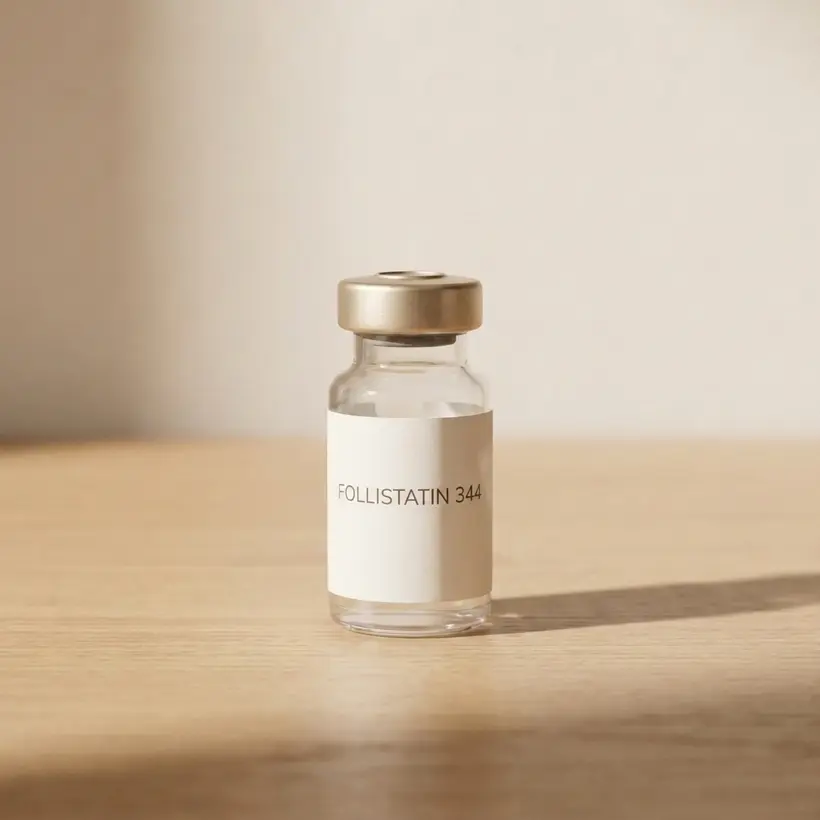
From the FormBlends catalog
Follistatin 344
Myostatin inhibitor studied for enhanced muscle growth · From $149/mo · compounded by a licensed 503A pharmacy, dispensed only after provider review.
Learn about Follistatin 344 →- Back pain (3 to 5%)
- Joint pain (2 to 4%)
- Generalized myalgia (under 3%)
Direct head-to-head data on tirzepatide vs placebo for muscle pain is limited because it was not a primary safety endpoint. There is no signal in the trial publications suggesting tirzepatide directly damages muscle tissue.
What the trials did find: rapid weight loss on tirzepatide is accompanied by some loss of lean body mass, on average 25 to 33% of total weight lost (Jastreboff et al., 2022; Müller et al., Obesity Reviews 2018 for general weight-loss patterns). Lean mass loss is a known driver of musculoskeletal symptoms during any aggressive weight-loss protocol, not specific to GLP-1 medications.
Five mechanisms behind muscle pain on Zepbound
1. Electrolyte deficiency, especially potassium and magnesium. Patients on tirzepatide often eat 25 to 35% less food. Whole-food potassium (bananas, leafy greens, potatoes) and magnesium (nuts, seeds, dark chocolate, whole grains) drop accordingly. Low potassium and low magnesium produce muscle cramps, twitching, and aches.
2. Dehydration. Tirzepatide reduces thirst signaling. Many patients drink less water without noticing. Mild dehydration is associated with muscle cramping, especially in the calves and feet, and with delayed exercise recovery.
3. Inadequate protein intake. Patients on a 1,200 to 1,400 calorie target often consume 50 to 70 g of protein. The recommended target during weight loss is 0.7 to 1.0 g per pound of goal body weight (Phillips et al., Am J Clin Nutr 2016). At 1.0 g per pound for a 160 lb goal weight, that is 160 g of protein, which is far above what most patients hit unintentionally.
4. Rapid lean-mass loss. SURMOUNT-1 data indicates that 25 to 33% of total weight lost on tirzepatide comes from lean tissue when no resistance training or protein intervention is in place. Lean-mass loss can manifest as fatigue, weakness, and aches that patients perceive as "muscle pain."
5. Reduced training stimulus. Patients fatigued by calorie deficit often cut workouts. Detraining produces stiffness, soreness from any return to activity, and a generalized achy feeling in major muscle groups.
These five mechanisms cover the majority of non-specific muscle pain on tirzepatide. They are addressable through nutrition and training, not through stopping the medication.
Where the pain shows up: typical patterns
Patients describe muscle pain on Zepbound in a few common patterns:
| Pattern | Likely driver | First-line fix |
|---|---|---|
| Calf cramps at night or during exercise | Low potassium, magnesium, or dehydration | Electrolyte drink with sodium, potassium, magnesium |
| Lower back ache after sitting | Lean mass loss in glutes and core | Daily walking + resistance training |
| Generalized full-body soreness | Inadequate protein and recovery | Increase protein to 0.7 to 1.0 g per lb goal weight |
| Shoulder and neck tension | Posture changes during low-energy weeks | Mobility work, stretch, hydration |
| Knee pain during walking | Rapid load change, possibly low electrolytes | Lower impact, increase protein, gradual return |
| Sharp pain in one specific muscle | Possible strain, not medication | Standard sports medicine evaluation |
Patterns that do NOT match these descriptions, especially severe pain with weakness, dark urine, or systemic symptoms, point toward a different evaluation pathway.
The protein and resistance-training fix
The single most effective intervention against non-specific muscle pain on Zepbound is consistent protein intake plus resistance training. The combination protects lean mass during weight loss and reduces the achy, weak feeling that drives most patient complaints.
Protein protocol:
- Daily target: 0.7 to 1.0 g per pound of goal body weight
- Front-load: 30 to 40 g at breakfast
- Distribute: 25 to 40 g per meal across 3 to 4 meals
- Sources: chicken, fish, eggs, Greek yogurt, lean beef, tofu, whey or plant protein powder
- Track for 5 to 7 days to confirm intake; most patients underestimate
Resistance training protocol:
- 2 to 3 sessions per week, full-body
- 4 to 6 compound lifts per session: squat, hinge, push, pull, carry
- 6 to 12 reps per set, 2 to 4 sets per lift
- Progress load slowly; the goal is signal, not exhaustion
- Walking on most days as a base layer
Trial data shows that patients combining tirzepatide with resistance training and adequate protein lose substantially more fat and substantially less lean mass than patients on tirzepatide alone (extrapolated from broader weight-loss intervention literature; specific tirzepatide + training trials are emerging).
Internal link: /articles/exercise/strength-training-on-zepbound/
The electrolyte and hydration fix
For muscle cramps and twitching specifically, electrolyte and hydration intervention often fixes symptoms within 3 to 7 days.
Daily targets during tirzepatide use:
| Electrolyte | Target | Common sources |
|---|---|---|
| Sodium | 3,000 to 4,000 mg | Salt, broth, electrolyte drinks |
| Potassium | 3,500 to 4,700 mg | Avocado, banana, potato, leafy greens, beans |
| Magnesium | 320 to 420 mg | Almonds, pumpkin seeds, dark chocolate, spinach |
| Water | 80 to 100 oz (2.4 to 3.0 L) | Water, herbal tea, low-sugar drinks |
Patients who exercise, sweat heavily, or live in hot climates need more.
A practical approach is one electrolyte serving per day with breakfast or workout, plus actively eating potassium and magnesium-rich foods at meals. Plain salt added to water with a pinch of potassium chloride substitute also works.
If cramps are severe or recurrent, ask a provider for a basic metabolic panel to confirm sodium, potassium, magnesium, and calcium are in range.
Red flags: when muscle pain means something serious
Most muscle pain on Zepbound is benign and protocol-fixable. The following patterns are not:
- Severe muscle pain with dark, tea-colored urine. Possible rhabdomyolysis, an emergency. Can be triggered by intense exercise during severe calorie deficit. Requires emergency evaluation.
- Severe weakness with very high creatine kinase. Possible rhabdomyolysis or other myopathy.
- Muscle pain with unexplained fever, weight loss beyond expected, and night sweats. Requires evaluation.
- Sudden, severe pain in a single muscle with swelling. Possible deep vein thrombosis. Emergency evaluation, especially in the calf.
- Muscle pain with chest pain, shortness of breath, or radiation down an arm. Cardiac evaluation.
- Muscle weakness progressing over weeks. Possible neuromuscular condition; not a medication side effect of tirzepatide.
If any of the patterns above apply, seek care immediately rather than running the protocols above. The protocols are for routine, non-specific muscle pain, not for these scenarios.
Statin and supplement interactions
Patients on tirzepatide often have other medications and supplements in play. Some interact with muscle pain risk:
- Statins. Some statins (atorvastatin, simvastatin, rosuvastatin) cause muscle pain in a subset of patients. If you started tirzepatide and a statin around the same time, the statin is statistically more likely to be the muscle-pain driver. Discuss with a provider.
- Red yeast rice. Contains a statin-like compound (monacolin K) and can cause similar muscle effects.
- High-dose creatine. Generally safe but can mask hydration issues if water intake is low.
- Caffeine. Heavy use plus low water can worsen cramping.
- Diuretics. Increase electrolyte loss and amplify GLP-1 induced electrolyte effects.
Tirzepatide itself does not have a known direct interaction with these medications, but the combination of a statin's myalgia risk plus aggressive weight loss often manifests as new or worsened muscle pain.
Lean mass loss vs muscle pain: separating the two
Lean mass loss and muscle pain are different things. Lean mass loss is a measurable change on body composition scans; muscle pain is a felt symptom. They can coexist, but you can have either one without the other.
Lean mass loss without pain is the more common scenario. A patient drops 30 lb in 6 months with no resistance training, loses about 8 to 10 lb of lean tissue, but feels fine. This is still a problem long-term: lower lean mass means lower metabolic rate and higher risk of weight regain.
Pain without lean mass loss is also possible. A patient maintains lean mass with strength training but has cramping from low electrolytes. The body composition is fine, but the daily experience is not.
Both at once is the worst pattern. A patient eats 1,000 calories with low protein, no training, low water, and feels achy and weak. This is the protocol-fixable scenario most patients fall into during the first months on tirzepatide.
DEXA or bioimpedance scans every 2 to 3 months can quantify lean mass changes. They are inexpensive and worth it for patients planning a long course of treatment.
FAQ
Does Zepbound cause muscle pain?
Indirectly, yes. Tirzepatide does not appear to damage muscle directly, but the calorie deficit, electrolyte loss, dehydration, and lean-mass changes that come with rapid weight loss can produce muscle pain.
How common is muscle pain on Zepbound?
Generalized myalgia was reported by under 3% of trial patients. Back pain and joint pain were reported by 3 to 5%. Real-world rates may be higher because patients in the registration trials often had nutrition and exercise guidance.
Will muscle pain on Zepbound go away on its own?
Often yes, especially if it stems from temporary dehydration or a single tough week of low food intake. Persistent pain across multiple weeks usually requires intentional protein, electrolyte, and training intervention.
What is the best protein target on Zepbound?
0.7 to 1.0 g per pound of goal body weight. For a goal weight of 150 lb, that is 105 to 150 g of protein per day. Most patients underestimate intake; tracking for 5 to 7 days is the fastest way to know where you really are.
Can I lift weights on Zepbound?
Yes, and most patients should. Resistance training preserves lean mass, improves daily energy, and reduces muscle pain. Adjust load and volume based on energy levels, but consistency beats intensity during an aggressive weight-loss phase.
What electrolyte drink works best on Zepbound?
Any product with meaningful sodium (300 to 1,000 mg per serving), potassium, and magnesium, with low to no added sugar. Brand choice matters less than consistent daily intake.
Could my muscle pain be rhabdomyolysis?
Possibly if you have severe muscle pain plus dark urine plus weakness, especially after intense exercise. This is an emergency. Routine soreness without those features is not rhabdomyolysis.
Is muscle pain on Zepbound permanent?
No. Even patients who lose meaningful lean mass on tirzepatide can rebuild it after weight stabilizes, given adequate protein and training. Muscle pain itself almost always resolves with hydration, electrolytes, protein, and training.
Should I stop Zepbound if I have muscle pain?
Not without provider input. Most muscle pain is protocol-fixable. Discontinuation is appropriate only if pain is severe, persistent, and not responsive to nutritional and exercise intervention.
Can compounded tirzepatide cause muscle pain?
The active ingredient is the same as brand-name Zepbound. Mechanisms behind muscle pain are identical. If a specific batch of compounded medication coincides with new symptoms, contact the prescribing provider and dispensing pharmacy.
Does tirzepatide affect creatine kinase levels?
Not in a clinically meaningful way in trial data. Significant CK elevations during tirzepatide use point to other causes (rhabdomyolysis, statin myopathy, intense exercise) rather than the medication itself.
Can I take ibuprofen for muscle pain on Zepbound?
For occasional use, generally yes if you have no kidney disease, GI bleed history, or other contraindications. For daily long-term use during dehydration risk, prefer acetaminophen and address underlying causes. Discuss with a provider.
Related guides
- How Do You Reduce the Side Effects of Zepbound Without Stopping Treatment: The Evidence-Based Protocol
- Why Zepbound Causes Muscle Pain: The Metabolic Mechanism and a Working Protocol to Resolve It
- What Helps Joint Pain Without Surgery?
- Sarcopenia and Peptide Treatment: Fighting Muscle Loss
- Semaglutide Dizziness Treatment: The Three Mechanisms and a Working Protocol to Stop It Without Quitting Treatment
- What Is the Most Common Side Effect of Mounjaro (and the Protocol to Stop It Without Quitting Treatment)
Sources
- Jastreboff AM, et al. Tirzepatide once weekly for the treatment of obesity. N Engl J Med. 2022;387:205-216.
- Wilding JPH, et al. STEP 1 trial. N Engl J Med. 2021;384:989-1002.
- Müller MJ, et al. Adaptive thermogenesis with weight loss in humans. Obesity Reviews. 2018.
- Phillips SM, et al. Protein recommendations during weight loss. Am J Clin Nutr. 2016.
- Eli Lilly and Company. Zepbound prescribing information. FDA, 2023.
- Heise T, et al. Effects of subcutaneous tirzepatide on energy intake. Diabetes Obes Metab. 2023.
- National Academies of Sciences. Dietary Reference Intakes for Water, Potassium, Sodium, Chloride. 2005.
- Stamatakis E, et al. Resistance training and lean mass preservation. Br J Sports Med. 2018.
- American College of Sports Medicine. Position stand on weight loss and prevention of regain. Med Sci Sports Exerc. 2009.
- Frias JP, et al. Tirzepatide vs semaglutide. N Engl J Med. 2021;385:503-515.
- Aronne LJ, et al. SURMOUNT-4 maintenance of tirzepatide-induced weight loss. JAMA. 2024.
- National Institute of Diabetes and Digestive and Kidney Diseases (NIDDK). Prescription medications to treat overweight and obesity. 2023.
Footer disclaimers
Platform Disclaimer. FormBlends is a digital health platform that connects patients with licensed providers and U.S.-based pharmacies. We do not manufacture, prescribe, or dispense medication directly. All clinical decisions are made by independent licensed providers.
Compounded Medication Notice. Compounded semaglutide and tirzepatide are not FDA-approved. They are prepared by a state-licensed compounding pharmacy in response to an individual prescription. Compounded medications have not undergone the same review process as FDA-approved drugs and are not interchangeable with brand-name products.
Results Disclaimer. Individual results vary. Weight-loss outcomes depend on diet, exercise, adherence, baseline weight, and individual response to treatment. Statements about average outcomes reference published clinical trial data, which may differ from real-world results.
Trademark Notice. Zepbound is a registered trademark of Eli Lilly and Company. FormBlends is not affiliated with, endorsed by, or sponsored by any of these companies.
Ready when you are
Follistatin 344
Myostatin inhibitor studied for enhanced muscle growth · From $149/mo · compounded by a licensed 503A pharmacy, dispensed only after provider review.
Learn about Follistatin 344 →