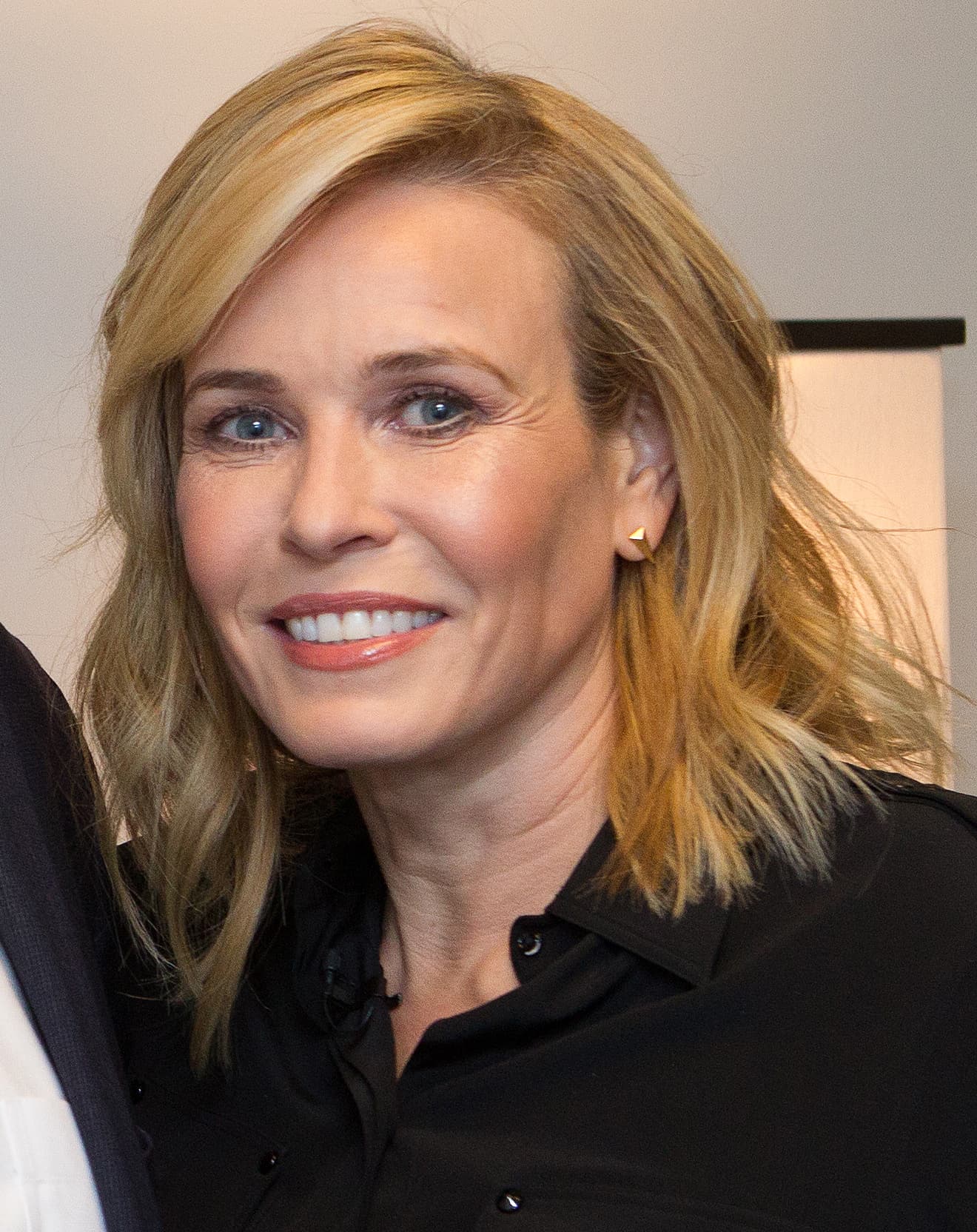
Key Takeaways
- Chelsea Handler confirmed Ozempic use on her podcast in early 2023 and again on Jimmy Kimmel Live
- She described her anti-aging doctor prescribing the medication without her fully understanding what it was; she stopped once she realized
- Her confirmation was among the earliest comedy-adjacent celebrity disclosures, predating the broader 2024 disclosure wave
- Her account is structurally a critique of casual off-label prescribing, not an endorsement
- She emphasized that she did not have diabetes or obesity and that the medication was not appropriate for her
Direct answer
Yes, Chelsea Handler has confirmed she used Ozempic. She made the disclosure on her "Dear Chelsea" podcast in early 2023 and again on Jimmy Kimmel Live. Her core point was not that the medication worked but that she had been prescribed it casually by her anti-aging doctor without fully understanding it was a weight-loss drug. She stopped using it after learning what it was. Her disclosure helped break the celebrity GLP-1 silence in 2023, shortly after Elon Musk's earlier 2022 confirmation.
Table of contents
- What Chelsea Handler actually said
- The "Dear Chelsea" podcast moment
- The Jimmy Kimmel Live appearance
- The "anti-aging doctor" prescribing pattern she described
- What her story reveals about off-label use
- Why she stopped and why she has not restarted
- The broader 2023 disclosure wave she contributed to
- The contrary view: was her account a commercial setup?
- Decision framework
- FAQ
- Sources
What Chelsea Handler actually said
Handler's account has been remarkably consistent across appearances. The core elements:
Check your GLP-1 eligibility
Use our free BMI Calculator to see if you may qualify for provider-reviewed GLP-1 therapy.
Try the BMI Calculator →- Her anti-aging doctor (she did not name the practitioner publicly) gave her Ozempic
- She did not initially understand it was a weight-loss drug
- She lost weight, had reduced appetite, and noticed she was not interested in eating
- She figured out what the medication was when she discussed it with friends or read about it
- She stopped using it once she understood it was off-label for her situation
The framing is darkly comedic in her telling. The humor is at the expense of the casualness of the prescribing, not at the expense of patients who need the medication. She has been clear throughout that the issue is appropriate use.
The "Dear Chelsea" podcast moment
The "Dear Chelsea" podcast disclosure came in early 2023, during a segment where she was responding to listener questions about her appearance. The exchange went something like:
A listener asked how she looked so thin. Handler responded that her anti-aging doctor had prescribed her Ozempic. She described the casualness: the doctor offering it without a substantive medical discussion, the prescription appearing without her having asked for a weight-loss medication. She said she had not initially known what it was. She described losing weight, feeling less hungry, and only realizing later what the medication actually was.
The disclosure was significant for three reasons:
- It was on her own platform, with no PR coordination
- It came before the major 2024 disclosure wave
- It explicitly framed casual prescribing as a problem rather than as a celebrity perk
The podcast moment was widely picked up by entertainment outlets and spread the story beyond her direct audience.
The Jimmy Kimmel Live appearance
Handler discussed Ozempic on Jimmy Kimmel Live, where the framing was more comedic and the audience was broader. She elaborated on the experience:
- She described the loss of appetite as disconcerting rather than welcome
- She joked that the medication seemed to be in everyone's house in Hollywood
- She emphasized that she did not need to lose weight and was not glad about the experience
- She reiterated that she had stopped
The Kimmel appearance reached audiences that did not listen to her podcast. The combination of the two disclosures (podcast plus late-night) ensured the story reached general public awareness.
The "anti-aging doctor" prescribing pattern she described
Handler's account highlighted a specific prescribing pattern that became increasingly visible through 2022-2024: concierge anti-aging and wellness practices prescribing Ozempic outside obesity-indication standards.
The pattern:
- A patient sees a wellness or anti-aging practitioner for general health optimization rather than for weight management
- The practitioner offers GLP-1 medication as part of a longevity or metabolic optimization package
- The patient does not necessarily meet FDA criteria (BMI 30+, or BMI 27+ with comorbidities)
- The prescription is filled through pharmacies that do not gatekeep based on indication
- The patient may not fully understand the medication category
This pattern is real and was contributing to the 2022-2023 semaglutide shortage that affected patients with FDA-indicated needs. Handler's account was an early high-profile illumination of the problem.
FDA approval for Ozempic is for type 2 diabetes only. Off-label prescribing for weight loss in non-obese patients is legal but is not considered appropriate practice by mainstream obesity-medicine guidelines. Wegovy is the obesity-indication formulation.
What her story reveals about off-label use
Handler's case illustrates broader issues in off-label GLP-1 prescribing:
Issue 1: Patient understanding.
Patients prescribed GLP-1 medication may not fully understand what they are receiving. The medication category is unfamiliar; the brand names are confusing (Ozempic vs Wegovy vs Mounjaro vs Zepbound); the indication-versus-off-label distinction is technical. A patient relying on their practitioner for context may not get adequate information.
Issue 2: Supply distortion.
When patients without obesity indications are prescribed Ozempic for cosmetic weight loss, the supply available for patients with FDA-indicated needs decreases. The 2022-2023 semaglutide shortage was driven significantly by surge demand from off-label use of the diabetes-indication formulation.
Issue 3: Liability and prescriber norms.
Off-label prescribing of Ozempic for cosmetic weight loss in non-obese patients is not prohibited but carries professional risk. The American Diabetes Association and obesity-medicine societies have urged prescribers to direct weight-loss-seeking patients to Wegovy or compounded options rather than diverting Ozempic supply.
Handler's account did not solve any of these issues, but it brought them to wider attention.
Why she stopped and why she has not restarted
Handler's stated reasoning for stopping:
- She did not have diabetes or obesity
- She did not need the weight loss
- The reduced appetite was disconcerting rather than desirable
- The casual prescribing pattern struck her as inappropriate once she understood the medication
She has not publicly indicated any return to GLP-1 medication. Her continued visibility in interviews and on her podcast has not produced statements suggesting she restarted. The pattern is consistent with someone who used the medication briefly and decided it was not for her.
The broader 2023 disclosure wave she contributed to
2023 was a transitional year for celebrity GLP-1 disclosure. The earlier landscape (2021-2022) was dominated by denials, with only Elon Musk's October 2022 tweet as a notable exception. By 2024, with Oprah Winfrey's ABC special, the dam had broken.
The 2023 transition included:
- Chelsea Handler on "Dear Chelsea" and Jimmy Kimmel Live
- Amy Schumer in podcast and interview discussions
- Sharon Osbourne in UK media
- Various comedians using GLP-1 as a punch line, normalizing public discussion
Handler's contribution was distinctive because she framed her use as a cautionary tale rather than as a positive endorsement. The comedy-adjacent disclosures of 2023 generally took a critical or self-deprecating angle, which was different from the more earnest disclosures of 2024 (Oprah's public-health framing, Whoopi Goldberg's matter-of-fact acknowledgement on The View).
The contrary view: was her account a commercial setup?
The strongest skeptical reading: celebrity disclosure on a personal podcast is also commercial content. Handler's podcast generates revenue from advertising and audience engagement. A surprising disclosure about her own medication use is exactly the kind of content that drives engagement.
Argument 1: Disclosure as content.
The "Dear Chelsea" disclosure was high-engagement content. The clip was widely shared. The podcast benefited from the attention. The framing as a casual reveal rather than a press-release announcement maximized the engagement effect.
Argument 2: The "I didn't know" framing is convenient.
Saying "I was prescribed it without knowing what it was" deflects judgment about whether the use was appropriate. It positions her as a victim of casual prescribing rather than as a participant in off-label cosmetic use. The framing might be true; it might also be strategic.
Argument 3: The story may have ongoing utility.
Handler has continued to discuss GLP-1 medications in subsequent appearances. The original disclosure provided her with ongoing commentary value on a culturally hot topic. The fact that she keeps returning to it does not invalidate the original story, but it does suggest the disclosure has been useful beyond a one-time confession.
The counter: even if the disclosure was strategically valuable, the substance of her account (casual prescribing, off-label use, surprise about the medication category) is consistent with how anti-aging clinics were actually operating in 2022-2023. The story does not require her to be inventing details. The skepticism applies to framing more than to facts.
Decision framework
If you encounter casual GLP-1 prescribing from a wellness provider:
- Ask explicitly what medication category is being prescribed
- Ask whether you meet FDA criteria for the medication
- Ask whether the medication is the FDA-approved formulation for your indication or an off-label prescription
- Ask about side effects, contraindications, and cost
If you are considering GLP-1 medication for cosmetic weight loss:
- FDA approval is for obesity (BMI 30+, or BMI 27+ with comorbidities), not cosmetic weight loss in non-obese patients
- Off-label use in non-obese patients lacks the clinical evidence base of indicated use
- The side effect profile applies regardless of indication
If you take Handler's story as informational:
- The casual prescribing pattern she described is real and persists in some wellness practices
- Stopping when the medication is not appropriate is reasonable
- The story is a useful reminder that "available because a doctor prescribed it" is not the same as "appropriate for you"
FAQ
Did Chelsea Handler confirm she used Ozempic?
Yes. Chelsea Handler confirmed Ozempic use on her own "Dear Chelsea" podcast in early 2023, and again in an appearance on Jimmy Kimmel Live. She described her anti-aging doctor giving her the medication "just in case," and said she did not realize at first that it was a weight-loss drug. She stopped taking it after learning what it was.
What exactly did Chelsea Handler say about Ozempic?
On her podcast, Handler said something to the effect of: "My anti-aging doctor just hands it out to anybody. I didn't even know I was on it." She described losing weight, not feeling hungry, and only later realizing the medication was Ozempic. She framed the experience as a cautionary tale about loose prescribing practices, not as a recommendation.
Why did Chelsea Handler stop taking Ozempic?
She stopped because she did not meet the medical criteria for the drug. In her own words, she did not have diabetes or obesity. She explained that once she understood what the medication actually was, she stopped using it. She has been clear that her case was not a model to follow.
Was Chelsea Handler prescribed Ozempic for diabetes?
No. She has stated that she does not have diabetes. Her account describes her anti-aging doctor prescribing the medication for weight-loss purposes off-label, which she did not initially understand was happening. Ozempic is FDA-approved only for type 2 diabetes; Wegovy is the obesity-approved formulation of the same molecule.
When did Chelsea Handler confirm her Ozempic use?
The first widely-cited confirmation was on her "Dear Chelsea" podcast in early 2023. She later discussed it again in detail on Jimmy Kimmel Live. The two appearances are the most-quoted sources, though she has referenced the experience in subsequent interviews.
What does her story reveal about Ozempic prescribing?
Her account highlights the problem of off-label and casual prescribing of Ozempic for cosmetic weight loss in patients who do not meet FDA criteria. The "anti-aging doctor" model she described is a real phenomenon: some concierge and wellness practices prescribe GLP-1 medications outside of obesity-indication standards, contributing to supply problems and patient confusion.
How much weight did Chelsea Handler lose on Ozempic?
She has not disclosed a specific figure. Her described use was short (she stopped after learning what the medication was), so the loss was modest. The point of her account is not the weight loss itself but the casualness of how she was prescribed it.
Is Chelsea Handler against Ozempic generally?
No. Her account is critical of casual prescribing for patients who do not need the medication. She has not opposed Ozempic for patients with diabetes or obesity. Her framing is about appropriate use, not opposition to the medication itself.
Should I be concerned about my own prescriber's practices?
If your prescriber has offered GLP-1 medication without thoroughly discussing your medical history, BMI, comorbidities, and side-effect profile, ask more questions. Reputable obesity-medicine practice involves clear documentation of indication and informed-consent discussions.
What is the difference between Ozempic and Wegovy in this context?
Both are semaglutide, the same molecule, made by Novo Nordisk. Ozempic is FDA-approved for type 2 diabetes at doses up to 2.0 mg weekly. Wegovy is FDA-approved for obesity (BMI 30+, or BMI 27+ with comorbidity) at doses up to 2.4 mg weekly. Off-label prescribing of Ozempic for weight loss diverts supply from diabetes patients; appropriate weight-loss prescribing should use Wegovy or compounded options.
Related guides
- Anti-aging Peptides Science Behind the Claims
- Was Catherine O'Hara on Ozempic? Aging, Visible Change, and Why the Question Is Off
- Ozempic Face Aging
Sources
- Wilding JPH et al. Once-Weekly Semaglutide in Adults with Overweight or Obesity. NEJM. 2021. (STEP 1)
- "Dear Chelsea" Podcast. Episode with Ozempic disclosure, early 2023.
- Jimmy Kimmel Live. Appearance by Chelsea Handler discussing Ozempic, 2023.
- FDA Drug Approvals Database. Ozempic and Wegovy prescribing information.
- FDA Drug Shortages Database. Semaglutide injection shortage timeline 2022-2023.
- American Diabetes Association. Statement on Off-Label Ozempic Use for Weight Loss. 2023.
- American Association of Clinical Endocrinologists. Clinical Practice Guidelines for Obesity Management. 2022.
- Garvey WT et al. Comprehensive Clinical Practice Guidelines for Medical Care of Patients with Obesity. Endocrine Practice. 2016.
- Davies MJ et al. Gastrointestinal Adverse Events with GLP-1 Receptor Agonists. Diabetes Care. 2023.
- Obesity Action Coalition. Public Perceptions of Weight-Loss Medications. 2024.
- Pearl RL et al. Weight Bias and Stigma: Public Health Implications. Obesity. 2023.
Footer disclaimers
Platform Disclaimer. FormBlends operates as a digital health platform connecting eligible patients with licensed providers and pharmacies. We require an evaluation by an independent licensed clinician before treatment is initiated and we do not prescribe or dispense medications directly.
Compounded Medication Notice. Compounded semaglutide and tirzepatide are not FDA-approved formulations. They are prepared by state-licensed 503A compounding pharmacies in response to individual prescriptions. They are not the same as brand-name Wegovy, Ozempic, or Zepbound and have not undergone the FDA new-drug approval pathway.
Results Disclaimer. Individual outcomes vary substantially. Chelsea Handler's described experience reflects her individual case (brief use, prompt discontinuation). Her experience is not predictive of outcomes for patients who use the medication for FDA-approved indications and remain on it for the durations studied in clinical trials.
Trademark Notice. Ozempic and Wegovy are registered trademarks of Novo Nordisk. Mounjaro and Zepbound are registered trademarks of Eli Lilly. "Dear Chelsea" is a registered trademark of its production company. Jimmy Kimmel Live is a registered trademark of ABC / Disney. FormBlends is not affiliated with, endorsed by, or sponsored by Chelsea Handler, Jimmy Kimmel, ABC, Novo Nordisk, Eli Lilly, or any other party referenced in this article.
See your options in about 2 minutes
Take the free quiz and see what fits you. Quick, private, and no commitment to continue.
See my options →