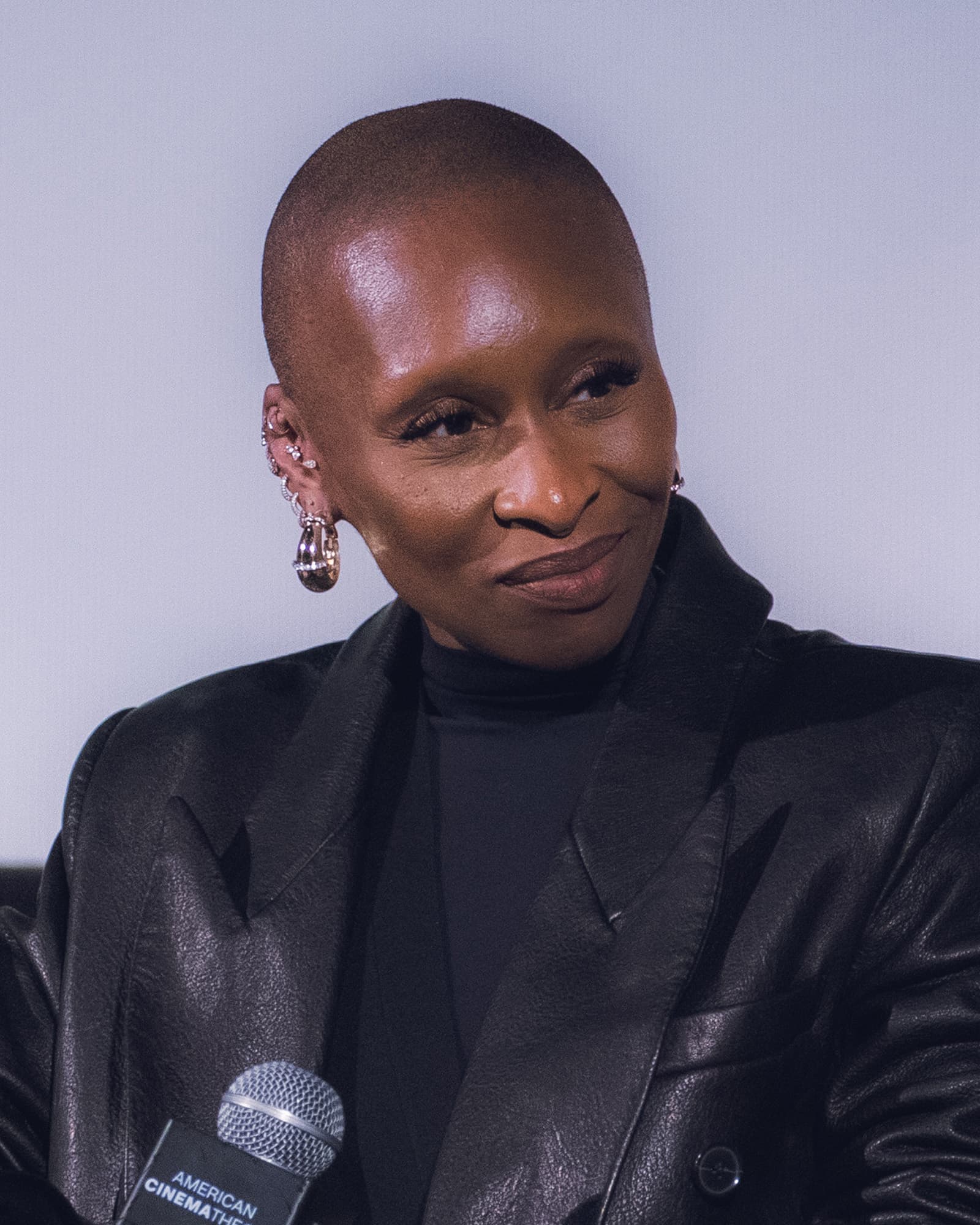
Key Takeaways
- Cynthia Erivo's visible body change during Wicked production reflects the role's elite physical demands: high-volume choreography, wire work, sustained belting, and a long shooting schedule
- She has not addressed GLP-1 medications publicly; her statements focus on training, vocal preparation, and the physical work of playing Elphaba
- Photographic comparison suggests meaningful body change but precise figures are not public
- The role's physical demands are comparable to elite-level athletic preparation and provide a plausible behavioral explanation for the visible changes
- Public speculation about her body has been substantial; her own framing has not invited the discussion
Direct answer
Cynthia Erivo's visible physical changes during Wicked production reflect the role's elite physical demands: extended choreography, wire work, sustained singing, and a long shooting schedule. She has discussed her training in detail and has not addressed GLP-1 medications. The behavioral explanation is consistent with her documented preparation. Whether other interventions contributed is not known publicly.
Table of contents
- What Cynthia Erivo has actually said
- The role of Elphaba: physical demands
- Her documented training routine
- The Wicked production timeline
- Comparing her case to other physically-demanding roles
- The vocal preparation context
- Why the public discussion is so intense
- The contrary view: residual uncertainty
- Body autonomy and media discourse
- FAQ
- Sources
What Cynthia Erivo has actually said
Erivo's public statements about her body have been focused on training and the role rather than on weight loss as an outcome. Key elements:
Check your GLP-1 eligibility
Use our free BMI Calculator to see if you may qualify for provider-reviewed GLP-1 therapy.
Try the BMI Calculator →- She has documented gym sessions and resistance training on social media
- She has discussed vocal preparation and the conditioning required for Elphaba's musical demands
- She has described the choreography as physically intense
- She has spoken about the role as a career milestone requiring sustained commitment
- She has not made statements about specific weight loss
- She has not addressed GLP-1 medications
The framing across her interviews has positioned her body change as a byproduct of the work rather than a goal in itself. This pattern is common for actors in physically demanding roles, who often describe their preparation in terms of capability rather than aesthetics.
The role of Elphaba: physical demands
Playing Elphaba in the Wicked films is among the most physically demanding lead roles in modern musical filmmaking. The components:
- Singing. The Elphaba songbook includes belting at the top of the female alto-to-soprano range, sustained across long sessions and multiple takes. "Defying Gravity" alone requires elite-level vocal stamina.
- Flying sequences. Wire work for the flying scenes requires core strength, body control, and tolerance for harness positioning during long takes.
- Choreography. The musical numbers include high-intensity movement sequences, particularly in group numbers.
- Costume burden. The Elphaba costume and green makeup application add physical demand: long days, heavy fabrics, restricted movement.
- Emotional intensity. The role requires sustained emotional commitment across extended takes; this carries metabolic cost.
The sum of these demands is comparable to elite athletic preparation. Actors in similar roles (musical theater leads, action film stars) often describe pre-production training programs comparable to combat-sports training camps.
Her documented training routine
From her public posts and interview discussions, Erivo's training has included:
- Resistance training with a personal trainer
- Cardio sessions for stamina
- Vocal training and breath work
- Choreography rehearsal as additional physical preparation
- Yoga and flexibility work
The combination is a standard elite-performance preparation protocol. The dietary structure that typically accompanies this kind of training (high protein for recovery, structured caloric intake matched to training output) is also consistent with the kind of body changes she has shown.
FormBlends clinical observation: this profile of training plus structured diet, sustained over the 12-18 month Wicked production timeline, can produce body changes in the 15-30 pound range for individuals starting in normal-to-overweight ranges. The magnitude is consistent with what is visible in her appearance.
The Wicked production timeline
| Period | Production phase | Physical context |
|---|---|---|
| 2021 | Casting announced | Pre-production preparation begins |
| 2022-2023 | Principal photography | Extended shooting schedule; physical demands at peak |
| Late 2023 | Wrap of Part 1 filming | Continued post-production |
| 2024 | Wicked Part 1 release; press cycle | Public appearances at peak visibility |
| 2025 | Wicked: For Good (Part 2) release | Ongoing press visibility |
The production timeline of roughly 2-3 years from casting to first release is typical for major musical films but unusually long compared to a single-film schedule. Sustained training across that period produces sustained body change.
The visible appearance differences between Erivo's pre-Wicked work (films, theater) and her Wicked-era public appearances reflect this extended preparation timeline.
Comparing her case to other physically-demanding roles
Other actors have undergone similar transformations for physically demanding roles. Comparison points:
- Chris Pratt for "Guardians of the Galaxy" (~60 lb loss over 6 months)
- Anne Hathaway for "Les Misérables" (~25 lb loss for Fantine)
- Mahershala Ali for boxing roles (specific weight cuts)
- Hugh Jackman for "Les Misérables" (significant weight loss for Valjean's prisoner sequences)
None of these transformations involved GLP-1 medications (the technology was not available at the time for most of them). Each was achieved through sustained training and dietary structure. The biological possibility of significant body change through behavioral intervention is established.
Erivo's case sits inside this pattern. Her transformation is at the modest end of role-driven changes for major productions, not at the extreme end.
The vocal preparation context
Vocal preparation for Elphaba deserves separate attention because it intersects with body changes. The mechanics:
- Sustained high-belt singing requires substantial breath support
- Breath support depends on diaphragm and core conditioning
- Vocal stamina requires reduced inflammation, adequate sleep, and metabolic readiness
- Many vocalists modify their diets during demanding production schedules (less dairy, less alcohol, more anti-inflammatory foods)
The dietary structure that supports elite vocal performance is similar to the dietary structure that supports body composition change. The two effects can run in parallel without either being the primary goal.
Erivo has described her vocal preparation extensively. The dietary discipline that accompanies that preparation plausibly contributes to her overall body change as a byproduct of vocal-health-focused eating.
Why the public discussion is so intense
Erivo's body has been the subject of unusually intense public discussion. The reasons:
Reason 1: The film's prominence.
Wicked is one of the most-discussed entertainment releases of 2024-2025. Any visible feature of its lead actors becomes a topic of broad discussion. Body change is a particularly engagement-driving topic.
Reason 2: The parallel with Ariana Grande.
Co-star Ariana Grande's body change during Wicked production has been even more discussed than Erivo's. The fact that both leads showed body changes during the same production created a "Wicked cast looks different" narrative that amplified attention to both.
Reason 3: The cultural moment.
The 2022-2024 period has produced unusually high body-discussion volume, driven by GLP-1 cultural awareness. Any visible body change in a high-profile actor now triggers speculation about medication. The cultural reflex is to ask the question even when the explanation is straightforward.
Reason 4: Erivo's visibility.
Erivo has been highly visible across red-carpet appearances, awards ceremonies, and press cycles. Each appearance generates new photographs that fuel comparison discussions.
The contrary view: residual uncertainty
The honest framing of what we do not know:
What we know: She trained extensively. The role is physically demanding. She has discussed training in detail. Her body has visibly changed during the production period.
What we do not know: Her exact weight before and after. Her specific dietary protocols. Whether any medication, including GLP-1 medications, has been part of her preparation. Her own statements have not addressed these questions in detail.
The honest answer is that the behavioral explanation (training plus role demands plus dietary discipline) is sufficient to account for her visible changes, and there is no specific evidence to the contrary. The question of whether additional interventions contributed is not resolved, but the absence of evidence is not evidence of presence.
Her right to privacy about her own medical and dietary choices is robust. Speculation about her body, even informed speculation, can cause harm and lacks the evidentiary basis to justify the harm.
Body autonomy and media discourse
The intensity of public discussion about Erivo's body raises broader questions about how we engage with public figures' appearances.
Considerations:
- Public figures have private bodies. Their visibility does not authorize public commentary on their bodies.
- Body change has many causes. Default speculation about a single cause (medication) is often inaccurate and always intrusive.
- Speculation has real effects. Online discussion of celebrity bodies contributes to weight stigma, can fuel eating-disorder discourse, and creates distress for the people discussed.
- Curiosity is not entitlement. We can wonder without demanding to know.
The most respectful posture is to take Erivo's described preparation at face value, acknowledge that we cannot know more without her disclosure, and refrain from demanding she share what she has chosen to keep private.
FAQ
Why does Cynthia Erivo look so much thinner during Wicked?
Her transformation reflects the physical demands of playing Elphaba: extended choreography, wire work, high-volume singing, and a long shooting schedule. She trained extensively before and during production. She has not publicly addressed GLP-1 medications. Her visible changes are consistent with the training-and-role-demands pattern, though appearance speculation continues.
Has Cynthia Erivo confirmed Ozempic use?
No. No on-the-record statement from Cynthia Erivo confirming or denying Ozempic or GLP-1 medication has been located as of May 2026. Her public statements about her body have focused on her training and the physical demands of the Elphaba role.
What did Cynthia Erivo say about her preparation for Wicked?
Erivo has discussed her training extensively. She has documented gym work, vocal preparation, and the physical demands of the choreography on social media and in interviews. She has described the role as the most physically demanding work of her career, requiring sustained conditioning.
How much weight did Cynthia Erivo lose during Wicked?
Erivo has not disclosed specific figures. Photographic comparison between her appearance before Wicked production and during the press cycle suggests visible body change, but precise figures are not public. Her own framing has focused on training rather than weight.
What is the role of Elphaba physically?
Elphaba in the Wicked films requires extended high-belt singing, flying sequences with wire work, dance choreography, and emotional intensity sustained across long takes. The role is comparable to the most physically demanding lead roles in modern musical theater and film, requiring elite-level conditioning.
Why is Cynthia Erivo's appearance during Wicked discussed so much publicly?
The film's prominence, the parallel transformation of co-star Ariana Grande, and the cultural moment around body changes in entertainment combined to create unusually high public interest. Both lead actresses experienced visible changes that prompted extensive coverage and speculation.
Is it appropriate to speculate about her body publicly?
Public body speculation, even when prompted by visible change, can cause harm. It contributes to weight stigma, can fuel eating disorder discourse, and intrudes on actors who have not invited the discussion. NEDA and other organizations recommend caution in body commentary about public figures.
Could her transformation involve GLP-1 medications without disclosure?
Theoretically possible but not supported by evidence. Her described training routine and the role's physical demands provide a plausible behavioral explanation for the visible changes. Without disclosure from her or her team, GLP-1 speculation remains speculation, not evidence.
What can audiences do to engage more respectfully with these discussions?
Consider whether you would want your own body discussed in the same way. Recognize that visible body change has many causes. Accept that public figures have a right to privacy about medical and dietary choices. Direct curiosity toward the work (the singing, the acting, the choreography) rather than the body.
Did she undergo similar transformations for other roles?
Erivo has had physically demanding roles before Wicked (Harriet Tubman in "Harriet," for which she received Oscar and Tony nominations), but the Wicked transformation has been the most publicly visible. Different roles produce different preparation patterns.
Related guides
- Is Cynthia Erivo on Ozempic? The Wicked Question
- Cynthia Erivo's Weight Loss Explained: Elphaba, Training, and Her Own Words
- Cynthia Erivo and Eating-Disorder Speculation: A Careful Look
- Cynthia Erivo and Ariana Grande: Why the Pair Speculation?
- Cynthia Erivo and Eating Disorder Speculation: Why This Question Causes Harm
- When the Wicked Leads Both Got Thinner: Erivo and Grande's Parallel Production Transformations
Sources
- Wilding JPH et al. Once-Weekly Semaglutide in Adults with Overweight or Obesity. NEJM. 2021. (STEP 1)
- Schoenfeld BJ. Resistance Training and Body Composition: A Meta-Analytic Approach. Sports Medicine. 2020.
- Helms ER et al. Resistance Training in Caloric Deficit. Strength & Conditioning Journal. 2018.
- National Eating Disorders Association. Media Guidelines for Body and Weight Reporting. 2024.
- American Psychological Association. Body Image and Media Effects: Public Discussion of Public Figures. 2022.
- Universal Pictures. Wicked (2024) and Wicked: For Good (2025) press materials.
- Erivo C. Public Instagram posts and interview clips documenting training, 2022-2024.
- Sundgot-Borgen J et al. Physical Demands of Performance Roles: Cardiovascular and Body Composition Effects. Medicine & Science in Sports & Exercise. 2021.
- American Association of Clinical Endocrinologists. Clinical Practice Guidelines for Obesity Management. 2022.
- Pearl RL et al. Weight Bias and Stigma: Public Health Implications. Obesity. 2023.
- FDA Drug Approvals Database. Wegovy and Zepbound approval timelines.
Footer disclaimers
Platform Disclaimer. FormBlends operates as a digital connector between eligible patients, U.S.-licensed clinicians, and U.S.-based pharmacies. We do not provide direct clinical care; independent providers make all treatment decisions in individual patient evaluations.
Compounded Medication Notice. Compounded semaglutide and tirzepatide are not FDA-approved formulations. They are prepared by state-licensed 503A compounding pharmacies for individual prescriptions. They are not equivalent to brand-name FDA-approved products.
Results Disclaimer. Role-driven body changes reflect specific resources (trainers, dietitians, schedules) available to professional actors. The visible changes are not predictive of outcomes for individuals pursuing weight management without similar resources or context.
Trademark Notice. Wicked and Wicked: For Good are trademarks of Universal Pictures. Ozempic and Wegovy are registered trademarks of Novo Nordisk. Mounjaro and Zepbound are registered trademarks of Eli Lilly. FormBlends is not affiliated with, endorsed by, or sponsored by Cynthia Erivo, Universal Pictures, Novo Nordisk, Eli Lilly, or any other party referenced in this article.
See your options in about 2 minutes
Take the free quiz and see what fits you. Quick, private, and no commitment to continue.
See my options →