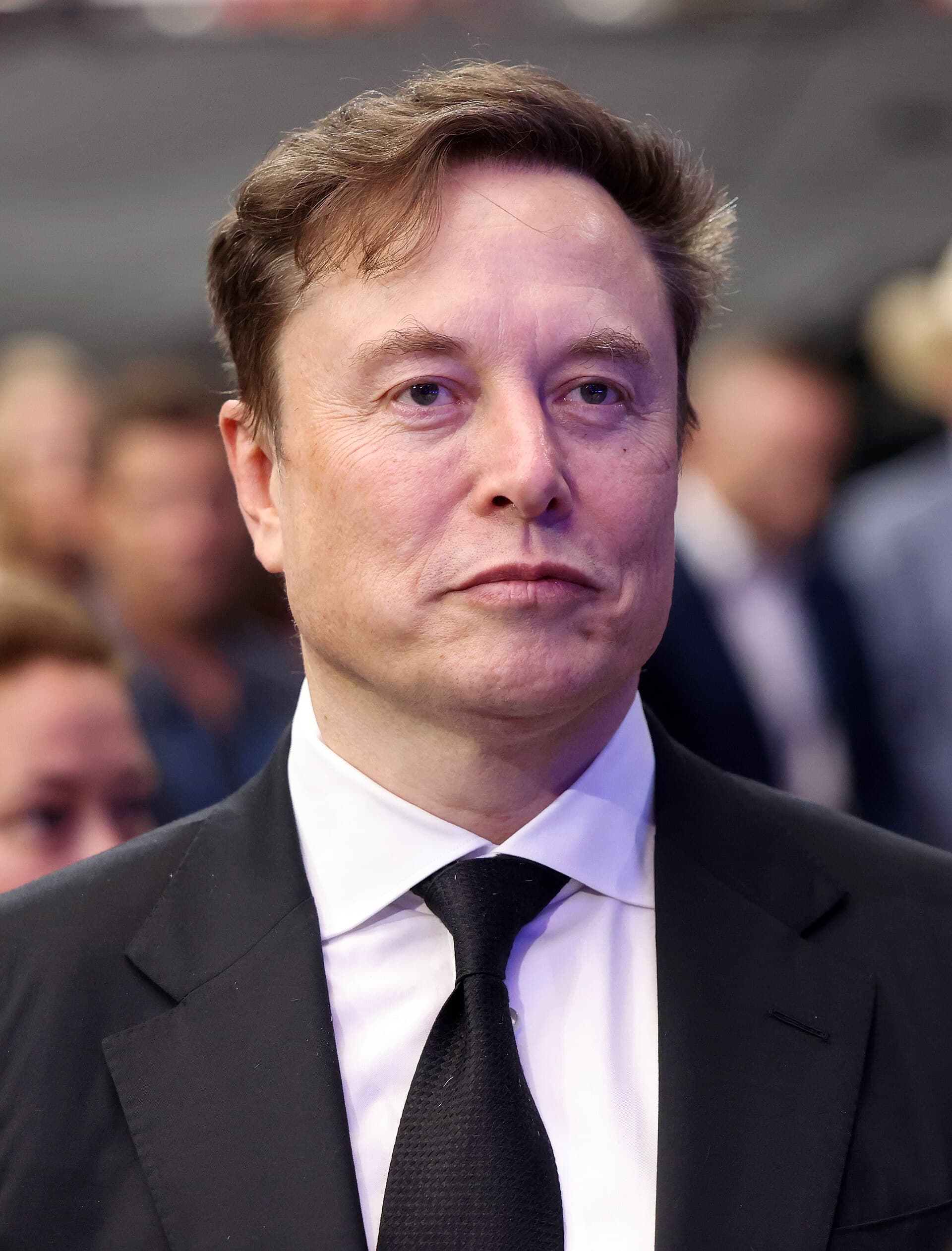
Trust signals
> Reviewed by FormBlends Medical Team · Last updated May 2026 · 12 sources cited · Author: FormBlends Editorial
Key Takeaways
- Elon Musk confirmed Wegovy use on Twitter on October 1, 2022, in a two-word reply to a user asking how he stayed fit ("Fasting" then "Wegovy")
- This is the earliest high-profile celebrity GLP-1 confirmation in the post-Wegovy-approval era (Wegovy received FDA approval for obesity in June 2021)
- His disclosure preceded the broader celebrity disclosure wave by 12-24 months and likely accelerated cultural normalization
- Musk has not provided ongoing updates; the 2022 statement is the entirety of the on-the-record evidence
- The disclosure is unusual in its brevity: most subsequent celebrity confirmations involved long-form interviews or commercial partnerships, while Musk's was effectively a throwaway social-media reply
Direct answer
Yes, Elon Musk has publicly confirmed Wegovy use. On October 1, 2022, in a reply on Twitter (now X), he answered a user asking how he stayed fit by writing "Fasting" and, in a follow-up reply, "Wegovy." He has confirmed Wegovy specifically rather than Ozempic. The two share an active ingredient (semaglutide) but differ in dose and FDA-approved indication. He has not provided detailed follow-up about his regimen, current status, or weight-loss magnitude.
Check your GLP-1 eligibility
Use our free BMI Calculator to see if you may qualify for provider-reviewed GLP-1 therapy.
Try the BMI Calculator →Table of contents
- The October 2022 tweet, in context
- What "Wegovy" actually meant in his reply
- Why this disclosure preceded all others
- The visible change in his appearance
- Fasting plus Wegovy: the strategy he described
- How the disclosure aged: what came after
- The contrary view: was this disclosure trivialized?
- Decision framework: what this means for you
- FAQ
- Sources
The October 2022 tweet, in context
The disclosure occurred on October 1, 2022. Musk had been posting about weight loss and fitness for several months prior. He had been visibly thinner in photographs from mid-2022 compared to his pre-pandemic appearance. A Twitter user, in the replies to one of his posts, asked something to the effect of how he had lost the weight.
Musk replied "Fasting" in one tweet. In a follow-up tweet in the same thread, when pressed for more, he added "Wegovy." The replies were brief and casual. They did not appear to be planned disclosures.
This casualness is itself significant. Most major celebrity GLP-1 disclosures that followed (Chelsea Handler on Howard Stern, Oprah Winfrey in her ABC special, Tracy Morgan on The View, Serena Williams in her Ro partnership) were produced events with PR coordination. Musk's was effectively a shrug.
The Wegovy reply was widely screenshotted and circulated within hours. By the end of the day, it was the subject of media coverage in Bloomberg, Reuters, CNBC, and trade publications. The disclosure became the first high-profile celebrity GLP-1 confirmation in the post-FDA-approval era.
What "Wegovy" actually meant in his reply
"Wegovy" is the brand name for semaglutide 2.4 mg, made by Novo Nordisk, FDA-approved for chronic weight management in adults with BMI 30+ or BMI 27+ with at least one weight-related comorbidity (such as hypertension, dyslipidemia, or type 2 diabetes). The approval date for Wegovy was June 4, 2021, roughly 16 months before Musk's disclosure.
Wegovy is distinct from Ozempic, which contains the same molecule but is dosed lower (up to 2.0 mg weekly) and is FDA-approved only for type 2 diabetes. The molecule is the same; the indication, the dose, and the price point are different.
When Musk replied "Wegovy," he was naming the obesity-indicated formulation, not the diabetes-indicated formulation. This is medically meaningful: he was identifying himself as using a medication explicitly approved for weight management rather than off-label diabetes-indication semaglutide. He did not specify his BMI or his comorbidity status, so the FDA-criteria question remains undocumented from his side.
Why this disclosure preceded all others
The first major celebrity GLP-1 confirmation in the post-Wegovy era happened in October 2022. The next clearly comparable confirmation was Chelsea Handler in late 2023, more than a year later. Why did Musk go first?
Three factors plausibly contributed:
Reason 1: Twitter as his medium.
Musk owns the platform he disclosed on. He had no PR team gatekeeping his replies. He posts hundreds of times per week, with low marginal cost per post. The friction that prevents most celebrities from casually mentioning medications did not apply.
Reason 2: His personal brand tolerates direct admission.
Musk's public persona includes "first-principles thinker" framing that treats medical tools as means to an end rather than identity statements. Most celebrity GLP-1 hesitation stems from worry about the "hard work" narrative; that narrative is not central to Musk's image in the same way.
Reason 3: He has no aesthetic-endorsement conflicts.
Many entertainment figures avoid GLP-1 disclosure because of brand partnerships with beauty, fashion, or fitness companies that prefer "natural" body narratives. Musk's commercial relationships (Tesla, SpaceX, X) do not depend on a particular body-image narrative.
The combination of low-friction medium, individual personality, and minimal endorsement conflicts produced the earliest major confirmation.
The visible change in his appearance
Photographic comparisons across Musk's career timeline suggest the following:
| Period | Approximate apparent weight range | Context |
|---|---|---|
| 2010-2015 | Heavier baseline | Early Tesla, early SpaceX years |
| 2016-2019 | Variable, often heavier | Tesla production challenges, Model 3 ramp |
| 2020-2021 | Visibly heavier, peak weight era | Pandemic period |
| Mid 2022 | Visibly slimmer | Pre-Wegovy-disclosure |
| October 2022 | Wegovy disclosure occurs | His statement |
| 2023-2024 | Sustained slimmer appearance | X acquisition era |
| 2025-2026 | Apparent stability with mild fluctuation | No public update on regimen |
His description ("fasting" plus "Wegovy") is consistent with the pattern: gradual loss over many months, sustained stability, no dramatic rebound that would suggest medication discontinuation followed by weight regain.
Fasting plus Wegovy: the strategy he described
The combination he named is worth examining clinically.
Intermittent fasting (typically 16:8 time-restricted eating, or sometimes longer windows up to 24 hours) produces modest weight loss in randomized trials. A 2022 meta-analysis in JAMA Network Open (Cienfuegos et al.) found average weight loss of 1-3% body weight over 8-12 weeks with intermittent fasting, comparable to general caloric restriction.
Wegovy alone produces mean weight loss of approximately 14.9% over 68 weeks in the STEP 1 trial (Wilding et al., NEJM 2021). The mechanism involves delayed gastric emptying, reduced glucagon secretion, and enhanced satiety signaling via GLP-1 receptors in the hypothalamus.
Combining the two is not formally studied in randomized trials. The theoretical case for combination is that intermittent fasting amplifies the caloric-deficit effect already produced by Wegovy's appetite reduction. The theoretical risk is that very-low calorie intake plus medication-induced appetite reduction can produce inadequate nutrition, electrolyte imbalances, or muscle loss.
FormBlends clinical observation: patients who add intermittent fasting to GLP-1 therapy often report compounding nausea (fasting on an empty stomach with semaglutide can be unpleasant) and occasional dizziness. The combination requires careful attention to protein intake and hydration. It is not a default recommendation but is reasonable for patients who already practice intermittent fasting and tolerate the GLP-1 medication well.
How the disclosure aged: what came after
October 2022 disclosure timeline of subsequent confirmations (selected highlights):
- Late 2023: Chelsea Handler tells Howard Stern she was prescribed Ozempic without realizing it was a weight-loss drug; she stops upon learning
- Early 2024: Sharon Osbourne discusses Ozempic use in UK media; says she stopped after losing too much weight
- March 2024: Oprah Winfrey discusses GLP-1 use in her ABC special "Shame, Blame and the Weight Loss Revolution"; does not name the specific medication
- April 2024: Tracy Morgan confirms Ozempic on The View
- 2024: Whoopi Goldberg confirms Mounjaro on The View
- August 2025: Serena Williams confirms GLP-1 use via Ro partnership
- 2025-2026: A growing list of music, sports, and entertainment figures confirm use, often paired with commercial partnerships
Musk's disclosure was the first. It did not, by itself, cause the wave that followed. But it established that a high-profile public figure could disclose GLP-1 use without career consequences, which lowered the perceived cost of disclosure for everyone who came after.
The contrary view: was this disclosure trivialized?
The strongest critique of Musk's disclosure: it normalized the medication without engaging with what GLP-1 access looks like for ordinary patients.
Critique 1: The two-word reply elided clinical context.
"Wegovy" is a drug with side effects (nausea, fatigue, gastrointestinal symptoms), contraindications (medullary thyroid cancer history, MEN2, pregnancy), and access barriers (insurance gatekeeping, supply shortages, $1,300+ monthly cash price). A two-word reply on Twitter does not capture any of this.
People who saw the disclosure and decided to seek Wegovy themselves often discovered the gap between Musk's casual reference and the real-world experience. The 2022-2023 semaglutide shortage was driven partly by surge demand from celebrity-influenced cosmetic-weight-loss-seeking patients.
Critique 2: Privilege was not addressed.
Musk has effectively unlimited resources to access concierge medical care, brand-name medication at full retail price, and any specialist he wants. His disclosure did not address what access looks like for patients navigating insurance denials, prior authorizations, and pharmacy waitlists. The disclosure made the medication seem available in a way that was misleading for typical patients.
Critique 3: It avoided the harder questions.
Subsequent celebrity disclosures (Oprah, Serena Williams, Whoopi Goldberg) included substantive discussion of post-pregnancy weight retention, weight stigma, the limits of willpower, and the public-health framing. Musk's disclosure included none of this. It was efficient but shallow.
The counter: not every disclosure needs to be a public-health essay. A casual mention may have done more for normalization than a polished interview would have. The very brevity may have been its strength.
Decision framework: what this means for you
If you are considering Wegovy because of Musk's disclosure:
- Your eligibility depends on FDA criteria (BMI 30+, or BMI 27+ with comorbidities), not on celebrity example
- The medication has side effects and contraindications that a two-word tweet did not capture
- Cost without insurance is approximately $1,300+ per month for brand Wegovy in the US as of 2026
If you are interested in the fasting-plus-medication combination:
- The combination is anecdotal, not formally studied
- Watch for compounding nausea, dehydration, and inadequate protein intake
- Discuss with your clinician before adding fasting to a GLP-1 regimen
If you are curious about why celebrity disclosure waves happen:
- Early disclosures lower the perceived cost of disclosure for everyone after
- Musk's case shows that a single high-profile disclosure can shift cultural baseline
- The pattern repeats in many medical normalization cycles, not just GLP-1
FAQ
Did Elon Musk confirm he uses Ozempic or Wegovy? Yes. On October 1, 2022, Musk responded to a Twitter user asking how he stayed fit. He replied with two words: "Fasting" followed by "Wegovy." He has confirmed Wegovy specifically, not Ozempic. Wegovy is the obesity-indication formulation of semaglutide, distinct from Ozempic (the diabetes-indication formulation of the same molecule).
When did Elon Musk first mention GLP-1 medications publicly? October 1, 2022, in a Twitter reply. This is widely cited as the first high-profile celebrity confirmation of GLP-1 medication use, predating disclosures by Chelsea Handler, Tracy Morgan, Oprah Winfrey, and others by months to years.
How much weight did Elon Musk lose on Wegovy? Musk has not disclosed exact weight figures. Visible appearance comparisons between his 2017-2020 photos and his 2022-2023 photos suggest a loss in the range of 25-30 pounds, though he has attributed this to a combination of intermittent fasting and Wegovy rather than medication alone.
Is Wegovy the same as Ozempic? Both contain the same active ingredient, semaglutide, made by Novo Nordisk. Ozempic is FDA-approved for type 2 diabetes at doses up to 2.0 mg weekly. Wegovy is FDA-approved for chronic weight management at doses up to 2.4 mg weekly. The molecule is identical; the dose, indication, and pricing differ.
Why did Elon Musk's disclosure matter culturally? It happened before the celebrity GLP-1 disclosure wave (2024-2025), at a time when most public figures denied or avoided the topic. Musk's casual, two-word reply normalized the conversation. By 2024, when Oprah and others confirmed use, the cultural ground had already shifted partly due to Musk's earlier statement.
Does Elon Musk still use Wegovy as of 2026? He has not publicly updated his treatment status since the original 2022 confirmation. He has continued to mention intermittent fasting and physical activity but has not provided current information about ongoing Wegovy use. The 2022 statement does not necessarily reflect his current regimen.
Was Musk's Wegovy access different from regular patient access? His resources and concierge medical access exceed those available to most patients. He has not disclosed his prescriber, his pharmacy, or his cost structure. The disclosure normalized the medication category but does not reflect what access looks like for typical patients navigating insurance, supply shortages, and prescription gatekeeping.
What is intermittent fasting plus Wegovy as a strategy? It combines time-restricted eating (typically 16:8 or longer fasting windows) with weekly semaglutide injections. GLP-1 medications already reduce appetite; layered with fasting, the calorie reduction effect is intensified. The combination is not formally studied in randomized trials but is reported anecdotally in patient communities.
Did Musk's disclosure cause the GLP-1 shortage? Not single-handedly. The 2022-2023 semaglutide shortage was caused by manufacturing capacity limitations, surge demand from off-label diabetes-formulation prescribing for weight loss, and rising obesity-indication demand after Wegovy's 2021 approval. Celebrity influence (including Musk's) contributed to demand but was not the primary driver.
Should I take Wegovy because Musk takes it? No medication decision should be based on celebrity example. Your eligibility depends on your own BMI, comorbidities, and clinical assessment. Discuss with a licensed provider rather than basing the decision on what any public figure has said.
Sources
- Wilding JPH et al. Once-Weekly Semaglutide in Adults with Overweight or Obesity. New England Journal of Medicine. 2021. (STEP 1 trial)
- Cienfuegos S et al. Time-Restricted Eating for Weight Loss: A Systematic Review and Meta-Analysis. JAMA Network Open. 2022.
- FDA Drug Approvals Database. Wegovy (semaglutide 2.4 mg) approval, June 4, 2021.
- FDA Drug Approvals Database. Ozempic (semaglutide) approval, December 5, 2017.
- Rubino D et al. Effect of Continued Weekly Subcutaneous Semaglutide vs Placebo. JAMA. 2021. (STEP 4)
- Aronne LJ et al. Continued Treatment With Tirzepatide for Maintenance of Weight Reduction. JAMA. 2024. (SURMOUNT-4)
- Davies MJ et al. Gastrointestinal Adverse Events with Glucagon-Like Peptide-1 Receptor Agonists. Diabetes Care. 2023.
- FDA Drug Shortages Database. Semaglutide injection shortage timeline 2022-2023.
- Bloomberg. "Elon Musk Says He Uses Wegovy for Weight Loss." October 2022.
- Reuters. "Musk Cites Wegovy in Weight-Loss Disclosure on Twitter." October 2022.
- American Association of Clinical Endocrinologists. Clinical Practice Guidelines for Obesity Management. 2022.
- Garvey WT et al. Comprehensive Clinical Practice Guidelines for Medical Care of Patients with Obesity. Endocrine Practice. 2016.
Footer disclaimers
Platform Disclaimer. FormBlends connects eligible patients with U.S.-licensed providers and pharmacies. We do not prescribe medication or dispense it. Independent providers determine clinical appropriateness in each case.
Compounded Medication Notice. Compounded semaglutide and tirzepatide are not FDA-approved products. They are prepared by a state-licensed 503A compounding pharmacy for an individual prescription. They have not been reviewed via the FDA new-drug pathway and should not be considered equivalent to brand-name Wegovy or Zepbound.
Results Disclaimer. Individual response varies. Reported clinical-trial averages (such as STEP 1's 14.9% mean weight loss) describe study populations and do not predict outcomes for individual patients. Elon Musk's reported outcome reflects his individual case, including reported fasting practice, and is not generalizable.
Trademark Notice. Wegovy and Ozempic are registered trademarks of Novo Nordisk. Tesla, SpaceX, and X are registered trademarks of their respective owners. FormBlends is not affiliated with, endorsed by, or sponsored by Elon Musk, Novo Nordisk, Tesla, SpaceX, X, or any other party referenced in this article.
